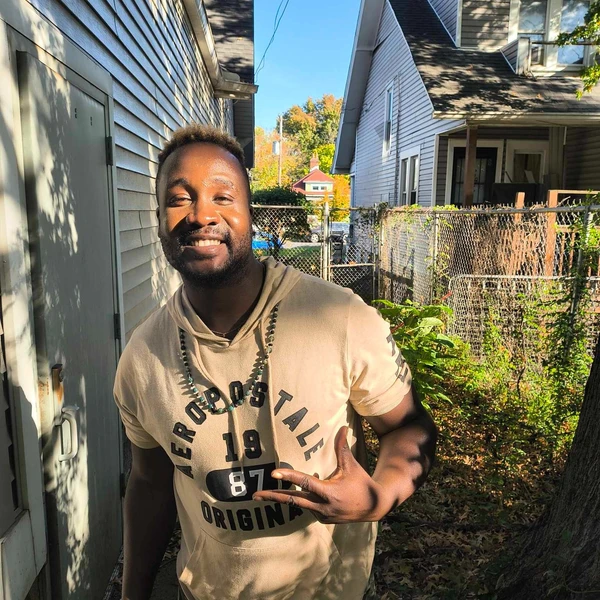
Rising from the Ashes: My Journey Through Addiction and Toward Purpose
I was seven years old when I entered the foster care system. My mother was addicted to crack cocaine, and my father was a shadow I never met. I bounced from home to home, each new placement a gamble—some caring, others cold, all temporary. I learned early how to survive without love, but not without consequence. I carried trauma like an invisible weight on my chest, and as I got older, I searched for relief in the only way I knew how—through escape.
By fifteen, I had tried alcohol. By seventeen, I was smoking weed daily. And by nineteen, I was deep into opioids—Percocets at first, then whatever I could get my hands on. My addiction didn’t start with a desire to get high; it started with a desire to feel nothing. The pain of abandonment, the chaos of constant displacement, and the emptiness of growing up without stability had hollowed me out. Drugs filled that void, or so I thought.
What it was like? It was hell in slow motion. I lied to friends, stole from people who cared about me, and woke up in strangers' homes not knowing how I got there. I lost jobs, lost weight, lost myself. At one point, I overdosed in a gas station bathroom. I remember waking up to the paramedic's voice and thinking, This is it. This is how I become another statistic.
But something changed that day. It wasn’t just the near-death experience—it was the look on the face of the woman who found me. She didn’t know me, but she cried. That moment broke something open in me. For the first time, I saw myself through the eyes of a stranger who still saw value in my life. It made me believe maybe I was worth saving.
The road to sobriety wasn’t linear. I went through rehab twice. I relapsed once. But each setback became a lesson. Through therapy, I confronted my childhood trauma. Through support groups, I found a community. Through journaling and self-reflection, I found my voice. I’ve been clean for three years now, and every single day of sobriety is a victory.
My life today is unrecognizable from what it was. I work part-time at a youth center for at-risk teens, many of whom remind me of a younger version of myself. I’m also pursuing a degree in social work, with the goal of becoming a licensed counselor specializing in addiction recovery and trauma-informed care. I want to be the kind of support system I never had—a mentor who listens, a counselor who understands the cultural and systemic struggles that often fuel addiction in Black communities.
Education is my way forward, but also my way back—to give back to those still caught in the cycle. I want to dismantle the stigma around addiction and mental health in underserved communities. I want to advocate for more inclusive, accessible rehabilitation programs that treat not just the addiction, but the soul wounds beneath it. I believe my lived experience, combined with professional training, can bring a rare and necessary perspective to the field.
I am not defined by my addiction, but I am shaped by my recovery. Every scar tells a story, and I now wear mine with pride. Sobriety gave me a second chance; education is giving me a purpose. I’m no longer just surviving—I’m building, dreaming, and reaching back to pull others through the fire. Because if my life can change, so can theirs. And I intend to make sure they know it.