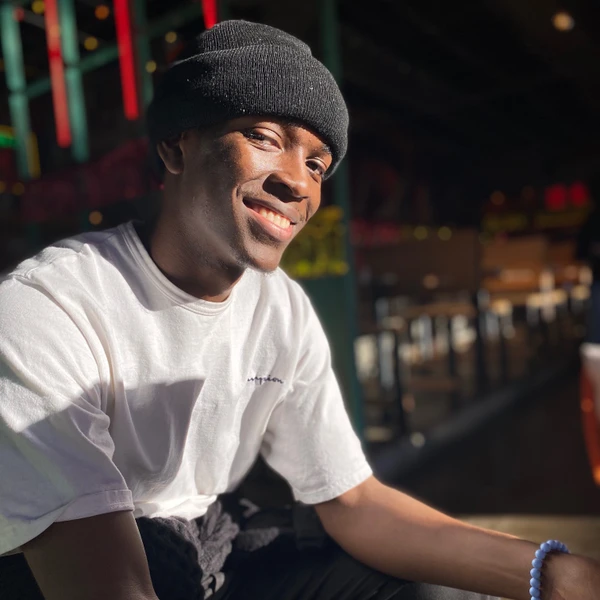
Education has always been a major part of my life—not only as a student but also as someone who one day hopes to teach, mentor, and support others in their learning journey. If I could change anything in education, it would be how we recognize, support, and engage neurodiverse students and kinesthetic learners. Too often, the traditional classroom is built around a one-size-fits-all model that works best for auditory or visual learners, but neglects those of us who process the world differently. I speak from experience—not just as a kinesiology major passionate about the power of movement and physical learning, but also as someone with autism.
Growing up, school didn’t always feel like a place where I could thrive. While I could understand the content, the delivery didn’t always match the way I learned best. I needed hands-on experiences, movement, structure, and clear communication. I often felt like I had to work twice as hard just to keep up in a system that wasn’t built for me. Over time, I learned to advocate for myself. I leaned into my strengths—discipline, focus, empathy, and creativity—and began finding ways to make education work for me. I discovered the power of poetry as a form of self-expression, basketball as a way to stay physically engaged and develop leadership skills, and filmmaking as a means of storytelling and communication. These hobbies helped me stay grounded and helped me see that everyone learns in different ways—they just need the right environment and support.
If education were more inclusive of diverse learning styles, especially kinesthetic learners like myself, I believe more students would thrive. In my vision for a better educational system, movement-based learning would be embedded into everyday lessons, not just physical education. Students would have opportunities to walk, stretch, or move around while learning core subjects, and this would be seen not as a distraction, but as an asset to their learning. Educators would be trained to understand how autism and other forms of neurodiversity affect learning—and not from a deficit perspective, but from a strengths-based one.
My goal is to become both a physical trainer and a chiropractor. These professions go beyond the classroom, but they are rooted in education. Every time I help someone understand how their body works or how to prevent injury, I am teaching. Every time I connect with a client who may feel discouraged or disconnected from their body, I have a chance to make a difference. And I know from my own experience that many people just need to be taught in a way that fits their unique style—whether that’s through demonstration, hands-on experience, or creative expression.
If I could design a school or program, it would have flexible seating, standing desks, and space for movement. Lessons would be designed around physical examples and community-based projects. Students would be encouraged to express themselves through art, writing, film, and physical activity—not just through tests and worksheets. Most importantly, teachers would be trained not just in content knowledge but in understanding how to connect with and support students who learn differently. No student should have to feel broken because the system doesn’t fit them.
Being someone with autism has never held me back—it’s simply given me a different lens through which to see the world. That lens helps me connect more deeply with people who feel like outsiders or who haven’t found their place in the system yet. Whether I’m writing poetry, training someone in the gym, or helping an athlete recover through chiropractic care, I always approach people with empathy and patience. I believe educators and future educators must lead with understanding. That’s how real learning happens.
In the future, I hope to work in schools and community spaces to promote physical health, wellness, and neurodiversity awareness. I want students to know that they are not alone and that their way of learning is valid. I want to use my story—my challenges, my growth, and my passions—to encourage others to stay motivated and to see that success doesn’t have to look the same for everyone.
If we change education to better support all learners—especially those who are often overlooked—we change lives. We help students find their confidence. We reduce dropout rates. We empower future leaders. That’s why I’m committed to becoming an educator who doesn’t just teach, but listens, adapts, and believes in every student’s potential.