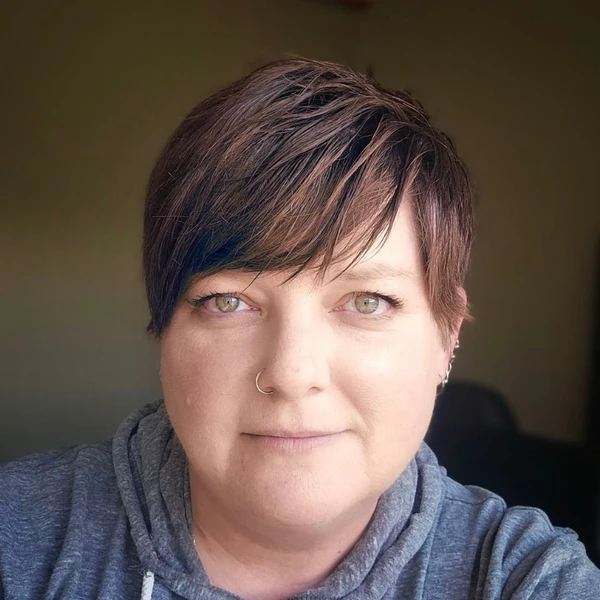
As a woman, a veteran, and a volunteer firefighter/EMT seeking to normalize mental health care in the Fire and EMS community, I often face not only gender bias but also cultural bias. The closed culture and conventional wisdom of Fire and EMS say that asking for help is weakness and that the best EMS providers and firefighters can handle anything.
This isn't true, and my brothers and sisters in the community are suffering because of it.
Almost 75% of the firefighters, paramedics, and EMTs in the United States are volunteers, balancing families, full-time jobs, and other obligations while serving their community. They do not get days off; the pager could sound anytime. Subject to the same traumas as any paid department, volunteers often struggle with mental health concerns, including compassion fatigue, burnout, and even PTSD and stress-related illness that affects every area of their lives.
Making this situation even more dire is the fact that suicide is one of the leading causes of death among fire and EMS first responders. This is unacceptable, and yet there is a distinct lack of resources for volunteers, who are exposed to trauma after trauma while immersed in a culture that believes burnout is an unavoidable part of the package.
I am passionate in my belief that my fellow volunteer first responders do not have to live that way. We can thrive amid these traumatic events and have the emotional resources to help ourselves and those we care for. To do that, we need to start teaching our firefighters and EMS providers from their first day on the truck that they matter, that their mental health is important, and that asking for help is a sign of strength and maturity. We also need to start combating these long-entrenched beliefs that mental health issues equal weakness.
My work as a doctoral student in Traumatology seeks to study the effects that the Fire/EMS culture has on its newest members. Still, more importantly, I seek to design and implement change in the culture that will normalize mental health, highlight the desperate need for trauma-informed mental health providers who are familiar with our experiences, and provide new firefighters and EMTs with the knowledge and tools they need to protect their mental health successfully.
Serving our communities should not cost us pieces of ourselves and our sanity. I hope to find new ways to serve those who are serving others, and be able to help volunteer first responders keep their joy and fulfillment in serving without feeling as though it will take everything they have to keep going.