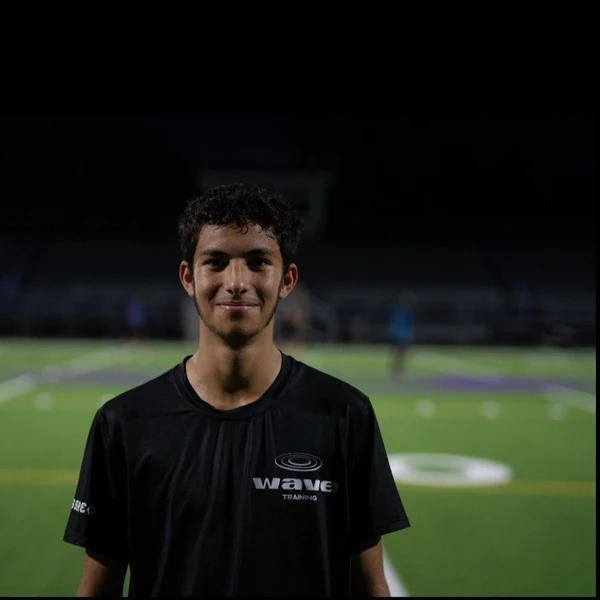
user profile avatar

Jayden Rodriguez

1x

Finalist

1x

Winner

Bio

I am a great scholarship candidate because I combine academic dedication, leadership, and resilience with a clear vision for my future. My achievements demonstrate not only my ability to excel in the classroom but also my commitment to my community, whether through extracurricular involvement, service, or advocacy. I bring a unique perspective shaped by my personal experiences and challenges, showing that you don’t just overcome obstacles; you grow from them. Scholarships aren’t only about rewarding past success; they’re about investing in potential. I will, through determination, goals, and drive, contribute meaningfully to my field and society in intelligence studies or law and criminology, and prove that supporting my education will have a lasting impact far beyond myself.

Education

Churchland High School

High School
2022 - 2026

Tidewater Community College

Associate's degree program
2022 - 2026
  • Majors:
    • Social Sciences, General

Miscellaneous

  • Desired degree level:

    Bachelor's degree program

  • Majors of interest:

    • Criminology
    • Psychology, General
    • Criminal Justice and Corrections, General
    • Law
  • Not planning to go to medical school
  • Career

    • Dream career field:

      Law Practice

    • Dream career goals:

      Intelligence Officer or JAG Officer in the military and follow on to be in the CIA/FBI or an Attorney..

      Sports

      Soccer

      Club
      2011 – Present15 years

      Awards

      • National Atheletic Scholars

      Public services

      • Volunteering

        Wave FC — Mentor
        2024 – Present
      • Volunteering

        JROTC — Platoon Commander
        2022 – Present

      Future Interests

      Advocacy

      Politics

      Volunteering

      Philanthropy

      Rev. Ethel K. Grinkley Memorial Scholarship
      A lot of who I am comes from the people who raised me, the experiences that have pushed me to grow, and the faith that keeps me grounded. I’m a first-generation Hispanic college student, and I’ve spent much of my life learning how to balance ambition with service, love with responsibility, and faith with perseverance. Between earning my associate degree through dual enrollment, participating in Marine Corps JROTC, playing varsity and semi-pro soccer, and preparing to continue ROTC in college, I’ve learned how to work hard, stay disciplined, and keep moving forward even when things feel uncertain. My faith in God has played a huge role in shaping how I see both challenges and opportunities. There have been moments when I felt overwhelmed, unsure of what was next, or doubted whether I was capable of reaching the goals I set for myself. In those moments, my faith has reminded me to trust the process, stay humble, and remember that my purpose is bigger than just personal success. It has also taught me the importance of leading with love, compassion, and kindness; values I try to carry into everything I do. That faith is also one of the biggest reasons I chose to accept admission to a Christian university. I wanted to continue my education in an environment where I could grow academically while also strengthening the spiritual foundation that guides my decisions and the person I hope to become. My chosen path is law, with the goal of becoming a Judge Advocate General (JAG) Officer in the Army and eventually opening my own immigration law practice. What draws me to law is simple: I want to help people feel less lost. Legal systems can be confusing and intimidating, especially for families who are already navigating difficult circumstances. As someone from a Hispanic family, I understand what it feels like to step into spaces where you are unsure of the rules or whether you even belong there. I want to use my education to help people understand their rights, advocate for themselves, and feel supported when they need it most. One of the causes I care most about is serving underserved communities, especially immigrant families. I’ve seen how easy it is for people to feel overlooked or left behind when they do not have access to the same information or resources as others. Sometimes the biggest barrier is not a lack of effort, but simply not knowing where to turn for help. That is why I am passionate about making systems feel more accessible. Whether that means helping someone navigate immigration paperwork, understand legal processes, or simply feel heard, I want to be someone who can make difficult situations feel a little less overwhelming. If awarded this scholarship, it would help me continue pursuing my educational goals without adding as much financial strain to my family. More importantly, it would support my ability to use my education to serve others with integrity, compassion, and purpose. At the end of the day, I want my life and career to be about more than personal success. I want to use my education, my experiences, my faith, and my love for others to make a meaningful difference. If I can help someone feel more hopeful, more understood, and more supported, then I know I’m living out the purpose God has placed in front of me.
      7023 Minority Scholarship
      A lot of who I am comes from the people who raised me. It was those experiences that have pushed me to grow. I’m a first-generation Hispanic college student from Virginia, and I’ve spent much of my life learning how to balance ambition with service. Between earning my associate degree through dual enrollment, participating in Marine Corps JROTC, playing varsity and semi-pro soccer, and preparing to continue ROTC in college, I’ve learned how to work hard, stay disciplined, and keep moving forward. My chosen path is law, with the goal of becoming a Judge Advocate General (JAG) Officer in the Army and eventually opening my own immigration law practice. What draws me to law is simple: I want to help people feel less lost and create accessibility. Legal systems can be confusing and intimidating, especially for families who are already navigating difficult circumstances. As someone from a Hispanic family, I understand what it feels like to step into spaces where you are unsure of the rules or whether you even belong there. I want to use my education to help people understand their rights, advocate for themselves, and feel supported when they need it most. One of the causes I care most about is serving underserved communities, especially immigrant families. I’ve seen how easy it is for people to feel overlooked or left behind when they do not have access to the same information or resources as others. Sometimes the biggest barrier is not a lack of effort, but simply not knowing where to turn for help. That is why I am passionate about making systems feel more accessible. Whether that means helping someone navigate paperwork, understand legal processes, giving legal advice pro bono, or simply feel heard, I want to be someone who can make difficult situations feel a little less overwhelming. A lot of that motivation comes from my parents, who are my heroes. Both served in the military, and everything I know about discipline, sacrifice, and service started with them. They worked hard, made sacrifices, and taught me not to wait for opportunities. They always remind me that success means very little if you do not use it to help others. Their example is the biggest reason I want to continue their legacy of service. If awarded this scholarship, it would help me continue pursuing my educational goals without adding as much financial strain to my family. I come from a large family and my parents are not in a financial position to provide a lot of help. As much as I’ve worked hard academically, I know that college is not just about earning a degree, it is about preparing myself to make a meaningful difference. This scholarship would not just support my education; it would invest in someone who is committed to giving back. There is less federal aid available than there used to be in recent years. Aid that once provided vital programs to underserved communities. Many students, like me, need the help to achieve their goals. At the end of the day, I want my life and career to be about more than personal success. I want to use my education, my experiences, and my voice to serve others, especially those who may feel unheard. If I can help someone feel more confident, more understood, or more hopeful about their future, then I know I’m making the kind of impact that matters.
      Goobie-Ramlal Education Scholarship
      My story as a college-bound student begins long before me starting with my grandparents. It begins with my dad’s side of the family, who left Puerto Rico and moved to New York in search of something better; more opportunity, more stability, and a future they could build through hard work. Like so many immigrant families, they arrived with hope, but hope alone was never enough. They had to work hard to survive, and even harder to be seen. Often there were small living arrangements with multiple people under one roof to support each other. They had to prove themselves in places where they were often overlooked. They worked long hours, took whatever jobs they could, and learned how to push forward even when life was difficult. They built a life through sacrifice, determination, and resilience. Those are the same values that have been passed down to me. Even though my journey looks different, I carry that same mindset with me every day. As a proud Hispanic college student who is the first in my father's lineage to go to college, I understand that my opportunity to pursue higher education is not just my own achievement. It is part of everything my family worked for. Their sacrifices created the foundation I am now standing on. Every college application, every scholarship essay, and every late night spent studying feels connected to the people who came before me. Growing up, I always understood the importance of working hard, but I also understood what it meant to navigate spaces where you sometimes feel like you have to prove you belong. There were many moments where I felt unsure of myself; trying to figure out college applications, financial aid, and what my future could look like without a clear guide. As a first-generation college student, there was a lot I had to learn on my own. In many ways, that struggle made me stronger. It taught me how to ask questions, advocate for myself, and keep moving forward even when I felt overwhelmed. My family’s story has inspired my own goals. I plan to pursue a career in law, first serving as a Judge Advocate General (JAG) Officer in the Army, and eventually opening an immigration law practice. I want to help people, especially immigrant families and underserved communities, navigate systems that can feel confusing, intimidating, and impossible to understand. I know how much courage it takes to build a life in unfamiliar spaces, and I want to be someone who helps make that journey easier for others. I want to use my education not just to build a successful career, but to create access, understanding, and support for people who need it. Too often, families are left feeling powerless simply because they do not know how systems work or where to turn for help. Many times they cannot even afford it. I want to make it truly accessible. I want to be someone they can trust. I want to be someone who understands both the legal side and the human side of what they are facing. My family came to this country searching for opportunity. Because of their sacrifices, I now have the chance to pursue dreams they may never have imagined for themselves. The best way I know how to honor that is by using my education to serve others. I want to uplift my community, and make sure that people like my family are not just surviving, but truly seen.
      Reach Higher Scholarship
      One of the most important things books have taught me is that everyone has a story. Every story has something to teach. Whether I’m reading about resilience, justice, leadership, or identity, I’ve learned that the people who make the biggest difference are often the ones who refuse to let their circumstances define them. That idea has shaped how I see myself. I’m a first-generation Hispanic college student from Virginia. My life has been about learning how to navigate spaces that felt unfamiliar. Books have often given me confidence during moments when I felt unsure. They’ve shown me examples of people overcoming challenges, speaking up when it’s difficult, and finding purpose through service. Those lessons have pushed me toward my own goals of becoming a Judge Advocate General (JAG) Officer in the Army. I want to open an immigration law practice to help underserved communities, especially families who feel overwhelmed by systems they do not fully understand. One of the biggest lessons I’ve learned did not come from success, but it came from failure. As someone who is hard on themselves, failing at something can feel personal. There have been times in school when I doubted myself, felt overwhelmed, or struggled to balance academics, leadership, and everything else on my plate. As a first-generation student, I often felt like there was a silent pressure. I had to learn how to ask for help. Failure taught me that asking questions is not weakness; it is growth. It taught me that resilience is not about getting everything right the first time, but about refusing to give up when things feel uncertain. Mentorship has also had a huge impact on my life. My greatest mentors have been my parents. Both served in the military, and they taught me what sacrifice, discipline, and service look like long before I fully understood those words. Watching them work hard and put our family first motivated me to push myself further. Through Marine Corps JROTC, I also learned how meaningful mentorship can be from the other side. Some of my proudest moments were helping younger cadets who struggled with confidence. Staying after practice to help someone improve or simply reminding them they were capable showed me how powerful encouragement can be. Sometimes people just need someone to believe in them before they can believe in themselves. What makes me unique is a combination of where I come from, what I’ve overcome, and how I carry myself. I’m Hispanic, left-handed, 5’6”, built like a stick, and somehow still look much younger than I am. I’m often underestimated. I’ve learned to embrace that. People may not expect much at first, but they usually don’t expect that I earned my associate degree through dual enrollment while in high school, balanced Marine Corps JROTC, played varsity and semi-pro soccer, and am preparing to continue ROTC in college. I’ve learned that being underestimated can become motivation. I try to contribute to my community by showing up for others. Whether it’s mentoring younger cadets, supporting teammates, volunteering my time, or simply being someone people can rely on, I believe small acts of service matter. I want to continue making a positive impact by using my future career in law to serve underserved communities and help people feel less lost. Books taught me that purpose often comes from helping others write a better chapter in their own lives. That is the kind of person I hope to be. **This is my favorite picture of my dog (reading buddy) I lost a couple years ago with me reading a book at 10 years old.
      Chris Jones Innovator Award
      I see myself as a positive force in society by simply trying to leave people better than I found them. To me, making a difference does not always mean doing something huge or extraordinary. Sometimes it looks like giving your time, helping someone who feels lost, or stepping up when others need support. Community service and commitment have taught me that even small actions can have a lasting impact. As a Hispanic student growing up in southeastern Virginia, I have become very aware of how different people’s access to opportunity can be. In many underserved communities, including parts of my own, people work incredibly hard but often lack access to resources, guidance, or support systems that others may take for granted. Being part of that experience has shaped how I see my responsibility to others. It has made me more compassionate and more motivated to give back in ways that matter. A lot of that commitment to service comes from my family. Growing up in a military household, I was taught that helping others is not something you do for recognition; it is simply what you are supposed to do. Through Marine Corps JROTC, I learned how service and leadership go hand in hand. I participated in numerous community service events with over 250 hours. Some of the moments I am most proud of have been helping younger cadets who were struggling with confidence or adjusting to the demands of the program. Staying after practice to mentor someone, encouraging them when they felt frustrated, or simply reminding them that they were capable taught me that leadership is often about patience and presence. I also try to serve my community by being someone others can rely on. Whether it is helping classmates, supporting teammates, or volunteering my time, I have learned that being committed to others means showing up consistently. Community service is not always dramatic. Sometimes it is quiet and personal, but that does not make it any less important. Being Hispanic has also shaped how I think about my future. Representation matters, especially in spaces where underserved communities often feel overlooked or misunderstood. I want to use my experiences and my education to serve those communities directly. My goal is to become a Judge Advocate General (JAG) Officer in the Army and eventually open an immigration law practice. I want to help individuals and families, especially those who may feel intimidated by legal systems, understand their rights and feel supported during difficult moments. I also would like to offer legal services to those who may think all hope is lost and they have no access to legal services due to cost. Current social norms have made me think more deeply about fairness, access, and advocacy. We live in a time where conversations about inequality, opportunity, and belonging are impossible to ignore. Those conversations have reinforced my belief that being a positive force means more than personal success. It means using whatever platform or education you have to make things better for someone else. I may not be able to change the world all at once, but I believe positive change begins in individual communities, through service, commitment, and compassion. My hope is to continue growing into someone who not only succeeds personally, but who helps open doors for others along the way. People and community matter. Transfer of knowledge to others so that they feel helped and valued is one of the bigger thing you can offer those in the community. I hope that I am someone that motivates others to transfer this information and pay it forward.
      Peter and Nan Liubenov Student Scholarship
      I see myself as a positive force in society by simply trying to leave people better than I found them. To me, making a difference does not always mean doing something huge or extraordinary. Sometimes it looks like giving your time, helping someone who feels lost, or stepping up when others need support. Community service and commitment have taught me that even small actions can have a lasting impact. As a Hispanic student growing up in southeastern Virginia, I have become very aware of how different people’s access to opportunity can be. In many underserved communities, including parts of my own, people work incredibly hard but often lack access to resources, guidance, or support systems that others may take for granted. Being part of that experience has shaped how I see my responsibility to others. It has made me more compassionate and more motivated to give back in ways that matter. A lot of that commitment to service comes from my family. Growing up in a military household, I was taught that helping others is not something you do for recognition; it is simply what you are supposed to do. Through Marine Corps JROTC, I learned how service and leadership go hand in hand. We participated in numerous volunteer events. Some of the moments I am most proud of have been helping younger cadets who were struggling with confidence or adjusting to the demands of the program. Staying after practice to mentor someone, encouraging them when they felt frustrated, or simply reminding them that they were capable taught me that leadership is often about patience and presence. I also try to serve my community by being someone others can rely on. Whether it is helping classmates, supporting teammates, or volunteering my time, I have learned that being committed to others means showing up consistently. Community service is not always dramatic. Sometimes it is quiet and personal, but that does not make it any less important. Being Hispanic has also shaped how I think about my future. Representation matters, especially in spaces where underserved communities often feel overlooked or misunderstood. I want to use my experiences and my education to serve those communities directly. My goal is to become a Judge Advocate General (JAG) Officer in the Army and eventually open an immigration law practice. I want to help individuals and families, especially those who may feel intimidated by legal systems, understand their rights and feel supported during difficult moments. I also want to offer some free legal services for those who may thing that an attorney is out of reach. Current social norms have made me think more deeply about fairness, access, and advocacy. We live in a time where conversations about inequality, opportunity, and belonging are impossible to ignore. Those conversations have reinforced my belief that being a positive force means more than personal success. It means using whatever platform or education you have to make things better for someone else. I may not be able to change the world all at once, but I believe positive change begins in individual communities, through service, commitment, and compassion. My hope is to continue growing into someone who not only succeeds personally, but who helps open doors for others along the way. I also hope to motivate others to pay it forward and transfer their own information to others who may not know or struggle with information and resources.
      Charles B. Brazelton Memorial Scholarship
      Everyone has that one thing that made them stand out growing up. It's the thing people noticed immediately and sometimes teased you about before they even knew your name. For some people, it’s being too tall. For me, it’s kind of the opposite. I’m 5’6” on a good day, built like a stick, left-handed, and somehow blessed with the ability to look about thirteen years old despite being a legal adult. It’s honestly a little impressive. I’ve gotten asked what grade I’m in while carrying college paperwork while being dual-enrolled. I have been pulled over because the officer did not believe I was at least 16 years old. I’ve had people assume I’m someone’s younger sibling when I’m actually the one making adult decisions. I’m pretty sure if I shave too closely, I’ll get offered a kids’ menu! Then there’s the left-handed struggle. If you’re left-handed, you know the world is secretly designed to inconvenience you in tiny ways. Spiral notebooks? Torture devices. Pens? Smudge machines. Desks? Almost always made for right-handed people. A mouse for computers? I have to use right-handed buttons which mean a right-click is on my right-index finger and a left-click is my middle finger. Apparently, I also hold my pencil “wrong,” which right-handed people seem weirdly passionate about pointing out. At this point, I just smile and continue writing in my left-handed chaos. Growing up, I definitely noticed how easy it was to compare myself to everyone else. Especially as a guy, there’s this unspoken expectation that you’re supposed to be tall, broad, and intimidating. Meanwhile, I look like I could get blown away by a strong breeze and on a summer day, I have a washboard bird chest that some may choose to wash clothes on and significant others use padding to lay on. But honestly, I’ve learned to laugh about it and even appreciate it. Being underestimated has actually become one of my favorite things. People don’t always expect much when they first see me. They don’t expect the discipline that came from Marine Corps JROTC. They don’t expect that I balanced dual enrollment and earned my associate degree while still in high school. They don’t expect that I play varsity and semi-pro soccer, or that someone my size can hold my own physically, knocking over much bigger guys like bowling pins. They definitely don’t expect someone who looks like a middle schooler to be planning a future as a JAG officer and aspiring immigration lawyer. But that’s the fun part. There’s something satisfying about surprising people, not by changing who I am, but by owning it. I may not take up much physical space, but I’ve learned how to take up space in other ways: through leadership, hard work, kindness, and confidence. Being the “small guy” has taught me not to judge people too quickly, because everyone has something beneath the surface you can’t see right away. It’s also taught me that standing out doesn’t have to mean fitting some perfect image. Sometimes it just means embracing the things that make you a little awkward, a little different, and completely yourself. So yes, I’m left-handed. I’m 5’6”. I look suspiciously young. And honestly? I’ve decided that’s kind of my thing.
      Champions Of A New Path Scholarship
      If I’m being honest, I don’t think I deserve this scholarship because I’m “better” than everyone else I’m competing against. I’m sure there are a lot of hardworking, talented students applying who have their own stories and struggles. What I think gives me an advantage is not perfection; it’s perspective. It’s the way I’ve learned to turn pressure into motivation, uncertainty into determination, and the sacrifices my family made into something meaningful. As a first-generation Hispanic college student, getting to this point has not felt simple. A lot of my classmates seemed to know how the college process worked with applications, financial aid, scholarships, deadlines, but for me and my family, much of it was unfamiliar. I’ve had to figure things out step by step, sometimes feeling like I was teaching myself an entirely new language. There were moments when it felt overwhelming, and honestly, there were moments when I doubted myself, but I kept going. I asked questions even when I felt shy or embarrassed. I made mistakes and learned from them. I pushed through uncertainty because I knew what was waiting on the other side: opportunity. That mindset comes from my parents. Both of my parents served in the military, and they are the reason I push myself the way I do. Growing up, I watched them work incredibly hard and sacrifice so much for our family. They taught me what discipline looks like, what resilience looks like, and what it means to serve something bigger than yourself. They’ve always told me not to wait on my dreams the way they sometimes had to. They worked hard so I could have choices, and I carry that responsibility with me every single day. I think what makes me different is that I don’t take opportunities for granted. Every accomplishment I’ve earned feels personal. Completing dual enrollment and earning my associate degree while still in high school was not easy. Balancing academics with Marine Corps JROTC, varsity soccer, semi-professional club soccer, and preparing for college often felt exhausting. I kept showing up. Not because I wanted a list of achievements, but because I knew every challenge was helping me become someone stronger. What I’m most proud of, though, is not the grades or titles. It’s the moments where I’ve been able to help others. Through JROTC, I spent time mentoring younger cadets who struggled with confidence, because I knew what it felt like to feel unsure. I stayed after practice to help them, encouraged them when they were frustrated, and watched them slowly start to believe in themselves. Those moments reminded me that leadership is not about standing in front. It’s about reaching back and helping someone else forward. That’s also why I want to become a Judge Advocate General (JAG) Officer in the Army and eventually open an immigration law practice. I want to serve others the way my parents taught me to. I want to help people; especially those in underserved and communities. I want to help them navigate systems that can feel intimidating and impossible to understand. I know what it feels like to step into unfamiliar spaces and wonder if you belong there. I want to be the person who helps someone else feel less lost. This scholarship would mean more than financial support. It would mean recognition of how far I’ve come and an investment in where I’m going. What gives me an advantage is not that my path has been easy; it’s that it hasn’t. Every challenge has made me more determined, more grateful, and more committed to making something meaningful out of the opportunities I’ve been given. I may not be the only deserving student, but I know this: I will not waste the chance to turn this support into something bigger than myself.
      Christian Fitness Association General Scholarship
      I believe I should be considered for this scholarship because I represent more than just my own achievements. I represent the sacrifices my family has made, the challenges I have overcome, and the future I am working hard to build. As a first-generation Hispanic college student from southeastern Virginia, every academic accomplishment I have earned feels bigger than just a grade or an acceptance letter. It feels like proof that hard work, resilience, and determination can create opportunities that once felt out of reach. Academically, I have challenged myself to take my education seriously because I understand how important it is. Through dual enrollment and rigorous coursework, I pushed myself beyond what I thought I was capable of and will graduate high school with my associate degree already completed. Reaching this milestone while balancing leadership roles, athletics, and extracurricular commitments is one of the accomplishments I am most proud of. Along the way, I have earned recognition for my academic success and leadership, but more importantly, those accomplishments remind me that persistence pays off. Being a first-generation student meant that many parts of this process, like college applications, scholarships, and financial planning, felt unfamiliar and overwhelming at times. There was no clear guidebook. I had to learn by asking questions, making mistakes, and figuring things out one step at a time. That process taught me independence and perseverance. Outside the classroom, one of my most meaningful experiences has been participating in Marine Corps JROTC. JROTC has shaped me in ways I never expected. Not only have I received some national awards, but it has taught me discipline, accountability, and leadership. More importantly, it taught me how to serve others. Some of my proudest moments have not been awards or titles, but helping younger cadets who were struggling with confidence or adjusting to the program. I remember staying after practice to help one younger cadet who felt embarrassed every time he made mistakes during drill. Over time, I watched his confidence grow, and eventually, he became someone who started helping others. That experience showed me how powerful patience and encouragement can be. As I transition to college, I am excited to continue that leadership journey by joining ROTC and preparing for my future in military service. Soccer has also played an important role in my life. Playing both varsity soccer and semi-professional club soccer has taught me teamwork, resilience, and how to stay focused under pressure. Soccer reminds me that success is rarely individual because you depend on others, and they depend on you. Those lessons have carried over into school, leadership, and how I approach challenges. I also plan on continuing college-level soccer. One of the greatest sources of motivation in my life has been my parents. Both served in the military, and their sacrifices have shaped everything about how I view hard work and responsibility. Watching them dedicate themselves to service and family taught me that success is not just about personal achievement; it is about using your opportunities to make life better for others. They have always encouraged me not to wait on my dreams the way they sometimes had to, and that has inspired me to pursue every opportunity available to me. One of the biggest challenges I faced during school was learning how to navigate everything as a first-generation student while balancing academics, extracurriculars, and the pressure of planning for the future. There were moments when I felt overwhelmed and unsure if I was doing enough or even doing things correctly. It often felt like everyone else had access to information I did not. I also had to push myself beyond my own shyness and hesitation to ask for help when I needed it. I overcame that challenge by learning to advocate for myself, seeking guidance, and reminding myself that it was okay not to have all the answers immediately. That experience taught me resilience and confidence in my ability to adapt. Looking ahead, I plan to pursue a career as a Judge Advocate General (JAG) Officer in the Army and eventually open an immigration law practice. I want to continue my family’s legacy of service while helping individuals and families, especially within underserved communities, navigate legal systems that often feel intimidating or inaccessible. I know what it feels like to step into unfamiliar spaces and feel unsure, and I want to be someone who helps others feel supported and empowered. This scholarship would not only help me financially, but it would also invest in someone who is committed to serving others, honoring the sacrifices of my family, and creating opportunities for those who may need someone in their corner. My family is not in a position to help me pay for college, and with the limitations surrounding federal financial aid, every opportunity matters. I have worked incredibly hard to get where I am today, and I am ready to keep moving forward. I hope to be considered not just for what I have accomplished, but for the person I am determined to become.
      Jennifer Kelley Memorial Scholarship
      The experiences that have shaped my life the most have come from the people around me, the responsibilities I’ve taken on, and the moments where I’ve been able to help others. Growing up in southeastern Virginia as a first-generation Hispanic student, I learned early what it means to figure things out as you go. A lot of my journey has been learning how to navigate opportunities that weren’t always familiar to my family, such as college applications, scholarships, and planning for a future that feels both exciting and intimidating. Those experiences have taught me independence, resilience, and the importance of asking questions when you don’t have all the answers. One of the biggest influences in my life has been my parents. Both served in the military, and their sacrifices have shaped how I view hard work, service, and responsibility. Watching them dedicate so much of themselves to our family and to something bigger than themselves taught me that success is not just about personal achievement, it’s about using what you’ve been given to help others. They have always pushed me not to wait for my dreams, but to go after opportunities they may not have had the chance to pursue. My most meaningful experiences have come through service and leadership. Through Marine Corps JROTC, I’ve had the opportunity to mentor younger cadets who were struggling with confidence or adjusting to a demanding environment. I remember staying after practice to help one younger cadet work through drills he was nervous about, and over time, watching him grow more confident in himself. Moments like that reminded me how powerful patience and encouragement can be. Helping someone realize they are more capable than they thought is one of the most rewarding feelings I’ve experienced. I’ve also learned a lot through volunteer work and being present for people when they need support. Whether it’s helping classmates, mentoring students, or stepping up when someone feels overwhelmed, I’ve realized that making a positive impact doesn’t always require something huge. It can happen in small, consistent acts of kindness and leadership. I hope to continue that through both service and law, especially by helping people who feel lost in complicated systems. That goal connects directly to how I want to make a positive impact on the world. I plan to pursue a career as a Judge Advocate General (JAG) Officer in the Army and later open an immigration law practice. I want to help individuals and families, especially underrepresented communities, navigate legal systems that can often feel intimidating or inaccessible. I know what it feels like to navigate unfamiliar spaces, and I want to be someone who helps others feel seen, heard, and supported. Outside of school, soccer has been one of my biggest passions. It has taught me teamwork, discipline, and how to trust others. It has also been a place where I can clear my mind, challenge myself, and connect with people in a way that goes beyond words. I also enjoy leadership opportunities through JROTC, where I continue building the discipline and responsibility that have become such an important part of who I am. If I had to choose the person who motivates me most, it would be my parents. Everything they have sacrificed has created opportunities for me, and I carry that with me every day. Their resilience motivates me to work harder, dream bigger, and never take opportunities for granted. More than anything, I want to make them proud. I do not want them to be proud of me, not just by succeeding, but becoming someone who helps others along the way.
      Gregory Flowers Memorial Scholarship
      The personal achievement I’m most proud of is becoming a first-generation college student. It might sound simple, but for me, it means so much more than just getting accepted into college. It means being the first in my family to figure out how to navigate something none of us had done before, and somehow making it through all the confusion, stress, and uncertainty. Growing up as a Hispanic student in southeastern Virginia, where there aren’t many people who look like me or share my background, I’ve always been aware of what it feels like to stand out. Sometimes that made me proud, and sometimes it made me feel like I had to work even harder to prove that I belonged. There were a lot of moments where I felt like everyone else had some guidebook for life that I didn’t get. College applications, financial aid, scholarships, deadlines; I had to learn most of it by asking questions, making mistakes, and hoping I was doing things right. My stepmom was a HUGE help! A lot of my motivation comes from my dad and stepmom. Both of them served in the military. I watched them work incredibly hard after getting out of the military and make sacrifices so our family could have opportunities they didn’t always have for themselves. They taught me discipline, resilience, and the importance of service, but they also pushed me not to wait on my dreams the way they sometimes had to. Their lives were shaped by responsibility and sacrifice, and because of that, they’ve always encouraged me to take opportunities when they come, even if they feel intimidating. Seeing how hard they worked made me realize that success is not something you wait for; it’s something you pursue. As part of a BIPOC community, representation has become really important to me. There’s something powerful about seeing someone who looks like you succeed, especially when you don’t see it often. It reminds you that your goals are possible too. A lot of my motivation comes from knowing that maybe someone younger is watching me the same way. I’m also proud of how much I’ve grown through Marine Corps JROTC, soccer, being dual-enrolled in college, and balancing everything that comes with preparing for college. Those experiences pushed me in ways I didn’t expect. They taught me how to lead, how to stay disciplined, and how to keep going even when I felt overwhelmed or unsure of myself. What I’m most proud of is that I’ve stopped waiting to feel “ready.” I’ve learned to move forward even when things feel uncertain. Becoming a first-generation college student has changed how I see myself. I don’t just feel like someone chasing opportunities anymore; I feel like someone creating them. That mindset is what drives my future goals. I plan to serve as a Judge Advocate General (JAG) Officer in the Army, continuing the military legacy my parents began while creating my own path through law. After that, I hope to open an immigration law practice where I can serve BIPOC communities and families who may feel overwhelmed by systems they don’t fully understand. I know what it feels like to navigate unfamiliar spaces, and I want to be someone who helps others feel seen, supported, and empowered. For me, this achievement is about more than school. It’s about showing my family that their sacrifices mattered. It’s about proving to myself that I belong in spaces that once felt intimidating. However, it’s mostly about becoming someone another BIPOC student can look at and think, “If he can do it, maybe I can too.”
      Catrina Celestine Aquilino Memorial Scholarship
      I’ve always been someone who tries to understand people first. Growing up in southeastern Virginia, I’ve seen a mix of hardworking families, close communities, and situations where people don’t always have the resources or guidance they need. Being a first-generation Hispanic student has shaped a lot of how I see the world. I’ve had to figure things out step by step: academics, finances, opportunities, and even how to navigate systems that weren’t always explained to me at home. Through Marine Corps JROTC, I’ve developed a strong sense of discipline, leadership, and service. Those experiences taught me that leadership isn’t about being the loudest person in the room; it’s about responsibility and making sure the people around you are supported. Whether it was helping younger cadets adjust to structure and expectations or learning how to push myself through challenges, I’ve grown into someone who values consistency, accountability, and teamwork. Soccer has also played a big role in shaping who I am. Being part of a team taught me how to communicate, adapt quickly, and accept that success is never individual. You win together, lose together, and learn together. Those lessons have carried into every part of my life. I plan on continuing soccer because it helps me stay grounded with hard work and team spirit. As I move forward, I plan to pursue a career in law, specifically as a Judge Advocate General (JAG) Officer in the Army. What draws me to law is the idea of fairness, helping people understand their rights, guiding them through complex situations, and making sure they are treated with respect and dignity. I want to be the kind of attorney who doesn’t just focus on rules, but also understands the people behind each case. My goal is to make a positive impact by being someone who listens first and acts with integrity. I know that many people feel overwhelmed when they encounter legal systems, especially those who don’t have prior experience or resources. I want to help bridge that gap by making the law more accessible and less intimidating. Ultimately, I hope to use my career to serve others, advocate for fairness, and support communities like the one I grew up in. Whether through military service or legal work, I want my impact to be rooted in helping people feel seen, heard, and supported when they need it most. I also want my impact to extend beyond the courtroom or the military and into everyday community life. I’ve seen how small moments of guidance can completely change someone’s confidence, whether it’s helping a teammate understand a play in soccer or explaining something to a younger cadet who feels lost. I want to carry that same mindset into my future career by being approachable and willing to break down complicated situations into something people can actually understand. Too often, people feel intimidated by systems that affect their lives, and I want to be someone who helps take away that fear. If I can help even one person feel more confident, informed, and supported when facing something difficult, then I will consider that a meaningful part of my success.
      Michael Rudometkin Memorial Scholarship
      I think selflessness shows up most in the little things people usually don’t notice. It’s not always some giant heroic moment or movie scene. A lot of the time, it’s just being there for someone when you could honestly be doing something else. I think I learned that from growing up in a military family. In my house, helping people was never treated like some huge achievement; it was just normal. My parents were always the kind of people who would stop what they were doing to help someone else, even if they were exhausted themselves. Watching that growing up made me realize that caring about people is less about attention and more about consistency. One experience that really stuck with me was in Marine Corps JROTC. There was a younger cadet who was really struggling. He was nervous throughout drills and looked terrified of messing up. Honestly, I understood exactly how he felt because I remember being new too and feeling like everyone else magically knew what they were doing except me. Instead of just correcting him and moving on, I started staying after practice to help him. We’d repeat drill movements over and over until he got comfortable. Some days, I really wanted just to go home and relax, but I knew he needed patience more than another person yelling corrections at him. Slowly, he got more confident. By the next year, he was helping newer cadets himself, which honestly made me feel weirdly proud like a proud older brother. I’ve also learned selflessness at home. Watching my dad struggle with mental health taught me that helping people isn’t always loud or obvious. Sometimes it’s just sitting with someone, listening, or helping out without being asked because you know they’re having a rough day. Even soccer taught me this. Being part of a team means understanding that not everything is about you. Sometimes the best thing you can do is pass the ball instead of trying to be the hero. To me, selflessness just means trying to make life a little easier for other people whenever you can. Even small things matter more than people realize. Selflessness and community service don’t have to be big. It just has to be impactful, even if it is just one person. You can affect change with one person at a time, and it can carry over to someone else. Examples like the cadet I helped, who passed this on the next year, and my parents, who inspired me to help, seem small. All you need to do is pay it forward to create a chain reaction with one good deed.
      Cooper Congress Scholarship
      My interest in legislative and policy-related work comes from a desire to serve in a role where law, leadership, and real-world impact intersect. I am especially drawn to how policy shapes everyday life in ways that are not always sees; through education systems, civil rights protections, military regulations, and community safety. Growing up in a first-generation Hispanic household and in a community where fewer than 5% of residents share my background, I became very aware of how policies can either expand opportunity or quietly limit access. That awareness pushed me to pay closer attention to how decisions are made and who gets represented in those decisions. I aspire to serve primarily at the federal level, specifically within the military legal system as a Judge Advocate General (JAG) Officer in the United States Army. I am also interested in how federal policy connects to state and local systems, especially in areas like veterans’ services, education access, and civil rights. The federal level appeals to me because it allows for broader impact and consistency across states, particularly in the application of military justice and national defense policies. At the same time, I recognize that meaningful policy work requires understanding how decisions affect people at the local level, which is why I value experience in community-based leadership as well. One policy issue I care deeply about is equity and inclusion within institutional environments, particularly in education and the military. As man in leadership spaces, I have seen how inclusion is not just about policy on paper, but about culture in practice. Even when formal protections exist, the lived experience of individuals can vary widely depending on how those policies are reinforced. I am especially interested in how policies can better support inclusive environments where individuals are not only protected but also genuinely valued and able to thrive without hiding parts of their identity. I believe civil discourse plays a critical role in shaping effective public policy. Real progress depends on the ability to listen, engage respectfully with opposing viewpoints, and find common ground without dismissing different perspectives. Civil discourse does not mean avoiding disagreement; it means handling disagreement constructively. In my experience, whether in academic settings, JROTC environments, or athletic settings, the best outcomes come when people can communicate openly without fear of being shut down or disrespected. Strong policy is built through dialogue, compromise, and a willingness to understand lived experiences different from one’s own. My civic and leadership experience includes serving in Marine Corps Junior ROTC and will continue in college ROTC. I have developed leadership, discipline, and responsibility in structured environments. These roles have required teamwork, accountability, and the ability to lead peers while maintaining respect and professionalism. I have also participated in soccer, which strengthened my communication, collaboration, and resilience under pressure. In both academic and leadership settings, I have taken on roles that required organization, adaptability, and the ability to work with diverse groups toward a common goal. Ultimately, I am interested in law because I want to be part of creating systems that are fair, effective, and reflective of the people they serve. Whether through military legal service or grass roots impacts, my goal is to contribute to decisions that strengthen both institutions and the communities connected to them.  My picture is me in JROTC where I achieved two national awards and realized that I was good at JROTC and wanted to continue this path on a mission to protect the institutions that have made us great. I was really proud in this moment and this has created a passion and motivation for years to come.
      Hampton Roads Unity "Be a Pillar" Scholarship
      One of the most impactful experiences that shaped my perspective on advocacy and inclusion involves both my identity as a gay man and a close gay teammate from my soccer team.. For me, this is not some distant “lesson learned in theory” situation. It is very real, very personal, and occasionally happening while I am trying to survive conditioning drills and questionable hydration choices. During my time on the soccer team, I saw how quickly locker room culture can shape whether someone feels comfortable or like they need to mentally prepare a full exit strategy every time a joke is made. One of my teammates came out to a few of us, and while there was support, there were also those classic “funny to someone but not actually funny” comments and jokes that linger longer than they should. As a gay man myself, I understood that feeling of quietly scanning a room and deciding whether it is a “be yourself” environment or a “just laugh and move on” environment. At first, I did what many people do: I stayed quiet and hoped someone else would handle it. Spoiler alert! No one did. So eventually I realized silence was basically just giving those moments a thumbs-up in disguise. That is when I started stepping in. Nothing dramatic. No movie speeches or slow-motion locker room moments. Just small interruptions like, “yeah, we’re not doing that,” or changing the subject with the speed of someone trying to dodge extra conditioning. Sometimes advocacy looks like taking something serious, and sometimes it looks like casually making sure someone isn’t standing alone while everyone else debates something as important as what snack is superior after practice (the correct answer is all of them!). What this experience really taught me is that being openly gay in leadership spaces does not automatically make things easier, but it does make you more aware. I became more conscious of how quickly environments can shift based on what people allow, laugh at, or ignore. I realized that inclusion is not just a vibe. It is something you actively maintain, like team chemistry or, unfortunately, cardio fitness. As I grew more confident in my identity, I also became more comfortable speaking up. I learned that authenticity is a lot less exhausting than pretending to be someone you are not, even if it occasionally comes with awkward moments or the fear of becoming “that person who always says something.” (Yes, that is me now. I have accepted it.) This carried into Marine Corps Junior ROTC and now it will in college ROTC, where structure and discipline meet real-world leadership. In those environments, I have tried to be intentional about setting a tone where respect is the default, not the exception. Leadership, I have learned, is not just about being sharp in uniform. It is also about making sure people do not feel like they have to shrink themselves to belong. Looking ahead, I want to carry this mindset into my goal of becoming a Judge Advocate General (JAG) Officer in the U.S. Army. I know military spaces are built on standards, discipline, and tradition, but I also know that culture is shaped in everyday moments: what gets laughed at, what gets challenged, and what gets ignored. Ultimately, this experience taught me that advocacy does not always look like a speech or a movement. Sometimes it looks like a gay soccer player in the locker room deciding, “actually, that joke is not funny,” while everyone else pretends they suddenly forgot how humor works.
      Hines Scholarship
      My educational and personal journey has been shaped by discipline, service, resilience, and learning how to function on very little sleep. I am a first-generation Hispanic student growing up in a city where fewer than 5% of the population shares my background, which meant I often had to navigate spaces where I stood out before I even said a word. It also meant figuring out college, expectations, and opportunities largely on my own, with my family’s support and a lot of trial and error (and occasional late-night panic-Googling). My family’s military background played a major role in shaping me. My father served in the United States Marine Corps, and my stepmother served in both the Marine Corps and the Navy. In my house, “life lessons” often came with explanations of how radios, aircraft systems, or ship operations actually functioned. I learned early that military service is not just about uniforms, it is about precision, sacrifice, and being reliable when things go wrong. I also learned that family plans can change at any moment, which is great preparation for adulthood and terrible for making dinner reservations! Academically, I challenged myself through dual enrollment courses, which is basically choosing to experience college-level stress before college officially begins. It taught me time management, discipline, and how to balance deadlines while convincing myself I was still “on top of everything.” Dual enrollment also taught me humility, because nothing builds character like confidently submitting an assignment and then realizing college professors grade with complete emotional detachment. Athletically, I play soccer, which has taught me teamwork, endurance, and how to make decisions while sprinting and questioning your life choices at the same time. Soccer has taught me communication, leadership, and the importance of trusting teammates, even when everyone is exhausted, muddy, and yelling instructions in my big-boy voice that nobody recognizes. It also taught me resilience, because no matter how tired you are, the game keeps going. My leadership journey began in Marine Corps Junior ROTC, where I first learned structure, discipline, and how to stand in formation without moving like a normal human being. ROTC in college built will continue on that foundation and will turn into a daily lifestyle. JROTC has pushed me to balance academics, physical training, leadership responsibilities, and the occasional moment of questioning my entire schedule. One of my strengths is perseverance. I keep going even when things feel overwhelming. One of my weaknesses is that I sometimes believe I can keep going indefinitely, which JROTC has slowly corrected with reality, early mornings, and physical training. Through all of this, I developed a clear goal: to become a Judge Advocate General (JAG) Officer in the United States Army. I am drawn to this path because it combines my passion for law, justice, and military service. I want to serve in a role where I can support service members, uphold standards, and contribute to something larger than myself. This scholarship would make a meaningful difference in my journey. As a first-generation college student in ROTC, I will be balancing academics, leadership training, athletics, and financial responsibilities that do not care how busy my schedule is. This support would relieve some of that pressure and allow me to focus more fully on my education and preparation for military service instead of surviving on tap water and ramen. Ultimately, I want my story to show that you can come from a small Hispanic community, a military family, and a very overpacked schedule, and still build a future defined by service, leadership, and a sense of humor that keeps you grounded when life gets serious.
      Treye Knorr Memorial Scholarship
      My educational and personal journey has been shaped by a mix of discipline, service, family chaos, sports, and a strong tendency to take on “just one more thing” until my schedule looks like a military operations plan! I grew up in a household deeply connected to the military, where service wasn’t just something people talked about, it was something that defined how we lived. My father served in the United States Marine Corps as an enlisted Radio Operator, and my stepmother served in both the Marine Corps and the Navy as an Aviation Electrician, later serving aboard the USS Essex and eventually becoming a military instructor as an Electronics Technician. In my house, “a quick story about work” usually turned into me learning how radios kept units alive or how aircraft systems had absolutely no tolerance for mistakes. I grew up understanding that the military is built on precision, sacrifice, and people doing difficult jobs well without expecting applause. What I didn’t fully understand at the time, but appreciate deeply now, is the level of sacrifice behind it, as my parents were out of the military by the time I was born. My parents saw missed birthdays, long deployments, last-minute schedule changes, and the emotional toll of constantly adapting to military life. Somehow, my parents normalized it, according to my older siblings. That shaped my sense of resilience. In school, I challenged myself academically through dual enrollment courses, which basically means I decided regular high school stress wasn’t quite enough and signed up for college-level stress as well! It taught me time management in a very real way, like writing papers at midnight while also remembering I had Junior Reserve Officer Training Corps (JROTC) formation at 0600. Dual enrollment pushed me to think more critically and prepared me for the academic demands of my future, but it also taught me humility. Nothing builds character quite like thinking you did well on an assignment and then realizing college professors grade with emotional detachment. Athletically, I played soccer, which taught me another layer of discipline: how to keep running even when you are absolutely convinced your your legs no longer work! Soccer taught me teamwork, communication, and the importance of trusting others even when you are tired, cold, and questioning your life choices on a muddy field. It also taught me that leadership sometimes looks like encouragement from the midfield and sometimes looks like yelling “man on!” in a big-boy tone. My leadership journey became more structured through Marine Corps JROTC, where I first experienced what it meant to hold myself to a higher standard on purpose. I have applied for college ROTC, and those lessons will become real expectations. ROTC will challenge me further to balance academics, physical training, leadership development, and life in general. One of my strengths is perseverance; I can keep going even when everything is happening at once. My weakness, however, is that I sometimes take on too much and convince myself that I am superhuman! JROTC has slowly corrected that belief and I am sure ROTC will enhance it. My long-term goal is to become a Judge Advocate General (JAG) Officer in the U.S. Army. I want to serve in a role that combines my passion for law, justice, and military service. I am drawn to the idea of helping uphold standards that protect both the mission and the people who serve it. This scholarship would make a meaningful difference in my journey. As a student balancing soccer, JROTC, academics, dual-enrollment, and leadership responsibilities, financial support would relieve pressure. It would allow me to focus more on becoming the officer I am working toward rather than constantly worrying about how to juggle everything at once (such as surviving on ramen every semester). It would be an investment in my ability to serve others in the future. Ultimately, I see my future as one built on service, leadership, and a healthy respect for calendars and caffeine. I want to continue the legacy of service in my family while building my own path in military law. With this scholarship, I will be better equipped to keep moving forward; one class, one practice, one ROTC formation at a time!
      Dinakara Rao Memorial Scholarship
      Being a first-generation Latino student means that many of the steps I am taking are steps my parents never had the chance to take themselves. Neither of my biological parents went to college, so a lot of the time (except with some help of my step-mother), I have had to figure things out on my own: applications, scholarships, and planning for the future. It hasn’t always been easy, but it has made me more determined to succeed, not just for myself but for my family as well. I come from a large family. Between my parents, I have ten siblings (combination of half, full biological, and step). My parents separated when I was about a year old and were never married to each other, so growing up meant learning how to adapt to different situations and responsibilities. Because of that, I learned early on that if I wanted certain opportunities, I would have to work hard to create them for myself. Being the first in my immediate biological family to pursue higher education carries a lot of responsibility, but it is also something I am incredibly proud of. I hope that by doing this, I can show my siblings that college and bigger goals are possible for them, too. My motivation for my career path comes from a strong sense of service and justice. I plan to pursue a career as a Judge Advocate General (JAG) officer, which means becoming a military attorney. What draws me to this path is the chance to serve my country while protecting fairness and the rule of law. I have always believed that laws exist to protect people, and I want to be someone who helps ensure those laws are applied with integrity. It also carries a legacy in my family. My experiences in Junior Reserve Officer Training Corps (JROTC) and soccer have played a big role in shaping that goal. JROTC taught me discipline, leadership, and the importance of accountability. It also showed me what it means to serve something bigger than yourself. Soccer taught me teamwork and perseverance. Both experiences pushed me to grow as a leader and helped me realize that I enjoy standing up for others and helping people work through challenges. As a first-generation student, pursuing this path sometimes feels intimidating because I don’t have family members who have gone through the same process before except for my step-mother, and even she says the process is so incredibly different. But instead of discouraging me, that challenge motivates me even more. I want to prove to myself and to my family that hard work and determination can open doors that once seemed out of reach. My long-term goal is not only to become a Judge Advocate General (JAG) officer (an attorney in the military), but also to continue serving others after my military career. Whether that means practicing law, mentoring young students, or giving back to my community, I want my career to reflect the values I have grown up with: service, responsibility, and fairness. Being a first-generation Latino student means building a path that others in my family can follow. Every class I take, every goal I reach, and every challenge I overcome helps create opportunities not just for me, but for the generations that come after me.
      Sharra Rainbolt Memorial Scholarship
      Cancer has affected my family in ways that have shaped how I see life, strength, and the importance of supporting the people you love. It isn’t something distant in my family’s story. It is something that has touched multiple generations and left a lasting impact on how I understand resilience and compassion. Two of the people who influenced me the most are my grandmothers. Both of them faced breast cancer. One of my grandmothers is back in the fight a second time. Watching them go through treatments, doctor visits, and the emotional weight that comes with that diagnosis (including on my parents) showed me how much courage it takes just to keep moving forward. Even on days when they were tired or worried, they still tried to stay positive for the people around them. They showed me what quiet strength looks like. Their battles with breast cancer were not just medical challenges; they were moments where our family came together to support each other and appreciate how precious time together really is. Cancer also affected my family differently through my grandfather. He passed away from cancer before I had the chance to meet him. Even though I never got to know him personally, hearing stories about him from my family made me realize how deeply cancer can change the course of a family. It’s strange to think that someone who should have been part of my life, someone who could have shared stories, advice, and memories with me, was taken away before I ever had the chance to know him. That loss reminds me that cancer doesn’t only affect the person diagnosed; it affects generations. One of the experiences that stayed with me the most was watching my great-grandfather struggle with stomach cancer near the end of his life. I remember seeing how frail he had become compared to how strong he once was. It was difficult to watch someone who had lived such a long life become so physically weak. There were moments where it felt unfair, especially seeing how much pain and exhaustion cancer caused him in his final days, and the mental wear on other family members. But even during that time, I also saw how much love surrounded him. Family members visited, cared for him, and made sure he was not alone. That experience taught me something important about dignity and compassion. It showed me that even when someone is physically weak, they still deserve respect, care, and patience. Being there during those final moments also reminded me that life is fragile and that we should never take our time with loved ones for granted. Through all of these experiences, cancer has taught me lessons about resilience, empathy, and perspective. I have learned that strength doesn’t always look dramatic. Sometimes it looks like showing up for treatments, supporting someone through a difficult day, or simply being present when someone needs you. It has also made me more aware of how important medical research, healthcare workers, and community support are in helping families face these battles. Seeing how cancer affected the people I love has given me a deeper appreciation for the people who dedicate their lives to fighting this disease. Most importantly, these experiences have reminded me to value time with family, to show compassion for people going through difficult battles, and to appreciate the moments of health and happiness that can so easily be taken for granted.
      Patricia Lindsey Jackson Foundation - Eva Mae Jackson Scholarship of Education
      When I think about how I want to make a positive impact on the world, I don’t imagine one big moment that changes everything. I think about a lifetime of choices; small decisions to do the right thing, stand up for others, and lead with integrity even when it isn’t easy. My faith in God plays a big role in guiding those choices. It reminds me that every person has value and deserves to be treated with dignity and fairness. I have seen firsthand what can happen to those around me who are not treated fairly, not included, or who are seen as different. I have experienced some of that myself as a minority student, and those experiences have shaped how I see my responsibility to others. My goal is to become a Judge Advocate General (JAG) officer in the military, which means serving as a military attorney. What draws me to that path is the opportunity to serve something bigger than myself while protecting fairness and justice. Laws aren’t just rules; they protect people. I want to approach that responsibility with honesty, discipline, and compassion. My faith strengthens my belief that justice and leadership go hand in hand, and that serving others is a meaningful way to live out my values. I also hope to continue serving people even after my time in the military. My experiences in soccer and Junior Reserve Officer Training Corps (JROTC) have helped shape that mindset. Being on a team has taught me that leadership is about supporting others and stepping up when the moment calls for it. Sometimes leadership is serious, like encouraging teammates or cadets when they’re frustrated or helping keep everyone focused during a tough drill or practice. Other times it’s about lifting the mood. I’ve even done two backflips during practice just to make everyone laugh and reset after a difficult game! Moments like that remind me how quickly positivity can spread when someone chooses to lead with encouragement. Through my experiences in school, JROTC, and athletics, I’ve learned that leadership isn’t about titles or recognition. It’s about responsibility. It means being someone others can rely on and someone willing to speak up when something isn’t right. This is that “What Would Jesus Do (WWJD)” mindset. I want to make a difference by helping create environments where people feel respected, supported, and treated fairly. For me, making a positive impact means living a life of service, staying true to my faith and values, and using my future career to help protect others. If I can do that while serving my country, continuing to serve after the military, and supporting the people around me, I know I will be making the kind of difference that truly matters. And who knows? Maybe one day I’ll even start a nonprofit that helps others find ways to serve their communities, too.
      Our Destiny Our Future Scholarship
      When I think about how I want to make a positive impact on the world, I don’t imagine one big moment that changes everything. I think about a lifetime of choices; small decisions to do the right thing, stand up for others, and lead with integrity even when it isn’t easy. I have seen firsthand what can happen to those around me who are not treated fairly, not included, or just different from others. This includes me as a minority student. My goal is to become a Judge Advocate General (JAG) officer in the military (which is a military attorney). What draws me to that path is the ability to serve something bigger than myself while protecting fairness and justice. Laws aren’t just rules; they protect people. I want to be someone who approaches that responsibility with honesty, discipline, and compassion. I believe that leadership and justice go hand in hand, and I want to dedicate my career to making sure people are treated fairly. I want to continue this and serve people even after I leave the military. My experiences in soccer and Junior Reserve Officer Training Corps (JROTC) have helped shape that mindset. Being on a team has taught me that leadership is about supporting others and stepping up when the moment calls for it. Sometimes leadership is serious, like encouraging teammates/cadets when they’re frustrated or helping keep everyone focused during a tough drill or practice. Other times it’s about lifting the mood. I’ve even done two backflips during practice just to make everyone laugh and reset after a difficult game! Moments like that showed me how quickly positivity can spread when someone chooses to lead. Through my experiences in school, JROTC, and athletics, I’ve also learned that leadership isn’t about titles or recognition. It’s about responsibility. It means being someone others can rely on and someone willing to speak up when something isn’t right. I want to make a difference by helping create environments where people feel respected, supported, and treated fairly. For me, making a positive impact means living a life of service, staying true to my values, and using my future career to help protect others. If I can do that while serving my country, after military service, and supporting the people around me, I know I will be making the kind of difference that truly matters. And who knows? I may have an awesome non-profit one day that can help facilitate others to do the same!
      SrA Terry (TJ) Sams Jr. Civil Engineering Scholarship
      My desired law career path is to serve as a Judge Advocate General (JAG) Officer in the United States Marine Corps and ultimately become an attorney focused on advocating for underrepresented veterans. This goal is deeply rooted in my family’s legacy of military service and my personal experiences growing up in a household shaped by sacrifice, discipline, and resilience. Watching my parents and sister navigate life as disabled veterans exposed me early to the legal, medical, and administrative challenges many service members face, inspiring my commitment to pursuing a career in military and veterans’ law. To prepare for this path, I have taken intentional academic and leadership steps that reflect both discipline and long-term planning. I am pursuing studies in criminology and psychology to gain a strong foundation in the legal system while understanding the human behavior and mental health factors that influence legal outcomes. I have challenged myself academically through dual-enrollment coursework, developing strong research, writing, and critical-thinking skills that are essential for success in law school. I plan to participate in ROTC throughout college to further develop leadership, ethical decision-making, and professional responsibility while preparing for service as a Marine Corps officer. My involvement in JROTC has been instrumental in shaping my leadership abilities and interest in the law. Through JROTC, I learned to lead with integrity, accountability, and respect for structure—qualities that align directly with the legal profession. Serving in leadership and mentorship roles taught me how to communicate clearly, make decisions under pressure, and advocate for others, all of which are critical skills for a JAG Officer and attorney. Additionally, my participation in athletics and community service strengthened my teamwork, discipline, and time-management skills, reinforcing my ability to balance demanding responsibilities. Growing up as the youngest child in a blended, multicultural family further strengthened my empathy and adaptability. I learned to listen, understand different perspectives, and support others during challenging moments. These experiences fostered my interest in advocacy and my desire to ensure that individuals—especially veterans—feel heard and represented. They also shaped my ethical framework, emphasizing fairness, accountability, and service over personal gain. After completing my undergraduate degree and ROTC training, I plan to attend law school and pursue a commission as a Marine Corps JAG Officer. Following my military service, I intend to establish a legal practice dedicated to assisting veterans with issues such as benefits access, disability claims, and legal representation. Through this career, I hope to positively impact the legal profession by combining legal expertise with compassion, ethical leadership, and a service-first mindset. My experiences, skills, and interests align naturally with a career in law centered on advocacy, discipline, and service. By pursuing this path, I aim to honor my family’s legacy, strengthen the legal support available to veterans, and serve my profession with integrity, purpose, and lasting impact.
      Elijah's Helping Hand Scholarship Award
      Being gay has profoundly shaped my experiences, perspective, and understanding of the world. Growing up in a multicultural, Hispanic household with military parents, I often navigated the challenge of reconciling my identity with cultural expectations and societal norms. Coming to terms with my sexual orientation was not always easy. I faced moments of self-doubt, fear of judgment, and uncertainty about how others would respond. There were times I questioned whether I would be accepted by friends, family, and my community. These experiences forced me to develop resilience, self-awareness, and empathy—qualities that now guide my relationships, leadership, and ambitions. My LGBTQIA+ identity has also taught me the importance of representation and community. Seeing positive examples of LGBTQIA+ individuals overcoming challenges and making meaningful contributions inspired me to embrace my identity fully and advocate for others. I learned that visibility matters, and by living authentically, I can empower those who feel unseen or unsupported. This understanding motivated me to mentor younger students, participate in community programs, and foster inclusive spaces where people feel valued and accepted. Being a role model and providing encouragement to others who may be struggling has been deeply rewarding, reinforcing my desire to serve and uplift those around me. These experiences have directly shaped my academic and career goals. I plan to pursue degrees in criminology and psychology, combining my interest in human behavior with my commitment to mental health and advocacy. I hope to create programs that provide support, mentorship, and resources to LGBTQIA+ youth and other marginalized populations, helping them build confidence, resilience, and a sense of belonging. My goal is to break down barriers, raise awareness, and provide safe, empowering spaces for those who may feel excluded or misunderstood. Being part of the LGBTQIA+ community has given me a perspective that extends beyond identity. I understand the challenges of navigating stigma, discrimination, and misunderstanding, and I am motivated to use my experiences to make a positive impact on the world. Whether through mentoring, advocacy, or future professional work, I aim to create opportunities for others to thrive and live authentically. Ultimately, my LGBTQIA+ experiences have shaped who I am, how I connect with others, and the goals I pursue. They have taught me resilience, compassion, and the value of fostering inclusive communities. I am committed to using my education, leadership, and voice to advocate for equality, support marginalized populations, and help others realize their potential—so that more people can live authentically, safely, and without fear.
      Ethel Hayes Destigmatization of Mental Health Scholarship
      My experiences with mental health have profoundly shaped my goals, relationships, and perspective on the world. During my freshman year of high school, I faced a traumatic event that deeply affected my academic performance, extracurricular involvement, and self-confidence. At first, I avoided classes, JROTC, and even varsity soccer—the activities that had once given me purpose and pride. I struggled to process my emotions and feared being judged or misunderstood. It wasn’t until I reached out to my parents and school counselors that I began to access the support I needed. Counseling taught me that mental health challenges are not a sign of weakness, but an opportunity to understand myself better and develop resilience. Learning to navigate my feelings helped me rebuild my confidence, return to my responsibilities, and ultimately excel academically and socially. This experience gave me a lifelong understanding of the importance of seeking help, supporting others, and approaching challenges with patience and empathy. Mental health has also shaped the way I relate to others. I have become more empathetic, attentive, and aware that everyone carries struggles that may not be visible. This perspective has guided my interactions with peers, teammates, and younger students I mentor through soccer and community service. I strive to create spaces where people feel heard, supported, and safe to express themselves. Helping others recognize their own resilience and potential has been deeply rewarding and has reinforced my desire to serve and advocate for people in need. These experiences have influenced my goals and career aspirations. I plan to pursue a degree in psychology and criminology, combining my understanding of human behavior with my commitment to mental health advocacy. I hope to design programs that empower youth and underserved populations, providing mentorship, emotional support, and resources for personal growth. My aim is to break stigma, raise awareness, and create safe environments where mental health is treated as a priority rather than a taboo. Ultimately, navigating mental health challenges has taught me resilience, empathy, and the power of support networks. It has shaped my goals to serve others, my relationships to be more understanding and compassionate, and my worldview to recognize that every person’s experiences are valid and important. By using my education, leadership skills, and personal experience, I hope to make a meaningful impact, helping others overcome obstacles, build confidence, and achieve their full potential.
      Greg Lockwood Scholarship
      The change I wish to see in the world is greater acceptance, understanding, and equality for LGBTQ+ individuals. Growing up as a gay person, I have witnessed and sometimes experienced the subtle and overt ways society can marginalize people for being who they are. Even in everyday interactions, assumptions, stereotypes, or exclusion can make someone feel unseen or unsafe. These experiences have shown me that while progress has been made, there is still significant work to do to ensure that everyone can live authentically without fear of judgment, discrimination, or exclusion. I want to see a world where sexual orientation does not determine someone’s opportunities, safety, or sense of self-worth. A world where schools, workplaces, and communities are spaces where LGBTQ+ individuals feel valued and supported, and where differences are not just tolerated but celebrated. Acceptance is more than tolerance; it is about actively fostering environments where everyone can thrive, lead, and contribute without barriers. This vision is deeply personal to me because my identity has shaped how I view empathy, resilience, and social justice. Being gay has taught me the importance of visibility, advocacy, and community. I have learned that it is not enough to passively hope for change; creating a more inclusive world requires effort, courage, and a willingness to stand up for others. This perspective has influenced the way I mentor younger students, tutor peers, and lead within JROTC and youth soccer. I strive to create spaces where others feel safe expressing themselves, whether through sharing their experiences, asking for help, or pursuing goals they might have once thought were out of reach. Through these actions, I hope to model the value of authenticity and support, demonstrating that being true to oneself is not only possible but empowering. I also believe that fostering acceptance and understanding benefits society as a whole. When people feel safe to be themselves, they are more confident, creative, and capable of contributing positively to their communities. By promoting visibility, allyship, and inclusive policies, we can challenge harmful stereotypes, reduce discrimination, and create stronger connections across differences. Representation matters—seeing LGBTQ+ individuals in leadership, education, and service roles inspires others and shows that success is not limited by identity. Ultimately, the change I hope to see in the world is a culture of compassion and equity, where people are judged by their character and actions, not their sexual orientation. I want to use my experiences, education, and future career—potentially in criminology, psychology, and law—to advocate for equality, mentor those who feel marginalized, and build programs that promote acceptance and mental health awareness. A world that embraces LGBTQ+ individuals is a world that recognizes the value of every person, and that is the world I am committed to helping create.
      Stephan L. Wolley Memorial Scholarship
      I grew up in a multicultural, Hispanic household with military parents, which instilled in me strong values of discipline, respect, and service from an early age. Being part of a military family meant frequent moves, which exposed me to diverse communities and schools. While adapting to new environments was challenging, it taught me resilience, flexibility, and the ability to connect with people from different backgrounds. My family emphasized education, hard work, and integrity, and their guidance has motivated me to pursue my goals while remaining grounded in responsibility and empathy. School has played a central role in shaping who I am today. As a first-generation college-bound student, I have challenged myself academically through dual enrollment courses, preparing for a future in criminology and psychology. I have also been deeply involved in Marine Corps JROTC, where I developed leadership, teamwork, and problem-solving skills. Balancing academics, JROTC responsibilities, and athletics has taught me time management, perseverance, and the importance of staying disciplined even when faced with challenges. These experiences reinforced the idea that growth often comes from pushing through discomfort and seeking continuous improvement. Soccer has been a defining part of my life and has influenced my character and ambitions more than anything else outside of my family. Playing at the semi-professional level has taught me discipline, resilience, and the value of collaboration. On the field, I learned how to work as part of a team, remain focused under pressure, and lead by example. Beyond personal growth, soccer has allowed me to give back to my community by mentoring younger players. Coaching youth athletes, many from underserved backgrounds, has shown me how sports can instill confidence, discipline, and a sense of belonging. Helping them develop both their skills and character has been deeply rewarding and has strengthened my desire to continue serving others throughout my life. Looking toward the future, I plan to pursue a degree in criminology and psychology to better understand human behavior and the social systems that impact communities. I also aim to serve in the Marine Corps as a law officer while participating in ROTC during college. These experiences will provide leadership training, discipline, and a foundation in service that I can carry into my career. Ultimately, I aspire to become an attorney with my own practice after completing my military service, advocating for underserved communities and helping individuals overcome systemic barriers. Soccer will continue to guide me as I move forward, teaching lessons about resilience, teamwork, and leadership that extend beyond the field. Through mentoring young athletes, I hope to inspire them to pursue their goals with the same dedication and perseverance that soccer has taught me. Combined with my academic and professional goals, soccer remains a vital part of my journey, shaping me into a well-rounded individual committed to serving my community and leading by example.
      Mikey Taylor Memorial Scholarship
      My experience with mental health challenges has profoundly shaped the way I view myself, others, and the path I want to pursue in life. During my freshman year, I faced a traumatic experience at school that left me feeling isolated, afraid, and unsure of how to cope. It was more than bullying—it was a type of abuse—and I didn’t know how to tell anyone. I began avoiding the class where the incident occurred and withdrew from activities I loved, including JROTC and varsity soccer. My academic performance suffered, and I questioned my ability to handle challenges. At first, I panicked and considered not attending school at all, but with the encouragement and support of my parents, I eventually opened up and sought help. School counselors provided guidance and coping strategies, and over time, I regained my confidence, retook the class over the summer, and earned an “A.” That experience taught me that asking for help is not a weakness—it is a crucial step toward healing and growth. This experience has influenced my beliefs by teaching me resilience, self-awareness, and the importance of empathy. I have learned that mental health is foundational to personal and professional success, and that facing challenges does not define my worth. Instead, it provides an opportunity to learn about myself, build strength, and develop strategies to overcome future obstacles. I now believe that understanding mental health and trauma is essential not only for my own growth but also for fostering compassion and support for others. My relationships have also been shaped by this experience. I have become more patient, attentive, and empathetic, especially toward those who may be struggling in silence. I recognize the value of listening without judgment and offering support in ways that are culturally sensitive and meaningful. Mentoring younger students, tutoring peers, and participating in team activities like soccer and JROTC have allowed me to apply these lessons in real life. I strive to create environments where others feel seen, validated, and empowered, because I understand firsthand how transformative support can be during difficult times. These experiences have directly influenced my career aspirations. I plan to major in criminology and psychology because I want to understand the root causes of harmful behaviors, the impact of trauma on mental health, and how systems and communities can support recovery and resilience. My goal is to use this knowledge to help individuals who have experienced adversity, advocate for mental health resources, and contribute to programs that prevent harm and foster well-being. I want to combine my understanding of human behavior with my commitment to service, empathy, and leadership to make a positive difference in the lives of others. Overall, my experience with mental health challenges has shaped my beliefs, strengthened my relationships, and inspired a career path focused on service, empathy, and advocacy. It has taught me that growth often comes through discomfort and that helping others navigate their challenges is one of the most meaningful ways to create a healthier, more supportive community. By pursuing criminology and psychology, I hope to use my education and experiences to guide, empower, and uplift others, turning personal challenges into opportunities for collective growth and positive change.
      Harry & Mary Sheaffer Scholarship
      As a first-generation college student, a proud Hispanic, a JROTC cadet, and a semi-professional soccer player, I have learned the importance of resilience, leadership, and empathy in both my personal and academic life. Growing up in a family of disabled military veterans, I witnessed firsthand the challenges that come with adversity. I watched my parents face obstacles that required patience, determination, and perseverance, and I learned that life is rarely straightforward. These experiences shaped my perspective on the world and taught me to approach others with understanding and patience. I realized that everyone carries struggles that may not be immediately visible, and offering support and listening with an open mind can have a lasting impact. My experiences in JROTC have strengthened these lessons and given me practical skills to act on them. Through leadership training, teamwork exercises, and community service projects, I have learned how to bring people together, communicate effectively, and solve problems collaboratively. Leading and mentoring younger cadets has shown me the power of guidance and encouragement, reinforcing my belief that empathy is most valuable when combined with action. These lessons extend beyond the classroom or cadet corps—every interaction is an opportunity to understand someone’s perspective and create a supportive environment. Being a first-generation college student and Hispanic also gives me a unique perspective on the importance of representation and inclusion. I know what it feels like to navigate unfamiliar spaces without a roadmap, and I use that understanding to help others feel more confident and supported in their own journeys. My participation in soccer, particularly at the semi-professional level, has reinforced these values, teaching me teamwork, discipline, and how to celebrate the contributions of every individual on a team. The experience of balancing rigorous training, competitions, and academics has taught me time management, perseverance, and the importance of pushing myself while supporting others. Taking college-level courses through dual enrollment has further shaped my perspective, challenging me academically while giving me firsthand experience navigating higher education. It has strengthened my ability to set goals, take initiative, and guide others through unfamiliar academic paths. These experiences collectively help me foster empathy by combining understanding with action—whether mentoring peers, volunteering in my community, or collaborating with teammates and cadets. Ultimately, I see my skills, experiences, and identity as tools to build bridges between people from diverse backgrounds. By combining empathy with leadership, problem-solving, and service, I hope to inspire others to embrace differences and work together toward shared goals. My vision for a more compassionate global community begins with everyday actions—listening, understanding, and acting in ways that bring people together. Through these efforts, I hope to contribute meaningfully to a world where empathy, collaboration, and respect are not just ideals, but practiced values. I am committed to using my talents, experiences, and perspective to create spaces where everyone feels valued and empowered, making meaningful change both locally and globally.
      Velazquez Social Sciences Scholarship
      Winner
      My Puerto Rican heritage comes from my father’s side of the family, and it has always been an important part of who I am. Growing up, I learned that being Puerto Rican is not just about culture, food, or music—it’s about resilience, pride, and family. My dad taught me the value of hard work and unity, reminding me that even when life presents challenges, strength comes from remembering where you come from and who you represent. For my family, our heritage has always been a way to stay connected to each other and our roots. Even though I was not raised on the island, I have been surrounded by traditions, language, and values that reflect Puerto Rican culture. Celebrations filled with music, food, and laughter bring us together, while everyday lessons about respect, perseverance, and caring for others guide me in school and in life. To me, Puerto Rican heritage means carrying forward the pride of my family while striving to succeed so I can honor the sacrifices made by those before me. It also means cooking pasteles or pernil with my family! With this foundation, I want to contribute to making the world a better place by being a leader who uplifts others. In school, I have already found ways to support peers, whether through JROTC, academic involvement, or encouraging classmates who felt left out. These experiences taught me that positive change starts in everyday actions—standing up for someone, creating opportunities, and making others feel seen. In the future, I want to use my education and career not only to build my own success but also to advocate for underrepresented communities, especially Hispanic youth who, like me, may feel that they need role models to look up to. The person who inspires me most is my father. His work ethic, determination, and pride in his Puerto Rican identity have shaped how I see myself and how I face challenges. Even when times were difficult, he never gave up on his responsibilities, and he always reminded me to stay focused on my goals. His example inspires me to carry my heritage with pride and to push forward when obstacles arise. Academically, I have worked hard to prepare myself for future success. Through dual enrollment, I have challenged myself with college-level classes, and through JROTC, I have developed leadership, discipline, and teamwork skills. My career goal is to serve others—whether through leadership in the military, public service, or another path where I can use my voice and abilities to make a difference. I want my journey to reflect the values of my Puerto Rican heritage: resilience, unity, and a commitment to leaving the world better than I found it. In many ways, my Puerto Rican identity is both a source of strength and a responsibility. It reminds me that I am part of something larger than myself—a culture, a history, and a family that believes in progress and pride. As I continue my education and build my future, I carry that identity with me, determined to honor my father’s side of the family by succeeding and helping others succeed as well.