user profile avatar

Jayden cherry

1x

Finalist

Bio

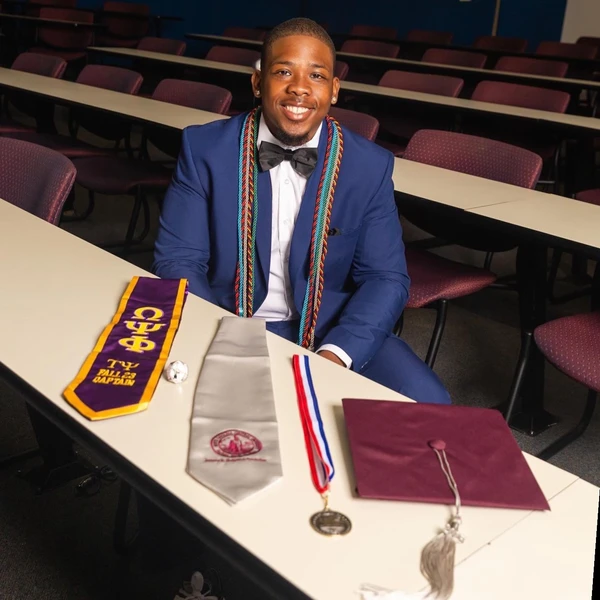
I am a proud graduate of North Carolina Central University and a former student-athlete who competed as a football player while maintaining a strong commitment to leadership, service, and academic excellence. During my time at NCCU, I actively participated in several organizations that focused on personal development, advocacy, and community engagement, including the African American Male Initiative, the NAACP, and the True Eagles Ambassador Program. I am also a proud initiated member of Omega Psi Phi Fraternity, Inc. through the Mighty Tau Psi Chapter, where I continue to uphold the fraternity's principles of manhood, scholarship, perseverance, and uplift. My experiences as a student-athlete, campus leader, and servant leader have strengthened my passion for mentorship, community service, and creating opportunities that positively impact others.

Education

North Carolina Central University

Bachelor's degree program
2021 - 2025
  • Majors:
    • Criminal Justice and Corrections, General
North Carolina Central University

Master's degree program
2021 - 2027
  • Majors:
    • Criminal Justice and Corrections, General

Miscellaneous

  • Desired degree level:

    Master's degree program

  • Graduate schools of interest:

    • North Carolina Central University
  • Transfer schools of interest:

  • Majors of interest:

  • Not planning to go to medical school
  • Career

    • Dream career field:

      • homeland security /department of defense
    • Dream career goals:

    • intern

      Durham Police department
      2025 – 2025

    Sports

    Football

    Varsity
    2022 – 20231 year

    Public services

    • Volunteering

      omega psi phi fraternity inc. — Through service, leadership, and academic achievement, I am committed to making a positive impact in my community while supporting the growth and success of others.
      2023 – Present

    Future Interests

    Advocacy

    Volunteering

    Entrepreneurship

    Augustin Gonzalez Memorial Scholarship
    From a young age, I have admired the men and women who dedicate their lives to protecting others. As I have grown older and pursued my education, that admiration has developed into a clear sense of purpose. I want to become a police officer because I believe that law enforcement is one of the most meaningful ways to serve a community, protect those who cannot protect themselves, and make a positive impact on people’s lives. I understand that policing is not simply about enforcing laws—it is about building trust, showing compassion, making difficult decisions under pressure, and treating every person with fairness and respect. My education has strengthened my desire to pursue this career. I earned my bachelor’s degree in Criminal Justice, graduating summa cum laude, and I am continuing my education by pursuing a master’s degree in Criminal Justice at North Carolina Central University. Through my studies, I have learned about the complexities of the criminal justice system, constitutional rights, ethical decision-making, and the importance of community-oriented policing. These experiences have reinforced my belief that effective law enforcement requires knowledge, professionalism, and a commitment to continuous learning. Beyond academics, I have developed qualities that I believe are essential for success as a police officer. As a former collegiate athlete, I learned the value of discipline, teamwork, perseverance, and accountability. Football taught me how to stay calm under pressure, communicate effectively with others, and push through adversity without losing focus. These lessons have shaped my character and prepared me for the challenges that come with a career in law enforcement. My long-term goal is to serve in federal law enforcement with the Department of Homeland Security. However, I believe becoming a police officer is the best foundation for achieving that goal. Working as a local officer will allow me to gain valuable experience interacting with diverse communities, responding to emergencies, investigating crimes, and developing the leadership skills necessary to serve at the federal level. Every interaction with a member of the public is an opportunity to build trust and demonstrate integrity. Ultimately, I want my career to be defined by service. I want people to know that when they see me, they are looking at someone who genuinely cares about their safety and well-being. I understand that policing is a demanding profession that requires sacrifice, courage, and resilience, but I welcome those challenges because I know the difference one dedicated officer can make. My goal is to uphold the law with fairness, treat every individual with dignity and respect, and leave every community I serve stronger than I found it. Becoming a police officer is more than a career choice for me—it is a lifelong commitment to protecting others, serving with honor, and making a lasting difference.
    Learner Mental Health Empowerment for Health Students Scholarship
    Mental health is important to me because it serves as the foundation for learning, personal growth, and success. As a graduate student pursuing a degree in Criminal Justice, I have learned that academic achievement depends on much more than intelligence or hard work. It requires emotional resilience, healthy coping strategies, and the ability to manage stress. Students often juggle coursework, employment, financial responsibilities, family obligations, and uncertainty about the future. Without good mental health, even the most determined students can struggle to reach their full potential. For me, prioritizing mental health is not a sign of weakness; it is an essential part of becoming the best student, leader, and future public servant I can be. Graduate school has challenged me to become more disciplined and intentional with my time. There are days when assignments, deadlines, and financial concerns feel overwhelming. During those moments, I have learned that taking care of my mental well-being is just as important as studying for an exam or completing a research paper. When I neglect my mental health, my focus, motivation, and confidence begin to decline. However, when I make time to exercise, pray, reflect, and maintain a healthy routine, I become more productive and better equipped to handle challenges. These habits help me remain grounded and remind me that success is built through consistency rather than perfection. One of the most valuable lessons I have learned is that asking for support is a strength, not a weakness. Many students believe they must handle every challenge on their own because they fear being judged or appearing incapable. Unfortunately, this mindset can lead to burnout, anxiety, and isolation. I believe creating an environment where people feel comfortable discussing their mental health is one of the most effective ways to reduce stigma. Everyone faces difficult seasons, and no one should feel ashamed for seeking guidance from friends, family, mentors, professors, or counselors. I advocate for mental health within my community by encouraging honest conversations and leading through example. I try to be someone who listens without immediately judging or trying to solve every problem. Sometimes people simply need someone who will genuinely listen and remind them they are not alone. Whether it is checking in on classmates during stressful parts of the semester, encouraging friends who are struggling, or reminding someone to take a break when they seem overwhelmed, I believe small acts of kindness can have a lasting impact. Supporting others does not always require grand gestures; often, it begins with simply showing that you care. Physical fitness is another way I promote mental wellness. Exercise has become one of my favorite ways to manage stress and maintain a positive mindset. Going to the gym helps me clear my thoughts, improve my discipline, and reduce anxiety after demanding days. I often encourage friends and classmates to join me because working out not only improves physical health but also strengthens mental resilience. It creates an opportunity to step away from academic pressure and focus on personal well-being. As someone pursuing a career in federal law enforcement, I recognize that mental health will remain important throughout my professional life. Law enforcement officers regularly encounter high-pressure situations, trauma, and difficult decisions. Building healthy coping skills now will prepare me to handle those responsibilities while continuing to serve others effectively. I also hope to advocate for greater awareness of mental health within the criminal justice system by supporting programs that promote resilience, wellness, and access to mental health resources for both officers and the communities they serve.
    Love Island Fan Scholarship
    My Love Island challenge would be called “Heart Under Pressure.” The goal is to test how well couples communicate, trust, and solve problems together when they’re under pressure—not just how well they flirt. Each couple starts in separate rooms where they’re given pieces of the same puzzle. They cannot see each other, and the only way to complete the challenge is by talking through headsets. However, there is a twist: every five minutes, one partner receives a secret card with information they must decide whether to reveal immediately or hold until the right moment. Some cards contain helpful clues, while others create harmless dilemmas, such as choosing between earning extra time or protecting their partner from a surprise obstacle later in the game. After completing the puzzle, couples move to a second stage where they answer rapid-fire questions about one another. These aren’t basic questions like favorite colors. Instead, they’re meaningful questions such as, “What is your partner’s biggest insecurity?” “What achievement are they most proud of?” or “How do they prefer to be comforted after a difficult day?” Correct answers earn points, while incorrect answers reveal opportunities for the couple to learn more about each other. The final stage is the biggest twist. Before entering, each islander privately answers one difficult relationship question, such as, “What’s something you’ve been afraid to tell your partner?” or “What quality do you appreciate most about them but rarely say out loud?” They then reunite and choose whether to share their answer openly. Honesty isn’t required, but vulnerability earns bonus points. The challenge rewards emotional maturity rather than drama. The winning couple receives a luxury date outside the villa and immunity from the next elimination. The couple with the fewest points isn’t automatically at risk of leaving, but they become the focus of a villa discussion where everyone reflects on what they learned about communication and trust. I think “Heart Under Pressure” would become a fan favorite because it creates genuine emotional moments instead of manufactured conflict. Viewers would watch couples demonstrate teamwork, honesty, and growth while still enjoying unexpected twists and suspense. At its core, Love Island is about finding meaningful connections, and this challenge would reveal which couples are building relationships strong enough to thrive both inside and outside the villa.
    Ruthie Brown Scholarship
    Paying for higher education is one of the biggest financial challenges many students face today. While student loans can make college possible, they also create long-term financial responsibilities that require careful planning. As a graduate student pursuing a degree in Criminal Justice, I understand that every financial decision I make now will impact my future. My goal is not only to earn my degree but also to minimize my student loan debt through scholarships, responsible budgeting, employment, and strategic career planning. One of the most important ways I am addressing my current and future student loan debt is by applying for scholarships whenever possible. Every scholarship I receive is money that does not have to be borrowed or repaid with interest. Rather than viewing scholarships as optional, I see them as an essential part of my financial plan. I dedicate time to researching opportunities, writing essays, and submitting applications because each award brings me one step closer to graduating with less debt. Receiving scholarships also allows me to focus more on my education and professional development instead of worrying about financial stress. In addition to seeking scholarships, I work to contribute toward my educational expenses. Balancing work with graduate school requires discipline and effective time management, but earning income while pursuing my degree helps reduce the amount I need to borrow. I also maintain a realistic budget by prioritizing necessities, limiting unnecessary spending, and avoiding high-interest debt whenever possible. Learning financial responsibility now will benefit me long after graduation. My long-term career goal is to serve in federal law enforcement, specifically with the Department of Homeland Security. I understand that a stable career with opportunities for advancement will allow me to repay my student loans responsibly while continuing to build financial security. I also plan to explore loan repayment assistance programs or public service benefits that may be available to individuals who dedicate their careers to serving the public. These opportunities align with both my professional aspirations and my commitment to giving back to my community. Beyond simply paying off debt, I want to build healthy financial habits that will last a lifetime. I plan to create an emergency savings fund, contribute consistently to retirement accounts once I begin my career, and avoid taking on unnecessary debt. Financial freedom is not achieved overnight, but through consistent decisions made over time. By living within my means and focusing on long-term goals rather than short-term wants, I can build a stable financial future while fulfilling my professional ambitions. Receiving the Ruthie Brown Scholarship would significantly reduce the financial burden of graduate school and allow me to continue pursuing my education with greater confidence. More importantly, it would represent an investment in someone who is committed to using their education to serve others. My plan for addressing student loan debt is built on preparation, discipline, and perseverance. By combining scholarships, employment, careful financial planning, and a career dedicated to public service, I am confident that I can successfully manage my educational expenses while achieving my dream of protecting and serving communities across our nation.
    Future Nonprofit Leaders Award
    Throughout my life, I have been driven by one purpose: serving others and helping create safer, stronger communities. Although my long-term career goal is to work in federal law enforcement, I believe meaningful change happens when public service and nonprofit organizations work together. Nonprofits often address the root causes of crime, poverty, homelessness, educational inequality, and mental health challenges long before law enforcement becomes involved. That is why I hope to support and partner with nonprofit organizations throughout my career, using my education, leadership, and commitment to service to create opportunities that improve lives. As a graduate student studying Criminal Justice, I have learned that public safety extends far beyond enforcing laws. Lasting change requires investing in people before they find themselves in difficult situations. Many nonprofit organizations provide youth mentorship, tutoring, victim advocacy, substance abuse treatment, mental health services, workforce development, and housing assistance. These programs offer hope, stability, and resources that help individuals build better futures while reducing the conditions that often contribute to crime and instability. Supporting these efforts is just as important as responding when problems occur. One of my greatest passions is mentoring young people who may not have positive role models or believe they have a path to success. Growing up, I recognized the value of encouragement, discipline, and people who believed in my potential. I want to become that same source of motivation for others by volunteering with youth programs, speaking at schools, and helping students understand that their circumstances do not define their future. I believe every young person deserves someone who encourages them to dream bigger, work harder, and believe in themselves. I also hope to support organizations that assist victims of crime and families facing hardship. Recovering from trauma often requires more than legal action; it requires compassion, counseling, financial assistance, and a community willing to help. By partnering with nonprofits that provide these services, I can contribute to creating environments where individuals feel supported as they rebuild their lives. My goal is to be someone who not only protects communities but also helps them heal and grow stronger. In addition to my future career, I plan to remain actively involved in community service throughout my life. Whether participating in neighborhood outreach events, organizing donation drives, mentoring students, or volunteering at local nonprofit organizations, I want my impact to extend beyond my job title. I believe leadership is measured by how much we invest in others, and I am committed to using my time, skills, and experiences to serve wherever I am needed. Receiving this scholarship would help me continue pursuing my master’s degree while preparing for a career centered on integrity, service, and leadership. It would also allow me to focus more of my time on volunteer opportunities that strengthen my community. My vision is to bridge the gap between public safety and community support by collaborating with nonprofit organizations that empower individuals, strengthen families, and create lasting change. Through education, compassion, and service, I hope to leave every community I serve safer, more resilient, and filled with greater opportunities for future generations.
    Joe Gilroy "Plan Your Work, Work Your Plan" Scholarship
    My short-term goal is to begin a career with the Department of Homeland Security, where I can contribute to protecting our nation’s security while gaining valuable experience in federal service. My long-term goal is to advance into federal law enforcement or serve in the military, where I can continue developing my leadership skills and make an even greater impact. I understand that achieving these goals requires more than ambition—it requires careful planning, discipline, and adaptability. My first step is completing my college education while maintaining strong academic performance. I plan to take courses related to criminal justice, homeland security, and emergency management while seeking internships, volunteer opportunities, and networking with professionals in the field. I also intend to maintain my physical fitness, as many federal careers have demanding physical requirements. Preparing now will make me a stronger candidate when I apply. Financial planning is a critical part of my success. My budget includes tuition, books, transportation, certification costs, and living expenses. I plan to use a combination of financial aid, scholarships like this one, and income from part-time employment to reduce the need for student loans. Receiving scholarship assistance would allow me to focus more on my education and professional development instead of worrying about financial barriers. My timeline is to earn my degree over the next several years while building experience through internships and professional development opportunities. After graduation, I plan to apply for positions within the Department of Homeland Security. As I gain experience, I will pursue specialized training and additional certifications that will prepare me for advancement into federal law enforcement or military service. I also recognize that success may not always follow a straight path. If I am not immediately selected for a DHS position, I will continue strengthening my qualifications through local or state law enforcement, additional education, or military service. Every experience will help me grow and move closer to my ultimate goal. I believe that planning is about preparing for opportunities while remaining flexible enough to overcome obstacles. With determination, hard work, and the support of scholarships such as this one, I am confident that I can achieve my goals and dedicate my career to serving and protecting others. Above all, I want my career to be defined by integrity, service, and a commitment to protecting others. Whether I am serving through the Department of Homeland Security, federal law enforcement, or the military, my purpose will remain the same: to make a meaningful difference in the lives of others while continuously challenging myself to grow as a leader and professional. I understand that success is earned through preparation, perseverance, and dedication, and I am ready to put in the work required to achieve my goals.
    Olivia Rodrigo Fan Scholarship
    One Olivia Rodrigo lyric that has always resonated with me is from “the grudge,” where she reflects on how difficult it can be to let go after someone has hurt you. While the song centers on heartbreak, I think its message extends beyond romantic relationships. It captures the emotional weight of disappointment, broken trust, and the struggle between wanting peace and still carrying pain. That idea connects deeply with my own experiences. Like many people, I’ve had moments where I wanted to move forward but found myself replaying conversations and wondering what I could have done differently. It’s easy to tell someone to “just let it go,” but real healing rarely happens that way. Olivia’s songwriting acknowledges that growth is messy. You can love someone, miss someone, and still recognize that what happened affected you. That honesty is what makes her music feel so personal. At the same time, my journey has taught me that holding onto hurt forever only prevents new opportunities from entering your life. Learning to forgive—whether someone else or even yourself—isn’t about pretending nothing happened. It’s about choosing not to let past experiences define your future. That has been one of the biggest challenges I’ve faced, but also one of my greatest triumphs. Every difficult experience has helped me become more patient, more understanding, and more intentional about the relationships I build. What I admire most about Olivia Rodrigo is her willingness to express emotions that many people are afraid to admit. Her songs remind listeners that vulnerability isn’t weakness—it’s courage. By putting complicated feelings into words, she creates a space where people feel seen and understood. Music has a unique ability to remind us that we are never alone in what we experience. Olivia Rodrigo’s lyrics have shown me that it’s okay to feel deeply, to take time to heal, and to grow through life’s challenges instead of running from them. That message has stayed with me, and it’s why her music continues to inspire me. Rather than simply describing heartbreak, her songwriting encourages resilience, self-reflection, and hope for what’s ahead—qualities that I strive to carry into my own life every day. As I continue growing, I hope to carry the lessons I have learned from both my own experiences and the music that has inspired me. Olivia Rodrigo’s songs remind me that every challenge has the potential to shape who we become. Instead of allowing setbacks to define me, I choose to see them as opportunities to become stronger, wiser, and more compassionate. Her authenticity encourages me to embrace my own story, even the difficult chapters, because they are part of what makes me who I am. That perspective has given me confidence to face the future with resilience and optimism, knowing that every obstacle can become a stepping stone toward personal growth and success.
    Taylor Swift Fan Scholarship
    One of Taylor Swift’s most moving performances, in my opinion, is her live performance of “All Too Well (10 Minute Version)” during The Eras Tour. While Taylor has delivered countless incredible performances throughout her career, this one stands out because of the emotion, vulnerability, and connection she creates with the audience. It isn’t just about singing a song—it feels like she’s inviting everyone into a story that has grown alongside both her and her fans. What makes this performance so powerful is how simple it is compared to the rest of the show. Surrounded by elaborate sets, costume changes, and stunning visual effects, Taylor allows this song to take center stage with little more than her voice, her guitar, and the emotions behind every lyric. That simplicity reminds us that true artistry doesn’t depend on spectacle. It depends on honesty. Every word feels intentional, and every note carries years of growth, reflection, and resilience. I also admire how this performance represents Taylor’s journey as an artist. She transformed a song that was once deeply personal into an anthem that millions of people connect with in their own ways. Whether someone relates to heartbreak, healing, nostalgia, or simply appreciating great storytelling, the performance creates a shared experience. Watching thousands of fans sing every lyric together shows the incredible impact music can have in bringing people from different backgrounds together. Beyond the performance itself, it reflects something I find inspiring about Taylor Swift as an artist. Throughout her career, she has continued to evolve while remaining true to herself and her songwriting. She has faced criticism, reinvented her sound multiple times, and consistently found ways to connect with audiences through authenticity rather than trying to fit expectations. For me, that performance is the perfect example of why Taylor Swift’s music resonates with so many people. It demonstrates that the most unforgettable performances are not always the loudest or the flashiest—they are the ones that make people feel understood. That ability to turn personal experiences into something universal is what makes Taylor Swift’s performance of “All Too Well (10 Minute Version)” the most moving of all.
    Christian Fitness Association General Scholarship
    Tell us about a challenge you faced during school and how did you overcome it? One of the most significant challenges I faced during my college years was overcoming my struggle with alcohol and learning healthier ways to cope with difficult emotions. For a period of time, I used alcohol as an escape from stress, disappointment, and personal struggles. What started as a temporary way to avoid uncomfortable feelings gradually became a habit that negatively affected my mindset and emotional well-being. Instead of addressing my problems directly, I tried to escape from them. Looking back, I realize that I was not just avoiding difficult situations—I was avoiding reality itself. At the time, I was balancing the demands of being a college student, an athlete, and a young adult trying to figure out my future. I played college football, which taught me discipline, teamwork, and perseverance. While football helped shape my character, it did not make me immune to personal struggles. Like many students, I experienced pressure from academics, athletics, finances, and life outside the classroom. Rather than developing healthy coping strategies, I often relied on alcohol to temporarily numb the emotions I did not want to face. The hardest part of this challenge was recognizing that I was standing in my own way. I had dreams of achieving academic success, continuing my education, and building a meaningful career in public service. However, my actions were not aligning with the future I envisioned for myself. I knew that if I continued down the same path, I would be jeopardizing opportunities that I had worked hard to create. That realization became a turning point in my life. I made the decision to take responsibility for my choices and commit myself to becoming a better version of myself. I learned that overcoming a challenge is not about making one big change overnight. It is about making consistent decisions every day that move you in the right direction. Instead of turning to alcohol, I redirected my energy toward activities that would help me grow mentally, physically, and academically. One of the most important outlets for me became fitness. As a former football player, I understood the value of hard work and discipline, but fitness took on a new meaning during my personal growth journey. Exercise became a healthy way to manage stress, improve my mental health, and build confidence. Every workout reminded me that progress requires consistency and patience. The same mindset that helped me push through difficult practices and games helped me push through personal obstacles as well. At the same time, I recommitted myself to my education. I refused to allow my struggles to define my future. Instead, I used them as motivation to work harder and stay focused on my goals. Through determination, discipline, and countless hours of studying, I achieved academic success and graduated with Summa Cum Laude honors. Earning that distinction is one of the accomplishments I am most proud of because it represents more than strong grades. It symbolizes resilience, personal growth, and the ability to overcome adversity while remaining committed to excellence. In addition to academics, I sought opportunities to serve others and become involved on campus. I became a member of Omega Psi Phi Fraternity, Inc., an organization founded on the principles of manhood, scholarship, perseverance, and uplift. Through my involvement, I participated in service projects and community initiatives that allowed me to give back to others. These experiences taught me that leadership is not about personal recognition but about making a positive impact on the people around you. I also served as a mentor on campus, helping guide students who were navigating their own academic and personal challenges. Mentoring others gave me a sense of purpose and reminded me how important it is to have positive role models and support systems. By sharing encouragement, advice, and accountability, I was able to help other students pursue their goals while continuing to strengthen my own leadership skills. The challenges I faced ultimately taught me some of the most valuable lessons of my life. I learned the importance of accountability, resilience, self-discipline, and perseverance. I learned that setbacks do not define who we are; rather, our response to those setbacks determines our growth. Most importantly, I learned that asking for help, developing healthy habits, and staying committed to long-term goals can transform even the most difficult circumstances into opportunities for growth. Today, I am preparing to begin graduate studies in Criminal Justice with the long-term goal of pursuing a career in federal law enforcement. My experiences have given me a deeper understanding of the challenges people face and have strengthened my desire to serve others. The obstacles I encountered during college helped shape me into a more disciplined, compassionate, and determined individual. They taught me that true strength is not found in avoiding adversity but in facing it head-on and using it as motivation to grow. When I reflect on my journey, I do not see my struggle as a weakness. Instead, I see it as a chapter that helped develop the character, resilience, and determination that will guide me throughout my future career and life. By overcoming this challenge, I discovered the importance of purpose, service, and perseverance—lessons that I will carry with me wherever my future takes me.
    Max Bungard Memorial Scholarship
    For a period of my life, I struggled with alcohol addiction. What began as a way to cope with difficult emotions eventually became an unhealthy escape from reality. Whenever I felt stressed, overwhelmed, disappointed, or emotionally drained, I turned to drinking instead of confronting those feelings directly. At the time, alcohol seemed like an easy solution because it temporarily numbed the emotions I did not want to deal with. However, what I did not realize was that I was only delaying my problems while creating new ones for myself. As my dependence on alcohol grew, I began to lose sight of the goals and future I had always envisioned. Rather than addressing challenges in a productive way, I used alcohol to avoid them. The more I relied on drinking, the harder it became to face reality. Looking back, one of the most difficult parts of addiction was recognizing how much control it had gained over my life. It affected my mindset, my motivation, and my ability to become the best version of myself. The turning point came when I realized that the life I was living did not align with the future I wanted. I have always had ambitions of pursuing higher education, serving others, and building a meaningful career. I knew that if I continued down the same path, I would be putting those goals at risk. Accepting responsibility for my choices was not easy, but it was necessary. I had to be honest with myself and acknowledge that real change could only happen if I was willing to confront my struggles instead of running from them. Since then, I have worked hard to develop healthier ways of coping with stress and emotions. I have focused on fitness, education, and personal growth. Exercise became an outlet that helped me channel my energy in a positive direction, while my educational journey gave me a renewed sense of purpose. Every day, I make a conscious effort to choose habits that support my future rather than undermine it. While growth is an ongoing process, each step forward has strengthened my confidence and reinforced my commitment to living a healthier life. My experience with addiction has taught me valuable lessons about resilience, accountability, and perseverance. It has also given me a deeper sense of empathy for others who struggle with addiction and mental health challenges. I understand how difficult it can be to break unhealthy patterns, but I also know that recovery and personal growth are possible with determination and support. Today, I am preparing to begin my graduate program in Criminal Justice, and my long-term goal is to pursue a career in federal law enforcement. My past struggles have not defined me; instead, they have helped shape the person I am becoming. I hope to use both my education and my experiences to make a positive impact on others and serve my community. Receiving the Max Bungard Memorial Scholarship would help me continue pursuing my goals while honoring the progress I have made. Most importantly, it would support my mission of turning adversity into purpose and using my experiences to help others build brighter futures.
    Bick First Generation Scholarship
    Being a first-generation college student means breaking barriers and creating opportunities that previous generations of my family never had. As the first in my family to pursue higher education, I have had to navigate the college experience largely on my own. While that journey has not always been easy, it has taught me resilience, independence, and the importance of perseverance. Throughout my educational journey, I have faced challenges that required determination and self-discipline. As a first-generation student, there was no roadmap for navigating admissions, financial aid, academic expectations, or career planning. I had to learn how to advocate for myself, seek out resources, and remain focused on my goals even when the path forward seemed uncertain. These experiences have strengthened my confidence and prepared me to take on new challenges. At 23 years old, I am preparing to begin my graduate program in August, pursuing advanced studies in Criminal Justice. My long-term goal is to serve in federal law enforcement, where I can make a positive impact by protecting communities, upholding the law, and contributing to public safety. I am drawn to this career because it combines service, leadership, and a commitment to justice—values that have guided me throughout my life. What drives me is the desire to build a better future for myself while serving others. I want to demonstrate that where a person starts does not determine where they can go. By earning my graduate degree and pursuing a career in federal law enforcement, I hope to become an example for younger family members and others who may doubt their ability to achieve ambitious goals. This scholarship would help me continue my educational journey by easing the financial burden of graduate school. It would allow me to focus more on my studies, professional development, and preparation for a career in federal law enforcement. More importantly, it would represent an investment in my potential and my commitment to making a meaningful difference. Being a first-generation student has taught me that success is earned through persistence, hard work, and a willingness to overcome obstacles. As I begin this next chapter of my education, I remain committed to achieving my goals, serving my community, and creating opportunities for those who follow after me. With the support of this scholarship, I will be one step closer to turning those goals into reality.
    Ethel Hayes Destigmatization of Mental Health Scholarship
    My experience with mental health has significantly shaped how I view myself, my goals, my relationships, and the world around me. At different points in my life, I have had to learn how to manage stress, pressure, and internal struggles while still maintaining my responsibilities as a student, athlete, and leader at North Carolina Central University. Balancing academics, athletics, leadership roles, and personal challenges was not always easy, and there were moments when I had to learn how to pause, reflect, and prioritize my mental well-being in order to continue moving forward in a healthy way. These experiences taught me that mental health is just as important as physical health. As a former football player, I was used to pushing through physical pain and adversity, but I eventually realized that emotional and mental strain requires just as much attention and care. Learning how to acknowledge my thoughts and emotions instead of ignoring them helped me become more self-aware, disciplined, and intentional about how I handle challenges. It also helped me understand that strength is not just about enduring hardship, but also about knowing when to seek support and take care of yourself. My mental health journey has also shaped my relationships with others. It has made me more patient, understanding, and empathetic toward people who may be dealing with struggles that are not always visible. Through my involvement in the African American Male Initiative, the NAACP, the True Eagles Ambassador Program, and Omega Psi Phi Fraternity, Inc., I have learned the importance of creating spaces where people feel heard, supported, and valued. I try to be someone others can talk to without judgment, especially those who may be silently dealing with stress, anxiety, or personal hardship. This experience has also changed my goals. Instead of only focusing on personal success, I am now more committed to making a positive impact on others, especially young people who may not have strong support systems. I want to use my experiences to help normalize conversations around mental health, particularly in communities where it is often overlooked or misunderstood. I believe that being open about these challenges can help reduce stigma and encourage others to seek help when needed. Overall, my experience with mental health has given me a deeper understanding of resilience, empathy, and purpose. It has shaped me into someone who values growth, prioritizes well-being, and strives to support others through their own journeys.
    Charles B. Brazelton Memorial Scholarship
    If I had to describe something that makes me stand out, it would be my bowleggedness caused by Blount's Disease. While some people may view it as an awkward physical characteristic, it has been one of the defining aspects of my life and has played a major role in shaping the person I am today. Growing up, I was very aware that I looked different from many of my peers. As a child, it was difficult not to notice the stares, questions, and assumptions people made about my abilities based solely on my appearance. There were times when I felt self-conscious and wondered if I would always be judged before people took the time to get to know me. Living with Blount's disease also came with challenges that extended beyond appearance. There were moments when opportunities seemed out of reach because people doubted what I could accomplish physically. Some doors were closed before I even had the chance to prove myself. Whether it was being underestimated, overlooked, or having others question my potential, I frequently encountered obstacles that could have discouraged me from pursuing my goals. However, those experiences taught me an important lesson: I could not control what others thought about me, but I could control how hard I worked and how I responded to adversity. Instead of allowing those setbacks to define me, I used them as motivation. I became determined to prove to myself and others that my condition would not limit my future. Through hard work, perseverance, and faith in my abilities, I continued pushing forward. That determination eventually helped me achieve one of my proudest accomplishments—becoming a collegiate football player at North Carolina Central University. For many people, football is physically demanding under normal circumstances, but for me it represented much more. Every practice, workout, and game was evidence that I had refused to let my challenges dictate my path. Beyond athletics, my experiences have shaped how I interact with others. Because I know what it feels like to be judged, overlooked, or counted out, I try to approach people with empathy and understanding. I recognize that everyone is fighting battles that may not be visible on the surface. This perspective inspired me to become involved in mentorship and community service throughout my time at NCCU. One of the most meaningful experiences was mentoring a young boy from a nearby neighborhood who had experienced significant trauma after being a gunshot victim at a young age. I wanted him to know that difficult circumstances do not have to determine the outcome of his life. By sharing my own journey and encouraging him to believe in himself, I hoped to provide the kind of support and guidance that can make a lasting difference. What makes me stand out is not simply that I have Blount's disease or that I am bowlegged. It is the resilience, perseverance, and perspective I gained because of those experiences. The challenges I faced taught me how to overcome adversity, remain confident in who I am, and continue pursuing my goals even when the odds seem stacked against me. What some may see as an awkward characteristic has become one of my greatest strengths. It serves as a constant reminder that obstacles are not roadblocks—they are opportunities to grow, persevere, and inspire others to do the same.
    Michael Rudometkin Memorial Scholarship
    I embody selflessness by making a conscious effort to serve others, offer support when it is needed, and use my experiences to positively impact those around me. Growing up in a single-parent household taught me the importance of sacrifice, resilience, and community. I watched my parent work hard to provide for our family while overcoming challenges that could have easily become obstacles. Those experiences taught me that success is not achieved alone and that helping others is one of the most meaningful ways to give back. Because of this, I have always tried to use my time, leadership, and experiences to support people who may need guidance, encouragement, or someone who genuinely cares about their well-being. During my time as a student-athlete at North Carolina Central University, I learned the value of leadership, discipline, and service. While balancing the demands of football and academics, I remained committed to serving my community through organizations such as the African American Male Initiative, the NAACP, the True Eagles Ambassador Program, and Omega Psi Phi Fraternity, Inc.. These organizations provided opportunities for me to engage in community service, mentor others, and contribute to initiatives that promoted education, leadership, and personal development. One of the most impactful examples of selflessness in my life was serving as a mentor to a young boy in a nearby neighborhood off campus. He had experienced significant hardship at a very young age and was a gunshot victim. In addition to the physical and emotional challenges he faced, he lacked consistent positive role models who could help guide him and encourage him. When I met him, I recognized that what he needed most was someone willing to invest time in him, listen to him, and show him that his circumstances did not define his future. I spent time talking with him, encouraging him to stay focused on his goals, and helping him build confidence in himself. I shared lessons I had learned through sports, education, and life, while also serving as a positive example of what can be accomplished through perseverance and determination. Rather than focusing on his past trauma, I encouraged him to focus on his potential and the opportunities that still existed for him. Watching him become more hopeful, engaged, and confident reinforced the importance of mentorship and the impact one person can have on another person's life. This experience taught me that selflessness is not about recognition or reward. It is about being willing to give your time, energy, and support to help someone else succeed. Whether through mentorship, community service, or leadership, I strive to uplift others and make a meaningful difference in my community. As I continue pursuing my personal and professional goals, I remain committed to serving as a mentor, advocate, and positive role model for young people who may be facing challenges similar to those I have witnessed. I believe that true success is measured not only by personal achievements but also by the lives we positively impact along the way.
    Lotus Scholarship
    Growing up in a single-parent household taught me resilience, responsibility, and perseverance from an early age. I witnessed firsthand the sacrifices my parent made to provide for our family, often balancing multiple responsibilities while ensuring I had the support and opportunities needed to succeed. Watching that determination motivated me to work hard, remain focused on my goals, and overcome obstacles that could have easily discouraged me. Despite financial and personal challenges, I remained committed to my education, athletics, and personal development. As a student-athlete at North Carolina Central University, I learned the importance of discipline, time management, and perseverance. Beyond football, I became involved in organizations such as the African American Male Initiative, the NAACP, served as a True Eagles Ambassador, and became a member of Omega Psi Phi Fraternity, Inc.. These experiences strengthened my leadership skills and reinforced my commitment to service and uplifting others.My life experiences have inspired me to make a positive impact by mentoring young people, particularly those who come from backgrounds similar to my own. I want to show them that their circumstances do not define their future and that success is achievable through hard work, education, and perseverance. I believe representation and guidance are important, and I hope to serve as a role model who encourages others to pursue their goals with confidence. I am actively working toward my goals by continuing to develop professionally, seeking opportunities for growth, and remaining involved in service-oriented initiatives. I strive to use the lessons I learned from my upbringing, athletics, and leadership experiences to create opportunities for others and contribute positively to my community. Receiving this scholarship would help me continue pursuing my goals while furthering my commitment to giving back and making a meaningful difference in the lives of others.