user profile avatar

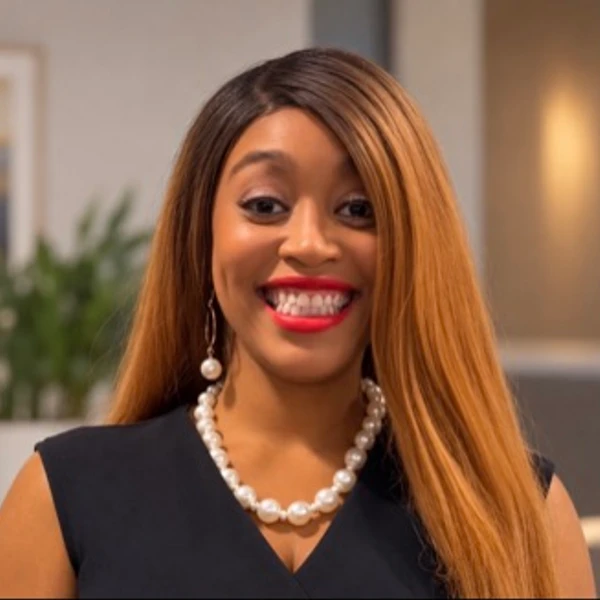
Jasmine Guy

2x

Finalist

1x

Winner

General information

US Citizenship
US Citizen

Hobbies & Interests

  • Nursing
  • Child Development
  • Mental Health
  • Hospitality
  • Health Sciences
  • Volunteering
  • Community Service And Volunteering
  • Advocacy And Activism
  • Studying
  • Real Estate
  • African American Studies
  • Meditation and Mindfulness
  • Research
  • Baking
  • Piano
  • Social Media
  • Music Production
  • Global Health
  • Public Health
  • Nutrition and Health
  • Bible Study
  • Gender Studies
  • Animals
  • Travel And Tourism
  • Running
  • Japanese
  • Biking And Cycling

Reading

  • Christianity
  • Adult Fiction
  • Biography
  • Book Club
  • Cookbooks
  • Adventure
  • Social Issues
  • Science Fiction
  • Romance
  • Humanities
  • Politics
  • Cultural
  • Humor
  • Family
  • Environment
  • Self-Help
  • Marriage
  • Academic
  • Economics
  • Sociology
  • Religion
  • Business
  • Women's Fiction
  • Law
  • Drama
  • Mystery
  • Food and Drink
  • Health
  • Historical
  • History

I read books daily.

Bio

My name is Jasmine Guy, and I was born and raised in Maryland. Outside of nursing and school, I enjoy spending time outdoors, dancing, riding my bike, listening to music, and being around animals. I also have a tuxedo cat named Tuxe, whom I rescued when she was just six weeks old. My healthcare journey began as a Patient Care Technician, where I gained years of experience caring for children and supporting their families. While working in pediatric healthcare, I pursued my nursing education, graduated from Montgomery College’s nursing program, passed the NCLEX, and became a registered nurse. Today, I am a pediatric RN with experience caring for critically ill children in the Pediatric Intensive Care Unit. I have also completed a Pediatric Nursing Transition to Practice Residency Program, which strengthened my clinical judgment, critical thinking, communication, and ability to care for patients and families during vulnerable moments. I am now continuing my education through an RN-to-BSN program to earn my Bachelor of Science in Nursing. My goal is to continue growing as a nurse, expand my opportunities within healthcare, and become a stronger advocate and leader. I am proud of how far I have come, and I am excited to see where the next chapter of my education takes me.

Education

Post University- Online

Bachelor's degree program

2026 – 2027

Majors:
  • Registered Nursing, Nursing Administration, Nursing Research and Clinical Nursing
Minors:
  • Health Professions and Related Clinical Sciences, Other
Montgomery College

Associate's degree program

2021 – 2025

Majors:
  • Registered Nursing, Nursing Administration, Nursing Research and Clinical Nursing

Miscellaneous

Desired degree level:
Master's degree program
Majors of interest:
Registered Nursing, Nursing Administration, Nursing Research and Clinical Nursing, Science, Technology and Society, Health Professions Education, Ethics, and Humanities
Desired degree modality:
Online, Full-Time
Medical school interest:
No
English as first language:
Yes
Homeschooled:
No

Career

  • Registered Nurse

    Hospital & Health Care · Children’s Hospital

    Jan 2025 – Present

  • Patient Care Technician

    Hospital & Health Care · Children’s Hospital

    Jan 2018 – Jan 2025

  • Full-time Caregiver

    Home

    Jan 2010 – Jan 2016

  • Barista

    Food & Beverages · Starbucks

    Jan 2016 – Jan 2017

  • Lead Patient Transporter

    Hospital & Health Care · Inova Alexandria Hospital

    Jan 2017 – Jan 2018

Miscellaneous

Dream career field:
Hospital & Health Care, Nursing, Healthcare Administration
Dream career goals:
Pediatric Nurse Practitioner
Work experience:
10+ years
Has nursing license:
Yes
Leadership experience:
No

Military

ROTC:
No
Branch of interest:
Not interested

Future Interests

  • Advocacy
  • Politics
  • Volunteering
  • Philanthropy
Hines Scholarship
Going to college means something different to me now than it did when I first started. When I began my nursing journey, my main goal was to become a registered nurse. It took years to get there, and at the time, earning my nursing degree felt like the finish line. Now that I am an RN, I realize it was really the beginning. Before becoming a nurse, I spent seven years working as a Patient Care Technician in pediatric healthcare while pursuing my nursing education. I worked directly with children and families and had the opportunity to learn from the nurses around me. I saw the responsibility nurses carried and the difference they could make for a patient and family. Those experiences made me even more determined to eventually become one myself. My path was not quick or easy. There were years between deciding I wanted to become a nurse and finally being able to call myself one. I kept working, continued going to school, completed my nursing program, earned my degree, and passed the NCLEX. Today, I work as a registered nurse in a Pediatric Intensive Care Unit caring for critically ill children and supporting their families through situations that can be frightening and overwhelming. After working so hard to become an RN, I could have decided that I was finished with school. Instead, becoming a nurse made me realize how much more there is for me to learn. I am now back in college completing my RN-to-BSN. I want to build on the education and experience I already have and become a stronger nurse, advocate, and leader. Going back to school while already having a career also feels different. I have a much clearer understanding of why I am there. I can connect what I am learning to situations I have actually experienced as a nurse. I am not pursuing a degree simply because I feel like I am supposed to have one. I am doing it because I want more options for my future and because I know education can open doors that experience alone may not. My goals also extend beyond my current position. I want to learn more about leadership and the business side of healthcare. In the future, I am interested in healthcare entrepreneurship and possibly developing a healthcare practice or clinic of my own. I would like to take what I have learned from caring for patients and eventually use it to make an impact in a different way. I do not have every part of my future planned out, and I think that is okay. My career has already shown me that goals can grow as you do. Becoming an RN was once the goal I was working toward. Now it is the foundation I am building from. That is what going to college means to me. It means continuing to invest in myself even after reaching a goal I once worked years to achieve. Completing my RN-to-BSN is my next step, and I hope my education continues to give me the knowledge, confidence, and opportunities to build a career that grows with me.
Champions Of A New Path Scholarship
I believe what gives me an advantage is that I have already shown how hard I am willing to work for the things I want. My path to becoming a nurse took years. I spent seven years working as a Patient Care Technician in pediatric healthcare while pursuing my nursing education. During that time, I was able to work directly with children and families while learning from nurses around me. Those experiences made me even more determined to become a registered nurse myself. Eventually, I completed nursing school, earned my nursing degree, passed the NCLEX, and became a registered nurse. I now work in a Pediatric Intensive Care Unit caring for critically ill children and supporting their families through situations that can be frightening and overwhelming. Getting to this point took persistence, but becoming an RN did not make me feel like I was finished. If anything, it made me realize how much more I want to accomplish. That is one of the reasons I decided to return to school and continue my education through an RN-to-BSN program. I think one of my strengths is that I am willing to keep working toward something even when it takes longer than expected. There were many years between deciding that I wanted to become a nurse and actually being able to call myself one. I could have stopped at different points along the way, but I kept going. Now I am doing the same thing with my bachelor’s degree. I also have goals that extend beyond my current position. I want to continue growing as a nurse, become a stronger leader, and learn more about healthcare outside of direct patient care. In the future, I am interested in healthcare entrepreneurship and possibly developing a healthcare practice or clinic of my own. I would like to use what I have learned from caring for patients to eventually create something that allows me to help people in a different way. I do not know the stories of the other students applying for this scholarship, so I cannot say that my goals are more important than theirs. What I can say is that I have a history of following through on mine. Seven years ago, becoming a registered nurse was something I was still working toward. Today, I am an RN caring for critically ill children, and I am back in school working toward the next goal. That is what I believe gives me an advantage. I am ambitious, but I also understand that ambition means very little without the willingness to keep showing up and doing the work. My education has already changed my life once, and I am continuing it because I believe there is still much more I can do with it.
Barbara Cain Literary Scholarship
Some books entertain us for a few hours and are eventually forgotten. Others stay with us because the lessons within their pages begin to influence how we see our own lives. The Color Purple by Alice Walker is one of those books for me. What affected me most about the novel was watching Celie transform throughout her life. She begins as someone who has endured tremendous hardship and has been made to feel powerless. For much of her life, other people make decisions for her, silence her, and determine what they believe her life should be. Yet her circumstances do not ultimately determine who she becomes. Over time, Celie discovers her voice, recognizes her own worth, develops meaningful relationships, and creates independence for herself. Her transformation taught me that where a person begins does not have to determine where that person finishes. That lesson has stayed with me throughout my own educational journey. My path to becoming a registered nurse did not happen overnight. For seven years, I worked in pediatric healthcare as a Patient Care Technician while pursuing my nursing education. There were many steps between wanting to become a nurse and finally reaching that goal. I had to continue moving forward even when the destination still seemed far away. Eventually, I completed nursing school, earned my nursing degree, passed the NCLEX, and became a registered nurse. Today, I care for critically ill children in a Pediatric Intensive Care Unit. I am also continuing my education through an RN-to-BSN program because reaching one goal has made me think even more seriously about what I can accomplish next. Reading The Color Purple also reinforced for me the importance of having a voice. In nursing, using your voice can be an act of advocacy. Nurses must be willing to speak when something does not seem right, ask questions, communicate concerns, and advocate for patients who may not be able to advocate for themselves. Caring for children has made that responsibility especially meaningful to me. As I continue my education, my goals extend beyond earning another degree. I want to grow as a nurse and leader, expand the impact I can make in healthcare, and eventually build something of my own, potentially a healthcare practice or clinic that allows me to serve patients in a different way. Books allow us to experience lives very different from our own while still recognizing truths that apply to us. The Color Purple taught me about resilience, independence, finding one’s voice, and refusing to allow difficult beginnings to dictate the ending. Those lessons have shaped the way I view my education and my future. There will always be another challenge or goal ahead of me, but I have learned to keep moving forward and to believe that the next chapter can look very different from the one that came before it.
VNutrition and Wellness Nursing Scholarship
VNutrition and Wellness Nursing Scholarship Essay Nutrition is sometimes treated as separate from medical care, but throughout my nursing career, I have learned that it is an important part of both recovery and prevention. As a pediatric registered nurse, I have cared for patients whose nutritional needs were affected by illness, medications, developmental needs, and complex medical conditions. These experiences have taught me that improving health requires looking beyond the immediate diagnosis and considering the everyday factors that influence a patient’s well-being. One of the most important roles nurses have is education. We often spend more time directly interacting with patients and families than any other member of the healthcare team. That gives us an opportunity not only to provide care, but also to help patients understand why certain health recommendations matter and how they can realistically incorporate them into their lives. Throughout my career, I plan to use that opportunity to encourage healthier eating habits without approaching nutrition with judgment. Telling someone simply to “eat healthier” is rarely enough. Food choices can be influenced by culture, finances, access to grocery stores, work schedules, health literacy, family responsibilities, and personal preferences. Effective education has to recognize those realities. My first step will always be listening. Before recommending change, I want to understand what a patient or family already eats, what challenges they face, and what changes are realistically sustainable. From there, I can reinforce appropriate nutrition education provided by the healthcare team, explain recommendations in understandable language, and collaborate with physicians, dietitians, and other professionals when patients need specialized guidance. I also want to emphasize progress rather than perfection. Small changes such as increasing water intake, adding fruits and vegetables, choosing more nutrient-dense foods, understanding portion sizes, or learning to read nutrition labels can become habits that last longer than restrictive approaches that are difficult to maintain. For pediatric patients, involving parents and caregivers is especially important because healthy habits established during childhood can influence health well into adulthood. As I continue my education through an RN-to-BSN program, I want to strengthen my understanding of prevention, community health, and patient education. My long-term goals also extend beyond bedside nursing. I hope to take on greater leadership responsibilities and eventually develop a healthcare practice or clinic where prevention and education are incorporated into the way patients receive care. Nurses have the opportunity to influence health long before a patient develops a preventable complication. I plan to use my career not only to care for people when they are sick, but also to give patients and families practical knowledge they can use when they return home. By making nutrition education realistic, individualized, and free of judgment, I hope to help patients make healthier choices that become sustainable parts of their everyday lives.
Maxwell Tuan Nguyen Memorial Scholarship
Maxwell Tuan Nguyen Memorial Scholarship Essay For seven years, I worked in pediatric healthcare as a Patient Care Technician while pursuing the goal of becoming a registered nurse. During those years, I had the opportunity to care for children and their families alongside nurses who showed me that nursing is about far more than completing tasks or administering medications. I watched nurses recognize subtle changes in a child’s condition, advocate when something did not seem right, educate frightened parents, and become a source of stability for families during some of the most difficult moments of their lives. Those experiences inspired me to pursue nursing and shaped the kind of nurse I wanted to become. Reaching that goal required persistence. I continued working in pediatric healthcare while completing nursing school, eventually earning my nursing degree, passing the NCLEX, and becoming a registered nurse. I then began my career in a Pediatric Intensive Care Unit, where I now care for critically ill children. Working in critical care has changed the way I understand the impact healthcare professionals can have. In the PICU, a patient’s condition can change rapidly, and nurses must combine clinical knowledge, critical thinking, communication, and compassion. I have learned that caring for a critically ill child also means caring for a family that may be experiencing one of the most frightening moments of their lives. Sometimes making a difference means recognizing a clinical change early. Other times, it means explaining what is happening in a way a parent can understand, advocating for a patient’s needs, or simply helping a family feel that they are not navigating an overwhelming experience alone. These experiences have also taught me that becoming a nurse was not the end of my education. I am now continuing my education through an RN-to-BSN program because I want to strengthen my knowledge, leadership abilities, and understanding of healthcare beyond the bedside. My long-term goal is to expand the impact I can make. I am interested in leadership, improving healthcare delivery, and eventually exploring healthcare entrepreneurship, including the possibility of developing a practice or clinic of my own. I want to combine the perspective I have gained from years of direct patient care with additional education and leadership skills to help create healthcare environments where patients feel heard, families feel supported, and quality care is accessible. I began this journey helping nurses care for pediatric patients. Today, I am the nurse responsible for recognizing changes, making clinical decisions, advocating for my patients, and supporting families. That progression reminds me how much education can change a person’s ability to serve others. I plan to continue learning throughout my career and use each stage of my education to increase the number of people I am capable of helping. Whether that impact occurs at the bedside, through leadership, or eventually through something I build myself, I want my career to leave patients and families better supported than I found them.
Catrina Celestine Aquilino Memorial Scholarship
Catrina Celestine Aquilino Memorial Scholarship Essay For most of my healthcare career, I have measured my impact one patient at a time. As I continue my education, I have begun to think about how one nurse can make a difference far beyond the patients assigned to her care. My journey in healthcare began long before I became a registered nurse. For seven years, I worked as a patient care technician in pediatric healthcare while pursuing my nursing education. I cared for children and families while working toward the day when I would have the education and responsibility to care for patients as their nurse. I eventually completed nursing school, passed the NCLEX, and began my career as a registered nurse in a Pediatric Intensive Care Unit. I have since completed a Pediatric Nursing Transition to Practice Residency Program and gained experience caring for critically ill children and supporting families through some of the most frightening moments of their lives. Critical care has taught me that making an impact in healthcare is not always about doing something extraordinary. Sometimes it means recognizing a subtle change in a patient’s condition before it becomes an emergency. Sometimes it means advocating when something does not seem right. Other times, it means explaining something again because a frightened parent was too overwhelmed to understand it the first time. Those moments have shaped the nurse I am becoming. I am now pursuing my Bachelor of Science in Nursing because I want to expand both my knowledge and the number of ways I can contribute to healthcare. As a first generation college student, continuing my education carries particular meaning for me. Every degree represents more than academic advancement. It represents the ability to enter spaces, assume responsibilities, and create opportunities that once felt much farther away. My goal is to use that education to become a stronger advocate for patients and families while also helping strengthen the nursing profession itself. My transition into critical care showed me how important supportive learning environments are for nurses. New nurses should feel comfortable asking questions, acknowledging what they do not know, and seeking guidance without fear of judgment. When nurses are supported in learning, patients ultimately benefit. As I gain experience, I want to become the kind of nurse who shares knowledge rather than guards it. If I can help another nurse become more confident, knowledgeable, and willing to advocate for a patient, the impact of that support does not end with that nurse. It continues through every patient and family that nurse will eventually care for. I also want my BSN education to strengthen my understanding of evidence based practice, leadership, population health, research, and quality improvement. These areas will allow me to look beyond the needs of one patient and consider how healthcare systems can better serve entire communities. I began my career helping patients one bedside at a time, and bedside nursing will always shape how I view healthcare. But I now understand that my ability to help others does not have to stop at the edge of a patient’s room. Through education, advocacy, mentorship, and compassionate care, I hope to keep expanding the circle of people whose lives I am able to positively affect.
Susan Rita Murray Nursing Scholarship
Susan Rita Murray Nursing Scholarship Essay For seven years, I cared for children and families as a patient care technician while working toward the goal of one day becoming their nurse. During that time, I learned that nursing is about far more than completing clinical tasks. Some of the moments that stay with patients and families the longest are the moments when someone notices their fear, listens to their concerns, explains what is happening, or simply makes them feel less alone. Those experiences helped shape my decision to pursue nursing. After completing nursing school and passing the NCLEX, I became a registered nurse and began working in a Pediatric Intensive Care Unit. Caring for critically ill children has given me a completely different understanding of what it means to be responsible for another person’s care. I have learned to recognize subtle changes in a patient’s condition, manage complex medications and equipment, communicate during emergencies, and collaborate with multidisciplinary teams. At the same time, I have learned that technical knowledge alone does not make someone an excellent nurse. A critically ill child is still a child. A parent standing beside that child’s bed is still a parent who may be experiencing one of the most frightening moments of their life. No matter how complex the medicine becomes, I never want to lose sight of the people at the center of it. I also completed a Pediatric Nursing Transition to Practice Residency Program, which strengthened my clinical judgment, communication, critical thinking, and confidence as a nurse. Completing that program reinforced something I have come to believe strongly: becoming a nurse is not the end of learning. It creates a responsibility to continue learning because patients depend on our knowledge and judgment. That responsibility is one reason I am now pursuing my Bachelor of Science in Nursing. I want to expand my understanding of evidence based practice, leadership, research, population health, and quality improvement so that I can contribute to healthcare beyond the individual decisions I make during a shift. I also want my impact to extend to other nurses. My transition into critical care showed me how important mentorship and supportive learning environments are for developing safe and confident nurses. As I continue gaining experience, I want to be someone newer nurses can approach with questions without feeling embarrassed or judged. A nurse who feels comfortable asking questions is a nurse who is willing to recognize what they do not know, seek guidance, and protect their patients. My career has already taken me from assisting nurses at the bedside to becoming the nurse responsible for caring for critically ill children. In the future, I hope to use my education and experience to advocate for patients and families, support the development of other nurses, and contribute to improvements that make healthcare safer and more compassionate. I cannot predict exactly where every stage of my nursing career will take me. What I can control is the kind of nurse I choose to become along the way. I want my career to be measured not only by what I accomplished, but by how well I cared for people while accomplishing it.
Marlene Manning Scholarship
For seven years, I cared for children and families as a patient care technician while working toward the goal of one day becoming their nurse. I worked in pediatric healthcare while pursuing an education that would eventually allow me to take on greater responsibility for the patients I served. That journey taught me something I still carry with me today: progress does not always happen quickly, but that does not make it any less meaningful. I eventually completed nursing school, passed the NCLEX, and became a registered nurse. Today, I care for critically ill children in a Pediatric Intensive Care Unit. I have also completed a Pediatric Nursing Transition to Practice Residency Program, an experience that strengthened my clinical judgment, communication, critical thinking, and confidence as a nurse. Reaching this point could have felt like the finish line. For me, it became another beginning. I am now pursuing my Bachelor of Science in Nursing because I want to continue growing beyond the knowledge and experience I have already gained at the bedside. Working in critical care has shown me how much responsibility nurses carry. We are constantly assessing, educating, advocating, communicating, and making decisions that can affect the course of a patient’s care. I want my education to strengthen my ability to fulfill those responsibilities and prepare me for opportunities to contribute to healthcare in even greater ways. My goals extend beyond earning another degree. I want to become a stronger patient advocate, expand my knowledge of evidence based nursing practice, and develop the leadership skills necessary to improve the environments in which nurses and patients receive support. My own transition into nursing has also made me passionate about the development of newer nurses. I know what it feels like to enter a demanding clinical environment and realize how much there is still to learn. As I gain experience, I want to become the kind of nurse who shares knowledge, encourages questions, and helps others develop confidence in their abilities. Furthering my education will give me more tools to turn those goals into action. A BSN will expand my understanding of leadership, research, population health, and quality improvement while allowing me to bring those concepts back to the patients, families, and nurses I encounter throughout my career. Continuing my education, however, also means continuing to balance the financial responsibilities of everyday life with the cost of college. Receiving the Marlene Manning Scholarship would help reduce that burden and allow me to direct more of my resources toward completing my degree. Even a single scholarship can make a meaningful difference when books, tuition, fees, and other educational expenses begin to accumulate. My path has already taken me from working as a patient care technician to becoming a registered nurse responsible for caring for critically ill children. I am proud of how far I have come, but I am even more motivated by how much farther education can allow me to go. I do not view my BSN simply as another credential to place after my name. I see it as another opportunity to become more capable of serving the people who will one day depend on the nurse I am still becoming.
Learner Mental Health Empowerment for Health Students Scholarship
Mental Health Empowerment Scholarship Essay Mental health matters to me because I have learned that being capable of carrying a heavy load does not mean the load is not heavy. My journey through higher education has taken place alongside work, responsibility, and the expectations I place on myself to keep moving forward. Before becoming a registered nurse, I spent seven years working as a patient care technician while pursuing my nursing education. I eventually completed nursing school, passed the NCLEX, became a registered nurse, and began working in a Pediatric Intensive Care Unit. Now, while continuing to work as a nurse, I am returning to school to earn my Bachelor of Science in Nursing. Throughout this journey, I have learned that academic success and mental well being cannot be separated. Students are often praised for pushing through exhaustion, stress, fear, and overwhelming schedules. Determination is important, but constantly pushing yourself without acknowledging what you are experiencing is not always strength. Sometimes strength is recognizing when you need rest, support, encouragement, or simply a moment to breathe. Nursing has reinforced this lesson for me. Working in pediatric critical care means encountering children and families during some of the most frightening moments of their lives. Nurses have countless clinical responsibilities, but caring for someone involves more than completing tasks. Sometimes a patient or family member needs someone who will listen. Sometimes a coworker needs encouragement after a difficult shift. Sometimes the most meaningful thing you can do is recognize that another person is struggling and respond with compassion rather than judgment. That is how I try to advocate for mental health in my community. I believe advocacy happens in everyday interactions. I try to create space for people to speak honestly about how they are doing without making them feel weak for struggling. In healthcare especially, there can be pressure to appear unaffected by difficult experiences. I believe we should be able to acknowledge stress, exhaustion, grief, and emotional challenges without embarrassment. I carry that perspective into my life as a student. As I pursue my BSN, I want to succeed academically while also recognizing my limits, protecting time for myself, asking for help when necessary, and remembering that achievement should not require sacrificing my mental well being. Ultimately, behind every student, nurse, coworker, patient, and family member is a person carrying experiences that may not be visible to everyone else. We cannot always remove another person’s burden, but we can choose not to make it heavier. As a nurse, student, and member of my community, I want to help create an environment where ambition and compassion can exist together, where asking for support is respected, and where people do not have to struggle silently to be considered strong.
How She Works Scholarship for Women's Education
I have already learned that earning a degree can change the direction of your life. Now, I am pursuing my next one. My educational goal is to earn my Bachelor of Science in Nursing through the RN to BSN program at the University of Maryland Global Campus. I am currently a registered nurse with one year of experience in a Pediatric Intensive Care Unit, where I have cared for critically ill children and learned how much responsibility, knowledge, and judgment the nursing profession requires. Working in critical care has challenged me in ways that no textbook ever could, but it has also made me realize that I do not want my education to stop simply because I have entered the workforce. My journey into nursing required persistence. Before becoming an RN, I spent seven years working as a patient care technician while continuing to work toward my nursing education. That experience allowed me to see healthcare from the bedside long before I had “RN” behind my name. I watched nurses advocate for patients, educate families, respond to emergencies, and make decisions that could change the course of someone’s life. I knew I wanted the knowledge and responsibility to do the same. After completing nursing school, passing the NCLEX, and becoming a registered nurse, I began working in pediatric critical care. My first year as a nurse included completing a yearlong pediatric nursing residency program while learning to care for some of the most medically complex patients in the hospital. Reaching that milestone was meaningful because it represented years of work, but I also see it as a foundation rather than a finish line. Earning my bachelor’s degree is the next step in building that foundation. Through my BSN education, I want to strengthen my understanding of evidence based practice, nursing leadership, healthcare systems, informatics, and the broader issues that influence patient outcomes. My long term career is still evolving, and that excites me. Nursing offers opportunities in critical care, leadership, advanced practice, education, informatics, and many other areas. I want to continue building an education that gives me the flexibility to pursue those opportunities as my interests and goals develop. I am also learning an important lesson about higher education: returning to school while working full time requires more than motivation. It requires financial planning. Tuition, fees, textbooks, and other educational expenses add up quickly, particularly while managing everyday financial responsibilities. I am actively seeking scholarships because I want to minimize the amount of debt I take on while completing my degree. Receiving the How She Works Scholarship would allow me to put $1,000 directly toward my education and reduce the financial burden of continuing school while working as a registered nurse. More importantly, it would represent an investment in a woman who has already demonstrated that when given an educational opportunity, she will work to make something meaningful from it. I worked for years to become a nurse. I completed nursing school, earned my RN license, entered pediatric critical care, and completed my first year of professional nursing. Now I am back in school because I believe there is still more for me to learn and more that I can become. My BSN is not the end of my educational journey. It is the next door I intend to open.
Second Chance Scholarship
There was a time when I believed that struggling academically meant I was not capable of reaching the future I envisioned for myself. I had classes I needed to repeat, financial challenges that complicated my education, and responsibilities outside of school that did not disappear simply because I had an exam the next morning. My path through college was neither perfect nor linear. Today, however, I am a registered nurse pursuing my Bachelor of Science in Nursing, and my journey has taught me something I will carry with me for the rest of my life: sometimes a second chance is exactly what allows someone to show what they are truly capable of. I am pursuing higher education because education has changed what I believe is possible for my future. While earning my associate degree, I balanced attending school full time, working, and helping care for my mother. There were days when I went from work to school, then came home to responsibilities that could not simply be postponed. Financial difficulties added another layer of pressure. When I struggled in a course, repeating it meant more than disappointment. It meant additional tuition, additional time, and another obstacle between me and becoming a nurse. There were moments when I wondered whether I was simply taking too long. Watching others move forward while I encountered setbacks made it easy to question myself. Eventually, I stopped measuring my journey against someone else’s timeline. I realized that taking longer to accomplish my goal did not make me less deserving of achieving it. What has changed most about my educational situation is me. The student I am today is not the same student who once questioned whether she was capable of finishing college. Working, caregiving, financial struggles, and academic setbacks forced me to develop discipline, resilience, and perseverance. I learned how to recover from disappointment instead of allowing it to define me. Most importantly, I learned how to keep showing up. Eventually, all of those second chances became something tangible. I earned my Associate Degree in Nursing, passed my nursing boards, and became a registered nurse. I went on to complete a nursing residency and gain experience caring for critically ill patients in the ICU. Sometimes I think about the student who once struggled through certain classes and compare her to the nurse who now walks into an ICU and accepts responsibility for another person’s life. That transformation reminds me why we should never determine someone’s potential based solely on one difficult chapter. Now, I am continuing my education to earn my BSN. My long term goal is to build upon my critical care experience and eventually become a Certified Registered Nurse Anesthetist. I also hope to use my career to increase representation within healthcare and encourage students and nurses from underrepresented backgrounds to pursue opportunities they may not initially believe are possible for them. Second chances matter because people grow. A grade, a financial hardship, a difficult semester, or even a failure captures one moment in someone’s life. It does not capture everything that person can become. Second chances do not erase our mistakes or struggles. They give us the opportunity to demonstrate what we learned from them. Had I allowed my earlier academic setbacks to determine what I believed I was capable of, I would never have become a nurse. Instead, I was given opportunities to try again, and each time I did, I became stronger. My education today represents more than earning another degree. It represents persistence. It represents growth. And it represents what can happen when someone receives a second chance and decides not to waste it. I intend to use mine to go as far as I can and eventually help others believe that they can do the same.
Bright Lights Scholarship
There were times when earning my college degree meant studying after a long shift, completing assignments while helping care for my mother, and wondering how I would afford to take the next class. College was never something I could experience as just a student. I was an employee, a caregiver, and a student at the same time, constantly trying to make sure that none of those responsibilities fell apart. My journey took longer than I expected, and there were moments when I wondered if I would ever reach the finish line. But even when my circumstances told me to stop, I kept finding a way forward. While pursuing my education, I worked while attending school full-time and simultaneously helped care for my mother. Balancing employment, caregiving, studying, exams, and financial responsibilities was exhausting. There were semesters when simply staying enrolled felt like an accomplishment. While some students could organize their lives around school, I often had to organize school around the responsibilities that could not wait. My academic journey also included setbacks. I struggled in some courses and had to repeat classes along the way. Financial difficulties made those setbacks even harder because repeating a course did not only mean additional time; it meant another expense and another delay toward reaching my goal. Watching my timeline become longer than I planned was discouraging, but I eventually learned that taking longer to accomplish something does not make the accomplishment less meaningful. I kept going. Eventually, that persistence led me to one of my proudest accomplishments: earning my Associate Degree in Nursing and becoming a registered nurse. Walking across that stage represented much more than receiving a degree. It represented every late night, every class I had to take again, every shift I worked while attending school, and every moment when giving up would have been easier. Now, I am continuing that journey by pursuing my Bachelor of Science in Nursing. My future goals include becoming a stronger critical care nurse, continuing my education, and eventually pursuing advanced practice nursing. I also hope to use my career to encourage other students and nurses from underrepresented backgrounds who may feel that higher education or advanced healthcare careers are beyond their reach. Receiving this scholarship would help remove some of the financial pressure that has followed me throughout my educational journey. It would allow me to dedicate more of my time and energy to completing my BSN rather than worrying about balancing tuition and educational expenses with my other financial responsibilities. More importantly, it would allow me to continue progressing without finances becoming another obstacle between me and my degree. My journey has taught me that success does not always happen according to the timeline we originally imagined. Sometimes success means continuing after a setback, repeating the class, working the shift, caring for the people who depend on you, and still finding the courage to try again. I have already fought hard to earn my place in nursing. This scholarship would help me take the next step toward my bachelor’s degree and continue building the future that I once wondered if I would ever be able to reach.
Bulkthreads.com's "Let's Aim Higher" Scholarship
When I think about what I want to build for my future, I think beyond my own career. I want to help build a strong and diverse community of nurses where people from different racial, cultural, and socioeconomic backgrounds feel that they belong, are supported, and have opportunities to succeed. My experiences as a nurse have shown me how important representation can be. Working in an ICU, I have experienced environments where there were very few Black nurses. As a new nurse trying to develop confidence while learning to care for critically ill patients, there were times when the lack of representation made an already challenging experience feel even more isolating. Those experiences helped me recognize that diversity in healthcare is not simply about numbers. It is also about creating environments where people feel respected, understood, supported, and valued. I want to help build that type of environment for the nurses who come after me. As I continue my education and eventually pursue my goal of becoming a CRNA, I hope to mentor and encourage nurses from underrepresented communities to pursue specialties and advanced roles they may not have previously imagined for themselves. Sometimes seeing someone who shares your background succeed in a space where few people look like you can be the encouragement you need to believe that you belong there too. Building a more diverse nursing community can also directly impact the patients we serve. Nurses spend an incredible amount of time at the bedside and often become the bridge between patients, families, and the rest of the healthcare team. When the nursing workforce reflects the diversity of its patients, we bring different cultures, perspectives, experiences, and ways of communicating into patient care. This can strengthen cultural sensitivity, help build trust, and create an environment where patients and families feel heard and respected. I hope my future allows me to contribute to a healthcare system where diversity is viewed as a strength. I want to build a community in which nurses support one another, differences are respected, and future generations of nurses can envision themselves in every area of healthcare—from the bedside to leadership and advanced practice. For me, building my future is not only about how far I can go. It is also about helping create a path wide enough for others to follow. If I can use my experiences, education, and career to make another nurse feel that they belong while helping patients receive more compassionate and culturally sensitive care, that is something worth building.
MedLuxe Representation Matters Scholarship
My goal in healthcare is to continue growing as a critical care nurse, earn my BSN, and ultimately become a Certified Registered Nurse Anesthetist (CRNA). Becoming a CRNA represents more than career advancement to me. It is an opportunity to build upon the challenges I have overcome as a nurse, become an advanced practice provider, and increase representation in an area of healthcare where diversity is still greatly needed. My first year as a nurse in the ICU challenged me in ways I never anticipated. Transitioning from nursing school into a high-acuity ICU required me to quickly develop the knowledge, confidence, and clinical judgment necessary to care for critically ill patients. At the same time, I was navigating a difficult work environment where I saw very little representation of Black nurses. During orientation, there were moments when I felt isolated and questioned whether I truly belonged in critical care. When you are already trying to find your confidence as a new nurse, rarely seeing people who look like you can make that journey feel even more isolating. Instead of allowing those experiences to discourage me, they strengthened my determination. I completed my nursing residency and continued developing as an ICU nurse. Through that experience, I realized that sometimes representation means becoming the person you once wished you had seen when you entered the room. Increasing racial diversity in healthcare is important because representation matters for both healthcare professionals and the patients we serve. Nursing is not only about clinical knowledge; it requires trust, communication, advocacy, empathy, and an understanding of the different backgrounds and experiences patients bring with them. A diverse nursing workforce brings different perspectives to the bedside and can help patients feel seen, understood, and comfortable advocating for themselves. Representation also matters for the next generation of nurses. Seeing Black nurses in critical care, leadership, anesthesia, education, and other advanced roles demonstrates what is possible. As I work toward becoming a CRNA, I hope to eventually mentor and encourage nurses from underrepresented backgrounds who may question whether they belong in demanding specialties or advanced practice. Ultimately, becoming a CRNA is a personal dream, but I want my career to mean more than achieving a title. I want to become an excellent clinician, advocate for my patients, support nurses coming behind me, and contribute to a healthcare system that better reflects the communities it serves. If another Black nursing student or new nurse can see me in critical care or anesthesia and think, “I can see myself there too,” that will be one of the most meaningful accomplishments of my career.
WCEJ Thornton Foundation Low-Income Scholarship
Growing up, having a stable home was something I wanted more than anything in this world. In 2016, shortly after my grandmother passed, I sought to make my goal of being a homeowner come true. I began by saving up every paycheck, putting money aside for a down payment. I also had to build my credit by paying down debts and removing inaccuracies from my credit reports. This journey went on for four years, but not without many setbacks. My car broke down two years into saving up for my home, which took a considerable chunk of my savings to buy a new car for transportation. In addition to my car breaking down, I faced many setbacks, like unexpectedly high electric and gas bills. Pretty much everything that could go wrong did. Finally, in 2020, just when I was about to start looking at homes with my realtor, one of the deadliest pandemics in our lifetimes took the world by storm, causing a housing market crisis and making the home-buying process even harder. After two months of looking at homes and being outbid for many of the most affordable, I finally bought my house on April 10th, 2020. It was the proudest achievement of my life! Not only did I achieve in purchasing my own home, but I ended the long lingering cloud of not ever having a home that caused me so much turmoil and stress for my family and me. That experience taught me that I can do anything I set my mind to and complete any task, no matter the time or effort. The experience also taught me to trust myself. At times when I wanted to give up or didn't think it was worth continuing my path, I trusted myself that I could overcome and accomplish my goals despite my many setbacks. In the future, I plan to finish nursing school and become a pediatric nurse. I want to make a difference in children's lives and help facilitate their growth and development. I currently work as Patient Care Technician at Children's Hospital and love my job. I love assisting the nurses and helping with patient feedings, vital signs, and overall care. My mission is also to help children and their families who may be homeless or live in poverty by creating a foundation to help families find safe and affordable housing. In conclusion, my life has changed by becoming a homeowner and having a safe and stable place to live, and I want to help others who also lack stable housing fulfill that need in their lives. My most outstanding achievements and failures have made me who I am today, and I look forward to future successes and, by being successful, helping others achieve their dreams and goals.
CEW IV Foundation Scholarship Program
Society must change its way of responding to the problems of the disadvantaged; why you ask? Because the problems of the disadvantaged do not just affect some of us but can affect us all. As a human race, we are all connected, which was made evident by the recent COVID-19 pandemic. Although not everyone contracted the deadly virus, we all were impacted in some way by the pandemic, whether physically, mentally, or financially. Much like during the pandemic, the disadvantaged suffered more than others, making their recovery and back-to-normal process much more challenging than everyone else. As a society, we all must take accountability for one another; we rise or fall together. We can significantly impact each other's lives even without intent; imagine the amazing things we could do if we intentionally sought to respond to the disadvantaged problems in the same way we respond to our own. We could improve many people's lives and make the world as we know it a better place. For example, many disadvantaged people lack food and nutrition. If those of us who are fortunate enough to be able to afford healthy foods limited our wastefulness and put forth an effort to grow our own fruits and vegetables, the prices of many food items would decrease, making it more affordable for the disadvantaged to purchase the food they need for their families. Another way we can effectively respond to the problems of the disadvantaged is by taking the time to talk to them and see what their needs are with a nonjudgmental approach. Those who are privileged often blame the disadvantaged for their circumstances, not realizing that time and chance happen to us all, and many of us would be in the same circumstances if we were not born into a privileged family, country, or even economic background. We must show each other compassion and understanding when having these conversations. For all we know, we could one day be in their shoes. In conclusion, society must change its way of responding to the problems of the disadvantaged because we are all one human race connected to each other and have a moral obligation to care for one another. We must also talk to the disadvantaged and approach their problems without judgment or prejudice. If we start now, the next generation will be more compassionate and empathetic towards each other, lessening each other's burdens while making the world a better place.
Kim Moon Bae Underrepresented Students Scholarship
From the moment we are born, there are many anticipated obstacles in our lives; racial background and gender should not be one of them. As a black woman, I am a minority member within a minority. Black women encounter prejudice and systematic oppression from both sides of the spectrum. We are judged from a racial standpoint in addition to our gender. I have encountered many obstacles in my life, including discrimination and microaggressions. As an aspiring nurse, I experienced my first racial encounter during a job interview for a tech position at a hospital I was most excited to work. I was talked over during the interview and drowned out with classical music, so the interviewer did not have to focus on what I said. My first encounter with racial bias in the workplace was so blatant that I was in total shock after it happened. Racial and gender discrimination has had, at times, a negative impact on my worldview and mental health. I have often been discouraged from continuing the nursing path due to my encounters with racial bias and microaggressions in the workplace. Despite my reservations, I have continued my path and am currently enrolled in Montgomery College (RN) nursing program. The nursing field is a predominately White/Caucasian population representing roughly 80.6% of all registered nurses, with black nurses only representing 6.7% of all registered nurses. Those numbers make room for racial bias and gatekeeping within the profession. Since my time as a caregiver with my grandmother, I have always had a passion for nursing. I wanted to care for others as I cared for my grandmother with empathy and compassion. It can be hard to show such compassion surrounded by hateful prejudice and bias, but I have learned not to let the ignorance of others taint my character. Allowing those negative experiences to change my outlook on life and how I treat people allows such ignorance to spread and infect me and the people I will encounter in the future. Instead, I have decided to continue showing empathy, compassion, and grace even if it is not returned. Why, you ask? Because I'm aware that life is 10% of what happens to you and 90% of how you react and handle it. How one handles discrimination, bias, and adversities is an example of their true character, and with outstanding character comes a great deal of blessings and opportunities. In conclusion, as a member of an underrepresented minority population, the prejudice encounters have had a negative impact on my life; however, I have decided not to let those obstacles deter me from showing compassion and empathy towards others in addition to achieving my dreams of becoming a nurse. Instead, I have decided to continue my path of compassion and empathy, knowing that my character and acts of kindness towards others will speak for itself and come back to me tenfold within my personal and professional life.
Emma Jean Ridley Memorial Scholarship
Winner
In this life, we all have obstacles to overcome. It is not the challenges we face that define us but how we handle those obstacles and use them to lay the groundwork for our future success. Born and raised in southern Maryland, I have faced many challenges in life. One life challenge I encountered was during my years as a caregiver. I have always had a passion for nursing and prided myself on my ability to care for others. As a teenager, I helped my mother care for my grandmother at home during her final years. It was one of the most challenging yet rewarding experiences of my life. My mother taught me how to help bathe my grandmother, administer feedings through her feeding tube, change her wound bandages, clean her ostomy bags, take her blood pressure, take her temperature, and keep her comfortable. It was through this experience I decided to pursue a career in nursing. I plan to positively impact the world by using my nursing skills to spread compassion and empathy to everyone I encounter. I will simultaneously inspire people to show compassion toward others by showing that compassion. Paying it forward is how we evolve and become more empathetic and kinder to one another. When we show others empathy and compassion, we become the shining light in a world that can often seem so dark. In addition to promoting empathy and compassion, I plan to build a community that helps support caregivers and gives them the much-needed space to unwind and attend to their emotional and physical needs. I also want to build more respite care centers for caregivers to have a chance to live their lives, travel, and take care of their own needs while having peace of mind knowing that their loved ones are being properly taken care of with empathy and compassion. In Conclusion, receiving an Emma Jean Ridley Memorial Scholarship will help finance my school expenses and living conditions and aid in a successful career as a Pediatric Nurse. While in school, I work full-time as a Patient Care Technician at Children's Hospital. My responsibilities as a Patient Care Technician have reminded me of everything I did when caring for my grandmother. I love working at my med-surge Unit and have been inspired by my Unit's nurses to continue my education and become a Pediatric Nurse. The healthcare system has a shortage of nurses, and I am passionate about becoming a Pediatric Nurse to change the lives of children and their families and positively impact the world through my profession in nursing.
Kate Szuberla Jauch Scholarship
One of the most important and vulnerable periods of a person’s life is when they are hospitalized. Registered Nurses play a critical role in facilitating the care of the sick and ensuring that patients' rights, dignity, and wishes are kept while going through such an adverse period of their lives. I have always had a passion for nursing and prided myself on my ability to care for others. As a teenager, I helped my Mother provide care for my grandmother at home. I was inspired to become a nurse with this experience through my time as a caregiver. I had no doubt that Nursing was my calling. I was a dedicated caregiver for my grandmother until her passing in 2016. One day shortly after my grandmothers passing, I saw a TV Commercial about St. Jude Hospital. The children spoke about the excellent care they received after being diagnosed with Brain Cancer. Immediately, I felt heartbroken for them, and I wanted to help them heal and provide care. Suddenly, I knew I wanted to become a Pediatric Nurse, and I began having a passion for caring for children. My primary goal is to become a pediatric nurse. In specializing in pediatric nursing, I plan to make a positive effect on the world with my medical career by caring for sick children and facilitating their growth and development. I also plan to educate parents on caring for their children and help guide their families to a healthy lifestyle. Children are our future, and to ensure a bright future is to help our children grow healthier and stronger, which is why I want to become a Pediatric Nurse. I have prepared myself for this step in my journey by gaining hands on experience working with children in a inpatient healthcare setting. While in school, I work full time as a Patient Care Technician at Childrens Hospital. My responsibilities as a Patient Care Technician have reminded me of everything I did when caring for my grandmother. I love working at my med-surge Unit and have been inspired by my Unit's nurses to continue my education and become a Registered Nurse. This environment has helped stimulate my passion for pursuing a Pediatric Nurse career. I enjoy caring for the children, assisting the Nurses, getting vital signs, assisting with feedings, repositioning patients, assisting patients with activities, reporting abnormal vital signs, monitoring patients for safety, and assuring accurate patient care documentation. In Conclusion, receiving a Kate Szuberla Jauch Scholarship will help finance my school expenses and living conditions and aid in a successful career as a Registered Professional Pediatric Nurse. The healthcare system has a shortage of nurses, and I have a sincere passion for becoming a Pediatric Nurse; and changing the lives of children and their families.
Jasmine Guy Student Profile | Bold.org