Homestead, FL
Gender
Female
Ethnicity
Black/African
Religion
Christian
Church
Methodist (AME)
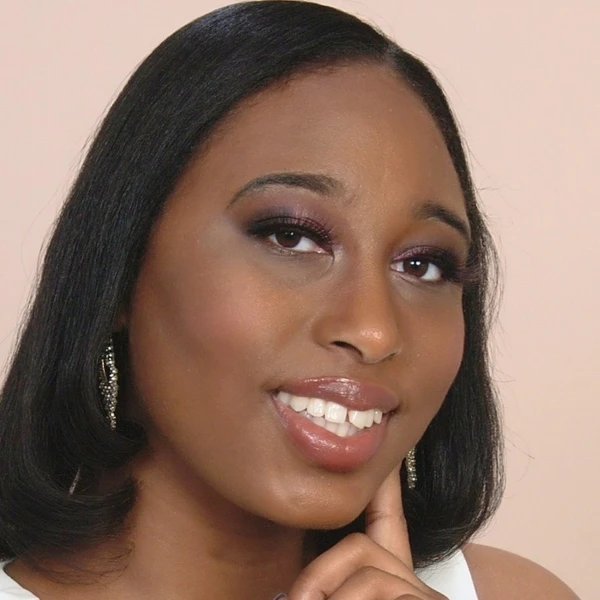
jarnisha Walker
1x
Finalistjarnisha Walker
1x
FinalistBio
From a young age, I have always been drawn to helping others, especially children who face challenges that require patience, compassion, and creativity to overcome. My journey in education has been shaped by this deep sense of purpose, and it continues to inspire my path forward. I am honored to be joining the Master’s in Special Education program in Fall 2026, a step that will allow me to transform my passion and hands-on experience into a lifelong career dedicated to empowering children with special needs.
Education
Florida International University
Bachelor's degree programMajors:
- Special Education and Teaching
Miami Dade College
Associate's degree programMajors:
- Education, General
Miscellaneous
Desired degree level:
Master's degree program
Graduate schools of interest:
Transfer schools of interest:
Majors of interest:
- Special Education and Teaching
Career
Dream career field:
Education
Dream career goals:
Goellner Public Education Scholarship
My background, life experiences, and professional aspirations have all guided me toward pursuing a career in K–12 education. From an early age, I understood the powerful role teachers play in shaping not only academic success but also a child’s confidence and sense of belonging. I was fortunate to have educators who believed in me, encouraged me to push beyond my limits, and created a supportive environment where I felt valued. Their influence showed me that teaching is more than delivering lessons—it is about building relationships, inspiring growth, and helping students recognize their potential.
These early experiences planted the seed for my desire to work in education. As I grew older, I became increasingly aware of how access to quality education can transform lives. I saw how some students excelled when they received encouragement and structure, while others struggled without consistent support. This realization strengthened my commitment to becoming an educator who advocates for all students, especially those who need additional guidance and resources.
Currently, I teach special education preschool, and this role has deeply shaped my professional identity. Working with young children with diverse learning needs has taught me patience, flexibility, and the importance of individualized instruction. In my classroom, I design lessons that accommodate various developmental levels and learning styles, ensuring each child has the opportunity to succeed. I collaborate closely with families, therapists, and support staff to create meaningful learning experiences that promote academic, social, and emotional growth. Witnessing my students achieve milestones—whether learning a new word, developing social skills, or gaining independence—reaffirms my passion for this field.
Teaching in special education has also strengthened my belief in early intervention. The preschool years are critical for building foundational skills that carry into the K–12 system. By providing students with strong support early on, we help set them up for long-term success. My aspiration is to continue growing as an educator while advocating for inclusive practices and equitable opportunities within the K–12 setting.
Ultimately, my goal is to create a learning environment where every student feels safe, supported, and capable. I am committed to fostering resilience, confidence, and a love of learning in my students. My background and life experiences have shown me that education is a powerful tool for change, and I am dedicated to making a meaningful impact in the lives of the children and families I serve. I do love working with children with special needs.
Gardner Family EFY Field Staff Scholarship
Serving on the EFY field staff was one of the most spiritually refining and leadership-building experiences of my life. As a counselor, I was entrusted with the responsibility of guiding youth toward Christ while fostering unity, confidence, and joy within my company. What I didn’t expect was how much I would be changed in the process. Through every early morning devotional, late-night prayer, and heartfelt testimony meeting, I learned that true leadership is not about control or authority—it’s about love, service, and listening to the quiet promptings of the Spirit.
One of the most meaningful lessons I learned at EFY was that leadership begins with seeing others the way Christ sees them. During one session, I had a participant—let’s call her Emily—who arrived at camp visibly discouraged and hesitant to engage. She kept to herself during group activities and rarely smiled. I prayed sincerely to know how to reach her, and the Spirit prompted me to focus on listening rather than talking. Over the week, I took small opportunities to sit with her at meals, ask about her interests, and show genuine care. By the final testimony meeting, she stood and shared how she felt God’s love for the first time in months. Watching her transformation reminded me that leadership is rooted in compassion, not command. That experience deepened my belief that one act of kindness, guided by the Spirit, can change someone’s entire outlook.
Spiritually, EFY strengthened my testimony of the Savior’s personal awareness of His children. Leading devotionals and teaching gospel principles to youth reminded me that the Spirit is the real teacher. There were times I felt inadequate or unsure of what to say, but when I prayed for guidance, the right words always came. I learned that the Lord magnifies sincere efforts, no matter how small. That reliance on Him has shaped how I now approach every leadership opportunity—with humility, faith, and a willingness to let the Spirit lead.
Emotionally, EFY taught me the importance of resilience, patience, and grace. The days were long and full—balancing devotionals, games, and one-on-one conversations with youth who were navigating their own challenges. Some days were exhausting, but they also strengthened my endurance and emotional awareness. I learned how to remain calm in stressful situations, to adapt when plans changed, and to model positivity even when I was tired. These lessons have carried into my life as a college student, where juggling academic responsibilities and personal challenges requires the same balance of preparation and faith.
Practically, EFY gave me the opportunity to develop teamwork and communication skills that will continue to bless me in my professional life. Working alongside fellow counselors and coordinators taught me the value of collaboration and humility. We learned to support one another, share spiritual insights, and lead by example.
The lessons I gained at EFY have directly influenced my future goals. I’m pursuing a degree in education with the dream of becoming a special education teacher. The empathy and patience I developed as an EFY counselor have deepened my desire to serve students who need extra care and understanding.
EFY taught me that true leadership is Christlike service—lifting others, listening with love, and leading with faith. The spiritual, emotional, and practical lessons I gained will continue to guide me as I move forward in my education, Church service, and community involvement. I will always carry with me the reminder that the greatest leaders are those who love deeply, serve faithfully, and help others come closer to Christ.
Sunflower Seeds Scholarship
Resilience Through Uncertainty: Finding Strength in Education
Russia’s war in Ukraine has reshaped the lives of millions, including my own. Though each person’s experience is unique, the war has left no one untouched—physically, emotionally, or spiritually. For me and my family, it brought uncertainty, fear, and loss, but also revealed an unexpected strength within us. Living through the impact of war taught me to see resilience not just as survival, but as the determination to build a future where hope and education can overcome destruction.
When the war began, everyday life changed overnight. Sirens, news reports, and the anxiety of not knowing what would come next became part of our reality. Friends and family members were displaced, jobs were lost, and dreams were put on hold. My own education became uncertain as schools and universities faced interruptions. Yet, even in the middle of this chaos, I realized that learning was something no war could take away. Education became my anchor—a way to find stability when everything else felt unstable.
The war has also changed how I view responsibility and purpose. Watching the pain and struggle of others opened my eyes to the importance of empathy, service, and rebuilding. I saw teachers continue to teach in basements, online, and in temporary shelters. Their dedication reminded me that education can bring hope even in the darkest times. This experience inspired me to pursue my degree with even greater determination. My goal is to become a special education teacher, because I want to help children who face their own battles—whether physical, emotional, or social—find strength in learning, just as I have.
The hardships caused by the war have not only tested my endurance but deepened my compassion. I’ve learned that true resilience is not about being unshaken—it’s about finding meaning and purpose in the midst of uncertainty. My studies have given me that purpose. Every class I take, every challenge I face, feels like a small act of resistance against hopelessness. Education empowers me to build a better future, not only for myself but for those around me.
For my family, education represents the hope of renewal. Many families, including mine, have lost much during the war—homes, jobs, and a sense of normalcy. By continuing my education, I am working toward stability and self-reliance, showing that even in times of turmoil, progress is still possible. I want my younger relatives to see that our circumstances do not define our future, and that knowledge and perseverance can open doors even when the world seems closed.
Beyond my family, I want to serve my community by using my education to restore hope and connection. Children affected by trauma, displacement, or disability often need teachers who understand their struggles. My experience has given me empathy and patience—qualities that I believe can help transform classrooms into safe, nurturing spaces for every child. I want to help them rediscover their confidence, curiosity, and belief in themselves.
Russia’s war in Ukraine has taught me that strength is often born from pain, and that education is one of the most powerful tools for healing. It allows us to rebuild not only homes and cities, but also hearts and minds. My dream of becoming a teacher is deeply rooted in that belief. Through education, I can turn hardship into hope, and help others do the same.
No matter how uncertain the world becomes, I carry with me the lesson that resilience, compassion, and knowledge can light the way forward. The war may have disrupted my path, but it will not define my future. Education will.
College Connect Resilience Award
Resilience means finding strength in the moments that test you the most. To me, it’s choosing hope when life feels uncertain, and refusing to give up even when the path gets hard. Living with a chronic condition has taught me that resilience isn’t about pretending to be strong all the time—it’s about showing up, doing your best, and trusting that every small step forward still matters.
As a college student, I’ve had to balance my education with the realities of managing my health. Some days are filled with energy and focus, while others require extra patience and flexibility. I’ve learned to plan ahead, communicate openly with my professors, and listen to my body when it needs rest. These experiences have not only taught me perseverance, but also compassion—for myself and for others who face their own challenges.
My journey has shaped my heart for teaching and inspired my goal of becoming a special education teacher. I understand what it feels like to work through obstacles that others can’t always see, and I want to be the kind of teacher who recognizes the strength and potential in every child. I believe every student deserves to feel valued and supported, no matter what struggles they face.
I’ve learned to celebrate progress, not perfection—to take pride in completing an assignment on a tough day, or simply showing up with a positive mindset. Each challenge has helped me grow stronger and more determined. To me, resilience means turning hardship into purpose and pain into empathy. It means using my story to encourage others to keep going, no matter how hard it gets. Resilience doesn’t erase the struggle—it transforms it into strength, compassion, and hope for the future. But me join the Master's Special Education program in Fall2026 will help me become the best teacher I can be.
Rebecca Lynn Seto Memorial Scholarship
Working with a child like rebecca requires patience, creativity, and a deep understanding that every child learn differently. My first priority would be to build a trusting relationship with her to make sure she feels seen, safe, and valued in the classroom. Establishing that emotional foundation is essential before meaningful learning can occur.
To reach and teach Rebecca, I would use a student-centered and multisensory approach, incorporating visual, auditory, and hands-on strategies to match her learning style. I would break tasks into small, manageable steps and celebrate each success to build confidence. Consistent routines, visual schedules, and positive reinforcement would help her feel secure and motivated. I would also collaborate closely with specialists, such as speech-language pathologists or occupational therapists, to support her development across all domains—academic, social, and emotional.
Technology and adaptive tools can also play a key role. Whether it’s using picture communication systems, assistive devices, or educational apps designed for diverse learners, I believe in using every resource available to help students like Rebecca reach their full potential. Most importantly, I would meet her where she is—focusing not only on her challenges but also on her strengths, interests, and unique ways of expressing herself.
Family involvement is one of the most powerful influences in the education and growth of a child with disabilities. Parents and guardians are the child’s first teachers, and their insight is invaluable in shaping educational goals and support plans. I view families as equal partners in the learning process.
Regular communication—through progress updates, phone calls, or home-school journals—helps create consistency between home and classroom environments. When teachers and families work together, children experience greater success because they receive unified support. I also believe in empowering families by sharing strategies they can use at home and by celebrating every milestone together, no matter how small. When the entire support system collaborates, the child’s confidence and progress flourish.
My Intent to Work in Special Education (Pre-K through 12th Grade)
I am fully committed to working in special education, pre-kindergarten through 12th grade. My goal is to create inclusive, compassionate classrooms where every child feels empowered to learn and thrive. I am passionate about advocating for students with disabilities and ensuring they receive equitable opportunities to reach their potential.
To further this mission, I am joining the Master’s Special Education Program in Fall 2026. This program will equip me with advanced knowledge, evidence-based strategies, and leadership skills to better serve students and families in the field of special education. I look forward to continuing to grow as an educator and making a lifelong impact on the lives of children who learn differently.
Yes, I do have experience working with children with special needs. I have supported students across a range of abilities—helping them develop communication skills, manage sensory challenges, and build independence through structured, supportive routines. These experiences have strengthened my belief that every child can learn and succeed when given patience, understanding, and individualized instruction. Working directly with special needs children has also deepened my empathy, adaptability, and commitment to pursuing a career where I can make a difference every day.
As I prepare to enter my master’s program, I am currently managing my education primarily through federal student loans and part-time employment. While I am deeply committed to advancing my education, the financial strain of tuition, textbooks, and living expenses poses a significant challenge. Any financial support I receive would greatly ease this burden and allow me to focus more fully on my academic and professional growth.
Jean Gwyn Memorial Student Loan Repayment Scholarship for Oncology Nurses
My Journey into Oncology Nursing
My journey into oncology nursing began with a deep desire to care for people at their most vulnerable moments. From the start of my nursing education, I was drawn to the emotional depth and human connection found in oncology. Cancer care is not just about managing treatments—it’s about walking beside patients and families as they face fear, uncertainty, and hope all at once. I wanted a career that combined clinical expertise with compassion, and oncology nursing offered exactly that balance.
Today, I am proud to work as an oncology nurse at [Insert Hospital or Cancer Center Name], where I provide care for patients undergoing chemotherapy, immunotherapy, and radiation treatments. Each day, I am reminded that oncology nursing is not only about medications and machines but also about listening, comforting, and preserving dignity in the midst of profound challenges.
One of the most meaningful experiences of my career involved a patient in her early forties who had been diagnosed with advanced breast cancer. Despite her difficult prognosis, she always greeted me with a smile and a story about her two children. During her final weeks, she told me, “You make me feel human again—not just like a patient in a gown.” Those words have stayed with me ever since.
That experience taught me that oncology nursing is about far more than physical care. It’s about restoring a sense of normalcy and hope, even in the hardest moments. Sometimes, the most healing thing we can offer isn’t a cure—it’s presence, empathy.
In oncology, emotions often run as deep as the medical complexities. I make it my mission to see the whole person, not just the diagnosis. I approach my patients and their families with open communication, active listening, and unconditional compassion. I ensure that every patient knows they have someone advocating for them—someone who understands their fears and celebrates their strength.
Whether it’s sitting quietly with a patient during chemotherapy, celebrating a positive scan, or holding a family member’s hand during a difficult conversation, I aim to provide emotional support that honors the humanity of every person I care for. Collaboration with social workers, chaplains, and mental health professionals is also central to how I help patients and families cope with the emotional weight of cancer.
Oncology nursing can be emotionally demanding. Watching patients battle pain, face uncertain outcomes, or lose their fight can take a toll. But amidst the challenges, the rewards are immeasurable. I’ve witnessed incredible resilience—patients laughing through tears, families finding strength in love, and moments of gratitude that transcend illness.
The bonds formed in oncology are unlike any other in nursing. Each patient’s courage renews my purpose and reminds me why I chose this field. The ability to provide comfort, hope, and dignity through all stages of treatment and recovery is an honor that keeps me inspired every day.
How Loan Repayment Support Would Help Me Continue This Work
Receiving loan repayment support would ease the financial burden of my education, allowing me to focus fully on patient care and ongoing professional development. Oncology nursing requires continual learning—new treatments, evolving technologies, and advances in palliative and psychological care. With financial support, I could pursue additional certifications and training to further improve the quality of care I provide.
Most importantly, it would allow me to continue serving patients with compassion and presence—living out the values that first drew me to oncology nursing.
RonranGlee Special Needs Teacher Literary Scholarship
Why I Am Passionate About the Special Education Teacher Profession
Professor Harold Bloom once said, “The purpose of teaching is to bring the student to his or her sense of his or her own presence.” To me, this statement captures the soul of education—especially special education. When Bloom speaks of a student’s “sense of presence,” I believe he is referring to a deep awareness of one’s worth, abilities, and individuality. It is not merely about teaching academic skills but awakening in each child the understanding that they matter, that their voice has power, and that their existence has meaning. For students with special needs, this sense of presence can be life-changing because it empowers them to see beyond their limitations and recognize their own potential.
My passion for becoming a special education teacher is rooted in the belief that every child deserves to feel seen, valued, and capable. I have witnessed the transformative impact that patience, encouragement, and individualized instruction can have on a student who once doubted themselves. Teaching special education is not about “fixing” a child—it’s about uncovering the strengths that are already there and providing the tools and environment for those strengths to shine.
I am drawn to this profession because it allows me to combine empathy with creativity. Every student learns differently, and I love the challenge of finding unique approaches that meet their needs. Whether that means turning a lesson into a hands-on activity, using visuals to support comprehension, or celebrating small victories with genuine joy, each moment of progress becomes a shared triumph. These are the moments that remind me that teaching is not only a career—it’s a calling.
My Mission as a Special Education Teacher
My mission is to guide my students toward discovering their “own presence” by nurturing confidence, curiosity, and independence. I aim to create a classroom where every student feels safe to express themselves, ask questions, and take risks without fear of failure. In this space, mistakes are not signs of weakness—they are stepping stones toward growth.
To accomplish this, I plan to focus on four core principles:
Individualized Support: Every child learns differently, so I will use personalized strategies and data-driven instruction to meet each student’s unique learning profile.
Positive Reinforcement: I believe in celebrating progress, no matter how small, to help students develop self-confidence and a sense of accomplishment.
Inclusive Community: I will foster an environment where differences are not just accepted but celebrated. Teaching compassion and teamwork will help all students feel they belong.
Empowerment through Voice and Choice: Giving students opportunities to make decisions about their learning and express their ideas helps them realize that their opinions and feelings matter.
Ultimately, my goal is to guide each child to see themselves as capable, resilient, and full of potential. When a student begins to believe in themselves—to see that they have something valuable to offer the world—that is when they experience their true sense of presence.
A Brief Fairy Tale: “The Teacher and the Hidden Light”
Once upon a time, in a village called Brightvale, there lived a young teacher named Ms. J. She dreamed of helping children who felt invisible to the world. In her classroom were many students—some who spoke softly, some who couldn’t speak at all, and some who saw the world in colors others could not see.
Each morning, Ms. J lit a tiny lantern on her desk to remind her that every child carried a light within them. But one day, the lantern went out. The students began to doubt themselves, saying, “Maybe our lights were never real.”
Ms. J smiled gently and said, “Your light doesn’t come from my lantern—it comes from inside you.” She gave each child a small mirror and asked them to look closely. “Do you see the spark in your eyes? That’s your light. It shines when you believe in yourself.”
The children began to paint, sing, build, and share stories about their dreams. With every act of courage and creativity, their classroom grew brighter—until it glowed so much that the entire village came to see. They realized that what made Brightvale shine was not the lantern, but the children’s light that had been there all along.
And so, Ms. J continued her journey—not to give her students light, but to help them discover the brilliance that was already theirs.
Conclusion
To bring students to their “own sense of presence” means to guide them toward self-awareness, dignity, and confidence. As a future special education teacher, my mission is to be a mirror and a guide—to help students recognize their worth, embrace their abilities, and take pride in their journey. Teaching, at its highest purpose, is not about producing perfection but awakening potential. When a child with special needs stands taller, smiles brighter, and believes, “I can do this,” that is the true reward—and that is why I am passionate about this profession.
Boatswain’s Mate Third Class Antonie Bernard Thomas Memorial Scholarship
Living with Purpose and Leadership
In my everyday routine, I strive to demonstrate the traits that define not only who I am but also who I aspire to become. Strong leadership and communication skills are essential in my daily life. Whether I’m collaborating with classmates on a project, helping peers understand difficult concepts, or coordinating responsibilities in volunteer activities, I prioritize clear, respectful communication and encourage others to share their ideas. I believe a good leader listens as much as they guide, and I try to set an example by balancing direction with collaboration.
Being resilient is another cornerstone of my approach to life. Challenges, setbacks, and unexpected obstacles are inevitable, but I have learned to view them as opportunities for growth. For instance, balancing academics with personal responsibilities requires flexibility and perseverance. Each time I encounter difficulty, I remind myself that overcoming it strengthens my character and prepares me for future challenges.
I aim to be unselfish in all that I do, whether it’s offering support to friends struggling with school or volunteering in my community. I find purpose in helping others succeed, knowing that collaboration and empathy make both individuals and communities stronger. Serving others also reinforces the idea that leadership is not about personal gain—it’s about empowering those around you.
Being focused and determined drives me to stay committed to my goals. Each day, I set priorities, organize my tasks, and maintain a disciplined approach to achieve what I set out to do. This focus ensures that I use my time effectively and consistently work toward my long-term aspirations. Coupled with a strong work ethic, I commit to excellence in every task, big or small. I understand that dedication and consistency lay the foundation for meaningful accomplishments.
My future goals are rooted in a desire to make a tangible impact on my community. I am pursuing a degree in [insert your field—e.g., healthcare, education, STEM] because I want to combine knowledge, skill, and compassion to address real-world challenges. This degree will provide the tools and credibility I need to create solutions that improve the lives of others, while also giving me the opportunity to mentor and inspire the next generation.
To me, leadership means more than holding a position or giving directions. Leadership is the ability to influence, motivate, and inspire others while remaining accountable and grounded in integrity. It’s about guiding with empathy, making informed decisions, and fostering an environment where everyone feels valued and heard. Leadership is also about resilience and humility—the willingness to rise in challenging times and to serve rather than seek recognition.
Every day, I strive to live by these traits, using them as both a personal compass and a tool to positively affect those around me. I am committed to developing myself, empowering others, and pursuing a path of service and excellence that aligns with my values and ambitions. Through leadership, hard work, and unwavering determination, I hope to leave a lasting, meaningful impact on my community and the world.
Johnna's Legacy Memorial Scholarship
Turning Challenges into Purpose
Living with a chronic medical condition has reshaped nearly every part of my life. It has forced me to slow down when I wanted to rush ahead, to plan every detail when I wished I could be spontaneous, and to find peace in moments that once felt uncertain. At first, I saw my condition only as a barrier—something that limited what I could do or how far I could go. But over time, I’ve come to realize that it has also been one of my greatest teachers. It has taught me resilience, patience, and empathy in ways that no classroom or textbook ever could.
The impact of chronic illness is not just physical; it touches every corner of life. There are days when I feel strong and capable, and others when simply getting out of bed feels like an accomplishment. I’ve had to learn how to listen to my body, to respect my limits, and to redefine what success looks like. Yet, even in the hardest moments, I’ve discovered that strength doesn’t always mean doing everything—it often means doing what you can, with heart and determination.
What inspires me to keep going, even when my body makes it difficult, are the people around me and the community I’ve found along the way. I’ve met others who live with invisible challenges—people who wake up every day and choose to keep moving forward despite pain, fatigue, or fear. Their courage reminds me that perseverance is powerful, and that healing doesn’t always mean the absence of struggle—it can mean learning to live fully within it. Their stories push me to keep reaching for my own goals, even when the road is rough.
My condition has also changed the way I see others. I’ve learned that everyone is fighting battles we cannot see, and that kindness and understanding can make all the difference. That realization has inspired my desire to make a meaningful impact in the world. I want to use my experiences to advocate for accessibility, inclusion, and compassion. Whether through education, outreach, or leadership, I hope to help others feel seen, supported, and capable of achieving their dreams no matter what obstacles they face.
In the future, I plan to dedicate my work to empowering individuals with chronic conditions to advocate for themselves and to create spaces where their voices are heard. I want to help build systems that focus not only on treating illness but also on uplifting the person behind it—systems that recognize strength, resilience, and the value of every individual’s story.
This journey has taught me that life with a chronic condition is not a limitation—it’s a different kind of strength. It’s the ability to adapt, to persevere, and to keep choosing hope, even when the path is uncertain. Every challenge I’ve faced has prepared me to lift others, to show them that they, too, can turn their pain into purpose. I may not have chosen this path, but I’ve chosen what to do with it—and I choose to make it matter.
Bulkthreads.com's "Let's Aim Higher" Scholarship
Building a Future of Understanding and Inclusion
What I want to build is not something made of bricks or technology—it’s something built from empathy, advocacy, and connection. I want to build a future where people living with disabilities and chronic illnesses are not defined by their limitations, but empowered by their resilience. My goal is to create a world where accessibility and understanding are part of every space, every system, and every community.
Living with a disability has shown me how easy it is for people to feel unseen or left behind. I’ve experienced firsthand how physical spaces, school systems, and even attitudes can create invisible barriers. Instead of letting those experiences discourage me, they’ve inspired me to turn my challenges into purpose. I want to build bridges between those who understand these struggles and those who have never had to face them—to create dialogue, awareness, and lasting change.
For my future, I hope to combine my education, advocacy, and compassion to develop programs that make both mental and physical health resources more accessible. Whether it’s through community outreach, inclusive education, or policy work, I want to be part of building a society that values equity and empathy. I envision creating support networks where individuals can share their stories, learn about their rights, and find the help they need without fear or stigma.
This goal will not only positively impact my community but will continue to shape me as well. Building this kind of future means constantly learning, listening, and growing alongside others. It requires patience, creativity, and the courage to challenge systems that have long overlooked those with special needs. But I believe every step—every conversation, every act of advocacy—brings us closer to a more inclusive world.
By building understanding and accessibility into the foundation of our communities, we create a world that doesn’t just accommodate difference but celebrates it. For me, this isn’t just a goal; it’s a lifelong commitment. Through empathy, education, and action, I hope to build something that outlasts me—a culture of compassion that empowers others to rise, no matter the challenges they face.
Healing Self and Community Scholarship
Making Mental Health Care Accessible for All
If I could make one unique contribution to the world, it would be creating a bridge between mental health care and community support—making help available where people already are. I believe that mental health shouldn’t depend on income, location, or stigma. My goal is to help develop affordable, accessible programs that combine professional care with peer-led support, so no one has to struggle alone.
I would focus on integrating mental health services into schools, workplaces, and community centers—places where people feel safe and connected. By using technology such as telehealth platforms and mental wellness apps, we can expand access to counseling and education in underserved areas. I also believe in training community advocates who can offer guidance, connect people to resources, and reduce the fear of reaching out for help.
Everyone deserves the chance to heal, regardless of financial status or background. My contribution would be to create spaces—both virtual and physical—where compassion, understanding, and affordable care come together to support every person in need.
Frank and Patty Skerl Educational Scholarship for the Physically Disabled
Seeing the World Through a Different Lens
Being part of the disabled community has profoundly reshaped the way I see the world and the people in it. Before my diagnosis, I measured life by how fast I could move, how much I could accomplish, and how closely I could keep up with others. Living with a disability forced me to slow down, to listen more deeply, and to recognize value in ways I never had before. It has taught me that strength does not always look like endurance and that resilience often hides behind quiet persistence.
At first, becoming part of the disabled community felt isolating. I struggled to adjust to my body’s new limits and the constant uncertainty that came with it. Everyday tasks suddenly required planning, awareness, and sometimes help from others. But over time, I began to realize that the disabled community is not defined by weakness—it is defined by creativity, adaptability, and connection. I met people who turned their challenges into opportunities, who advocated fiercely for accessibility, and who lived their truth unapologetically. Their courage and compassion showed me that disability is not the absence of ability; it’s the presence of determination in the face of adversity.
Being part of this community has opened my eyes to how society often overlooks those who experience the world differently. I’ve seen how physical spaces, educational systems, and social attitudes can unintentionally exclude people with disabilities. But I’ve also seen how awareness and empathy can change that. I’ve learned that advocacy doesn’t always come from loud protests—sometimes it starts with a conversation, a reminder to slow down, to make space, to listen. The disabled community has taught me that inclusion is not about pity or special treatment—it’s about equity, respect, and understanding that everyone deserves the same opportunities to learn, work, and live fully.
This new perspective has changed how I approach my goals and the future I want to create. I’ve become more patient and compassionate, both with others and with myself. I’ve learned to celebrate progress, not perfection. And I’ve discovered a deep passion for helping others who feel unseen or misunderstood. I want to use my experiences to advocate for accessibility and inclusion wherever my path leads. Whether in education, healthcare, or community outreach, I hope to ensure that people with disabilities are represented, heard, and supported.
In my future endeavors, I plan to use my voice and my story to make a difference. I want to be part of the movement that builds bridges—between the disabled and able-bodied communities, between awareness and action, between understanding and empathy. My own challenges have taught me how powerful it can be when someone simply believes in you or takes the time to make a space more accessible. Those small acts can change someone’s day, their opportunities, and even their future.
Being part of the disabled community has also given me a sense of purpose. It has shown me that vulnerability and strength can coexist, and that living with limitations doesn’t mean living without joy or ambition. It means redefining what success looks like—learning to adapt, to create new possibilities, and to keep moving forward, even if that looks different from others’ journeys.
Ultimately, my experiences have taught me to see the world through a lens of empathy and hope. I now understand that every challenge carries within it a chance to grow, to connect, and to inspire change. I don’t take that perspective for granted—it’s a gift born from struggle, one that I intend to carry into every space I enter.
Bick First Generation Scholarship
Finding Strength in Being First
Being a first-generation college student means carrying both the weight of expectation and the light of possibility. It means walking a path no one in my family has walked before, often without a map, but with the determination to create one for those who come after me. For me, being first-generation isn’t just about earning a degree—it’s about transforming the sacrifices, struggles, and hopes of my family into something tangible and lasting.
Growing up, education was always talked about as a dream rather than a guarantee. My parents worked hard to provide what they could, but the idea of college felt distant—something “other people” did. When I decided to pursue higher education, I quickly realized that determination alone wasn’t enough. I had to learn how to apply for financial aid, register for classes, and navigate systems that seemed designed for people who already knew how they worked. I often felt out of place, like I was trying to translate two worlds: the one I came from and the one I was striving to reach.
There were times when I doubted myself—when the pressure felt like too much, or when I compared my path to those who had more resources or guidance. But each challenge taught me resilience. I learned to seek help, to ask questions even when I was afraid of sounding inexperienced, and to celebrate every victory, no matter how small. I’ve also found strength in community—through mentors, classmates, and other first-generation students who share the same sense of determination to rise above the odds.
Being first-generation has shaped my dreams in powerful ways. I want to use my education to make a difference, especially for others who feel unseen or underestimated. My goal is to [insert your field or career goal here—e.g., “become a teacher who helps first-generation students believe in their potential” or “work in healthcare to improve access for underserved communities”]. Every step I take brings me closer to that vision of giving back, of turning the challenges I’ve faced into tools for change.
This scholarship would make a meaningful difference in that journey. Financially, it would relieve some of the burden that comes with balancing school, work, and family responsibilities. But more than that, it would be a reminder that my efforts matter—that someone believes in the promise of students like me who are paving new paths. It would allow me to focus more deeply on my studies and continue building the foundation for the future I’ve worked so hard to reach.
Being a first-generation student means embracing uncertainty with courage. It means standing at the edge of what’s familiar and daring to dream beyond it. My story isn’t perfect, but it’s real—and it’s driven by love, hope, and the belief that I can open doors for others by walking through them first.
Learner Calculus Scholarship
The Power of Calculus in the STEM World
Calculus is one of the most powerful tools in the entire STEM field because it allows us to describe, predict, and understand change. Whether it’s the motion of a planet, the growth of a population, or the voltage in an electrical circuit, calculus helps us make sense of how things evolve over time. It connects abstract mathematics to the real world, giving scientists, engineers, and innovators a common language to solve complex problems.
At its core, calculus focuses on two main ideas: derivatives and integrals. Derivatives help us measure rates of change—how fast something is moving or how quickly a quantity is increasing or decreasing. Integrals allow us to calculate accumulation—how much total distance is traveled, how much material is used, or how much energy is consumed. These two ideas might sound simple, but together they explain almost every dynamic process in science and technology.
In physics, calculus is essential for describing motion and forces. The equations that tell us how fast an object falls or how planets orbit the sun are rooted in derivatives and integrals. Without calculus, we couldn’t accurately design cars, airplanes, or even predict weather patterns. Engineers rely on these same principles to design systems that are both efficient and safe. For example, a civil engineer uses calculus to determine how much stress a bridge can handle, while an electrical engineer uses it to analyze changing currents in a circuit.
In biology and chemistry, calculus also plays a major role. Biologists use it to model population growth, track the spread of diseases, and understand how ecosystems respond to changes in the environment. Chemists use it to study reaction rates, calculate concentrations, and model how substances diffuse or break down over time. Even medicine depends on calculus—pharmacologists use it to determine how drugs are absorbed, distributed, and eliminated from the body, ensuring that dosages are safe and effective.
Technology and computer science also benefit greatly from calculus. Algorithms in artificial intelligence and machine learning often rely on optimization, which is built on calculus principles. Calculus helps computer scientists find the best or most efficient solution among countless possibilities. It’s used in image processing, computer graphics, and even virtual reality to make animations smoother and more realistic.
Beyond its technical applications, calculus develops valuable critical thinking and problem-solving skills. It teaches students to think logically, analyze relationships, and break down complex challenges into smaller, manageable steps. These skills are crucial in all STEM careers—and in life. Learning calculus is not just about solving equations; it’s about learning how to approach and understand the world around us with precision and curiosity.
In many ways, calculus is the bridge between theory and application. It takes abstract ideas and transforms them into practical tools for innovation. From rockets and robots to medicine and microchips, calculus lies quietly behind nearly every modern advancement. It reminds us that the language of change is mathematical—and by learning that language, we gain the power to understand, shape, and improve the world.
MastoKids.org Educational Scholarship
Finding Light Through the Flare
Living with a mast cell disease has completely transformed my life in ways I never imagined. At first, it felt like the world I knew had been taken away piece by piece—foods I once loved became threats, spontaneous plans disappeared, and even simple things like a change in temperature or scent could send my body into chaos. It was isolating and exhausting, and there were days when I felt like I was watching life pass me by from behind a glass wall.
But over time, I began to see something unexpected grow from all that uncertainty: gratitude. The thing I’m most grateful for, something I don’t think I would have ever experienced otherwise, is the deep sense of empathy and connection I now share with others who live with invisible illnesses.
Before my diagnosis, I thought I understood what it meant to be kind and patient—but now, that understanding runs deeper. I’ve met incredible people in online support groups, hospitals, and clinics who show strength in ways that can’t be seen on the surface. These connections have taught me what true resilience looks like: getting up every morning and choosing hope, even when your body feels like it’s fighting against you. I’ve learned to listen without judgment, to celebrate the smallest victories, and to find comfort in shared understanding.
Through this community, I’ve found lifelong friendships built not on shared hobbies or convenience, but on compassion and honesty. We cheer each other on through flare-ups, medical appointments, and the endless trial-and-error of treatments. There’s a kind of beauty in that raw support—it’s pure, selfless, and real. I’ve also learned to advocate for myself and others, to speak up in medical settings, and to push for awareness where silence used to live.
Another unexpected gift has been slowing down. My body forced me to step out of the fast pace I once lived in, and in doing so, I’ve learned to notice the details of life I used to rush past. I’ve found peace in quiet moments—watching sunlight move across the floor, hearing rain tap against the window, or simply being able to breathe without pain. Gratitude now comes in the smallest things, and that perspective shift is something I wouldn’t trade.
Yes, mast cell disease has taken a lot from me, but it has also given me a new way of seeing the world. It has deepened my compassion, strengthened my voice, and connected me to people who understand the invisible battles we face. I am grateful for that connection—for the community that reminds me I am not alone, and for the reminder that even in struggle, there is room for growth, grace, and light.
Reimagining Education Scholarship
Class Title: The Power of Empathy and Emotional Intelligence
If I could create a class that all students from kindergarten through 12th grade were required to take, it would be called “The Power of Empathy and Emotional Intelligence.” In today’s fast-paced, technology-driven world, academic skills are often prioritized over social and emotional growth. Yet, emotional intelligence—the ability to understand, manage, and express one’s feelings while also recognizing and respecting the emotions of others—is essential for building meaningful relationships, promoting mental health, and creating compassionate communities. This class would equip students with lifelong skills that extend far beyond the classroom.
From the earliest grades, the course would focus on helping students recognize their emotions and learn healthy ways to express them. Young children would use stories, play, and role-playing activities to explore feelings such as happiness, frustration, and empathy. As students grow older, the lessons will evolve to include topics such as conflict resolution, cultural awareness, stress management, communication skills, and ethical decision-making. High school students would engage in real-world discussions about social issues, relationships, leadership, and mental well-being. The class would also include mindfulness practices, journaling, and community service projects to encourage reflection and empathy in action.
One of the greatest impacts of this class would be the improvement of mental health and school culture. Many students struggle with anxiety, depression, or feelings of isolation, yet are never taught how to manage these emotions in healthy ways. By giving students the tools to understand themselves and others, schools could become safer, more supportive environments. Students would learn that it’s okay to ask for help and that kindness and respect are signs of strength, not weakness. This would not only reduce bullying and conflict but also foster stronger peer connections and a greater sense of belonging.
Another powerful impact would be the development of future leaders who value compassion as much as competence. Emotional intelligence is a skill that employers, educators, and community leaders consistently identify as essential for success. Students who learn empathy and self-awareness early in life will be better prepared to work collaboratively, think critically, and adapt to the challenges of adulthood. They would also carry these lessons into their communities, promoting inclusivity, understanding, and respect for diversity.
Ultimately, “The Power of Empathy and Emotional Intelligence” would help shape a generation of individuals who are not only intelligent but also kind, self-aware, and resilient. The true measure of education is not just how much we know, but how we treat others and ourselves. By teaching students to navigate their emotions, communicate effectively, and show empathy, we would be investing in a future built on compassion and connection. This class would remind every student that success is not defined solely by grades or achievements—it’s also about the positive impact we make on the people around us.