Hobbies and interests
Anime
Babysitting And Childcare
Basketball
Bible Study
Coding And Computer Science
Violin
Reading
Christianity
I read books daily
Jahmel Bivines
1x
Finalist
Jahmel Bivines
1x
FinalistBio
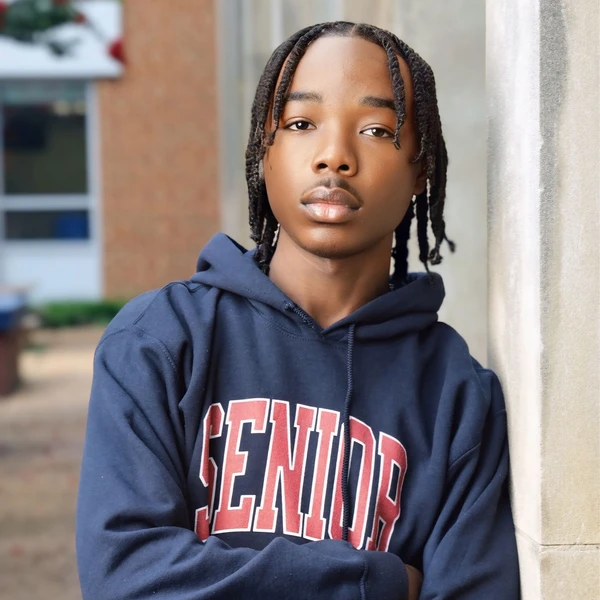
I am a motivated scholar, leader, and community servant who will be part of the Morehouse College Class of 2030. I plan to major in psychology with the goal of becoming a mental health therapist for at-risk youth. Grounded in faith, service, and academic excellence, I am committed to personal growth, meaningful impact, and uplifting my community through leadership, empathy, and compassion.
Education
Albemarle High
High SchoolMiscellaneous
Desired degree level:
Bachelor's degree program
Majors of interest:
- Psychology, General
Career
Dream career field:
Medicine
Dream career goals:
Psychiatrist
Cashier
Five Below2025 – Present1 year
Public services
Volunteering
Harvest Church of God — Participant (Various)2024 – Present
Sunshine Legall Scholarship
The moment I realized I wanted to change lives didn’t happen in a classroom—it happened at home.
Watching my mother battle cancer during my senior year reshaped everything I thought I knew about strength, purpose, and the future I wanted to build. What started as an interest in STEM evolved into something deeper: a desire to understand people, their struggles, and how to help them heal. That moment didn’t weaken my ambition—it refined it.
My academic goal is to pursue a degree in Psychology at Morehouse College, where I plan to focus on mental health, particularly within underserved and underrepresented communities. I am especially interested in the intersection of psychology, technology, and innovation—exploring how digital tools and research-based practices can expand access to mental health care. Long term, I aspire to become a mental health professional who not only provides counseling services but also develops programs that educate and empower communities to prioritize mental wellness.
However, my goals are not just rooted in what I hope to achieve—they are grounded in how I have already begun to serve.
Throughout high school, I have been actively involved in organizations such as the 100 Black Men of Central Virginia, MOCHA (Men of Color, Honor and Ambition), and the UVA Uplift program. These experiences have allowed me to engage in mentorship, leadership development, and community service initiatives that focus on academic success and personal growth. In addition, I have contributed over 65 hours of volunteer service through youth ministry and community-based programs, supporting initiatives that uplift and guide younger students.
Service has never felt like an obligation to me—it has always felt like a responsibility.
One of the most impactful ways I have given back is through mentorship and simply showing up for others. Whether it was tutoring peers, participating in leadership programs, or supporting youth in my church, I’ve learned that making a difference doesn’t always require a title—it requires presence, consistency, and care. I have also taken steps toward civic engagement by preparing to register to vote, recognizing that being involved in my community includes using my voice to influence change.
These experiences have inspired me to think beyond individual success and focus on collective impact.
I have seen firsthand how lack of access to resources—especially mental health support—can affect individuals and families. That understanding fuels my commitment to pursue a career that not only addresses these gaps but also challenges the stigma surrounding mental health, particularly in Black communities. I want to be part of a generation that normalizes seeking help, encourages open dialogue, and builds systems of support that are both accessible and culturally relevant.
“Lift as we climb” is more than a phrase—it is a principle I intend to live by.
As I continue my academic journey, I am committed to using my education as a tool for service. My goal is not just to succeed, but to create pathways for others to succeed alongside me. The same way my community poured into me, I plan to pour back into others—through mentorship, advocacy, and meaningful work that creates lasting change.
Because for me, success is not just about where I go in life.
It’s about who I bring with me—and the difference I make along the way.
Stephan L. Daniels Lift As We Climb Scholarship
I want to pursue a career in STEM because I am passionate about problem-solving, innovation, and creating solutions that can improve people’s lives. STEM is not just about technology or science—it is about using knowledge to address real-world challenges and make a meaningful impact. As I prepare to attend Morehouse College, I am especially inspired by its legacy of developing leaders who are committed not only to personal success, but to uplifting their communities.
One of the most defining moments in my life was my mother’s cancer diagnosis. Watching her navigate that journey opened my eyes to the ways science, medicine, and technology intersect with human lives. I saw how critical access to quality care, information, and support can be during difficult times. While medical professionals worked to treat her physically, I also recognized how much strength it takes mentally and emotionally to endure such a process. That experience showed me that STEM fields are not only about innovation, but about people—about improving lives, expanding access, and addressing disparities that exist in underserved communities.
This realization strengthened my desire to pursue a path where I can contribute to meaningful solutions. At Morehouse College, I will be surrounded by a community that emphasizes excellence, leadership, and service. That environment will challenge me to grow academically while also reinforcing the importance of using my education with purpose. I am particularly interested in how STEM can be used to improve healthcare outcomes, increase access to resources, and create solutions that benefit communities that are often overlooked.
The principle of “lift as we climb” is one that I carry with me as I pursue my goals. I understand that success is not just about what I achieve individually, but about how I use those achievements to support others. As I advance in my education, I plan to mentor younger students, particularly those from underrepresented backgrounds, to help them see that they belong in STEM fields. Representation matters, and I want to be part of creating pathways for others to follow.
In addition to mentorship, I hope to use my degree to support outreach and community-based initiatives that promote STEM education and access. This could include participating in programs that introduce young students to science and technology, volunteering in community organizations, or contributing to projects that address gaps in healthcare and technology access. I believe that education should be a tool that empowers not only individuals, but entire communities.
My long-term goal is to combine my STEM education with a strong commitment to service, ensuring that the work I do has a lasting and meaningful impact. Whether through innovation, research, or community engagement, I want to contribute to solutions that improve lives and create opportunities for others.
Ultimately, my decision to pursue a career in STEM is rooted in both purpose and experience. My mother’s journey showed me the real-life impact of these fields, and Morehouse College will provide the foundation for me to grow into a leader who is prepared to make a difference. As I move forward, I am committed to lifting others as I climb and using my education as a tool to create positive change in my community and beyond.
Julia Elizabeth Legacy Scholarship
Diverse representation in STEM careers is important because it ensures that innovation, problem-solving, and decision-making reflect the perspectives and experiences of all communities. When people from different backgrounds contribute to STEM fields, they bring unique ideas, lived experiences, and approaches that lead to more inclusive and effective solutions. Without diversity, entire groups of people can be overlooked, and the technology and systems we rely on may fail to meet the needs of everyone.
I had the opportunity to experience the importance of representation firsthand during the 2025 Technosphere competition. As I participated in a space where creativity, technology, and innovation were at the forefront, I became more aware of both the opportunities and the gaps that exist within STEM environments. Being one of the few students who looked like me in that space made me realize how important it is for young people of color to see themselves represented in fields that are shaping the future.
While the competition was an exciting and rewarding experience, it also highlighted how representation impacts confidence and belonging. Walking into a room where there are limited individuals who share your background can be intimidating. However, it also reinforced my understanding that representation is not just about being present—it is about creating pathways for others to follow. In that moment, I recognized that simply showing up and competing was meaningful, not just for myself, but for others who may one day see themselves in similar spaces.
Diversity in STEM also drives better outcomes. When teams are made up of individuals with different perspectives, they are more likely to consider a wider range of ideas and solutions. This leads to innovation that is more equitable and applicable to diverse populations. For example, technology designed without diverse input can unintentionally exclude certain groups, while inclusive teams are more likely to identify and address those gaps early in the process.
My experience at the Technosphere competition also influenced how I think about my future. While I initially had a strong interest in STEM, I began to recognize that my passion extends beyond technology itself and into understanding people. This realization has led me to pursue psychology, where I can still engage with problem-solving and innovation, but with a focus on human behavior and mental health. Even in this shift, I understand that diversity remains just as important. Whether in STEM or psychology, representation ensures that all voices are heard and that solutions are designed with everyone in mind.
Ultimately, diverse representation in STEM is not just about fairness—it is about progress. It ensures that the future is shaped by a wide range of perspectives and that innovation benefits all communities. My experience at the 2025 Technosphere competition showed me that representation matters, not only for those currently in the field, but for those who are watching and deciding whether they belong. I hope to continue contributing to that representation in my own way, while also encouraging others to pursue paths where their voices and perspectives are needed.
Christian Fitness Association General Scholarship
I believe I should be considered for this scholarship because I have consistently demonstrated a commitment to academic excellence, leadership, and service, while also navigating challenges that have strengthened my resilience and clarified my purpose. My journey reflects not only what I have accomplished, but who I am becoming—a student dedicated to growth, impact, and using my education to serve others.
Academically, I have maintained a 3.78 weighted GPA while completing over 24 dual-enrollment college credits. These experiences have allowed me to challenge myself with rigorous coursework and develop the discipline, time management, and critical thinking skills necessary for success at the next level. Being accepted into Morehouse College is a reflection of my hard work and determination, but it is also a stepping stone toward a greater purpose. I have also been recognized as a member of the National Society of High School Scholars (NSHSS), which highlights my academic performance as well as my potential for leadership.
Outside of the classroom, I have been actively involved in extracurricular activities that have helped shape my character and leadership abilities. Through the University of Virginia’s Uplift Program, I participated in mentorship, academic enrichment, and leadership development opportunities that prepared me for college and beyond. I was also a member of MOCHA (Men of Color Honor and Ambition), where I developed discipline, confidence, and a strong sense of identity through structured mentorship and service. Although both programs were discontinued, the lessons I gained from them continue to influence my mindset and actions.
In addition, I have been involved with 100 Black Men of Central Virginia, where I engaged in mentorship and tutoring initiatives focused on academic success and personal development. I have also contributed to my community through my church’s youth ministry, supporting programs that create safe and encouraging environments for younger students. Altogether, I have completed over 65 hours of community service, reinforcing my belief that leadership is not just about personal success, but about uplifting others.
I have also balanced these commitments while working at Five Below, where I developed strong customer service skills, accountability, and the ability to manage multiple responsibilities. Balancing school, work, and extracurricular activities has required discipline and focus, but it has also prepared me for the expectations of college and future professional environments.
One of the most significant challenges I faced during my academic journey occurred during my senior year, when my mother was diagnosed with cancer. At a time when I was preparing for graduation and college, I was also navigating the emotional weight of watching someone I love face a life-changing illness. This experience brought uncertainty and stress, but it also required me to grow in ways I had not anticipated.
Rather than allowing this challenge to disrupt my progress, I made the decision to remain focused on my goals while also supporting my family. I learned how to manage my time more effectively, stay disciplined under pressure, and maintain a sense of balance during a difficult period. This experience strengthened my resilience and taught me how to persevere even when circumstances are not ideal.
More importantly, my mother’s diagnosis had a lasting impact on my perspective and future goals. Watching her navigate not only the physical challenges of cancer but also the emotional and mental toll it took opened my eyes to the importance of mental health. I became more aware of how people process difficult experiences and how critical it is for individuals to feel supported and understood. This realization played a major role in my decision to pursue psychology as my field of study.
I want to use my education to support individuals and families facing challenges similar to those my family experienced. I am particularly interested in working with underserved communities and at-risk youth, helping them develop coping strategies, build confidence, and recognize their potential. I believe that everyone deserves access to support and resources that can help them succeed, and I am committed to being part of that change.
As I prepare to attend Morehouse College, I am focused on continuing my academic growth, expanding my leadership abilities, and deepening my commitment to service. Morehouse represents more than just an academic opportunity—it represents a community of individuals who are dedicated to excellence, leadership, and making a difference. I am eager to be part of that legacy and to contribute in a meaningful way.
This scholarship would not only support my educational journey, but also invest in my ability to give back to others. I am driven by purpose, strengthened by resilience, and committed to using my experiences to create positive change. I am not only prepared to succeed academically, but also to use that success to uplift others and make a lasting impact in my community and beyond.
Patricia Lindsey Jackson Foundation - Eva Mae Jackson Scholarship of Education
Faith is easy to speak about when life is going well—but I learned what it truly meant when my family was faced with one of our hardest moments. My mother’s cancer diagnosis changed everything. It brought fear, uncertainty, and questions we didn’t always have answers to. But it also revealed something powerful: what it looks like to stand firm in faith when life feels anything but stable.
Watching my mother navigate her diagnosis with strength and trust in God had a profound impact on me. Even in moments when she could have been overwhelmed, she chose faith over fear. She continued to show up for our family, grounded in her belief that God had a plan beyond what we could see. That experience reshaped my understanding of faith—not as something passive, but as something active, lived out daily through resilience, courage, and hope.
Faith has since become a foundation in my life. It guides how I respond to challenges, how I treat others, and how I approach my goals. During uncertain times, it reminds me to stay grounded and focused, trusting that every experience has purpose. This perspective has influenced my academic journey by giving me a clear sense of direction. I am not just pursuing an education for personal success, but to fulfill a purpose that is greater than myself.
My decision to study psychology is deeply connected to both my faith and my personal experiences. Watching my mother’s journey made me more aware of the emotional and mental challenges people face during difficult times. It showed me how important it is for individuals to feel supported, understood, and not alone. I believe that God has placed a calling on my life to serve others in this way. Through psychology, I hope to provide guidance, support, and encouragement to those navigating their own struggles.
In addition to my faith, my mother has been one of the greatest influences in pushing me to pursue higher education. Her decision to join the military created opportunities for me that may not have otherwise existed. She worked hard to provide stability, discipline, and a foundation that emphasized education and growth. Even while facing her own health challenges, she continued to encourage me to stay focused on my goals and to never lose sight of my potential. Her strength and perseverance have motivated me to take my future seriously and to pursue excellence.
I have also been influenced by mentors and leaders within my community, including those in organizations such as 100 Black Men of Central Virginia and my church. These individuals have challenged me to think bigger, lead with purpose, and understand the importance of giving back. Their guidance, combined with my faith and my mother’s example, has reinforced my commitment to higher education and to using my knowledge to create meaningful change.
As I prepare to attend Morehouse College, I carry my faith with me as both a source of strength and a guide for my future. It reminds me that my journey is not just about what I achieve, but about how I use those achievements to impact others. I am committed to walking in purpose, uplifting those around me, and using my education to make a difference in the lives of others.
“I Matter” Scholarship
One meaningful time I helped someone in need was during my involvement in youth ministry at my church. While volunteering, I connected with a younger student who was struggling both academically and emotionally. He was often quiet, withdrawn, and seemed disconnected from the group. At first, it would have been easy to overlook his behavior, but I recognized that sometimes people who are the most silent are the ones who need the most support.
I made a conscious effort to build a relationship with him by simply being present. I started by sitting with him during activities, asking how he was doing, and creating space for conversation without pressure. Over time, he began to open up and shared that he was dealing with challenges at home that were affecting his focus in school and his confidence around others. Hearing that helped me understand that his behavior was not a lack of interest, but a response to circumstances he did not fully know how to handle.
From that point, I took small but intentional steps to support him. I encouraged him during group activities, helped him stay engaged, and reminded him of his strengths when he doubted himself. I also made sure he knew that he had someone he could talk to without judgment. Sometimes helping him meant offering advice, but often it simply meant listening. I learned that being present and consistent can have a powerful impact.
Over time, I began to see a change. He became more comfortable participating in group discussions, more confident in expressing himself, and more willing to engage with others. While his challenges did not disappear overnight, he started to believe in himself in ways he had not before. Seeing that growth was one of the most rewarding experiences I have had.
This experience taught me that helping others does not always require big gestures. Sometimes it is about noticing when someone is struggling, taking the time to understand their situation, and showing up consistently. It also reinforced the importance of empathy and patience—two qualities that I believe are essential in building meaningful connections.
This moment had a lasting impact on me and strengthened my desire to pursue a career in psychology. It showed me how powerful it can be when someone feels heard, supported, and valued. In the future, I hope to continue helping others in similar ways, whether through mentorship, counseling, or community involvement. I want to be someone who not only recognizes when people are in need, but who takes action to make a difference in their lives.
Tawkify Meaningful Connections Scholarship
In a world increasingly driven by technology, preserving authentic human connection requires intentionality, balance, and a commitment to using innovation as a tool rather than a replacement for meaningful relationships. While technology has made communication faster and more convenient, it has also created environments where interactions can feel distant, filtered, or disconnected from genuine emotion. As a result, strengthening human connection today means being deliberate about how we show up for one another—both online and in person.
One way to preserve authentic connection is by prioritizing presence over convenience. Although texting and social media allow us to stay connected, they often lack the depth of real conversation. Taking time to engage in meaningful dialogue—whether through phone calls, video chats, or in-person interactions—helps build trust and understanding. Being present means actively listening, showing empathy, and giving others our full attention. These are the same foundational skills emphasized in psychology, where understanding human behavior and emotional needs requires deep, intentional engagement.
At the same time, technology can be reimagined as a bridge rather than a barrier. It has the ability to connect people across distances, create support networks, and provide access to mental health resources that were once difficult to obtain. This is one of the reasons I am drawn to psychology. I am interested in exploring how digital platforms can be used to expand access to mental health support, particularly for individuals who may feel isolated or underserved. When used responsibly, technology can enhance connection by creating spaces where people feel safe to express themselves and seek help.
Strengthening human connection also requires creating environments where authenticity is encouraged. In many online spaces, there is pressure to present a curated version of life, which can lead to comparison, insecurity, and disconnection. Psychology teaches us that genuine connection is built on honesty, vulnerability, and trust. I am interested in studying how social environments—both digital and physical—shape behavior and self-perception, and how we can create spaces that promote emotional well-being rather than diminish it.
My interest in psychology is also influenced by personal experiences that have shown me the importance of emotional support during challenging times. These experiences have made me more aware of how people process stress, trauma, and change, and how critical it is for individuals to feel heard and understood. In a technology-driven world, it is easy for people to feel overlooked or disconnected, even while being constantly “connected.” This is where I see an opportunity to make a difference—by helping bridge the gap between digital communication and genuine human understanding.
Looking ahead, I hope to use my education in psychology to strengthen human connection by combining traditional interpersonal skills with modern technology. This could include mentoring youth, promoting mental health awareness, and contributing to the development of platforms or programs that encourage meaningful interaction. I want to be part of a generation that does not lose sight of what it means to truly connect, even as technology continues to evolve.
Ultimately, preserving authentic human connection is not about limiting technology, but about using it with purpose. By prioritizing empathy, authenticity, and intentional communication, we can ensure that technology enhances rather than replaces the relationships that shape our lives. My goal is to contribute to this effort by using psychology as a foundation to better understand people and to create spaces where connection, growth, and well-being can thrive.
Students Impacted by Incarceration Scholarship
Although incarceration did not directly shape my day-to-day upbringing, its impact has been present in my life through my family’s history. My great-grandfather was involved in illegal drug activity and ultimately died in prison. His story is a part of my family’s legacy—one that carries both weight and lessons. While I never knew him personally, I have come to understand how choices can affect not only an individual, but generations that follow.
My mother made a conscious decision to change the trajectory of our family. She chose to join the military, creating a life for me that was grounded in structure, discipline, and opportunity. More importantly, she worked hard to shield me from the stigma often associated with our family’s past. Because of her sacrifices, I was able to grow up in an environment that emphasized education, character, and purpose rather than limitation.
Even though I was protected from many of the direct impacts of incarceration, I have always been aware of its residual effects. I have seen how stigma can shape perceptions, how assumptions can be made about individuals based on their background, and how cycles can continue if they are not intentionally broken. Instead of allowing that history to define me, I have chosen to let it motivate me.
This awareness has taught me the importance of accountability, resilience, and the power of making different choices. I have learned that while we cannot control where we come from, we can control where we are going. That mindset has influenced both my academic and career ambitions. It has driven me to pursue a path in psychology, where I can better understand human behavior and support individuals who may be facing challenges similar to those that have affected my family and others in my community.
I am particularly passionate about helping at-risk youth who may feel trapped by their circumstances or misunderstood by society. Many young people grow up surrounded by negative influences, limited resources, or environments that do not prioritize mental health. I want to be someone who helps them see beyond their current situation and recognize their potential. Through mentorship, counseling, and advocacy, I plan to create spaces where young people feel supported, heard, and empowered to make positive choices.
In addition, I hope to contribute to breaking the stigma associated with incarceration and its impact on families. I believe that people are more than their past, and that communities grow stronger when individuals are given opportunities for growth and change. My goal is to use my education not only to support individuals, but also to influence systems and conversations that promote understanding and second chances.
My family’s history has not been a barrier—it has been a source of purpose. It has inspired me to pursue an education that allows me to give back, to uplift others, and to help build a future where more young people are defined by their potential rather than their circumstances.
Chris Jones Innovator Award
I have taken meaningful steps to support my community through mentorship, service, and active involvement in programs that focus on leadership and personal development. One of the most impactful ways I have contributed is through my participation in organizations such as 100 Black Men of Central Virginia and MOCHA (Men of Color Honor and Ambition). Through these programs, I have engaged in mentorship, leadership training, and service initiatives that are designed to uplift young men of color and encourage academic excellence, discipline, and confidence.
In addition to these programs, I have completed over 65 hours of community service through my school, church, and local outreach efforts. My involvement in youth ministry at Harvest Church of God has allowed me to support and encourage younger students by helping create a positive and supportive environment. Whether assisting with events, volunteering my time, or simply being present, I have learned that small, consistent actions can have a meaningful impact on others.
I have also taken steps toward civic responsibility by preparing to register to vote after turning 18. I believe that being involved in the democratic process is an important way to contribute to long-term change. It is not enough to simply observe challenges in a community—real impact comes from taking action and using your voice to influence decisions that affect others.
While I am proud of the work I have done so far, my experiences have also shown me how much more needs to be done, especially in the area of mental health. Through personal experiences, including my mother’s cancer diagnosis, I have seen how emotional and mental challenges can affect individuals and families. This has inspired me to pursue a degree in psychology so that I can better understand and support people during difficult times.
In the future, I plan to drive change by combining education, mentorship, and advocacy. I want to mentor young people who may lack guidance, helping them build confidence, set goals, and recognize their potential. I also plan to work in the mental health field, where I can provide counseling and support to individuals dealing with stress, trauma, and life transitions. By doing so, I hope to not only help individuals, but also strengthen families and communities as a whole.
Additionally, I plan to advocate for increased awareness and access to mental health resources, particularly in underserved communities. This includes organizing workshops, speaking to youth groups, and partnering with community organizations to create safe spaces where people feel comfortable discussing their challenges. I believe that education and open conversation are key to reducing stigma and encouraging people to seek help.
The actions I have taken so far are just the beginning. I am committed to continuing this work by using my education and experiences to uplift others, create opportunities, and contribute to lasting, positive change in my community and beyond.
Patrick B. Moore Memorial Scholarship
I plan to make a positive impact on the world by using my education in psychology to serve others in a way that is both meaningful and lasting. My passion for this path comes from personal experience. Watching my mother navigate a cancer diagnosis showed me how important mental and emotional support is during life’s most difficult moments. It also revealed how many people struggle in silence, unsure of where to turn or how to express what they are going through. That realization shaped my desire to not only understand people, but to actively help them succeed.
Through my education at Morehouse College, I intend to build a strong foundation in mental health, human behavior, and counseling practices. However, my goal goes beyond simply earning a degree. I want to use what I learn to create safe spaces where people—especially young men who look like me—feel seen, heard, and valued. Too often, mental health is overlooked in communities of color, and many individuals are taught to suppress their emotions rather than process them. I want to be part of changing that narrative.
One way I plan to pour into others is by mentoring young people, particularly students who may feel uncertain about their future or lack guidance. I understand what it means to navigate important life decisions, and I want to be someone who encourages others to discover their purpose. Whether through school programs, community organizations, or informal mentorship, I plan to invest my time in helping others build confidence, set goals, and believe in their potential.
I also hope to work directly with individuals and families as a mental health professional. My goal is to provide counseling and support to those dealing with trauma, stress, or major life changes. I want to help people develop healthy coping strategies, improve their emotional well-being, and regain a sense of control over their lives. In doing so, I will not only be helping individuals, but also strengthening families and communities as a whole.
In addition, I plan to advocate for greater mental health awareness and accessibility. This includes organizing workshops, speaking in schools and community spaces, and using my voice to reduce the stigma surrounding mental health. I believe that education is one of the most powerful tools we have, and I want to use it to empower others with knowledge and resources that can improve their lives.
Ultimately, my future education will serve as the foundation for a life of service. I am committed to pouring into others by listening, guiding, and uplifting those who may not always have the support they need. By doing so, I hope to create a ripple effect—one where the people I help go on to help others, building stronger, healthier communities for generations to come.
Gregory Flowers Memorial Scholarship
One of the personal achievements I am most proud of is having the courage to change my academic path during one of the most important years of my life. For a long time, I saw myself pursuing a future in STEM. I enjoyed technology, problem-solving, and the structure that came with those fields. It was a path I had planned and felt confident in. However, during my senior year, my perspective began to shift in a way I did not expect.
When my mother was diagnosed with cancer, everything changed. I watched her navigate not only the physical challenges of her diagnosis but also the emotional and mental toll that came with it. That experience opened my eyes to something I had not fully understood before—the importance of mental health and the impact it has on individuals and families during difficult times. I began to notice how people process pain differently, how support systems matter, and how simply being heard can make a difference.
During that time, I found myself becoming more present, more reflective, and more aware of the needs of others. I started listening more closely, asking deeper questions, and thinking about how I could make a meaningful impact beyond what I had originally planned for myself. That is when I made the decision to shift my focus from STEM to psychology.
This decision was not easy. It meant stepping away from something familiar and choosing a path that felt more personal and, in some ways, uncertain. However, it was also one of the most defining moments of my life. It required me to trust myself, to adapt, and to choose purpose over comfort. I realized that success is not just about sticking to a plan, but about being willing to grow when life presents new perspectives.
This achievement has had a lasting impact on my life. It has given me a stronger sense of direction and a deeper understanding of what I want to contribute to the world. It has also strengthened my resilience and my ability to adapt to change—skills that will continue to guide me in the future. Most importantly, it has shaped my desire to pursue a career in mental health, where I can support individuals and families facing challenges similar to those my family experienced.
As I prepare to attend Morehouse College, I carry this experience with me as both motivation and responsibility. I am committed to using my education to advocate for mental health awareness and to become someone who helps others feel seen, heard, and supported. This achievement represents more than just a change in direction—it represents growth, purpose, and the beginning of a path I am proud to pursue.
Shanique Gravely Scholarship
The person who has had the greatest impact on my life is my mother. While many people influence us through their words or accomplishments, my mom has shaped me most through her character, her courage, and the way she has faced adversity—especially during her breast cancer journey. Watching her navigate that experience changed how I view strength, sacrifice, and responsibility, and it continues to shape who I am becoming.
When my mom was diagnosed with breast cancer, my world shifted in ways I did not fully understand at first. She has always been my protector, my motivator, and my example of what resilience looks like. Seeing her suddenly become the one who needed care, patience, and support forced me to grow up in meaningful ways. I saw her not just as my mother, but as a woman carrying heavy emotional, physical, and mental burdens while still showing up for me and my brother. Even on her hardest days, she remained determined, hopeful, and grounded in faith. That unwavering spirit taught me that strength is not about never being afraid—it is about moving forward despite fear.
Her journey also deepened my understanding of empathy and compassion. I watched how cancer affected not just her body, but her emotions, energy, and sense of normalcy. I became more aware of how fragile life can be and how important it is to show kindness and patience to others who may be silently struggling. Through this experience, I learned that leadership and maturity are not about power, but about care—listening, supporting, and being present for those who need you.
My mom’s perseverance through multiple procedures and the uncertainty that came with them left a lasting impression on me. She faced pain, recovery, and difficult decisions with grace and determination. Seeing her advocate for herself, ask questions, and push forward inspired me to be more confident and proactive in my own life. She showed me that challenges do not define you—how you respond to them does.
This experience also influenced my academic and career goals. Witnessing my mom’s cancer journey sparked my interest in psychology and mental health. I became more aware of how deeply physical health and mental well-being are connected, especially during illness. I want to understand how stress, trauma, and adversity impact people, particularly in Black communities where health disparities are common. My goal is to study psychology at Morehouse College and eventually work in mental health, supporting individuals and families facing difficult life circumstances.
Beyond academics, my mom’s journey strengthened my sense of responsibility and purpose. I have become more grateful for my family, more committed to service, and more driven to make a positive impact. Her strength motivates me to give back, support others, and approach life with resilience and compassion.
Ultimately, my mom’s breast cancer journey did not just impact me—it transformed me. It taught me what real courage looks like, deepened my empathy, and clarified my purpose. She is not only my biggest influence; she is my greatest inspiration. Everything I strive to become is rooted in the lessons I learned by watching her fight, heal, and continue to lead with love and strength.
Big Picture Scholarship
Movies have always been more than entertainment to me—they are mirrors, maps, and sometimes warnings. The film that has had the greatest impact on my life is The Pursuit of Happyness because it taught me what perseverance looks like in real life, beyond inspirational quotes or highlight reels. Watching Chris Gardner navigate homelessness while refusing to give up on his son or his dreams changed how I understand struggle, sacrifice, and responsibility. His resilience did not come from comfort or privilege; it came from grit, faith, and an unwavering belief that his circumstances did not define his future. As the child of a military parent who has faced both deployment and a cancer diagnosis, I have seen hardship up close. Gardner’s determination reminded me that adversity does not weaken you—it clarifies you. It shapes your character, sharpens your focus, and deepens your compassion for others who are struggling.
The film also shifted my perspective on homelessness and social responsibility. Before watching it, I saw homelessness as a distant problem. Afterward, I understood that anyone can fall on hard times due to circumstances beyond their control. Gardner was intelligent, hardworking, and loving, yet he still found himself without stable housing. That realization strengthened my desire to study psychology at Morehouse College so I can better understand the systems that impact mental health, stability, and opportunity—especially for Black and underserved communities.
If a movie best described my life, it would be Spider-Man: Into the Spider-Verse. Like Miles Morales, I am still becoming who I am meant to be. I carry high expectations from my family, my community, and myself, while also figuring out my identity, my confidence, and my purpose. Miles does not start out certain of himself, but through mentorship, community, and courage, he learns that he is capable of greatness. I see myself in that journey. Through programs like 100 Black Men, MOCHA, NAACP Youth Council, UVA Uplift, and my church, I have been surrounded by a village that believes in me even when I doubt myself.
Miles’s story also reflects my commitment to service. He learns that being a hero is not about perfection, but about showing up, caring for others, and using your gifts for good. That resonates with my goal of becoming a mental health professional who supports young Black men navigating pressure, identity, and trauma. I want to be the kind of mentor I have been blessed to have.
Creativity and intellect are also central to both Miles and me. I am passionate about STEM, game design, and problem-solving, yet I am equally drawn to understanding people and their emotional worlds. My path blends both—technology and empathy, innovation and care.
Ultimately, The Pursuit of Happyness taught me resilience, and Spider-Verse reminds me that my power grows through community and courage. Together, they reflect who I am: a young Black man shaped by struggle, supported by a village, and driven to use my education to uplift others. My story is still being written, but like Miles, I am ready to take the leap.
Valerie Rabb Academic Scholarship
I am a reflective, resilient, and service-minded young man who believes in the power of education, faith, and community. I have always been curious about people—why they think the way they do, how they cope with hardship, and what helps them heal. Academically, I am motivated and disciplined, especially in subjects related to science and human behavior. Outside the classroom, I value leadership, mentorship, and giving back, and I strive to carry myself with integrity, empathy, and humility. I am honored to be an incoming member of the Morehouse College Class of 2030, where I plan to major in psychology as the foundation for my future career in mental health.
I plan to make a positive impact on the world by becoming a licensed mental health therapist who works with at-risk youth. I want to support young people who are navigating trauma, instability, and emotional distress—many of whom feel unseen or misunderstood. My goal is to create safe, compassionate spaces where they can process their experiences, build resilience, and develop healthy ways of managing their emotions. I also hope to advocate for greater access to mental health resources in schools and underserved communities, where stigma and limited services often prevent young people from getting the care they need. Ultimately, I want my work to help break cycles of trauma, strengthen families, and empower youth to believe in their worth and potential.
My commitment to this career path was shaped by significant adversity—my mother’s battle with breast cancer and the mental health challenges that accompanied it. When my mom was diagnosed with Stage 0 cancer, our lives changed overnight. Although her cancer was detected early, her journey was complex. She underwent a bilateral mastectomy, struggled to achieve clear margins, and faced multiple additional procedures before reconstruction could even be considered. Watching her endure physical pain and uncertainty was heartbreaking, and seeing her experience fear, sadness, and depression was even harder.
As her child, I felt both powerless and determined. I could not take away her pain, but I could show up for her. I helped around the house, checked in on her emotionally, and made myself present when she needed someone to talk to. At the same time, I had to process my own feelings—fear of losing her, anxiety about the future, and pressure to stay strong. I coped through prayer, reflection, and leaning on trusted mentors and family members. This experience showed me how deeply mental and emotional health are connected to physical well-being, and how essential support systems are during crisis.
Through this adversity, I developed greater empathy, emotional awareness, and resilience. I learned that mental health struggles can affect even the strongest people, and that healing often begins with feeling seen and supported. My mother’s courage and vulnerability inspired me to pursue a career where I can offer that same presence and care to others—especially young people carrying invisible burdens.
At Morehouse, I will study psychology, engage in research, and seek mentorship that prepares me to serve effectively and ethically. I am committed to using my education as a tool for healing, advocacy, and transformation. My journey has taught me that true strength is rooted in compassion, connection, and hope—and I intend to carry that lesson into my life’s work.
Chi Changemaker Scholarship
One issue in my community that I have taken the initiative to address is the lack of consistent emotional and mentorship support for younger students, particularly those from underserved and at-risk backgrounds. I noticed that many students were struggling not only academically, but also emotionally—dealing with stress, self-doubt, family pressures, and a sense of isolation. While schools provide academic resources, there are often limited spaces where students feel truly heard, supported, and encouraged in a personal way. Seeing this gap motivated me to step in rather than stand by.
What motivated me most was my belief that no young person should feel alone in their challenges. I have witnessed how academic pressure, personal struggles, and lack of support can negatively impact confidence, mental health, and motivation. My faith, my values, and my commitment to service pushed me to act. I wanted to be the person I wished I had seen more of growing up—a consistent, positive presence who listens, encourages, and believes in others.
So far, I have stepped up by serving as a peer mentor to younger students in my school and community. I regularly check in with them, offer academic encouragement, help them set realistic goals, and provide a safe space for them to talk through their concerns. I have also worked with teachers and counselors to connect students to additional support when needed. Through this work, I have seen students become more confident, engaged, and willing to seek help when they feel overwhelmed.
To expand my efforts, I plan to build a more structured mentorship and mental wellness initiative in the future. At Morehouse College, where I will major in psychology, I will gain deeper knowledge of mental health, trauma, and youth development. I hope to create or partner with programs that provide mentorship, mental wellness workshops, and peer support groups for at-risk youth. Ultimately, I want to develop a community-based program that combines mentorship, mental health education, and access to counseling resources—ensuring that more young people receive the support they need to thrive.
Aserina Hill Memorial Scholarship
I am a motivated, faith-grounded, and service-oriented student who strives to lead with integrity, empathy, and purpose in everything I do. I am currently a high school senior preparing to graduate in the spring, and I am honored to be an incoming member of the Morehouse College Class of 2030, where I plan to major in psychology. Academically, I am curious and driven, particularly in subjects related to science, human behavior, and mental wellness. I enjoy learning about how people think, cope, and grow, which has shaped both my academic interests and my future career goals.
Outside of the classroom, I am actively involved in extracurricular activities that allow me to develop leadership, discipline, and teamwork. I participate in school and community programs that emphasize mentorship, personal development, and service. I take pride in being a positive role model for younger students, offering encouragement, guidance, and support when they need it most. I also enjoy activities that challenge me intellectually and creatively, as I believe growth happens when you step outside your comfort zone.
Community involvement is an important part of who I am. Through my church, I have participated in humanitarian outreach efforts such as food drives, community clean-ups, and service initiatives that support families in need. I have also volunteered my time to mentor younger students in my school and community, helping them stay motivated, confident, and focused on their goals. These experiences have taught me the value of listening, compassion, and consistency in serving others. I have seen firsthand how small acts of kindness can have a lasting impact, and this has strengthened my commitment to giving back.
After high school, I plan to attend Morehouse College and major in psychology with the goal of becoming a licensed mental health therapist for at-risk youth. I want to use my education to better understand mental health, trauma, and emotional well-being so I can support young people who face adversity, stress, and systemic barriers. Ultimately, I hope to help create spaces where youth feel seen, heard, and empowered to believe in their potential.
If I could start my own charity, it would be called “Rise & Heal Youth Foundation.” The mission of this charity would be to support the mental, emotional, and personal development of at-risk youth by providing access to mentorship, mental health resources, and safe community spaces. My organization would serve young people from underserved communities who may lack access to counseling, positive role models, or emotional support.
Volunteers in my charity would serve in various ways, including mentoring youth, facilitating wellness workshops, organizing community service projects, and providing academic and emotional support. Licensed professionals would offer counseling sessions, while trained volunteers would assist with peer support groups, career readiness programs, and leadership development activities. The goal would be to create a holistic support system that nurtures the mind, spirit, and confidence of every young person we serve.
Through my education at Morehouse and my commitment to service, I hope to build a future where I can not only achieve my own goals but also uplift, heal, and empower the next generation.
Michael Pride, Jr/ProjectEX Memorial Scholarship
I believe that service is not an occasional act, but a responsibility and a way of life. Throughout high school, I have consistently engaged in humanitarian and community service efforts that reflect my commitment to helping others and strengthening my community. Much of my service has been rooted in my faith and involvement in my church, where I have participated in outreach initiatives that support families in need. I have assisted with food drives, community clean-ups, and programs designed to provide resources and encouragement to individuals and families facing difficult circumstances. These experiences have taught me the importance of humility, compassion, and showing up for others even when it is inconvenient.
In addition to my church-based service, I have been actively involved in supporting younger students in my school and community. I have served as a peer mentor, offering academic encouragement, guidance, and positive motivation to students who may be struggling or feeling uncertain about their abilities. I take this role seriously because I understand how powerful it can be for a young person to have someone who believes in them. Through mentoring, I have learned how to listen with empathy, communicate with patience, and build trust—skills that are essential to meaningful humanitarian work.
I have also participated in community initiatives that promote education, leadership, and personal development among youth. Whether assisting with school events, volunteering with local organizations, or engaging in service projects, I strive to be a positive and reliable presence. I approach every opportunity with a mindset of learning and service, recognizing that giving back is not just about helping others, but also about growing as an individual. These experiences have deepened my understanding of the challenges many young people face, including academic pressure, emotional stress, and limited access to support systems. They have also strengthened my desire to pursue a career where I can make a meaningful difference in the lives of others.
My educational goals at Morehouse College, where I will be a member of the Class of 2030 majoring in psychology, will significantly enhance my ability to continue giving back to my community in the future. Studying psychology will provide me with a strong foundation in understanding human behavior, mental health, and the impact of trauma, adversity, and systemic inequities—particularly on youth in underserved and at-risk communities. Through rigorous coursework, research opportunities, and mentorship at Morehouse, I will develop both the academic knowledge and practical skills needed to serve effectively and ethically.
My long-term goal is to become a licensed mental health therapist who works directly with at-risk youth. I want to use my education to provide compassionate, culturally responsive, and trauma-informed care that helps young people navigate emotional challenges, build resilience, and develop healthy coping strategies. I envision creating safe, supportive spaces where youth feel seen, heard, and valued, empowering them to believe in their potential and pursue their goals. I also plan to advocate for greater access to mental health resources in schools and communities that are often underserved.
Beyond my professional aspirations, I am committed to remaining actively engaged in community service and faith-based outreach throughout my life. I hope to use my training in psychology to educate families, schools, and community organizations about mental wellness, emotional resilience, and the importance of seeking help when needed. Ultimately, my education at Morehouse will not only prepare me for a meaningful career but will equip me to serve my community more effectively, lead with purpose, and make a lasting, positive impact on the lives of young people who need support and guidance.
Evangelist Nellie Delores Blount Boyce Scholarship
I am a purpose-driven, faith-grounded, and service-oriented student who strives to lead with integrity, empathy, and excellence in all that I do. My character has been shaped by my family, my faith, and my community, which have consistently modeled the values of perseverance, accountability, and responsibility to others. I have learned that true success is not measured solely by personal achievement but by how one uses their gifts to uplift and serve those in need. When faced with challenges, I approach them with resilience, reflection, and a commitment to growth, believing that both struggle and triumph contribute to who I am becoming.
I am committed to pursuing higher education because I see it as both a personal calling and a social responsibility. Education equips me with the knowledge, critical thinking skills, and ethical foundation necessary to understand complex human experiences and address real-world problems. For me, higher education is not simply about earning a degree; it is about preparing myself to be an informed, compassionate, and impactful leader in my community. I believe that learning is a lifelong process that deepens my understanding of others, strengthens my character, and enhances my ability to create meaningful change.
My decision to attend Morehouse College is intentional and deeply meaningful. Morehouse’s legacy of developing principled, intellectually rigorous, and socially conscious Black men aligns with my personal values and aspirations. I am drawn to its commitment to academic excellence, leadership development, and community service, as well as its emphasis on brotherhood and collective uplift. At Morehouse, I will be surrounded by mentors, peers, and educators who challenge me to think critically, act ethically, and lead with compassion. I believe that this environment will not only shape me academically but also strengthen my identity, confidence, and sense of responsibility to serve others.
I plan to major in Psychology because I am passionate about understanding the human mind, emotional well-being, and the factors that influence behavior, resilience, and healing. I am particularly interested in how trauma, adversity, and systemic inequities impact youth in underserved and at-risk communities. Through rigorous coursework, research opportunities, and mentorship at Morehouse, I will develop a strong academic and ethical foundation in psychological theory, counseling practices, and culturally responsive care. I am eager to engage in experiential learning opportunities that allow me to connect classroom knowledge with real-world application.
With my degree, I aspire to become a licensed mental health therapist who works directly with at-risk youth. My goal is to provide compassionate, culturally competent, and trauma-informed care that helps young people navigate emotional challenges, process difficult experiences, and build healthy coping strategies. I want to create safe, supportive spaces where they feel seen, heard, and valued, empowering them to believe in their worth and potential. I also hope to advocate for greater access to mental health resources in schools and communities that are often underserved. In addition, I plan to remain actively involved in community outreach, mentorship, and faith-based service initiatives that promote emotional wellness, resilience, and healing.
Ultimately, I am committed to using my Morehouse education as a tool for personal growth, professional preparation, and community transformation. I hope to honor the values of faith, service, and leadership by dedicating my life and career to supporting young people who need guidance, encouragement, and care. Through my education, I aim not only to build a meaningful career but to make a lasting, positive impact on the lives of others.