Hobbies and interests
Advocacy And Activism
Public Speaking
Cheerleading
Community Service And Volunteering
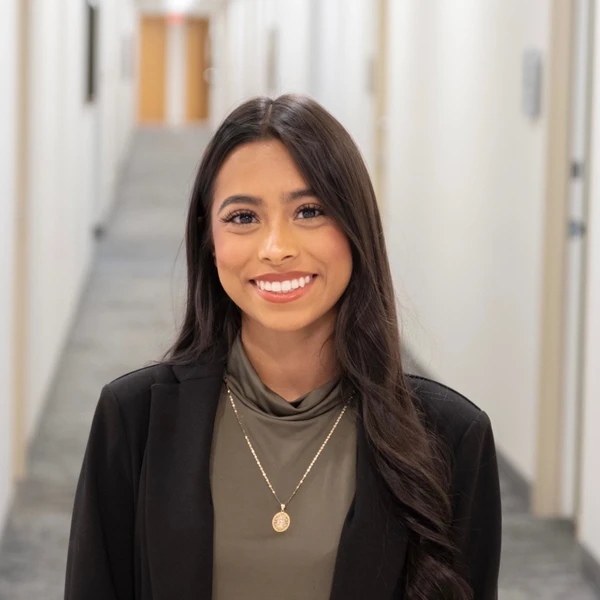
Jaelyn Anchondo
1x
Finalist
Jaelyn Anchondo
1x
FinalistBio
I want to be the first in my family to go to college and use that opportunity to create real change in my community. I'm passionate about helping others find their voice, whether it's tutoring classmates, speaking at events, or volunteering with youth who need support. I've learned the importance of standing up, leading, and listening, and I bring that dedication to everything I do. I'm a strong candidate because I am very empathetic, committed to continuing to use my experiences and opportunities to uplift others while pursing my goals.
Education
Tonopah Valley High School
High SchoolGPA:
4
Miscellaneous
Desired degree level:
Bachelor's degree program
Majors of interest:
- Business, Management, Marketing, and Related Support Services, Other
- Law
- Journalism
Career
Dream career field:
Law Practice
Dream career goals:
Sports
Cheerleading
Varsity2022 – Present4 years
Awards
- Varsity Team Captain
Research
Education, Other
Tonopah Valley High School / Jobs for America's Graduates Program — Researcher and creator of student wellness resources / Conducted interviews, analyzed date, created educational pamphlets, and distributed stress-relief tools and resources across campus2024 – 2025
Public services
Advocacy
Jobs for America's Graduates Program — Arizona State Career Association President2023 – Present
Future Interests
Advocacy
Politics
Volunteering
Entrepreneurship
Justin Burnell Memorial Scholarship
For a long time, I thought coming out as bisexual would be the hardest part. I believed once I said the words out loud, once I was honest, the pressure would finally disappear. In some ways, it did. But I quickly learned that being open did not protect me from being questioned, joked about, or reduced to something people felt entitled to comment on.
The challenges did not stop when I came out. They changed.
I remember giving a tour to a student at my school. We were introducing ourselves, making small talk, when I casually mentioned I had a girlfriend. He wasted no time making an inappropriate comment, hinting that he would like to see us kiss. At that moment, I didn’t feel like a person. I felt like an object. Something people could watch, talk about, and laugh at. It was my first real experience feeling stripped of my humanity.
That was not the only time. I was told over and over that being bisexual was not real. That I had to pick one. Because I had dated boys before, people decided I could not like girls. My identity became something others felt comfortable debating. It was humiliating. It led me down a spiral of questioning myself. Who am I? What am I allowed to be? What version of me will finally be enough?
In the middle of that confusion, I found my outlet. Writing.
The first time I ever admitted I was bisexual was not out loud. It was on paper. I was writing a speech for a public speaking competition, and in a rough draft, I told the truth. Writing gave me space to exist without interruption. I did not have to explain myself or defend my identity. I could simply be honest.
When I presented that speech at a state conference through Jobs for America’s Graduates, it was the first time I had ever said those words out loud to anyone else. I went on to win the state competition and later first place at a national public speaking competition. But the awards were not what stayed with me.
After those speeches, young minds came up to me quietly. They asked for advice. They confided in me. Some told me my story gave them the courage to come out themselves. In those moments, I felt human again. Writing and speaking did not just help me heal. They allowed me to help others feel seen.
I am passionate about writing because it has always been my safest form of truth. It is where I process pain, challenge ignorance, and turn isolation into connection. Writing gives me control over my narrative in a world that often tries to define LGBTQ+ people for us.
As I pursue higher education, I plan to continue using writing and advocacy to support LGBTQ+ youth, amplify their voices and create spaces where honesty is not punished. Receiving this scholarship would allow me to focus on developing my voice without the weight of financial stress. I know now that my story has an impact, and I am committed to using my words to remind others that they are not alone.
Adam Montes Pride Scholarship
From a young age, I believed I could predict the future. I had my life mapped out with clear checkboxes: go to college, succeed, make my family proud, and give back to the people who sacrificed everything for me. I believed if I followed the plan closely enough, nothing could go wrong. But there was one checkbox I never prepared for: being bisexual.
No matter how hard I tried to hide it or erase it, the truth remained. I was afraid. This was not part of the future I had envisioned for myself or for my religious, Mexican family. Not only would I be the first in my family to attend college, I would also be the first to come out as gay.
I was full of timidness, very ironic when I thought about my family’s history. Hearing their stories of survival, how they managed to fit all ten of them on two mattresses, and still pushed forward every day.
They came to the United States with nothing but each other. I had a home, food, education, and support, yet I still feared rejection. That humbling realization pushed me to do what I had thought impossible: be honest about my identity, even if disappointment or failure followed.
It was a surreal feeling that consumed the last sixteen years of my existence, realizing who I was capable of loving. I started with my mom. I tried to create a calm setting in my room with just the two of us with a candle lit with the lights dimmed, but the second I uttered the words, I melted in her arms. The nurturing love she radiated shattered the future I thought I could predict and replaced it with something better.
Coming out did not just change me; it gave me purpose. Through Jobs for America’s Graduates, I shared my coming out story and fears with audiences across Arizona reaching national recognition. After those speeches, young minds reached out to me. They asked for advice, confided in me, and shared that my story helped them find the courage to come out themselves. In those moments, I realized how powerful visibility and honesty can be for LGBTQ+ youth who feel alone.
As I pursue higher education, I plan to continue using my voice to advocate for LGBTQ+ acceptance and representation. Receiving this scholarship would ease financial stress and allow me to focus on both my education and my advocacy. I no longer believe my future is something I need to predict perfectly. I believe it is something I build honestly, using my identity not as a barrier, but as a bridge for others still finding their way.
Rainbow Futures Scholarship
From a young age, I believed I could predict the future. I had my life mapped out with clear checkboxes: go to college, succeed, make my family proud, and give back to the people who sacrificed everything for me. I believed that if I followed the plan closely enough, nothing could go wrong. But there was one checkbox I was never prepared for: being bisexual.
No matter how hard I tried to hide it or erase it, the truth remained. I was afraid. This was not part of the future I had imagined for myself or for my religious, Mexican family. Not only would I be the first in my family to attend college, I would also be the first to come out as gay. I feared that this truth would outweigh everything else I had worked so hard to become.
That fear felt heavy when I thought about my family’s history. I grew up hearing stories of survival, of ten people sharing two mattresses, of pushing forward when there was nothing to fall back on but each other. They came to the United States with courage and faith. I had stability, opportunity, and love, yet I was terrified of being rejected for simply being myself. That realization humbled me and forced me to confront my fear head-on.
Coming out was not a single moment, but a breaking point. I started with my mom. Alone in my room, I tried to create calm with dim lights and a candle, but the second I spoke, I collapsed into her arms. Instead of rejection, I was met with unconditional love. In that moment, the future I thought I could predict fell apart, and something stronger took its place. My identity did not diminish my worth, my goals, or my family’s love.
One by one, I shared my truth with my aunts, my stepdad, and my grandparents, slowly intertwining my voice into the roots of my Mexican-American family. Each conversation reminded me that courage does not always look loud. Sometimes it looks like telling the truth with shaking hands.
Coming out did not just change me; it gave me purpose. Through Jobs for America’s Graduates, I shared my coming out story and my fears with audiences across Arizona, eventually earning national recognition. After those speeches, young people approached me quietly. They asked for advice. They trusted me with truths they had never spoken aloud. Some told me my story gave them the courage to come out to themselves. In those moments, I understood how powerful visibility can be when someone finally feels seen.
As I pursue higher education, I am committed to using my voice to advocate for LGBTQ+ acceptance, representation, and equity. Receiving this scholarship would ease financial pressure and allow me to focus fully on my education and my advocacy. I no longer believe my future is something I need to predict perfectly. I believe it is something I built, honestly, using my identity not as a barrier, but as a bridge for others still searching for the courage to cross.
Se Vale Soñar Scholarship
From a young age, I believed I could predict the future, that I could see every step of my life before it happened. I had it all mapped out: be the first in my family to attend college, earn a bachelor's degree, succeed, make my family proud, and give them the comfortable life they had worked so hard to give me. I had written the to-do list of my life and just needed to continue checking the boxes as completed. But there was one checkbox that was not in the original plan: being bisexual.
No matter how hard I tried to erase it, hide it, or ignore it, the truth remained adamant. I was afraid. This was not part of the plan, nor was it the future my “superpower” had displayed for me. This was not the life I had envisioned for myself or my religious, Mexican family. Not only would I be the first in my family to go to college, I would also be the first to come out as gay.
I was full of timidness, ironic considering my family had been so courageous when coming to the United States with nothing. But they had everything they needed to be unafraid: each other. Hearing their stories of survival, how they managed to fit all ten of them on two mattresses, and still push forward every day, inspired me and made me feel small for being so afraid. I had everything: a home, consistent food, access to an education, and most importantly, my family. Yet, I still feared rejection. Knowing how unconditionally loving my family is made my fear feel even smaller, and that humbling realization pushed me to do what I had thought impossible: be honest about my identity, even if disappointment or failure followed.
It was a surreal feeling that consumed the last sixteen years of my existence, realizing who I was capable of loving. I started with my mom, in my room with just the two of us. I created an intimate setting, with a candle lit and the lights dimmed to ensure calmness, but the second I uttered the words, I practically melted in her arms. The nurturing love she radiated in that moment proved me and my superpower wrong. My identity did not diminish my achievements, my value, or my family’s love.
After my mom, I shared my truth with my aunts, then my stepdad, and finally my grandparents, until I was practically telling my whole bloodline that I was bisexual. I had completely intertwined my identity throughout the roots of my Mexican-American culture.
This experience unlocked the courage my family embodies, teaching me self-acceptance and the power of authenticity. It reshaped how I view my first-generation journey. Previously, I felt an immense pressure to succeed, to follow the societal and academic checklist of good grades, college, and success. Being bisexual felt like it didn’t fit into any of those boxes.
I had finally realized that my identity and ambitions are not mutually exclusive. I can honor my family’s sacrifices while carving my own path. I know now I am capable of succeeding and that I can do it on my own terms.
As I approach life, I know that fear does not define me. I am ready to embrace the opportunities college will bring. My drive and aspirations are intertwined just like my identity and my roots. I am determined to thrive not just for myself or as boxes to check, but for my family, my community, and those young, hungry minds who might still be looking for their representation as I was.