user profile avatar

Jaden Martin

1x

Finalist

Bio

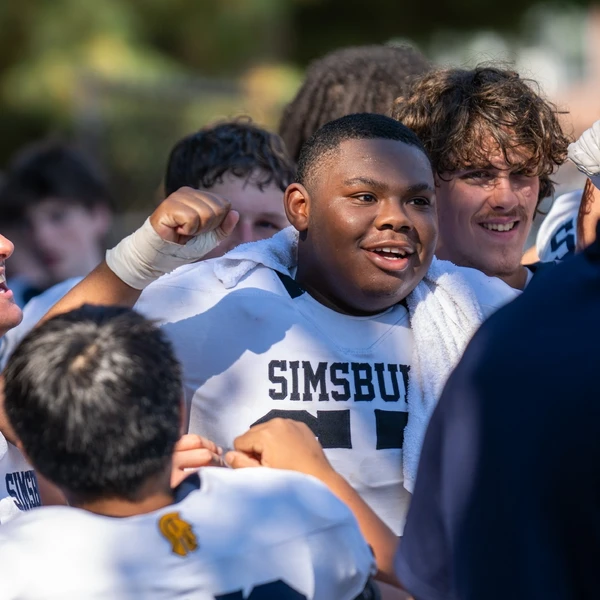
I’ve learned that the experiences you go through don’t just shape your path, they shape how you show up along the way. That mindset comes from how I was raised. Watching my mother work to support my family showed me what discipline, sacrifice, and consistency look like. I learned early how to stay accountable, manage my time, and follow through, no matter what. Living with ADHD forced me to figure out how I operate. Over time, that became an advantage. I’ve learned how to stay focused, adapt quickly, and keep pushing forward in school, sports, and work. As a multi-sport athlete, I’ve built resilience and discipline. Being looked to as the teammate who keeps energy high, brings people together, and helps others stay locked in when things get tough. But for a long time, I struggled to find a future focus that gave me passion and connected with how I think. That changed when I found construction management. It’s where problem-solving, building, and thinking ahead connects naturally. For the first time, I wasn’t adjusting to fit—I was operating in a space that fit me. Finding this path later in high school means now I'm working hard to make it possible. College is a major financial commitment, and while my family supports me, I understand the weight of that cost. Although I’m fully committed, I know that without scholarships this path may be out of reach. I want to build more than structures. I want to create opportunities, develop strong teams, and help others find paths where they can succeed. I’m not just working toward a degree. I’m building a future with purpose.

Education

Simsbury High School

High School
2022 - 2026

Miscellaneous

  • Desired degree level:

    Bachelor's degree program

  • Majors of interest:

    • Construction Management
    • Construction Trades, Other
    • Construction Engineering
    • Psychology, General
    • Building/Construction Finishing, Management, and Inspection
  • Not planning to go to medical school
  • Career

    • Dream career field:

      Construction

    • Dream career goals:

      I aim to become a construction manager, leading projects that turn ideas into lasting structures while improving communities through smart, efficient building.

    • Dishwasher

      Geissler's Supermarket
      2023 – Present3 years
    • Diswasher

      Roux Cajun Eatery
      2022 – 2022

    Sports

    Rugby

    Varsity
    2022 – Present4 years

    Awards

    • Connecticut Interscholastic Athletic Conference Scholar-Athlete Award

    Football

    Varsity
    2022 – Present4 years

    Awards

    • Connecticut Interscholastic Athletic Conference Scholar-Athlete Award

    Basketball

    Intramural
    2022 – Present4 years

    Wrestling

    Varsity
    2022 – Present4 years

    Awards

    • Connecticut Interscholastic Athletic Conference Scholar-Athlete Award

    Public services

    • Volunteering

      Boy Scouts — Scout
      2014 – 2026

    Future Interests

    Volunteering

    Entrepreneurship

    Julia Elizabeth Legacy Scholarship
    Diversity in STEM matters to me because I’ve started to understand how much of what people pursue is shaped by what they’re exposed to early on. A lot of the time, people don’t just randomly choose careers. They move toward what they’ve seen, what they’ve been around, and what feels familiar. In many families and communities, that creates a cycle. Skills, careers, and opportunities get passed down, and over time, it becomes normal to see yourself in those spaces. But when you come from an underrepresented background, that exposure isn’t always there. Growing up, I didn’t see many people who looked like me in STEM fields. I saw the results of the work everywhere, but I didn’t always see the people behind it. That matters more than it seems, because when you don’t see it, it’s harder to imagine yourself there. At the same time, I was fortunate. Through school and the environments I was in, I had access to spaces where I could try things, figure things out, and see what I was capable of. Not everyone gets that. Some people never get the chance to even consider certain paths, not because they aren’t capable, but because they were never introduced to them. That realization changed how I think about STEM. To me, STEM isn’t just about science, technology, or engineering. It’s about access. It’s about who gets the opportunity to explore, to build, and to be part of shaping the future. When certain groups are underrepresented, it’s not just a numbers issue. It means ideas, perspectives, and solutions are missing. And those gaps matter. As someone who has had to work through challenges in my own learning, especially growing up with ADHD, I understand what it feels like to have to adjust to systems that weren’t necessarily built with you in mind. That experience made me more aware of how important it is for different types of thinkers and different backgrounds to be included in the spaces that create those systems. Because when they are, the results are better for everyone. That perspective is part of what led me toward Building and Construction Technology. What draws me to that field is not just the technical side of it, but the impact. The ability to create spaces that people live in, grow in, and rely on every day. When I think about the future, I don’t just think about building structures. I think about building environments that reflect and serve the communities around them. I also think about access. I want to be in a position where I can help create opportunities for others to be exposed to this kind of work earlier than I was. Whether that’s through mentorship, community involvement, or simply being visible in a field where representation matters, I want to be part of expanding what people believe is possible for themselves. Because once someone sees it, it becomes real. Diversity in STEM is important to me because it breaks cycles. It opens doors that might have otherwise stayed closed. It gives people the chance to step into spaces they may not have seen themselves in before. This scholarship would help me continue on that path. It would support my education and allow me to keep building the skills I need to contribute not just to my field, but to the communities that are often left out of it. I want to be part of a future where access isn’t limited by what you’ve been exposed to. I want to help create that exposure. And I want to help build what comes next.
    David Foster Memorial Scholarship
    One of the most meaningful influences on how I see learning and how I approach life came from a teacher who didn’t just teach me information, but changed how I experienced it. Mr. Bopp, my construction teacher, created a space that felt different from any classroom. For most of my education, especially growing up with ADHD, I had spent years learning how to stay disciplined in an environment that didn’t always match how my mind worked. I learned how to push through, how to stay focused, and how to keep going even when it was difficult, but it often felt like I was constantly adjusting myself just to fit the system. In Mr. Bopp’s class, that wasn’t the case. He created an environment where learning happened naturally. It was not about sitting still or memorizing information. It was about doing real work. Building. Figuring things out as I went. His class gave me a place to move, clear my head, and think in a way that finally felt normal. I was able to use my hands and my mind together, and that made a difference. What made his impact even greater was the time and access he made available. During class, after school, and even during open periods, I had the opportunity to keep working and improving. I had the chance to use tools and materials I would not have had access to outside of school, and I took full advantage of that. One moment that stands out started with something simple. While visiting my great aunt, her plate rocked on her old worn down tray table, and she commented that she had brought it home over 30 years ago and had never been able to find another one since. That moment stuck with me, and I knew I wanted to build one for her myself. With Mr. Bopp’s help, I did. It was not part of the standard curriculum or something I was required to do. But it became one of the most meaningful things I have worked on. I built the tray table from scratch. It was not perfect, but it was exactly what she wanted. And giving her something I made with my own hands, that brought a smile to her face, showed me that what I was learning had a purpose beyond the classroom. Reflecting on where I started, that experience meant even more. Growing up in a single-parent household, I didn’t have someone at home who could guide me through hands-on skills like that. I never thought of Mr. Bopp as a father figure, but I do recognize he gave me exposure to things some students learn earlier on. How to use tools, how to build something step by step, and how to work through a problem with patience. That exposure gave me direction. It helped me realize that the discipline I built was not just helping me get through school. It could be used for something I actually enjoyed and understood. That is a big reason why I want to pursue Building and Construction Technology. I want to build things that matter to people. Not just structures, but spaces families live in, grow in, and feel comfortable in. I have seen how something as simple as a piece of furniture can hold meaning, and I want to create things that become part of people’s lives over time. Mr. Bopp did not change who I was. He helped me access my strengths and passions in a way I will use for a lifetime.
    Big Picture Scholarship
    If I’m being honest, I can’t point to one movie that has had the greatest impact on my life. I’ve watched a lot of movies over the years, but I’ve never been the type to walk away from one thinking it changed me or gave me some big lesson. For me, movies have always been a way to relax, laugh, and take a break. I don’t usually look at them for meaning. I’ve always found that through the people around me and the experiences I’ve had. But when I think about it more, movies have still had an impact on me. Just not in the way the question might expect. It’s not about the movie itself. It’s about what happens around it. Some of my earliest memories are sitting with my mom, watching whatever she had on. I don’t remember every movie, but I remember how it felt to be there. It was calm. It was consistent. It was time together that didn’t need to be anything more than what it was. As I got older, movies became something I shared with my brother. Every time a new superhero movie came out, whether it was Marvel or DC, we went to see it. That became our routine. No matter what else was going on, we made time for that. Sitting in a packed theater, reacting at the same time, talking about it on the way home. It wasn’t really about the movie being perfect. It was about having something that connected us. Then there are the bigger family moments. When everyone is together, we’ll put on a movie, order food, and settle in. It’s never quiet. Someone is always talking, laughing, or reacting out loud. If my younger cousins are there, you’re definitely not hearing every line. But that’s what makes it real. It’s not about sitting in silence and focusing on the screen. It’s about being present with each other. Those moments stuck with me more than any movie ever has. Over time, I started to realize that those experiences shaped how I think about connection, time, and even my future. They showed me that the most important things are sometimes just simple moments where people come together and enjoy being around each other. That matters to me. It’s a big part of why I want to build a future where I can create that same kind of environment for others. I want to go into Building and Construction Technology not just to build structures, but to build spaces where people live, work, and connect. When I think about what makes a place meaningful, I don’t think about the building first. I think about what happens inside it. The conversations, the relationships, the everyday moments that people remember later. In a way, the experiences I’ve had around movies helped me understand that. They showed me that learning doesn’t always come from something being explained to you. Sometimes it comes from being in the moment, paying attention, and understanding what really matters. For me, that has always been people. How they connect, how they show up for each other, and how small moments can mean more than you realize at the time. So while I can’t name one movie that changed my life, I can say that the time I’ve spent watching them with the people around me has shaped me in a real way. It helped me value connection, appreciate time and understand the kind of future I want to build. Not just something strong. But something people can feel at home in.
    Dream BIG, Rise HIGHER Scholarship
    I have learned that the way you experience the world shapes not only who you become, but how you choose to impact it. For me, that experience has been shaped in a big way by how I’ve had to learn. I grew up with ADHD, and from the very beginning, school did not feel natural to me. Learning took more effort for me than it seemed to for others. Staying focused, moving from one task to the next, organizing my thoughts, and finishing assignments without getting overwhelmed were constant challenges. When I look back on the stories my mom has shared about my early years in elementary school, I realize how much structure I needed just to get through a normal day. Things that felt simple for other students often took me more time, more energy, and more support. At the time, I did not fully understand why. I only knew that school felt harder for me. What I did understand, even at a young age, was that giving up was not an option. That mindset came largely from my mother. As a single mom, she had a huge impact on how I viewed myself and my abilities. She did more than help me with schoolwork. She believed in me, even when I struggled to believe in myself. In our home, there was always a clear expectation that I was capable, even when things were difficult. She did not let me settle into the idea that something was “too hard.” Instead, she pushed me to keep going and showed me through her actions that effort and persistence mattered. I did not always appreciate that when I was younger. At times, it felt frustrating, especially when I wished things came more easily. But looking back now, I understand how important it was. Before I ever truly believed I could handle challenges on my own, she believed it for me. Over time, that belief became something I started to carry myself. As I got older, I began to understand that the only way things would improve was if I learned how to approach challenges differently. Avoiding difficult tasks or hoping they would go away was not an option. I had to work through them. I needed to understand how I learned best, figure out ways to stay focused, and break large tasks into smaller steps so they felt manageable. Discipline did not come naturally to me, so I had to build it on purpose, through practice and consistency. By high school, I relied less on outside support and more on the habits I created for myself. I learned how to manage my time, stay organized, and hold myself accountable. While school never felt easy, I earned honors and high honors while balancing academics, sports, and work. My success was not the result of things becoming easier, but of learning how to handle difficulty better. For much of my life, I was learning how to succeed in spaces that did not always fit the way my mind worked. Then something changed. I started taking construction classes and learning finally clicked in a different way. For the first time, school felt interesting instead of exhausting. Instead of sitting still and forcing myself to focus, I was working with my hands, solving real problems, and understanding how things are built. I could see how different parts came together to create something useful. The hands-on work helped everything make sense. I could see my progress and feel proud of what I had completed. I was not just pushing myself to get through school. I was truly engaged in what I was learning. That experience showed me something important. My challenges were never about my ability. They were about finding the right environment. Once I found a learning style that matched how I think, everything began to feel more meaningful. I gained confidence, motivation, and a clear sense of direction. That realization is a big reason why I am pursuing a degree in Building and Construction Technology. I am drawn to building something real, something you can see and take pride in. I enjoy solving problems, working through challenges, and watching progress happen step by step. Construction allows me to apply what I learn and see the results of my effort. Beyond that, I see this field as a path to a stable and meaningful future that reflects the hard work I am willing to put in. Education is the tool that will help me get there. It has already played an important role in shaping who I am today. Through education, I have learned how to keep going when things are difficult, how to adapt, and how to take responsibility for my own path. Continuing my education will allow me to build stronger skills, gain more knowledge, and prepare for the challenges of a demanding field. Receiving scholarship support would help me stay focused on my education while continuing to work toward my goals. Looking ahead, I plan to pursue a career in construction management. I want to build more than just structures. I want to build a company people can trust, one that values quality, honesty, and accountability. I also want it to be a place where others can learn and grow, especially those who learn differently or did not have strong guidance early on. I understand how difficult it can be to find the right direction, and I want to help create opportunities for others to develop skills and confidence through hands-on work. My journey has not always been easy, but it has prepared me. Prepared me to keep learning. Prepared me to keep working. Prepared me to build something better, not just for myself, but for others. Who I am becoming matters just as much as where I am going. And I am still building.
    Tawkify Meaningful Connections Scholarship
    Relationships & Impact “The triangle is the strongest shape.” My mom started saying that after my parents separated when I was nine. At the time, I didn’t fully understand what she meant. I just knew that my dad, who had been part of my everyday life, was suddenly gone. He went from being someone I saw and relied on daily to someone I rarely heard from or saw at all. There were moments that made that change real. One of the hardest was when I broke my ankle. My dad told me he would come every day after school to help me at home. I believed him. One day, I sat outside in my wheelchair, waiting for him to come help me get inside. He never showed up. Sitting there, I realized something I wasn’t ready to understand yet—I couldn’t count on him. What stayed with me even more, though, was who I could count on. My mom carried everything and never let us feel unsupported. My brother became more than just a sibling. He became someone I looked up to, someone who showed me what consistency and dependability actually look like. Over time, I began to understand my mom’s message. The triangle wasn’t about what we lost. It was about what we built. The three of us created something steady, even when life wasn’t. That foundation didn’t stay within my home. It shaped how I built relationships everywhere else. I followed my brother into football, wrestling, and rugby. At first, it was a way to stay connected to him, but it became something more. I worked to earn my place, and through that process, I became a strong, reliable teammate. I bring energy, keep people focused, and help the group stay connected, especially in tough moments. That’s something people recognize about me. When things start to slip, they look to me to help reset the tone and keep everyone moving forward. I’ve carried that same approach into Boy Scouts, where I’ve mentored younger scouts, and into Unified sports, where I focus on making sure everyone feels included and confident. For me, connection means making sure no one feels overlooked and that everyone knows they belong. Part of that mindset also comes from my own experiences. Living with ADHD has taught me that not everything people struggle with is visible. Because of that, I’ve become more aware, more patient, and more intentional about how I treat others. As I’ve grown, my understanding of my dad has also changed. I no longer see his absence the same way I did when I was younger. I’ve come to realize that it had more to do with his own challenges than my worth. Today, I’m working to build a relationship with him, even knowing it may not always be consistent. That process has strengthened my understanding of what real connection requires—consistency, effort, and accountability. Looking ahead, I plan to pursue a career in construction management. I want to build more than structures. I want to build a company that people can rely on—one that values quality, integrity, and accountability. I also want it to be a place where others can learn and grow, especially those who may not have had access to hands-on skills or guidance early on. I understand what it feels like to have gaps in that area, and I want to help create opportunities for others to build those skills and find direction. The work we do shapes more than buildings. It shapes the communities people live in every day. I want to be part of building spaces that are strong, dependable, and meaningful, while also building teams and opportunities that bring people together. The triangle didn’t just hold me together. It taught me what real connection looks like—and how to create it for others.
    Kalia D. Davis Memorial Scholarship
    I’ve learned that the way you experience the world shapes not only who you become, but how you choose to impact it. Going to a school where not many people looked like me pushed me to become more aware of my environment and how I showed up in it. It taught me how to adapt, carry myself with confidence, and stay grounded in who I am, even when I felt different. At the same time, watching my mother work to support my brother and me showed me what consistency, sacrifice, and responsibility really look like. She gave us a strong foundation, even while managing everything on her own, and that shaped the way I approach both challenges and opportunities. Growing up without a father in the home also meant that there were certain skills I didn’t naturally have access to learning. My mom worked hard, but she wasn’t someone who could teach mechanical or construction-based skills, and there wasn’t always time for that kind of learning. That absence made me more aware of how important those skills are, not just for careers, but for everyday life. It also made me realize how many young people grow up without access to that kind of guidance. At the same time, living with ADHD pushed me to become more intentional about how I focus, how I manage my time, and how I follow through. Over time, I learned how to work with how my mind operates instead of against it. That shift helped me become more disciplined and consistent, and it also helped me better understand that people learn and grow in different ways. All of these experiences came together when I found construction. For the first time, I was in a space where the way I think actually worked in my favor. I could problem-solve in real time, think ahead, and stay engaged in a way that felt natural. I wasn’t trying to adjust to fit the environment anymore. I had found something that fit me. That realization shaped how I see my future. I plan to pursue construction management and eventually build a company that focuses on more than just completing projects. I want to build something where customers know they are getting quality work, fair pricing, reliability, and integrity. Where mistakes are acknowledged and corrected, and where doing the job the right way matters more than just getting it done. At the same time, I want to create opportunities for others. I know what it feels like to not have those resources readily available, and I want to help change by offering mentoring, training and internships. Creating spaces where people can learn real skills, gain confidence, and see a path for themselves in the trades. At the same time, I know the spaces we build shape how people live, connect, and grow. That’s why creating safe, reliable, and well-built environments is also something I take seriously, because those structures become part of people’s everyday lives. For me, success is not just about what I build. It’s about building something people can rely on. Finding this path later in high school also means I’m not fully prepared for what it takes to pursue it at the next level. I have the drive, the work ethic, and the vision, but the financial side of college is a real challenge. I come from a family that supports me in every way they can, but I also understand the weight of that cost and what it means. That’s why opportunities like scholarships matter so much to me.
    Aserina Hill Memorial Scholarship
    Service has been a consistent part of my life for as long as I can remember. Since second grade, I’ve been involved in Boy Scouts, where I’ve had the opportunity to support my community in many different ways. From volunteering at local events to helping organize service projects, I’ve learned that giving back is not just about showing up—it’s about being reliable, consistent, and willing to help wherever you’re needed. Over time, that also grew into mentoring younger scouts, helping them work toward their own goals, and encouraging them when things felt challenging. Those experiences taught me that service is not just about what you do, but how you show up for others. At the same time, my own experiences have shaped the kind of impact I want to have. Growing up with ADHD, I learned early that the traditional classroom didn’t always work for me. Staying focused and engaged wasn’t always easy, and I often had to find different ways to connect with what I was learning. What made the difference for me was having access to teachers, activities, and environments that were willing to be flexible and creative. Through sports, hands-on learning, and different extracurricular opportunities, I was able to stay engaged and discover what I was capable of. I also recognize that not every student has access to those same opportunities. Coming from a family of educators, I’ve seen how hard teachers work to support students, but I’ve also seen the limits of what schools can provide, especially when resources are stretched. There are many students who struggle not because they lack ability, but because they haven’t been given the chance to learn in a way that works for them. If given the opportunity, I would start a program focused on helping students with ADHD and different learning styles discover how they learn best. This program would provide access to hands-on experiences like construction workshops, physical activities, and creative learning environments that go beyond the traditional classroom. The goal would be to help students stay engaged, build confidence, and begin to see learning as something they can succeed in, not something they have to fight through. I would also want this program to serve as a place where students feel understood. Instead of seeing the way they learn as a limitation, they would be encouraged to see it as something that can be developed into a strength. By introducing students to different pathways early, including trades, athletics, and hands-on skills, they would have more opportunities to find direction and purpose. My experiences in Boy Scouts taught me the value of service and mentorship. My experiences in school taught me the importance of access and opportunity. Bringing those together, I want to create something that helps students feel capable, supported, and motivated to pursue their goals. To me, the most meaningful impact comes from helping someone believe in themselves. That is the kind of change I hope to create.
    DAC Rugby Scholarship
    My connection to rugby started long before I ever played. It started with my brother. Growing up, I watched him compete in football, wrestling, and rugby. I saw the discipline it took, the physical and mental toughness, and the bond he built with his teammates. At home, I was raised in a strong, supportive environment by a single mother, and my relationship with my brother was a big part of my foundation. When he moved on to his next chapter, sports became a way for me to stay connected to something we shared while building my own sense of community. As I began playing football, wrestling, and rugby, I found that same sense of belonging. Each sport challenged me differently, but all demanded discipline, consistency, and accountability. They pushed me to grow, not just physically, but mentally. Rugby, though, stood out. It requires a level of trust and connection that goes beyond most sports. Every pass, tackle, and scrum depends on communication and timing. You can’t succeed alone, everything is built on the team moving together. I’ve never been the most naturally gifted athlete on the field, but what drives me is growth, both my own and my teammates’. I enjoy training, setting goals, and seeing progress through effort. Just as important to me is supporting others when confidence is low or challenges feel overwhelming. Encouraging teammates and helping them stay focused has become one of my strengths. I bring consistency, effort, and energy, and I take pride in being someone my team can rely on. Rugby has taught me that success isn’t about one player, it’s about how well the team works together. That belief became even clearer during one of the most impactful experiences I’ve had: traveling to Portugal in the spring of 2025 to compete in an international youth rugby tournament. Playing against teams from different countries exposed us to a new level of execution. Their communication was sharper, their spacing more precise, and their ability to stay connected as a unit stood out immediately. We were challenged in every match. We didn’t come home with a win, but we came back a better team. That experience changed how we approached the game. We learned that improvement comes from staying connected, communicating through every phase, and holding each other accountable. It reinforced that growth doesn’t come from individual effort alone, but from learning, adjusting, and improving together. Rugby isn’t just an individual game, it’s a team system where every role matters. In unified sports, I play with students with all types of disabilities, helping create an environment where they feel supported, confident and capable. That same mindset—encouraging others, building confidence, and showing up consistently—comes directly from what rugby has taught me about being a teammate. Of all the sports I’ve played, rugby is my favorite team sport, while wrestling has been my favorite one-on-one challenge. As I move into college, I plan to continue playing rugby while pursuing my education. It will remain a core part of my life because of what it represents: discipline, resilience, and connection. Rugby has taught me that success isn’t about being the most talented player, it’s about making the team better. That’s the role I take pride in, and the mindset I will carry with me wherever I go.