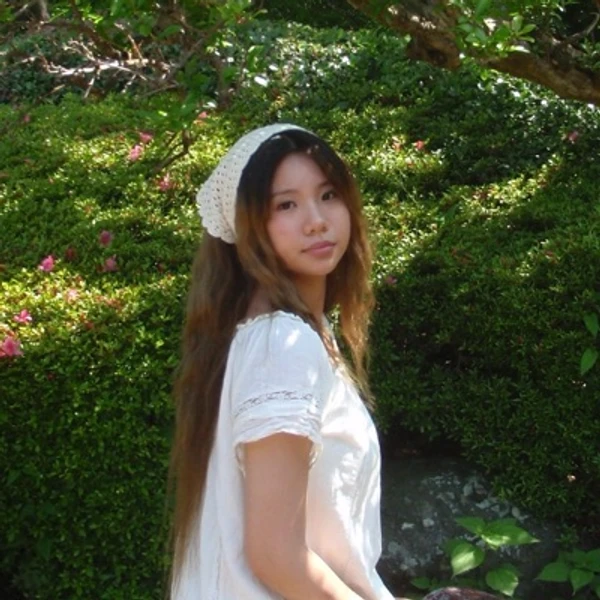
In high school, I struggled deeply with depression, and my alternative identity became one of the clearest reflections of what I was experiencing internally. I dressed in a grunge style, wore chains, and listened to death metal bands like Mortician and Autopsy because that world gave me a way to express emotions I did not always know how to explain. My style was never just about appearance. It became a form of survival, self-expression, and comfort during one of the most difficult periods of my life.
As I began healing, my style changed as well. I found myself drawn to Lolita fashion, which felt softer, more intentional, and full of a kind of beauty I had not allowed myself to embrace before. That change was deeply meaningful to me because it reflected my growth. It showed me that healing does not mean erasing who you were, but rather allowing yourself to become more fully who you are. Moving through these different forms of alternative expression taught me that identity is not fixed, and that there is strength in transformation.
My personal experiences with mental health gave new depth to something I had always known about myself: I wanted to pursue medicine. Over time, I realized I was especially drawn to psychiatry because I understand how deeply mental health can shape a person’s life, identity, and sense of hope. I want to become a Physician Assistant so I can support patients not only with clinical knowledge, but also with compassion and understanding. My dedication and passion for this path helped me earn a place in a direct-entry accelerated PA program, which affirmed both my academic commitment and my desire to make a meaningful impact in healthcare.
Attending a predominantly white Catholic college has made me even more aware of what it means to stand out. Being an asian and in my Lolita fashion, I am often visibly different from the people around me, and that has pushed me to become more confident in who I am. It has also reminded me how easy it is for people to make assumptions based on appearance alone. One of the challenges I have had to overcome is proving, both to myself and to others, that individuality does not make someone less intelligent, professional, or capable in STEM. If anything, my experiences have made me more empathetic, observant, and determined. They have shown me the importance of creating spaces where people feel seen instead of dismissed.
In the future, I hope to contribute to my field by helping build a more compassionate and inclusive approach to psychiatric care. I want patients, especially young people who feel misunderstood, to know that they do not have to fit a certain image to deserve respect, support, and excellent care. My alternative identity has not pulled me away from STEM. It has given me a deeper reason to pursue it and a clearer understanding of the kind of provider I hope to become.