user profile avatar

Izaac Watkins

1x

Finalist

Bio

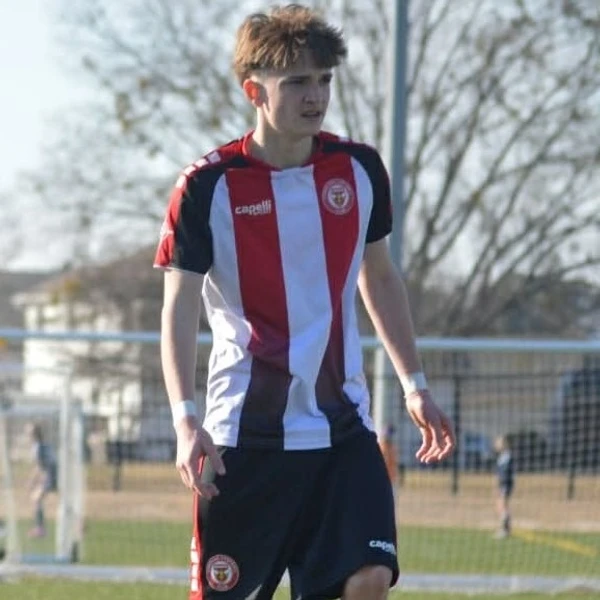
My name is Izaac, and I am a high school senior who will be graduating this year and turning 18 on April 22. I have been playing soccer since I was six years old, and it has become one of the biggest parts of my life. I have played varsity soccer since my freshman year and continue to compete at a high level through both my school team and club soccer. Being a student athlete has taught me discipline, leadership, and how to stay committed even when things get challenging. Academically, I take pride in being a strong student. I have consistently earned good grades and consider myself a quick learner who enjoys pushing myself to improve. I don’t just want to do well, I want to understand what I’m learning and apply it in real life. Outside of school and sports, I value the relationships I build with others. I consider myself a loyal and dependable friend, and I try to bring a positive attitude into everything I do. After high school, I plan to pursue a bachelor’s degree in kinesiology. My goal is to turn my passion for sports into a career where I can help others improve their health, performance, and overall well being. I am motivated to keep growing, learning, and working hard to reach my goals.

Education

South View High

High School
2022 - 2026

Miscellaneous

  • Desired degree level:

    Bachelor's degree program

  • Majors of interest:

    • Sports, Kinesiology, and Physical Education/Fitness
  • Not planning to go to medical school
  • Career

    • Dream career field:

      Sports

    • Dream career goals:

      I plan to pursue a bachelor’s degree in kinesiology

      Sports

      Soccer

      Club
      2015 – Present11 years

      Research

      • Bible/Biblical Studies

        South View High School — Researcher
        2025 – Present

      Arts

      • South View High School

        Graphic Art
        2025 – Present

      Future Interests

      Advocacy

      Politics

      Volunteering

      Philanthropy

      Entrepreneurship

      RonranGlee Literary Scholarship
      This statement by Marcus Aurelius communicates a central Stoic principle: moral understanding is meaningless without action, and character is defined through consistent behavior rather than discussion, theory, or delayed intention. The underlying meaning of this passage is that virtue is not something to be endlessly analyzed, debated, or postponed until a person feels fully prepared. Instead, it must be actively practiced in real time through daily decisions and habits. Aurelius is challenging the reader to stop treating morality as an intellectual exercise and instead treat it as a lived responsibility. My interpretation of this passage is that it is a direct rejection of procrastination in personal growth and a call to immediate moral accountability, where identity is shaped through action rather than thought. The first major idea in this quote is the rejection of delay as a form of avoidance. When Aurelius states, “Waste no more time arguing,” he is identifying a common human tendency to substitute discussion for action. People often spend large amounts of time debating what is right, what is ethical, or what qualities define a good person. While this can appear productive, it often becomes a way of avoiding personal change. The word “waste” is important because it reframes time spent only analyzing morality as something lost rather than gained. In this sense, Aurelius is suggesting that excessive focus on defining goodness can actually prevent someone from becoming good. The passage implies urgency, meaning that moral action should not be postponed in favor of perfect understanding. The second major idea is that moral identity is formed through action, not definition. The command “Be one” is intentionally direct and simple, yet it carries significant weight. Aurelius is emphasizing that a “good man” is not someone who can describe virtue accurately or argue about it convincingly, but someone who consistently lives according to virtuous principles. This shifts morality from theory to practice. It also implies that there is no external validation required to begin acting morally. A person does not need approval, ideal circumstances, or complete knowledge before choosing to behave with integrity. Instead, virtue is demonstrated through repeated choices made in everyday life. Another important implication of this passage is personal accountability. Aurelius removes excuses that people often rely on to delay self-improvement. It is common for individuals to believe they will act better once they are more prepared, more experienced, or in a better situation. However, this quote directly challenges that mindset. It suggests that waiting for the “right time” is itself a form of inaction that prevents growth. From a Stoic perspective, the only time that truly exists for moral action is the present moment. Therefore, responsibility belongs entirely to the individual, regardless of external conditions. This passage also reflects the Stoic belief that philosophy is meant to be practical rather than purely intellectual. For Marcus Aurelius, philosophy was not intended to be studied only for knowledge but applied for living well. The value of understanding what a good person is supposed to be lies in using that understanding to become that person. Without action, philosophy becomes empty and disconnected from real life. The quote reinforces the idea that wisdom must be demonstrated through behavior, not just expressed through words. Finally, the deeper meaning of this passage is that identity is created continuously through choices aligned with one’s values. A person does not become good through a single decision or through intellectual agreement with moral ideas. Instead, goodness is formed through consistent action over time. Every decision becomes an opportunity to either align with or drift away from virtue. The passage encourages a mindset of immediacy and discipline, where individuals focus less on perfect definitions of morality and more on living it daily. Ultimately, Aurelius is delivering a clear and uncompromising message: stop delaying moral growth, stop overanalyzing what it means to be good, and begin living according to those principles now. Virtue is not something to be endlessly defined, but something to be actively embodied through consistent, deliberate action.
      Robert F. Lawson Fund for Careers that Care
      My name is Izaac, and I am a high school senior who has been shaped by academics, athletics, and personal life experiences that have helped me grow into a disciplined and motivated individual. I have played soccer since I was six years old, competing at both the varsity and club level throughout high school. Being a student-athlete has taught me the importance of hard work, time management, and consistency, and it has also helped me develop leadership skills and resilience in challenging situations. In the classroom, I have always taken my education seriously and worked hard to maintain strong grades. I consider myself a quick learner who enjoys pushing myself to improve. I have learned that success does not come from talent alone, but from effort, focus, and the willingness to keep going even when things are difficult. These lessons have helped me stay committed to my goals both academically and athletically. Outside of school and sports, I value being a positive and dependable person in the lives of others. I try to be a supportive teammate, a respectful student, and a good friend. I believe that small actions, like encouraging someone or setting a good example, can have a meaningful impact on the people around me. In the future, I plan to pursue a degree in kinesiology because I am passionate about sports, health, and human performance. Soccer has played a major role in my life, and it has inspired me to want to understand the human body and help others improve their physical abilities and overall well being. My goal is to build a career where I can work with athletes or individuals who want to improve their health, recover from injuries, or reach their performance goals. I plan to make a positive impact on the world through my career by helping others become the best version of themselves physically and mentally. I want to use my education to support people in living healthier, more active lives. I also hope to be a role model for younger athletes, especially those who may face challenges similar to my own. I understand that life is not always easy, but I want to show others that with discipline, perseverance, and the right mindset, it is possible to overcome obstacles and achieve success. Overall, I see my future career as more than just a job. I see it as an opportunity to contribute to the well-being of others and make a lasting, positive difference in my community and beyond.
      Maria's Legacy: Alicia's Scholarship
      A college degree will change the path of my life by opening doors that may not otherwise be available to me and by giving me the knowledge, skills, and opportunities to build a stable and successful future. For me, earning a degree in kinesiology is not just about personal achievement. It represents the chance to create a different path for myself and future generations of my family. I want to be able to set an example that education leads to opportunity, stability, and growth. My goal is to build a future where I am not only successful in my career, but also able to provide support and guidance to my family and others who come after me. A college degree would mean a great deal to me personally because it represents perseverance and accomplishment. I understand that earning a degree takes hard work, discipline, and sacrifice. As a student-athlete who has played soccer since I was six years old, I have already learned the value of commitment and consistency. I have balanced academics, athletics, and personal responsibilities for years, and I know those same qualities will help me succeed in college. To me, a degree would be proof that I stayed focused on my goals and pushed through challenges to achieve something meaningful. I am passionate about soccer, health, and human performance. Soccer has been a major part of my life and has shaped who I am today. It has taught me discipline, teamwork, leadership, and resilience. Over the years, I have played varsity soccer since my freshman year and have also competed at the club level. These experiences have helped me grow not only as an athlete but also as a person. I have learned how to handle pressure, learn from mistakes, and stay committed to improvement. To pursue my passion, I have dedicated countless hours to training, practicing, and improving my skills on and off the field. I have also focused on maintaining strong academics because I understand that education is just as important as athletics. My plan is to continue this dedication in college by pursuing a degree in kinesiology, where I can learn more about the human body, athletic performance, and ways to help others improve their health and abilities. Overall, a college degree represents opportunity, growth, and a foundation for my future. It will allow me to break barriers, create new possibilities for myself, and set an example for my future family. I am committed to using my education and passion to build a meaningful career and make a positive impact on others.
      Overcoming Adversity - Jack Terry Memorial Scholarship
      Jack Terry’s story is inspiring to me because it shows how someone can overcome extreme hardship and still build a meaningful, successful life. His experience reminds me that adversity does not have to define a person’s future. Instead, it can become the foundation for strength, resilience, and purpose. What stands out most to me is how he was able to take something painful and turn it into motivation to keep moving forward and contribute to others in a positive way. I relate to this idea because I have faced my own adversity in my life. My father was incarcerated when I was born, again when I was two years old, and once more when I was seven. He was released when I was eight and has been present since then, but those early years without him had a lasting impact on my childhood. Growing up without a consistent father figure during those important years created challenges that I had to learn to navigate at a young age. At times, I felt different from other kids, and I had to learn how to handle emotions and responsibilities in ways that many of my peers did not. It was not always easy, but I found strength through the support of my mother, my coaches, my teachers, and my involvement in soccer. Soccer became one of the most important parts of my life because it gave me structure, discipline, and something positive to focus on. It helped me stay grounded and gave me a sense of belonging during uncertain times. From these experiences, I learned that adversity can either hold you back or push you forward depending on how you respond to it. I learned responsibility, independence, and the importance of staying focused on long-term goals even when life feels difficult in the moment. Most importantly, I learned that my circumstances do not define my future. As I continue my education, I plan to use my studies in kinesiology to give back to society by helping others improve their physical and mental well-being. I want to work in a field where I can support athletes and individuals in reaching their full potential. I also want to be a positive influence for young people who may be going through challenges similar to mine, showing them that their situation does not determine their success. Overall, Jack Terry’s story inspires me because it reinforces what I have learned in my own life. Adversity can shape you, but it does not have to limit you. I am committed to using my experiences, education, and future career to make a positive impact on others and give back to my community.
      Nasser Seconi Scholarship Fund
      Soccer has been one of the most important parts of my life since I was six years old. It has shaped who I am, taught me discipline, and helped me grow through both my best and hardest moments. Looking back, I can see how both the worst and best experiences in my soccer career have played a major role in shaping my character and my goals for the future. One of the worst moments in my soccer career came when I felt like I was not performing at the level I expected of myself during an important season. I had worked hard, trained consistently, and put a lot of pressure on myself to succeed, but things did not go the way I wanted. I struggled with confidence, made mistakes during key moments, and felt like I was letting my team down. It was frustrating because I knew how much effort I was putting in, but I was not seeing the results I expected. During that time, I had to learn how to deal with disappointment and self-doubt. Instead of quitting or giving up, I focused on improving my mindset, working harder in training, and learning from my mistakes. That experience taught me that failure is not the end, but part of the process of getting better. One of the best moments in my soccer career has been playing varsity soccer and continuing to compete at a high level with my team and club. Being trusted to compete at that level was a moment of pride for me because it represented years of dedication and hard work. I was able to contribute to my team, grow as a player, and experience the reward of staying committed to something I care about. More than anything, it showed me that consistency pays off. All the early mornings, late practices, and sacrifices were worth it when I saw myself succeed on the field with my teammates. My senior year will forever hold a special place in my heart with my teammates and coaches. I believe I will always look back on our team with pride and admiration. Both of these experiences have shaped me into a more resilient, disciplined, and motivated person. I have learned how to handle failure without letting it define me, and how to stay grounded even during success. Soccer has taught me that growth comes from both struggle and achievement, and both are necessary to reach your goals. This scholarship would help me continue my education at the next level as I pursue a degree in kinesiology. It would reduce the financial burden on my family and allow me to focus more on my academics and athletics. My goal is to use my education to build a career in sports performance or health sciences, where I can help others reach their potential just like I have worked to reach mine. This opportunity would bring me one step closer to turning my passion into a lifelong career.
      Students Impacted by Incarceration Scholarship
      Incarceration has played a major role in shaping my life and the person I am today. My father was incarcerated when I was born, again when I was two years old, and once more when I was seven. He was released when I was eight and has been present since then, but those early years without him had a lasting impact on my childhood and development. Growing up, I often experienced moments that made me feel different from other kids. There were times when important milestones happened without my father being there, and as a child, I did not fully understand why. As I got older, I began to understand more about the situation, but that did not take away the feeling of absence during key parts of my early life. It taught me very early what it feels like to miss something that most people consider normal, like having both parents consistently present. Even though it was difficult, this experience forced me to grow up in certain ways faster than others. I became more independent and learned how to rely on myself emotionally and mentally. At the same time, I leaned heavily on other positive influences in my life, including my mother, coaches, teachers, and teammates. Soccer became one of the most important outlets for me. It gave me structure, discipline, and something to focus on when things at home felt uncertain. Being part of a team helped me feel supported and gave me a sense of stability that I needed. Over time, I learned that circumstances do not define a person, but they can shape how you respond to life. I have seen how incarceration can affect not only the person going through it but the entire family. That understanding has made me more determined to make better choices and stay focused on my goals. I do not want my past to limit my future. Instead, I want it to motivate me to build something better for myself and my family. This experience has had a direct influence on my academic and career goals. It pushed me to take school more seriously and to think about the kind of future I want to create. I plan to pursue a degree in kinesiology because I am passionate about sports, health, and helping others improve their quality of life. I want to use my education to build a career where I can positively impact others, especially young people who may be facing challenges of their own. Overall, incarceration in my family has been painful and formative, but it has also given me perspective, motivation, and resilience. It has taught me to value stability, work hard for my goals, and never take opportunities for granted. I am determined to turn my experiences into strength and use them to create a future that is different from my past.
      Spaghetti and Butter Scholarship
      Attending a university means a great deal to both me and my family because it represents opportunity, growth, and the chance to build a stronger future. For me personally, going to college is not just about earning a degree. It is about challenging myself academically, developing new skills, and preparing for a career in kinesiology. I see university as an important next step in becoming more independent, responsible, and focused on my long-term goals. As a student-athlete, I have learned the value of hard work, discipline, and consistency. I have played soccer since I was six years old, and competing at the varsity and club level has taught me how to stay committed even when things are difficult. I know that college will require the same mindset. Attending a university will allow me to continue growing in both academics and athletics while also pushing myself to reach a higher standard in everything I do. I want to take what I have learned through sports and apply it to my education and future career. For my family, attending a university represents pride, sacrifice, and achievement. They have supported me throughout my life, especially in my education and soccer journey. I understand that this support has required time, effort, and financial commitment. Because of that, I want to make the most of the opportunity I have been given. My family has always encouraged me to work hard, stay focused, and aim higher, and I want to honor that by succeeding in college and making them proud. Attending a university also represents stability and long-term security for my family. It is a chance for me to build a career that allows me to support myself and eventually give back to those who have helped me along the way. I want my education to open doors that lead to meaningful work where I can make a positive impact on others, especially in the field of health and human performance. I also understand that college is an investment in my future. It requires responsibility, focus, and commitment both inside and outside the classroom. I am prepared to take that seriously by staying disciplined with my studies, managing my time well, and continuing to work hard toward my goals. I know that the choices I make in college will shape my future, so I am motivated to make the most of every opportunity. Overall, attending a university means growth, responsibility, and opportunity. It is a chance for me to improve myself, make my family proud, and build a future where I can be successful and help others.
      Younce, Vtipil, Baznik & Banks Scholarship
      One of the most meaningful contributions I have made to my community has been through soccer. I have been playing since I was six years old, and over time, the sport has become more than just a game to me, it has become a way for me to give back. As I’ve grown older and gained more experience playing at the varsity and club levels, I’ve made an effort to support and encourage younger players in my community. Whether it’s helping out at practices, talking to younger athletes on the sidelines, or simply leading by example during games, I try to show what hard work, discipline, and a positive attitude look like. I remember what it felt like to look up to older players when I was younger, and I take pride in being that role model for someone else now. Even small actions, like encouraging a teammate after a mistake or helping someone stay motivated, can make a big difference. Being part of a team has also taught me the importance of accountability and putting others before myself. I’ve contributed by being someone my teammates can rely on, showing up prepared, staying focused, and always giving my best effort. That kind of consistency helps build a strong team culture, which extends beyond the field and into the community. In addition to soccer, I try to contribute by being a positive presence in my everyday life. Whether it’s at school or in my neighborhood, I believe that respect, kindness, and leadership matter. I make an effort to treat people the right way and to be someone others can count on. I also understand that being part of a community means continuing to grow and improve, not just for myself but for others as well. I try to hold myself to a high standard, knowing that people are always watching and learning from those around them. By staying focused, working hard, and maintaining a positive attitude, I hope to inspire others to do the same. As I move forward into college and beyond, I plan to continue giving back in any way I can. Whether that is mentoring younger athletes, volunteering, or simply being a positive influence, I want to keep building on the values I have learned. To me, contributing to my community is not just about one moment or one action, it is about consistently showing up, supporting others, and making a lasting impact over time.
      Scorenavigator Financial Literacy Scholarship
      Growing up, I’ve learned that finances are something you have to take seriously, even at a young age. While I haven’t had a lot of formal financial education in school, I’ve gained knowledge through real life experiences and by observing the people around me. I’ve seen how important it is to budget, prioritize needs over wants, and stay disciplined with money. These lessons have helped me understand that financial stability doesn’t happen by accident, it takes planning, consistency, and smart decision-making. As a student athlete, I’ve developed habits that connect directly to financial responsibility. Playing soccer at a high level since I was young, and continuing through varsity and club, has taught me discipline, time management, and accountability. Balancing school, sports, and personal responsibilities has not always been easy, but it has pushed me to stay organized and focused. I’ve realized that managing money requires the same mindset. Just like training for a sport, financial success takes consistency, patience, and the ability to make good decisions even when it’s difficult. I’ve also had some personal experience managing my own money, which has helped me understand the value of earning and saving. Whether it’s setting aside money for things I want or being careful about how I spend, I’ve learned that small choices add up over time. These experiences have made me more aware of how important it is to be responsible with money, especially as I prepare to transition into adulthood. As I plan for college and my future, I know that financial education will play a major role in my success. I want to continue learning about budgeting, saving, and eventually investing so that I can make informed decisions. One of my main goals is to avoid unnecessary debt and to be smart about how I handle expenses like tuition and living costs. I also want to build good financial habits early so that I can create long term stability. In the future, I plan to use what I learn not only to support myself but also to help others. As someone pursuing a degree in kinesiology, I hope to build a career where I can make a positive impact on people’s lives. Having strong financial knowledge will allow me to focus on my career goals without being limited by financial stress. Overall, I see financial education as a lifelong process. The more I learn now, the better prepared I will be for the future. I am motivated to continue building these skills so I can create opportunities for myself and achieve long term success.