user profile avatar

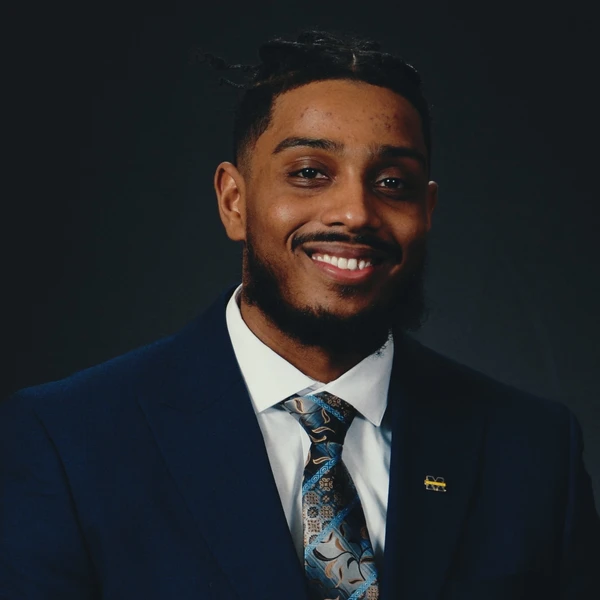
Ismail Khalid

1x

Finalist

Bio

As a non-traditional student, I have spent years balancing school, work, and personal responsibilities while largely paying my own way through college. I recently graduated from the University of Michigan with a degree in Economics and a minor in Arabic, where I consistently earned honors while managing demanding professional responsibilities outside the classroom. I will now continue my education at the University of Michigan Ross School of Business through the Master of Supply Chain Management program. Alongside my academic achievements, I have gained years of real world experience in fast paced operational and customer focused roles at companies such as Apple that strengthened my leadership problem solving abilities. My long term goal is to use the skills and education I gain to help create more efficient systems and expand economic opportunity within underserved communities.

Education

University of Michigan-Ann Arbor

Master's degree program
2026 - 2026
  • Majors:
    • Business Administration, Management and Operations
University of Michigan-Ann Arbor

Bachelor's degree program
2023 - 2026
  • Majors:
    • Economics
  • Minors:
    • Middle/Near Eastern and Semitic Languages, Literatures, and Linguistics, General

Schoolcraft College

Associate's degree program
2015 - 2023
  • Majors:
    • Mechanical Engineering

Salem High School

High School
2011 - 2015

Miscellaneous

  • Desired degree level:

    Doctoral degree program (PhD, MD, JD, etc.)

  • Graduate schools of interest:

  • Transfer schools of interest:

  • Majors of interest:

    • Business/Managerial Economics
    • Economics
    • Business/Corporate Communications
    • Business, Management, Marketing, and Related Support Services, Other
  • Not planning to go to medical school
  • Career

    • Dream career field:

      • Technology
    • Dream career goals:

    • Genius

      Apple Inc.
      2022 – Present4 years
    • Genius Admin

      Apple Inc.
      2021 – 20221 year
    • Sales Specialist

      Apple Inc.
      2019 – 20212 years
    • Apple Master & Sales

      Best Buy
      2016 – 20193 years
    • Shift Supervisor

      Subway
      2015 – 20161 year

    Sports

    Basketball

    Intramural
    2015 – Present11 years

    Public services

    • Volunteering

      Gleaners Food Bank — Coordinator & Volunteer
      2021 – 2021
    • Volunteering

      House of Mercy — Food Packager and Distributer
      2023 – 2024
    • Volunteering

      Apple Inc. — Volunteer Guide
      2022 – 2023
    • Volunteering

      Mittens For Detroit — Coordinator & Volunteer
      2023 – 2023

    Future Interests

    Advocacy

    Volunteering

    Philanthropy

    Entrepreneurship

    Christian Fitness Association General Scholarship
    As a first-generation college student from a low-income background, pursuing higher education was never something that felt guaranteed to me. Growing up in Detroit, I understood early that many students around me were forced to navigate life without access to the same mentorship, educational guidance, financial stability, and professional networks that exist in more privileged communities. Despite those circumstances, I always believed education could become a pathway toward creating opportunities not only for myself, but also for the people around me. That belief ultimately led me to graduate from the University of Michigan Ann Arbor two weeks ago with honors and a 3.6 GPA while balancing work, financial responsibilities, and the pressures that come with being a non-traditional student navigating college largely on my own. Throughout my undergraduate experience, one of the accomplishments I am most proud of was completing a minor in Arabic. What initially began as curiosity toward a language and culture slowly evolved into one of the most transformative experiences of my life. Over the course of several years, I dedicated myself to rigorous language study that challenged me academically, mentally, and personally. That dedication eventually gave me the opportunity to study abroad in Jordan for two months on a full scholarship under a strict language pledge, meaning I committed to speaking only Arabic throughout the program. What made that experience especially unforgettable was the uncertainty surrounding it. On the very first day I arrived in Jordan, the regional situation escalated dramatically due to active conflict between Israel and Iran, leading to airspace closures and growing fears throughout the region. I vividly remember hearing conversations about whether students should leave, watching missiles pass overhead in the distance, and feeling genuine fear about what might happen next. For the first time in my life, I was thousands of miles away from home in an unfamiliar environment during a period of geopolitical instability. It would have been easy to return home or abandon the program altogether. However, I knew how rare and meaningful the opportunity was, and I remained committed to seeing it through despite the uncertainty surrounding us. That experience pushed me far beyond my comfort zone and taught me resilience in a way no classroom ever could. I arrived in Jordan speaking Arabic at roughly an intermediate level, often doubting myself during conversations and struggling with confidence. Yet by the end of the program, after months of complete immersion and persistence, I left with an Advanced Mid proficiency level according to the Oral Proficiency Interview (OPI). More importantly, I gained a deeper understanding of discipline, adaptability, and the value of embracing uncomfortable situations in pursuit of growth. Outside of academics, I spent much of my college experience working part-time while supporting myself financially. Balancing work responsibilities alongside a demanding academic environment at the University of Michigan was often exhausting, but it forced me to develop time management and perspective. There were moments where the pressure of tuition, bills, transportation costs, and helping support my family felt overwhelming. Nevertheless, those challenges strengthened my determination rather than weakening it. They taught me not to take opportunities for granted because I understood how much sacrifice was required to reach them. Last week, I was honored to be accepted into both the Master of Management and Master of Supply Chain Management programs at the Ross School of Business. For someone who once questioned whether attending college was financially realistic at all, having the opportunity to choose between two graduate programs at one of the top business schools in the country feels surreal. At the same time, graduate education presents another major financial challenge for me. As someone who has consistently worked to pay my way through school, the cost of continuing my education weighs heavily on me. Receiving this scholarship would significantly reduce that burden and allow me to continue pursuing opportunities that once felt impossible growing up. More importantly, I plan to use my education and experiences to create meaningful impact in underserved communities like the one I came from. Coming from an underserved community showed me that many young people possess incredible potential, but often lack access to the resources needed to fully realize it. My long-term goal is to help build community-centered initiatives that use technology to connect young people with scholarships, mentors, internships, educational programs, and career opportunities that are often difficult to access without guidance or connections. I want to help students realize that their environment does not have to define the limits of their future. I believe I should be considered for this scholarship not simply because of my academic accomplishments, but because of the perseverance that shaped those accomplishments. Every opportunity I have earned required persistence, sacrifice, and faith during moments of uncertainty. Whether balancing work while attending one of the nation’s top universities, remaining abroad during regional conflict to pursue language immersion, or continuing toward graduate education despite financial barriers, I have consistently chosen resilience over comfort. This scholarship would not only support my education, but also invest in someone determined to use their experiences to create opportunities for others who come from backgrounds similar to my own.
    Sharra Rainbolt Memorial Scholarship
    Cancer changed my understanding of strength in a way I never expected. Growing up, my father was always the strongest person I knew. He was hardworking, independent, healthy, and the type of man who never allowed difficult situations to break him. Seeing him diagnosed with prostate cancer completely shook my world because, for the first time in my life, I saw my hero become vulnerable. What made the experience especially painful was how suddenly everything changed. The man I once viewed as almost invincible began struggling with everyday tasks that most people take for granted. There were days when simply getting up, walking comfortably, or maintaining his normal routine became exhausting for him. Watching that transformation was emotionally devastating because no child is truly prepared to see their parent in that condition. It felt like my entire family was living in constant uncertainty, never fully knowing what the next doctor’s appointment or test result would bring. At the same time, life did not slow down around us. While attending the University of Michigan as a full-time student, I was also working to help pay my way through school and support myself financially. Balancing academics, work, family time and my father’s medical needs became mentally and emotionally exhausting. I often drove him to and from appointments, monitored his condition, and tried to support my family however I could while still keeping up with exams, assignments, and daily responsibilities. There were moments where I felt completely drained, but I knew I had to keep going because my family depended on me. The hardest part of the experience was the emotional weight of watching someone you love quietly come to terms with their own mortality. In my entire life, I had never seen my father cry. Even throughout his battle with cancer, I never saw him shed a tear. He carried himself with strength and acceptance, understanding that no one lives forever. That realization impacted me deeply because even while facing fear and uncertainty, he still focused more on protecting his family emotionally than on his own suffering. Watching that level of strength up close changed me permanently. Cancer also brought a constant fear of the unknown. I remember sitting in waiting rooms wondering whether treatments would work, whether my father would regain his health, and what our future would look like if things became worse. Those thoughts stay with you. They change the way you value time, health, and the people you love. Despite how difficult the experience was, it taught me lessons that will stay with me forever. I learned that true strength is not pretending fear does not exist, but continuing to move forward despite it. I learned the importance of showing up for the people you love even when life feels overwhelming. Most importantly, I learned not to take moments with family for granted because life can change far faster than we expect. Watching my father battle cancer gave me a deeper appreciation for resilience and compassion. It shaped the person I am today and reminded me that some of the strongest people are the ones carrying the heaviest burdens in silence.
    Lotus Scholarship
    Growing up in a low-income household in taught me early that opportunity is not distributed equally. Many students grow up with access to mentors, professional networks, and guidance that helps them navigate education and career paths. I did not have those advantages, but I refused to let that define my future. I worked throughout my undergraduate years to pay my way through the University of Michigan while balancing the pressure of academics, financial responsibilities, and supporting my family. Despite those challenges, I persevered and was recently accepted into a master’s degree program, something that once felt far outside the reality of someone from my background. Those experiences are the reason I want to make a positive impact in underserved communities. My long-term goal is to create a community-centered resource hub that uses technology to connect young people in inner cities with mentorship, educational programs, internships, scholarships, and career opportunities that are often difficult to access without connections or guidance. Growing up in Detroit showed me how much talent exists in these communities, but also how many students simply lack exposure to the resources that could change their lives. I am actively working toward those goals by continuing my education, building professional experience, and using my own journey as proof that circumstances do not have to limit potential.
    Champions Of A New Path Scholarship
    What gives me an advantage over many other applicants is not that I have lived an easier life, but that I learned how to continue moving forward while carrying responsibilities that forced me to grow up early. My education was never something handed to me comfortably. Every semester at the University of Michigan required sacrifice because I was balancing academics alongside work and financial pressure at the same time. Throughout college, I worked part-time while supporting myself financially and helping my family whenever I could. While many students were focused solely on classes, I was also thinking about groceries, bills, transportation, and how to continue creating stability for the people around me. Those responsibilities changed the way I approached opportunity. I never viewed education as something to simply “get through.” I viewed it as a chance to change the trajectory of my life and create opportunities that my family never had access to before. Coming from a non-traditional background also shaped the way I carry myself. When I arrived at the University of Michigan, there were moments where I questioned whether I truly belonged in an environment filled with incredibly talented students from vastly different circumstances. Instead of allowing that feeling to discourage me, I used it as motivation to continue improving myself academically, professionally, and personally. That experience taught me confidence in uncomfortable situations, qualities that continue to help me grow today. In addition to academics, years of working in customer-facing and operational roles taught me how to communicate effectively, solve problems under pressure, and remain adaptable in constantly changing environments. Those lessons could never be fully taught in a classroom alone. They came from real experiences, real challenges, and real responsibilities. I believe that combination of education and lived experience is what truly separates me from many other applicants. Most importantly, I understand the value of opportunity because I know what it feels like to work toward something without guarantees. I do not take education, mentorship, or financial support for granted. If selected for this scholarship, I would carry that support with genuine gratitude because it would not only invest in my future, but also in the years of perseverance, and determination that brought me to this point.
    Ethel Hayes Destigmatization of Mental Health Scholarship
    Growing up in Detroit shaped the way I see the world long before I understood what anxiety even was. When you grow up constantly hearing about violence, watching people you know become hardened by survival, and learning at a young age to always stay alert, that mindset follows you even after you leave those environments. For me, it became normal to scan every room I walked into, avoid having people stand behind me, and feeling uneasy meeting new people or entering unfamiliar places. Even today, there are moments where my mind immediately prepares for the worst before anything has even happened. For a long time, I thought being “tough” meant ignoring those feelings. I told myself that because other people had it worse, I had no right to complain, but anxiety does not always look obvious from the outside. Sometimes it looks like constantly overthinking small interactions. Sometimes it looks like sitting in a classroom while your mind is racing. Sometimes it looks like exhaustion from always feeling like you have to stay prepared for danger, even when you are safe. What made it harder was that I did not come from much financially either. I worked while going to school, paid my own way through many parts of life, and often felt pressure to hold everything together without showing weakness. There is a certain mentality many people from inner cities like Detroit develop: keep moving no matter what. And while that mentality built resilience in me, it also made it difficult to slow down and acknowledge how deeply anxiety had shaped my relationships and confidence. I realized my anxiety affected the way I connected with people. I would sometimes hesitate to trust others or hold myself back socially because I feared judgment or discomfort. Walking into new rooms felt intimidating, almost like I had to prove I belonged there before I even sat down. But over time, I understood that surviving difficult environments may teach you how to protect yourself, but healing teaches you how to live. That realization changed my goals and the way I approach life. Instead of allowing fear to define me, I began intentionally putting myself in spaces that challenged me. Attending the University of Michigan was one of those moments. Coming from smaller classrooms and difficult circumstances into large lecture halls filled with hundreds of students was overwhelming at first. But each uncomfortable experience became proof that anxiety did not have to control the direction of my life. My experiences with mental health also shaped the kind of person I want to become. I want to create spaces where people feel seen, supported, and safe, especially young people who grow up feeling like survival is their only option. Too many people from underserved communities carry invisible emotional burdens while still trying to succeed in all aspects of their life. I understand that feeling deeply. Because of that, I want my future career and community involvement to focus not only on opportunity, but also on mentorship, stability, and support for others who feel overlooked. Most importantly, my struggles with anxiety taught me empathy. I no longer assume I know what someone is carrying internally just because they appear fine externally. Everyone is fighting battles that are often invisible. That understanding changed the way I treat people, listen to others, and even judge success itself. Success, to me, is no longer just about achievements or titles. It is about becoming someone who refuses to let hardship harden them. Mental health challenges may always be part of my story, but they are not the conclusion of it. If anything, they have taught me courage. I am still learning how to quiet the fear that tells me to stay guarded, but every goal I continue pursuing is proof that anxiety does not get the final say over who I become.
    Bulkthreads.com's "Let's Aim Higher" Scholarship
    One thing I hope to build in the future is a community and financial development center focused on helping underserved individuals gain access to opportunities that many people never receive growing up. The idea comes from experiences I witnessed firsthand throughout my life. Growing up in Detroit, I saw how many talented and hardworking people were limited not by ability, but by a lack of guidance, resources, mentorship, and economic opportunity. Over time, I realized that many communities are filled with people who have potential, but very few systems truly designed to help them grow. I want to build something that changes that. My vision is to create a center that combines financial literacy, career mentorship, entrepreneurship support, and educational resources in one place. I want it to be an environment where students, young adults, and families can receive practical guidance that directly improves their lives. Whether someone wants help building a resume, learning how credit works, preparing for interviews, starting a business, or simply finding mentorship and direction, I want the center to provide resources that many people are forced to figure out completely on their own. As a non-traditional student, much of my own journey involved learning through struggle and experience. I largely paid my own way through college while balancing work, academics, and personal responsibilities. I recently graduated from the University of Michigan with a degree in Economics and a minor in Arabic, and I will soon begin graduate studies at the University of Michigan Ross School of Business in Supply Chain Management. Throughout that process, I learned how life changing opportunity can be when someone is finally exposed to the right environment and support system. The first step toward building this future is continuing my education and developing the skills necessary to create sustainable systems that genuinely help people. Through graduate school and my professional experiences, I hope to strengthen my background in operations, business strategy, and leadership so I can eventually build programs that are organized, impactful, and financially sustainable long-term. I also want to continue building relationships with community organizations, nonprofits, and professionals who share similar goals. More than anything, I want this center to become a place where people feel seen, supported, and capable of succeeding regardless of their background. Too many individuals grow up believing certain opportunities are simply not meant for them because nobody ever showed them a path forward. I want to help change that mindset by creating an environment focused not only on education and career growth, but also confidence and belief in one’s own potential. To me, building a successful future is not only about personal achievement. It is about creating opportunities that continue helping people long after you are gone.
    Strong Leaders of Tomorrow Scholarship
    Leadership is often associated with titles and authority but my experiences have taught me something very different. To me, leadership is about stepping up when people need support, even when it is not your responsibility or job description. True leaders are the people others can rely on during difficult moments, especially when no one else is willing to step in. As a non-traditional student, leadership became part of my life long before I fully recognized it. While balancing work, school, and personal responsibilities, I largely paid my own way through college and learned how to manage pressure and sacrifice at an early age. I recently graduated from the University of Michigan with a degree in Economics and a minor in Arabic, and I will soon begin the Master of Supply Chain Management program at the University of Michigan Ross School of Business. Reaching this point required perseverance but more importantly it taught me how to remain dependable even during stressful situations. One experience that truly shaped my understanding of leadership happened while working at Apple. A customer came into the store extremely upset and began yelling at one of my coworkers, calling her names and aggressively berating her over an issue she could not control. I could see she was overwhelmed and close to tears, yet nobody around her stepped in to help, including our "leadership" team . Even though I was not a manager or supervisor, I immediately stepped in, took over the interaction, calmed the situation down, and made sure my coworker was okay afterward. That moment stayed with me because it showed me that leadership is not something automatically created by a title. A title may give someone authority, but it does not guarantee courage or empathy. Real leadership is about protecting and supporting the people around you when they need it most. In that moment, I realized that being a leader often means being willing to carry pressure for others instead of standing back and watching them struggle alone. My experiences outside of work reinforced those same values. Through volunteer work as an Apple Volunteer Guide, I collaborated with nonprofits such as Gleaners Community Food Bank to help organize volunteer events supporting families facing food insecurity. Helping package and distribute food reminded me that leadership and service are deeply connected. Sometimes the strongest leaders are not the people seeking recognition, but the people quietly showing up consistently to help others. I also developed leadership through mentoring and helping teach Arabic to others, including members of my own family. Teaching someone a difficult language requires patience and understanding that growth takes time. Those experiences taught me how important it is to help people build confidence in themselves rather than simply telling them what to do, because the strongest leaders are the ones who leave people better and more confident than they were before.
    Ruthie Brown Scholarship
    As a non-traditional student, paying for my education has always been my responsibility. While balancing work, school, and personal obligations, I learned early how important financial responsibility is when pursuing higher education. I recently graduated from the University of Michigan with a degree in Economics and a minor in Arabic, and throughout my undergraduate journey I consistently worked while attending school in order to support myself and reduce the amount of debt I would carry after graduation. Although attending Michigan came with significant financial costs, I worked hard to minimize borrowing whenever possible. Between working, budgeting carefully, and paying for many expenses out of pocket, I am graduating with only approximately $6,000 remaining in student loan debt. That is something I take a great deal of pride in because it reflects years of discipline and sacrifice. There were many moments where balancing the finances of life felt overwhelming, but I remained committed to finishing my degree responsibly. Now, I am preparing for the next step in my education after being accepted into the Master of Supply Chain Management program at the University of Michigan Ross School of Business. This opportunity means a great deal to me because I know how much work it took to reach this point. At the same time, the financial reality of graduate school is something I take very seriously. The program costs approximately $62,000, and although I was grateful to receive around $10,000 in scholarship support, there is still a major financial gap remaining. As someone without a strong financial support system to rely on, pursuing graduate school requires careful planning and a willingness to continue making sacrifices. I have already started addressing both my current debt and future educational expenses by applying for scholarships, continuing to work, budgeting aggressively, and looking for every possible opportunity to reduce financial strain. I understand exactly what student debt means because I have spent years carrying the responsibility of financing my education myself. This experience has taught me to approach both education and financial responsibility with a long term perspective. While graduate school will require additional sacrifice, I am fully committed to doing whatever it takes to pursue this opportunity responsibly. I have worked too hard to reach this point to allow financial obstacles to stop me from continuing my education and building the future I have envisioned for myself and my community. I know the road ahead will not be easy, but my undergraduate journey already proved to me that I am capable of balancing pressure and hard work while continuing to move forward toward my goals.
    Learner Online Learning Innovator Scholarship for Veterans
    One of the most valuable tools I have used throughout my education has honestly been artificial intelligence, specifically ChatGPT. While many students use online platforms simply to look up information or get quick answers, I began using AI in a much more interactive and personal way to help me learn Arabic, and it completely changed the way I approached language learning. I graduated from the University of Michigan with a minor in Arabic, and learning the language at an advanced level required much more than memorizing vocabulary words from a textbook. Arabic is a language with significant depth, including Modern Standard Arabic as well as many regional dialects that can sound very different from one another. In order to truly improve, I needed constant practice in listening, speaking, writing, and conversation outside of the classroom which was difficult to receive as I didn't have many people to practice with. Although tools like Google Translate can be useful for quick translations, I found them very limited when it came to understanding context, natural conversation, grammar explanations, and dialect differences. Because of that, I personally chose to pay for the premium version of ChatGPT and began using it in a very non-traditional way. Instead of only asking it questions, I turned it into a language learning partner. One method that helped me tremendously was creating conversational exercises based on vocabulary I was actively learning. For example, I would give ChatGPT a list of twenty Arabic vocabulary words and ask it to have an entire conversation with me naturally using those terms. This forced me to actively think, respond, and understand the words in context rather than simply memorizing definitions. I also practiced by typing directly using my Arabic keyboard, asking for corrections, and explanations to ensure that I was grasping concepts correctly. What made this especially valuable was the ability to practice in multiple dialects of Arabic. Through ChatGPT, I could switch between Modern Standard Arabic and dialects such as Levantine and Egyptian depending on what I wanted to improve. That flexibility is something I never found through traditional translation apps or even in person, since most Arabic speakers I interacted with only knew one dialect. It allowed me to develop stronger listening and conversational skills in a way that felt much closer to real human interaction. This approach genuinely helped put me ahead academically and strengthened skills that translated directly into the classroom. During my final year of my Arabic program, I was required to give 12-15 minute presentations fully in Arabic and complete a final research essay that was approximately eight pages long entirely in Arabic. The conversational practice and consistent exposure I gained through leveraging AI gave me much greater confidence when communicating and presenting in the language. More importantly, these tools changed the way I view learning itself. They taught me that technology can be most powerful when used intentionally rather than passively. Instead of replacing effort, AI became something that enhanced my curiosity as a student. It gave me the ability to practice every day in ways that would have otherwise been difficult or inaccessible. As technology continues to evolve, I believe students who learn how to use these tools thoughtfully and creatively will have a major advantage not only academically, but professionally as well. For me, leveraging AI as part of my Arabic studies became one of the most impactful educational decisions I made during my undergraduate journey.
    Future Green Leaders Scholarship
    Growing up in Detroit gave me an early understanding of how deeply industry can shape a community, both positively and negatively. Detroit is known for its history of innovation and manufacturing, especially through the automotive industry, but it is also a place where many neighborhoods have experienced the long-term effects of pollution, environmental neglect, and industrial waste. In some areas, litter, abandoned spaces, and environmental damage became so common that people almost stopped expecting improvement. Seeing that reality firsthand shaped the way I think about sustainability and responsibility within business. Too often, sustainability is treated as an afterthought rather than a core responsibility. Companies focus predominantly on profit while ignoring the long-term impact their decisions have on communities and the environment. In industries tied to manufacturing and transportation, those decisions can affect entire cities for generations. When large corporations fail to prioritize environmental responsibility, the burden usually falls on everyday communities that have the least power to solve the issue themselves. So many people and families in the communities around me were affected by environmental and health issues tied to pollution that it became a common reality growing up and one thing I learned is that if everyone assumes someone else will fix the problem, nothing ever changes. This perspective is one of the main reasons I decided to pursue a master’s degree in Supply Chain Management at the University of Michigan Ross School of Business. Supply chains influence nearly every part of modern life, including sourcing, manufacturing, transportation, packaging, and waste management. Because of that, supply chain professionals have a major responsibility when it comes to sustainability and environmental impact. The systems businesses create today will directly influence the future health of communities and the environment. What draws me most to supply chain management is the ability to improve systems on a large scale. Even small operational improvements can create meaningful environmental change when applied across major industries. Better transportation planning can reduce emissions. Smarter inventory systems can reduce unnecessary waste and overproduction. Sustainable sourcing and packaging decisions can significantly lower environmental damage over time. I believe sustainability should not be viewed as something separate from business success, but rather as part of building stronger and more responsible operations. In the future, I hope to work in roles where I can help organizations develop more sustainable operational strategies while still maintaining efficiency and growth. I also want to bring attention to communities that are often overlooked when environmental decisions are made. Too many underserved communities continue to carry the consequences of pollution and industrial neglect without receiving the same investment or protection as wealthier areas. My long-term goal is to eventually create a financial and community development center focused on underserved communities. Part of that mission would include advocating for cleaner, more sustainable community development and creating opportunities for education, mentorship, and economic growth in areas that have historically been neglected. Coming from Detroit taught me that sustainability is not just an environmental issue. It is a community, health and long term economic issue. Businesses do not operate separately from the people around them. Their decisions directly shape the quality of life within communities. I believe the next generation of business leaders has a responsibility not only to create efficient systems, but also to create systems that people can live alongside proudly and sustainably for years to come. I can't speak for anyone else but certainly I can speak for my self when I say I want to be a part of that change.
    Charles B. Brazelton Memorial Scholarship
    Growing up, the thing that made me stand out most was my height. I’m 6’5”, which sounds cool until you realize people immediately start making assumptions about you before you even say a word. Ever since I was young, people constantly asked if I played basketball, and when I told them no, the response was usually confusion or disappointment, like I was somehow wasting my height. It became one of those things that followed me everywhere. Teachers, classmates, strangers in stores somehow every conversation came back to basketball. On top of that, I was always teased for being “uncoordinated” or looking too serious or grumpy. I think when you’re really tall, people notice every little thing more. If you trip over something, everyone remembers it. If you’re quiet or focused, suddenly you’re “intimidating.” Over time, constantly being defined by how I looked instead of who I actually was started affecting me more than I realized. I went through phases where I felt like I didn’t fully know my identity outside of other people’s expectations. It sounds dramatic, but when you hear the same assumptions about yourself over and over growing up, it can genuinely shape the way you see yourself. For a while, I thought standing out was something I needed to avoid. I wanted to blend in more with the crowd and not constantly feel noticed the second I walked into a room. But as I got older, I slowly realized that being different is not automatically a bad thing. I began to understand that my height, my presence, and even the things people noticed about me could become strengths instead of insecurities. Now, I actually appreciate the fact that people remember me. When I walk into a room, people notice me, and I’ve learned to use that in a positive way. It pushed me to become more confident, more self-aware, and more intentional about how I carry myself. I realized I could either let people’s assumptions define me, or I could define myself through my actions and character. Ironically, one of the biggest lessons being “the tall kid” taught me is that everyone has something that makes them feel different. Some differences are obvious, while others are internal and invisible to everyone else. That realization made me more understanding toward people and less judgmental overall because you never fully know what insecurities or pressures someone else is carrying. Today, I no longer view standing out as a weakness. It is simply part of who I am. I still occasionally get told I look too serious, but I’ve learned not to let those things define me. Instead, I’ve learned to embrace the fact that being unique is often what makes people memorable, and confidence comes from accepting yourself rather than trying to fit everyone else’s expectations.
    Byte into STEM Scholarship
    Growing up, I learned early that perseverance is not optional when you do not have a strong financial support system behind you. Much of my academic journey has been defined by balancing work, school, and personal responsibilities while finding ways to continue moving forward. As a non-traditional student, I have largely paid my own way through college, managing tuition, books, transportation, and daily expenses while continuing my education. Those experiences shaped me into someone who values discipline rather than short-term comfort. I recently graduated from the University of Michigan with a degree in Economics and a minor in Arabic, and I am preparing to begin a master’s degree in Supply Chain Management at the University of Michigan Ross School of Business. My passion for this field comes from understanding how systems impact people’s everyday lives. Supply chains are not just about products moving efficiently. They are about creating opportunities for communities and businesses to grow. I became increasingly interested in how operational and economic systems can either support people or unintentionally leave them behind. My experiences working while attending school also taught me the importance of leadership through service. In fast-paced work environments, I often became someone teammates relied on for support and mentorship. Whether it's mentoring new employees, or assisting customers during difficult situations, I learned that leadership is not always about titles. Often, it is about the willingness to help others succeed alongside you. Community service and mentorship have also played an important role in shaping my values. During my time at Apple as a Volunteer Guide, I worked alongside organizations such as Gleaners Community Food Bank helping package and distribute food to families in need. That experience gave me a direct understanding of how many people quietly struggle with access to basic necessities and support. It also showed me how meaningful even small acts of service can be when people feel seen during difficult times. Those experiences reinforced my belief that meaningful change begins with investing in people and creating environments where they feel supported. The graduate program I am pursuing will help me strengthen the analytical, operational, and leadership skills necessary to achieve my long-term goals. In the future, I hope to create a financial and community development center within my hometown Detroit focused on helping underserved communities gain access to mentorship, financial literacy, career development resources, and entrepreneurship opportunities. Too many talented individuals are limited not by ability, but by a lack of access, guidance, and opportunity. I want to help bridge that gap by creating programs that empower people to build stability for themselves and their families. Ultimately, my education is not only an investment in my personal success. It is a foundation for the impact I hope to create in the lives of others. My goal is to use the knowledge and experiences I gain to build opportunities for people who may otherwise never receive them, and to contribute to communities that deserve greater access to resources.
    7023 Minority Scholarship
    Growing up, I learned early that opportunity is not distributed equally. Some people are born into environments where guidance, financial stability, and connections are already in place, while others must figure everything out on their own. As a first-generation, non-traditional college student, I have spent much of my life balancing work, school, and personal responsibilities while paying my own way through college. This journey shaped not only my work ethic, but also the way I view success. To me, success is not only about personal achievement, but rather it's about creating opportunities for others who were overlooked in the same way. I recently graduated from the University of Michigan with a degree in Economics and a minor in Arabic, and I was recently accepted into U of M's master’s program of Supply Chain Management, The knowledge I plan to seek will help me continue building the skills necessary to make a meaningful impact in my community. My chosen field matters deeply to me because economics is more than numbers or markets. It is about systems, access, and understanding why some communities struggle to move forward while others continue to grow. Through my education and professional experiences, I have become increasingly interested in building systems that create real economic opportunity for underserved communities. In the future, I hope to create a financial and community development center focused on helping individuals who lack access to mentorship, financial literacy, career guidance, and business resources. Too many talented people are held back simply because they were never given the same opportunities or support as others. I want to help bridge that gap by creating programs that connect people with education and development opportunities. My goal is not just to help individuals in the short term, but to create sustainable systems that empower people to build long-term stability for themselves and their families. One person who strongly inspires my perspective on leadership is Malcolm X. What I admire most about him was his willingness to sacrifice for something larger than himself. He fought for freedom for his people “by any means necessary,” not out of hatred, but because he believed people deserved justice and the ability to determine their own future. He understood leadership was not about comfort or popularity. It was about standing firmly for what is right, even when it came with personal risk. His courage and commitment to uplifting others continue to inspire me to pursue goals that extend beyond personal success. Receiving this scholarship would make a major difference as I prepare to begin my graduate studies at the University of Michigan Ross School of Business. Pursuing a master’s degree is an opportunity I have worked toward for years, but the financial reality of continuing my education is difficult. I have spent much of my academic journey supporting myself through work while balancing school and other responsibilities, and I do not have a strong financial support system to rely on. Because of that, scholarships are not just helpful for me, they directly determine how manageable continuing my education will be. This support would help ease the burden of tuition, books, transportation, and daily living expenses so I can focus more fully on succeeding in the classroom and taking advantage of the opportunities within the program. More importantly, it would allow me to continue pursuing my long-term goal of creating opportunities for underserved communities.This scholarship would not only support my education, but also help me create a lasting impact in the lives of others.
    Michael Rudometkin Memorial Scholarship
    Selflessness, to me, is not defined by one large moment or public recognition. I believe it is reflected in the consistent ways someone shows up for others, especially during moments when support, patience, or encouragement are needed most. Throughout my life, I have tried to embody that mindset through my community involvement, my work, and the way I approach relationships with the people around me. Growing up in Detroit, I saw firsthand how many people quietly carry struggles that others may never fully see. Whether financial stress, family responsibilities, or simply feeling overlooked, I learned early on that even small acts of support and kindness can have a lasting impact on someone’s life. That perspective shaped the way I interact with others and strengthened my belief that success means very little if you are unwilling to help people along the way. One experience that deeply reflects this mindset was my volunteer work helping organize and support community service initiatives through Apple’s employee volunteer programs. During food distribution and packaging events with organizations like Gleaners Food Bank, I helped coordinate volunteer events, train employees on distribution processes, and ensure operations ran smoothly so families could receive support efficiently. While the tasks themselves may have seemed small, the experience reminded me how meaningful it can be when people come together to help others during difficult times. Seeing families rely on those resources reinforced the importance of community and collective support. I have also tried to embody selflessness in less visible ways throughout my academic and professional life. While balancing work and school, I often became someone coworkers, classmates, and friends leaned on during stressful situations. Whether helping teammates stay calm during high-pressure environments, assisting others with schoolwork, or simply making time to listen when someone was struggling, I learned that being dependable and present for others can make a bigger difference than many people realize. One example of perseverance connected to my passions was building a small journaling business while balancing full-time work and academics at the University of Michigan. Through this project, I created a 120-day guided discipline journal designed to help people develop healthier habits through reflection, accountability, and goal setting. The idea came from understanding how easy it is for people to feel overwhelmed or lose direction during stressful periods of life. I wanted to create something practical that could help people feel more organized, motivated, and mentally grounded over time. That experience reinforced my belief that helping others does not always require grand gestures. Sometimes it comes through consistency, encouragement, and creating tools or environments that make people feel supported. I believe I shine my light most through the way I treat people, the patience I bring into difficult situations, and my desire to create opportunities that help others move forward in life with greater confidence and stability.
    Let Your Light Shine Scholarship
    Growing up in Detroit, I saw early on how much a person’s environment can shape the opportunities available to them. I met hardworking people with talent and ambition who still struggled simply because they lacked access to the same resources and opportunities that people in other communities often take for granted. Seeing that reality firsthand shaped the way I view success and the type of impact I want to make in the future. Because of those experiences, I hope to create a business that uses technology to help underserved communities better connect with financial resources, educational opportunities, and career pathways that are often difficult to find or navigate. I believe many people are capable of succeeding but are never given clear access to the opportunities around them. Sometimes the difference between moving forward and staying stuck is simply having access to the right information, guidance, or support at the right time. I want to help close that gap by building systems that make important resources easier to reach for people trying to improve their lives and create stability for themselves and their families. As I complete my degree at the University of Michigan, I have balanced work, school, and personal responsibilities while learning how important discipline and consistency are during stressful periods of life. Working throughout school taught me how many people quietly carry responsibilities behind the scenes while still trying to push themselves toward a better future. Those experiences made me more aware of the pressures many people face every day and strengthened my desire to create work that has a meaningful impact beyond financial success alone. One project that reflected this mindset was building a small journaling business while balancing full-time work and academics. Through this business, I created and published a 120-day guided discipline journal focused on helping people build healthier habits through reflection, accountability, and goal setting. The idea came from understanding how easy it is to lose consistency or feel overwhelmed when life becomes demanding. I wanted to create something simple and practical that could help people feel more organized, motivated, and mentally grounded through small habits practiced over time. Building that journal taught me that meaningful impact does not always come from one massive breakthrough. Sometimes it comes from creating practical tools that help people regain confidence and direction little by little. That mindset continues to shape the way I approach leadership, business, and problem solving. I believe I shine my light most through the way I encourage and support others during difficult moments. Ultimately, I want my legacy to be defined not only by professional success, but by the opportunities I helped create for people and communities that are often overlooked.
    Tinkerer’s Path Scholarship
    One project that reflects both my curiosity and creativity was building a small journaling business while balancing full-time work and my studies at the University of Michigan. Through this business, I created and published a 120-day guided discipline journal that I now sell on Amazon. The journal was designed to help people build positive habits through daily reflection, positive affirmation, writing prompts, goal tracking, and accountability exercises. The idea came from my own experiences balancing school, work, and personal responsibilities over the years. During stressful periods, I realized how easy it was for people to feel overwhelmed, lose consistency, or fall into negative routines when life became busy. I became interested in the idea that small daily habits and intentional reflection could gradually improve someone’s mindset, discipline, and overall well-being over time. Rather than creating a generic notebook, I wanted to design something structured and practical that could realistically fit into someone’s everyday life. I chose a 120-day format because I wanted the journal to encourage long-term consistency rather than short bursts of motivation. I spent time thinking carefully about the flow of the prompts, how to make the writing approachable, and how to create a system that encouraged people to reflect on their progress while continuing to move forward. As I developed the journal, I also became more curious about the psychology behind motivation and habit building. I found it interesting how small actions repeated consistently could gradually shape a person’s confidence, discipline, and mindset over time. That curiosity pushed me to think more intentionally about what helps people stay consistent, motivated, and mentally organized during stressful or demanding periods in life. What I enjoyed most about the experience was realizing that business and creativity can also be tools for positive impact. Even though it started as a small project, it showed me how thoughtful ideas can genuinely help people become more intentional, confident, and disciplined in their daily lives. It also taught me the importance of adaptability, continuous improvement, and understanding the needs of the people you are trying to serve. Balancing this project alongside work and academics strengthened my time management skills and reinforced my ability to stay committed to long-term goals even in demanding environments. More importantly, it shaped the way I approach problem solving. I try to focus on solutions that help people feel more organized, motivated, and in control of their daily lives through small changes that build over time. As I continue my education, I hope to apply this same mindset toward building systems, businesses, and opportunities that help people feel more supported, capable, and confident while balancing the daily obstacles of this thing we call life.