Hobbies and interests
Knitting
Art
Weightlifting
Public Health
Research
Mental Health
Hiking And Backpacking
Reading
Classics
Contemporary
Science Fiction
I read books multiple times per week
Isabella Johnson
Isabella Johnson
Bio
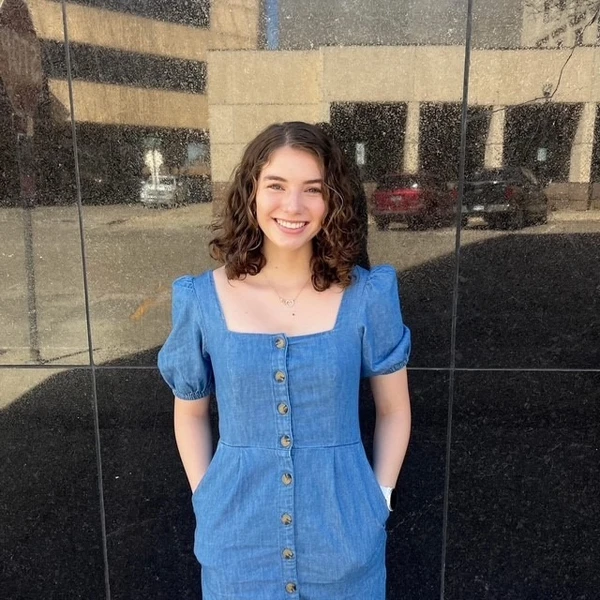
I am sophomore at North Dakota State University and in my first year of the Bachelor of Science in Nursing (BSN) program. I have a keen interest in specializing in either critical care or psychiatric nursing. Whichever specialization I pursue, I am passionate about patient advocacy, providing compassionate care, and reducing the disparity that exists within healthcare. Additionally, I hope to advocate for supportive and better working conditions for nurses.
I am extremely grateful for these scholarship opportunities!
Education
North Dakota State University-Main Campus
Bachelor's degree programMajors:
- Registered Nursing, Nursing Administration, Nursing Research and Clinical Nursing
Minors:
- Psychology, General
GPA:
3.8
Legacy High School
High SchoolGPA:
4
Miscellaneous
Desired degree level:
Master's degree program
Graduate schools of interest:
Transfer schools of interest:
Majors of interest:
- Registered Nursing, Nursing Administration, Nursing Research and Clinical Nursing
- Psychology, General
Career
Dream career field:
Health, Wellness, and Fitness
Dream career goals:
My long-term career goal is to work in either an intensive care unit (ICU) or pursue an advanced degree in psychiatric nursing.
Direct Support Professional
Hit, Inc.2025 – Present1 yearResident Assistant
North Dakota State University2025 – Present1 yearCertified Nursing Assistant
Edgewood Village2024 – 20251 yearDietary Aide
Missouri Slope2023 – 20241 year
Sports
Cross-Country Running
Junior Varsity2020 – 20233 years
Awards
- Hardest Worker
Soccer
Varsity2021 – 20243 years
Awards
- Hardest Worker Award
- Most Improved Award
Research
Psychology, Other
Health Occupations Students of America State Leadership Conference — Investigator, Presented at ND SLC 20242023 – 2024Psychology, Other
Health Occupations Students of America State Leadership Conference — Investigator, Presented at ND State Leadership Conference 20232023 – 2023
Arts
National Art Honor Society
Visual Arts"Vera Rose" Bismarck Arts Gallery Association submission2022 – 2024
Public services
Volunteering
The Cathedral of the Holy Spirit — Hospitality Minister2017 – PresentVolunteering
Health Occupations Students of America — Blood Drive Worker2023 – 2024Advocacy
Health Occupations Students of America — Designed and created posters promoting the annual blood drive2023 – 2024Volunteering
Health Occupations Students of America — Promoted and set-up the walk/run; set-up and facilitated the face-painting booth for children2022 – 2023Volunteering
Designer Genes of North Dakota — Artist2023 – 2023Volunteering
Designer Genes of North Dakota — Set-up and facilitated the face-painting booth2023 – 2023Volunteering
The Banquet — Server2021 – 2022Volunteering
Heaven's Helper Soup Cafe — Server; food prep; cook2022 – Present
Future Interests
Advocacy
Volunteering
Wieland Nurse Appreciation Scholarship
The current state of our healthcare system suggests that there are likely more reasons why I should not pursue a nursing career than there are to continue on my nursing school track. However, despite the realities of burn-out rates due to nursing shortages, my drive to pursue a career in nursing remains stronger than ever. I was raised in a family of educators who emphasized service-oriented values, and naturally I gravitated to a profession that embodies these values through its commitment to person-centered care. My family’s emphasis that well-being is multifaceted and that physical, mental, and spiritual health are all important components of health is an additional reason why I pursued nursing. These core values, along with the knowledge and understanding of how nurses helped me to recover as a patient in the NICU, has driven my passion to become a nurse.
At a young age, the nurses on my NICU healthcare team were an inspiration to me. Through my NICU memory box, I learned their names from the notes they left for my parents and for me, cheering on my recovery. As I grew older I learned how their care encompassed advocacy and empathy, which at times may be overlooked in the clinical setting. I discovered how these components of care helped my parents through an overwhelming and difficult time as they dealt with the fear of the unknown for their first-born. I have no doubt that the mental support provided by nurses to my parents empowered them, which in turn supported my recovery before and after my discharge. What was astounding to me is that the nurses accomplished this while providing me and other neonatal patients in the unit with stellar intensive critical care. The ability to provide skillful care in this holistic and multifaceted way, and have a profound impact on patients' lives, is what inspires and attracts me the most to the nursing profession.
There are many factors that could deter me from becoming a nurse and instead pursue another career path in healthcare. However, despite the continued challenges in the healthcare system, nurses are in the position to ensure their patients’ health is approached holistically by empowering patients and their families to make informed decisions regarding their healthcare. Patients need this now more than ever with the promise of healthcare technology advancements, which may seem overwhelming or disconnected to patients and their families. To that end, I refuse to be disillusioned by the challenges of working as a nurse because of the ability to have a profound and well-rounded impact on my future patients’ lives.
I discovered the Weiland Nurse Appreciation scholarship opportunity on Bold.org. Thank you for your consideration.
Sara Jane Memorial Scholarship
Nurses have the well-earned reputation of being the heart and soul of our healthcare system. They possess a diverse clinical skill set, including those focused on person-centered care, that enable them to have a profound impact on patients. Despite the realities of burn-out rates, my drive to pursue a career in nursing remains stronger than ever. I was raised in a family that emphasized service-oriented values, and naturally I gravitated to a profession that embodies these values through its commitment to person-centered care. This core value, along with understanding how nurses helped me to recover as a patient during my own personal health experiences, has driven my passion to become a nurse. However, I understand that achieving a successful career in nursing requires me to incorporate a set of skills that may be beyond what is emphasized in my nursing program.
Despite being raised in a family that values service, I learned to acquire these values independently. My experience volunteering on the hospitality team at my church taught me at an early age the importance of communication skills in building relationships. My continued volunteer experiences, including preparing and serving the needy at the soup kitchen and working with elementary students with disabilities, further solidified my desire to pursue a profession where I can serve those who are vulnerable. This volunteer work, coupled with my personal health experiences, served as a foundation for why I want to be a nurse.
I underwent two personal health experiences, in early life and then in adolescence, that helped me to recognize the profound impact nurses have on patient care. Both experiences imparted on me the importance of soft skills including empathy and communication skills in nursing. Specifically, as a “NICU graduate” evidence of this person-centered care is still found in my NICU memory box in the form of notes, left for my parents and me by my NICU nurses, cheering on my recovery. My parents explained how my nurses’ advocacy bridged the gap to better understand what was happening and empowered them to make informed decisions about my recovery. I have no doubt that this multifaceted person-centered care supported my recovery.
My second health experience occurred when I recovered from a complete LCL and partial meniscus tear the summer of my junior year in high school. I was a student athlete varsity soccer player and surgery recovery from this injury was difficult. My orthopedic nurse recognized the mental health toll that my injury had on me as it crushed my plans of ending my high school soccer career memorably. His communication skills helped me to recognize that my mental health was tied to my physical health and gave me the motivation to focus on both aspects of recovery. This experience inspired me to do action research at my high school on student athlete mental health and coach preparedness, which was submitted to the poster competition at the 2023 ND State Health Occupations Students of America conference. My recovery solidified my commitment to approach care in a multifaceted way by recognizing the physical, mental, and spiritual components to health.
A successful career as a nurse includes “burn-out proofing” my professional path to either specializing as a psychiatric nurse or critical care nurse. My personal experiences have influenced my interests in critical care or psychiatric specialties in nursing. No matter what specialty I end up pursuing, it is this understanding of health being holistic and that the diverse skill set of nurses is critical to patient care is why I am confident I will have a well-rounded impact on my future patients’ lives.
Dashanna K. McNeil Memorial Scholarship
I strongly believe that nurses are the backbone of our healthcare system. I am a “NICU graduate” whose recovery was profoundly impacted by nurses. Although my parents were grateful for the entire medical team, it was the nurses’ skill, advocacy, and compassionate care that impacted my recovery process the most. This service-oriented focus and diverse skill set that nurses bring to patient care influenced by goal of becoming a nurse. I want to work the frontlines of healthcare and improve patient care through advocacy for patients and building connections between patients and doctors. Improving patient care entails ensuring they are being treated with dignity and respect as they receive the best care possible. My experience as a CNA has provided me insight into the importance of compassionate care and my future clinicals as a nursing student will continue to prepare me for this commitment.
I am attending North Dakota State University (NDSU) this fall with a major in nursing. In addition to my nursing coursework, I intend to pursue research opportunities in the nursing department. This interest stemmed from my experience participating in the 2023 and 2024 ND Health Occupations Students of America State Leadership Conference (HOSA SLC) research poster competition. Although this experience does not seem relevant for nurses practicing bedside, I learned that nurses have a place in medical research that is aimed at improving patient care. For example, some topics that I hope to research and make an impact on are pain management, healthcare equity, and nurse burn-out due to the shortage that exists in patient care and nurse staffing. By pursuing these opportunities, I will better understand the importance of applying best practices as a nurse and ways in which nurses, including myself, can be leaders in their field.
Following earning my Bachelor of Science in Nursing (BSN) degree, I intend to work as an Intensive Care Unit (ICU) nurse and pursue a specialty certification in direct care for acutely/critically ill patients. I believe that my commitment to patient advocacy and building connections with families would be a strong fit for the ICU team. Another specialty area I am interested in is high-risk obstetric care. As the daughter of a first-generation born parent, and as a former NICU patient, I am passionate about maternal health and addressing the healthcare disparity that exists for underserved and underrepresented maternal patients, including minority women. Regardless of the areas that I end up pursuing, I wholeheartedly intend to put patients first and play a pivotal role on my future health care team.
I am aware that the road to becoming a nurse is long and will most definitely not be easy. However, I am motivated and excited to meet the challenge, succeed, and one day serve as a leader in my future profession. More importantly, I am excited to be a source of compassion and hope for patients and their families. I am confident that my undergraduate preparation, and experience gained through my general and specialized practice, will contribute to the nursing profession in a meaningful way through the excellent care and advocacy I will provide to all patients.
Wieland Nurse Appreciation Scholarship
I strongly believe that nurses are the backbone of our healthcare system. I am a University of Iowa Hospital neonatal intensive unit “graduate.” Although my parents were grateful to the entire medical team for my recovery, it was the nurses’ skill, advocacy, and compassionate care that stood out the most. This deep understanding of the nurses’ role in my recovery, coupled with my parents’ service-focused values, ultimately inspired me to pursue nursing at a young age. The only remnant of the pulmonary hypertension that afflicted me due to a complicated delivery is a small memory box filled with evidence of my nurses’ compassion. The care exhibited by the nurses made a lasting impression, as my parents’ stories and the memory box serve as a reminder of the important role the nurses had on my healing. In fact, the NICU nurses’ role in my recovery profoundly impacted my decision to pursue nursing as a career.
The diverse skill set, including patient advocacy, is why nurses are invaluable to the medical team. The nurses that treated me in the NICU possessed not only the clinical expertise but served as my advocate to the rest of the team assigned to my recovery. They were compassionate towards me in various ways that went above and beyond what would be considered standard clinical care. My NICU memory box is filled with evidence including tiny handmade bows, scraps of cheerful hospital blankets, and encouraging notes from the nurses to my parents. While treating me, the nurses took the time to carefully answer my parents’ questions regarding the functions of the various machines being used during my treatment. The nurses’ actions ensured that I was being treated with dignity and significantly diminished my parents’ overwhelming fears about my condition. I have practiced the power of compassionate care while working as a CNA in the nursing home setting by protecting the dignity of my dementia patients. The impact that my small acts of compassion, including patiently taking the time to answer repetitive questions, had on their mood and overall quality of care was indisputable.
The clinical skill set of nurses, rooted in compassionate care towards patients and their family is why I have chosen to become a nurse. Nurses also can serve as leaders due to the expertise and connection they have between patients and the interdisciplinary medical team. This important role provides nurses the ability to influence and ensure quality care for patients, which I intend to embody throughout my career. My parents highlighted how the nurses were critical in my recovery by collaborating with the medical team when they reported my response to a new treatment protocol. Another way this leadership was exemplified was when the nurses advocated to the team when they suspected I had contracted rotavirus. By serving as the connectors and continuing to advocate for me, the nurses helped to avoid a huge setback during my recovery. As a future nurse, I intend to be a leader who collaborates with interdisciplinary teams and advocates for the needs of my patients.
It is impossible to encapsulate the profound influence the NICU nurses had in in my decision to pursue nursing in one essay. However, the diverse skill set, including the compassionate care demonstrated towards me and my family, made a significant lasting impression. In the upcoming years of my program, I have much to learn about being a nurse. However, I firmly believe that the foremost lesson learned is something you cannot learn in a classroom, which is the impact that compassionate care has on patients and their families.
Philippe Forton Scholarship
The first four weeks of my life were spent in a neonatal intensive care unit at the University of Iowa Hospital. The medical team’s expertise was invaluable to my recovery; however, it was the nurses’ compassionate care towards me and my parents that impacted my healing most. I made a full recovery from the pulmonary hypertension that afflicted me after my complicated delivery. The only remnant of this experience is a small memory box filled with evidence of my NICU nurses’ compassion. The care exhibited by the nurses made a lasting impression on my parents, and these memories serve as a reminder of the important role compassion has on healing patients. In fact, the stories told from my memory box profoundly impacted my decision to pursue nursing as a career.
My parents were devastated and traumatized watching their first child being rushed to the NICU post-delivery. Their dreams of welcoming a healthy newborn were shattered and the future was unknown. Given my diagnosis, I was incredibly fragile with an order of minimal physical contact and hooked to intimidating, noisy machines. It was the nurses’ compassion towards my parents that helped to instill them with resiliency. For example, my father wanted to know the function of every machine and alarm. The nurses demonstrated patience as they answered questions about each medical equipment involved in my care. By learning this knowledge, my parents were significantly less overwhelmed while watching me bedside.
My nurses demonstrated their compassion towards me through numerous acts, including kindness and maintaining my dignity. To help ease my parents’ worries when they left me in the evening, the night shift nurses would take the time to leave personal notes providing a detailed update on how the evening went. One nurse crafted tiny colored bows for me, and a new colored bow would appear in my hair each morning to greet my parents. Nurses would also change out my blankets and made sure each one was colorful and cheerful. I was given affectionate nicknames such as, “Little Miss Muffet.” These compassionate acts reminded my parents that despite the setback, I would be home soon.
The nurses’ compassion included serving as an advocate to the rest of the medical team. They advocated for me when I fell ill with rotavirus and made sure I was immediately tested when they suspected I had contracted it. This act helped to avoid a complication during my recovery. When I was finally discharged, the NICU nurses celebrated with my parents as if they were family.
While working as a CNA, I made a commitment to extend this compassionate care to my nursing home patients. For example, one patient with dementia perseverated on the state of her hair which was dismissed easily by other staff. By remembering that compassionate care includes spending time, I protected her dignity by styling her hair and patiently answering her questions. The impact this small act of compassion had on her mood, tension in her body, and overall patient care was not easily ignored.
It is impossible to encapsulate all the compassionate care from my NICU nurses in one small memory box. The bows, nurses’ notes, goggles, earmuffs, and blanket scraps are tiny reminders of their profound gesture. I intend to exemplify this compassion as a CNA and future nurse. In the upcoming years of my program, I have a lot to learn about being a nurse. However, I firmly believe that the foremost lesson learned is something you cannot learn in a classroom, which is the lasting impact of compassion.
Mental Health Empowerment Scholarship
Mental health has been a personal battle, which has profoundly impacted my drive to improving mental health advocacy within the school community. When I reflect on my childhood to pinpoint the exact time my anxiety manifested, I have no doubt that it began in elementary school. Unfortunately, it was not until middle school that I was finally diagnosed and began to receive therapy to learn effective ways of managing my anxiety. Since then, I have taken a personal interest in advocating for mental health awareness training among teachers and staff. When the opportunity arose to raise awareness of mental health difficulties among student athletes, I took full advantage of it.
My participation in soccer and cross-county provided a healthy outlet for managing my anxiety. Unfortunately, I sustained a complete LCL tear during a soccer tournament my junior year, which took a significant mental toll due to the nature of my injury and the lengthy recovery process. After my repair surgery, I spent countless hours in physical therapy, but even more time dealing with the mental health impact often experienced by student athletes during their recovery period. This experience propelled me to act and investigate mental health among student athletes at my high school.
This decision to investigate mental health was bold, but my hope was that the findings of my investigative study would lead to changes in how coaches and staff were trained in dealing with mental health difficulties among students. The purpose of the survey was to identify the prevalence of mental health difficulties among athletes, risk factors contributing to these difficulties, and the perception of coach preparedness in supporting these mental health difficulties. Overall, my goal was to provide informative data that could be used to improve student well-being by providing coaches training on how to prevent and respond to mental health needs. Indeed, my survey findings were informative because in-season mental health difficulties were found to be prevalent at all grade levels. Additionally, team culture and high academic load in-season were found to be contributing factors to mental health difficulties among athletes. Lastly, the results suggested that not all athletes could recognize when they are experiencing a mental health difficulty—an obvious barrier to seeking help.
The results of this project had a significant impact on mental health advocacy in my school community. The findings were presented to my school’s athletic director and district staff responsible for coach training, which led to the development of Thriving Teams a student club that supports mental health. Thriving Teams supports students involved in athletics and clubs in how to identify mental health needs and provides them the tools to support their mental health. These findings were also used to improve district-wide coach training in supporting the mental health needs of students in and out of season. Lastly, the study had an impact beyond my school district and were presented at the 2023 ND Health Occupations Students of America (HOSA) State Leadership Conference research poster competition. The research poster advocated that mental health is a healthcare topic that must be explored by aspiring healthcare workers.
Mental health awareness continues to be a personal passion as a future nurse, and one I will continue to advocate for as a college-bound student. Through this experience I improved my advocacy skills while bringing light to a critical issue that does not receive the attention it should within the school community. Overall, I am empowered to continue mental health advocacy as an undergraduate nursing student, including effective ways to address mental health support for healthcare workers and my future patients.