Hobbies and interests
3D Modeling
Anime
Art
Animation
Coffee
Collaging
Chinese
Game Design and Development
Irene Huang
2x
Finalist1x
WinnerIrene Huang
2x
Finalist1x
WinnerBio
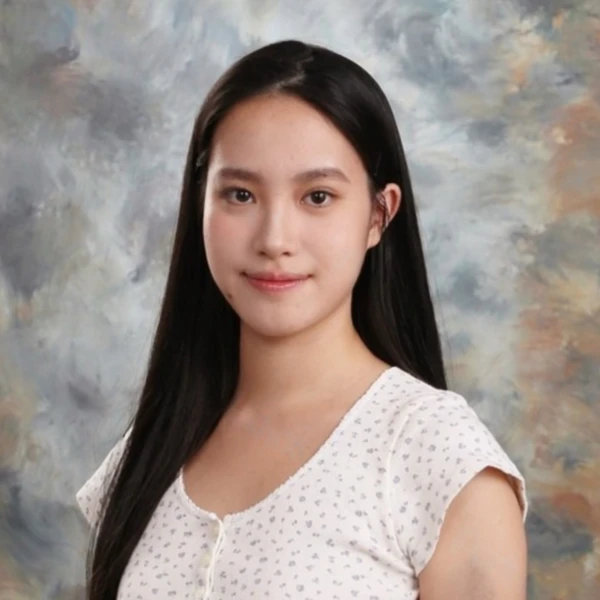
Born in Taiwan and currently studying in the U.S., I am an emerging illustrator focused on character-driven storytelling. My work often blends fantasy and emotional realism, exploring themes of identity, instability, and resilience. Inspired by animation and narrative design, I aim to build immersive worlds where sound, movement, and feeling shape the story. As technology transforms creative industries, I strive to create art that remains deeply human.
Education
Chino Hills High
High SchoolMiscellaneous
Desired degree level:
Bachelor's degree program
Majors of interest:
- Arts, Entertainment, and Media Management
Career
Dream career field:
Arts
Dream career goals:
Robert F. Lawson Fund for Careers that Care
Hayao Miyazaki’s Kiki’s Delivery Service resonated deeply with me. In the film, Kiki leaves home to train as a witch, but midway through her journey she suddenly loses her ability to fly—the very skill that defines her. Struggling with self-doubt and isolation, she rediscovers her purpose through her love for others and her craft, turning flying from a simple talent into an act of care, courage, and connection. Her rediscovery mirrored my own experiences as an artist—though I cannot fly, my art has become the wings that carry me forward.
Like Kiki, I left my home in Taiwan to take my own first flight—toward the life of an artist I had always dreamed of. But when I arrived in the United States, my “wings” felt unsteady. I could speak English, but culture moved in a way I couldn’t quite keep up with, and even simple conversations in class felt like storms I wasn’t prepared to navigate. Loneliness settled in quietly, yet heavily. In those months, I wondered if leaving home had been a mistake.
During that time, drawing became the one place where I didn’t feel lost. What began as a childhood interest became something deeper—a language I could trust when my own voice faltered. When words failed me, color, form, and shape spoke for me. When loneliness felt overwhelming, art gave me a way to breathe. It created a world where I felt safe and understood. It wasn’t just a hobby; it was a part of me.
But as I slowly steadied myself, I entered a class where the teaching felt thin and directionless. Without real guidance, my drawings stalled. My confidence cracked; every color felt wrong. I began to fear that this might be my limit—that perhaps the dream I carried from Taiwan was too fragile to survive. Everything shifted in tenth grade, when I finally met a teacher who taught with clarity and care—someone who pushed me, believed in me, and helped me rediscover the potential I thought I had lost.
Still, doubt didn’t disappear. My family questioned whether art could truly be a future. Their concerns echoed through moments when my ideas blurred or the colors in my mind began to fade. But every struggle pushed me to search for new shades and new ways to express myself. I realized that growth emerged not when fear disappeared, but when I learned how to draw alongside it.
I pay close attention to the nuances in daily life. A fleeting glance exchanged between strangers. The warm light through a window. The quiet stillness before rain— the petrichor afterwards. Even silence tells a story. Small details become the foundation of my illustrations, giving them depth, emotion, and a sense of life. My art should awaken something within others — the courage to take their own first flight, to trust the winds of uncertainty, and to keep moving forward even when the sky darkens with storms.
I imagine my art as a soft light—bringing others the same warmth and courage that Miyazaki’s stories once brought me. More than anything, I hope my work helps someone, somewhere, believe that even when they lose their “flight,” they can learn to soar again.
Julie Holloway Bryant Memorial Scholarship
Hayao Miyazaki’s Kiki’s Delivery Service resonated deeply with me. In the film, Kiki leaves home to train as a witch, but midway through her journey she suddenly loses her ability to fly—the very skill that defines her. Struggling with self-doubt and isolation, she rediscovers her purpose through her love for others and her craft, turning flying from a simple talent into an act of care, courage, and connection. Her rediscovery mirrored my own experiences as an artist—though I cannot fly, my art has become the wings that carry me forward.
Like Kiki, I left my home in Taiwan to take my own first flight—toward the life of an artist I had always dreamed of. But when I arrived in the United States, my “wings” felt unsteady. I could speak English, but culture moved in a way I couldn’t quite keep up with, and even simple conversations in class felt like storms I wasn’t prepared to navigate. Loneliness settled in quietly, yet heavily. In those months, I wondered if leaving home had been a mistake.
During that time, drawing became the one place where I didn’t feel lost. What began as a childhood interest became something deeper—a language I could trust when my own voice faltered. When words failed me, color, form, and shape spoke for me. When loneliness felt overwhelming, art gave me a way to breathe. It created a world where I felt safe and understood. It wasn’t just a hobby; it was a part of me.
But as I slowly steadied myself, I entered a class where the teaching felt thin and directionless. Without real guidance, my drawings stalled. My confidence cracked; every color felt wrong. I began to fear that this might be my limit—that perhaps the dream I carried from Taiwan was too fragile to survive. Everything shifted in tenth grade, when I finally met a teacher who taught with clarity and care—someone who pushed me, believed in me, and helped me rediscover the potential I thought I had lost.
Still, doubt didn’t disappear. My family questioned whether art could truly be a future. Their concerns echoed through moments when my ideas blurred or the colors in my mind began to fade. But every struggle pushed me to search for new shades and new ways to express myself. I realized that growth emerged not when fear disappeared, but when I learned how to draw alongside it.
I pay close attention to the nuances in daily life. A fleeting glance exchanged between strangers. The warm light through a window. The quiet stillness before rain— the petrichor afterwards. Even silence tells a story. Small details become the foundation of my illustrations, giving them depth, emotion, and a sense of life. My art should awaken something within others — the courage to take their own first flight, to trust the winds of uncertainty, and to keep moving forward even when the sky darkens with storms.
I imagine my art as a soft light—bringing others the same warmth and courage that Miyazaki’s stories once brought me. More than anything, I hope my work helps someone, somewhere, believe that even when they lose their “flight,” they can learn to soar again.
Palette & Purpose Scholarship
Hayao Miyazaki’s Kiki’s Delivery Service has always resonated deeply with me. In the film, Kiki leaves home to train as a witch, but midway through her journey she loses her ability to fly—the very skill that defines her. Through self-doubt and isolation, she rediscovers her purpose, transforming flying from a talent into an act of care and connection. Though I cannot fly, my art has become the wings that carry me forward.
Like Kiki, I left Taiwan to take my own first flight toward becoming an artist. When I arrived in the United States, my “wings” felt unsteady. I could speak English, but culture moved in ways I couldn’t follow, and classroom conversations felt like storms. Loneliness settled in quietly, and I often wondered if leaving home had been a mistake.
Drawing became the one place I did not feel lost. What began as a childhood interest grew into a language I could trust when my voice faltered. When words failed me, color and form spoke instead. Art gave me space to breathe. It was no longer a hobby; it was part of my identity.
Still, passion wavers without guidance. In one class, direction felt unclear, and my progress stalled. Every color seemed wrong. I feared that perhaps this was my limit—that the dream I carried from Taiwan was too fragile. Everything shifted in tenth grade when I met a teacher who pushed me with clarity and care, helping me rebuild both skill and confidence.
As I grew stronger, I began assisting her with younger students. Teaching forced me to articulate techniques I once struggled to understand. I saw my past self in their hesitation and tried to create the same safe space my mentor created for me—where mistakes meant growth. Leadership, I realized, is not about standing in front, but about helping others steady their wings.
Literature has shaped this belief as well. In The Paper Menagerie by Ken Liu, identity and memory unfold through quiet, intimate details. The story taught me that art does not need to be loud to be powerful; subtle moments can carry immense emotional weight. That sensitivity to nuance guides my own work.
I pay attention to fleeting glances, warm light through a window, and the stillness before rain. These small details become the foundation of my illustrations. I want my art to give others courage—to take their first flight, to trust uncertain winds, and to keep moving when the sky darkens.
I imagine my art as a soft light, offering the warmth and reassurance that Miyazaki’s stories once gave me. More than anything, I hope my work helps someone believe that even if they lose their ability to “fly,” they can learn to soar again—and help someone else rise with them.
Sleep Deez Legacy Scholarship: For the Visionaries Who Shape Culture
Hayao Miyazaki’s Kiki’s Delivery Service resonated deeply with me. In the film, Kiki leaves home to train as a witch, but midway through her journey she suddenly loses her ability to fly—the very skill that defines her. Struggling with self-doubt and isolation, she rediscovers her purpose through her love for others and her craft, turning flying from a simple talent into an act of care, courage, and connection. Her rediscovery mirrored my own experiences as an artist—though I cannot fly, my art has become the wings that carry me forward.
Like Kiki, I left my home in Taiwan to take my own first flight—toward the life of an artist I had always dreamed of. But when I arrived in the United States, my “wings” felt unsteady. I could speak English, but culture moved in a way I couldn’t quite keep up with, and even simple conversations in class felt like storms I wasn’t prepared to navigate. Loneliness settled in quietly, yet heavily. In those months, I wondered if leaving home had been a mistake.
During that time, drawing became the one place where I didn’t feel lost. What began as a childhood interest became something deeper—a language I could trust when my own voice faltered. When words failed me, color, form, and shape spoke for me. When loneliness felt overwhelming, art gave me a way to breathe. It created a world where I felt safe and understood. It wasn’t just a hobby; it was a part of me.
But as I slowly steadied myself, I entered a class where the teaching felt thin and directionless. Without real guidance, my drawings stalled. My confidence cracked; every color felt wrong. I began to fear that this might be my limit—that perhaps the dream I carried from Taiwan was too fragile to survive. Everything shifted in tenth grade, when I finally met a teacher who taught with clarity and care—someone who pushed me, believed in me, and helped me rediscover the potential I thought I had lost.
Still, doubt didn’t disappear. My family questioned whether art could truly be a future. Their concerns echoed through moments when my ideas blurred or the colors in my mind began to fade. But every struggle pushed me to search for new shades and new ways to express myself. I realized that growth emerged not when fear disappeared, but when I learned how to draw alongside it.
I pay close attention to the nuances in daily life. A fleeting glance exchanged between strangers. The warm light through a window. The quiet stillness before rain— the petrichor afterwards. Even silence tells a story. Small details become the foundation of my illustrations, giving them depth, emotion, and a sense of life. My art should awaken something within others — the courage to take their own first flight, to trust the winds of uncertainty, and to keep moving forward even when the sky darkens with storms.
I imagine my art as a soft light—bringing others the same warmth and courage that Miyazaki’s stories once brought me. More than anything, I hope my work helps someone, somewhere, believe that even when they lose their “flight,” they can learn to soar again.
Isaac Yunhu Lee Memorial Arts Scholarship
This self-portrait is one of my favorite pieces because it captures a turning point in how I see myself, both as an artist and as a person. Rather than focusing solely on physical likeness, I wanted to explore identity through symbolism, layered imagery, and emotional resonance. The piece was inspired by my personal journey—growing up in Taiwan, discovering art through Japanese animation and comics, and moving to the United States to pursue my artistic dreams. These experiences shaped my perspective and continue to guide my creative choices.
The small Polaroid images incorporated in the composition represent fragments of memory from my childhood in Taiwan. I chose this format intentionally because photographs capture fleeting moments, much like memory itself. These snapshots are reminders of my roots and the experiences that formed my early understanding of the world. They also reflect how small, everyday details—glances, light, textures, and subtle moments—can be sources of inspiration for creating art that feels alive.
The compass included in the piece symbolizes my ongoing search for direction as an artist. Moving to the United States was like sending a paper airplane into the unknown: fragile, uncertain, and full of possibility. That sense of suspended motion influenced both the emotional tone and composition of the work. I wanted to show how uncertainty and hope can coexist, and how navigating unfamiliar territory can be a source of growth and creativity.
The blooming flowers surrounding my figure represent imagination, curiosity, and personal growth. Flowers are delicate, but they are also resilient. Their presence conveys my belief that growth is a gradual and ongoing process, shaped by the people and experiences that support us. My mother’s love, my sister’s guidance, and my nanny’s care all contributed to the roots of who I am, giving me the courage to explore my own path as an artist.
Throughout the creation of this self-portrait, I paid close attention to color, composition, and emotional tone. I experimented with layering and contrast to balance vulnerability and strength, aiming to create a piece that feels both personal and universal. This self-portrait is not just an image of how I appear; it is a reflection of who I am becoming. It reminds me that growth does not require certainty—it requires curiosity, courage, and a willingness to keep moving forward, even into the unknown. I hope that through my work, others can feel the same connection, courage, and inspiration that art has always given me.
CollectaBees, LLC Golden Hive Gallery Art Scholarship
Hayao Miyazaki’s Kiki’s Delivery Service resonated deeply with me. In the film, Kiki leaves home to train as a witch, but midway through her journey she suddenly loses her ability to fly—the very skill that defines her. Struggling with self-doubt and isolation, she rediscovers her purpose through her love for others and her craft, turning flying from a simple talent into an act of care, courage, and connection. Her rediscovery mirrored my own experiences as an artist—though I cannot fly, my art has become the wings that carry me forward.
Like Kiki, I left my home in Taiwan to take my own first flight—toward the life of an artist I had always dreamed of. But when I arrived in the United States, my “wings” felt unsteady. I could speak English, but culture moved in a way I couldn’t quite keep up with, and even simple conversations in class felt like storms I wasn’t prepared to navigate. Loneliness settled in quietly, yet heavily. In those months, I wondered if leaving home had been a mistake.
During that time, drawing became the one place where I didn’t feel lost. What began as a childhood interest became something deeper—a language I could trust when my own voice faltered. When words failed me, color, form, and shape spoke for me. When loneliness felt overwhelming, art gave me a way to breathe. It created a world where I felt safe and understood. It wasn’t just a hobby; it was a part of me.
But as I slowly steadied myself, I entered a class where the teaching felt thin and directionless. Without real guidance, my drawings stalled. My confidence cracked; every color felt wrong. I began to fear that this might be my limit—that perhaps the dream I carried from Taiwan was too fragile to survive. Everything shifted in tenth grade, when I finally met a teacher who taught with clarity and care—someone who pushed me, believed in me, and helped me rediscover the potential I thought I had lost.
Still, doubt didn’t disappear. My family questioned whether art could truly be a future. Their concerns echoed through moments when my ideas blurred or the colors in my mind began to fade. But every struggle pushed me to search for new shades and new ways to express myself. I realized that growth emerged not when fear disappeared, but when I learned how to draw alongside it.
I pay close attention to the nuances in daily life. A fleeting glance exchanged between strangers. The warm light through a window. The quiet stillness before rain— the petrichor afterwards. Even silence tells a story. Small details become the foundation of my illustrations, giving them depth, emotion, and a sense of life. My art should awaken something within others — the courage to take their own first flight, to trust the winds of uncertainty, and to keep moving forward even when the sky darkens with storms.
I imagine my art as a soft light—bringing others the same warmth and courage that Miyazaki’s stories once brought me. More than anything, I hope my work helps someone, somewhere, believe that even when they lose their “flight,” they can learn to soar again.
Christal Carter Creative Arts Scholarship
Hayao Miyazaki’s Kiki’s Delivery Service resonated deeply with me. In the film, Kiki leaves home to train as a witch, but midway through her journey she suddenly loses her ability to fly—the very skill that defines her. Struggling with self-doubt and isolation, she rediscovers her purpose through her love for others and her craft, turning flying from a simple talent into an act of care, courage, and connection. Her rediscovery mirrored my own experiences as an artist—though I cannot fly, my art has become the wings that carry me forward.
Like Kiki, I left my home in Taiwan to take my own first flight—toward the life of an artist I had always dreamed of. But when I arrived in the United States, my “wings” felt unsteady. I could speak English, but culture moved in a way I couldn’t quite keep up with, and even simple conversations in class felt like storms I wasn’t prepared to navigate. Loneliness settled in quietly, yet heavily. In those months, I wondered if leaving home had been a mistake.
During that time, drawing became the one place where I didn’t feel lost. What began as a childhood interest became something deeper—a language I could trust when my own voice faltered. When words failed me, color, form, and shape spoke for me. When loneliness felt overwhelming, art gave me a way to breathe. It created a world where I felt safe and understood. It wasn’t just a hobby; it was a part of me.
But as I slowly steadied myself, I entered a class where the teaching felt thin and directionless. Without real guidance, my drawings stalled. My confidence cracked; every color felt wrong. I began to fear that this might be my limit—that perhaps the dream I carried from Taiwan was too fragile to survive. Everything shifted in tenth grade, when I finally met a teacher who taught with clarity and care—someone who pushed me, believed in me, and helped me rediscover the potential I thought I had lost.
Still, doubt didn’t disappear. My family questioned whether art could truly be a future. Their concerns echoed through moments when my ideas blurred or the colors in my mind began to fade. But every struggle pushed me to search for new shades and new ways to express myself. I realized that growth emerged not when fear disappeared, but when I learned how to draw alongside it.
I pay close attention to the nuances in daily life. A fleeting glance exchanged between strangers. The warm light through a window. The quiet stillness before rain— the petrichor afterwards. Even silence tells a story. Small details become the foundation of my illustrations, giving them depth, emotion, and a sense of life. My art should awaken something within others — the courage to take their own first flight, to trust the winds of uncertainty, and to keep moving forward even when the sky darkens with storms.
I imagine my art as a soft light—bringing others the same warmth and courage that Miyazaki’s stories once brought me. More than anything, I hope my work helps someone, somewhere, believe that even when they lose their “flight,” they can learn to soar again.
Sunflowers of Hope Scholarship
Hayao Miyazaki’s Kiki’s Delivery Service resonated deeply with me. In the film, Kiki leaves home to train as a witch, but midway through her journey she suddenly loses her ability to fly—the very skill that defines her. Struggling with self-doubt and isolation, she rediscovers her purpose through her love for others and her craft, turning flying from a simple talent into an act of care, courage, and connection. Her rediscovery mirrored my own experiences as an artist—though I cannot fly, my art has become the wings that carry me forward.
Like Kiki, I left my home in Taiwan to take my own first flight—toward the life of an artist I had always dreamed of. But when I arrived in the United States, my “wings” felt unsteady. I could speak English, but culture moved in a way I couldn’t quite keep up with, and even simple conversations in class felt like storms I wasn’t prepared to navigate. Loneliness settled in quietly, yet heavily. In those months, I wondered if leaving home had been a mistake.
During that time, drawing became the one place where I didn’t feel lost. What began as a childhood interest became something deeper—a language I could trust when my own voice faltered. When words failed me, color, form, and shape spoke for me. When loneliness felt overwhelming, art gave me a way to breathe. It created a world where I felt safe and understood. It wasn’t just a hobby; it was a part of me.
But as I slowly steadied myself, I entered a class where the teaching felt thin and directionless. Without real guidance, my drawings stalled. My confidence cracked; every color felt wrong. I began to fear that this might be my limit—that perhaps the dream I carried from Taiwan was too fragile to survive. Everything shifted in tenth grade, when I finally met a teacher who taught with clarity and care—someone who pushed me, believed in me, and helped me rediscover the potential I thought I had lost.
Still, doubt didn’t disappear. My family questioned whether art could truly be a future. Their concerns echoed through moments when my ideas blurred or the colors in my mind began to fade. But every struggle pushed me to search for new shades and new ways to express myself. I realized that growth emerged not when fear disappeared, but when I learned how to draw alongside it.
I pay close attention to the nuances in daily life. A fleeting glance exchanged between strangers. The warm light through a window. The quiet stillness before rain— the petrichor afterwards. Even silence tells a story. Small details become the foundation of my illustrations, giving them depth, emotion, and a sense of life. My art should awaken something within others — the courage to take their own first flight, to trust the winds of uncertainty, and to keep moving forward even when the sky darkens with storms.
I imagine my art as a soft light—bringing others the same warmth and courage that Miyazaki’s stories once brought me. More than anything, I hope my work helps someone, somewhere, believe that even when they lose their “flight,” they can learn to soar again.
Rose Ifebigh Memorial Scholarship
Hayao Miyazaki’s Kiki’s Delivery Service resonated deeply with me. In the film, Kiki leaves home to train as a witch, but midway through her journey she suddenly loses her ability to fly—the very skill that defines her. Struggling with self-doubt and isolation, she rediscovers her purpose through her love for others and her craft, turning flying from a simple talent into an act of care, courage, and connection. Her rediscovery mirrored my own experiences as an artist—though I cannot fly, my art has become the wings that carry me forward.
Like Kiki, I left my home in Taiwan to take my own first flight—toward the life of an artist I had always dreamed of. But when I arrived in the United States, my “wings” felt unsteady. I could speak English, but culture moved in a way I couldn’t quite keep up with, and even simple conversations in class felt like storms I wasn’t prepared to navigate. Loneliness settled in quietly, yet heavily. In those months, I wondered if leaving home had been a mistake.
During that time, drawing became the one place where I didn’t feel lost. What began as a childhood interest became something deeper—a language I could trust when my own voice faltered. When words failed me, color, form, and shape spoke for me. When loneliness felt overwhelming, art gave me a way to breathe. It created a world where I felt safe and understood. It wasn’t just a hobby; it was a part of me.
But as I slowly steadied myself, I entered a class where the teaching felt thin and directionless. Without real guidance, my drawings stalled. My confidence cracked; every color felt wrong. I began to fear that this might be my limit—that perhaps the dream I carried from Taiwan was too fragile to survive. Everything shifted in tenth grade, when I finally met a teacher who taught with clarity and care—someone who pushed me, believed in me, and helped me rediscover the potential I thought I had lost.
Still, doubt didn’t disappear. My family questioned whether art could truly be a future. Their concerns echoed through moments when my ideas blurred or the colors in my mind began to fade. But every struggle pushed me to search for new shades and new ways to express myself. I realized that growth emerged not when fear disappeared, but when I learned how to draw alongside it.
I pay close attention to the nuances in daily life. A fleeting glance exchanged between strangers. The warm light through a window. The quiet stillness before rain— the petrichor afterwards. Even silence tells a story. Small details become the foundation of my illustrations, giving them depth, emotion, and a sense of life. My art should awaken something within others — the courage to take their own first flight, to trust the winds of uncertainty, and to keep moving forward even when the sky darkens with storms.
I imagine my art as a soft light—bringing others the same warmth and courage that Miyazaki’s stories once brought me. More than anything, I hope my work helps someone, somewhere, believe that even when they lose their “flight,” they can learn to soar again.
Terry Masters Memorial Scholarship
Hayao Miyazaki’s Kiki’s Delivery Service resonated deeply within me. In the film, Kiki suddenly loses her flying ability, even her broom breaks—the tool that once allowed her to express herself and help others. Struggling with self-doubt, she rediscovers purpose through her love for others and her craft. That moment mirrored my own experiences as an artist— though I can’t fly, my art has become the wings that carry me forward.
Leaving Taiwan was my own flight, my venture toward an artist’s life. I’ve faced moments with my creative “wings” tattered and my “broom” broken. Could I truly pursue art? The choice wasn’t easy— my parents questioned whether art had any future. Yet even when my “flight” felt unsteady, I forged ahead— art is how I understand myself and the world. Daily nuances are important. Glances between strangers. Warm morning hues. Stillness before rain, petrichor after. My illustrations are found in small details.
I’m driven to create art that is not just beautiful but also connects deeply with people’s hearts, inspiring them to see courage in themselves. I strive to create illustrations that guide young artists to believe, as Kiki did—and as I did—that even when your feathers grow frayed, you can always learn to soar again.
Al Luna Memorial Design Scholarship
Hayao Miyazaki’s Kiki’s Delivery Service resonated deeply with me. In the film, Kiki leaves home to train as a witch, but midway through her journey she suddenly loses her ability to fly—the very skill that defines her. Struggling with self-doubt and isolation, she rediscovers her purpose through her love for others and her craft, turning flying from a simple talent into an act of care, courage, and connection. Her rediscovery mirrored my own experiences as an artist—though I cannot fly, my art has become the wings that carry me forward.
Like Kiki, I left my home in Taiwan to take my own first flight—toward the life of an artist I had always dreamed of. But when I arrived in the United States, my “wings” felt unsteady. I could speak English, but culture moved in a way I couldn’t quite keep up with, and even simple conversations in class felt like storms I wasn’t prepared to navigate. Loneliness settled in quietly, yet heavily. In those months, I wondered if leaving home had been a mistake.
During that time, drawing became the one place where I didn’t feel lost. What began as a childhood interest became something deeper—a language I could trust when my own voice faltered. When words failed me, color, form, and shape spoke for me. When loneliness felt overwhelming, art gave me a way to breathe. It created a world where I felt safe and understood. It wasn’t just a hobby; it was a part of me.
But as I slowly steadied myself, I entered a class where the teaching felt thin and directionless. Without real guidance, my drawings stalled. My confidence cracked; every color felt wrong. I began to fear that this might be my limit—that perhaps the dream I carried from Taiwan was too fragile to survive. Everything shifted in tenth grade, when I finally met a teacher who taught with clarity and care—someone who pushed me, believed in me, and helped me rediscover the potential I thought I had lost.
Still, doubt didn’t disappear. My family questioned whether art could truly be a future. Their concerns echoed through moments when my ideas blurred or the colors in my mind began to fade. But every struggle pushed me to search for new shades and new ways to express myself. I realized that growth emerged not when fear disappeared, but when I learned how to draw alongside it.
I pay close attention to the nuances in daily life. A fleeting glance exchanged between strangers. The warm light through a window. The quiet stillness before rain— the petrichor afterwards. Even silence tells a story. Small details become the foundation of my illustrations, giving them depth, emotion, and a sense of life. My art should awaken something within others — the courage to take their own first flight, to trust the winds of uncertainty, and to keep moving forward even when the sky darkens with storms.
I imagine my art as a soft light—bringing others the same warmth and courage that Miyazaki’s stories once brought me. More than anything, I hope my work helps someone, somewhere, believe that even when they lose their “flight,” they can learn to soar again.
Doan Foundation Arts Scholarship
WinnerHayao Miyazaki’s Kiki’s Delivery Service resonated deeply with me. In the film, Kiki leaves home to train as a witch, but midway through her journey she suddenly loses her ability to fly—the very skill that defines her. Struggling with self-doubt and isolation, she rediscovers her purpose through her love for others and her craft, turning flying from a simple talent into an act of care, courage, and connection. Her rediscovery mirrored my own experiences as an artist—though I cannot fly, my art has become the wings that carry me forward.
Like Kiki, I left my home in Taiwan to take my own first flight—toward the life of an artist I had always dreamed of. But when I arrived in the United States, my “wings” felt unsteady. I could speak English, but culture moved in a way I couldn’t quite keep up with, and even simple conversations in class felt like storms I wasn’t prepared to navigate. Loneliness settled in quietly, yet heavily. In those months, I wondered if leaving home had been a mistake.
During that time, drawing became the one place where I didn’t feel lost. What began as a childhood interest became something deeper—a language I could trust when my own voice faltered. When words failed me, color, form, and shape spoke for me. When loneliness felt overwhelming, art gave me a way to breathe. It created a world where I felt safe and understood. It wasn’t just a hobby; it was a part of me.
But as I slowly steadied myself, I entered a class where the teaching felt thin and directionless. Without real guidance, my drawings stalled. My confidence cracked; every color felt wrong. I began to fear that this might be my limit—that perhaps the dream I carried from Taiwan was too fragile to survive. Everything shifted in tenth grade, when I finally met a teacher who taught with clarity and care—someone who pushed me, believed in me, and helped me rediscover the potential I thought I had lost.
Still, doubt didn’t disappear. My family questioned whether art could truly be a future. Their concerns echoed through moments when my ideas blurred or the colors in my mind began to fade. But every struggle pushed me to search for new shades and new ways to express myself. I realized that growth emerged not when fear disappeared, but when I learned how to draw alongside it.
I pay close attention to the nuances in daily life. A fleeting glance exchanged between strangers. The warm light through a window. The quiet stillness before rain— the petrichor afterwards. Even silence tells a story. Small details become the foundation of my illustrations, giving them depth, emotion, and a sense of life. My art should awaken something within others — the courage to take their own first flight, to trust the winds of uncertainty, and to keep moving forward even when the sky darkens with storms.
I imagine my art as a soft light—bringing others the same warmth and courage that Miyazaki’s stories once brought me. More than anything, I hope my work helps someone, somewhere, believe that even when they lose their “flight,” they can learn to soar again.