Hobbies and interests
Animals
Athletic Training
Ballet
Beach
Cheerleading
Cosmetology
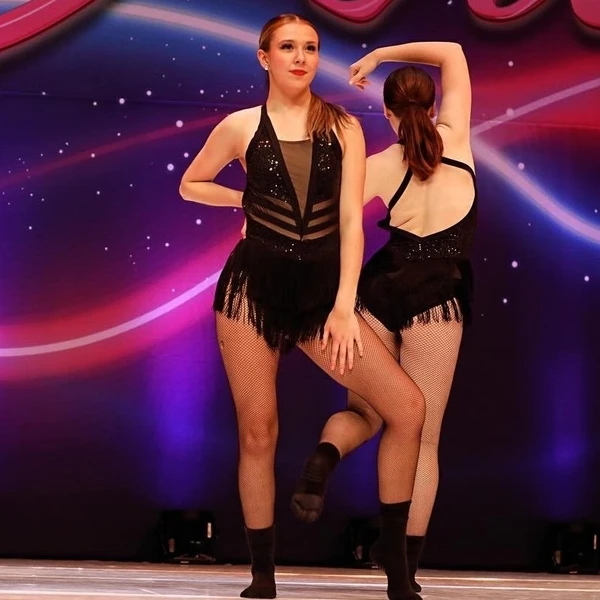
Dance
Exercise And Fitness
Exercise Science
Reading
Drama
Adult Fiction
Health
I read books multiple times per week
Ireland Grossnickle
1x
FinalistIreland Grossnickle
1x
FinalistBio
My all-time life goal is to be a physical therapist. I want to be a physical therapist to help people like me get to do what they love even if they've been told it's impossible. I am a good candidate because I am hardworking, dedicated, strong, and a team player, and I would do anything to get the best education possible to pursue my dreams in life.
Education
Princeton High School
High SchoolMiscellaneous
Desired degree level:
Bachelor's degree program
Majors of interest:
- Sports, Kinesiology, and Physical Education/Fitness
Career
Dream career field:
Health, Wellness, and Fitness
Dream career goals:
My long‑term career goal is to become a physical therapist who stands beside people like me; those who were injured and told they had reached their limits, and helps them rediscover hope, strength, and the ability to return to what they love.
Fitness trainer
Sharonville Community Center2025 – Present1 year
Sports
Dancing
Club2011 – Present15 years
Arts
Mason Dance Center
Dance2011 – Present
Public services
Volunteering
Princeton Closet — Stocking and organizing2026 – PresentVolunteering
Lakota East Concessions — Stocking2024 – Present
Future Interests
Volunteering
Philanthropy
Entrepreneurship
VNutrition and Wellness Nursing Scholarship
As a future nurse, I believe that improving people’s nutrition is one of the most powerful ways to enhance overall health, prevent chronic disease, and support long‑term wellness. Nurses are often the first and most consistent point of contact for patients, which positions us uniquely to educate, guide, and support individuals in making healthier choices. My nursing career will allow me to influence patients’ health not only through medical care, but through compassionate, practical, and accessible nutrition education.
Good nutrition plays a critical role in preventing conditions such as heart disease, diabetes, obesity, and hypertension. Yet many patients struggle with understanding what healthy eating really looks like, especially when they face challenges such as limited budgets, busy schedules, or a lack of nutrition knowledge. As a nurse, I want to bridge that gap. My goal is to help patients see nutrition not as a strict or overwhelming set of rules, but as an achievable part of daily life that can genuinely improve how they feel and function.
One of the first steps I plan to take in my nursing practice is to integrate nutrition conversations into routine care. Many patients only hear about diet during major health events, after a diagnosis or hospitalization, when they feel overwhelmed. I want to normalize nutrition discussions long before that point. Whether I am taking vital signs, reviewing medical histories, or teaching a patient about a medication, I plan to include simple, supportive guidance on how food choices affect their health. This consistent reinforcement can help patients feel more confident and informed.
Another step I plan to take is offering personalized education. Nutrition is not “one size fits all.” Patients have different cultural backgrounds, food preferences, financial situations, and health conditions. By taking time to understand each patient’s lifestyle, I can help them set realistic goals, such as adding one vegetable to a daily meal, choosing water over soda, or preparing simple, balanced snacks. Small changes build long‑term habits, and I want to empower patients by showing them that progress doesn’t have to be complicated.
I also hope to collaborate with dietitians, community programs, and public health resources to provide patients with more support beyond the clinic. Many communities offer cooking classes, food assistance programs, and educational workshops, but patients often don’t know these resources exist. As a nurse, I want to guide patients toward these tools so they feel supported both medically and socially.
Finally, I believe nurses can lead by example, through empathy, encouragement, and genuine care. Many people know what they “should” eat, but they struggle with motivation or confidence. I want to help patients feel capable, not judged. When patients trust their nurses, they are more willing to make meaningful changes.
My goal as a future nurse is to improve lives through education, prevention, and compassionate guidance. By helping patients build healthier eating habits, I can support stronger bodies, clearer minds, and better long‑term health, making a lasting positive impact on every person I care for.
Our Destiny Our Future Scholarship
My goal of becoming a physical therapist comes from a deep belief that healing goes far beyond treating injuries, it is about restoring confidence, independence, and hope. I want to make a positive impact on the world by helping people reclaim their lives through movement, support, and empowerment. Physical therapy allows me to serve others in a direct, meaningful way, and I am committed to building a career that improves both individual lives and the well‑being of entire communities.
Physical therapy is a field built on human connection. Every patient has a story, a fear, and a dream for what they want to achieve. Whether someone is recovering from surgery, managing chronic pain, or learning to move again after an accident, their journey is often emotional as well as physical. I want to be the person who stands beside them, not only with professional knowledge, but with compassion, patience, and encouragement. I believe that one of the greatest impacts we can make on the world is helping people feel capable again, especially during moments when they doubt themselves.
My goal is to use my education to provide accessible, high‑quality care to people who need it most. Physical therapy can be life‑changing, yet many individuals, especially those in underserved or low‑income areas, do not have consistent access to it. I want to change that by working in communities where therapy resources are limited and by advocating for better access to rehabilitation services. Helping people recover should not depend on where they live or what they can afford. I want my career to contribute to reducing those inequalities.
Another way I hope to make an impact is by educating patients and their families. Healing does not begin and end in a clinic, it continues at home, at work, and in everyday life. By teaching people how to care for their bodies, prevent injury, and build long‑term wellness habits, I can help them maintain their progress and live healthier lives. I hope to create an environment where patients feel understood, informed, and empowered to take control of their recovery.
Long‑term, I want to contribute to the profession beyond direct care. Whether through community workshops, disability awareness programs, or advocacy for mental and physical wellness, I want to use my experience to improve how people view rehabilitation and the role it plays in lifelong health. Physical therapy is not just about treating injuries, it is about strengthening community health, promoting inclusion, and giving people the tools they need to thrive.
I believe I will make a positive impact on the world because I am driven by purpose, compassion, and a genuine passion for helping people. Physical therapy is not just a career to me, it is a calling. With the education and training I receive, I hope to be a source of healing, encouragement, and change. My goal is to leave every patient stronger than when they met me, and in doing so, contribute to a healthier, more hopeful world.
Forever90 Scholarship
Service has always been more than an activity to me, it is a mindset, a value system, and a way of moving through the world with purpose. I believe that living a life of service means choosing, every day, to act with empathy and a willingness to support others, whether in big or small ways. Throughout my life, I have tried to embody this through kindness, leadership, and a commitment to helping people feel seen and supported. These experiences have shaped not only who I am, but also what I hope to achieve through my education.
My approach to service began with simple acts: helping classmates who struggled to understand schoolwork, stepping in when someone needed encouragement, or volunteering my time without being asked. Over time, these moments helped me realize how meaningful it is to be someone others can rely on. In group projects, I naturally took on roles that lifted the team, organizing tasks, checking in on classmates, and ensuring everyone felt included. I discovered that service does not always look like grand gestures; often, it looks like consistency, compassion, and being attentive to the needs around you.
One of the most important lessons I’ve learned is that service grows stronger when paired with understanding. My own experiences with challenges, academically, personally, and socially, have made me more empathetic toward others facing their own struggles. When someone feels overwhelmed, isolated, or discouraged, I try to be the person who listens without judgment and helps them move forward. This kind of everyday service has helped me build supportive relationships and has inspired me to pursue an educational path where I can make a meaningful impact.
Higher education is not just a personal goal for me; it is a tool that will allow me to better serve my community and future generations. I want to use my education to support others, whether through mentorship, advocacy, or professional service. The knowledge and skills I gain will allow me to contribute in ways that are deeper and more sustainable. I hope to be someone who creates opportunities for others, especially those who face barriers similar to the ones I’ve navigated.
My long‑term goal is to combine what I learn in college with my passion for helping people. Whether I work in a field like healthcare, education, community support, or another service‑driven career, I want my work to uplift individuals who may feel overlooked or underestimated. I am committed to standing up for those who need guidance, offering support where it is lacking, and helping others believe in their own possibilities.
I believe I am a strong candidate for this scholarship because service is not something I do only when convenient, it's a value that guides the way I think, act, and plan for my future. With the support of this scholarship, I can further my education and expand my ability to serve others with greater knowledge, leadership, and purpose. My goal is to use every opportunity I am given to make a positive difference in the lives of those around me.
Dylan's Journey Memorial Scholarship
Living with ADHD has shaped nearly every part of my academic journey, not as a limitation, but as a challenge that has pushed me to grow, adapt, and advocate for myself in ways I never expected. For many people, focusing in class or organizing assignments is a routine part of school. For me, these tasks have often felt like climbing uphill with the wind against me. Yet each time I struggled, I also discovered new strategies, new ways to overcome obstacles, and new reasons to keep pushing forward. My experience with ADHD has not only influenced who I am as a learner, but it has also become one of my strongest motivations for pursuing higher education.
Throughout my schooling, ADHD presented daily hurdles: difficulty concentrating during lectures, forgetting steps in multi‑stage assignments, or feeling overwhelmed by deadlines that seemed simple to others. But instead of letting these frustrations define my abilities, I learned to meet them with creativity. I began using visual planners, alarms, noise‑canceling headphones, and task‑breaking techniques to help structure my days. I sought extra help when I needed it and learned how to communicate openly with teachers about what support worked best. These experiences taught me resilience, independence, and the importance of self‑advocacy, skills that I know will continue to serve me in college and beyond.
My decision to pursue higher education comes from a deep desire to build a future where I can use my strengths, not hide my challenges. ADHD has sharpened my problem‑solving skills, made me an out‑of‑the‑box thinker, and pushed me to develop a strong sense of determination. I want to continue my education so I can turn those strengths into meaningful contributions in my chosen career. I am motivated not only by personal goals, but also by the hope that I can one day support others who face obstacles similar to mine. Whether through leadership, mentorship, or advocacy, I want to show that learning differences do not diminish potential, they shape it.
I believe I am a strong candidate for this scholarship because my journey reflects both perseverance and growth. I do not see my ADHD as something that holds me back, but as something that has taught me persistence, empathy, and a strong work ethic. Every barrier I have encountered has prepared me to face challenges with patience and determination. With financial support, I can continue building on the progress I have already made, focusing more on my goals and less on the burdens that come with educational costs.
Receiving this scholarship would not just lessen the financial strain of continuing my education, it would affirm the work I have put into overcoming obstacles and remind me that my learning disability is not a weakness but a unique part of my story. I am committed to using my education to reach my potential and to inspire others to believe they can do the same.
Tawkify Meaningful Connections Scholarship
In a world increasingly defined by rapid technological evolution, the nature of human connection is facing both unprecedented challenges and extraordinary opportunities. Devices that once served as tools for convenience have become deeply embedded in our identities, shaping how we communicate, learn, and even perceive relationships. As technology continues to advance, through artificial intelligence, virtual environments, and hyper-connected platforms, the question becomes more urgent: How can we preserve, strengthen, or reimagine authentic human connection in this landscape?
One of the primary ways technology shapes connection is through the sheer speed and volume of communication it enables. We can send a message across the world in seconds, and relationships that once relied on physical proximity can now thrive across continents. Yet this convenience often comes at the cost of depth. A text message lacks the emotional nuance of a face-to-face conversation, and social media interactions, likes, comments, fleeting story replies, can give the illusion of closeness without the substance. Preserving authentic connection, then, begins with intentionality: choosing quality over quantity, depth over immediacy. Even as technology accelerates communication, it is still possible to slow down within it, to use digital tools not as substitutes for emotion but as extensions of it.
Strengthening human connection in a digital age also requires creating boundaries that protect presence. Technology competes aggressively for attention, with apps designed to encourage endless scrolling and constant engagement. These patterns can erode our capacity for genuine, in-person interaction. Re-imagining connection means reclaiming our attention, not by rejecting technology, but by using it with purpose. Simple practices such as device-free meals, scheduled communication times, or mindful use of social platforms can create space for deeper engagement. In this way, technology becomes something we control rather than something that controls us.
At the same time, the future offers remarkable possibilities for expanding empathy and understanding across cultures and communities. Virtual reality can place people inside experiences they would never encounter otherwise, fostering compassion by immersing them in different perspectives. Artificial intelligence can help individuals with disabilities communicate more effectively, opening doors to connection that had previously been limited. Online communities provide safe spaces for people with shared interests or identities who may feel isolated in their physical environments. These are not replacements for traditional forms of connection; instead, they broaden the landscape of who we can understand and how we can relate.
Of course, technology’s potential to strengthen connection depends on how we design and use it. Platforms that prioritize emotional well-being over engagement metrics, ones that encourage reflection, long-form conversation, or collaborative creativity, can support healthier connections. The responsibility lies not only with developers, but with all of us as users. The future of human connection will be shaped by our collective choices: whether we approach technology passively, allowing it to dictate our interactions, or actively, shaping it to support the relationships we value.
Ultimately, authentic human connection is not something that can be replaced by any device or platform, no matter how advanced. What makes relationships meaningful, shared vulnerability, trust, empathy, presence, remains timeless. The challenge of the future is not to resist technological change, but to ensure that our humanity guides it. By being intentional with our attention, thoughtful in our communication, and open to the new forms of connection that technology can facilitate, we can preserve the essence of human relationships even as the world transforms around us.
In this way, the future of human connection is not something we must fear. It is something we have the opportunity to shape, balancing innovation with authenticity, and allowing technology to serve as a bridge rather than a barrier. The tools may change, but our capacity to connect meaningfully will endure, as long as we remember to prioritize the human heart behind every screen.
Jack D. McWilliams, Sr. Scholarship
Throughout my life, the strengths, experiences, interests, and goals that define me have been shaped not only by my education at Scarlet Oaks Career Campus, but also by challenges I’ve faced and overcome. These experiences especially those connected to healthcare and recovery have influenced who I am and inspired the future I want to build for myself.
One of my greatest strengths is my perseverance. From a very young age, I learned what it meant to be resilient. When I was five years old, I broke both bones in my forearm. What should have been a simple childhood injury became much more complicated when I went through a major growth spurt and the bones fused together incorrectly. I had to undergo medical intervention so doctors could fix what had gone wrong. It was a painful and confusing experience for a child, but it taught me early on how strong the human body and mind, can be.
At nine years old, I faced another setback when I broke my knee and my growth plate. Once again, I found myself in doctors’ offices, learning about healing, rehabilitation, and patience. These moments could have discouraged me, but instead, they contributed to who I am today: someone who refuses to give up, even when progress feels slow or painful.
Dance became both my love and my battle. I started dancing at three years old, and it quickly grew into one of the most important parts of my life. Dance taught me discipline, creativity, and confidence. But it also brought new challenges. In front of my entire hip‑hop class, I broke my wrist, a moment that was physically painful and emotionally embarrassing. Still, I went back to dance because it meant too much to me to walk away.
What I didn’t know was that throughout the years, another injury, os trigonum syndrome, was silently affecting me. The pain grew worse, but I pushed through it because dancing en pointe had been my dream since I was little. Eventually, the injury forced me to quit pointe, something that broke my heart after dedicating so many years to dance. Quitting wasn’t giving up; it was the moment I truly understood the difference between strength and self-sacrifice, and the importance of listening to my body.
These experiences, although difficult, shaped my interest in healthcare. I have spent more time with doctors, specialists, and physical therapists than many people my age, and each interaction influenced me in a deep way. My volunteer work strengthened this interest even further, showing me how meaningful it is to support others through vulnerable experiences.
After countless appointments and physical therapy sessions, I was finally released from physical therapy for the first time about a year ago. That moment felt like a victory, not just physically, but emotionally. It reminded me how much physical therapists had helped me reclaim movement, confidence, and parts of my life I thought I had lost. They helped me get back to feeling like myself.
Because of everything I’ve experienced, I'm going to become a physical therapist. I want to give back to the profession that helped me through the hardest chapters of my life. I know what it feels like to be injured, frustrated, scared, and hopeful. I know how powerful it is when someone believes in your recovery, even when you don’t. My goal is to be that person for others.
As I continue learning, I am focused on building the future I’ve envisioned, one guided by resilience, compassion, and a desire to help others rebuild their strength just as so many people helped me rebuild mine.
Divers Women Scholarship
Although I do not have experience raising a family, I have gained meaningful care giving experience through supporting the people around me, especially friends and younger peers who have struggled with their mental or emotional health. These experiences have shaped my desire to enter the healthcare field by teaching me the importance of compassion, patience, and showing up for others when they need it most.
Throughout my life, I have often been the person friends come to when they are overwhelmed, scared, or unsure how to cope. Some of this comes from my own experiences with mental health challenges. Because I know what it feels like to struggle in silence, I make it a point to be someone who listens without judgment. I’ve learned how to recognize when someone needs support, how to encourage them to reach out to trusted adults, and how to help them feel safe opening up. While this isn’t the same as raising a family, it has given me a very real understanding of what it means to care for others consistently and responsibly.
These informal care giving roles have helped me develop qualities that are essential in healthcare: empathy, communication, patience, and the ability to stay calm when someone else is upset. I’ve learned that people don’t just need solutions, they need to feel understood. They need someone who will sit with them, explain things in a way that makes sense, and make them feel valued. I’ve seen firsthand how powerful it can be when someone simply takes the time to care, and that has motivated me to pursue a career where I can do that every day.
What draws me to healthcare is the opportunity to make a difference in people’s lives in a way that is both meaningful and lasting. I want to be part of a field where compassion matters as much as knowledge, and where helping someone through their hardest moments is considered a success. Healthcare is a career built on trust, connection, and service, all values I’ve developed through supporting the people around me.
I may not have raised a family, but I have learned what it means to care deeply, to show up for others, and to take responsibility for someone’s well‑being, even in small ways. These experiences have inspired me to pursue healthcare so I can continue using those strengths on a broader, more impact scale. My goal is to become the kind of healthcare professional who makes patients feel safe, supported, and understood, because I know from experience how much that can mean.
Chi Changemaker Scholarship
One issue in my community that I felt compelled to address is the lack of mental health awareness and the stigma surrounding it among students. Many young people struggle silently because they are afraid of being judged or dismissed, and I recognized this because I had gone through similar challenges myself. My own experiences with anxiety, depression, and ADHD motivated me to make a difference. I knew how isolating it felt, and I didn’t want others to feel like they had to manage everything alone.
The first step I took was starting conversations. I began by opening up to friends about my own mental health journey in a way that felt safe and honest. Soon, others started sharing their experiences with me. I realized that simply talking about mental health in real, human terms was already helping people feel less alone. From there, I began creating small support‑based spaces, group chats where people could check in on each other, hangouts where we talked openly about coping strategies, and quiet reminders to friends that their feelings were valid. These informal efforts didn’t require a title or a position; they just required compassion and consistency.
I’ve also encouraged classmates to reach out for support when they need it, whether that means talking to a counselor, a trusted adult, or each other. Several people have told me that I helped them feel safe enough to ask for help, something they may not have done otherwise. Knowing I played even a small role in someone feeling supported has motivated me to keep going.
If I could expand my efforts, I would work toward creating a structured student‑led mental health awareness group at my school. This group could host discussion days, provide resources, coordinate with counselors, and bring students together in a judgement‑free environment. My goal is to continue building a community where people understand that mental health matters, and that no one has to struggle in silence.
David Foster Memorial Scholarship
The teacher who has influenced me most was my eighth‑grade English teacher, a woman whose strength and compassion changed the direction of my life. At a time when I was silently struggling with self‑harm and feeling completely alone, she became the first adult who truly saw me, not just as a student, but as a person who was hurting. Her support, combined with her own incredible resilience in the face of breast cancer, taught me what courage and care really look like. Her impact has shaped the way I approach my mental health, my relationships, and the way I want to live my life moving forward.
I never intended for anyone to know what I was going through. I thought hiding my pain would make it easier. But my teacher noticed what others didn’t: the signs behind my smile, the exhaustion in my voice, the way I withdrew even when I was present. When she gently confronted me and told me she was worried, I felt startled, embarrassed, and relieved all at once. Instead of reacting with anger or disappointment, she met me with understanding. She told me she cared about me, that I mattered, and that I didn’t have to go through this alone. It was the first time an adult made me feel safe enough to be honest about what I was going through. Her compassion became the first step toward healing.
What makes her influence even more powerful is that she showed this kindness while fighting her own battle with breast cancer. Every day, she walked into the classroom with quiet strength, teaching with the same passion and energy even on days I knew she wasn’t feeling well. She never complained and never asked for sympathy. Instead, she focused on her students, encouraging us to write honestly, think deeply, and take care of ourselves. Watching her face such a difficult illness with bravery taught me that strength isn’t about pretending to be fine, it’s about continuing to show up, especially when it’s hard. She modeled resilience in a way that changed my definition of what it means to be strong.
Because of her, I approach life with more empathy and more openness. She taught me that reaching out for help is not a weakness, and that caring for others can make a real difference, even if you don’t realize it at the time. Her kindness made me want to be someone who notices when others are struggling the way she noticed me. Her resilience inspired me to face my own challenges with more courage. And her belief in me helped me begin to believe in myself.
The influence of a great teacher doesn’t fade when the school year ends. Her impact continues to shape who I am and who I want to become. She didn’t just teach English, she taught me how to value myself, how to keep going, and how powerful it is when one person chooses to care. That is something I will carry with me for the rest of my life.
Richard Neumann Scholarship
One of the most meaningful things I’ve created to solve a problem was a personalized organization system that helped me manage my ADHD and stay on top of schoolwork. For a long time, I struggled with keeping track of assignments, remembering deadlines, and breaking bigger tasks into manageable steps. Standard planners didn’t work for me; they felt too rigid and overwhelming. So I designed my own system, one that combined visual reminders, color‑coding, and flexible scheduling. This simple creation allowed me to stay focused, reduce stress, and feel more in control of my daily life. Creating something that actually worked for my brain showed me how powerful the right tools can be for mental health and productivity.
If I had the money and resources, I would expand this personal solution into something that could help others: a customizable, ADHD‑friendly planning platform designed for students, families, and adults who need structure without feeling restricted. Many organizational tools assume that every person’s brain works the same. But people with ADHD, anxiety, or other executive‑function challenges often need a different kind of support, something more intuitive, more adaptable, and more motivating.
The system I envision would combine three components: a digital app, a physical planner, and optional wearable reminders.
1. The digital app would serve as the core. Users could choose layouts that fit the way they think: timeline‑based, color‑based, icon‑based, or step‑based. The app would allow tasks to be broken into micro‑steps automatically, reducing the overwhelming feeling that often comes with large assignments. Gentle notifications, not loud or stressful ones, would encourage progress. The app could also include mood‑tracking and energy‑level tracking, allowing people to match their daily plans with how they actually feel.
2. The physical planner would be customizable with reusable pages, stickers, and color‑coded inserts. Some people with ADHD focus better with paper rather than screens, and having a physical tool makes the planning process more grounded. Users could rearrange pages based on the week’s challenges, tearing nothing out and starting fresh whenever needed.
3. Optional wearable reminders, such as a simple vibrating bracelet, would offer subtle cues throughout the day. Instead of noisy alarms, the bracelet would deliver light vibrations to remind someone to return to a task, transition to the next class, or take a break. This would help users stay on track while reducing overstimulation.
The goal of this system would not be to force people into structure, but to give them a structure that adapts to them. It would help students, adults, and families regain confidence in their ability to manage responsibilities without shame or frustration. For many people, the barrier to success is not ability, it is having tools that actually work with their mind.
By creating a system that blends flexibility, compassion, and practicality, I hope to make daily life easier for people who think differently. What started as a problem I needed to solve for myself could become a resource that helps others feel understood, supported, and capable of achieving their goals.
Mikey Taylor Memorial Scholarship
My experience with mental health has shaped nearly every aspect of my life, my beliefs, my relationships, and the direction I want my future career to take. Living with ADHD, anxiety, and depression has forced me to understand myself more deeply than I might have otherwise, and it has grounded me in values that guide the way I treat others and the path I hope to follow.
One of the biggest ways mental health has influenced my beliefs is by teaching me that strength does not always look like perfection. For a long time, I thought being strong meant being calm, organized, focused, and in control all the time. ADHD challenged that image constantly. Anxiety made me doubt myself, and depression made even simple tasks feel heavy. Eventually, I had to redefine what I believed strength truly was. I learned that strength can be asking for help, starting over, or facing a day that feels impossible but doing it anyway. This understanding reshaped my beliefs about myself, but also about other people. I’ve come to believe that everyone is fighting something, and that kindness, even small kindness, matters more than we realize.
These insights have deeply influenced my relationships. Mental health struggles can make connecting with others difficult, but they have also made my relationships more meaningful. I’ve learned to surround myself with people who are patient, supportive, and willing to listen without judgment. That has helped me develop healthier boundaries and more honest communication. At the same time, my experiences have made me more compassionate toward others. When someone is distant, overwhelmed, or struggling, I am slower to assume the worst and quicker to offer understanding. Because I know how it feels to hide pain, I try to be someone who notices what isn’t being said. These qualities, patience, empathy, and emotional awareness, have strengthened the friendships and connections that mean the most to me.
My mental health challenges have also shaped my career aspirations. I want a future where I can help others feel seen, supported, and less alone. Whether I work in healthcare, mental health advocacy, social services, or another helping profession, I want to make a difference for people who are facing challenges similar to mine. I know firsthand how important it is to have someone who listens and believes you, someone who understands that mental health affects everything from school performance to relationships to self‑worth. My goal is to be that person for others. I want to help educate, support, and empower people to understand their minds and navigate their struggles with confidence rather than shame.
Ultimately, my experience with mental health has not held me back, it has shaped me into someone more empathetic, more resilient, and more determined to create positive change. It has influenced what I believe about myself, how I treat others, and the kind of career I want to build. And although the challenges are still part of my life, they have also given me a sense of purpose that I carry with me into the future.
Amber D. Hudson Memorial Scholarship
There is now broad scientific consensus that nutrition plays a central role in both the prevention and progression of many major medical conditions. While food is not a cure‑all, research makes it clear that healthy nutritional choices can support better outcomes in conditions such as heart disease, certain cancers, diabetes, and autoimmune disorders. If I were awarded this opportunity, I would use it to educate and assist patients and their families in practical, compassionate, and realistic ways that improve their quality and quantity of life, without overwhelming them in the process.
My first priority would be education that empowers rather than intimidates. Many families know nutritional change is important, but they often feel lost, judged, or unsure where to begin. I would focus on breaking down evidence‑based information into understandable, non‑technical guidance. This includes helping patients interpret food labels, understand portion sizes, and identify nutrient‑dense foods that support their condition. Instead of strict or extreme diets, I would emphasize sustainable habits such as increasing fruits and vegetables, choosing whole grains, staying hydrated, and being mindful of added sugars and sodium. Research shows that even small, consistent changes can have meaningful long‑term benefits, and I want families to feel encouraged rather than pressured.
Second, I would prioritize personalizing nutritional guidance to each patient’s reality. People have different cultural backgrounds, financial limitations, and access to food. I believe it is essential to help families build healthier meals using what is truly available to them. That might mean teaching budget‑friendly shopping strategies, recommending frozen produce when fresh options are limited, or showing how traditional cultural dishes can be adapted to be heart‑healthy or anti-inflammatory. When nutritional advice respects someone’s identity and circumstances, they are far more likely to follow it.
Another important part of my approach would be hands‑on support, not just information. Families often need help turning knowledge into action, so I would offer cooking demonstrations, simple recipe guides, and practical strategies for meal planning. I would also encourage family‑based involvement, because when an entire household learns to support each other, lifestyle changes feel far more manageable and less isolating for the patient.
Finally, I would emphasize the emotional side of nutritional change. Food is deeply tied to tradition, comfort, and coping. Patients facing major health conditions often feel scared or overwhelmed, and sudden dietary expectations can add to that stress. My goal would be to meet them with compassion, patience, and encouragement. Instead of framing change around fear, such as what can go wrong, I would focus on hope: how the right choices can help them feel stronger, more energetic, and more in control of their health journey.
In all of these ways, my goal is not just to inform patients, but to walk alongside them. If awarded this opportunity, I would strive to help individuals and families create healthier, sustainable lifestyles that improve both the length and the quality of their lives, one supportive step at a time.
RonranGlee Literary Scholarship
In Meditations, Marcus Aurelius writes, “Begin each day by telling yourself: Today I shall be meeting with interference, ingratitude, insolence, disloyalty, ill‑will, and selfishness, all of them due to the offender’s ignorance of what is good or evil.” This passage expresses a central Stoic idea: the path to inner peace lies not in changing other people but in changing how we understand their behavior. My thesis is that Aurelius is arguing that human conflict becomes bearable, and even meaningful, when we interpret the flaws of others not as personal attacks but as the natural result of ignorance. From this understanding emerges a calmer, more compassionate, and more rational way of living.
Aurelius begins by telling the reader to prepare for negativity in advance. This is not pessimism; it is emotional discipline. Much of our frustration with people arises because we expect them to behave better than they realistically can. The Stoics believed that being surprised by human imperfection is itself a sign of philosophical immaturity. Aurelius lists specific examples, interference, ingratitude, insolence, disloyalty, not to inspire cynicism, but to help the reader build resilience. When we expect challenges, we are not thrown off balance when they appear. In this sense, Aurelius teaches that serenity comes not from avoiding difficult people but from anticipating them with a stable mind.
The most crucial part of the passage is his explanation: all these behaviors arise from “ignorance of what is good or evil.” Here, Aurelius is presenting the Stoic understanding of moral psychology. People do wrong, not because they are inherently malicious, but because they misunderstand what is genuinely good. They seek pleasure, power, or validation because they mistakenly believe these things will bring happiness. This view does not excuse harmful actions, but it reinterprets them. If a person insults us because of their own confusion or insecurity, the insult becomes less personal. Our anger fades when we realize the other person is acting out of a flawed inner logic, not deliberate malice.
This perspective also shifts responsibility away from the behaviors of others and back onto our own judgment. Aurelius does not claim that people will stop being selfish or rude; he claims we have the ability to decide how we interpret those actions. If wrongdoing is the result of ignorance, resentment becomes irrational. Anger assumes the other person knew what they were doing and chose to do it anyway. But if they acted from confusion, then anger is misplaced. Aurelius encourages compassion, not sentimental sympathy, but philosophical understanding. He suggests that we respond to the faults of others the way we respond to natural events: calmly, with clarity, and without letting our inner state be determined by external forces.
What makes this passage powerful is that Aurelius acknowledges the reality of conflict while rejecting hopelessness. He does not deny that people can be unkind. He simply believes that their unkindness does not have to wound us. His solution is not withdrawal from society, but engagement with a steadier heart. By expecting imperfection and recognizing the origins of harmful behavior, we gain emotional freedom. No longer do we interpret every negative interaction as a measure of our worth. Instead, we see these interactions as evidence of another person’s inner struggle.
Ultimately, Aurelius teaches that peace is created internally, not granted externally. When we understand that people act according to their own limited understanding of good and evil, their actions stop controlling our emotions. The deeper message of his words can be summed up simply: the wise person does not expect the untrained to act like the trained. And because he expects others to be flawed, he is able to remain virtuous despite their flaws.
Through this passage, Aurelius offers a philosophy of grounded compassion. He teaches that by replacing resentment with understanding, we not only protect our peace but also cultivate a more generous view of human beings. His words still resonate because they address a timeless truth: we cannot control how others behave, but we can always choose how we respond.
Ethel Hayes Destigmatization of Mental Health Scholarship
My experience with mental health, specifically living with ADHD, anxiety, and depression, has influenced every part of who I am. It has shaped the goals I set for myself, the way I connect with others, and the way I view the world as a whole. While these challenges have been difficult, they have also forced me to grow in ways I might not have otherwise. They have given me a sense of empathy, resilience, and awareness that deeply influences how I want to move through life.
ADHD affects the way I think, learn, and organize my world. It can make simple tasks seem larger than they are and turn long-term goals into moving targets. For a long time, I felt like I was falling behind others, even when I was trying as hard as I could. Anxiety only amplified those feelings, I worried constantly about failure, disappointing people, or not being “good enough.” Depression made motivation slip away on days when I needed it most. These experiences shaped my goals not by lowering them, but by changing how I approach them. Instead of trying to chase perfection, I’ve learned to focus on progress. I’ve set goals that honor my pace, my energy, and my mental health. I want a future where I can help others who feel like I do, whether through mental health advocacy, education, or simply being someone people feel safe around.
My struggles have also shaped my relationships. When you deal with mental health challenges, you learn quickly who is willing to understand and who isn’t. I’ve grown closer to people who are patient, supportive, and willing to listen without judgment. These relationships have taught me the importance of honesty and communication. I’ve learned to say, “I’m struggling today,” instead of pretending I’m fine. I’ve learned to ask for help when I need it. At the same time, my experiences have made me more compassionate. I recognize that people often hide their pain, and I try to be the kind of friend who notices the quiet signs and makes sure others don’t feel alone. My mental health has made me more intentional about the relationships I build and the type of person I want to be within them.
Perhaps the biggest impact has been on how I understand the world. Mental health challenges force you to see things differently. You become aware of invisible battles, your own and others’. I’ve learned that everyone is carrying something, even if you can’t see it on the surface. This has made me more open-minded and less judgmental. I’ve also become more aware of the way society talks about mental health, or sometimes avoids talking about it altogether. Experiencing these struggles firsthand has made me want to help break that stigma. I want to live in a world where people don’t feel ashamed to say they’re struggling, where getting help is seen as strength, and where mental health is treated with the same seriousness as physical health.
My mental health journey is still ongoing, and I know I will face challenges in the future. But I also know that I’m stronger because of what I’ve lived through. My goals are more meaningful, my relationships deeper, and my understanding of the world more compassionate. Mental health has shaped me, but it has also taught me that I have the power to shape my future.
Elijah's Helping Hand Scholarship Award
Mental health has shaped my life in ways that are both challenging and transformative. Living with ADHD, anxiety, and depression has affected how I navigate school, relationships, and even how I view myself. At the same time, being close to many LGBTQIA+ friends has opened my eyes to struggles different from my own and taught me how to be a stronger, more understanding person. These experiences together have influenced my identity, my values, and the way I want to show up in the world.
Growing up with ADHD, I often felt like my brain was out of sync with everyone else’s. Focusing in class, staying organized, or managing time felt harder for me than it seemed for others. Even small tasks could quickly become overwhelming. Instead of being labeled as someone who learned differently, I was often seen as distracted, lazy, or careless, which made me doubt myself. Anxiety made these feelings worse. I constantly worried about making mistakes, disappointing people, or not being “enough.” Depression added another layer, days when getting out of bed felt exhausting, and moments when I questioned my own worth.
But dealing with these challenges taught me resilience. I learned how to self-advocate, ask for support, and develop strategies that work for the way my mind functions. I also discovered the importance of compassion, both toward myself and others who may be fighting invisible battles. These experiences have shaped the kind of friend, classmate, and person I aim to be.
My friendships within the LGBTQIA+ community have also deeply impacted me, even though I am not LGBTQIA+ myself. Many of my friends have faced discrimination, family rejection, or the fear of simply being themselves. Listening to their stories has made me more aware of the realities they face, things like hiding who they are at home, being afraid in certain environments, or feeling judged by people who don’t understand them. I’ve seen the courage it takes for them to live authentically, and it has inspired me to be a supportive ally.
Being there for them has taught me how important acceptance and empathy are. Sometimes support means speaking up. Sometimes it means listening. Sometimes it simply means creating a space where someone feels safe enough to be who they are. These friendships have broadened my understanding of identity, belonging, and the importance of standing with people whose struggles may differ from my own.
Together, my mental health experiences and my connections with LGBTQIA+ friends have influenced the way I view the world. They have shown me that everyone carries challenges that aren’t always visible and that kindness can make a bigger difference than we realize. They’ve shaped my desire to help others, to advocate for mental health awareness, and to continue learning how to be someone who lifts people up rather than letting them feel alone.
Learner Math Lover Scholarship
I love math because it is one of the few subjects that feels both exact and endlessly creative. At its core, math is a universal language, one that never changes depending on where you are or who is using it. Two plus two will always equal four, whether you’re solving a simple homework problem or designing an advanced engineering project. That sense of consistency gives me comfort. No matter how complicated life becomes, math offers clear rules and reliable answers.
What truly inspires me, though, is how math helps me see the world differently. It turns patterns into something meaningful, whether in nature, technology, or everyday decisions. When I understand the math behind a problem, it feels like I’ve uncovered a hidden layer of how the world works. Concepts like geometry, algebra, and probability help me think more logically and solve challenges step-by-step. Even outside of school, I find myself applying math without realizing it, whether I’m budgeting money, estimating time, or analyzing data in real-life situations.
I also love the challenge that math brings. Some problems take time, frustration, and multiple attempts, but finally reaching the answer is incredibly rewarding. It teaches me patience, persistence, and confidence. Every difficult problem I solve makes me feel more capable, not just in math class, but in anything I try to do.
Most importantly, math opens doors to countless opportunities. It’s the foundation for fields like engineering, computer science, medicine, architecture, and more. Knowing math means having the ability to create, innovate, and make meaningful contributions to the world.
For all these reasons, the clarity, the challenge, the creativity, and the power it holds, I love math and look forward to continuing to learn and grow through it.
Women in Healthcare Scholarship
My decision to pursue a degree in healthcare, specifically physical therapy, comes from a deeply personal place. I know what it feels like to be injured, to be told that the things you love might no longer be possible, and to face the fear that a part of your identity could be taken away. Physical therapy was the field that helped me rebuild not just strength, but hope. Because of that experience, I want to become a physical therapist and help other people like me, people who were injured and told that what they loved was impossible for them to do anymore. I want to be the person who helps them prove that impossible wrong.
Healing is not just physical. When someone suffers an injury, especially one that affects their passion, sport, or daily life, it impacts their confidence, motivation, and overall sense of self. Physical therapy showed me how powerful it is when a healthcare professional believes in your potential even when you’re struggling to believe in it yourself. That support can change everything. I want to offer that same encouragement to others. My goal is to help people regain movement, independence, and joy, whether that means returning to sports, work, or simply living their everyday life without pain.
As a woman entering the healthcare field, I hope to make a positive impact by showing resilience and compassion in a profession that demands both. Women have always played a crucial role in healthcare, but we continue to break barriers by taking on leadership positions, advocating for patients, and bringing empathy into spaces where it is often overlooked. I want to contribute to that progress. In physical therapy, women bring a unique strength: the ability to deeply understand a patient’s emotions while also guiding them through the discipline and perseverance required to recover.
I also want to be a role model for younger girls who may not feel confident pursuing careers in science or healthcare. Representation matters. When patients, and future students, see women thriving in these roles, it inspires them to believe they can too. I hope to show that women can be both strong and gentle, scientific and intuitive, determined and compassionate, all qualities that make outstanding healthcare professionals.
In the end, my goal is simple but meaningful: to help people get back to the life they love. Whether I’m working with athletes, children, older adults, or anyone who has faced injury, I want to be a guiding force who helps them rebuild confidence, strength, and possibility. My journey, and the challenges I’ve overcome, have taught me how impactful a physical therapist can be. Now, I’m ready to take that experience and turn it into a career that uplifts others.
Taylor Swift Fan Scholarship
Taylor Swift’s twelfth studio album, The Life of A Showgirl, celebrates the evolution of an artist who has spent nearly two decades turning vulnerability into spectacle. When reflecting on her long list of iconic performances, the one I find most moving is her 2023 Grammy Awards rendition of “All Too Well (10 Minute Version).” Though Swift has delivered countless emotionally charged moments throughout her career, this performance stands apart because it encapsulates the core of what has sustained her artistry: storytelling, resilience, and connection.
What makes this moment particularly powerful is its restraint. Instead of elaborate staging or dramatic choreography, Swift performed with only a microphone, her guitar, and a subdued spotlight. The minimalism forced the audience to focus entirely on the weight of her lyrics, lyrics that unravel a deeply personal narrative of heartbreak and reflection. With each carefully delivered line, Swift demonstrated her unique ability to transform intimate memories into universal experiences. Her facial expressions and soft vocal inflections revealed both her enduring ownership of the story and her distance from the pain that shaped it, illustrating how an artist can reclaim the parts of herself she once lost.
The performance also resonated because it symbolized a victory in artistic autonomy. “All Too Well (10 Minute Version)” became a cultural milestone not only for its emotional depth but because it was part of Swift’s journey to rerecord her catalog and regain control of her masters. Seeing her perform the song at the Grammys, on her own terms, a triumphant embodiment of what it means for a woman in the music industry to reclaim her narrative. The applause that followed wasn’t just for the performance; it was for the years of perseverance that led to it.
Finally, the moment captured Swift’s extraordinary bond with her audience. As the camera panned through the crowd, fans and artists alike were visibly moved. The performance served as a reminder of the shared emotional space Swift has created through her music, one where listeners feel seen, understood, and accompanied.
In a career filled with dazzling stadium shows and theatrical reinventions, this particular performance stands out because it distills Taylor Swift’s essence: honest storytelling, emotional bravery, and the quiet but powerful strength of a showgirl who has learned to own every stage she steps on.
Big Picture Scholarship
The movie that has had the greatest impact on my life is The Pursuit of Happiness. Although I first watched it simply expecting an inspirational story, I walked away with a deeper understanding of resilience, determination, and the power of holding onto hope even when circumstances feel overwhelming. This film has stayed with me through different stages of my life, shaping the way I approach challenges and influencing the person I strive to become.
What struck me most about the movie is the raw honesty with which it portrays struggle. Chris Gardner’s journey facing homelessness, financial hardship, and the responsibility of caring for his young son felt incredibly real. His world was full of uncertainty, yet he refused to give up on his dreams. Watching him fight through every setback reminded me that success is not defined by how easy the path is, but by the willingness to keep moving forward when everything feels impossible. That message became something I carried with me, especially during times when I felt overwhelmed by my own obstacles.
Another reason this film impacted me is the bond between Chris and his son. Despite having almost nothing, Chris made sure his son always felt loved, protected, and encouraged. He shielded him from the harshness of their reality and taught him the importance of believing in himself. That relationship reminded me how powerful support and compassion can be. It also taught me that strength doesn’t always look like perfection sometimes it looks like showing up, even in moments of exhaustion or doubt.
One of the most memorable parts of the movie for me is the moment Chris finally achieves the position he worked so hard for. It is not portrayed as a magical ending or a sudden miracle, but rather the result of perseverance, humility, and an unwavering belief that life can get better. That moment helped me understand that even small steps matter. Progress is rarely immediate, but it is always possible. This idea has shaped the way I approach my own goals, reminding me that setbacks are not signs to quit they are opportunities to grow.
More than anything, The Pursuit of Happiness influenced my mindset. It taught me that hardship does not define a person how they rise from it does. The movie helped me recognize the importance of resilience, empathy, and staying committed to my vision even when the outcome isn’t guaranteed. Whenever I face challenges, I think of Chris Gardner’s story. It motivates me to keep pushing, to trust the process, and to believe that my efforts will eventually lead me to where I’m meant to be.
In the end, the film didn’t just inspire me it shaped the way I view my future. It gave me a stronger sense of hope and reminded me that despite life's difficulties, happiness and success are possible for those who never stop striving toward them.
Dream BIG, Rise HIGHER Scholarship
For as long as I can remember, dance was the heartbeat of my life. I grew up in studios filled with music, mirrors, and the quiet discipline that ballet demands. For thirteen years, it shaped my identity and gave me a sense of direction. Dance taught me how to express emotion, how to push through discomfort, and how to dedicate myself to something bigger than any single performance. It wasn’t just an activity; it was part of who I was. But what I didn’t realize in those early years was that my relationship with movement, injury, and healing would eventually guide me toward a future more meaningful than I had imagined. Those challenges would lead me toward my dream of becoming a physical therapist.
My experience with injury began when I was nine, an age when most kids think more about play than physical limitations. I shattered the growth plate in my knee, and I will never forget the moment doctors explained how serious it was. The fear I felt wasn’t just about the injury itself; it was hearing that I might have to quit dance forever. At nine, losing dance felt like losing a piece of myself. I didn’t understand how something I loved could be taken away so suddenly. Physical therapy became my lifeline. I spent years rebuilding strength, learning how to move again, and trying to trust my body. My therapists encouraged me through setbacks, listened to my frustrations, and helped me find hope in tiny improvements. Those years taught me that healing is not quick or easy, but it is possible with patience and support.
Eventually, I returned to dance, more aware of my body and more appreciative of the movement I’d once taken for granted. For a long time, it seemed like everything was going to be okay. I worked hard to regain strength and technique, reminding myself daily how lucky I was to dance again. I also began to notice something else: I was fascinated by the healing process itself. I paid attention to how certain exercises targeted specific muscles, how alignment affected recovery, and how physical therapists combined science with compassion. Although I didn’t yet realize it, my future career was already taking shape.
But just as I began to feel confident again, another challenge appeared. During my senior year of high school, the year dancers dream about I developed os trigonum syndrome, caused by an extra bone in my ankle. Suddenly, movements that had once felt effortless were unbearably painful. Pointing my toes, jumping, and turning all became nearly impossible. I tried working through the pain, hoping it might fade, but instead, it worsened until I had no choice but to stop dancing. I eventually underwent surgery to remove the extra bone. And just like that, my thirteen-year dance career ended.
Losing ballet was heartbreaking. Dance had been my outlet, my community, and a major part of my identity. Without it, I felt lost for a while. I had spent so many years imagining a future that involved dance, even if not professionally, and suddenly I was forced into a reality where that future no longer existed. It was a grief that took time to understand.
Yet even in that difficult experience, something meaningful began to emerge. During my recovery, I saw the physical therapy world through a new lens. My therapists weren’t just helping me regain strength; they were helping me navigate a painful emotional transition as well. They reassured me, reminded me that healing takes time, and helped me set realistic expectations. They treated me not just as a patient, but as a whole person processing loss. It was then I realized that physical therapy was exactly what I wanted to do with my life. I wanted to offer the same support, empathy, and hope that my therapists had given me.
As I continued my education, my sense of purpose grew clearer. Anatomy, physiology, and psychology classes deepened my understanding of the body and mind. Learning about muscles, joints, and movement patterns didn’t feel abstract it felt personal. My academic journey helped me understand what I had gone through physically and emotionally. Education gave me the scientific foundation I needed to connect my past with my dreams for the future.
Of course, the journey hasn’t been easy. There were moments when coursework felt overwhelming and moments when I doubted whether I was capable of pursuing such a demanding career. But in those moments, I reminded myself of everything I had overcome. If I could recover from a shattered growth plate at nine, and if I could rebuild after losing dance to os trigonum syndrome, then I could certainly keep pushing forward academically. My experiences taught me resilience, patience, and determination qualities that shape me both as a student and as a future physical therapist.
What inspires me most about physical therapy is that it blends science with compassion. It is a field rooted in connection and empathy. I want to help athletes return to what they love, support children facing discouraging diagnoses, and guide anyone struggling with pain or injury. I want to be the voice that says, “I know this feels impossible now, but you will get through it.” I want to help others believe in healing, even on the days when they cannot see progress themselves.
Ultimately, education has given me direction, meaning, and a new dream. Although my dance career ended in a way I never expected, the lessons it left behind have shaped my future. My experiences have taught me that healing is not just about restoring physical function it’s about restoring hope. Now, I want to dedicate my life to helping others discover that same hope. In many ways, I am still dancing, just on a different stage one where healing, compassion, and resilience take center stage.
Valerie Rabb Academic Scholarship
I am a student who believes deeply in growth, resilience, and using personal experiences to create positive change. My journey through high school has been shaped by both achievement and adversity, and those challenges have clarified not only who I am, but who I aspire to become. I plan to pursue a career in healthcare, specifically physical therapy, because I want to help others heal, regain confidence, and return to the activities that give their lives meaning.
One of the greatest adversities I have faced involved repeated injuries and long periods of recovery. Hospitals, physical limitations, and uncertainty became a constant part of my life. There were moments when being injured made me feel disconnected from who I was, especially when I was told that returning to the things I loved might not be possible. At the same time, I was navigating anxiety, depression, and inattentive ADHD, which made the mental side of recovery just as difficult as the physical. Balancing school, health, and emotional well being often felt overwhelming, and there were times when giving up seemed easier than continuing.
I overcame these challenges by learning to advocate for myself and accepting support rather than trying to manage everything alone. My mom, doctors, teachers, counselors, and close friends became an essential support system. Through therapy, structured routines, and self‑discipline, I learned coping strategies that allowed me to keep moving forward even on difficult days. While I may never describe recovery as easy, I am proud of the strength it took to persist and to believe in myself when progress felt slow.
These experiences directly shaped my career goals. Physical therapy is meaningful to me because I have lived on the other side of care. I know what it feels like to feel discouraged, unsupported, and afraid that recovery has limits. In my future career, I want to be the support system I once needed. I want to help patients feel seen, understood, and capable, reminding them that healing is possible no matter how long it takes. My goal is not only to help individuals recover physically, but to support them emotionally through setbacks and uncertainty.
I also plan to make a positive impact by advocating for mental health awareness and compassionate care. Mental and physical health are deeply connected, and I believe recovery is most successful when both are addressed. Through my career and community involvement, I want to encourage open conversations, reduce stigma, and help others feel empowered to seek support.
Overcoming adversity taught me patience, empathy, and resilience. It showed me that setbacks do not define a person, but how they respond to them does. I carry those lessons with me as I move forward, using my experiences as motivation rather than limitation. By pursuing a career rooted in healing and encouragement, I hope to leave a meaningful impact on the world, one person, one recovery, and one moment of hope at a time.
Aserina Hill Memorial Scholarship
I am currently a high school student who values perseverance, compassion, and service. My academic journey has been shaped by both challenges and growth, and I approach school with determination and purpose. I maintain a strong commitment to my studies because I see education as a pathway to helping others and building a meaningful future. Some of my strongest interests include healthcare, mental health advocacy, and physical wellness, areas that connect closely to my personal experiences and future goals.
Outside of academics, I stay involved through extracurricular activities and community service. I have participated in athletics, which taught me discipline, teamwork, and resilience, especially during times of injury and recovery. Sports pushed me to understand the importance of both physical and mental strength, and they helped shape my interest in health‑related careers. In addition to athletics, I value community involvement and volunteering. I often contribute in quiet but meaningful ways, whether by supporting peers, assisting with service projects, or being a reliable and encouraging presence for others. As an introverted person, I have learned that leadership does not always require a spotlight, sometimes it simply means showing up consistently and caring deeply.
Following high school, I plan to pursue higher education in exercise science, sports medicine, or a healthcare‑related field, with the long‑term goal of becoming a physical therapist. I want to work with individuals recovering from injury or facing physical limitations and help them regain confidence and independence. My own experiences navigating recovery without the support I needed inspired me to want to be that support system for someone else. I believe healing is possible, no matter how long it takes, and I want my career to reflect that belief.
If I could start my own charity, its mission would be to support students and young athletes facing physical injuries, disabilities, or mental health challenges, especially those who feel overlooked or discouraged. The charity would focus on providing encouragement, resources, and access to educational and wellness support. Many young people struggle quietly with recovery, self‑doubt, or lack of guidance, and my goal would be to remind them that setbacks do not define their future.
The individuals served would include middle and high school students, particularly those with injuries, neurodiversity, or mental health challenges. Services would include peer mentorship, wellness workshops, academic support, and community events that promote movement, confidence, and self‑advocacy. Volunteers would serve as mentors, tutors, event coordinators, and wellness advocates. Some would help organize educational sessions on injury prevention and mental health awareness, while others would focus on one‑on‑one support and encouragement.
Overall, my goal is to live a life rooted in growth, service, and impact. Through my education, career, and possible future charity work, I hope to create spaces where people feel supported, capable, and empowered to keep going, even when life feels difficult.
Bros for Good Scholarship
As an introverted student, becoming involved in my community has been a meaningful challenge this year. I am naturally quiet and more comfortable observing than speaking, so stepping into unfamiliar spaces and meeting new people does not come easily to me. However, I realized that creating positive change requires more than staying comfortable, it requires effort, courage, and a willingness to try. This year, I made a deliberate choice to become more involved in my community in ways that felt authentic to who I am while still pushing me to grow.
One of the biggest steps I took was participating in volunteer and service opportunities even when I felt nervous or unsure of myself. Instead of focusing on being outgoing, I focused on being helpful. Volunteering allowed me to contribute through action rather than words, which suited my personality. Whether assisting behind the scenes, helping individuals one‑on‑one, or supporting group efforts, I found that my presence mattered. These experiences helped me understand that community involvement does not require being loud, it requires being reliable and willing.
This year, I also made an effort to support people in my community who may feel overlooked, much like introverted students often do. I am a good listener, and I used that strength to offer quiet encouragement and support. Being introverted has made me more aware of others’ emotions and needs, and I try to show up consistently for those around me. Sometimes that meant helping without expecting recognition, and other times it meant offering patience and understanding when someone needed it most.
Another important step I took was learning to stay committed. Rather than limiting my involvement to one‑time service hours, I focused on consistency. Showing up repeatedly helped me build trust and feel more connected to the people and causes I was supporting. Each experience made the next one slightly less intimidating. Over time, I gained confidence not by changing who I am, but by learning that my quiet strengths are valuable.
Getting involved in my community also encouraged personal growth. I learned how to communicate more clearly, ask for help when needed, and work alongside people with different personalities. These skills did not develop overnight, but each step forward was significant. Volunteering helped me gain perspective, discover new interests, and recognize that contributing to something bigger than myself is incredibly rewarding.
This year taught me that stepping outside of my comfort zone does not mean abandoning who I am, it means trusting that who I am is enough. As an introverted student, I may not always stand out in traditional ways, but I am committed, empathetic, and driven to make a difference. I plan to continue serving my community and encouraging others, especially those who feel hesitant or unseen, to get involved in their own way. My experience has shown me that even quiet efforts can create lasting impact, and that growth often begins with the decision to try.
Kalia D. Davis Memorial Scholarship
I am a dedicated student, athlete, and community‑minded individual who strives to live with purpose, resilience, and integrity. My journey has been shaped by challenges that tested both my physical and mental strength, but those experiences ultimately deepened my commitment to growth, service, and excellence. The values represented by the legacy of Kalia D. Davis, hard work, kindness, leadership, and ambition, are values I actively strive to live by every day.
Sports have played a significant role in my life. Through athletics, I learned discipline, accountability, and perseverance. Injury and recovery challenged me in ways I never expected, forcing me to rebuild strength not only in my body, but in my mindset. Being an athlete taught me how to face setbacks without quitting and how to lead with humility and determination. Those lessons continue to guide me academically and personally. Like Kalia, I understand that excellence is not just about talent, but about consistent effort and showing up fully every day.
In addition to athletics, I am deeply committed to serving my community. Whether through volunteering, supporting peers, or encouraging others through difficult moments, I try to be someone people can rely on. I believe impact does not always require a title, it comes from being present, offering encouragement, and choosing kindness even when life is demanding. This mirrors the way Kalia uplifted those around her, offering both motivation and joy to her peers.
Academically, I maintain a strong GPA and take pride in my work ethic. I approach education with intention because I understand it as a gateway to opportunity and service. My long‑term goal is to pursue a career in healthcare, specifically physical therapy, so I can help others recover from injury and regain the ability to do what they love. Having navigated recovery myself, I know how powerful encouragement and belief can be when someone is feeling discouraged or limited.
Receiving this scholarship would make a meaningful difference in my life. The financial support would help reduce the burden of tuition, books, and academic expenses, allowing me to stay focused on both my studies and personal well being. More importantly, this scholarship would represent recognition of effort, resilience, and commitment, values that Kalia embodied so fully. Knowing her story motivates me to continue striving, even when the path forward feels difficult.
I aim to live a legacy of learning, growth, and positive impact. Like Kalia, I believe in laughing often, loving deeply, and learning continuously. I want my future to reflect dedication, compassion, and service, and I intend to pay forward every opportunity I am given by uplifting others along the way. This scholarship would not only support my education, but strengthen my ability to contribute meaningfully to my community and honor a life defined by excellence and heart.
Brooks Martin Memorial Scholarship
One of the most significant losses I have experienced was losing my great‑grandmother when I was five years old. Even though I was young and had only known her for a short part of my life, the bond we shared left a lasting mark on who I am today. She had severe dementia, and witnessing her gradual decline at such an early age introduced me to loss, compassion, and resilience long before I fully understood them.
I was very close to my great‑grandmother. Despite her illness, she was a source of comfort and warmth, and I remember feeling safe simply being near her. As dementia affected her memory and awareness, she changed in ways that were confusing and painful to witness. At that age, I didn’t have the understanding or language to explain what was happening, but I could feel the sadness around me and sense the loss even before she passed. Losing her was heartbreaking, and processing grief at such a young age shaped how deeply I feel and remember people I love.
As I grew older, that loss began to influence how I viewed life and challenges. Watching someone I cared about struggle with a condition that could not be “fixed” taught me patience and empathy. It showed me that love does not disappear just because circumstances change. Even after her passing, the love I had for her remained, and over time, it became a quiet source of motivation rather than only pain.
This experience influenced my outlook by teaching me the importance of perseverance and growth. Losing someone so early pushed me to keep trying and learning, even when things were difficult or overwhelming. I came to understand that time with the people we love is not measured by length alone, but by the impact they have on us. My great‑grandmother’s life and illness taught me that showing up, caring deeply, and continuing forward despite loss are all acts of strength.
Her passing has also influenced my goals. Experiencing illness and loss at a young age sparked a deeper awareness of health, caregiving, and the emotional side of recovery. It shaped my desire to help others and support people through difficult moments, whether physical, emotional, or both. I carry that awareness into how I treat others, approaching relationships with kindness, patience, and understanding.
Today, I live my life more intentionally because of that loss. I value learning, personal growth, and meaningful connections. When I face setbacks or moments of doubt, I think about how loss helped me develop resilience early on. While losing my great‑grandmother was incredibly painful, her memory continues to shape my compassion, determination, and sense of purpose. That experience taught me that even the most difficult losses can influence us in powerful, lasting ways, and that growth often comes from the love we carry forward.
Wicked Fan Scholarship
I am a fan of Wicked because it tells a powerful story about identity, misunderstanding, and finding strength in being different. At its core, Wicked is not just a musical about witches, it is a story about how people are labeled, judged, and excluded long before they are truly understood. That message has resonated deeply with me and has stayed with me long after the curtain falls.
What draws me most to Wicked is its exploration of perspective. The story challenges the idea that people are simply “good” or “evil” and instead shows how circumstances, fear, and misinformation can shape the way others are seen. Elphaba’s journey, in particular, is incredibly meaningful to me. She is intelligent, driven, and compassionate, yet she is constantly judged for being different. Watching her stay true to herself, even as the world misunderstands her, has been empowering. It reminds me that doing the right thing is not always easy or popular, but it is still worth doing.
The theme of friendship also plays a huge role in why I love Wicked. Elphaba and Glinda’s relationship feels real and complicated. They clash, grow, make mistakes, and ultimately shape each other’s lives in lasting ways. Their bond shows that people can come from very different worlds and still learn from one another. That message has taught me the importance of empathy and growth, even when relationships are imperfect.
Wicked also speaks to resilience. The musical shows how painful it can be to stand alone, especially when you are fighting for something you believe in. Elphaba’s strength in choosing her values over acceptance has inspired me during moments when I have felt misunderstood or discouraged. Her story made me realize that self‑worth does not come from external approval, but from staying true to who you are.
Beyond the story, the music and emotional depth of Wicked make it unforgettable. Every song carries meaning, whether it is about ambition, self‑discovery, or loss. The musical encourages reflection and sparks conversations about fairness, courage, and integrity.
Ultimately, I am a fan of Wicked because it reminds me that being different is not a weakness and that growth often comes from struggle. It has helped me see the world more thoughtfully and has encouraged me to stand up for myself and others. Wicked is a story that stays with you because it asks you to look deeper, and that is why it continues to inspire me.
Sarah Eber Child Life Scholarship
Adversity did not arrive in my life as a single dramatic moment; instead, it emerged quietly and persistently when I was forced to confront uncertainty about my future. During a period when my peers seemed confident and certain about their paths, I found myself struggling academically, emotionally, and financially. The weight of expectations, both my own and those of others, pressed heavily on me, and for the first time, I questioned whether I was capable of achieving the goals I had set for myself.
Initially, I viewed this adversity as a personal failure. I believed my challenges were proof that I was not disciplined enough, intelligent enough, or resilient enough to succeed. This mindset made the situation feel overwhelming. Rather than seeing obstacles as temporary, I saw them as permanent limitations. Over time, however, I realized that this perspective was preventing me from moving forward. If I continued to define myself by setbacks, I would never give myself a fair chance to grow beyond them.
The turning point came when I made a conscious decision to change how I approached adversity. Instead of asking, “Why is this happening to me?” I began asking, “What can I learn from this?” My plan of action started with small, deliberate steps. I sought help instead of struggling in silence, speaking with teachers, mentors, and family members who provided guidance and accountability. I structured my time more intentionally, setting realistic goals and celebrating progress rather than perfection. Most importantly, I learned to be patient with myself, understanding that growth is not linear.
Facing adversity also required developing emotional resilience. I learned that perseverance does not mean ignoring fear or doubt; it means acknowledging them and moving forward anyway. Each challenge I overcame, no matter how small, rebuilt my confidence. Gradually, what once felt like an insurmountable obstacle became a training ground for discipline, responsibility, and self-belief.
This experience profoundly reshaped my perception of life. I no longer view adversity as an enemy, but as a teacher. Challenges have taught me empathy, because I understand that everyone carries unseen burdens. They have taught me gratitude, because progress feels more meaningful when it is earned through effort. Most of all, adversity has taught me that success is not defined by the absence of struggle, but by the willingness to persist despite it.
Today, I approach life with a sense of purpose and resilience that I did not possess before. I am more adaptable, more self-aware, and more committed to my goals. The adversity I once feared ultimately became the foundation for my growth, shaping me into someone who is prepared not only to overcome obstacles, but to learn from them and help others do the same.
Russell Koci Skilled Trade Scholarship
The field I plan to study is exercise science and sports medicine, a discipline that focuses on movement, injury prevention, recovery, and overall physical health. I chose this field because of my personal experiences with injury, rehabilitation, and the long journey of trying to regain strength when my body felt like it was working against me. Being repeatedly exposed to medical settings and recovery plans taught me how life‑changing proper movement, education, and encouragement can be, and it inspired me to want to play a role in that process for others.
I plan to pursue a career in exercise science and sports medicine because it allows me to combine science, hands-on work, and compassion. Injuries do not just affect the body, they impact confidence, identity, and mental health. I know how discouraging it can feel to be told you may never return to what you love, whether that is a sport, a career, or an active lifestyle. This field gives me the opportunity to help people rebuild trust in their bodies and regain the ability to live fully. Ultimately, it also prepares me for a future career in physical therapy, where I can support individuals through recovery with both clinical knowledge and understanding.
I believe I will be successful in this trade because I bring perseverance, empathy, and personal motivation to everything I pursue. I have faced challenges with injury, mental health, and setbacks that required resilience and consistency. Exercise science and sports medicine demand dedication, attention to detail, and a strong work ethic, qualities I have developed through pushing through difficult recoveries and academic challenges. I understand that progress takes time, and I do not give up when results are slow. That mindset is essential in a field centered on long‑term improvement and patient success.
In general, a successful life is not defined by titles or income alone, but by purpose, impact, and balance. Success means waking up knowing that my work helps improve someone else’s quality of life. It means continuing to grow, learning from setbacks, and maintaining mental and physical well being while contributing positively to my community. For me, success also means advocacy, making sure people feel supported, encouraged, and capable, even when recovery feels overwhelming.
I believe I will be successful because I am driven by more than ambition, I am driven by experience. I know what it feels like to struggle, and I know how powerful it is when someone believes in your ability to heal. By pursuing education in exercise science and sports medicine, I am turning my challenges into motivation and my setbacks into purpose. Through this career, I hope to help others move forward, regain confidence, and believe that healing, no matter how long it takes, is always possible.
Dr. G. Yvette Pegues Disability Scholarship
Navigating life as a neurodiverse student has deeply shaped my understanding of disability, inclusion, and justice. Living with anxiety, depression, and inattentive ADHD has made academic environments both challenging and, at times, isolating. While these disabilities are often invisible, their impact on learning, self‑confidence, and daily functioning is significant. My experiences have shown me how easily students with disabilities can be overlooked and how essential advocacy and support are to student success.
Growing up, school often felt designed for someone else. Inattentive ADHD made it difficult to focus, organize my work, and keep pace with rigid academic expectations, while anxiety and depression created emotional barriers that made asking for help feel overwhelming. I frequently felt misunderstood or dismissed, especially when my struggles were not outwardly visible. There were times when I questioned whether higher education was realistic for me at all. It was only through support from understanding teachers, counselors, doctors, and my family that I learned I was not incapable, I simply needed access to the right resources.
These experiences opened my eyes to the systemic barriers faced by students with disabilities. Many academic institutions lack adequate counseling services, neurodiversity‑informed educators, and accessible disability services. Even when accommodations exist, students are often expected to advocate relentlessly for themselves, which can be especially difficult for those managing mental health conditions. I have seen how these barriers cause capable, motivated students to feel discouraged or forced to abandon their educational goals.
Because of this, disability justice and inclusion are deeply personal to me. Learning how to advocate for myself, requesting accommodations, seeking mental health care, and challenging stigma, has been an act of survival and growth. It has also fueled my desire to advocate for others. I believe no student should be made to feel invisible or unsupported simply because their needs do not fit a traditional academic mold.
I plan to use my education to support underserved and disabled communities by becoming a strong advocate for accessible, inclusive systems, especially within healthcare and education. As I continue my studies and pursue a career centered on helping others, I want to center the voices of neurodiverse individuals and those with disabilities who are often excluded from decision‑making spaces. My goal is to contribute to environments that value flexibility, empathy, and individualized support, rather than forcing students to conform to one definition of success.
Beyond my career, I am committed to ongoing advocacy by raising awareness, encouraging open conversations about mental health and neurodiversity, and supporting students who may feel alone in their struggles. I want to help normalize accommodations, reduce stigma, and push institutions to invest in proper resources for disabled students.
My neurodiverse experiences have taught me resilience, empathy, and the importance of justice. They have shown me that disability is not a deficit, but a difference that deserves respect and support. Receiving this scholarship would help remove financial barriers that disproportionately affect students with disabilities and allow me to continue advocating for inclusion through my education. I hope to use my journey not only to succeed personally, but to help build a more equitable future for those who come after me.
Autumn Davis Memorial Scholarship
Mental health has played a defining role in shaping who I am, how I connect with others, and the career path I feel called to pursue. Living with anxiety, depression, and inattentive ADHD has not been a single chapter of my life, it has been an ongoing journey that has influenced my beliefs, tested my relationships, and ultimately clarified my purpose. While these challenges have brought moments of fear, frustration, and isolation, they have also given me empathy, resilience, and a deep commitment to making mental health care more accessible and compassionate for others.
For a long time, my mental health struggles made me question my own worth and abilities. Anxiety filled my mind with constant doubt, depression drained my motivation, and ADHD made it difficult to focus, organize, and keep up with expectations. I often felt as though I was falling behind while everyone else moved forward effortlessly. These experiences shaped an early belief that struggling meant I was weak or not trying hard enough. It took time, and the support of doctors, counselors, teachers, and my family to understand that mental illness is not a personal failure, but a health condition that deserves care, patience, and understanding.
That shift in belief changed everything. Learning to manage my mental health taught me self‑advocacy and self‑compassion. It showed me that asking for help is an act of courage, not defeat. This understanding has influenced how I treat myself and how I view others. I no longer assume that someone’s struggles are visible or easily explained. Instead, I approach people with empathy, knowing that many are carrying burdens they do not feel safe enough to share.
My experiences with mental health have deeply impacted my relationships. I know what it feels like to struggle quietly and fear being misunderstood, and because of that, I value listening without judgment and offering reassurance when others open up. I try to be someone people feel comfortable talking to, someone who takes their concerns seriously rather than minimizing them. Mental health has taught me that being present, patient, and compassionate can make a meaningful difference, even when you do not have all the answers.
These experiences are what drive my career aspirations in the mental health field. Access to mental health care gave me tools to cope, grow, and continue my education when giving up felt easier. I want to be part of that support system for others. I want to work with individuals who feel overwhelmed, discouraged, or silenced by stigma and help them feel seen, understood, and empowered. My goal is not only to help people manage symptoms, but to remind them that their lives, goals, and futures still matter.
Through my career, I hope to make a positive impact by advocating for mental health awareness and compassionate, person‑centered care. I want to help reduce stigma and create spaces where people feel safe seeking help without shame or fear. Mental illness touches nearly everyone in some way, and I believe change begins when we treat mental health with the same seriousness and humanity as physical health.
My ambition comes from lived experience, my drive comes from perseverance, and my desire to make an impact comes from knowing how life‑changing support can be. By pursuing a career in the mental health field, I hope to turn my struggles into purpose and contribute to a world where no one feels alone in their fight for well being.
Second Chance Scholarship
I want to make a change in my life because I know what it feels like to live in survival mode, constantly fighting through physical pain, mental exhaustion, and uncertainty about the future. Injuries and repeated hospital visits made it difficult to feel in control of my own body, and anxiety, depression, and ADHD added layers of fear and self‑doubt. There were moments when my world felt small, limited to recovery rooms and setbacks, and I questioned whether I would ever escape that cycle. Wanting change means choosing to believe that my life can be more than just getting through the day, it can be meaningful, purposeful, and impactful.
Recovery was one of the hardest things I have ever faced. I remember pushing myself every day, desperate to be released, desperate to feel normal again. Being told that the things I loved might no longer be possible was devastating. Those words carried weight, and for a long time, they echoed in my mind. But instead of letting them define me, they became fuel. When I finally reached the point where I could move forward, I realized that my struggle had given me something powerful: empathy, resilience, and a deep understanding of what it feels like to lose hope and fight to get it back.
That realization shaped my goal of becoming a physical therapist. I want to help people who feel trapped in their bodies, discouraged by timelines, and scared that recovery has limits. I know what it feels like to sit in that uncertainty without the support system I needed. My goal is to be the person who tells someone, “You are not done yet.” I want to show others that healing is possible no matter how long it takes, and that progress is still progress, even when it feels slow.
I have already taken important steps toward this goal. I have stayed committed to my education despite setbacks and learned how to manage my mental health with honesty and accountability. I sought help from doctors, counselors, teachers, and my family instead of trying to carry everything alone. I learned structure, time management, and self‑advocacy skills that did not come naturally but were necessary for growth. Each step I took, even on the hardest days, brought me closer to believing in myself and my future.
This scholarship would make a meaningful difference in my life. Financial stress adds pressure to an already challenging transition into higher education, and reducing that burden would allow me to focus fully on learning, healing, and growing into the professional I want to be. More than financial support, this scholarship would be a reminder that my effort, resilience, and determination matter. It would give me stability and encouragement during a critical stage of my journey.
I plan to pay this opportunity forward by being the support I once needed. Through my future career as a physical therapist, I want to stand beside people during their most difficult moments and remind them that recovery does not have a deadline. I also hope to mentor and encourage others who feel discouraged by injury, mental health struggles, or setbacks. Making this change in my life is my promise to turn pain into purpose and to prove, to myself and to others, that no matter how long the journey takes, hope is always worth holding onto.
Joieful Connections Scholarship
My journey toward higher education has been shaped by experiences that challenged me both physically and emotionally, ultimately strengthening my determination and sense of purpose. Through personal setbacks, perseverance, and growth, I have developed the resilience and motivation necessary to succeed in college and beyond.
One of the most significant challenges I faced involved repeated injuries and long periods of recovery, often requiring hospital visits and physical rehabilitation. These experiences were physically exhausting and emotionally overwhelming, especially as I worked hard to be cleared to return to normal activities. Alongside these challenges, I have navigated anxiety, depression, and inattentive ADHD, which made balancing academics and personal health especially demanding. Despite these obstacles, I learned how to persist through frustration, advocate for myself, and develop coping strategies that supported both my mental and physical wellbeing. These lessons have prepared me for the responsibility, independence, and discipline required in higher education.
I plan to study physical therapy, a field that is deeply meaningful to me because of my own experiences as a patient. Injury temporarily took away activities that were central to my identity, and at times I was told that returning to what I loved might not be possible. Physical therapy gave me hope, structure, and a path forward. Through this process, I saw firsthand how powerful encouragement, education, and personalized care can be. Studying physical therapy is important to me because it allows me to combine science, compassion, and hands‑on care to help others regain both physical strength and confidence.
My goal is to help individuals who feel discouraged after injury—especially those who lack the support system they need. Recovery is rarely just physical; it is emotional and mental as well. I want to be a physical therapist who understands the frustration of setbacks and the fear of not returning to what once brought joy. By sharing empathy and belief in a patient’s potential, I hope to help others push past limitations and redefine what is possible for themselves.
I hope to make an impact in my community by advocating for accessible, patient‑centered care that recognizes the individuality of every recovery journey. I want to be someone patients trust—not only for clinical knowledge, but for encouragement and understanding. In the field of physical therapy, I strive to promote resilience, long‑term wellness, and the idea that progress is achievable even after hardship.
Through higher education, I am committed to turning my challenges into purpose. My experiences have prepared me to work hard, remain persistent, and lead with empathy. As I pursue physical therapy, my goal is to give others what I once needed: hope, support, and the belief that their goals are still within reach.
Eden Alaine Memorial Scholarship
One of the most meaningful losses I have experienced was the loss of my great‑grandmother when I was just five years old. Although I was young and had known her for only a short time, the bond we shared left a lasting impact on my life. She suffered from severe dementia, and witnessing her condition at such a young age shaped my understanding of love, perseverance, and the importance of continuing to learn and grow despite hardship.
I was very close to my great‑grandmother. Even as her memory faded, her presence brought comfort and familiarity. I remember how gentle she was and how safe I felt around her. There was something powerful about her quiet strength, even when she was confused or struggling to recognize those around her. As a child, I did not fully understand dementia, but I understood that she needed patience, care, and compassion. That realization stayed with me long after she was gone.
Losing her at such a young age was painful. At five years old, I did not have the words to express grief the way adults do, but I felt a deep sense of loss and confusion. Seeing someone I loved slowly change because of illness was difficult, and her passing left an emotional mark that I carried with me as I grew older. Even though she was no longer physically present in my life, the love I felt for her never disappeared.
As I matured, I began to reflect on her life and what it represented to me. Her struggle with dementia taught me that life does not always follow a predictable or fair path, but that dignity and love remain important even in the hardest moments. This understanding pushed me to keep trying, learning, and growing—not just academically, but as a person. I wanted to honor her memory by becoming resilient, compassionate, and determined.
Her influence has motivated me to approach challenges with patience and empathy. When life becomes overwhelming or difficult, I think back to her strength and the care she required. It reminds me that progress is not always fast or easy, but it is still meaningful. That mindset has helped me persist through personal and academic challenges, encouraging me to keep moving forward even when things feel uncertain.
Although I lost my great‑grandmother early in my life, her impact continues to shape who I am today. She taught me, without words, the value of love, perseverance, and learning through hardship. Her memory fuels my motivation to grow, succeed, and approach others with kindness and understanding. Carrying her influence with me has helped turn loss into purpose, and her legacy remains a quiet but powerful force in my journey forward.
Harvest Scholarship for Women Dreamers
My “pie in the sky” dream is to become a physical therapist who helps people reclaim their lives after injury—especially those who are told recovery will be limited, slow, or impossible. It is a dream that feels big and sometimes just out of reach, not because I doubt its importance, but because I understand how much strength, patience, and perseverance it takes to get there. This dream was born in hospital rooms, shaped by injuries, and fueled by the determination it took to finally walk out strong enough to move forward.
For much of my life, hospitals felt unavoidable. Injuries, setbacks, and long recoveries were constants, and there were moments when it felt like my world revolved around monitors, hallways, and waiting rooms. I remember trying desperately to be released, pushing myself physically and mentally so I could go home, return to normal life, and reclaim a sense of freedom. Every time progress felt close, another setback seemed to pull it further away. Yet each challenge taught me something powerful: recovery is not just physical—it is emotional, mental, and deeply personal.
When I finally reached the point where I could leave the hospital behind and move forward, something shifted in me. I realized that what I had fought so hard for could become something greater than my own recovery. I began to imagine standing on the other side of that hospital door—not as a patient, but as a physical therapist encouraging someone else to keep going when it feels impossible. My dream is to prove, through action and compassion, that healing is possible even when the odds feel stacked against you.
This dream feels just out of reach because I know it will demand resilience. Becoming a physical therapist requires years of education, clinical training, and personal growth. It means committing to challenging coursework, pushing through moments of self-doubt, and learning to balance empathy with clinical precision. It also means continuing to care for my own mental and physical health, because I cannot support others unless I remain grounded and well.
To get there, I know I must take deliberate steps: pursuing higher education, staying disciplined in my studies, seeking out hands-on experiences in healthcare settings, and remaining open to learning from both success and failure. Equally important is maintaining the courage to keep believing in my dream, even when setbacks arise.
My “pie in the sky” dream is not just about a title or career—it is about purpose. I want to be living proof that recovery is possible, and to help others believe that they, too, can escape the cycle of injury and discouragement. This dream challenges me to grow, to be brave, and to turn my hardest moments into hope for someone else.
Sabrina Carpenter Superfan Scholarship
I am a fan of Sabrina Carpenter because her career represents growth, resilience, and authenticity—qualities that have deeply resonated with me as a student navigating personal and academic challenges. Beyond her music and acting, Sabrina’s willingness to evolve, take risks, and remain true to herself has been both inspiring and reassuring during times when I questioned my own direction and confidence.
What draws me most to Sabrina Carpenter is her honesty. Through her music, she expresses emotions that feel real and relatable—self‑doubt, heartbreak, humor, independence, and self‑discovery. As someone who lives with anxiety and depression, hearing those emotions reflected in her lyrics has helped me feel less alone. Her songs remind me that it is okay to feel deeply, to struggle, and still keep moving forward. Music has often been a source of comfort for me, and her work has helped me process emotions I could not always put into words.
Sabrina’s career also inspires me because it shows that growth does not have to be linear. She began her career at a young age and has since worked hard to redefine herself, stepping outside expectations and proving she is more than one version of success. Watching her mature creatively and personally reminded me that it is okay to outgrow old versions of yourself and pursue new paths with confidence. That lesson has been especially meaningful as I prepare for higher education and a future career in healthcare.
I admire her work ethic and determination. Balancing acting, music, and public scrutiny is not easy, yet she continues to push forward and advocate for her own voice. This has encouraged me to stay committed to my goals even when they feel overwhelming. Her confidence and self‑assurance motivate me to advocate for myself academically, emotionally, and professionally.
Most importantly, Sabrina Carpenter’s career has shown me the importance of being unapologetically yourself. She embraces individuality and encourages self‑expression, which has helped me accept my own journey, including my struggles and aspirations. As I work toward my educational goals, her example reminds me that success is not about perfection, but perseverance, growth, and authenticity.
For these reasons, Sabrina Carpenter has impacted me far beyond entertainment. Her career has provided motivation, comfort, and a sense of reassurance during difficult moments, making her an influential figure in my personal and academic life.
Learner Mental Health Empowerment for Health Students Scholarship
Mental health is deeply important to me as a student because it directly affects my ability to learn, grow, and function in everyday life. Living with anxiety, depression, and inattentive ADHD has shaped how I experience education, relationships, and personal expectations. These conditions do not simply affect my mood or focus; they influence how I process stress, manage time, and perceive my own abilities. Understanding and prioritizing mental health has been essential to my academic persistence and personal growth.
As a student, anxiety often presents as constant worry and fear of failure, even when I am prepared. Depression can make motivation difficult, turning simple tasks into overwhelming challenges. Inattentive ADHD adds another layer, affecting concentration, organization, and task completion. Together, these experiences have shown me that academic success is not just about intelligence or effort, it also depends on emotional wellbeing, access to support, and self‑compassion. When mental health is ignored, students may struggle silently, feel inadequate, or fall behind despite their potential.
Because of my experiences, I have learned the importance of advocating for mental health both for myself and for others. Within my school community, I try to create safe spaces where mental health conversations feel normal rather than uncomfortable. I am open about my struggles when appropriate, which helps reduce stigma and encourages others to speak honestly about their own challenges. Simply letting someone know they are not alone can make a meaningful difference, especially for students who feel overlooked or misunderstood.
At home and among peers, I advocate for mental health through empathy, education, and awareness. I listen without judgment when others share their feelings, validate their experiences, and encourage healthy coping strategies. I also promote balance, reminding others that rest, boundaries, and asking for help are just as important as productivity. For younger students and peers, I emphasize that struggling academically or emotionally does not mean failure; it means support may be needed.
I also advocate by managing my own mental health responsibly. Seeking help, developing routines, using organizational tools for ADHD, and practicing stress‑management techniques are ways I demonstrate that taking care of mental health is a strength, not a weakness. By modeling self‑advocacy, such as speaking up when overwhelmed or requesting accommodations, I contribute to a culture that values wellbeing alongside achievement.
Mental health advocacy matters to me because I know how isolating it can feel to struggle silently. I want to be part of a community where students feel supported, understood, and empowered to succeed in ways that honor both their academic and emotional needs. As I continue my education and prepare for a future career in healthcare, I plan to carry this advocacy forward by prioritizing compassion, awareness, and open dialogue. Mental health is foundational to learning, and by supporting it, we support the full potential of every student.
Kristinspiration Scholarship
Education is important to me because it represents opportunity, growth, and the ability to build a future rooted in purpose. For me, learning is not simply about earning a degree, but about gaining the knowledge and skills necessary to help others reclaim parts of their lives that may feel lost. Through education, I have learned how perseverance, curiosity, and discipline can transform challenges into motivation and long‑term goals.
My passion for education is deeply tied to my goal of becoming a physical therapist. I have experienced injury firsthand and understand how physically and emotionally isolating recovery can be. When your body limits what you can do, it can feel as though your identity and independence are slipping away. During my own recovery, I lacked the level of encouragement and guidance I needed, which made the process more difficult than it should have been. That experience sparked my desire to pursue a career where I can be the support system I once needed for others facing similar challenges.
Education is the foundation that will allow me to make that goal a reality. Through my studies, I am gaining a deeper understanding of anatomy, physiology, and rehabilitation techniques that are essential to helping people heal safely and effectively. More importantly, education is teaching me how to listen, adapt, and approach each individual with empathy. Physical therapy is about more than restoring movement—it is about restoring confidence and helping people return to the activities they love, whether that is sports, work, or everyday life.
I value education because it equips me to make a meaningful difference. As a physical therapist, I want to work with individuals recovering from injuries, surgeries, or physical setbacks and remind them that progress is possible. I plan to offer not just clinical care, but encouragement, patience, and understanding. Knowing how discouraging recovery can feel without proper support, I want my future patients to feel seen, heard, and believed in every step of their healing journey.
The legacy I hope to leave is one centered on compassion, resilience, and service. I want to be remembered as someone who used education to empower others, especially those who feel discouraged or alone in their recovery. In my career and community, I aim to inspire confidence, promote healing, and encourage others not to give up on what they love. Education allows me to turn my experiences into purpose, and through it, I hope to leave a legacy of support, strength, and positive impact.
Sharen and Mila Kohute Scholarship
The person who has most profoundly impacted my life and helped me realize my full potential is my mom. Her influence extends far beyond guidance or encouragement; she has been my foundation, my role model, and my strongest source of belief during moments when I struggled to believe in myself. Through her actions, resilience, and unwavering support, she has shaped the person I am becoming.
My mom has always shown me the value of perseverance. No matter the circumstances she faced, she approached challenges with determination and strength, teaching me that obstacles do not define us—how we respond to them does. Watching her balance responsibilities while still prioritizing her family instilled in me a deep respect for hard work and selflessness. She never took the easy path, and she never allowed setbacks to become excuses. Instead, she demonstrated that growth comes from pushing forward, even when things feel overwhelming.
Beyond her strength, my mom has been my greatest emotional support. During times when I struggled with self‑doubt, anxiety, and uncertainty about my future, she consistently reminded me of my worth and potential. She listened without judgment, encouraged me when I felt discouraged, and helped me recognize that setbacks are part of learning, not signs of failure. Her belief in me often came before my belief in myself, and that faith helped me develop confidence and resilience.
My mom also taught me the importance of empathy and kindness. She leads by example, showing compassion not only to our family but to others around her. From her, I learned that success is not measured solely by achievements, but by the way we treat others and the impact we leave behind. These lessons have influenced how I interact with peers, approach challenges, and envision my future career.
Education has always been important in our household, and my mom made it clear that learning is both a privilege and a responsibility. She encouraged me to take my education seriously, not just as a path to a career, but as a tool for independence and opportunity. Even when resources were limited or circumstances were difficult, she emphasized the importance of setting goals and staying committed to them. Her encouragement is a major reason I am pursuing higher education with determination and purpose.
Most importantly, my mom has taught me to believe that my potential is not fixed. She reminds me that growth is ongoing and that mistakes are opportunities to learn. Because of her, I approach my future with motivation, resilience, and gratitude. Her impact on my life is immeasurable, and the values she has instilled in me will continue to guide my journey. This scholarship would not only support my education, but also honor the lessons and belief my mom has given me every step of the way.
Ella's Gift
My journey with mental health has been one of challenge, resilience, and ongoing growth. Living with severe anxiety and depression has shaped my perspective on life, relationships, and education in ways I never expected. These conditions have impacted my ability to function day to day, influencing how I experience school, stress, and even my sense of self. However, they have also taught me perseverance, empathy, and the importance of intentional self‑care. Through confronting these challenges, I have grown into someone who is deeply committed to personal recovery, academic success, and future service to others.
Anxiety has often manifested as constant overthinking, excessive worry, and an overwhelming fear of failure. Depression, on the other hand, has brought periods of emotional numbness, low motivation, and feelings of isolation. There were times when even basic tasks felt exhausting, and balancing academic expectations with mental health felt nearly impossible. I have learned that mental illness is not a weakness or a lack of effort; it is a medical condition that requires understanding, patience, and proper support.
While my personal struggle centers on anxiety and depression, I have also seen how closely mental health challenges are connected to substance abuse. In educational settings and broader communities, substance misuse is often used as a coping mechanism for untreated anxiety, depression, or trauma. Witnessing this reality reinforced for me the importance of early intervention, healthy coping strategies, and access to mental health education. These observations helped shape my commitment to healthier choices and reinforced my determination to manage my mental health responsibly.
My personal growth has come from learning to ask for help and recognizing that recovery is not linear. Therapy, support systems, and self‑reflection have taught me how to identify triggers, manage stress, and challenge negative thought patterns. I have learned to prioritize routines, structure, and accountability while also allowing myself grace during difficult periods. These strategies have helped me rebuild confidence and reestablish academic goals that once felt out of reach.
Education is an essential part of my recovery and my future. Pursuing higher education represents stability, purpose, and an opportunity to create a meaningful career that aligns with my values. I am especially motivated to continue learning because I understand how education can empower individuals to advocate for themselves and others. My experiences with mental health have strengthened my desire to succeed academically, not in spite of my challenges, but because of them.
Managing my recovery will remain a lifelong commitment. My plan includes continuing therapy or counseling as needed, maintaining healthy routines, practicing stress‑management techniques, and surrounding myself with supportive individuals. I am mindful of the risks that unmanaged mental health can pose, including vulnerability to harmful coping behaviors such as substance misuse. By staying proactive, self‑aware, and connected to resources, I am committed to protecting both my mental and physical wellbeing.
Receiving this scholarship would lessen financial stress and allow me to focus more fully on my education and recovery. Financial pressure can significantly worsen anxiety, and support would provide stability during a critical transition in my life. More importantly, it would affirm that my perseverance is recognized and that my future goals matter.
Though anxiety and depression remain part of my story, they no longer define my limits. Instead, they have strengthened my resilience, deepened my compassion, and clarified my purpose. I am committed to continued growth, academic achievement, and a future built on empathy, responsibility, and hope.
Matthew E. Minor Memorial Scholarship
I consider myself someone who values responsibility, empathy, and service, qualities that have shaped both who I am and how I contribute to my community. As a student preparing to enter higher education, I have learned the importance of being dependable, respectful, and aware of the needs of others. These values guide my involvement in my school and community, where I consistently look for ways to support and protect those around me.
Community involvement, to me, does not always mean holding a formal title, but rather showing up when others need support. I regularly check in on peers, especially those who may feel isolated or overwhelmed, and I strive to create an environment where people feel comfortable speaking openly. Being attentive, listening without judgment, and encouraging positive behavior are small but meaningful ways I contribute to a safer, more inclusive community. I believe kindness and accountability can have a powerful ripple effect, particularly among youth.
As I enter higher education, financial need is a significant concern. My family works hard to support my educational goals, but the cost of tuition, textbooks, transportation, and other academic expenses presents a real challenge. I am committed to pursuing my education responsibly and with purpose, and receiving scholarship support would allow me to focus more fully on my studies without the constant stress of financial strain. This assistance would be an investment not only in my education, but in my future ability to give back to my community through a meaningful career.
Keeping children and youth safe—both in person and online—is an issue I take seriously. Bullying, whether face‑to‑face or through digital platforms, can have lasting emotional effects. I believe prevention begins with awareness and communication. In my community, I encourage respectful interactions, speak up when I witness harmful behavior, and remind peers of the importance of empathy and accountability. When conflicts arise, I support resolving them through conversation rather than escalation.
Online safety is equally important. I promote responsible digital behavior by encouraging others to think before posting, respect boundaries, and report harmful content. I also stress the importance of privacy, reminding younger peers not to share personal information and to seek help from trusted adults when something feels wrong. Creating safe spaces online requires education, vigilance, and a willingness to stand up for others, even when it is uncomfortable.
As I move forward into higher education, I plan to continue being an advocate for respect, safety, and inclusion. With the support of this scholarship, I hope to grow academically while remaining grounded in service, using my education to positively impact both my community and the lives of others.
Sammy Hason, Sr. Memorial Scholarship
Pursuing a career in healthcare is more than a professional goal for me; it is a commitment to improving the lives of others through compassion, education, and service. As a future physical therapist, I aim to help individuals regain mobility, independence, and confidence, particularly those living with lung disease and rare medical conditions. These populations often face not only physical limitations, but emotional and social challenges that deserve thoughtful, patient‑centered care.
Lung disease can significantly affect a person’s ability to move, exercise, and participate fully in daily life. Conditions such as COPD, pulmonary fibrosis, and severe asthma often lead to fatigue, shortness of breath, and fear of physical activity. As a physical therapist, I hope to help these individuals safely rebuild strength and endurance while teaching breathing techniques, posture awareness, and energy conservation strategies. By addressing both physical function and confidence, physical therapy can empower patients to take an active role in their health rather than feeling defined by their diagnosis.
I am also passionate about supporting individuals with rare medical conditions. Patients with rare diseases often encounter limited treatment options, lack of awareness, and feelings of isolation within the healthcare system. As a physical therapist, I would approach each patient with curiosity, empathy, and flexibility, recognizing that no two treatment plans will look the same. Even small improvements in balance, range of motion, or functional mobility can have a profound impact on a patient’s quality of life. Being a consistent, supportive presence for these individuals is something I view as both a responsibility and a privilege.
Beyond physical rehabilitation, I believe emotional support is a vital part of healing. Chronic illness and physical limitations can lead to frustration, anxiety, and loss of independence. As a healthcare professional, I strive to create an environment where patients feel respected, motivated, and understood. Encouragement, clear communication, and trust can transform therapy from a clinical obligation into a collaborative journey toward improvement.
My academic studies are preparing me with a strong foundation in anatomy, physiology, and evidence‑based practice, while also reinforcing the importance of ethical care and lifelong learning. I plan to use this education to advocate for patient‑centered care and to collaborate with other healthcare professionals to provide comprehensive treatment.
Receiving this scholarship would support my journey toward becoming a physical therapist dedicated to service, resilience, and impact. By helping individuals with lung disease and rare medical conditions move more freely and confidently, I hope to make a meaningful difference in their lives and contribute positively to the future of healthcare.
ADHDAdvisor Scholarship for Health Students
Supporting others’ mental health has been a consistent and meaningful part of my life. I have always been someone people feel comfortable talking to, and I take that responsibility seriously. Whether it is listening to a friend who is overwhelmed, checking in on classmates who seem withdrawn, or offering reassurance during stressful moments, I focus on being present, patient, and non‑judgmental. I understand that sometimes the most helpful support is not fixing a problem, but simply making someone feel heard and valued.
In school and everyday life, I make a conscious effort to notice when someone is struggling emotionally. I often reach out first, offering a calm space for conversation and reminding them they are not alone. I also encourage healthy coping strategies, such as taking breaks, communicating openly, and seeking additional support when needed. These interactions have taught me how powerful empathy, consistency, and kindness can be in improving someone’s mental and emotional well being.
As I continue my studies, I plan to strengthen these skills by learning more about human behavior, emotional regulation, and effective communication. Understanding how stress, trauma, and mental health challenges affect individuals will allow me to offer more informed and meaningful support. Through my education, I aim to develop not only professional knowledge, but also emotional intelligence and ethical responsibility.
In my future career, I intend to create environments where people feel safe, respected, and supported. Whether working directly with individuals or collaborating in a team setting, I want to be someone others can trust during difficult moments. I plan to advocate for mental health awareness, encourage open conversations, and lead by example through compassion and understanding.
Ultimately, my goal is to use both my personal experiences and formal education to support others emotionally, reduce stigma around mental health, and contribute positively to the well being of those around me.
Love Island Fan Scholarship
Reality television thrives on moments of honesty, tension, and emotional risk, and Love Island is at its best when Islanders are pushed to confront their feelings in front of one another. The brand-new challenge Hearts on the Line is designed to test vulnerability, loyalty, and social awareness without relying on physical stunts. Instead, it focuses on words, choices, and consequences, creating drama that feels natural and long‑lasting.
The challenge takes place in a specially decorated area of the villa known as the Heart Arena. At the center sits a glowing pedestal holding two card decks: red “Truth” cards and gold “Dare” cards. Each Islander begins the challenge with one symbolic Heart Token, which represents their emotional safety in the villa. Losing that token means real consequences later in the game.
Islanders step forward one at a time and must choose between Truth or Dare. They also select one fellow Islander they believe will be most impacted by the choice they make. Importantly, the person playing does not know the exact card content beforehand, increasing suspense and forcing spontaneous decisions. Truth cards ask emotionally revealing but appropriate questions, such as which Islander they feel the strongest connection to or what insecurity they are hiding. Dare cards focus on bold social actions, including ranking romantic compatibility or making predictions about other couples’ futures.
The defining twist of Hearts on the Line is the Heart Token system. If an Islander feels deeply affected—hurt, exposed, or challenged—by someone’s truth or dare, they may claim that player’s Heart Token. An Islander who loses their token becomes vulnerable, either facing extra scrutiny at the next recoupling or having to answer a group‑chosen question. This feature transforms every answer into a strategic decision, as honesty might build trust with one person while costing safety with another.
What makes this challenge effective is its balance between drama and authenticity. There are no humiliating punishments or explicit moments; instead, the tension comes from real emotions and shifting relationships. The challenge encourages Islanders to reflect on their intentions, confront unspoken issues, and reveal where loyalties truly lie. By the end, alliances are tested, couples are shaken, and at least one Islander realizes that their place in the villa is far less secure than they believed. Hearts on the Line delivers classic Love Island drama in a thoughtful, emotionally driven way.
Heather Brown Sports Information Scholarship
My passion for sports medicine and physical therapy was shaped long before I knew the career name for it. For the past thirteen years, dance has been a constant in my life. Through countless rehearsals, performances, and competitions, I have learned firsthand how much physical health, injury prevention, and recovery impact an athlete’s success. Dance pushed my body to its limits, and along the way, I became deeply interested in how the body moves, heals, and adapts under physical stress. These experiences inspired my goal of becoming a sports physical therapist so I can help athletes return to the activities they love safely and confidently.
Dance has taught me many of the skills that are essential for success in sports physical therapy. Discipline and consistency are crucial, as progress in both dance and rehabilitation requires patience and long-term commitment. I have learned how to set goals, accept feedback, and make adjustments to improve performance skills that directly translate to helping patients recover from injuries. Dance has also developed my understanding of biomechanics, balance, flexibility, and strength, allowing me to recognize how small imbalances or poor technique can lead to injury. These lessons have made me passionate about injury prevention and proper movement education for athletes of all levels.
Another important skill I have developed is communication. As a dancer, I learned to work closely with teammates, instructors, and choreographers, often under pressure. This ability to listen, collaborate, and encourage others is essential in physical therapy, where trust between therapist and patient is critical for successful recovery. I want to create a supportive environment where athletes feel understood, motivated, and empowered throughout their rehabilitation process.
In addition to my athletic background, I have demonstrated generosity and kindness through volunteering at the concessions stand during football games. While this role may seem simple, it taught me the importance of teamwork, reliability, and service to others. By volunteering my time, I helped support school athletic programs and contributed to a positive game-day experience for athletes and spectators alike. This experience reinforced my belief that sports bring communities together, and that supporting athletes goes beyond what happens on the field.
My long-term goal is to pursue higher education in physical therapy and specialize in sports rehabilitation. I plan to continue building my skills through academic study, hands-on experience, and community involvement. Sports physical therapy combines my love for athletics with my desire to help others, and I am motivated to make a meaningful impact in the lives of injured athletes.
This scholarship would help me take an important step toward achieving my goals. With continued education and dedication, I hope to use my experiences, compassion, and knowledge to support athletes in their recovery and help them return stronger than before.
Charles Reid Imperial Scholarship
Exercise science is an interdisciplinary field that explores the complex interactions between physical activity, health, and human performance. It encompasses various sub-disciplines, including physiology, biomechanics, nutrition, and psychology, to provide a comprehensive understanding of how exercise affects the body and mind. The study of exercise science is crucial for developing effective fitness programs, enhancing athletic performance, and promoting overall well-being.
At the core of exercise science is the study of exercise physiology, which examines how the body's systems respond and adapt to physical activity. This includes understanding how muscles generate force, how the cardiovascular system delivers oxygen to tissues, and how the endocrine system regulates energy metabolism. Exercise physiologists study these processes to design training programs that optimize performance and prevent injury. For example, by understanding the principles of muscle hypertrophy, they can create resistance training routines that maximize muscle growth.
Biomechanics, another key sub-discipline, focuses on the mechanical aspects of movement. By analyzing the forces and motions involved in physical activities, biomechanists can improve technique, reduce the risk of injury, and enhance performance. For instance, in sports like running or swimming, biomechanical analysis can identify inefficiencies in an athlete's form and suggest adjustments to improve speed and efficiency. This knowledge is also applied in rehabilitation to develop exercises that restore function and mobility after injury.
Nutrition plays a vital role in exercise science as well. Proper nutrition is essential for fueling physical activity, supporting recovery, and maintaining overall health. Sports nutritionists study the dietary needs of athletes and active individuals, recommending specific macronutrient and micronutrient intakes to optimize performance and recovery. They also investigate the effects of supplements and ergogenic aids on athletic performance. For example, understanding the role of carbohydrates in energy production can help endurance athletes plan their meals and snacks to sustain energy levels during long-distance events.
Psychology is another important aspect of exercise science, as mental and emotional factors significantly influence physical performance and adherence to exercise programs. Sports psychologists study motivation, goal-setting, and mental resilience to help athletes achieve their best performance. They also address issues like anxiety, stress, and burnout, which can hinder progress and enjoyment in physical activities. Techniques such as visualization, self-talk, and relaxation exercises are employed to enhance mental toughness and focus.
The practical applications of exercise science are vast and varied. Fitness professionals, such as personal trainers and strength and conditioning coaches, use exercise science principles to design safe and effective workout plans for individuals of all fitness levels. Physical therapists apply this knowledge in rehabilitation settings to help patients recover from injuries and surgeries. Additionally, exercise scientists contribute to public health initiatives by researching and promoting physical activity guidelines to combat sedentary lifestyles and chronic diseases.
In conclusion, exercise science is a dynamic and multifaceted field that integrates knowledge from various disciplines to understand the effects of physical activity on the human body. By studying exercise physiology, biomechanics, nutrition, and psychology, exercise scientists can develop evidence-based strategies to enhance performance, prevent injury, and promote overall health. The insights gained from exercise science are invaluable for athletes, fitness enthusiasts, and anyone seeking to improve their physical well-being. As the field continues to evolve, it will undoubtedly play a crucial role in advancing our understanding of the benefits of physical activity and shaping the future of health and fitness.
Elevate Mental Health Awareness Scholarship
Mental health is a crucial aspect of overall well-being that significantly influences various facets of life, including beliefs, relationships, and career aspirations. The impact of mental health on these areas can be profound and multifaceted, shaping how individuals perceive themselves and the world around them. This essay explores how experiences with mental health can influence beliefs, relationships, and career aspirations, drawing on various perspectives and insights.
Firstly, mental health experiences can deeply influence an individual's beliefs. Beliefs are fundamental to how people interpret their experiences and navigate their lives. When someone goes through mental health challenges, it often prompts a re-evaluation of their core beliefs and values. For instance, someone who has struggled with anxiety or depression might develop a greater appreciation for the importance of self-care and mindfulness. They may come to believe in the significance of mental health awareness and advocate for reducing the stigma associated with mental illnesses. This shift in beliefs can lead to a more compassionate and understanding outlook on life, both towards oneself and others.
Moreover, personal experiences with mental health can lead to a deeper understanding of the complexities of human emotions and behaviors. This understanding can foster a sense of empathy and patience, as individuals recognize that everyone has their own struggles and challenges. Consequently, this can lead to a more inclusive and supportive belief system, where mental health is seen as an integral part of overall health and well-being.
Secondly, mental health experiences can have a profound impact on relationships. Relationships are built on communication, trust, and mutual support, all of which can be affected by mental health. For example, someone dealing with mental health issues might find it challenging to maintain open and honest communication with their loved ones. They may struggle with feelings of isolation or fear of being misunderstood, which can strain relationships. However, with proper support and understanding, these challenges can be overcome, leading to stronger and more resilient relationships.
Experiencing mental health challenges can also lead to the development of deeper and more meaningful connections. When individuals share their struggles with trusted friends or family members, it can create a sense of vulnerability and authenticity that strengthens bonds. This mutual support can foster a sense of community and belonging, where individuals feel understood and valued. Additionally, having supportive relationships can play a crucial role in the recovery and management of mental health issues, providing a network of care and encouragement.
Furthermore, mental health experiences can influence career aspirations in significant ways. Career choices are often driven by personal interests, values, and goals, all of which can be shaped by mental health. For instance, someone who has experienced mental health challenges might be inspired to pursue a career in mental health advocacy or counseling, driven by a desire to help others who are going through similar struggles. They may find fulfillment in roles that allow them to make a positive impact on the lives of others, drawing on their own experiences to provide empathy and support.
On the other hand, mental health challenges can also pose obstacles to career aspirations. Conditions such as anxiety, depression, or burnout can affect an individual's ability to perform at their best, leading to difficulties in achieving career goals. However, with the right support and accommodations, individuals can find ways to manage their mental health and pursue their aspirations. This might involve seeking out workplaces that prioritize mental health and well-being, or finding roles that offer flexibility and a healthy work-life balance.
In addition, mental health experiences can lead to a re-evaluation of what success means in a career. Instead of solely focusing on external achievements and accolades, individuals might prioritize finding work that brings them joy and fulfillment. They may seek out careers that align with their values and passions, rather than conforming to societal expectations of success. This shift in perspective can lead to more meaningful and satisfying career choices, where mental health and well-being are prioritized.
In conclusion, experiences with mental health can profoundly influence an individual's beliefs, relationships, and career aspirations. These experiences can lead to a deeper understanding of oneself and others, fostering empathy, compassion, and resilience. They can shape how individuals navigate their relationships, creating stronger and more supportive connections. Additionally, mental health experiences can drive career choices and aspirations, leading to more meaningful and fulfilling paths. By recognizing the impact of mental health on these areas, individuals can better understand themselves and make informed choices that support their overall well-being.
Gabriel Martin Memorial Annual Scholarship
Living with ADHD has been a significant aspect of my life, shaping both my challenges and triumphs. Diagnosed at a young age, I have navigated through various obstacles that have tested my resilience and adaptability. This essay aims to reflect on how ADHD has impacted my life and outline my aspirations for the future.
ADHD has influenced my academic journey in numerous ways. In elementary school, I struggled to focus during lessons, often finding myself daydreaming or getting easily distracted by external stimuli. This led to difficulties in absorbing information and keeping up with my peers. Homework, which required sustained attention and organization, was particularly challenging. Despite these hurdles, I learned to develop coping strategies, such as breaking tasks into smaller, manageable parts and using visual aids to stay on track.
Socially, ADHD has presented its own set of challenges. Impulsivity and hyperactivity, common traits of ADHD, sometimes made it difficult for me to form and maintain friendships. I often found myself speaking out of turn or interrupting conversations, which could be off-putting to others. However, as I grew older and became more aware of my condition, I worked on improving my social skills. I learned to listen actively, practice patience, and communicate more effectively. These efforts have allowed me to build meaningful relationships and develop a supportive network of friends and family.
One of the most significant impacts of ADHD on my life has been on my self-esteem. Growing up, I often felt different from my peers and struggled with feelings of inadequacy. I questioned my abilities and doubted my potential, which led to periods of low self-confidence. However, with the support of my family, I began to understand that ADHD did not define me. I learned to recognize my strengths, such as creativity, problem-solving skills, and resilience. Embracing these qualities has empowered me to pursue my goals with determination and optimism.
Looking ahead, my experiences with ADHD have shaped my aspirations for the future. I am passionate about raising awareness and advocating for individuals with ADHD and other learning differences. I plan to pursue a career in Physical therapy, where I can work with children and adolescents who face similar challenges. By sharing my journey and providing support, I hope to inspire others to embrace their unique abilities and reach their full potential.
In addition to my professional goals, I am committed to continuing my personal growth. I aim to further develop my time management and organizational skills, which are crucial for success in both academic and professional settings.
Furthermore, I aspire to be an advocate for mental health awareness and support. I believe that open conversations about mental health are essential for reducing stigma and fostering a more inclusive society. By sharing my experiences and promoting understanding, I hope to contribute to a world where individuals with ADHD and other mental health conditions are accepted and supported.
In conclusion, living with ADHD has presented its share of challenges, but it has also shaped me into a resilient and determined individual. My experiences have taught me valuable lessons about perseverance, self-awareness, and empathy. As I look to the future, I am committed to using my experiences to make a positive impact on the lives of others. Whether through my career, advocacy efforts, or personal growth, I am determined to turn my challenges into opportunities for growth and empowerment. ADHD may be a part of my life, but it does not define my potential or limit my aspirations.
Mark Green Memorial Scholarship
My name is Ireland Grossnickle, and I am a student at Princeton High School in Sharonville, Ohio. I am honored to apply for this scholarship, which represents a significant opportunity for me to advance my education and make a meaningful impact on my community and the world.
From a young age, I have been passionate about Physical Therapy. This passion has driven me to excel academically and participate in various extracurricular activities. I have maintained a strong GPA while balancing my involvement in sports, and volunteer work. These experiences have not only developed my leadership and teamwork skills but also deepened my understanding of the importance of community service.
One of the key reasons I am applying for this scholarship is to alleviate the financial burden of higher education. By receiving this scholarship, I will be able to focus more on my studies and less on financial stress. This will enable me to fully immerse myself in my academic pursuits and extracurricular activities, ultimately preparing me to make a significant contribution to my chosen field.
I am committed to using my education to make a positive impact on the world. Specifically, I plan to help others like me who are told that they can’t do what they love anymore due to an injury. For instance, I have been actively involved in National Honors Society, where I have seen firsthand the difference that dedicated individuals can make. This experience has inspired me to pursue a career in Physical Therapy, where I hope to do my best to help others just like me.
In addition to my academic and career aspirations, I am dedicated to giving back to my community. I believe that everyone has a responsibility to contribute to the well-being of others, and I am committed to doing my part. Through volunteer work, community service projects, and mentorship programs, I aim to make a positive difference in the lives of those around me. I am particularly passionate about helping others, and I plan to continue advocating for these causes throughout my life.
In conclusion, being selected for this scholarship would be a tremendous honor and a crucial step toward achieving my goals. It would provide me with the financial support I need to pursue my education and empower me to make a lasting impact on my community and the world. I am grateful for your consideration and hopeful for the opportunity to contribute positively to society with your support.
Big Picture Scholarship
Choosing just one movie that has had the greatest impact on my life is tough, but if I had to pick, it would be "The Pursuit of Happyness." This film, starring Will Smith as Chris Gardner, is an incredibly inspiring story about determination, resilience, and the power of never giving up, no matter the odds.
The movie follows Chris Gardner, a struggling salesman who faces numerous challenges, including homelessness and financial instability, while trying to provide a better life for his young son. What really struck me about this film is Chris's relentless perseverance. Despite facing seemingly insurmountable obstacles, he never loses sight of his goals and continues to push forward. This kind of determination is incredibly motivating and serves as a powerful reminder that no matter how difficult life gets, we can overcome our challenges if we stay focused and work hard.
Another aspect of the movie that had a significant impact on me is the portrayal of the father-son relationship. The bond between Chris and his son is heartwarming and emphasizes the importance of family and support. Chris's unwavering commitment to being there for his son, despite their dire circumstances, made me appreciate the value of strong family relationships. It reminded me that love and support from our loved ones can help us get through even the toughest times.
The film also delivers a compelling message about following your dreams. Chris's journey from homelessness to becoming a successful stockbroker is a testament to the power of believing in yourself and pursuing your goals, no matter how impossible they may seem. This message resonates deeply with me, as it encourages everyone to chase their dreams and not let setbacks define them. Whether it's in school, work, or personal aspirations, the movie teaches us the importance of resilience and self-belief.
In addition to its powerful themes, "The Pursuit of Happyness" is a beautifully crafted film with outstanding performances, particularly by Will Smith and his real-life son, Jaden Smith. Their chemistry adds an authentic and emotional depth to the story, making it even more impactful.
Overall, "The Pursuit of Happyness" is more than just a movie; it's a profound reminder that resilience, love, and determination can help us overcome life's challenges. It's a film that stays with you long after the credits roll, inspiring you to keep pushing forward and never give up on your dreams. Have you seen it? What movie has had a big impact on you?
Plus, the film’s message about following your dreams really resonates. It encourages you to chase what you truly want in life, even when it seems impossible. That’s something I think everyone can relate to at some point, whether it’s in school, work, or personal goals. It’s all about believing in yourself and not letting setbacks define you.
Overall, “The Pursuit of Happyness” is more than just a movie; it’s a powerful reminder that resilience, love, and determination can help you overcome life’s challenges. It’s one of those films that sticks with you long after you’ve watched it, inspiring you to keep pushing forward no matter what. Have you seen it? What movie has had a big impact on you?
Dr. Benjamin L. Davis STEM Scholarship
Giving back to the community is crucial because it creates a sense of unity and support among people. When individuals engage in acts of kindness and service, they contribute to the overall well-being of their community, fostering a positive environment where everyone can thrive. By volunteering or helping out in various ways, people can make a significant impact on those around them, improving the quality of life for many and building a stronger, more cohesive society.
One of the primary benefits of giving back is the sense of connection it fosters among community members. When people come together to work on common goals, they build relationships and strengthen social bonds. This sense of unity can lead to increased cooperation and collaboration, making it easier to address community challenges and achieve shared objectives. Additionally, giving back can create a ripple effect, inspiring others to get involved and contribute their time and resources to the community.
Volunteering and community service also provide individuals with a sense of purpose and fulfillment. Knowing that one's efforts are making a difference can be incredibly rewarding and can boost self-esteem and overall well-being. It can also provide valuable experiences and skills that can be applied in other areas of life, such as problem-solving, teamwork, and leadership. For young people, in particular, these experiences can be formative, helping them develop a sense of responsibility and a commitment to civic engagement.
Moreover, giving back to the community can address critical needs and improve the quality of life for many individuals. Whether it's through providing food and shelter to those in need, supporting education and literacy programs, or working to improve the environment, community service can have a tangible impact on people's lives. By addressing these needs, volunteers help create a more equitable and just society, where everyone has the opportunity to succeed and thrive.
For those who have a parent who is incarcerated or has been incarcerated, giving back to the community can be a powerful way to cope with and overcome the challenges associated with this experience. The impact of having an incarcerated parent can be profound, affecting various aspects of one's life, including education. It can lead to feelings of isolation, stigma, and emotional distress. However, engaging in community service can provide a sense of purpose and connection, helping to mitigate some of these negative effects.
Involvement in community activities can also offer a supportive network and a sense of belonging, which can be especially important for individuals dealing with the complexities of having an incarcerated parent. It can provide a positive outlet for emotions and a way to channel energy into constructive and meaningful activities. Additionally, the skills and experiences gained through volunteering can enhance educational and career prospects, providing a pathway to a brighter future.
In conclusion, giving back to the community is essential for fostering unity, support, and positive change. It benefits both the individuals who give and those who receive, creating a stronger, more connected society. For those facing personal challenges, such as having an incarcerated parent, community service can offer a valuable source of support and empowerment, helping them navigate their educational journey and build a better future.
Nickels Student Athlete Scholarship
High school sports present a unique set of challenges that can often feel overwhelmingly intense. One of the most significant struggles for many student-athletes is finding the right balance between academic responsibilities and maintaining friendships. When you dedicate yourself entirely to a sport, it becomes all too easy to lose sight of your grades and let your social connections diminish. The time commitment involved in late-night practices or weekend trips for games frequently takes precedence over study sessions and gatherings with friends, leading to an invisible yet palpable divide between you and the rich, multifaceted experiences that high school offers. Injuries further complicate this journey, casting a long and dark shadow over an athlete's passion and commitment. The pain of a sprained ankle or a pulled muscle can hinder your ability to compete, leaving you sidelined while your teammates continue to play and grow. The sense of isolation that comes from watching from the bench can be incredibly frustrating, instilling doubts about your dedication and love for the sport. Each game missed can feel like a missed opportunity, breeding a sense of disconnect from the team dynamics and camaraderie built through shared experiences. However, amidst these various hurdles, I have uncovered invaluable lessons that have profoundly shaped my outlook on both sports and life in general. As an athlete, I’ve adopted a mindset of giving my all in every endeavor—be it during grueling training sessions, high-stakes competitions, or daily life challenges. I constantly remind myself to embrace each moment with enthusiasm and gratitude, finding joy in not just the victories, but also in the sweat, struggles, and small triumphs that accompany the pursuit of excellence. Moreover, I have learned to treasure constructive criticism as an essential tool for personal and athletic growth. Feedback from teachers, coaches, peers, and family serves as a guiding light, illuminating areas for improvement and helping me to reflect thoughtfully on both my athletic performance and my personal development. With each piece of advice, I have gained deeper insights into my strengths and weaknesses, enabling me to make meaningful adjustments. Through these varied experiences, resilience and determination have been intricately woven into the fabric of my character. I hold these lessons close to my heart, acknowledging that they have not only shaped me as an athlete but also as a person navigating the complexities of high school life. Embracing challenges, learning from setbacks, and finding joy in the journey are skills I carry with me, essential to my growth both on and off the field.