Hobbies and interests
Psychiatry
Psychology
Child Development
Research
Reading
Science
Social Science
Health
Psychology
I read books multiple times per month
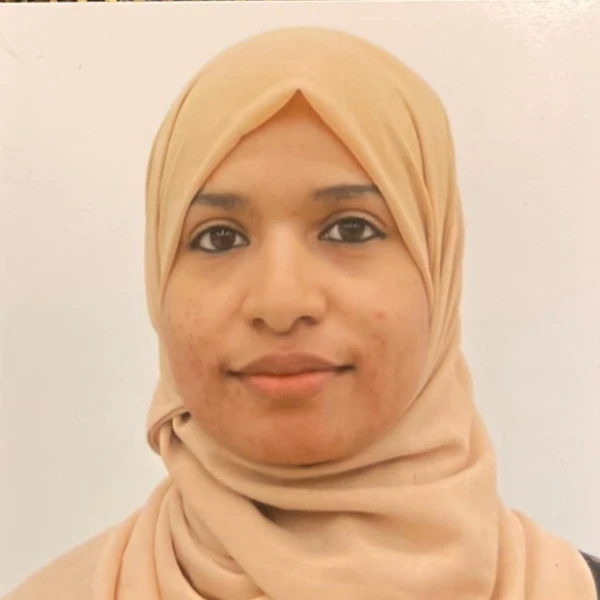
IMRANA FAQI
1x
FinalistIMRANA FAQI
1x
FinalistBio
I am a registered nurse with over 10 years of experience in an inpatient psychiatric hospital and am currently pursuing my MSN to become a Psychiatric-Mental Health Nurse Practitioner. My work has deepened my commitment to improving access to quality mental health care and supporting patients through compassion and advocacy. I’m dedicated to growing as a nurse leader and making a lasting impact in my community.
Education
Walden University
Master's degree programMajors:
- Registered Nursing, Nursing Administration, Nursing Research and Clinical Nursing
College of San Mateo
Associate's degree programMajors:
- Practical Nursing, Vocational Nursing and Nursing Assistants
- Registered Nursing, Nursing Administration, Nursing Research and Clinical Nursing
Laney College
Associate's degree programMajors:
- Liberal Arts and Sciences, General Studies and Humanities
- Political Science and Government
Miscellaneous
Desired degree level:
Doctoral degree program (PhD, MD, JD, etc.)
Graduate schools of interest:
Transfer schools of interest:
Majors of interest:
- Registered Nursing, Nursing Administration, Nursing Research and Clinical Nursing
Career
Dream career field:
Psychiatric Nurse Practitioner.
Dream career goals:
Registered Nurse (RN) – Inpatient Psychiatry
Inpatient Psychiatric Unit, Saint Francis Memorial Hospital and UCSF2015 – Present11 years
Sports
Basketball
Junior Varsity1994 – 202531 years
Research
Registered Nursing, Nursing Administration, Nursing Research and Clinical Nursing
Inpatient Psychiatric Unit, Saint Francis Memorial Hospital — Staff RN2018 – 2020
Arts
Laney College
Dance2011 – 2013
Public services
Volunteering
Islamic Center of Oakland (ICO) — Volunteer2016 – Present
Minority Single Mother Scholarship
My journey as an African American single mother pursuing higher education has been defined by resilience, sacrifice, and unwavering determination. As a mother, my children are my greatest motivation. Every decision I make, including pursuing graduate education, is rooted in my desire to create a better, more stable future for them and to show them that perseverance and education can overcome even the most difficult circumstances.
Balancing motherhood, financial responsibility, and academic demands has been one of the greatest challenges of my life. As a single mother, I carry the full weight of providing emotional, physical, and financial support for my family. There have been moments when I felt overwhelmed—working long hours, managing household responsibilities, and studying late into the night while my children slept. Financial stress has been constant, as tuition, books, and daily living expenses add up quickly. There is no safety net, and every step forward requires sacrifice and careful planning.
Despite these challenges, this journey has also been deeply fulfilling. My children see my dedication and hard work, and I know I am setting an example for them. I want them to understand that obstacles do not define their future. I want them to see that education is a powerful tool that can transform lives. Their encouragement, even in small ways, gives me the strength to keep going when I feel exhausted or discouraged.
As a psychiatric registered nurse with over eleven years of experience and now a graduate student, I am committed to advancing my education so I can provide better care for others while also improving my family’s future. Higher education will allow me to grow professionally, expand my career opportunities, and achieve financial stability. It will enable me to provide my children with security, educational opportunities, and a better quality of life.
My experiences as both a nurse and a single mother have also given me a deep sense of empathy and purpose. I understand the struggles that many families face, especially those in underserved communities. My goal is not only to uplift my own family but also to serve as a role model and source of support for others facing similar challenges. I want my children to grow up knowing that their mother never gave up, even when the path was difficult.
Being a minority single mother pursuing graduate education has required strength, discipline, and faith. This journey has taught me resilience, patience, and perseverance. Every challenge has made me stronger and more determined to succeed.
My education represents hope—not only for myself but for my children’s future. It is my path to breaking financial barriers, creating stability, and building a legacy of strength and achievement for my family. I am committed to finishing my degree and using my education to provide a better life for my children and to serve others with compassion and dedication.
This scholarship would ease the financial burden of my education and allow me to continue pursuing my goals without compromising my family’s well-being. More importantly, it would be an investment in a future where my children can see that their mother’s hard work and perseverance made a lasting difference.
Lauren Rebekah Uterine Fibroid & Endometriosis Research Scholarship
My passion for studying uterine fibroids comes from witnessing my sister’s suffering. Watching someone you love experience constant pain, heavy bleeding, fatigue, and emotional distress is heartbreaking. Her uterine fibroids affected every aspect of her life—her physical health, her confidence, her ability to work, and her overall quality of life. What impacted me most was not only her pain, but also how limited the treatment options were and how long it took for her to receive proper diagnosis, education, and support. This experience opened my eyes to the urgent need for more awareness, research, and compassionate care for women affected by uterine fibroids.
As a psychiatric registered nurse with more than eleven years of experience and a current MSN student, I have seen how women’s health conditions often go unrecognized or undertreated. Many women normalize severe symptoms or are not taken seriously when they seek care. My sister’s experience showed me how uterine fibroids can affect both physical and mental health. She experienced anxiety, emotional exhaustion, and fear about her future, especially regarding fertility and long-term health. This reinforced my understanding that women’s health conditions require a holistic approach that addresses both physical and emotional well-being.
My goal is to become a Family Nurse Practitioner so I can provide comprehensive, patient-centered care and advocate for women affected by uterine fibroids. I want to be a provider who listens carefully, takes symptoms seriously, and ensures that women receive timely diagnosis, education, and appropriate treatment options. I am especially passionate about serving underserved and minority communities, where women often face additional barriers to healthcare access and information.
In my future practice, I plan to contribute to advancing awareness and education about uterine fibroids. Education is powerful. Many women do not understand what fibroids are or that their symptoms are treatable. I want to educate patients about early signs, risk factors, and treatment options so they can make informed decisions about their health. I also hope to participate in clinical research and quality improvement initiatives that aim to improve early detection and expand treatment options.
Additionally, I want to advocate for preventive care and early intervention. Early diagnosis can prevent complications such as severe anemia, infertility, and unnecessary suffering. By promoting routine screenings and encouraging open conversations about women’s reproductive health, I hope to reduce stigma and empower women to seek care earlier.
My sister’s experience transformed my career goals and strengthened my commitment to women’s health. Her suffering was not just a personal tragedy; it became my motivation to pursue advanced education and dedicate my career to helping others. I want to be part of the next generation of healthcare providers who improve outcomes for women with uterine fibroids through compassionate care, education, and advocacy.
This scholarship would support my educational journey and help me continue working toward my goal of becoming a Family Nurse Practitioner dedicated to improving women’s health. I am committed to using my education and clinical experience to ensure that women with uterine fibroids feel heard, supported, and empowered. My goal is to turn my sister’s pain into purpose by helping other women receive the care, dignity, and treatment they deserve.
Issa Foundation HealthCare Scholarship
After more than eleven years working as a psychiatric registered nurse and now pursuing my MSN-PMHNP, I have learned that medicine is not only about diagnosis and treatment, but about understanding the human experience behind illness. One experience during my psychiatric nursing career challenged my assumptions about patient care and profoundly shaped the kind of medical professional I am becoming.
Several years ago, I cared for a young man who was admitted involuntarily for acute psychosis. He was paranoid, guarded, and refused medication. Early in his admission, I approached his care with a task-focused mindset. I believed my primary responsibility was to stabilize his symptoms quickly through medication compliance and safety monitoring. When he refused medication and avoided communication, I initially interpreted his behavior as noncompliance and resistance.
One evening during my shift, I found him sitting alone, visibly distressed. Instead of immediately discussing medications, I chose to sit quietly with him. After several minutes of silence, he began to speak. He shared that he was terrified—not of the hospital itself, but of losing control over his thoughts and identity. He told me he felt no one was listening to him as a person; he felt treated as a diagnosis rather than a human being.
That moment challenged my assumptions. I realized that although my clinical intentions were correct, my approach lacked emotional presence. I had been focused on managing his illness rather than understanding his experience. I began to change my approach. I spent time building trust, listening without judgment, and validating his fears. I explained his treatment plan in a way that respected his autonomy and addressed his concerns.
Over time, he became more cooperative, not because he was forced, but because he felt heard and respected. His progress reminded me that healing begins with trust. Medication and treatment are essential, but human connection is equally powerful.
This experience transformed my understanding of what it means to provide care. I learned that effective medical professionals must balance clinical expertise with compassion and humility. Patients are not defined solely by their diagnoses; they are individuals with fears, hopes, and stories that deserve acknowledgment.
As I continue my training as a psychiatric mental health nurse practitioner, I carry this lesson with me. I am committed to approaching each patient with empathy, curiosity, and respect. I understand that listening is not secondary to treatment—it is a core component of healing. I strive to create therapeutic relationships where patients feel safe, valued, and empowered.
This experience also strengthened my sense of purpose. It reinforced my commitment to serving vulnerable populations and advocating for patient-centered care. Medicine requires lifelong learning, and I remain open to growth, recognizing that each patient teaches me something new.
Ultimately, I am becoming a medical professional who values both science and humanity. I am dedicated not only to treating illness but to caring for people. My goal is to practice with integrity, compassion, and humility, ensuring that every patient I encounter feels seen, heard, and respected.
Lost Dreams Awaken Scholarship
Recovery, to me, is not just the absence of substances—it is the daily commitment to choosing clarity, responsibility, and growth. It means facing life fully present, even when it is difficult, and learning healthier ways to cope with stress, trauma, and uncertainty. Recovery gave me my life back, but more importantly, it gave me purpose.
Being in recovery for over a year has taught me discipline, accountability, and humility. I learned how to ask for help, set boundaries, and rebuild trust—with myself and with others. As a student and a mother, recovery allows me to show up consistently for my children and model resilience, honesty, and perseverance. Every assignment completed and every exam passed represents more than academic progress; it reflects stability I once struggled to maintain.
Recovery also shapes my career goals in nursing. It has deepened my empathy for patients who are vulnerable, stigmatized, or struggling silently. I understand that healing is not linear, and compassion can be as powerful as clinical skill. Recovery means choosing hope every day—and using my lived experience to serve others with understanding and respect.
Sandra West ALS Foundation Scholarship
ALS has had a profound impact on my life and educational journey—not because I am the direct child of the person diagnosed, but because I am a close family member who has witnessed firsthand how devastating this disease is for an entire family. ALS does not affect just one individual; it reshapes relationships, finances, responsibilities, and emotional well-being for everyone involved. Supporting a loved one through ALS while raising five children as a single mother has been one of the most challenging experiences of my life.
Watching a family member gradually lose mobility and independence is heartbreaking. Over time, everyday activities became centered around medical appointments, assistive devices, caregiving coordination, and emotional support. The unpredictability of ALS created constant stress and forced our family to adapt quickly to changing needs. These responsibilities often overlapped with my academic commitments, requiring me to juggle coursework, parenting, work, and family care all at once. There were moments when exhaustion and uncertainty made continuing my education feel overwhelming, yet I remained determined to move forward.
The financial strain associated with ALS has been significant. Medical costs, transportation, home adjustments, and caregiving expenses placed pressure on already limited resources. As a single mother supporting five children, I have had to stretch every dollar while trying to remain enrolled in school. Tuition, textbooks, clinical supplies, childcare, and transportation costs add up quickly, and there have been times when I questioned whether I could afford to continue. Despite these challenges, I stayed committed to my education because I understand that completing my degree is the most reliable way to create long-term stability for my family.
This scholarship would provide critical relief. It would help offset educational expenses and allow me to focus on my studies without constantly worrying about financial survival. Receiving support from the Sandra West ALS Foundation would mean more than financial assistance—it would represent compassion, understanding, and encouragement for families affected by ALS. This support would help me continue building a future rooted in resilience, service, and security for my children.
My experience with ALS has also motivated me to be involved in awareness and support efforts. I have participated in community fundraising initiatives, shared ALS education resources, and offered support to other families navigating similar challenges. Even when time and finances are limited, I believe advocacy matters. ALS families need visibility, compassion, and access to support, and I try to contribute in whatever ways I can—whether by raising awareness, offering encouragement, or helping connect others to resources.
ALS has reshaped my perspective on life, education, and service. It has taught me patience, empathy, and strength under pressure. Despite the emotional and financial burdens, I remain committed to completing my education and creating a better future for my children. This scholarship would help me overcome obstacles created by ALS-related hardship and continue moving forward with purpose, determination, and hope.
New Beginnings Immigrant Scholarship
Immigrating to a new country reshaped every part of my life—my identity, my goals, and my understanding of perseverance. Leaving behind familiarity, extended family, and a sense of belonging was not easy, but it taught me resilience, adaptability, and determination. As an immigrant and a first-generation student, my educational journey has been defined by overcoming uncertainty and holding firmly to the belief that education can create opportunity, stability, and hope.
When I arrived in the United States, everything felt unfamiliar. The language, the school system, and even daily interactions required courage. I quickly learned that success as an immigrant student demanded more than academic effort—it required emotional strength, patience, and the willingness to ask for help even when it felt uncomfortable. Without parents or relatives who had navigated higher education in the U.S., I had to learn independently how to apply to college, seek financial aid, and plan for a professional future. Being a first-generation student meant building my path from the ground up, often through trial and error.
Financial challenges were a constant reality for my family. As immigrants, resources were limited, and education was something we valued deeply but struggled to afford. I balanced school with work and family responsibilities, learning early on how to manage time, prioritize responsibilities, and remain focused even under pressure. There were moments when exhaustion and doubt crept in, but I reminded myself why I started. Education was not only my personal goal—it was a promise to myself and to my family that our sacrifices would lead to something meaningful.
My immigrant experience profoundly shaped my career aspirations. Growing up, I witnessed how language barriers, lack of access to healthcare, and fear of the system prevented many immigrant families from seeking medical care. I saw loved ones delay treatment, misunderstand medical instructions, or feel intimidated in clinical settings. These experiences inspired me to pursue a career in nursing, where compassion, education, and advocacy intersect.
I aspire to become a nurse who serves diverse and underserved communities with empathy and cultural understanding. I want to be a healthcare professional who listens carefully, explains clearly, and ensures patients feel respected regardless of background or immigration status. My lived experience allows me to connect with patients on a deeper level, especially those who feel marginalized or misunderstood. I believe that trust is a vital part of healing, and I hope to be a source of comfort and confidence for my patients.
As a nurse, my long-term goal is to focus on patient education, preventive care, and community health outreach. I want to empower individuals and families to take control of their health by providing knowledge, encouragement, and support. I see nursing not just as a career, but as a calling—one that allows me to give back to the communities that shaped me.
Receiving the New Beginnings Immigrant Scholarship would mean more than financial assistance. It would represent recognition of the resilience and determination that immigrant students carry with them. This support would ease the financial burden of my education and allow me to focus fully on my studies and clinical training.
My journey as an immigrant has taught me strength, empathy, and purpose. I am determined to use my education to uplift others, advocate for those in need, and contribute positively to society. Through my nursing career, I hope to honor the sacrifices that brought me here and demonstrate that new beginnings can lead to lasting impact.
Organic Formula Shop Single Parent Scholarship
Being both a student and a single parent is the most demanding role I have ever taken on. It requires constant balancing—between lectures and bedtime routines, exams and school drop-offs, financial pressure and emotional responsibility. While each role alone is challenging, carrying both at the same time has pushed me to grow in ways I never imagined.
As a single parent, my child depends on me for everything: stability, guidance, emotional support, and financial security. At the same time, as a student, I am expected to meet academic deadlines, attend classes and clinicals, study for exams, and maintain strong performance. There are no breaks or safety nets. When my child is sick, tired, or needs reassurance, I still must show up for school. When school is overwhelming, I still must show up as a parent. There is no option to choose one over the other.
One of the most difficult challenges is time. Every hour is carefully planned, yet something always demands more than expected. Late nights studying often turn into early mornings preparing meals, packing bags, and offering encouragement to my child before school. Sleep is limited, exhaustion is constant, and guilt sometimes follows me—guilt for not studying enough, and guilt for not being fully present as a parent. Still, I keep going because quitting is not an option when someone is watching and learning from me every day.
Financial pressure is another constant challenge. Tuition, books, supplies, childcare, transportation, and everyday living expenses add up quickly. As a single parent, I carry these costs alone. I often have to choose between what is immediately needed for my child and what is required for my education. These moments are difficult, but they reinforce why I am pursuing my degree: to create a stable, secure future for my child and break the cycle of financial struggle.
Despite these challenges, being a student and a parent has strengthened my sense of purpose. My child is my motivation. Every assignment completed, every exam passed, and every obstacle overcome represents more than personal success—it represents hope, resilience, and a better future for my family. I want my child to see that education is powerful, perseverance matters, and challenges do not define limits.
This scholarship would make a meaningful difference in my life. Financial support would ease the burden of educational and childcare expenses, allowing me to focus more fully on my studies without constant anxiety about how to cover basic needs. It would give me the ability to invest more time into learning, preparing for my career, and being emotionally present for my child. Most importantly, it would affirm that my efforts are seen and valued.
Looking ahead, I see this scholarship as an investment not only in my education but in my child’s future. By completing my degree, I will be able to provide long-term stability, serve as a positive role model, and show my child that perseverance leads to opportunity. I want my child to grow up knowing that obstacles can be overcome through determination, education, and hard work.
Being a single parent while pursuing higher education has tested my limits, but it has also revealed my strength. Every day, I choose to move forward—for myself and for my child. With the support of the Organic Formula Shop Single Parent Scholarship, I will be one step closer to building a future defined not by struggle, but by opportunity, security, and hope.
VNutrition and Wellness Nursing Scholarship
Nutrition is one of the most powerful yet overlooked foundations of health. As a future nurse, I plan to use my role not only to treat illness, but to prevent it by empowering patients with practical, culturally sensitive nutrition education that fits into their real lives. My goal is to help individuals and families understand how everyday food choices can improve energy, manage chronic disease, and support long-term wellness.
During my nursing education, I have learned that many health conditions—such as diabetes, hypertension, obesity, and heart disease—are strongly linked to nutrition. However, I have also seen that many patients struggle to follow dietary recommendations because of financial constraints, lack of education, cultural barriers, or limited access to healthy foods. These challenges have motivated me to approach nutrition as a realistic, supportive conversation rather than a list of strict rules.
As a nurse, I plan to begin by educating patients in simple, clear language. Instead of overwhelming patients with complex diets, I will focus on small, achievable changes, such as reducing sugary beverages, increasing water intake, choosing affordable whole foods, and understanding portion sizes. I believe that education is most effective when patients feel respected, understood, and encouraged rather than judged.
I also plan to emphasize prevention by incorporating nutrition education into routine care. Whether working in a hospital, clinic, or community setting, I want to use every patient interaction as an opportunity to discuss healthy eating habits. For example, I aim to support patients with chronic conditions by helping them understand how nutrition directly affects their symptoms, medication effectiveness, and overall quality of life. When patients understand the “why” behind dietary choices, they are more likely to make lasting changes.
In addition, I plan to advocate for culturally appropriate nutrition education. Many standard dietary guidelines do not reflect the cultural foods patients regularly eat. As a nurse, I will work with patients to adapt healthy choices within their cultural traditions rather than asking them to abandon foods that are meaningful to them. This approach builds trust and makes nutrition guidance more sustainable.
Beyond individual patient care, I hope to contribute to community health by participating in wellness programs, health fairs, and patient education initiatives. Teaching basic nutrition skills—such as reading food labels, meal planning on a budget, and understanding the link between food and disease—can have a lasting impact on families and communities.
My nursing career is driven by a commitment to compassionate, holistic care. Nutrition is not just about food; it is about education, access, and empowerment. By combining clinical knowledge with patient-centered nutrition education, I aim to improve health outcomes, reduce preventable illness, and help people feel more confident in caring for their own health. This scholarship would help support my journey toward becoming a nurse who makes a meaningful difference—one patient, one conversation, and one healthy choice at a time.
Second Chance Scholarship
I want to make a change in my life by advancing my nursing career and expanding my ability to serve patients with compassion and dedication. Working as a nurse at UCSF has shown me the profound impact that care, guidance, and support can have on someone’s well-being. Every day, I witness patients overcome challenges with encouragement, education, and attentive care, which has inspired me to grow professionally and make a greater impact in healthcare.
To achieve this, I have taken concrete steps to improve my knowledge and skills. I have enrolled in ongoing nursing courses, participated in patient education programs, and sought mentorship to strengthen my leadership abilities. These efforts have enhanced my clinical skills, confidence, and ability to provide high-quality care, even in complex and high-pressure situations. I have learned the value of persistence, empathy, and creative problem-solving in making a meaningful difference in patients’ lives.
Receiving this scholarship would provide critical support to further my education and professional development. With this financial assistance, I could focus on acquiring additional training and skills that will allow me to better serve patients and contribute to improving healthcare systems. It would remove barriers that might otherwise slow my progress and allow me to dedicate more time and energy to learning, growth, and patient care.
Beyond my personal growth, I am committed to paying it forward. I plan to mentor younger nursing students and colleagues who face challenges in their education or careers. By sharing guidance, encouragement, and practical advice, I hope to inspire others to overcome obstacles and pursue their goals, just as others have inspired me. This approach reflects the spirit of giving that Nelson Vecchione championed—providing someone a second chance can create a ripple effect that positively impacts many lives.
This scholarship represents more than financial support; it embodies an opportunity to honor Nelson’s legacy by turning challenges into opportunities for growth and service. By continuing to develop my skills and knowledge, I will be better equipped to make meaningful contributions to the patients and community I serve. I am committed to using this opportunity not only for my own growth but also to empower others to succeed, ensuring the cycle of giving continues.
Nelson Vecchione believed that offering someone a second chance can change not just their life, but the lives of others they touch. Receiving this scholarship would allow me to embody that philosophy in my work as a nurse, making a lasting difference for patients, colleagues, and the next generation of healthcare professionals.
Champions for Intellectual Disability Scholarship
My motivation to work with the intellectual disability community comes from both my personal life and my work in healthcare. For many years, I have helped care for a close family friend’s child who has autism spectrum disorder. Spending time with him changed the way I see disability and helped me understand how much patience, structure, and consistency children with autism need to feel safe. Caring for him was not just a responsibility—it became something that shaped my heart and my goals. I learned how to communicate with him in ways that made sense for him, how to help him through sensory overload, and how small routines can make a big difference in his comfort. Being part of his life made me realize that I wanted to do more for children and adults who live with similar challenges.
My work as a psychiatric nurse at UCSF has strengthened this calling even more. In our inpatient unit, we admit many patients with autism, developmental delays, and intellectual disabilities. Some patients come in on DDS services and require extra support because they struggle with communication or become overwhelmed in new environments. I often see how scared they are when they arrive and how hard they try to make sense of what is happening around them. Many of them cannot explain their pain, fear, or needs in a typical way, so it is up to us as nurses to meet them where they are.
These patients have taught me to slow down, listen closely, and pay attention to nonverbal cues. I learned that a calm voice, soft instructions, or giving extra time can completely change their experience. I have also seen how easily the healthcare system can misunderstand them. Some patients are labeled “agitated” or “uncooperative,” when the real issue is that they are anxious, overstimulated, or unable to express themselves. This made me want to become someone who advocates for them, so they receive care that respects their dignity and unique needs.
My personal experience with the child I help care for and my professional experience at UCSF have come together to guide my career goals. I want to continue my education so I can better support individuals with intellectual disabilities in both clinical and community settings. I hope to work closely with families, schools, and disability services to make sure that care is consistent and supportive. My long-term goal is to help create safer, calmer, and more understanding hospital environments for people with autism and other intellectual disabilities.
What inspires me most is the courage I see in the people I care for. They face challenges every day—sensory issues, communication struggles, fear of new places—and yet they keep going. Their resilience motivates me to keep learning and growing so I can serve them well.
This scholarship would support my education and help me continue building a career centered on compassion, patience, and advocacy. I am committed to making a positive difference in the lives of individuals with intellectual disabilities and ensuring they receive the respect and support they deserve.
Susie Green Scholarship for Women Pursuing Education
Going back to school at this stage of my life took more courage than I expected, but the strength came from the challenges I have already survived. As a woman over 40, a mother, and someone starting a second career, I have learned that life does not always follow a straight path. My courage came from knowing that if I did not push myself forward now, I would stay in the same place forever. I wanted something better for myself and for my family, and that desire became stronger than my fear.
My work in healthcare has shaped who I am today. As a psychiatric nurse, I have cared for people going through some of the hardest moments of their lives. I have sat with patients in crisis, listened to their stories, and helped them take small steps toward stability. Through this work, I realized that I want to grow into a provider who can make a deeper impact. That realization pushed me to return to school, even though I knew it would be difficult balancing work, family, and studying.
Courage also came from my children. They have watched me work long hours, juggle responsibilities, and show up even when I am tired. I want them to see that their mother did not stop dreaming just because life became busy. I want them to understand that second chances exist and that it is never too late to rewrite your future. The idea of being a role model to them made me brave enough to start this new chapter.
Another source of strength came from the women in my life—especially those who encouraged me to believe I was capable of more. In my workplace at UCSF, I see women who returned to school later in life and built meaningful careers. Their stories showed me that age does not limit potential. Hearing about Susie Green’s journey—going to law school at thirty-eight while raising two children alone—reminded me that courage often looks like showing up quietly, one day at a time, and choosing not to give up.
There were moments when fear held me back. I worried about being older than most students, falling behind, or not being able to manage the workload. But every time doubt appeared, I remembered why I started: to build a stable future, to advance in my profession, and to prove to myself that I am capable of more than I once believed.
Returning to school has already changed me. I am more focused, more disciplined, and more hopeful. I feel proud of myself for taking this step, even when the path is not easy. My courage comes from lived experience, from hardship, from my children, from my patients, and from women like Susie Green who showed that it is never too late to chase your next dream.
This scholarship would support more than my education—it would support my commitment to starting over with determination and strength. I am rebuilding my life and my career, and returning to school is my way of creating a future I can be proud of.
Skin, Bones, Hearts & Private Parts Scholarship for Nurse Practitioners, Physician Assistants, and Registered Nurse Students
My motivation to pursue advanced education in nursing comes from my passion for helping patients and my desire to make a meaningful impact in healthcare. Working as a registered nurse in the UCSF inpatient psychiatric ward, I have seen firsthand the challenges patients face—not just with their mental health, but with the systems that are meant to support them. These experiences have inspired me to advance my education so I can provide higher-quality care, advocate for vulnerable populations, and contribute to innovations in nursing practice.
Every day in the hospital, I encounter patients who need more than medical treatment—they need empathy, guidance, and someone to ensure their voices are heard. I have learned that strong nursing care goes beyond clinical skills; it requires communication, critical thinking, and resilience. Pursuing further education will allow me to deepen my knowledge, enhance my clinical judgment, and develop the skills needed to lead initiatives that improve patient outcomes.
Balancing work and school has been challenging. The nursing program at Walden University is rigorous, and working full-time on an inpatient psychiatric ward adds complexity to my schedule. Despite these demands, I remain committed to my studies because I know that education is the key to creating lasting change for my patients and my community. I manage long shifts, high-stress situations, and emotionally challenging cases, but I continue to push forward, driven by my commitment to nursing and the difference I want to make in the lives of others.
This scholarship will provide critical support in helping me continue my education without added financial strain. By alleviating some of the economic pressures, I can focus more on my coursework, clinical practice, and professional development. It will allow me to dedicate the energy and attention required to excel academically while maintaining high standards of care in my work. Receiving this scholarship will not only aid me financially but also reinforce my belief that investing in my education has a direct impact on the patients I serve and the healthcare community as a whole.
Ultimately, my goal is to advance within nursing, potentially as a nurse practitioner, where I can lead initiatives, provide direct patient care, and mentor other nurses in psychiatric and critical care settings. I want to use my education to develop innovative strategies that improve mental health care delivery, ensure patient safety, and enhance overall quality of life for those I care for. This scholarship represents more than financial support; it is an investment in my ability to make a meaningful difference in the lives of patients and to contribute to the growth and advancement of the nursing profession.
I am committed to combining my experience, education, and dedication to patient care to create a future where every patient receives compassionate, evidence-based care. By supporting my advanced education, this scholarship will empower me to continue my journey in nursing, expand my impact, and strengthen my capacity to serve my patients and community with excellence and integrity.
Sabrina Carpenter Superfan Scholarship
Imrana Faqi
I have been a fan of Sabrina Carpenter for years, first captivated by her portrayal of Maya Hart on Girl Meets World. Maya’s wit, vulnerability, and resilience resonated with me deeply, reflecting experiences I had navigating adolescence, self-expression, and the challenges of growing up. Through Sabrina’s performance, I saw a character who was unapologetically herself, balancing humor, intelligence, and emotion in a way that felt authentic. That authenticity has inspired me to embrace my own individuality, both personally and professionally.
As Sabrina’s career evolved into music, I was drawn to the honesty and relatability of her lyrics. Songs like Please, Please, Please and Espresso captured moments of self-doubt, resilience, and determination, mirroring challenges I have faced while balancing my rigorous career as a registered nurse at UCSF and my graduate studies in the Psychiatric Mental Health Nurse Practitioner program at Walden University. Listening to her music has been both comforting and motivating, reminding me to persevere through difficult moments and maintain hope in the pursuit of my goals.
Sabrina’s versatility—moving seamlessly between acting, music, and advocacy—has also influenced the way I approach my own ambitions. Her dedication to her craft demonstrates the value of hard work, adaptability, and using one’s platform for positive impact. As I continue my PMHNP education, I strive to embody similar values in my professional life, supporting individuals’ mental health with empathy, resilience, and authenticity.
Moreover, Sabrina Carpenter’s willingness to speak on important social issues encourages me to advocate for mental health awareness in my community and in my future practice. Her example has reinforced my belief that using one’s voice and talents to uplift others can create meaningful change, whether through music, mentorship, or healthcare.
Being a fan of Sabrina Carpenter has been more than admiration for an artist; it has been a source of inspiration and motivation. Her artistry, authenticity, and dedication remind me to pursue my passions fully, to embrace my individuality, and to support others as I grow into my professional and personal potential.
Ethel Hayes Destigmatization of Mental Health Scholarship
Imrana Faqi
My journey with mental health has been both personal and professional, shaping not only my worldview but also my aspirations as a future Psychiatric Mental Health Nurse Practitioner. Growing up, I witnessed the stigma surrounding mental health in my community. Many individuals, including family members and close friends, suffered in silence from depression, anxiety, and other mental health conditions. The lack of open discussion and understanding created barriers to seeking help and support, leaving many to cope alone. Experiencing these challenges firsthand instilled in me a deep empathy for those navigating mental health struggles and a commitment to advocating for change.
In my own life, I have faced periods of anxiety and stress, especially while balancing rigorous academic expectations and work responsibilities as a registered nurse at UCSF. These experiences helped me understand the importance of self-care, resilience, and seeking professional support. They also taught me the profound impact that compassionate care and active listening can have on individuals experiencing emotional or psychological distress. Recognizing the importance of mental health in my own life has inspired me to pursue advanced education in psychiatric nursing at Walden University, where I am on track to complete my PMHNP specialization.
This journey has shaped my professional goals. As a future PMHNP, I aim to provide holistic mental health care that addresses both the emotional and physical well-being of my patients. I want to break down the barriers of stigma by creating environments where patients feel safe discussing their mental health without fear of judgment. My ultimate goal is to empower individuals to embrace their mental health needs and seek the support they deserve. Additionally, I aspire to educate communities, colleagues, and future healthcare professionals about the importance of destigmatizing mental health, advocating for access to care, and promoting preventive interventions.
Mental health has also profoundly influenced my relationships. Through personal experiences, I have developed deeper empathy and understanding for others, fostering stronger connections with colleagues, friends, and patients. I have learned that sharing one’s struggles can build trust and resilience, and that listening with compassion can be as powerful as any medical intervention. These lessons continue to guide me in both my personal and professional interactions.
Receiving the Ethel Hayes Destigmatization of Mental Health Scholarship would support my continued education and allow me to dedicate myself fully to advancing mental health advocacy and care. It would provide me with resources to focus on my PMHNP studies and to develop programs that support patients and communities affected by mental health challenges. This scholarship would also honor my commitment to transforming personal experiences with mental health into meaningful, positive change for others.
Ultimately, my experiences with mental health—both my own and those of the people I care for—have shaped my beliefs, relationships, and aspirations. They have reinforced my dedication to compassionate care, community advocacy, and destigmatization. By continuing my education and advancing in the field of psychiatric nursing, I hope to create a future where mental health is openly discussed, accessible to all, and treated with the respect and understanding it deserves.
STEAM Generator Scholarship
Growing up as a first-generation immigrant in the United States, I have always been acutely aware of the unique challenges that accompany the pursuit of higher education. My parents arrived with dreams of a better future, yet they had limited opportunities themselves and were unfamiliar with the path to college. Watching their sacrifices instilled in me a profound respect for education, but it also highlighted how inaccessible it can feel to those without a family history in academia. From navigating applications and financial aid to understanding the expectations of a rigorous curriculum, I have often felt like an outsider to a system that was never designed with my background in mind.
Despite these challenges, I have been motivated by the knowledge that education is not only a personal goal but a pathway to lift my entire family. My experience as a first-generation immigrant has given me resilience, adaptability, and a strong work ethic. I have learned to seek out resources, ask questions, and persist in the face of obstacles—skills that have been invaluable in my pursuit of a bachelor’s degree in [Your STEAM Field]. Each step forward has reinforced my belief that determination, coupled with access to opportunity, can transform lives.
At times, however, doubts have surfaced. I worry about balancing financial pressures with academic demands, about being fully prepared for a field that requires advanced technical skills, and about whether I can break the cycles of underrepresentation in STEAM that affect students like me. Yet these concerns are counterbalanced by hope and ambition. I am inspired by the knowledge that by succeeding, I am setting a precedent not just for myself, but for younger relatives and members of my community who will see that higher education is attainable.
My goal is to leverage my degree to contribute meaningfully to [Your Field], whether through research, innovation, or solving real-world problems. I hope to bring perspectives shaped by my background and experiences to projects that benefit society, particularly in communities where access to technology and education remains limited. Pursuing this path is not just a personal dream—it is a mission to create opportunities for others who, like my family, may not have been born into systems that encourage academic success.
Receiving the STEAM Generator Scholarship would alleviate some of the financial barriers that can make this journey feel daunting and allow me to focus more fully on developing the skills and knowledge necessary to succeed in a competitive field. More importantly, it would symbolize a recognition of the perseverance and potential of students from underrepresented backgrounds. I am determined to turn the hopes instilled in me by my parents into tangible achievements that honor their sacrifices, advance my field, and pave the way for the next generation of students like me.
Wicked Fan Scholarship
I have loved Wicked since the first time I experienced its magic, and it has stayed with me as one of the most inspiring stories I have ever encountered. What draws me to the musical is not only its stunning music and unforgettable characters but also its powerful messages about courage, individuality, and standing up for who you are—even when the world misunderstands you.
Elphaba, the Wicked Witch of the West, is a character who embodies resilience and authenticity. Watching her journey, from a misunderstood outsider to someone who refuses to compromise her values, has been deeply inspiring. I see in her story a reflection of the challenges we all face when striving to be true to ourselves in the face of judgment or adversity. Songs like “Defying Gravity” capture that feeling perfectly—reminding me that it is not only possible but essential to rise above limitations and embrace my own potential.
Equally compelling is Glinda, whose growth from a seemingly shallow character to someone who understands the importance of empathy, friendship, and personal responsibility, demonstrates that courage and strength come in many forms. Their friendship, filled with conflict, understanding, and ultimately deep mutual respect, illustrates that connection and compassion can thrive even amid differences.
Beyond the story itself, the music of Wicked has a way of staying with you long after the curtain falls. “For Good” is a song that resonates deeply with me, reminding me that the people we meet and the relationships we build leave lasting impressions and shape who we are. This lesson has encouraged me to value every encounter and to approach my own life with kindness and thoughtfulness, understanding that our actions impact those around us in ways we may not always see.
With the upcoming Wicked movie featuring Ariana Grande and Cynthia Erivo, I am excited to see this story reimagined for a new generation while retaining the messages that first captivated me. Wicked has shown me the importance of embracing my uniqueness, standing strong in the face of challenges, and fostering meaningful relationships that inspire growth and understanding.
In every note, every line, and every character, Wicked reminds me that courage and compassion are intertwined and that our differences are what make us powerful. It is more than a musical; it is a source of inspiration and a reminder to always rise, defy limits, and create impact wherever we can.
Jean Gwyn Memorial Student Loan Repayment Scholarship for Oncology Nurses
For the past ten years, I have had the privilege of serving as a psychiatric nurse at UCSF, caring for patients facing some of the most complex mental health challenges. From the beginning of my career, I was drawn to psychiatric nursing because it offered the opportunity to provide more than clinical care—to offer understanding, presence, and hope during moments of profound vulnerability. Just as oncology nurses walk alongside patients through physical illness, psychiatric nurses support individuals through emotional and psychological hardships, helping them navigate fear, uncertainty, and resilience.
One patient experience early in my career profoundly shaped my approach to care. I was assigned a young woman struggling with severe depression and anxiety after a traumatic life event. She was hesitant to engage with staff and often withdrew from therapy. I spent time simply listening, validating her experiences, and creating a safe, supportive environment where she could share her thoughts and feelings without judgment. Gradually, she began to participate in therapy, express her needs, and take small steps toward recovery. Witnessing her courage, resilience, and moments of breakthrough taught me that the human connection in nursing is just as vital as any medication or intervention. It solidified my commitment to psychiatric care and reinforced the importance of empathy, patience, and presence in every patient interaction.
Pursuing my MSN with a Psychiatric-Mental Health Nurse Practitioner specialization at Walden University has expanded my ability to provide advanced care for individuals with complex mental health needs. I am now able to assess, diagnose, and treat a broad range of conditions while integrating therapy, medication management, and family support. Balancing graduate-level coursework with clinical responsibilities has been challenging, but each lesson strengthens my capacity to support patients and families with the highest quality of care, compassion, and professionalism.
Financially, the burden of student loans adds significant stress to an already demanding career. Receiving the Jean Gwyn Memorial Student Loan Repayment Scholarship would alleviate this burden, allowing me to focus fully on my patients and their families. It would also serve as meaningful recognition of the emotional labor, resilience, and dedication required in psychiatric nursing—a profession that demands both technical skill and profound human compassion.
Jean Gwyn’s story exemplifies courage, grace, and the transformative power of compassionate care. As a psychiatric nurse, I strive to honor that spirit every day, walking alongside patients and families, offering support, understanding, and hope in the face of life’s most difficult challenges. This scholarship would empower me to continue this essential work with renewed energy, dedication, and commitment, carrying forward the values of empathy and human connection that define both my career and the legacy of Jean Gwyn.
Arne Hyson Memorial Scholarship: Studies in Mental Health and Related Healthcare
My name is Imrana Faqi, and I am a nursing student in Northern California pursuing a career as a Psychiatric-Mental Health Nurse Practitioner (PMHNP). As a registered nurse with 11 years of experience caring for patients in both hospital and community settings, I have seen firsthand the deep connection between mental health and overall well-being. My goal is to serve individuals and families who are struggling with mental health challenges, to advocate for accessible and compassionate care, and to help reduce the stigma surrounding mental illness.
My passion for mental health grew from both my professional and personal experiences. Working in healthcare, I witnessed how often patients’ emotional and psychological needs were overlooked while their physical symptoms were treated. I realized that true healing requires attention to both mind and body. This realization inspired me to focus my education and career on mental health care, where empathy, patience, and understanding can change lives.
I currently balance my studies with working as a registered nurse, gaining hands-on experience in patient assessment, medication education, and crisis support. I have also volunteered in community outreach programs that educate families about mental health resources, especially for underserved populations. These experiences have deepened my commitment to serving those who might otherwise go unheard—people facing poverty, trauma, or language barriers that prevent them from receiving proper mental health care.
Pursuing advanced education to become a PMHNP will allow me to make a greater impact. I plan to work in outpatient and community-based clinics, providing therapy, medication management, and holistic support to individuals across all ages. I also want to mentor new nurses entering the mental health field, sharing the lessons I’ve learned about empathy, resilience, and advocacy.
Financially, this scholarship would help ease the burden of tuition and allow me to focus more on my studies and community work. As a working nurse and parent, balancing education and family responsibilities is challenging, but my determination to make a difference keeps me going. I see this scholarship not only as financial support but also as an acknowledgment of my purpose—to help others heal and find hope.
Arne Hyson’s legacy of compassion and leadership deeply resonates with me. Like him, I believe that education is a tool for transformation and that every act of care, no matter how small, can change a life. My long-term vision is to continue advocating for mental health awareness and to promote culturally sensitive approaches to care, ensuring that every person, regardless of background, feels seen, understood, and supported.
This scholarship would not only bring me closer to my professional goals but also empower me to carry forward Arne Hyson’s vision—to uplift others through empathy, education, and service.
Learner Calculus Scholarship
Scholarship Essay: The Importance of Calculus in the STEM Field
Calculus is often viewed as one of the most intimidating subjects in math, yet it forms the backbone of how we understand and model the world around us. Whether it’s designing safer bridges, creating medical imaging technology, or analyzing disease spread, calculus is the language that helps scientists, engineers, and healthcare professionals describe change, predict outcomes, and solve real-world problems. For anyone pursuing a STEM career, calculus is not just important—it is essential.
In my field of study, nursing and healthcare, calculus plays a surprisingly important role. It helps explain the biological processes that sustain life and allows medical professionals to make data-driven decisions. For example, calculus principles are used in pharmacokinetics to determine how medications move through the body—how fast they are absorbed, distributed, metabolized, and eliminated. Understanding these rates of change ensures that dosages are accurate and safe for patients. Similarly, calculus is used in medical research and technology, such as interpreting MRI signals, modeling heart rhythms, and predicting how diseases spread in populations. Behind every tool and formula that healthcare providers rely on is a foundation built on calculus.
More broadly, calculus teaches a way of thinking that applies across all STEM disciplines. It builds problem-solving skills by teaching students to break complex problems into smaller, more manageable parts. This analytical mindset is invaluable, not only for engineers or mathematicians but for anyone who must make critical decisions based on changing data. In a world that increasingly depends on technology and innovation, calculus serves as a universal framework for understanding motion, growth, and transformation.
Personally, learning calculus has given me a deeper appreciation for the interconnectedness of STEM fields. It has shown me that progress in one area—like computer science or engineering—often leads to breakthroughs in another, such as healthcare or environmental science. For example, mathematical models created by engineers are now used in hospitals to optimize patient flow and improve emergency response times. This demonstrates how calculus bridges disciplines and fosters collaboration across the entire STEM spectrum.
Calculus also teaches persistence. It demands patience, focus, and logical reasoning—skills that mirror what’s required to succeed in science, technology, engineering, or medicine. For me, working through calculus problems has been a lesson in perseverance, reminding me that difficult challenges are often the most rewarding to overcome. Every time I grasp a new concept, I gain not only mathematical understanding but also confidence in my ability to solve complex problems in the real world.
In the end, calculus is far more than just a math course—it is a gateway to discovery. It trains the mind to see patterns, predict change, and innovate solutions that make life better. For those of us pursuing STEM, calculus is the common thread that connects our work, fuels our curiosity, and prepares us to meet the challenges of an ever-changing world.
Learner Online Learning Innovator Scholarship for Veterans
Scholarship Essay: How Online Tools Have Transformed My Learning
As a nursing student and registered nurse, balancing education, work, and family responsibilities has required creativity, adaptability, and strong time management. Online learning platforms and digital tools have made it possible for me to continue advancing academically while meeting my professional and personal commitments. These resources have allowed me to bridge the gap between theory and practice, transforming how I apply knowledge in real-world patient care.
One of the most valuable resources I use is Canvas, my school’s online learning system, where I can access recorded lectures, clinical modules, and virtual discussions. The flexibility of online learning has been essential in helping me stay on track even after long hospital shifts. I can review pharmacology lectures late at night or participate in group discussions on evidence-based practice early in the morning before work.
Beyond academic platforms, I regularly use Coursera, YouTube medical education channels, and virtual simulation labs to strengthen my understanding of anatomy, pathophysiology, and patient safety. These tools have been especially useful in reinforcing complex topics such as medication administration and mental health assessment. By watching clinical demonstrations or practicing with digital simulations, I’m able to connect what I learn in class to real patient interactions.
In addition, my hospital has recently deployed AI-based tools, including ChatGPT for clinical education and documentation support, which are specifically designed to comply with patient safety and privacy standards. I use these systems to enhance learning, double-check clinical rationales, and improve communication while maintaining strict confidentiality and ethical guidelines. These AI tools are valuable for staff nurses because they provide quick access to educational explanations, clinical updates, and writing assistance without exposing patient information. They have helped me strengthen my charting skills and stay current with new medical research—both of which directly support safer and more informed patient care.
I also rely on Grammarly and Microsoft Teams to collaborate effectively with peers and instructors. These tools ensure my written work is clear, professional, and free of errors while allowing me to connect with other nursing students and mentors from diverse backgrounds. The teamwork and virtual collaboration I’ve developed through these tools mirror the interdisciplinary communication that’s so vital in healthcare environments.
Technology has completely reshaped how I approach learning and professional growth. It has empowered me to study anytime, anywhere, and to apply new skills directly in clinical practice. I’ve learned that education doesn’t stop when I leave the classroom or hospital—it continues through every digital interaction and learning opportunity.
As I advance in my nursing career, I hope to use my experience with online and AI tools to help train other nurses and advocate for safe, accessible, and innovative education in healthcare. Online learning has given me flexibility and confidence, and I am committed to paying it forward by helping others succeed in this new era of digital education.
Taylor Swift Fan Scholarship
Taylor Swift has always been more than a musician to me; she is a storyteller, a guide, and a source of comfort through life’s highs and lows. While her entire career is filled with unforgettable performances, the one that resonates with me most is her 1989 World Tour performance of “All Too Well (10-Minute Version)”. That performance was a masterclass in emotional storytelling, raw vulnerability, and the power of music to articulate feelings that words alone often fail to express.
What made this performance so moving was the way Taylor transformed personal pain into a universal experience. On stage, she stood under the spotlight, playing her guitar and delivering the lyrics with a quiet intensity that pulled the audience into her world. Every glance, every pause, and every note she sang conveyed layers of heartache, reflection, and strength. It wasn’t just a song—it was an emotional journey, a narrative of heartbreak and healing that resonated deeply with anyone who has loved and lost. I remember watching clips of this performance and feeling as though she was singing my story, giving a voice to the emotions I had long struggled to articulate.
Beyond the technical brilliance, this performance encapsulated what makes Taylor Swift extraordinary: her ability to connect with fans on a profoundly personal level. Even in a stadium full of thousands, each listener could feel seen and understood. Her vulnerability reminded me that it’s okay to feel deeply, to grieve, and to grow through pain. It also inspired resilience; seeing her channel heartbreak into creativity and strength motivated me to embrace my own challenges with courage.
For me, Taylor Swift’s performances are more than entertainment—they are life lessons set to music. That night, through “All Too Well,” she taught me the value of expressing emotion authentically and finding empowerment in vulnerability. The performance became a touchstone, reminding me that while heartbreak and disappointment are inevitable, there is always the possibility of growth, self-expression, and hope. Her music continues to provide comfort during difficult moments, guiding me through transitions in school, personal relationships, and self-discovery.
Taylor Swift’s influence extends beyond her artistry; it is her ability to connect, empathize, and inspire that makes her performances truly moving. The “All Too Well (10-Minute Version)” performance remains etched in my mind as a reminder of the power of honesty, artistry, and resilience. For fans like me, Taylor’s music is both a sanctuary and a catalyst for personal growth, making her artistry unforgettable.
Eden Alaine Memorial Scholarship
Losing a family member is an experience that transforms life in ways that are impossible to anticipate. For me, the loss of my mother profoundly shaped who I am today, both personally and academically. My mother was not only a parent but a guide, a confidant, and a constant source of encouragement. Her passing, sudden and unexpected, left an enormous void in my life. It challenged my emotional resilience, tested my perseverance, and forced me to confront the fragility of life in ways I had never imagined.
My mother was a woman of extraordinary warmth, kindness, and determination. She had an innate ability to make everyone around her feel seen and valued, always placing the needs of her family before her own. Her optimism and unwavering support inspired me to pursue my dreams and strive for excellence, no matter the obstacles. Losing her at a critical moment in my life—a time when I was navigating high school, preparing for college, and trying to establish my independence—was devastating. I felt the weight of her absence in both ordinary moments, like celebrating small successes, and significant milestones, like preparing for standardized tests or planning for college applications.
The grief I experienced was overwhelming at first. I struggled with concentration, motivation, and confidence, feeling as though the world had suddenly lost its stability. Yet, as time passed, I realized that my mother’s influence was not gone. Her lessons, values, and belief in me became the foundation upon which I could rebuild my life. I learned to channel my grief into perseverance, finding strength in the memory of her encouragement and guidance. Her life and the love she shared taught me that resilience is not the absence of pain but the ability to continue moving forward in spite of it.
This experience also taught me the importance of empathy and connection. Having experienced profound loss, I became more aware of the struggles of those around me. I found myself drawn to helping peers navigate their own challenges, whether academic, emotional, or personal. Volunteering, mentoring, and offering support to others has become a way for me to honor my mother’s memory and values. Her example inspired me to not only persevere for myself but also to extend kindness and assistance to others facing difficulties.
Academically, my mother’s memory drives me to excel. I am determined to pursue higher education, understanding that achieving my goals is a way to carry forward her legacy. The lessons of hard work, compassion, and resilience that she instilled in me have become the guiding principles of my academic journey. I approach every challenge with the knowledge that perseverance, even in the face of profound loss, is possible. This scholarship would provide both financial support and recognition of the perseverance my mother inspired in me, enabling me to continue my education with focus and determination.
Losing my mother reshaped my understanding of life, grief, and personal strength. Her influence continues to guide me every day, reminding me that even in the face of loss, it is possible to pursue one’s dreams, uplift others, and live with purpose. Through education and personal growth, I hope to honor her memory and the profound impact she had on my life, ensuring that her legacy lives on in the work I do, the goals I achieve, and the kindness I extend to others.
Shop Home Med Scholarship
Caring for a family member with a disability has been a defining part of my life, shaping my character, my priorities, and my aspirations for the future. From an early age, I assumed the responsibility of helping my younger sibling, who was born with a physical disability that requires constant care and attention. This responsibility has meant balancing my schoolwork, extracurricular activities, and personal life with the ongoing needs of my sibling, including helping with mobility, attending medical appointments, managing therapies, and providing emotional support. Through these experiences, I have developed resilience, empathy, and a profound understanding of the importance of patience and dedication.
Growing up as a caregiver has taught me lessons that extend far beyond traditional academics. I have learned to manage time meticulously, prioritize tasks effectively, and adapt to unexpected challenges with calm and composure. There are days when my sibling experiences health setbacks or moments of frustration that require me to provide support, encouragement, and comfort. These experiences have honed my communication skills, as I must often collaborate with medical professionals, teachers, and therapists to ensure my sibling receives the best possible care. I have also developed a heightened sense of empathy, understanding the struggles that others face, not only within my family but in the broader community. Caring for someone with a disability has instilled in me a commitment to advocacy, inclusivity, and service to others.
At the same time, balancing caregiving responsibilities with my academic pursuits has been a challenge that has strengthened my determination. There were times when I had to study late at night after attending therapy sessions or stay up early to prepare for a school day while ensuring my sibling had everything they needed. These experiences taught me perseverance and discipline, demonstrating that even when life presents obstacles, it is possible to continue progressing toward one’s goals. Being a caregiver has also helped me cultivate a sense of gratitude and perspective, appreciating the importance of health, family, and community, and understanding how small acts of support can make a profound difference in someone’s life.
Caring for a family member with a disability has inspired my career goals as well. I plan to pursue a degree in healthcare, aiming to specialize in occupational or physical therapy, where I can support individuals with disabilities and help them achieve greater independence. My personal experiences have given me a unique perspective that I believe will make me a compassionate, empathetic, and effective healthcare professional. I understand firsthand the challenges faced by families and the importance of providing not only medical care but also emotional guidance and support.
Receiving the Shop Home Med Caregiver Scholarship would allow me to focus more fully on my education and professional development while continuing to provide essential support to my sibling. This scholarship would help alleviate financial pressures, enabling me to dedicate time and resources to both my academic growth and my caregiving responsibilities. It represents more than financial assistance; it is recognition of the resilience, dedication, and compassion that caregivers embody every day. I hope to use this support to continue pursuing my goals while serving as an advocate and ally for individuals with disabilities and their families, embodying the values of empathy, perseverance, and commitment that have guided me throughout my journey.
John Nathan Lee Foundation Heart Scholarship
Heart disease has profoundly shaped my life, not only because of my own experiences but also through witnessing the challenges faced by my father, who has lived with a chronic heart condition for most of my life. Growing up in a household where his health was unpredictable instilled in me a deep sense of responsibility, resilience, and empathy. From an early age, I became acutely aware of how a single health issue could affect an entire family, influencing our routines, emotions, and priorities. Balancing school, extracurricular activities, and part-time work while supporting my family required careful planning and perseverance, and it shaped the way I approach challenges today.
My father’s heart disease presented obstacles that went beyond the medical concerns. Hospital visits and frequent doctor appointments were often sudden and disruptive, requiring me to adjust my own schedule to help care for my younger siblings or manage household responsibilities. There were moments when I felt the weight of uncertainty, unsure if he would recover from a procedure or how his condition might progress. These experiences, while stressful, taught me invaluable lessons about patience, problem-solving, and the importance of advocating for someone’s health. I learned to communicate effectively with medical professionals, organize medications and care plans, and provide emotional support to my father and siblings. These skills have translated directly into my academic and professional life, allowing me to navigate complex situations with focus and determination.
In addition to personal responsibilities, my father’s heart disease also highlighted the financial and emotional burdens associated with chronic illness. Medical bills and unexpected emergencies created stress for our family, motivating me to take my education seriously as a means of contributing to stability and creating opportunities for a better future. Understanding the connection between health, education, and long-term well-being inspired me to pursue a career in healthcare, where I can help others navigate their own medical challenges while advocating for preventive care and holistic wellness. I want to ensure that patients and families facing heart disease feel supported, heard, and empowered, much as I strived to support my own family.
Overcoming these obstacles has shaped my character in ways that extend far beyond my academic journey. I have cultivated resilience, adaptability, and a sense of empathy that informs how I interact with others, whether in educational settings, community service, or professional environments. My experiences with my father’s heart disease have also strengthened my ambition to succeed, reminding me that even in the face of significant challenges, it is possible to persevere and thrive.
Receiving the John Nathan Lee Foundation Heart Scholarship would allow me to focus on my studies without the constant pressure of balancing financial burdens and family responsibilities. It would be an acknowledgment of the obstacles I have overcome, and it would provide tangible support as I work toward a career dedicated to helping others navigate the challenges of chronic illness. This scholarship would empower me to continue growing academically and personally, enabling me to transform the lessons learned from heart disease into meaningful action in the healthcare field and beyond.
MastoKids.org Educational Scholarship
Living with mast cell disease—or seeing a loved one struggle with it—transforms every aspect of daily life. While I do not have mastocytosis myself, my younger sibling was diagnosed with a mast cell disease at the age of six, and our family’s world shifted immediately. The disease brought constant uncertainty, frequent hospital visits, and the need for meticulous care, reshaping our routines and our understanding of what “normal” life could be. Simple things—like family meals, outings, or even attending school events—required detailed planning to avoid triggers that could lead to severe allergic reactions. Experiencing this alongside my sibling has profoundly influenced how I view resilience, empathy, and the value of support networks.
One of the hardest aspects for our family was watching the emotional strain that accompanied the physical symptoms. My sibling often felt isolated, different from their peers, and unable to participate in activities that other children took for granted. As a family, we learned to advocate relentlessly, navigating the medical system, educating friends and teachers, and adjusting our home environment to keep my sibling safe. I became a source of support not just emotionally, but practically—helping with schoolwork when illness kept my sibling home, preparing safe meals, and reminding my sibling that their dreams were still possible despite the limitations of their condition. These experiences instilled in me a deep sense of responsibility, compassion, and a desire to lift others up, qualities I carry into my academic and personal pursuits.
Living with mast cell disease in the family also opened doors to experiences and perspectives that I would never have encountered otherwise. I am most grateful for the incredible community of patients, caregivers, and medical professionals I have met along the way. Attending conferences, participating in support groups, and connecting with other families has shown me the strength of human connection and the importance of advocacy. I have seen firsthand how sharing knowledge, raising awareness, and supporting one another can transform lives. These experiences have inspired me to pursue a career in healthcare, where I hope to help individuals facing chronic illnesses navigate their challenges while pursuing their personal goals.
Academically, the presence of a chronic illness in the family has motivated me to work harder, remain organized, and prioritize my goals despite distractions or setbacks. It has taught me perseverance, patience, and the importance of finding solutions under pressure—skills I believe will serve me well in both higher education and my future career. Financially, the added costs of care and treatment have strengthened my resolve to pursue scholarships and other opportunities, ensuring that I can focus on my studies without placing additional burden on my family.
Ultimately, being affected by mast cell disease has reshaped my worldview. It has taught me that adversity can cultivate strength, empathy, and perspective. It has given me a profound appreciation for community, advocacy, and the resilience of the human spirit. I aim to carry these lessons forward in my education and career, using my experiences to support others facing similar challenges and to make a meaningful impact on the lives of those navigating chronic illnesses. The struggles and triumphs we have faced together have shown me that where one door closes, another opens—and I am committed to walking through that new door with determination, compassion, and hope.
Begin Again Foundation Scholarship
Sepsis is a condition that changes lives in ways that are often invisible but profoundly felt. I have been deeply impacted by sepsis—not only as a patient who survived the condition but also as someone who has witnessed its effects on loved ones. My journey with sepsis began several years ago, when a sudden and severe infection turned into a life-threatening situation that required hospitalization and intensive care. The experience was frightening, disorienting, and physically exhausting, leaving me with lingering health challenges that continue to shape my daily life.
Surviving sepsis forced me to confront the fragility of life and the unpredictability of health. What seemed like ordinary symptoms—a fever, fatigue, or stomach discomfort—quickly escalated into a critical emergency. The physical impact was immediate: weakness, joint pain, and prolonged fatigue that took months to subside. Yet the psychological and emotional toll was equally profound. Anxiety, fear, and uncertainty became constant companions as I navigated recovery. I had to relearn basic routines, adjust my expectations, and cultivate resilience in the face of a condition that could have ended my life.
This experience has profoundly influenced my personal and academic journey. I have developed an acute awareness of the importance of healthcare, early intervention, and patient advocacy. Witnessing the dedication and expertise of medical professionals inspired me to pursue a career in healthcare, where I can contribute to preventing, recognizing, and treating conditions like sepsis. I have focused on my studies with renewed determination, understanding that education is not just a pathway to professional growth but also a means to make a tangible impact on the lives of others.
Beyond my personal experience, I have seen the ripple effects of sepsis on families and communities. Loved ones experience emotional trauma, worry, and a sense of helplessness that can linger long after the immediate crisis has passed. This has motivated me to become an advocate for patients and families affected by sepsis. I have volunteered in community health programs, participated in awareness campaigns, and shared my story to help educate others about the warning signs of sepsis and the importance of timely medical care. By raising awareness, I hope to empower others to act quickly, potentially saving lives and reducing the long-term consequences of this devastating condition.
Receiving the Begin Again Scholarship would provide critical support as I continue my educational journey and work toward a career dedicated to improving patient outcomes. Financial assistance would allow me to focus more fully on my studies, engage in research and advocacy opportunities, and continue developing the skills necessary to support patients facing life-threatening conditions. More importantly, it would honor the resilience, determination, and hope that have carried me through my recovery. My experiences with sepsis have instilled in me a commitment to use my education and future career to make a meaningful difference in the lives of others, ensuring that those affected by this condition are seen, heard, and supported.
Dylan's Journey Memorial Scholarship
Living with a learning disability has been a defining aspect of my life, shaping both my challenges and my triumphs. I was diagnosed with ADHD at a young age, and navigating the educational system while managing its impact has required patience, creativity, and resilience. Like Dylan, who inspired so many through his pursuit of higher education despite Neurofibromatosis and learning disabilities, I have been motivated to pursue my academic goals with determination and focus, refusing to let my diagnosis limit what I can achieve.
Growing up with ADHD meant that traditional classroom structures were often difficult for me. Concentration, time management, and organization were consistent hurdles. I learned early on that I would need to advocate for myself, seek strategies to support my learning, and develop habits to navigate obstacles that other students might not face. This included utilizing specialized learning resources, breaking assignments into smaller, manageable steps, and leveraging technology to stay organized and focused. Each success, no matter how small, reinforced the importance of persistence and creativity, teaching me that resilience is not just about enduring challenges but actively finding solutions to overcome them.
My motivation for pursuing higher education stems from a desire to not only achieve personal growth but also to impact the lives of others. I have always been drawn to helping professions, where I can combine my experiences with my education to support individuals who face their own challenges. My learning disability has given me a unique perspective and a deep empathy for those navigating difficulties, whether academic, social, or emotional. By pursuing higher education, I aim to acquire the knowledge, skills, and credentials necessary to contribute meaningfully to my chosen field, while also serving as a role model for students with similar disabilities.
I believe I am a strong candidate for Dylan’s Journey Memorial Scholarship because of my perseverance, ambition, and commitment to turning challenges into opportunities. Like Dylan, I see my learning disability not as a limitation but as a lens through which I can understand the world more deeply and connect with others more meaningfully. I have participated in mentoring programs, helped peers develop coping strategies for academic struggles, and volunteered in community initiatives that support students with learning differences. These experiences have reinforced my belief in the power of advocacy and the importance of representation—showing others that success is possible regardless of the obstacles they face.
Receiving this scholarship would allow me to continue pursuing my higher education with greater focus and less financial stress. It would also honor Dylan’s legacy by reinforcing the message that students with learning disabilities, including NF and other challenges, can achieve their goals and contribute positively to their communities. By supporting my education, this scholarship would not only alleviate practical burdens but also provide an affirmation of the value of perseverance, self-advocacy, and the pursuit of knowledge despite adversity. I am committed to using my education to inspire others, advance understanding of learning disabilities, and create meaningful change in both academic and community settings.
Sunflower Seeds Scholarship
The war in Ukraine has profoundly affected countless lives, including my own family’s and community’s. Although I am not currently residing in Ukraine, the ongoing conflict has reached deeply into our lives through the experiences of relatives, friends, and neighbors who remain in the country or have fled as refugees. Watching the turmoil unfold has been both heart-wrenching and motivating, highlighting the fragility of life and the resilience required to endure immense hardship. The violence, economic instability, and displacement caused by Russia’s invasion have shaped my perspective on the world, reinforcing the urgency of education as a means to create meaningful change and provide stability amid chaos.
Growing up with family directly impacted by the war, I have witnessed the challenges faced by those attempting to maintain normalcy in disrupted lives. My relatives in Ukraine have endured shortages of essential resources, interruptions in schooling, and the emotional strain of living under constant threat. Even from afar, I have experienced the anxiety, stress, and responsibility of providing support, coordinating resources, and advocating for their safety. These experiences have instilled in me a profound sense of empathy, determination, and purpose. They have also inspired me to pursue higher education with the intent of building the knowledge, skills, and networks necessary to contribute to rebuilding and supporting communities affected by war and conflict.
Achieving my educational goals is a critical step in overcoming the hardships associated with this ongoing crisis. I am pursuing a field that will enable me to address social, economic, and humanitarian challenges, with the ultimate aim of supporting individuals and communities impacted by conflict. Education equips me with tools to understand the broader implications of war, develop practical solutions, and advocate for policies that protect vulnerable populations. By gaining advanced knowledge and training, I can amplify the voices of those affected, contribute to rebuilding efforts, and empower others to regain a sense of stability and hope in the face of uncertainty.
Furthermore, my educational journey represents resilience and dedication not only for myself but also for my family and community. Each assignment completed, each course mastered, and each milestone achieved serves as a statement that hardship need not define one’s potential. Through education, I aspire to mentor others affected by the war, facilitate access to resources for displaced individuals, and advocate for policies that support refugees and those living under occupation. By combining personal experience with academic expertise, I can contribute to initiatives that foster recovery, resilience, and sustainable development in regions impacted by conflict.
The challenges arising from Russia’s war in Ukraine have shaped my ambitions, strengthened my character, and clarified my commitment to serving my community and country. Receiving this scholarship would not only alleviate financial burdens that come with higher education but also serve as a recognition of perseverance in the face of adversity. By supporting my academic journey, this scholarship would empower me to turn personal and communal hardships into opportunities for meaningful impact, ensuring that my work contributes to a brighter future for those affected by the war. Education is the pathway to resilience, and through it, I aim to transform the suffering caused by conflict into advocacy, support, and progress.
JobTest Career Coach Scholarship for Law Students
From a young age, I have been deeply inspired by the idea of justice, fairness, and advocacy. Growing up in a family and community where systemic inequalities were evident, I witnessed firsthand how legal knowledge and access to resources could dramatically alter the trajectory of people’s lives. These experiences sparked my interest in pursuing a career in law, with the goal of using my education and skills to advocate for those who are marginalized, underrepresented, or voiceless in our society. My desired legal career path focuses on public interest law, specifically advocating for civil rights, social justice, and equitable access to essential services.
To achieve this goal, I have taken deliberate steps to prepare academically, professionally, and personally. I have focused on excelling in my undergraduate studies, concentrating on courses that strengthen my analytical reasoning, critical thinking, and research skills. Additionally, I have sought opportunities to engage in leadership roles, volunteer initiatives, and community service programs that allow me to practice advocacy and develop a deeper understanding of the challenges faced by underserved populations. These experiences have reinforced my commitment to pursuing law and helped me cultivate skills that are essential for a successful legal career, including effective communication, problem-solving, and empathy.
Beyond academics, I have pursued experiences that connect my interests with practical applications in law. I have participated in internships and mentorship programs that provided exposure to legal processes, policy analysis, and case research. Working alongside attorneys and advocates, I have gained firsthand knowledge of the demands, responsibilities, and ethical obligations inherent to the legal profession. These experiences have solidified my understanding that law is not only a career but also a platform to effect meaningful change and protect the rights of individuals and communities.
I envision my impact on the legal profession as both substantive and transformative. By focusing on civil rights and public interest law, I aim to represent clients whose voices might otherwise be unheard, challenge systemic inequities, and contribute to legal reforms that enhance justice and fairness. I am particularly motivated to work on cases involving social justice, access to healthcare, and protections for vulnerable populations. My ultimate goal is to combine legal expertise with compassionate advocacy to ensure that the law serves as a tool for empowerment rather than oppression.
Receiving this scholarship would be instrumental in helping me pursue my law degree while minimizing financial barriers that could limit my focus and opportunities. It would allow me to dedicate my energy to rigorous study, professional development, and community engagement without the constant strain of financial uncertainty. Beyond the practical benefits, the scholarship represents recognition of my ambition, drive, and commitment to justice—values I carry with me in every step of my journey toward becoming a lawyer.
Through dedication, perseverance, and a genuine passion for advocacy, I aspire to positively impact the legal field by promoting fairness, equality, and meaningful change. This scholarship would empower me to continue on this path and ensure that my work as a future attorney contributes to a more just and equitable society for all.
Ella's Gift
My journey with mental health and substance use challenges has been both deeply personal and profoundly formative. While I have not experienced substance abuse myself, I have witnessed and supported loved ones and patients through struggles with addiction, depression, anxiety, and trauma. These experiences have shaped my understanding of resilience, empathy, and the importance of holistic care, and they have inspired me to dedicate my life to supporting others in similar circumstances.
Growing up in a family and community affected by mental health issues, I observed the multifaceted impacts of these challenges. Some family members lived with developmental disabilities, ADHD, PTSD from war experiences, depression, and bipolar disorder. I watched how untreated mental health issues could disrupt education, employment, and family relationships. These observations instilled in me a strong sense of responsibility to advocate for mental health awareness and to be a source of support for those navigating these struggles. I learned early on that mental wellness is not solely an individual pursuit but a shared, communal responsibility, and that the right support at the right time can transform a person’s trajectory.
This perspective guided my decision to pursue a career in nursing and, ultimately, to specialize as a Psychiatric-Mental Health Nurse Practitioner (PMHNP). Over the past decade, I have worked in an inpatient psychiatric unit at UCSF, caring for patients facing complex mental health conditions, including severe depression, bipolar disorder, schizophrenia, PTSD, and trauma-related disorders. Providing care in such a high-acuity environment has deepened my empathy, strengthened my clinical skills, and reinforced my commitment to patient-centered care. Importantly, my experiences as a mother of six and as a professional balancing multiple responsibilities have taught me discipline, organization, and the value of self-care—lessons I now integrate into both my personal life and my practice.
Throughout my career and academic journey, I have seen the critical need for early intervention, education, and stigma reduction in mental health and addiction recovery. I mentor patients and families, providing guidance on coping strategies, treatment options, and resources for ongoing support. I have also supported peers and colleagues, fostering a collaborative and compassionate environment where mental health struggles are acknowledged and addressed rather than ignored. These experiences have reinforced my belief that recovery is a lifelong process that requires patience, persistence, and community support.
My academic goals include completing my MSN and advancing to the PMHNP role, allowing me to provide comprehensive, evidence-based care for underserved populations. I aim to expand access to mental health services, particularly for individuals facing systemic barriers or co-occurring chronic health conditions. Equally important, I plan to continue my own personal growth by prioritizing self-care, therapy, and healthy coping strategies to ensure that I can sustain both my professional responsibilities and my recovery-focused lifestyle.
Receiving this scholarship would enable me to focus more fully on my studies while maintaining my professional and family commitments. Financial support would reduce the stress of balancing work, family, and school, allowing me to dedicate energy toward academic excellence and clinical skill development. More importantly, it would support my ongoing mission to promote mental health awareness, reduce stigma, and provide compassionate care for individuals navigating the challenges of mental illness and substance use.
Ultimately, my experiences have taught me that personal growth, resilience, and recovery are interconnected. By continuing to learn, serve, and advocate, I aspire to honor Ella’s legacy of determination and compassion, using my education and experiences to empower others toward healing and hope.
If you want, I can also revise it to hit exactly 650–700
Women in Healthcare Scholarship
From a young age, I witnessed the profound impact healthcare has on individuals and communities, both in times of illness and recovery. Growing up in a family where multiple members faced chronic physical and mental health challenges, I saw firsthand how access to compassionate, competent care can transform lives. Some family members lived with disabilities, ADHD, depression, PTSD from war-related trauma, and other conditions that complicated daily living. These experiences shaped my understanding of the healthcare system and instilled in me a deep desire to become a provider who can address not just physical symptoms but the holistic needs of patients.
My decision to pursue a career in healthcare is rooted in this personal history and a commitment to service. I am currently a registered nurse working in an inpatient psychiatric unit at UCSF, where I provide care for patients navigating complex mental health conditions, including severe depression, bipolar disorder, schizophrenia, and trauma-related disorders. Every day, I witness the critical role healthcare professionals play—not only in treating illness but also in advocating for patients, educating families, and offering emotional support. This work has reinforced my passion for healthcare and inspired me to advance my education to become a Psychiatric-Mental Health Nurse Practitioner (PMHNP).
Being a woman in healthcare carries both responsibility and opportunity. Women bring empathy, collaboration, and unique perspectives to patient care, leadership, and community engagement. As a mother of six, I have learned to balance multiple priorities, manage crises, and approach challenges with resilience and patience. These skills translate directly into healthcare, where attention to detail, effective communication, and the ability to adapt are essential. I hope to use my position as a woman in healthcare to mentor younger female providers, advocate for equity in the workplace, and contribute to a culture that values inclusivity and diversity in care delivery.
In addition to my professional responsibilities, I actively support patients and families by educating them about mental health conditions, treatment options, and coping strategies. Many of my patients face social, economic, or systemic barriers that prevent them from receiving consistent care. By addressing these challenges, I aim to create a more compassionate, accessible, and patient-centered healthcare environment. My ultimate goal is to combine clinical expertise with advocacy, research, and education to ensure that underserved populations, particularly those affected by trauma, chronic illness, or mental health challenges, receive comprehensive, evidence-based care.
Receiving this scholarship would allow me to focus fully on my advanced education while balancing my professional and family responsibilities. Financial support would reduce the stress of managing work hours alongside academic requirements, enabling me to deepen my knowledge, expand my skills, and accelerate my contribution to the healthcare field. As a woman pursuing a career in healthcare, I am determined to honor the values of compassion, perseverance, and leadership, and to inspire others to pursue paths that elevate patient care and improve community well-being. By supporting me in this journey, this scholarship is not only an investment in my education but also in the future of healthcare that is inclusive, empathetic, and equitable.
Elijah's Helping Hand Scholarship Award
Life is a journey filled with unexpected challenges, and my path has been deeply shaped by experiences with mental health, both personally and within my family. Growing up, I witnessed close relatives struggle with ADHD, bipolar disorder, schizophrenia, and PTSD, often compounded by trauma and displacement. Many of them also faced societal stigma, limited access to care, and the emotional and financial burden of navigating complex healthcare systems. These experiences left a lasting impact on me, shaping my values, my career choices, and my understanding of resilience, compassion, and advocacy.
As a registered nurse working in an inpatient psychiatric unit at UCSF, I have seen firsthand how mental health challenges can affect lives. I care for patients navigating severe depression, bipolar disorder, trauma, and other complex psychiatric conditions. Each patient’s story reminds me that mental health is not just a personal struggle but also a societal one. The stigma surrounding mental illness, combined with systemic barriers, often prevents individuals from seeking help until crises arise. Witnessing this repeatedly has fueled my determination to provide empathetic, patient-centered care and to advocate for mental health awareness within my community and workplace.
On a personal level, my journey has been shaped by the dual responsibilities of raising six children and managing my professional career, all while supporting family members with mental health and developmental challenges. Balancing these roles has required immense perseverance, organization, and emotional strength. There were times when exhaustion, stress, or the emotional weight of supporting others made it difficult to continue, yet these moments also strengthened my resilience and commitment to making a positive difference. My experiences have taught me that advocating for mental health is not only about caring for others but also about modeling self-advocacy, empathy, and coping strategies for those around me.
I have also seen the devastating effects of suicide on families and communities. The loss of a loved one to suicide leaves a void that extends beyond grief, often sparking feelings of guilt, helplessness, and a desire to prevent similar tragedies in the future. This personal awareness has further motivated me to support patients, families, and peers in addressing mental health concerns early and compassionately. I strive to create spaces—whether in my professional work, personal life, or community—where individuals feel heard, validated, and empowered to seek help without shame.
Receiving the Elijah’s Helping Hand Scholarship would allow me to continue my education and training in psychiatric nursing, giving me the tools to expand my impact on patients, families, and communities affected by mental health struggles. It represents more than financial support; it is recognition of perseverance in the face of adversity and a commitment to using my experiences to foster hope, understanding, and meaningful change. My goal is to advocate for mental health, mentor others, and ensure that individuals navigating emotional or psychiatric challenges are met with compassion, resources, and the support they deserve. By turning personal and familial challenges into a foundation for service, I hope to honor the legacy of Elijah and contribute to a world where mental health is prioritized, destigmatized, and accessible to all.
A Man Helping Women Helping Women Scholarship
As a female-identifying registered nurse and mother of six, I have dedicated my life to caring for others while navigating the complex challenges of work, family, and personal growth. My professional focus has been on inpatient psychiatric care at UCSF, where I provide compassionate support to patients managing depression, bipolar disorder, schizophrenia, PTSD, and trauma. This work has taught me the importance of empathy, resilience, and advocacy—values that guide not only my career but my approach to life. Personally, I have witnessed the impact of mental illness and developmental disabilities within my family and extended community, which has shaped my commitment to addressing systemic inequities and promoting mental health access for all.
Growing up as a woman in a world that often underestimates female voices and capabilities has instilled in me a deep sense of responsibility to uplift others. Women are frequently interrupted, overlooked, or discouraged from pursuing male-dominated fields such as STEM or leadership roles. In healthcare, female professionals often face discrimination or are not taken seriously, despite carrying heavy responsibilities and impacting countless lives. These experiences have strengthened my determination to advocate for both patients and colleagues, to lead with integrity, and to foster environments where women’s contributions are recognized and celebrated.
My ambition is to advance my career as a Psychiatric-Mental Health Nurse Practitioner (PMHNP), combining clinical expertise with leadership to address gaps in mental health care for underserved populations. I plan to mentor future female healthcare professionals, particularly those navigating the dual demands of family and career, to ensure they feel empowered to pursue their goals without compromise. Through my work, I aim to demonstrate that women can excel in high-pressure healthcare roles while leading with compassion, critical thinking, and resilience.
Beyond my professional aspirations, I am committed to raising awareness about mental health challenges and reducing stigma in my community. I share insights on coping strategies for trauma, depression, and anxiety, particularly among women and children affected by displacement, systemic inequities, or chronic health conditions. By modeling empathy, self-advocacy, and professional excellence, I hope to inspire others to recognize their value, overcome obstacles, and contribute meaningfully to their communities.
Receiving this scholarship would allow me to continue my advanced studies without compromising my family responsibilities, further enabling me to expand my impact on patients, colleagues, and the broader community. My vision is to create a legacy of support, education, and empowerment for women and underserved populations, demonstrating that determination, compassion, and perseverance can transform challenges into opportunities for change. Through my career and mentorship, I aim to contribute to a world where women’s voices are amplified, their achievements celebrated, and their potential fully realized.
Elizabeth Schalk Memorial Scholarship
Mental illness has profoundly shaped my life, both personally and within my family, and has been a driving force behind my career in nursing and my dedication to mental health advocacy. Growing up, I witnessed family members struggle with conditions such as schizophrenia, bipolar disorder, depression, ADHD, and trauma-related disorders stemming from experiences in Somalia, including war, displacement, and financial hardship. Many suffered not only from psychological challenges but also from physical and financial hardships, including the loss of homes and limited access to healthcare. Observing their struggles instilled in me a deep empathy for individuals navigating the complexities of mental health while highlighting the systemic gaps in support and care.
These experiences extended to my role as a mother of six children, all of whom are healthy, where I have been acutely aware of the importance of emotional well-being in fostering a stable, nurturing environment. Supporting my children while balancing the demands of work and household responsibilities has strengthened my patience, communication skills, and understanding of how mental health influences daily life. Managing my own chronic health conditions alongside these responsibilities has further taught me resilience, self-discipline, and the value of self-advocacy, which I bring to every aspect of my life.
Professionally, my personal experiences led me to pursue a career as a registered nurse in an inpatient psychiatric unit at UCSF. In this role, I provide care for patients with complex mental health conditions, including depression, bipolar disorder, schizophrenia, PTSD, and trauma. My personal connection to mental illness allows me to approach patients and their families with compassion, cultural sensitivity, and a commitment to holistic care. I also mentor newer nurses in psychiatric care, sharing strategies for patient-centered communication, crisis intervention, and therapeutic engagement. Beyond direct patient care, I work to raise awareness about mental health in my community, sharing insights on coping strategies and reducing stigma, particularly among populations affected by displacement, trauma, or systemic inequities.
My goal is to advance my career as a Psychiatric-Mental Health Nurse Practitioner (PMHNP) to increase access to mental health services for underserved populations. I aim to provide integrated, evidence-based care, address systemic inequities, and serve as a voice for individuals who often feel unseen or unheard. I also aspire to mentor the next generation of psychiatric nurses, fostering a workforce that is compassionate, knowledgeable, and equipped to meet growing mental health needs.
Receiving the Elizabeth Schalk Memorial Scholarship would allow me to continue my education while maintaining my health, supporting my family, and excelling in my clinical work. Beyond the practical benefits, this scholarship represents recognition of perseverance, resilience, and dedication to mental health—values that have guided my life personally, professionally, and academically. By investing in my education, this scholarship empowers me to further my mission: improving mental health care access, reducing stigma, and creating meaningful change for individuals, families, and communities affected by mental illness.
Lost Dreams Awaken Scholarship
Recovery, to me, is both a journey and a commitment—an ongoing process of self-awareness, growth, and resilience. It is not simply abstaining from substances; it is learning to navigate life’s challenges with clarity, strength, and intentionality. Recovery has taught me the importance of accountability, self-compassion, and building a supportive community, all of which are crucial not only for sustaining sobriety but for achieving personal and professional goals.
Being in recovery has reshaped how I view my responsibilities and purpose. I have developed a deeper empathy for others struggling with addiction or mental health challenges, which has strengthened my ability to provide care as a registered nurse. I understand firsthand the courage it takes to ask for help, the persistence required to maintain change, and the humility needed to learn from setbacks.
Recovery also fuels my ambition and determination. It motivates me to pursue higher education, advance in my career as a Psychiatric-Mental Health Nurse Practitioner, and advocate for accessible, compassionate care for individuals facing addiction and mental health challenges. Every day in recovery is an opportunity to reaffirm my commitment to growth, resilience, and service to others.
This scholarship would support my continued education, enabling me to dedicate more focus and energy to both my studies and my mission to positively impact the lives of those struggling with addiction, just as recovery has profoundly transformed my own life.
Bassed in PLUR Scholarship
PLUR, Community, and Personal Growth through EDM
Although I have not yet attended a major EDM festival, the culture, music, and community of EDM have had a profound impact on my life and outlook. The mantra of Peace, Love, Unity, and Respect (PLUR) resonates deeply with me because it emphasizes empathy, acceptance, and connection—values I strive to embody both personally and professionally. EDM is not just music; it is a platform that encourages authenticity, vulnerability, and inclusivity. Learning about this culture has inspired me to bring these principles into my everyday interactions and long-term goals.
For me, PLUR represents more than a slogan; it is a philosophy. Peace reflects the importance of maintaining calm and composure, even in challenging situations. Love embodies compassion and the ability to show care for others regardless of background or circumstance. Unity is about community and collaboration, recognizing that we are stronger when we support one another. Respect is a commitment to honoring diverse perspectives and experiences. I integrate these values into my life through my work as a registered nurse in an inpatient psychiatric unit, where empathy and understanding are essential. Every day, I witness the transformative impact of compassion and respectful communication on patients struggling with mental health challenges. By approaching each individual with patience, dignity, and care, I live out the PLUR values in a meaningful and practical way.
I am eager to attend an EDM festival such as Night Nation Run 2026 because I believe the experience will deepen my appreciation for the community, creativity, and joy that EDM fosters. Participating in a festival would provide an opportunity to connect with people from diverse backgrounds who share a common love for music and self-expression. This environment of inclusivity and shared energy can be profoundly inspiring, reinforcing the importance of building supportive communities in all areas of life. I hope to carry that energy into my professional and personal goals by continuing to create safe, compassionate, and empowering spaces for others—whether in healthcare, education, or community outreach.
EDM has also influenced my creativity and resilience. The music itself, with its emotional highs and intricate rhythms, reminds me that challenges can be navigated through persistence and imagination. It has taught me to embrace moments of joy fully, to celebrate progress, and to encourage others to do the same. PLUR is not limited to festivals—it is a mindset that I carry into my home, workplace, and community, promoting understanding, inclusion, and collaboration wherever I go.
Receiving this scholarship would allow me to experience an EDM festival firsthand, translating its energy, inspiration, and values into tangible growth in both my personal life and professional endeavors. By immersing myself in the culture of PLUR, I will be better equipped to foster empathy, resilience, and community connection in every space I inhabit, honoring the true spirit of EDM.
Bulkthreads.com's "Let's Aim Higher" Scholarship
Throughout my career as a registered nurse in an inpatient psychiatric unit at UCSF, I have witnessed firsthand how mental health challenges can profoundly affect individuals, families, and communities. Patients struggling with severe depression, bipolar disorder, schizophrenia, PTSD, and trauma often face barriers to care, including stigma, financial constraints, and limited access to specialized providers. These experiences have inspired me to build something far more impactful than a physical product: I want to build a system of accessible, compassionate, and evidence-based mental health care that meets the needs of underserved populations.
My goal is to become a Psychiatric-Mental Health Nurse Practitioner (PMHNP). In this role, I aim to create a model of care that not only treats psychiatric conditions but also addresses the social, emotional, and systemic factors that exacerbate mental health crises. By combining advanced clinical skills with a focus on holistic, patient-centered care, I hope to provide support to those who are often overlooked by traditional healthcare systems. This vision extends beyond individual patient interactions—I want to mentor future nurses, implement community programs, and advocate for policies that reduce barriers to mental health care.
Building this future requires more than education; it requires resilience, innovation, and commitment. As a mother of six children, I have learned to manage competing priorities, stay organized, and persist despite challenges. I also draw inspiration from my experiences supporting family members with disabilities and mental illnesses, which have deepened my empathy and understanding of the multifaceted struggles patients face. These experiences motivate me to develop solutions that are inclusive, culturally sensitive, and adaptable to the unique needs of diverse communities.
The impact of this “build” extends beyond my own career. By creating more accessible mental health services, I hope to foster stronger, healthier communities. Individuals who receive timely and compassionate care are more likely to engage in their recovery, pursue education, maintain employment, and support their families. In turn, this contributes to breaking cycles of trauma, stress, and marginalization. My work can inspire others in healthcare to prioritize equity, advocacy, and patient-centered approaches, multiplying the positive effects across communities.
Receiving this scholarship would provide critical support in achieving this vision. It would allow me to focus on my advanced studies without compromising my family responsibilities or patient care, bringing me closer to building the future I envision—one where mental health care is not a privilege but a right, and where every person has access to the resources and support they need to thrive.
Travis Ely Collegiate Angler Memorial Scholarship
Fishing has always been more than a hobby for me—it is a reflection of my values, work ethic, and commitment to community. As an angler, I have learned that success on the water requires patience, persistence, and respect for both the environment and fellow competitors. These lessons have not only shaped my approach to fishing but also the way I interact with my community and pursue my academic and professional goals.
Character, for me, is about integrity, honesty, and treating others with respect. In fishing tournaments, I always follow the rules, respect my fellow anglers, and prioritize ethical practices, such as catch-and-release methods to preserve fish populations. I have learned that true success comes not just from the number of fish caught, but from demonstrating fairness and accountability in every aspect of the sport. This principle extends beyond fishing into my community work and personal life. I volunteer my time mentoring younger anglers, teaching them the importance of sportsmanship and environmental stewardship. I also help organize local clean-up events near lakes and rivers, encouraging others to care for the natural spaces that make our sport possible.
Sportsmanship is equally central to my identity. Competing in bass fishing tournaments has taught me how to handle both victory and defeat with grace. I celebrate others’ successes, offer support when someone is struggling, and encourage collaboration over competition. I bring this same mindset to my academic and community pursuits, fostering positive relationships with peers, colleagues, and neighbors. Whether it is assisting a teammate with strategy during a tournament or offering guidance to a fellow student in need, I strive to create an atmosphere of mutual respect and encouragement.
Work ethic is a value that drives everything I do, both on and off the water. Preparing for tournaments requires early mornings, careful planning, and continual learning about equipment, weather patterns, and fish behavior. I apply the same discipline to my studies and community involvement, balancing coursework, volunteering, and personal commitments with dedication and consistency. By setting goals, staying organized, and putting in the necessary effort, I have been able to achieve measurable success in my angling competitions and positively impact those around me.
Ultimately, my experiences as an angler mirror the qualities that Travis Ely embodied: integrity, determination, and a commitment to excellence. I strive to carry these values into every aspect of my life, ensuring that my success is not measured solely by personal achievement but by the positive influence I have on my community. Receiving the Travis Ely Memorial Scholarship would allow me to further pursue my education while continuing to embody these principles both on the water and in the lives of those I serve.
ADHDAdvisor Scholarship for Health Students
Mental health has always been at the forefront of my personal and professional life. As a registered nurse in an inpatient psychiatric unit at UCSF, I work daily with patients facing complex mental health challenges, including depression, bipolar disorder, schizophrenia, PTSD, and trauma. Providing compassionate, patient-centered care means not only administering treatment but also actively listening, validating experiences, and helping patients navigate the emotional aspects of their recovery. I support families as well, educating them about mental health conditions and treatment options so they can play an active role in their loved ones’ care. These experiences have reinforced my commitment to advocating for mental health both inside and outside the hospital.
Beyond my professional role, I have supported friends and community members struggling with mental health challenges, including those affected by trauma, war, or systemic inequities. Sharing coping strategies, providing encouragement, and helping them access resources has allowed me to foster understanding and empathy within my community. My own experiences as a mother and as someone who has supported family members with disabilities and mental illnesses have shaped my ability to connect with others on a meaningful level. These interactions have taught me patience, active listening, and the importance of reducing stigma in conversations about mental health.
My pursuit of a Psychiatric-Mental Health Nurse Practitioner (PMHNP) specialization will expand my ability to serve others. In this advanced role, I plan to increase access to mental health services for underserved populations, particularly those who face barriers to care due to socioeconomic status, chronic illness, or trauma. I aim to provide integrated, evidence-based care that addresses both the psychological and physical aspects of mental health, advocating for patients who are often marginalized by traditional systems.
In the future, I also hope to mentor new nurses in psychiatric care, fostering a workforce that is compassionate, knowledgeable, and equipped to meet the growing demand for mental health services. By combining clinical expertise with advocacy, I intend to create supportive environments where patients, families, and colleagues alike feel heard, understood, and empowered. My ultimate goal is to transform mental health care into a space of accessibility, equity, and empathy, ensuring that no one feels alone in their journey toward wellness.
Boatswain’s Mate Third Class Antonie Bernard Thomas Memorial Scholarship
Leadership, resilience, selflessness, focus, and a strong work ethic define how I approach both my personal and professional life. As a registered nurse in an inpatient psychiatric unit at UCSF and a mother of six, I navigate complex responsibilities every day that require me to embody these traits consistently.
Strong leadership and communication skills are central to my role. In psychiatric nursing, I lead multidisciplinary care teams to ensure each patient’s mental and physical health needs are addressed. I communicate clearly with physicians, therapists, and social workers, advocating for patients whose voices are often unheard. Beyond the clinical setting, I mentor newer nurses, sharing strategies for crisis intervention, therapeutic engagement, and patient-centered care. Leadership, to me, means empowering others to perform their best while fostering an environment of trust and collaboration.
Resilience has been a constant requirement in both my personal and professional life. Managing the high-stress demands of inpatient psychiatric nursing while raising six children requires patience, endurance, and adaptability. I have faced days of extreme fatigue or illness and have had to adjust my schedule or workload to maintain my health and responsibilities. These experiences have taught me to persevere, prioritize self-care, and problem-solve under pressure—skills I apply daily to support patients and colleagues alike.
Selflessness is woven into everything I do. Whether it is caring for patients with severe mental health conditions—such as schizophrenia, bipolar disorder, or PTSD—or supporting my children and extended family through challenges, I consistently place the needs of others alongside my own. My family members have faced disabilities and mental health struggles, which has deepened my empathy and strengthened my commitment to serving others without judgment or expectation.
Focus and determination drive me to achieve both personal and professional goals. Pursuing a Master’s degree to become a Psychiatric-Mental Health Nurse Practitioner (PMHNP) requires disciplined time management, persistence, and strategic planning. Balancing work, family, and education demands unwavering commitment, and I have developed methods to stay organized and maintain progress toward my degree.
A strong work ethic underpins every aspect of my life. In nursing, excellence requires attention to detail, accountability, and consistent effort. I approach my work with diligence and professionalism, striving to provide the highest standard of care while also serving as a role model for colleagues and students.
My goal is to advance as a PMHNP, increasing access to mental health services for underserved populations and advocating for systemic improvements in care delivery. Leadership, in my view, is the ability to influence positive change through example, mentorship, and dedicated service. By embodying these five traits daily, I aim to honor the spirit of Antonie “Tony” Bernard Thomas—his courage, commitment, and selflessness—and carry forward his legacy of service to others.
Jean Ramirez Scholarship
Losing a loved one to suicide is an experience that changes the course of your life in ways that are difficult to describe. The emotional weight, confusion, and sense of helplessness that follow such a loss are overwhelming. My journey as a suicide loss survivor began when I lost a close family member. The grief was immediate and all-encompassing. I found myself questioning what I could have done differently, why this tragedy happened, and how life could move forward in the face of such a profound loss. Navigating these feelings while continuing to care for my family and pursue my education has been a test of endurance and resilience.
One of the most challenging aspects of this experience has been confronting the stigma and silence surrounding suicide. Friends and extended family often struggle to know how to support you, and there is an unspoken expectation to “move on” quickly. I discovered that healing is neither linear nor swift. It requires patience, self-compassion, and a willingness to seek support when needed. I began attending support groups for suicide loss survivors, connecting with others who had faced similar pain. These communities provided not only solace but also tools for coping and strategies to navigate grief while maintaining personal and professional responsibilities.
Through this journey, I have learned that resilience is cultivated through action and reflection. I have embraced the practice of honoring my loved one’s memory by living purposefully and striving to create positive impact in my own life and the lives of others. As a registered nurse working in an inpatient psychiatric unit at UCSF, I have translated my personal experiences with grief and trauma into empathy and understanding for my patients. Each day, I encounter individuals facing mental health crises, including depression, PTSD, and suicidal ideation. My experiences have deepened my ability to listen without judgment, offer meaningful support, and advocate for those navigating the most vulnerable moments of their lives.
This loss has also strengthened my commitment to raising awareness about mental health and suicide prevention. I speak openly about the importance of seeking help, understanding warning signs, and supporting friends and family members who may be struggling. Sharing my story has allowed me to reduce stigma, foster dialogue, and provide encouragement to those in similar circumstances.
Ultimately, surviving the loss of a loved one to suicide has taught me the value of perseverance, hope, and purpose. While grief remains a part of my life, it no longer defines it. Instead, it motivates me to pursue education, advance in my nursing career, and contribute meaningfully to my community. Receiving this scholarship would honor the memory of my loved one and provide tangible support to continue my educational journey, allowing me to channel my experiences into advocacy, compassionate care, and a commitment to helping others navigate the challenges of mental health crises.
Qwik Card Scholarship
Building credit early is crucial to me because it represents both financial empowerment and independence. Growing up, I watched my parents work tirelessly to provide for our family while navigating the complexities of finances in a new country. As the first in my family to attend college in the United States, I quickly realized that understanding credit, budgeting, and financial planning would be essential tools to secure a stable future. Credit is not just a number; it is the foundation for major life opportunities, from renting a home to purchasing a car or even starting a business. Establishing strong credit now allows me to plan responsibly, avoid unnecessary debt, and make future financial decisions with confidence.
One smart financial move I made was creating a detailed monthly budget while balancing work, school, and family responsibilities. As a registered nurse in an inpatient psychiatric unit at UCSF, I work demanding shifts while raising six children. Tracking income, expenses, and savings has helped me prioritize needs over wants and build an emergency fund for unexpected expenses. This habit taught me discipline and highlighted the importance of planning ahead, which directly relates to maintaining a healthy credit profile. I also made the conscious decision to start using a small credit card responsibly, paying off the balance in full each month to establish credit history without incurring interest. This early step has already positioned me for future financial opportunities while teaching me the value of accountability and foresight.
Beyond practical financial decisions, what motivates me is the desire to provide stability for my family and be a role model for my children. My life experiences, including immigrating to the U.S. over twenty years ago, raising a large family, and working in healthcare, have instilled resilience, resourcefulness, and the importance of long-term planning. I am determined to leverage every opportunity to create a foundation of financial literacy and security not just for myself, but for my family and community.
I also want to use my knowledge of financial responsibility to inspire others, especially students who may not have access to guidance on credit and money management. By sharing strategies for budgeting, smart spending, and responsible credit use, I hope to empower peers to take control of their financial futures early. Being proactive now reduces the stress and limitations that often come with poor credit management later in life.
Receiving this scholarship would help me continue my journey of financial growth while pursuing higher education. It would provide resources to further develop my financial literacy, make informed financial decisions, and strengthen my independence. Ultimately, building credit and managing finances responsibly is not just about money—it is about opportunity, stability, and creating a secure future for my family and myself. I am committed to using these tools to grow personally, professionally, and financially, and to inspire others to do the same.
Julie Holloway Bryant Memorial Scholarship
Growing up with English as my second language has shaped both my personal journey and my professional aspirations. My first language is Somali, and when I arrived in the United States over twenty years ago, I faced the challenge of navigating an entirely new culture and education system. Learning English while adjusting to life in a new country was not easy, but it taught me resilience, patience, and the value of hard work. From a young age, I often acted as a translator for my family, helping my parents and siblings navigate appointments, school meetings, and daily life. This responsibility instilled in me a sense of leadership, empathy, and the importance of communication—skills that have carried into every aspect of my life.
My experiences as a bilingual individual have shaped my career as a registered nurse in an inpatient psychiatric unit at UCSF. Being multilingual allows me to connect more deeply with patients and their families, particularly those from immigrant or refugee backgrounds. I can communicate with individuals in their native language when needed, helping them feel understood, supported, and empowered during times of vulnerability. My ability to bridge language and cultural gaps enhances the care I provide, especially for patients experiencing trauma, PTSD, or severe mental health challenges. Additionally, mentoring newer nurses has allowed me to emphasize cultural competence, empathy, and the importance of clear communication in patient care.
The challenges of learning English as a second language have included navigating complex medical terminology, academic coursework, and professional expectations in a language that was not my own. However, these challenges also brought significant benefits. Being bilingual has expanded my worldview, strengthened my problem-solving skills, and improved my ability to adapt to diverse environments. It has made me patient, persistent, and innovative in finding ways to communicate effectively in both personal and professional settings.
After completing my advanced nursing education and earning my Psychiatric-Mental Health Nurse Practitioner certification, I plan to use my skills to increase access to mental health services for underserved communities, especially for individuals and families who face language and cultural barriers. I aspire to provide care that is inclusive, compassionate, and accessible, while also advocating for policies that reduce disparities in mental health care. Beyond clinical practice, I hope to mentor other bilingual healthcare professionals and share strategies for effective cross-cultural communication, fostering a more inclusive and understanding healthcare environment.
Being multilingual has not only shaped my identity but also strengthened my ability to positively impact the lives of others. This scholarship would help me continue pursuing higher education, further developing my skills, and making a meaningful difference in my patients’ lives and my broader community.
Best Greens Powder Heroes’ Legacy Scholarship
Although I have never served in the military, I have been deeply impacted by the experiences of friends and colleagues who have dedicated their lives to serving our country. Through these relationships, I have gained a profound appreciation for the sacrifices military families make—their resilience, adaptability, and unwavering commitment to supporting loved ones in service. Witnessing these challenges has shaped my understanding of perseverance, empathy, and the importance of community, and it has influenced both my personal values and my career aspirations.
Many of my friends in the military have shared the realities of deployment, extended separations from family, and the constant uncertainty inherent in military life. Their stories revealed the emotional and practical burdens that military families bear every day, from adjusting to new schools and neighborhoods to navigating financial and logistical challenges. Observing how these families maintain strength and unity in the face of adversity has inspired me to embody similar qualities in my own life. It has taught me the value of persistence, flexibility, and maintaining a support network, even under stressful circumstances.
These lessons have directly influenced my career as a registered nurse in an inpatient psychiatric unit at UCSF. In my work, I often care for patients who face profound uncertainty, trauma, and systemic challenges. I approach each patient with the same empathy and support I have seen in military families, recognizing the importance of consistent care, emotional validation, and advocacy. Additionally, I mentor newer nurses, emphasizing resilience and adaptability in high-pressure healthcare environments—skills I have learned indirectly from the military families in my life.
Beyond my professional work, I strive to advocate for mental health awareness in my community, particularly for those who experience trauma, displacement, or systemic inequities. Military families, like the friends I know, often face mental health challenges due to the stresses of service, and my experiences have motivated me to contribute to creating accessible, compassionate care for all. I aim to bridge the gap for individuals who may feel isolated or underserved, ensuring that resources, education, and support are available to promote healing and resilience.
Receiving the Heroes’ Legacy Scholarship would not only recognize my commitment to serving others but also enable me to continue advancing my education and expanding my capacity to help individuals and families who navigate significant challenges. While I am not the child of a military parent, my exposure to military families has instilled values that mirror those celebrated by this scholarship: perseverance, empathy, and dedication to making a positive impact. Through my career in mental health care and community advocacy, I aspire to honor the lessons learned from these families and extend their legacy of resilience and support to others who need it most.
Frank and Patty Skerl Educational Scholarship for the Physically Disabled
Living as part of the disabled community, even indirectly, has profoundly shaped my worldview, instilling in me empathy, resilience, and a commitment to advocating for accessibility and inclusion. While I personally do not have a physical disability, I have close family members who do, and I have witnessed firsthand the daily challenges they face in navigating a world that is not always designed with their needs in mind. From limited access to transportation and physical spaces to barriers in education and employment, these experiences have taught me the importance of persistence, creativity, and compassion in overcoming obstacles.
Working as a registered nurse in an inpatient psychiatric unit at UCSF, I have seen parallels between physical and mental health barriers. Many patients face limitations that prevent them from fully participating in daily life, whether due to chronic illness, mobility challenges, or mental health conditions. These experiences have reinforced my belief that all individuals deserve equal access to opportunities and support, and that advocating for inclusion is a lifelong responsibility. I strive to embody this principle in my work by treating each patient with dignity, understanding their unique needs, and adapting care plans to ensure accessibility and comfort.
Being part of the disabled community through my loved ones has also shaped my career aspirations. I am pursuing advanced studies to become a Psychiatric-Mental Health Nurse Practitioner (PMHNP), with the goal of increasing access to healthcare for underserved and vulnerable populations. I am particularly interested in creating programs that address both mental and physical health barriers, ensuring that patients with disabilities can receive comprehensive, compassionate care. My experiences have made me aware that accessibility is not just about physical space—it is about communication, understanding, and designing systems that allow everyone to thrive.
Beyond my professional ambitions, I am committed to advocating for greater inclusivity and awareness in my community. I educate friends, neighbors, and colleagues about the challenges faced by individuals with disabilities and encourage them to consider accessibility in their daily lives. I mentor younger nurses and students, promoting empathy, problem-solving, and creative approaches to overcoming barriers. By combining professional expertise with personal insight, I hope to inspire others to advocate for equity and inclusion in all areas of life.
Receiving this scholarship would not only support my continued education but also enable me to amplify the impact of my work. It would allow me to further develop the skills, knowledge, and leadership necessary to create meaningful change for individuals with disabilities, ensuring that they have the tools and support needed to achieve their full potential. Through my career and community engagement, I aim to transform the lessons I have learned into tangible actions that improve the lives of others.
Bryent Smothermon PTSD Awareness Scholarship
Although I have never served in the military myself, I have witnessed firsthand the profound effects of PTSD on veterans through my community and family connections. Growing up and living in a diverse environment, I have encountered several individuals who served in the military and returned home carrying the invisible wounds of trauma. Some struggled with depression, anxiety, and emotional distance, while others faced challenges reintegrating into family life and society. Observing their experiences has deeply influenced my personal and professional path, instilling in me empathy, resilience, and a drive to advocate for mental health care.
My career as a registered nurse in an inpatient psychiatric unit at UCSF has provided me the opportunity to care for patients grappling with substance use, trauma, and severe mental health conditions, including PTSD. Many of these patients are veterans or individuals with similar trauma-related experiences. Working closely with them, I have learned the importance of culturally sensitive, patient-centered care, and the need to create a safe space where individuals feel heard and supported. These experiences have shaped my belief that mental health care must be accessible, compassionate, and inclusive, especially for those who have served and sacrificed in the military.
Witnessing the struggles of veterans and their families has inspired me to advocate for PTSD awareness and support in my community. I have shared information about coping strategies, therapeutic interventions, and mental health resources with friends, neighbors, and patients who have been affected by trauma. I also mentor younger nurses, emphasizing the importance of recognizing trauma’s impact on mental health and teaching approaches to provide compassionate care. Through these efforts, I aim to reduce stigma, promote understanding, and ensure that those affected by PTSD receive the care and support they need.
Looking forward, I hope to expand my impact by becoming a Psychiatric-Mental Health Nurse Practitioner (PMHNP). In this role, I plan to provide specialized care for veterans experiencing PTSD, offering evidence-based treatment, counseling, and advocacy. I also aspire to collaborate with veteran support organizations to develop outreach programs that improve access to mental health care, educate communities about trauma, and empower veterans to reclaim their well-being. By combining my clinical experience, personal observations, and dedication to mental health equity, I hope to create meaningful change in the lives of those affected by military-related PTSD.
Receiving the Bryent Smothermon PTSD Awareness Scholarship would support my continued education and help me achieve these goals. It would allow me to honor Bryent’s legacy by turning my experiences and compassion into action, providing care, hope, and healing for veterans and their families who are navigating the challenges of PTSD.
Johnna's Legacy Memorial Scholarship
Living with a family history of chronic medical conditions has profoundly shaped who I am and motivated my educational and career aspirations. While I am fortunate to be in good health, several close family members have faced ongoing physical and mental health challenges, including disabilities, ADHD, schizophrenia, bipolar disorder, depression, and PTSD. Many of these challenges were compounded by traumatic experiences, such as displacement and the loss of homes during the war in Somalia. Witnessing these struggles firsthand taught me the importance of resilience, empathy, and advocacy for those facing medical hardships. It also inspired my passion for pursuing a career in nursing, where I could provide holistic care and support for patients navigating complex health conditions.
My personal experiences with chronic illness in my family have given me a unique perspective on the physical, psychological, and financial burdens that accompany long-term health challenges. I have seen how medical conditions can affect daily life, limit opportunities, and create barriers to education and employment. These observations motivated me to pursue higher education in nursing so that I could make a tangible difference in the lives of patients and their families. I am currently a registered nurse working in an inpatient psychiatric unit at UCSF, where I care for patients with complex mental health and substance use conditions. My work allows me to apply my knowledge, empathy, and cultural understanding to improve patient outcomes while advocating for comprehensive care.
What inspires me to work hard is the desire to empower individuals who face similar struggles. I want to provide education, resources, and support to help patients and their families overcome the obstacles created by chronic medical and mental health conditions. Being a mother of six has further strengthened my determination and ability to manage multiple responsibilities while pursuing my career goals. Balancing work, family, and studies has taught me resilience, time management, and the importance of perseverance in achieving meaningful objectives.
In the future, I hope to expand my impact by becoming a Psychiatric-Mental Health Nurse Practitioner (PMHNP). In this role, I plan to increase access to mental health care for underserved populations, particularly those affected by trauma, chronic illness, or systemic inequities. I aim to advocate for equitable policies, educate communities, and mentor the next generation of nurses. By leveraging my professional experience, personal background, and dedication to service, I hope to empower others to pursue their educational and personal goals, even in the face of adversity.
Receiving the Johnna’s Legacy Memorial Scholarship would provide vital support for my continued education, helping me achieve my dream of advancing in psychiatric nursing and creating meaningful change. It would allow me to honor the resilience of my family and use my skills to improve the lives of others who, like my loved ones, face chronic medical challenges every day.
Dr. Samuel Attoh Legacy Scholarship
Legacy, to me, means the lasting impact one leaves on the world through their values, actions, and the lives they touch. It is more than material accomplishments; it is the influence we have on others, the inspiration we provide, and the knowledge and principles we pass on. My father, Dr. Samuel Attoh, exemplified this ideal through his lifelong dedication to academia. As a scholar, educator, and mentor, he not only advanced knowledge in his field but also instilled in those around him a love for learning, curiosity, and the drive to improve communities. His legacy was not just in the degrees he earned or the papers he published, but in the countless students he encouraged, the colleagues he supported, and the standard of excellence he modeled. Witnessing his life and work has shaped my understanding of legacy as something lived through service, mentorship, and meaningful contributions to society.
Growing up, my father’s dedication to education profoundly influenced my own path. I was raised in a household where learning was cherished, curiosity was nurtured, and hard work was expected. His example taught me discipline, resilience, and the importance of using knowledge to make a positive difference in the world. At the same time, I saw the challenges he faced, including the long hours, the sacrifices of personal time, and the pressure to constantly perform at a high level. These observations have shaped me to pursue my goals thoughtfully, balancing ambition with care for family and community, and understanding that success is not only personal but also relational.
My upbringing has also instilled a sense of responsibility to continue his legacy while carving my own path. I aim to honor his dedication to academia by pursuing advanced education and applying my skills to serve others, particularly in fields that impact communities, such as geography, urban planning, and STEM. I want to use the knowledge I gain to address real-world challenges, such as inequitable access to resources, environmental sustainability, and community development. At the same time, I am committed to mentoring others, sharing what I learn, and creating opportunities for those who might face obstacles similar to those I have overcome.
In essence, my father’s legacy has taught me that the measure of a life well-lived is not only what we accomplish individually but how we inspire and support others. By continuing to value education, service, and mentorship, I hope to contribute to a cycle of learning and growth that empowers the next generation. The Dr. Samuel Attoh Legacy Scholarship represents not only a tribute to my father’s life and work but also an opportunity to extend that legacy, supporting students who will carry forward the values of curiosity, perseverance, and meaningful contribution to the world. I aspire to be part of this chain of influence, honoring the past while shaping a better future.
Learner Mental Health Empowerment for Health Students Scholarship
Mental health is deeply important to me as both a student and a professional. As a registered nurse working in an inpatient psychiatric unit at UCSF, I witness every day the profound impact that mental health has on individuals, families, and communities. Patients I care for often struggle with depression, bipolar disorder, PTSD, schizophrenia, and substance use disorders. Many have experienced trauma, displacement, or systemic inequities that affect not only their psychological well-being but also their physical and social health. Witnessing these challenges has reinforced my belief that mental health is as crucial as physical health in determining overall well-being and success, both in school and in life.
As a student myself, balancing education, work, and raising six children has provided me with a firsthand understanding of how stress, exhaustion, and mental strain can impact learning and achievement. Despite these challenges, I remain committed to advancing my education and improving my clinical skills, knowing that better knowledge allows me to serve my patients more effectively. My experience has taught me that resilience, determination, and access to supportive communities are essential for overcoming mental health challenges while pursuing academic and professional goals.
I advocate for mental health in my community in several ways. Professionally, I provide compassionate care to my patients, incorporating education about mental health conditions, coping strategies, and treatment options into my practice. I empower patients and their families to understand mental illness, reduce stigma, and participate actively in recovery. I also mentor newer nurses, guiding them in therapeutic communication, crisis intervention, and patient-centered care. Through these efforts, I help foster a culture of empathy, awareness, and professionalism in mental health care.
Beyond the hospital, I engage with my community to raise awareness about mental health challenges, particularly for individuals affected by trauma, displacement, or social inequities. I discuss strategies for coping with ADHD, depression, anxiety, and PTSD, and share insights from my professional experience to help others recognize the importance of mental well-being. I believe these conversations, however informal, contribute to reducing stigma and encouraging people to seek care.
Receiving the Learner’s Annual Mental Health Empowerment Scholarship would allow me to continue my education while expanding my ability to advocate for mental health awareness. With this support, I can pursue advanced practice training to better serve underserved populations, increase access to mental health care, and mentor the next generation of nurses. By combining my personal experiences, professional expertise, and passion for mental health advocacy, I aim to create meaningful change in my community and contribute to a more understanding, compassionate, and mentally healthy society.
Nabi Nicole Grant Memorial Scholarship
Faith has always been a cornerstone of my life, shaping the way I view challenges, care for others, and strive for personal growth. As a Muslim, my beliefs guide my actions and provide comfort, strength, and resilience during difficult times. While I may not always have the opportunity to attend mosque regularly due to the demands of working as a registered nurse at UCSF and raising six children, my faith remains a constant source of guidance and motivation.
One of the most profound moments I relied on my faith to overcome a challenge occurred when I was balancing my professional responsibilities in psychiatric care with the needs of my family. Working in an inpatient psychiatric unit, I care for patients with complex mental health conditions such as depression, bipolar disorder, PTSD, and substance use disorders. These patients often face severe trauma and systemic inequities, and my role demands patience, empathy, and unwavering dedication. At the same time, I am a mother to six children, managing their daily needs, school schedules, and emotional development. The combination of these responsibilities often feels overwhelming, and there were moments when exhaustion and doubt threatened to derail me.
In these times, I turned to my faith for strength. Prayer, reflection, and the values of perseverance and compassion guided me to approach each challenge with patience and clarity. My belief in the importance of serving others reminded me that the work I do as a nurse is not only a profession but also an act of service and devotion. Faith provided me with the resilience to continue giving my best to both my patients and my family, even when the demands felt impossible.
Additionally, my faith informs how I care for others. Many of the patients I serve have experienced trauma, displacement, or social inequities. Understanding the role that spirituality and faith play in resilience allows me to connect with patients on a deeper level, respecting their beliefs while providing culturally sensitive and compassionate care.
Receiving the Nabi Nicole Scholarship would honor not only the memory of a woman whose life was devoted to faith and service but also support my continued journey as a Muslim professional striving to make a positive impact. This scholarship would allow me to pursue advanced studies, expand my skills in psychiatric care, and continue supporting my patients and community, all while balancing my responsibilities as a mother.
Faith has taught me that even in the midst of challenges, perseverance, compassion, and service can transform obstacles into opportunities. Through this scholarship, I hope to carry forward the legacy of dedication and faith exemplified by Nabi Nicole, serving my community with the same devotion and commitment that inspired her life.
Adam Montes Pride Scholarship
I am a registered nurse currently working in an inpatient psychiatric unit at UCSF, where I have spent the past ten years caring for patients with complex mental health conditions such as depression, bipolar disorder, schizophrenia, PTSD, and substance use disorders. What makes my journey unique is the combination of my professional experience, personal background, and unwavering dedication to improving mental health care for underserved populations. As a first-generation immigrant from Somalia, I arrived in the United States twenty years ago and have since raised six children with my husband. My family and I have navigated challenges related to displacement, cultural adaptation, and limited resources, which has instilled in me resilience, empathy, and a deep understanding of the barriers many families face in accessing quality care.
Growing up, I witnessed family members struggle with disabilities, ADHD, and other mental health conditions while also coping with trauma from war, loss of homes, and financial instability. These experiences profoundly shaped my perspective and inspired my passion for nursing. I realized early on that mental health care is not only a professional calling but a personal mission. My work in psychiatric nursing allows me to combine my clinical expertise with my lived experience to provide holistic, culturally sensitive care. I mentor new nurses, support families in understanding treatment options, and strive to reduce stigma in mental health both inside and outside the hospital.
Seeking higher education through advanced nursing certification is the next step in expanding my impact. Becoming a Psychiatric-Mental Health Nurse Practitioner (PMHNP) will allow me to provide independent, evidence-based care, advocate for mental health policies, and increase access to services for underserved communities. My goal is to integrate psychiatric care with primary care and social support, ensuring that patients receive comprehensive care that addresses both their psychological and social needs.
Receiving this scholarship would allow me to continue my professional development without compromising my ability to provide for my family. It would help me focus on advanced studies, research, and community-based initiatives that improve mental health outcomes. What distinguishes me from other applicants is not only my clinical experience and academic commitment but also my lived experience, perseverance, and dedication to social equity. I bring a unique perspective shaped by personal resilience, professional expertise, and a deep desire to create meaningful change in mental health care.
Ultimately, I hope to leave a lasting impact by making mental health care accessible, affordable, and culturally responsive for everyone who needs it. This scholarship would empower me to continue this journey, advancing both my personal and professional goals while contributing positively to my community and the broader world.
Healing Self and Community Scholarship
My contribution to making mental health care accessible and affordable comes from both my professional experience and personal perspective. As a registered nurse in an inpatient psychiatric unit at UCSF, I care for patients facing depression, bipolar disorder, schizophrenia, PTSD, and substance use disorders. Many struggle not only with their mental health but also with financial barriers, stigma, and limited access to services. Witnessing these challenges has inspired me to dedicate my career to closing gaps in mental health care for underserved populations.
I plan to become a Psychiatric-Mental Health Nurse Practitioner (PMHNP) and provide evidence-based, patient-centered care in both inpatient and outpatient settings. My goal is to implement integrated care models that combine psychiatric treatment with primary care and community resources, ensuring comprehensive support regardless of a patient’s financial situation.
Beyond direct care, I aim to educate communities about mental health, reduce stigma, and promote early intervention. I also hope to mentor future nurses and advocate for policies that expand affordable mental health services. Personal experience with family members affected by mental illness has deepened my empathy and strengthened my commitment to culturally sensitive, holistic care.
Through clinical practice, education, and advocacy, I aspire to create a mental health system that is equitable, compassionate, and accessible to anyone who needs support, improving lives and strengthening communities.
Deanna Ellis Memorial Scholarship
Working as a registered nurse in an inpatient psychiatric unit at UCSF has given me extensive exposure to patients struggling with substance abuse, and these experiences have profoundly shaped my beliefs, relationships, and career aspirations. Each day, I encounter individuals battling addiction alongside complex mental health conditions such as depression, bipolar disorder, schizophrenia, PTSD, and trauma-related disorders. Witnessing their struggles, and the ripple effects of substance use on families and communities, has deepened my understanding of addiction as a multifaceted health issue rather than a moral failing. This perspective has become a central guiding principle in both my personal and professional life.
My beliefs about healthcare and human resilience have been fundamentally influenced by working with patients with substance use disorders. I have learned that addiction is often intertwined with trauma, socioeconomic inequities, and co-occurring psychiatric illnesses. This awareness has strengthened my commitment to providing care that is compassionate, nonjudgmental, and holistic. I believe that every patient deserves dignity and support, regardless of the circumstances that led to their substance use. This conviction guides my daily practice, from engaging patients in motivational interviewing to helping them navigate withdrawal management, relapse prevention, and long-term recovery strategies. My work has reinforced the importance of empathy, patience, and active listening, shaping me into a nurse who prioritizes understanding the person behind the diagnosis.
Substance abuse has also influenced my relationships, both professionally and personally. Professionally, I have developed strong collaborative relationships with multidisciplinary teams, including social workers, psychiatrists, and addiction counselors. These collaborations have taught me the value of teamwork, open communication, and shared decision-making, all of which are essential in supporting patients through recovery. Personally, my experiences with patients have deepened my appreciation for the resilience of families affected by addiction. I have become more attuned to the emotional toll of substance abuse on loved ones and strive to support families through education, counseling, and guidance in navigating treatment resources. These experiences have strengthened my ability to connect with people on a human level, cultivating empathy that extends beyond my clinical role.
My exposure to substance abuse has significantly influenced my career aspirations. I am motivated to advance my practice by pursuing the Psychiatric-Mental Health Nurse Practitioner (PMHNP) specialization, with a focus on addiction care and mental health integration. I aspire to provide accessible, evidence-based treatment for patients struggling with co-occurring disorders, addressing both their mental health and substance use needs in a comprehensive manner. My long-term goal is to advocate for policies that expand access to addiction treatment, reduce stigma, and support preventive care initiatives in underserved communities. Additionally, I hope to mentor and educate future nurses on the complexities of substance use disorders, promoting a workforce equipped with both clinical expertise and empathy.
Ultimately, my experiences with patients affected by substance abuse have reinforced my belief in the potential for recovery and the power of compassionate care. They have strengthened my relationships with patients, families, and colleagues, and inspired a career dedicated to improving access, equity, and outcomes in mental health and addiction services. This work has not only shaped my professional path but has also enriched my understanding of human resilience, reinforcing my commitment to making a meaningful difference in the lives of those impacted by substance use disorders.
Dr. Nova Grace Hinman Weinstein Triple Negative Breast Cancer Research Scholarship
My name is Imrana, and I am a registered nurse with ten years of experience working in an inpatient psychiatric unit at UCSF. Over the course of my career, I have witnessed the profound impact that health challenges can have on individuals and families, particularly those with limited access to care. While much of my professional experience has been in psychiatric nursing, my interest in research and advancing medical knowledge has grown steadily, driven by personal experiences, professional exposure, and a deep desire to improve outcomes for patients affected by life-altering illnesses.
Growing up in a family affected by disabilities and mental health conditions, I became acutely aware of the fragility of health and the ways chronic illnesses and trauma can alter lives. I also observed how diseases like cancer devastate families both emotionally and financially. Many of my relatives, having experienced displacement and war in Somalia, suffered not only from physical and psychological trauma but also from the loss of access to timely and effective medical care. These experiences instilled in me resilience, empathy, and a strong drive to contribute to meaningful advances in healthcare. Watching loved ones struggle with illness, and witnessing the challenges in accessing treatment, motivated me to pursue research that could have a transformative impact on patients’ lives globally.
My decision to focus on breast cancer research stems from both professional observations and personal motivation. Breast cancer remains one of the most prevalent cancers worldwide, disproportionately affecting women in underserved communities. While tremendous strides have been made in early detection and treatment, a definitive cure has yet to be realized. As a nurse, I have seen patients navigate the physical, emotional, and financial burdens of cancer treatment, often compounded by barriers to care. These experiences have inspired me to dedicate my research efforts to discovering therapies that are more effective, accessible, and equitable. I want to contribute to advancements that not only extend life but also improve quality of life, particularly for those facing systemic healthcare challenges.
My research goals are centered on understanding the molecular and genetic mechanisms of breast cancer to develop targeted therapies. I aim to investigate innovative approaches that minimize side effects and maximize efficacy, drawing on evidence-based strategies and interdisciplinary collaboration. I am particularly interested in exploring the role of personalized medicine and how genomic profiling can guide individualized treatment plans. By integrating clinical insights from my nursing experience with rigorous laboratory research, I hope to bridge the gap between bedside care and groundbreaking scientific discoveries.
In addition to advancing therapeutic knowledge, I am committed to translating research into practice and advocacy. I plan to share findings with healthcare providers, policymakers, and patient communities to ensure that breakthroughs reach those who need them most. By mentoring future researchers and engaging in community outreach, I hope to cultivate awareness and education about breast cancer prevention, early detection, and access to innovative care.
Ultimately, my goal is to make a lasting contribution to healthcare by advancing breast cancer research, improving patient outcomes, and ensuring that scientific discoveries benefit all communities, regardless of socioeconomic status. This pursuit combines my professional expertise, personal experiences, and passion for equitable healthcare, and I am determined to dedicate my career to creating meaningful change in the lives of patients and their families worldwide.
Lotus Scholarship
Coming from a single-parent household and growing up in a low-income environment has profoundly shaped my resilience, work ethic, and determination. I witnessed my family navigate financial instability, limited access to resources, and the emotional challenges of raising children with diverse needs, including disabilities and mental health conditions. These early experiences taught me perseverance, adaptability, and the importance of empathy, all of which have guided me personally and professionally. They also instilled in me a deep understanding of the systemic barriers many families face, fueling my commitment to make a meaningful difference in the lives of others.
My journey as a registered nurse in an inpatient psychiatric unit at UCSF has allowed me to translate these lessons into action. For ten years, I have provided compassionate care to patients with complex mental health conditions such as depression, bipolar disorder, schizophrenia, PTSD, and trauma. I approach each patient with cultural sensitivity and empathy, ensuring their physical, emotional, and psychological needs are addressed. Beyond direct care, I educate families, mentor new nurses, and advocate for mental health awareness, aiming to reduce stigma and improve access to care for underserved populations.
I am actively pursuing my goal of becoming a Psychiatric-Mental Health Nurse Practitioner (PMHNP) to expand my ability to serve patients independently and provide comprehensive, evidence-based care. By completing this advanced certification, I will increase access to mental health services, particularly for vulnerable populations affected by trauma, displacement, or social inequities.
Ultimately, my life experience motivates me to create lasting change. I aim to combine clinical expertise, personal insight, and advocacy to mentor future nurses, influence policy, and promote mental health equity. By leveraging my background and professional skills, I strive to make quality psychiatric care accessible, reduce stigma, and positively impact individuals, families, and communities worldwide.
Dashanna K. McNeil Memorial Scholarship
=As a registered nurse with ten years of experience in an inpatient psychiatric unit at UCSF, my decision to pursue advanced certification as a Psychiatric-Mental Health Nurse Practitioner (PMHNP) is deeply rooted in both my professional experiences and personal life. Every day, I provide care for patients with complex mental health conditions such as depression, bipolar disorder, schizophrenia, PTSD, and trauma. Many of these patients face significant barriers to accessing high-quality care, and I have witnessed firsthand the profound impact that consistent, compassionate support can have on recovery. These experiences inspired me to pursue a role that allows me to provide more autonomous, comprehensive care and expand access to mental health services for those who need it most.
My personal experiences have also shaped my journey. Growing up with family members affected by disabilities and mental illnesses—including ADHD, schizophrenia, depression, and PTSD resulting from the war in Somalia—I saw how trauma, displacement, and systemic inequities can affect mental, physical, and financial well-being. Many relatives lost homes or struggled to rebuild their lives in the aftermath of conflict. These experiences taught me resilience, empathy, and the importance of advocacy. Balancing these challenges while raising six healthy children in the United States has strengthened my perseverance, organization, and capacity for compassion, which directly inform my nursing practice.
Pursuing the PMHNP path aligns with my professional and academic goals. I aim to diagnose, manage, and treat mental health conditions independently in both inpatient and outpatient settings while advocating for policies that reduce barriers to care. I am also committed to mentoring new nurses in psychiatric practice, sharing strategies for patient-centered communication, crisis intervention, and evidence-based care. Beyond direct patient care, I hope to increase access to mental health services for underserved populations, particularly those affected by trauma, displacement, or social inequities, while promoting mental health equity and reducing stigma.
This advanced certification represents a significant opportunity to expand my impact. By combining my clinical expertise, personal insight, and professional dedication, I can better serve patients and their families, address gaps in mental health care, and support future psychiatric nurses. Ultimately, my goal is to make quality mental health care more accessible and effective, reduce stigma, and improve the overall well-being of individuals, families, and communities. Choosing the PMHNP path is not only the natural next step in my career but also a continuation of a lifelong commitment to compassionate care, advocacy, and meaningful service.
MJ Strength in Care Scholarship
From an early age, I witnessed the impact of illness, disability, and mental health challenges within my family and community. Growing up, several family members lived with disabilities, ADHD, schizophrenia, bipolar disorder, depression, and PTSD, often compounded by the trauma of displacement and the loss of homes during the war in Somalia. Watching them navigate physical, psychological, and financial hardships profoundly shaped my values and sense of responsibility. I understood the importance of empathy, patience, and advocacy, lessons that have carried into every aspect of my life and ultimately inspired me to pursue a career in nursing.
Twenty years ago, I immigrated to the United States, determined to build a better life for myself and my future children. Raising six children—five of whom are healthy—while managing the challenges of resettlement taught me resilience, time management, and unwavering perseverance. These personal experiences deepened my empathy for others facing hardship and fueled my desire to make a tangible difference in people’s lives. Nursing, and particularly psychiatric care, became the natural path for me because it allows me to combine my compassion, problem-solving skills, and commitment to advocacy into meaningful action every day.
For the past ten years, I have worked as a registered nurse in an inpatient psychiatric unit at UCSF. This role has allowed me to provide care to patients experiencing depression, bipolar disorder, schizophrenia, PTSD, and trauma. Each patient brings a unique story, and my experiences with my family and community inform how I approach their care—with patience, cultural sensitivity, and an understanding that mental health is deeply connected to broader life circumstances. Beyond bedside care, I educate families about mental health conditions and treatment options, empowering them to support their loved ones. I also mentor newer nurses, helping them develop patient-centered communication and therapeutic strategies. These experiences have reinforced my commitment to psychiatric nursing and inspired me to pursue the Psychiatric-Mental Health Nurse Practitioner (PMHNP) path, where I can have an even greater impact on individuals and communities.
My journey has been shaped not only by personal experiences but also by the mentors and role models I’ve encountered along the way. Colleagues who exemplified compassionate care, resilience, and advocacy taught me that nursing is both a science and a human-centered art. Their guidance, combined with my own observations of how effective mental health care transforms lives, has cemented my goal of becoming a PMHNP. I want to bridge gaps in access to mental health services, particularly for underserved populations, and to support patients who have experienced trauma, displacement, or systemic inequities. I am motivated not only by clinical outcomes but also by the opportunity to empower patients, advocate for equitable policies, and mentor the next generation of nurses.
Outside of nursing, my family is my anchor and greatest source of joy. Raising six children has given me purpose and balance, reminding me daily of the value of patience, creativity, and resilience. I also find meaning in community involvement, whether sharing mental health education with friends and neighbors or supporting initiatives for refugees and survivors of trauma. Gardening, cooking, and spending quality time with my children provide moments of reflection and calm, allowing me to recharge and bring renewed energy and empathy to my patients. These personal pursuits keep me grounded and enhance my ability to provide compassionate, holistic care.
Ultimately, nursing is not just a career for me—it is a calling rooted in my life experiences, values, and desire to make a difference. My journey has been shaped by family, community, and the challenges of immigration and caregiving. The combination of personal empathy, professional expertise, and a commitment to social equity drives my work every day. Outside of the hospital, my family, community involvement, and personal passions provide balance and purpose, reminding me why I chose this path: to care for others, advocate for those in need, and contribute to a healthier, more compassionate world.
Priscilla Shireen Luke Scholarship
Currently, I give back to my community through my work as a registered nurse in an inpatient psychiatric unit at UCSF. Every day, I provide compassionate care to patients with complex mental health conditions, helping them navigate challenges related to depression, bipolar disorder, schizophrenia, PTSD, and trauma. I approach each patient with empathy and cultural sensitivity, ensuring that their physical, emotional, and psychological needs are met. Beyond direct patient care, I support families by educating them about mental health conditions and treatment options, empowering them to actively participate in their loved ones’ recovery. My personal experiences with family members who have disabilities and mental illnesses, as well as my role as a mother raising six children, enhance my ability to connect with patients and families on a meaningful level. I also mentor newer nurses in psychiatric care, sharing strategies for patient-centered communication, crisis intervention, and therapeutic engagement.
In addition to my professional contributions, I actively support my local community by raising awareness about mental health challenges, reducing stigma, and encouraging individuals to seek care. I share insights with friends and community members on coping strategies for trauma, ADHD, depression, and anxiety, particularly among those affected by displacement, war, or social inequities. Many of my relatives endured physical, psychological, and financial hardships, including the loss of homes during the war in Somalia. These experiences inform my understanding of adversity and have motivated me to help others navigate similar challenges. Even small efforts, such as community education and peer support, help foster understanding and empathy.
Looking to the future, I aim to expand my impact by becoming a Psychiatric-Mental Health Nurse Practitioner (PMHNP). In this role, I plan to increase access to mental health services for underserved populations, particularly individuals affected by trauma, displacement, or systemic inequities. I hope to provide integrated, evidence-based care that addresses both mental and behavioral health while advocating for policies that reduce barriers to care and promote equity. I also aspire to mentor the next generation of psychiatric nurses, helping build a compassionate and skilled workforce equipped to meet the growing demand for mental health services.
Ultimately, my vision for positively impacting the world combines direct patient care, education, advocacy, and leadership. By leveraging my personal experiences, professional expertise, and commitment to social equity, I aim to make mental health care more accessible, reduce stigma, and improve the well-being of individuals, families, and communities worldwide.
Thank You
Imrana
Bick First Generation Scholarship
Being a first-generation student has shaped my life in profound ways. I immigrated to the United States twenty years ago, navigating a new culture, language, and system while raising my children and building a life for my family. I did not have parents or siblings to guide me through higher education; everything I learned about pursuing academic goals I had to figure out on my own. This experience taught me resilience, independence, and the value of hard work, but it also came with challenges—financial strain, balancing family responsibilities, and the uncertainty of taking risks in unfamiliar territory. Despite these obstacles, I remained committed to my education and professional development, driven by the desire to create a better life for my family and to help others.
My journey has not been without challenges. Raising six children, all of whom are healthy and thriving, while supporting other family members with disabilities and mental health conditions such as ADHD, schizophrenia, bipolar disorder, depression, and PTSD has required patience, empathy, and strength. Many of my relatives suffered trauma during the war in Somalia, experiencing physical, psychological, and financial hardships, including the loss of homes and stability. Witnessing these struggles instilled in me a deep understanding of adversity and a commitment to helping vulnerable populations. Balancing family, work, and education often felt overwhelming, but I drew motivation from the knowledge that my efforts could make a real difference in the lives of my children, my family, and the patients I care for.
Professionally, I have spent ten years as a registered nurse in an inpatient psychiatric unit at UCSF, caring for patients with complex mental health conditions. This work has reinforced my desire to pursue advanced practice nursing as a Psychiatric-Mental Health Nurse Practitioner (PMHNP). I am driven by the opportunity to expand access to mental health services, reduce stigma, and provide evidence-based, holistic care to underserved populations. My personal experiences with family members who have disabilities and mental illnesses have given me empathy and insight that enhance my ability to provide meaningful care to patients facing similar challenges.
Receiving this scholarship would help me continue my journey by alleviating financial barriers and allowing me to focus fully on my education and professional development. It would bring me closer to achieving my dream of becoming a PMHNP and expanding mental health access for those who need it most. This scholarship represents more than financial support—it symbolizes recognition of the resilience, dedication, and purpose that have carried me through years of challenges as a first-generation student, parent, and nurse.
Being a first-generation student means navigating uncharted paths with determination, learning from adversity, and striving to create a better future. This scholarship would empower me to continue my journey, serve my community, and fulfill my goal of providing compassionate, equitable, and impactful mental health care.
Brown Skin Agenda Aesthetics & Cosmetology Scholarship
My decision to pursue a career as a Psychiatric-Mental Health Nurse Practitioner (PMHNP) is deeply rooted in both my personal and professional experiences. Growing up with family members who have disabilities and mental health conditions, including ADHD, schizophrenia, bipolar disorder, depression, and PTSD, I witnessed firsthand the challenges that come with limited access to mental health care. Many of my relatives were also affected by the trauma of war in Somalia, enduring physical, psychological, and financial hardships, including the loss of homes and stability. Observing their struggles instilled in me empathy, resilience, and a profound desire to advocate for individuals facing similar challenges.
Twenty years ago, I immigrated to the United States and worked to build a stable life for my family while raising six healthy children. Balancing the responsibilities of motherhood and supporting family members with disabilities strengthened my patience, compassion, and problem-solving skills. These experiences taught me that care must be holistic—addressing not only physical needs but also psychological, social, and environmental factors that influence well-being. They also reinforced my belief that mental health services should be accessible, equitable, and culturally sensitive.
Professionally, I have spent the past ten years as a registered nurse in an inpatient psychiatric unit at UCSF. In this role, I care for patients with complex mental health conditions, often encountering trauma, social inequities, and barriers to care. This clinical experience has shown me how critical advanced psychiatric nursing is in supporting individuals and families in their journey toward recovery. Witnessing the impact of compassionate, evidence-based care has strengthened my commitment to this specialty and inspired me to expand my scope of practice to better serve underserved populations.
The combination of personal experience and professional dedication has fueled my goal of becoming a PMHNP. I want to advocate for patients, reduce stigma, and provide comprehensive, patient-centered care. My aspiration is to work in community and integrated care settings where I can address both mental and behavioral health needs, particularly for individuals who have experienced trauma, displacement, or systemic inequities. I am motivated to make a tangible difference in the lives of vulnerable populations while advancing policies and practices that improve mental health outcomes.
Ultimately, my journey to this career path is shaped by a lifelong commitment to serving others. Having witnessed the struggles of my family and the challenges faced by my patients, I am determined to use my knowledge, experience, and compassion to provide meaningful, accessible, and effective psychiatric care to those who need it most.
Melendez for Nurses Scholarship
Growing up and living with family members who have disabilities and mental health conditions has profoundly shaped who I am and inspired my journey into nursing. Many of my relatives have faced challenges such as ADHD, schizophrenia, bipolar disorder, depression, and PTSD, often stemming from the trauma of war in Somalia. I have witnessed firsthand the physical, psychological, and financial hardships they endure, including the loss of homes and resources, and the struggle to access consistent care. These experiences taught me the importance of empathy, resilience, and advocacy, and instilled in me a deep desire to make a positive impact on the lives of those facing mental health challenges.
Twenty years ago, I immigrated to the United States and began building a life for my family. Raising my six children, all of whom are healthy, while supporting family members with disabilities has reinforced my ability to provide compassionate care, multitask under stress, and prioritize the needs of others. These personal experiences have informed my professional values and fueled my commitment to serving vulnerable populations.
As a registered nurse at UCSF in an inpatient psychiatric unit, I have worked for ten years caring for patients with severe and complex mental health conditions. My clinical experience has reinforced the lessons I learned from my family: the critical importance of patient-centered care, cultural sensitivity, and addressing not only mental but also social and environmental factors that affect well-being. I have seen how trauma, displacement, and systemic inequities can impact mental health, and I am motivated to provide holistic, evidence-based care that considers the whole person.
Witnessing the struggles of my family members and caring for diverse psychiatric populations has shaped my long-term goal of becoming a Psychiatric-Mental Health Nurse Practitioner (PMHNP). I want to expand access to mental health services, advocate for underserved communities, and help reduce stigma around mental illness. My journey is driven by both my personal experiences and professional dedication, and I am committed to using my skills and knowledge to improve the lives of individuals and families navigating mental health challenges.
In summary, having family members with disabilities and mental health conditions has instilled in me empathy, resilience, and a deep sense of responsibility. These experiences, combined with my ten years as an RN and my role as a mother, have shaped my mission to provide compassionate, equitable, and effective mental health care to those who need it most.
Prince Justice Memorial Scholarship
Ten years ago, as I administered a PRN dose of hydromorphone to a psychiatric patient in severe distress, I saw not only the patient’s agitation but also the raw fear in their eyes—a fear I knew intimately. As an inpatient Registered Nurse for over a decade, I am dedicated to acute mental health; yet, as an individual living with Sickle Cell Disease (SCD), I have spent much of my life on the receiving end of healthcare, often wrestling with the stigma of invisible, unrelenting pain. My journey with SCD has not been a barrier to my career, but rather the crucible that forged my specific passion and focus.
The diagnosis of SCD established the terrain of my life early on. While many view the disease through the lens of episodic crisis, its true impact is the constant, low-grade burden of management and the psychological toll of uncertainty. I learned quickly that managing SCD requires vigilance that goes beyond hematology; it demands profound psychological resilience. My professional path in psychiatric nursing was not a coincidence; it was a direct response to this necessity. I apply principles of cognitive reframing and mindfulness not only with my patients who struggle with trauma and chronic anxiety, but also in my own life to mitigate the stress that can trigger a vaso-occlusive crisis. This dual perspective has made me a uniquely effective advocate.
My professional focus has been sharpened by my personal experience. I’ve witnessed firsthand how chronic, unmanaged pain—whether physical or emotional—can dismantle a person’s stability and lead to psychiatric crisis. When a patient in our unit struggles with non-adherence to a complex medication regimen, I understand the fatigue, the fear of side effects, and the sense of defeat. This empathy allows me to transition from simply instructing a patient to truly partnering with them.
My deepest source of inspiration and drive stems from the opportunity to bridge the often-isolated worlds of chronic physical illness and mental health. My professional objective is to pursue my Master of Science in Nursing to become an Advanced Practice Nurse specializing in pain management and palliative care. I am driven by the urgent need to improve protocols at the intersection of acute psychiatry and chronic medical conditions.
This scholarship is essential to achieving my objective. It is not just funding for my education; it is an investment in a mission focused on humanizing care. I seek to utilize my decade of experience and the profound, humbling lessons learned from SCD to elevate the standard of care for the most vulnerable patients—those struggling to manage the chaos of their body while simultaneously seeking stability for their mind. My life with SCD taught me that profound self-care is a prerequisite for powerful patient care. I am determined to turn this lived experience into professional expertise that benefits my community and the wider field of nursing.
Rose Browne Memorial Scholarship for Nursing
I didn't choose nursing—life chose it for me, and then psychiatric nursing saved me.
I became a nurse over ten years ago because I needed to survive. I was a young mother trying to figure out how to support my children, and nursing offered stability and a decent paycheck. That was the practical reason. But the real reason I'm still a nurse today, the reason I've dedicated my life to psychiatric nursing specifically, comes from much deeper places.
Growing up as a Black woman, I watched mental illness destroy people I loved while they suffered in silence. I saw family members struggle with depression, anxiety, and trauma but never seek help because of stigma, because they couldn't afford it, because they didn't trust a healthcare system that had failed us before. I watched my community criminalize mental health problems instead of treating them. I saw young Black men end up in jail when they needed therapy. I saw mothers break down from postpartum depression with nobody to help them. These experiences planted something in me—a rage against injustice, a need to do something.
When I started working in an inpatient psychiatric hospital over a decade ago, everything clicked into place. Finally, I was in a space where I could help people at their most vulnerable. I held the hands of teenagers having panic attacks and saw my younger self in them. I sat with patients experiencing psychosis and remembered family members who never got treatment. I talked mothers through their guilt and shame about mental illness and thought about all the women in my life who suffered alone. This wasn't just a job—this was my calling.
My life as a mother of five has profoundly influenced how I practice nursing. Every patient I see is someone's child, someone's parent, someone's loved one. When I care for a young patient in crisis, I think about my own children and what I would want for them. When I work with parents who don't understand their child's mental illness, I draw from my own experience of raising kids and trying to protect them from a world that can be cruel. My children have taught me patience, unconditional love, and the fierce determination to fight for vulnerable people.
The financial struggles I've faced as a working mother have also shaped my nursing practice. I understand what it means to choose between bills and healthcare, to feel ashamed about needing help, to navigate systems designed to keep poor people out. When my patients miss appointments or can't afford medications, I don't judge—I problem-solve with them because I've been there.
My experiences with racism and discrimination in healthcare have made me a better psychiatric nurse. I recognize when patients are being dismissed or stereotyped. I advocate harder. I make sure my Black patients, my poor patients, my marginalized patients get the same quality care as everyone else. I became a nurse to survive, but I became a psychiatric nurse to change the system that failed my community.
Now I'm pursuing my PMHNP because these life experiences have shown me I can do even more. I'm not done yet.
Dr. Jade Education Scholarship
In the life of my dreams, I wake up every morning as a Psychiatric-Mental Health Nurse Practitioner and I actually get to sleep through the night because I'm not working overnight shifts anymore. I walk into my own practice—a warm, welcoming clinic in an underserved neighborhood that looks nothing like the sterile, intimidating medical offices that make my community uncomfortable. My waiting room has comfortable chairs, artwork by local artists, and a play area for kids. Nobody waits six months for an appointment. Nobody gets turned away because they have Medicaid or no insurance at all.
In my dream life, I spend my days doing what I was meant to do: really helping people heal. I have hour-long appointments with my patients, not the rushed 15-minute med checks that psychiatry has become. I know their names, their stories, their families. I watch a teenager who came to me with crippling anxiety learn to manage it and go off to college. I help a mother with postpartum depression bond with her baby. I treat a veteran with PTSD who finally sleeps through the night. I prescribe medications, adjust dosages, provide therapy, and coordinate care—everything my patients need from one provider who actually understands their lives.
My practice doesn't just treat illness—it prevents it. I've partnered with local schools where I conduct mental health screenings and catch problems early, before kids end up in crisis or jail. I run support groups for parents learning to recognize warning signs in their children. I've developed relationships with Black churches in my community, where I provide mental health education and break down stigma. Pastors refer families to me because they trust me. I'm known in my neighborhood as someone who helps, not judges.
In my dream life, I'm financially stable—not rich, but comfortable. I've paid off my student loans. My five children see their mother living proof that it's never too late to chase your dreams. They're proud of me. They understand that I worked those overnight shifts and studied at the kitchen table so I could build something better for our family and our community. My oldest talks about going into healthcare too, inspired by watching my journey.
I mentor young Black women interested in psychiatric nursing, showing them the path I took. I precept nurse practitioner students in my clinic, teaching them how to provide culturally competent care. I speak at nursing conferences about addressing mental health disparities. I influence policy by serving on community mental health boards and advocating for funding.
In my dream life, I come home tired but fulfilled. I'm not drained from fighting against a system that doesn't value nurses or from watching patients suffer because they can't access care. I'm tired because I spent the day actually making a difference—one patient, one family, one community intervention at a time.
My dream isn't about luxury or fame. It's about waking up every day knowing I'm using my gifts to serve my people, breaking down barriers to mental health care, and proving that one person who's determined and educated can change hundreds of lives. That's my dream—and I'm going to make it real.
Community Health Ambassador Scholarship for Nursing Students
I'm pursuing my MSN degree in Psychiatric-Mental Health Nurse Practitioner studies because I've spent the last ten years in psychiatric nursing watching people suffer, and I know I can do more to help them.
I didn't choose nursing—nursing chose me. Over a decade ago, I became an RN with an Associate's degree because I needed to support my children. I stumbled into psychiatric nursing and discovered my calling. Every shift in my inpatient psychiatric unit, I hold space for people at their absolute lowest. I've talked teenagers through their first panic attacks. I've sat with mothers crying because they don't understand why their child wants to die. I've held the hands of patients coming out of psychotic episodes, terrified and confused. This work broke my heart open and showed me where I belong.
But here's what drives me now: I've hit the ceiling of what I can do as an RN. I can comfort, educate, and advocate—but I can't prescribe medications, can't diagnose, can't be the primary provider following my patients from crisis to recovery. I watch nurse practitioners and psychiatrists make treatment decisions, and I know I have that knowledge and capability inside me. I've been doing this work long enough to recognize medication side effects, understand psychiatric diagnoses, and know what interventions work. I need the advanced training to practice at that level.
My community—Black families, low-income families, children and adolescents of color—desperately needs more mental health providers who understand their lived experiences. I am my community. I'm a 40-year-old Black woman who's raised five children while navigating systems that weren't built for people like me. I understand the stigma around mental health in Black communities. I know why families don't trust the healthcare system. I've lived the struggle of trying to access care when you're poor, when you work multiple jobs, when you don't have insurance that covers mental health.
As a PMHNP, I plan to contribute to my community in concrete ways. First, I'll open a practice that accepts Medicaid and operates on a sliding scale, because mental health care shouldn't be a luxury only the wealthy can afford. I'll eliminate the six-month waitlists that force families to wait until crisis hits. I'll provide culturally competent care that doesn't pathologize cultural differences or dismiss generational trauma.
Beyond direct patient care, I'm committed to prevention and education. I want to partner with schools in underserved areas to provide mental health screenings and early intervention, catching problems before kids end up in crisis. I want to develop mental health education programs for Black churches, meeting people where they already seek help. I want to train primary care providers to recognize and treat common mental health conditions, expanding access beyond specialty clinics.
I also plan to mentor young Black women interested in psychiatric nursing, showing them this path is possible even with obstacles. Representation matters. When I started nursing, I rarely saw Black psychiatric providers. I want to change that.
I've already started contributing—leading quality improvement projects in my unit, precepting new nurses, teaching in an LVN program. But my impact as an RN is limited. As a PMHNP, I can scale this work exponentially, treating thousands of patients over my career, influencing policy, changing how my community accesses mental health care.
This degree isn't just career advancement for me—it's the tool I need to serve my community the way they deserve to be served.
Debra S. Jackson New Horizons Scholarship
My journey to pursuing my MSN at 40 hasn't been a straight path—it's been shaped by struggle, motherhood, and watching people suffer when they didn't have to.
I became a nurse over ten years ago with an Associate's degree because that's what I could afford as a young mother. I found my calling in psychiatric nursing, working in an inpatient unit where I've spent the last decade caring for people in their darkest moments. I've held patients through panic attacks and sat with families trying to understand why their loved one wanted to die. This work taught me that mental illness doesn't discriminate, but access to quality mental health care absolutely does.
These experiences shaped my values. I value compassion over judgment, education over ignorance, and advocacy over silence.
My decision to pursue my PMHNP now comes from frustration with my current limitations. I can comfort and advocate—but I can't prescribe or diagnose. I can't be the primary provider who follows patients from crisis through recovery. My community desperately needs more psychiatric providers who look like them and understand their lived experiences.
Raising five children while working full-time has taught me resilience. My kids have seen me studying at the kitchen table after they go to bed, proving it's never too late to go after what you want.
My career aspiration is clear: I want to become a PMHNP serving underserved communities, particularly children and adolescents of color. I want to open a practice that accepts Medicaid and doesn't make families wait months for appointments.
My commitment to community service is personal. I am my community. I'm a Black woman who's navigated systems that weren't built for me. I've raised children in a society that criminalizes Black mental health struggles instead of treating them. This isn't charity work—this is survival work for my people.
I plan to use my education to make tangible changes. I'll provide direct patient care as a PMHNP, but I won't stop there. I want to develop mental health education programs for Black churches, where many seek help first. I want to partner with schools to provide mental health screenings and early intervention. I want to mentor young Black women interested in psychiatric nursing. I want to influence policy addressing mental health disparities.
I've already started this work. In my current unit, I've contributed to quality improvement projects reducing psychiatric readmissions. I precept new nurses and teach in an LVN program. But as a PMHNP, I can scale this impact exponentially.
This scholarship would remove my biggest obstacle. Right now, I'm supporting my household while paying tuition, and the stress is constant. This scholarship would allow me to focus on my studies and clinical rotations without crushing anxiety.
I'm not asking for a handout. I'm asking for partnership in a mission that will impact thousands of lives. Every patient I treat, every program I develop, every nurse I mentor—that's the return on this investment. My education isn't just about me getting a degree. It's about my community finally getting the mental health care they deserve, delivered by someone who understands their struggles because I've lived them too.
I'm ready. My life experiences have prepared me. My commitment is unwavering. All I need is the financial support to make it happen.
Mireya TJ Manigault Memorial Scholarship
I'm a registered nurse with over ten years of experience in an inpatient psychiatric hospital, and this work has changed my life. Every day, I see patients at their most vulnerable—struggling with depression, psychosis, addiction, trauma. I've held the hand of a teenager having her first panic attack. I've talked down patients in crisis at 3 a.m. I've watched families fall apart and come back together. This work has shown me where I need to be: on the front lines of mental health care, with more tools to help.
That's why I'm currently enrolled in the MSN program at Walden University, specializing as a Psychiatric-Mental Health Nurse Practitioner (PMHNP). I want to do more than provide bedside care. I want to diagnose, prescribe, develop treatment plans, and really follow my patients through their recovery journey.
Now, let me be real—balancing my career, my studies, and raising five children is no joke. Some days I'm reading research articles at midnight. Other days I'm studying pharmacology while helping with homework. My kids have learned more about mental health than most adults know. But this has taught me resilience and deepened my empathy—when I'm exhausted and overwhelmed, I remember that many of my patients feel this way every single day, except they're also fighting their own minds.
My professional goal is clear: I want to become a PMHNP who provides high-quality, patient-centered care while advocating for mental health awareness and access in underserved communities. I'm particularly passionate about working with children and adolescents who face barriers to mental health care. I've seen too many young patients come to our unit in crisis because they never got help early enough. I want to be part of prevention, not just crisis response.
Receiving this scholarship would be a game-changer for my family. Right now, I'm working full-time while going to school, and the financial stress is real. This scholarship would lift that burden and let me focus on becoming the best PMHNP I can be.
I've already started working on quality improvement projects in my current unit—things like reducing psychiatric readmissions through better discharge planning and improving patient education about medications. As a PMHNP, I plan to expand this work on a much larger scale. I want to influence mental health care practices not just in my unit but in my community.
Here's what this scholarship really means: I'm going to lead initiatives that address mental health disparities in Black communities, where stigma and lack of access keep people suffering in silence. I'm going to advocate for equitable mental health care—the kind where a single mother with Medicaid gets the same quality treatment as someone with premium insurance. I'm going to mentor young Black nurses who want to go into psychiatric care, showing them it's possible even with obstacles. I'm going to be the PMHNP I needed to see when I started my career—someone who looks like me, who understands the barriers, and who made it anyway.
By supporting my education, you're not just investing in one nurse practitioner. You're investing in every patient I'll treat over the next 30 years. You're investing in the programs I'll develop, the policies I'll influence, the nurses I'll mentor. You're investing in my five children who are watching their mother chase her dreams despite the odds, learning that education and perseverance can change your family's trajectory.
I'm asking for this scholarship because I'm worth the investment. My patients are worth it. My community is worth it. And I promise you, I won't waste this opportunity.