
Hobbies and interests
Advocacy And Activism
Clinical Psychology
Comedy
Community Service And Volunteering
Ethics
Hiking And Backpacking
Meditation and Mindfulness
Mental Health
Psychology
Self Care
Tarot
Hunter Winn
1x
Finalist
Hunter Winn
1x
FinalistBio
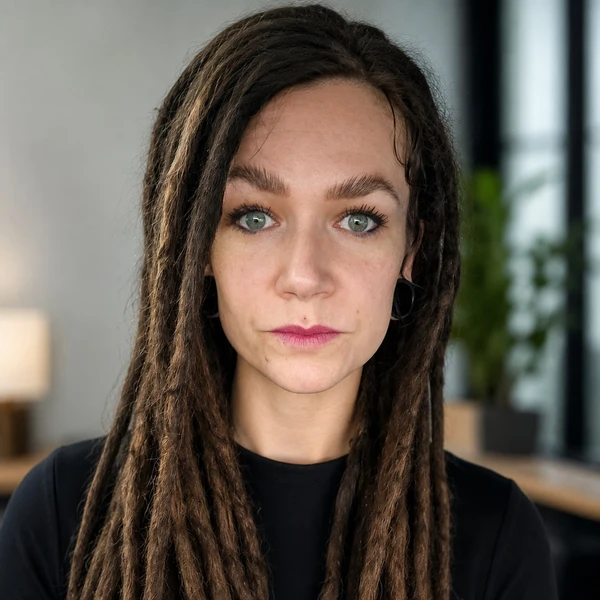
I am a graduate student pursuing a master's degree in Clinical Mental Health Counseling and a Licensed Substance Use Disorder Counselor committed to expanding access to compassionate, evidence-based mental health care. My passion for counseling is rooted in supporting individuals through addiction, trauma, grief, and personal growth while helping them rediscover hope and resilience. Beyond my clinical work, I enjoy studying psychology and human behavior, hiking, mindfulness practices, and creating educational content that promotes mental wellness. My long-term goal is to become a licensed mental health counselor, contribute to research, and advocate for underserved communities through clinical practice, education, and outreach.
Education
University of the Cumberlands
Master's degree programMajors:
- Clinical, Counseling and Applied Psychology
- Behavioral Sciences
Utah Tech University
Bachelor's degree programMajors:
- Psychology, Other
- Biopsychology
Minors:
- Communication, General
Miscellaneous
Desired degree level:
Doctoral degree program (PhD, MD, JD, etc.)
Graduate schools of interest:
Transfer schools of interest:
Majors of interest:
Career
Dream career field:
- Clinical Mental Health Counseling for Substance Use Disorder
Dream career goals:
Future Interests
Advocacy
Politics
Volunteering
Philanthropy
Entrepreneurship
Learner Mental Health Empowerment for Health Students Scholarship
Mental health is important to me because I have seen firsthand how profoundly it influences every aspect of a person's life. It affects our relationships, our physical health, our ability to work, and even whether we believe we have a future worth fighting for. Through both my personal experiences and my work as a Licensed Substance Use Disorder Counselor, I have learned that people are rarely defined by their diagnoses. More often, they are carrying pain, trauma, grief, or loneliness that has gone unseen for far too long.
As a graduate student in Clinical Mental Health Counseling, I believe education is more than earning a degree. It is an opportunity to become a more effective advocate for people whose voices are often overlooked. Every class I complete and every new skill I develop allows me to better support individuals facing addiction, co-occurring mental health disorders, trauma, and other life challenges. My goal is to combine lived experience with evidence-based clinical practice to provide compassionate care that empowers people to heal rather than simply survive.
I advocate for mental health every day through my work with individuals recovering from substance use disorders by creating an environment where clients feel respected, understood, and free from judgment. Beyond my clinical work, I believe one of the most powerful ways to reduce stigma is by sharing my own story. Whenever I am given the opportunity, I speak at community events in the hope that my journey will encourage others to seek help and remind them that recovery is possible. I have been honored to share my story at scholarship award events, recovery and overdose awareness events, and I am scheduled to speak again during Recovery Days in September 2026. My goal is never to make the story about me, but to help someone in the audience recognize themselves in my experience and leave believing that change is possible.
I also advocate through education by creating mental health content that encourages honest conversations about healing, relationships, and personal growth. I believe reducing stigma begins with increasing understanding. When people feel safe enough to talk openly about mental health, they are more likely to seek support, offer compassion to others, and recognize that healing is possible. Another place of advocacy for me is through education and community collaboration. I create mental health content that encourages honest conversations about healing, relationships, and personal growth, and I actively collaborate with our local USARA chapter to strengthen recovery resources within our community. Through monthly coalition meetings, I work alongside community partners to identify gaps in services, improve collaboration between organizations, and expand support for individuals who are often overlooked. I believe reducing stigma begins with increasing understanding. When people feel safe enough to talk openly about mental health, they are more likely to seek support, offer compassion to others, and recognize that healing is possible.
My hope is to contribute to a future where mental health is treated with the same compassion and importance as physical health. Every person deserves to feel seen, heard, and valued, regardless of their struggles. If I can help even one person believe they are worthy of healing and capable of change, then I know I am making a meaningful difference in my community.
Brian J Boley Memorial Scholarship
Long before I decided to pursue a career in mental health, I experienced firsthand the difference one compassionate person can make. During my years of addiction, I encountered professionals who saw only my mistakes, my criminal record, or my diagnosis. I also encountered counselors who saw something I could not yet see in myself, my worth. That difference changed the course of my life. It taught me that healing begins when people feel genuinely seen, heard, and believed in.
That experience inspired me to become the kind of counselor I once needed. Today, I am a Licensed Substance Use Disorder Counselor with three years of experience working alongside individuals facing addiction, trauma, and co-occurring mental health disorders. Every day I witness incredible resilience. I have watched clients celebrate their first days of sobriety, reconnect with their families, and begin believing in themselves after years of shame. Those moments continually remind me that recovery is not simply about stopping substance use. It is about helping people rediscover hope, purpose, and the belief that they are worthy of a meaningful life.
I chose to pursue a master's degree in Clinical Mental Health Counseling because I want to expand my ability to serve others. While my work as a Substance Use Disorder Counselor has been deeply rewarding, I know many of my clients struggle with far more than addiction alone. Trauma, anxiety, depression, grief, and other mental health challenges often exist alongside substance use, yet they cannot be effectively addressed in isolation. I want to develop the clinical knowledge and skills necessary to provide comprehensive, evidence-based care that treats the whole person rather than a single diagnosis.
Throughout my career, I hope to contribute to a mental health system that is grounded in compassion, dignity, and genuine human connection. Every client deserves to be met without judgment and with the belief that change is possible. I strive to create an environment where people feel safe enough to tell the truth about their pain, explore the experiences that shaped them, and discover strengths they may have forgotten they possessed. While evidence-based practices are essential, I believe healing happens most profoundly when clients experience authentic relationships built on trust, empathy, and respect.
My goal is not only to help people recover from addiction or manage mental illness. It is to help them build lives they genuinely want to live. If I can help someone leave my office believing they are worthy of love, capable of growth, and stronger than the circumstances that brought them to treatment, then I will know I have made a meaningful difference. That is the counselor I am committed to becoming, and that is the legacy I hope to leave in every community I have the privilege to serve.
Max Bungard Memorial Scholarship
The first thing I remember after my overdose was opening my eyes, being freezing cold in a bathtub, and realizing I was still alive. I should not have been. At the time, I wished I hadn't been. After seven years of intravenous heroin and methamphetamine addiction, countless arrests, time in jail, and years spent trapped in a cycle I couldn't imagine escaping, I had become another statistic waiting to happen. Yet somehow, I was given another chance.
For a long time, I believed drugs were my only escape. In reality, I wasn't chasing the high, I was chasing relief. I was trying to numb pain I didn't know how to carry. Addiction stole my identity, my relationships, my freedom, and nearly my life. Looking back now, surviving that overdose wasn't the end of my story. It became the beginning of a purpose I never imagined possible.
Recovery was not a single decision; it was thousands of difficult choices made one day at a time. I had to learn how to rebuild a life from the ground up while confronting the shame, regret, and consequences of my past. There were no shortcuts. I had to become accountable for my actions, repair relationships where I could, and accept that healing meant facing the pain I had spent years trying to escape. Through that process, I discovered resilience I never knew I possessed and began to believe that my past did not have to define my future. More importantly, I learned that I was worthy of love and capable of building a life I never thought was possible.
Today, I have transformed that painful chapter of my life into the foundation of my career. I earned my bachelor's degree in psychology, became a Licensed Substance Use Disorder Counselor, and am now pursuing a master's degree in Clinical Mental Health Counseling. For the past three years, I have had the privilege of walking alongside individuals who are fighting the same battles that once consumed me. My lived experience allows me to meet clients with authenticity, compassion, and hope. When someone tells me they believe their life is beyond repair, I understand that feeling, not from a textbook, but from experience. Some of the most meaningful moments of my career have been watching clients begin to believe in themselves again, celebrating milestones in recovery, and witnessing people reclaim lives they once believed were lost. Those moments remind me every day why I survived.
Moving forward, my goal is to continue serving individuals and families affected by addiction, trauma, and co-occurring mental health disorders while expanding access to compassionate, evidence-based care. I plan to dedicate my career to this population because I know firsthand that recovery is possible when someone believes in you before you can believe in yourself. As I continue my education, I hope to combine my lived experience with advanced clinical training to help people not only recover from addiction but also build meaningful, fulfilling lives beyond it. If my journey can help even one person believe that change is possible, then surviving my overdose was not simply another chance at life, it was the beginning of a responsibility to help others find theirs.
Thank you for considering me for this scholarship. My heart is with Max Bungard's family and every loved one who has experienced the unimaginable pain of losing someone to addiction. I cannot change the lives already lost to addiction, but by investing in my education, you are investing in someone who has dedicated their life to helping more people survive, recover, and write a different ending to their story.