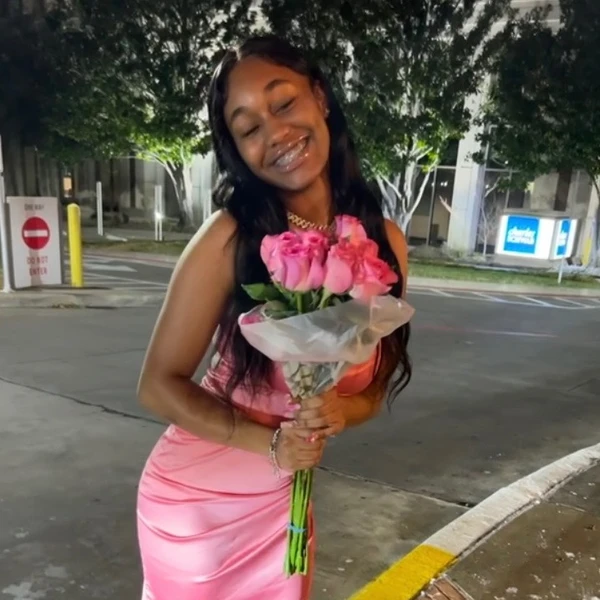
Growing up Black in South Dallas, Texas, shaped my identity, values, and future goals in ways I could never have imagined. While many people think of Dallas as a city known for its bright skyline, great food, and the State Fair, there is another side that many people do not see. South Dallas exposed me to challenges that tested my resilience from an early age, but those same experiences inspired me to pursue higher education and dedicate my life to helping others.
Although my family lived in what many people considered “the hood,” my parents worked hard to provide opportunities they never had. They enrolled me in Saint Philip School and Community Center, a private Christian school that provided a safe and supportive environment. As a child, I did not understand the sacrifices my parents were making. However, by the fourth grade, they could no longer afford tuition, and I transferred to public school.
That transition was difficult. My family moved to a suburban neighborhood where we were among the few Black families in the community. For the first time, I felt different from the people around me. I was bullied because of my hair, my glasses, and my crooked teeth. The comments and teasing affected my confidence and made me dread going to school each day. I often wished I could return to Saint Philip’s, where I felt accepted and surrounded by people who looked like me.
As I grew older, the challenges continued. More Black families began moving into the neighborhood, which helped me find a sense of belonging, but I was also exposed to negative influences at a young age. Drugs, violence, explicit content, and fighting became common parts of my environment. At home, I experienced another set of struggles. My parents frequently argued, and there were times when the police were called because situations had escalated so badly. Living in a household filled with conflict created stress and emotional pain that no child should have to experience.
In addition to these challenges, I was diagnosed with ADHD and autism. Growing up with these disabilities often made me feel different from my peers. There were times when I struggled to understand social situations, stay focused, or learn in traditional classroom settings. Unfortunately, many people misunderstood my behaviors and challenges. Instead of receiving understanding, I sometimes felt judged or overlooked.
Despite these obstacles, I continued moving forward. Looking back, one of the areas in which I have excelled the most is perseverance. There were many moments when giving up would have been easier. I struggled academically at times, battled self-doubt, and questioned whether college was right for me. In fact, when my mother first encouraged me to apply to colleges, I resisted. Because of my experiences in school, I believed college would be ten times worse.
However, my mother never stopped believing in me. She encouraged me to attend college visits, apply for scholarships, and consider the opportunities that higher education could provide. Because of her support and my determination to build a better future, I was accepted to Prairie View A&M University. Being accepted into college was more than an academic achievement; it was proof that my circumstances did not define my potential.
I chose to pursue my degree in Education with a concentration in EC–6, along with a minor in Child Psychology. After graduation, I plan to become a kindergarten teacher in a Title I school serving students from underserved communities. My passion for education comes from my own experiences as a child. I understand what it feels like to struggle, to feel different, and to wonder whether anyone truly sees your potential. Because of this, I want to be the teacher who makes students feel valued, supported, and capable of success.
I am especially passionate about advocating for children with disabilities. As someone who has ADHD and autism, I know how important it is to have educators who understand and support students with diverse learning needs. Too often, children with disabilities are viewed only through the lens of their challenges rather than their strengths. I want to help change that perspective. My goal is to create a classroom where students with disabilities feel seen, heard, respected, and accepted. I want them to understand that they are not broken or less capable than their peers. Their differences are part of who they are, and those differences deserve to be celebrated rather than criticized.
The changes I hope to accomplish in the field of education extend beyond my own classroom. I want to help create more inclusive learning environments where students of all backgrounds and abilities have equal opportunities to succeed. I hope to advocate for teaching practices that recognize different learning styles and provide support for students who may otherwise fall through the cracks. I also want to educate families and communities about the importance of understanding and supporting children with disabilities.
Personally, I hope to continue growing into a confident leader, educator, and advocate. My experiences have taught me resilience, empathy, and determination. Rather than allowing my challenges to become excuses, I have used them as motivation to help others. Every obstacle I have faced has strengthened my desire to serve children who may be experiencing difficulties similar to those I once faced.
One Bible verse that continues to guide me is Jeremiah 29:11: “For I know the plans I have for you,” declares the Lord, “plans to prosper you and not to harm you, plans to give you hope and a future.” This verse reminds me that even during difficult seasons, there is a purpose behind my journey.
My experiences growing up in South Dallas, navigating life with ADHD and autism, overcoming bullying, and persevering through family challenges have all led me to this path. Through higher education, I hope to transform my experiences into opportunities to serve others. By becoming an educator, I can help children discover their strengths, believe in their abilities, and build brighter futures for themselves. My goal is to ensure that every child who enters my classroom knows they are valued, capable, and worthy of success, regardless of their circumstances or disabilities.