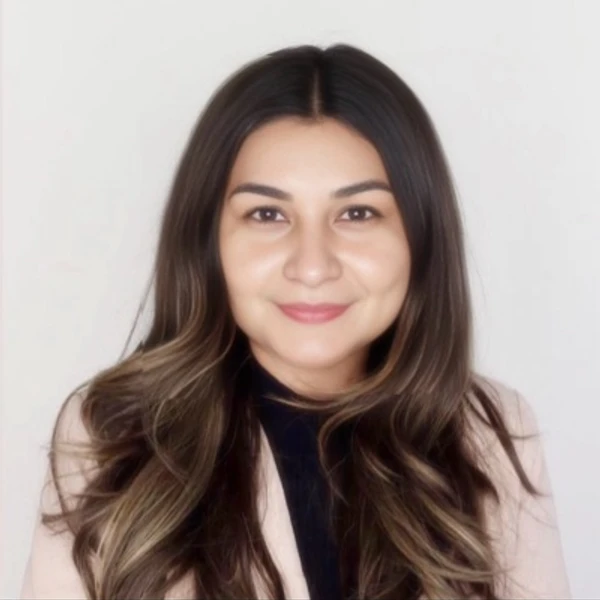
Hobbies and interests
Astronomy
Biology
Animals
Botany
Coffee
Gardening
Health Sciences
Volunteering
Mentoring
Heather Takeyama
1x
Finalist
Heather Takeyama
1x
FinalistBio
I am a first-generation college student pursuing a Master of Health Administration (MHA), driven by a commitment to improving healthcare access, quality, and equity for underserved communities. Growing up in a low-income area, I witnessed firsthand the barriers many families face, including limited access to preventative care, financial constraints, and reliance on emergency services. These experiences shaped my understanding of healthcare as a critical lifeline and inspired my goal of helping create a more equitable system.
Navigating higher education without a roadmap has required resilience, self-advocacy, and determination. While balancing full-time work and my studies, I have developed strong discipline, time management, and perseverance. I have also dedicated time to mentoring peers and volunteering in my community, supporting others in their academic and personal growth. These experiences have strengthened my leadership skills and reinforced my commitment to service.
Through my academic and professional journey, I have gained insight into healthcare systems and the challenges caused by inefficiencies and limited resources. My goal is to work in healthcare administration, where I can improve care delivery, reduce disparities, and advocate for vulnerable populations.
Despite financial challenges, I remain committed to my education. A scholarship would ease my financial burden, allowing me to focus on my studies and continue working toward meaningful change.
Education
University of Southern California
Master's degree programMajors:
- Health and Medical Administrative Services
University of La Verne
Bachelor's degree programMajors:
- Biological and Physical Sciences
- Behavioral Sciences
Cantwell Sacred Heart of Mary
High SchoolMiscellaneous
Desired degree level:
Master's degree program
Graduate schools of interest:
Transfer schools of interest:
Majors of interest:
Career
Dream career field:
- Hospital & Health Care
Dream career goals:
Medical clerk
Rejuvenating Medical Aethetics2012 – 20142 yearsQuality and Compliance Manager
Interface Rehab Inc.2013 – 20141 yearRespite Care Provider
Premier Healthcare2012 – 202210 yearsClinical Applications Analyst
Keck Medicine of USC2014 – Present12 years
Research
Biological and Biomedical Sciences, Other
University of La Verne — Lead researcher2011 – 2011
Public services
Volunteering
Meals on Wheels — Volunteer2011 – 2013Volunteering
Keck IS Internship & Residency program — Mentor2018 – Present
Future Interests
Advocacy
Volunteering
Philanthropy
Healing Self and Community Scholarship
I want to help make mental health care easier to access and afford, especially for people who may not know where to turn for help. Through my work in healthcare IT and my Master of Health Administration program, I have seen how confusing and difficult the healthcare system can be. I believe technology can be part of the solution.
I want to use my healthcare experience to make it easier for patients to find mental health services, use telehealth, and connect with the right resources without a long, confusing process. Cost is also a major problem. I want to work with healthcare organizations to find ways to offer more affordable options and connect people with services in their communities.
I also believe people should not feel embarrassed or judged for asking for help. Mental health should be treated like any other part of a person’s health. No one should feel like they have to suffer alone because they are afraid of what others might think.
My goal is to continue growing in healthcare administration and use what I learn to make care better for people who are often overlooked. I may not be able to change the entire healthcare system by myself, but I can help make it a little easier for someone to get the support they need.
Women in Healthcare Scholarship
I chose to pursue a degree in healthcare because of the experiences that shaped my understanding of how deeply access, quality, and compassion influence people’s lives. Growing up in an underserved community, I saw how barriers such as cost, limited resources, and gaps in communication prevented individuals and families from receiving the care they needed. These moments revealed that healthcare is not only about treating illness but also about creating systems that support dignity, equity, and opportunity. They inspired me to become part of a field where I could help address these challenges and contribute to meaningful, lasting change.
My decision to pursue a Master of Health Administration reflects my desire to improve healthcare from a systems and leadership perspective. I am drawn to the idea that behind every patient experience is a structure of policies, processes, and decisions that shape outcomes. By focusing on administration, I can help design and lead systems that are more efficient, accessible, and patient centered. I want to be in a position where I can influence how care is delivered, ensuring that it reaches those who need it most while maintaining a high standard of quality and compassion.
As a woman in healthcare, I am especially motivated to contribute to a field that continues to evolve in its approach to leadership, representation, and equity. Women play a vital role in healthcare, yet there are still gaps in leadership positions and decision making spaces. I hope to be part of a generation of women who not only lead but also advocate for inclusive environments where diverse perspectives are valued and respected. Representation matters because it shapes how decisions are made and ensures that a wider range of experiences is considered when addressing complex healthcare challenges.
I also hope to make a positive impact by prioritizing empathy and collaboration in my work. Healthcare is built on human connection, and as a woman, I bring a perspective that values communication, understanding, and relationship building. These qualities are essential for creating trust among patients, providers, and communities. Whether working with interdisciplinary teams or engaging directly with community members, I want to foster environments where people feel heard, supported, and empowered.
In addition, I am committed to addressing health disparities that disproportionately affect women and underserved populations. Issues such as access to preventative care, maternal health outcomes, and health education continue to impact many communities. I want to be involved in developing programs and initiatives that specifically target these gaps, ensuring that women receive the care and resources they need to lead healthy lives. By advocating for equitable policies and culturally responsive care, I hope to contribute to a system that recognizes and addresses the unique challenges women face.
Mentorship and service are also central to the impact I hope to make. As a first generation student, I understand the importance of guidance and support in navigating education and career pathways. I plan to continue mentoring other women who aspire to enter healthcare, helping them build confidence and access opportunities that may otherwise feel out of reach. Creating a strong network of support not only empowers individuals but also strengthens the field as a whole.
Ultimately, my goal is to use my degree to lead with purpose, integrity, and a commitment to equity. I want to help shape a healthcare system that is more inclusive, compassionate, and responsive to the needs of all individuals. By combining my experiences, education, and perspective as a woman, I am dedicated to making a positive impact that extends beyond individual outcomes and contributes to a more just and equitable healthcare environment.
Pay It Forward Scholarship
I chose to pursue a career in healthcare administration because of the experiences that shaped my understanding of how critical access, coordination, and quality of care truly are. Growing up in an underserved community, I witnessed firsthand how systemic barriers—such as limited access to providers, financial constraints, and gaps in communication—impacted individuals and families seeking care. These challenges often led to delayed treatment, preventable complications, and a sense of frustration and helplessness. Seeing this sparked my desire not only to be part of the healthcare field, but to work behind the scenes to improve how care is delivered, managed, and experienced.
Rather than pursuing a clinical role, I was drawn to healthcare administration because it allows me to influence systems on a broader scale. I became interested in how policies, operations, and leadership decisions directly shape patient outcomes. I realized that improving healthcare is not only about treating illness, but also about designing systems that are efficient, equitable, and patient-centered. This perspective led me to pursue a Master of Health Administration, where I am developing the skills needed to lead organizations, manage resources effectively, and implement strategies that enhance both quality and access to care.
Throughout my academic journey, I have become especially passionate about advancing health equity and addressing disparities in underserved populations. I am interested in how healthcare organizations can better integrate community-based approaches, preventative care, and culturally competent practices to meet the needs of diverse populations. My experiences with mentoring and volunteering have further reinforced this passion, as they have allowed me to engage directly with individuals who face barriers to education, resources, and healthcare access. These experiences have strengthened my commitment to becoming a leader who not only understands these challenges, but actively works to address them.
In the future, I plan to use my degree to take on leadership roles within healthcare organizations, particularly those that serve vulnerable and underserved communities. I hope to contribute to the development of programs and initiatives that improve care coordination, reduce inefficiencies, and expand access to essential services. I am especially interested in working within nonprofit or mission-driven healthcare systems where I can align my professional goals with my values of service, equity, and community impact.
Additionally, I aspire to be involved in shaping policies and organizational strategies that address the social determinants of health, recognizing that factors such as housing, education, and income play a significant role in overall well-being. By collaborating with community partners, policymakers, and healthcare professionals, I hope to help create solutions that are both innovative and sustainable. I want to be part of efforts that move healthcare beyond reactive treatment toward proactive, preventative, and holistic care.
Receiving this scholarship would significantly ease the financial burden of pursuing my degree while working full time. As a first-generation student, I am committed to furthering my education despite financial challenges, and this support would allow me to focus more fully on my studies, professional development, and service efforts without the constant strain of financial stress. It would not only support my academic journey but also bring me one step closer to achieving my goal of creating meaningful, lasting change in healthcare systems and the communities they serve.
Future Nonprofit Leaders Award
I am pursuing a career in the nonprofit sector because I have witnessed firsthand how systemic inequities can limit access to essential resources, particularly in healthcare. Growing up in an underserved community, I saw how factors such as cost, lack of insurance, language barriers, and limited health literacy prevented individuals and families from receiving timely and effective care. These experiences shaped not only my academic and professional goals, but also my commitment to advancing equity and advocating for those whose voices are often unheard.
As a first-generation college student pursuing a Master of Health Administration, my journey has been guided by a desire to create meaningful, lasting change. The nonprofit sector offers a powerful platform to align purpose with impact, allowing me to serve communities directly while also addressing the structural barriers that contribute to disparities. I am especially drawn to organizations that emphasize patient-centered care, community outreach, and preventative health, because these approaches not only treat illness but also promote long-term well-being and empowerment.
Beyond my academic work, I have dedicated time to mentoring and volunteering, experiences that have deeply influenced my perspective and strengthened my commitment to service. Mentoring has allowed me to support individuals navigating educational and personal challenges, while volunteering has given me the opportunity to engage with diverse populations and better understand the complex realities they face. These moments have reinforced the importance of empathy, trust, and cultural awareness in creating meaningful change, and they continue to shape the kind of leader I strive to become.
Through my work in the nonprofit sector, I hope to help build more equitable healthcare systems by improving access to care, strengthening care coordination, and advocating for policies that address social determinants of health. I am particularly interested in developing programs that bridge gaps between healthcare providers and the communities they serve, ensuring that care is not only accessible but also culturally responsive and sustainable. By focusing on prevention, education, and collaboration, I believe it is possible to reduce disparities and improve overall health outcomes.
In the long term, I aspire to take on leadership roles within nonprofit organizations where I can influence strategy, implement innovative solutions, and collaborate with community partners, policymakers, and healthcare professionals. I want to be part of initiatives that create measurable impact, whether through expanding access to services, improving patient experiences, or addressing broader systemic challenges. At the same time, I hope to empower individuals and communities with the knowledge and resources they need to advocate for themselves and make informed decisions about their health.
Ultimately, my commitment to the nonprofit sector is rooted in both personal experience and a vision for a more just and equitable future. I believe that access to quality, compassionate care is not a privilege, but a fundamental right. By combining my education, lived experiences, and passion for service, I am dedicated to creating positive, lasting change and contributing to a system that truly serves everyone, regardless of their background or circumstances.
ACHE Southern California LIFT Scholarship
Statement 1:
My career goal is to become a healthcare leader focused on improving access, efficiency, and patient-centered outcomes, particularly for underserved populations. I am passionate about advancing high-value care models that reduce disparities while improving quality. This award would directly support my educational journey, allowing me to continue balancing full-time work while pursuing my degree and gaining the skills needed to lead meaningful change in healthcare systems.
One of my most notable accomplishments has been continuing my education while working full time. This experience has strengthened my discipline, time management, and resilience. It has also given me real-world insight into the challenges patients and healthcare professionals face daily, reinforcing my commitment to improving care delivery.
In addition, I have demonstrated leadership through mentoring peers and supporting team collaboration in professional settings. I take pride in being someone others can rely on for guidance and encouragement. My journey has not been without barriers—balancing work, education, and personal responsibilities has required persistence and sacrifice. However, these challenges have shaped my determination and reinforced my belief that where there is a will, there is always a way.
Receiving this award would not only ease financial burdens but also empower me to continue striving toward a career dedicated to creating a more equitable and effective healthcare system.
Statement 2:
My professional goals closely align with the mission of the American College of Healthcare Executives of Southern California, which is dedicated to advancing healthcare leadership and improving the quality of care within our communities. As I pursue a career in healthcare leadership, I am committed to developing the skills and knowledge necessary to drive high-value, patient-centered care while addressing disparities that impact underserved populations.
ACHE of SoCal’s emphasis on professional development, ethical leadership, and community engagement directly reflects the values I strive to embody. Through my experience working full time while continuing my education, I have gained firsthand insight into the operational challenges within healthcare systems and the importance of strong, compassionate leadership. I aim to contribute to solutions that improve efficiency, strengthen care coordination, and enhance patient outcomes.
Additionally, ACHE’s focus on mentorship and networking aligns with my goal of both learning from experienced leaders and supporting others along their professional journeys. I am passionate about fostering collaborative environments where knowledge is shared, and future healthcare leaders are empowered.
By aligning my goals with ACHE of SoCal’s purpose, I hope to not only grow as a leader but also actively contribute to advancing healthcare excellence and equity within the communities we serve.