Hobbies and interests
Animals
Church
Fishing
Singing
Education
Jessica Balanay
1x
FinalistJessica Balanay
1x
FinalistBio
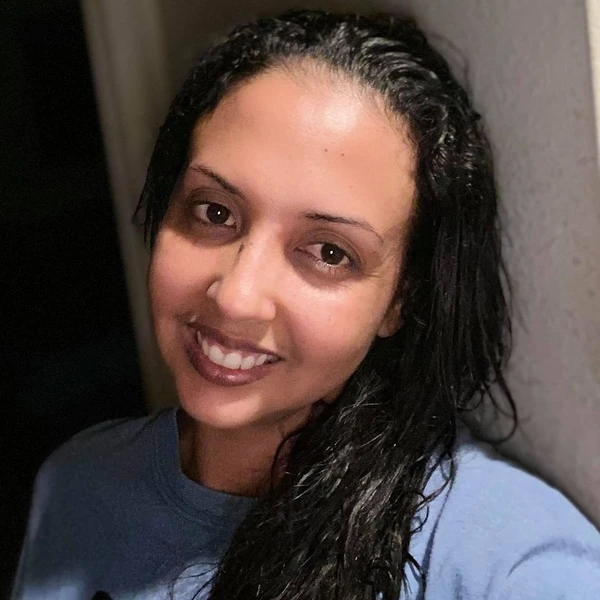
Hi, my name is Jessica Leilani Balanay. I’m a mom of three and I love animals, singing, and dancing. I went to Lahainaluna Boarding Department and I have my associate’s degree. I want to become a 3rd grade teacher because I enjoy working with kids and helping them learn and grow
Education
Grand Canyon University
Bachelor's degree programMajors:
- Education, General
Hawaii Community College
Associate's degree programMajors:
- Liberal Arts and Sciences, General Studies and Humanities
Miscellaneous
Desired degree level:
Master's degree program
Graduate schools of interest:
Transfer schools of interest:
Majors of interest:
Career
Dream career field:
Education
Dream career goals:
Sub teacher
Hawaii Department of Education2023 – Present3 years
Marie Humphries Memorial Scholarship
I have always believed that teachers have the power to change lives. For me, teaching is not just about sharing knowledge but about guiding, encouraging, and believing in students when they may not believe in themselves. That belief is what draws me to pursue a career in teaching. I know firsthand how much of a difference one teacher can make, because I had one who completely changed the way I saw myself and my future.
In middle school, I struggled with confidence. I often felt like I wasn’t good enough or smart enough compared to my classmates. I was shy, unsure of myself, and sometimes even afraid to ask questions because I didn’t want to look like I didn’t belong. At the time, I was carrying responsibilities and challenges outside of school that my teachers couldn’t see, and those struggles followed me into the classroom. It would have been easy to slip through the cracks.
But one teacher refused to let me fade into the background. She noticed me. She saw potential where I only saw doubt. Instead of letting me sit quietly, she encouraged me to participate, praised my efforts, and reminded me that mistakes were not failures but opportunities to learn. She went out of her way to check in with me, and even small things—like asking how my day was or acknowledging my improvement—made a huge difference. Slowly, I began to realize that I was capable, that I had something to contribute, and that my voice mattered.
Looking back, I realize that what she gave me wasn’t just academic support—it was belief. She showed me what it means for a teacher to truly see their students, not just for their grades or behavior, but for who they are as people. Her encouragement changed my perspective on learning and planted the seed that education is not just about what you know, but about who believes in you along the way.
That experience is what drives me to become a teacher. I want to be that person for my future students—the one who notices them when they feel invisible, who challenges them when they doubt themselves, and who shows them that education can open doors they never imagined. I know students come into the classroom carrying their own challenges, some of which may never be spoken aloud. I want my classroom to be a safe space where they feel seen, valued, and supported no matter what they are facing outside of school.
Teaching, for me, is about building relationships as much as it is about academics. It is about inspiring confidence, encouraging curiosity, and helping students discover their own strengths. I know the lessons I teach may fade with time, but the encouragement, patience, and belief I show can stay with a student for life—just as my teacher’s belief has stayed with me.
Ultimately, I am pursuing a career in teaching because I want to give back what was given to me: hope, encouragement, and the confidence to keep going. If I can make even one student feel the way my teacher made me feel—seen, capable, and worthy—then I will know I have made a difference.
Live From Snack Time Scholarship
My passion for early childhood education comes from a deep belief that the earliest years of life are the foundation for a child’s future. The experiences children have between birth and age five shape not only their school readiness but also their social, emotional, and cognitive development. I see these early years as a critical window of opportunity to nurture curiosity, confidence, and resilience. For me, supporting early childhood development is not only about teaching letters and numbers—it is about fostering the whole child and giving them the tools to thrive well beyond the classroom.
I plan to support early childhood development by creating a classroom environment where children feel safe, valued, and excited to learn. Young children are natural explorers, and I want to encourage their sense of wonder through play-based, hands-on learning. Whether it is through building with blocks, storytelling, music, or art, I want my students to discover concepts in ways that feel engaging and meaningful to them. I also believe in incorporating social-emotional learning into daily routines. Simple activities like taking turns, practicing mindfulness, or using words to express feelings help children develop self-regulation, empathy, and problem-solving skills. These lessons are just as important as academic content because they lay the foundation for healthy relationships and resilience later in life.
Another key part of my approach is building strong partnerships with families. Parents and guardians are a child’s first teachers, and the consistency between home and school is vital to a child’s growth. I plan to involve families by maintaining open communication, celebrating milestones together, and providing resources they can use at home. For example, sharing a simple activity for practicing counting during mealtime or a bedtime reading routine can strengthen the bridge between the classroom and the home. When children see their caregivers and teachers working together, they feel supported and valued, and that sense of stability can make all the difference.
What drove me to pursue this field is both personal and purposeful. Growing up, I witnessed firsthand how the presence—or absence—of guidance in a child’s early years can shape their path. I saw how children who were encouraged and nurtured developed confidence, while others who lacked that support often carried insecurities and struggles into later years. These observations made me realize that the early years are not just a stage of life—they are the roots of everything that follows. I knew I wanted to become someone who could help children build strong, healthy foundations from the very beginning.
My drive is also fueled by the joy that comes from working with young children. Their natural curiosity, honesty, and energy are contagious. There is something incredibly rewarding about witnessing those “lightbulb moments”—a child writing their name for the first time, solving a puzzle after trying again and again, or showing kindness by helping a friend. These moments may seem small, but they represent milestones that build a child’s confidence and identity as a learner. To be part of those experiences is a privilege that continually reminds me of the importance of early education.
Ultimately, I view early childhood education as an investment in the future. Supporting children at this stage means equipping them with the skills, confidence, and love of learning that will carry them forward in school and in life. My goal is not only to teach but also to nurture, guide, and inspire. Every child deserves a strong start, and I am committed to creating the kind of learning environment that ensures they have one.
Donovan Harpster “Called to Teach” Scholarship
One of the most significant hardships I have faced in my life was learning how to persevere through personal and academic challenges while balancing responsibilities at home. Growing up, I did not always have the guidance or support that many of my peers seemed to have. At times, I felt the weight of having to figure out my own path, whether that meant managing schoolwork without help, navigating obstacles in my personal life, or shouldering responsibilities beyond my years. There were moments when I doubted whether I would be able to reach my goals, but I learned that determination, patience, and resilience could carry me further than I ever imagined.
Through these experiences, I developed a deep empathy for others who may be silently struggling. I learned that success is not always about having the easiest journey but about pushing forward despite the odds. I also realized that students often carry burdens that teachers may not see, and sometimes a little understanding, encouragement, and flexibility can make all the difference. This lesson will guide me as an educator. I want to create a classroom environment where every student feels supported, respected, and capable of growth, no matter what challenges they face outside of school.
These experiences have also shaped how I see the role of a teacher. A teacher is not only someone who delivers knowledge but also someone who believes in students, especially when they may not believe in themselves. I want to be the type of teacher who notices when a student is struggling and offers both patience and strategies to help them succeed. I know from personal experience that when students feel seen and valued, they are more motivated to work hard and reach their potential.
What drives me to want to become a high school teacher is my desire to make a lasting difference in students’ lives. Adolescence is such a formative time, filled with both opportunities and challenges. High school students are discovering who they are and who they want to become, and a teacher can either discourage or empower them during this critical stage. I want to empower them. I want to be the kind of teacher who not only teaches content but also instills confidence, resilience, and a belief in the value of education.
Ultimately, my own hardships taught me that education is more than academics—it is a tool for transformation. The lessons I learned about perseverance and empathy will influence the way I approach every classroom interaction. I will encourage my students to embrace challenges as opportunities to grow and to never give up on themselves. I believe teaching is more than a career; it is a calling. My goal is to guide, inspire, and support my future students so they can see their own potential and pursue their dreams with confidence.
RonranGlee Special Needs Teacher Literary Scholarship
Teaching is more than passing on facts or preparing students for tests it is about helping them recognize their own worth, their own abilities, and their own unique presence in the world. For me, this purpose is at the heart of special education. Special education is not just about addressing academic challenges; it is about guiding students who may feel unseen or underestimated toward confidence, independence, and belonging.
My passion for becoming a special education teacher comes from a deep belief that every child deserves to be valued for who they are, not defined by what others perceive as their limitations. I want to create a classroom where students not only learn skills but also discover their strengths, their voices, and their potential.
To me, helping students find their own presence means giving them the opportunity to see themselves as capable, important, and empowered. Presence is more than physical attendance in the classroom; it is the confidence to raise a hand, the joy of completing a task independently, and the pride in knowing that their voice matters.
For special education students, this can be especially powerful. Many have been told, directly or indirectly, that they cannot achieve at the same level as their peers. Others may struggle with social interactions or feel isolated in group settings. My goal is to help these students experience learning in a way that highlights their abilities, not their challenges.
I see my mission as threefold: to build confidence, to nurture independence, and to cultivate belonging.
1. Building Confidence
Confidence grows when students experience success. In my classroom, I will set realistic, achievable goals for each student and celebrate their progress every step of the way. Even small victories—reading a page aloud, solving a single problem, or speaking up in class—will be recognized as important milestones. Over time, these successes build momentum and shift a student’s mindset from “I can’t” to “I can.”
2. Nurturing Independence
Independence is a vital skill for all students, but especially for those with special needs. Too often, they rely heavily on adults because they have been sheltered from challenge. My mission is to teach strategies that allow them to solve problems, ask for help appropriately, and persevere through difficulties. Whether it’s breaking down a large task into smaller steps or learning how to self-advocate, I want students to leave my classroom with a sense of control over their learning and their lives.
3. Cultivating Belonging
A student’s presence cannot be fully realized without a sense of belonging. Many students with special needs feel left out of group activities or struggle socially. I believe in creating inclusive classroom environments where all students have opportunities to contribute meaningfully. Cooperative learning, peer partnerships, and group projects will allow students with different abilities to work together. In these moments, students will not only learn academic content but also experience the joy of acceptance and teamwork.
My passion comes from both personal experience and a deep sense of purpose. As a mother, I know how important it is to see children for who they are and to nurture their gifts. I have also witnessed how children who struggle academically or socially can be left behind, not because they lack ability, but because they lack encouragement and advocacy.
Special education calls to me because it demands patience, creativity, and above all, empathy. I want to be the teacher who looks past a child’s struggles to see their potential. I want to be the one who creates opportunities for students to feel proud of themselves. Teaching special education is not about filling students with information; it is about unlocking their confidence, helping them grow into independent learners, and showing them that they belong.
This is why I am passionate about the profession: because I believe that when children feel seen and capable, they change not only their own lives but also the lives of those around them.
Becoming a special education teacher is not simply a career choice for me—it is a calling. My passion lies in helping students discover their presence, that sense of confidence, independence, and belonging that transforms how they see themselves.
I want my classroom to be a place where students feel capable of learning, proud of their progress, and connected with their peers. I want to guide them not only in academics but in life skills, resilience, and self-worth.
Every child has a light within them. Some shine easily, while others need guidance to uncover their glow. My mission as a special education teacher is to be a guide to celebrate every success, nurture every effort, and remind every student that they matter.
In the end, the greatest reward for teaching is not only seeing students succeed in school but also seeing them step confidently into the world, knowing they are strong, valued, and present. This is why I am passionate about the special education teacher profession: because helping children discover their light is the most meaningful work I could ever do.
The Fairy Tale of Jessica and the Hidden Garden
Once upon a time, in a small valley surrounded by mountains, there was a garden where children came to learn. Some of the children grew tall and strong quickly, their blossoms opening for all to see. But in the corners of the garden, other flowers stayed closed. Some were weighed down by stones of doubt, others tangled in vines of worry, and some hid their colors because no one had told them they were beautiful.
In this valley lived Jessica, a young woman with a kind heart and a dream of becoming a teacher. She loved animals, music, and laughter, but most of all, she loved children. When she saw the hidden flowers, her heart ached. She knew their blossoms were just as special as the ones that bloomed easily, and she longed to help them grow.
So Jessica became the gardener of the hidden flowers. She spoke gently to them, sang to them, and gave them sunlight and water in just the right measure. She moved away the heavy stones, untangled the vines, and whispered words of encouragement: “You are strong. You are beautiful. You can bloom in your own time.”
Little by little, the hidden flowers began to open. One showed a deep purple petal, another a bright yellow, and another a rare blue no one had ever seen before. Together, their colors painted the garden in ways it had never been painted before.
The villagers who had once overlooked the hidden flowers began to notice their beauty. They realized that the garden was more complete, more radiant, because every flower had a chance to grow.
And Jessica, the gardener-turned-teacher, knew she had fulfilled her calling. She had not created the beauty in the flowers—it had always been there. She had only helped them find the courage to open and share it with the world.
And from that day forward, the valley was never the same, because it glowed with the colors of every child’s light.