
Harry Corla
1x
Finalist
Harry Corla
1x
FinalistBio
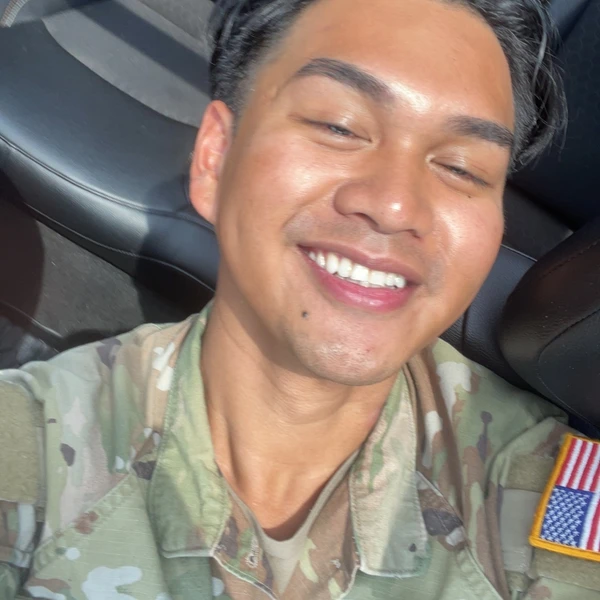
I am a first-generation college graduate and incoming master’s student at the University of Southern California, pursuing Human Security and Geospatial Intelligence. My path has been shaped by my service in the U.S. Army as a Geospatial Intelligence Analyst, where I supported real-world operations and saw how critical intelligence is in high-stakes environments.
As a Filipino student, I value resilience, community, and opportunity. My academic focus is on applying geospatial intelligence to humanitarian efforts such as disaster response, environmental challenges, and support for vulnerable populations. I am especially interested in bridging national security and human-centered solutions.
Throughout my undergraduate studies, I maintained a strong academic record while working and managing financial challenges. As a low-income and first-generation student, I have learned to navigate higher education with determination and discipline.
At USC, I aim to strengthen my analytical and technical skills while expanding my understanding of global security issues. My goal is to contribute to the intelligence field in a way that supports both national security and humanitarian outcomes.
Education
University of Southern California
Master's degree programMajors:
- Intelligence, Command Control and Information Operations
- Homeland Security
American Public University System
Bachelor's degree programMajors:
- Intelligence, Command Control and Information Operations
Miscellaneous
Desired degree level:
Doctoral degree program (PhD, MD, JD, etc.)
Graduate schools of interest:
Transfer schools of interest:
Majors of interest:
- Intelligence, Command Control and Information Operations
Career
Dream career field:
Security and Investigations
Dream career goals:
My goal is to work in the intelligence field, applying geospatial intelligence to support national security and humanitarian efforts such as disaster response and crisis analysis. I aim to bridge intelligence and human security to improve outcomes for vulnerable populations.
Geospatial Intelligence and Humanitarian Applications
U.S Army2020 – 20233 years
Sports
Muay Thai
2020 – Present6 years
Research
Intelligence, Command Control and Information Operations
U.S Army — Geospatial Intelligence Analyst2020 – 2023
Public services
Volunteering
Independent / Community Support — Community Support Advocate2020 – Present
Future Interests
Advocacy
Volunteering
Philanthropy
Sabrina Carpenter Superfan Scholarship
I am not even going to pretend this is casual, I genuinely love Sabrina Carpenter.
What started as just listening to her music turned into something much deeper over time. There is something about the way she carries herself, her confidence, her humor, and how unapologetically she shows up as herself that has had a real impact on me. It is not just about the music, it is about what she represents.
During my time in the United States Army, I was in an environment where discipline, structure, and performance were everything. As a Geospatial Intelligence Analyst, I learned how to operate under pressure and meet expectations at a high level. But at the same time, I was navigating my identity as an openly gay man in a space where standing out did not always feel safe or easy. There were moments where I felt like I had to shrink parts of myself just to exist comfortably.
That is why Sabrina Carpenter stands out to me so much. She represents confidence in a way that feels real, not forced. She does not try to fit into a mold, she creates her own. Watching her grow into herself made me realize that confidence is not something you wait for, it is something you choose.
After leaving the military, I went through one of the most difficult periods of my life. I was diagnosed with PTSD and anxiety, and I struggled with my sense of identity and direction. During that time, I leaned into the things that made me feel like myself again, and honestly, her music was one of them. It reminded me that I was allowed to take up space, to grow, and to not apologize for who I am.
Over time, I started rebuilding my confidence, not based on what others expected of me, but based on who I actually am. That shift changed everything. I completed my bachelor’s degree in Intelligence Studies and have been accepted into a Master’s program in Human Security and Geospatial Intelligence at the University of Southern California. More importantly, I am stepping into this next chapter with a level of confidence I did not always have before.
Sabrina Carpenter’s impact on me goes beyond being a fan. She helped me realize that confidence can be built, that growth is part of the process, and that being fully yourself is something to be proud of.
And honestly, a lot of the confidence I carry today started with learning that.
Elijah's Helping Hand Scholarship Award
There was a time in my life when I felt like I had to choose between being accepted and being myself.
Serving in the United States Army was one of the most defining experiences of my life. As a Geospatial Intelligence Analyst, I was expected to perform in high-pressure environments where discipline and resilience were essential. On the outside, I carried myself with confidence and professionalism. However, internally, I was navigating something much more personal.
As an openly gay man in the military, I often felt out of place. There were moments where I experienced judgment, subtle exclusion, and at times direct comments that made it clear I was seen as different. While not every experience was negative, the accumulation of those moments created a sense of isolation. In an environment where strength is often associated with emotional control, it became difficult to speak openly about what I was feeling.
Over time, that isolation began to affect my mental health. I struggled with anxiety, and eventually I was diagnosed with PTSD. There were periods where I questioned my self-worth and where I felt disconnected, not only from others, but from myself. I learned firsthand how powerful the impact of environment and acceptance can be on a person’s well-being.
However, those experiences did not break me. They forced me to confront who I was and decide how I wanted to move forward.
I began to understand that my identity was not something to minimize, but something to stand firmly in. I sought support, allowed myself to be vulnerable, and slowly started rebuilding my confidence. That process was not immediate, but it was necessary. It taught me that resilience is not about suppressing struggle, but about working through it with honesty and intention.
Since then, I have redirected my life with purpose. I completed my bachelor’s degree in Intelligence Studies and have been accepted into a Master’s program in Human Security and Geospatial Intelligence. My experiences have shaped not only my academic path, but also the kind of person I strive to be.
I am intentional about creating spaces where others feel respected and seen, especially those who may feel overlooked or marginalized. I understand how impactful even small moments of support can be, because I have lived the absence of it.
Being openly gay in the military came with challenges that tested my confidence, my mental health, and my sense of belonging. But those challenges also strengthened my resilience, deepened my self-awareness, and gave me a greater sense of empathy for others.
Today, I no longer see my experiences as something that held me back. I see them as the foundation that shaped my growth. They pushed me to become stronger, more self-assured, and more committed to building a future where I can contribute to environments that value both performance and humanity.
Ruthie Brown Scholarship
One of the most important lessons I have learned is that financial hardship does not define your future, but how you respond to it does.
My path to higher education has been far from traditional. I served in the United States Army as a Geospatial Intelligence Analyst, where I worked in high-pressure environments that demanded precision, discipline, and accountability. While that experience strengthened my professional and technical abilities, my transition out of the military came with unexpected challenges. I was diagnosed with PTSD and anxiety, and for a period of time, I found myself not only navigating my mental health, but also working to regain financial stability while rebuilding my life.
During that time, I was faced with a choice: remain defined by my circumstances or take control of them. I chose to take control.
I returned to school with a renewed sense of purpose and direction, and I recently completed my bachelor’s degree in Intelligence Studies. I have since been accepted into a Master’s program in Human Security and Geospatial Intelligence at the University of Southern California. While this opportunity represents significant growth, it also comes with a clear understanding of the financial responsibility required to pursue it.
To address my current and future student loan debt, I approach it with the same structure and discipline that guided me in the military. I have actively pursued scholarships, applying to multiple opportunities to reduce my financial burden. I am also working closely with the Department of Veterans Affairs to secure educational support through programs such as Vocational Rehabilitation and Employment. In addition, I have continued working while completing my degree, balancing employment and academics to minimize the amount of debt I will carry forward.
At the same time, I am focused on long-term stability. My career goals are centered in geospatial intelligence and human security, fields that align with both my experience and my commitment to meaningful work. By entering a field that offers both purpose and financial sustainability, I am positioning myself to responsibly manage and repay any debt I incur while continuing to grow professionally.
More importantly, my experiences have reshaped the way I view financial struggle. I understand what it means to rebuild from the ground up, to move forward without certainty, and to make decisions that require both discipline and patience. Because of this, every step I take is intentional and guided by long-term thinking.
Receiving this scholarship would directly reduce the financial pressure of continuing my education and allow me to remain focused on achieving my academic and professional goals. It would also support someone who has made a deliberate decision to turn setbacks into progress and to build a future defined by stability, purpose, and impact.
Lost Dreams Awaken Scholarship
Recovery, to me, means taking ownership of my life and choosing growth every day.
After my time in the military, I struggled with PTSD and depression that I did not know how to process. Instead of addressing it in a healthy way, I turned to alcohol as a coping mechanism. What I thought was helping me escape ultimately led to consequences, including losing my place in the military. That moment forced me to confront both my actions and the reality that I needed to make a change.
Recovery began with accountability. I made the decision to stop avoiding my challenges and start facing them directly. It required discipline, consistency, and a willingness to be honest with myself. I had to rebuild structure in my life, develop healthier coping strategies, and learn how to manage my mental health in a more sustainable way.
Over time, I became more focused, resilient, and self-aware. I redirected my energy into my education and personal growth, ultimately completing my bachelor’s degree. That achievement represents not just academic success, but a commitment to becoming better.
Today, I am clean and moving forward with purpose. Recovery, for me, is not just about what I left behind, but who I have become. It is a daily commitment to growth, accountability, and building a future I am proud of.
Tawkify Meaningful Connections Scholarship
One of the most meaningful lessons I have learned in life is that strength is not built alone, it is built through connection.
During my time in the United States Army, I was placed in high-pressure environments where performance, discipline, and resilience were expected at all times. As a Geospatial Intelligence Analyst, I worked in settings where precision mattered and mistakes were not an option. On the surface, it looked like strength meant being self-reliant, composed, and unaffected. However, behind that expectation, many of us were silently carrying stress, fear, and emotional weight that we did not always know how to process.
It was through the relationships I built with the people around me that I began to understand the true meaning of connection. There were moments when long hours, pressure, and isolation began to take a toll on me. Conversations with fellow soldiers, even simple ones, became a form of grounding. Those connections reminded me that I was not alone in what I was experiencing. They created a sense of trust and belonging in an environment that often demanded emotional restraint.
After leaving the military, I faced one of the most difficult periods of my life. I was diagnosed with PTSD and anxiety, and for the first time, I had to confront challenges that I could not solve through discipline alone. I struggled with asking for help, as I had grown used to handling everything independently. However, it was through meaningful relationships, with friends, mentors, and support systems, that I began to heal.
These connections taught me that vulnerability is not weakness, but a form of strength. Opening up, being understood, and allowing others to support me changed the way I viewed both myself and others. It showed me how powerful human connection can be in overcoming adversity.
This experience has deeply influenced the way I build relationships today. I approach connections with intention, empathy, and awareness. I understand that everyone carries experiences that are not always visible, and that sometimes the most impactful thing we can offer is presence and understanding. Whether in academic settings, professional environments, or personal relationships, I strive to create spaces where people feel heard, respected, and supported.
Looking forward, relationships will continue to play a central role in both my personal and professional goals. As I pursue my Master’s degree in Human Security and Geospatial Intelligence, I aim to work in environments where collaboration and trust are essential. In fields such as intelligence and humanitarian work, strong relationships are critical for effective communication, decision-making, and impact.
More importantly, I want to use my experiences to contribute to communities that may feel disconnected or overlooked. Whether through mentorship, advocacy, or simply being someone others can rely on, I want to foster the kind of support systems that once helped me through difficult times.
Human connection has the ability to change lives, not through grand gestures, but through consistent presence, understanding, and trust. My journey has shown me that the relationships we build are not just part of our lives, they are often the foundation that allows us to move forward.
New Beginnings Immigrant Scholarship
Immigrating to the United States reshaped my understanding of opportunity, resilience, and identity.
I was born and raised in the Philippines, where Tagalog was my first language and where my understanding of the world was rooted in my culture, family, and community. Moving to the United States introduced a completely new environment, one that required me to adapt quickly not only to a different language, but also to a different educational system and way of life. What once felt familiar became uncertain, and I had to learn how to navigate that uncertainty on my own.
As an immigrant and first-generation college student, I faced challenges that extended beyond academics. Adjusting to an English-speaking environment required me to constantly translate my thoughts, often feeling like I was one step behind in conversations and classrooms. At the same time, I had to learn how to navigate systems that my family had no prior experience with, from college applications to financial aid and long-term career planning. There was no clear guide, only trial, error, and persistence.
Despite these challenges, my experience as an immigrant became one of my greatest strengths. It taught me adaptability, discipline, and the ability to thrive in unfamiliar environments. These skills later carried into my service in the United States Army, where I worked as a Geospatial Intelligence Analyst in high-pressure situations that demanded precision and critical thinking. That experience further strengthened my ability to remain focused and resilient under stress.
However, my journey was not without setbacks. After my military service, I was diagnosed with PTSD and anxiety, which added another layer of difficulty as I transitioned into civilian life and continued my education. Balancing mental health, work, and school tested my limits, but it also reinforced my determination to keep moving forward. I completed my Bachelor’s degree in Intelligence Studies with a 3.5 GPA and am now preparing to pursue my Master’s degree in Human Security and Geospatial Intelligence at the University of Southern California.
My immigrant experience has directly shaped my career aspirations. I am committed to using my education to support vulnerable populations, particularly those who face barriers related to language, access, and systemic inequality. I am especially interested in how geospatial intelligence can be used to improve disaster response, resource distribution, and decision-making in communities that are often overlooked, including immigrant communities navigating unfamiliar systems.
In the future, I hope to work at the intersection of intelligence and human security, where I can apply both my technical skills and lived experiences to create meaningful impact. I want to contribute to solutions that not only protect, but also empower communities by ensuring that critical information and resources are accessible to everyone, regardless of background.
Ultimately, immigrating to the United States taught me that growth often comes from discomfort. It pushed me to become more resilient, more adaptable, and more driven to succeed. My journey is not just about overcoming challenges, but about using those experiences to create opportunities for others.
Julie Holloway Bryant Memorial Scholarship
Tagalog is my first language, and it is the foundation of how I understand both communication and identity.
I was born and raised in the Philippines before continuing my education in the United States. Growing up, Tagalog was not just a language I spoke, but a reflection of my culture, values, and the way I connected with my family and community. When I transitioned into an English-speaking academic environment, I faced the challenge of adapting to a new language while trying to maintain confidence in my own voice.
Learning to navigate between Tagalog and English was not always easy. There were moments where expressing complex ideas in English felt limiting, and I had to work harder to ensure that my thoughts were understood clearly. At times, this created a sense of self-doubt, especially in academic settings where communication plays a critical role in success. However, these challenges ultimately strengthened my ability to adapt, think critically, and communicate more effectively across different contexts.
Being bilingual has given me a unique perspective. It has taught me that language is more than just words. It shapes how people think, how they interpret the world, and how they connect with others. My ability to understand both Tagalog and English allows me to bridge cultural and communication gaps, especially in diverse environments. It has made me more aware of the importance of inclusion, particularly for individuals who may struggle to express themselves in a second language.
As a first-generation college graduate, I have also had to navigate unfamiliar systems without a clear guide. Balancing cultural identity, language adaptation, and academic expectations required persistence and resilience. These experiences have shaped not only my academic journey, but also my long-term goals.
After graduation, I plan to pursue a career in human security and geospatial intelligence, where I can apply my technical skills to support vulnerable populations. I am particularly interested in how communication barriers and lack of access to information can impact communities during crises, such as natural disasters or humanitarian emergencies. My background as a bilingual individual allows me to better understand these challenges and contribute to solutions that are more inclusive and accessible.
In the future, I hope to use both my education and cultural background to support communities that are often overlooked, including immigrant populations and international communities navigating unfamiliar systems. Language should never be a barrier to opportunity, safety, or access to resources, and I want to be part of efforts that help close that gap.
Ultimately, being bilingual has not only shaped my academic path, but also strengthened my identity. It has taught me adaptability, empathy, and the ability to connect across cultures. These are skills I carry with me as I continue my education and work toward making a meaningful impact in the communities I serve.
Bulkthreads.com's "Let's Aim Higher" Scholarship
I am building a future where intelligence is not only used for security, but for human impact.
My path to this vision has been shaped by both my military service and my academic journey. As a Geospatial Intelligence Analyst in the United States Army, I worked in environments where information and precision directly influenced real-world decisions. That experience taught me the value of data, but it also showed me its limitations when human factors are overlooked. After my service, I faced personal challenges, including being diagnosed with PTSD and anxiety, which reshaped how I understand resilience, support systems, and the importance of accessible resources.
Now, as a first-generation college graduate preparing to pursue my Master’s degree in Human Security and Geospatial Intelligence at the University of Southern California, I am focused on building something greater than a career. I am building a purpose-driven path that integrates technical expertise with humanitarian impact.
Specifically, I aim to build systems and solutions that use geospatial intelligence to support vulnerable populations. This includes improving disaster response efforts, identifying gaps in access to critical resources, and enhancing decision-making in communities that are often overlooked. I am especially interested in how data can be used to better support veterans and individuals facing mental health challenges, groups that I personally understand and am deeply connected to.
What I am building is not just professional. It is personal. Every challenge I have faced has reinforced my commitment to creating meaningful change. As a first-generation student, I had to navigate higher education without guidance, learning how to secure opportunities, funding, and direction on my own. These experiences taught me resilience, adaptability, and the importance of creating pathways for others.
In the future, I want my work to contribute to a more equitable and informed world, where data is used not only to protect, but to empower. I hope to be part of initiatives that prioritize both security and human well-being, ensuring that communities have the resources and support they need to thrive.
Ultimately, what I am building is a bridge between intelligence and humanity. Through my education and experiences, I am committed to using my skills to make a lasting impact, not only for myself, but for the communities I serve.
Edwards Scholarship
I am a first-generation college graduate and incoming master’s student at the University of Southern California, pursuing Human Security and Geospatial Intelligence. My path to higher education has not been traditional. It has been shaped by military service, personal challenges, and a commitment to building a more stable future for myself and others.
I served in the United States Army as a Geospatial Intelligence Analyst, where I worked in high-pressure environments that required precision, discipline, and critical thinking. While this experience strengthened my technical and analytical skills, it also presented challenges that extended beyond my time in service. After leaving the military, I was diagnosed with PTSD and anxiety, which became one of the most significant obstacles I have had to overcome.
Transitioning from military life to civilian life while managing mental health challenges was not easy. There were moments where balancing school, work, and personal well-being felt overwhelming. However, instead of allowing these challenges to define my limitations, I used them as motivation to grow. I developed structure, resilience, and the ability to adapt under pressure, all of which have contributed to my academic success. I completed my Bachelor’s degree in Intelligence Studies with a 3.5 GPA while working and managing these responsibilities, and I am now preparing to continue my education at the graduate level.
As a first-generation student, I have also had to navigate higher education without a roadmap. Learning how to apply for schools, secure funding, and build a long-term career path required persistence and self-initiative. These experiences taught me independence and reinforced the importance of creating opportunities not only for myself, but for others who may not have access to the same guidance.
Through my studies, I plan to make a positive impact by applying geospatial intelligence to real-world challenges that affect vulnerable populations. I am particularly interested in how spatial data and analysis can be used to support disaster response, environmental issues, and humanitarian efforts. I want to contribute to solutions that improve access to resources and enhance decision-making in communities that are often overlooked.
My long-term goal is to work at the intersection of intelligence and human security, where I can use both technical skills and lived experience to create meaningful change. Having faced challenges related to mental health and transition, I am especially committed to supporting populations that experience systemic barriers, including veterans and underserved communities.
Ultimately, my journey has been defined by resilience, adaptability, and a clear sense of purpose. Every obstacle I have faced has strengthened my ability to move forward and has shaped the person I am today. I am committed to continuing my education, expanding my impact, and using my experiences to contribute to a more informed and equitable world.
Ethel Hayes Destigmatization of Mental Health Scholarship
My understanding of mental health was not something I learned in a classroom. It was something I was forced to confront in my own life.
During my time in the United States Army as a Geospatial Intelligence Analyst, I operated in environments where strength, discipline, and performance were expected at all times. There was little room to acknowledge emotional strain, and even less space to talk about it. Like many others, I learned to suppress what I was feeling and focus on the mission. At the time, I believed that was what resilience looked like.
It was not until after my service, when I was diagnosed with PTSD and anxiety, that my perspective began to shift. What I once viewed as strength was often avoidance. What I thought was control was, in reality, disconnection. Being forced to face my mental health changed not only how I saw myself, but how I understood the world around me.
This experience reshaped my beliefs. I no longer see mental health as a weakness or something to be hidden. Instead, I see it as a critical part of overall well-being, one that deserves the same attention as physical health. I have come to understand that vulnerability is not a liability. It is a form of strength that allows people to heal, grow, and connect with others on a deeper level.
My relationships have also been deeply impacted. Before, I often kept people at a distance, believing it was easier to handle things on my own. Now, I value openness and honesty in a way I never did before. I have learned the importance of checking in with others, of being present, and of creating space for real conversations. Whether with friends, classmates, or fellow veterans, I try to foster an environment where people feel seen and understood. These connections have become one of the most important parts of my support system.
Most importantly, my experiences have shaped my goals. As a student pursuing a Master’s degree in Human Security and Geospatial Intelligence, I am interested in how data and analysis can be used to support vulnerable populations. Mental health challenges are often overlooked in larger systems, yet they affect everything from education to employment to community stability. I want to be part of efforts that not only recognize these challenges but actively work to address them.
I am particularly interested in how geospatial tools can be used to identify gaps in access to mental health resources, especially for veterans and underserved communities. My goal is to contribute to solutions that are both data-driven and human-centered, ensuring that support systems are not only available, but accessible.
Ultimately, my journey with mental health has changed how I see strength, connection, and purpose. It has taught me that healing is not linear, and that growth often comes from the moments we are forced to face ourselves. While these experiences have been challenging, they have also given me clarity in who I want to become.
I no longer see my mental health struggles as something that holds me back. Instead, they are a part of what drives me forward, pushing me to create impact, support others, and contribute to a world where mental health is understood, respected, and prioritized.
Learner Mental Health Empowerment for Health Students Scholarship
Mental health is important to me not just as a student, but as someone who has lived through the challenges that many people struggle to speak about. During my time in the United States Army as a Geospatial Intelligence Analyst, I operated in high-pressure environments where performance, precision, and mental endurance were expected at all times. While I was able to succeed professionally, the long-term impact of that environment followed me beyond my service. After leaving the military, I was diagnosed with PTSD and anxiety, which forced me to confront my mental health in a way I never had before.
As a student, mental health is not separate from academic success. It directly affects focus, motivation, and the ability to keep moving forward. There were moments when managing anxiety felt just as demanding as my coursework. However, these experiences taught me resilience and self-awareness. Instead of ignoring my struggles, I learned how to actively manage them through structure, discipline, and seeking support when needed. This has allowed me to continue my education and maintain a strong academic record, including completing my Bachelor’s degree in Intelligence Studies with a 3.5 GPA and preparing to begin my Master’s program at the University of Southern California.
My experiences have also shaped how I advocate for mental health within my community. I believe one of the biggest barriers is the stigma surrounding it, especially in environments like the military, where vulnerability is often misunderstood as weakness. Because of this, I make a conscious effort to speak openly about my own experiences. Whether it is through conversations with peers, classmates, or fellow veterans, I try to normalize discussions around mental health and encourage others to seek help without shame.
Advocacy, to me, does not always have to be formal. It can be as simple as creating a safe space for someone to talk, checking in on others, or leading by example. By being open about my journey, I have been able to connect with others who are going through similar challenges but feel alone. These moments remind me that even small actions can have a meaningful impact.
Looking forward, I plan to combine my background in geospatial intelligence with human security to address mental health challenges on a larger scale. I am particularly interested in how data and spatial analysis can be used to improve access to mental health resources, especially for vulnerable populations such as veterans and underserved communities. Mental health is not only a personal issue but also a systemic one, and I want to contribute to solutions that create lasting change.
Ultimately, my journey has shown me that mental health is not a limitation. It is a part of my story that has strengthened my perspective, deepened my empathy, and motivated me to support others. As a student and future professional, I am committed to continuing this work by advocating for awareness, access, and understanding within every community I am part of.
Adam Montes Pride Scholarship
As an openly gay man and a first-generation college student, my journey has been shaped by navigating spaces where I often felt both unseen and misunderstood. Serving in the United States Army as a Geospatial Intelligence Analyst, I developed discipline, resilience, and the ability to operate under pressure. However, my experience in the military was not only professional. It was deeply personal, as I learned to carry my identity in an environment that has not always felt fully inclusive.
Being openly gay in the military required a constant balance between authenticity and professionalism. While I was proud to serve my country, I also had to navigate moments of discomfort, silence, and the pressure to prove myself beyond my role. There were times when I felt the need to work harder just to be seen as equal. These experiences shaped my ability to adapt, remain confident in who I am, and continue performing at a high level regardless of the environment. More importantly, they showed me the value of representation and how impactful it can be when individuals feel seen and supported.
After my service, I faced another challenge when I was diagnosed with PTSD and anxiety. Transitioning into civilian life while managing my mental health forced me to confront both my internal struggles and my identity in a deeper way. As someone who had already experienced what it felt like to exist in spaces where I did not fully belong, I understood how layered and isolating these challenges could be. Instead of allowing these experiences to limit me, I chose to grow from them and redefine my sense of purpose.
I returned to school and completed my Bachelor’s degree in Intelligence Studies with a 3.5 GPA, and I am now pursuing my Master’s degree in Human Security and Geospatial Intelligence at the University of Southern California. My academic focus is centered on using data and geospatial analysis to address real-world issues such as disaster response, humanitarian support, and improving access to resources for underserved communities.
What distinguishes me from other applicants is my ability to navigate multiple intersecting identities while continuing to move forward with resilience and purpose. I understand firsthand what it means to feel marginalized, and I am committed to using my education and experience to create more inclusive systems that support those who are often overlooked, including LGBTQ+ individuals and veterans.
This scholarship would not only support my academic journey, but also strengthen my ability to advocate for communities that deserve greater visibility, support, and opportunity.
John Acuña Memorial Scholarship
My time in the United States Army as a Geospatial Intelligence Analyst, serving as a Specialist (E-4) at Fort Gordon, Georgia, shaped both my professional path and my personal resilience. In this role, I operated in high-pressure environments where precision, discipline, and critical decision-making were essential. My responsibilities required not only technical expertise, but also the ability to remain composed under stress and contribute to mission success. While my service strengthened my analytical skills, it also exposed me to challenges that extended far beyond my time in uniform.
After my service, I faced one of the most difficult transitions of my life. I was diagnosed with PTSD and anxiety, which significantly impacted my ability to adjust to civilian life. The same mindset that allowed me to succeed in the military made it difficult to acknowledge that I needed help. I struggled with constant alertness, difficulty relaxing, and navigating everyday environments that felt unfamiliar despite being home. This period forced me to confront my mental health in a way I had never experienced before, and it challenged my sense of identity and stability.
Through this experience, I learned that resilience is not just about enduring hardship, but also about recognizing when to seek support and take steps toward healing. I began to understand how many veterans face similar struggles in silence, often due to stigma or lack of access to proper resources. This realization changed how I view both strength and leadership, and it deepened my sense of responsibility to contribute to meaningful solutions.
Despite these challenges, my military service instilled in me a strong sense of purpose and determination. Rather than allowing these obstacles to define me, I chose to grow from them. I returned to school and completed my Bachelor’s degree in Intelligence Studies, and I am now pursuing my Master’s degree in Human Security and Geospatial Intelligence at the University of Southern California. My academic journey reflects my commitment to turning adversity into motivation and using my experiences to drive forward progress.
My goal is to apply geospatial intelligence to support humanitarian efforts, disaster response, and communities that are often overlooked, including veterans. I am particularly interested in how data and analysis can be used to identify underserved populations, improve access to care, and strengthen systems that support individuals facing both visible and invisible challenges.
My experiences have also shaped my commitment to giving back. I understand firsthand how difficult the transition from military to civilian life can be, especially for those struggling with mental health challenges. I aim to use my education and experience to support veterans by improving access to resources, increasing awareness of mental health issues, and contributing to systems that better serve those who have served our country.
The Army taught me discipline and responsibility, but my journey after service taught me resilience, self-awareness, and purpose. These experiences have shaped not only who I am today, but also the impact I hope to make in the future. I am committed to continuing my education, serving my community, and using my story to support others navigating similar challenges.
Bryent Smothermon PTSD Awareness Scholarship
During my time in the U.S. Army, I learned how to operate under pressure, make critical decisions, and remain composed in high-stakes environments. As a Geospatial Intelligence Analyst, precision and awareness were not optional. They were expected. What I was not prepared for, however, was the battle that followed me after I left that environment.
After my service, I was diagnosed with PTSD and anxiety. At first, I struggled to understand what was happening. The same discipline and resilience that carried me through my military career made it difficult to acknowledge that I needed help. I found myself constantly on edge, struggling to relax, and navigating a mental space that felt unfamiliar and isolating. It was a different kind of fight, one that was not visible to others.
Through this experience, I learned that strength is not just about endurance. It is also about vulnerability, self-awareness, and the willingness to seek support. I began to understand how many veterans silently carry similar burdens, often without the resources or support systems they need. The stigma surrounding mental health can make it even harder to ask for help, creating barriers that prevent healing.
My journey with PTSD has reshaped how I view both myself and the world around me. It has given me a deeper sense of empathy for others facing invisible challenges and a strong desire to contribute to meaningful change. I have seen firsthand how gaps in support systems can impact individuals transitioning from military to civilian life, and I am committed to being part of the solution.
As I pursue my graduate studies in human security and geospatial intelligence, my goal is to use data, analysis, and strategic planning to improve access to resources and support for veterans. I am particularly interested in how geospatial intelligence can be used to identify underserved communities, improve mental health outreach, and enhance emergency response systems for vulnerable populations, including veterans struggling with PTSD.
Beyond my academic goals, I also hope to advocate for greater awareness of mental health challenges within the veteran community. Whether through mentorship, outreach, or policy work, I want to help create environments where veterans feel supported, understood, and empowered to seek help without stigma.
My experience with PTSD did not define me, but it transformed me. It gave me clarity, purpose, and direction. I am committed to using that experience to not only improve my own life but to support others who are still navigating their own path toward healing.
Champions for Intellectual Disability Scholarship
My decision to pursue a career supporting vulnerable communities is not abstract—it is personal. During my service in the U.S. Army as a Geospatial Intelligence Analyst, I worked in high-pressure environments where precision and awareness were critical. While that experience strengthened my discipline and technical abilities, it also left lasting effects. After my service, I was diagnosed with PTSD and anxiety, which forced me to confront the realities of mental health and the challenges of navigating systems that are not built with everyone in mind.
Through that experience, I gained a deeper understanding of what it means to live with an invisible condition. I learned how stigma, lack of awareness, and limited access to appropriate support can impact a person’s ability to function, grow, and feel included. This perspective reshaped how I view vulnerability—not as weakness, but as a condition that requires stronger, more thoughtful systems of support. It also opened my eyes to the barriers faced by individuals with intellectual disabilities, who often experience even greater challenges in education, employment, and daily life.
Although my background is in geospatial intelligence, my long-term goal is to apply these skills in ways that directly support vulnerable populations. I am particularly interested in how data and spatial analysis can improve accessibility, disaster preparedness, and resource allocation for communities that are often overlooked. Individuals with intellectual disabilities are disproportionately affected during crises, where gaps in planning can lead to life-threatening outcomes. I believe that more inclusive, data-driven approaches can help address these disparities and create safer, more equitable environments.
As a first-generation and low-income student, I have had to navigate my own path through higher education while managing financial and personal challenges. These experiences have strengthened my resilience and reinforced my commitment to making a meaningful impact. My journey has taught me that support systems matter—and that when they are designed with intention, they can change lives.
At the University of Southern California, where I will pursue my graduate studies in Human Security and Geospatial Intelligence, I plan to further develop the skills necessary to contribute to both national security and humanitarian efforts. I am driven by the belief that intelligence should not only inform decisions, but also improve lives, especially for those who are most vulnerable.
Ultimately, I want to be part of a future where individuals with intellectual disabilities are not limited by the systems around them, but supported by them. My experiences have shown me that real impact comes from understanding challenges firsthand and using that understanding to build more inclusive, effective solutions.