Hobbies and interests
Student Council or Student Government
Cheerleading
Reading
Academic
Adult Fiction
I read books multiple times per week
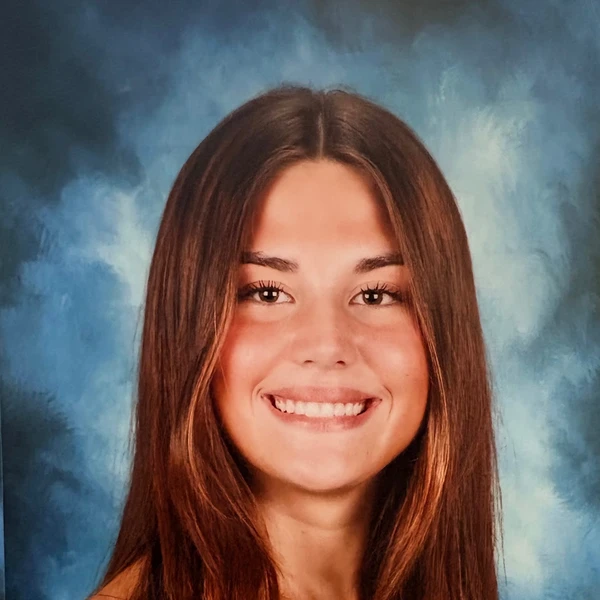
Harper O'Bomsawin
1x
Winner
Harper O'Bomsawin
1x
WinnerBio
I am excited to be attending the University of Alabama this fall, where I am pursuing my goal of becoming a mental health professional focused on supporting children and teenagers. I am deeply passionate about mental health advocacy and helping young people navigate challenges, build resilience, and feel seen and supported during critical stages of their lives. I am a strong candidate because of my empathy, dedication to service, and commitment to learning, and I am motivated to turn my passion into meaningful, positive impact for others.
Education
Milton High School
High SchoolMiscellaneous
Desired degree level:
Bachelor's degree program
Majors of interest:
- Social Work
Career
Dream career field:
- Mental Health Care
Dream career goals:
Intern
The Drake House2026 – Present8 monthsBarista
Warm Waves Coffee House2025 – Present1 year
Sports
Cheerleading
Varsity2023 – 20263 years
Awards
- Coaches Award
Arts
Milton Art
Drawing2020 – 2024
Public services
Volunteering
Tolbert Yilmaz School of Dance — Assistant Teacher2018 – 2025
Future Interests
Advocacy
Volunteering
Philanthropy
Entrepreneurship
Hines Scholarship
I have lived through moments where I felt invisible, unworthy, and completely alone, and I know how life changing it can be when someone finally listens. As a seventeen year old high school senior, I have learned that mental health is not just about surviving difficult moments, but about having the support, tools, and courage to heal and grow.
When my parents divorced during my early teenage years, my sense of stability disappeared. My father slowly became absent from my life, and I internalized that loss in ways I did not fully understand at the time. I began to believe that if someone who was supposed to love me unconditionally could walk away, then maybe I was not worth staying for.
Starting high school felt like starting over. Only a handful of students from my middle school attended with me, and I struggled to find my place. Instead of forming connections, I became the target of cyberbullying. A group chat was created on Snapchat where students made cruel comments about me, including girls from other high schools. Sometimes they would add me to the chat just to remove me again.
That was when I began seeing a counselor, and it changed my life. For the first time, I had a safe space to talk openly about what I was feeling without fear of judgment. Counseling helped me understand that my pain was valid, that I was not broken, and that asking for help was a sign of strength, not weakness. Through therapy, I learned coping strategies, self-confidence, and resilience. Most importantly, I learned that mental health care saves lives by reminding people they matter.
As I began healing, I felt called not only to advocate for myself, but for others who might be struggling silently. For the past three years, I have been an active member and team lead of the Whisper Club, where I help promote mental health awareness, inclusivity, and peer support within my school. I have also served as an intern for the NEXT Conference for the past two years and will be attending again this year. The NEXT Conference equips students with tools to navigate the mental health challenges that come with transitioning to high school, challenges I know firsthand. Being part of this organization has allowed me to turn my pain into purpose by helping other students feel prepared, supported, and understood.
These experiences, combined with my leadership roles in student council and my involvement in service oriented organizations, have shaped my desire to pursue a career in mental health. This fall, I am excited to attend the University of Alabama, where I plan to work toward becoming a mental health professional focused on supporting children and teenagers. I want to be the person I once needed, someone who listens, validates, and reminds young people that they are not alone.
I understand that growth is not a straight path and that healing requires patience, accountability, and compassion. I have learned to recognize warning signs in myself and others, to speak up when something feels wrong, and to offer kindness without expecting anything in return. They also motivate me to continue learning about psychology, advocacy, and ethical care. I believe that early intervention, education, and open dialogue can change outcomes for young people facing fear or isolation. By pursuing higher education and hands on experience, I hope to contribute to systems that prioritize listening, access, and dignity. Every student deserves to feel seen, supported, and valued, and I intend to work tirelessly toward that goal. This commitment shapes my purpose and future goals.
Women in Healthcare Scholarship
I have lived through moments where I felt invisible, unworthy, and completely alone and I know how life‑changing it can be when someone finally listens. As a 17‑year‑old high school senior, I have learned that mental health is not just about surviving difficult moments, but about having the support, tools, and courage to heal and grow.
When my parents divorced during my early teenage years, my sense of stability disappeared. My father slowly became absent from my life, and I internalized that loss in ways I didn’t fully understand at the time. I began to believe that if someone who was supposed to love me unconditionally could walk away, then maybe I wasn’t worth staying for. I shut down emotionally and convinced myself that being “strong” meant pretending I was fine, even when I wasn’t. That mindset followed me into high school.
Starting high school felt like starting over. Only a handful of students from my middle school attended with me, and I struggled to find my place. Instead of forming connections, I became the target of cyberbullying. A group chat was created on Snapchat where students made cruel comments about me, including girls from other high schools. Sometimes they would add me to the chat just to remove me again. Those moments were humiliating and painful, and they reinforced the loneliness I was already feeling. I felt isolated, ashamed, and unsure of where to turn.
That was when I began seeing a counselor and it changed my life. For the first time, I had a safe space to talk openly about what I was feeling without fear of judgment. Counseling helped me understand that my pain was valid, that I wasn’t broken, and that asking for help was a sign of strength, not weakness. Through therapy, I learned coping strategies, self‑confidence, and resilience. Most importantly, I learned that mental health care saves lives by reminding people they matter.
As I began healing, I felt called not only to advocate for myself, but for others who might be struggling silently. For the past three years, I have been an active member and team lead of the Whisper Club, where I help promote mental health awareness, inclusivity, and peer support within my school. I have also served as an intern for the NEXT Conference for the past two years and will be attending again this year. The NEXT Conference equips students with tools to navigate the mental health challenges that come with transitioning to high school challenges I know firsthand. Being part of this organization has allowed me to turn my pain into purpose by helping other students feel prepared, supported, and understood.
These experiences, combined with my leadership roles in student council and my involvement in service‑oriented organizations, have shaped my desire to pursue a career in mental health. This fall, I am excited to attend the University of Alabama, where I plan to work toward becoming a mental health professional focused on supporting children and teenagers. I want to be the person I needed someone who listens and reminds young people that they are not alone.
I am a strong candidate for this scholarship because I lead with empathy, dedication, and authenticity. Mental health is important to me not only because of what I have overcome, but because of what I hope to change. I am committed to turning my experiences into meaningful impact by advocating for mental wellness and helping others build resilience during some of the most critical years of their lives.
Mental health saved me. Now, I want to spend my life helping it save others.
Valerie Rabb Academic Scholarship
I have lived through moments where I felt invisible, unworthy, and completely alone, and I know how life‑changing it can be when someone finally listens. As a 17‑year‑old high school senior, I have learned that mental health is not just about surviving difficult moments, but about having the support, tools, and courage to heal and grow.
When my parents divorced during my early teenage years, my sense of stability disappeared. My father slowly became absent from my life, and I internalized that loss in ways I didn’t fully understand at the time. I began to believe that if someone who was supposed to love me unconditionally could walk away, then maybe I wasn’t worth staying for. I shut down emotionally and convinced myself that being “strong” meant pretending I was fine, even when I wasn’t. That mindset followed me into high school.
Starting high school felt like starting over. Only a handful of students from my middle school attended with me, and I struggled to find my place. Instead of forming connections, I became the target of cyberbullying. A group chat was created on Snapchat where students made cruel comments about me, including girls from other high schools. Sometimes they would add me to the chat just to remove me again. Those moments were humiliating and painful, and they reinforced the loneliness I was already feeling. I felt isolated, ashamed, and unsure of where to turn.
That was when I began seeing a counselor, and it changed my life. For the first time, I had a safe space to talk openly about what I was feeling without fear of judgment. Counseling helped me understand that my pain was valid, that I wasn’t broken, and that asking for help was a sign of strength, not weakness. Through therapy, I learned coping strategies, self‑confidence, and resilience. Most importantly, I learned that mental health care saves lives by reminding people they matter.
As I began healing, I felt called not only to advocate for myself, but for others who might be struggling silently. For the past three years, I have been an active member and team lead of the Whisper Club, where I help promote mental health awareness, inclusivity, and peer support within my school. I have also served as an intern for the NEXT Conference for the past two years and will be attending again this year. The NEXT Conference equips students with tools to navigate the mental health challenges that come with transitioning to high school, challenges I know firsthand. Being part of this organization has allowed me to turn my pain into purpose by helping other students feel prepared, supported, and understood.
These experiences, combined with my leadership roles in student council and my involvement in service‑oriented organizations, have shaped my desire to pursue a career in mental health. This fall, I am excited to attend the University of Alabama, where I plan to work toward becoming a mental health professional focused on supporting children and teenagers. I want to be the person I once needed—someone who listens, validates, and reminds young people that they are not alone.
I am a strong candidate for this scholarship because I lead with empathy, dedication, and authenticity. Mental health is important to me not only because of what I have overcome, but because of what I hope to change. I am committed to turning my experiences into impact by advocating for mental wellness and helping others build resilience during some of the most critical years of their lives.
Mental health saved me. Now, I want to spend my life helping it save others.
Ella's Gift
I have lived through moments where I felt invisible, unworthy, and completely alone, and I know how life‑changing it can be when someone finally listens. As a 17‑year‑old high school senior, I have learned that mental health is not just about surviving difficult moments, but about having the support, tools, and courage to heal and grow.
When my parents divorced during my early teenage years, my sense of stability disappeared. My father slowly became absent from my life, and I internalized that loss in ways I didn’t fully understand at the time. I began to believe that if someone who was supposed to love me unconditionally could walk away, then maybe I wasn’t worth staying for. I shut down emotionally and convinced myself that being “strong” meant pretending I was fine, even when I wasn’t. That mindset followed me into high school.
Starting high school felt like starting over. Only a handful of students from my middle school attended with me, and I struggled to find my place. Instead of forming connections, I became the target of cyberbullying. A group chat was created on Snapchat where students made cruel comments about me, including girls from other high schools. Sometimes they would add me to the chat just to remove me again. Those moments were humiliating and painful, and they reinforced the loneliness I was already feeling. I felt isolated, ashamed, and unsure of where to turn.
That was when I began seeing a counselor, and it changed my life. For the first time, I had a safe space to talk openly about what I was feeling without fear of judgment. Counseling helped me understand that my pain was valid, that I wasn’t broken, and that asking for help was a sign of strength, not weakness. Through therapy, I learned coping strategies, self‑confidence, and resilience. Most importantly, I learned that mental health care saves lives by reminding people they matter.
As I began healing, I felt called not only to advocate for myself, but for others who might be struggling silently. For the past three years, I have been an active member and team lead of the Whisper Club, where I help promote mental health awareness, inclusivity, and peer support within my school. I have also served as an intern for the NEXT Conference for the past two years and will be attending again this year. The NEXT Conference equips students with tools to navigate the mental health challenges that come with transitioning to high school, challenges I know firsthand. Being part of this organization has allowed me to turn my pain into purpose by helping other students feel prepared, supported, and understood.
These experiences, combined with my leadership roles in student council and my involvement in service‑oriented organizations, have shaped my desire to pursue a career in mental health. This fall, I am excited to attend the University of Alabama, where I plan to work toward becoming a mental health professional focused on supporting children and teenagers. I want to be the person I once needed, someone who listens, validates, and reminds young people that they are not alone.
I am a strong candidate for this scholarship because I lead with empathy, dedication, and authenticity. Mental health is important to me not only because of what I have overcome, but because of what I hope to change. I am committed to turning my experiences into meaningful impact by advocating for mental wellness, reducing stigma, and helping others build resilience during some of the most critical years of their lives.
Mental health saved me. Now, I want to spend my life helping it save others.
Angelia Zeigler Gibbs Book Scholarship
Mental health is important to me because I have lived through moments where I felt invisible, unworthy, and completely alone—and I know how life‑changing it can be when someone finally listens.
When my parents divorced during my early teenage years, my sense of stability disappeared. My father slowly became absent from my life, and I internalized that loss in ways I didn’t fully understand at the time. I began to believe that if someone who was supposed to love me unconditionally could walk away, then maybe I wasn’t worth staying for. That mindset followed me into high school.
Starting high school felt like starting over. Instead of forming connections, I became the target of cyberbullying. A group chat was created on Snapchat where students made cruel comments about me, including girls from other high schools. Sometimes they would add me to the chat just to remove me again. Those moments were humiliating and painful, and they reinforced the loneliness I was already feeling.
That was when I began seeing a counselor, and it changed my life. For the first time, I had a safe space to talk openly about what I was feeling without fear of judgment. Counseling helped me understand that my pain was valid, that I wasn’t broken, and that asking for help was a sign of strength, not weakness. Through therapy, I learned coping strategies, self‑confidence, and resilience.
As I began healing, I felt called not only to advocate for myself, but for others who might be struggling silently. For the past three years, I have been an active member and team lead of the Whisper Club, where I help promote mental health awareness, inclusivity, and peer support within my school. I have also served as an intern for the NEXT Conference for the past two years and will be attending again this year. The NEXT Conference equips students with tools to navigate the mental health challenges that come with transitioning to high school challenges I know firsthand.
Mental health is important to me not only because of what I have overcome, but because of what I hope to change. I am committed to turning my experiences into meaningful impact by advocating for mental wellness, reducing stigma, and helping others build resilience during some of the most critical years of their lives.
Mental health saved me. Now, I want to spend my life helping it save others.
Learner Mental Health Empowerment for Health Students Scholarship
Mental health is important to me because I have lived through moments where I felt invisible, unworthy, and completely alone, and I know how life‑changing it can be when someone finally listens. As a 17‑year‑old high school senior, I have learned that mental health is not just about surviving difficult moments, but about having the support, tools, and courage to heal and grow.
When my parents divorced during my early teenage years, my sense of stability disappeared. My father slowly became absent from my life, and I internalized that loss in ways I didn’t fully understand at the time. I began to believe that if someone who was supposed to love me unconditionally could walk away, then maybe I wasn’t worth staying for. I shut down emotionally and convinced myself that being “strong” meant pretending I was fine, even when I wasn’t. That mindset followed me into high school.
Starting high school felt like starting over. Only a handful of students from my middle school attended with me, and I struggled to find my place. Instead of forming connections, I became the target of cyberbullying. A group chat was created on Snapchat where students made cruel comments about me, including girls from other high schools. Sometimes they would add me to the chat just to remove me again. Those moments were humiliating and painful, and they reinforced the loneliness I was already feeling. I felt isolated, ashamed, and unsure of where to turn.
That was when I began seeing a counselor, and it changed my life. For the first time, I had a safe space to talk openly about what I was feeling without fear of judgment. Counseling helped me understand that my pain was valid, that I wasn’t broken, and that asking for help was a sign of strength, not weakness. Through therapy, I learned coping strategies and self‑confidence.
As I began healing, I felt called not only to advocate for myself, but for others who might be struggling silently. For the past three years, I have been an active member and team lead of the Whisper Club, where I help promote mental health awareness, inclusivity, and peer support within my school. I have also served as an intern for the NEXT Conference for the past two years and will be attending again this year. The NEXT Conference equips students with tools to navigate the mental health challenges that come with transitioning to high school, challenges I know firsthand. Being part of this organization has allowed me to turn my pain into purpose by helping other students feel prepared, supported, and understood.
These experiences, combined with my leadership roles in student council and my involvement in service‑oriented organizations, have shaped my desire to pursue a career in mental health. This fall, I am excited to attend the University of Alabama, where I plan to work toward becoming a mental health professional focused on supporting children and teenagers. I want to be the person I once needed, someone who listens, validates, and reminds young people that they are not alone.
I am a strong candidate for this scholarship because I lead with empathy, dedication, and authenticity. Mental health is important to me not only because of what I have overcome, but because of what I hope to change. I am committed to turning my experiences into meaningful impact by advocating for mental wellness, reducing stigma, and helping others build resilience during some of the most critical years of their lives.
Mental health support saved me. Now, I want to spend my life helping it save others.
McCusker Family Scholarship
WinnerI plan to make a positive impact on my community through a career in social services by focusing on mental health support for children and teenagers. Mental health plays a crucial role in overall well-being and is often overlooked in young people. My goal is to help create a community where mental health is taken seriously, conversations are encouraged, and support is accessible to those who need it most.
My dedication for social work is personal because as a child, I struggled with mental health challenges and often felt misunderstood and unsupported. Entering high school I often felt lost and struggled to make friends which made my mental health challenges harder. Those experiences taught me empathy and resilience motivating me to become a social worker who ensures young people feel supported understood and never alone. I also did not always have the tools I needed to fully express what I was going through. Those experiences shaped who I am today and inspired my desire to become the kind of professional I once needed. I understand firsthand how isolating mental health struggles can feel for young people, and that understanding allows me to approach this work with empathy, patience, and compassion.
Through my career, I hope to work directly with teens and children, providing them with a safe space to share their thoughts, emotions, and experiences without fear of judgment. I want to help them develop healthy coping skills, build self-confidence, and learn that asking for help is a sign of strength, not weakness. By supporting mental health early in life, I believe we can prevent long-term struggles and empower young people to lead healthier, more fulfilling lives.
I aim to advocate for greater mental health awareness within schools and communities. Education and early intervention are necessary to reducing stigma and ensuring that young people receive help before challenges escalate. I want to collaborate with families, educators, and community organizations to strengthen support systems and promote positive mental health practices.
By pursuing a degree in social work at the University of Alabama, I am taking an important step toward turning my passion into meaningful action. I was lucky enough to have a counselor that showed me how to show up for someone in need. I am committed to using my education, personal experiences, and dedication to service to make a lasting, positive impact on my community and to help children and teenagers feel seen, heard, and supported.