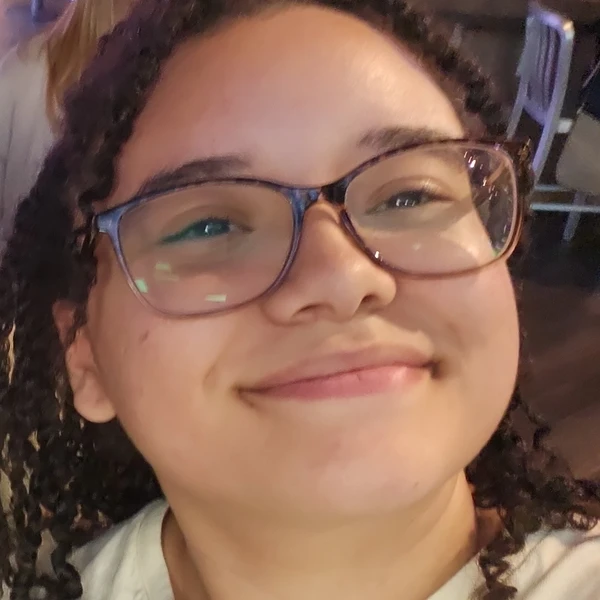
user profile avatar

Hailey Milanes

1x

Finalist

Bio

Future art therapist, Hispanic, female Art became the thing that bridged the distance; it filled the silence/barrier that remained, giving light to what I truly wanted to say or what words I wanted to use to connect with others. When I create art, I don't just see the colors or the images; I see my attempt at crafting my own language, which has shaped me.

Education

Mercer County Technical School Culinary Arts Academy

High School
2023 - 2026

Miscellaneous

  • Desired degree level:

    Master's degree program

  • Majors of interest:

    • Fine and Studio Arts
    • Psychology, General
    • Clinical, Counseling and Applied Psychology
    • Film/Video and Photographic Arts
  • Not planning to go to medical school
  • Career

    • Dream career field:

      Arts

    • Dream career goals:

      artist or art therapist

    • Cashier

      Wegmans
      2025 – Present1 year

    Future Interests

    Entrepreneurship

    Ethel Hayes Destigmatization of Mental Health Scholarship
    Mental health has played an important role in shaping who I am, the goals I have for my future, and the way I view the world around me. Throughout my life, I have learned that mental health affects every aspect of a person's life, from their relationships to their confidence and ability to achieve their dreams. My experiences have taught me the importance of self-expression, empathy, and perseverance, which is why I am passionate about pursuing a career as an art therapist. Art has always been more than just a hobby for me. It has been a way to express emotions that are often difficult to put into words. During challenging times, creating art gave me a safe outlet to process my thoughts and feelings. Whether I was feeling stressed, overwhelmed, or uncertain about the future, art allowed me to communicate emotions that I sometimes struggled to explain. Through this process, I discovered how powerful creativity can be in supporting mental and emotional well-being. My experiences have also shaped my relationships with others. When someone struggles with mental health, it can feel isolating, but I have learned that everyone faces challenges that may not be visible on the surface. This understanding has made me more compassionate and patient with the people around me. I try to listen without judgment and support others when they are going through difficult situations. These experiences have shown me the importance of connection and how meaningful it can be when someone feels heard and understood. As I prepare to begin college, my experiences with mental health continue to influence my academic and career goals. I hope to study subjects that will help me better understand human behavior, emotions, and the healing power of creativity. My ultimate goal is to become an art therapist, combining my passion for art with my desire to help others. I want to create a space where people feel comfortable expressing themselves and working through challenges in a healthy and creative way. I believe that art can provide comfort, healing, and a sense of hope for people facing difficult circumstances. Mental health has also changed the way I understand the world. It has taught me that success is not only measured by achievements but also by personal growth, resilience, and the ability to overcome obstacles. It has shown me that everyone carries struggles that may not be visible and that kindness can have a lasting impact. These lessons have helped me become more understanding, open-minded, and determined to make a difference in the lives of others. Looking ahead, I am motivated by the belief that my experiences can help me support people who may be facing challenges similar to those I have encountered. Through art therapy, I hope to help others discover their own strengths, express their emotions, and find healing through creativity. My journey has taught me that mental health is not just a challenge to overcome it is also an opportunity to grow, connect with others, and inspire positive change.
    “I Matter” Scholarship
    One time I helped someone in need was during my senior year of high school in art class. Art has always been an important part of my life because it allows me to express myself and connect with others. One day, I noticed that a student in my class was struggling with a project and seemed frustrated. They had recently joined the class and did not have much experience with the materials we were using. While everyone else was working confidently, they looked overwhelmed and unsure of where to start. At first, I was focused on finishing my own work. As a student preparing for college, I had many responsibilities and wanted to keep my grades high. However, I remembered how difficult it can be to start something new and how important it is to have someone willing to help. Instead of ignoring the situation, I decided to offer my assistance. I sat with the student and showed them some basic techniques that I had learned through my own experience. I explained how to plan the project, organize materials, and use shading to create depth in their artwork. More importantly, I encouraged them not to be afraid of making mistakes. In art, mistakes are often opportunities to learn and improve. As we worked together, I could see their confidence growing. They began asking questions, sharing ideas, and becoming more comfortable with the assignment. By the end of class, the student had made significant progress on their project and was smiling instead of looking stressed. They thanked me for taking the time to help them and said that they finally felt like they belonged in the class. Hearing that made me realize that helping someone is not always about solving a huge problem. Sometimes, simply offering support and encouragement can make a meaningful difference in another person's life. This experience taught me valuable lessons about leadership, patience, and kindness. It showed me that the skills I develop through art can be used to help others, not just myself. As I prepare to enter college, I hope to continue supporting people who may be struggling or facing new challenges. Whether it is helping a classmate understand an assignment, assisting a roommate with adjusting to campus life, or encouraging someone to pursue their goals, I want to be the kind of person who makes others feel supported. Helping that student reminded me that success is not only measured by personal achievements but also by the positive impact we have on the people around us. It is an experience I will carry with me as I begin this next chapter of my life.
    Greg Lockwood Scholarship
    When I first unwrapped my first art set, I understood that art wasn't about what I could see, but rather about what I couldn't say. Painting and photography became my first true language. It helped me translate how I felt and what I remember, all in one. Growing up Hispanic, I always found myself in between two languages, one connected to my culture and the other what most people expected me to speak in America. Art became the thing that bridged the distance; it filled the silence/barrier that remained, giving light to what I truly wanted to say or what words I wanted to use to connect with others. Even when words fail me, art didn’t because I didn’t need to have perfect grammar or an accent; my brushstrokes would tell the story, the same way handwriting is mixed with emotions. Strokes can display memories the artist has, and the colors can further show emotions, with every color, shadow, light, and blending adding depth and emotions to the canvas, allowing me to visualize my feelings. I didn't think that my voice was fading, but it was creating one. As a result, I began to understand how art sees more than what I see in myself. It shaped how I see everyone, the world, and emotions. Art made me focus on the smallest details of others, such as how light falls on a plant, the tone of people's voices, the emotions they convey as they speak, the colors people wear, and the textures around me. Each blank canvas and camera taught me how to navigate a challenge, just like being in between two worlds of art. Most of all, art has given me an identity that can’t be put into one definition. Painting and photography help me find ways to express myself and show my culture. When I paint, I go with the warm tones like oranges, light ocean blue, reds, and yellows that represent the Puerto Rican island. My brushstrokes flow like the rhythm of the Spanish music, like bachata, which I heard growing up at parties. When I create art, I don't just see the colors or the images; I see my attempt at crafting my own language, which has shaped me, and I want to show that to help other people use art in their way, helping them make their own language using their colors mixed with their emotions.
    Lyn Schneider Memorial Scholarship
    When I first unwrapped my first camera, I understood that art wasn't about what I could see, but rather about what I couldn't say. Photography became my first true language. It helped me translate how I felt and what I remember, all in one. Growing up Hispanic, I always found myself in between two languages, one connected to my culture and the other what most people expected me to speak in America. Photography became the thing that bridged the distance; it filled the silence/barrier that remained, giving light to what I truly wanted to say or what words I wanted to use to connect with others. Even when words fail me, art didn’t because I didn’t need to have perfect grammar or an accent; pictures can display memories the artist has, and the colors can further show emotions, with every color, shadow, light, and blending adding depth and emotions to the picture, allowing me to visualize my feelings. I didn't think that my voice was fading, but it was creating one. Photography works the same way; it opened doors for me without having to say anything. With photography, it freezes the moments so I can hold onto them, reminding me of each moment captured, and not have to pronounce words perfectly. Growing up with a lisp, I struggled to pronounce certain letters. Being raised in a bilingual environment—one language at school and another at home—added to my challenges. However, each photo I take reassures me that I don’t need an extensive vocabulary to convey meaning; the images speak for themselves. As a result, I began to understand how art sees more than what I see in myself. It shaped how I see everyone, the world, and emotions. Photography made me focus on the smallest details of others, such as how light falls on a plant, the emotions they convey as they speak, the colors people wear, and the textures around me. Each picture taught me how to navigate a challenge, just like being in between two worlds. Most of all, art has given me an identity that can’t be put into one definition. Photography help me find ways to express myself and show my culture. Photography helps me freeze the memories of my grandmother making pasteles, my family dancing, and laughing. It helps me piece together my story, showing how silence can be powerful and loud enough to transform something into an art piece. When I take a picture, I don't just see the colors or the images; I see my attempt at crafting my own language, which has shaped me.
    Kay Sykes Arts Scholarship
    When I first unwrapped my first art set, I understood that art wasn't about what I could see, but rather about what I couldn't say. Painting and photography became my first true language. It helped me translate how I felt and what I remember, all in one. Growing up Hispanic, I always found myself in between two languages, one connected to my culture and the other what most people expected me to speak in America. Art became the thing that bridged the distance; it filled the silence/barrier that remained, giving light to what I truly wanted to say or what words I wanted to use to connect with others. Even when words fail me, art didn’t because I didn’t need to have perfect grammar or an accent; my brushstrokes would tell the story, the same way handwriting is mixed with emotions. Strokes can display memories the artist has, and the colors can further show emotions, with every color, shadow, light, and blending adding depth and emotions to the canvas, allowing me to visualize my feelings. I didn't think that my voice was fading, but it was creating one. As a result, I began to understand how art sees more than what I see in myself. It shaped how I see everyone, the world, and emotions. Art made me focus on the smallest details of others, such as how light falls on a plant, the tone of people's voices, the emotions they convey as they speak, the colors people wear, and the textures around me. Each blank canvas and camera taught me how to navigate a challenge, just like being in between two worlds of art. Most of all, art has given me an identity that can’t be put into one definition. Painting and photography help me find ways to express myself and show my culture. When I paint, I go with the warm tones like oranges, light ocean blue, reds, and yellows that represent the Puerto Rican island. My brushstrokes flow like the rhythm of the Spanish music, like bachata, which I heard growing up at parties. When I create art, I don't just see the colors or the images; I see my attempt at crafting my own language, which has shaped me, and I want to show that to help other people use art in their own way, helping them make their own language using their colors mixed with their emotions.
    Olivia Rodrigo Fan Scholarship
    Olivia Rodrigo’s music often captures the intensity of emotions that come with growing up, and as someone who connects deeply with art, her lyrics feel especially personal to me. What makes Olivia Rodrigo’s music so impactful is how honest it is. That honesty reminds me that art doesn’t have to be perfect—it just has to be real. My own artistic journey reflects that idea. I’ve learned that my struggles, insecurities, and even my mistakes are part of what makes my work authentic. They’re not weaknesses; they’re the foundation of my voice. One lyric from Olivia Rodrigo that resonates with me is from her song “hope ur ok”, “They say these are the golden years, but I wish I could disappear.” That line reflects moments in my life where, even though everything is supposed to feel exciting, like growing up, finishing school, and planning a future, it can also feel overwhelming and isolating. There’s pressure to have everything figured out, and sometimes it feels easier to just step back from it all. At the same time, I connect deeply to her lyric from *“the climb is always worth it” energy in her music, especially in songs like “drivers license” and “making the bed” because they capture the idea of struggling but still moving forward. My journey hasn’t been perfect. Growing up, especially in a situation shaped by responsibility and watching my mom work hard, I’ve learned resilience early. There were challenges, but they shaped my independence and drive. One lyric that resonates with me is from “making the bed”: “I’m so tired of being the girl that I am.” That line reflects moments where I’ve struggled with self-doubt, especially when it comes to my creative identity. As an artist, there’s this constant pressure to be original, to be good enough, and to prove that what you create matters. Sometimes, I’ve questioned whether I’m doing enough or if I even measure up. That exhaustion Olivia describes mirrors the internal battles I face when I’m trying to balance who I am with who I think I’m supposed to be. At the same time, there are triumphs in that vulnerability. Every time I create something that feels true to me, I’m reclaiming confidence in who I am. Olivia’s lyrics show that growth isn’t always clean or easy, but it’s still progress. In my life, art has become both an escape and a way to understand myself better. Like her music, my journey is emotional, imperfect, and constantly evolving, but that’s exactly what makes it meaningful. Art, like Olivia Rodrigo’s music, helps me process those emotions. It gives me a way to turn confusion, pressure, and growth into something meaningful. Her lyrics remind me that even the messy, uncertain parts of life are still part of becoming who I’m meant to be.
    Peter Noto Memorial Scholarship
    When I first unwrapped my first art set, I understood that art wasn't about what I could see, but rather about what I couldn't say. Painting and photography became my first true language. It helped me translate how I felt and what I remember, all in one. Growing up Hispanic, I always found myself in between two languages, one connected to my culture and the other what most people expected me to speak in America. Art became the thing that bridged the distance; it filled the silence/barrier that remained, giving light to what I truly wanted to say or what words I wanted to use to connect with others. Even when words fail me, art didn’t because I didn’t need to have perfect grammar or an accent; my brushstrokes would tell the story, the same way handwriting is mixed with emotions. Strokes can display memories the artist has, and the colors can further show emotions, with every color, shadow, light, and blending adding depth and emotions to the canvas, allowing me to visualize my feelings. I didn't think that my voice was fading, but it was creating one. As a result, I began to understand how art sees more than what I see in myself. It shaped how I see everyone, the world, and emotions. Art made me focus on the smallest details of others, such as how light falls on a plant, the tone of people's voices, the emotions they convey as they speak, the colors people wear, and the textures around me. Each blank canvas and camera taught me how to navigate a challenge, just like being in between two worlds of art. Most of all, art has given me an identity that can’t be put into one definition. Painting and photography help me find ways to express myself and show my culture. When I paint, I go with the warm tones like oranges, light ocean blue, reds, and yellows that represent the Puerto Rican island. My brushstrokes flow like the rhythm of the Spanish music, like bachata, which I heard growing up at parties. When I create art, I don't just see the colors or the images; I see my attempt at crafting my own language, which has shaped me, and I want to show that to help other people use art in their way, helping them make their own language using their colors mixed with their emotions.
    Julie Holloway Bryant Memorial Scholarship
    When I first unwrapped my first art set, I understood that art wasn't about what I could see, but rather about what I couldn't say. Painting and photography became my first true language. It helped me translate how I felt and what I remember all in one. Growing up Hispanic, I always found myself in between two languages, one connected to my culture and the other what most people expected me to speak. Art became the thing that bridged the distance; it filled the silence/barrier that remained, giving light to what I truly wanted to say or what words I wanted to use to connect with others. Even when words fail me, art didn’t because I didn’t need to have perfect grammar or an accent; my brushstrokes would tell the story, the same way handwriting is mixed with emotions. A wobbly line might show the viewer sadness, and a strong line cloud might show confidence or a sign of letting something go. Strokes can display memories the artist has, and the colors can further show emotions, such as yellow for happiness or red for anger. With every color, shadow, light, and blending added depth and emotions to the canvas, allowing me to visualize my feelings. I didn't think that my voice was fading, but it was creating one. When I was 14 years old, my mom took me to a painting studio for my birthday. We were allowed to paint anything we wanted. I chose to express my feelings on the canvas. In the center, I painted a yellow circle to represent my happiness and used various other colors to convey my different emotions. Photography works the same way; it opened doors for me without having to say anything. With photography, it freezes the moments so I can hold onto them, reminding me of each moment captured, and not have to pronounce words perfectly. Growing up with a lisp, I struggled to pronounce certain letters. Being raised in a bilingual environment—one language at school and another at home—added to my challenges. However, each photo I take reassures me that I don’t need an extensive vocabulary to convey meaning; the images speak for themselves. As a result, I began to understand how art sees more than what I see in myself. It shaped how I see everyone, the world, and emotions. Art made me focus on the smallest details of others, such as how light falls on a plant, the tone of people's voices, the emotions they convey as they speak, the colors people wear, and the textures around me. Each blank canvas and camera taught me how to navigate a challenge, just like being in between two worlds. Most of all, art has given me an identity that can’t be put into one definition. Painting and photography help me find ways to express myself and show my culture. When I paint, I go with the warm tones like oranges, light ocean blue, reds, and yellows that represent the Puerto Rican island. My brushstrokes flow like the rhythm of the Spanish music, like bachata, which I heard growing up at parties. Photography helps me freeze the memories of my grandmother making pasteles, my family dancing, and laughing. It helps me piece together my story, showing how silence can be powerful and loud enough to transform something into an art piece. When I create art, I don't just see the colors or the images; I see my attempt at crafting my own language, which has shaped me.
    Resilient Scholar Award
    Growing up with a single mother shaped who I am in ways I didn’t fully understand until I got older. My mom raised two kids on her own while earning just ten dollars an hour. From the beginning, my mom had me at a young age, before she had the chance to build a stable life or career. She had very little support. There was no one consistently there to help her financially, emotionally, or physically. That meant every dollar mattered, and every decision had to be carefully thought out. Even with such limited income, she made sure we always had what we needed. Watching her manage so much responsibility on so little taught me the true meaning of sacrifice. My mom did everything herself. She worked long hours, came home tired, and still found the energy to cook, clean, and take care of us. There were no breaks for her. She handled all the shopping, paid the bills, kept the house together, and made sure we stayed on track in school. I remember seeing her come home exhausted, but she never complained. Instead, she kept moving forward. That constant effort showed me what real strength looks like not just physical strength, but emotional and mental strength too. Growing up in a Hispanic community added another layer to my experience. Family, culture, and resilience were always emphasized, but I also saw how common it was for women, especially single mothers, to carry heavy burdens without much recognition. My mom stood out to me because she never let her situation define her limits. She took pride in providing for us and made sure we understood the value of hard work and respect. Her example showed me that where you come from does not determine where you can go. Because of her, I learned independence early. I understood that nothing would simply be handed to me, and if I wanted something, I had to work for it. I became more responsible, more aware, and more motivated to build a better future. At the same time, I developed a deep respect for people who work hard behind the scenes, especially parents who give everything for their children. Overall, my experience growing up with a single mother shaped me into someone who values hard work, independence, and resilience. My mom’s determination, despite the challenges she faced, continues to inspire me every day. She showed me that strength is not about having everything easy it’s about pushing forward even when things are difficult.
    Taylor Swift Fan Scholarship
    One of the most moving performances by Taylor Swift is her performance of “All Too Well (10 Minute Version)” at her live shows. What makes it stand out isn’t just the song itself, but the raw emotion she brings to it she’s not just singing, she’s reliving memories, telling a story, and letting the audience feel every moment with her. You can see the growth in her too: she takes something painful and turns it into something powerful and artistic. Relating that to your life, it’s kind of like how personal experiences especially the hard ones shape who you are. Just like Taylor uses her past to create something meaningful, you’ve probably had moments in your life that challenged you or forced you to grow, like your experiences with family or responsibility. Those moments might not have been easy, but they build strength, independence, and perspective over time. What makes that performance so impactful is the idea that your story matters, even the messy or emotional parts. And just like she stands confidently sharing hers, it shows that owning your experiences rather than hiding them, can actually become one of your greatest strengths. It inspires me to embrace my story, just like she embraces hers on stage.
    Love Island Fan Scholarship
    Challenge Name: “The Truth Auction” Concept: - Islanders must literally bid against each other to uncover the truth about their partners… knowing full well they might not like what they hear. Setup: - Everyone is given the same amount of “Love Coins” - A host stands in front of the villa with a stack of sealed envelopes - Each envelope contains a real, unfiltered truth about an islander Nobody knows whose truth is inside each envelope. Round 1: The Auction Begins The host announces categories like: - “A secret crush in the villa” - “A relationship doubt” - “Something they’ve lied about” - “What they really think of their partner” Islanders bid against each other to win the envelope. Key twist: - You can bid to Expose your partner: - Expose someone else’s partner - Or protect yourself by buying a risky envelope Round 2: Public Reveal Whoever wins the envelope must choose: - Open it and read it out loud to everyone, OR - Keep it private… but lose all their remaining coins Most people will risk it and regret it. Round 3: The Twist Knife Halfway through, a brutal twist drops: New rule: - You can now force another islander to read an envelope they winno matter what. - So even if someone tries to protect themselves, someone else can expose them. Types of Truths Inside Envelopes: - “I would recouple if someone new came in tomorrow.” - “I’m more physically attracted to someone else here.” - “I’m playing the game more than looking for love.” - “I don’t see this working outside the villa.” Final Round: “All In” Each islander must: - Write one final anonymous truth about their own relationship - All truths are shuffled and read aloud Then… Everyone votes on which couple the truth belongs to. - The real couple must stand up. End Consequence: - The couple exposed in the harshest truth is: - Either split up immediately - OR voted by the public/contestants to stay or go
    Sabrina Carpenter Superfan Scholarship
    I have been a fan of Sabrina ever since she was on girl meets world. I loved her acting and when she came out with her songs I loved her even more. I loved that she put her emotions in each song, making each song have a deep meaning. Even its a fun song it still had meaning. I also love that each song makes you want to dance. Over the years, I love watching her grow up as I grew, and having a deep understand to her music as she made more and more songs. Her music, from early EPs like Can’t Blame a Girl for Trying to her recent chart-topping album Short n’ Sweet, resonates with themes of self-acceptance, empowerment, and resilience. Songs like Skinny Dipping and Espresso speak to personal growth and embracing one’s identity, which has encouraged me to be more authentic in my own life. Her career impacted me by showing me how music can help other people have the same understanding and make a communntiy of people to come together and have a understanding. Sabrina remains genuine, using her platform to advocate for self-love, mental health awareness, and body positivity. Sabrina Carpenter’s music, performances, and advocacy have not only entertained me but also empowered me to be more confident, and self-aware.
    Sunshine Legall Scholarship
    When I first unwrapped my first art set, I understood that art wasn't about what I could see, but rather about what I couldn't say. Painting and photography became my first true language. It helped me translate how I felt and what I remember all in one. Growing up Hispanic, I always found myself in between two languages, one connected to my culture and the other what most people expected me to speak. Art became the thing that bridged the distance; it filled the silence/barrier that remained, giving light to what I truly wanted to say or what words I wanted to use to connect with others. Even when words fail me, art didn’t because I didn’t need to have perfect grammar or an accent; my brushstrokes would tell the story, the same way handwriting is mixed with emotions. A wobbly line might show the viewer sadness, and a strong line cloud might show confidence or a sign of letting something go. Strokes can display memories the artist has, and the colors can further show emotions, such as yellow for happiness or red for anger. With every color, shadow, light, and blending added depth and emotions to the canvas, allowing me to visualize my feelings. I didn't think that my voice was fading, but it was creating one. When I was 14 years old, my mom took me to a painting studio for my birthday. We were allowed to paint anything we wanted. I chose to express my feelings on the canvas. In the center, I painted a yellow circle to represent my happiness and used various other colors to convey my different emotions. Photography works the same way; it opened doors for me without having to say anything. With photography, it freezes the moments so I can hold onto them, reminding me of each moment captured, and not have to pronounce words perfectly. Growing up with a lisp, I struggled to pronounce certain letters. Being raised in a bilingual environment—one language at school and another at home—added to my challenges. However, each photo I take reassures me that I don’t need an extensive vocabulary to convey meaning; the images speak for themselves. As a result, I began to understand how art sees more than what I see in myself. It shaped how I see everyone, the world, and emotions. Art made me focus on the smallest details of others, such as how light falls on a plant, the tone of people's voices, the emotions they convey as they speak, the colors people wear, and the textures around me. Each blank canvas and camera taught me how to navigate a challenge, just like being in between two worlds. Most of all, art has given me an identity that can’t be put into one definition. Painting and photography help me find ways to express myself and show my culture. When I paint, I go with the warm tones like oranges, light ocean blue, reds, and yellows that represent the Puerto Rican island. My brushstrokes flow like the rhythm of the Spanish music, like bachata, which I heard growing up at parties. Photography helps me freeze the memories of my grandmother making pasteles, my family dancing, and laughing. It helps me piece together my story, showing how silence can be powerful and loud enough to transform something into an art piece. When I create art, I don't just see the colors or the images; I see my attempt at crafting my own language, which has shaped me. I want to teach poeple about art, and help them understand thier emotions.
    Maria's Legacy: Alicia's Scholarship
    When I first unwrapped my first art set, I understood that art wasn't about what I could see, but rather about what I couldn't say. Painting and photography became my first true language. It helped me translate how I felt and what I remember all in one. Growing up Hispanic, I always found myself in between two languages, one connected to my culture and the other what most people expected me to speak. Art became the thing that bridged the distance; it filled the silence/barrier that remained, giving light to what I truly wanted to say or what words I wanted to use to connect with others. Even when words fail me, art didn’t because I didn’t need to have perfect grammar or an accent; my brushstrokes would tell the story, the same way handwriting is mixed with emotions. A wobbly line might show the viewer sadness, and a strong line cloud might show confidence or a sign of letting something go. Strokes can display memories the artist has, and the colors can further show emotions, such as yellow for happiness or red for anger. With every color, shadow, light, and blending added depth and emotions to the canvas, allowing me to visualize my feelings. I didn't think that my voice was fading, but it was creating one. When I was 14 years old, my mom took me to a painting studio for my birthday. We were allowed to paint anything we wanted. I chose to express my feelings on the canvas. In the center, I painted a yellow circle to represent my happiness and used various other colors to convey my different emotions. Photography works the same way; it opened doors for me without having to say anything. With photography, it freezes the moments so I can hold onto them, reminding me of each moment captured, and not have to pronounce words perfectly. Growing up with a lisp, I struggled to pronounce certain letters. Being raised in a bilingual environment—one language at school and another at home—added to my challenges. However, each photo I take reassures me that I don’t need an extensive vocabulary to convey meaning; the images speak for themselves. As a result, I began to understand how art sees more than what I see in myself. It shaped how I see everyone, the world, and emotions. Art made me focus on the smallest details of others, such as how light falls on a plant, the tone of people's voices, the emotions they convey as they speak, the colors people wear, and the textures around me. Each blank canvas and camera taught me how to navigate a challenge, just like being in between two worlds. Most of all, art has given me an identity that can’t be put into one definition. Painting and photography help me find ways to express myself and show my culture. When I paint, I go with the warm tones like oranges, light ocean blue, reds, and yellows that represent the Puerto Rican island. My brushstrokes flow like the rhythm of the Spanish music, like bachata, which I heard growing up at parties. Photography helps me freeze the memories of my grandmother making pasteles, my family dancing, and laughing. It helps me piece together my story, showing how silence can be powerful and loud enough to transform something into an art piece. When I create art, I don't just see the colors or the images; I see my attempt at crafting my own language, which has shaped me.
    Terry Masters Memorial Scholarship
    When I first unwrapped my first art set, I understood that art wasn't about what I could see, but rather about what I couldn't say. Growing up Hispanic, I always found myself in between two languages, one connected to my culture and the other what most people expected me to speak. Art became the thing that bridged the distance; it filled the silence/barrier that remained, giving light to what I truly wanted to say or what words I wanted to use to connect with others. Being raised in a bilingual environment, one language at school and another at home, added to my challenges. However, each photo I take reassures me that I don’t need an extensive vocabulary to convey meaning; the images speak for themselves. As a result, I began to understand how art sees more than what I see in myself. Art made me focus on the smallest details of others, such as how light falls on a plant, the tone of people's voices, the emotions they convey as they speak, the colors people wear, and the textures around me. Each blank canvas taught me how to navigate a challenge, just like being in between two worlds. When I paint, I go with the warm tones like oranges, light ocean blue, reds, and yellows that represent the Puerto Rican island. My brushstrokes flow like the rhythm of the Spanish music, like bachata, which I heard growing up at parties. It helps me piece together my story, showing how silence can be powerful and loud enough to transform something into an art piece. When I create art, I don't just see the colors or the images; I see my attempt at crafting my own language, which has shaped me.
    Kathryn Graham "Keyport's Mom" Scholarship
    When I first unwrapped my first art set, I understood that art wasn't about what I could see, but rather about what I couldn't say. Painting and photography became my first true language. It helped me translate how I felt and what I remember all in one. Growing up Hispanic, I always found myself in between two languages, one connected to my culture and the other what most people expected me to speak. Art became the thing that bridged the distance; it filled the silence/barrier that remained, giving light to what I truly wanted to say or what words I wanted to use to connect with others. Even when words fail me, art didn’t because I didn’t need to have perfect grammar or an accent; my brushstrokes would tell the story, the same way handwriting is mixed with emotions. A wobbly line might show the viewer sadness, and a strong line cloud might show confidence or a sign of letting something go. Strokes can display memories the artist has, and the colors can further show emotions, such as yellow for happiness or red for anger. With every color, shadow, light, and blending added depth and emotions to the canvas, allowing me to visualize my feelings. I didn't think that my voice was fading, but it was creating one. When I was 14 years old, my mom took me to a painting studio for my birthday. We were allowed to paint anything we wanted. I chose to express my feelings on the canvas. In the center, I painted a yellow circle to represent my happiness and used various other colors to convey my different emotions. Photography works the same way; it opened doors for me without having to say anything. With photography, it freezes the moments so I can hold onto them, reminding me of each moment captured, and not have to pronounce words perfectly. Growing up with a lisp, I struggled to pronounce certain letters. Being raised in a bilingual environment—one language at school and another at home—added to my challenges. However, each photo I take reassures me that I don’t need an extensive vocabulary to convey meaning; the images speak for themselves. As a result, I began to understand how art sees more than what I see in myself. It shaped how I see everyone, the world, and emotions. Art made me focus on the smallest details of others, such as how light falls on a plant, the tone of people's voices, the emotions they convey as they speak, the colors people wear, and the textures around me. Each blank canvas and camera taught me how to navigate a challenge, just like being in between two worlds. Most of all, art has given me an identity that can’t be defined in one word. Painting and photography help me express myself and show my culture. When I paint, I go with the warm tones like oranges, light ocean blue, reds, and yellows that represent the Puerto Rican island. My brushstrokes flow like the rhythm of the Spanish music, like bachata, which I heard growing up at parties. Photography helps me freeze the memories of my grandmother making pasteles, my family dancing, and laughing. It helps me piece together my story, showing how silence can be powerful and loud enough to transform something into an art piece. When I create art, I don't just see the colors or the images; I see my attempt at crafting my own language, which has shaped me.
    Al Luna Memorial Design Scholarship
    When I first unwrapped my first art set, I understood that art wasn't about what I could see, but rather about what I couldn't say. Painting and photography became my first true language. It helped me translate how I felt and what I remember all in one. Growing up Hispanic, I always found myself in between two languages, one connected to my culture and the other what most people expected me to speak. Art became the thing that bridged the distance; it filled the silence/barrier that remained, giving light to what I truly wanted to say or what words I wanted to use to connect with others. Even when words fail me, art didn’t because I didn’t need to have perfect grammar or an accent; my brushstrokes would tell the story, the same way handwriting is mixed with emotions. A wobbly line might show the viewer sadness, and a strong line cloud might show confidence or a sign of letting something go. Strokes can display memories the artist has, and the colors can further show emotions, such as yellow for happiness or red for anger. With every color, shadow, light, and blending added depth and emotions to the canvas, allowing me to visualize my feelings. I didn't think that my voice was fading, but it was creating one. When I was 14 years old, my mom took me to a painting studio for my birthday. We were allowed to paint anything we wanted. I chose to express my feelings on the canvas. In the center, I painted a yellow circle to represent my happiness and used various other colors to convey my different emotions. Photography works the same way; it opened doors for me without having to say anything. With photography, it freezes the moments so I can hold onto them, reminding me of each moment captured, and not have to pronounce words perfectly. Growing up with a lisp, I struggled to pronounce certain letters. Being raised in a bilingual environment—one language at school and another at home—added to my challenges. However, each photo I take reassures me that I don’t need an extensive vocabulary to convey meaning; the images speak for themselves. As a result, I began to understand how art sees more than what I see in myself. It shaped how I see everyone, the world, and emotions. Art made me focus on the smallest details of others, such as how light falls on a plant, the tone of people's voices, the emotions they convey as they speak, the colors people wear, and the textures around me. Each blank canvas and camera taught me how to navigate a challenge, just like being in between two worlds. Most of all, art has given me an identity that can’t be put into one definition. Painting and photography help me find ways to express myself and show my culture. When I paint, I go with the warm tones like oranges, light ocean blue, reds, and yellows that represent the Puerto Rican island. My brushstrokes flow like the rhythm of the Spanish music, like bachata, which I heard growing up at parties. Photography helps me freeze the memories of my grandmother making pasteles, my family dancing, and laughing. It helps me piece together my story, showing how silence can be powerful and loud enough to transform something into an art piece. When I create art, I don't just see the colors or the images; I see my attempt at crafting my own language, which has shaped me. With this, I plan to teach and help people like me.
    WCEJ Thornton Foundation Music & Art Scholarship
    When I first unwrapped my first art set, I understood that art wasn't about what I could see, but rather about what I couldn't say. Painting and photography became my first true language. It helped me translate how I felt and what I remember all in one. Growing up Hispanic, I always found myself in between two languages, one connected to my culture and the other what most people expected me to speak. Art became the thing that bridged the distance; it filled the silence/barrier that remained, giving light to what I truly wanted to say or what words I wanted to use to connect with others. Even when words fail me, art didn’t because I didn’t need to have perfect grammar or an accent; my brushstrokes would tell the story, the same way handwriting is mixed with emotions. Strokes can display memories the artist has, and the colors can further show emotions, with every color, shadow, light, and blending added depth and emotions to the canvas, allowing me to visualize my feelings. I didn't think that my voice was fading, but it was creating one. As a result, I began to understand how art sees more than what I see in myself. It shaped how I see everyone, the world, and emotions. Art made me focus on the smallest details of others, such as how light falls on a plant, the tone of people's voices, the emotions they convey as they speak, the colors people wear, and the textures around me. Each blank canvas and camera taught me how to navigate a challenge, just like being in between two worlds. Most of all, art has given me an identity that can’t be put into one definition. Painting and photography help me find ways to express myself and show my culture. When I paint, I go with the warm tones like oranges, light ocean blue, reds, and yellows that represent the Puerto Rican island. My brushstrokes flow like the rhythm of the Spanish music, like bachata, which I heard growing up at parties. When I create art, I don't just see the colors or the images; I see my attempt at crafting my own language, which has shaped me, and I want to show that to help other people.
    Alexis Mackenzie Memorial Scholarship for the Arts
    When my great grandma gave me my first art set, I understood that art wasn't about what I could see, but rather about what I couldn't say. Painting and photography became my first true language. It helped me translate how I felt and what I remember all in one. Growing up Hispanic, I always found myself in between two languages, one connected to my culture and the other what most people expected me to speak. Art became the thing that bridged the distance; it filled the silence/barrier that remained, giving light to what I truly wanted to say or what words I wanted to use to connect with others. Even when words fail me, art didn’t because I didn’t need to have perfect grammar or an accent; my brushstrokes would tell the story, the same way handwriting is mixed with emotions. A wobbly line might show the viewer sadness, and a strong line cloud might show confidence or a sign of letting something go. Strokes can display memories the artist has, and the colors can further show emotions, such as yellow for happiness or red for anger. With every color, shadow, light, and blending added depth and emotions to the canvas, allowing me to visualize my feelings. I didn't think that my voice was fading, but it was creating one. When I was 14 years old, my great grandma passed and I found it hard for me to convey my emotions, but when i started painting on the canvas I chose to express my feelings on the canvas. In the center, I painted a yellow circle to represent my happiness and used various other colors to convey my different emotions. As a result, I began to understand how art sees more than what I see in myself. It shaped how I see everyone, the world, and emotions. Art made me focus on the smallest details of others, such as how light falls on a plant, the tone of people's voices, the emotions they convey as they speak, the colors people wear, and the textures around me. Most of all, art has given me words that can’t be put into one definition. Painting and photography help me find ways to express myself and show my culture. When I paint, I go with the warm tones like oranges, light ocean blue, reds, and yellows that represent the Puerto Rican island. My brushstrokes flow like the rhythm of the Spanish music, like bachata, which I heard growing up at parties.It helps me freeze the memories of my great grandmother making pasteles, my family dancing, and laughing. It helps me piece together my story, showing how silence can be powerful and loud enough to transform something into an art piece. I want to help people show thier emotions without using words but using colors, because when we create art, we don't just see the colors or the images; I see my attempt at crafting my own language, which has shaped me, and I want to show others what art can do.
    Angela Engelson Memorial Scholarship for Women Artists
    When I first unwrapped my first art set, I understood that art wasn't about what I could see, but rather about what I couldn't say. Painting and photography became my first true language. It helped me translate how I felt and what I remember all in one. Growing up Hispanic, I always found myself in between two languages, one connected to my culture and the other what most people expected me to speak. Art became the thing that bridged the distance; it filled the silence/barrier that remained, giving light to what I truly wanted to say or what words I wanted to use to connect with others. Even when words fail me, art didn’t because I didn’t need to have perfect grammar or an accent; my brushstrokes would tell the story, the same way handwriting is mixed with emotions. A wobbly line might show the viewer sadness, and a strong line cloud might show confidence or a sign of letting something go. Strokes can display memories the artist has, and the colors can further show emotions, such as yellow for happiness or red for anger. With every color, shadow, light, and blending added depth and emotions to the canvas, allowing me to visualize my feelings. I didn't think that my voice was fading, but it was creating one. When I was 14 years old, my mom took me to a painting studio for my birthday. We were allowed to paint anything we wanted. I chose to express my feelings on the canvas. In the center, I painted a yellow circle to represent my happiness and used various other colors to convey my different emotions. Photography works the same way; it opened doors for me without having to say anything. With photography, it freezes the moments so I can hold onto them, reminding me of each moment captured, and not have to pronounce words perfectly. Growing up with a lisp, I struggled to pronounce certain letters. Being raised in a bilingual environment—one language at school and another at home—added to my challenges. However, each photo I take reassures me that I don’t need an extensive vocabulary to convey meaning; the images speak for themselves. As a result, I began to understand how art sees more than what I see in myself. It shaped how I see everyone, the world, and emotions. Art made me focus on the smallest details of others, such as how light falls on a plant, the tone of people's voices, the emotions they convey as they speak, the colors people wear, and the textures around me. Each blank canvas and camera taught me how to navigate a challenge, just like being in between two worlds. Most of all, art has given me an identity that can’t be put into one definition. Painting and photography help me find ways to express myself and show my culture. When I paint, I go with the warm tones like oranges, light ocean blue, reds, and yellows that represent the Puerto Rican island. My brushstrokes flow like the rhythm of the Spanish music, like bachata, which I heard growing up at parties. Photography helps me freeze the memories of my grandmother making pasteles, my family dancing, and laughing. It helps me piece together my story, showing how silence can be powerful and loud enough to transform something into an art piece. When I create art, I don't just see the colors or the images; I see my attempt at crafting my own language, which has shaped me.
    Kristinspiration Scholarship
    When I first unwrapped my first art set, I understood that art wasn't about what I could see, but rather about what I couldn't say. Painting and photography became my first true language. It helped me translate how I felt and what I remember all in one. Growing up Hispanic, I always found myself in between two languages, one connected to my culture and the other what most people expected me to speak. Art became the thing that bridged the distance; it filled the silence/barrier that remained, giving light to what I truly wanted to say or what words I wanted to use to connect with others. Even when words fail me, art didn’t because I didn’t need to have perfect grammar or an accent; my brushstrokes would tell the story, the same way handwriting is mixed with emotions. A wobbly line might show the viewer sadness, and a strong line cloud might show confidence or a sign of letting something go. Strokes can display memories the artist has, and the colors can further show emotions, such as yellow for happiness or red for anger. With every color, shadow, light, and blending added depth and emotions to the canvas, allowing me to visualize my feelings. I didn't think that my voice was fading, but it was creating one. When I was 14 years old, my mom took me to a painting studio for my birthday. We were allowed to paint anything we wanted. I chose to express my feelings on the canvas. In the center, I painted a yellow circle to represent my happiness and used various other colors to convey my different emotions. Photography works the same way; it opened doors for me without having to say anything. With photography, it freezes the moments so I can hold onto them, reminding me of each moment captured, and not have to pronounce words perfectly. Growing up with a lisp, I struggled to pronounce certain letters. Being raised in a bilingual environment—one language at school and another at home—added to my challenges. However, each photo I take reassures me that I don’t need an extensive vocabulary to convey meaning; the images speak for themselves. As a result, I began to understand how art sees more than what I see in myself. It shaped how I see everyone, the world, and emotions. Art made me focus on the smallest details of others, such as how light falls on a plant, the tone of people's voices, the emotions they convey as they speak, the colors people wear, and the textures around me. Each blank canvas and camera taught me how to navigate a challenge, just like being in between two worlds. Most of all, art has given me an identity that can’t be put into one definition. Painting and photography help me find ways to express myself and show my culture. When I paint, I go with the warm tones like oranges, light ocean blue, reds, and yellows that represent the Puerto Rican island. My brushstrokes flow like the rhythm of the Spanish music, like bachata, which I heard growing up at parties. Photography helps me freeze the memories of my grandmother making pasteles, my family dancing, and laughing. It helps me piece together my story, showing how silence can be powerful and loud enough to transform something into an art piece. When I create art, I don't just see the colors or the images; I see my attempt at crafting my own language, which has shaped me, and I hope I can.
    First Generation College, First Generation Immigrant Scholarship
    Art has served as a pivotal means of expression for the author, who reflects on their journey of self-discovery through painting and photography. Growing up in a bilingual Hispanic environment, the author faced a barrier between two languages—one tied to their culture and the other to societal expectations. Art bridged this gap, enabling the author to convey feelings and memories that words alone could not express. They illustrate how brushstrokes can carry emotional weight, with different lines and colors symbolizing various sentiments, such as a yellow circle representing happiness. The author recounts their formative experience of painting at a studio, highlighting how they used color to express a spectrum of emotions. Similarly, photography became a silent companion, allowing the author to capture moments without the need for verbal articulation, particularly in light of their struggle with a lisp. This creative outlet has not only helped the author navigate challenges from being bilingual but has also shaped their perspective on the world and others. Art has enabled the author to observe and appreciate the small details in life, enriching their understanding of emotions and identity. The warm tones used in their artwork reflect their Puerto Rican heritage, with influences of Spanish music contributing to their creative expression. Ultimately, through art, the author finds a unique voice that transcends words, creating a personal narrative that emphasizes the power of silence and the profound impact of self-representation.
    Jake Thomas Williams Memorial Scholarship
    When my great grandma gave me my first art set, I understood that art wasn't about what I could see, but rather about what I couldn't say. Painting and photography became my first true language. It helped me translate how I felt and what I remember all in one. Growing up Hispanic, I always found myself in between two languages, one connected to my culture and the other what most people expected me to speak. Art became the thing that bridged the distance; it filled the silence/barrier that remained, giving light to what I truly wanted to say or what words I wanted to use to connect with others. Even when words fail me, art didn’t because I didn’t need to have perfect grammar or an accent; my brushstrokes would tell the story, the same way handwriting is mixed with emotions. A wobbly line might show the viewer sadness, and a strong line cloud might show confidence or a sign of letting something go. Strokes can display memories the artist has, and the colors can further show emotions, such as yellow for happiness or red for anger. With every color, shadow, light, and blending added depth and emotions to the canvas, allowing me to visualize my feelings. I didn't think that my voice was fading, but it was creating one. When I was 14 years old, my great grandma passed and I found it hard for me to convey my emotions, but when i started painting on the canvas I chose to express my feelings on the canvas. In the center, I painted a yellow circle to represent my happiness and used various other colors to convey my different emotions. As a result, I began to understand how art sees more than what I see in myself. It shaped how I see everyone, the world, and emotions. Art made me focus on the smallest details of others, such as how light falls on a plant, the tone of people's voices, the emotions they convey as they speak, the colors people wear, and the textures around me. Most of all, art has given me words that can’t be put into one definition. Painting and photography help me find ways to express myself and show my culture. When I paint, I go with the warm tones like oranges, light ocean blue, reds, and yellows that represent the Puerto Rican island. My brushstrokes flow like the rhythm of the Spanish music, like bachata, which I heard growing up at parties.It helps me freeze the memories of my great grandmother making pasteles, my family dancing, and laughing. It helps me piece together my story, showing how silence can be powerful and loud enough to transform something into an art piece. I want to help people show thier emotions without using words but using colors, because when we create art, we don't just see the colors or the images; I see my attempt at crafting my own language, which has shaped me.
    CollectaBees, LLC Golden Hive Gallery Art Scholarship
    When I first unwrapped my first art set, I understood that art wasn't about what I could see, but rather about what I couldn't say. Painting and photography became my first true language. It helped me translate how I felt and what I remember all in one. Growing up Hispanic, I always found myself in between two languages, one connected to my culture and the other what most people expected me to speak. Art became the thing that bridged the distance; it filled the silence/barrier that remained, giving light to what I truly wanted to say or what words I wanted to use to connect with others. Even when words fail me, art didn’t because I didn’t need to have perfect grammar or an accent; my brushstrokes would tell the story, the same way handwriting is mixed with emotions. A wobbly line might show the viewer sadness, and a strong line cloud might show confidence or a sign of letting something go. Strokes can display memories the artist has, and the colors can further show emotions, such as yellow for happiness or red for anger. With every color, shadow, light, and blending added depth and emotions to the canvas, allowing me to visualize my feelings. I didn't think that my voice was fading, but it was creating one. When I was 14 years old, my mom took me to a painting studio for my birthday. We were allowed to paint anything we wanted. I chose to express my feelings on the canvas. In the center, I painted a yellow circle to represent my happiness and used various other colors to convey my different emotions. Photography works the same way; it opened doors for me without having to say anything. With photography, it freezes the moments so I can hold onto them, reminding me of each moment captured, and not have to pronounce words perfectly. Growing up with a lisp, I struggled to pronounce certain letters. Being raised in a bilingual environment—one language at school and another at home—added to my challenges. However, each photo I take reassures me that I don’t need an extensive vocabulary to convey meaning; the images speak for themselves. As a result, I began to understand how art sees more than what I see in myself. It shaped how I see everyone, the world, and emotions. Art made me focus on the smallest details of others, such as how light falls on a plant, the tone of people's voices, the emotions they convey as they speak, the colors people wear, and the textures around me. Each blank canvas and camera taught me how to navigate a challenge, just like being in between two worlds. Most of all, art has given me an identity that can’t be put into one definition. Painting and photography help me find ways to express myself and show my culture. When I paint, I go with the warm tones like oranges, light ocean blue, reds, and yellows that represent the Puerto Rican island. My brushstrokes flow like the rhythm of the Spanish music, like bachata, which I heard growing up at parties. Photography helps me freeze the memories of my grandmother making pasteles, my family dancing, and laughing. It helps me piece together my story, showing how silence can be powerful and loud enough to transform something into an art piece. When I create art, I don't just see the colors or the images; I see my attempt at crafting my own language, which has shaped me.
    Hailey Milanes Student Profile | Bold.org