Hobbies and interests
Athletic Training
Coaching
Church
Football
Spirituality
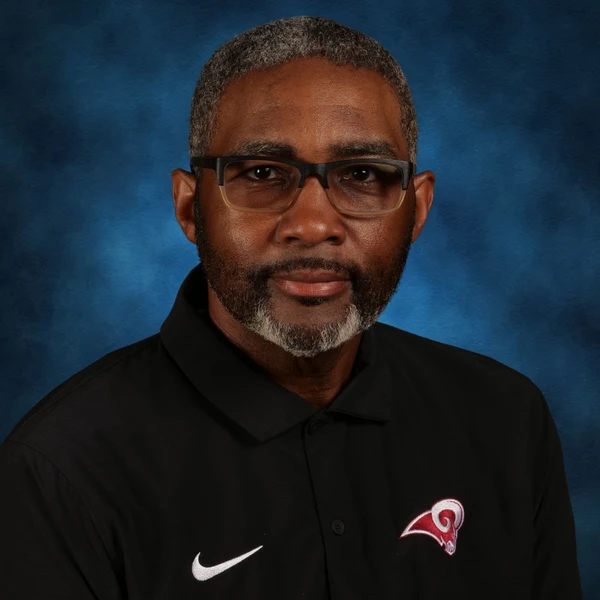
Gregory Chalk
1x
Finalist
Gregory Chalk
1x
FinalistBio
I am a dedicated educator, long-time football coach, pastor, and community leader with a deep commitment to empowering young people. With more than two decades of coaching experience and multiple championship seasons, he brings a strong foundation of mentorship, teamwork, and perseverance to every space he serves. I have also spent over 18 years in pastoral leadership, guiding families and communities with compassion, integrity, and purpose.
Currently pursuing a degree in Education Studies with a focus on inclusive, culturally responsive teaching, I aim to integrate my real-world leadership with research-based instructional practices. My academic work centers on equitable learning environments, the science of learning, and supporting diverse learners, especially through motivation, relationship-building, and personalized instruction.
As a husband of 26 years and father of two, I am driven by a lifelong passion for service, personal growth, and creating opportunities for others to succeed. I strive to be a positive influence both inside and outside the classroom, believing deeply in the transformative power of education, community, and faith.
Education
Ashford University
Bachelor's degree programMajors:
- Education, Other
Career
Dream career field:
Sports
Dream career goals:
Hines Scholarship
Going to college means more to me than just earning a degree. As a Black man, it represents opportunity, responsibility, and legacy. It is an opportunity to grow not only academically, but also as a leader, a mentor, and a man who understands the impact he can have on others. I do not see college as just a personal achievement. I see it as a platform that prepares me to make a difference in my community and in the lives of young people who are watching and learning from those who come before them.
For me, college is about positioning myself for purpose. I am not just trying to finish classes and move on. I am working toward something bigger. My goal is to become a Director of Athletics within a school district. That role is not just about managing sports programs. It is about leadership, structure, and influence. It is about creating an environment where student athletes are not only developed physically, but also mentally, emotionally, and spiritually.
Sports have always been a powerful tool. They teach discipline, accountability, teamwork, and perseverance. These are life lessons that go far beyond the field or the court. As someone who has been shaped by athletics and coaching, I understand how impactful the right leadership can be. A coach or athletic leader can either build a young person up or miss the chance to guide them in the right direction. I want to be in a position where I can set the tone for an entire program and ensure that student athletes are being developed the right way.
Going to college is helping me gain the knowledge and skills I need to lead effectively. It is teaching me how to think critically, make informed decisions, and understand systems like education, leadership, and administration. At the same time, it is strengthening my ability to communicate, organize, and lead with purpose. These are all things I will need as a Director of Athletics.
I am also driven by the desire to give back and create opportunities for the next generation. Representation matters. When young Black males see someone in a leadership position who looks like them and understands their experiences, it can change how they see themselves and what they believe is possible. I want to be that example, not just in title, but in action. I want to lead in a way that is real, relatable, and rooted in strong values.
In the end, going to college is about more than me. It is about impact. It is about preparing myself to lead, to serve, and to build something that lasts. I am working toward a future where I can use athletics as a bridge to teach life lessons, develop character, and help shape a new generation of leaders who are ready for whatever comes their way.
Patricia Lindsey Jackson Foundation - Eva Mae Jackson Scholarship of Education
Faith is the foundation of my life, and it influences every decision I make, including my academic journey and my future goals. My faith in God is not something I separate from my daily responsibilities or my education. It is what grounds me, guides me, and gives me strength when life becomes overwhelming. There have been many moments in my journey where I had to rely on faith more than feelings, especially as an adult returning to college while balancing family responsibilities, coaching, mentoring, and personal challenges. In those moments, my faith reminded me that my effort has purpose and that my steps are being directed even when the path feels uncertain.
My faith has impacted my academic goals by shaping my discipline and perseverance. Returning to school was not easy, but I believed that God was not finished with my story. That belief pushed me to stay committed when I was tired, to keep studying when life was demanding, and to continue moving forward even when progress felt slow. Maintaining a 3.7 GPA while managing multiple responsibilities is not something I take lightly. I see it as a reflection of grace, focus, and consistency. My faith reminds me that excellence is not just about achievement, but about stewardship of the opportunities I have been given.
Beyond academics, my faith shapes my future goals in leadership and service. My desire to become a Director of Athletics is rooted in more than career ambition. It is tied to a calling to serve young people, mentor student athletes, and create environments where they can grow in character as well as performance. I believe I am placed in these spaces for a reason, and my faith pushes me to lead with integrity, humility, and purpose. It also reminds me that leadership is not about recognition, but about responsibility.
While faith is central, I am also pushed forward by lived experience and the people I serve. As a coach, mentor, and community member, I see young people every day who need guidance, encouragement, and structure. I see students who are capable but uncertain, talented but overlooked, and I feel a responsibility to be part of their development. My involvement with Phi Beta Sigma Fraternity Incorporated has also reinforced my commitment to service, brotherhood, and community uplift. Through outreach programs and mentorship initiatives, I am constantly reminded that education and leadership should always connect back to service.
My family is another major source of motivation. As a parent, I want to show my children that growth is always possible and that education is worth pursuing at any stage in life. I want them to see that perseverance, faith, and hard work can open doors that once seemed closed. Returning to college was not just about personal fulfillment. It was about setting an example that learning never stops and that purpose can be pursued at any time.
Faith is the anchor that holds everything together. It strengthens my academic focus, directs my leadership goals, and fuels my desire to serve others. It reminds me that my journey is not just about where I am going, but about who I am becoming along the way.
Social media: Gregory Chalk on Facebook
Forever90 Scholarship
I learned what service looked like long before I ever understood the word for it. I still remember watching my mother quietly walk into her closet, take out clothes she worked hard to buy, and give them to people in the neighborhood who needed them more than she did. There was no announcement and no recognition. She simply believed that if someone else was without, and she could help, then she should. Around the holidays, I watched her go door to door in our community raising money so that children who otherwise would have gone without could wake up to Christmas gifts. As a child, I did not fully grasp the impact of what she was doing. As an adult, I realize she was teaching me the foundation of a life of service.
That example shaped who I am today. It planted in me a belief that service is not occasional, it is a way of living. I embody a life of service by consistently showing up for others in ways that meet real needs. As a football and track coach for over twenty years, I have made it my mission to pour into young people beyond athletics. I have coached students who needed encouragement more than correction, guidance more than instruction, and consistency more than talent development. I have learned that service is not always about solving problems for people, but about standing with them as they work through their own challenges.
My commitment to service extends into my fraternity, Phi Beta Sigma Fraternity Incorporated, where we actively engage in community outreach and service initiatives. Through our work, I have participated in efforts that support youth mentorship, community development, and resource distribution for families in need. These experiences have reinforced what I learned from my mother. Service is not about status. It is about responsibility. It is about recognizing that what you have can become someone else’s lifeline.
I also serve through my church, where I have been involved in feeding the homeless and helping provide clothing for students who need appropriate attire for important moments such as prom and job interviews. I have seen firsthand how something as simple as a meal or a suit can restore dignity and confidence. These moments remind me that service is not abstract. It is deeply personal and immediately impactful.
Even in my daily interactions, I strive to live out this value. Students often come to my office because they know they will find support, encouragement, and a place where they are welcomed. I keep snacks available because I believe that even small acts of care can make a difference in a young person’s day. Service, I have learned, is often found in the simple, consistent ways we show people that they matter.
As I pursue my education, I see it as a tool to expand my ability to serve others on a larger scale. My goal is to become a Director of Athletics within a school district so that I can influence entire programs and create environments where students are supported, developed, and valued. Education will equip me with the knowledge, leadership skills, and strategic understanding needed to build systems that serve students more effectively.
Ultimately, I carry my mother’s example with me in everything I do. Her generosity showed me that service is not about abundance. It is about willingness. Through my education, my leadership, and my daily actions, I intend to continue that legacy by serving others with intention, consistency, and heart.
Heather Brown Sports Information Scholarship
My career goals are centered on advancing into sports information and sports administration with a long term vision of becoming a Director of Athletics for a school district. I want to serve in a leadership role where I can combine my lifelong experience in athletics with my passion for mentorship, organization, and student development. Sports have shaped my identity, and I want to use that foundation to build programs that elevate student athletes academically, athletically, and personally.
My background in athletics began as an all state football player in high school while also competing in three other sports. That experience taught me discipline, time management, and the importance of teamwork at a high level. I continued my athletic journey at the Division 1AA level, now known as the Football Championship Subdivision, until a career ending knee injury changed my path. Although that injury ended my playing career, it did not end my involvement in sports. Instead, it opened the door for me to stay connected to athletics in a different but equally impactful way.
For the past seventeen years, I have officiated high school football, along with eight years at the college level and six years officiating basketball. Officiating has given me a deeper understanding of the rules, structure, and integrity of sports. It has also strengthened my ability to make quick decisions under pressure, communicate effectively, and remain impartial in high intensity environments. These are skills that directly translate into sports administration and leadership.
In addition to officiating, I have served as a football and track coach for twenty one years at both the high school and middle school levels. Coaching has been one of the most meaningful parts of my journey. It has allowed me to mentor young athletes, teach life skills, and help students develop confidence and discipline. My goal in coaching has never been limited to winning games. My focus has always been on developing young people into responsible, respectful, and resilient individuals.
The skills I believe are most important for success in sports information and sports administration include communication, organization, leadership, integrity, and the ability to build strong relationships. I continue to develop these skills through my coaching responsibilities, officiating experience, and daily interactions with students and staff. I am intentional about being consistent, approachable, and fair in every role I serve.
Outside of athletics, I demonstrate generosity and kindness through my community involvement and personal actions. Through my fraternity, Phi Beta Sigma Fraternity Incorporated, I participate in numerous outreach programs that serve and uplift the community. These efforts include mentoring youth, supporting families, and engaging in service projects that address local needs. Through my church, I am also actively involved in outreach programs such as feeding the homeless and donating clothing to a local high school so students can have professional attire for prom and job interviews.
Even in my everyday environment, I strive to make a positive impact. Students often come to my office because they know I keep snacks available and I never hesitate to feed them or offer support. These small acts of kindness matter because they build trust, connection, and a sense of care. I believe leadership is not only shown in large roles but also in everyday moments of generosity.
My journey through athletics, officiating, coaching, and community service has prepared me for a future in sports administration. I am committed to continuing to grow, learn, and serve so that I can eventually lead a school district athletic program that prioritizes excellence, opportunity, and student success.
Strong Leaders of Tomorrow Scholarship
What makes me a leader is not a title or a position but a consistent commitment to serve, guide, and take responsibility for the growth of others. Leadership, for me, has been shaped through lived experience, accountability, and the willingness to show up even when it is difficult. I did not become a leader because it was easy. I became a leader because people needed direction, and I chose to step forward when others stepped back.
One of the clearest ways I demonstrate leadership is through mentorship. Whether I am coaching football or track, working with young people in my community, or engaging with students through service, I understand that my influence goes beyond instruction. I am shaping mindsets, building confidence, and helping young people see potential in themselves that they may not have recognized. Many of the students I work with are navigating challenges that go beyond sports or school. They need consistency, structure, and someone who believes in them. I take that responsibility seriously, and I strive to be that steady presence in their lives.
My leadership is also rooted in service through Phi Beta Sigma Fraternity Incorporated. Being part of this organization has reinforced the importance of giving back and remaining actively involved in the community. Our work is centered on scholarship, brotherhood, and service, and those values guide how I show up in every space I enter. Through service projects, mentorship initiatives, and community engagement, I have learned that leadership is not about being above others but about being present with others and working alongside them to create change.
Another defining aspect of my leadership is my commitment to education and personal growth. As an adult returning to college, I had to take full responsibility for my academic journey without a traditional roadmap. Maintaining a strong grade point average while balancing family, coaching, and community involvement required discipline and focus. I currently hold a 3.7 grade point average, which reflects my dedication to excellence. Leadership in this context means modeling persistence and showing others that it is possible to pursue goals regardless of age or circumstance.
What also makes me a leader is my ability to remain grounded in my faith. My relationship with God is the foundation of how I lead. It influences my decisions, my attitude, and the way I treat others. My faith teaches me humility, patience, and accountability. It reminds me that leadership is not about recognition but about responsibility. I do not hide my faith. I wear it proudly because it keeps me centered and focused on purpose rather than pride.
Ultimately, I believe leadership is about impact. It is about who you influence, who you uplift, and who you help move forward. I lead by example, through action, consistency, and service. I lead by investing in people, especially young people who are searching for direction. I lead by showing that growth is possible, that education matters, and that discipline can change the direction of a life.
What makes me a leader is not perfection but presence. It is my willingness to show up, to serve, to guide, and to stay committed to the development of others even when it requires sacrifice. I do not see leadership as something I achieve. I see it as something I live every day through my actions, my service, and my commitment to helping others succeed.
Christian Fitness Association General Scholarship
I believe I should be considered for this scholarship because my journey reflects perseverance, purpose, and a deep commitment to both personal growth and community impact. I am not a traditional student. I am an adult who made the intentional decision to return to college and finish what I started many years ago. That decision required me to confront unfinished goals, manage real life responsibilities, and commit to a path that demands discipline and sacrifice. Returning to school has not been easy, but it has been necessary. I understood that completing my degree was not just about personal achievement, but about creating opportunity, setting an example, and fulfilling a calling to lead and serve.
My academic accomplishments reflect that commitment. I currently maintain a 3.7 grade point average while balancing multiple responsibilities as a parent, mentor, and coach. This level of academic performance did not come by chance. It is the result of focus, time management, and a refusal to settle for less than my best. As a first generation college student, I did not have a blueprint to follow. I had to learn how to navigate higher education on my own, from understanding expectations to managing coursework effectively. My induction into the Golden Key Honour Society stands as recognition of my academic dedication and perseverance. It represents more than achievement. It represents resilience and the determination to succeed despite obstacles.
Beyond the classroom, my involvement in extracurricular activities and community service has shaped who I am. As a proud member of Phi Beta Sigma Fraternity, Incorporated, I am part of an organization rooted in the principles of brotherhood, scholarship, and service. Our mission extends far beyond social connection. We are committed to uplifting communities through mentorship, education, and outreach initiatives. Through my involvement, I have participated in efforts that support youth development, community engagement, and service to those in need. This experience has strengthened my understanding that leadership is not defined by title, but by action and impact.
One of the most meaningful roles I hold is that of a football and track coach. Coaching has allowed me to directly invest in the lives of young people, many of whom are searching for guidance, structure, and encouragement. My role extends far beyond teaching athletic skills. I am mentoring, teaching discipline, instilling accountability, and helping shape character. I understand that for many of these young people, I may be one of the few consistent sources of leadership in their lives. That responsibility drives me to show up with purpose every day. My passion is to develop the next generation of leaders, not just athletes. I want them to leave my program not only stronger physically, but more confident, disciplined, and prepared for life.
This passion directly aligns with my long term career goal of becoming a Director of Athletics within a school district. In this role, I would be able to expand my impact beyond a single team and influence entire programs. I want to create environments where student athletes are supported academically, challenged athletically, and developed personally. Athletics has the power to shape lives, and I am committed to using that platform to build programs that prioritize growth, integrity, and opportunity. My goal is to ensure that every student athlete has access to mentorship, structure, and support that prepares them for success beyond sports.
At the center of everything I do is my faith in God. My faith is not something I separate from my work or my goals. It is the foundation that guides my decisions, strengthens me during challenges, and reminds me of my purpose. I wear my faith proudly because it has carried me through moments of uncertainty and continues to give me direction. It teaches me to lead with humility, serve with intention, and remain grounded in my values.
his scholarship would not only support my academic journey, but it would also invest in a larger mission. I am committed to completing my degree, continuing to serve my community, and expanding my ability to mentor and lead. My journey is not just about personal success. It is about creating opportunities for others, setting an example for my children, and proving that it is never too late to pursue your goals.
I have faced challenges, but I have not allowed them to define me. Instead, they have refined me. They have strengthened my discipline, deepened my purpose, and reinforced my commitment to making a difference. I am not simply asking for support. I am demonstrating that I am prepared to maximize the opportunity.
If selected for this scholarship, I will continue to strive for academic excellence, lead with integrity in my community, and remain dedicated to developing the next generation of leaders. I am building more than a degree. I am building a legacy of service, leadership, and impact that will extend far beyond myself.
First Generation Scholarship For Underprivileged Students
I am a first-generation college student, a father, a mentor, and a man driven by purpose. My journey into higher education has not been traditional or easy, but it has been intentional. Coming from a background where there was no clear roadmap to college, I had to learn how to navigate the system on my own, understanding financial aid, balancing responsibilities, and staying committed even when life presented obstacles. That experience has shaped me into someone who not only values education but understands the resilience it takes to pursue it.
Being a parent has added another layer of responsibility and motivation to my journey. I am not just earning a degree for myself; I am setting an example for my children. I want them to see firsthand that education is worth the sacrifice, that perseverance matters, and that it is never too late to invest in your future. At the same time, I am deeply involved in mentoring young people in my community. Whether through coaching, community service, or everyday conversations, I strive to guide others toward making positive decisions and recognizing their potential.
My plan to inspire and motivate other first-generation students begins with authenticity. I believe people are most impacted by what they can see and relate to. When students see someone who has faced similar challenges, financial struggles, family responsibilities, or uncertainty about the process and still continues to push forward, it makes their goals feel more attainable. I want to be that visible example of persistence and progress.
I also plan to be intentional about sharing knowledge. Many first-generation students are capable, but they lack access to information and guidance. I want to help bridge that gap by providing practical support, whether that means helping someone understand the college application process, encouraging them to apply for scholarships, or simply reminding them that they belong in spaces they may feel unsure about.
Encouragement is another key part of my approach. First-generation students often carry self-doubt, and I understand that because I have experienced it myself. I want to be someone who speaks life into others, who challenges them to think bigger, and who reminds them that their current situation does not define their future. Sometimes, all it takes is one voice telling you that you can do it and I want to be that voice.
My goal is to create a ripple effect. By continuing my education, staying committed to mentorship, and living out the values of discipline and perseverance, I hope to inspire others to take that first step toward higher education. My journey is proof that it can be done, and if I can help someone else believe that for themselves, then I know I am making a meaningful impact.
Sharra Rainbolt Memorial Scholarship
Cancer is not something that just affects one person, it touches an entire family. My journey with prostate cancer is something that has changed me physically, mentally, and spiritually, and it has also shaped how my family views health, strength, and perseverance.
When I received my diagnosis, everything slowed down. There is something about hearing the word “cancer” that immediately forces you to confront your own mortality. For me, it was not just about what I was facing, but how it would impact my family, my children, my loved ones, and those who depend on me. I had to make decisions quickly, and that led to surgery as the best course of action. While I was grateful for a plan, it did not remove the fear or uncertainty that came with it.
The physical aspect of dealing with prostate cancer and recovering from surgery was challenging. There were moments of pain, fatigue, and adjustment as my body worked to heal. Recovery required patience, something that does not come easy when you are used to being active and constantly moving. I had to learn how to slow down, listen to my body, and accept that healing is a process, not an event.
Mentally, the battle was just as real, if not more. There were moments of anxiety, moments of questioning, and moments where I had to push back against fear. It is one thing to appear strong on the outside, but internally, you are processing a lot. I had to lean on my faith, my family, and my support system to stay grounded. Watching my family go through it with me was difficult, because I knew they were carrying their own emotional weight while trying to stay strong for me.
At the same time, this experience taught me valuable lessons. It taught me not to take life for granted. It taught me the importance of being proactive about my health. And most importantly, it taught me that early detection can make all the difference. Because my cancer was caught when it was, I was able to take action before it progressed further.
That is why I have become an advocate for men, especially African American men, to get tested. Too many men avoid the doctor out of fear, pride, or lack of information, and that delay can cost them their lives. I speak openly about my experience because I want other men to understand that getting checked is not a sign of weakness, but a sign of wisdom and responsibility. Early detection truly is key.
Today, I am grateful. Grateful for my recovery, grateful for my family, and grateful for another opportunity to live with purpose. Cancer challenged me, but it did not define me. Instead, it strengthened me and gave me a platform to encourage others to take their health seriously and fight for their future.
Gladys Ruth Legacy “Service“ Memorial Scholarship
What makes me different is not just one thing, it is the combination of my identity, my experiences, and my commitment to serve others with purpose. As an unapologetic African American man and a first-generation college student, I carry both the weight and the responsibility of being a trailblazer in my family. There was no blueprint laid out for me, no step-by-step guide to follow. Everything I am pursuing has required faith, discipline, and the willingness to push forward even when the path was unclear. That alone sets me apart, but what truly defines me is how I choose to use that difference.
I do not see my journey as mine alone. I see it as something that others are watching, learning from, and drawing strength from, even when I am unaware. That perspective shapes how I carry myself daily. Whether I am in the classroom, in the community, or simply going about life, I understand that my consistency, my work ethic, and my character may be the very thing that inspires someone else to believe in themselves. You never really know who is watching, but you can control what they see.
A major way I leverage my uniqueness is through my involvement with my fraternity, Phi Beta Sigma Fraternity, Inc. Being a part of this brotherhood has deepened my commitment to service, leadership, and community engagement. Through our work, I actively participate in initiatives that uplift and support the community, particularly young people who need guidance and positive examples. It is not just about wearing letters, it is about living the values they represent.
My passion lies in mentoring the next generation of leaders. I have a heart for young people, especially those who may not always see a clear path forward. I want them to know that their circumstances do not define their future. By showing up, being present, and investing time into their growth, I strive to make a lasting impact. Sometimes it is through direct mentorship, and other times it is simply by setting an example of what discipline, integrity, and perseverance look like in real time.
Being unapologetically myself means embracing where I come from while striving for where I am going. It means walking confidently in my identity and using my voice, my experiences, and my platform to uplift others. As a first-generation college student, I am not just earning a degree, I am changing the narrative for my family and my community.
My uniqueness is my influence. By staying committed to service, leadership, and mentorship, I am able to make a difference in the lives of others, even those I may never meet. And if someone, somewhere, sees my journey and decides to keep going because of it, then I know I am walking in my purpose.
Mark A. Jefferson Teaching Scholarship
My plan to make a positive impact on the world through my career as an educator is rooted in both purpose and responsibility. As a male, and especially as a minority male, I recognize that my presence alone carries weight. There are so few men in the classroom, and even fewer minority men, which means that for many students, particularly young boys, I may be one of the only examples they see of what it looks like to lead, to teach, and to care. I do not take that lightly.
My goal is to become a Director of Athletics within a school district so that I can expand my influence beyond a single classroom or team and impact students on a larger scale. Athletics is more than competition. It is a powerful tool for teaching discipline, accountability, teamwork, and resilience. In this role, I would have the opportunity to shape programs that not only develop athletes but also build strong, well-rounded young people who are prepared for life beyond sports.
As an educator and mentor, I want to be intentional about reaching students who may feel overlooked or disconnected. Representation matters. When students see someone who looks like them in a position of leadership, it can change how they view their own potential. I want to be that example, someone who shows them that success is possible through hard work, consistency, and character. My goal is not just to coach or teach, but to guide, encourage, and hold students accountable to a higher standard.
I also plan to use my position to create more opportunities for mentorship. Whether through athletic programs, leadership initiatives, or community partnerships, I want to build systems that connect students with positive role models. Too many young people are navigating life without consistent guidance, and I believe that intentional mentorship can make a lasting difference in their direction and decision-making.
At the same time, I understand that impact is not just about what I do publicly, but how I show up daily. It is in the conversations, the encouragement, and the expectations I set. It is in being consistent, fair, and present. My goal is to create environments where students feel seen, challenged, and supported.
Ultimately, my career is about more than a title, it is about influence. By becoming a Director of Athletics and continuing to mentor young people in a bigger way, I hope to leave a legacy of leadership, opportunity, and empowerment. I want to help shape a generation that not only succeeds but also reaches back to help others along the way.
Adrin Ohaekwe Memorial Scholarship
My career goal is to become a Director of Athletics within a school district, a role that allows me to lead, develop, and positively impact student-athletes on a larger scale. I have always been passionate about sports, not just from a competitive standpoint, but from the perspective of growth, discipline, and mentorship. As a coach and mentor, I have seen firsthand how athletics can shape character, build confidence, and open doors for young people. Becoming a Director of Athletics would give me the opportunity to influence programs, support coaches, and create environments where students can thrive both on and off the field.
Along this journey, one unexpected but powerful influence has been the game of chess. I learned how to play in high school, and although I do not get to play as often as I used to, it is still something I love and appreciate. Chess is more than just a game, it is a training ground for the mind. It teaches patience, strategy, and the importance of thinking several steps ahead. Every move matters, and every decision has consequences, much like leadership in athletics.
One of the biggest lessons chess has taught me is patience. You cannot rush success on the board, just like you cannot rush meaningful progress in a career. There are moments when you have to slow down, analyze the situation, and wait for the right opportunity. In a leadership role like Director of Athletics, patience is essential when making decisions that affect students, coaches, and programs.
Chess has also sharpened my ability to think strategically. You have to anticipate your opponent’s moves, adjust your plan, and stay flexible when things do not go as expected. This directly translates to managing athletic programs, where challenges such as budgeting, staffing, and student needs require thoughtful planning and adaptability.
At the same time, chess has a way of humbling you. I have personally experienced losing a game in just two moves, and moments like that remind you that no matter how confident you are, there is always room to grow. That humility is important in leadership. It keeps you grounded, open to learning, and willing to improve.
Ultimately, both my career aspirations and my experience with chess reflect the same principles: discipline, patience, strategy, and resilience. As I continue to work toward becoming a Director of Athletics, I carry these lessons with me, knowing they will help guide my decisions, strengthen my leadership, and allow me to make a lasting impact on the students and communities I serve.
Jerrye Chesnes Memorial Scholarship
Returning to school at this stage of my life has not been a simple decision. It has been a daily commitment shaped by responsibility, sacrifice, and purpose. As a parent of two, a coach and mentor, and the son of a mother living with dementia, I have had to learn how to navigate multiple roles at once while still pushing forward toward my educational goals.
One of the greatest challenges has been balancing time and energy. Being a parent means I am constantly pouring into my children trying to guide them, support them, and help them navigate life’s challenges. I am not just raising them; I am preparing them for the future. That requires presence, patience, and consistency. At the same time, returning to school demands focus, discipline, and long hours of study. There are moments when assignments, deadlines, and responsibilities compete with family needs, and I have had to learn how to prioritize without neglecting what matters most.
As a coach and mentor, I also carry the responsibility of being an example to others. Young people look to me not just for instruction, but for guidance and leadership. That role has pushed me to stay committed to my education, even when it is difficult, because I understand that my actions speak louder than my words. I cannot encourage others to strive for excellence if I am not willing to do the same. In many ways, returning to school has strengthened my ability to mentor, because it allows me to speak from a place of real experience about perseverance and growth.
Perhaps the most emotional and challenging aspect of this journey has been supporting my mother as she lives with dementia. Watching a parent experience memory loss and cognitive decline is something that changes you deeply. It requires patience, compassion, and strength. There are days when the emotional weight of that reality makes it difficult to focus, yet it also reminds me why I must keep going. It has taught me the value of time, the importance of resilience, and the need to honor my family through my actions.
Despite these challenges, I have also experienced growth. I have learned how to manage my time more effectively, how to remain focused under pressure, and how to keep moving forward even when circumstances are not ideal. This journey has not been easy, but it has been meaningful. Returning to school is not just about earning a degree, it is about creating a better future for my children, being a stronger mentor, and honoring the sacrifices of my mother. Through it all, I am learning that perseverance is not about having it easy, it is about continuing forward, even when it is hard.
Beyond The Ride Scholarship
Losing my brother Keith changed the rhythm of my life in a way I’m still learning to understand. Keith was the “knee baby” of the family. He was the one who always seemed to bring light, energy, and a certain kind of joy that only he could carry. When he passed, something shifted in our family dynamic, and I found myself stepping into a place I was never meant to fill. I became the baby of the family, but it never felt natural, because that place still belonged to him.
Keith wasn’t just my brother, he was someone I looked up to. Whether it was sports or just the way he carried himself, he had a confidence that drew people in. He made things look easy, from playing ball to talking to girls. Watching him, I learned what it looked like to move with confidence, even when I didn’t feel it myself. Losing him meant losing not just a brother, but a model, a presence, and a piece of the person I was still becoming.
After he was gone, I had to grow up in ways I wasn’t prepared for. At the same time, I watched the adults around me carry their own grief, and that taught me that loss doesn’t just affect one person, it reshapes everyone differently. What I wish people understood about sibling loss is that it’s quiet but deep. It’s not always seen, but it’s always there.
What keeps me going is the desire to honor him. I carry his memory in how I move, how I show up, and how I push myself to be better. In many ways, I’m still learning from him, even now.
Goellner Public Education Scholarship
My journey toward a career in K–12 education is rooted in my background, life experiences, and a deep commitment to serving young people who often need someone to see their potential before they see it themselves. Growing up and attending school in Texas during the 1980s, I experienced an educational system that was structured, traditional, and often one-size-fits-all. While I benefited from dedicated teachers, I also witnessed how easily students could be overlooked if they did not fit a narrow definition of academic success. Those early experiences planted the seed for my desire to become an educator who reaches students where they are.
As a student, athletics, particularly football, played a major role in shaping my discipline, work ethic, and identity. Coaches were some of the most influential adults in my life, teaching lessons about accountability, teamwork, and resilience that extended far beyond the field. Over time, I began to see powerful parallels between coaching and teaching. Both require patience, strategy, motivation, and a genuine belief in the growth potential of each individual. These lessons followed me into adulthood and ultimately guided me toward education as a calling rather than simply a profession.
My life experiences have also shown me the importance of representation, encouragement, and high expectations in the classroom. I understand firsthand how students’ backgrounds, family dynamics, and social pressures can influence their academic performance and self-confidence. This awareness has strengthened my desire to work in K–12 education, where I can build meaningful relationships, create inclusive learning environments, and help students connect academic content to their real lives. I am especially passionate about engaging students who may feel disconnected from school and helping them discover their strengths through literacy, critical thinking, and creative expression.
My aspirations as an educator extend beyond delivering content. I aim to create classrooms where students feel challenged, supported, and empowered to think independently. I want to use culturally responsive teaching practices and educational technology to differentiate instruction and ensure that all learners, regardless of ability or background, have access to meaningful opportunities for success. I also hope to serve as a mentor and role model, demonstrating that education can open doors academically, socially, and personally.
Pursuing a career in K–12 education allows me to combine my passion for learning, mentorship, and service. This scholarship would support my continued preparation to become an effective, reflective educator who is committed to making a lasting impact on students and school communities. I am motivated not only by my own experiences, but by the belief that every student deserves an educator who believes in them, challenges them, and helps them envision a future filled with possibility.
Breeze Sports Scholarship
My passion for pursuing a career in sports is rooted in the powerful influence athletics has had on my life and the lives of those around me. Sports go beyond competition; they teach discipline, teamwork, resilience, and leadership, skills that extend far beyond the playing field. From a young age, I witnessed how a coach’s words could build confidence, shape character, and change a young person’s direction in life. That impact inspired me to follow a similar path, where I can mentor, motivate, and lead student-athletes toward success both in sports and in life.
What excites me most about coaching is the opportunity to develop the whole athlete. While winning games is rewarding, I believe true success is measured by personal growth, accountability, and preparation for the future. As a coach, I hope to create an environment where athletes feel supported, challenged, and valued. I want to instill in them a strong work ethic, respect for others, and belief in themselves. I aim to be the type of coach who holds athletes to high standards while also providing encouragement and guidance when they face adversity.
My aspiration to become an athletic director stems from a desire to make a broader impact on sports programs and school culture. In this role, I hope to promote equity, inclusion, and access to opportunities for all student-athletes. Many students come from under-resourced communities and may lack exposure, equipment, or support systems. As an athletic director, I want to advocate for these students by securing resources, building community partnerships, and ensuring every athlete has a fair chance to succeed.
I also hope to use my leadership position to emphasize academic excellence alongside athletic performance. Student-athletes should be prepared for life after sports, whether that includes college, a career, or community leadership. By collaborating with teachers, counselors, and families, I plan to promote a culture where academics and athletics work hand in hand. This holistic approach will help athletes understand that their identity is greater than their performance on the field.
Another area where I hope to make a difference is through mentorship and character development. Many young athletes lack positive role models. By being present, consistent, and intentional, I aim to build trust and serve as someone they can look up to. I want to teach them how to handle success with humility and setbacks with perseverance. These life lessons will stay with them long after their playing days are over.
Ultimately, my inspiration comes from a desire to serve and uplift others through sports. Coaching and athletic administration give me the platform to influence lives, create opportunities, and foster community. I am committed to making a lasting difference by empowering athletes, strengthening programs, and helping young people reach their fullest potential both on and off the field.
Sgt. Albert Dono Ware Memorial Scholarship
Sgt. Albert Dono Ware’s legacy of service, sacrifice, and bravery resonates deeply with my own life journey. These values are not abstract ideals to me; they were lived daily in my home, tested in moments of loneliness and uncertainty, and carried forward into my work as a minority educator committed to uplifting the African diaspora in the United States.
During my wife’s two deployments in support of Operation Iraqi Freedom, I was raising our three-year-old son largely on my own. Like many military families, we learned quickly that service does not end at the battlefield, it echoes through living rooms, school drop-offs, late-night prayers, and quiet moments of worry. While my wife served overseas, I balanced parenting, work, and emotional resilience, often putting my own needs aside to ensure stability and security for our child. There were nights when fear and exhaustion weighed heavily, but the values of sacrifice and bravery were no longer theoretical; they were necessary for survival.
That season of my life shaped how I understand leadership. Sacrifice meant showing up every day, even when the emotional toll was high. Bravery meant modeling calm, strength, and hope for my son when the world felt uncertain. Service meant recognizing that my role was essential to the mission of family, nation, and future. These experiences profoundly shaped who I am today and how I approach my work in education.
As a minority educator, I carry these same values into the classroom and beyond. Service drives my commitment to students who often feel unseen or underserved. Sacrifice shows up in the long hours spent mentoring, advocating, and creating opportunities for young people navigating systemic inequities. Bravery is required to challenge inequitable practices, speak truth in uncomfortable spaces, and believe in students even when societal narratives suggest otherwise.
The legacy of Sgt. Ware inspires my vision for addressing the challenges faced by the African diaspora in the United States, challenges rooted in historical injustice, economic disparity, educational inequity, and limited access to opportunity. Education remains one of the most powerful tools for transformation, but it must be equitable, culturally responsive, and supported by policies that recognize the full humanity and potential of Black and African-descended communities.
One of the most critical reforms needed is increased investment in equitable education paired with intentional support for educators of color. Schools must be resourced not only with funding, but with culturally relevant curricula, mental health services, and community partnerships that address the whole child. Additionally, policies that expand access to affordable higher education and workforce development programs are essential to breaking cycles of generational disadvantage.
Beyond education, community reforms must include economic empowerment initiatives, access to healthcare, and criminal justice reform. These areas are deeply interconnected, and progress in one cannot be sustained without attention to the others. Addressing these challenges requires collaboration among key stakeholders: educators, policymakers, community leaders, faith-based organizations, military families, and, most importantly, the communities directly affected by these systems.
My lived experience as a military spouse, parent, and educator allows me to bridge worlds that are often disconnected. I understand sacrifice not as a slogan, but as a daily practice. I understand service as responsibility paired with compassion. And I understand bravery as the willingness to keep showing up, even when change feels slow.
Sgt. Albert Dono Ware’s legacy reminds us that meaningful impact often comes at personal cost, but that cost is worth paying when it leads to stronger families, empowered communities, and a more just society. I carry that legacy forward in my work, my parenting, and my pursuit of higher education.
This scholarship represents more than financial support; it represents an investment in leadership shaped by lived experience and guided by enduring values. With continued education and support, I am committed to serving as a model for young people, especially those within the African diaspora, showing them that resilience, service, and courage can transform hardship into purpose and vision into action.
Edwards Scholarship
Pursuing my degree is about far more than personal achievement; it is about positioning myself to positively influence and support young people on a much larger scale. Education has always been a tool for empowerment, but earning this degree will allow me to model perseverance, integrity, and purpose for the students and athletes I hope to serve. I want young people to see what is possible when commitment, education, and faith work together.
My journey to this point has not been easy. I have experienced profound loss through the deaths of both my father and my brother, grief that reshaped my world and tested my resolve. Not long after, I was faced with a prostate cancer diagnosis, a moment that forced me to confront my own mortality and redefine strength. In each of these seasons, my faith was not simply a comfort; it was my anchor. When circumstances felt overwhelming, my belief in God gave me the endurance to keep moving forward, even when the path ahead was unclear.
Faith has played a pivotal role in every step of my journey. It reminded me that setbacks do not negate purpose and that hardship can refine character rather than defeat it. Through prayer, reflection, and trust, I learned how to stand firm in uncertainty and to keep striving when quitting would have been easier. These experiences shaped my perspective and deepened my desire to serve others with empathy and authenticity.
Earning my degree represents triumph, not only over academic challenges, but over personal trials that could have easily derailed my goals. Each milestone I have reached is a testament to resilience strengthened by faith. I see education as a platform that allows me to lead by example, showing young people that perseverance matters and that adversity does not define the outcome of their lives.
This scholarship opportunity is deeply meaningful to me because it affirms that my story, my faith, and my commitment to service matter. It is an investment not just in my education, but in the future lives I will impact. With this support, I will be better equipped to mentor, guide, and inspire young people. Helping them develop confidence, discipline, and hope for their own futures.
Looking ahead, I plan to continue using my faith as a guiding force as I reach for even greater heights. Faith will remain the foundation of my leadership, shaping how I serve, how I respond to challenges, and how I uplift others. My goal is to create environments where young people feel seen, supported, and encouraged to pursue their own purpose with courage.
This degree is not the destination, it is a tool. With unwavering faith and continued dedication, I am committed to using it to make a lasting difference in the lives of others.
Jim Maxwell Memorial Scholarship
Pursuing my degree is about far more than personal achievement; it is about positioning myself to positively influence and support young people on a much larger scale. Education has always been a tool for empowerment, but earning this degree will allow me to model perseverance, integrity, and purpose for the students and athletes I hope to serve. I want young people to see what is possible when commitment, education, and faith work together.
My journey to this point has not been easy. I have experienced profound loss through the deaths of both my father and my brother, grief that reshaped my world and tested my resolve. Not long after, I was faced with a prostate cancer diagnosis, a moment that forced me to confront my own mortality and redefine strength. In each of these seasons, my faith was not simply a comfort; it was my anchor. When circumstances felt overwhelming, my belief in God gave me the endurance to keep moving forward, even when the path ahead was unclear.
Faith has played a pivotal role in every step of my journey. It reminded me that setbacks do not negate purpose and that hardship can refine character rather than defeat it. Through prayer, reflection, and trust, I learned how to stand firm in uncertainty and to keep striving when quitting would have been easier. These experiences shaped my perspective and deepened my desire to serve others with empathy and authenticity.
Earning my degree represents triumph, not only over academic challenges, but over personal trials that could have easily derailed my goals. Each milestone I have reached is a testament to resilience strengthened by faith. I see education as a platform that allows me to lead by example, showing young people that perseverance matters and that adversity does not define the outcome of their lives.
This scholarship opportunity is deeply meaningful to me because it affirms that my story, my faith, and my commitment to service matter. It is an investment not just in my education, but in the future lives I will impact. With this support, I will be better equipped to mentor, guide, and inspire young people. Helping them develop confidence, discipline, and hope for their own futures.
Looking ahead, I plan to continue using my faith as a guiding force as I reach for even greater heights. Faith will remain the foundation of my leadership, shaping how I serve, how I respond to challenges, and how I uplift others. My goal is to create environments where young people feel seen, supported, and encouraged to pursue their own purpose with courage.
This degree is not the destination, it is a tool. With unwavering faith and continued dedication, I am committed to using it to make a lasting difference in the lives of others.
Harvey and Geneva Mabry Second Time Around Scholarship
I am proudly stepping back into the classroom as a college student. I am the youngest in my family, yet the first to pursue higher education at this level. My journey back to school is not a traditional one, but it is driven by a deep sense of purpose, accountability, and a commitment to being the kind of role model my community, and especially my student-athletes deserve.
For many years, I have encouraged the young men and women I coach and mentor to pursue their education, to take advantage of opportunities, and to believe in their own potential. As a pastor, coach, I have always preached the importance of discipline and lifelong growth. Yet I reached a point where I felt like a hypocrite. How could I look my students in the eye and tell them that education matters when I had not finished the journey myself? That realization weighed heavily on me. I realized that the most powerful lessons are not taught through speeches, they are taught through example. Returning to school is my way of living out the very message I expect my students to embrace.
Another powerful motivator behind my decision is representation. As a Black male educator and mentor, I am part of a deeply underrepresented group in schools nationwide. The reality is that Black male teachers make up less than 2 percent of the teaching workforce, yet research consistently shows that students, especially minority students, benefit academically and emotionally when they have teachers who look like them and understand their lived experiences. I want to be part of changing that statistic. I want young Black boys to walk into a classroom and see someone who reflects their future, not just their present. I want them to know that leadership, scholarship, and professional success are within their reach.
Returning to school at this stage of my life has not been easy, but it has been incredibly meaningful. I have faced personal challenges, like surviving prostate cancer and supporting my wife through PTSD, and those experiences have only strengthened my resolve. They taught me resilience, empathy, and the importance of purposeful living. Now, as a student, I am combining my life experience with academic knowledge to become a better educator and a more influential community leader.
My inspiration comes not from wanting a degree for myself, but from wanting to open doors for others. I want my story to show students, athletes, and members of my community that it is never too late to grow, to learn, or to change your future. I want them to see that education is not just a requirement, it is a gift.
Going back to school has reminded me that leadership is not about being perfect. It is about being willing to grow publicly, to model humility and commitment, and to let your journey inspire someone else's.
This step is not just for me, it is for every young person I mentor, every student who doubts their potential, and every Black child who deserves to see themselves reflected in the leaders around them. Returning to school is my way of living the message I teach: your dreams are still worth pursuing, no matter your age or obstacles.
Harry & Mary Sheaffer Scholarship
As the youngest in my family, and the first to attend college, I bring a unique set of talents, perspectives, and lived experiences that shape my commitment to building a more empathetic and understanding global community. My journey has been anything but traditional, and the path I have walked has allowed me to develop strengths that I now use with intention: compassion, resilience, patience, and the ability to connect deeply with people of all backgrounds. These qualities are not simply personal traits, they are tools I plan to use to uplift others, bridge divides, and create more inclusive communities.
Growing up as the youngest of 5 siblings meant learning how to listen long before I learned how to speak up. I watched the people around me navigate their own successes, mistakes, and hardships, and I learned the value of understanding perspectives different from my own. As an adult, this ability grew stronger through my roles as a pastor, coach, father, and mentor. Each role required empathy to recognize when someone is hurting, and to respond with care rather than judgment. These skills have become the core of how I lead and serve.
Returning to college at 51, now I'm 53, has deepened these traits even further. As a nontraditional student, I bring decades of real-world experience to my education, but I also walk into classrooms where most of my peers are young enough to be my children. This dynamic has taught me humility and flexibility. It reminds me that learning is a lifelong journey and that every generation has something valuable to contribute. I have learned to collaborate across age, culture, and life experience, creating meaningful relationships built on mutual respect. These interactions strengthen my belief that empathy grows when people choose to value one another’s stories.
My goal is to use my education and my gifts to create spaces where people feel seen, heard, and supported. As an educator, I will bring compassion and cultural awareness into every interaction. I want to teach students not only academic content but also life skills such as emotional intelligence, conflict resolution, and empathy. By modeling respect and understanding, I hope to encourage students to embrace differences and work toward common ground.
Beyond the classroom, I plan to continue mentoring young people, especially those who feel unseen or underestimated. Being the first in my family to attend college has taught me the importance of representation. When students see someone like me, someone who returned to school later in life, someone who overcame challenges, someone who leads with kindness, I hope they begin to believe that their dreams are possible too.
My life experiences have given me the ability to connect with people across age, race, culture, and circumstance. Through education, I will turn those connections into opportunities for growth, healing, and understanding. I believe empathy is not just a feeling, it is an action. And with the talents I’ve built over 53 years, I plan to use my life as a tool for building a more compassionate world, one relationship at a time.
Rev. and Mrs. E B Dunbar Scholarship
My pursuit of higher education has been shaped by both determination and sacrifice. One of the greatest obstacles I have had to overcome is balancing my life as a bi-vocational pastor while returning to school. For years, I have served my church community with dedication, leading worship, counseling families, supporting young people, and being available whenever someone needed guidance or prayer. Ministry is not a nine-to-five role; it follows you into late nights, early mornings, and every moment in between. At the same time, I have worked full-time to provide for my family, which meant my personal time was often stretched thin long before I added coursework and deadlines into the picture.
When I decided to pursue my degree, I knew it would require significant adjustments. There were nights when I would leave a church meeting or counseling session and immediately transition into writing assignments. There were weekends when I had to study between preparing sermons, officiating weddings, or visiting members in the hospital. And there were moments when I doubted whether I could truly manage it all. But through those challenges, I discovered that perseverance is built one small step at a time. Balancing ministry, family, work, and education has taught me how to manage time with purpose, stay grounded under pressure, and remain committed even when the path feels overwhelming.
These experiences have not discouraged me, they have clarified my calling. My education is not just for personal growth; it is preparation for greater service. As I work toward becoming an educator, I plan to use both my training and my lived experience to support students academically, emotionally, and socially. Being a pastor has taught me how to listen with empathy, meet people where they are, and encourage them toward their potential. These same skills will guide me in the classroom as I mentor young people, especially those who may feel unseen or unsupported.
I want to give back to my community by becoming a teacher who creates safe, uplifting learning environments for students who are navigating difficulties of their own. I plan to develop programs that encourage leadership, resilience, and communication. I also hope to partner with local churches, youth groups, and community organizations to provide workshops on motivation, mental health awareness, and academic preparation. Ultimately, I want to be the kind of educator who not only teaches content but also shapes character, confidence, and hope.
Higher education has already transformed my life, and I am committed to using it to transform the lives of others. With this scholarship, I will be one step closer to becoming the educator my community deserves.
Mark A. Jefferson Teaching Scholarship
The moment I opened my eyes after prostate-cancer surgery, I made myself a promise. If God gave me more time, I would use it to change lives. That promise has guided every step of my journey into education, and it is the reason I am determined to make a lasting impact as a high school teacher.
I have always been a mentor at heart. For more than two decades, I served as a football coach, pastor, husband, and father, roles that shaped my identity and strengthened my commitment to service. Yet nothing prepared me for the life-altering moment when I was diagnosed with prostate cancer. The fear, uncertainty, and physical toll of recovery changed the way I saw the world. It taught me that every young person deserves adults who understand adversity, who lead with compassion, and who believe in their potential even when circumstances make them doubt themselves.
As I fought through my own battle, I was also supporting my wife through her service-related PTSD after two tours in Operation Iraqi Freedom. Watching her struggle with triggers,something as simple as the sound of fireworks, taught me patience, empathy, and how deeply trauma can shape a person’s daily life. These experiences opened my eyes to the reality that many students walk into classrooms carrying emotional burdens we may never see unless we pay attention. I knew then that I wanted to be the kind of educator who notices, who listens, and who creates a safe and supportive environment where students feel valued.
Pursuing higher education at this stage of my life is not about starting over, t’s about following my calling more boldly. Through my Education Studies program, I have learned how to create culturally responsive classrooms, how adolescent brains learn best, and how to support diverse learners with intention and respect. These lessons have sharpened my understanding of what students need academically and emotionally. My goal is to become a high school teacher who stands as both an educator and a mentor, especially for students who feel unseen.
I plan to make a positive impact on the world by creating learning environments where students feel safe to think, to fail, to question, and to grow. I want to teach not only content, but confidence. I want to help students build the resilience and self-advocacy skills that will carry them through life. In my classroom, every student will know they matter, they belong, and they are capable of achieving more than they thought possible.
This scholarship will help me continue my education while balancing family, work, and community responsibilities. It will bring me closer to my goal of becoming an educator who transforms lives, but by inspiring students to believe in themselves, overcome challenges, and create their own futures.
I survived cancer for a reason. I walked with my wife through PTSD for a reason. I am in school now for a reason. My purpose is clear: to use everything I have lived through to educate, uplift, and empower the next generation.
Kim Moon Bae Underrepresented Students Scholarship
My identity as a Black man has shaped every part of my life—from the challenges I have faced to the purpose that drives me forward. In many spaces, especially in education, Black men are significantly underrepresented. We often make up less than 2 percent of the teaching workforce in the United States, despite the fact that so many students—especially Black boys—desperately need to see educators who look like them, understand their experiences, and can serve as positive role models. My journey as a Black man pursuing a career in education has been shaped by both the weight of that reality and the responsibility I feel to help change it.
Growing up, I rarely had a Black male teacher. The absence was noticeable, even if I couldn’t fully articulate it then. I didn’t always see myself reflected in the classroom, in leadership roles, or in the curriculum. That lack of representation had an impact—not because I doubted my intelligence, but because I didn’t always feel seen. I often felt the pressure to work twice as hard just to be taken seriously, to never show vulnerability, and to constantly prove my worth in spaces where I stood out. These experiences taught me perseverance, resilience, and self-reliance, but they also revealed how powerful representation truly is.
Later, as a football coach and pastor, I became the person that many young people—especially young Black men—turned to for guidance, support, and encouragement. They saw in me what I wished I had seen more often as a student: someone who understood the challenges of being Black in America but also believed deeply in their potential. These roles allowed me to speak life into young men who were navigating identity, peer pressure, trauma, and the weight of expectations. I realized that the same connection I forged on the field and in the community could be even more transformative in the classroom.
My identity is not an obstacle; it is an asset. Being a Black male educator means I bring lived experience, cultural knowledge, and empathy that cannot be taught from a textbook. It means I can help break stereotypes, challenge biases, and create a learning environment where students feel valued and understood. For many students, I will be the first Black male teacher they ever have—and that responsibility fuels my purpose. I want students to see excellence, integrity, compassion, and leadership embodied in someone who looks like them. I want them to know that education is not just a path forward; it is a tool for liberation.
My identity also shapes how I plan to lead beyond the classroom. I hope to mentor other minority students interested in education, advocate for equitable practices, and work to address the systemic barriers that limit representation in the teaching field. I want to be part of the movement that encourages more Black men to enter education and help build a workforce that truly reflects the diversity of our nation.
This scholarship would help me continue pursuing a career where my identity is not only welcomed but needed. It will support my efforts to become a teacher who changes narratives, expands opportunities, and represents what is possible. My path is shaped by the challenges I’ve faced, but it is defined by the impact I am determined to make.
Debra S. Jackson New Horizons Scholarship
My life journey has been defined by service, resilience, and a deep commitment to helping others. As a pastor, football coach, husband, father, and community leader, I have spent many years pouring into the lives of young people and families. Yet it was the challenges I faced in my personal life—battling prostate cancer and supporting my wife through service-related PTSD—that ultimately inspired me to pursue higher education at this stage in my life. These experiences pushed me to grow, to rethink my future, and to commit myself to becoming an educator who uplifts, supports, and empowers the next generation.
When I was diagnosed with prostate cancer, everything in my life suddenly felt uncertain. I had always been the strong one—the coach who motivated others, the pastor who encouraged hope, the father who provided stability. But facing cancer forced me to confront my own vulnerability and question what I wanted my legacy to be. Going through surgery and recovery changed me deeply. It reminded me that life is fragile, that time is precious, and that the greatest impact we make often comes from serving others with intention and compassion.
Around the same time, my wife was navigating the effects of PTSD after serving two tours in Operation Iraqi Freedom. Watching her struggle with triggers, anxiety, and the invisible wounds of war taught me patience, empathy, and a deeper understanding of trauma. For several years we could not enjoy fireworks on Independence Day because the booming noises triggered memories of combat. Experiences like this helped me see how many people carry silent battles—and how important it is for them to have others who understand, support, and advocate for them.
These challenges shaped my personal values in profound ways. I learned that leadership is not just about strength, but about compassion. I learned that service is not a title—it is a responsibility. And I learned that education is a powerful tool for healing, transformation, and hope. These lessons are what led me back to school, determined to become a high school teacher who can combine academic knowledge with real-world empathy and lived experience.
My career aspiration is to create classrooms where students feel safe, valued, and supported academically and emotionally. I want to mentor young men who remind me of myself growing up—those who need guidance, discipline, and someone who believes in them. I also hope to use my platform to raise awareness about physical and mental health, especially in the Black community and among veterans. My personal journey has prepared me to teach not only lessons from a textbook, but lessons about resilience, character, and overcoming adversity.
Receiving this scholarship would give me the opportunity to continue my education without the financial strain that often comes with balancing family, work, and school. It would allow me to stay focused on my academic goals and move closer to becoming the educator my community needs. With this support, I will continue my mission to make a positive, lasting impact on the students I serve and the community that shaped me.
Dream BIG, Rise HIGHER Scholarship
Education has always been a powerful force in my life, but it wasn’t until recent years that I truly understood how deeply it could shape my purpose. For decades, I poured myself into my community—as a pastor, football coach, husband, father, and mentor. I served with passion and faith, believing that my role was to strengthen others. But as I navigated some of the hardest challenges of my life—my battle with prostate cancer and supporting my wife through service-related PTSD—my understanding of education evolved. It became more than a pathway to professional growth; it became a source of direction, healing, and renewed commitment to helping others overcome their own hardships.
The first life-changing challenge came when I was diagnosed with prostate cancer. Hearing those words shook me to my core. I had spent years being the strong one for my family and my community, but suddenly I faced a fear I could not simply coach or pray my way through. The uncertainty, the surgery, and the long recovery process forced me to confront my own vulnerability. There were days when doubt tried to overshadow my hope. But through that journey, I learned resilience on a different level. I learned how to lean on faith not just as a leader, but as someone who desperately needed strength himself. I also learned what it means to truly appreciate life, purpose, and the people who lift you up in your weakest moments.
Around the same time, my wife was battling her own invisible wounds. After serving two tours in Operation Iraqi Freedom, she came home carrying trauma that changed both of our lives. Service-related PTSD was not something I understood until I witnessed it up close—the sleepless nights, the triggers, the emotional exhaustion that surfaced unexpectedly. For years, fireworks on Independence Day—something others enjoyed without hesitation—became a source of anxiety and panic for her. We adapted our family traditions, choosing calm, controlled environments over celebrations, and I learned how to support her with patience and empathy. Walking alongside her through this journey taught me that healing is not linear and that strength often looks like surviving one moment at a time.
These two experiences—fighting for my own life and helping my wife reclaim hers—reshaped me in profound ways. They tested my character, stretched my faith, and humbled me. But most importantly, they taught me about the power of compassion, understanding, and second chances. They opened my eyes to how many people, including students, carry unseen battles every day. When I returned to school to pursue my degree in Education Studies, I did so with a deeper sense of purpose than ever before.
Education has given me structure, clarity, and direction. Through my courses, I have learned about the science of learning, culturally responsive teaching, and how emotional, social, and cognitive factors shape student success. I have gained a richer understanding of how trauma impacts the brain, how relationships support academic achievement, and how teachers can serve as stabilizing forces in students’ lives. These lessons have not only sharpened my skills as an educator—they have validated how important empathy, consistency, and trust are in every learning environment.
My experiences, combined with the knowledge I am gaining through my education, have shaped my long-term goal: to become a high school teacher who serves as a mentor, advocate, and positive role model to young people navigating their own challenges. I want to teach students not just curriculum, but confidence. I want to be the adult who notices when a student is struggling, emotionally or academically, and provides support that encourages them to keep going. I want to create a classroom where students feel safe to express themselves, safe to fail, and safe to try again.
My prostate cancer taught me that tomorrow is never promised. My wife's PTSD taught me that people carry battles the world cannot see. Education has taught me how to turn those lessons into meaningful action.
I plan to use my education to build programs that support mental wellness, teach coping strategies, and encourage students—especially young Black men who may find it difficult to express vulnerability—to speak openly about their struggles. I want to advocate for health awareness, encourage early screening in the Black community, and use my platform as an educator to talk honestly about resilience and healing. I also hope my journey inspires other veterans and their families to recognize that seeking help is not weakness, but courage.
Ultimately, my education is helping me become the kind of leader my community needs: a leader shaped by struggle, strengthened by resilience, and guided by purpose. With this scholarship, I will continue toward a future where I can give back not only as a teacher, but as someone who has lived through adversity and chooses every day to rise, serve, and make a difference.
Bryent Smothermon PTSD Awareness Scholarship
My understanding of service-related PTSD did not come from my own military experience, but from walking beside my wife through her battle after serving two tours in Operation Iraqi Freedom. Watching the woman I love navigate the weight of trauma opened my eyes to a reality I had never fully understood before. Her journey taught me about strength, patience, and the invisible wounds so many veterans carry long after their service has ended. Through her, I learned not only about PTSD, but also about resilience, love, and the power of compassion—and those lessons have shaped the way I hope to support other veterans facing the same struggles.
One of the earliest and clearest lessons came every Independence Day. While fireworks brought excitement to many families, for us they were a source of anxiety and distress. The booming sounds that others associated with celebration were reminders of explosions she had lived through in combat. We spent several years avoiding large gatherings, staying indoors, and creating quiet, controlled environments to keep her grounded and safe. At first, I didn’t fully grasp why something so normal for others became such a challenge for her. But as I learned more about PTSD and truly listened to her experiences, I realized that trauma does not vanish when the uniform comes off. It continues to echo through everyday moments.
Watching her navigate triggers taught me how unpredictable PTSD can be. Some days she was fine, strong, and full of energy. Other days, a sound, a smell, or even a memory could shift her mood instantly. It taught me to pay attention, to listen without judgment, and to understand that healing does not follow a straight line. I learned that the world often overlooks the battles veterans fight silently, and that the families—those who love them—learn to adapt, support, and stand steady in the storm.
Her resilience also taught me about the strength of community. She grew stronger when she felt understood and supported, not only by me but by other veterans who truly shared her experience. Watching her connect with others made me realize how important it is for veterans to have safe spaces to talk openly about their struggles without fear of stigma or misunderstanding.
Because of what I have learned through her journey, I hope to use my experience to help other veterans who are living with PTSD. I want to be a voice that encourages families to seek support, to be patient, and to understand that their loved one is not “broken”—they are healing. I also want to advocate for more open conversations in communities, schools, and support groups so that veterans are not left to carry their trauma alone.
Most importantly, I want other veterans to know that they deserve compassion, resources, and understanding. My wife’s courage taught me that healing is possible, especially when people are surrounded by support and patience. By sharing what I have learned, I hope to help create a world where veterans feel seen, valued, and understood—not only for the uniform they once wore, but for the human being they are today.
Donovan Harpster “Called to Teach” Scholarship
One of the most significant hardships I have ever faced was being diagnosed with prostate cancer and undergoing surgery to remove it. Hearing the word “cancer” felt like the world paused around me. In that moment, I was forced to confront my own vulnerability, my fears, and the reality that life can change without warning. The journey through surgery and recovery tested every part of me—physically, emotionally, and spiritually. But it also taught me lessons that have permanently shaped how I view resilience, support, and the importance of human connection. Those lessons are exactly what I plan to carry with me into the classroom as a future high school teacher.
Going through cancer made me understand how deeply people carry battles that the rest of the world may never see. During my recovery, there were days I felt strong and hopeful, and days I struggled with doubt or frustration. What made the difference were the people who believed in me, encouraged me, and reminded me that I was capable of pushing through even the hardest moments. This experience taught me that healing—just like learning—is not a straight line. Students will walk into my classroom with their own struggles, whether academic, emotional, or personal, and many of those challenges will be invisible at first glance. Because of what I have been through, I will teach with more empathy, patience, and awareness. I will be intentional about creating a classroom environment where every student feels seen, valued, and supported.
My cancer journey also reinforced the importance of perseverance and self-advocacy. I had to ask questions, seek information, and make decisions that protected my health and future. Students need those same skills—confidence, resilience, and the ability to advocate for themselves. I want to model these qualities and help them develop the mindset that setbacks do not define them; what defines them is how they rise, adapt, and keep moving. The strength I discovered in myself during this experience is the same strength I will work to ignite in the young people I teach.
What drives me to become a high school teacher is the opportunity to make a meaningful impact at one of the most critical stages of a young person’s life. High school students are forming their identities, making future decisions, and learning how to navigate the challenges of the real world. I want to be a steady, positive presence during that time—someone who not only teaches content, but also teaches life. My background as a coach and community leader has already shown me how powerful mentorship can be. Cancer deepened that sense of purpose and reminded me that life is too short not to spend it making a difference.
I want my students to leave my classroom believing in their potential, understanding the value of resilience, and knowing that someone in their corner truly cares. Surviving prostate cancer did not weaken me—it sharpened my calling. And now, more than ever, I am committed to guiding, supporting, and inspiring the next generation.
Shanique Gravely Scholarship
Throughout my life, many people have shaped who I am, but no one has influenced me more deeply than my father. His example of strength, humility, discipline, and unwavering faith has been a guiding force from my childhood into adulthood. My father did not influence me with loud speeches or dramatic gestures. Instead, he lived a life marked by quiet consistency—showing up every day, working hard, loving his family, and facing challenges with dignity. I did not fully understand the magnitude of his influence until I faced one of the most difficult moments of my life: being told I had prostate cancer.
Growing up, I watched my father navigate adversity with a calm resolve that seemed almost unshakeable. Whether he was working long hours to provide for us or offering wisdom when life felt uncertain, he carried himself with a steadiness that made me believe everything would be alright. He taught me that real strength is not about avoiding hardship, but about meeting it with courage and a clear mind. He also modeled the importance of faith—not as something passive, but as a daily anchor that sustains you through the highs and lows.
Those lessons became more than memories the day I sat in a doctor’s office and heard the word “cancer.” In an instant, everything in my life felt fragile. It is one thing to encourage other people to stay positive, trust God, and stay grounded. It is another thing to hear life-changing news and practice those lessons yourself. When fear, uncertainty, and anxiety began to overwhelm me, it was my father’s voice—both literal and internal—that helped me steady myself.
My father was there immediately, not with panic or sadness, but with the same reassuring presence I had known my whole life. He reminded me that challenges do not define us; our response to them does. He prayed with me, spoke strength into me, and told me that this was not the end of my story. He stood beside me throughout the testing, the consultations, and ultimately, the surgery. His belief in me and his confidence in my ability to overcome made it possible for me to believe it too.
My surgery to remove the cancer was one of the most vulnerable moments of my life. Yet even in that vulnerability, I felt grounded. I remembered how my father faced his own hardships—never defeated, always determined. I remembered his lessons about resilience, about trusting God, and about facing life head-on. Those lessons carried me through my recovery, reminding me that healing is a process and that strength is not always loud. Sometimes it is simply choosing to keep moving.
Today, as I look back on that season, I realize that my father’s influence is not just part of my past; it continues shaping the man I am becoming. Surviving prostate cancer changed me, but my father prepared me long before that moment to face the unimaginable with courage. His example lives in the way I lead, love, and live with purpose. And for that, I will always be grateful.