Hobbies and interests
Advocacy And Activism
Anatomy
Baking
Ethnic Studies
Fashion
Gender Studies
Government
Human Rights
Politics and Political Science
Shopping And Thrifting
Social Justice
Social Sciences
Sociology
Reading
Academic
Anthropology
Humanities
Law
Politics
Science
Social Science
Social Issues
Sociology
True Story
I read books multiple times per month
Goose Segna
7x
Nominee1x
Finalist
Goose Segna
7x
Nominee1x
FinalistBio
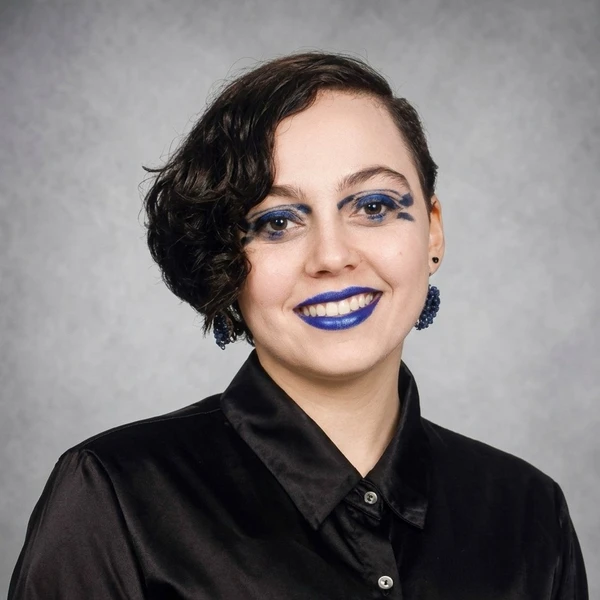
Hello! I'm Goose. I have a passion for helping others, as well as political science and sociology. It's my dream to pursue political science in college and in my career so I can continue to help others and give back to my community.
Education
Palomar College
Associate's degree programMajors:
- Law
- Sociology
- Political Science and Government
GPA:
3.9
Vista Murrieta High School
High SchoolGPA:
4
Miscellaneous
Desired degree level:
Master's degree program
Majors of interest:
- Political Science and Government
- Sociology
Test scores:
1420
SAT1390
PSAT
Career
Dream career field:
Research
Dream career goals:
Political Scientist
Arts
PTSA Reflections Contest
Visual Arts2025 – 2025
Public services
Volunteering
Rise Against Hunger — Fundraiser2022 – PresentVolunteering
Luv Michael — Outreach2023 – 2023Volunteering
BillionGraves — Transcriber2024 – 2024Volunteering
Local Elementary Schools — Helping run booths and manage any issues.2022 – 2024Volunteering
French Valley Library — Assisting the librarians with necessary tasks.2023 – 2023
Future Interests
Advocacy
Politics
Volunteering
Philanthropy
Entrepreneurship
Aserina Hill Memorial Scholarship
Altruism is a characteristic I value greatly, which is why I enjoy volunteering. By this time, I have contributed over 300 hours to community service. These hours include 60 for Rise Against Hunger and 21 for Luv Michael, a company that provides jobs for autistic adults. A significant portion of my service was conducted through one of my many clubs. For example, the Gender and Sexuality Alliance has hosted many campus clean-ups.
Throughout high school, I have served as president of the Roller Skating Club, treasurer and president of the Gender and Sexuality Alliance, president of the Alternative Music and Fashion Club, vice president of Gardening Club, and Secretary of Community Service for Interact. Additionally, I have been a member of several others. My motivation was to expand my knowledge, meet new people, and volunteer. Holding leadership positions taught me many skills, such as mentoring others and organizing fundraisers.
My hobbies have changed because I became disabled at 16. While I had to give up skating and running, I pivoted to other activities. Baking has always been something I enjoyed, and I decided to start my own small business selling cookies. I love crafting, music, fashion, makeup, and meeting new people. Though my disability has changed things, I am determined to live a fulfilling life.
Education has always been important to me due to my upbringing. In high school, I took many advanced classes and passed with A’s. Additionally, I took several online college classes to get a head start and fulfill my curiosity. Because of my dedication, I am on track to graduate as valedictorian and complete three associate degrees by the fall.
In my career, I would like to use my political science background to work for a nonprofit organization. I hope to lead projects and conduct research that influences public policy. For example, providing low-cost therapy for those with mental health challenges. The struggles of disabled and LGBTQ+ people are especially important to me as someone who is part of those communities. Volunteering has given me many skills that will benefit me in my career, such as understanding social problems. College will provide the resources needed for me to follow this path, and I will take advantage of every opportunity I am given.
If I were to start a charity, it would focus on helping disabled people. Being disabled myself, I understand how important support is. My previous work has also shown me its importance. Our mission would be to provide the best quality of life possible. To achieve this, we would provide low-cost medical equipment and treatment, free transportation, and mental health services.
In college, I will continue my focus on helping others. I plan to join many clubs and organizations that will educate me and allow me to volunteer. For example, I am applying for College Corps, which requires students to complete 450 hours of service during the academic year. Getting into UCSD made me very grateful, and I am excited to attend. However, cost poses a barrier. As a disabled person, finances have always been a concern for me because of my limited options for work. Receiving this scholarship would allow me to afford tuition while focusing on my studies.
Erase.com Scholarship
Reading non-fiction is a hobby I greatly enjoy. Though many find it boring, I find it fun to learn more about topics that interest me. The books I read encompass a wide range of topics, such as biology, history, and social justice. While these books may vary greatly, they all expanded my knowledge of current issues. Because of what I have learned, especially as it relates to social problems, I was motivated to volunteer. Completing my school’s 40-hour requirement was not enough for me, and I decided to reach 200 hours. Now, I have contributed over 300 hours to community service. These hours include 60 for Rise Against Hunger and 21 for Luv Michael, a company that provides jobs for autistic adults. My schoolwork also benefited from my reading, as I was able to connect concepts I learned in books to assignments in class. Books have also served as a refuge when I was dealing with challenges.
My mental health has been something I have always struggled with. These challenges have come because of my LGBTQ identity and disability. As an autistic person, I was excluded and bullied as a child. Because I did not know I was autistic, I was left confused and made to feel like something was wrong with me. When I came out as transgender at the age of 12, I faced pushback from my parents. They were in disbelief and assumed something must have made me “confused.” In school, I faced similar discrimination from staff and students. These experiences caused me to develop severe depression and nearly commit suicide. While going through this was certainly not pleasant, it does have a silver lining. I learned how to advocate for myself and have self-confidence despite what others think. After a long struggle, I overcame my depression. Finally, I am part of two wonderful communities that I am extremely grateful for.
Because of my struggles with mental health, I have realized the importance of community support and resources. For this reason, I have decided to continue volunteering and focus my career on helping others. In my career, I would like to use my political science background to work for a nonprofit organization. I hope to lead projects and conduct research that influences public policy. For example, initiatives to provide low-cost therapy for those with mental health challenges. The struggles of disabled and LGBTQ+ people are especially important to me as someone who is part of those communities. Pursuing a career that benefits others would honor the legacy of those who inspire me and allow me to feel fulfilled. My education and community service have set me up for this path. Winning this scholarship would bring me one step closer to achieving my goals by allowing me to afford tuition and focus on my studies. Thank you for your consideration.
Brooks Martin Memorial Scholarship
At the age of nine, I had no experience with death. Yet, that quickly changed as I was told that my grandma Judy had died. Sitting in a dark living room, I tried to keep myself composed. Though I knew she had not been doing well, it still came as a shock. We were extremely close, and I could not imagine going forward without her. When the day of her funeral came, I could no longer contain myself and broke down as the national anthem played. Now, nine years later, I still cherish the memories we made together. While she may be gone, her impact on me persists.
Growing up, my grandma lived right next door to me, which is a unique experience I look back on fondly. She had lived nearly her whole life in the nearby town of Perris, California but moved to be close to me and my father after I was born. I spent many afternoons at her house playing games with her and eating her delicious food. Since she was a second-generation immigrant, I felt that spending time with her connected me to my Italian heritage. My nickname for her was nonna, or grandma in Italian. Now, I keep that ancestry alive by cooking the Italian recipes she used to make for me. Each bite reminds me of our time together and the effort she put into taking care of me.
As her health declined, I knew my time with her was limited. When she suffered a stroke, my parents made the decision to move her to a care facility. I visited her as often as I could, making the most of the last days we had together. While I wish she could have been with us longer, she lived until the age of 92, and I am glad she had a long and fulfilling life.
My grandma valued resilience and strength and instilled this in me by overcoming the challenges she faced. When she was just 40, my grandpa died of leukemia, leaving her to raise 6 children alone. With my actions, I hope to make her proud, which has motivated me to give my full effort towards everything I do. I have already dedicated over 300 hours to community service, which I consider one of my most significant contributions. Knowing how important family and my heritage are to me, I decided to volunteer for BillionGraves, helping approximately 650 people find lost or unknown family members. Additionally, I am on track to graduate as the valedictorian. She was also an incredibly generous woman, who influenced me to volunteer.
As I move into college, I plan to continue my community service. In my career, I would like to use my political science background to work for a nonprofit organization and help alleviate social issues. The struggles of disabled and LGBT people are especially important to me as someone who is part of those communities. Pursuing a career that benefits others would honor the legacy of my grandma. Winning this scholarship would bring me one step closer to my goals.
Throughout my journey, I remember the lessons my grandma taught me and how she pushed me to do my best. I wish she could be here to witness it, but I will have to be strong without her. By sharing my experience, I hope to commemorate my grandma while showing others that we can overcome challenges in the face of loss.
Redefining Victory Scholarship
Monroe Justice and Equality Memorial Scholarship
In a country with a long history of systemic racism and police brutality, it is no surprise that people of color are often weary of law enforcement. As someone who has studied sociology, political science, and law in college, this issue is often discussed. When it comes to fostering relationships between law enforcement and African Americans, options include expanding alternative resources, addressing issues that lead to crime, and providing additional education for police officers.
Many scholars and people from marginalized communities have suggested expanding other resources rather than using police to deal with all issues. For example, trained social workers may respond to non-violent cases better than a police officer could. Unfortunately, there have been tragedies relating to police officers inappropriately reacting to non-violent situations, such as with Charleena Lyles. Because of this, many African Americans are concerned about calling the police when help is needed. Having alternate resources can help to prevent these tragedies and make those in need more comfortable. If the number of incidents like this goes down, fear of police will likely fall with it. Areas that have implemented these programs have found success.
An overall reduction in crime would also reduce the need for police responses and therefore decrease negative interactions between police and civilians. In my opinion, solving social problems starts with understanding their root causes. Crime is driven by several factors, including poverty, domestic violence, and lack of opportunities. These issues are more likely to affect African Americans. People in these situations may commit crimes because they feel they have no other option. Resources for those struggling with financial insecurity, mental health resources, and increased funding for education are all viable options to address these problems.
Law enforcement officials often do not understand the impact they can have on minority communities, especially with most police officers being white. Mandatory education on systemic racism and the drivers of crime can increase understanding and encourage officers to be more cautious when approaching a situation. Additionally, training with a focus on deescalation can reduce violent encounters and save lives. Education is not enough to fix the issue on its own, but it can be helpful when used in tandem with other solutions.
An improved relationship between African Americans and law enforcement would be beneficial for both parties. Police officers could better perform their duties, while African Americans would be in less danger and feel safer. Many of these programs have the added benefit of alleviating additional issues, such as poverty. Although these problems will not be fixed overnight, these solutions can make a meaningful difference.
Wicked Fan Scholarship
When I watched Wicked for the first time, I didn’t entirely know what to expect. My social media feed was buzzing with positive reviews and my friends raved about it, so I decided to go see it. I enjoyed it more than I expected. Even as someone who does not usually like musicals, I found myself captivated by the movie’s story, beautiful designs, and messages.
As someone who has often felt isolated from others due to my autism and being LGBT, I related to Elphaba’s struggles. Both of us have had to deal with ostracism and being underestimated due to something we could not control. Seeing her be herself and succeed despite this made me feel that I could overcome these challenges as well.
Additionally, the themes of friendship and acceptance resonated with me. I have been lucky enough to find many kind and supportive friends. Watching Elphaba and Glinda’s relationship grow despite hardships was very impactful and made me appreciate my friends even more. Everyone has their own struggles, but being part of community can make things much easier.
Lastly, I have always valued altruism. Throughout my time in high school, I have completed over 300 hours of community service. Elphaba taking the risk to help the animals and stand up to injustice was inspiring to me and reminded me of my own work. While I may not be saving talking animals from oppression, I always try my best to help others. The value of selflessness is very important to me, and I love how the movie spreads that message.
After seeing the first movie, I eagerly awaited the second one and was not disappointed. The themes resonated with me again and reignited my love for the story. Though I may not live in the world of Oz, the characters’ experiences are still relatable. As a Wicked fan, I appreciate the movie for its messages and the way it expresses them.
Champions for Intellectual Disability Scholarship
Far too often, those with intellectual disabilities are not given enough support. As someone with physical and developmental disabilities, I understand this struggle. I have continuously had to advocate for myself, and I would like my career to help others in the disabled community for this reason. My education and community service have furthered this desire. By working in political science, I hope to influence public policy that addresses these issues.
My journey started when I began high school and joined my school’s Interact club. Focusing on helping disabled people, I dedicated 21 hours of service to Luv Michael, a company that provides jobs for autistic adults. Through this experience, I learned more about these struggles and ways to alleviate them. Volunteering reinforced my desire to help others and proved I could make an impact. In my junior year, I became the club’s Secretary of Community Service, which allowed me to help even more. As I approach graduation, I have completed over 300 hours of community service, which I consider one of my proudest achievements.
During my sophomore year, I started taking community college classes in sociology. These classes were online, making them more accessible to me. Had this not been the case, I may not have been able to take these courses, which helped me understand the importance of accessibility even more. My passion for the subject only increased with my coursework, and I expanded into political science and law. Learning to connect concepts such as homelessness and disability was incredible to me and greatly developed my knowledge of these issues. Because of my dedication, I am on track to complete 3 associate’s degrees before the fall. Political science resonated with me the most, and it was where I felt I could make the biggest difference. For this reason, I have chosen to pursue a bachelor’s degree and career in political science.
As I move into a 4-year university, I will continue my dedication to the disabled community. Going to college may present new accessibility challenges for me. While this may be difficult, I see it as an opportunity to learn more about existing barriers and how to fix them. Additionally, my classes will continue to fuel my interest and further my knowledge. I will continue volunteering to help those in need, especially those with intellectual disabilities. Advocating for myself has given me the skills and courage to advocate for others. Most importantly, I will keep my ultimate career goals in mind, so that my efforts can make the biggest possible contribution.
The final step of my journey is finding a job at a non-profit organization. Here, I feel that I can do research on social issues that will have a lasting impact. My research will focus primarily on the struggles of disabled people and how to alleviate them. I plan to lead projects to carry out these initiatives and present my findings to lawmakers. Though it may be a long process, knowing that I have meaningfully helped many people will make it worth it. Keeping my goals in mind will allow me to push forward even when facing setbacks. Having faced many challenges in the past, I know I can be resilient and adapt to my situation.
Winning this scholarship would bring me one step closer to accomplishing my goals. College is expensive, and my options for work are further limited by my disability. I would be truly honored to be chosen. Thank you for your consideration.
Adam Montes Pride Scholarship
As I walked into the classroom for the first time, I knew it would become a monumental part of my life. The people there welcomed me with open arms and provided me with a place to be myself. Now in my senior year of high school, I am the president of my school’s Gender and Sexuality Alliance club, hoping to welcome others in the same way I was.
Joining the club was one of the best decisions I made during my time in high school. As a transgender and bisexual person, I worried about how my identity would affect my social and academic life. The club allowed me to make friends without worrying about discrimination and provided a retreat from the busy life of school. Every Wednesday I would meet with other students to volunteer, play games, discuss LGBTQ+ issues, and relax without the pressures of the outside world.
In my junior year, I began my leadership journey by becoming the club’s treasurer. When the presidents graduated the next year, I stepped up and took on their role. My main goal was to continue providing a safe space for others and spreading awareness about LGBTQ+ issues. Although I will graduate soon, I look back on my time in the club fondly, and plan to stay involved with the community in college.
Outside of the club, I dedicated myself to my academics, other extracurriculars, and community. I started taking community college classes when I was in 10th grade. Even though it was not required, I was passionate about learning. Additionally, I took many advanced courses in high school, and completed them with straight As. Because of my efforts, I am on track to complete 3 associate’s degree before the fall, and graduate as Valedictorian.
When I started school, I also joined Interact club and founded the Roller-Skating club. There I was able to further my leadership skills by serving as Interact club’s Secretary of Community Service in my junior year, and the Roller-Skating club president. Over 4 years of high school, I completed more than 300 hours of community service. The requirement was only 40 hours, but I wanted to help others as much as I possibly could.
Aside from my identity, I have faced other challenges on the way to these achievements. My whole life I struggled with depression and social isolation due to my autism. In my junior year, I was diagnosed with chronic fatigue, as well as a genetic disorder called Hypermobile Ehlers-Danlos Syndrome which significantly impaired me. However, I was determined not to let these barriers hold me back. When facing challenges, I remained focused on my goals and was able to achieve great things with the support of others.
As I move into college and my career, I continue my focus on altruism. My next step is to complete my bachelor’s and master’s degrees in political science. I have chosen this because it will allow me to work for a non-profit and research how to alleviate social issues. Because of my identity, I plan to focus primarily on the struggles of LGBTQ+ and disabled people. In college, I will also continue volunteering and leading others.
College is expensive, and my options for work are limited as a disabled person. For these reasons, I would be honored to be chosen as a scholarship recipient, and it would help me significantly. Thank you for your consideration.
Ryan T. Herich Memorial Scholarship
Helping others starts with understanding the causes of their struggles. That belief is what drew me to political science. In 10th grade, I began working toward my associate's degree and discovered how much I enjoyed studying it. It helped me understand the importance of addressing issues from multiple angles, and I was inspired by the idea that I could make real change. I chose political science because of my passion for the subject, its connection to my volunteer work, and the ability to make a difference.
When I first began my coursework, I was immediately drawn to intersectionality and the root causes of inequality. Learning to connect topics such as homelessness and racial inequality was incredible to me. As I learned more, I became especially interested in topics like disability policy and global inequality, which I hope to study further in my future research. Writing a paper on the history of the Democratic Republic of the Congo was a particularly eye-opening example, as the country's history exemplified many concepts I had studied. Through these assignments, I began to understand how political science uses research and historical analysis to explain why certain inequalities persist and how social institutions shape people’s lives. Even now, I continue to discover new ideas and find them just as interesting as those I learned early on.
Altruism is a characteristic I value greatly. For this reason, I have dedicated over 300 hours of service to my community and plan to continue throughout college and beyond. My classes made me want to see these concepts in action, which is part of what led me to volunteer. Topics that stood out to me included the struggles faced by disabled people and those experiencing food insecurity, especially as a disabled person myself. This led me to spend many hours doing outreach and fundraising for a company called Luv Michael, which provides jobs for autistic adults. Luv Michael is just one example, and all of my volunteering was influenced by my studies. My education gave me the understanding needed to find ways to help address these issues.
Political science has already allowed me to volunteer in my community, but I want my future research to do even more. I believe the only way to prevent social problems is to understand what causes them, which is why I want to study the root causes of social inequality and use that information to find solutions. Behind every statistic is a real person affected by these issues, which motivates me to study them. I intend for my research to influence public policy and give charitable organizations the information they need to combat these issues. While I may not be able to fix everything myself, I hope my work can help make progress.
I chose political science because I enjoy studying it and because it allows me to make a difference. It has already helped me give back to my community, and I know my future research will do the same. These experiences have shaped the way I think about the problems around me and inspired me to continue studying social systems so I can apply that knowledge and make meaningful change in my community and beyond.
Frank and Patty Skerl Educational Scholarship for the Physically Disabled
Growing up, I was just like any other child. I participated in sports, loved exercising, and was full of energy. I started a roller-skating club at school, leading me to meet new people who shared my passion for the sport. I contributed over 300 hours to helping my community, constantly challenging myself. When I was 16, I became disabled after a genetic condition started to manifest. This made it difficult for me to walk or do physical activity. While I had to give up some of my passions, I quickly adapted. I shifted my focus from skating to baking, another one of my interests, and even started my own small business selling cookies. I had to shut down the roller-skating club, but I focused on the other clubs I was involved in, such as the ones related to community service.
School suddenly became difficult after being something that was never a struggle. It was not because of the material, but the accessibility. I frequently missed classes due to a broken elevator and could no longer handwrite my assignments. I struggled with focusing as I was in constant pain. Emotionally, the pain was taking a toll, but so was the lack of support from my school. Like my diagnosis, it took me a year to get accommodations. Despite this, I never stopped fighting, regardless of how many times the school told me it would take weeks to fix the elevator or that I could not get some of the necessary accommodations. The one thing I refused to do was give up after three years of diligence. This experience taught me a great deal about advocating for myself and being persistent.
Nothing influenced me more to push myself than my education and passion for learning. In 10th grade, I began working towards my associate’s degree in sociology. Through my classes, I discovered a great deal about the struggles people face every day, including those faced by disabled people. On top of this, the thing that continuously inspires me to give back the most is wanting to carry on the legacy of everyone who has guided me in the past. So many people have selflessly spent time assisting me with my disability, in school, or with my mental health struggles. Now that I can, I want to assist others who are struggling with the same things I did and what I learned about in my classes.
Becoming disabled also made me more aware of the challenges those with disabilities face and motivated me to try to prevent them. Without my disability, I would never have gained much of my knowledge about these issues. I may have learned about them in class, but experiencing them firsthand was completely different. As I move into pursuing my bachelor’s degree in political science, I plan to do research into the struggles of the disabled community that my previous volunteer work was intended to alleviate. My goal is to further our understanding of social problems and discover more solutions. This scholarship would allow me to achieve my dream of researching and addressing social problems and serving inside and outside of my community. While I do not know what the future holds for me, my experiences will guide my research, volunteering, and how I support others.
Priscilla Shireen Luke Scholarship
Leadership to me is about guiding others toward their goals, not just giving commands. This is a lesson I learned during my time in my school's Interact club. The club was dedicated to community service, and I joined to help those in need. During our meetings, I made peace cranes, letters, and breast cancer awareness ribbons to bring joy to those who needed it most. At this point, I mainly followed along but led where I could. When other club members needed support with activities, I offered to assist them.
Gradually, I started looking for organizations and events that were relevant to the club and presented them to the board members. It wasn't required, but I chose to do it because it helped the people benefiting from the events and my fellow club members looking for opportunities.
In my third year in the club, I became the secretary of community service. This gave me the ability to participate more directly and recruit even more volunteers. During meetings, I would present new events and encourage people to sign up. I did even more outreach and was able to facilitate events at elementary schools, animal sanctuaries, and campus clean-ups.
Personally, I participated in events at over 10 different elementary schools for more than 60 total hours. Seeing happy children, veterans, and others showed me that even small moments of kindness can brighten someone's day. These experiences changed the way I think about leadership by making me realize it is more than just instructing others on what to do. Sometimes leadership is leading by example or working behind the scenes to give others the opportunity to achieve.
As I continue my studies, I want to use what I learn to support more people facing inequality, especially those whose needs are often misunderstood or ignored. My degree will help me advocate more effectively, understand systemic issues, and contribute to solutions that improve people’s lives. I hope to give back by helping create a community where everyone has the support they deserve.
I have already completed over 300 hours of community service, which I consider one of my greatest achievements. Whether it was at an elementary school, library, or elsewhere, each hour showed me the importance of hard work and empathy. Each one of these moments shaped my commitment to service. I was motivated to continue volunteering even after meeting my school's requirement, and I plan to keep volunteering in college and beyond. Overall, I am proud of the difference I have made and grateful for the lessons these experiences have taught me.
Joieful Connections Scholarship
Helping others starts with understanding the causes of their struggles. That belief is what drew me to political science. In 10th grade, I began working toward my associate’s degree in the subject and discovered how much I enjoyed learning about the root causes of inequality and how intersectionality explains overlapping disadvantages. The more I learned, the more I wanted to pursue research as a career, focusing on social inequality and ways to address it.
Volunteering reinforced this interest. Right when I started high school, I joined my school's Interact club to find opportunities to help my community. Eventually, I joined the board as secretary of community service so that I could gain valuable leadership experience and further help those in need. I spent hours doing outreach and fundraising for Luv Michael, which provides jobs for autistic adults, and more than 60 hours helping at events at over 10 different elementary schools. In total, I dedicated over 300 hours to community service, and I plan to continue. These experiences gave me firsthand knowledge of social challenges and strengthened my commitment to creating solutions through research and advocacy.
My academic journey has not been without challenges. I have been diagnosed with autism spectrum disorder and struggled with persistent depressive disorder from a young age. Not being diagnosed as autistic until age 16 made my social and academic life that much more challenging. At 16, I also became physically disabled due to hypermobile Ehlers-Danlos syndrome and chronic fatigue syndrome, which made accessibility an even larger barrier. I struggled with physical limitations, missing classes, and obtaining accommodations. Despite these obstacles, I adapted by taking online courses, managing my time carefully, and advocating for myself. Through persistence and resilience, I am on track to graduate high school as Valedictorian with three associate degrees. Having overcome these barriers in the past makes me believe I can overcome more in the future.
These experiences have shaped my long-term goal of working in political science research to study marginalized communities and social inequalities. I plan to pursue a bachelor’s degree in political science, followed by a master’s to gain the research skills necessary to contribute meaningful insights that influence policy and support charitable efforts. Receiving this scholarship would help fund my education, allowing me to focus on my studies and research rather than financial barriers. It would bring me one step closer to my dream of using research to address systemic social issues and make a real difference in the world, especially for others with intellectual and developmental disabilities.
Andrea Worden Scholarship for Tenacity and Timeless Grace
My problem started slowly, with an ache in my knee or an inexplicable pain in my back. I figured I had just pushed myself a bit too hard, but gradually, I could no longer ignore it. Eventually, I could not even walk around school without a cane or go to events without a wheelchair. I was later diagnosed with two conditions called Hypermobile Ehlers-Danlos Syndrome and Chronic Fatigue Syndrome. It was an extremely difficult period of my life, but I slowly adjusted.
Growing up, I participated in sports, loved exercising, and was full of energy. I started a roller-skating club at school, leading me to meet new people who shared my passion for the sport. I dedicated over 300 hours to community service. When I turned 16, everything started to change as my disability came to light. While I had to give up some of my passions, I adapted. I shifted my focus from skating to baking and even started my own small business selling cookies. I had to shut down the roller-skating club, but I focused on other clubs related to community service. I advocated for myself in school to ensure I got the necessary accommodations and kept my grades high.
School suddenly became difficult. It was not because of the material, but because of the accessibility. I frequently missed classes due to a broken elevator and could no longer handwrite my assignments because of wrist pain. I struggled with focusing as I was in constant pain. Like my diagnosis, it took me a year to get accommodations. These experiences gave me a better understanding of the struggles disabled people go through and made me more compassionate.
Despite these struggles, I never stopped fighting. I knew I would have to work much harder, and I did by communicating with my teachers and adjusting my schedule to suit my needs. The one thing I refused to do was give up after three years of dedication. This experience taught me a great deal about advocating for myself and being persistent.
These experiences showed me just how much harder I would need to push myself to succeed. I knew I could still accomplish my goals with a lot of effort and a little bit of support. I achieved the status of Valedictorian and am ready to graduate high school with three associate degrees. My perseverance and resilience paid off. More than anything, having a community of people to help me and wanting to help them in return gave me the strength to continue. Through these experiences, I believe I have come to embody the same resilience, compassion, and commitment to others that defined Andrea Worden’s legacy.
My disability may have held me back, but it also motivated me and taught me things I would never have known otherwise. I have always had a passion for learning, particularly about the different circumstances people have and how those issues can be alleviated. As I move into studying political science and sociology further, I want to dedicate my studies to understanding these issues and spreading awareness. In my career, I want to do more research so that real change can happen, especially for the disabled community. Even if my options are limited, I would like to continue volunteering as well.
Above all, I am grateful to be part of an amazing community and connect with other disabled people. Regardless of their disability, we have a shared connection. Each person I meet brings a new perspective into my life and motivates me to continue my education. They are incredibly supportive. I am grateful to every one of my friends for their endless support.
As I look toward the future, it is uncertain how my abilities will change. Regardless of what happens, my experiences have shaped me immensely. Even if a cure were discovered tomorrow, I would not be the same person I was before. My disability may have changed my path, but it gave me strength, empathy, and community, which I will carry proudly into the future. Whatever comes next, I move forward with a commitment to using what I have learned to uplift others, just as so many people have uplifted me.
Hines Scholarship
My dream is to work in the political science field, specifically research. I am especially interested in the struggles marginalized communities face and how they can be alleviated. This is why I started working toward an associate’s degree in the subject in high school. Volunteering and seeing these issues firsthand pushed me toward this field. My work so far has already taught me skills in critical thinking and evaluating sources, and nothing influenced me more than my education and passion for learning. Growing up, my parents always made sure I understood the value of education. They encouraged me to learn and equipped me with the resources to do so, which made college feel like the natural next step in pursuing the subjects I care about.
In 10th grade, I began working toward my associate’s degree in sociology. Naturally, I could not yet attend a four-year college, so community college gave me the opportunity to start studying what I was interested in early on. Along the way, I branched into political science and discovered it was something I greatly enjoyed. I enjoyed it so much that I decided to try and accomplish three associate degrees: political science, sociology, and law. While there was a benefit of transferring my credits and being able to get my bachelor’s degree earlier, I mainly did it because of my desire to learn. Because of this, college to me means getting to explore my passions in a way I could not do on my own and gaining the structure and guidance I needed to develop as a student and a future researcher.
Aside from my passion for learning, community college was also accessible to me as someone with a disability. The courses I took were online and allowed me to prioritize my physical and mental health while still making progress toward my goals. Balancing my symptoms with coursework was often difficult, but college gave me a space where I could keep moving forward without compromising my well-being. Without this opportunity, I would have struggled with starting my education and had more barriers to worry about. To me, college represents independence and being able to achieve despite my disability. Being disabled has also made me want to be an activist for my community, and community college gave me the opportunity to learn how to accomplish this.
Without community college and the influence of my parents, I may not have been motivated to achieve as much as I have or gotten the chance. As I move into studying for a bachelor’s degree in political science and sociology, I want to dedicate my studies to understanding social issues and spreading awareness. By continuing my studies, I want to contribute meaningful insight that addresses social inequality and influences public policy. Community college was the first step for me in my long-term goals, and it has brought me much closer to accomplishing them. Receiving this scholarship would help me continue pursuing my education without added financial stress, allowing me to stay focused on my goals and the work I hope to contribute.
Community College Matters Scholarship
Nothing influenced me more than my education and passion for learning. Growing up, my parents always made sure I understood the value of education. They encouraged me to learn and equipped me with the resources to do so. In 10th grade, I began working towards my associate’s degree in sociology. Naturally, I could not yet attend a 4-year college, so community college gave me the opportunity to start studying what I was interested in early on.
Along the way, I branched into political science and discovered it was something I greatly enjoyed. I enjoyed it so much that I decided to try and accomplish three associate degrees: political science, sociology, and law. While there was a benefit of transferring my credits and being able to get my bachelor’s degree earlier, I mainly did it because of my desire to learn. If I had gained no degree, I still would have wanted to learn just as much.
Aside from my passion for learning, community college was also accessible to me as someone with a disability. The courses I took were online and allowed me to prioritize my physical and mental health while still making progress towards my goals. Without this opportunity, I would have struggled with starting my education and had more barriers to worry about. Being disabled has also made me want to be an activist for my community, and community college gave me the opportunity to learn how to achieve this.
The more I learned in my classes, the more I wanted to pursue political science as a career. Looking for options, I came across the idea of research and decided it was what I wanted to do as a career. Taking college courses and uncovering more about people’s struggles has greatly influenced me to commit myself to this path. Without this and the influence of my parents, I may not have been motivated to achieve as much as I have or gotten the chance.
As I move into studying for a bachelor’s degree in political science and sociology, I want to dedicate my studies to understanding social issues and spreading awareness. Community college was the first step for me in my long-term goals, and it has brought me much closer to accomplishing them.
Qwik Card Scholarship
I was recently diagnosed with a genetic disability. The year before this, it had begun to impact my daily life. As someone who values financial stability, one of my biggest concerns was how I would save money without being able to work a traditional job. Combining the cost of tuition and living, having money saved was becoming more essential as I moved towards college. Although I was worried, I knew I had overcome other challenges relating to my disability before, such as struggles with accessibility at school. I was already able to graduate as Valedictorian and earn 3 associates degrees before finishing high school, so I knew I could overcome my financial barriers too.
Baking had always been a hobby of mine, and I decided to take it a step further than just making cookies for my friends. I started a small business selling them around my school, and I dedicated hours each week to making and advertising them. This venture taught me valuable skills in promotion and networking, which will help with future jobs. It also gave me a source of income that was consistent and accessible because of the time flexibility and physical requirements. Every penny I earned went back into the business or directly to my savings, slowly building the money I had for the future.
I believe building credit early is one of the best things college students can do to secure their financial futures. My parents have always instilled in me the importance of being smart with money, and they decided to get me a credit card while I was in high school. They believed it would help educate me on responsible spending, paying off my balance on time, and help build my credit for the future. It gave me a sense of independence as well as responsibility. I knew having a credit card was a big deal, and I needed to use it properly, only buying things I could afford. Going forward, I will remember what they have taught me to continue making good decisions with my money, whether it be a house, car, or college.
As I move into the future, I will continue seeking money-making opportunities that are accessible to me, whether it be baking or something new. One of the ways I have been doing this is through my scholarship applications. Starting from the beginning of my senior year in school, I spent hours every week compiling and applying for scholarships, doing everything I could do to increase my chances of being selected. College costs are one of the biggest concerns for young people, and I am no exception. These scholarships help alleviate that pressure and allow me to focus my money on other important purchases, such as rent. When combining my efforts and what I have learned, I feel confident that I can have a successful financial future.
College Connect Resilience Award
Growing up, I was just like any other child. I participated in sports, loved exercising, and was full of energy. I started a roller-skating club at school, leading me to meet new people who shared my passion for the sport. I contributed over 300 hours to helping my community, constantly challenging myself. When I was 16, I became disabled after a genetic condition started to manifest. A year later, I was diagnosed with Hypermobile Ehlers-Danlos Syndrome. This made it difficult for me to walk or do physical activity.
While I had to give up some of my passions, I quickly adapted. I shifted my focus from skating to baking, another one of my interests, and even started my own small business selling cookies. I had to shut down the roller-skating club, but I focused on the other clubs I was involved in, such as the ones related to community service. This experience taught me a great deal about what resilience means to me, which is pursuing goals despite challenges and overcoming barriers. I live this every day by pushing through my disability and doing what I can to move forward. Nothing motivates me more than my education and wanting to complete my degree.
In my college courses, I had to balance doctor's appointments with the time I spent working on my homework. I communicated with my professors whenever I had an issue with accessibility and got to connect with other disabled students. I knew I would have to work much harder than before I became disabled, and I did. The one thing I refused to do was give up after years of diligence. Because of my hard work, I was able to complete 3 associate’s degrees in 3 years, all while dedicating myself to helping my community.
Now as I go into the future and pursue a bachelor’s degree, I will continue striving to do my best and push past my disability. Resilience is a trait that is extremely important to me, and if I did not exemplify it, I would not have been able to complete as much as I have. I may have faced many barriers, but I consistently break them down and find a way to persevere. While I do not know what the future holds for me, my definition of resilience will guide my career, education, and how I complete my goals.
Laurette Scholarship
Growing up, I always felt excluded. I never connected with any of the other kids around me, despite my best efforts. Life at home was not much better. I never understood my parents, and they never understood me. I felt that I was constantly getting in trouble, and I never knew why. I was only doing what I thought was right. These struggles were extremely damaging to my mental health, and I ended up developing Persistent Depressive Disorder.
As I got older, I learned more about what autism was, and met others who had it. Still, I never felt that I might have it until I turned 16 and really looked into it. When my mom found out I was trying to get a diagnosis, she told me she had known my whole life and never felt the need to do anything about it. I was angry, and I felt I was right to be. If I had been diagnosed earlier, I may not have had as many struggles as I did. I could have gotten the right support, been able to connect with others, and gotten along with my parents better. Yet, no one seemed to care enough to guide me there because I was doing well in school. “A good student surely does not need any extra help” was an unfortunate mindset held by a lot of adults in my life.
However, I persevered despite the lack of help. I continued to excel in school, and was able to overcome my mental health struggles, including my depression. It was hard, but it also taught me a great deal about how strong I can be. If I start to struggle now, I know I can handle it because of everything I have faced in the past. When I received my diagnosis, I was very happy. After 16 years, I finally felt understood. It did not make my struggles go away, but it did give me an explanation for why I was dealing with these things. I was not broken or dumb, just different.
Now that it has been almost two years since my diagnosis, a lot has changed for me. Since then, I have gained many opportunities to connect with others. I joined clubs and tried my hardest to make friends. My past experiences of being rejected were valuable in helping me learn how to interact with others. As much as I would have benefited from support as a child, I know now that I can figure things out on my own, while still having people around me who offer their help. This has shown me just how deep my resilience is. I am fortunate to have made many friends during my time in high school who support me and love me for who I am. These lessons will stick with me my whole life, and I am proud to be who I am, autism and all.
Boatswain’s Mate Third Class Antonie Bernard Thomas Memorial Scholarship
When I was 16, I became disabled after a genetic condition called Hypermobile Ehlers-Danlos Syndrome started to manifest. This made it difficult for me to walk or do physical activity. However, I am still dedicated to contributing in any way I can. Every day, I do something that furthers this goal, whether it be communicating with organizations to volunteer, dedicating time to my schoolwork, or just pushing through my disability.
When I first began volunteering, I focused on opportunities that were close to me. I joined the Project Linus Club at my school and made blankets for children in need. These blankets gave children in unstable situations not only a useful item, but something to provide comfort in difficult times. In Interact Club, I made peace cranes, letters, and breast cancer awareness ribbons to bring joy and support to those who needed it most. In my third year in the club, I became the secretary of community service. This created the opportunity to assist those in need myself and recruit other volunteers for these important causes.
Outside of the classroom, I assisted during events at over 10 different elementary schools for more than 60 total hours. As a child, I had always felt excluded, and I hoped to let these children have fun and create lasting memories so that they would not feel the same way. In one instance, a boy succeeded in a carnival game I was running. He beamed and thanked me. It showed me that even little moments of kindness can brighten someone's day. These moments were the most impactful to me because of my own childhood, and represent what leadership means to me: helping those who need it most, even when others do not step up.
Participating in events run by others was not enough for me, and I decided I would start hosting my own. As president of the Roller-Skating Club and Gender and Sexuality Alliance, I facilitated campus clean-ups multiple times a semester, motivational sticky note exchanges once a semester, and encouraged participation in school events. All of these opportunities taught me the importance of compassion, dedication, and resilience. After completing 300 hours of community service, I want to continue giving back. Looking ahead, I will carry these lessons with me, and I know I can keep doing more to help, just as others have done for me.
Through all of this, I never let my grades falter. I began pursuing an associate’s degree when I was in 10th grade, and I am on track to graduate with three degrees in law, sociology, and political science by the time I finish high school. On top of this, I achieved the status of Valedictorian with a 5.0 GPA for two years straight. These accomplishments took daily hard work and focus, traits I carry with me throughout my life.
Becoming disabled made me more aware of the challenges those with disabilities face and motivated me to try to prevent them. As I move into pursuing my bachelor’s degree in political science, I plan to do research into social issues, such as homelessness and the struggles of disabled people, that my previous work was intended to alleviate. My goal is to further our understanding of these problems and discover more solutions. This scholarship would allow me to achieve my dream of researching and addressing social problems and serving inside and outside of my community. While I do not know what the future holds for me, my definition of leadership will guide my research, volunteering, and how I support others.