Hobbies and interests
Athletic Training
Reading
Action
I read books multiple times per month
Ethan Baptiste
1x
Nominee2x
Finalist
Ethan Baptiste
1x
Nominee2x
FinalistBio
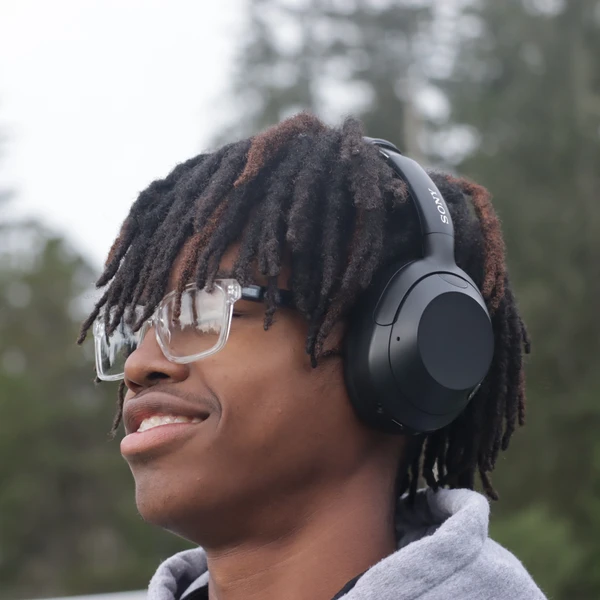
Hi, I’m Ethan Baptiste, a high school senior currently enrolled in the Running Start program, where I’m taking college-level classes in biology, chemistry and many others. I’m also a student-athlete involved in track and basketball. I’m passionate about learning, challenging myself, and making a difference in my community. In the future, I hope to pursue a career in either health sciences as a orthodontist or helping other countries in need through pursuing biomedical engineering
Education
Olympic College
Associate's degree programBremerton High School
High SchoolTimberline High School
High SchoolMiscellaneous
Desired degree level:
Bachelor's degree program
Graduate schools of interest:
Transfer schools of interest:
Majors of interest:
- Human Biology
- Biological and Biomedical Sciences, Other
- Biology, General
- Biochemistry, Biophysics and Molecular Biology
- Cell/Cellular Biology and Anatomical Sciences
- Microbiological Sciences and Immunology
- Ecology, Evolution, Systematics, and Population Biology
- Biomedical/Medical Engineering
- Biochemical Engineering
- Biology/Biotechnology Technologies/Technicians
Career
Dream career field:
Dentistry
Dream career goals:
Sports
Basketball
Junior Varsity2023 – 20241 year
Track & Field
Varsity2022 – Present4 years
Awards
- Scholar Athlete, Varsity Letter
Research
Dentistry
Ashmore Orthodontist — Shadowing2024 – Present
Arts
Ayisen Music
Music2014 – 2018
Public services
Volunteering
Newlife Church — 4th-5th grade Leader2024 – Present
Future Interests
Entrepreneurship
Mark A. Jefferson Teaching Scholarship
My name is Ethan, and my experiences have shaped how I see education and its impact on people’s lives. I was born in Haiti and moved to the United States after my family lost our home, business, and stability during a period of political unrest. Starting over required adjustment in every part of life, especially in education. I had to learn a new system, improve my English, and find a way to keep moving forward even when I felt behind.
That experience changed how I view education. I do not see it as something routine. I see it as an opportunity that can change the direction of someone’s life. I also understand how important it is to have people who support you along the way. Teachers, mentors, and community leaders play a major role in helping students stay motivated and believe in their potential.
While my primary goal is to pursue a degree in engineering, I also see education and mentorship as an important part of my future. I want to use my knowledge and experience to support students, especially those who come from underrepresented backgrounds. I understand how difficult it can be to adjust to a new environment or face challenges without guidance, and I want to be someone who helps others move forward.
I already try to apply this mindset in my community. I volunteer at my church, where I work with younger students and help support weekly activities. Over time, I took on more responsibility by helping organize activities and create a structured environment where students feel comfortable and included. Through this experience, I learned that education is not limited to the classroom. It happens through everyday interactions, guidance, and support.
As I continue my education, I plan to stay involved in mentorship and educational outreach. I want to help students understand that pursuing STEM is possible, even if they do not see many people who look like them in those fields. Representation matters, and I want to contribute to creating a space where more students feel encouraged to pursue their goals.
In the long term, I see myself giving back by mentoring students, participating in community programs, and possibly working with schools or organizations that support STEM education. I want to help create opportunities for students to learn, grow, and develop the confidence to pursue their own paths.
Education has played a major role in helping me move forward, and I want to pass that forward to others. Whether through formal teaching, mentorship, or community involvement, I plan to use my experiences to make a positive impact and help create a more supportive and inclusive environment for future students.
AROC AI/ML Scholarship
My hands-on experience with AI and machine learning is still developing, but my interest in the field comes from how I approach problem solving and systems. I am currently focused on engineering, where I have been building a strong foundation in math, logic, and structured thinking. Through my dual enrollment courses and personal learning, I have started to explore how data and simple algorithms can be used to organize information and improve decision making.
One example of applying this mindset was when I created a structured system to manage my academic and athletic responsibilities. I was balancing high school, college classes, and track, and I needed a way to stay organized. I built a simple tracking method that prioritized tasks based on deadlines and importance. While this was not advanced machine learning, it introduced me to the idea of using structured logic to solve real problems. It also made me interested in how more advanced tools like AI could automate and improve these types of systems.
I have also taken steps to learn more about how AI and machine learning are applied in real-world environments. I understand that these technologies are used to analyze patterns, optimize systems, and support decision making in areas like healthcare, logistics, and engineering. This connects directly to my interest in mechanical and industrial engineering, where systems and efficiency are critical.
As I continue my education, I plan to build more hands-on experience by learning programming languages such as Python and working on small projects that involve data analysis and automation. My goal is to move from basic structured problem solving into more advanced applications, including machine learning models that can improve how systems operate.
The impact I want to make in this field is centered on improving systems that people rely on every day. I am especially interested in how AI can be used to make processes more efficient, reduce waste, and improve reliability in areas like manufacturing and healthcare. For example, AI can be used to predict equipment failures, optimize resource allocation, and improve overall system performance. These types of improvements can have a direct impact on people’s lives.
As an African American student, I also recognize the importance of representation in fields like AI and machine learning. The perspectives that shape these technologies matter because they influence how systems are designed and who they serve. I want to be part of a generation that brings more diverse perspectives into STEM, ensuring that technology is developed in a way that is inclusive and effective for a wider range of communities.
My journey so far has been focused on building discipline, adapting to challenges, and developing a strong foundation in problem solving. I plan to continue growing my technical skills and applying them in ways that create real impact. AI and machine learning are powerful tools, and I want to use them to improve systems and contribute to solutions that make a difference.
This field represents an opportunity to combine technology with purpose, and I am committed to growing into that role.
Marie J. Lamerique Scholarship for Aspiring Scholars
One moment that challenged me the most happened shortly after my family moved to the United States. We had just left Haiti after losing our home, our business, and everything we had built during a period of political unrest. When we arrived, everything felt unfamiliar. The language, the school system, and the environment were completely different from what I knew.
I remember one specific moment during my first year in school. I was sitting in class, and the teacher gave instructions for an assignment. I understood some of what was said, but not enough to complete the work confidently. Around me, other students started working right away, but I hesitated. I felt behind, and I did not want to ask questions because I did not want to draw attention to the fact that I was struggling.
That moment was difficult because it made me realize how far I had to go just to keep up. I could have stayed quiet and accepted falling behind, but I decided to approach it differently. After class, I stayed back and asked the teacher to explain the assignment again. It was not easy, but I knew that if I did not take that step, I would continue to struggle.
From that point, I started building habits that helped me improve. I created a routine where I reviewed my class material every day, even if I did not fully understand it at first. I made an effort to practice English through reading, writing, and speaking, even when it felt uncomfortable. I also began asking more questions in class and seeking help when I needed it.
At the same time, I was adjusting to a new environment at home. My parents were working hard to rebuild our lives, which meant I had to take on more responsibility and stay focused on my role as a student. Watching them push forward despite everything they had lost gave me a strong example of resilience. It showed me that progress is not always immediate, but it comes from consistent effort over time.
As I continued to improve, I took on more challenges. I enrolled in dual enrollment classes at Olympic College while still attending high school. Balancing college-level coursework with high school and athletics required discipline and time management. I applied the same habits I developed earlier, staying consistent, organizing my schedule, and focusing on steady progress.
This experience shaped the way I approach my future. It taught me that challenges are not something to avoid, but something to work through with the right mindset. I learned how to take initiative, ask for help when needed, and stay consistent even when results are not immediate. I also developed confidence in my ability to adapt and improve.
Today, I approach my goals with a clear understanding that success is built through effort and persistence. I am pursuing a path in engineering because I want to use problem solving and critical thinking to create practical solutions. The same mindset that helped me overcome challenges in school will guide me in my education and career.
That moment in the classroom, where I had to decide whether to stay silent or take action, changed how I see myself. It showed me that growth starts with taking responsibility for your situation and choosing to move forward, even when it is uncomfortable.
My upbringing has not made things easier, but it has made me stronger and more prepared for the future.
7023 Minority Scholarship
My name is Ethan, and my experiences have shaped me to value resilience, service, and growth. I was born in Haiti and moved to the United States after my family lost our home, business, and stability during a period of political unrest. Starting over in a new country required me to adapt quickly, learn a new system, and stay focused even when things felt uncertain. That experience taught me how to stay disciplined and keep moving forward, even in difficult situations.
I am currently pursuing a path in engineering because I am interested in understanding how systems work and how they can be improved. I enjoy problem solving and finding practical ways to make things more efficient and reliable. My goal is to build a career where I can contribute to improving systems that people rely on every day, whether in healthcare, manufacturing, or infrastructure. I want my work to have a real impact on people’s lives by making systems safer, more efficient, and more accessible.
Giving back to others is an important part of who I am. I volunteer regularly at my church, where I work with younger students and help support weekly activities. Over time, I took on more responsibility by helping organize activities and create a more structured environment. This experience taught me that leadership is about being consistent, reliable, and focused on helping others succeed. It also showed me how small actions can create a positive impact over time.
I plan to make a difference by combining my technical skills with a commitment to service. As an engineer, I want to contribute to solutions that improve everyday systems, but I also want to continue mentoring and supporting others. I understand how challenging it can be to adjust to new environments or face obstacles without guidance, and I want to be someone who helps others move forward.
If awarded this scholarship, it would help me meet my educational goals by reducing financial pressure on my family. Although my parents have worked hard to rebuild after starting over, we still face financial challenges. Receiving this support would allow me to focus more on my studies, gain hands-on experience, and fully commit to my academic and career goals.
In the long term, I want to build a career that combines technical knowledge with purpose. I want to use my education to improve systems, support my community, and create opportunities for others. My journey has taught me that progress comes from consistency and effort, and I plan to carry those values into everything I do.
Ava Wood Stupendous Love Scholarship
Kindness in Action
One moment that stands out to me happened at my church while I was volunteering with younger students. There was a student who had recently joined and was struggling to adjust. He was quiet, did not participate much, and often stayed on the side during activities. I recognized that behavior because I had experienced something similar when I first moved to the United States and had to adjust to a new environment.
Instead of waiting for him to open up, I made a consistent effort to include him. I would talk to him one on one, encourage him to join activities, and make sure he felt comfortable. I also worked with other volunteers to create smaller group activities so it would be easier for him to participate without feeling overwhelmed. Over time, I started to see a change. He became more engaged, interacted more with others, and seemed more confident.
That moment was important to me because it showed how small, consistent actions can make a difference. Kindness is not always something big or visible. Sometimes it is about paying attention, being patient, and showing up for someone until they feel like they belong. That experience reminded me that creating a supportive environment starts with individual effort.
Creating Connection
One way I have helped bring people together is through my involvement in track and field. Being part of a team means working with people from different backgrounds, personalities, and experience levels. I made an effort to create a more connected environment, especially for newer athletes who were still finding their place.
When new team members joined, I noticed that some of them felt unsure about where they fit in. Instead of leaving them to figure it out on their own, I started including them in warmups, conversations, and team routines. I would explain drills, encourage them during practice, and help them feel more comfortable asking questions. These actions helped break down barriers and made the team feel more unified.
I also focused on keeping a positive environment during training. Track can be demanding, and it is easy for people to become discouraged. By staying encouraging and consistent, I helped create a space where people felt supported instead of judged. This contributed to stronger relationships within the team and better overall performance.
Creating connection is important because it builds trust and confidence. When people feel included, they are more likely to engage, grow, and support others. I believe that small actions that bring people together can have a lasting impact on a community.
Byte into STEM Scholarship
My experiences have shaped me to value discipline, resilience, and growth. I was born in Haiti and moved to the United States after my family lost our home, business, and stability during a period of political unrest. Starting over in a new country required me to adapt quickly, learn a new system, and stay focused even when things felt uncertain. That experience taught me how to stay grounded and keep moving forward, even when progress is not immediate.
Adjusting to a new education system was one of the biggest challenges I faced. I had to improve my English, learn new expectations, and catch up academically while also helping my family adjust to a new environment. Instead of seeing that as a setback, I used it as motivation. I focused on building consistency in my work and improving step by step. Today, I am a dual enrollment student at Bremerton High School and Olympic College, managing college-level coursework while completing my high school diploma. That experience reflects my commitment to growth and my ability to handle challenges.
My passion for STEM, especially engineering, comes from my interest in understanding how systems work and how they can be improved. I like breaking problems down into smaller parts and finding practical solutions. Engineering gives me a way to apply that mindset in a meaningful way. I am especially interested in mechanical and industrial engineering because they allow me to work on both machines and systems that impact people’s daily lives.
Leadership and service have also played an important role in my development. I volunteer at my church, where I help organize activities and support younger students during weekly programs. Over time, I took on more responsibility by helping improve how activities are structured and making sure sessions run smoothly. This experience taught me that leadership is about being reliable, taking initiative, and creating an environment where others can succeed.
I am also a varsity athlete in track and field, competing in events like triple jump and long jump. Sports have taught me discipline, patience, and the value of consistent effort. Improvement in track does not happen overnight. It requires repetition and focus over time. I apply that same mindset to my academics and personal goals.
The degree I am pursuing will help me build the technical and problem-solving skills needed to succeed in engineering. My goal is to use my education to work on systems and equipment that improve efficiency and reliability, whether in healthcare, manufacturing, or other industries. I want to be in a position where I can contribute to solutions that have a real impact on how people live and work.
I also plan to use my education to uplift others. I want to mentor students who may face similar challenges, especially those from underrepresented backgrounds. I understand how important it is to have guidance and support, and I want to be someone who helps others see that a path in STEM is possible.
In the long term, I want to build a career that combines technical skills with purpose. I want to contribute to industries that rely on strong systems and innovation, while also giving back to my community through mentorship and service. My journey has taught me that growth comes from consistency and effort, and I plan to carry those values into my education and future career.
Scorenavigator Financial Literacy Scholarship
My understanding of finances has come more from real life experience than from formal education. Growing up, I saw how quickly financial stability can change. My family lost our home, business, and savings during a period of political unrest in Haiti, and we had to start over in the United States with very little. That experience shaped how I think about money, responsibility, and long-term planning.
Since moving to the United States, I have watched my parents rebuild step by step. They returned to school, worked full time, and focused on creating stability for our family. Even though we now have a more stable situation, I understand that we do not have the financial cushion that many families rely on. Most of our income goes toward essential expenses, and there is little room for mistakes. Seeing this has made me more aware of how important it is to manage money carefully.
I have also learned that financial education is not always taught directly, but it is something you pick up by paying attention and asking questions. I have become more intentional about understanding how budgeting works, how expenses are prioritized, and how small decisions can affect long-term outcomes. For example, I understand the importance of avoiding unnecessary debt and making thoughtful choices about spending.
As I prepare for college, financial awareness has become even more important. I know that higher education is a major investment, and I want to approach it in a responsible way. My goal is to minimize the amount of debt I take on by applying for scholarships, managing my expenses, and making smart financial decisions. I am also aware that choices I make now can impact my financial future for years.
In the future, I plan to continue building my financial knowledge and applying it in practical ways. One of my goals is to create a strong financial foundation early in my career. This includes budgeting, saving consistently, and making informed decisions about credit and investments. I want to avoid common financial mistakes and build stability over time.
I also plan to use my education and career to support my family. Because of what we have experienced, financial stability is not something I take for granted. I want to be in a position where I can help my family continue to move forward and not have to face the same challenges again.
Beyond my personal goals, I believe financial literacy is important for the community as well. Many people make decisions without fully understanding the long-term impact, often because they do not have access to the right information. In the future, I would like to share what I learn with others, especially younger students who may not have guidance at home. Even simple knowledge about budgeting, saving, and credit can make a big difference.
My experiences have taught me that financial stability requires discipline, awareness, and long-term thinking. It is not something that happens by chance. It is built over time through consistent decisions. As I continue my education, I plan to use what I learn to create a stable future for myself and contribute positively to those around me.
Financial education is not only about money. It is about making choices that create opportunities and protect your future. That is something I am committed to learning and applying.
NLF Scholarship
Food waste in my community is driven by a combination of overproduction, poor coordination, and lack of awareness. A large amount of food is thrown away not because it is unsafe to eat, but because it is not used in time or does not meet certain standards. Grocery stores often discard food that is close to expiration or does not look perfect. Restaurants may prepare more food than needed to avoid running out. At the same time, many families in the same community still struggle with food insecurity. This imbalance shows that the problem is not only about supply, but also about how resources are managed.
Another major cause is a lack of connection between organizations that have excess food and those that need it. Food banks, shelters, and community programs do important work, but they do not always have direct access to surplus food from stores or restaurants. Without a system that connects these groups efficiently, usable food ends up being wasted instead of redistributed.
In households, food waste is often caused by poor planning. People buy more than they need, forget what they already have, or do not know how to use food before it expires. This leads to unnecessary waste over time. Many people are not fully aware of how much food they throw away or the impact it has on the environment.
To address this problem, I would focus on creating better systems for coordination and awareness. One step would be to develop a simple platform that connects grocery stores and restaurants with local organizations that can redistribute excess food. This system would allow businesses to report surplus food in real time, and nearby organizations could quickly respond to collect and distribute it. By improving communication and timing, more food could be redirected to people who need it instead of being thrown away.
Another step would be increasing awareness at the community level. This could include educational programs that teach people how to plan meals, store food properly, and reduce waste at home. Small changes in behavior can have a significant impact when applied consistently across many households.
I would also encourage partnerships between local businesses and community organizations. Creating regular pickup schedules for surplus food would make it easier for businesses to participate without disrupting their operations. Incentives or recognition programs could also encourage more businesses to get involved.
From an environmental perspective, reducing food waste helps lower greenhouse gas emissions and reduces the strain on resources used to produce food. Food that ends up in landfills contributes to methane emissions, which have a strong impact on climate change. Addressing food waste is not only about helping people, but also about protecting the environment.
As someone interested in engineering and problem solving, I see food waste as a systems issue that can be improved through better organization and practical solutions. By improving coordination, increasing awareness, and creating efficient systems, communities can significantly reduce food waste and make better use of the resources they already have.
This is a problem that can be addressed with the right approach, and I want to be part of building solutions that create both environmental and social impact.
Arthur and Elana Panos Scholarship
My faith has played an important role in how I handle challenges, make decisions, and stay grounded in difficult situations. Growing up, especially through major transitions in my life, my faith has been a source of stability and direction. It has helped me stay focused on what matters and reminded me to keep moving forward even when things are uncertain.
When my family left Haiti after losing our home and stability, everything changed. We had to start over in a new country, adjust to a different environment, and rebuild our lives step by step. During that time, there were many moments of uncertainty and stress. My faith gave me a sense of peace and helped me stay grounded. It reminded me that even when situations are out of my control, I can stay focused on my actions, my mindset, and my goals.
Faith also shaped how I approach discipline and responsibility. It taught me the importance of consistency, patience, and integrity. Whether it is in school, sports, or everyday life, I try to approach everything with a sense of purpose and accountability. I believe that doing things the right way, even when it is harder, is important for long-term growth.
Another way my faith has influenced me is through service. I volunteer at my church, working with younger students and helping support weekly activities. That experience has helped me understand the value of giving back and being present for others. It is not always about doing something big. Sometimes it is about showing up consistently and being someone others can rely on.
My faith also guides how I interact with people. It encourages me to treat others with respect, be patient, and stay open-minded. Living in a new country and meeting people from different backgrounds has made that even more important. I try to create a positive environment around me and contribute in a way that reflects those values.
As I look toward my future career, I believe my faith will continue to guide me in important ways. In a field like engineering, there are many decisions that affect people, whether it is related to safety, quality, or impact. My faith will help me stay focused on doing what is right, not just what is easy or convenient. It will guide me to act with integrity and make decisions that consider the well-being of others.
It will also help me stay resilient. Engineering is a challenging field, and there will be setbacks along the way. My faith gives me the mindset to stay patient, keep working, and trust the process. It reminds me that growth takes time and that challenges are part of the journey.
In addition, my faith encourages me to use my skills to serve others. I want my career to be about more than just personal success. I want to contribute to solutions that improve people’s lives and create value in the communities I am part of. Whether that is through my work or through mentoring others, I want to make a positive impact.
Overall, my faith has helped shape who I am by giving me direction, discipline, and a strong sense of purpose. It will continue to guide me as I move forward in my education and career, helping me stay grounded, focused, and committed to doing things the right way.
Julia Elizabeth Legacy Scholarship
Diversity in STEM is important to me because it directly affects the quality of solutions that are created and who those solutions serve. STEM fields shape the systems, technologies, and innovations that people rely on every day. When those fields lack diverse representation, the perspectives used to design and improve those systems are limited. That can lead to gaps in understanding and solutions that do not fully meet the needs of all communities.
As an African American student, I have seen how representation can influence confidence and opportunity. When you do not see people who look like you in a field, it can create doubt about whether you belong there. That is one of the reasons diversity in STEM matters. It helps create an environment where more students feel encouraged to pursue these careers and believe that success is possible.
Diversity is also important because it strengthens problem solving. People from different backgrounds bring different experiences, ideas, and ways of thinking. In engineering and other STEM fields, this leads to better outcomes. When teams include individuals with different perspectives, they are more likely to identify problems that others may overlook and develop solutions that are more effective and inclusive.
My own background has shaped how I view this issue. My family immigrated to the United States after losing our home and stability in Haiti. Adjusting to a new environment required me to learn how to adapt, communicate, and overcome challenges. Those experiences gave me a different perspective on problem solving and resilience. I believe that perspectives like mine are valuable in STEM because they bring real-world understanding into technical work.
Diversity in STEM is not only about representation, but also about equity and opportunity. Many underrepresented students face barriers such as limited access to resources, lack of exposure to STEM careers, and financial challenges. Increasing diversity helps address those barriers by creating more pathways for students to enter these fields and succeed. It also helps build a workforce that reflects the communities it serves.
I want to pursue a STEM career not only to build a future for myself, but also to contribute to this change. By entering the field, I can help represent my community and encourage others to follow similar paths. I also want to mentor younger students who may not see themselves in STEM and help them understand that these opportunities are within reach.
In the long term, I want to use my degree to contribute to systems and technologies that improve people’s lives. Whether it is through engineering solutions in healthcare, manufacturing, or infrastructure, I want my work to have a meaningful impact. Being part of a diverse STEM workforce will allow me to contribute my perspective while also learning from others.
Diversity in STEM matters because it leads to stronger ideas, better solutions, and more equitable opportunities. It creates an environment where innovation reflects the needs of a broader population. For me, being part of that change is both a goal and a responsibility.
Stephan L. Daniels Lift As We Climb Scholarship
I want to pursue a career in STEM because I see it as a way to create solutions that have real impact. STEM is not only about learning technical skills. It is about using those skills to solve problems, improve systems, and make everyday life better for people. Engineering, in particular, allows me to take ideas and turn them into something practical and useful.
My interest in STEM comes from how I approach challenges. I like to understand how things work and think about how they can be improved. Whether it is a system, a process, or a piece of equipment, I am drawn to breaking it down and finding ways to make it more efficient or reliable. I want to build a career where I can apply that mindset in a meaningful way, especially in areas like manufacturing or healthcare systems where improvements can affect many people.
As a Black student, I am aware that representation in STEM is still limited. That reality motivates me to stay committed to this path. Growing up, I did not always see people who looked like me in technical fields, and I understand how that can impact confidence and opportunity. By pursuing a STEM degree, I want to be part of changing that narrative and showing that success in these fields is possible.
My background has also shaped why this path matters to me. My family immigrated to the United States after losing our home, business, and financial stability during the political crisis in Haiti. Starting over in a new country required resilience and discipline. I had to adjust to a new education system and learn how to succeed in an environment that was unfamiliar. That experience taught me how to adapt and stay focused even when things are difficult.
Because of that, I do not take education for granted. I see it as a tool that creates opportunity and stability. Pursuing a STEM degree is not only about my own future. It is also about creating a foundation that allows me to support my family and contribute to my community.
I plan to use my degree to uplift my community in several ways. First, I want to serve as a mentor for younger students, especially those from underrepresented backgrounds. I understand how important guidance and encouragement can be, and I want to help others see that a path in STEM is possible for them. Second, I want to contribute through my work by improving systems that impact people’s daily lives. Whether that is through engineering solutions in healthcare, manufacturing, or infrastructure, I want my work to have a positive and practical impact.
I also believe that representation matters in professional spaces. Being present in STEM as a Black engineer contributes to diversity of thought and perspective. Different backgrounds bring different approaches to problem solving, and that leads to stronger and more innovative solutions. By entering this field, I hope to contribute not only through my work, but also by being part of a more inclusive and equitable environment.
Pursuing a career in STEM is both a personal goal and a responsibility. It is a way for me to build a future, give back, and help create opportunities for others.
STLF Memorial Pay It Forward Scholarship
One of the main ways I have given back to my community is through volunteering at my church, where I work regularly with younger students during weekly programs. My role involves helping organize activities, supporting group leaders, and making sure younger children are engaged and safe. Over time, I took on more responsibility by helping plan how activities are structured and making sure everything runs smoothly during each session.
At first, I started as a volunteer who simply helped where needed. As I became more involved, I recognized that organization and preparation made a big difference in how effective the program was. I began helping with planning activities ahead of time, making sure materials were ready, and coordinating with others so that each session had a clear structure. This allowed the younger students to stay engaged and benefit more from the experience.
One example of leadership I developed was helping improve how we organized group activities. Sometimes, sessions would feel unstructured, which made it harder to keep students focused. I worked with other volunteers to create a more consistent format, including clear transitions between activities and better time management. This small change helped create a more positive and productive environment for everyone involved.
Through this experience, I learned that leadership is not about giving directions. It is about creating an environment where others can succeed. Leadership through service means being willing to step in, take responsibility, and focus on what others need, even when no one is asking you to do it.
Volunteering has also been important to me because of my personal background. After my family moved to the United States, I understood how important community support can be. Adjusting to a new environment is not easy, and having people who are willing to help makes a real difference. That experience motivated me to give back and be someone who supports others in a practical way.
Leadership through service is important because it builds trust, connection, and long-term impact. When people lead by serving others, they create stronger communities and encourage others to do the same. It is not about recognition or titles. It is about taking action and contributing where it matters.
This experience has helped me grow in responsibility, communication, and problem solving. It has also shown me that even small contributions can have a meaningful impact when they are consistent. I plan to continue this approach in college by getting involved in service-based organizations and contributing to my campus community.
For me, leadership through service is about showing up, being reliable, and making sure others are supported. It is something I will continue to carry forward in both my education and my future career.
Mark Caldwell Memorial STEM/STEAM Scholarship
One of the most difficult challenges I have faced was rebuilding my life after my family was forced to leave Haiti. During a period of political unrest, we lost our home, our business, and our sense of stability in a very short time. We left with very little and had to start over completely in the United States. At that moment, everything familiar was gone, and I had to adjust to a new country, a new language, and a completely different education system.
When I first started school in the United States, I struggled to keep up. English was not my first language, and I often felt behind in class. Simple tasks like understanding instructions or completing assignments took more time and effort. At the same time, I felt pressure to succeed because I knew how much my parents had sacrificed for us to have this opportunity.
Instead of letting that overwhelm me, I focused on building a system that would help me improve step by step. One strategy I used was consistency. I set a routine where I reviewed my class material every day, even when I did not fully understand it at first. I also made an effort to practice English through reading, writing, and speaking as much as possible, even when it was uncomfortable. I understood that improvement would not happen quickly, but I trusted the process.
Time management became another key skill. As I progressed, I took on more responsibility by enrolling in dual enrollment classes at Olympic College while attending high school. Balancing college-level coursework with high school and athletics required planning. I created a structured schedule to manage assignments, deadlines, and training. This helped me stay organized and avoid falling behind.
I also relied on discipline developed through sports. As a track and field athlete, especially in events like triple jump and long jump, progress depends on repetition and small improvements over time. That mindset helped me stay patient and focused in academics. I learned that success is built through consistent effort, even when results are not immediate.
Over time, these strategies paid off. I improved my academic performance, adapted to a new language and system, and maintained a strong GPA while managing both high school and college coursework. I also stayed involved in my community by volunteering at my church, supporting younger students and contributing where I could. This was important to me because I wanted to give back, even while I was still adjusting.
What I achieved was more than just improving my grades. I built the ability to adapt, stay disciplined, and push forward through uncertainty. That experience shaped how I approach challenges today. I no longer see obstacles as something that stops progress. I see them as something that can be managed with the right approach.
The skills I developed through this hardship, consistency, time management, discipline, and adaptability, are the same skills I will bring into my future in STEM. My goal is to use engineering to solve real problems and create solutions that improve systems people rely on every day.
This experience taught me that even in difficult situations, progress is possible with the right mindset and effort.
Richard Neumann Scholarship
One of the biggest challenges I faced after moving to the United States was staying organized and managing my time. I was balancing high school, college classes through dual enrollment, athletics, and responsibilities at home. At first, I struggled to keep track of assignments, deadlines, and training schedules. I would forget small things, and that would create stress that affected my performance in both school and sports.
To solve this, I created a structured system that combined a weekly planner, a daily checklist, and a simple tracking method for priorities. Instead of relying only on memory or scattered notes, I broke everything into clear steps. At the beginning of each week, I listed all assignments, training sessions, and personal responsibilities. Then I divided them into daily tasks and ranked them by urgency and importance. I also added time blocks for studying, training, and rest to make sure I stayed balanced.
What made this system effective was consistency. I updated it every day and adjusted it when something changed. Over time, this helped me reduce stress, stay ahead of deadlines, and improve my performance. It also helped me develop discipline and better decision-making. I shared this approach with a few teammates and classmates who were also struggling with time management, and they found it helpful as well. This experience showed me that even simple systems can solve real problems if they are practical and consistent.
If I had the resources, I would expand this idea into a more advanced solution focused on students managing multiple responsibilities. Many students, especially those balancing school, sports, work, or family responsibilities, struggle with organization and time management. Existing tools are often too complex or not designed for students in these situations.
My idea would be to create a simple, structured platform that helps students organize their responsibilities in a clear and realistic way. The platform would allow users to input their classes, assignments, activities, and personal commitments. It would then automatically break those into daily plans based on deadlines and priorities. It would also include reminders, progress tracking, and adjustments when plans change.
What would make this different is the focus on simplicity and real use. Instead of overwhelming users with features, the system would guide them step by step, helping them build habits of planning and consistency. It could also include features that track workload over time, helping students avoid burnout and manage their energy more effectively.
The impact of this solution would be giving students a practical tool to stay organized and reduce stress, especially those who are trying to balance multiple demands. It would not only help them perform better academically but also build skills that are important for long-term success.
This experience reflects how I approach problems. I focus on understanding what is not working, creating a structured solution, and improving it over time. Whether it is a simple system or a larger project, I believe problem-solving starts with taking action and being consistent.
Emerging Leaders in STEM Scholarship
I became interested in STEM when I realized that understanding how systems work gives you the ability to change them. For me, STEM is not just about learning formulas or theories. It is about solving problems in a way that creates real impact. I am especially drawn to engineering because it allows me to take ideas and turn them into something useful, whether that is improving a machine, making a process more efficient, or helping systems work better for people.
My interest in this field also comes from how I approach challenges. I like to break problems down, understand each part, and find a way to improve the outcome. That mindset has shaped my academic choices. I am currently a dual enrollment student at Bremerton High School and Olympic College, where I have taken college-level courses while completing my high school diploma. Managing both environments has required discipline and consistency, and it has helped me prepare for the demands of a STEM degree.
The impact I hope to make is centered on building and improving systems that people rely on every day. I am especially interested in engineering applications that improve efficiency and reliability in areas like manufacturing or healthcare technology. Systems that fail or perform poorly can affect many people, and I want to be part of improving how those systems operate. My goal is to build a career where I can contribute to practical solutions, not just theoretical ideas.
My motivation is shaped by the challenges I have faced. My family immigrated to the United States after losing our home, business, and financial stability during a period of political unrest in Haiti. We had to leave everything behind and start over. Adjusting to a new country, a new language, and a new school system was not easy. I had to learn how to adapt quickly while staying focused on my education.
During that time, I often felt behind compared to other students. Instead of letting that hold me back, I focused on improving step by step. I built discipline through my academics and through athletics. I am a varsity athlete in track and field, focusing on events like triple jump and long jump. Training taught me that progress does not happen all at once. It comes from consistent effort over time. That same mindset helped me push through academic challenges and stay committed to my goals.
I also stayed involved in my community by volunteering at my church, working with younger students and supporting weekly activities. That experience helped me develop responsibility and a sense of purpose beyond my own goals. It reminded me that growth is not only about personal success, but also about contributing to others.
The challenges I have faced have made me more focused and determined. I do not take education for granted because I understand how quickly opportunities can change. STEM represents a path where I can build something meaningful from those experiences. It allows me to turn resilience into action.
This scholarship would help me continue that path by reducing financial pressure and allowing me to focus on developing the skills needed to succeed in engineering. More importantly, it would support my goal of using STEM to create practical solutions and make a lasting impact in the environments I work in.
Dr. Michal Lomask Memorial Scholarship
My passion for STEM comes from understanding how education can change the direction of a life. I did not grow up seeing science as a career path or something distant and abstract. I grew up learning that problem solving, adaptability, and persistence were necessary for survival.
I was ten years old when my family left Haiti during a period of political unrest. In one day, my parents lost the small business they had spent years building. By nightfall, threats made it clear we could not stay. We fled the next morning and arrived in the United States with very little. Starting over in a new country shaped how I see education. It became more than schoolwork. It became stability, opportunity, and a way forward.
Adjusting to life in the United States was difficult. English was not my first language, and school felt overwhelming at first. I often felt behind and unsure of myself. What kept me motivated was watching my parents rebuild their lives through education. Their degrees no longer held value here, yet they returned to school anyway. My father enrolled in an online associate program so he could work. My mother went back to complete her bachelor’s degree while raising my sister and me. Their effort showed me that education is not about comfort or convenience. It is about commitment.
STEM became a place where effort mattered more than background. Math and science rewarded persistence. When I struggled, I practiced. When I failed, I tried again. I learned that problem solving requires patience and focus. Engineering and applied sciences interest me because they turn challenges into solutions. I enjoy breaking problems into steps and building something functional from those pieces. STEM gives me the tools to think critically and create systems that serve real needs.
Outside the classroom, I apply the same mindset. I joined track and field, where improvement comes from discipline and consistency. Training taught me time management and resilience. I also volunteer at my church, helping younger students during weekly programs. Giving back reminds me that growth carries responsibility. STEM, to me, is not only about personal success. It is about using knowledge to support others.
Financial need remains part of my reality. My family is still rebuilding after starting over in a new country. Every resource has gone toward basic stability. This scholarship would reduce financial pressure and allow me to focus on my education and growth. Support would help me continue pursuing a STEM path built on effort, discipline, and service.
I am passionate about STEM because it offers structure in uncertainty and solutions where challenges exist. Education gave my family a second chance. Through STEM, I want to build opportunities for others while continuing to move forward with purpose and responsibility
Ms Ida Mae’s College Bound Scholarship
Education has always meant more than grades to me. It represents access, stability, and the ability to change the direction of a life. I learned this early, not from textbooks, but from watching my family rebuild everything after losing it all.
I was ten years old when my family left Haiti during a period of political unrest. In a single day, my parents lost the small business they had spent years building. By nightfall, threats made it clear we could not stay. We left our home the next morning with only what we could carry. Moving to the United States was not driven by ambition or opportunity. It was driven by survival. Starting over shaped how I understand justice, access, and the role education plays in creating both.
When we arrived in Washington, I struggled to adjust. English was difficult, but the larger challenge was learning how to belong in a system that felt unfamiliar. I often felt behind in school and unsure of myself. What kept me grounded was watching my parents respond to loss with determination. Their degrees no longer held value here. Instead of giving up, they returned to school. My father enrolled in an online associate program so he could work. My mother returned to complete her bachelor’s degree while raising my sister and me. They worked full time, studied at night, and never treated education as optional. Their commitment showed me that learning is not a privilege to take lightly. It is a tool for survival and progress.
My academic interests reflect that lesson. I am drawn to STEM because I enjoy problem solving and building systems that serve people. I want a career focused on structure, efficiency, and impact. Engineering and applied sciences interest me because they turn effort into solutions. Whether designing systems, improving processes, or supporting access to resources, I see technical education as a way to address inequality at its foundation. Communities suffer most when systems fail. Education gives me the skills to help prevent that.
Outside the classroom, I seek environments that reinforce discipline and accountability. I joined track and field because progress depends on effort and consistency. Training taught me how to manage time, set goals, and improve through repetition. I also volunteer at my church, supporting younger students during weekly programs. Giving back reminds me that success carries responsibility. Community support shaped my life, and I feel a duty to contribute where I can.
I plan to use my education to support positive social change by focusing on access and equity. I understand how lack of opportunity affects families because I lived it. When systems collapse or exclude people, the consequences last for generations. Through education, I want to help build systems that support fairness, safety, and access, especially for communities that face barriers due to income, background, or geography. Equal justice begins when people have the tools to participate fully in society. Education provides those tools.
Ms. Ida Mae’s story resonates deeply with me. She valued education not as status, but as empowerment. She raised a family, served her community, and continued learning despite limited access and opportunity. Her life reflects the belief that education creates pathways where none existed before. I carry that belief with me every day.
This scholarship would help relieve financial pressure on my family, who are still rebuilding after starting over in a new country. Support would allow me to focus on academics, remain involved in my community, and continue pursuing an education rooted in service and responsibility. I do not see education as a personal achievement alone. I see it as a commitment to using knowledge to create fairness, opportunity, and lasting change for others.
What drives me forward is simple. I know what it feels like to lose access. I know what it takes to rebuild. Education gives me the ability to do both with purpose.
Susan Jeanne Grant Heart Award
I grew up learning how to adapt before I learned how to plan. At ten years old, my family was forced to leave Haiti during a period of political unrest. In one day, my parents lost the small business they had spent years building, and overnight, we had to leave our home to stay safe. Moving to the United States was not a choice driven by opportunity, but by necessity. Starting over shaped how I see work, education, and responsibility.
Adjusting to life in Washington was harder than I expected. Learning English was challenging, but learning how to belong took longer. I felt behind in school and unsure of myself. What kept me moving forward was watching my parents rebuild from nothing. Their degrees no longer held value here, yet they returned to school while working full time to provide stability for my sister and me. Seeing their commitment taught me that progress comes from consistency, not comfort.
At school, I pushed myself to get involved. I joined the track and field team, where discipline and effort mattered more than talent. Training taught me time management and accountability. I also volunteer at my church, supporting younger students during weekly programs. These experiences helped me grow into someone who contributes, not just participates. I learned how to support a team, manage responsibility, and show up even when things feel difficult.
I am interested in STEM because I enjoy problem solving and building solutions that have real impact. I want a career where effort turns into something useful for others. Education gives me a path to do that. This scholarship would help reduce the financial pressure on my family, who are still rebuilding after starting over in a new country. Support would allow me to focus on school, stay involved in my community, and continue working toward a future built on stability and service.
What makes me unique is not where I started, but how I learned to move forward. I carry resilience from my family, discipline from my activities, and purpose from my goals. This scholarship would help turn that effort into lasting opportunity.
Glenda I. Tanner Memorial Scholarship
September 19, 2019 changed my life. I was ten years old when political unrest in Haiti turned from background noise into a direct threat. Earlier that day, gangs burned my parents’ small store, the business they had spent more than a decade building. By night, voices outside our home called our names and made threats. My parents turned off every light. We stayed silent. I held my sister’s hand and waited, unsure if morning would come safely. At sunrise, we fled. We left our home, our income, and every plan my parents had worked toward. Fear did not fade after that night. It followed us as we rebuilt our lives from nothing.
Moving to the United States brought safety, yet adjustment felt overwhelming. Language barriers slowed me down. School expectations felt unfamiliar. I felt behind and exposed. What kept me grounded was watching my parents respond to loss with discipline. Their degrees no longer held value here. My father enrolled in an online associate program so he could work. My mother returned to school to complete her bachelor’s degree. Both worked full time and studied at night. No shortcuts. No complaints. I learned early that progress depends on consistency, not comfort. When school felt hard, I remembered their example and kept moving.
I applied that mindset everywhere I could. I joined the track team, where training rewarded effort and discipline. Running taught me structure and focus. Improvement came from showing up daily, even when tired. I brought the same approach into academics. English challenged me at first. Speaking felt uncomfortable. Writing felt slow. I practiced anyway. Each assignment built confidence. Each mistake pushed growth. Math and engineering courses became places where effort translated into results. I set clear goals, improve my GPA, balance dual enrollment at Olympic College, and contribute to my family through responsibility. Over time, results followed. I earned varsity letters, competed in Junior Olympic events, and maintained strong academic performance while managing extracurricular commitments.
Overcoming hardship taught me how to build stability where chaos once existed. I learned leadership through example and accountability. I learned resilience through repetition and effort. Education now represents opportunity my parents lost when we fled. Engineering aligns with how I approach problems, structured thinking, measurable progress, and real impact. Financial pressure remains part of our story. My parents prioritized stability for my sister and me, often at personal cost. Scholarship support reduces that pressure and allows focus on learning and contribution. I move forward shaped by loss, guided by discipline, and driven by responsibility. I know how to rebuild. I know how to work. I know how to move forward with purpose.
Byte into STEM Scholarship
My name is Ethan and I am a Black high school senior with a passion for STEM and a strong desire to use my skills to make a difference in the world. Growing up in Haiti, I witnessed how limited access to healthcare and technology shaped people’s lives. After the 2010 earthquake, many survivors faced injuries that could not be properly treated because resources and advanced technology were unavailable. These experiences made me curious about how science and engineering could improve lives and inspired me to pursue a career where I could solve real-world problems.
Moving to the United States gave me opportunities I could never have imagined, but it also showed me the disparities that still exist. Seeing the difference that access to technology and education can make has motivated me to work hard and give back. My values of curiosity, empathy, and perseverance drive me to approach challenges with dedication and creativity. I have always believed that knowledge is most valuable when it is used to help others, and I try to live by that principle in my schoolwork, volunteering, and leadership roles.
I have demonstrated leadership and service in several ways. At my church, I mentor younger members and help organize activities that bring the community together. I also volunteer for school and community projects, helping others develop their skills and supporting initiatives that improve our local environment. These experiences taught me the importance of collaboration, patience, and understanding, and they reinforced my commitment to using my talents to make a positive impact.
I plan to pursue a degree in bioengineering, which will allow me to combine my love for math and science with my desire to solve healthcare challenges. Through this program, I hope to develop technologies that restore mobility, improve medical care, and make healthcare more accessible, especially in underserved communities like those I grew up around. The skills and knowledge I gain will help me design solutions that are not only innovative but also practical, affordable, and human-centered.
My goal is to use my education to uplift others and create lasting change. I want to inspire students from communities underrepresented in STEM to pursue careers in science and engineering, showing them that they belong and that their contributions are needed. I hope to mentor others, share my experiences, and create opportunities for the next generation of Black engineers and innovators. By combining technical knowledge with empathy and service, I aim to make an impact that goes beyond individual projects to strengthen communities and expand access to life-changing technologies.
In everything I do, I am guided by the belief that knowledge and opportunity are most valuable when shared. My experiences, values, and passion for STEM motivate me to work hard, innovate, and serve others. With the education and skills I gain, I hope to leave a meaningful mark on my community, my industry, and the world.
Lynch Engineering Scholarship
Ever since I was a child, I have been curious about how things work and how technology can be used to improve people’s lives. Growing up in Haiti, I saw how limited access to healthcare and technology affected people in my community. After the 2010 earthquake, many people were left with injuries that could not be properly treated because advanced care and devices were not available. These experiences made me realize that solving real-world problems requires creativity, knowledge, and compassion.
My long-term career goal is to become a bioengineer who designs technologies that restore mobility and improve healthcare access for people who need it most. I want to combine my love for math and science with a commitment to solving problems that have a meaningful impact on communities. I hope to develop solutions that are practical, affordable, and tailored to the needs of patients, especially in places like Haiti where resources are limited.
The values that drive me are curiosity, empathy, perseverance, and a desire to make a positive difference. Curiosity motivates me to learn and explore new ideas, whether it is in the classroom, through research, or in problem-solving challenges. Empathy reminds me to always consider the human side of technology, to understand the experiences of the people who will use the solutions I create, and to make choices that prioritize their well-being. Perseverance pushes me to continue working hard even when challenges seem overwhelming, and it teaches me that progress often comes through consistent effort.
I also value generosity and collaboration. Engineering is not a field where one person can solve everything alone. I want to work with others, share knowledge, and contribute to projects that benefit communities, not just individuals. I have learned through volunteering, leadership, and teamwork that the best solutions often come from listening, learning from diverse perspectives, and combining skills to create something greater than what any single person could achieve.
Receiving this scholarship would help me focus on achieving these goals without being held back by financial concerns. It would allow me to dedicate more time to my studies, research opportunities, and projects that prepare me to make an impact in bioengineering. It would also help me continue developing the skills and values that will guide me throughout my career, ensuring that the work I do improves lives in a meaningful and sustainable way.
In the long term, I hope to build technologies that make healthcare more accessible and to inspire others from underserved communities to pursue careers in science and engineering. My dream is to turn the challenges I witnessed growing up into opportunities for innovation, problem-solving, and hope. I want my career to reflect the values that have shaped me and to leave a positive mark on the world.
Marcia Bick Scholarship
Students from underserved backgrounds deserve opportunities like scholarships because many face obstacles that make achieving their goals much harder than others. Financial hardship, limited access to resources, and family sacrifices can create barriers that are not about effort or talent. These students often have the same ambition and potential as anyone else but need support to reach it. Opportunities like scholarships give motivated students a chance to focus on their education and develop skills that can change their lives and the lives of their communities.
I have faced challenges in my own life that have shaped who I am and fueled my determination to succeed. My parents left Haiti to give me the chance at an education they could not have. I have watched them work tirelessly to provide for our family, often putting their own needs aside. Growing up, I learned the value of hard work, discipline, and perseverance. I also saw how limited resources could make even simple opportunities seem out of reach. These experiences taught me to stay focused, push through obstacles, and seek solutions rather than giving up.
Despite these challenges, I have worked hard to excel in school, especially in subjects like math and science, because I know that education is the key to building a future where I can make a difference. I have also sought out leadership roles and volunteering opportunities to give back to my community and strengthen my skills. Every assignment I complete and every challenge I face is a step toward my goal of pursuing higher education and using my knowledge to help others, particularly those who face similar hardships.
Receiving this scholarship would have a meaningful impact on my ability to continue my education. It would help ease the financial burden on my family and allow me to focus on learning and developing my skills rather than worrying about costs. This support would bring me closer to my dream of pursuing a career in bioengineering, where I can design technologies that improve lives, especially for communities that lack access to care and resources.
In the end, motivated and high-achieving students from disadvantaged backgrounds deserve opportunities because their potential is just as great, if not greater, than those who face fewer obstacles. Scholarships like this one provide the support and encouragement needed to turn ambition into achievement. I am committed to working hard, learning continuously, and using the opportunities I am given to create positive change for myself, my family, and my community.
Leading Through Humanity & Heart Scholarship
I grew up in Haiti and moved to the United States with my family so I could have access to education and opportunities they could not. Watching my parents sacrifice so much for me taught me the value of hard work, perseverance, and responsibility. These lessons shaped how I approach school, leadership, and service. From a young age, I have been curious about how science and technology can improve lives, which inspired my interest in healthcare and human wellness.
Volunteering and helping others has always been important to me. Whether in my church, in school projects, or community activities, I have learned that even small acts of care and support can make a big difference. These experiences reinforced my passion for health and wellness because I realized that helping people is about more than knowledge; it is about understanding, listening, and responding to their needs. I want to become a healthcare professional who combines science and empathy to improve people’s lives, particularly in communities that lack access to care.
To me, empathy means truly understanding the experiences, feelings, and challenges of the people I serve. It is more than just feeling for someone it is listening carefully, observing, and responding in a way that meets their needs with respect and dignity. Empathy is essential in healthcare because patients are not just cases or conditions they are people with unique stories, fears, and goals. Without empathy, even the most advanced treatments can fail to reach their full impact.
Growing up in Haiti and seeing people struggle with limited medical access showed me how critical it is to care for patients as whole humans. I witnessed the difference between having access to technology and care and being left without the resources to recover or thrive. That understanding motivates me to pursue a career in healthcare with a human-centered approach making sure that my work addresses both medical needs and the real-life circumstances of patients.
I hope to become a bioengineer working on technologies that restore mobility and improve health outcomes. In this field, empathy guides every decision from designing devices that are practical and affordable to ensuring solutions respect patients’ dignity. A human-centered approach means listening to the people who will use these technologies, considering their environment, and making choices that prioritize their well-being above all else. It means understanding that technology alone cannot solve health problems it must work alongside care, education, and compassion.
Empathy also shapes how I interact with colleagues and mentors. By understanding others’ perspectives, I can collaborate more effectively, learn from diverse experiences, and create solutions that are both innovative and meaningful. I aim to carry this approach into every project, research opportunity, and patient interaction ensuring that the work I do improves lives in a way that is thoughtful, inclusive, and human-centered.
In short, empathy is the foundation of effective healthcare. It ensures that every action, every design, and every decision serves the people it is meant to help. By combining empathy with knowledge and innovation, I hope to make a positive impact on patients and communities, especially those who need care the most. My goal is to create solutions that not only treat medical problems but also honor the humanity of the people I serve.
Jimmie “DC” Sullivan Memorial Scholarship
Sports have always been an important part of my life. Playing basketball and participating in track taught me more than just skills or techniques. They taught me teamwork, discipline, and how to push myself even when I feel like giving up. Through sports, I have learned that every practice, every drill, and every game is an opportunity to grow not just as an athlete, but as a person.
Being a student-athlete has also shown me the importance of balance and responsibility. I have had to manage my schoolwork alongside practices and games, which taught me time management and focus. But what I value most is the opportunity sports give me to connect with others and make a positive impact. I know how powerful it is when a coach or teammate believes in you, encourages you, and challenges you to do better. That is why I want to give back through sports.
I plan to make a difference in my community by mentoring and coaching younger athletes. I want to help kids develop not only their athletic skills but also important life skills like confidence, perseverance, and respect. I want them to see that sports are more than just games—they are a place to learn, grow, and build character. By showing dedication, patience, and support, I hope to inspire young athletes to work hard, believe in themselves, and reach their full potential.
My own experiences growing up in a family that worked hard to create opportunities for me have shaped this commitment. I understand what it means to face challenges and push through obstacles. I want to use what I have learned through sports to encourage younger athletes who might be struggling or unsure of their path. Whether it is teaching proper techniques, helping someone understand the importance of practice, or simply being a positive role model, I want to be a presence that motivates them to keep going.
Through sports, I also hope to build a sense of community. Athletics can bring people together in ways that few other activities can. By organizing practices, volunteering at local events, or coaching youth teams, I can help create environments where kids feel supported, included, and encouraged to grow. I want to help foster a culture where teamwork, respect, and dedication are valued both on and off the court or track.
In the long term, I hope to continue combining my love for sports with my desire to serve others. By mentoring, coaching, and encouraging youth, I can help young people develop the skills, mindset, and confidence they need to succeed in sports and in life. I want to honor the lessons I have learned as an athlete by passing them on to the next generation, helping them build a stronger, more connected, and empowered community through sports.
Crenati Foundation Supporting International Students Scholarship
Growing up in Haiti, I saw firsthand how limited access to resources and technology can change the course of a person’s life. After the 2010 earthquake, I witnessed people struggling with injuries that could not be treated because advanced medical care and devices were not available. I saw how a lack of opportunity could prevent someone from regaining independence, and those experiences stayed with me. They sparked my curiosity about science, technology, and healthcare, and they inspired my goal of using education to make a meaningful impact.
Moving to the United States allowed me to see the difference access to education and resources can make. Here, people have opportunities to develop their skills, pursue their goals, and improve their communities. I want to use the advantages I have received to create positive change in Haiti. My plan is to pursue a degree in bioengineering, a field that combines science, technology, and problem-solving, so that I can design healthcare solutions that are affordable and accessible to people in countries with limited resources.
I hope to apply the knowledge and skills I gain in the U.S. to address challenges in Haiti’s healthcare system. I want to develop technologies that restore mobility, improve medical treatments, and increase access to care for those who need it most. By combining my passion for engineering with a commitment to social impact, I aim to create solutions that make a real difference in people’s lives. My goal is not only to innovate but also to build systems and programs that can be maintained and scaled to reach entire communities.
Beyond technology, I want to inspire others in Haiti to pursue education and careers in fields that can transform their communities. I know that one person’s efforts can encourage others to dream bigger and work toward change. By sharing knowledge, mentoring young students, and supporting local initiatives, I hope to help create a culture of innovation and opportunity that empowers the next generation to solve problems and improve lives.
The sacrifices my parents made to give me the chance at education motivate me every day. They left behind their careers and the life they built in Haiti so that I could have access to opportunities they did not. I want to honor their sacrifices by using my education to give back, not only through my career but through actions that benefit the broader community in Haiti. Every step I take in school, from learning the principles of engineering to working on projects that solve real-world problems, is a step toward making a lasting impact.
I know that the challenges in Haiti will not be solved overnight, but I believe that education is the most powerful tool I can use to create change. By combining my passion, knowledge, and dedication, I hope to contribute to a future where people in Haiti have access to the resources, care, and opportunities they deserve. My ultimate goal is to use what I learn to build a stronger, healthier, and more empowered home country.
Big Picture Scholarship
The movie that has had the greatest impact on my life is The Pursuit of Happyness. The story follows Chris Gardner, a man who faces homelessness, financial struggles, and endless obstacles while trying to create a better life for himself and his son. Watching him refuse to give up no matter how difficult life became made a deep impression on me. It showed me that determination and hard work can overcome even the toughest circumstances.
I connected with Chris Gardner’s story because I have seen my parents make similar sacrifices for me. My parents left their careers and lives in Haiti to give me the chance at an education and a future that they could not have back home. I have watched them work tirelessly, often putting their own needs last, to ensure I had the opportunities they did not. Just like Chris Gardner, they showed me that resilience, focus, and hope are the keys to turning challenges into achievements.
The movie also shaped the way I see my own goals. Chris Gardner’s journey reminded me that success is not immediate and that it requires patience, effort, and a willingness to learn. It made me more motivated in school, particularly in subjects like math, science, and biology, where mastering concepts takes time and practice. It inspired me to approach obstacles as opportunities to grow instead of reasons to give up.
Beyond academics, the movie influenced the way I think about responsibility and leadership. Chris Gardner’s devotion to his son taught me the importance of supporting the people around you and leading by example. I try to embody this in my daily life through volunteering, helping my peers, and taking on leadership roles at my church. I want to create a positive impact, just as he worked to improve his son’s life while improving his own.
Finally, The Pursuit of Happyness strengthened my belief that education and persistence can change lives. Chris Gardner’s story showed me that no matter where you start, you can reach your goals if you stay committed. This lesson drives me to pursue bioengineering, where I hope to design technologies that make healthcare more accessible and improve people’s lives, especially in places like Haiti where resources are limited. I see every assignment, lab, and challenge as a step toward that goal.
The movie taught me that life will have struggles, but those struggles can become the reason you succeed. It reminded me to keep striving, to remain hopeful, and to never underestimate the power of persistence. Chris Gardner’s story has shaped how I approach my education, my ambitions, and my daily life. Every time I feel challenged, I remember his journey and the lessons it carries: resilience, hard work, and faith in your own abilities.
Ronald Whitmore Jr. Scholarship
For me, Black excellence is about carrying the strength, resilience, and hope of the people who came before me and using it to build something greater for the future. It is about showing up every day with ambition and pride, knowing that I stand on the shoulders of generations who worked, sacrificed, and believed in possibilities they might never see for themselves. Black excellence is not about perfection. It is about continuing to rise, even when life presents barriers, and using those challenges as fuel to achieve more.
Growing up in Haiti, I saw what it meant to keep going even in the hardest situations. After the 2010 earthquake, I saw people missing arms or legs, trying to rebuild their lives without access to the care or technology that could have restored them. Even as a child, I knew that it was not fair that some lives could be rebuilt while others could not. That question stayed with me and sparked my passion for health and technology. I realized that excellence is not only about individual success but about finding ways to bring solutions to the people who need them most.
When I moved to the United States, I saw the difference in healthcare and opportunities. Instead of discouraging me, that motivated me to work harder. Black excellence to me means turning that motivation into purpose. It means pursuing bioengineering so that one day I can design solutions that improve lives, especially for people in places like Haiti. Every step I take in the classroom, whether in math, science, or biology, is connected to that larger goal of creating change.
Excellence also means carrying myself with integrity and leadership. In school and in my church, I have taken on roles where I guide others, work in teams, and build trust. These moments showed me that excellence is not about standing alone but about lifting others up as well. I want people around me to know that they can count on me, whether it is in academics, service, or just being someone who shows respect and care.
What pushes me the most is the sacrifice of my parents. They left behind their careers and the life they built in Haiti so that I could have a chance at education and a future they could not reach back home. To me, embodying Black excellence means honoring those sacrifices by working hard, by staying focused, and by using my gifts in ways that give back. Every time I sit in a classroom or prepare for a new opportunity, I think about how their choices made it possible for me to be here. I cannot waste that.
Black excellence is not just a phrase for me. It is my responsibility. It is the way I study, the way I lead, the way I dream, and the way I plan to build a career that helps others. It is about remembering where I came from, honoring the people who brought me here, and making sure that my work opens doors for those who will come after me. That is how I live Black excellence every day.
HCCP Mentoring Program Scholarship
I qualify for the AMCAS Fee Assistance Program because my family’s income is under 400 percent of the federal poverty level. We are a Haitian American family, and my dad works as a sales representative while my mom is a sales manager. I would be the first in my family to go to medical school, and I am working hard toward becoming an orthodontist so I can give back and make my family proud.
As a first-generation Haitian American, I have grown up with a deep appreciation for resilience, hard work, and community. My family immigrated to the United States with the hope of building a better future, not just for themselves but for me as well. We have lived in Washington State for most of my life, and our financial situation has not always been easy. My parents have worked tirelessly to provide for me and my siblings. Together, they have built a stable life from very little and have always emphasized the value of education, integrity, and compassion.
Our household income is modest and well below the threshold for the AMCAS Fee Assistance Program. Pursuing higher education, especially in a field as demanding as healthcare, presents significant financial challenges. Neither of my parents had the opportunity to pursue education beyond high school, which makes my journey even more meaningful. I carry their hopes and dreams as I work toward becoming the first in my family to attend medical school and eventually serve others as a healthcare professional. I am currently a mentee in the Health Care Careers Pathways Program, which has provided me with guidance, mentorship, and exposure to health professions I would not have had access to otherwise.
I plan to pursue a career in dentistry with the goal of becoming an orthodontist. My interest in orthodontics began when I was younger and had to undergo treatment for my own dental issues. The transformation I experienced boosted my confidence and made me realize the deep connection between oral health and overall well-being. I want to provide that same sense of empowerment and care to others, especially those in underserved communities who often can't access to quality dental services. My goal is to open a practice that is community focused and culturally sensitive, where patients feel seen, heard, and cared for.
Through my future work as an orthodontist, I want to help bridge the gap in oral healthcare access. I am passionate about working with youth and immigrant families who may face language barriers, financial obstacles, or a lack of trust in the healthcare system. Representation matters. I believe it is crucial for young people to see someone who looks like them and understands their background in positions of leadership and care. I want to be that person who not only provides clinical treatment but also mentors and advocates for the next generation of healthcare professionals from underrepresented backgrounds.
Being part of the HCCP program has helped me build confidence in my goals and shown me that I am not alone in this journey. The mentors and peers I have connected with inspire me to keep pushing forward, even when the path feels difficult. With the help of this scholarship, I will be able to take another step toward making my dream a reality. It will allow me to focus more fully on preparing for and applying to professional school and reduce the burden of financial stress on my family. I am committed to becoming a provider who not only serves but uplifts my community, and I am grateful for the opportunity to be considered for this support.
Sherman S. Howard Legacy Foundation Scholarship
When I was fifteen years old, I started volunteering at my local church with the fourth and fifth grade ministry. I remember walking into the room for the first time, nervous and unsure of what to expect. I thought I was going to be the one teaching them, but over time I realized that they were teaching me just as much, if not more.
The children were full of joy, laughter, and curiosity. Their questions about God were sincere and sometimes surprisingly deep for their age. They came into church every Sunday with wide eyes and open hearts, excited to learn more about Jesus. I saw the way they worshipped without holding back, singing loudly and smiling like they knew they were loved. Their innocence and hunger for God's truth amazed me. Watching them ask questions about the Bible and pray with so much trust made me reflect on my own relationship with God.
I started to realize that I wanted what they had. I wanted that same fire, that same joy, and that same eagerness to know God more. Their passion helped ignite something new in me. I began to read the Bible more, pray more intentionally, and seek a deeper connection with God. These kids reminded me of the purity and beauty of childlike faith, the kind Jesus spoke about when He said, “Let the little children come to me.”
My service to them became more than just a Sunday task. It became a calling. I wanted to help these kids grow not only in knowledge, but also in love for Christ. I wanted to be someone they could look up to and trust, someone who reflected God’s kindness and truth. Over time, they started to recognize me. When I walk into the classroom now, they smile and run up to me yelling my name. That feeling is indescribable. It reminds me that I am making a difference, even in small ways.
Serving in this ministry has shown me what it means to lead with love. It has taught me patience, responsibility, and most importantly, faith. I have learned that service is not about being perfect, but about being present. It is about showing up for others the way Christ shows up for us.
This experience has shaped the way I live outside of church as well. I have become more active in my school and community, looking for ways to serve and encourage others. I carry the lessons I’ve learned from these kids into every area of my life. My faith has become stronger because of them, and I am committed to continuing this journey with God, wherever He leads me.
I believe that helping others grow in their faith is one of the most meaningful things anyone can do. My time with these children has taught me that real impact often begins in the quiet, faithful service we offer to those around us. I am grateful for the chance to have been a part of their spiritual growth, and I look forward to the ways God will continue to use me.
Learner Math Lover Scholarship
Math has always been more than just numbers to me. It's a challenge, a puzzle, and a chance to grow. I love how it pushes me to think differently and keeps my brain sharp. When a problem looks impossible at first, I enjoy breaking it down step by step until it clicks. That feeling of solving something on my own gives me confidence not just in math, but in life too.
One of the things I respect most about math is how honest it is. There’s no guessing, no luck, no opinion. You either know it or you learn it. That’s helped me develop a strong work ethic. I know that if I study hard and put in the effort, I’ll improve. That mindset has carried over into everything else I do, especially in sports.
As a basketball player, I need to think fast and make quick decisions. I’ve learned how to stay calm and focused, even when the pressure is on. The same goes for track. As a leader on my team, I’ve had to step up, encourage my teammates, and set the tone during practices and meets. I’ve found that the discipline I learned from math helps me lead with confidence and stay steady under pressure.
Math is also a language that speaks across borders. It builds bridges, designs cities, and powers the technology we use every day. Knowing that I’m learning a subject that has so much impact on the world makes me feel proud. I hope to use it in my future career, whatever path I take.
I love math because it gives me purpose. It teaches me how to think clearly, lead with focus, and keep going no matter how hard things get. Math has taught me not just how to solve problems on paper, but how to solve them in life too.
Stewart Family Legacy Scholarship
Leadership and science both shape the future in powerful ways. Leadership brings people together and helps us overcome challenges. Science helps us understand the world and solve problems that affect people every day. These two areas have impacted me the most in high school, and they’ve helped shape who I want to become.
One place where I’ve grown as a leader is on my high school track team. As one of the more experienced athletes, I’ve taken on the role of guiding new teammates and helping keep the team focused. During practices, I make sure everyone understands the workouts and I encourage people when they feel like giving up. I lead by showing up on time, working hard, and supporting others even if I’m tired or sore myself. It’s not always easy, but I’ve learned that real leadership is about consistency and lifting others up. I’ve also helped keep our energy strong before meets, and when we lose, I help remind everyone what we can learn from it. These moments taught me how to stay positive and keep others motivated.
At the same time, science has always caught my interest. I’m taking college-level biology through Running Start, and I’ve learned a lot about how the human body works and how science connects to everyday life. That class has shown me how important science is in solving health problems and making discoveries that can help people live better lives. I want to go into the healthcare field someday, maybe something like physical therapy, sports medicine, or medical research. I want to use science to help people heal and stay strong.
I think leadership and science work together more than most people realize. Both are about making a difference and building something that matters. I want to keep growing in both areas, whether it's through leading in college clubs or teams, or by continuing to study science and working in the community. These experiences have helped me see that I can be someone who supports others while also chasing my own goals. I know that with hard work, I can turn these lessons into a future that helps others and brings something good into the world.
Kalia D. Davis Memorial Scholarship
My name is Ethan Baptiste and I am a high school senior who is part of the Running Start program. Running Start lets me take college classes while I am still in high school, and it has pushed me to grow up faster and take more responsibility for my future. It has not always been easy to balance high school and college work, but I have learned how to stay organized and stay focused on my goals.
One of the things that has shaped me the most is sports. I have been on my school’s track and field team for the last two years, and it has been one of the best experiences of my life. I compete in the triple jump, the long jump, and I am adding the high jump this year. My biggest goal is to break the school records in all three events. There are days when practice is tough and I feel tired or frustrated, but track has taught me that nothing worth doing comes easy. Every practice is a chance to get better and every mistake is a chance to learn.
Track has also taught me how to be a good teammate and leader. When I first started, I was nervous because I did not know much about the events. Older teammates encouraged me and gave me tips, and now I try to do the same for the younger athletes. I know how much it means to have someone believe in you. I try to keep practices positive and cheer on my teammates during meets because we all push each other to be better.
Outside of sports and school I am involved in my community. I help out with youth programs at my church and volunteer at school events when I can. I enjoy being someone that kids can look up to. When I am around younger students I try to show them that you can have fun but still do the right thing. Whether it is helping with homework, picking up trash after a community event, or just talking to someone who seems down, I believe small actions can make a big difference.
This scholarship would help me a lot as I prepare for college. Paying for tuition and books will be a challenge, and having this support would allow me to focus on my classes and stay involved in my community. I want to continue working hard, staying active in sports, and giving back as I move forward in life.
I hope to one day have a career where I can help people and make a positive impact. I know that with hard work and the lessons I have learned from school, track, and my community, I can achieve those goals. This scholarship would help me take the next step in that journey. Thank you for considering me.
Frederick J. Salone Memorial Basketball Scholarship
Basketball has been a big part of my life and one of the activities that has taught me the most about hard work, teamwork, and staying committed even when things get difficult. I have played center for my high school team, and even though I am not the loudest person on the court, I have learned how to be a strong presence and how to help my team succeed.
One accomplishment I am proud of is how much I have improved over the years. When I first started playing, I struggled with my confidence. I was tall, but I did not always use my size to my advantage. There were times when I felt like I was letting my team down because I was not as skilled as other players. Instead of giving up, I decided to put in more work. I spent extra time practicing footwork, learning post moves, and working on my conditioning. Over time, I became more comfortable on the court, and my role as a center became a strength for my team.
Another accomplishment is being able to step up in big games. I have had games where I grabbed double-digit rebounds and played solid defense to help my team stay competitive. Those moments showed me that my effort matters and that even if I am not scoring the most points, I can still make a big impact.
Basketball has not been easy, and I have faced obstacles. One of the biggest challenges has been balancing school, sports, and other responsibilities. There were times when I felt overwhelmed, especially while being in the Running Start program and taking college-level classes. There were also tough losses where we worked hard but still fell short. Those moments were frustrating, but they taught me how to keep moving forward. I realized that setbacks are part of the process, and the most important thing is how you respond to them.
I also learned how important communication is. As a center, I have to call out screens and help direct the defense, even though I am naturally more quiet and reserved. At first, it felt uncomfortable, but with time I became more confident in speaking up. This has helped me not only in basketball but also in school and other parts of life.
Basketball has taught me lessons that I know will help me reach my future goals. I have learned that nothing comes easy and that success takes consistent effort. I have learned how to stay disciplined with my time, which will be important as I go to college and work toward becoming an orthodontist. I have learned how to work with a team and how to stay positive even when things get tough.
Most of all, basketball has shown me that I can push past obstacles and continue improving. Those lessons will help me stay focused on my education, overcome challenges, and keep growing into the person I want to be.
Evangelist Nellie Delores Blount Boyce Scholarship
My name is Ethan Baptiste and I am a high school senior currently enrolled in the Running Start program. I am Haitian, and my background plays a big part in who I am and why I work so hard. My parents have sacrificed so much to get me to where I am today. Many people in my family never had the opportunity to go to college or even finish high school. Higher education was something out of reach for them, not because they lacked the ability, but because they never had the chance.
My parents came to the United States so that I could have a better future than the one they had. They worked long hours and took jobs that were not easy just so they could support me and my siblings. Growing up, I saw how much they gave up for me. I saw the stress they carried, but also their determination to push through it. They always told me that they wanted me to have the opportunities they never did. That has always stayed with me.
Because of them, I have the chance to pursue a college education, something that many people in my family could only dream about. I know how valuable this opportunity is, and I know I cannot take it for granted. I feel a responsibility to my parents and to myself to make the most of it. I want their sacrifices to mean something. I want to break the cycle and show that it is possible to go further, not only for me but for my family and my community.
One of my biggest goals is to become an orthodontist. I have always been interested in the dental field, but orthodontics stood out to me because of the impact it can have on a person’s confidence and life. I know this career requires years of schooling and focus, but I am ready to put in the work. Pursuing higher education is the first step to making this dream a reality, and I cannot let the opportunity slip away.
Outside of school, I am part of my high school’s track and field team, where I compete in the triple jump, long jump, and soon the high jump. My goal is to set school records in all three events. Track has taught me dedication and perseverance. There are days when I do not perform as well as I hoped, but I have learned to keep working and never give up. That same attitude guides me in my academics and in life.
I am also involved in my community through church programs, volunteering, and school events. I enjoy giving back because I know I did not get to this point alone. Helping younger students and supporting kids in my community reminds me of the people who believed in me.
My parents’ sacrifices motivate me every day. I know I have been given a chance that many in my family never had, and I do not want to waste it. Higher education is not just about getting a degree. It is about honoring my family’s hard work and building a future where I can give back and help others.
David Foster Memorial Scholarship
One of the people who has influenced me the most in high school is my biology teacher, Mr. Jameson. When I first walked into his class during my sophomore year, I thought it was just going to be another science class. At that time, I was not very confident in my abilities, and I often doubted myself whenever something got difficult. I struggled to ask questions because I did not want to look like I did not understand. Mr. Jameson was the teacher who helped change that mindset and taught me how to approach challenges in a completely different way.
Mr. Jameson was the kind of teacher who expected the best from everyone. He did not allow anyone to just sit quietly in class and go through the motions. He asked questions constantly, and he wanted us to think about the answers instead of just guessing. At first, this made me nervous. I was worried about saying the wrong thing. But Mr. Jameson made it clear that he cared more about effort than about being perfect. He would say things like, “You don’t need to know everything, you just need to be willing to try and learn.”
One day, we were working on a tough lab about genetics. I was completely lost and felt ready to give up. Mr. Jameson walked over and asked me what part I was struggling with. I told him I did not think I was smart enough to figure it out. Instead of giving me the answer, he sat down next to me and helped me break the problem into smaller steps. He reminded me that mistakes were just part of the learning process. By the end of the lab, I had figured it out on my own, and I remember feeling proud of myself. That was the moment I realized I had been holding myself back by being afraid of failure.
From that day forward, I began approaching my classes differently. I started asking more questions, even if I thought they might sound silly. I took more time to study and practice instead of giving up when something felt hard. This new mindset helped me in all of my classes, but also in life. I began to see challenges as opportunities to grow instead of as roadblocks.
Mr. Jameson also cared about us outside of the classroom. He came to our track meets to cheer us on and would often ask how we were doing personally. It meant a lot to know that a teacher believed in me and wanted me to succeed both academically and as a person.
Because of Mr. Jameson’s influence, I now approach life with more confidence. I am not afraid to fail because I know failure is just a part of learning. This lesson has helped me not only in school but also in sports, community involvement, and even when I think about my future career. He showed me that hard work and persistence can overcome self-doubt.
I will always be grateful to Mr. Jameson for the impact he has had on me. The lessons he taught me will stay with me as I continue my education and work toward my goal of becoming an orthodontist.
Matthew E. Minor Memorial Scholarship
My name is Ethan Baptiste and I am a high school senior currently enrolled in the Running Start program. Running Start allows me to take college classes while also finishing my high school diploma. Balancing both has been challenging, but it has helped me develop strong time management and study skills. I have learned how to stay focused, meet deadlines, and stay motivated even when my schedule is busy. These lessons will help me succeed as I move forward into higher education. My career goal is to become an orthodontist because I want to help people feel more confident in themselves by improving their smiles.
Outside of schoolwork, I stay active in my school and community in many ways. I compete on my high school track team where I focus on the triple jump, long jump, and soon the high jump. My goal is to set school records in all three events. Track has taught me a lot about hard work and dedication. The practices can be tough, and sometimes it can be discouraging when I do not reach the distance I want, but I have learned to keep trying and to trust the process. I also try to be a positive example for the younger athletes on my team by encouraging them and helping them improve. Being a leader on the track team has shown me how important it is to build others up.
I am also involved in my community through church activities, volunteering, and helping out at school events. I have assisted with youth group programs, community clean up days, and tutoring younger students. I really enjoy working with kids and helping them feel supported because I know how much positive role models can impact someone’s life. I always try to show kindness and make people feel welcome no matter where I am.
Financially, college will be difficult for my family to pay for. Tuition, books, housing, and other expenses will be a challenge for us. Receiving this scholarship would take a lot of stress off my family and allow me to fully focus on my education and training. It would help me continue to work toward my dream of becoming an orthodontist and giving back to my community in the future.
I also believe it is very important to keep children and youth safe from bullying and cyberbullying. I always speak up when I see bullying happening and encourage others to do the same. Online, I try to be a positive example by avoiding negative posts and reporting harmful content when I see it. I want kids in my community to feel safe, both in person and online.
I am grateful for the chance to apply for this scholarship. It would help me continue my education, stay involved in my community, and work toward a career where I can make a positive difference in the lives of others.
Mark A. Jefferson Teaching Scholarship
When I was younger, I used to cover my mouth when I laughed. I had a big gap between my teeth and felt embarrassed all the time. But even though I was insecure about my smile, I noticed something. My teachers never treated me differently. They encouraged me to speak up, even when I didn’t want to. That taught me something important about what it means to lift others up. Now, I want to do the same, not as a classroom teacher, but as an orthodontist.
I believe that education does not just happen in schools. It happens anywhere people learn to feel more confident in who they are. For me, that space is the orthodontist’s office. I want to give people the chance to smile without fear, especially kids who look like me. There are not a lot of Black male orthodontists out there. Just like there are not many Black male teachers. I want to change that. I want to show young Black boys that they can succeed in science and healthcare. I want them to see that they belong.
My goal is to open my own orthodontics practice one day and make sure it is a place where people feel welcomed no matter who they are. I want to go into schools in my community and talk to students about careers in healthcare. I want to mentor kids who may not have a lot of support. I want to use my story to show them that your background does not define how far you can go.
Right now, I am working hard in school and trying to stay focused. I know my GPA is not perfect, but I am always improving. I take college classes and push myself to do better because I know what is at stake. I want to help others feel proud of themselves the way my orthodontist helped me. Being an educator does not always mean being in a classroom. Sometimes, it means teaching people through actions and support. I want to be that kind of educator.
If I get this scholarship, it will help me move closer to that goal. I want to create real change in my community by showing up, speaking out, and giving others the tools to feel strong in who they are. Everyone deserves to smile with confidence. I plan to spend my life making sure they can.
Zachary Scheppat Memorial Science Scholarship
There is a big gap between two of my bottom teeth. I also have a gummy smile that shows a lot of my gums when I talk or laugh. On top of that, my teeth have always looked naturally yellow. It is not because I do not brush, but because of where I come from. I am Haitian, and in my culture, drinking coffee at a young age is very common. My parents would drink it every morning, and I would always want to join them. So from a young age, I drank coffee too. Over time, it stained my teeth. At school, kids would tease me about the color of my teeth and the way I smiled. They would ask me if I brushed or tell me I should not show so much gum when I laugh.
Because of that, I became very self-conscious. I stopped smiling in pictures and laughed with my hand over my mouth. It affected how I saw myself. When you are afraid to smile, it changes how you carry yourself. You try not to draw attention to your face. You try to shrink into the background. That is why I want to become an orthodontist. I want to help people who feel the same way I did. I want to give them the confidence to smile without fear or shame.
Being Haitian has taught me many things. Our culture is strong and proud. We are raised to work hard, keep going no matter what, and take pride in where we come from. At the same time, we do not always talk about things like appearance or mental health. You are expected to be strong and not complain. In American culture, especially in school, appearance is something that gets noticed right away. If your teeth are crooked or yellow, or if you smile a certain way, people point it out. Being caught between two cultures helped me see how different people view dental care, and how something as small as a smile can mean so much in both worlds.
Right now, I am in high school and enrolled in Running Start, where I take college-level biology classes. I have joined the health club at college and the sports medicine club at my high school. These clubs have helped me learn more about the human body and how to work as a team. They also taught me discipline and how to stay focused. Every class and every club I join is helping me prepare for my future in dentistry.
My goal is to become an orthodontist who helps people feel confident in themselves. I want to be someone who listens, who understands, and who makes a difference through care and kindness. I want to especially help children from immigrant families who may not have access to dental care or who feel like they are not seen.
This scholarship would help me take the next step. I plan to keep studying science, shadow dental professionals, and stay involved in healthcare programs. I would be the first in my family to enter the medical field. That would be a proud moment not just for me, but for my family and community as well.
One day, I will help a kid walk out of the orthodontist’s office with a smile they love for the first time. I know how that feels because I have spent years hoping for that moment myself. That hope is what drives me every day. Thank you for helping me get one step closer to that dream.