Hobbies and interests
Color Guard
Dance
National Honor Society (NHS)
Tutoring
Yearbook
Community Service And Volunteering
Ballet
Babysitting And Childcare
Biochemistry
Chemistry
Giavanna Barboza
1x
FinalistGiavanna Barboza
1x
FinalistBio
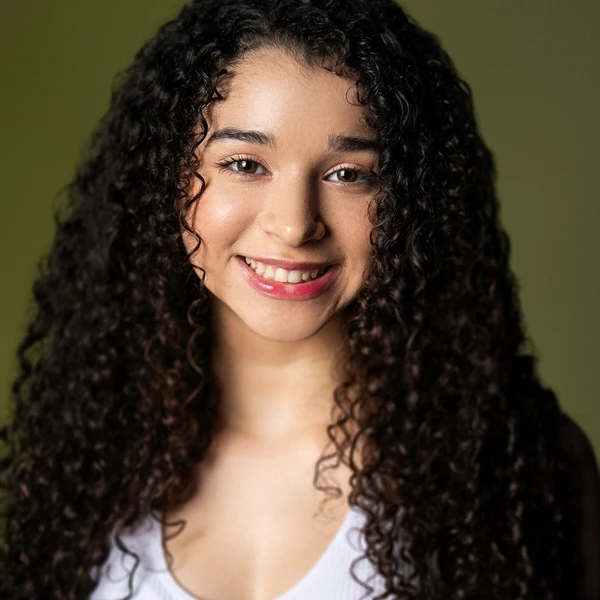
Science became personal to me the moment I saw how deeply it can change a life. I am a high school senior from Elizabeth, New Jersey, passionate about leadership, service, and pursuing a future in healthcare. I plan to earn a Doctor of Pharmacy degree and contribute to pharmaceutical research that improves treatments and expands access to safe and effective medication. As Captain of the Elizabeth High School Color Guard team, I lead with discipline, creativity, and mentorship, guiding younger members to grow in confidence and skill. I am committed to giving back through volunteer work that supports local families, students, and community initiatives. Inspired by personal experiences with illness in my family, I am driven to use science as a tool to help others. I hope to combine my academic ambition, compassion, and leadership to make a meaningful difference in healthcare and in the community that shaped me.
Education
Thomas Jefferson Arts Academy
High SchoolMiscellaneous
Desired degree level:
Bachelor's degree program
Majors of interest:
- Pharmacy, Pharmaceutical Sciences, and Administration
- Biochemistry, Biophysics and Molecular Biology
Career
Dream career field:
Pharmaceuticals
Dream career goals:
Researcher, Doctorate
Sports
Dancing
Varsity2015 – Present11 years
Research
Mathematics and Statistics, Other
Elizabeth High School — Leadership2025 – 2026
Arts
Nitrogen the Company
Dance2022 – PresentPlanet Dance
Dance2015 – Present
Public services
Volunteering
National Honor Society — Leadership2023 – Present
Future Interests
Advocacy
Volunteering
Philanthropy
K-POP Fan No-Essay Scholarship
Richard Neumann Scholarship
Creativity has always been how I understand the world. I have never seen problem solving as something limited to equations or instructions. To me, it feels more like choreography, where every movement has a purpose and every adjustment leads closer to a solution. That mindset led me to create one of my favorite projects, a statistics experiment that tested how perception can be influenced by visual cues. I designed a study to see whether the color of a cup would affect how sour people believed lemonade tasted, even though every sample contained the same exact drink. I organized materials, controlled variables, gathered participants, and analyzed the data. The results showed that people consistently described lemonade in yellow cups as more sour than the identical lemonade in pink or red cups. Through this project, I did not just complete an assignment. I created a way to demonstrate how human perception can be shaped by subtle environmental factors. It solved the problem of how to make an abstract psychological concept visible and measurable, and it showed me that creativity and logic work best together.
That experience changed how I see problem solving. It taught me that innovation often begins with curiosity. Instead of asking only what the answer is, I learned to ask why something happens and how it can be demonstrated. Traditional schooling sometimes focuses on memorizing correct answers, but creative problem solving focuses on designing new ways to reach them. When I built my experiment, I felt the same focus and excitement that I feel when performing choreography. Both require planning, adjustment, and imagination. That connection showed me that creativity is not separate from academics. It strengthens it.
If I had the resources to solve another problem, I would focus on improving accessibility to medical understanding for patients and families facing serious illnesses. From personal experience, I know how overwhelming medical information can feel when someone you love is sick. There are charts, numbers, treatment plans, and unfamiliar terminology that can make people feel lost instead of informed. I would design an interactive digital platform that translates complex medical data into clear visual explanations tailored to each patient’s condition. Instead of only reading technical language, families could see simplified visual models showing how treatments work, what side effects mean, and how progress is measured. This would empower patients to understand their care rather than feel intimidated by it.
To build this, I would collaborate with healthcare professionals, software developers, and designers to ensure the platform was accurate, accessible, and user friendly. I would also gather feedback from patients to refine the design so it truly met their needs. Creativity would guide every step, from designing the interface to translating scientific data into understandable visuals. The goal would not be to replace doctors, but to strengthen communication between medical professionals and the people they care for.
I believe problem solving is an art because it requires imagination, observation, and persistence. Some problems cannot be solved by following instructions alone. They require someone willing to look at them differently. Whether I am designing an experiment, leading a team, or imagining a new solution to a real world challenge, I approach each problem with curiosity and determination. Creativity is not just something I enjoy. It is how I think, how I learn, and how I hope to make a difference.
1000 Bold Points No-Essay Scholarship
RonranGlee Literary Scholarship
When I first read Plato’s description of the cave in The Republic, it seemed like a strange and distant image. A group of prisoners chained underground watching shadows on a wall did not immediately feel connected to my life. But when I slowed down and examined the language carefully, I began to realize that Plato was not really describing prisoners. He was describing people. He was describing the way human beings understand reality, and the more closely I read his words, the more I saw how deeply his ideas reflected my own experiences.
Plato asks the reader to picture the following scene:
“Imagine human beings living in an underground cave like dwelling, with an entrance open to the light and as wide as the cave itself. They have been there since childhood, with their legs and necks fettered, so that they remain in the same place, able to see only before them, because their bonds prevent them from turning their heads. Light is provided by a fire burning far above and behind them. Also behind them, but on higher ground, there is a path along which a low wall has been built, like the screen in front of puppeteers above which they show their puppets.”
At first glance, the passage appears to describe ignorance. The prisoners see shadows and believe they are real because they do not know anything else exists. But when I read the lines more closely, I noticed that Plato never calls the prisoners foolish. He never says they lack intelligence. Instead, he emphasizes that they have been there “since childhood.” That detail is crucial. It means their understanding of the world was shaped before they were capable of questioning it. They did not choose their perspective. It was given to them. Plato is showing that people often inherit their beliefs long before they examine them.
That idea resonates strongly with my own life. When people look at me, they see the visible parts of my story. They see academic success, leadership roles, and confidence in pursuing science. Those are the shadows projected on the wall. What they do not see are the cardiology appointments I attend each year to monitor my heart condition, the fatigue and joint pain caused by autoimmune disease, or the emotional weight of supporting my family while my father battled stage four cancer. Just as the prisoners mistake shadows for complete reality, people often mistake visible results for the full truth. Plato’s description made me realize how easily perception can be incomplete without us realizing it.
The phrase “able to see only before them” is especially powerful. The prisoners are not blind. They can see clearly. Their limitation is not vision but direction. They cannot turn their heads. Plato’s wording suggests that misunderstanding is not always caused by lack of intelligence. Sometimes it is caused by restricted perspective. This distinction feels deeply personal to me. Living with chronic medical conditions has taught me that what others see is rarely the whole picture. Someone might assume I am unaffected because I appear strong, but strength can exist alongside struggle. The prisoners’ situation mirrors that truth. They interpret what they see correctly, yet what they see is incomplete.
Plato’s description of the chains adds another layer. He specifies that the prisoners’ legs and necks are fettered so they cannot move or turn. The detail about their necks matters because it highlights that they cannot look elsewhere. Their confinement is intellectual as much as physical. They cannot question their reality because they cannot observe anything beyond it. In my own life, I have encountered subtler versions of these restraints. As a Hispanic female pursuing a future in science, I have sometimes felt the quiet pressure of expectations about who belongs in certain academic spaces. No one physically blocks my path, yet assumptions can shape how people view capability. These assumptions function like invisible chains. They do not stop movement, but they can limit perspective if left unchallenged.
The fire behind the prisoners is another detail that reveals Plato’s deeper meaning. The cave is not dark. There is light. But it is firelight, not sunlight. Fire produces shifting shadows and distorted shapes. By choosing fire instead of natural light, Plato suggests that the prisoners possess partial knowledge. They are not entirely wrong about what they see, but they misunderstand its nature. This idea reminds me of watching my father’s cancer treatment from the outside compared to experiencing it from within the family. Outsiders saw medical procedures and progress reports. We felt uncertainty, fear, and hope all at once. The visible image did not capture the full reality. Plato’s shadows function in the same way. They represent simplified versions of truth that appear complete but are not.
The wall that Plato compares to a puppet screen deepens this interpretation. The shadows are not accidental. They are created by figures behind the wall. This implies that perception can be shaped by forces people cannot see. In modern life, those forces might be social expectations, cultural narratives, or public assumptions. I have experienced how chronic illness is often misunderstood because it is not always visible. If pain cannot be seen, it is sometimes dismissed. The shadow is acknowledged, but the substance is overlooked. Plato’s imagery explains how easily that happens.
Another striking element is that the cave’s entrance is described as open to the light. The prisoners are not locked in a sealed chamber. Truth exists beyond their environment. Yet they remain where they are because they have never known anything else. This detail suggests that growth is possible, but it requires awareness and effort. Education becomes the act of turning toward that opening. For me, education has served exactly that role. Through studying science, I have learned to question assumptions, analyze evidence, and seek deeper understanding rather than accepting surface explanations. In scientific research, especially in pharmaceutical science, accepting appearances without investigation can be dangerous. Precision and curiosity are essential. Plato’s passage reflects that same principle.
Close reading the passage itself mirrors its message. When read quickly, it seems simple. When examined carefully, every phrase carries meaning. Plato’s language rewards attention. Living with health challenges has taught me a similar lesson. I have learned to pay close attention to details, to notice patterns, and to interpret signals carefully. Both philosophy and science require that kind of attentiveness. Both demand patience.
The cave can also be understood as a symbol of comfort. The prisoners are familiar with their shadows. Leaving would be disorienting. Growth often feels that way. When I began taking advanced science courses, I encountered concepts that challenged me. There were moments when understanding required persistence and effort. Yet those moments of difficulty were also moments of growth. Plato suggests that true learning is not always comfortable. It requires confronting the limits of what we thought we knew.
What makes this passage powerful is that it does not accuse the prisoners. It invites reflection. Plato is not saying that only certain people live in caves. He is suggesting that everyone begins there. The cave represents the starting point of human understanding. Close reading helped me realize that the passage is not about ancient prisoners at all. It is about awareness. It is about recognizing that perception can be limited and that truth requires effort to uncover.
My own experiences have shown me how real that idea is. Illness taught me that strength is often invisible. Leadership taught me that confidence can coexist with uncertainty. Pursuing science taught me that answers must be tested, not assumed. Each of these lessons reflects Plato’s insight that reality is deeper than it first appears. The shadows on the wall are not lies, but they are not the whole truth.
Reading Plato closely changed how I see both literature and life. It taught me that meaning is rarely obvious and that understanding requires patience, curiosity, and reflection. The cave is not just a philosophical image. It is a reminder that growth begins when we question what we think we already understand. Education, like turning one’s head in the cave, expands perspective. It reveals that the world is larger than it first appears.
Because of this passage, I now approach learning differently. I no longer assume that what I see is all there is. I look deeper, ask questions, and search for underlying meaning. Plato’s words remind me that knowledge is not something we passively receive. It is something we actively pursue. Just as the prisoners must become aware of their limitations before they can move beyond them, students must recognize the limits of their own assumptions before they can truly grow.
In that sense, Plato’s cave is not an ancient story. It is a mirror. It reflects the human tendency to accept appearances and challenges us to seek something more. Close reading allowed me to see that truth clearly. It showed me that the most important lessons are often hidden beneath the surface, waiting for someone patient enough to look beyond the shadows.
Women in STEM Scholarship
I chose to pursue STEM because science has never felt distant or abstract to me. It has always been personal. My interest in pharmaceutical science grew from watching how medicine can transform fear into hope. When my father was diagnosed with stage 4 colon and liver cancer, I witnessed firsthand how deeply healthcare impacts families. I saw how research, treatment protocols, and precise calculations were not just technical details, but lifelines. That experience solidified my desire to pursue a career in STEM, not simply to study science, but to use it to change lives.
As a Hispanic female pursuing pharmaceutical science, I am aware that women, especially women of color, remain underrepresented in many STEM fields. Growing up, I did not always see people who looked like me leading laboratories or driving medical innovation. Yet that absence has never discouraged me. Instead, it has motivated me. Representation in STEM is not just symbolic; it shapes the questions we ask, the communities we prioritize, and the solutions we create. I want to be part of a generation of women who redefine what leadership in science looks like.
My academic journey reflects both my dedication and my resilience. I have maintained a 4.68 GPA while balancing rigorous coursework, leadership responsibilities, and personal health challenges. I was born with a heart condition that requires lifelong monitoring, and I also live with Hashimoto’s autoimmune disease. Managing chronic illness while pursuing academic excellence has required discipline, adaptability, and determination. Rather than limiting my ambitions, these challenges strengthened my curiosity about the human body and deepened my respect for medical research. They reinforced my belief that science is not simply about discovery; it is about responsibility.
Beyond academics, serving as captain of my color guard team has taught me leadership rooted in empathy and collaboration. STEM fields thrive on teamwork and innovation, and I have learned how to encourage others, solve problems under pressure, and remain focused on shared goals. Leadership, to me, means creating space for others to grow. That same mindset guides my vision for STEM. I want to contribute not only as a scientist, but as a mentor and advocate for young women who may doubt their place in technical fields.
This scholarship aims to foster a community of women empowered by knowledge, driven by curiosity, and ready to contribute to STEM. I embody that vision. Knowledge empowers me because it transforms uncertainty into understanding. Curiosity drives me because I constantly ask how we can improve treatments, reduce disparities, and make healthcare more accessible. I am ready to contribute by pursuing research that develops safer and more effective medications, particularly for communities that have historically lacked access to equitable care.
As a woman in STEM, I hope to make a difference by advancing medical research while also advocating for diversity within scientific spaces. I want to show young girls, especially Hispanic girls, that they belong in laboratories, lecture halls, and leadership roles. Innovation requires diverse perspectives, and the future of STEM depends on inclusive voices.
Choosing STEM was not simply a career decision. It was a commitment to purpose. Through resilience, curiosity, and dedication, I am prepared to join and strengthen a community of women who are shaping the future of science. I am not only pursuing knowledge for myself; I am pursuing it to create impact, representation, and opportunity for others.
Gabriel Martin Memorial Annual Scholarship
Living with chronic medical conditions has shaped my life in ways most people cannot see. From a young age, I learned that my health would require extra care, monitoring, and responsibility. I was born with a heart condition involving backflow in my aortic valve, and at only eighteen months old I underwent a device closure procedure for Patent Ductus Arteriosus. Although I was too young to remember the surgery itself, its effects have followed me throughout my life. I still see my cardiologist annually to monitor my aortic valve and ensure my heart is functioning properly. Even routine experiences, like going to the dentist, require precautions such as antibiotics to prevent complications. Alongside my heart condition, I was diagnosed with Hashimoto’s autoimmune disease, which often leaves my joints aching and my body more vulnerable to illness. I get sick easily, and what may seem minor to others can feel more intense for me.
Growing up with these conditions taught me resilience at an early age. While other students could take their health for granted, I learned to listen carefully to my body and understand its limits. There were days when fatigue or joint pain made it difficult to focus in class or fully participate in activities, but I refused to let discomfort define my effort. Instead, I adapted. I became disciplined about managing my time, staying organized with schoolwork, and maintaining balance so that I could continue achieving academically while protecting my health. These experiences strengthened both my mental and emotional endurance.
Living with ongoing medical care also shaped my perspective. Sitting in waiting rooms, attending specialist appointments, and undergoing routine monitoring made me deeply aware of the importance of attentive and compassionate healthcare. The doctors who cared for me did more than monitor test results. They explained, reassured, and treated me as a whole person rather than a condition. Their patience and professionalism left a lasting impression on me.
Because of my own experiences, I have developed a strong desire to pursue pharmaceutical science. I want to contribute to developing treatments that improve quality of life for individuals living with chronic illnesses. I understand what it feels like to plan your life around appointments, medications, and precautions. I want to help create solutions that make those challenges easier and safer for others. My goal is to use my education not only to succeed personally, but to support patients who navigate health conditions while striving for their own goals.
Living with chronic illness has required perseverance, awareness, and responsibility. It has taught me that strength does not mean ignoring limitations. It means working with them and pushing forward anyway. My conditions have not limited my ambitions. They have clarified them. I am determined to pursue higher education and build a career that reflects both my academic interests and my lived experience. Through resilience and purpose, I intend to transform the challenges I have faced into motivation to help others live healthier, fuller lives.
Valerie Rabb Academic Scholarship
I am someone who believes that purpose is discovered through both passion and perseverance. Throughout high school, I have worked hard to grow not only as a student, but as a leader, a volunteer, and a person committed to helping others. I have maintained a 4.68 GPA while participating in extracurricular activities, serving as captain of my color guard team, and completing hundreds of hours of community service. Each of these experiences has shaped my character, teaching me discipline, responsibility, and the importance of using my abilities to uplift others.
My goal is to pursue a career in pharmaceutical science, where I can contribute to developing treatments that improve and save lives. This path became deeply meaningful to me after watching my father battle stage 4 colon and liver cancer. Supporting him through treatments and recovery showed me firsthand how powerful medicine can be, not only physically but emotionally. I saw how doctors, nurses, and researchers gave families hope during uncertain moments. That experience inspired me to pursue a future where I can be part of that impact, helping create medical solutions that give people more time, more health, and more possibilities.
One of the greatest challenges I have faced has been balancing school, leadership responsibilities, and family obligations during this difficult time. While maintaining my academic performance and commitments, I also supported my family by helping care for my father and assisting my mother with my younger brother. There were moments when the weight of responsibility felt overwhelming, but I learned that adversity does not define you unless you allow it to. Instead of letting stress hold me back, I used it as motivation to stay focused, organized, and determined.
Through that experience, I developed resilience, empathy, and perspective. I learned how to manage my time effectively, how to stay strong for others even when things felt uncertain, and how to appreciate the importance of compassion. Those lessons continue to guide me in everything I do, from leading my team to volunteering in my community. They have also shaped my belief that success is most meaningful when it is used to help others.
I plan to make a positive impact on the world by combining scientific knowledge with compassion. My future career will not simply be about research. It will be about people. I want to contribute to advancements in medicine that improve lives and expand access to care for families facing serious illnesses like the one my family experienced. I am determined to use my education not only to achieve personal success, but to create change that truly matters.
Shop Home Med Scholarship
I have always believed that who we become is shaped not only by our achievements, but by the responsibilities life places in our hands. For me, one of the most defining roles I have taken on has been caring for my father as he battles stage 4 colon and liver cancer. While many people see high school as a time focused on academics and activities, my experience has also included learning how to be a source of strength, stability, and encouragement for my family while continuing to pursue my goals.
When my father became ill, life changed in ways I never expected. Hospital visits, treatment schedules, and uncertainty became part of our daily routine. I quickly learned that illness affects an entire family, not just the person diagnosed. I stepped in to support my mother and help care for my younger brother while also doing what I could for my father, whether that meant assisting with daily tasks, keeping track of appointments, or simply sitting beside him so he would not feel alone. Those quiet moments taught me that caregiving is not always visible or dramatic. More often, it is steady, patient, and rooted in love.
Balancing these responsibilities alongside school was not easy, but it strengthened me. I remained committed to my education and maintained a 4.68 GPA while also serving as captain of my color guard team. Leading my team required discipline, accountability, and emotional presence, especially during a demanding season of practices and competitions. I learned how to manage my time carefully, stay focused even during stressful periods, and show up for others even when I felt overwhelmed myself. Rather than discouraging me, these challenges shaped my resilience and taught me the value of perseverance.
Supporting my family during this time changed how I see the world. I became more aware that many people carry struggles we cannot see, and that kindness and patience can have a lasting impact. It also clarified my purpose. Watching medical professionals care for my father inspired me to pursue a career in pharmaceutical science so I can help develop treatments that improve lives and give families more time together. I want to be part of the kind of work that brings hope to people facing the same uncertainty my family experienced.
Caring for my father while helping my family has shaped me into someone who values responsibility, empathy, and determination. It has taught me that strength is not measured by how easy life is, but by how we respond when it is difficult. These experiences have not held me back. They have propelled me forward with deeper purpose. I carry those lessons with me in everything I do, and they continue to guide my character, my goals, and my commitment to making a meaningful difference in the lives of others.
Ava Wood Stupendous Love Scholarship
The first time I truly chose to be unapologetically myself, I was standing under bright gymnasium lights before a competition performance. The air smelled faintly of hairspray, and the quiet buzz of nervous energy filled the room. Around me, teammates whispered counts and adjusted costumes. In competitive dance and color guard, everything is judged: technique, expression, even confidence. For a long time, I felt pressure to perform not only the choreography, but a version of myself that seemed stronger, louder, and more like everyone else.
I remember watching other performers who commanded attention the moment they stepped onto the floor. I wondered if my quieter presence was enough. Should I change the way I moved, the way I expressed emotion, the way I carried myself? That pressure followed me through rehearsals and competitions until one day I realized that trying to match everyone else only made me feel disconnected from who I really was. Instead of imitating others, I chose to trust my own style and perform with authenticity.
That decision changed everything. When the music began at my next competition, I stopped worrying about how I looked and focused on what I felt. For the first time, I wasn’t performing for approval. I was performing honestly. When we finished, I felt proud not because of a score, but because I had stayed true to myself. I learned that courage is not always loud. Sometimes it is simply the choice to stand firmly in who you are.
That lesson shaped the way I lead today.
As captain of my color guard team, our season includes nearly ten competitions, plus regional and world championships. These environments can be intense, especially for younger teammates. I remember one freshman who stayed after practice, quietly repeating a routine long after others had left. She kept apologizing for “holding the team back.” I sat beside her on the gym floor, the echo of flags still ringing in the space, and told her something I once needed to hear: you belong here.
I practiced with her, encouraged her, and made sure she knew her effort mattered. By mid-season, she stepped onto the floor with confidence instead of fear. Watching her perform proudly reminded me that belonging can transform someone’s belief in themselves. Success on the floor begins with feeling supported off the floor.
My dance team reinforces that same truth. Under stage lights or in competition, unity is what carries us. I intentionally foster that unity by encouraging open communication, celebrating progress, and making sure every voice is valued. Belonging does not happen automatically. It is built through consistent kindness and inclusion.
Through performances at school and community events, I have also seen how dance brings people together beyond our team. In those moments, differences fade and movement becomes a shared language. Connection transforms performance into something meaningful.
Choosing to be boldly myself taught me courage. Using that courage to uplift others gave me purpose. I strive to create spaces where people feel seen, valued, and supported, because when someone feels like they belong, they begin to believe in themselves. And sometimes, all it takes to change someone’s confidence is one person choosing to sit beside them and say, you belong here.
Christian Fitness Association General Scholarship
Dedication, compassion, and perseverance are the values that guide my life as a student, leader, and member of my community. I believe success is most meaningful when it is used to uplift others, and that belief has shaped the way I approach my education, my leadership roles, and my service. Throughout high school, I have challenged myself academically while remaining deeply involved in activities that strengthen my school and community. Maintaining a 4.68 GPA while balancing rigorous coursework, leadership responsibilities, extracurricular involvement, and nearly 400 hours of community service reflects not only my work ethic, but my determination to use my abilities with purpose.
My academic passion lies in science, particularly pharmaceutical research, and this goal was shaped by deeply personal experience. Watching my father battle stage 4 colon and liver cancer showed me how powerful medicine can be. I witnessed how treatments, research, and the dedication of medical professionals could provide hope in moments that felt uncertain and frightening. Sitting in hospital rooms, I saw that science is not abstract or distant. It is deeply human. It is the difference between despair and possibility, between fear and relief. That experience transformed my curiosity about science into a clear sense of direction. I do not simply want to study science. I want to use it to help people. I want to be part of developing treatments that extend lives, improve quality of life, and give families more time together. My goal is to pursue higher education not just to earn a degree, but to gain the knowledge and skills necessary to contribute to medical advancements that make a lasting difference.
Beyond academics, I have always believed that leadership and service are essential parts of personal growth. I am a member of both the National Honor Society and the National Dance Honor Society, organizations that recognize scholarship, character, leadership, and dedication. Through these groups, I have participated in service initiatives designed to support members of my community, including projects that remind senior citizens they are valued and not forgotten. These experiences reinforced my belief that true impact is often quiet and personal. It is found in moments of connection, kindness, and understanding.
I am also a member of yearbook club, where I help document the memories, milestones, and achievements that define our school community. This role has taught me the importance of recognizing others and celebrating collective accomplishments. Preserving these moments is meaningful because it allows students to feel seen and valued, and it reminds me that everyone’s story deserves to be acknowledged.
One of the most influential leadership roles I have held is serving as captain of my color guard team. Leadership in this position extends far beyond performance. It requires responsibility, communication, patience, and integrity. As captain, I work to create an environment where every member feels supported, motivated, and confident in their abilities. I strive to lead by example, demonstrating discipline and respect so that others feel encouraged to do the same. This experience has shown me that leadership is not about authority or recognition. It is about service. It means helping others succeed, guiding them through challenges, and fostering a sense of unity and trust. The lessons I have learned as a leader will remain with me long after high school because they have shaped how I approach responsibility, teamwork, and personal growth.
Service has always been central to who I am. Through volunteering, tutoring younger students in reading, writing, and math, and performing with the Liberty Dancers at community and city events, I have completed nearly 400 hours of service during high school. Each experience reinforced my belief that small acts of kindness can have a powerful impact. Tutoring, for example, showed me how encouragement and patience can transform a student’s confidence. Watching someone go from frustration to understanding is incredibly rewarding because it demonstrates how support can change the way a person sees themselves and their potential. Volunteering taught me that community is built through consistent effort and care, not occasional gestures.
These experiences have shaped the person I am becoming: someone who values hard work, believes in the importance of empathy, and is committed to using their abilities to benefit others. They have also strengthened my resilience and determination. Balancing academics, extracurriculars, leadership roles, and personal challenges has required discipline and focus, but it has also taught me how to manage responsibility and remain committed to my goals even when circumstances are demanding.
Receiving this scholarship would ease the financial burden of pursuing higher education and allow me to focus more fully on my academic and professional aspirations. The cost of college is significant, and while I am determined to pursue my goals regardless of obstacles, financial support would make it possible for me to dedicate more time to my studies, research opportunities, and service rather than worrying about financial strain. This scholarship would not simply support my education; it would support my ability to continue striving toward a career dedicated to helping others.
I believe I should be considered for this scholarship because I am driven not only by ambition, but by purpose. I am committed to using my education to create meaningful change, whether through scientific innovation, community involvement, or leadership. My achievements reflect dedication, but my motivation comes from a desire to make a difference. I want my future work to contribute to a world where medical care is more effective, more accessible, and more hopeful for everyone.
Education is the foundation that will allow me to turn that vision into reality. With the support of this scholarship, I will continue pursuing excellence, serving others, and working toward a future where my knowledge and efforts help improve lives. I am ready to embrace the opportunities ahead, and I am determined to use them not only to succeed, but to serve.
Dr. Robert M. Fleisher Liberty and Prosperity Award
Being a good citizen means choosing responsibility over convenience and integrity over recognition. To me, citizenship is not passive. It is a daily commitment to service, ethical leadership, and active participation in the community around me. As a member of my school’s National Honor Society, I have learned that scholarship and service go hand in hand. Through NHS, I helped organize and create handmade Valentine’s Day cards for residents in a local senior home, ensuring they felt remembered and valued. Seeing how a simple act of kindness could brighten someone’s day taught me that citizenship is rooted in compassion. It means stepping forward when something needs to be done rather than waiting for someone else to act.
My role as captain of my color guard team strengthened that understanding. Leadership is not simply about directing others; it is about modeling character. As captain, I am responsible for setting the tone for discipline, teamwork, and respect. I have learned that ethical decisions matter, especially when others are watching. Whether ensuring fairness during rehearsals, encouraging teammates who are struggling, or holding myself accountable to the same standards I expect from others, I recognize that integrity builds trust. A good citizen leads with honesty and understands that influence should always be used to create unity rather than division.
Voting is integral to remaining a free nation because it is the clearest expression of responsible citizenship. Freedom is not guaranteed simply because it exists; it must be maintained through participation. The right to vote represents the voices of those who fought to expand democracy and ensure equal representation. When citizens choose to vote, they protect the principle that government derives its power from the people. By staying informed and participating in elections, individuals help shape policies that affect education, healthcare, and opportunities for future generations. Voting transforms personal values into collective action, ensuring that liberty remains active rather than symbolic.
The Constitution, to me, is both a foundation and a living promise. It establishes the structure of our government and protects fundamental rights, but it also demonstrates that progress is possible through amendments and civic engagement. I view it not simply as a historical document, but as a framework that challenges each generation to pursue justice and equality more fully. It reminds me that freedom requires responsibility, and that rights are sustained when citizens uphold them ethically.
Being a good citizen, voting, and honoring the Constitution are deeply connected. Through leadership in National Honor Society and as a team captain, I have learned that democracy, like any team, thrives when individuals act with integrity, participate actively, and place the greater good above personal gain. I am committed to carrying those principles forward, ensuring that my actions strengthen the community and nation I am proud to be part of.
Our Destiny Our Future Scholarship
The first time I understood what it truly meant to want to change the world, I was sitting in a hospital room after one of my dad’s many surgeries as he fought stage 4 colon and liver cancer, listening to the steady rhythm of a heart monitor. The room felt smaller than it was. The air carried a kind of quiet uncertainty that settles into your chest and stays there. I watched physicians adjust medications, speak carefully about treatment options, and balance science with compassion. In that moment, I realized that medicine is more than research and prescriptions. It is hope delivered in measurable doses. It is time extended. It is families given another chance to breathe.
That experience shaped how I plan to make a positive impact on the world.
I plan to pursue pharmaceutical science so I can help develop medications that do more than treat symptoms. I want to contribute to research that targets disease at its source, creating safer and more effective treatments for patients who are waiting for answers. Illness does not discriminate, yet access to quality healthcare often does. I am determined to use my education to advocate for health equity, ensuring that scientific advancement reaches underserved communities like my own. My goal is not simply to work in a laboratory, but to create solutions that travel far beyond it.
However, I believe impact begins long before a career title.
Through tutoring younger students in reading, math, and writing, I have seen how patience can rebuild confidence. I have watched a child’s frustration turn into pride after finally understanding a concept they once thought was impossible. In those moments, I learned that making a difference does not always require grand gestures. Sometimes it requires consistency, empathy, and the willingness to sit beside someone until they believe in themselves again.
As a leader in color guard and dance, I have also learned that influence is rooted in service. Leading a team means encouraging others when they doubt themselves and modeling resilience when challenges arise. Whether performing at community events or participating in initiatives that raise awareness for serious illnesses, I have seen how art and service can unite people around a shared purpose. These experiences have reinforced my belief that compassion is strongest when it is active.
The positive impact I plan to make is both scientific and personal. I want to contribute to life changing medical research, but I also want to remain deeply connected to my community. I hope to mentor young students interested in STEM, educate families about health resources, and advocate for accessible treatment options. Knowledge, when paired with empathy, becomes a powerful force for change.
The world does not change through intention alone. It changes through individuals who commit themselves to improving the lives of others, day after day. I plan to be one of those individuals. Through science, service, and unwavering compassion, I am determined to create a future where healing, opportunity, and hope are within reach for everyone.
Learner Tutoring Innovators of Color in STEM Scholarship
I chose to pursue a degree in STEM because science became real to me long before it became academic. It became real the day my father was diagnosed with stage 4 cancer. In that moment, the world felt uncertain, and words like treatment, dosage, and prognosis suddenly carried enormous weight. I watched as doctors relied on research, medicine, and innovation to care for someone I love, and I saw how much hope could exist inside something as small as a pill. That experience changed the way I understood science. It was no longer something confined to textbooks or classrooms. It was something that held families together during their hardest moments. I realized I did not just want to learn science. I wanted to be part of the force that makes healing possible.
I am drawn to pharmaceutical science because it combines curiosity with compassion. I want to understand how medications interact with the body, how treatments are developed, and how research becomes real solutions for real people. Watching my father navigate treatment showed me how powerful and necessary that work is. Behind every prescription is a team of scientists who asked questions, tested possibilities, and refused to stop until they found answers. STEM challenges me to think critically, solve problems, and stay persistent when solutions are not immediate. It pushes me to grow, and I welcome that challenge because I know the knowledge I gain can one day help improve someone’s life the way science helped my family.
My identity as a Taino and Hispanic woman also shapes why this path matters deeply to me. Growing up, I did not often see scientists or researchers who looked like me or shared my cultural background. That absence made me realize how important representation is. My Taino heritage reminds me of resilience and strength rooted in history, while my Hispanic culture has taught me perseverance, community, and pride. Those values guide me every day and remind me that my presence in STEM is not only personal. It is meaningful. It represents possibility for others who may not yet see themselves reflected in scientific spaces.
I hope to make an impact in STEM not only through research, but through visibility and mentorship. I want younger students, especially those from underrepresented backgrounds, to see someone who shares their story and realize that they belong in laboratories, research institutions, and innovation spaces. I want them to know that curiosity has no limits and that their dreams are valid. By supporting students in communities like mine and staying connected to where I come from, I hope to help create pathways that once felt out of reach.
STEM is more than a career path to me. It is a purpose shaped by love, resilience, and determination. My father’s diagnosis did not weaken my spirit. It strengthened it. It showed me exactly why science matters and who it matters for. I am pursuing this degree not only to succeed, but to contribute to discoveries, expand representation, and help create a future where science continues to bring hope to families like mine.
Wicked Fan Scholarship
Most people leave Wicked talking about the music or the drama. I left thinking about physics.
What moved me most was not just the story, but the invisible architecture behind it. The gravity-defying scenes, the seamless transformations, the immersive environments — none of it is accidental. Every moment that looks like magic is built on engineering, digital innovation, mathematics, and precision. That realization changed the way I experienced the film. I did not just watch it. I studied it.
When Elphaba rises during “Defying Gravity,” the audience feels freedom, power, and transformation. But I could not stop thinking about what made that moment possible. The calculations. The simulations. The coordination of visual effects and physical movement. The technology that allowed imagination to become visible reality. What appears effortless on screen is actually the product of relentless experimentation and scientific mastery. That is what inspires me.
To me, Wicked is proof that science is not cold or detached. It is creative. It is expressive. It is emotional. Science is what allows a story to lift off the ground. It is what transforms an idea into an experience that gives people chills. The film reminded me that behind every breathtaking moment is someone who asked, “How can we make this possible?” and then refused to stop until they did.
That mindset resonates deeply with me. I am drawn to science because it pushes boundaries. It challenges what we believe is impossible. The same determination that allows filmmakers to simulate flight is the determination that drives researchers to discover new treatments, engineers to design life-changing technology, and innovators to solve complex problems. Progress happens when curiosity meets courage.
What makes the “Defying Gravity” scene so powerful is not just the symbolism. It is the reality that something once impossible was engineered into existence. That is what science does. It defies limitations. It expands what we thought we understood. It proves that with knowledge and persistence, gravity itself can feel negotiable.
Watching Wicked, I did not just see a character rising. I saw innovation in action. I saw what happens when creativity is supported by technical precision. I saw how science can elevate human emotion rather than compete with it.
That is why I am a fan. Not simply because of the songs or spectacle, but because the film embodies something I believe deeply: that science and technology are powerful tools for transformation. They allow us to imagine beyond our circumstances and then build the framework to reach it.
To others, the magic of Wicked lives on the screen. To me, the real magic lives in the science behind it — in the minds that calculated, designed, tested, and refined until imagination took flight.
And that is the kind of magic I want to create in my own life: not illusion, but innovation that lifts people higher than they thought possible.