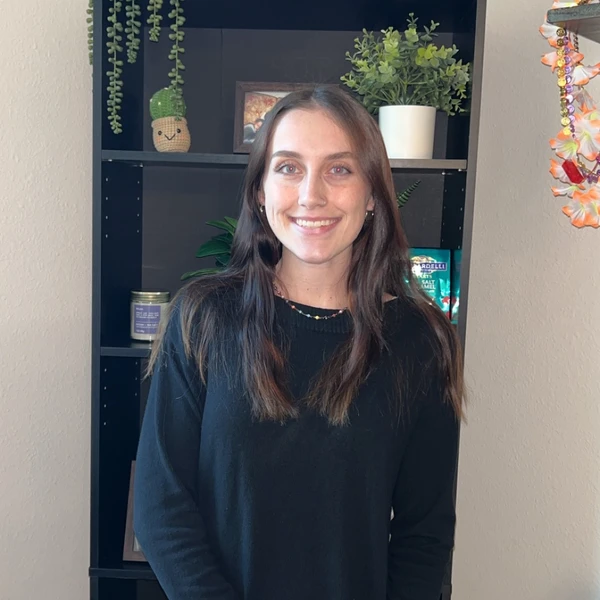
Gianna Pietro
1x
Finalist
Gianna Pietro
1x
FinalistBio
Driven healthcare professional and forensic psychology student with a passion for helping others through both mental health advocacy and clinical care. Currently working full-time in healthcare leadership while pursuing a bachelor’s degree in psychology with a concentration in forensics. My long-term goals include becoming either a forensic nurse examiner or a clinical forensic psychologist, combining psychology, healthcare, and the legal system to support individuals during some of the most difficult moments of their lives.
As a former CNA who rose through the ranks to a leadership position at a young age, I value empathy, accountability, and resilience. Balancing full-time work and higher education has strengthened my determination to continue growing academically and professionally while making a meaningful impact in healthcare and forensic settings.
Education
Walden University
Bachelor's degree programMajors:
- Psychology, Other
Miscellaneous
Desired degree level:
Graduate schools of interest:
Transfer schools of interest:
Majors of interest:
Career
Dream career field:
Forensic Nurse Examiner
Dream career goals:
RBT
Florida Autism Center2020 – 20233 yearsMedical Assistant
Dr. Kartsonis Gastro Office2018 – 20202 yearsDirect of Business Operations
The Blake at Viera2023 – Present3 years
Sports
Softball
Club2006 – 201812 years
Henry Respert Alzheimer's and Dementia Awareness Scholarship
Working in a memory care unit has completely changed the way I view Alzheimer’s disease and dementia-related illnesses. Before working in healthcare, I understood these conditions mostly from the outside looking in. I knew they affected memory, behavior, and daily functioning, but I did not fully understand the emotional impact they have not only on the individual living with the disease, but also on the families who slowly watch someone they love change over time. Through my experiences working directly with residents in memory care, I have learned that dementia affects far more than memory alone. It affects identity, independence, relationships, and entire families.
Every day in memory care, I witness moments that are both heartbreaking and incredibly meaningful. I have cared for residents who no longer recognize their own family members, who repeat the same questions over and over because they genuinely cannot remember the answer, or who become frightened and confused by environments that once felt familiar to them. I have seen residents desperately searching for loved ones who passed away years ago because, in their minds, those people are still alive. Watching someone slowly lose pieces of themselves is one of the hardest parts of working in memory care, but it has also taught me some of the most important lessons about compassion and humanity.
One of the biggest things I have learned is how important patience and empathy truly are. Dementia can make communication difficult, and many residents struggle to express fear, frustration, sadness, or confusion. I have learned that sometimes what someone with dementia needs most is not to be corrected, but to feel safe, comforted, and understood. Something as simple as sitting beside a resident, holding their hand, listening to their stories, or reassuring them during a difficult moment can completely change their emotional state. Those small moments reminded me that even when memory fades, people still deserve dignity, compassion, and human connection.
I have also witnessed the emotional toll dementia takes on families. I have seen family members carry guilt for placing loved ones into memory care, heartbreak from feeling like they are slowly losing the person they once knew, and emotional exhaustion from trying to navigate such a painful experience. Many families come into the building overwhelmed, grieving someone who is still physically present but slowly changing mentally and emotionally. Working closely with those families taught me how important emotional support and compassion are, not only for residents but for everyone affected by the disease.
These experiences have had a major impact on both my personal growth and future goals. Working in healthcare and memory care strengthened my passion for psychology, advocacy, and helping vulnerable populations. It taught me to look beyond behaviors and recognize the fear, confusion, and emotions people may be experiencing underneath the surface. It also reinforced my desire to pursue a future career where I can continue helping people during some of the most difficult moments of their lives.
As I continue pursuing my degree in psychology with a concentration in forensics, my long-term goal is to become either a forensic nurse examiner or a clinical forensic psychologist. No matter which path I ultimately pursue, the lessons I learned in memory care will stay with me forever. Alzheimer’s disease and dementia taught me that compassion, patience, and human connection have incredible power. Even when someone begins to lose their memories, they still deserve to feel respected, valued, safe, and loved.
Stephan L. Wolley Memorial Scholarship
My name is Gianna Pietro, and I am currently pursuing a degree in psychology with a concentration in forensics while working full-time in healthcare leadership. My journey to higher education and my future career goals have been shaped heavily by both personal experiences and the challenges I have faced throughout my life. I have always been passionate about helping others, understanding people more deeply, and building a future where I can make a meaningful impact through healthcare, psychology, and advocacy.
Growing up, family was always very important to me, especially my relationship with my mom. She had a huge influence on the person I am today. My mom was incredibly strong, hardworking, and supportive, and she always encouraged me to pursue my goals and believe in myself. She was also a talented softball player who had dreams of playing at a much higher level before having me. Sports became something we connected deeply through, and I played softball from age 4 until I was 16. Unfortunately, when I was sixteen, I lost my mom, and my life changed completely. Losing her at such a young age forced me to grow up very quickly and become independent earlier than most people my age.
After her passing, I had to learn how to support myself emotionally and financially while still trying to continue school and create a future for myself. Those experiences were not easy, but they taught me resilience, responsibility, and perseverance. Since then, I have balanced work, financial responsibilities, and education while continuing to push toward my long-term goals. I started my career in healthcare as a CNA and eventually worked my way into a leadership position within assisted living. Working in healthcare has strengthened my passion for helping vulnerable populations and has shown me how important compassion, patience, and advocacy are during difficult moments in people’s lives.
Schooling has become deeply personal to me because obtaining a degree represents more than academics. It represents stability, growth, and proving to myself that difficult circumstances do not have to define my future. I am proud to be pursuing higher education despite the obstacles I have faced, and I continue working hard to build a future I know my mom would be proud of.
My long-term plans are to become either a forensic nurse examiner or a clinical forensic psychologist. I want to combine healthcare, psychology, and the legal system to help individuals facing trauma, mental health struggles, crisis situations, or difficult life circumstances. My ultimate goal is to make a positive impact on others by advocating for vulnerable populations, supporting people during some of the hardest moments of their lives, and building a career centered around empathy, understanding, and meaningful change.
Harry & Mary Sheaffer Scholarship
I believe one of the most powerful things a person can give someone else is the feeling of being truly seen, heard, and understood. Throughout my life, both personally and professionally, I have learned that empathy can change people in ways we often do not realize. Some of the most meaningful moments I have experienced were not grand gestures, but simple moments where someone needed patience, comfort, understanding, or someone willing to sit beside them during a difficult time. Because of that, I plan to use my experiences, education, and compassion to help build a more empathetic and understanding community throughout my future career.
Working in assisted living has completely changed the way I view people and human connection. I started my healthcare journey as a CNA and eventually worked my way into a leadership position while still pursuing college full-time. Every day, I work closely with residents and families who are often navigating some of the hardest moments of their lives. I have sat with residents who were scared, confused, grieving, lonely, or slowly losing pieces of themselves through memory loss and cognitive decline. I have watched families struggle with guilt, heartbreak, and emotional exhaustion while trying to make difficult decisions for people they love. Those experiences taught me that empathy is not always about fixing someone’s problems. Sometimes it is simply being present, listening without judgment, and reminding someone they still matter.
I have also had the opportunity to work with children who have autism, which taught me another side of empathy and understanding. Working with children on the autism spectrum showed me how important it is to meet people where they are rather than expecting everyone to experience the world the same way. It taught me patience, adaptability, and the importance of creating safe environments where people feel accepted instead of judged. Those experiences helped me realize how much of a difference genuine compassion and understanding can make in someone’s confidence and comfort.
My personal experiences also shaped the way I connect with others. After losing my mom at sixteen years old, I had to grow up very quickly and become independent at a young age. Going through that loss taught me how important support systems are during painful moments and gave me a deeper understanding of what people may be carrying emotionally behind the scenes. It made me more compassionate toward others because I know how powerful kindness, patience, and encouragement can be during difficult times.
As I continue pursuing my degree in psychology with a concentration in forensics, my goal is to build a career that combines healthcare, psychology, and advocacy to help people during some of the most vulnerable moments of their lives. I hope to become either a forensic nurse examiner or a clinical forensic psychologist so I can support individuals facing trauma, mental health struggles, crisis situations, or involvement within the legal system. I want to advocate for people who may feel misunderstood or unheard and help create environments that lead with both compassion and understanding.
To me, building a more empathetic community starts with how we treat people every day. Through my experiences in healthcare, leadership, and working with children with autism, I have learned that empathy has the power to restore dignity, build trust, and change lives. I hope to continue using my experiences and education to help others feel seen, valued, and supported, no matter what challenges they are facing.
Dr. Christine Lawther First in the Family Scholarship
Being the first person in my family to earn a college degree means far more to me than simply earning an education. To me, it represents resilience, growth, and the creation of opportunities that I once believed might not be possible in my life. My journey to higher education has not been traditional or easy, which is part of why earning a degree means so much to me personally. After losing my mom at sixteen years old, my entire life changed very quickly. I became independent at a young age and had to learn to support myself emotionally and financially while still trying to continue my education and build a future. Navigating adulthood so early taught me responsibility, perseverance, and the importance of continuing to move forward even during difficult circumstances.
There were many moments where college felt overwhelming or out of reach. Balancing work, financial responsibilities, and education has required sacrifices and determination. I have taken on student loans, worked full-time, and continued pursuing my goals despite the obstacles life has placed in my way. Because of that, being the first in my family to obtain a college degree represents more than academic success. It symbolizes breaking barriers, proving to myself that my circumstances do not define my future, and creating a foundation for long-term success and stability. It also means honoring my mom and the sacrifices she made for me. Even though she is no longer here, she continues to motivate me to keep striving for more and to become someone she would be proud of.
In college, I am currently pursuing a degree in psychology with a concentration in forensics. I have always been passionate about understanding people on a deeper level, especially individuals facing trauma, mental health struggles, crisis situations, or involvement within the legal system. My experiences, both personal and professional, have strengthened my interest in helping people during some of the most difficult moments of their lives. Working in healthcare has also played a major role in shaping my goals. I began my career as a CNA and eventually worked my way into a leadership position within assisted living. Through those experiences, I developed a strong passion for advocacy, compassion, and supporting vulnerable populations.
My long-term goals are to become either a forensic nurse examiner or a clinical forensic psychologist. I want to combine healthcare, psychology, and advocacy to help individuals who may feel misunderstood, unsupported, or overlooked. I hope to work with people dealing with trauma, mental illness, and crisis situations while helping create a more compassionate and informed approach within healthcare and the legal system. More than anything, I want my career to have meaning and purpose. I want to use my education, life experiences, and resilience to make a positive impact on others while continuing to grow personally and professionally. Becoming the first person in my family to earn a college degree is only the beginning of the future I am working hard to build.
Special Needs Advocacy Inc. Kathleen Lehman Memorial Scholarship
My name is Gianna Pietro, and I am currently pursuing a degree in psychology with a concentration in forensics while working full-time in healthcare leadership. My long-term career goals include becoming either a forensic nurse examiner or a clinical forensic psychologist so I can combine healthcare, psychology, and advocacy to help individuals during some of the most difficult moments of their lives. My passion for helping others, especially individuals with special needs, mental health struggles, trauma, or cognitive challenges, comes from both my personal experiences and the work I have done in healthcare over the years.
I began my healthcare career as a CNA, where I learned firsthand how important compassion, patience, and emotional support are when caring for others. Working closely with residents taught me that every individual deserves dignity, understanding, and quality care regardless of their condition or limitations. Over time, I worked my way into a leadership role within assisted living, where I now work not only with residents, but also with families and healthcare staff. Through these experiences, I have gained a much deeper understanding of the emotional, mental, and physical challenges many individuals face daily, especially those with cognitive decline, disabilities, or mental health conditions.
Working in healthcare has shown me how much of an impact empathy and advocacy can have on someone’s life. I have witnessed families struggling to navigate difficult situations and residents who simply needed someone willing to listen, show patience, and make them feel valued. Those moments strengthened my desire to continue building a career centered around helping vulnerable populations. I believe many individuals with special needs are often overlooked, misunderstood, or not given the level of support they truly deserve, and I want to be someone who helps change that.
My personal experiences have also shaped my perspective and motivation. When I was sixteen years old, I lost my mom, which completely changed my life. After her passing, I became independent at a very young age and had to learn how to support myself emotionally and financially while still continuing my education. Going through that experience taught me resilience, empathy, and the importance of having support systems during difficult times. It also made me more compassionate toward people facing challenges in their own lives because I understand how overwhelming hardship can feel when you are trying to move forward.
In my future career, I hope to make a positive social impact by advocating for individuals dealing with trauma, mental illness, developmental disabilities, or crisis situations. Whether through forensic nursing, psychology, or healthcare leadership, I want to help create environments where people feel heard, respected, and supported. I especially hope to work with individuals who may feel misunderstood by society or the legal system and provide them with compassion, guidance, and proper care during vulnerable moments.
I believe serving those with special needs requires more than just education or professional skills. It requires patience, empathy, understanding, and a genuine desire to help people feel valued. My goal is to use both my education and life experiences to create meaningful change within healthcare and my community while continuing to advocate for those who need support the most.
YOU GOT IT GIRL SCHOLARSHIP
Being a “You Got It Girl” means continuing to push forward no matter how difficult life becomes, and that mindset is something I have had to develop from a very young age. One of the biggest experiences that shaped me was losing my mom when I was sixteen years old. Losing her changed every part of my life almost overnight. Not only was I grieving the loss of the person I admired most, but I also suddenly had to learn how to survive on my own emotionally, mentally, and financially. After her passing, I became emancipated and had to begin navigating adulthood much earlier than most people my age. Since sixteen, I have worked to support myself financially while continuing to pursue my education and build a future for myself.
Growing up, softball was one of the biggest parts of my life and something that connected me deeply to my mom. I played from the age of four until I was sixteen years old. My mom was also an incredibly talented softball player who had the potential to become a Junior Olympic softball player before she had me. Watching her passion for the sport inspired me from a young age and taught me the importance of dedication, discipline, and perseverance. Even after a major ankle injury ended my softball career, the lessons I learned from the sport stayed with me. Softball taught me to keep going even after setbacks, which became incredibly important later in my life.
After losing my mom, there were many moments when continuing school and pursuing my goals felt overwhelming. I had to learn how to balance work, financial responsibilities, and adulthood while still trying to heal from such a major loss. There were times when taking out loans was the only way I could continue my education and create opportunities for myself. Even though it has been difficult, those experiences taught me resilience and independence. Instead of allowing hardship to stop me, I used it as motivation to work harder and continue building a life my mom would be proud of.
Today, I work full-time in healthcare leadership while pursuing my degree in psychology with a concentration in forensics. My long-term goals are to become either a forensic nurse examiner or a clinical forensic psychologist so I can help individuals through trauma, crisis, mental health struggles, and difficult life situations. I want to combine healthcare, psychology, and advocacy to make a meaningful difference in people’s lives, especially for those who feel unheard or unsupported.
This scholarship would help ease some of the financial burden of balancing school, work, and supporting myself. More importantly, it would allow me to continue pursuing the future I have worked so hard to build despite the challenges I have faced. Every obstacle in my life has strengthened my determination to succeed, and I hope to continue carrying forward the resilience, compassion, and perseverance that both my mom and my experiences have taught me.
Fuerza de V.N.C.E. Scholarship
My decision to pursue a degree in psychology and human behavior stemmed from a lifelong desire to understand people more deeply, especially those who are struggling, misunderstood, or facing difficult circumstances. I have always been drawn toward helping others, but over time, I realized I wanted to do more than simply offer support. I wanted to understand why people think, behave, and react the way they do, particularly within situations involving trauma, mental health, crisis, and the legal system. That passion ultimately led me to pursue a degree in psychology with a concentration in forensics, while also exploring paths in nursing and social service-related work.
Growing up, I was always someone people came to for advice or comfort, and working in healthcare only strengthened that part of me. Starting as a CNA and eventually moving into a leadership position at a young age exposed me to people during some of the hardest moments of their lives. I worked with families navigating grief, stress, confusion, and major life transitions. Those experiences showed me how important compassion, patience, and advocacy truly are. They also made me realize that helping people often requires understanding both their emotional needs and the systems surrounding them.
Since beginning my educational journey, my perspective has expanded significantly. Originally, I knew I wanted to help people, but I did not fully understand how many different ways there are to create an impact within a community. Through my coursework and professional experiences, I have become increasingly interested in mental health advocacy, forensic psychology, trauma-informed care, and the intersection between healthcare and the legal system. My goals have evolved from simply wanting to “help people” to wanting to become someone who can advocate for individuals who are often overlooked or misunderstood, especially those dealing with mental illness, trauma, or involvement in the criminal justice system.
In the future, I hope to work either as a forensic nurse examiner or a clinical forensic psychologist. I want to help individuals during some of the most vulnerable moments of their lives while also contributing to a more compassionate and informed approach within healthcare and the court system. I especially hope to work with individuals facing mental health challenges, trauma, or crisis situations by helping them feel heard, understood, and supported.
Giving back to my community is deeply important to me because I understand how much one supportive person can change someone’s life. I hope to give back by advocating for mental health awareness, supporting vulnerable populations, and using both healthcare and psychology to make a meaningful difference. My ultimate goal is to combine compassion, education, and advocacy to help people not only survive difficult experiences but also feel seen and supported through them.
Brett Brakel Memorial Scholarship
Softball was one of the biggest parts of my life growing up, and played a major role in shaping who I am today. I played from the time I was four years old until I was sixteen, when my softball journey unexpectedly ended after I shattered my ankle. Before that injury, the sport was much more than just a hobby to me. Softball became something that connected me deeply to my mom and the life experiences she shared with me. My mom was an incredibly talented softball player herself. She played varsity softball and had the potential to become a Junior Olympic softball player before she had me. Knowing how passionate she was about the sport always inspired me and made me want to work harder, not only on the field but in every aspect of my life.
Some of my most meaningful memories came from softball. Spending countless hours at practices, games, and tournaments taught me lessons that still influence me today. The sport taught me discipline, perseverance, teamwork, and accountability. It showed me how important it is to keep pushing forward even when things get difficult or setbacks occur. There were moments where I failed, lost games, or struggled, but softball taught me how to handle pressure, stay determined, and continue improving. Those experiences helped shape my work ethic and mindset far beyond athletics.
The people around me also had a huge impact on my life through softball. My coaches and teammates taught me the importance of leadership, encouragement, and support for others, even during difficult moments. Most importantly, my mom inspired me through her own story and sacrifice. Even though she had dreams of pursuing softball at a higher level, she chose motherhood and built a life centered around caring for others. After losing her, the lessons and memories connected to softball became even more meaningful to me. The sport reminds me of her strength, determination, and the kind of person she was.
Today, I carry those values with me into my education and future career goals. I am currently pursuing a degree in psychology with a concentration in forensics while working full-time in healthcare leadership. In the future, I hope to become either a forensic nurse examiner or a clinical forensic psychologist. My goal is to combine healthcare, psychology, and the legal system to help individuals during some of the most difficult moments of their lives. I want to advocate for people, provide support during trauma and crisis situations, and make a meaningful impact in my community.
Softball may no longer be part of my daily life, but the lessons it taught me continue to guide me every day. The perseverance, compassion, resilience, and determination I learned on the field are values I will carry forward for the rest of my life. More than anything, softball gave me a connection to my mom that continues to inspire me to work hard, pursue my goals, and become someone who makes a positive difference in others' lives.