user profile avatar

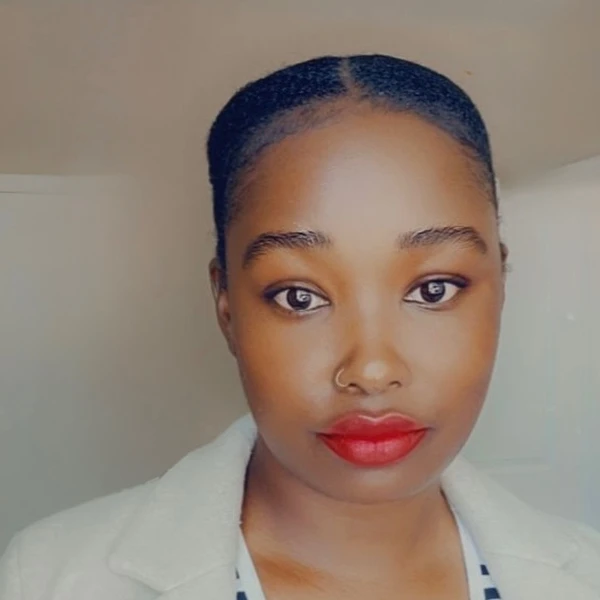
Getrude Obera

1x

Finalist

Bio

Hi My name is Getrude Obera I was born and raised in Kenya, I then immigrated to the United States with a singular focus: to answer my calling to serve others through the art and science of nursing. My journey has led me to specialize in Nurse Anesthesia, a field where I can provide critical care to those in their most vulnerable moments, currently a nurse anesthesia student . My vision extends far beyond the operating room; I am dedicated to serving low-income and rural populations that often lack access to quality healthcare. Upon completing my studies, I intend to lead medical missions both domestically and overseas. Furthermore, I am passionate about holistic healing and plan to establish prayer centers—dedicated spaces for individuals to find spiritual intimacy and reconnection with God.

Education

Rocky Vista University

Doctoral degree program (PhD, MD, JD, etc.)
2025 - 2028
  • Majors:
    • Registered Nursing, Nursing Administration, Nursing Research and Clinical Nursing
Other Schools

High School
2008 - 2011
  • Majors:
    • Registered Nursing, Nursing Administration, Nursing Research and Clinical Nursing

Miscellaneous

  • Desired degree level:

    Master's degree program

  • Graduate schools of interest:

  • Transfer schools of interest:

  • Majors of interest:

  • Not planning to go to medical school
  • Career

    • Dream career field:

      Hospital & Health Care

    • Dream career goals:

    • Registered nurse

      Hca hospital
      2020 – 20266 years

    Sports

    Cycling

    Intramural
    2010 – Present16 years

    Soccer

    Club
    2007 – 20114 years

    Awards

    • yes

    Research

    • Registered Nursing, Nursing Administration, Nursing Research and Clinical Nursing

      Moi university — Student researcher
      2015 – 2018

    Arts

    • Church

      Dance
      2005 – Present

    Public services

    • Volunteering

      meals on wheals — Volunteer by providing meals to senior citizens
      2022 – Present

    Future Interests

    Advocacy

    Volunteering

    Philanthropy

    Entrepreneurship

    Love Island Fan Scholarship
    My story starts in a small village in rural Kenya. Growing up there, I saw firsthand how difficult it is to get medical help when you live far away from big cities. In fact, I am only here today because of the kindness of "well-wishers"—people and organizations who stepped in to help me survive when resources were low. Because I was given a second chance at life through the help of others, I feel a deep calling to spend my career giving back to the nonprofit sector. I began this journey by volunteering for programs that changed my life and my perspective. Working with the Beyond Zero Campaign, I helped provide medical care to mothers and children in remote areas. I remember the long days of giving out vaccinations and seeing the relief on a mother’s face knowing her child was protected. I also volunteered with World Vision to help treat "jiggers," a parasitic issue that causes a lot of pain and shame in poor communities. These experiences showed me that the people who need help the most are often the ones who are the most neglected. To make a bigger difference, I decided to take my education to the next level. I am currently in school to become a CRNA (Certified Registered Nurse Anesthetist). I chose this path because anesthesia is often the missing piece in rural healthcare. Without it, life-saving surgeries can’t happen. My plan is to use my skills to lead medical missions in rural areas that are often forgotten by the rest of the world. I want to make sure that the place someone is born doesn't determine whether they get the surgery or care they need to survive. Healing, however, is about more than just the body; it is also about the spirit. This is why I am passionate about building nonprofit prayer centers. In the middle of hard times, people need a safe place where they can connect with God and support one another. I want to create spaces where people can grow together in love and find the hope they need to keep moving forward. By working in the nonprofit world, I can combine my medical training with my heart for service. I want to be for others what those well-wishers were for me when I was a child in Kenya. My goal is to bring health to the body and peace to the soul, ensuring that even the most remote communities have a reason to hope for a better future
    Sabrina Carpenter Superfan Scholarship
    My story starts in a small village in rural Kenya. Growing up there, I saw firsthand how difficult it is to get medical help when you live far away from big cities. In fact, I am only here today because of the kindness of "well-wishers"—people and organizations who stepped in to help me survive when resources were low. Because I was given a second chance at life through the help of others, I feel a deep calling to spend my career giving back to the nonprofit sector. I began this journey by volunteering for programs that changed my life and my perspective. Working with the Beyond Zero Campaign, I helped provide medical care to mothers and children in remote areas. I remember the long days of giving out vaccinations and seeing the relief on a mother’s face knowing her child was protected. I also volunteered with World Vision to help treat "jiggers," a parasitic issue that causes a lot of pain and shame in poor communities. These experiences showed me that the people who need help the most are often the ones who are the most neglected. To make a bigger difference, I decided to take my education to the next level. I am currently in school to become a CRNA (Certified Registered Nurse Anesthetist). I chose this path because anesthesia is often the missing piece in rural healthcare. Without it, life-saving surgeries can’t happen. My plan is to use my skills to lead medical missions in rural areas that are often forgotten by the rest of the world. I want to make sure that the place someone is born doesn't determine whether they get the surgery or care they need to survive. Healing, however, is about more than just the body; it is also about the spirit. This is why I am passionate about building nonprofit prayer centers. In the middle of hard times, people need a safe place where they can connect with God and support one another. I want to create spaces where people can grow together in love and find the hope they need to keep moving forward. By working in the nonprofit world, I can combine my medical training with my heart for service. I want to be for others what those well-wishers were for me when I was a child in Kenya. My goal is to bring health to the body and peace to the soul, ensuring that even the most remote communities have a reason to hope for a better future
    Eitel Scholarship
    My story starts in a small village in rural Kenya. Growing up there, I saw firsthand how difficult it is to get medical help when you live far away from big cities. In fact, I am only here today because of the kindness of "well-wishers"—people and organizations who stepped in to help me survive when resources were low. Because I was given a second chance at life through the help of others, I feel a deep calling to spend my career giving back to the nonprofit sector. I began this journey by volunteering for programs that changed my life and my perspective. Working with the Beyond Zero Campaign, I helped provide medical care to mothers and children in remote areas. I remember the long days of giving out vaccinations and seeing the relief on a mother’s face knowing her child was protected. I also volunteered with World Vision to help treat "jiggers," a parasitic issue that causes a lot of pain and shame in poor communities. These experiences showed me that the people who need help the most are often the ones who are the most neglected. To make a bigger difference, I decided to take my education to the next level. I am currently in school to become a CRNA (Certified Registered Nurse Anesthetist). I chose this path because anesthesia is often the missing piece in rural healthcare. Without it, life-saving surgeries can’t happen. My plan is to use my skills to lead medical missions in rural areas that are often forgotten by the rest of the world. I want to make sure that the place someone is born doesn't determine whether they get the surgery or care they need to survive. Healing, however, is about more than just the body; it is also about the spirit. This is why I am passionate about building nonprofit prayer centers. In the middle of hard times, people need a safe place where they can connect with God and support one another. I want to create spaces where people can grow together in love and find the hope they need to keep moving forward. By working in the nonprofit world, I can combine my medical training with my heart for service. I want to be for others what those well-wishers were for me when I was a child in Kenya. My goal is to bring health to the body and peace to the soul, ensuring that even the most remote communities have a reason to hope for a better future
    TRAM Panacea Scholarship
    My story starts in a small village in rural Kenya. Growing up there, I saw firsthand how difficult it is to get medical help when you live far away from big cities. In fact, I am only here today because of the kindness of "well-wishers"—people and organizations who stepped in to help me survive when resources were low. Because I was given a second chance at life through the help of others, I feel a deep calling to spend my career giving back to the nonprofit sector. I began this journey by volunteering for programs that changed my life and my perspective. Working with the Beyond Zero Campaign, I helped provide medical care to mothers and children in remote areas. I remember the long days of giving out vaccinations and seeing the relief on a mother’s face knowing her child was protected. I also volunteered with World Vision to help treat "jiggers," a parasitic issue that causes a lot of pain and shame in poor communities. These experiences showed me that the people who need help the most are often the ones who are the most neglected. To make a bigger difference, I decided to take my education to the next level. I am currently in school to become a CRNA (Certified Registered Nurse Anesthetist). I chose this path because anesthesia is often the missing piece in rural healthcare. Without it, life-saving surgeries can’t happen. My plan is to use my skills to lead medical missions in rural areas that are often forgotten by the rest of the world. I want to make sure that the place someone is born doesn't determine whether they get the surgery or care they need to survive. Healing, however, is about more than just the body; it is also about the spirit. This is why I am passionate about building nonprofit prayer centers. In the middle of hard times, people need a safe place where they can connect with God and support one another. I want to create spaces where people can grow together in love and find the hope they need to keep moving forward. By working in the nonprofit world, I can combine my medical training with my heart for service. I want to be for others what those well-wishers were for me when I was a child in Kenya. My goal is to bring health to the body and peace to the soul, ensuring that even the most remote communities have a reason to hope for a better future
    Wieland Nurse Appreciation Scholarship
    I decided to pursue nursing long before I understood what the world was about. I was raised by my grandmother, who was a traditional midwife. She helped many mothers deliver their babies safely without complications even though she had never stepped foot in a modern classroom. I understood then that it does not take high end education to help another especially if you have the skills to do so. It’s the posture of your heart and your love for people that is a driving force especially in the field of nursing. I assisted in this deliveries as I was growing up. Unfortunately my grandmother passed away before she could see me graduate in a field that we were both so fond of. That didn’t stop me, i excelled in school knowing that I represented not just me but also my grandmother who had carried me and showed me the ropes of caring for others. Another reason I chose nursing was that my local rural area didn’t have healthcare workers. It’s location was considered inaccessible and most of the healthcare workers who were posted their, would come, survey the area and leave. So many people suffered because we lacked proper care, equipment and personnel. Getting and kind of sickness was considered a death sentence, so you can imagine the fear that came with it. We have to travel miles and miles to get to a proper health center and with bad roads that journey would sometimes take days. And that was terrifying especially transporting a really sick patient for a full day on a bicycle with bad roads and not to mention the weather. This greatly motivated to go to nursing school because my family, neighbors and friends were all needing help and yet we had none. We could not even consider nor fathom having the privilege to have critically needed surgeries because we had no doctors nor a team to do so. Once in a while we would get an organization that would come to do minor surgeries but that meant they had to bring everything with them and would often carry their equipment afterwards. Having faced death in the face multiple times, you learn to not fear but pursue that which can change your life and the life of those you encounter. I’m now back in school to pursue nursing in anesthesia because we’re still having a shortage of anesthesia providers and most patients are forced to wait on getting life saving surgeries , which ends up complicating their problems and results in poor outcomes and even death. Currently in school learning all the skills I need to save one life and a time. I heard about this scholarship from bold.org
    Future Nonprofit Leaders Award
    My story starts in a small village in rural Kenya. Growing up there, I saw firsthand how difficult it is to get medical help when you live far away from big cities. In fact, I am only here today because of the kindness of "well-wishers"—people and organizations who stepped in to help me survive when resources were low. Because I was given a second chance at life through the help of others, I feel a deep calling to spend my career giving back to the nonprofit sector. I began this journey by volunteering for programs that changed my life and my perspective. Working with the Beyond Zero Campaign, I helped provide medical care to mothers and children in remote areas. I remember the long days of giving out vaccinations and seeing the relief on a mother’s face knowing her child was protected. I also volunteered with World Vision to help treat "jiggers," a parasitic issue that causes a lot of pain and shame in poor communities. These experiences showed me that the people who need help the most are often the ones who are the most neglected. To make a bigger difference, I decided to take my education to the next level. I am currently in school to become a CRNA (Certified Registered Nurse Anesthetist). I chose this path because anesthesia is often the missing piece in rural healthcare. Without it, life-saving surgeries can’t happen. My plan is to use my skills to lead medical missions in rural areas that are often forgotten by the rest of the world. I want to make sure that the place someone is born doesn't determine whether they get the surgery or care they need to survive. Healing, however, is about more than just the body; it is also about the spirit. This is why I am passionate about building nonprofit prayer centers. In the middle of hard times, people need a safe place where they can connect with God and support one another. I want to create spaces where people can grow together in love and find the hope they need to keep moving forward. By working in the nonprofit world, I can combine my medical training with my heart for service. I want to be for others what those well-wishers were for me when I was a child in Kenya. My goal is to bring health to the body and peace to the soul, ensuring that even the most remote communities have a reason to hope for a better future.
    Learner Mental Health Empowerment for Health Students Scholarship
    In rural Kenya where I was raised, silence was often the only response to suffering that couldn't be seen. Growing up, I witnessed a recurring tragedy that no one had the vocabulary to name. I watched neighbors, friends, and even my own family members unravel mentally, only to be met with fear rather than a doctor. In our community, mental health was not a medical conversation; it was a spiritual one. When someone’s mind began to fracture, the elders and the villagers didn’t look for a chemical imbalance or a trauma trigger,they looked for a culprit. It was always easier for the community to blame witchcraft. I saw the devastating ripple effect of this belief. I watched innocent people being shunned and branded as "witches" because they were accused of casting "madness" on others. It was a double tragedy: one person lost their mind, and another lost their humanity and their place in the village. This atmosphere of superstition meant that the real suffering remained underground, festering in the dark where no medicine could reach it. The personal toll was unbearable. I watched my own cousins struggle with mental illnesses that I now realize were likely treatable conditions. Because no one knew how much they were suffering, and because there was no "where" to go for help, they eventually took their own lives. We stood by, paralyzed, not knowing where to even begin. Since then, so much life has been lost. I think of the mothers who, consumed by the silent weight of postpartum depression, killed themselves and their newborns. I think of the fathers, likely battling undiagnosed schizophrenia, who in a moment of total mental collapse, took their whole families and then themselves because they couldn’t navigate the hardships of their own minds. In those moments, I didn't have the words. I only had the grief. Everything changed when I entered nursing school. For the first time, I was handed a map to a territory I had lived in my whole life but never understood. As I sat in my lectures, I finally found the explanations for the horrors I had witnessed. I found words like "postpartum depression," "schizophrenia," and "PTSD." It was as if a veil was lifted from my eyes. I realized that my family and my community weren't cursed; they were ill. They weren't being attacked by spirits; they were being failed by a lack of knowledge and a lack of resources. This realization has fundamentally reshaped my life and my goals. My empathy has grown exponentially. When I see a family struggling with a mental health crisis, I don’t see a "difficult" patient or a broken home. I see my cousins. I see my village. I know how brutal this battle is and how easily it can bring an entire society to its knees. Mental health is not just a personal struggle; it is a community-wide emergency. My journey through the healthcare system has turned me into an advocate. I have made it my mission to bridge the gap between ancient superstitions and modern medicine. Whenever I encounter someone with a skewed view of mental health, I make it a point to educate them. I speak with the authority of someone who has seen the "witchcraft" explanation fail and the medical explanation save lives. I tell them: "It’s an illness, not a curse." I carry the memory of those we lost in Kenya as fuel. They didn't have a voice. Because I now have one, I will ensure no one else dies in silence
    Ethel Hayes Destigmatization of Mental Health Scholarship
    In my small village in Kenya where I was raised, silence was often the only response to suffering that couldn’t be seen. Growing up, I witnessed a recurring tragedy that no one had the vocabulary to name. I watched neighbors, friends, and even my own family members unravel mentally, only to be met with fear rather than a doctor. In our community, mental health was not a medical conversation; it was a spiritual one. When someone’s mind began to fracture, the elders and the villagers didn’t look for a chemical imbalance or a trauma trigger, they looked for a culprit. It was always easier for the community to blame witchcraft. I saw the devastating ripple effect of this belief. I watched innocent people being shunned and branded as "witches" because they were accused of casting "madness" on others. It was a double tragedy: one person lost their mind, and another lost their humanity and their place in the village. This atmosphere of superstition meant that the real suffering remained underground, festering in the dark. The personal toll was unbearable. I watched my own cousins struggle with mental illnesses that I now realize were likely treatable. Because no one knew how much they were suffering, and because there was no "where" to go for help, they eventually took their own lives. We stood by, paralyzed, not knowing where to even begin. Since then, so much life has been lost. I think of the mothers who, consumed by the silent weight of postpartum depression or psychosis, killed themselves and their newborns. I think of the fathers, likely battling undiagnosed schizophrenia, who in a moment of total mental collapse, took their whole families and then themselves because they couldn’t navigate the hardships of their own minds. In those moments, I didn't have the words. I only had the grief. Everything changed when I entered nursing school. For the first time, I was handed a map to a territory I had lived in my whole life but never understood. As I sat in my lectures, I finally found the explanations for the horrors I had witnessed. I found words like "postpartum depression," "schizophrenia," and "PTSD." It was as if a veil was lifted. I realized that my family and my community weren't cursed; they were ill. They weren't being attacked by spirits; they were being failed by a lack of knowledge and resources. This realization has fundamentally reshaped my life and my goals. My empathy has grown exponentially. When I see a family struggling with a mental health crisis, I don’t see a "difficult" patient or a broken home. I see my cousins. I see my village. I know how brutal this battle is and how easily it can bring an entire society to its knees. Mental health is not just a personal struggle; it is a community-wide emergency that requires a community-wide response. My journey through the healthcare system has turned me into an advocate. I have made it my mission to bridge the gap between ancient superstitions and modern medicine. Whenever I encounter someone with a skewed view of mental health, whether they are a colleague or a member of my own community, I make it a point to educate them. I speak with the authority of someone who has seen the "witchcraft" explanation fail and the medical explanation save lives. I tell them, clearly and firmly: "It’s an illness, not a curse." As I pursue my career in anesthesia, this understanding of the human mind remains at the forefront of my care. I know that the terror a patient feels before surgery isn't just physical; it's mental. My goal is to provide more than just medication; I want to provide the dignity of being understood. I want to be a source of hope for those who feel they are losing their grip on reality, reminding them and their families that there is no shame in a sick brain, only a need for a helping hand. I carry the memory of those we lost in Kenya not as a burden, but as a fuel. They didn't have a voice, and they didn't have a choice. Because I now have both, I will spend the rest of my life ensuring that no one else has to die in the silence of a "curse" when a cure is possible.
    Sharra Rainbolt Memorial Scholarship
    In a rural village in Kenya where I grew up, cancer isn’t just a medical diagnosis; it is often a silent, agonizing death sentence. Growing up, I watched beautiful souls in my family wither away because modern healthcare was a dream beyond our grasp. Poverty and cancer are a cruel duo. When you have neither the money for treatment nor the access to a clinic, you turn to the only thing available: traditional medicine. I carry the heavy memory of seeing loved ones die horribly, with no pain medication to dull the edge of their suffering and no hope on the horizon. Life took a turn when I was blessed with the opportunity to immigrate to the United States. However, the shadow of the past caught up with us last year. My mother was visiting me when an incidental finding during her annual mammogram revealed Stage 1 breast cancer. My heart stopped. But in that moment of terror, I felt a surge of profound gratitude. I knew with a bone-deep certainty that if she had been back home, she would have become another statistic, another late discovery with no treatment in sight. I bless God for the timing of her visit and for a country that values health, yet even here, the journey was a mountain we weren't sure we could climb. A cancer diagnosis doesn't just affect the patient; the whole family gets the diagnosis. Suddenly, our lives were a blur of fear and uncertainty. Despite the medical advances of the modern world, the monetary costs are staggering. My mother endured months of radiation that took a grueling toll on her, my sister, and me. With the rest of our family still in Kenya, we lacked the physical and emotional safety net of our community. It was just us, navigating appointment after appointment, surgery after surgery. Watching a loved one fight for their life daily is brutal. It strips you down to your core.  During those long days, I realized that no one can walk this path without God. I watched my mother face the terror of the operating room—a foreign land within a foreign land. She was surrounded by strangers and a language she didn’t fully understand. I saw the pain in her eyes, a reflection of the guilt she felt knowing she was getting a chance at life that her friends and family back home never had. That experience changed the trajectory of my life. I am now a nurse, and I have returned to school to pursue anesthesia. My motivation is born from the cold, sterile reality of the OR. I want to be there for those who feel they have no one but God. I remember the fear in my mother’s eyes as she was wheeled away, and it drives me to be more than just a provider. I want to be the ear that listens to the unspoken fears of a patient. I want to be the warm hand that reminds them of God’s love in a terrifyingly cold room. Most of all, I want to be the kind face they see when they wake up from the fog of anesthesia to hear the words that change everything: "The tumor is gone." I grew up where healthcare was an impossible dream; now, I am dedicated to making that dream a reality for others, offering the hope that was once so far out of reach.
    Eric Maurice Brandon Memorial Scholarship
    My journey into nursing did not begin in a sterile classroom or a modern hospital; it began in a resilient small village in Kenya where I was born and raised. In my community, healthcare was not a systemic right, it was a communal struggle. I grew up in the shadow of two giants of service: my grandmother, a traditional midwife, and my father, the only nurse for miles. Watching them, I learned that a healer is more than a medical provider; they are the keepers of a community’s hope. My passion for nursing is not merely a career choice; it is a sacred duty to honor the truth of my history and the dignity of every patient I encounter. As a child, I was my grandmother’s shadow and assistant. I watched her weathered, steady hands guide new life into the world with a precision and calm that no modern textbook can fully capture. Simultaneously, I watched my father shoulder the weight of an entire village. Because we had no doctors, he was the primary responder for everything from malaria to traumatic injuries. We were poor in material wealth, but our spirits were rich with the resilience of those who survive against the odds. However, that resilience was often tested by avoidable tragedy. I saw friends and neighbors perish from ailments that were entirely treatable, simply because they lacked access to basic care or a trained hand. Those losses were not just statistics; they were the faces of people I loved, people whose stories ended too soon. I decided to become a nurse because I refused to accept that a person’s geography should be their death sentence. I wanted to be the bridge between a crisis and a second chance. Currently, I am pursuing my path as a Certified Registered Nurse Anesthetist (CRNA). This choice is the natural evolution of the grassroots healing I witnessed as a child. In the operating room, a patient is at their most vulnerable, often silenced by the very medicine that saves them. My goal as a CRNA is to be their advocate, their guardian, and their peace. I am particularly focused on rural and low-income communities, the "forgotten" places that mirror the village I call home. I believe that everyone, regardless of their ethnic background or socioeconomic status, deserves the highest standard of anesthesia care and the dignity of being seen and heard. My vision for nursing, however, extends beyond the walls of a surgical suite. True healing requires more than just medicine; it requires the restoration of human dignity through basic needs. My long-term goal is to establish a holistic support system for underserved areas. I plan to build prayer centers to provide spiritual solace, open soup kitchens to nourish the hungry, and, crucially, to drill boreholes to provide clean water to those who have lived without it for too long. I intend to lead medical missions both domestically and abroad, bringing the clinical expertise of a CRNA to the places where the silence of neglect is loudest. This scholarship is the catalyst for this mission. CRNA school is an incredibly rigorous, full-time commitment that carries a heavy financial burden. By easing this weight, you are doing more than helping a student graduate; you are investing in clean water, hot meals, and life-saving care for communities that have been historically overlooked. You are helping me carry my father’s stethoscope and my grandmother’s wisdom into a new era of healthcare, one where every patient’s life is treated as a sacred truth.
    Michele L. Durant Scholarship
    Hi I’m an nurse anesthesiology student. I grew up in a rural part of Kenya and access to healthcare is something that was unheard of. I lost family members , relatives, friends to simple conditions that could have been easily cured and also to complex conditions that needed a surgeon and the whole team. We would have to travel by bicycle for days to access this care on rough roads and rough conditions which ended up endangering the condition of the patient. My grandmother, she’s passed now. She was a traditional midwife and helped deliver most people in my village. I grew up assisting and learning from her. That’s how I made up my mind to pursue a career in nursing. And now I’m back in school full time to pursue anesthesia . Many people are still not able to access life changing procedures because sometimes there’s a surgeon but there’s no anesthesia provider to monitor and put the patient to sleep during surgery, of which some patients end up dying while still waiting for this to happen I plan to work in the rural areas and in income limited communities to bridge this gap . I also plan to do medical missions to less fortunate countries and communities like mine to provide nursing and anesthesia care. Many people still struggle with issues like cataracts, a simple condition that can be fixed in just a few minutes through surgery with resources like a surgeon,anesthesia and a nurse. I want to change that, if it means I have to spend more of my time doing volunteering that working for money, then that’s a path that I’m content with. Everyone should have access to healthcare. Your background, skin color, financial status, religious status nor race should not be a factor that causes one to be denied access. Humanity is one. We’re better if we work as one people. Alone I can walk a mile, but with others I can climb up mountains and valleys for many miles. So I plan to educate communities that I go to by working with the people already on the ground in those communities because they know best what their communities need. The education will be centered on disease prevention , how to access resources and set up some of the resources that are lacking like purchasing an ambulance for the communities . Good transportation in a village that has no hospital , makes 100% difference in life and death situations . I have witnessed it and suffered through it. If at the end my time on earth , I have made a positive impact on just one person , then I would have lived my life. I make a difference in a 1000 lives, then I would have lived a thousand times over. This is true for us all. Let’s serve others while we still can.
    Goths Belong in STEM Scholarship
    Science and faith are often framed as opposing forces, yet in my life they have always moved in harmony, guided by my identity as both African and Christian. These two foundations have shaped not only how I see the world but also how I pursue knowledge, solve problems, and serve others through STEM. Rather than existing as separate influences, they intertwine, forming the lens through which I understand purpose, perseverance, and possibility. Growing up with African roots instilled in me a deep awareness of community and resourcefulness. In many African cultures, challenges are approached collectively, and innovation is often born from necessity. I learned early that limitations do not have to define outcomes; instead, they can inspire creative solutions. This mindset prepared me for STEM, a field that demands critical thinking, adaptability, and resilience. When experiments fail or concepts seem complex, I draw from that cultural foundation that says, “There is always a way—keep trying.” My heritage taught me that knowledge is not just for personal advancement but for uplifting others, especially underserved communities that lack access to adequate healthcare and scientific resources. My Christian faith deepens that purpose. It reminds me that intellect is a gift and that wisdom carries responsibility. I do not view science as separate from God’s work; rather, I see it as a way of understanding the intricate systems He designed. This perspective fuels my curiosity and sustains me during the rigorous journey of studying science. When coursework becomes overwhelming or clinical training stretches me beyond my comfort zone, I lean on prayer and scripture for strength. Tattooed on my body are the words, “I can do all things through Christ who strengthens me.” This verse is not merely decorative—it is a declaration I carry into every exam, clinical rotation, and moment of self-doubt. It reminds me that my abilities are strengthened by faith, and that perseverance is an act of trust. Now, as a student in nurse anesthesia school, I see more clearly than ever how my identity shapes my path in STEM. Anesthesia is a field that blends pharmacology, physiology, technology, and precision with compassion and vigilance. It requires calm decision-making under pressure and a deep respect for human life. My African upbringing taught me to remain steady in challenging moments and to value collective well-being, while my faith grounds me in humility and service. Together, they shape the kind of clinician I aspire to be—one who not only masters the science but also honors the humanity behind it. Ultimately, being African and Christian has not simply influenced my journey in STEM; it has defined it. My heritage gives me resilience and purpose, and my faith gives me strength and direction. They remind me that success is not measured solely by achievements but by impact. As I continue my path in healthcare and science, I carry both identities with pride, committed to using my skills to serve, heal, and uplift others. I got a back tattoo that says “ I can do all things through Christ who strengthens me” that reminds me of my walk daily.
    Pay It Forward Scholarship
    Nurse anesthesiology A degree in nurse anesthesia is often viewed through the lens of high-tech surgical suites and complex pharmacology. However, for me, this advanced training is a calling to serve the "least of these." My plan for utilizing my degree is rooted in a commitment to human dignity, focusing on rural healthcare, spiritual support, medical missions, and the mentorship of future providers who share a heart for service. Bridging the Rural Divide The first priority of my practice will be addressing the critical shortage of anesthesia providers in rural areas. In many parts of the country, surgical services are unavailable simply because there is no one to manage the airway or provide pain relief. By practicing in these "medical deserts," I will use my degree to ensure that a zip code does not determine a patient's access to life-saving care. In these settings, the CRNA often works with a high degree of autonomy, and I look forward to the challenge of providing full-spectrum anesthesia—from obstetrics to emergency trauma—in resource-limited environments. Healing Beyond the Operating Room My vision for healthcare extends beyond the walls of the hospital. I plan to integrate my professional life with community support systems, specifically soup kitchens and prayer centers. I believe that health is holistic; physical ailments are often exacerbated by food insecurity and spiritual distress. By volunteering my time and health expertise at soup kitchens, I can provide basic health screenings and advocacy for those who feel forgotten by the system. Furthermore, in prayer centers, I hope to offer a unique bridge between science and faith. For many patients facing surgery, the fear is not just physical but existential. Using my degree to provide a calm, prayerful presence in the perioperative period can be just as healing as the medications I administer. Global Impact through Medical Missions A primary motivator for obtaining this degree is the ability to participate in international medical missions. In many developing nations, the lack of safe anesthesia is a leading cause of preventable death. I plan to join surgical teams traveling to underserved regions to provide cleft palate repairs, orthopedic corrections, and maternal care. In these missions, my commitment to historical and ethnic truth remains paramount. I will treat every patient with the dignity they deserve, acknowledging their cultural heritage and providing care that is medically precise and culturally humble. These missions will not be "one-off" trips but part of a long-term commitment to global health equity. Mentorship: Cultivating Compassion Finally, I will use my degree to mentor the next generation of nurses. I want to guide students who are not only academically gifted but also community-minded. By modeling a career that balances clinical excellence with social responsibility, I hope to inspire future CRNAs to look toward rural and mission-based work. Mentorship is how we ensure that the heart of nursing remains intact as the technology of anesthesia advances.
    Bulkthreads.com's "Let's Aim Higher" Scholarship
    As I progress through my journey to become a Certified Registered Nurse Anesthetist (CRNA), I view my future credentials not merely as a career milestone, but as a platform for profound community service. My vision extends beyond the walls of the operating room; I aim to build a legacy of holistic healing through the establishment of prayer centers, soup kitchens, and sustainable medical missions. By integrating these pillars of service, I hope to address the spiritual, nutritional, and physical needs of the most vulnerable, creating a ripple effect of wellness that transforms both my community and my own character. The foundation of this vision is the creation of prayer centers—dedicated, quiet spaces where individuals can find spiritual reconnection and solace. In our high-stress world, mental and spiritual fatigue can be as debilitating as physical illness. By providing a sanctuary for reflection and faith, I hope to offer a resource for mental resilience that complements traditional medicine. For me, these centers will be a constant reminder of the spiritual purpose behind my clinical work, grounding my practice in empathy and peace. Complementing this spiritual support, I plan to establish soup kitchens to address the fundamental issue of food insecurity. Nutritional health is the bedrock of physical recovery and disease prevention. By ensuring that members of my community have access to consistent, healthy meals, I am investing in their long-term vitality. These kitchens will serve as communal hubs, fostering a sense of belonging and dignity for those who feel forgotten by society. Seeing the immediate impact of a warm meal and a kind word will provide me with a sense of fulfillment that no paycheck can replicate.  Finally, I intend to utilize my advanced skills as a CRNA to lead medical missions in underserved and rural areas, both domestically and internationally. These missions will bring high-quality anesthesia and surgical care to populations that lack access to life-saving procedures. By training local healthcare providers and treating patients in low-income regions, I will help bridge the global health equity gap. This multifaceted approach to service will profoundly impact my community by providing a comprehensive safety net for the mind, body, and soul. For me, this mission will be a journey of continuous growth, keeping me connected to the core values of nursing: compassion, advocacy, and selfless service. Ultimately, building these resources will ensure that my career as a CRNA is defined not just by the lives I monitor in surgery, but by the community I help heal outside of it.
    Autumn Davis Memorial Scholarship
    As a nurse navigating the demanding landscape of modern healthcare, I have always viewed mental health not as a separate specialty, but as the very foundation of holistic patient care. Throughout my career, I have witnessed how physical ailments are often inextricably linked to psychological distress. By integrating mental health support into my daily practice, I have worked to bridge the gap between clinical treatment and emotional healing, a mission I intend to expand significantly as I transition into my future role. In my current practice, I have used my position to advocate for the "whole patient." In the fast-paced environment of acute care, it is easy for clinicians to focus solely on monitors and lab values. However, I have made it a priority to recognize the anxiety, depression, and fear that often accompany a difficult diagnosis. I recall numerous instances where a patient’s recovery was stalled not by physiological factors, but by an unaddressed mental health crisis. By employing therapeutic communication, active listening, and trauma-informed care, I have provided a safe space for patients to express their vulnerabilities. I have consistently collaborated with social workers and psychiatric consult teams to ensure that mental health was never an afterthought, but a core component of the care plan. My approach has always been rooted in the belief that a nurse’s presence can be a powerful stabilizing force for someone in their darkest moments. Furthermore, I have recognized that supporting mental health extends beyond the patient to the healthcare team itself. Burnout is a silent epidemic in nursing, and I have used my career to foster a culture of peer support. Whether through debriefing after a traumatic code or simply providing a listening ear to a struggling colleague, I have advocated for the mental well-being of those who provide care. I believe that we cannot effectively heal others if we are pouring from an empty cup, and I have championed the importance of self-care and mental health resources within my professional circles. Looking toward the future, my commitment to mental health will take on a more strategic and systemic focus. As I advance in my career, I plan to bridge the disparity in mental health access for underserved and marginalized communities. I have seen firsthand how cultural stigma and socioeconomic barriers prevent individuals from seeking the help they need. My goal is to integrate mental health screenings and brief interventions into primary care and community settings, making psychological support as routine as a blood pressure check. I am particularly passionate about the intersection of spiritual health and mental wellness. I plan to develop initiatives that honor a patient’s faith and cultural background as part of their healing journey, recognizing that for many, spiritual reconnection is a vital tool for mental resilience. Additionally, I aim to lead medical missions where mental health education is a primary objective, empowering local leaders in low-income areas to recognize and address psychological distress without shame. Ultimately, my career has been a testament to the idea that mental health is a human right. I will continue to fight the stigma that surrounds psychiatric illness and work toward a healthcare system where the mind and body are treated with equal urgency and compassion. By combining my clinical expertise with a deep-seated empathy, I am dedicated to making a lasting, positive impact on the world of mental health
    Women in STEM Scholarship
    As a Registered Nurse currently pursuing specialized training as a Student Registered Nurse Anesthetist (SRNA), my contribution to the field of STEM is defined by the intersection of advanced clinical science and a commitment to health equity. Coming from rural Kenya to the United States, I view STEM not just as a collection of technical disciplines, but as a powerful toolkit for social transformation. My unique journey allows me to bridge the gap between complex medical innovation and the human experience of marginalized communities. Bridging Clinical Excellence and Representation My primary contribution lies in diversifying the landscape of advanced practice nursing. In the realm of anesthesia—a highly technical branch of medicine—representation is vital. By entering this space, I challenge the status quo and provide a relatable face to patients who may feel alienated by the healthcare system. My presence serves as a lived example that STEM excellence is not limited by geography or background. I aim to use my platform to mentor other aspiring clinicians from underrepresented backgrounds, ensuring that the "pipeline" to STEM careers is inclusive and supportive of those who, like me, started their journey in rural settings. Advancing Global Health Equity Beyond the clinical setting in Colorado, my long-term contribution to STEM involves the application of medical science in global health. I am deeply committed to leading medical missions to underserved and low-income areas, both domestically and overseas. My goal is to apply my training in anesthesia to provide safe, high-quality surgical care in environments where such resources are scarce. By integrating the rigorous standards of American healthcare with an intimate understanding of the challenges faced in rural Kenya, I can help develop sustainable healthcare models that are culturally sensitive and scientifically sound. Promoting Holistic Spiritual and Physical Healing Innovation in STEM is often focused solely on the mechanical or biological. However, I believe a significant contribution to the field is the integration of spiritual wellness into the recovery process. My aspiration to build prayer centers alongside medical facilities represents a holistic approach to STEM. Science provides the means to heal the body, but empathy and faith provide the environment for the soul to recover. By championing this integrated model, I contribute to a more compassionate and effective healthcare paradigm that treats the patient as a whole person rather than a collection of symptoms. Conclusion Ultimately, my contribution to STEM is rooted in the belief that the field is at its best when it is inclusive. Whether I am delivering precise anesthetic care in a high-tech surgical suite or providing basic medical aid in a remote village, I am driven by the desire to ensure that the benefits of scientific advancement reach everyone. By combining my Kenyan heritage, my nursing expertise, and my dedication to service, I am working to create a future where STEM serves as a universal language of healing and hope
    Simon Strong Scholarship
    When I first arrived in the United States from rural Kenya, I carried with me a profound sense of purpose and a deep-seated desire to serve. My grandmother, a traditional midwife back home, had been my primary inspiration; she taught me that nursing is not merely a clinical profession, but a sacred calling to provide comfort and healing. However, early in my career as a Registered Nurse in this new environment, I encountered a barrier that no amount of clinical training could have prepared me for: the sharp sting of racial and linguistic discrimination. I remember walking into a patient’s room with my usual smile, ready to perform a routine assessment and coordinate their care. The moment I began to introduce myself, I saw the patient’s expression shift from neutral to one of visible disdain. Before I could even finish my sentence, they interrupted me. My accent—the melodic rhythm of my Kenyan upbringing—was met with a cold refusal. The patient looked at me and stated plainly that they did not want me as their nurse. They didn't question my credentials, my BSN, or my clinical competence; they rejected me simply because I was Black and because my voice carried the history of a different land. In that moment, the hospital room felt incredibly small. I felt a wave of isolation that is hard to describe—a sense of being "othered" in a space where I had come to offer help. It was a painful introduction to the reality that, for some, the skin I am in and the way I speak are viewed as deficits rather than parts of a rich, professional identity. However, as I reflect on that experience today, I realize it became a pivotal turning point in my professional development. I have since learned not to take such encounters personally. While the rejection was directed at me, I understood that it was rooted in the patient's own biases and limitations, not in my value as a healthcare provider. I chose not to let that moment embitter me. Instead, it strengthened my resolve to provide the absolute best care to every patient, regardless of their background or the prejudices they might harbor. My commitment to nursing is grounded in the belief that every human being deserves dignity and high-quality care, even those who may not initially offer that same dignity back to me. This experience also highlights the critical, non-negotiable need for diversity in healthcare. When a healthcare system is diverse, it becomes a more resilient and empathetic environment. My background as an immigrant and a Kenyan-born nurse allows me to bring a unique perspective to patient care, particularly when working with underserved populations or those who feel marginalized by the system. Representation matters because it challenges stereotypes and forces a confrontation with the biases that hinder equitable care. Today, as I continue my journey toward becoming a Nurse Anesthetist, I carry these lessons with me. I recognize that my presence in the room is a testament to the fact that excellence in medicine knows no borders and speaks many accents. By remaining steadfast in my kindness and professional excellence, I hope to not only heal my patients but also, perhaps, slowly heal the biases that still exist within our healthcare spaces
    Tawkify Meaningful Connections Scholarship
    In the rolling, verdant hills of rural Kenya, where the red dust of the marram roads settles on everything it touches, my understanding of humanity was forged. It was here, in a village where the nearest hospital was a distant luxury and poverty was a quiet, constant neighbor, that I watched my grandmother move like a silent force of nature. She was the village’s traditional midwife, a woman whose hands were calloused by labor but possessed a tenderness that could calm the most panicked soul. My relationship with her was more than just kinship; it was an apprenticeship in empathy, and it ultimately set the entire trajectory of my life toward nursing and, eventually, anesthesia. Growing up, I watched my grandmother—whom we called Shosho—become the bridge between life and death for our community. In a place where medical resources were nonexistent, she was the doctor, the counselor, and the savior. I remember the late-night knocks on her door, the urgent whispers in the dark, and the way she would rise without a word of complaint. I often trailed behind her, a silent observer in the corner of dimly lit huts. I watched her navigate the complexities of childbirth with nothing but her intuition, her steady hands, and a deep-seated faith. She didn’t just deliver babies; she held the hands of mothers who were terrified, whispered courage into the ears of the weary, and provided a sense of security in an environment that felt inherently insecure. Seeing her help people in such a desperate setting planted a seed in me. I saw the stark reality of healthcare disparities before I even knew the term for it. I realized early on that where you are born shouldn’t determine whether you live or die, yet in our village, it often did. Shosho’s work was a testament to the power of service, but it also highlighted a heartbreaking void. While her traditional wisdom was profound, I saw the moments where she reached the limits of what her hands could do without modern medicine. Those moments of helplessness—when a complication arose that no amount of traditional knowledge could fix—stayed with me. They didn’t discourage me; they galvanized me. That seed grew into a relentless pursuit of nursing. I wanted to take the foundation of compassion Shosho gave me and arm it with the clinical expertise that my village lacked. Throughout my nursing education and my time at the bedside, I carried her spirit with me. I learned that nursing is not just about the administration of medication or the monitoring of vitals; it is about the "ministry of presence" that Shosho practiced every day. However, as I grew in my profession, I began to see another specific gap: the critical need for safe surgical intervention and pain management in underserved areas. This realization led me to my current path in anesthesia. I am now pursuing this specialty with a very specific "why." In many parts of the world, including the rural regions of Kenya that raised me, the lack of safe anesthesia is a primary barrier to life-saving surgery. By becoming an anesthetist, I am gaining the skills to return to those "valleys" and "hills" of my childhood. My goal is to participate in and lead medical missions, bringing high-level care back to the people who shaped me. I want to ensure that when a mother in a rural village faces a complication, there is more than just a steady hand; there is a skilled provider who can offer the safety of modern anesthesia. My relationship with my grandmother taught me that the highest calling is to serve others. She lived a life of radical selflessness, and now, I want my career to be a continuation of her legacy. All I want is to be a vessel of healing, bridging the gap between the resources of the West and the needs of my home. My journey from a small village in Kenya to the high-stakes environment of anesthesia is not a departure from my roots—it is a fulfillment of them. I am not just pursuing a career; I am fulfilling a promise made to myself and to the memory of those calloused, healing hands that first showed me what it means to care.
    Allison Thomas Swanberg Memorial Scholarship
    To me, community service is not a checkbox on a resume or a sporadic act of charity; it is the active manifestation of empathy and a commitment to the collective well-being of those around us. Having grown up with deep roots in a culture that prizes communal support, I view service as a bridge between my skills and the needs of others. It is the realization that my individual success is hollow if it is not used to uplift those who lack the resources or the voice to advocate for themselves. In the context of my life and aspirations, community service is the bridge between clinical excellence and compassionate humanity. My commitment to this ideal is reflected in my current volunteer work, which allows me to engage with the immediate needs of my neighbors. Whether I am delivering hot, nutritious meals to older adults through Meals on Wheels, donating to local food banks, or actively participating in various church ministries, I am reminded that service is often found in the quiet, consistent act of showing up. These experiences have taught me that health is not merely the absence of disease, but the presence of community, nutrition, and spiritual support. These roles have grounded me, ensuring that as I pursue a high-level medical career, I never lose sight of the basic human needs that sustain a community. My journey toward becoming a Certified Registered Nurse Anesthetist (CRNA) is fueled by a desire to serve in a capacity that requires both technical expertise and profound emotional intelligence. The operating room can be one of the most vulnerable spaces a person ever enters. As an SRNA, I have seen how fear and anxiety can overwhelm patients before they undergo surgery. To serve my community through this career means being the person who stands in that gap, providing not just the pharmacological safety they need, but the psychological safety they deserve. Serving my community via my career means addressing the glaring disparities in healthcare, particularly within marginalized populations. I intend to utilize my position as a CRNA to be an advocate for equitable care. I plan to serve by ensuring that every patient, regardless of their background, receives the highest standard of anesthesia care. This involves active listening, cultural humility, and the courage to speak up when I see systemic biases affecting patient safety. Furthermore, my vision for service extends beyond the walls of a domestic hospital. I am deeply committed to global health and medical missions. Many communities, particularly in rural parts of Kenya and other developing regions, lack access to safe anesthesia. I plan to dedicate a portion of my career to participating in medical mission trips and eventually establishing prayer centers to facilitate spiritual reconnection. By bringing my skills to these underserved areas, I am not just treating a condition; I am helping to restore a family’s foundation. In addition to direct clinical work, I plan to serve through mentorship and education. I want to serve my professional community by mentoring aspiring nurses from diverse backgrounds, helping to cultivate a workforce that reflects the patients we serve. I believe that representation in anesthesia is a form of community service that improves patient trust and outcomes. Ultimately, community service as a CRNA means seeing my profession as a calling. Whether I am serving in a bustling urban trauma center or a remote clinic, my goal remains the same: to use my hands and my heart to ensure that my community is healthier, safer, and more cared for than I found it.
    Healing Futures Scholarship
    In the evolving landscape of anesthesia, the "standard of care" must transcend mere physiological metrics to include the cultural nuances of every patient. As a future Certified Registered Nurse Anesthetist (CRNA), my approach to anesthesia will not be a one-size-fits-all clinical application but a culturally specific practice designed to bridge the gap between medical expertise and patient trust. By integrating cultural specificity into my perioperative care, I aim to directly combat the systemic misunderstandings and unequal outcomes that disproportionately affect marginalized communities. Moving Beyond Cultural Competency Cultural competency is often taught as a static checklist—a set of generalized facts about various ethnicities. However, this can inadvertently lead to stereotyping, which is the very root of cultural misunderstanding. I intend to move toward cultural humility and specificity. This means acknowledging that a patient’s identity, whether shaped by their Kenyan heritage, their religious convictions, or their socioeconomic background, is unique.  In the pre-anesthesia interview, specificity begins with active listening. For instance, rather than assuming a patient’s level of health literacy or pain tolerance based on their background, I will use open-ended inquiry. By asking, "What are your specific concerns about being 'put under'?" or "How does your community or faith typically view pain management?", I allow the patient to define their own cultural context. This builds a foundation of safety that reduces preoperative anxiety—a physiological stressor that can negatively impact induction and recovery. Representation as a Catalyst for Change As a Black woman of Kenyan descent in a field where representation is still growing, my presence itself is a tool for cultural specificity. For many patients, seeing a provider who reflects their own image can lower the "distrust barrier" that often exists due to historical medical trauma. I will use my position to mentor others and to participate in anesthesia care teams that prioritize diversity, knowing that a diverse team is less likely to succumb to the "groupthink" that allows cultural biases to go unchecked. Addressing Pain Management and Bias One of the most pervasive areas of unequal care in anesthesia is the undertreatment of pain in Black and brown patients. Historical biases have often led to the false belief that certain populations have higher pain thresholds, leading to lower dosages of analgesics.  As a student nurse anesthetist and future CRNA, I will combat this by utilizing objective, multimodal analgesia plans tailored to the individual’s genotype and phenotype where possible, while advocating for the patient’s subjective report of pain. Cultural specificity here means understanding that some cultures may express pain stoically, while others are more vocal. Neither should dictate the quality of care. I will utilize my clinical expertise to ensure that a patient’s cultural expression of discomfort is never used as a barrier to receiving adequate pharmacological intervention. Conclusion The goal of anesthesia is to keep the patient safe, comfortable, and stable. However, true stability is not just hemodynamic; it is psychological and emotional. By treating cultural specificity as a vital sign—something to be monitored and respected throughout the surgical experience—I will ensure that my practice as a CRNA contributes to a healthcare system where every patient, regardless of their origin, receives the high-quality, dignified care they deserve.
    Priscilla Shireen Luke Scholarship
    Service is more than a series of tasks; for me, it is a deeply personal response to the call to love my neighbor. My life’s rhythm is defined by the moments where a simple act of delivering a meal or a donation bridges the gap between isolation and belonging. Through my work with Meals on Wheels, my contributions to local food banks, and my active involvement in my church, I have learned that true community service is about nourishing both the body and the spirit with a gentle and genuine hand. My time as a volunteer for Meals on Wheels has been one of the most transformative experiences of my journey. Delivering meals to older adults in their homes is far more than a logistical exercise; it is an entry into their lives. For many of the seniors I visit, I am the only face they see all day. When I knock on a door, I am not just bringing a warm meal; I am bringing a vital wellness check and a listening ear. I have sat with many who have shared stories of their youth, their triumphs, and their quiet struggles. These interactions have fostered in me a profound empathy and a realization that our elders are a treasure that requires our protection and companionship. Beyond these front porches, I dedicate my resources to the broader safety net of our community. I regularly donate to local food banks, understanding that food insecurity is a quiet crisis that strikes families when they are most vulnerable. Similarly, my church involvement allows me to channel my faith into tangible action. By supporting church-led initiatives, I help provide essential supplies to those facing sudden hardships, reinforcing the belief that we are called to be a source of light and hope for those walking through dark valleys. Looking toward the future, my vision for community service is rooted in a holistic approach to healing. I plan to establish and run soup kitchens that serve as more than just a place to eat, but as centers of community where the marginalized feel seen and valued. My aspirations extend globally through medical missions, where I intend to provide essential care to underserved populations who lack access to basic health resources. I believe that physical healing is often a gateway to spiritual peace, which is why I also plan to build prayer centers. These will be quiet sanctuaries where individuals can find rest, seek guidance, and experience the restorative power of God’s presence. My journey of service has taught me that while one person cannot solve every problem, we can certainly change the world for one person at a time. Through my current outreach and my future goals, I have found my purpose: to be a steady hand and a compassionate heart. I am committed to a lifetime of service, ensuring that our community remains a place where everyone is fed, cared for, and reminded of their inherent dignity
    Women in Healthcare Scholarship
    Candidate : Getrude Obera Choosing a career in nursing is not merely a professional decision; it is the culmination of my personal history, my cultural identity, and an unwavering commitment to human dignity. My journey began in Kenya, where I first witnessed the profound impact of accessible healthcare—and the devastating consequences of its absence. Moving to the United States to pursue this calling provided the academic infrastructure to match my ambition, transforming a childhood aspiration into a disciplined pursuit of clinical excellence. For me, nursing is the perfect intersection of rigorous science and radical empathy, a vocation that allows me to serve as a bridge between complex medical interventions and the vulnerable individuals who need them most. My fascination with the human body—its intricate anatomy, the delicate balance of its physiology, and the transformative power of pharmacology—drives my academic rigor. As a Student Registered Nurse Anesthetist (SRNA), I am captivated by the high-stakes environment of anesthesia, where precision meets the profound responsibility of protecting a patient during their most vulnerable moments. I view the body as a temple, a belief that elevates my practice from a series of tasks to a form of stewardship. This perspective ensures that every patient I encounter is treated with a level of respect that transcends clinical protocols. I want to be the clinician who provides not just the pharmacological support to manage pain, but the psychological and spiritual presence to ease the fear that often accompanies illness. My contribution to the community will be defined by a dual focus on clinical service and the dismantling of systemic barriers. Representation in healthcare is a matter of life and death. As a nurse of Kenyan descent, I recognize that many individuals in marginalized communities avoid seeking care due to a lack of trust or a feeling of being misunderstood. I will contribute by being a visible, competent, and compassionate practitioner who reflects the diversity of the patient population. I plan to use my platform to advocate for Diversity, Equity, and Inclusion (DEI) within the nursing and anesthesia professions, ensuring that the next generation of providers is as multifaceted as the communities we serve. Furthermore, my commitment extends beyond the walls of a traditional hospital. I am driven by a vision of global and domestic health equity. My long-term goals include participating in medical missions to low-income and rural areas, both here in the United States and abroad. These communities often suffer from a scarcity of specialized care, and I intend to bring my skills in anesthesia and critical care to those who have been overlooked by the broader healthcare system. Additionally, I recognize that health is holistic; it involves the mind and spirit as much as the body. I hope to contribute to the community's well-being by establishing quiet spaces or prayer centers—environments where patients and families can find the spiritual reconnection necessary for true healing. In summary, I am pursuing nursing because I believe that healthcare is a fundamental human right that requires both a sharp mind and a servant’s heart. By combining my clinical expertise with a deep-seated commitment to my heritage and my faith, I will serve as a leader, an advocate, and a healer. Whether through providing safe anesthesia, mentoring future minority nurses, or serving on international missions, my career will be a continuous effort to repay the community that shaped me and to honor the sacred trust placed in me by every patient
    Community Health Ambassador Scholarship for Nursing Students
    Candidate : Getrude Obera Choosing a career in nursing is not merely a professional decision; it is the culmination of my personal history, my cultural identity, and an unwavering commitment to human dignity. My journey began in Kenya, where I first witnessed the profound impact of accessible healthcare—and the devastating consequences of its absence. Moving to the United States to pursue this calling provided the academic infrastructure to match my ambition, transforming a childhood aspiration into a disciplined pursuit of clinical excellence. For me, nursing is the perfect intersection of rigorous science and radical empathy, a vocation that allows me to serve as a bridge between complex medical interventions and the vulnerable individuals who need them most. My fascination with the human body—its intricate anatomy, the delicate balance of its physiology, and the transformative power of pharmacology—drives my academic rigor. As a Student Registered Nurse Anesthetist (SRNA), I am captivated by the high-stakes environment of anesthesia, where precision meets the profound responsibility of protecting a patient during their most vulnerable moments. I view the body as a temple, a belief that elevates my practice from a series of tasks to a form of stewardship. This perspective ensures that every patient I encounter is treated with a level of respect that transcends clinical protocols. I want to be the clinician who provides not just the pharmacological support to manage pain, but the psychological and spiritual presence to ease the fear that often accompanies illness. My contribution to the community will be defined by a dual focus on clinical service and the dismantling of systemic barriers. Representation in healthcare is a matter of life and death. As a nurse of Kenyan descent, I recognize that many individuals in marginalized communities avoid seeking care due to a lack of trust or a feeling of being misunderstood. I will contribute by being a visible, competent, and compassionate practitioner who reflects the diversity of the patient population. I plan to use my platform to advocate for Diversity, Equity, and Inclusion (DEI) within the nursing and anesthesia professions, ensuring that the next generation of providers is as multifaceted as the communities we serve. Furthermore, my commitment extends beyond the walls of a traditional hospital. I am driven by a vision of global and domestic health equity. My long-term goals include participating in medical missions to low-income and rural areas, both here in the United States and abroad. These communities often suffer from a scarcity of specialized care, and I intend to bring my skills in anesthesia and critical care to those who have been overlooked by the broader healthcare system. Additionally, I recognize that health is holistic; it involves the mind and spirit as much as the body. I hope to contribute to the community's well-being by establishing quiet spaces or prayer centers—environments where patients and families can find the spiritual reconnection necessary for true healing. In summary, I am pursuing nursing because I believe that healthcare is a fundamental human right that requires both a sharp mind and a servant’s heart. By combining my clinical expertise with a deep-seated commitment to my heritage and my faith, I will serve as a leader, an advocate, and a healer. Whether through providing safe anesthesia, mentoring future minority nurses, or serving on international missions, my career will be a continuous effort to repay the community that shaped me and to honor the sacred trust placed in me by every patient
    Nabi Nicole Grant Memorial Scholarship
    The rural Kenya is often where dreams go to rest, buried under the weight of systemic poverty and limited horizons. I was born into a reality where "opportunity" was a foreign word and survival was a daily prayer. In the eyes of the world, a girl from a village with no path to higher education is a statistic of limitation. But in the eyes of my Creator, I was a vessel in the making. My journey to becoming a Student Nurse Anesthetist in the United States is not a story of cleverness ,it is a testament to the miraculous power of God, who took a life of "nothing" and made it a witness of "everything." For years, Jesus was not just my savior; He was my only connection. When I dreamed of a life in medicine, I had no mentors to call, no wealth to lean on, and no roadmap to follow. I relied on a radical, desperate faith. When I applied for the Green Card lottery, the odds were mathematically infinitesimal. Yet, I felt a persistent whisper in my spirit that I was being called to a mission across the ocean. When that envelope arrived, it wasn't just a piece of paper; it was a divine invitation. God did not just open a door; He moved an ocean. Arriving in the United States brought new giants to face. I was an immigrant navigating a complex healthcare system, working twice as hard to prove my worth while carrying the hopes of my family back home. The ultimate challenge came when I set my sights on Nurse Anesthesia school. CRNA programs are among the most competitive in medicine, often rejecting candidates with decades of experience and prestigious pedigrees. On paper, I was an underdog. I lacked the "connections" that many of my peers utilized to gain an edge. During the long nights of studying and high-pressure interviews, I often felt the sting of inadequacy. I remember a specific moment when the weight of the competition felt like a crushing tide. I sat in my car, tears blurring my vision, and told God, "Jesus, I have no one else. If You don't speak for me in that room, I will remain unheard." In that moment of total surrender, a peace that surpasses understanding took hold. I realized that while other candidates had "who they knew," I had the One who knows all. Miraculously, I wasn't just accepted; I was chosen. God’s power carried me through the interview board, giving me words I didn't know I had and a presence that could only be described as anointed. Being accepted into CRNA school was the confirmation that my life is not my own. It was a reminder that God delights in using the "weak things of the world to confound the wise." Today, as I stand in the operating room, I am acutely aware that my presence there is a miracle. Every time I draw up medication or monitor a patient’s vitals, I am reminded of the hands that carried me from a rural village to this place of responsibility. My aspiration is to be a CRNA who leads with the same grace that saved me. I plan to use this degree to serve the "forgotten" through medical missions, proving to every child in a dusty village that Jesus is the ultimate bridge-builder. This scholarship is not just financial aid; it is a seed sown into a story that God is still writing—a story that began in the red dust of Kenya and will end in a legacy of healing and hope
    Edwards Scholarship
    Candidate: Getrude Obera My journey began in Kenya, in a community where the strength of the collective was the only safety net. Growing up, I witnessed the profound resilience of people who navigated life with limited resources but unlimited faith. However, I also saw the gaps—the moments where a lack of specialized medical care turned manageable conditions into life-altering tragedies. When I moved to the United States to pursue nursing, I didn’t just bring my luggage; I brought a deep-seated "immigrant vigilance." This vigilance is the quiet, constant awareness required to navigate a new culture, a new language, and a new professional landscape. Today, as a Student Nurse Anesthetist (SRNA), that same vigilance has become my professional calling. The immigrant experience is often defined by the "firsts." I am a first-generation college graduate and now a first-generation doctoral student in a highly specialized field. Moving from Kenya to the U.S. required a radical adaptability. I had to learn to advocate for myself in spaces where I was often the only person who looked like me. This transition taught me that excellence is the best form of advocacy. In my anesthesia training, I apply this lesson every time I step into the operating room. Anesthesia is the art of constant monitoring; it requires a practitioner who can anticipate a crisis before it occurs. My background has prepared me for this precisely because my life has required a similar level of foresight and careful navigation. My aspirations for the future are a direct extension of my roots. While I am training in some of the most advanced clinical settings in the world, my heart remains committed to the underserved. Upon completing my program, I intend to leverage my skills as a CRNA to participate in medical missions. I want to return to communities like the one I was born in—and serve rural areas within the U.S.—where specialized anesthesia care is a rarity. I believe that an immigrant’s success is measured not just by how far they have traveled, but by how many people they reach back to pull forward. However, my vision for healing is not limited to the physical. I understand that for many, especially those in immigrant or low-income communities, the soul requires as much care as the body. This realization has fueled my aspiration to build prayer centers. These will be quiet, intentional sanctuaries in urban neighborhoods where people can find spiritual reconnection and mental peace. In the high-pressure world of modern medicine, we often forget that spiritual health is the bedrock of physical recovery. By establishing these centers, I hope to provide a holistic form of support that mirrors the community-centered upbringing I had in Kenya. The financial and academic rigors of a nurse anesthesia program are significant, but they pale in comparison to the resilience I have cultivated through my immigrant journey. I view my education as a tool of stewardship. Every clinical hour mastered and every dollar saved is a step toward a future where I can offer high-quality care to those the world often overlooks. In conclusion, my immigrant experience has been a masterclass in resilience, vigilance, and purpose. It has transformed me into a clinician who values precision and a leader who values compassion. My aspirations are not merely to succeed in a profession, but to build a legacy of service that spans continents. Whether through a safe anesthetic in a mission hospital or a moment of peace in a prayer center, I am dedicated to a life of healing that honors where I came from and illuminates where we can go together
    New Beginnings Immigrant Scholarship
    Candidate : Getrude Obera My journey began in Kenya, in a community where the strength of the collective was the only safety net. Growing up, I witnessed the profound resilience of people who navigated life with limited resources but unlimited faith. However, I also saw the gaps—the moments where a lack of specialized medical care turned manageable conditions into life-altering tragedies. When I moved to the United States to pursue nursing, I didn’t just bring my luggage; I brought a deep-seated "immigrant vigilance." This vigilance is the quiet, constant awareness required to navigate a new culture, a new language, and a new professional landscape. Today, as a Student Nurse Anesthetist (SRNA), that same vigilance has become my professional calling. The immigrant experience is often defined by the "firsts." I am a first-generation college graduate and now a first-generation doctoral student in a highly specialized field. Moving from Kenya to the U.S. required a radical adaptability. I had to learn to advocate for myself in spaces where I was often the only person who looked like me. This transition taught me that excellence is the best form of advocacy. In my anesthesia training, I apply this lesson every time I step into the operating room. Anesthesia is the art of constant monitoring; it requires a practitioner who can anticipate a crisis before it occurs. My background has prepared me for this precisely because my life has required a similar level of foresight and careful navigation. My aspirations for the future are a direct extension of my roots. While I am training in some of the most advanced clinical settings in the world, my heart remains committed to the underserved. Upon completing my program, I intend to leverage my skills as a CRNA to participate in medical missions. I want to return to communities like the one I was born in—and serve rural areas within the U.S.—where specialized anesthesia care is a rarity. I believe that an immigrant’s success is measured not just by how far they have traveled, but by how many people they reach back to pull forward. However, my vision for healing is not limited to the physical. I understand that for many, especially those in immigrant or low-income communities, the soul requires as much care as the body. This realization has fueled my aspiration to build prayer centers. These will be quiet, intentional sanctuaries in urban neighborhoods where people can find spiritual reconnection and mental peace. In the high-pressure world of modern medicine, we often forget that spiritual health is the bedrock of physical recovery. By establishing these centers, I hope to provide a holistic form of support that mirrors the community-centered upbringing I had in Kenya. The financial and academic rigors of a nurse anesthesia program are significant, but they pale in comparison to the resilience I have cultivated through my immigrant journey. I view my education as a tool of stewardship. Every clinical hour mastered and every dollar saved is a step toward a future where I can offer high-quality care to those the world often overlooks. In conclusion, my immigrant experience has been a masterclass in resilience, vigilance, and purpose. It has transformed me into a clinician who values precision and a leader who values compassion. My aspirations are not merely to succeed in a profession, but to build a legacy of service that spans continents. Whether through a safe anesthetic in a mission hospital or a moment of peace in a prayer center, I am dedicated to a life of healing that honors where I came from and illuminates where we can go together
    Ruthie Brown Scholarship
    Candidate : Getrude Obera The pursuit of a career in nurse anesthesia is more than an academic endeavor; it is a commitment to a life of vigilance and service. As a Student Nurse Anesthetist (SRNA) and a first-generation immigrant from Kenya, I view my education as a bridge between my roots and my future impact. However, the path to clinical excellence is paved with significant financial responsibility. Addressing current and future student loan debt is not merely a task of accounting for me; it is a discipline of stewardship that ensures my focus remains where it belongs: on my patients and my community. My strategy for financial independence is built on a foundation of aggressive scholarship pursuit, disciplined lifestyle management, and a long-term commitment to service-based repayment. The first pillar of my approach is the elimination of debt at its source through "gift aid." I believe that my unique narrative as a Kenyan-born professional allows me to tap into diverse funding streams that value representation. I have dedicated myself to applying for scholarships that recognize my dual-identity and clinical dedication, such as those offered by the AANA Foundation and the National Black Nurses Association. Every scholarship award, like the Ruthie Brown Scholarship, is a direct investment in the health of the underserved communities I plan to serve. By reducing the principal balance of my loans now, I am ensuring that I will have the financial flexibility later in my career to participate in medical missions in low-income regions without the constraint of insurmountable interest. Beyond traditional funding, I apply the same "clinical vigilance" to my personal finances. During my program, I have implemented a strict budget that prioritizes essential educational costs while eliminating discretionary spending. I treat my education with an entrepreneurial mindset, seeking out cost-saving measures such as peer-to-peer textbook exchanges and exploring the refinancing of existing liabilities, like auto loans, to improve my overall debt-to-income profile before graduation. This disciplined approach ensures that I am not just a student of medicine, but a student of financial responsibility, preparing myself for the complexities of managing a professional practice. The final pillar of my strategy is a clear-eyed roadmap for the post-graduation transition. My career goals are intrinsically linked to my repayment plan. I am specifically targeting future employment in healthcare facilities that offer Student Loan Repayment Programs (SLRPs). Furthermore, I am committed to the Public Service Loan Forgiveness (PSLF) path, which aligns with my desire to work in non-profit settings or government-based healthcare. By serving in a Health Professional Shortage Area, I can fulfill my calling to provide care to the vulnerable while systematically eliminating my debt. My vision for the future extends beyond the operating room. I plan to build prayer centers—quiet sanctuaries for spiritual reconnection in urban neighborhoods. These centers represent my belief that healing is holistic and that physical recovery is often tied to spiritual peace. To make this vision a reality, I must enter the workforce with a manageable financial footprint. Addressing my debt today is the first step toward building those sanctuaries tomorrow. In conclusion, my approach to student debt is proactive and purpose-driven. By combining the immediate support of scholarships with disciplined spending and a career focused on service, I am ensuring that my financial health is as robust as my clinical expertise. The Ruthie Brown Scholarship would be a vital catalyst in this journey, allowing me to focus on my training so that I may one day offer my skills, debt-free and heart-whole, to the communities that need them most.
    Melendez for Nurses Scholarship
    The rhythm of my life has always been set by a singular, quiet whisper: a calling to serve. This journey began in Kenya, where I first witnessed the profound impact that compassionate healthcare—or the lack thereof—can have on a community. It was there that the seeds of my dream were planted. I saw that nursing was not just a profession, but a sacred bridge between suffering and hope. Driven by this conviction, I made the life-altering decision to move to the United States, leaving the familiar behind to pursue the education and training necessary to become a vessel for healing. My path has led me to the rigorous and rewarding field of Nurse Anesthesia. In the quiet, high-stakes environment of the operating room, I have found my purpose. Anesthesia is a unique ministry of presence; it requires a delicate balance of advanced clinical vigilance and the ability to provide peace to a patient at their most vulnerable moment. As I advance in my studies, I am not merely looking toward a career, but toward a lifelong mission to reach those who have been forgotten by the modern healthcare system. My heart has always been drawn to the margins—to the low-income urban neighborhoods and the remote rural stretches where medical resources are often scarce. I believe that the quality of one’s care should never be determined by their zip code or their income. My ultimate goal is to utilize my skills as a Certified Registered Nurse Anesthetist (CRNA) to bridge these gaps. I intend to dedicate a significant portion of my practice to medical missions, both within the United States and across the globe. Whether I am serving in a resource-limited clinic in rural America or a mobile surgical unit overseas, my mission remains the same: to provide the highest standard of care to those who have the least access to it. However, as I have grown in my clinical practice, I have come to realize that true healing is rarely just physical. We are holistic beings—mind, body, and spirit. While I can provide the medicine to numb pain or the vigilance to keep a heart beating during surgery, there is a deeper restoration that only comes through spiritual reconnection. This realization has birthed a secondary, yet equally vital, vision for my life. After completing my formal education, I plan to establish prayer centers—sanctuaries of stillness designed for the weary and the seeking. In a world that is increasingly loud and disconnected, these centers will provide a quiet, sacred space for individuals to pull away from the noise and reconnect intimately with God. I envision these spaces as places of refuge, where the soul can find the same level of care and attention that I provide to the body in the clinical setting. To me, building a prayer center is an extension of my nursing practice; it is providing a space for the "Great Physician" to do the work that medicine cannot reach. Receiving this scholarship would be more than just financial assistance; it would be an investment in a vision of holistic restoration. It would allow me to focus entirely on mastering the complexities of anesthesia so that I can be the most effective instrument possible in the operating room and on the mission field. I carry lessons of my patients in my mind, and a deep-seated faith in my soul. I am ready to serve,heal, and to build. I am committed to a life where my professional skills and my spiritual passions work in harmony to bring light to the corners of the world that need it most.
    Andrew Lopez Anesthesia Scholarship
    The rhythm of my life has always been set by a singular, quiet whisper: a calling to serve. This journey began in Kenya, where I first witnessed the profound impact that compassionate healthcare—or the lack thereof—can have on a community. It was there that the seeds of my dream were planted. I saw that nursing was not just a profession, but a sacred bridge between suffering and hope. Driven by this conviction, I made the life-altering decision to move to the United States, leaving the familiar behind to pursue education and training necessary to become a vessel for healing. My path has led me to the rigorous and rewarding field of Nurse Anesthesia. In the quiet, high-stakes environment of the operating room, I have found my purpose. Anesthesia is a unique ministry of presence; it requires a delicate balance of advanced clinical vigilance and the ability to provide peace to a patient at their most vulnerable moment. As I advance in my studies, I am not merely looking toward a career, but toward a lifelong mission to reach those who have been forgotten by the modern healthcare system. My heart has always been drawn to the margins— the low-income urban neighborhoods and the remote rural stretches where medical resources are often scarce. I believe that the quality of one’s care should never be determined by their zip code or their income. My ultimate goal is to utilize my skills as a Certified Registered Nurse Anesthetist to bridge these gaps. I intend to dedicate a significant portion of my practice to medical missions, both within the United States and across the globe. Whether I am serving in a resource-limited clinic in rural America or a mobile surgical unit overseas, my mission remains the same: to provide the highest standard of care to those who have the least access to it. However, as I have grown in my clinical practice, I have come to realize that true healing is rarely just physical. We are holistic beings mind, body, and spirit. While I can provide the medicine to numb pain or the vigilance to keep a heart beating during surgery, there is a deeper restoration that only comes through spiritual reconnection. This realization has birthed a secondary, yet equally vital, vision for my life. After completing my formal education, I plan to establish prayer centers—sanctuaries of stillness designed for the weary and the seeking. In a world that is increasingly loud and disconnected, these centers will provide a quiet, sacred space for individuals to pull away from the noise and reconnect intimately with God. I envision these spaces as places of refuge, where the soul can find the same level of care and attention that I provide to the body in the clinical setting. To me, building a prayer center is an extension of my nursing practice; it is providing a space for the "Great Physician" to do the work that medicine cannot reach. Receiving this scholarship would be more than just financial assistance; it would be an investment in a vision of holistic restoration. It would allow me to focus entirely on mastering the complexities of anesthesia so that I can be the most effective instrument possible in the operating room and on the mission field. I carry the lessons of my patients in my mind, and a deep-seated faith in my soul. I am ready to serve ,heal, and to build. I am committed to a life where my professional skills and my spiritual passions work in harmony to bring light to the corners of the world that need it most.
    Skin, Bones, Hearts & Private Parts Scholarship for Nurse Practitioners, Physician Assistants, and Registered Nurse Students
    The rhythm of my life has always been set by a singular, quiet whisper: a calling to serve. This journey began in Kenya, where I first witnessed the profound impact that compassionate healthcare—or the lack thereof—can have on a community. It was there that the seeds of my dream were planted. I saw that nursing was not just a profession, but a sacred bridge between suffering and hope. Driven by this conviction, I made the life-altering decision to move to the United States, leaving the familiar behind to pursue the education and training necessary to become a vessel for healing. My path has led me to the rigorous and rewarding field of Nurse Anesthesia. In the quiet, high-stakes environment of the operating room, I have found my purpose. Anesthesia is a unique ministry of presence; it requires a delicate balance of advanced clinical vigilance and the ability to provide peace to a patient at their most vulnerable moment. As I advance in my studies, I am not merely looking toward a career, but toward a lifelong mission to reach those who have been forgotten by the modern healthcare system. My heart has always been drawn to the margins—to the low-income urban neighborhoods and the remote rural stretches where medical resources are often scarce. I believe that the quality of one’s care should never be determined by their zip code or their income. My ultimate goal is to utilize my skills as a Certified Registered Nurse Anesthetist to bridge these gaps. I intend to dedicate a significant portion of my practice to medical missions, both within the United States and across the globe. Whether I am serving in a resource-limited clinic in rural America or a mobile surgical unit overseas, my mission remains the same: to provide the highest standard of care to those who have the least access to it. However, as I have grown in my clinical practice, I have come to realize that true healing is rarely just physical. We are holistic beings—mind, body, and spirit. While I can provide the medicine to numb pain or the vigilance to keep a heart beating during surgery, there is a deeper restoration that only comes through spiritual reconnection. This realization has birthed a secondary, yet equally vital, vision for my life. After completing my formal education, I plan to establish prayer centers—sanctuaries of stillness designed for the weary and the seeking. In a world that is increasingly loud and disconnected, these centers will provide a quiet, sacred space for individuals to pull away from the noise and reconnect intimately with God. I envision these spaces as places of refuge, where the soul can find the same level of care and attention that I provide to the body in the clinical setting. To me, building a prayer center is an extension of my nursing practice; it is providing a space for the "Great Physician" to do the work that medicine cannot reach. Receiving this scholarship would be more than just financial assistance; it would be an investment in a vision of holistic restoration. It would allow me to focus entirely on mastering the complexities of anesthesia so that I can be the most effective instrument possible in the operating room and on the mission field. I carry the lessons of my patients in my mind, and a deep-seated faith in my soul. I am ready to serve, heal, and to build. I am committed to a life where my professional skills and my spiritual passions work in harmony to bring light to the corners of the world that need it most.
    International Scholarship for Medical and Dental Mission Work
    The rhythm of my life has always been set by a singular, quiet whisper: a calling to serve. This journey began in Kenya, where I first witnessed the profound impact that compassionate healthcare—or the lack thereof—can have on a community. It was there that the seeds of my dream were planted. I saw that nursing was not just a profession, but a sacred bridge between suffering and hope. Driven by this conviction, I made the life-altering decision to move to the United States, leaving the familiar behind to pursue the education and training necessary to become a vessel for healing. My path has led me to the rigorous and rewarding field of Nurse Anesthesia. In the quiet, high-stakes environment of the operating room, I have found my purpose. Anesthesia is a unique ministry of presence; it requires a delicate balance of advanced clinical vigilance and the ability to provide peace to a patient at their most vulnerable moment. As I advance in my studies, I am not merely looking toward a career, but toward a lifelong mission to reach those who have been forgotten by the modern healthcare system. My heart has always been drawn to the margins—to the low-income urban neighborhoods and the remote rural stretches where medical resources are often scarce. I believe that the quality of one’s care should never be determined by their zip code or their income. My ultimate goal is to utilize my skills as a Certified Registered Nurse Anesthetist (CRNA) to bridge these gaps. I intend to dedicate a significant portion of my practice to medical missions, both within the United States and across the globe. Whether I am serving in a resource-limited clinic in rural America or a mobile surgical unit overseas, my mission remains the same: to provide the highest standard of care to those who have the least access to it. However, as I have grown in my clinical practice, I have come to realize that true healing is rarely just physical. We are holistic beings—mind, body, and spirit. While I can provide the medicine to numb pain or the vigilance to keep a heart beating during surgery, there is a deeper restoration that only comes through spiritual reconnection. This realization has birthed a secondary, yet equally vital, vision for my life. After completing my formal education, I plan to establish prayer centers—sanctuaries of stillness designed for the weary and the seeking. In a world that is increasingly loud and disconnected, these centers will provide a quiet, sacred space for individuals to pull away from the noise and reconnect intimately with God. I envision these spaces as places of refuge, where the soul can find the same level of care and attention that I provide to the body in the clinical setting. To me, building a prayer center is an extension of my nursing practice; it is providing a space for the "Great Physician" to do the work that medicine cannot reach. Receiving this scholarship would be more than just financial assistance; it would be an investment in a vision of holistic restoration. It would allow me to focus entirely on mastering the complexities of anesthesia so that I can be the most effective instrument possible in the operating room and on the mission field. I the lessons of my patients in my mind, and a deep-seated faith in my soul. I am ready to serve,heal, and ready to build. I am committed to a life where my professional skills and my spiritual passions work in harmony to bring light to the corners of the world that need it most.
    Issa Foundation HealthCare Scholarship
    The rhythm of my life has always been set by a singular, quiet whisper: a calling to serve. This journey began in Kenya, where I first witnessed the profound impact that compassionate healthcare—or the lack thereof—can have on a community. It was there that the seeds of my dream were planted. I saw that nursing was not just a profession, but a sacred bridge between suffering and hope. Driven by this conviction, I made the life-altering decision to move to the United States, leaving the familiar behind to pursue the education and training necessary to become a vessel for healing. My path has led me to the rigorous and rewarding field of Nurse Anesthesia. In the quiet, high-stakes environment of the operating room, I have found my purpose. Anesthesia is a unique ministry of presence; it requires a delicate balance of advanced clinical vigilance and the ability to provide peace to a patient at their most vulnerable moment. As I advance in my studies, I am not merely looking toward a career, but toward a lifelong mission to reach those who have been forgotten by the modern healthcare system. My heart has always been drawn to the margins—to the low-income urban neighborhoods and the remote rural stretches where medical resources are often scarce. I believe that the quality of one’s care should never be determined by their zip code or their income. My ultimate goal is to utilize my skills as a Certified Registered Nurse Anesthetist (CRNA) to bridge these gaps. I intend to dedicate a significant portion of my practice to medical missions, both within the United States and across the globe. Whether I am serving in a resource-limited clinic in rural America or a mobile surgical unit overseas, my mission remains the same: to provide the highest standard of care to those who have the least access to it. However, as I have grown in my clinical practice, I have come to realize that true healing is rarely just physical. We are holistic beings—mind, body, and spirit. While I can provide the medicine to numb pain or the vigilance to keep a heart beating during surgery, there is a deeper restoration that only comes through spiritual reconnection. This realization has birthed a secondary, yet equally vital, vision for my life. After completing my formal education, I plan to establish prayer centers—sanctuaries of stillness designed for the weary and the seeking. In a world that is increasingly loud and disconnected, these centers will provide a quiet, sacred space for individuals to pull away from the noise and reconnect intimately with God. I envision these spaces as places of refuge, where the soul can find the same level of care and attention that I provide to the body in the clinical setting. To me, building a prayer center is an extension of my nursing practice; it is providing a space for the "Great Physician" to do the work that medicine cannot reach. Receiving this scholarship would be more than just financial assistance; it would be an investment in a vision of holistic restoration. It would allow me to focus entirely on mastering the complexities of anesthesia so that I can be the most effective instrument possible in the operating room and on the mission field. I carry the lessons of my patients in my mind, and a deep-seated faith in my soul. I am ready to serve,heal, and to build. I am committed to a life where my professional skills and my spiritual passions work in harmony to bring light to the corners of the world that need it most.