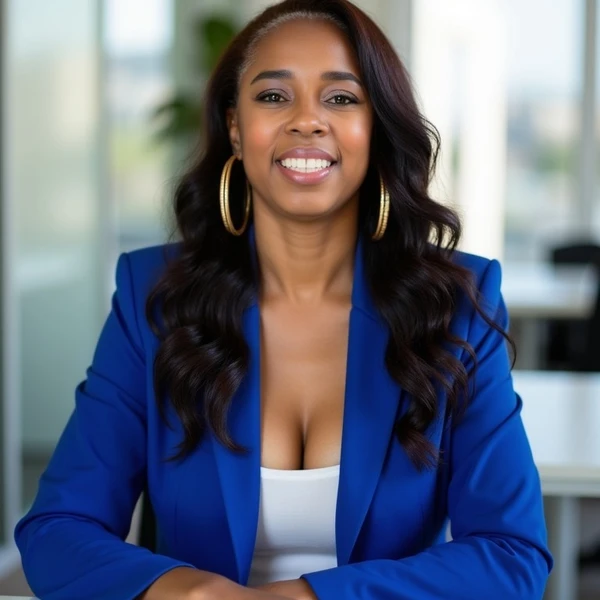
user profile avatar

Genisha Morton

1x

Finalist

General information

Hobbies & Interests

  • Singing
  • Playwriting
  • Screenwriting
  • Songwriting
  • Writing
  • Acting And Theater
  • Voice Acting

Reading

  • Book Club

I read books multiple times a month.

Bio

Financial hardship shaped much of my upbringing, and it's what drew me to psychology: I wanted to understand how circumstances affect mental and emotional well-being, and how people heal. As an undergraduate psychology major planning to pursue graduate study, I've focused on turning that understanding into action. I founded the Sankofa Book Club, a space where women overcoming trauma connect through literature and shared healing. I also created The Butterfly and the Monarch, an app that gives people accessible support for their mental and emotional well-being. Scholarship support would let me keep building tools and spaces that help people heal, while I pursue the graduate training to do this work at a deeper level.

Education

Walden University

Bachelor's degree program

2026 – 2030

Majors:
  • Psychology, General

Oral Roberts University

Bachelor's degree program

2024 – 2025

Majors:
  • Psychology, General

Lincoln College of Technology-Marietta

Associate's degree program

2004 – 2005

Majors:
  • Allied Health and Medical Assisting Services

Miscellaneous

Desired degree level:
Master's degree program
Graduate schools of interest:
New York University
Desired degree modality:
In-Person
Medical school interest:
No

Career

  • Customer Service Rep

    Consumer Services · Amazon

    Jan 2016 – Jan 2021

Miscellaneous

Dream career field:
Religion
Work experience:
10+ years
Has nursing license:
No

Future Interests

  • Advocacy
  • Volunteering
  • Philanthropy
  • Entrepreneurship
Sherman S. Howard Legacy Foundation Scholarship
My involvement in my local church has contributed greatly to the service I provide to my community. I have learned that serving in church is not only about what happens during a Sunday service. It is about recognizing the needs of people around me and being willing to use my time, gifts, and abilities to help meet those needs. I serve in several areas, including the worship team, prayer ministry, Groceries to Go, Excel Students, and other ministries that allow me to connect with people of different ages and backgrounds. Serving on the worship team gives me the opportunity to encourage people through music. I have seen how a song can speak to someone who may be grieving, discouraged, afraid, or going through something they have not shared with anyone else. The prayer ministry has allowed me to serve people in an even more personal way. Through prayer, I have learned to listen to the concerns of others and stand with individuals and families as they face challenges involving health, finances, relationships, grief, and other difficult circumstances. These experiences have strengthened my compassion and taught me not to assume I know what someone is going through simply by looking at them. Groceries to Go has shown me the importance of meeting practical needs within the community. Families may love God and have faith while still experiencing food insecurity or financial hardship. Being able to help distribute groceries allows me to put compassion into action. It reminds me that sometimes people need more than encouraging words. They may need someone willing to help provide something as basic and necessary as food. My involvement with Excel Students is especially meaningful because of my passion for children and adolescents. Working with young people gives me opportunities to encourage them, listen to them, and help create an environment where they know they are valued. It has also helped me recognize how much young people need trusted adults who are willing to pay attention to what may be happening beneath their behavior. This connects closely with my decision to pursue psychology and my desire to work with children and adolescents professionally. Overall, my church has helped shape my understanding of community service. Whether I am singing, praying, distributing groceries, or serving young people, I am learning that service means meeting people where they are. These experiences have strengthened my leadership skills, compassion, patience, and desire to help others. They have also shown me that my faith, education, and future career do not have to be separate. Each one can work together to help me make a meaningful difference in the lives of individuals, children, and families in my community.
George D. D. Turner Scholarship
Becoming a single mother changed every part of my life, including my educational journey. I became a single mom when the man I thought I would marry called one day and told me he did not believe he would be a good husband or father. Then he disappeared. Suddenly, I was trying to figure out motherhood, work, school, transportation, and survival all at the same time. For several years, my days were exhausting. I would wake up around three or four in the morning, take the bus to my parents' house so they could babysit my sons, and then take another bus to work. Many nights, I did not make it home until midnight or later. I was doing everything I could to provide for my children while still trying to build a better future. During that time, someone I trusted began helping me with transportation and picking up my children. I was grateful because I desperately needed the help. Unfortunately, that relationship eventually became violent, and I found myself in survival mode. My life changed again, and I eventually became the mother of another son. At that point, I had to ask myself how I was going to keep going when life had become even more complicated. There were many financial struggles along the way. I went from having a good job to periods of unemployment or jobs that barely paid enough to meet our needs. I continued my education and became a Medical Assistant, but I was never able to secure a position in that field. I worked in customer service and other jobs, but nothing seemed permanent. Through all of it, one thing remained important to me: I wanted to be present for my sons. I never wanted a job or opportunity to take me so far away that I could not be there when they needed their mother. Looking back, there are things I would do differently. It was painful not always having the financial resources to provide for them in the way I wanted. However, I was determined to give my children something different from what I experienced growing up. I made them a priority, protected them from negativity, and removed us from environments that threatened their safety or well-being. I did not do everything perfectly, but I continued learning how to become a better mother. Even now that my sons are adults, I still want them to know that they are deeply loved and that they can depend on me. My experience as a single mother closely mirrors my educational journey because both have required perseverance. There have been many times when finances, responsibilities, and unexpected hardships could have caused me to give up on school. Even now, paying for my education is a challenge, and I am hoping for scholarships, grants, or another opportunity that will allow me to continue without adding too much more student loan debt. Still, I refuse to quit. Being a mother has taught me that I am capable of doing things I once thought were impossible. My sons have given me a reason to keep hoping, believing, growing, and pushing forward. I want to break the cycle of financial struggle in my family and become the mother I always wanted to be financially as well as emotionally. My faith in God continues to carry me through the difficult seasons, and motherhood has strengthened my confidence in myself. I have learned that I am an overcomer.
Sweet Dreams Scholarship
I submitted via file upload.
Kalia D. Davis Memorial Scholarship
My name is Genisha Morton, and I am an undergraduate psychology student with a passion for helping women and children who have experienced abuse, trauma, and emotional hardship. My long-term goal is to become a psychiatrist specializing in the care of women and children who have been abused or battered. I want to provide the kind of compassionate support, safety, and understanding that many survivors desperately need but do not always receive. My desire to enter the mental health field is deeply personal. My life has included painful experiences that could have caused me to give up on myself and my future. Instead, those experiences helped me understand the importance of having someone who will listen, believe you, and help you recognize that your pain does not have to determine the rest of your life. I have learned that healing is not always quick or easy, but it is possible. I want to use my education and experiences to help others find hope, rebuild their confidence, and create healthier futures. Like Kalia D. Davis, I believe in working with excellence and giving my best effort in every area of life. I am committed to my education, my faith, my family, and my community. I have maintained strong academic standards while balancing employment, ministry responsibilities, leadership, and service. Through my work with children, teenagers, women, and members of my church community, I have seen how encouragement can change someone’s outlook. Whether I am praying with someone, mentoring a young person, supporting a student, or helping an individual through a difficult moment, I try to be dependable, kind, and uplifting. Kalia’s legacy of living, loving, laughing, learning, and striving for excellence is inspiring to me. Her accomplishments as a student-athlete, college student, employee, leader, and future military service member demonstrate extraordinary discipline and ambition. I especially admire that she remained a source of encouragement and joy to others while pursuing her own goals. Her story is a reminder that true success is not only measured by what we achieve, but also by how we treat people and the impact we leave behind. Receiving this scholarship would help reduce the financial pressure connected to tuition, textbooks, technology, transportation, and other educational expenses. It would allow me to devote more time and attention to my studies while continuing to serve my community. Financial assistance would also bring me one step closer to earning the degrees and professional training needed to provide mental health care to underserved individuals and families. I plan to honor this opportunity by continuing to work hard, maintain high academic standards, and serve others with compassion. My goal is not simply to earn a degree or build a successful career. I want to create a legacy of healing, hope, education, and service. With the support of the Kalia D. Davis Memorial Scholarship, I will continue pursuing a future that reflects ambition, drive, kindness, excellence, and meaningful community impact.
Lieba’s Legacy Scholarship
One of the greatest lessons I have learned while serving children is that intelligence does not eliminate the need for emotional support. Some of the brightest children smile on the outside while silently carrying anxiety, perfectionism, loneliness, or the pressure to constantly meet high expectations. Watching children navigate those struggles has strengthened my desire to become a mental health professional who sees not only their academic potential but also their emotional needs. My career goal is to become a Licensed Professional Counselor specializing in children, adolescents, and families. Through my education in psychology and clinical mental health counseling, I want to equip myself with the knowledge and skills needed to help gifted children develop healthy emotional habits while encouraging their intellectual growth. Gifted children often think differently, process emotions deeply, and ask questions beyond their years. While these qualities are strengths, they can also make children feel misunderstood or isolated if they do not receive the proper support. As someone who has experienced adversity and understands the importance of having compassionate people who believe in your potential, I want to become that trusted person for children. My experiences have taught me that emotional well-being and academic success are closely connected. A child who feels safe, understood, and valued is more likely to embrace challenges, develop resilience, and confidently use their gifts to serve others. I currently serve in children's ministry, where I have the privilege of encouraging and mentoring young people from different backgrounds. This experience has shown me that every child learns differently and deserves an environment where they can ask questions, express emotions, and develop confidence without fear of failure or criticism. I have seen firsthand how patience, encouragement, and positive relationships can help children grow both emotionally and intellectually. In my future career, I hope to collaborate with families, educators, and community organizations to create programs that support the unique needs of gifted children. I want to advocate for trauma-informed and culturally responsive counseling services that recognize the whole child instead of focusing only on academic performance. I also hope to offer workshops that help parents and teachers recognize signs of anxiety, stress, or emotional burnout in gifted students, enabling early intervention and meaningful support. My long-term vision extends beyond individual counseling sessions. I want to contribute to research, develop innovative mental health resources, and create programs that make emotional wellness accessible for children who might otherwise go unnoticed. Every gifted child deserves the opportunity to thrive intellectually without sacrificing emotional health. Ultimately, I believe the greatest gift we can give children is the confidence to embrace who they are while equipping them with the tools to overcome life's challenges. My education will prepare me to nurture both the minds and hearts of gifted children so they can become compassionate leaders, creative thinkers, and emotionally healthy adults who positively impact their families, communities, and the world.
Linda Hicks Memorial Scholarship
The most important lessons in my life did not come from a textbook. They came from surviving experiences that changed me forever. As an African American woman, I have experienced abuse and witnessed how trauma can silently affect every part of a person's life. Those experiences inspired me to become the kind of mental health professional I once needed. I know what it feels like to carry emotional pain while trying to appear strong. I also know how life-changing it is when someone listens without judgment and offers hope. Too many African American women suffer in silence because of stigma, lack of access to mental health care, or fear of asking for help. I want to help change that. My passion has led me to pursue a degree in psychology, with plans to earn a master's degree in Clinical Mental Health Counseling and become a Licensed Professional Counselor. My goal is to provide trauma-informed care to women impacted by domestic violence and substance abuse while helping them rediscover their identity, confidence, and purpose. In addition to counseling, I hope to create innovative resources that make healing more accessible and encourage women to seek support without shame. I believe education, compassion, and culturally responsive care can transform lives and strengthen families. My past has given me empathy, resilience, and a clear sense of purpose. Earning this scholarship will help me continue my education and prepare for a career dedicated to helping African American women heal from trauma, overcome barriers, and build healthier futures. I want my life to be proof that healing is possible and that our past does not have to define our future.
Rosa A. Wilson Scholarship
Empowerment and Well-Being of BIPOC Women The first time a woman in my book club told the room, "I've never said this out loud before," I understood something no psychology textbook had fully taught me: healing happens in community, not in isolation. I founded the Sankofa Book Club as a space for women overcoming trauma, and watching that circle become a place where silence turned into voice showed me exactly the kind of work I want to build my career around. That moment reframed how I think about mental health. It is not just clinical intervention; it is belonging, something too many BIPOC women have had to go without in spaces meant to help them. As an undergraduate psychology major planning to pursue graduate study, I see my degree not as an end point but as a tool, one I intend to sharpen specifically for the empowerment and well-being of BIPOC women, who too often face mental health systems that were never designed with their histories, cultures, or communities in mind. Systemic barriers like underrepresentation of BIPOC clinicians, cultural mistrust of institutions built on generations of harm, and the compounding weight of racialized and gendered trauma mean that access to care is only the first hurdle. Culturally responsive care, delivered by people who understand the context a client is coming from, is the real goal. Too often, women are asked to explain themselves before they can receive help, translating pain into language a system will recognize. I want to be part of closing that gap, not widening it. My approach has always started with meeting people where they already are, rather than asking them to find help on unfamiliar terms. Beyond the book club, I created The Butterfly and the Monarch, an app built to offer mental health and emotional support in a format that feels approachable rather than clinical, something a person could turn to quietly, without the barriers that keep so many from ever walking into an office. Both projects reflect the same belief: empowerment isn't delivered to a community from the outside, but cultivated within it, through spaces that center dignity, story, and trust. Going forward, I plan to keep building at the intersection of clinical training and community-rooted practice. That means pursuing graduate education that equips me with rigorous, evidence-based skills while staying grounded in advocacy. I want to push for greater representation in the mental health field, contribute to research that reflects the lived realities of BIPOC women rather than erasing or generalizing them, and continue creating low-barrier spaces, digital or in person, where healing can begin before someone ever sits across from a therapist. I also want to mentor younger BIPOC women considering this field, so the work of building these spaces does not fall on any one person alone. Social justice work in mental health has no clear finish line. It is a sustained practice of showing up for the people and communities too often overlooked. Whether through a book club, a support app, future clinical work, or advocacy within institutions, I intend to keep building the kind of infrastructure that lets BIPOC women define their own healing on their own terms.
Genisha Morton Student Profile | Bold.org