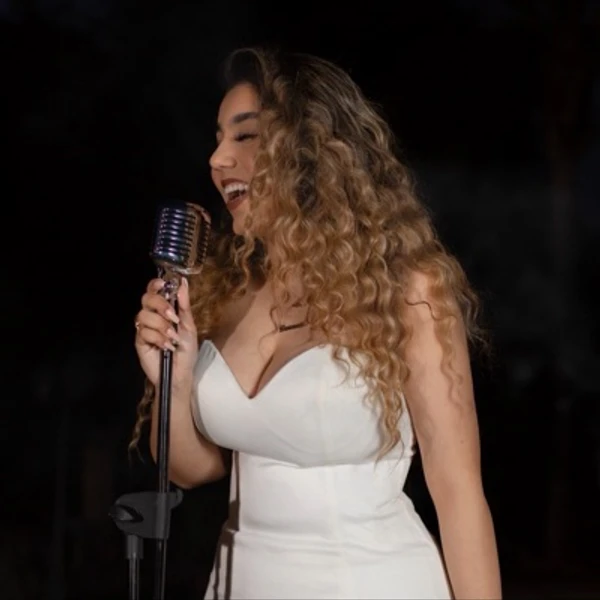
user profile avatar

Genesis Paz

1x

Finalist

1x

Winner

General information

Hobbies & Interests

  • Makeup and Beauty

Bio

Hi! I’m Genesis, a college student with a passion for music, education, and working with children. Music has always been a huge part of my life, and I hope to build a career where I can share that passion with others. I’m pursuing a future in music education and special education, with the goal of creating a supportive and inspiring environment where every student feels encouraged to learn, grow, and express themselves.

Education

University of Redlands

Bachelor's degree program

2023 – 2027

Majors:
  • Music

Miscellaneous

Desired degree level:
Master's degree program
Majors of interest:
Special Education and Teaching, Music, Education, Other

Career

Miscellaneous

Dream career field:
Music, Music Education, Special Education, Performing Arts
Has nursing license:
No
Bulkthreads.com's "Let's Aim Higher" Scholarship
What I want to build is a music classroom where every student feels like they have a place and a voice. Music has been part of my life since I was about seven years old. What started as something I simply loved eventually became one of the biggest parts of who I am. Now, as I pursue my education in Music Education and Vocal Performance, I am realizing that my future is not only about becoming a better musician. I want to take everything music has given me and create those same opportunities for other students. One of my biggest goals is to build a music program that is inclusive of students with disabilities. Through working with children, I have learned that not every student learns, communicates, or expresses themselves in the same way. That does not mean they should be left out of experiences like choir, performing, learning an instrument, or simply making music with their classmates. I want to be the teacher who finds a way to include them. To me, building this kind of classroom means being willing to adapt. Maybe one student cannot participate in the exact same way as another student, but they can still participate. I want to learn how to meet students where they are instead of focusing on what they cannot do. I want my classroom to be a place where students feel comfortable expressing themselves and where differences are not treated as limitations. I am already building toward this future through my education, my musical training, and my experience working with children. Every class, rehearsal, performance, and interaction with a student teaches me something that I can eventually bring into my own classroom. I also want to continue learning more about special education so that I can become a stronger advocate for students with disabilities within music education. Ultimately, I am not trying to build something just for myself. I want to build something that lasts beyond me. If one student who normally feels left out walks into my classroom and realizes that there is a place for them in music, that matters to me. My future classroom may start with four walls, some instruments, and a group of students, but I want to build much more than that. I want to build confidence, creativity, inclusion, and a community where every student has the opportunity to be heard.
Sloane Stephens Doc & Glo Scholarship
Music has been a part of my life for as long as I can remember. I started singing when I was around seven years old, and at the time, I never imagined that something I loved so much would eventually become the career I wanted to pursue. Today, I am studying Music Education and Vocal Performance because I want to use my education to give other students the opportunities that music has given me. My biggest goal is to become a music educator who creates a classroom where every student feels like they belong. I especially want to work with and advocate for students with disabilities. Through my experiences working with children, including students who need additional support, I have learned that every child has their own way of communicating, learning, and expressing themselves. I want music to be another way for them to do that. I believe music education should be accessible to everyone. A student should not feel like they cannot participate in choir, learn an instrument, perform, or simply enjoy making music because they have a disability or learn differently. I want to become an educator who is willing to adapt, learn, and find ways for every student to participate. One of my dreams is to eventually help create more inclusive music programs where general and special education students can make music together. The people who inspire me most are the educators who have believed in me throughout my own journey. My music teachers did more than teach me notes, technique, or how to perform. They helped me build confidence and showed me that my passion could become something meaningful. I want to be that person for another student. I want a child to walk into my classroom feeling unsure of themselves and eventually leave knowing that their voice matters. I am already working toward that future through my education and my experience working with children. Every class I take, every student I work with, and every experience I have as a musician continues to shape the kind of teacher I want to become. I also hope to continue my education after earning my undergraduate degree so I can keep growing as both a performer and educator. Receiving this scholarship would help relieve some of the financial responsibility that comes with pursuing my education and allow me to focus more of my time on becoming the best educator I can be. My goal is not simply to graduate and find a job. I want to build a career where I can give back to my community through music, advocate for children who may not always be given the same opportunities, and create a space where every student knows that their voice deserves to be heard.
Lotus Scholarship
Growing up in a low-income household has taught me to appreciate every opportunity I have and to keep going even when things get difficult. My parents have always worked hard to support my education, and seeing their sacrifices motivates me to make the most of everything they have given me. I am currently studying music education and vocal performance. Music has been a huge part of my life since I was young, and my goal is to turn that passion into a career where I can help others. I especially want to work with students with disabilities and create a classroom where every student has the opportunity to express themselves through music. I am already working toward this goal through my education and by gaining experience working with children, including students who need additional support. These experiences have shown me how important patience, understanding, and inclusion are. My experiences have taught me to work hard for what I want, but they have also shaped the kind of teacher I want to become. I want my future students to know that their circumstances or abilities should never stop them from having opportunities to learn, grow, and be heard.
Bright Lights Scholarship
My plans for the future have changed and grown throughout college, but one thing has always stayed the same: I know that music is supposed to be a part of my life. Music has been a part of who I am since I was a little girl, and now I am working toward turning that passion into a career where I can also make a difference in the lives of students. I am currently studying music education and vocal performance at the University of Redlands. My goal is to become a music educator and eventually continue my education through graduate school. I love performing and I want to continue growing as a vocalist, but the more experience I gain working with children, the more I realize how much I also love teaching. I especially want to work with and advocate for students with disabilities and find ways to make music education more accessible to them. One of my biggest goals is to create a classroom where students do not feel like they have to be the “best” singer or musician to belong. Music is about so much more than performing perfectly. It can give someone confidence, help them communicate, allow them to express emotions they may not know how to put into words, and give them a community. I want my future students, especially students who may need additional support, to have the opportunity to experience that. Working with children has made this goal even more important to me. I have worked with students who need different levels of support, including medically fragile students, and those experiences have taught me patience, responsibility, and how important it is to meet a child where they are. Not every student learns the same way, and I want to become the type of educator who understands that instead of expecting every child to fit into one mold. My future also includes continuing to grow as a musician myself. I want to perform, teach, continue my classical voice training, and eventually earn my master’s degree. I do not see teaching and performing as two separate dreams. I think becoming a stronger musician will make me a better teacher, and becoming a teacher will give my music an even greater purpose. This scholarship would help me continue working toward these goals without having as much financial stress surrounding my education. College comes with expenses beyond tuition, especially as a music student. There are books, music, supplies, transportation, performances, and many other costs that add up quickly. Receiving this scholarship would allow me to put more of my energy toward my education, training, and future students. I have big plans for my future, but at the center of all of them is music. I want to take something that has given me so much throughout my own life and use it to give something back to the next generation.
J&Y Law Yahouda Yahoudai Service Scholarship
Community service has taught me that making a difference does not always have to be something huge. Sometimes it is simply showing up, being patient, listening, and making someone feel like they matter. Over the summer, I completed 80 hours of community service working with students. Going into it, I knew that I loved working with children, especially because I am studying to become an educator, but actually being there with students taught me things that I could never fully learn from a textbook. Every student is different. Some need more patience, some need encouragement, and some just need someone who believes in them enough to keep pushing them. That experience became even more meaningful because of what I want to accomplish in my career. I am pursuing music education, and I have also developed a strong interest in special education. Music has been such an important part of my own life, and I want to use it to give other students a way to express themselves. I especially want to advocate for children with disabilities because I believe they deserve the same opportunities to participate, perform, create, and feel proud of themselves. A disability should never make a student feel like there is no place for them in the arts. My service has also continued through my work with children. I have had the opportunity to work closely with students who require additional support, including medically fragile students. Those experiences have made me more aware of how much trust families place in the people who care for and educate their children. It has taught me to be responsible, compassionate, observant, and most importantly, patient. I have also learned that service and education are connected. A good educator does much more than stand in front of a classroom and teach a subject. Teachers become advocates, mentors, listeners, and sometimes one of the biggest sources of encouragement in a child’s life. That is the type of teacher I want to become. My goal is to continue my education beyond my undergraduate degree and eventually attend graduate school. I want to keep learning because I know there will always be ways for me to become a better musician, teacher, and advocate for my students. I want to create classrooms where students feel comfortable being themselves and where music is not only about who sings the highest, learns the fastest, or performs the best. I want music to be something every student can experience. The good I have contributed to my community so far is only the beginning. The more I work with children, the more certain I become about the path I have chosen. I want my career to be centered around service. If I can use my education and my love for music to help even one student discover confidence, feel included, or find a way to express themselves, then I know I am doing something meaningful.
Olivia Rodrigo Fan Scholarship
One Olivia Rodrigo lyric that really resonates with me is from making the bed: “Got the things I wanted, it’s just not what I imagined.” I think that lyric describes where I am in my life right now better than I expected it to. I have loved music for basically as long as I can remember. I started singing when I was around seven years old, mostly regional Mexican music. When I was younger, I knew I loved singing, but I don’t think I fully understood where music would eventually take me. Now at 23, I am studying music education and vocal performance, singing classical music, performing in choirs and opera, and working toward a career that is completely centered around music. In a lot of ways, I got what I wanted. I’m studying what I love and getting opportunities that younger me would’ve been so excited about. But like Olivia says, it isn’t exactly what I imagined. College has been hard. Music especially can make you question yourself constantly because you’re surrounded by talented people. There is always someone who sings higher, knows more, learns faster, or seems more confident. I’ve had moments where I questioned if I was good enough or if I was actually capable of reaching the goals I have for myself. I’ve also learned that accomplishing one goal doesn’t magically make all of your insecurities disappear. At the same time, those challenges helped me realize that my dream is actually bigger than just becoming a performer. Working with children, especially children with disabilities, changed the way I looked at music and my future. I realized I want to become the kind of educator who helps students find their own connection to music, even if they don’t learn, communicate, or express themselves the same way as everyone else. I want students to feel like there is a place for them in music. My goal now is to finish my degrees, continue into graduate school, and keep growing as both a musician and educator. I still love performing and singing, but I also want my love for music to become something I can give to other people. My journey hasn’t looked exactly how seven-year-old me would’ve imagined it, and honestly, I’m glad it hasn’t. I’m still figuring things out, still learning, and still questioning myself sometimes. But every unexpected turn has helped me understand what I actually want my life and my music to mean.
Barbara Cain Literary Scholarship
One of the books that has shaped me the most recently is Resonance: The Art of the Choral Music Educator by Christopher W. Peterson. I started reading it because I am studying music education, but it has honestly made me think differently about what it actually means to become a music educator. Something I am learning from this book is that teaching music is so much more than knowing how to sing, conduct, read music, or stand in front of a classroom. You have to genuinely love the art, but you also have to love the profession of teaching. That really stood out to me because music has been a part of my life since I was around seven years old. For a long time, I knew I loved performing and singing, but as I have gotten older, I have realized that I don’t only want to perform. I want to take what music has given me and give that to someone else. Resonance has also made me think about the kind of educator I want to become. Teaching is not a “backup plan” for me. I don’t want to teach just because I love music and need something to do with my degree. I want to teach because I genuinely love the idea of helping students discover something in themselves that they may not even know is there yet. That has become even more important to me because of my experience working with children, including students with autism, Down syndrome, and other disabilities. Working with them has made me interested in special education and how music education can become more inclusive. Not every student is going to learn the same way. Not every student is going to communicate the same way either. But that does not mean they should miss out on the opportunity to experience music. Books like Resonance are shaping my goals because they remind me that becoming a good educator is something I will constantly have to work at. I don’t want to graduate, get a teaching credential, and think that I suddenly know everything. I want to keep learning. I want to go to graduate school, continue developing as a musician, study pedagogy, and learn more about working with students with disabilities. The better educated I become, the more I can give back to my future students. One day, I hope to have a classroom where students feel comfortable expressing themselves through music, especially students who may have a harder time expressing themselves in other ways. I want them to know that music is not only for the person with the “best” voice or the most natural talent. Music belongs to them too. The biggest thing I am taking from Resonance is that being a music educator requires more than passion for music. It requires passion for people. I want to become the best musician I can be, but even more than that, I want to become the best educator I can be. My goal is not just to teach students how to make music. I want to help them find confidence, creativity, and maybe even a passion that stays with them for the rest of their lives.
Hines Scholarship
Going to college means so much more to me than earning a degree. It means creating opportunities for myself that my family did not have and proving to myself that everything I have worked for has a purpose. As a first-generation college student, I did not grow up knowing exactly how college worked or having someone who could walk me through every step. A lot of it has been learning as I go, making mistakes, asking questions, and figuring things out for myself. Because of that, every semester I complete means something to me. Music has been part of my life since I was a little girl. I started singing when I was around seven years old, and as I got older, music became more than something I enjoyed. It became the thing I could see myself doing for the rest of my life. College has allowed me to grow as a musician, but it has also helped me realize that performing is not the only thing I want to do with music. I want to teach it. One of the biggest things I am trying to accomplish is becoming the type of music educator who makes every student feel like there is a place for them. Working with children, especially children with disabilities, has changed the way I see education. I have worked with students with autism, Down syndrome, and other disabilities, and those experiences have made me even more passionate about combining music and special education. I want students with disabilities to have the same opportunity to experience music, perform, create, and express themselves as anyone else. Not every child learns the same way, communicates the same way, or expresses themselves the same way. I want to be an educator who understands that instead of expecting every student to fit into one box. College is helping me get there. There have definitely been times when college has been difficult. Balancing school, work, commuting, performances, rehearsals, and responsibilities outside of school can become overwhelming. There have been long days when I have gone from class to rehearsal to another responsibility and wondered how I was going to keep doing everything. But I keep going because I know what I am working toward. My goal does not end when I receive my bachelor’s degree. I want to continue into graduate school because I want to keep learning and becoming better at what I do. I want to become a stronger musician, a more knowledgeable teacher, and most importantly, a better educator for my future students. Eventually, I hope to build a career where music education and special education can come together. I do not expect college to simply hand me the future I want. I know I have to work for it, and I already am. To me, college is giving me the education and experience I need to turn something I have loved since childhood into something that can help other people. If one day a student walks into my classroom feeling like they do not belong and leaves knowing that their voice matters, that is what I am trying to accomplish. I want my education to become something bigger than myself. I want to use it to give other students the opportunities, confidence, and support they deserve.
Learner Mental Health Empowerment for Health Students Scholarship
Mental health is important to me because I have seen how much a person can change when they feel understood, supported, and included. As a student studying music and education, and as someone who has worked with children with autism, Down syndrome, and other disabilities, I have learned that sometimes what a child needs most is simply someone who is willing to understand them. Working with children with special needs has completely changed the type of educator I want to become. Every child communicates differently. Some children can easily tell you when they are overwhelmed, frustrated, excited, or scared. Others may have a harder time putting those feelings into words. That does not mean those feelings are any less important. That is one of the reasons I believe so strongly in music. Music has always been my way of expressing myself. It has given me confidence, comfort, and a place where I feel like myself. Now, I want to give that same opportunity to my future students, especially students with disabilities who may express themselves differently than everyone else. My goal is to combine music education, special education, and music pedagogy so I can become an educator who creates a classroom where every student feels like they belong. I want the child with autism to participate in music without feeling like they have to learn exactly like everyone else. I want the student with Down syndrome to be given opportunities instead of having people automatically assume what they can or cannot do. I want students who are overwhelmed or struggling emotionally to know that music can be a safe place for them to express something they may not know how to say. For me, advocating for mental health doesn’t always have to mean making a huge speech or changing an entire system overnight. Sometimes advocacy starts much smaller. It can mean being patient with a child who is having a difficult day. It can mean noticing when someone is overwhelmed instead of labeling their behavior as “bad.” It can mean adapting an activity so a student can participate instead of leaving them out. Those are the things I try to practice now, and they are the things I want to carry into my future classroom. I want to continue my education beyond my bachelor’s degree and eventually attend graduate school because I know there is still so much for me to learn. I want to become a better musician, but more importantly, I want to become a better educator and advocate. I may not be able to change the world all at once, but I can start with my students. If I can create a classroom where one child feels heard, one child discovers a way to express themselves, or one child realizes that being different does not mean they don’t belong, then I know I am making a difference. That is the kind of change I want to spend my life creating.
Champions Of A New Path Scholarship
I don’t think I deserve this scholarship because I am better than every other person applying. I don’t know their stories, what they’ve overcome, or how hard they’ve worked. What I can say is that I know exactly what I would do with the opportunity if I were given it. Music has been a part of my life since I was around seven years old. I started with regional Mexican music, eventually found classical voice, and now I am pursuing music education and vocal performance. I’ve gone from singing the music I grew up with to learning opera, performing in choirs and mariachi, and studying music in different languages. Every new experience has pushed me outside of what I already knew and made me want to keep learning. But I think what really sets my journey apart is where I want to take all of that. I don’t only want to perform. I want to teach. Working with children, especially children with autism, Down syndrome, and other disabilities, completely changed the way I see education. I learned pretty quickly that being a good educator isn’t about having one perfect way of teaching. Kids are different. They communicate differently, learn differently, and need different things from you. Sometimes something that seems incredibly small to everyone else is a huge accomplishment for that child, and being there for those moments changed me. That experience is a huge reason why I want my future in music education to include students with disabilities. I want to become the kind of teacher who can look at a student who learns differently and think, “Okay, how can I teach this differently?” instead of deciding that the student simply can’t do it. I also don’t plan on stopping after earning my bachelor’s degree. Hello, grad school! I genuinely want to keep going. I want to continue studying music, vocal performance, pedagogy, special education, and anything else that can make me better at what I do. The more I learn, the more I will eventually be able to give to my students. I think that’s my advantage: I know why I’m doing this. I’m not earning a degree just to say that I have one. I’m building toward a classroom that doesn’t even exist yet and students I haven’t even met yet. Receiving this scholarship would help me continue building toward that future. College and graduate school are expensive, and financial support would allow me to put more of my energy into becoming the musician and educator I want to be. I don’t expect to change the entire world overnight. I want to start smaller. One classroom. One child who thought they weren’t musical. One student with a disability who finally feels included. One kid who discovers something they love because somebody gave them the chance to try. Maybe my advantage isn’t that I’ve already accomplished everything. It’s that I’m nowhere near finished.
Bick First Generation Scholarship
Being a first-generation college student means being proud of how far I’ve come while also admitting that sometimes I have absolutely no idea what I’m doing. There have been so many parts of college that I have had to figure out as I go. Financial aid, transferring schools, understanding degree requirements, figuring out what questions I’m even supposed to ask, and learning how to advocate for myself. My parents have always supported me, but when you’re the first person in your family going through college, there are some things they simply can’t teach you because they never had the opportunity to experience them themselves. That has probably been one of my biggest challenges, but it has also made me extremely determined. Music is what keeps me going. I started singing when I was around seven years old, growing up with regional Mexican music. Eventually, that little girl who just loved singing found classical music. Now I’m studying music education and vocal performance, singing opera, choir, mariachi, and music in languages I never imagined I would be learning. But my biggest dream isn’t just to perform. I want to teach. Working with children, especially students with disabilities including autism and Down syndrome, completely changed the educator I want to become. Those students taught me that being a good teacher isn’t about expecting every child to learn the same way. It’s about being willing to figure out how they learn. My dream is to become a music educator and eventually continue into graduate school. I want to keep learning because I want to keep becoming better—not only as a musician, but as a person and an educator. One day I want my own classroom where every child, regardless of their ability, background, or financial situation, gets the opportunity to experience music and figure out what it means to them. Receiving this scholarship would take some of the financial weight off of continuing my education. As much as I love what I’m doing, the financial part of college is real. Scholarships give me the ability to spend more of my energy actually learning, performing, gaining experience, and preparing for graduate school instead of constantly thinking about how I’m going to afford the next step. Being first-generation means I’m figuring out a path my family hasn’t walked before. Sometimes that’s scary, but it’s also something I’m extremely proud of. I don’t need to change the entire world at once. I want to start with one classroom, one student, and one opportunity at a time. And maybe one day, one of those students will be the first in their family too.
The Concrete Rose Scholarship Foundation
Music has been a part of my life since I was around seven years old. I grew up singing regional Mexican music, and what started as something I simply loved doing eventually became what I wanted to dedicate my life to. As I got older, I was introduced to classical voice, and my world of music completely changed. I began learning music in different languages, singing opera, performing in choirs and mariachi, and eventually realized that I didn’t only want to perform music. I wanted to teach it. The more experience I’ve gotten working with children, the more certain I have become about that decision. I have worked specifically with children with disabilities, including students with autism, Down syndrome, and other special needs. That experience honestly changed the type of educator I want to become. It showed me that every child learns differently and that sometimes you have to change the way you teach instead of expecting a child to change the way they learn. My goal is to become a music educator, specifically working with younger students. I want to be the teacher who introduces a child to music for the first time and helps them discover something they didn’t even know they loved. I also want to continue learning about special education because I want every student to feel like there is a place for them in my classroom, regardless of their disability or how they communicate and learn. And earning my bachelor’s degree is definitely not where I want my education to end. Hello, grad school! I want to keep going. I want to continue studying music, vocal performance, pedagogy, and education because I genuinely want to keep getting better. Not just as a musician, but as a person and especially as an educator. I don’t ever want to reach a point where I think I know everything there is to know. The students I will teach deserve someone who continues learning for them too. Receiving this scholarship would help take some of the financial pressure off of continuing my education. College is expensive, and knowing that I also want to pursue graduate school means I still have a long educational journey ahead of me. This scholarship would allow me to put more of my focus into my education, training, performances, and experiences that are preparing me for my future classroom. I want to make a difference through music, but I don’t think making a difference always has to start with something huge. For me, it starts with one classroom and one child. If I can help a student discover their love for music, become more confident, or simply feel like someone believes in them, then I have made an impact. I want to keep learning so that one day I can give my students the best version of me. That’s what continuing my education and becoming a teacher means to me.
Giant App Creative Storytelling Scholarship
The Note That Didn’t Fit Mia loved music. She loved the songs her mom played while cleaning the house. She loved tapping rhythms on the kitchen table with her spoons. She even loved the little song the washing machine played when it finished. There was only one problem. Mia was convinced she was terrible at music. In music class, there was always someone who could sing higher than her, someone who could clap the rhythm faster, and someone who seemed to know exactly what to do before the teacher even finished explaining it. Mia noticed all of them. What she didn’t notice was herself. One Monday morning, her music teacher, Ms. Luna, stood in front of the class with a huge box of instruments. “Okay everyone,” she said. “For our next performance, every person is going to choose an instrument.” Immediately, hands went up. “I want the drums!” “Can I have the xylophone?” “I want the bells!” Everyone seemed excited except Mia. She looked inside the box. There were tambourines, rhythm sticks, shakers, bells, triangles and instruments she didn’t even know the names of. She wanted to choose something, but every time she reached for an instrument, she thought about someone who could probably play it better. Finally, Ms. Luna walked over. “What are you going to choose?” Mia shrugged. “I don’t think I’m good at any of them.” Ms. Luna didn’t tell her she was wrong. Instead, she reached into the box and pulled out a small silver triangle. She tapped it once. Ding. “Was that a song?” Ms. Luna asked. Mia laughed. “No. That was literally one note.” “Exactly,” Ms. Luna said. “But listen.” She asked another student to play the drum. Boom. Then another student played the xylophone. Da-da-ding. Someone shook a tambourine. Shake, shake. Ms. Luna handed the triangle to Mia. “Now you.” Mia hesitated, then tapped it. Ding. This time, the note sounded different. It wasn’t alone. It fit between the drums, the xylophone, and the tambourine like it had been waiting for its turn. Mia smiled a little. “I heard it,” she said. “So did I,” Ms. Luna answered. For the next few weeks, the class practiced. At first, Mia still struggled. Sometimes she played her triangle too early. Ding. Everyone would stop. “Sorry!” Mia would say. Sometimes she played too late. Sometimes she was so busy worrying about messing up that she completely forgot to play at all. One day, Mia missed her part three times. “I can’t do it,” she whispered. The boy playing the drum looked at her. “I messed up like ten times yesterday.” Mia laughed. “Really?” “Yeah. Ms. Luna made us start over because of me.” From across the room, Ms. Luna laughed. “I heard that!” Everyone started laughing. They tried again. This time, Mia watched Ms. Luna’s hands and listened to the students around her. Boom. Shake, shake. Da-da-ding. Mia counted quietly. “One, two, three…” Ding. “YES!” the drummer yelled. Mia couldn’t stop smiling. As the weeks went by, something changed. Mia stopped paying attention to who was better than her. Instead, she started listening. She noticed that the drums made the music feel strong. The bells made it sparkle. The xylophone carried the melody. The shakers filled the empty spaces. And her triangle? Her triangle only came in a few times. But every time it did, Mia knew exactly where it belonged. The night of the performance finally came. Standing backstage, Mia could hear hundreds of people talking. Suddenly, all of the confidence she had built disappeared. “What if I mess up?” Ms. Luna looked at her. “Then you mess up.” Mia stared at her. “That’s it?” “That’s it.” “But what if everyone hears it?” “Then they’ll hear a musician make a mistake.” Mia looked down at the triangle. Ms. Luna smiled. “You don’t have to be perfect to make music, Mia.” Soon, it was time. Mia walked onto the stage with the rest of her class. The lights were brighter than she expected, and there were so many people in the audience that she couldn’t find her mom. Then she heard someone yell, “MIA!” She immediately knew that voice. Her mom. Mia smiled. Ms. Luna lifted her hands. The room became quiet. Then the music started. Boom. Shake, shake. Da-da-ding. Mia counted. “One, two, three…” Ding. Her note rang through the room. She kept listening. The drums came back. Then the bells. Then the xylophone. Mia waited. “One, two, three…” Ding. This time she didn’t even think about whether she was doing it right. She was just making music. When the song ended, everyone played the final note together. The audience clapped. Mia looked around at her classmates. The drummer was smiling. The girl playing the bells was practically jumping up and down. Someone had definitely played a wrong note somewhere in the middle. But Mia didn’t care. They had made something together. After the performance, Mia’s mom hugged her. “I heard you!” Mia laughed. “How? I only had a few notes.” “I was listening for them.” Before leaving, Mia found Ms. Luna putting the instruments away. “So,” Ms. Luna asked, “do you still think you’re terrible at music?” Mia thought for a second. “I’m definitely not the best.” Ms. Luna smiled. “I didn’t ask if you were the best.” Mia looked down at the triangle one last time. “Then I think I’m a musician.” Ms. Luna smiled. “I think you always were.” Why I Chose This Message I chose this message because it represents the kind of teacher I want to become. I want to work with elementary students, and one of the biggest things I want my students to understand is that music isn’t only for the kid with the prettiest voice or the person who learns an instrument the fastest. You don’t have to be the best at something for it to belong to you. I think children start comparing themselves to other people way earlier than we realize. A child sees someone who can sing better, read faster, draw better, or understand something quicker and automatically starts thinking, “Maybe I’m just not good at this.” I don’t want my students to think that way about music. I’ve worked with children with different disabilities and learning needs, including children with autism and Down syndrome, and those experiences have really changed how I look at education. I’ve learned that every child expresses themselves differently. One student may love singing. Another may struggle with words but have an incredible sense of rhythm. Another child might connect to music through movement, an instrument, or simply listening. None of those ways are wrong. That’s also why I chose the triangle for Mia. I didn’t want her to suddenly become the best musician in her class by the end of the story. That’s not really the point. She doesn’t perform some giant solo or magically become amazing overnight. She plays a few notes. But those notes matter. I think storytelling can have such a positive impact on children because sometimes kids understand an idea better when they can see themselves in someone else’s story. A child who feels like they aren’t good enough might recognize themselves in Mia. They get to watch her be nervous, make mistakes, compare herself to other people, and still find her place. As a future music educator, that’s the environment I want to create. I want my students to try things. I want them to be curious. I want them to make mistakes without immediately deciding that they aren’t capable. Most importantly, I want every child who walks into my classroom to feel like there is a place for them there. Maybe that child becomes an amazing musician someday. Maybe they don’t. Either way, I want them to leave knowing that their contribution mattered. Sometimes making a difference in a child’s life doesn’t start with some huge, life-changing moment. Sometimes it starts with giving them an instrument, believing they can do it, and letting them hear their own little ding.
Dr. Christine Lawther First in the Family Scholarship
Being the first person in my family to obtain a college degree means a lot more to me than just graduating. It means doing something that my family has never had the opportunity to do before. My parents have worked hard their entire lives and have made so many sacrifices to give me opportunities that they didn’t necessarily have themselves. Because of that, finishing college isn’t something I feel like I am doing only for myself. In a way, I feel like I am doing it for all of us. College has definitely not been easy. There have been times where I have had to figure things out on my own simply because nobody in my family has gone through this before. Things like financial aid, transferring schools, choosing classes, figuring out degree requirements, and just understanding how college works in general have all been things I have had to learn along the way. Sometimes it can honestly be overwhelming, but I also think it has made me more independent and determined to finish what I started. I chose to pursue music because it has been a part of my life since I was around seven years old. I grew up singing regional Mexican music and eventually found my way into classical voice. Now I am pursuing music education and vocal performance, which has allowed me to experience music in ways I never thought I would. I have performed opera, classical music, mariachi, and choir, and all of those experiences have helped shape the musician and future teacher I am becoming. My long-term goal is to become a music educator, specifically working with younger students. I also have a really strong interest in special education because I have worked with children with autism, Down syndrome, and other disabilities. That experience made me realize how much I love working with kids and how important it is for every child to have teachers who actually believe in what they are capable of. Eventually, I would love to find a way to combine music education and special education. I want to create a classroom where every child can experience music, even if they learn, communicate, or participate differently than everyone else. Being first in my family comes with pressure, but it also gives me a lot of motivation. I want my degree to represent everything my parents sacrificed to get me here, but I also want it to become something bigger than me. One day, I want to be standing in my own classroom helping another kid discover something they love. Maybe that student will become the first person in their family to go to college too. If I can eventually use the opportunity my family gave me to create opportunities for somebody else, then everything it took to get here will have been worth it.
Pamela Branchini Memorial Scholarship
Collaboration is honestly one of the biggest parts of music. Almost everything I have done as a musician has involved working with other people in some way. Whether I am singing in a choir, performing in an opera, singing mariachi, or even preparing something with a pianist, music has taught me that you can’t always do everything by yourself. Some of my favorite musical experiences have actually come from being part of an ensemble. In choir especially, you realize really quickly that it isn’t about having the loudest or prettiest voice. You have to listen to the people around you. Sometimes you have to pull back, sometimes someone else carries an important part, and sometimes everyone has to come together for one moment. When it finally works, you know it wasn’t because of one person. It was because everyone contributed something. Opera has taught me this in a completely different way. There are so many people involved in putting together one performance. There are singers, pianists, conductors, directors, costumes, sets, and people working behind the scenes that the audience may never even see. You spend so much time rehearsing together that the people around you become a huge part of the experience. By the time you actually perform, there is a relationship and trust that has been built through all of those rehearsals. Mariachi has also been really meaningful to me because it connects collaboration with a part of the music I grew up with. Everyone has their own part, but the music doesn’t feel complete without everyone working together. These experiences have shaped the kind of music educator I want to become. When I eventually have my own classroom, I don’t want music to only be about learning notes, rhythms, or preparing for a concert. I want my students to learn how to listen to each other, encourage each other, and understand that everybody brings something different to the group. Especially because I want to work with elementary students and students with disabilities, collaboration means creating a space where everyone has a place. One student may be an amazing singer while another might struggle to sing but can keep a beat perfectly. Another student might express themselves through movement or an instrument. I don’t want them comparing themselves and deciding they aren’t “musical” because their strengths look different. Some of the best relationships I have made in college have come from music. We have spent hours rehearsing, stressing before performances, making mistakes, fixing them, and then finally getting to perform something we are proud of. Those experiences have shown me that sometimes the process of creating music together is just as meaningful as the performance itself. That is something I want to carry into my own classroom one day. I want my students to create something together that none of them could have created alone. To me, that is what collaboration in music is really about.
Susie Elizabeth Memorial Scholarship
Working with children with autism and other disabilities is something that completely changed the way I see education. Before actually working in special education, I knew that I loved working with kids and that I wanted to become a teacher, but being around these students made that passion so much stronger. I have had the opportunity to work directly with children with autism, Down syndrome, and other disabilities. One of the biggest things they have taught me is that there is no single way that a child learns, communicates, or expresses themselves. Something that works perfectly for one student might not work at all for another, and that doesn’t mean that student isn’t capable. Sometimes they just need someone willing to take the time to figure out what works for them. That is probably what inspires me the most. I think sometimes people focus so much on what a child with a disability can’t do that they don’t stop and see everything they actually can do. Working with these students has shown me how much patience, consistency, and simply believing in a child can make a difference. I’ve been able to see students accomplish things that may seem small to someone else, but were actually huge accomplishments for them. Those moments really stick with me. My biggest passion has always been music, and because of my experiences in special education, I have started thinking more seriously about how I can combine the two in my future career. I am pursuing music education, and I want to continue learning about special education and music pedagogy so I can become a teacher who knows how to make music accessible to different types of learners. Music is such a unique way of expressing yourself because you don’t always need words. For a child who may struggle with communication or expressing their emotions, I think music can open another door for them. It can be singing, playing an instrument, moving to music, keeping a beat, or even just listening and responding to it. There isn’t only one way to participate. In the future, I want my classroom to be a place where a child with autism never feels like music isn’t “for them.” I want to learn how to adapt my teaching instead of expecting every student to adapt to me. Most importantly, I want the children I work with to know that I see what they are capable of. If I can help a student discover something they love, become more confident, communicate in a new way, or simply feel included, then I know I’m doing something meaningful. I may not be able to change the lives of every child with autism, but I can make a difference for the students who walk into my classroom. And I think that’s a pretty good place to start.
Vision of Music Scholarship
Music has honestly been a part of my life for as long as I can remember. I started singing when I was around seven years old, mostly regional Mexican music, and I think that is where my love for music really started. At that age I obviously wasn’t thinking about careers or what I wanted to do with my life. I just knew that I loved to sing. As I got older, though, music became something I couldn’t really imagine my life without. The position I aspire to have in the music industry is actually in music education. I want to become an elementary music teacher and work with children while they are still discovering who they are and what they enjoy. I think elementary school is such an important age because sometimes all it takes is one teacher, one class, or even one song for a kid to realize, “Wait, I really love this.” I know that because in a way, that is what happened to me. My musical journey eventually took me from regional Mexican music into classical voice. I began studying music more seriously, learning different languages, singing opera, performing in choirs, mariachi, and learning so much more about my own voice. Music has challenged me a lot. There have definitely been times where I questioned myself or wondered if I was good enough, but I think that has also made me appreciate how much you can grow when somebody believes in you and pushes you. Some of my biggest role models in music have been my own music teachers and professors. Of course there are artists that I admire, but the people who have impacted me the most are the teachers who took the time to see something in me and help me become a better musician. That is the kind of impact I want to have. I want to change the world through music, but I don’t think changing the world always has to mean doing something huge. I think it can start really small. It can start with one classroom and one student. I especially want to work with younger students and eventually find ways to connect music education with special education. After working with children with disabilities, I have seen how differently every child learns and expresses themselves. I want music to be something that every student feels like they can be a part of, not just the students who are naturally talented or who can afford private lessons. Maybe one of my future students will become a professional singer. Maybe another will become a band director, a composer, or a music teacher themselves. But maybe they won’t do anything professionally with music at all. Maybe they will just grow up remembering that music was the class where they felt happy, confident, or like they belonged. To me, that matters just as much. When people remember me, I don’t necessarily need them to remember me as the greatest singer or musician. I would rather be remembered as someone who genuinely loved music and used that love to help other people find theirs. If twenty years from now a former student hears a song and remembers being in my classroom, or tells someone, “My music teacher is the reason I started singing,” I think I would feel like I did exactly what I was supposed to do. That’s the kind of impact I want to leave behind.
Sleep Deez Legacy Scholarship: For the Visionaries Who Shape Culture
Winner
Music has been a part of my life for as long as I can remember. I started singing when I was around seven years old, mostly regional Mexican music, and at the time I obviously did not know that music would eventually become what I wanted to dedicate my life to. I just knew that I loved singing. As I got older though, music became so much more than something I was good at or something I did for fun. It became a huge part of who I am. Growing up singing regional Mexican music kept me connected to my culture and my family. Eventually, I was introduced to classical music, which was completely different from what I grew up singing. Learning classical voice pushed me in ways I wasn’t expecting. I had to learn music in different languages, perform opera, sing in choirs, and basically relearn how to use my voice in an entirely different way. There have definitely been moments where I questioned whether I was good enough, especially being surrounded by so many talented musicians. But music has also taught me that there is always room to grow. Now I am studying music education and vocal performance, and sometimes I really think about how crazy it is that the little girl who just loved to sing gets to study music every day. It has given me opportunities that I honestly never imagined for myself. I have performed in operas, choirs, mariachi, and so many different types of music. Each one has shaped me differently and made me appreciate music even more. But I don’t only want music to be something that benefits me. One of the biggest reasons I chose music education is because I love working with children. I have had the opportunity to work with students with disabilities, including children with autism, Down syndrome, and other special needs. Working with them changed the way I see education. It made me realize that not every student learns, communicates, or expresses themselves the same way, but that does not mean they are any less capable. That is where I really see my future. I want to become a music educator, but I also want to continue learning about special education and find ways to bring the two together. Music gives people a way to express things that they sometimes cannot put into words. I want my future classroom to be somewhere that every student can participate in music, regardless of their disability, background, financial situation, or how they learn. Music has also taught me that culture is something we carry with us and pass down. I don’t ever want to lose the music I grew up singing just because I became a classical musician. I actually want the opposite. I want to be someone who can stand in an opera one day, sing mariachi another day, and eventually teach a classroom full of students that there isn’t only one way to be a musician. When I think about the legacy I want to leave, I don’t necessarily think about being famous or having my name remembered by thousands of people. I think about my future students. I want there to be students who remember that they had a music teacher who believed in them, encouraged them, and made them feel like they belonged. Music gave me a place to belong before I even understood that I needed one. Now I want to spend my life creating that same feeling for other people. If I can use something I love this much to help even one child discover their own voice, confidence, or passion, then to me, that is a legacy worth leaving.
Healing Self and Community Scholarship
Working with children with disabilities has completely changed the way I look at support and accessibility. I have worked specifically with special education students, including children with autism, Down syndrome, and other disabilities. That experience taught me that everyone is capable of growing and flourishing when they are given the right support, patience, and resources. If I could make one contribution to the world, I would create more affordable mental health programs specifically for children and families who may not have easy access to them. I would want these programs to be available through schools and community centers so families would not have to worry about whether they can afford private care or travel somewhere far to receive help. As someone pursuing music education and interested in special education, I would also want music to be part of these programs. I have seen how children can express themselves in completely different ways, and sometimes words are not the easiest way for them to communicate. Music can give them another outlet to express their emotions, connect with others, and build confidence. I believe everyone deserves the opportunity to become the most capable version of themselves. Getting help should never depend on how much money someone’s family makes or whether their needs look the same as everyone else’s.
Carlos F. Garcia Muentes Scholarship
My family has always been one of the biggest reasons why I push myself to keep going. Growing up, I watched my parents work hard and make sacrifices for our family, even when things were not always easy. They taught me that if I wanted something for myself, I had to work for it and not give up just because the road became difficult. Because of them, I have learned to appreciate every opportunity I am given, especially when it comes to my education. Music has also always been a huge part of my life. I started singing when I was around seven years old, and as I got older, music became more than something I simply enjoyed doing. It became something that helped shape who I am. I grew up singing regional Mexican music, which allowed me to stay connected to my culture and my family. Eventually, my love for music led me to classical singing and to pursuing music in college. Being able to experience different styles of music has shown me how powerful it can be. Music can bring people together even when they come from completely different backgrounds. My family has also taught me to look at people with compassion. Everyone is going through something that we may not be able to see, and I think that is something I will carry with me into my future career. I have always loved working with children, and through my experiences working with students, I have realized how important it is for every child to have someone who is patient with them and believes in what they are capable of. My goal is to become a music educator, while also continuing my education in special education. I want to find ways to combine both of these passions. I believe music should be accessible to every student, including students with disabilities or students who may learn differently. Not every child expresses themselves in the same way, and sometimes music can give them a way to communicate, feel confident, or simply feel like they belong. Getting to where I am today has not always been easy. There have been long days, financial challenges, commuting back and forth to school, and moments where balancing everything has felt overwhelming. But when I think about my family and everything they have done to help me get this far, it reminds me why I keep going. My family’s story has shaped the way I see success. To me, success is not only about earning a degree or having a career. It is about being able to use what I have learned to make a difference in someone else’s life. I hope that one day I can give my family something to be proud of while also becoming the kind of teacher who makes a child feel seen, supported, and capable of more than they thought possible.
Genesis Paz Student Profile | Bold.org