
Hobbies and interests
Tennis
Crocheting
Advocacy And Activism
Shopping And Thrifting
Foreign Languages
Biology
Rock Climbing
Golf
Reading
Academic
Education
Psychology
I read books multiple times per month
Gabriel Carino
1x
Nominee1x
Finalist1x
Winner
Gabriel Carino
1x
Nominee1x
Finalist1x
WinnerBio
I am a UCLA Biology graduate with a background in hands-on clinical work and science-based education, currently preparing to enter dental hygiene school. My path to oral healthcare has been shaped my unique blend of experience in animal and human health, scientific education, and volunteering in a dental clinic.
What draws me to dental hygiene is the intersection of prevention, education, and tangible impact. I am especially motivated by the role hygienists play in early disease detection, patient trust, and long-term health outcomes. As a future dental hygienist, I hope to combine technical skill with clear communication to make preventive care accessible and meaningful for diverse communities.
Education
Cerritos College
Bachelor's degree programMajors:
- Dental Support Services and Allied Professions
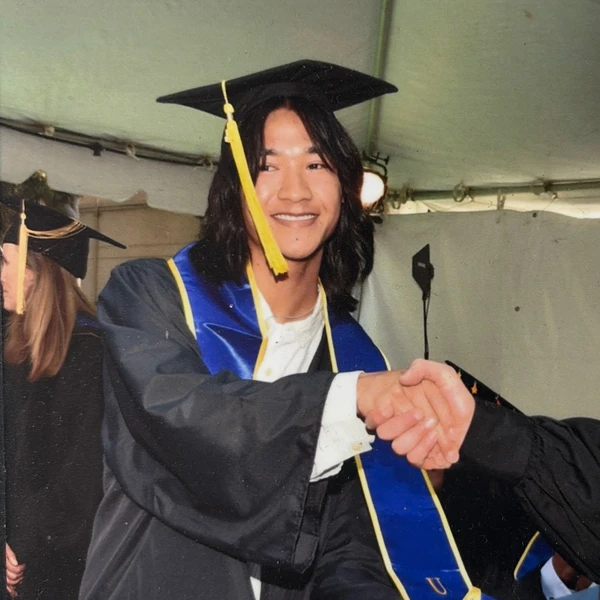
University of California-Los Angeles
Bachelor's degree programMajors:
- Biology, General
Miscellaneous
Desired degree level:
Bachelor's degree program
Graduate schools of interest:
Transfer schools of interest:
Majors of interest:
- Dental Support Services and Allied Professions
- Dentistry
Career
Dream career field:
Hospital & Health Care
Dream career goals:
Dental Hygiene
(K-5) Math Tutor
The Southern California Learning Corporation2025 – Present1 yearVeterinary/Kennel Assistant
Saugus Animal Hospital2022 – 20242 yearsBack-Office Volunteer
Healthy Smiles Dental Office2025 – 20261 yearVeterinary Receptionist
Morley Animal Hospital2020 – 20211 year
Sports
Tennis
Club2023 – 20241 year
Research
Animal Sciences
Nonacs Lab, UCLA — Research Assistant2022 – 2023
Public services
Volunteering
CALTEACH UCLA — CALTEACH Intern2023 – 2023Volunteering
Healthy Smiles Dental Office — Back-Office Volunteer2025 – PresentVolunteering
California Wildlife Center — ICU volunteer2021 – 2021
Future Interests
Advocacy
Volunteering
Philanthropy
Entrepreneurship
Coty Crisp Memorial Scholarship
Winner“Can I ask you a question?”
For much of my childhood, those words carried fear. Growing up in a deeply religious household, that question rarely came from curiosity. It often meant judgment—an invitation to explain myself before I had the words or safety to do so. Each time I heard it, I learned to brace, stay quiet, and mold myself into something less visible. Survival meant answering carefully, or not at all.
At eight years old, that lesson took shape when a small act of self-expression—cutting my shorts into a skirt—was met with anger and discipline from my father, who shoved me into a corner and shouted that it was abnormal. In the background, my brothers laughed, chanting “Bakla! Bakla!”—a Filipino term used to demean an effeminate male. After that, home no longer felt safe or predictable. I learned to monitor my tone, my posture, even how much space I took up. By middle school, that vigilance had followed me beyond home. Some mornings, I would lie in bed hoping to wake up sick, searching for any reason to miss school. I was not just avoiding class; I was avoiding another laugh, stare, or question that made me feel exposed.
Childhood became an exercise in self-surveillance. I was not simply learning how to behave; I was learning that the most honest parts of me were safest when hidden. My voice grew smaller, not because I lacked thoughts or questions, but because expression could invite punishment. I moved through childhood inside a shell—watching, wondering, and quietly asking myself why others saw me as something wrong. Fear did not erase my curiosity; it buried it. Over time, the questions I was too afraid to ask aloud became how I tried to understand myself, others, and the world.
At UCLA, I began giving myself permission to explore the parts of me I had once hidden. That freedom showed up through fashion, self-expression, and the confidence to take up space, but the deeper change was internal. I became braver and more trusting of my perspective. Biology became one of the first places where that curiosity felt safe. In science, questions are not dangerous; they open understanding. I learned to examine systems, seek evidence, and recognize how small changes affect health. As I reflected on why being seen had once felt so dangerous, I realized many people carry fear, shame, or guardedness after being made to feel different. That realization made me more compassionate and attentive to moments when someone feels unseen. In that awareness, healthcare began to feel less like a career choice and more like a calling.
That curiosity followed me into dental clinics. I noticed patients carrying anxiety, shame, or mistrust—through tightened shoulders, avoided eye contact, or unanswered questions. I recognized that fear immediately; I had lived it. Dental hygiene stood out as a field where science and human connection meet, where asking questions can build trust, prevent disease, and restore dignity for vulnerable people.
As I pursue dental hygiene, I carry the lessons of those struggles with me. Growing up queer taught me what it feels like to shrink under judgment, but it also taught me the healing power of being understood. In a field rooted in prevention, education, and trust, I want to use questions to build safety rather than fear. I want my patients to feel their concerns, anxieties, and stories are welcome. The question that once silenced me now gives me purpose. I am no longer the child bracing for judgment; I am becoming the provider who can ask with empathy, “Can I ask you a question?”