Hobbies and interests
African American Studies
Babysitting And Childcare
Cheerleading
Reading
Adult Fiction
Drama
Cookbooks
Realistic Fiction
Anthropology
I read books multiple times per week
Francisca Pierre
1x
Finalist1x
WinnerFrancisca Pierre
1x
Finalist1x
WinnerBio
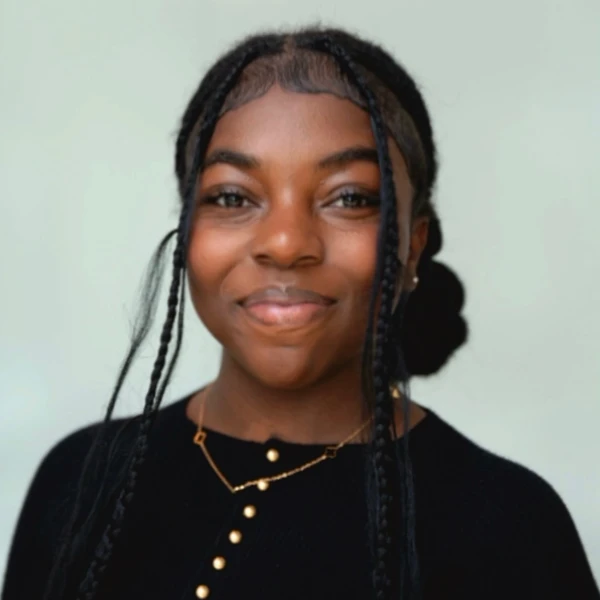
I am a senior at Fenway High School with a strong passion for medicine, particularly improving Black maternal health and addressing inequities within NICU systems. My goal is to become a NICU doctor or nurse and eventually create a program that supports Black women who experience trauma or injustice in healthcare settings.
I’ve pursued hands-on experience through internships at Dana-Farber and Harvard Medical, where I gained exposure to clinical environments and strengthened my commitment to healthcare advocacy. Outside of academics, I babysit, participate in basketball cheerleading, and serve in student government—roles that have helped me build leadership, responsibility, and communication skills.
I am driven to use my education and future medical career to promote better outcomes for families and help create a more equitable healthcare system.
Education
Fenway High School
High SchoolMiscellaneous
Desired degree level:
Bachelor's degree program
Majors of interest:
- Health Professions and Related Clinical Sciences, Other
- Biology, General
- Registered Nursing, Nursing Administration, Nursing Research and Clinical Nursing
Career
Dream career field:
Hospital & Health Care
Dream career goals:
To become a NICU nurse or Doctor
Cashier
Wegmans2022 – Present4 years
Sports
Cheerleading
Varsity2023 – Present3 years
Research
Biology, General
the academy group — i was a group leader2024 – 2026
Public services
Volunteering
Food pantry — a volunteer2025 – Present
Evan James Vaillancourt Memorial Scholarship
“You have to pick your wife or son.” That’s what the doctors expected me to translate to my father. Time paused around me. My hands and body were shaking. The words were sitting at the tip of my tongue, trying to come out, but they couldn't. I looked at my dad with sad eyes. Translating this line would forever change me, and I knew it. I was only 14, transitioning to 9th grade in a few weeks.
Ever since I learned to read and write, it’s been my job to translate any document that came in the mail: tax statements, work forms, legal documents, bills, and now, life-changing medical decisions. In that moment, I knew it was my responsibility. Growing up, this pressure helped me become the strong, independent person I am today.
My whole world was falling upside down in a matter of hours. I watched them dismiss all my mother's concerns. Even with unbearable pain, they told her it was normal and to rest. They pierced her tired, dehydrated skin with needles. Anxiety kept me up that night. Would I have to step up and start taking care of both my little brothers?
At 8-years-old, I made it my responsibility to protect my parents from a country that would never fully accept them. Seeing how they treated my mom made me doubt that I could.
As I watched white coats run in and out of her room, the atmosphere felt heavy. Eventually, the doctors told us that we could go see her. Walking into the room, I felt a slight relief seeing her there. But I didn't see a baby. My heart stopped.“It's your fault if something goes wrong.”
Following the doctor to the NICU, these thoughts eased. There he was. Xavier tangled in tubes, machines keeping him alive. Both of them made it, but at what cost? They were still struggling so much, physically and mentally. They told us Xavier would stay here until he could eat and breathe on his own. My mom would be able to leave, but Xavier would be alone. What if the doctors ignored his needs the same way they ignored my mom? I felt helpless.
Noticing the lack of Black health providers in the NICU and maternity unit pushed me to research how many other families experienced what we did. Black maternal mortality rates were increasing. Reading about Black and brown babies' mistreatment in the NICU because of their skin color frightened me. Leaving Xavier was hard, but it was essential for his recovery. We visited Xavier daily, from the start of the day to the end. I asked all the questions I could think of: Is he eating well? Is he gaining weight? As the primary English speaker, I wanted to make sure Xavier was okay.
Slowly, Xavier grew stronger and came home. I felt motivated seeing Xavier and my mom grow stronger. I wanted to learn how I could create an environment where Black mothers and families don't feel unseen and neglected but instead protected and comfortable. The pain and voices were still present. Now there was a new voice, “Everything is going to be okay.” I pursued every medical opportunity- interning at Dana Farber in 9th grade and taking health classes at Harvard Medical- to ensure I’m ready to be part of the change.
The voice that once haunted me, “It's your fault if something goes wrong,” wasn't a nightmare anymore–it became my motivation. It pushed me to realize that I can make a difference and protect patients the way I protect my family.
Chhin Lor Memorial Scholarship
As a first-generation college student, I often felt like I was navigating the world by myself. My parents have always supported my dreams wholeheartedly, but they did not have the opportunity to attend college or learn how the American education system works. When it came to registering for the SAT, completing FAFSA forms, applying for scholarships, or understanding how to choose the right major, I had to figure it out on my own. There was no guidebook at home, just determination, late nights spent researching, and the courage to ask questions even when I felt embarrassed or unsure.
At times, that independence felt isolating. I watched classmates receive advice from older siblings or parents who understood college timelines, internships, and financial planning. Meanwhile, I was learning through trial and error. I remember feeling overwhelmed by deadlines and doubting whether I was making the “right” choices. There were moments when I questioned if I truly belonged in advanced classes or competitive academic spaces. However, those challenges forced me to grow. Instead of shrinking back, I leaned in. I sought help from teachers, built relationships with counselors, and found mentors who were willing to guide me. I learned how to write professional emails, advocate for myself, and take initiative in ways I never had before.
Financial uncertainty added another layer of responsibility. I understood that pursuing higher education was not just about personal achievement; it was about creating stability and opportunity for my family. Watching my parents work tirelessly instilled in me a deep sense of gratitude and motivation. Their sacrifices became my fuel. I applied for scholarships, stayed committed to my academics, and reminded myself that every exam and application was a step toward changing my family’s future.
Education has shaped who I am at my core. It has taught me resilience, discipline, and confidence in my ability to adapt and grow. My curiosity, especially in science and healthcare, has pushed me to ask deeper questions about inequality, access, and compassion in medicine. It has guided my desire to pursue biology or nursing and eventually serve communities that often feel overlooked.
Although navigating this journey often felt lonely, it transformed me. Being first-generation means stepping into unfamiliar spaces with courage and building a path where none existed before. As a first-generation student, I am not just earning a degree for myself; I am building a new foundation for my family and for those who will come after me. Education has given me both a voice and a vision for who I hope to become: a compassionate healthcare professional who uses knowledge to uplift others.
Minority Women in STEM Scholarship
I am a first-generation student and the oldest daughter in a family of immigrants, and my journey into STEM has been shaped by both responsibility and purpose. Growing up, I learned the value of hard work and perseverance by watching my parents build a life in a new country. As the oldest daughter, I naturally stepped into a leadership role, helping care for my younger siblings, supporting my parents, and setting an example through my academic dedication. These experiences taught me resilience, discipline, and the importance of using education as a tool for empowerment.
My passion for STEM began at a young age with a fascination for medicine. What started as a childhood curiosity evolved into a deeper commitment after witnessing my mother’s experience in the labor unit. I remember feeling helpless as medical staff moved quickly around her, at times dismissing her concerns. That moment opened my eyes to the disparities that exist in healthcare, particularly for Black women. I began researching maternal health inequities and realized that science and medicine are not only about innovation and discovery, but also about justice and advocacy. I understood then that pursuing a career in STEM would allow me to combine my love for science with my desire to create meaningful change.
Throughout high school, I have actively sought opportunities to strengthen my foundation in STEM. I interned at Dana-Farber Cancer Institute, where I observed how research, data, and patient-centered care intersect to improve outcomes. I saw firsthand how scientific advancements directly impact families facing serious illnesses. This experience deepened my appreciation for the role of research and evidence-based practice in medicine. I also pursued advanced health coursework to expand my understanding of anatomy, biology, and patient care, preparing myself for a rigorous academic path in nursing and healthcare.
With a career in STEM, specifically in nursing and maternal health, I hope to address healthcare disparities and contribute to a more equitable medical system. I plan to work in maternal and neonatal care, where I can provide hands-on support to mothers and newborns during critical moments. Beyond clinical practice, I aspire to contribute to research and community initiatives focused on improving maternal outcomes in underserved populations. By using data, education, and advocacy, I hope to help implement culturally competent care practices and bias training within healthcare institutions.
STEM has the power to transform lives not only through technological advancement but also through human connection. I want to be part of a generation of healthcare professionals who use science to serve communities compassionately and equitably. My goal is to combine clinical expertise, research, and advocacy to ensure that every patient feels heard, respected, and valued. Through perseverance and dedication, I hope to use my STEM education to uplift my community and create lasting, positive change.
Losinger Nursing Scholarship
My inspiration for pursuing a career in nursing comes from both personal experiences and a deep desire to advocate for underserved communities. Growing up as the oldest daughter in a first-generation immigrant family, I learned early on the importance of responsibility, compassion, and resilience. My parents worked tirelessly to provide for our family, and I often stepped in to help care for my younger siblings and navigate challenges at home. These experiences taught me empathy, patience, and a strong sense of service, qualities I know are essential in nursing.
My passion for healthcare grew even stronger when I witnessed my mother’s labor. I remember feeling helpless as doctors and nurses moved quickly around her, dismissing her concerns and overlooking her pain. This experience opened my eyes to the disparities Black women face in healthcare, particularly during labor and delivery. I realized that a nurse’s role is not only to provide clinical care but also to advocate for patients, listen to their needs, and ensure their voices are heard.
Since then, I have sought opportunities to prepare for a healthcare career. I interned at Dana-Farber Cancer Institute, where I learned that effective care combines technical skills with empathy and trust. I also pursued health courses at Harvard Medical School to deepen my understanding of anatomy and patient care. Nursing combines my love for medicine with my passion for building meaningful connections with patients. I aspire to provide care that uplifts and empowers families, especially those who have experienced trauma or systemic neglect. Ultimately, I want to be a nurse who not only heals but also advocates, educates, and brings comfort to every patient I serve.
To me, the phrase “human touch” goes far beyond physical contact; it represents empathy, understanding, and genuine connection. In healthcare, human touch is the act of acknowledging a patient’s humanity, listening, validating their feelings, and offering reassurance while also providing care. It is a reminder that patients are not just medical cases but individuals with fears, hopes, and unique experiences. Human touch can be a powerful tool to comfort patients, reduce anxiety, and foster trust between caregivers and those they serve.
I first recognized the importance of human touch when observing my mother during labor. While the medical staff focused on procedures and efficiency, I noticed how a simple gesture of reassurance, a calm explanation, or even holding her hand could have made her feel seen and supported. Moments like these highlighted that patient care is not solely about clinical expertise but also about presence, compassion, and connection. The emotional comfort that comes from human touch can significantly affect recovery, satisfaction, and overall well-being.
Human touch also fosters trust, particularly in communities that have historically been underserved or mistreated in healthcare. Black mothers, for example, are often dismissed or overlooked during critical moments like labor and delivery. When nurses take the time to listen, explain procedures, and validate experiences, patients feel safer and more empowered to advocate for themselves. Human touch becomes both a source of healing and a form of advocacy, bridging the gap between clinical care and emotional support.
Furthermore, human touch encourages holistic care. When a nurse engages with a patient’s emotions, fears, and cultural background, they address not only the physical but also the psychological and social aspects of health. This connection can improve adherence to treatment, reduce stress, and foster a positive healthcare experience, ultimately leading to better outcomes.
In short, human touch is the heart of nursing. It is empathy in action, a bridge between medical expertise and patient-centered care. By embracing human touch, nurses can provide care that is both competent and compassionate, ensuring patients feel seen, heard, and valued during some of the most vulnerable moments of their lives.
Christian E. Vines Scholarship
WinnerEver since I was young, my passion was always medicine. I was obsessed with Doc McStuffins. I watched every episode, made sure to remember the theme songs and I even made my parents buy me dolls so I could use my pretend toy stethoscope and “fix” them. To me, Doc Mcstuffins wasn't just a show, it was a reflection of the person I wanted to become in the future.
When I watched my mother struggle during her labor. I remember feeling helpless as doctors and nurses moved quickly around her and dismissed her needs.Seeing the way my mom was treated pushed me to research the mistreatment of Black women and children in hospitals. Very often, symptoms are overlooked, voices silenced, and pain pushed to the side. Black women especially encounter mistreatment during labor and delivery. The health care system has failed to provide a safe and trustworthy environment for Black women and their babies.
After learning and researching, I realized I wanted to learn how I can create an environment where Black mothers and families don't feel unseen and neglected, but instead protected and comfortable. I pursued every medical opportunity that could help me get closer to the medical field. In 9th grade, I interned at Dana Farber Cancer Institute, where I learned that every patient requires a different kind of care, and being a doctor doesn't just mean taking notes but also building a trustworthy relationship. I took health classes at Harvard Medical in 10th grade to deepen my understanding of anatomy and patient care.
I hope to reduce the disparities Black mothers and babies face. Beyond working in the NICU and martelan unit, I want to start organizations that can support women who have been through a traumatic time in healthcare settings. I want to foster a community to allow women to feel safe to share their stories and advocate for substantial change through their experiences. Educating people on the deficit of care through raising awareness will also be one of the ways I would approach this change. The more people educated on this matter will help ensure different programs, such as bias training or raising cultural awareness in medical professionals.
Representation matters, and I want to be part of that change. When patients see someone who understands their experiences, taking the time to understand and listen to them would ease their anxiety and build trust instead. I want to provide a space where Black women feel heard, comfortable, and uplifted.
Breanna Coleman Memorial Nursing Scholarship
Ever since I was young, I have been obsessed with Doc McStuffins. I watched every episode, made sure to remember the theme songs, and I even made my parents buy me dolls so I could use my pretend toy stethoscope and “fix” them. To me, Doc McStuffin's wasn't just a show; it was a reflection of the person I wanted to become in the future. Seeing a young black girl as a doctor motivated me and made me believe that I could do the same. I knew I wanted to care and help people the same way she did, but I didn't understand what that meant yet and what my true drive was.
All that changed when I watched my mother struggle during her labor. I remember feeling helpless as doctors and nurses moved quickly around her and dismissed her needs. I couldn't help but notice no one else in that room looked like us. There wasn't a black doctor or nurse standing by her side. In a diverse city like Boston, the absence spoke volumes. How different would it have been if there had been someone in that room who understood our backgrounds and took the time to listen? Representation builds trust, and it heals before medicine begins.
Seeing the way my mom was treated in the hospital pushed me to research the mistreatment of Black women and Black children in hospitals. Very often, symptoms are overlooked, voices silenced, and pain pushed to the side. Neglect often begins during one’s own birth and extends into normal checkups. Black women especially encounter mistreatment during labor and delivery. The health care system has failed to provide a safe and trustworthy environment for Black women and their babies. The maternal death rate for white women dropped from 19 deaths per 100,000 live births in 2022 to 14.5 per 100,000 in 2023. The rate for Black women went from 49.5 to a little above 50.
After learning and researching, I realized I wanted to learn how I can create an environment where Black mothers and families don't feel unseen and neglected, but instead protected and comfortable. Beyond the hospital, I hope to start organizations that support women who have experienced trauma in healthcare settings. I want to foster a community to allow black women to feel safe to share their stories and educate them about their medical rights so they can confidently advocate for themselves. The program would combat this deficit by partnering with hospitals to complete bias training and using our voices to raise cultural awareness surrounding the medical field.
Getting into nursing isn't just a career path for me; but instead about making sure that kids who look like me aren't confused about why there's nobody who looks like them in their dream career.