Hobbies and interests
Art
Painting and Studio Art
Sculpture
Cooking
Culinary Arts
Reading
Academic
Social Issues
I read books multiple times per week
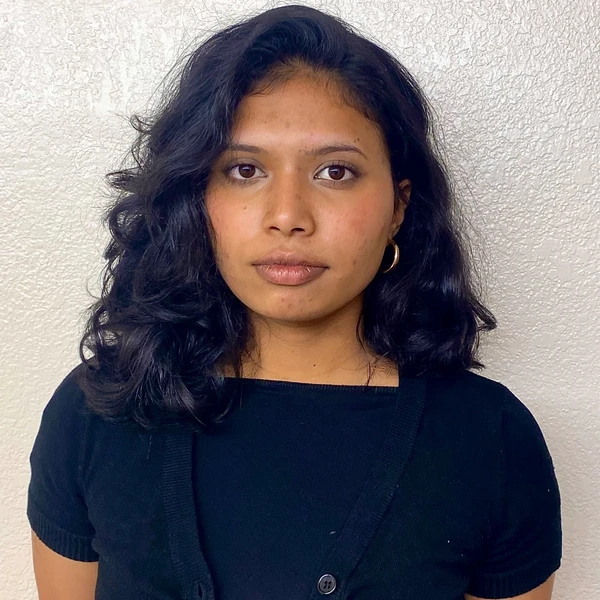
Fathimath Raeefa Riza
1x
FinalistFathimath Raeefa Riza
1x
FinalistBio
Aspiring Substance Abuse Therapist.
Please view my LinkedIn for more information: https://www.linkedin.com/in/fathimath-raeefa-riza/
Education
University of Oklahoma-Norman Campus
Bachelor's degree programMajors:
- Psychology, General
Miscellaneous
Desired degree level:
Master's degree program
Graduate schools of interest:
Transfer schools of interest:
Majors of interest:
Career
Dream career field:
Mental Health Care
Dream career goals:
Substance Abuse Therapist
Public services
Advocacy
Women's Health Advocacy — Advocacy Officer2023 – Present
Future Interests
Advocacy
Politics
Volunteering
Leading Through Humanity & Heart Scholarship
1. The people I love often say my success comes from wearing my heart on my sleeve. I am described as an “open book,” because I have witnessed loved ones, and myself, carry silent struggles. At six, I was babysat by older cousins who were already using substances. I remember playing with toys they gave me while they prepared drugs, and later watching as their addiction unraveled, leading to prison sentences. That experience taught me that addiction is silent until it’s not, and it left me determined to help people confront that shame.
Since coming to college, I have volunteered with harm reduction groups, listening to the stories of those navigating substance use and mental health challenges. These conversations, along with my own experiences, deepened my commitment to health and wellness. I believe honesty, compassion, and community care are the most powerful tools for healing. My values, empathy, resilience, and responsibility, shape my drive to serve others. Human health to me is not just about treatment, but about dignity, support, and giving people space to be seen and heard. That is what continues to fuel my passion.
2. Empathy means more than understanding to me. It means helping one carry the burden of the person you are helping, as far as you are able to. Empathy means sitting with discomfort and rather than finding solutions for it. For me, empathy is more important than what professional and educational expertise that you have in the health field. Humans are their most vulnerable when they are ill, physically or psychologically, returning to a child-like state where we want to be held, comforted and reassured.
Expertise without empathy can feel cold or even dehumanizing, while empathy without expertise can still offer healing. When someone feels seen, they can begin to trust, and that trust makes room for care to take root. I believe this is especially true in areas like mental health and substance use, where stigma often silences people. Too often, patients are treated as cases to be solved rather than people carrying layered histories of trauma, resilience, and hope.
Empathy, to me, also means practicing humility. It is the recognition that I will never fully know someone else’s pain, but I can still sit beside them and bear witness to it. It requires active listening, not just hearing words but perceiving what is left unspoken. It also asks me to be self-aware, to notice my own biases, assumptions, and impulses, and to set them aside so that the person in front of me has space to exist as they are.
In my future career, empathy will be the foundation of how I approach human health and wellness. Whether in public health, psychology, or harm reduction, my role is not only to provide knowledge or treatment, but to uphold the dignity of each person. I have seen how shame can keep people from seeking help. My own cousins struggled with addiction when I was a child, and I remember how their silence and secrecy only deepened their suffering. That memory has guided me to volunteer with harm reduction groups, where I have learned that listening without judgment can sometimes do more for a person than any lecture or intervention.
To ensure my work is human-centered, I will continually ask myself: Am I treating this person as a whole being, or as a problem to solve? A human-centered lens means considering the cultural, emotional, and social realities that shape health, not just the symptoms. It means advocating for policies that see patients as members of communities, not just numbers in a system. Most importantly, it means letting the people most affected by health challenges speak for themselves and shape the solutions that serve them.
Empathy is not soft, nor is it secondary to science. It is the heartbeat of health care. Without it, expertise is hollow. With it, we can create care that not only treats illness, but restores dignity, trust, and hope.