user profile avatar

Fallon Shivers

1x

Finalist

1x

Winner

Bio

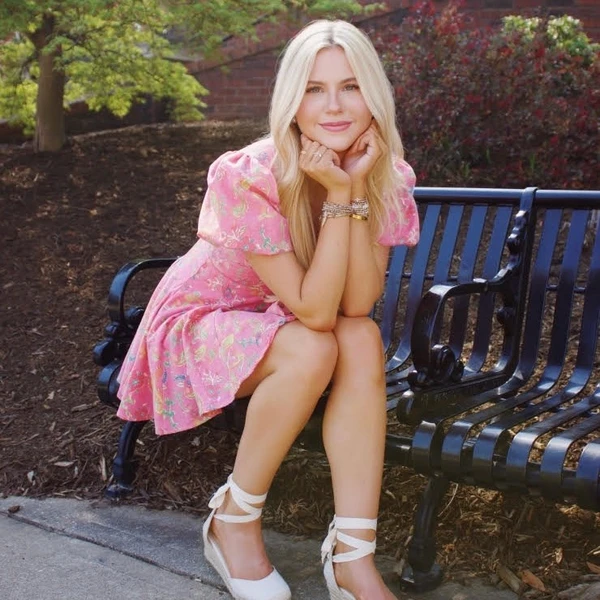
My name is Fallon Shivers, and I am a high school senior at Cardinal Newman High-school located in Columbia, SC. I am a strong student who spends my extra time volunteering in the local community. I've worked with children, helped rebuild damaged homes and have been apart of several faith based volunteer programs. My goal in life is study political science and law in hopes of making our community a better place. Remember my name I am planning becoming a future South Carolina governor!

Education

Cardinal Newman High School

High School
2025 - 2026

Heathwood Hall Episcopal Sch

High School
2022 - 2024

Miscellaneous

  • Desired degree level:

    Bachelor's degree program

  • Majors of interest:

    • Law
    • History and Political Science
    • History and Language/Literature
    • Business, Management, Marketing, and Related Support Services, Other
    • Business/Commerce, General
    • English Language and Literature, General
    • Political Science and Government
    • Social Sciences, General
  • Not planning to go to medical school
  • Career

    • Dream career field:

      Legal Services

    • Dream career goals:

      SC Governor

    • Customer Service

      Pelican Snowballs
      2024 – Present2 years

    Sports

    Soccer

    Club
    2021 – 20243 years

    Cross-Country Running

    Junior Varsity
    2022 – 2022

    Soccer

    Varsity
    2022 – 20231 year

    Tennis

    Varsity
    2025 – 2025

    Research

    • Law

      Cardinal Newman Highschool — Student
      2025 – 2025

    Arts

    • Midlands Art Conservatory

      Visual Arts
      2020 – 2022

    Public services

    • Public Service (Politics)

      ALA Palmetto Girls State — School Representative
      2025 – 2025
    • Public Service (Politics)

      YMAC - Youth in Government — Member of the Media Team
      2023 – 2025
    • Volunteering

      YMCA — Referee
      2023 – 2023
    • Volunteering

      Kairos Youth Retreat — Team Leader
      2025 – 2026
    • Volunteering

      Happening - Camp Gravatt — Staff Mamber
      2024 – 2026
    • Volunteering

      Home Works — Volunteer
      2024 – 2024

    Future Interests

    Advocacy

    Politics

    Volunteering

    Philanthropy

    Entrepreneurship

    Cooper Congress Scholarship
    My interest in legislative and policy-related work comes from a deeper curiosity about how authority is created, justified, and applied in society. Over the past year, I wrote a long-term research paper focused on political authority, analyzing how governments gain legitimacy. That experience pushed me beyond simply understanding political systems, it made me want to actively participate in shaping them. I am most interested in serving at the federal level because of its wide-reaching impact. Federal policy has the ability to influence millions of people across different regions, backgrounds, and perspectives. I am drawn to the challenge of creating legislation that must balance competing interests while still promoting fairness and progress. The federal level is where the most complex and consequential decisions are made, and I want to contribute to shaping policies that have lasting national impact. One policy issue I care deeply about is educational equity. Access to quality education still varies significantly depending on location and resources, and those disparities can affect a person’s entire future. Through my academic experiences and leadership involvement, I have seen how access to opportunities can shape confidence, achievement, and long-term success. I believe federal policy plays a key role in addressing these gaps by ensuring that all students, regardless of background, have access to strong educational resources and support systems. Civil discourse is essential in shaping effective public policy. In a time where political conversations can become polarized, the ability to engage respectfully with different perspectives is critical. Productive policy cannot come from one-sided thinking; it requires listening, compromise, and the willingness to consider opposing viewpoints. My experiences in Youth in Government and Palmetto Girls State have reinforced this idea. In both settings, I participated in debates and collaborative decision-making processes where respectful dialogue was necessary to move ideas forward. These experiences showed me that civil discourse is not just about being polite, it is about creating better, more thoughtful policy. I have actively pursued opportunities that align with my interest in leadership and policy. Through Youth in Government, I engaged in mock legislative sessions and developed skills in public speaking, debate, and policy analysis. At Palmetto Girls State, I gained hands-on experience with the structure of government and civic responsibility. Additionally, my internship at Fisher Phillips provided exposure to a professional environment where law and policy intersect in real-world applications. These experiences have strengthened my ability to think critically, communicate effectively, and lead with purpose. I am committed to continuing this path by pursuing legislative work at the federal level, where I can contribute to meaningful policy development and help create a more equitable and informed society.
    Larry A. Montgomery Memorial Scholarship
    From a young age, I’ve been drawn to the idea of fairness, not just as a moral concept, but as something that can shape people’s lives. Whether it was defending a classmate who was being bullied or standing up for my own beliefs, I’ve always felt a pull towards justice. That goal has evolved into a clear mission: to practice law. I plan to attend college in order to pursue an undergraduate degree in Political Science. This will offer me a the strong academic foundation and the leadership skills needed in order to become qualified for law school. I drew closer to this goal last summer when I was allowed to intern at the law offices of Fisher Phillips, a top-tier private practice firm. I followed lawyers to meetings, visited the SC supreme court, along with the SC courthouse and watched cases, from that I observed how much care and empathy is involved in representing someone's rights. That opened my eyes. It made me understand that law isn't legal jargon or contracts, it's about people. It's about giving someone a voice when they don't think they have one. Learning there solidified my passion to be an attorney. I was impressed by the balance the attorneys achieved: professionalism mixed with compassion, precision mixed with purpose. They didn't just win cases, they changed lives. That's the kind of impact I want to have in my community one day. My long-term dream is to start my law practice and provide fair and affordable legal services to the community. I envision my firm as a place where people feel heard, respected, and represented, especially those who may not have had the best experiences with the legal system. It will take hard work and determination to achieve this aspiration. I have always been inspired by the belief that education is the lever between potential and achievement. I will achieve my goals not only through academic proficiency but dedication and commitment to my community. I realize that hardship is part of every path. Balancing work, school, and future law school costs won't be simple. The legal industry is competitive. But I've realized that obstacles don't make you who you are; how you handle them does. Whenever I've encountered setbacks, I've remain level-headed, and keep moving ahead. Those experiences have toughened my fortitude and revalidated my belief that I belong in this profession. I'm entering law not just for individual achievement, but because I believe in what it stands for: equality, responsibility, and hope. My education will allow me to serve my community with honor and be the kind of lawyer who not only understands the law, but uses it to better people's lives. This program would help me take the next step toward that dream by easing the financial challenges of higher education. With your support, I’ll continue turning my passion for justice into a lifelong commitment to service and leadership through law.
    Ryan T. Herich Memorial Scholarship
    From a young age, I’ve been drawn to the idea of fairness, not just as a moral concept, but as something that can shape people’s lives. Whether it was defending a classmate who was being treated unfairly or standing up for my own beliefs, I’ve always felt a pull toward justice. That goal has evolved into a clear mission: to become a private practice lawyer in Columbia, South Carolina, with my education and voice helping others to walk the path of the law with confidence and dignity. I plan to attend Clemson University to pursue an undergraduate degree in Political Science. This will offer the me strong academic foundation and leadership skills I need in order to become qualified for law school at the University of South Carolina School of Law with a focus on the areas of employment and civil law. I drew nearer to this goal last summer when I was an intern with an employment law attorney at Fisher Phillips, a top-tier private practice firm. I followed lawyers to meetings, visited the SC supreme court, along with the SC courthouse and watched cases, from that I observed how much care and empathy is involved in representing someone's rights. That opened my eyes. It made me understand that law isn't legal jargon or contracts, it's about people. It's about giving someone a voice when they don't think they have one. Learning there solidified my passion to be a private practice attorney. I was impressed by the balance the attorneys achieved: professionalism mixed with compassion, precision mixed with purpose. They didn't just win cases, they changed lives. That's the kind of impact I want to have in my community one day. My long-term dream is to start my own solo private law practice here in Columbia, South Carolina, and provide fair and affordable legal services. I envision my firm as a place where people feel heard, respected, and represented, especially those who may not have had the best experiences with the legal system. It will take hard work and determination to achieve this aspiration, and I'm willing to do that. I have always been inspired by the belief that education is the lever between potential and achievement. I will become not only the academic proficiency but also the emotional intelligence required by the best attorneys through rigorous education, internships, and community service. I also realize that hardship is part of each path. Balancing work, school, and future law school costs won't be simple. The legal industry is competitive, and there will be times when I question my abilities or get turned down. But I've realized that obstacles don't make you who you are; how you handle them does. Whenever I've encountered setbacks, I've decided to remain level-headed, go around to gather advice, and keep moving ahead. Those experiences have toughened my fortitude and revalidated my belief that I belong in this profession. I'm entering law not just for individual achievement, but because I believe in what it stands for: equality, responsibility, and hope. My education will allow me to serve my community with honor and be the kind of lawyer who not only understands the law, but uses it to better people's lives. This scholarship would help me take the next step toward that dream by easing the financial challenges of higher education. With your support, I’ll continue turning my passion for justice into a lifelong commitment to service and leadership through law.
    Tawkify Meaningful Connections Scholarship
    Dr McManus: Lessons beyond Literature Some teachers change how you think. Others change how you live. Dr. McManus, my AP Language and AP Literature teacher, did both in the short two years I've had with her. While she is also a professor at the University of South Carolina, to her high school students she is far more than an accomplished academic. She is a mentor to look up to, an advocate for all students, and, in many ways, the guidance counselor we turn to when life becomes overwhelming. From the first day of class, Dr. McManus's classroom was a safe space where intellect and emotion were allowed to coexist. She's challenged me academically, in a way that didn't fade my love for literature, but made it stronger. But, in some ways, more importantly, she also listened, really listened, when we spoke. That balance is rare, and it changed the way I approached both learning and life. During my Senior year, I experienced an unexpected breakup with my boyfriend of two and a half years when he moved away for college. It was an extremely emotional time for me, as he was my best friend from freshman to senior year and I felt completely unequipted to handle the loss and sudden change in my life. I struggled to focus, to breathe, and to feel steady in my daily life when a massive change had been made in my routine. In moments when I felt like I was falling apart, Dr. McManus noticed. She didn’t dismiss my feelings like many others stating “you can do better” or rush me back into “student mode.” Instead, she made time for me, to sit with me, talk things through, and help calm my anxiety. She never treated my pain as an inconvenience. She validated my emotions and reminded me that it was okay to grieve something that mattered. Those conversations grounded me. I truly do not believe I would have gotten through that period and grown from it in the ways I have, without her support and advice. She helped me understand healing is not something to rush. Beyond my own experience, Dr. McManus consistently stands up for her students. She isn't one of the uninvolved teachers who turn a blind eye to other students' mistreatment. She refuses to allow cruelty or judgment to exist quietly in her classroom. She advocates for anyone in need of it, even when it is uncomfortable, and she holds true to herself and her values no matter the situation. Watching her do this taught me the importance of integrity, of being the kind of person who speaks up when it matters, not just when it is easy or comfortable. Dr. McManus influenced me not just academically, but emotionally and morally. Because of her, I approach life with greater empathy, resilience, and confidence. She showed me what it means to care deeply, to lead with compassion, and to support others without hesitation. That lesson will stay with me far beyond high school, and it is one I will carry into every part of my future. I hope to grow up and become even half the woman she is.
    God Hearted Girls Scholarship
    My relationship with Jesus has shaped not only my faith but also the way I approach my goals, my education, and the way I serve others. Over time, my faith has grown from something I was taught into something I actively live. Through prayer, retreat leadership, and service, I have learned that faith is not only about belief it is about action, discipline, compassion, and courage. These lessons now guide how I plan to move forward in my educational journey and future career as a lawyer. One of the strongest ways my relationship with Jesus has influenced me is through service and leadership. Serving on retreat teams such as Happening at Camp Gravatt and being selected as a Kairos Retreat Leader has allowed me to live out my faith in a hands-on way. I have accumulated over 280 hours of community service through retreats, helped create care packages for participants, led small groups, and even delivered a sermon on faith after being chosen among many candidates. These experiences taught me how to listen, encourage others, speak with purpose, and lead with humility. Jesus’ example of servant leadership putting others first and meeting people where they are, has become the model I try to follow. My faith has also changed how I view challenges and setbacks in school. Instead of seeing obstacles as failures, I see them as opportunities for growth and perseverance. Prayer and reflection give me clarity and calm when I feel overwhelmed. I try to approach my studies with integrity and discipline, remembering that my work ethic is also a reflection of my values. Faith reminds me that doing my best matters more than being perfect, and that persistence and honesty are more important than shortcuts. As I pursue higher education and eventually a career in law, I plan to continue implementing my faith through both my actions and my character. Law is a field that requires strong ethics, fairness, and advocacy for others, all principles that connect directly to my Christian beliefs. I want to be someone who stands for justice while also showing compassion. My faith encourages me to see the dignity in every person, which I believe is essential for anyone entering the legal profession. I hope to use my future career not only to succeed professionally but also to serve people who need a voice and fair representation. I also plan to stay actively involved in faith communities throughout college by joining campus ministry groups, volunteering, and participating in service projects. Retreat leadership has shown me how powerful faith-centered communities can be, and I want to continue building and contributing to those environments. Mentoring younger students, leading small groups, and helping organize service opportunities are all ways I intend to stay engaged. My relationship with Jesus continues to grow as I grow. It influences how I lead, how I learn, and how I serve. As I continue my education, my faith will remain my foundation, guiding my decisions, strengthening my character, and reminding me to use my abilities to support and uplift others.
    RonranGlee Literary Scholarship
    The Courage to Disturb Silence To speak is to die; therefore, death is the unavoidable conclusion. In speaking, I risk the death of silence, of peace, of the version of me who once never dared to be seen. Originating in Marguerite de Navarre‘s book Heptameron, “Is it better to speak or to die?” is famously quoted. This line resurfaced in modern films and has become the beacon for numerous of my decisions. This philosophical dilemma has left me lying in bed, wondering, several nights. Many people interpret that speaking up can be a dire choice, but dying without having spoken can lead to an unfathomable regret and an irreversible lack of understanding of the situation. In my experience as someone who used to choose death, sacrificing my peace through silence, I have come to recognize the profound value in giving a voice to one’s thoughts. Growth isn’t a linear process; however, this quote best accounts for my growth into the woman I am today, as I gained my voice and began choosing myself. When the quote exclaims “speak,” it doesn’t specify the limitations or infinite interpretations of speaking. For me, choosing to speak isn’t fighting with another human who feels the same hurt I do, harming others with my unsolicited opinions, or removing anyone’s dignity. For me speaking isn’t an act of combat. For me, to speak is to rise from the settling silence and question the pain carved by familiar hands. Growing up, I believed that silence was synonymous with kindness. To me, silence felt like unwavering love. Silence was my form of words; sometimes, it said more than I ever could. As I’ve grown, I’ve realized that silence was my prison. Silence was surrender. Throughout high school, I’ve faced many tribulations and came to realize this question is less so about extremes and more so about balancing the scale. Nevertheless, should a choice be required, I shall opt to speak. I've learned that courage often lives in the moments when you choose to speak not for recognition, but for growth. My love for literature often leads me to finding many indispensable words that form sentences that captivate me. However, “is it better to speak or to die?” will forever be my moral compass, timesheet of who I’ve become, and consume me. My decision to speak has never been a source of regret; rather, it is in silence that regret has blossomed. While I understand this quote to the best of my current ability, this quote has established a permanent residence in my thoughts, expanding with each revisit. As life goes on, one finds infinite other perspectives, one changes between death and silence, just as I did and will continue to do. Is it better to speak or to die?” is for those who find it hard to stand up for themselves: the people pleasers who grapple with the silence between their emotions and expression. It is for those who sacrifice their own comfort to keep the peace of others, who yearn to be accepted and share their thoughts with people but feel their stomach drop when they try to, for the fear of being perceived. “Is it better to speak or to die?” is meant to be overcome, and conquering the silence that once bound me was perhaps the most harrowing but necessary of my trials. In victory, I found myself. I am a philosophical 17-year-old girl, preparing to enter college, carrying this lesson with me. I want to be part of the world where voices are heard, where silence has its place but never becomes a substitute for truth. College belongs both to the bold who speak, and the thoughtful who listen. “Is it better to speak or to die?” is who I was, who I am, and who I will be.
    Sabrina Carpenter Superfan Scholarship
    I have been a fan of Sabrina Carpenter since her early days on Girl Meets World. Even then, she stood out to me, not just as a talented actress, but as someone who carried confidence, authenticity, and kindness in the way she presented herself. As I’ve grown up, I’ve had the chance to grow alongside her career, watching her evolve from a Disney Channel actress into a respected musician and artist who is unafraid to be honest, vulnerable, and bold. That growth has made her a major role model in my life. What I admire most about Sabrina Carpenter is her resilience. She has grown up in the public eye, industry pressure, and personal challenges, yet she continues to reinvent herself while staying true to who she is. Her willingness to embrace change and take creative risks has taught me that growth is not something to fear, it is something to welcome. She has shown me that it is possible to outgrow old versions of yourself and step confidently into something new. One song in particular, “Take On the World,” has had a profound impact on me. I found it during a time when I felt emotionally lost after a difficult breakup. I had lost confidence in myself and struggled to feel hopeful about the future. That song reminded me that pain does not define me and that optimism is a choice I can make, even when life feels overwhelming. Its message encouraged me to refocus on my own strength, independence, and sense of purpose. In many ways, it helped me find myself again and brought my light back when I felt like I had lost it. Sabrina Carpenter’s career has impacted me not just through her music, but through the example she sets. She represents perseverance, self-expression, and confidence, and she reminds me that setbacks do not erase potential. Because of her influence, I strive to approach challenges with optimism, embrace my individuality, and believe in my ability to grow beyond difficult moments. That is why I am proud to call myself a fan and why her journey continues to inspire my own.
    STLF Memorial Pay It Forward Scholarship
    We live in a world where people really care being successful. Because of this it is easy to forget how much of a difference helping other people can make. It does not just make a difference for the people who are getting help it also makes a difference for the people who are helping. A lot of the time people think of volunteering as something they have to do. They do it to get credit for school or to put it on their resume. Volunteering is a good deed that helps make communities better and teaches you gratitude. It allows people to understand each other more. It changes the lives of both the people who volunteer and the people they help. I spent time volunteering with Home Works of America in Columbia, South Carolina. During this experience I saw how volunteering can make a difference in a family's life. We worked together to fix a house that had been severely damaged. I learned that when people get together they can make a real difference. It actually changed people's lives. Volunteering does a lot more than just help people in times of need, It can help people feel better and grow. I learned this when I volunteered at Camp Gravatt. As a retreat leader at their Happening youth retreat it showed me that helping others, as a mentor, could also touch peoples lives. I spent over 280 hours volunteering to plan and lead thus event. This gave me the opportunity to help young people learn to be more mindful and develop their faith. As a retreat leader I got to lead students, younger than me, in talking about their faith, being open with others, and thinking about their actions, which required me to be patient, humble and genuine with my peers. These are important qualities for any leader to display, especially in a giving back aspect. Volunteering as helped me develop these leadership skills. In a world that's all about getting ahead, volunteering is a great way to think about other people and help them out. It helps people become leaders, it makes them stronger and gives them a reason to keep going that is not just about what they have done. Every person has something to give even if they think they don't. When people find a charity they like and start volunteering they do not just make a difference in people's lives but in their own. They also change their own lives. Volunteering is a way to make a difference and volunteering can be very rewarding, for the people who volunteer. Service is not simply an option; it is a responsibility and an opportunity to make a meaningful difference in the world.
    David Foster Memorial Scholarship
    Dr McManus: Lessons beyond Literature Some teachers change how you think. Others change how you live. Dr. McManus, my AP Language and AP Literature teacher, did both in the short two years I've had with her. While she is also a professor at the University of South Carolina, to her high school students she is far more than an accomplished academic. She is a mentor to look up to, an advocate for all students, and, in many ways, the guidance counselor we turn to when life becomes overwhelming. From the first day of class, Dr. McManus's classroom was a safe space where intellect and emotion were allowed to coexist. She's challenged me academically, in a way that didn't fade my love for literature, but made it stronger. But, in some ways, more importantly, she also listened, really listened, when we spoke. That balance is rare, and it changed the way I approached both learning and life. During my Senior year, I experienced an unexpected breakup with my boyfriend of two and a half years when he moved away for college. It was an extremely emotional time for me, as he was my best friend from freshman to senior year and I felt completely unequipped to handle the loss and sudden change in my life. I struggled to focus, to breathe, and to feel steady in my daily life when a massive change had been made in my routine. In moments when I felt like I was falling apart, Dr. McManus noticed. She didn’t dismiss my feelings like many others stating “you can do better” or rush me back into “student mode.” Instead, she made time for me, to sit with me, talk things through, and help calm my anxiety. She never treated my pain as an inconvenience. She validated my emotions and reminded me that it was okay to grieve something that mattered. Those conversations grounded me. I truly do not believe I would have gotten through that period and grown from it in the ways I have, without her support and advice. She helped me understand healing is not something to rush. Beyond my own experience, Dr. McManus consistently stands up for her students. She isn't one of the uninvolved teachers who turn a blind eye to other students' mistreatment. She refuses to allow cruelty or judgment to exist quietly in her classroom. She advocates for anyone in need of it, even when it is uncomfortable, and she holds true to herself and her values no matter the situation. Watching her do this taught me the importance of integrity, of being the kind of person who speaks up when it matters, not just when it is easy or comfortable. Dr. McManus influenced me not just academically, but emotionally and morally. Because of her, I approach life with greater empathy, resilience, and confidence. She showed me what it means to care deeply, to lead with compassion, and to support others without hesitation. That lesson will stay with me far beyond high school, and it is one I will carry into every part of my future. I hope to grow up and become even half the woman she is.
    James T. Godwin Memorial Scholarship
    My grandfather O'Hara never talked about his time in the service like they do in the movies. You know there were no speeches or stories about being a hero. I could see how much he loved America in little things like how he would stand up really straight when they played the national anthem or how his voice would get really quiet when he talked about the American flag. I remember one time, it was a Fourth of July morning. I was a kid, still really sleepy, when he came to my room and knocked on the door. He asked me if I wanted to help him with something. The sun was just coming up outside. The grass was wet. He got out a box from the closet and opened it. Inside was an American flag that was folded up neatly. He said that flag was really special because it had been outside his house for a time. He said the American flag deserves respect because it represents our country. The American flag is important to him. When we put the flag up together on the flagpole he told me what to do one step at a time. I would know what it meant. The flag was not a piece of cloth, to him it was the flag that stood for people giving their lives, people working together and the flag that meant we are free. We sat on the porch with two cups of coffee. My coffee had a lot of milk in it. He talked about the men he was in the military with. He did not tell me about the awards they got or the fights they were in. Instead he told me what kind of people they were. He said they were loyal and brave. He said that when you are in the military you have to think about what's good for everyone, not just yourself. The military taught him that freedom is not something you get for nothing. He said this quietly "Being in the military taught me that freedom is not free." It is protected every day by people who choose to do the right thing. These ordinary people make a difference when they choose to do the right thing and protect it. The people who protect it are, like everyone else, they are ordinary people who do the right thing every day. That afternoon when the fireworks were going off in the sky I saw how the fireworks made his eyes look. The red, white and blue colors from the fireworks were shining in his eyes. He put his hand on his heart when they played the anthem. He did not say anything. He showed me what it means to really love your country. The way he loved his country was quiet and respectful. It was a deep love. My grandfather O'Hara taught me something that day. It has stayed with me ever since. Patriotism is not about having a good time on holidays or waving flags when it is easy to do so. It is about honoring the people who serve America respecting the values that America was built on and understanding the sacrifices that people make to protect our freedoms. The American flag is a part of this. Every time I see the American flag going up in the air I think about that morning with my Grandfather O'Hara and the pride he felt for America. My grandfather O'Hara loved America. That is something that has stayed with me.
    Raise Me Up to DO GOOD Scholarship
    As a child, I noticed a quiet architecture in the lives around me; they consisted of two parents, present and attentive, orbiting their children like they were the sun. My classmates came to school with stories of family trips and the unspoken confidence of knowing someone would always catch them if they fell. Their support systems were predictable, and whole. Philosophers speak of selfhood as something formed through reflection. For me, it was formed in motion. Some lives unfold gently, shaped by the kind architecture of certainty and stability. Mine has never known that ease. I became the one who set the alarm, packed the lunch, and made my choices. I was both the architect and the ground upon which I built. While my peers were shielded, I was forged. And there is something sacred in that, as well. A father who declined phone calls before I ever mastered the letters of my own name, and a mother whose love was unconditional, but whose presence had to be sacrificed to shifts, in my fathers absence. In that stillness between what I needed and what was available, I learned something fundamentally elemental: if I wanted a different life for myself, I would have to build it. I am, and have always been, a doer. This identity wasn’t born in comfort. It was tempered quietly and insistently, in the everyday crucibles of life. These shortcomings were simply proof that the world wouldn’t rearrange itself for me. That mindset followed me as I began recognizing my ambition to become a lawyer. I knew the path wouldn’t arrive in a brochure or on a silver platter. Driven by curiosity and conviction, I contacted one of South Carolina's leading employment attorneys and expressed my desire to learn through direct experience. I showed up 15 minutes early each day. I took a multitude of notes. I asked inquisitive questions and stayed long after I was allowed to leave. This summer didn’t just confirm what I wanted; it affirmed who I am. I didn’t wait for the opportunity to knock; I built the door, rang the doorbell, then walked through it. That same drive led me to apply to Palmetto Girls State. My discomfort with public speaking stems not from inability, but from the rarity of spaces in which I’ve been invited to speak aloud. But when I told my newfound friends I was running for governor, it wasn’t because I believed I would win; it was because I knew I had to try. My heart thundered, yet I did it anyway. I didn’t win, but my real victory was quieter: I acted on my desire. I became less afraid of my own voice. To be a doer is not synonymous with fearless. It is to act in spite of fear, in defiance of hesitation. It is to step forward not because the path is clear, but because you refuse to stand still. Because of my divided childhood, I am, and will always be, a doer. And this is my biggest strength.
    Elizabeth Schalk Memorial Scholarship
    I was diagnosed with anxiety when I was six years old. At an age when most children are still learning how to spell their names and counting, I was meeting a therapist and opening up about being consumed by fear. Anxiety has been a constant presence throughout my life, shaping the way I think, and interact with the world around me. As I grew up, I was later diagnosed with obsessive-compulsive disorder, which has deeply affected my relationship with school, responsibility, and control. My OCD often manifests in two ways: academically and behaviorally. In school, it appears as a relentless pressure to be perfect. Tests, grades, and assignments are not just measures of learning to me; they feel like judgments of my worth. I get so anxious about the need for a perfect score I often throw up before tests. I replay mistakes long after they happen and obsess over outcomes I cannot change. Outside of school, my OCD takes the form of compulsions rooted in fear. I have turned doorknobs three times, with each hand, before leaving a room because my mind tells me something terrible will happen if my touch isn't evenly distributed. I take pictures of my hair straightener before leaving the house, not out of forgetfulness, but out of fear that if I don’t have proof I unplugged it, my house will catch on fire and everyone I love will die. One of the most stabilizing forces in my life has been therapy. I have seen the same therapist since I was six years old, meeting with her bi-weekly for as long as I can remember. Through years of consistent support, I have learned coping strategies, grounding techniques, and that needing help is not a weakness. Continuing therapy is central to my plan for managing recovery, not as a temporary solution, but as a lifelong commitment to my mental health. Mental illness also runs in my family. My mother struggles with anxiety and OCD as well, and growing up with a parent who shared similar challenges helped me understand that mental health is not a personal failure, it is a reality many people quietly carry. At the same time, my parents’ divorce, which occurred when I was a toddler, created an environment of uncertainty that intensified my anxiety. Navigating split households, emotional tension, and instability during my formative years taught me how deeply personal stress can shape a child’s internal world. Because of these experiences, I have become deeply empathetic to others who are struggling. I'm the friend my friends come to when they need someone to listen. I make an effort to listen without judgment, and to check in on friends when they seem overwhelmed. I understand how isolating anxiety can be, and I try to be the person I once needed, someone who reassures, validates, and stays. Looking ahead, I plan to pursue a career in law, likely as a divorce attorney. While law is often seen as adversarial, I see it as an opportunity to provide emotional stability during one of the most painful transitions in a person’s life. Because I understand how deeply divorce can affect families, especially children, I hope to practice with compassion, patience, and awareness of the emotional weight my clients carry. My goal is not only to advocate legally, but to support people through moments of profound vulnerability. Mental illness has shaped my relationships, and worldview, but it has also given me resilience, empathy, and purpose. Through continued therapy, self-awareness, and service to others, I am committed to both my own recovery and to helping others navigate theirs
    Matthew E. Minor Memorial Scholarship
    Cyberbullying is often spoken about in abstract terms; as a growing problem, a modern threat, or a buzzword used in school assemblies about our internet footprint. But for me, it is not abstract. It is personal, and deeply formative. I never imagined that my character, and future could be threatened by a single manipulated image and one. Yet that is exactly what happened to me during my final year of middle school. It began with what I believed to be a harmless photo.. There was nothing unusual about it, nothing inappropriate, just a child smiling with innocence. But someone saw in it an opportunity. A girl I had considered a close friend took that image and altered it. She used Photoshop to darken my face, creating the false narrative that I had done blackface, something racist, and cruel. At first, she sent it to me directly, as a threat. Her message was simple and cold. I remember staring at the image in disbelief, feeling the world collapse around me. I felt violated, silenced, and powerless. I couldn’t comprehend how someone I had once welcomed into my home could so casually orchestrate something that dangerous and destructive. She knew the weight of that image, how damaging it would be, and she weaponized it with full intent. I feared telling my parents or asking for help. I doubted myself, even though I had done nothing wrong. The psychological toll was immense; I lost sleep, and I began withdrawing from people I cared about, terrified that any interaction might trigger her to release the image. And then she did it. She sent the image to the school. Worst of all, to my favorite teacher, who is Black. That teacher had always been a role model to me, the beacon of compassion, and intelligence, someone who treated every student with dignity and respect. Knowing that she had seen this image without context, without explanation, was the moment that broke me. I remember with the teacher for what was supposed to be a math tutoring session, and my teacher told me she had seen it. I had to explain the truth, show the original image, and walk them through the ordeal. It felt humiliating to defend myself against a lie, to prove I wasn’t something I never was. The school launched an investigation and confirmed that the image was doctored. The girl responsible faced consequences, though the consequences never lived up to the ones I faced. The emotional scars she left. While I was cleared of wrongdoing, the experience changed me, profoundly and permanently. I learned, painfully, that intentions don’t always matter in the court of public opinion. It didn’t matter that I would never engage in racism, that the image was fake, or that the situation was complex. Once it was out there, I was judged, and for a while, I was treated differently. Some people believed me. Some didn’t. Some never asked. I've shared my experience with my friends and classmates. I continuously warn my friends about the possible effects of posting pictures and images online without considering how they can me misinterpreted. Cyberbullying stripped away my innocence about how cruel people can be online. In the end, cyberbullying didn’t destroy me. It tried. But I am still here, stronger, and wiser. I hope I am example for other kids to not only understand what not to do, but how to handle the situation when it occurs.
    S.O.P.H.I.E Scholarship
    Throughout high school, serving my community has become one of the most meaningful parts of my life, shaping not only how I see others but also the kind of person I hope to become. My involvement spans leadership retreats, youth mentorship, service organizations, and hands-on volunteer work, but at the heart of it all is a desire to show up for people. One of my most impactful commitments has been serving as a staff member for the Happening Church Retreat at Camp Gravatt. Over the past year, I have accumulated more than 280 hours of service through preparing retreats, sleeping over at churches for lock-ins, leading small groups, creating handmade gifts for participants, and even giving a sermon on my “Faith” journey after being selected among 25 peers. Happening taught me the importance of showing up fully for others, whether that means listening to someone’s story, helping them process their challenges, or simply being a steady, peaceful presence when they need one. I learned that leadership often looks like being someone others can rely on. My recent role as a Kairos Retreat leader expanded that sense of service even further. Working with underclassmen, guiding them through reflection, and helping them develop confidence and community within kids from my own school, allowed me to mentor younger students in the same supportive environment that shaped me. Leadership here is about humility, trust, and creating space for others to grow, then becoming the leaders themselves. Beyond faith-based service, I’ve also contributed to my community through hands-on, physical work. With Home Works of America, I helped demolish and rebuild parts of a home for a family in need. It was an experience that opened my eyes to the realities some people live with and how powerful simple labor can be in restoring dignity and safety. Similarly, serving as a youth soccer referee and summer daycare worker allowed me to support children in their development, teach sportsmanship, help with meals, and create positive environments that foster confidence and emotional wellbeing. Even in my job at Pelican’s Snowballs, I’ve learned how service extends into everyday interactions, putting a smile on someone's face even if it's for 5 minutes. Working across four locations, handling rush hours alone, and helping with community events like serving elementary schools and churches was so meaningful. I’ve learned how to be patient, attentive, and kind, even when the pace is fast and expectations are high in a stressful environment. Looking toward the future, I see many opportunities to make my community even stronger for the next generation. First, I want to create more accessible mentorship programs for young students, especially middle schoolers, who often struggle silently during major transitions. Programs centered on confidence, emotional well-being, and leadership development could make a huge impact early on. I wish more of those were around during my middle school years. Second, I believe high schools could expand partnerships with nonprofits like Home Works to give more students hands-on service experiences that build empathy through labor, not just observation. Lastly, I hope to help create a local network of student-led service initiatives that connect schools, churches, and community centers so that young people feel empowered to lead projects, address local needs, and collaborate across different groups. My community has shaped me in every way, through work, service, leadership, and the people I’ve been able to support. I want to continue finding ways to give back, to build connections across generations, and to ensure that the values of compassion, responsibility, and service remain at the center of our shared future.
    Taylor Swift Fan Scholarship
    I grew up a Taylor Swift fan. As a child I was drawn to her because of our similar physical appearances. We were both tall, thin, and blonde, and while it might sound superficial it allowed me to see myself in her. So subconsciously I placed her on a hero’s pedestal. I would listen to her songs and sing them with my mom while she took me to visit my dad every other weekend. Like so many children in today’s world I am a child of divorce. Like so many people this affected me deeply. I suffered from feelings of abandonment and lack of self-worth. Taylor Swift’s music helped bring a smile to that young girls face. The song I related to the most was “You’re On Your Own Kid.” I could relate with the song’s struggle for self-acceptance. I came to understand that if Taylor had the same doubts and concerns that I did, maybe I wasn’t so different. If she could learn to accept herself, embrace the challenges of growing up so could I. Her songs encourage me to learn to value myself. As I’ve grown older I understand my problems were not so grand, but as a child I felt lost. Taylor Swift’s music gave me comfort. I learned to believe in myself because I saw someone like me achieve greatness.
    Dream BIG, Rise HIGHER Scholarship
    Around the time I started high-school, the quiet mystery of numbers was given a name; dyscalculia. Math was never my strong suit; Words were my first love, long before I knew their power. Stories made sense to me, they were comprehensible in a way numbers never were. No matter how meticulously I studied, or how many hours I poured into equations, I always fell short. I was never careless; to many my struggle passed for apathy. In truth, I was a perfectionist trapped by a subject that refused to yield to my efforts. The quiet rigor of my devotion lived behind the scenes, lost in the numbers of the calculator. I was cast in a role that didn’t reflect who I truly was. My diagnosis did not lessen the weight of my struggle, but it gave it shape. For the first time, I understood that I wasn’t inadequate, I was simply fluent in a language the world had never learned to speak. Living with dyscalculia has often felt like navigating life with a barrier, where numbers float off the page, and mental math becomes a daily mountain that's unclimbed. I thought my struggles meant I was “bad at math,” or worse, not as smart as my peers. Getting our PSAT scores back was a stab to the gut as everyone yelled their scores throughout the room, as I sat there in silence realizing I was different. But over time, I began to see that having dyscalculia wasn’t a reflection of my intelligence, it was just a different way of thinking. While others effortlessly memorize formulas, multiplication tables and solved equations, I struggled just to keep up. But that extra effort built something in me that can’t be measured on a test: persistence. I started finding new ways to learn, using visuals, and analogies. I got a 504 plan to accommodate my differences. And through that struggle, I gained a deep appreciation for every breakthrough. Each time I finally understood a concept I’d wrestled with for weeks, it felt like a loud victory. Dyscalculia taught me how to be patient with myself, to celebrate progress over perfection, and to ask for help without shame. It made me realize that learning disabilities don’t define limits, they define how we learn, how persistent we are, not what we’re capable of achieving. I began to advocate for myself, to speak up when I needed support, and wasn't receiving it. The truth is, I wouldn’t trade my experience with dyscalculia, because it gave me something far more valuable than fast math skills, or the ability to be an accountant, it gave me resilience, empathy, and a unique way of seeing the world. I learned that being different doesn’t mean being less than, it means you have the chance to forge a new path where none existed before, and truly figure out who you are, individually. That’s not a weakness, it’s my quiet strength. I’ve had to learn how to value myself even when others didn’t understand me. My struggles with math didn’t stop me, they shaped me into someone more compassionate. I now know that there are many ways to be smart, and that true intelligence is about refusing to give up when the world expects you to fail. I’ve built my own kind of success, step by step, by refusing to let a learning difference define my future. I plan to keep telling my story, not just for myself, but for anyone who’s ever felt lost in a world that wasn’t built for them. Because if there’s one thing dyscalculia has taught me, it’s even when the numbers don’t add up, I still do. And that’s more than enough. I’ve often felt overlooked or misjudged because of something beyond my control. I’ve carried the weight of feeling different in classrooms built for minds that work in more conventional ways. I had to learn to stand strong on my own island, to make peace with who I am, even when others couldn’t understand the invisible battles I was fighting. Being misunderstood no longer makes me feel small, it makes me feel powerful. Because I know now that real strength often grows in the shadows, in the places where the world isn’t looking. Because of these feeling I’ve been drawn to the idea of fairness, not just as a moral concept, but as something that can shape people’s lives. Whether it was defending a classmate who was being bullied or standing up for my own beliefs, I’ve always felt a pull towards justice. That goal has evolved into a clear mission: to practice law. I plan to attend college in order to pursue an undergraduate degree in Political Science. This will offer me a the strong academic foundation and the leadership skills needed in order to become qualified for law school. Through my high-school internships I was given the opportunity to observe lawyers and visit the SC supreme court to watch cases. I observed how much care and empathy is involved in representing someone's rights. That opened my eyes. It made me understand that law isn't legal jargon or contracts, it's about people. It's about giving someone a voice when they don't think they have one. I'm entering law not just for individual achievement, but because I believe in what it stands for: equality, responsibility, and hope. My education will allow me to serve my community with honor and be the kind of lawyer who not only understands the law, but uses it to better people's lives. This scholarship would help me take the next step toward that dream by easing the financial challenges of higher education. With your support, I’ll continue turning my passion for justice into a lifelong commitment to service and leadership through law. I still struggle with math. But I don’t let that define me. I’ve learned to lean into my strengths. I am not the obstacle in someone else’s story, but the author of my own.
    Nicholas Hamlin Tennis Memorial Scholarship
    Winner
    “What I Have Learned From Tennis and How It Has Shaped My Future” I didn’t grow up expecting tennis to become important to me. In fact, I never even considered what tennis might one day mean to me. I only picked up a racquet my senior year of high school, after slowly falling out of love with the sport that once defined me: soccer. For years, soccer had been my identity. From 5-16 soccer was my passion. But as time passed, the spark faded. I felt myself going through the motions instead of truly enjoying what I was doing. Letting go of the sport felt like letting go of a version of myself, and it left an unexpected emptiness. I joined the tennis team almost on impulse, hoping to get to spend more time with my friend group before we each go off to separate colleges, hoping to fill that space with something new. I didn’t realize then that tennis would become not just a replacement, but a completely different way of understanding myself and my future. Tennis taught me quickly that starting over is not a setback, it’s a form of growth. I walked onto the court my first day surrounded by people who had been playing for years. Yet tennis offered me a fresh start with no expectations attached. For the first time in a long time, I was learning because I genuinely wanted to, not because I felt obligated to. As I practiced, I began to realize that tennis mirrors life in a way few sports do. In soccer, success depends heavily on teammates and shared momentum, but tennis is quiet, personal, and honest. Every point forces you to confront yourself, your habits, your emotions, your discipline. There is no one else to blame and no one else to rely on. You learn that progress is not measured by the scoreboard alone, but by the moments when you choose to stay calm after a mistake, reset your mind, and try again. My coach always says “keep a smile on your face, and a song in your heart”. Tennis became a philosophy for me: that growth happens in the small, invisible battles we fight with ourselves. The sport also taught me the beauty of resilience. I lost far more points than I won in the beginning, but each loss felt like a lesson instead of a failure. I began to enjoy the process of getting better, the sting of a missed shot, the sense of clarity that comes from focusing on something completely in the present moment. Tennis showed me that passion is not something you hold onto forever; it’s something you rebuild, rediscover, and redefine as you grow. Looking toward my future, tennis reminds me that it’s never too late to start something new, and that beginnings can be just as meaningful as long-held paths. It has shaped my outlook on challenges, reminding me that change is not something to fear, but something that opens the door to joy you didn’t know you were missing. Tennis didn’t just replace soccer; it helped me rediscover myself.
    JobTest Career Coach Scholarship for Law Students
    From a young age, I’ve been drawn to the idea of fairness, not just as a moral concept, but as something that can shape people’s lives. Whether it was defending a classmate who was being treated unfairly or standing up for my own beliefs, I’ve always felt a pull toward justice. That goal has evolved into a clear mission: to become a private practice lawyer in Columbia, South Carolina, with my education and voice helping others to walk the path of the law with confidence and dignity. I plan to attend Clemson University or the University of South Carolina to pursue an undergraduate degree in Political Science. Both schools offer the strong academic foundation and leadership skills I need in order to become qualified for law school at the University of South Carolina School of Law with a focus on the areas of employment and civil law. I drew nearer to this goal last summer when I was an intern with an employment law attorney at Fisher Phillips, a top-tier private practice firm. I followed lawyers to meetings, visited the SC supreme court, along with the SC courthouse and watched cases, from that I observed how much care and empathy is involved in representing someone's rights. That opened my eyes. It made me understand that law isn't legal jargon or contracts, it's about people. It's about giving someone a voice when they don't think they have one. Learning there solidified my passion to be a private practice attorney. I was impressed by the balance the attorneys achieved: professionalism mixed with compassion, precision mixed with purpose. They didn't just win cases, they changed lives. That's the kind of impact I want to have in my community one day. My long-term dream is to start my own solo private law practice here in Columbia, South Carolina, and provide fair and affordable legal services to businesses. I envision my firm as a place where people feel heard, respected, and represented, especially those who may not have had the best experiences with the legal system. It will take hard work and determination to achieve this aspiration, and I'm willing to do that. I have always been inspired by the belief that education is the lever between potential and achievement. I will become not only the academic proficiency but also the emotional intelligence required by the best attorneys through rigorous education, internships, and community service. I also realize that hardship is part of each path. Balancing work, school, and future law school costs won't be simple. The legal industry is competitive, and there will be times when I question my abilities or get turned down. But I've realized that obstacles don't make you who you are; how you handle them does. Whenever I've encountered setbacks, I've decided to remain level-headed, go around to gather advice, and keep moving ahead. Those experiences have toughened my fortitude and revalidated my belief that I belong in this profession. I'm entering law not just for individual achievement, but because I believe in what it stands for: equality, responsibility, and hope. My education will allow me to serve my community with honor and be the kind of lawyer who not only understands the law, but uses it to better people's lives. This scholarship would help me take the next step toward that dream by easing the financial challenges of higher education. With your support, I’ll continue turning my passion for justice into a lifelong commitment to service and leadership through law.
    A Man Helping Women Helping Women Scholarship
    From a young age, I’ve been drawn to the idea of fairness, not just as a moral concept, but as something that can shape people’s lives. Whether it was defending a classmate who was being treated unfairly or standing up for my own beliefs, I’ve always felt a pull toward justice. That goal has evolved into a clear mission: to become a private practice lawyer in Columbia, South Carolina, with my education and voice helping others to walk the path of the law with confidence and dignity. I plan to attend Clemson University or the University of South Carolina to pursue an undergraduate degree in Political Science. Both schools offer the strong academic foundation and leadership skills I need in order to become qualified for law school at the University of South Carolina School of Law with a focus on the areas of employment and civil law. I drew nearer to this goal last summer when I was an intern with an employment law attorney at Fisher Phillips, a top-tier private practice firm. I followed lawyers to meetings, visited the SC supreme court, along with the SC courthouse and watched cases, from that I observed how much care and empathy is involved in representing someone's rights. That opened my eyes. It made me understand that law isn't legal jargon or contracts, it's about people. It's about giving someone a voice when they don't think they have one. Learning there solidified my passion to be a private practice attorney. I was impressed by the balance the attorneys achieved: professionalism mixed with compassion, precision mixed with purpose. They didn't just win cases, they changed lives. That's the kind of impact I want to have in my community one day. My long-term dream is to start my own solo private law practice here in Columbia, South Carolina, and provide fair and affordable legal services to businesses. I envision my firm as a place where people feel heard, respected, and represented, especially those who may not have had the best experiences with the legal system. It will take hard work and determination to achieve this aspiration, and I'm willing to do that. I have always been inspired by the belief that education is the lever between potential and achievement. I will become not only the academic proficiency but also the emotional intelligence required by the best attorneys through rigorous education, internships, and community service. I also realize that hardship is part of each path. Balancing work, school, and future law school costs won't be simple. The legal industry is competitive, and there will be times when I question my abilities or get turned down. But I've realized that obstacles don't make you who you are; how you handle them does. Whenever I've encountered setbacks, I've decided to remain level-headed, go around to gather advice, and keep moving ahead. Those experiences have toughened my fortitude and revalidated my belief that I belong in this profession. I'm entering law not just for individual achievement, but because I believe in what it stands for: equality, responsibility, and hope. My education will allow me to serve my community with honor and be the kind of lawyer who not only understands the law, but uses it to better people's lives. This scholarship would help me take the next step toward that dream by easing the financial challenges of higher education. With your support, I’ll continue turning my passion for justice into a lifelong commitment to service and leadership through law.
    Joieful Connections Scholarship
    In The Odyssey, Calypso is remembered as a detainer, as the nymph who diverted Odysseus from the path ordained by the Gods. And yet, in my initial reading of her story, I didn’t see a villain, but a woman misread by time; someone misperceived. She loved Odysseus, she extended sanctuary. Yet, she was seen as the hand that delayed his glory. I never expected to see myself in her, but I did. Around the time I met Calypso, the quiet mystery of numbers was given a name; dyscalculia. Math was never my strong suit; Words were my first love, long before I knew their power. Stories made sense to me, they were comprehensible in a way numbers never were. No matter how meticulously I studied, or how many hours I poured into equations, I always fell short. I was never careless; though to the untrained eye, my struggle passed for apathy. In truth, I was a perfectionist trapped by a subject that refused to yield to my efforts. The quiet rigor of my devotion lived behind the scenes, lost in the numbers of the calculator. Like Calypso, I was cast in a role that didn’t reflect who I truly was. Calypso’s power was quiet and exact. It didn’t shout to be noticed, but bore the weight of the complex truths with silent precision. When she let Odysseus go, it wasn’t weakness, but a quiet calculation of love. That kind of grace; selfless, and invisible to the unseeing, is rarely acknowledged. And like her, I had to let go of how others perceived me. The diagnosis did not lessen the weight, but it gave it shape, something I could finally begin to understand. For the first time, I understood that I wasn’t inadequate, I was simply fluent in a language the world had never learned to speak; no less worthy, only less recognized. I thought my struggles meant I was “bad at math,” or worse, not as smart as my peers. Getting our PSAT scores back was a stab to the gut, my peers yelled their scores, as I sat there in silence realizing I was different. Slowly, I began to see having dyscalculia was just a different way of experiencing and interacting with math. While others seemed to effortlessly memorize formulas, I had to work ten times harder just to keep up. But that effort built something in me that can’t be measured on a test: persistence. I found new ways to learn, using visuals, and analogies. I got a 504 plan to accommodate my differences. What others took for granted, I had to discover piece by piece. Through that struggle, I gained an appreciation for every breakthrough, within myself no matter how small or how slow my math grade increased. Each time I finally understood a concept I’d wrestled with for weeks, it felt like a loud victory. Dyscalculia taught me how to be patient with myself, to celebrate progress over perfection, and to ask for help without shame, something I never thought I’d be capable of. I began to advocate for myself, to speak up when I needed support. My plans include me using these skills to study Political Science, and eventually Law. My hope is to eventually stat my own law firm that will allow me to offer legal services to people in need.
    Individualized Education Pathway Scholarship
    In The Odyssey, Calypso is remembered as a detainer, as the nymph who diverted Odysseus from the path ordained by the Gods. And yet, in my initial reading of her story, I didn’t see a villain, but a woman misread by time; someone misperceived. She loved Odysseus, she extended sanctuary. Yet, she was seen as the hand that delayed his glory. I never expected to see myself in her, but I did. Around the time I met Calypso, the quiet mystery of numbers was given a name; dyscalculia. Math was never my strong suit; Words were my first love, long before I knew their power. Stories made sense to me, they were comprehensible in a way numbers never were. No matter how meticulously I studied, or how many hours I poured into equations, I always fell short. I was never careless; though to the untrained eye, my struggle passed for apathy. In truth, I was a perfectionist trapped by a subject that refused to yield to my efforts. The quiet rigor of my devotion lived behind the scenes, lost in the numbers of the calculator. Like Calypso, I was cast in a role that didn’t reflect who I truly was. Calypso’s power was quiet and exact. It didn’t shout to be noticed, but bore the weight of the complex truths with silent precision. When she let Odysseus go, it wasn’t weakness, but a quiet calculation of love. That kind of grace; selfless, and invisible to the unseeing, is rarely acknowledged. And like her, I had to let go of how others perceived me. The diagnosis did not lessen the weight, but it gave it shape, something I could finally begin to understand. For the first time, I understood that I wasn’t inadequate, I was simply fluent in a language the world had never learned to speak; no less worthy, only less recognized. I thought my struggles meant I was “bad at math,” or worse, not as smart as my peers. Getting our PSAT scores back was a stab to the gut, my peers yelled their scores, as I sat there in silence realizing I was different. Slowly, I began to see having dyscalculia was just a different way of experiencing and interacting with math. While others seemed to effortlessly memorize formulas, I had to work ten times harder just to keep up. But that effort built something in me that can’t be measured on a test: persistence. I found new ways to learn, using visuals, and analogies. I got a 504 plan to accommodate my differences. What others took for granted, I had to discover piece by piece. Through that struggle, I gained an appreciation for every breakthrough, within myself no matter how small or how slow my math grade increased. Each time I finally understood a concept I’d wrestled with for weeks, it felt like a loud victory. Dyscalculia taught me how to be patient with myself, to celebrate progress over perfection, and to ask for help without shame, something I never thought I’d be capable of. I began to advocate for myself, to speak up when I needed support. I wouldn’t trade my experience with dyscalculia, because it gave me something more valuable than math skills, or the ability to be an accountant, it gave me resilience, empathy, and a unique way of seeing the world. I learned that being different doesn’t mean being less than, it means you have the chance to forge a new path where none existed before, and truly figure out who you are, individually. That’s not a weakness, it’s my quiet strength.