
Hobbies and interests
3D Modeling
Architecture
Comedy
Construction
Education
Embroidery And Cross Stitching
Journaling
Tutoring
Shopping And Thrifting
Cooking
Advocacy And Activism
Reading
Action
Adventure
Humor
Science Fiction
I read books multiple times per month
Evelin Leon Antonio
1x
Finalist
Evelin Leon Antonio
1x
FinalistBio
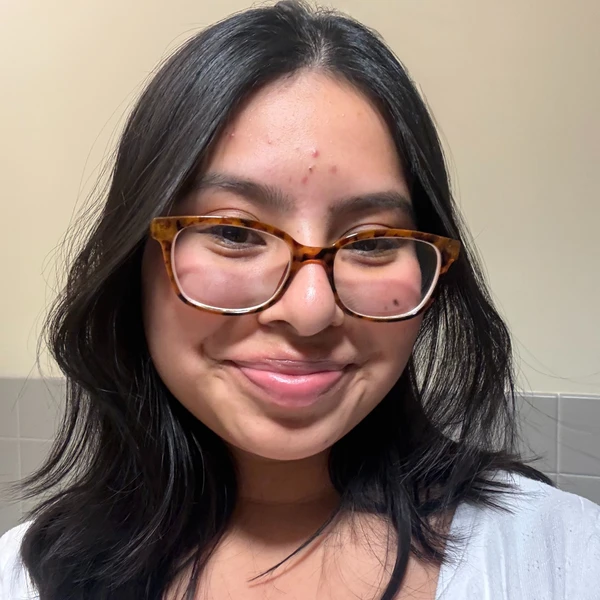
Hi, I'm Evelin!
I am a first-generation college student and the oldest daughter in an immigrant family. Throughout my life, I have learned to balance responsibility, perseverance, and a commitment to helping others. Alongside my education, I worked, helped care for my mother during her battle with cancer, and supported my family through some of the most challenging years of our lives. Those experiences taught me resilience, empathy, and determination.
I've always enjoyed art, creativity, and problem-solving, which first drew me to architecture. Today, I am pursuing a Bachelor of Architecture at SUNY Delhi after earning associate degrees in Architectural Technology and Construction Management from Dutchess Community College.
During my time at Dutchess, I worked as an architectural tutor, earned Dean's List recognition for four consecutive semesters, joined the Alpha Beta Gamma Honor Society, and received both the Dutchess Community College Foundation Scholarship and an AIA Hudson Valley Scholarship.
Beyond architecture, I enjoy helping others succeed. Through tutoring and navigating scholarships, financial aid, and transfer resources, I discovered a passion for helping students find opportunities they may not have known existed. As a first-generation student, I understand how overwhelming those processes can be.
I hope to use architecture to create spaces that positively impact communities while also creating programs and resources that help first-generation, low-income, immigrant, and undocumented students overcome barriers to higher education.
Education
SUNY College of Technology at Delhi
Bachelor's degree programMajors:
- Architecture and Related Services, Other
Dutchess Community College
Associate's degree programMajors:
- Architecture and Related Services, Other
Dutchess Community College
Associate's degree programMajors:
- Construction Management
Franklin D Roosevelt Senior High School
High SchoolMiscellaneous
Desired degree level:
Master's degree program
Graduate schools of interest:
Transfer schools of interest:
Majors of interest:
- Architecture and Related Services, Other
Career
Dream career field:
- Architecture & Planning
Dream career goals:
To become a licensed architect while mentoring and expanding access to higher education for first-generation, low-income, immigrant, and undocumented students.
Expo/ Food Prep/ Baker
Texas Roadhouse2023 – 20252 yearsArchitectural Design Intern
Interrante Design Build2025 – 20261 yearArchitecture Technology Tutor
Dutchess Community College2025 – 20261 year
Arts
Dutchess Community College- Architecture Department
Architecture2024 – Present
Public services
Advocacy
Independent Student Advocate — College Access Mentor2025 – 2026
Future Interests
Advocacy
Volunteering
Entrepreneurship
Bulkthreads.com's "Let's Aim Higher" Scholarship
For most architecture students, the dream is to design remarkable buildings. While I share that passion, the first thing I hope to create is something different: a program that helps undocumented, low-income, and first-generation students navigate higher education.
As a first-generation college student, I quickly discovered how overwhelming the college process could be. Financial aid, scholarships, transfer applications, and college resources all felt like an entirely new language. My parents always encouraged me to pursue higher education, but because they had never navigated the American college system themselves, much of the journey was something I had to figure out on my own. Through countless hours of research, I gradually learned how these systems worked and, more importantly, how life-changing the right information could be.
The more I learned, the more I realized that information can be just as valuable as financial support. Sometimes, simply knowing where to look or who to ask is the difference between believing college is possible and believing it is out of reach. That knowledge eventually became something I wanted to share.
While working as an architectural tutor, students often came to me with questions that had nothing to do with architecture. They asked about scholarships, transferring, financial aid, and whether continuing their education was financially possible. Outside of school, I found myself helping friends, family members, and other students navigate many of those same challenges. What began as simply answering questions became one of the most rewarding parts of my educational journey. I discovered that I genuinely enjoy researching opportunities, connecting people with resources, and helping someone realize that an obstacle they thought was impossible might actually have a solution.
My long-term goal is to become a licensed architect, not because of the title itself, but because of the knowledge, experience, and perspective that come with it. I hope to spend several years practicing architecture before eventually teaching the next generation of architects. I want my students to learn from someone who understands both the creative and technical realities of the profession while also mentoring them through the challenges of higher education that so many first-generation students face.
Whether I am designing a building, teaching a classroom, or creating a program, my goal is the same: to create places where people feel they belong and opportunities that help them move forward. Education has already changed the trajectory of my own life, and I hope to use mine to ensure that other students, especially those who are undocumented, low-income, or first-generation, have someone to help them find their own path. If I can do that, then I will know I've used my education to make a meaningful difference.
Jesus Baez-Santos Memorial Scholarship
It was around 3 a.m. I had been working on a project for hours when I finally got up to take a break and sat at the foot of the couch. That's when I couldn't hold it together anymore. My mom had passed away the day before, deadlines were approaching, and for the first time, everything I had been carrying caught up to me.
Without me realizing it, my dad walked into the room and sat beside me. We talked for a while, and before getting up, he told me he saw the late nights, the stress, and the effort I was putting into school. He reminded me that one day all of that work would be worth it, that my education would create opportunities he was never able to have. If I kept going and did my best, he said, we would be okay.
At the time, they felt like words of comfort. Looking back, I realize they were the story of my father's life.
My father immigrated to the United States from Mexico when he was eighteen. He left behind everything familiar to build a better future for our family, sacrificing opportunities he never had so my siblings and I could have them. Watching him persevere through my mother's illness, and later her passing, taught me what resilience truly looks like. He never pressured me to attend college, but he made me understand the value of education through his own sacrifices. Watching my father cry as I crossed the stage reminded me that my education represented more than my own success. It represented every sacrifice my family had made to make that moment possible.
As the first person in my family to attend college, I had to navigate much of higher education on my own. Financial aid, scholarships, transfer applications, and the college admissions process all felt like a foreign language. My parents led me to the door, but once I reached it, I had to learn how to open it. Eventually, I realized I could hold that door open for someone else.
While working as an architectural tutor at Dutchess Community College, students began coming to me with questions that had nothing to do with architecture. They asked about transferring, scholarships, financial aid, and whether continuing their education was financially possible. I shared everything I had learned because I remembered what it felt like to have no idea where to begin.
That support soon extended beyond tutoring. As I learned more about financial aid and college resources, I began helping friends, family members, and other students navigate their own paths to college. I discovered that I genuinely enjoy helping people find opportunities they may never have known existed.
My goal is to become a licensed architect, but the legacy I hope to leave extends far beyond the buildings I design. One day, I hope to create programs and resources that help first-generation, low-income, immigrant, and undocumented students overcome barriers to higher education.
My father's legacy isn't measured by the education he received, but by the opportunities he created for his children. I hope my legacy will be measured the same way—not only by the buildings I design, but by creating spaces where students feel supported, empowered, and capable of pursuing higher education. If I can become the person I once needed, then I'll know I've honored the sacrifices that made my own journey possible.
Elizabeth Schalk Memorial Scholarship
I was fourteen years old when I stopped worrying about homework and started worrying about whether my mom would survive another round of chemotherapy.
I still remember the night my family told me. My younger brother was only one year old, my sister was ten, and I was old enough to understand something was wrong but too young to fully understand what it meant. That night, after my brother fell asleep, my family sat me down and told me my mom had cancer.
When the conversation ended, I went back to bed, but I couldn't sleep. I remember lying next to my brother afterward and staring at the clock. It was 11:32 p.m. I looked at him and thought, " No matter what happens, I'll take care of you."
Looking back, I think that was the moment I stopped being a kid.
Over the next seven years, my mother's illness became the center of my life. As her health declined, my responsibilities grew. Once I was old enough to drive, I took her to appointments, blood work, chemotherapy treatments, and follow-up visits. Because she couldn’t read, write, drive, or speak English, I translated conversations with doctors and helped her navigate the healthcare system.
I witnessed every setback, every moment of hope, and every disappointment in between.
Somewhere along the way, survival became my normal. I was balancing school, work, caring for my younger siblings, and helping my mom through treatment, all while silently carrying a fear that never seemed to go away. I learned to expect bad news, and even on good days, I couldn't relax because I was always waiting for the next emergency.
Whenever my mom needed something, I dropped everything to help her because she was my mom and I loved her more than anything. In trying so hard to take care of everyone else, I slowly stopped taking care of myself.
The constant stress eventually affected my mental health. I became anxious and overwhelmed, believing those feelings were simply part of my responsibility. It wasn't until much later that I realized caregivers can experience mental health struggles of their own.
The moment that changed me most came during one of my mother's final appointments. We hoped the doctors would offer another treatment option. Instead, they told us there was nothing left they could do.
I remember my entire body going numb.
Then, moments later, I had to translate that news to my mother in Spanish. It broke my heart to tell her there were no more treatment options and no more hope that medicine could save her.
It's a conversation no daughter should ever have to have.
That moment will stay with me forever.
My mother passed away on September 1, 2025.
For years, I believed being strong meant carrying everything on my own and ignoring my own emotions. Losing my mom taught me otherwise.
Today, I understand that mental health struggles are not always visible. Sometimes they are carried quietly by caregivers, siblings, and children who spend years trying to be strong for someone else. My experience taught me that asking for help is not weakness and that caring for your own mental health is just as important as caring for the people you love.
Although grief will always be part of my story, it is not the only part. My experiences have made me more empathetic, resilient, and aware of the invisible struggles people carry every day. My mother's strength, love, and perseverance continue to shape the person I am becoming.
Kristinspiration Scholarship
It was last fall, around 3 a.m. I had been working on a project for hours. When I finally got up to take a break, I sat down at the foot of the couch. That's when it happened. I couldn't hold it together anymore. I broke down crying, sitting there with my head down in complete silence.
My mom had passed away the day before, and deadlines were approaching fast. I usually handle stress well, but this was different.
Without me even realizing it, my dad walked into the room and sat beside me. Before he got up, he said something I'll never forget. He told me he saw the late nights, the stress, and the effort I was putting into school. He reminded me that one day all of that hard work would create opportunities he never had. If I just kept going and did my best, we'd be okay.
His words gave new meaning to everything I had been working toward. They reminded me not to let that moment define my future. I wasn't doing this only for myself, I was doing it for my family. For my dad, who works fourteen-hour days, seven days a week. For my siblings, to show them that perseverance can overcome obstacles. For my mom, who would have done anything to see me graduate. And for both of my parents, whose sacrifices made my education possible.
That conversation changed everything. My degree became more than an education, it became proof of everything my family and I had overcome.
As the first person in my family to attend college, education has always represented opportunity. My parents encouraged me to dream bigger than they ever could, but when it came time to turn those dreams into reality, I had to figure it out on my own. They led me to the door, but once I reached it, I had to find my own way through. From college applications to scholarships and financial aid, I had to navigate the process on my own because they had never experienced it themselves.
Growing up in a low-income household, I knew college was never something I could take for granted. If I wanted it, I had to work for it. I spent countless hours researching scholarships to make college financially possible. Every class I complete represents more than academic progress, it represents breaking barriers that once made higher education feel out of reach.
The legacy I hope to leave isn't measured by the buildings I design, but by the people I help along the way. As an architectural tutor at my community college, I realized many students came to me with questions that had nothing to do with architecture. Many were first-generation students trying to navigate transfers, scholarships, financial aid, and whether college was financially possible.
Although I didn't have every answer, I shared everything I had learned throughout my own journey because I remembered what it felt like to be overwhelmed and unsure where to begin. I wanted to be the person I wish I had when I started. Those conversations taught me that sometimes the most meaningful thing you can give someone isn't the answer, it's the confidence to believe they belong in college.
Whenever college feels overwhelming, I think back to that night on the couch. My dad's words still remind me why I started. My goal is to leave a legacy where first-generation students know they don't have to navigate higher education alone. If I can become the mentor I once needed, then I'll know I've left a legacy worth being proud of.
Bick New York Scholarship
When I graduated high school, I wasn't sure if college was realistic for me.
As the oldest daughter in an immigrant family, I often found myself navigating unfamiliar territory. My parents always encouraged me to pursue an education, but as the first person in my family to attend college, I had to figure out the process on my own. I taught myself how to apply for financial aid, search for scholarships, register for classes, and all-around advocate for myself. At the same time, my mother was battling cancer. As her health declined, I helped care for her, looked after my younger siblings, and supported my family however I could. By the time I was old enough to drive, I was regularly taking her to appointments, blood work, and treatments while balancing school and work.
There were many moments when continuing my education felt impossible.
Yet I never saw giving up as an option.
Last fall, my mother passed away after a long battle with cancer. Losing her was heartbreaking. For so many years, caring for her was my whole life, and suddenly I was trying to navigate a future without her while continuing my education. There were days when simply showing up to class felt overwhelming, but I kept going because I knew that was what she would have wanted for me.
This spring, I graduated from Dutchess Community College with associate degrees in Architectural Technology and Construction Management. Along the way, I earned Dean's List recognition for four consecutive semesters, became a member of the Alpha Beta Gamma Honor Society, worked as an architectural tutor, and received several scholarships.
My educational journey taught me that success is not defined by achievements alone, but by the determination to keep moving forward when faced with challenges. Every award, scholarship, and academic milestone reflects the resilience it took to overcome the obstacles that stood in my way.
My younger siblings are one of my biggest motivations. As the oldest, I know they are watching the choices I make and the example I set. I want them to see that higher education is possible, even when the path is not straightforward.
I am pursuing this education not only for myself, but also for my family and for my mother. More than anything, she wanted to see me graduate. Although she passed away last fall, her belief in me continues to motivate me every day.
This scholarship would help ease the financial burden of continuing my education and allow me to focus on achieving my goals. As I continue my studies in architecture, I hope to become a licensed architect and eventually combine that passion with teaching and mentoring future students.
Joe Gilroy "Plan Your Work, Work Your Plan" Scholarship
I had never heard the phrase “Plan Your Work, Work Your Plan” before, but it felt familiar. It perfectly describes the way I approach my education, career, and future goals. I have learned that the best way to accomplish something is to create a plan, stay organized, and work toward it one step at a time, even when the goal feels out of reach.
My primary short-term goal is to earn my Bachelor of Architecture degree from SUNY Delhi while graduating with as little student debt as possible. As a first-generation college student from a low-income household, financial stability has always been important to me. This fall, I will transfer to SUNY Delhi after earning associate degrees in Architectural Technology and Construction Management at Dutchess Community College. While there, I plan to enroll in the Honors Program, complete approximately sixteen credits each semester, maintain a GPA of at least 3.5, and begin working toward architectural licensure by gaining professional experience whenever possible.
To achieve this goal, I have developed a clear financial plan. SUNY Delhi's annual cost, including tuition, fees, room, and board, is approximately $10,000 after financial aid. I currently have about $3,000 in scholarships and continue applying for more. During winter break, I plan to return to Dutchess Community College and continue working for the tutoring department. During the summer, I hope to return to the design-build company where I previously interned. I also operate a small clothing resale and alteration business for additional income. By combining scholarships, employment, savings, and careful budgeting, I hope to cover most of my educational expenses. If necessary, I am willing to use federal student loans as a last resort.
The foundation of my plan is the system that helped me succeed at Dutchess Community College. While earning two associate degrees, maintaining a 3.5 GPA, working, and tutoring, I was also helping care for my family. During college, my mother was battling cancer, and I often helped care for her while assisting with my younger siblings and household responsibilities. Balancing these responsibilities while remaining committed to my education was challenging, but it taught me discipline, resilience, and the importance of having a plan.
After being diagnosed with ADHD, I began researching strategies to help me stay organized. The most effective method I found was time-blocking. Using a physical planner and scheduling my days in advance helped me balance school, work, and family responsibilities during one of the most difficult periods of my life. It is a system I still use today and will continue using at SUNY Delhi.
My previous internship also played an important role in shaping my career goals. I intentionally chose a design-build company because I wanted to compare architecture and construction management before committing to a career path. Through drafting plans, taking field measurements, and observing the design process, I discovered that architecture was where my interests truly belonged. That experience confirmed my decision to pursue a Bachelor of Architecture degree.
My long-term goal is to become both a licensed architect and a professor of architecture. Although a master's degree is not required to become an architect, I plan to earn one because teaching is what I am most passionate about. Working as a tutor at Dutchess Community College showed me how much I enjoy helping others learn and gain confidence. Looking beyond graduation, I hope to work as an architect, earn my master's degree, and eventually teach at a college or university. Every step of my plan, from maintaining a strong GPA to minimizing debt and gaining professional experience, is designed to help me reach that goal.