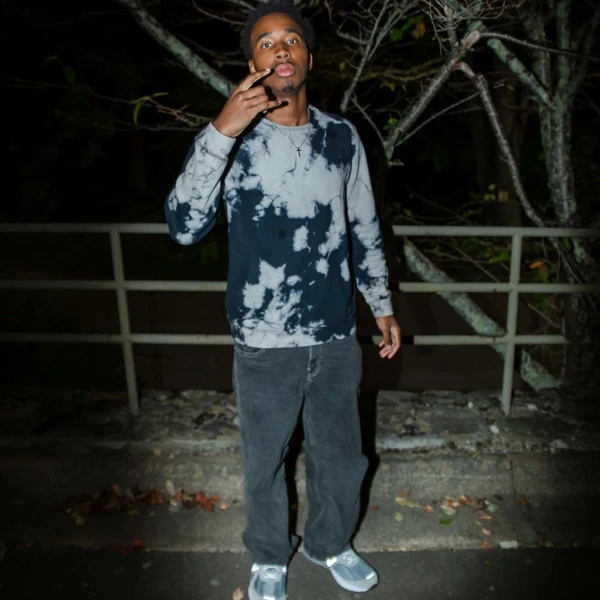
Hobbies and interests
Basketball
Soccer
Singing
Band
Reading
Academic
I read books multiple times per week
Eugene Amadi
1x
Nominee2x
Finalist1x
WinnerEugene Amadi
1x
Nominee2x
Finalist1x
WinnerBio
I want to help those around me and inspire the next generation to teach kids how to code and build the tech community.
I am interested in Cybersecurity because I want to be able to protect people from threats online and also build on confidentiality, integrity, and availability.
Education
Montreat College
Bachelor's degree programMajors:
- Computer Science
- Computer Programming
Minors:
- Data Analytics
- Data Science
Friendship Christian School
High SchoolMiscellaneous
Desired degree level:
Bachelor's degree program
Graduate schools of interest:
Transfer schools of interest:
Majors of interest:
- Computer Systems Networking and Telecommunications
- Computer Science
- Computer Programming
Career
Dream career field:
Computer Networking
Dream career goals:
Kitchen Team Member
Chick-fil-A2022 – Present4 years
Sports
Basketball
Varsity2016 – Present10 years
Awards
- MVP
- Coaches Award
Research
Computer Programming
Founder2017 – Present
Arts
Choir
Music2017 – Present
Public services
Volunteering
Church Orchestra — Trombone2022 – Present
Future Interests
Advocacy
Volunteering
Entrepreneurship
Second Chance Scholarship
I want to make a change in my life. The reason for this is that I have figured out that things do not get better on their own. I have to make a plan and stick to it. I am the oldest of three brothers. We were raised by our mother. I learned that just because things are tough it does not mean I will not be able to do. I had to grow up and take care of things. I knew that if I wanted my life to be different I had to work and make it happen. I am talking about my life. I know that education and being disciplined are important. I also think that helping others is crucial. I want to make a change in my life. I know that education, discipline and service to others are the keys, to making this change happen in my life.
That moment made me want to stop thinking about things and actually do something. I did not wait for things to happen to me. Instead I started making them happen. I learned things like technology and how to lead people and talk to them. I knew that knowing something is not enough I had to use that knowledge. I started teaching kids how to code making books to help people learn and starting projects to help my community. This helped me see that learning is not about making my own life better but also about helping others. Education can open doors for people like me and, for people too. These things I went through really made it clear what I want to do. I want to build a future that is based on being stable having leaders who do the right thing and helping people. The future I am talking about is one that has stability, ethical leadership and service, at its core.
I have done some things to show that I am committed. I. Ran programs that taught kids how to code in a way that was easy for them to understand. I made plans for what we would learn I helped kids who did not know much about computers. I changed my approach when things got tough. I also did things that showed I was responsible and wanted to make a difference that would last. For example I. Gave away books for kids that explained technology in a simple way. The coding education initiatives and these other projects helped me learn and get better at what I do. They reminded me that education is not just about learning but also, about giving back to the community through coding education initiatives.
I have also made sure to get ready for my studies. I decided to take classes be a leader and do projects that I can actually use in the technology and service fields. It has not always been simple to balance school with taking care of my family and being part of my community. It has taught me to be responsible and focused. Each time I faced a problem it helped me figure out what kind of person I want to be and how I want to make a difference, in technology and service.
This scholarship will really help me keep going on the path I am on. The money will let me focus on my school work and get better at the things I need to learn. I will be able to do more to help people and my community.
Resilient Scholar Award
I grew up learning responsibility before I fully understood the word. As the oldest of three brothers raised by a single mother, I watched adulthood arrive early—not through privilege, but through necessity. My mother carried the weight of providing, leading, and encouraging all at once, and her consistency shaped the rhythm of our household. From her, I learned that stability is not inherited; it is built through discipline, sacrifice, and faithfulness.
Living in a single-parent household meant that effort was visible. I saw firsthand how hard my mother worked to ensure we had access to education, structure, and opportunity, even when resources were limited. She treated learning as non-negotiable, not because it was easy, but because it was essential. That environment shaped my work ethic and instilled in me an early sense of accountability—not only for myself, but for those who depended on me. I understood that my actions mattered beyond my own success.
One accomplishment that reshaped my understanding of myself and others came when I began teaching and mentoring younger students in coding. Initially, I approached the work with confidence in my technical ability, assuming that knowledge alone would be enough. Instead, I encountered disengagement, confusion, and hesitation. Students were capable, but many lacked confidence or belief in their own potential. That experience forced me to confront a humbling realization: leadership is not about being prepared to speak, but about being willing to listen.
As I adapted my approach—slowing down, asking questions, and meeting students where they were—everything changed. Students became more engaged, began completing projects independently, and even started helping one another. Through this process, I learned that people often struggle not because they lack ability, but because they lack support. That realization deepened my empathy and reshaped how I view both leadership and service.
This experience also helped me better understand my upbringing. I recognized that the support my mother provided—often quietly and consistently—was the same kind of support others needed to thrive. It gave me a deeper appreciation for her sacrifices and a clearer understanding of my responsibility to extend the same patience and guidance to others. What I once saw simply as obligation became purpose.
Growing up in a single-parent household shaped my resilience, but it also shaped my values. I learned to approach challenges with humility, perseverance, and awareness of others’ circumstances. The accomplishment of building something meaningful for others, paired with the realization that support transforms potential into progress, changed how I see myself. I no longer define success solely by achievement, but by impact.
My upbringing taught me that strength is often quiet and leadership is often unseen. The lessons I learned at home prepared me not only to overcome challenges, but to recognize them in others. Carrying those lessons forward, I am committed to using my education and abilities to create environments where support, understanding, and opportunity are accessible—just as they were made accessible to me through sacrifice and care.
Jim Maxwell Memorial Scholarship
This opportunity is meaningful to me because it represents more than financial support; it affirms a journey shaped by faith, responsibility, and perseverance. My story is not one of ease or certainty, but of steady trust—trust that God’s purpose unfolds through discipline, sacrifice, and service, even when the path forward is unclear.
I grew up as the oldest of three brothers raised by a single mother who carried both parental roles with unwavering strength. From an early age, I learned that faith was not something reserved for Sundays, but something lived out in daily choices. My mother modeled a quiet but resolute faith—one that trusted God while working relentlessly to provide opportunity, structure, and hope for her children. Watching her balance faith with action taught me that prayer and effort are not opposites; they are partners.
There were challenges that tested that belief. Limited resources meant that nothing could be taken for granted, and responsibility arrived early. I felt the weight of expectation—not only to succeed for myself, but to lead by example for my younger brothers. At times, the pressure felt overwhelming. Yet faith gave me clarity in moments of doubt. It reminded me that my worth was not measured by immediate success, and that perseverance itself was an act of trust.
My faith also shaped how I understood education and leadership. As I began mentoring younger students and teaching coding, I encountered barriers that mirrored challenges I had seen in my own life: lack of access, confidence, and guidance. There were moments when my efforts seemed ineffective—when students were disengaged or when progress felt slow. In those moments, faith grounded me. It taught me patience, humility, and the importance of listening before acting. Rather than retreat, I learned to adjust, serve more intentionally, and trust that meaningful impact often grows quietly.
Through these experiences, I witnessed triumphs that reaffirmed my faith. Students who once doubted their abilities began completing projects independently. Families expressed gratitude for opportunities they had not known were possible. Each small success reinforced a truth my faith had already taught me: when we serve others with consistency and compassion, God multiplies the impact beyond what we can measure.
Faith has also guided my academic and career aspirations. I am drawn to fields like technology, cybersecurity, and education not only because they are intellectually challenging, but because they require integrity. Faith reminds me that knowledge without ethics can be harmful, and progress without compassion can divide rather than uplift. My belief system challenges me to pursue excellence without arrogance and leadership without self-interest.
This opportunity matters to me because it aligns with that calling. It would allow me to continue my education with focus and freedom, honoring the sacrifices that brought me here while preparing me to serve others more effectively. Receiving this support would not mark an endpoint, but a responsibility—to steward the opportunity faithfully and use it to create stability, access, and opportunity for others.
Looking ahead, I plan to use my faith as a guiding force in every stage of my future. Faith will shape how I lead, how I respond to challenges, and how I define success. I intend to mentor students who lack guidance, contribute to ethical and secure systems that protect communities, and use my voice to advocate for access and dignity. In moments of uncertainty, faith will continue to remind me that purpose is not found in recognition, but in obedience and service.
My journey has taught me that success is not the absence of hardship, but the presence of unwavering faith through it.
Dream BIG, Rise HIGHER Scholarship
Education showed me the way before it made me feel sure of myself. I did not grow up thinking that I would be successful or that good things would just happen to me. I grew up knowing that I had to learn and that it was my job to do. This meant I had to be disciplined and make sacrifices on purpose. I am the oldest of three brothers and my mother raised us on her own. I saw how education helped my family become more stable and have opportunities. This taught me a lot about why education's important, not just for getting good grades but for my whole life. Education matters because it helps people, like my family have a life.
I had to learn to be responsible when I was really young. My mother worked hard to take care of our family. She made sure that we got an education even when we did not have a lot of money. I saw how time and effort she put into helping us learn and it made me think that education is very important. My mother always told me that education is essential it is not something that I could choose to do or not do. Education was the base of everything the foundation of our lives. My mothers hard work and sacrifice taught me to respect learning and to take my education seriously. Education was something that my mother thought was necessary, for our future. That expectation really shaped my work ethic. It gave me a sense of direction pretty early on. I mean the path was not clear all but I had a feeling of what I was doing. My work ethic was formed because of that expectation. It helped me to know what I wanted to do even when things were not very clear. That expectation and my work ethic were very important, to me.
As I went to school and learned things education did more than just help me do well on tests or get good grades. It taught me how to think for myself. I figured out how to look at problems and find solutions how to tell people my ideas in a way that makes sense and how to keep going even when things seem to be moving slowly. It was not always easy to handle school work. Also be a leader and take care of my family and do things to help others. There were times when I felt really tired. I was not sure if I could do it all. Sometimes I felt like people expected much from me. It felt like a big burden.. Instead of making me want to give up these hard times actually made me want to work even harder and do better. Education and these experiences made me stronger and more determined. Education was like a framework that assisted me in handling my tasks and being in charge than feeling completely swamped by my responsibilities. Education really helped me to take control of things. I was able to manage my responsibility, with the help of education. It did not overwhelm me. Education played a role in this.
When I started helping students and teaching them how to code my sense of direction got even better. I got to see what happens when people have access to education. It can really change how they feel about themselves and what they want to do. A lot of these students were really smart. Wanted to learn but they did not have people to guide them or believe in them. As I watched them get more confident when they learned things I learned something important. Education is not just good for the person who is learning it is also good for the people around them. When you learn something you should try to help other people too. Teaching coding to students and mentoring them showed me that education is very important, for everyone, not just the students. Education is something that can help the community.
My time in school really helped me figure out what I am interested in especially when it comes to technology. I learned that technology plays a role in our lives today and that it is not fair how some people get to use it and others do not. I got really interested in cybersecurity and data analytics and education because they are about using technology in a way that is fair and good for everyone. Technology is very important. If we do not have trustworthy systems it is hard for people to get the information they need.. If people do not have a good education new ideas and technology can actually make things worse, for them because they will not know how to use them. Education and technology are both very important. My goals are pretty simple. I want to use education to make things better. I think education can help build systems that protect people give them power and make sure everyone has a chance to do something good, with their life. Education can really help people. That is what I want to do with it.
I have faced a lot of challenges. Like not having resources having to take on a lot of responsibility early on and trying to balance many different roles. These challenges taught me to be strong and humble. I figured out that being confident does not mean you avoid things that're hard but it means you think carefully about how to deal with them. Going to school taught me how to ask questions really listen to people and change what I am doing when it is not working. The things I learned really shaped who I am as a student and also my ideas about being a leader. Education and experience showed me that growth can be really tough. I always learn something from it. Growth, like education is often uncomfortable. Education and growth are always helpful.
Harry & Mary Sheaffer Scholarship
I first understood what empathy looks like across cultures while teaching coding to students who lived thousands of miles away from me. Despite differences in geography, language, and daily life, I noticed the same hesitation in their voices when they asked questions and the same pride when they solved a problem on their own. That experience taught me that empathy is not built through similarity, but through intentional connection—and it reshaped how I want to use my skills.
My unique talents lie at the intersection of technology, communication, and mentorship. I have spent years teaching coding to younger students in both the United States and Nigeria, designing lessons that introduce technology as something welcoming rather than intimidating. Teaching across borders required me to listen carefully, adapt my language, and understand the cultural context of my students. I learned quickly that effective instruction is not about showcasing knowledge, but about meeting people where they are. That mindset has become central to how I approach both technology and leadership.
In addition to teaching, I have used storytelling as a tool for building understanding. By writing and distributing children’s books that introduce coding concepts in simple, human-centered ways, I sought to remove fear around technology and make learning feel accessible. These books were donated to daycares, libraries, and schools, allowing children to encounter the idea of coding early and without intimidation. Through this work, I saw how representation and language can shape confidence. When students feel included in the narrative of learning, empathy grows naturally.
My interest in cybersecurity and data analytics is also rooted in empathy. Trust is foundational to understanding, and technology without security undermines that trust. Schools, nonprofits, and community organizations rely increasingly on digital systems, often without adequate protection. By pursuing a career focused on ethical and secure technology, I hope to contribute to a global environment where people can communicate, learn, and collaborate without fear of exploitation or misuse. Protecting digital spaces is, in many ways, an act of service—it safeguards voices that might otherwise be silenced.
Looking forward, I hope to continue building an empathetic global community by combining technical expertise with mentorship and education. I plan to expand access to technology education, mentor students from underserved communities, and help develop secure platforms that encourage collaboration rather than division. My goal is not simply to create users of technology, but informed contributors who feel confident engaging with the world.
An empathetic global community is built when people feel seen, heard, and protected. By using my skills in technology, education, and communication, I hope to create bridges across cultures and opportunities across borders. Technology can connect the world instantly, but empathy determines whether that connection leads to understanding. I intend to use my voice and my skills to ensure that it does.
Edna McGrowder Memorial Scholarship
The moment I understood why college mattered to me was not during a campus visit or a classroom lesson, but while watching my mother work tirelessly to provide opportunities she never had. As the oldest of three brothers raised by a single mother, I grew up seeing education treated not as an expectation, but as a privilege that required sacrifice, discipline, and long-term vision. That environment shaped how I understood both responsibility and opportunity.
My mother made deliberate choices to invest in our future, often at personal cost. She worked long hours, prioritized our education, and ensured we had access to books, computers, and environments that encouraged learning. Even when resources were limited, she treated education as non-negotiable. Watching her persistence taught me that education is not simply about personal advancement, but about building stability for those who depend on you. College became, in my mind, a way to honor that investment and extend its impact.
This perspective was reinforced through my own experiences serving my community. While mentoring younger students in coding and academic skills, I saw how easily potential can be lost without guidance and access. Many students were curious and capable, yet lacked consistent mentorship or exposure to higher education pathways. Those experiences made the value of college tangible to me—not just as a personal milestone, but as preparation to serve others more effectively. I realized that to lead, teach, and build responsibly, I needed deeper academic training and broader intellectual formation.
Pursuing a college education represents more than earning a degree for me; it represents stewardship. I want to develop the technical expertise, critical thinking, and ethical grounding necessary to create opportunities rather than merely benefit from them. College offers the structure, mentorship, and rigor needed to refine my skills and expand my understanding of how knowledge can be applied for long-term impact.
This decision is also deeply tied to family responsibility. As the oldest sibling, I feel a strong obligation to model discipline and perseverance for my brothers. Attending college is a way of setting a standard—not through words, but through action. It is a continuation of the values I was raised with: commitment, resilience, and service.
A meaningful personal and family experience taught me that education is not guaranteed; it is built through sacrifice and sustained effort. That understanding has shaped my motivation to pursue college with seriousness and purpose. I see higher education not as an end, but as a foundation—one that will allow me to give back to my family, serve my community, and use my skills responsibly in the future.
Justin Moeller Memorial Scholarship
My interest in technology began not with devices, but with responsibility. Growing up as the oldest of three brothers raised by a single mother, I learned early that problem-solving was not optional—it was necessary. When something broke, we figured it out. When resources were limited, we learned to be resourceful. That mindset naturally led me toward technology, a field where curiosity, discipline, and persistence turn problems into solutions.
What draws me most to the technology field is the intersection between technical skill and real-world impact. I am particularly interested in cybersecurity and data analytics because they combine logical rigor with ethical responsibility. As schools, small businesses, and community organizations increasingly rely on digital systems, they also become vulnerable to data breaches and misuse. I am motivated by the challenge of designing systems that are not only efficient, but secure and trustworthy—systems that protect people, not just information.
One of the most formative projects I have worked on is Bugzero.codes, a coding education initiative I founded to introduce younger students to computer science. Through this program, I designed lesson plans, taught programming fundamentals, and mentored students with little to no prior exposure to technology. Leading Bugzero.codes required more than technical knowledge; it required communication, adaptability, and leadership. I learned how to break down complex ideas, respond to different learning styles, and create a supportive environment where students could build confidence alongside skills.
In addition to Bugzero.codes, I have pursued technology through independent projects, academic coursework, and leadership roles that emphasize problem-solving and service. My work has involved building structured learning experiences, experimenting with project-based instruction, and exploring how data can be used responsibly to improve outcomes. These experiences reinforced my interest in cybersecurity and analytics by showing me how fragile trust in technology can be—and how essential it is to protect it.
Beyond formal projects, I am drawn to technology because it rewards discipline and integrity. Effective systems require careful planning, ethical decision-making, and accountability—values that align closely with how I approach leadership and service. Whether mentoring students, collaborating on projects, or studying emerging security challenges, I strive to use technology as a tool for stability and opportunity.
My background has shaped not only what I study, but why I study it. Technology, at its best, expands access and protects dignity. Through continued education and service-driven projects, I hope to contribute to a field that values both innovation and responsibility—and to use my skills to strengthen the communities that depend on the systems we build.
Hearts on Sleeves, Minds in College Scholarship
The first time I realized I was struggling to use my voice was during a virtual coding class I was leading for younger students. I had prepared thoroughly, confident in the lesson and the material, yet as I spoke, I was met with blank stares and silence. I kept talking, adjusting my explanations, hoping clarity would come—but it didn’t. In that moment, I felt something deeper than frustration. I felt invisible. I was speaking, but I was not being heard.
At first, I internalized the failure. I questioned whether I was too young to lead or whether my voice carried enough authority to matter. I wondered if my background or my position made students see me as someone they did not need to listen to. The experience shook my confidence because I realized that knowledge alone does not give someone influence. Communication requires connection, and I had not yet learned how to build it.
Instead of stepping back, I decided to step differently. I stopped trying to force my voice to work and began listening instead. I paid attention to how students responded, what captured their interest, and where confusion or disengagement appeared. I learned that effective communication is not about asserting control, but about understanding the audience you are trying to reach. When I redesigned lessons to be more interactive, culturally relevant, and collaborative, engagement changed. Students began asking questions, participating in discussions, and eventually taking initiative themselves.
That experience reshaped my understanding of confidence. I learned that confidence is not rooted in volume or authority, but in clarity and empathy. Using my voice effectively meant being willing to adapt, admit when something was not working, and take responsibility for improvement. Over time, I saw tangible results: students who were once disengaged began completing projects independently and even helping their peers. My voice became impactful not because I spoke more, but because I spoke with intention.
This struggle taught me that silence and voice are not opposites. Sometimes, silence is where growth begins. Learning when to listen strengthened my ability to speak meaningfully, and learning how to communicate with purpose strengthened my leadership. I no longer see my voice as something I must prove, but as something I must steward responsibly.
Looking forward, I hope to use my voice to advocate for access, mentorship, and ethical responsibility in technology and education. Whether leading community initiatives, mentoring students, or working in cybersecurity to protect vulnerable systems, I want my voice to represent clarity, integrity, and service. This experience taught me that impact does not come from speaking the loudest, but from speaking wisely—and ensuring that when I do speak, it creates space for others to be heard as well.
Younce, Vtipil, Baznik & Banks Scholarship
I first recognized a serious gap in my community when I began teaching younger students how to code and realized that curiosity alone could not compensate for the absence of structure, mentorship, and access. Students were eager to learn, but many lacked consistent guidance, reliable technology, and someone who understood both their potential and their circumstances. That realization forced me to confront a larger question: if I had the skills and opportunity to help, what responsibility did I have to act?
In response, I founded and led Bugzero.codes, a community-based coding and mentorship initiative focused on expanding access to computer science education. I designed the program from the ground up, developing lesson plans that introduced programming concepts through project-based learning and problem-solving rather than abstract theory. Over multiple cohorts, I taught and mentored dozens of students with varying levels of prior exposure to technology, many of whom had never considered computer science as an attainable field. My leadership role extended beyond teaching; I organized sessions, coordinated schedules, communicated with families, and continually refined the curriculum to meet students’ needs.
As the program grew, measurable impact became evident. Student retention increased across sessions, and participants progressed from guided exercises to independently building projects. Several students who initially struggled with confidence began taking initiative during lessons, assisting peers, and explaining concepts in their own words. Parents shared feedback noting improvements in discipline, focus, and problem-solving habits. These outcomes demonstrated that the program was not only teaching technical skills, but also cultivating resilience and intellectual confidence.
Leadership also required adaptability. Early sessions revealed that traditional instructional approaches were ineffective for some students, prompting me to redesign lessons to incorporate collaboration, creativity, and culturally relevant examples. I learned to lead not by rigid instruction, but by listening, adjusting, and setting high expectations paired with consistent support. This shift strengthened the program’s effectiveness and reinforced my understanding that meaningful leadership demands humility as much as direction.
Beyond individual students, Bugzero.codes contributed to the broader community by creating a sustainable model for mentorship-driven education. Families gained access to a structured learning resource, students discovered new academic pathways, and the program demonstrated how locally driven initiatives can address systemic gaps in access to STEM education. What began as a response to a small need evolved into a lasting contribution rooted in service and accountability.
This experience reshaped my understanding of leadership. I learned that leadership is not defined by visibility or authority, but by responsibility and follow-through. By committing my time, skills, and energy to the success of others, I was able to create opportunities that extend beyond my direct involvement. My contribution to the community through Bugzero.codes reflects my belief that lasting impact is built through intentional service, measurable outcomes, and a willingness to lead where help is needed most.
Lyndsey Scott Coding+ Scholarship
The first time I realized that access mattered more than talent was while teaching younger students how to code. Their curiosity was immediate and genuine, but it faded when devices malfunctioned, platforms failed, or no one was available to guide them. That moment clarified my purpose: technology alone is not enough. It must be secure, supported, and placed in the hands of people who are willing to serve.
My primary computer science goal is to specialize in cybersecurity and data analytics. I am drawn to this field because it combines technical rigor with ethical responsibility. As schools, nonprofits, and small organizations increasingly rely on digital systems, they also become vulnerable to data breaches and misuse. Through my academic studies and projects such as Bugzero.codes, I have seen how fragile trust in technology can be. My goal is to design and protect systems that are resilient, ethical, and worthy of the people who depend on them.
Cybersecurity appeals to me because it addresses invisible but consequential problems. A single vulnerability can compromise sensitive information, disrupt education, or undermine an organization’s mission. Data analytics complements this work by enabling informed, responsible decision-making. Together, these disciplines allow technology to function not merely as innovation, but as infrastructure. I aim to develop the analytical discipline and technical skill necessary to anticipate risk, safeguard information, and strengthen digital environments that serve real communities.
Alongside my academic goals, my non–computer science goals are rooted in service, leadership, and stewardship. As the oldest of three brothers raised by a single mother, I learned early that responsibility is practiced daily, not proclaimed. Supporting my family, mentoring younger students, and contributing to my community are not extracurricular interests; they are commitments. I believe education carries an obligation to give back, particularly to those who lack access to opportunity and guidance.
In the future, I plan to combine these goals by building technology that serves people directly. I envision creating secure educational platforms, mentoring programs, and community-centered technology initiatives that prioritize protection and accessibility. Whether teaching cybersecurity fundamentals, safeguarding student data, or helping small organizations operate safely online, my work will sit at the intersection of technical excellence and service-driven leadership.
Computer science gives me the tools to build systems. Service gives me the responsibility to build them well. By combining rigorous academic preparation with a commitment to community impact, I hope to contribute solutions that are not only innovative, but trustworthy and enduring—solutions that expand access, protect dignity, and strengthen the communities they are meant to serve.
Kim Moon Bae Underrepresented Students Scholarship
When I was twelve, I sat beside my mom in the living room as she balanced bills, trying to stretch a single paycheck to cover everything three growing boys needed. She never complained, but I could see the quiet determination in her eyes. That image became the foundation of my resilience. As a Black student raised by a single mother, I’ve learned that strength isn’t about what you have—it’s about what you do with what you have.
My identity as an African American in the field of Cybersecurity and Data Analytics has deeply shaped how I view opportunity and responsibility. From an early age, I noticed that most people in technology didn’t look like me. Instead of letting that discourage me, I took it as a challenge. I realized that representation matters not only because it inspires others, but because diverse perspectives make every field stronger. I wanted to be one of the people who broke the pattern—and opened the door for others.
Coming from an underrepresented background taught me how to find creative solutions when resources are limited. I learned to repair devices instead of replacing them, to research and teach myself new skills, and to use every opportunity to grow. Those lessons led me to create Bugzero.codes, a project dedicated to teaching children coding and problem-solving skills, especially in communities with limited access to technology. I’ve mentored students across the United States, Belize, and Nigeria, showing them that innovation doesn’t require privilege—only persistence and curiosity.
In college, I am majoring in Cybersecurity with a minor in Data Analytics at Montreat College. My goal is to defend digital systems and develop tools that keep people safe from online threats. But beyond the technical side, I see my future as a chance to continue what my upbringing started: building bridges for others. Whether I’m protecting networks or mentoring students, I want to make sure that no one feels like they have to fight alone to be seen or heard.
Being part of an underrepresented minority has taught me empathy, adaptability, and a sense of mission. I carry my community’s stories and struggles with me into every classroom, every line of code, and every challenge I take on. I’ve learned that success isn’t just about personal achievement—it’s about leaving a trail others can follow.
In the future, I plan to establish a mentorship program that connects minority students interested in technology with professionals who can guide them through college and career development. I want to help build a generation of cybersecurity professionals who reflect the diversity of the people they protect.
My identity has not been an obstacle—it has been a compass. It reminds me that perseverance is not optional; it’s inherited. Every challenge I’ve faced has prepared me to not only succeed for myself but to open doors for others. That’s how I plan to use my path: to turn representation into reality, and resilience into lasting impact.
Lotus Scholarship
Growing up in a single-parent household taught me resilience before I even knew what the word meant. My mother has worked tirelessly to raise me and my two brothers, doing everything she could to provide the right computers, connections, and opportunities so that we could chase big dreams. There were times when finances were tight, but those moments didn’t break us—they built us. Watching her stretch every dollar and still find ways to encourage us made me realize that perseverance isn’t about avoiding difficulty; it’s about transforming struggle into strength.
From that foundation, I learned to see challenges as stepping stones. When something breaks, I fix it. When resources are limited, I find a way to make things work. That mindset shaped everything I do—from learning to code on borrowed devices to founding Bugzero.codes, a project dedicated to teaching children how to program and think critically about technology.
I’m now studying Cybersecurity and Data Analytics at Montreat College, pursuing a path that allows me to protect systems, people, and communities from digital threats. My goal is to become a cybersecurity specialist and eventually mentor students who come from underrepresented backgrounds in tech. I’ve already begun that journey by mentoring younger students in AI and coding projects across the U.S., Belize, and Nigeria, showing them that they too can use technology to change their communities.
The lessons I’ve learned from growing up in a single-parent home drive everything I do. Perseverance has become my habit, not my reaction. I plan to use my experiences to create opportunities for others—to turn my family’s story of endurance into a blueprint for empowerment. Through cybersecurity, education, and service, I want to make the digital world safer and the real world more hopeful.
Shanique Gravely Scholarship
The person who has had the biggest impact on my life is my mother. She raised me and my two younger brothers on her own, and her example has shaped every part of who I am. From a young age, I watched her carry the weight of responsibility that most families split between two parents, and she did it with determination and grace. She worked long hours but still managed to be fully present—helping with homework, teaching us to stay humble, and reminding us that our success wasn’t just for ourselves but for those who helped us get there. Watching her handle everything without complaint taught me what real strength looks like.
When I developed an interest in technology, she didn’t understand coding or cybersecurity, but she recognized my passion. Instead of brushing it off as just another hobby, she encouraged it. She found ways to get me access to the tools I needed—even when money was tight. She made sure I had a working computer, a stable internet connection, and the time to explore what I loved. That simple act of support planted a seed that would eventually grow into something bigger. Over time, I started using what I had learned to help others. I launched Bugzero.codes, a program dedicated to teaching kids the basics of coding and technology. What began as me tutoring a few younger students turned into mentoring dozens of kids across different states and even in other countries. Every lesson I’ve taught can be traced back to her belief in me.
Her influence goes beyond just what I do—it’s how I think and lead. My mother taught me that leadership isn’t about control; it’s about service. She never had much, but she gave everything she could to see us succeed. That mindset defines how I approach life. Whether it’s guiding a student through a tough concept, volunteering in my community, or working on a business idea like Refill & Chill, a sustainable mobile refill service I co-founded, I always remember her example: lead with purpose, not pride.
Her sacrifices are also the reason I chose to major in Cybersecurity with a minor in Data Analytics at Montreat College. In cybersecurity, the goal is to protect and defend—something my mother has been doing her whole life in a different way. She protected her family from the uncertainty of life’s challenges, and I want to do the same in the digital world. Technology can build bridges or barriers depending on how it’s used, and I want to be part of the solution—helping people feel safe and empowered online.
There have been moments when things felt overwhelming—late nights balancing work, classes, and community projects—but every time I feel like slowing down, I think of her working overtime, coming home tired but still smiling. Her perseverance pushes me forward. She taught me that obstacles aren’t roadblocks; they’re checkpoints where character is tested.
The greatest impact my mother has had on me isn’t found in a single dramatic event—it’s in the daily consistency of her love, the sacrifices that often went unnoticed, and the belief that hard work and faith can open doors. She built our foundation out of courage and care, and my goal now is to honor that legacy. I want to use my education and my skills not just to build a career, but to give back—to mentor young students, support families like mine, and create technology that makes the world safer.
Arthur and Elana Panos Scholarship
When the power was cut off our junior year, the house grew quiet in such a way that it leaned on your chest. My mom—monumental, raising three boys alone—came home from a long shift and said with a hug, "We will get through this, boys. Do the next right thing." I prayed, made a plan, and headed to the public library to charge up my beat-up laptop so I could hit the books. That week didn't magically fix our circumstances, but faith turned panic into order: prayer first, priorities next, steady steps after that.
No title or award has defined my character as much as faith. I learned persistence through my mother's example, and I learned purpose through the daily surrender of my future to God's hands—before grades, before goals. Scripture and prayer give me a perimeter: discipline over distraction, service over ego, integrity when no one is watching. As class president, I learned how calm leadership can spread through a group like light through a doorway. Faith taught me to listen before speaking, to speak truth though it costs, and to measure success by people served rather than attention earned.
That same foundation in many ways guides my relationships: as the oldest of three, to set a tone of peace at home means to speak straight, share the load, and show up. In mentoring younger students with coding and online safety, I've learned to be patient, explain more than impress, and pray for the students I teach. Faith allows room for people's stories; not everyone needs a lecture, but everyone needs dignity and hope.
This mix of responsibility and call blossomed into my career path: Cybersecurity and Data Analytics. Cybersecurity requires some of the same habits faith would already discipline: clear-headedness under duress, candor with the facts, and bias to protecting the weak. Threat actors leverage fear and confusion; defenders require clarity, courage, and compassion. I will create a community-oriented cybersecurity company to provide affordable protection and useful education to schools, small businesses, and families. It's not just about stopping the attacks; it's about restoring trust, because trust keeps an economy and confidence alive in a neighborhood.
Faith will keep me anchored in that work in three concrete ways. First, ethics: I will make decisions that protect people even when the profitable route pushes another way. Second, presence: prayer and disciplined routines guard my mind from burnout, so I can be clear-headed in crises—which is the opposite of how most people go into incident response and risk management. Finally, service: I'll keep teaching—libraries, churches, youth programs—because prevention belongs to everyone. A few simple habits—password managers, multi-factor authentication, backups, and phishing awareness—can save a family's savings or a shop's reputation. Sharing those habits is part ministry, part mission.
I don't believe faith removes hardship; I believe faith redeems it. Nights without power taught me to keep in movement when circumstances stall. The crowded calendar of school, work, and family taught me to choose what matters and to let the rest fall off. God didn't hand me shortcuts—He handed me strength, wisdom, and a reason to keep serving. That is how my faith helps me now and will help me in my career: to form a life which stays honest when nobody checks, stays steady when systems fail, and stays generous when knowledge can be hoarded. I'm building a future in which technology protects people and where hope feels practical. Faith lit that path; I'm walking it—one disciplined, service-minded day at a time.
Zedikiah Randolph Memorial Scholarship
When I was ten, I built a simple website to help my mom sell her homemade meals. The first online order felt like a door opening—for her business and for me. That moment is why I chose Cybersecurity and Data Analytics: I want technology to be a shield for families and small businesses, not a risk they have to fear.
I’m studying Cybersecurity and Data Analytics because protection and clarity belong together. Cybersecurity lets me defend people from scams, breaches, and fraud; analytics helps me read patterns early so problems get solved before they explode. I’m wired for service and systems—keep people safe, keep data honest, keep communities confident.
As an African-American student at Montreat College, I’m part of a campus where about 13% of students are Black. That isn’t a program-by-program figure, but it frames how I learn and lead. Representation in my field remains too low nationally, especially in technical and leadership roles. That reality doesn’t discourage me; it focuses me. I intend to raise the percentage by earning the degree, doing the work well, and pulling others forward with me.
My impact starts local. I plan to host free neighborhood cyber-safety workshops at libraries and churches—short, plain-English sessions for parents, students, and small business owners on everyday habits that stop most attacks: using a password manager, enabling multi-factor authentication, backing up important data, and spotting phishing attempts. Alongside education, I’ll offer low-cost security checkups for local shops: a quick risk inventory, simple fixes they can own, and a follow-up to make sure the changes stick. Education turns fear into muscle memory, and small wins compound into real protection.
Mentorship is how I multiply that impact. I already teach younger students how to code safely; my next step is to formalize a student “cyber squad” that helps real organizations under faculty supervision. Teenagers learn by doing, businesses get practical help, and students see a future for themselves in cyber. Visibility matters. When kids see someone who looks like them thriving in this space, the odds move.
To expand representation, I’ll make the path visible and practical. I’m preparing a concise “first steps” playbook—recommended beginner certifications, free labs, portfolio projects, and practical tips for landing an initial internship—so students don’t waste time guessing. I’ll partner with local schools to bring high-school students to campus for shadow days during incident-response simulations, and I’ll speak at youth groups and community events about the wide range of cyber careers—policy, engineering, incident response, governance and risk—so more students find an on-ramp that fits their strengths.
I chose this degree because my family’s story taught me stewardship. My mom carried three sons on faith and work ethic; I’m carrying that forward by protecting what matters for other families: their privacy, their savings, and their peace of mind. College is where I turn gratitude into a craft—technical skill anchored by service. What sets me apart is a mix of lived responsibility as the oldest of three and a former class president, a clear purpose to protect people with technology, and a plan that ties education directly to community action.
In short, I chose Cybersecurity and Data Analytics to make safety ordinary, opportunity wider, and representation higher—starting on my block and scaling outward. The field needs more protectors. I intend not only to be one, but to help grow many more.
Mikey Taylor Memorial Scholarship
The first time stress hit me like a wall, I was juggling a full course load, a part-time job, and responsibilities at home as the oldest of three. Deadlines stacked up, my sleep slipped, and I felt the weight of having to be strong for everyone.
That shift changed my beliefs. I grew up valuing grit—and I still do—but I’ve learned that discipline includes rest, routine, and honesty. Faith anchors me; it reminds me that struggle can refine character instead of breaking it. I started treating my mind like an instrument that needs regular tuning: early mornings with Scripture, exercise, a written plan for the day, and a hard stop at night. Small habits, practiced consistently, protect the bigger mission. I don’t romanticize burnout anymore. Quiet stability beats frantic heroics every time.
Mental health has also reshaped my relationships. Leadership used to mean “carry more.” Serving as class president taught me to communicate, but stress taught me to listen. Now I check in, not just on progress, but on people. With my brothers, that means making space for real conversations and setting a tone at home that’s calm and steady. With friends and teammates, it means clear expectations, realistic timelines, and the humility to say, “I need a hand,” before pressure turns into silence. Asking for help didn’t lower anyone’s respect; it raised trust.
Those lessons point directly to my career goals in Cybersecurity and Data Analytics. Good security demands the same mindset that supports good mental health: clear thinking under pressure, disciplined systems, early detection, and prevention. I’m drawn to incident response and security education, where calm decisions matter most. I want to build a firm that protects small businesses, schools, and families—people who don’t have a dedicated security team—while teaching practical habits that reduce risk. Just as a daily routine can steady a mind, simple security routines—password hygiene, multi-factor authentication, backups, phishing awareness—can steady a community.
My experience with stress also deepened my ethics. Technology amplifies both harm and help. I’ve seen how scams prey on fear and confusion; I’ve also seen how a patient explanation can restore someone’s peace of mind. That’s why I mentor younger students: to demystify tech, reduce anxiety around the unknown, and give them confidence. The goal isn’t to impress people with complexity; it’s to protect them with clarity.
I still have demanding weeks, but I carry different tools now: a plan before the pressure, boundaries before the burnout, and prayer before the panic. Mental health is not a side story to my life; it’s the reason I pursue a steady, service-minded path. It has made me a better son, brother, teammate, and leader—someone who builds order in chaotic moments and chooses people over ego.
In the end, my aspiration is simple and sturdy: safeguard what matters. For my family, that means being present and reliable. For my community, that means making the digital world safer and less intimidating. And for myself, that means honoring a belief formed in hard seasons—that strength is not noise or speed, but faithfulness, one disciplined day at a time.
Boatswain’s Mate Third Class Antonie Bernard Thomas Memorial Scholarship
Every morning, before I open my laptop or start a single task, I remind myself why I’m doing this—for my family, for my future, and for the people I hope to help. As the oldest of three brothers, leadership isn’t just a skill I developed—it’s a responsibility I’ve lived. My mom, a single parent, has carried the weight of three sons with faith, strength, and perseverance. She built opportunity from almost nothing, and every success I chase today is rooted in her sacrifices.
Leadership has always been central to who I am. In high school, I served as class president, where I learned how to balance decision-making, communication, and empathy. Whether organizing events, leading student meetings, or speaking on behalf of my peers, I learned that leadership isn’t about control—it’s about consistency and care. I was recognized as a leader throughout school because I never asked others to do something I wouldn’t do myself. Now, in college, those same principles guide how I lead my brothers and peers. From helping my siblings with homework to collaborating on projects for our business, Bugzero.codes, I’ve learned that leadership means serving others with humility and direction. I’ve also seen how strong communication—listening first and speaking with clarity—builds the trust every good team needs.
Resilience is another trait I carry with me every day. Life hasn’t always been easy. There have been times when financial pressures and academic challenges tested my endurance, but I learned early from my mother that persistence outlasts difficulty. Watching her work long hours, still smiling through exhaustion, taught me that strength isn’t loud—it’s steady. I’ve learned to see obstacles not as roadblocks but as opportunities to grow stronger.
Being unselfish is something that was built into me by both family and faith. My brothers and I promised our mom that we’d give back to her and to the community that supported us. I live that promise daily by mentoring younger students who want to learn about technology. Teaching them how to code and protect themselves online has shown me how much of an impact one person can make just by sharing knowledge. I measure my success not by titles or grades, but by the people I help along the way.
Focus and work ethic are the driving forces behind everything I do. I’m currently studying Cybersecurity and Data Analytics at Montreat College, where I’ve found a field that challenges both my mind and my character. My studies demand precision and perseverance, but I treat every assignment and project as a step toward my mission: to protect people from digital threats. I plan my days intentionally, balancing academics, leadership, and family responsibilities. My mom’s example is my standard—she never cut corners, never made excuses, and never gave less than her best. I aim to live the same way.
My long-term goal is to start a cybersecurity firm that helps small businesses, schools, and families stay safe online. I want to build systems that not only defend data but teach people how to defend themselves. My degree is more than a credential—it’s a tool to serve. Education gives me the knowledge, but my purpose gives it meaning.
To me, leadership is consistency in motion. It’s standing firm when others waver, guiding with humility, and serving with heart. I lead because I’ve been led by love—a mother’s love, faith’s strength, and the belief that every obstacle can become an opportunity. That is the kind of leader I strive to be: one who builds, uplifts, and creates lasting change.
Nabi Nicole Grant Memorial Scholarship
When I was sixteen, our home was dark for three days—no electricity, no internet, and no guarantee things would get better soon. My mom had been working double shifts, and despite her effort, a late paycheck meant the power company shut us off. I remember sitting in that dim living room, the silence thick, and my little brothers asking if the lights would ever come back on. I didn’t have an answer, but I did have faith—though, at the time, it didn’t feel like much.
That week tested me more than any exam or project ever has. I had just started learning to code and was using an old laptop that barely worked, trying to teach myself something I hoped could become a career. When the power went out, it felt like my progress—and my purpose—had been cut off. I remember staring out the window one night, praying quietly, not for instant relief, but for strength to keep believing that this struggle had meaning.
Faith, for me, has never been about ignoring reality. It’s about trusting that hardship isn’t the end of the story. During those few days, I began walking to a nearby library after school to charge my laptop and continue learning. My mom told me, “Keep working while you wait,” and those words stuck. We eventually got the lights back on, but I realized something more important had happened: I had learned to keep moving through darkness—both literal and spiritual.
That experience deepened my understanding of what faith really means. It’s not simply hoping everything will get better; it’s believing that perseverance is an act of worship. My faith gave me direction when circumstances didn’t. Instead of letting frustration consume me, I leaned into prayer and purpose. Every night, I reminded myself that we were being prepared for something greater.
Now, as a college student studying Cybersecurity and Data Analytics at Montreat College, I carry that same belief into every challenge. The field I’m in requires patience, precision, and trust in unseen systems—qualities that mirror what faith has always required of me. When I face difficult projects or moments of self-doubt, I remember those nights in the dark, when faith was the only thing keeping me grounded.
Relying on faith during that time also changed how I approach leadership. I’ve learned that the strongest people are often the ones who admit their weakness and still keep going. When I mentor younger students, I tell them that faith doesn’t erase struggle—it strengthens you to face it with purpose. That mindset keeps me steady in school, in service, and in life.
Looking back, those powerless days became one of the most powerful lessons I’ve ever lived. Faith turned what looked like loss into growth. It taught me that even when I can’t see the outcome, I can still take the next step. Every success I’ve had since then—every goal reached, every obstacle overcome—traces back to that season of quiet endurance.
Faith carried me through the dark, and it continues to light the path ahead.
Brooks Martin Memorial Scholarship
The first time I understood loss, I wasn’t standing in a hospital room or at a funeral. I was sitting on the edge of my bed, watching my mom come home from another twelve-hour shift, exhausted but smiling, pretending everything was fine. What we lost wasn’t a person—it was stability. When my father left, our home went quiet in a way that felt permanent. My mom had to become both provider and protector overnight. I watched her work until her hands hurt, and even then, she’d stay up late helping me with homework. That season of life redefined what strength meant to me.
Losing the sense of safety that comes with having two parents forced me to grow up quickly. I learned early that comfort is temporary, but character lasts. My mom and I faced more nights of uncertainty than I can count—wondering if bills would get paid or if we’d have to move again. Yet even in those moments, she never let despair take root. Instead, she taught me to look at every challenge as a lesson in disguise. I began to see that loss doesn’t always destroy; sometimes it redirects.
That realization changed my entire outlook on life. Instead of asking, “Why me?” I began asking, “What can I do with this?” The absence of my father didn’t leave me empty—it left me hungry to become the kind of man who shows up, stays grounded, and builds something that lasts. That mindset now drives everything I do, especially in my education and career goals.
I’m studying Cybersecurity and Data Analytics at Montreat College because I want to protect what others might lose—security, peace of mind, and trust. Growing up in a home that often felt one step away from falling apart taught me the value of safety. I see cybersecurity as an extension of that same principle: guarding people, families, and small businesses from invisible threats that can tear their lives apart. The digital world can be cruel and predatory, especially to those who don’t know how to defend themselves. I want to use my knowledge to stand in that gap, offering protection and education to communities that need it most.
That loss also shaped how I treat others. I’ve learned that people carry silent battles, and a small act of kindness can change the direction of someone’s day—or even their life. I try to lead with empathy, whether I’m mentoring younger students, working on group projects, or helping classmates who feel overwhelmed. The pain of losing a stable home gave me perspective: success means little if it doesn’t serve others.
Most importantly, that experience taught me that strength isn’t the absence of pain—it’s the decision to keep moving forward despite it. Every step I take toward my goals carries the memory of that early loss, not as a wound, but as a reminder of what perseverance can create. My mother’s quiet resilience became the blueprint for my own.
Losing stability taught me how to build it for others. It gave me purpose, patience, and a sense of responsibility to use my education for something greater than myself. That loss didn’t define me—it refined me. And in a world that constantly changes, that lesson has become my greatest foundation.
Hines Scholarship
When I was ten years old, my mom stood in the kitchen, surrounded by trays of homemade meals she planned to sell to our neighbors. The house smelled like fried plantains and determination. She worked long hours, raising three boys on her own, trying to keep the lights on while giving us hope for something better. I didn’t know much about business, but I knew she needed help reaching more people. So I opened our old laptop, found a free web-building site, and decided to make her a website. It was simple—pictures, prices, and a phone number—but when her first online order came through, she cried. That moment changed me. I realized technology wasn’t just screens and code; it was power—the kind that could lift people up.
That small act became the seed of my future. I started exploring how computers worked, breaking things and fixing them again, not out of boredom but curiosity. Each late night learning to code felt like unlocking a new language of possibility. Yet behind every success was the memory of my mother’s struggle. Watching her fight to keep our family stable showed me that resilience is more than endurance—it’s faith in motion. She never complained, never slowed down, and never let me forget that hard work was the only path forward.
Going to college, for me, is more than an academic milestone—it’s a continuation of her fight. It represents the chance to turn that resilience into purpose. I’m now studying Cybersecurity and Data Analytics at Montreat College, two disciplines that merge my love for problem-solving with my desire to protect people. Every day, individuals and small businesses face digital threats that can ruin their finances and trust. Many of them don’t have access to professional help or even understand what’s happening when they’re targeted. That’s where I see my role—bridging the gap between advanced technology and everyday people.
My dream is to establish a cybersecurity firm that focuses on education and prevention, offering affordable protection to small businesses and schools that can’t afford corporate-level defenses. I want to create digital tools that are easy to use, practical, and empowering. But more importantly, I want to teach. Whether it’s through community workshops, school partnerships, or online programs, my goal is to make cybersecurity understandable for everyone—because safety should never depend on income or status.
College has given me the foundation to make that dream real. I’ve learned not only technical skills but also leadership and mentorship. I’ve started teaching younger students how to code safely, showing them that technology can be a force for good when used with integrity. Those moments—when a student realizes they can protect themselves or create something new—remind me why I chose this path. Education becomes meaningful when it changes more than one life.
Ultimately, going to college means taking everything my mother taught me—discipline, sacrifice, faith—and transforming it into something that protects others. It’s my way of turning gratitude into impact. I’m not here just to earn a degree; I’m here to build a future where technology uplifts instead of exploits, where trust is restored, and where success is shared. My mom built opportunity with her hands; I’m building it with my mind. Together, our stories form the same purpose—to make life better for those who come after us.
Cybersecurity for Your Community Scholarship
If we were having coffee, I’d tell you I see cybersecurity as community work in digital form. My goal is to use my knowledge to help local families and small businesses protect their data the same way we lock our doors at night—out of care, not fear. I plan to host workshops and build free resources that make online safety simple and practical. By securing the digital side of our community, I’m helping preserve trust and opportunity in the real world. In short, I want to turn technology into protection, not intimidation.
Adam Montes Pride Scholarship
What makes me unique is the journey that shaped both my ambition and my values. I was raised by a single mother who worked tirelessly to provide for my brothers and me. Watching her transform hardship into perseverance gave me an early education in discipline, humility, and faith. Those lessons became the foundation of my character and the reason I pursue excellence not only for myself but to honor the sacrifices that made my path possible.
I am currently studying Cybersecurity and Data Analytics at Montreat College. My decision to pursue this field grew from an experience when I was ten years old, building a small website to help my mom advertise her homemade meals. I knew nothing about coding, but I was determined to learn. That project awakened my fascination with technology and, more importantly, revealed how powerful it can be when used to support others. Over time, I began to see the darker side of the digital world—scams, data theft, and exploitation—and I realized that I wanted to dedicate my life to making the internet a safer place for people like my mom, small businesses, and families who rely on it every day.
Higher education has been more than a goal; it has been a responsibility. Coming from a modest background, I understood early that education is not given—it is earned. I entered college with a mindset shaped by hard work, guided by the belief that every opportunity carries an obligation to serve. Scholarships play an essential role in that journey. They are not only financial assistance but investments in students who will reinvest in others. Receiving a scholarship would allow me to continue my studies with greater focus, without the constant pressure of financial instability, and would affirm that the work I am doing to better myself and my community matters.
I believe what distinguishes me from other applicants is not only my academic drive but the way I combine technical curiosity with service. Beyond classes, I mentor younger students who want to learn coding and basic cybersecurity. I teach them that technology is not just about devices or data—it’s about people. My goal is to make cybersecurity education accessible to youth who might not see themselves in tech fields. Every time one of them lights up with understanding, I’m reminded of how my own curiosity began and how far it can take someone when it’s nurtured.
My proudest accomplishment is not a single award or grade, but the growing realization that I can use my skills to protect others. My long-term plan is to establish a cybersecurity firm focused on community protection—designing affordable tools for small businesses and offering free training sessions in digital literacy and security awareness.
Ultimately, I believe I should be considered for this scholarship because I represent the principle that adversity can produce purpose. My background did not limit me—it prepared me. It taught me resilience, empathy, and integrity, which I now apply to my studies and service. I am building not only a career but a life of impact, and this scholarship would help me continue that work with excellence and commitment.
Promising Pathways-Single Parent Scholarship
I am currently pursuing a degree in Cybersecurity and Data Analytics at Montreat College. This field combines two essential disciplines: protecting information systems and understanding the data that drives decision-making in an increasingly digital society. My coursework has strengthened both my technical proficiency and my ethical framework, emphasizing the importance of security, privacy, and integrity in the use of technology. I chose this major because I believe the future depends on leaders who can safeguard the digital infrastructure that supports businesses, schools, and communities.
The journey toward this goal has been shaped by significant challenges. Growing up in a single-parent household, I witnessed my mother’s daily perseverance as she worked long hours to support our family. Her ability to remain steadfast despite financial and emotional hardship instilled in me a strong sense of responsibility and determination. There were times when resources were scarce and uncertainty was constant, but my mother’s resilience taught me that adversity can build character rather than diminish it.
As I have pursued higher education, I have carried those lessons with me. Balancing academic responsibilities with financial and personal pressures has required discipline and adaptability. There have been long nights balancing coursework with part-time jobs, and moments when the weight of expectation felt overwhelming. However, these experiences have deepened my commitment to success. They have taught me to remain focused on long-term goals and to rely on faith and persistence rather than circumstance. The obstacles I have encountered have refined my motivation, transforming hardship into a source of strength.
Upon completion of my degree, I intend to establish a cybersecurity firm dedicated to protection and education. My vision is to provide affordable security solutions for small businesses, schools, and nonprofit organizations that often lack access to professional cybersecurity services. I also plan to develop outreach programs that educate communities on digital safety, equipping individuals with the knowledge to protect their information and privacy. In addition, I hope to mentor students—particularly those from single-parent or low-income backgrounds—who are interested in technology but may not know where to begin. I want to demonstrate that success in this field is achievable regardless of one’s circumstances.
My long-term objective extends beyond personal achievement. I aim to make a measurable difference in how people engage with technology, promoting both safety and trust in digital environments. In a world where data breaches and online exploitation are increasingly common, cybersecurity is not merely a technical profession—it is a moral responsibility. My goal is to use my education and skills to protect others, promote ethical digital practices, and create opportunities for future innovators to do the same.
The lessons I learned from my upbringing continue to guide me: perseverance through difficulty, service over self, and integrity in every action. Through my education and future career, I intend to apply these values in a way that benefits others and strengthens communities. My vision is to transform the challenges I have faced into a foundation for lasting impact—one that safeguards not only information, but people’s trust in the digital world.
Robert F. Lawson Fund for Careers that Care
When I was ten years old, I watched my mom spend hours in the kitchen cooking for our neighbors, turning her talent into a way to keep our family going. We didn’t have much, but she had determination—and I had curiosity. I decided to build her a website so more people could find her food. With no one to guide me, I taught myself how to code by watching videos and breaking things until they worked. That simple project lit a spark that’s never gone out.
Growing up with a single mother taught me what hard work and faith look like in action. I saw how easily people could take advantage of small business owners like her—scams, fake messages, and confusing tech traps. It made me realize that while technology connects us, it can also harm those who don’t know how to protect themselves. That’s when I decided that my future would be about defending people in a digital world.
I’m now studying Cybersecurity and Data Analytics at Montreat College, where every class feels like another piece of that mission coming together. I love understanding how systems work—not just to fix them when they fail, but to make sure they never fail the people who rely on them. I’ve also mentored younger students online, teaching them basic coding and internet safety, because I want them to see technology not as something to fear, but as something they can use with confidence.
My dream is to build a cybersecurity company that focuses on helping families, schools, and small businesses stay safe online. Not everyone can afford big corporate protection, but everyone deserves peace of mind. I want to design tools that make security simple and teach people how to spot dangers before they strike. The goal isn’t just to fight hackers—it’s to empower communities with knowledge.
Technology has the power to open doors, but only if people feel safe walking through them. Every time I help someone recover a hacked account or explain how to keep their data private, I see how small acts of guidance can restore trust. That’s the kind of impact I want to leave behind: using my skills to protect others the way my mom protected me.
The world needs people who care enough to guard what’s good. My career in cybersecurity isn’t just about computers—it’s about people, families, and futures. I plan to make a positive impact by building safer digital spaces, one line of code at a time.
Bulkthreads.com's "Let's Aim Higher" Scholarship
If there’s one thing I’ve always wanted to build, it’s trust—both in people and in the systems that connect us. Growing up with a single mother and two brothers, I learned early that trust and stability don’t just appear out of nowhere; they’re built through hard work, faith, and consistency. My mom built that foundation for our family, and now, as a college student studying Cybersecurity and Data Analytics at Montreat College, I want to carry that same mindset into the digital world.
Technology is a powerful tool. It connects families, powers businesses, and gives people access to opportunities that once seemed impossible. But I’ve also seen how technology can be misused—how data breaches, scams, and online manipulation can destroy confidence and harm real people. That’s why I chose cybersecurity. I want to build systems and solutions that protect people, that make technology something they can trust instead of fear. To me, cybersecurity is less about computers and more about integrity—it’s about building digital spaces where honesty and safety thrive.
I also want to build something more personal: opportunity for others. Teaching kids how to code has been one of the most rewarding experiences of my life. Watching them go from unsure to confident after creating their first program reminds me how education can change lives. My dream is to eventually start a mentorship program that teaches students—especially those from single-parent or low-income backgrounds—how to use technology to shape their futures. When young people realize they can create with technology, not just consume it, everything changes.
Building my future means building the futures of others, too. I’ve learned that leadership isn’t about being the loudest in the room—it’s about helping others rise. Whether I’m serving through music at my church, helping my brothers with schoolwork, or coding late into the night, I try to lead with humility and purpose.
This scholarship would help me continue building toward that vision. It would allow me to focus on developing my skills and pursuing opportunities that strengthen my education and impact. I want to take what I’m learning in cybersecurity and apply it in ways that protect and empower people—not just through technology, but through compassion and service.
In the end, I don’t just want to build a career. I want to build trust, opportunity, and community. My mom built those things for me when life wasn’t easy—and now it’s my turn to do the same for others.
Sola Family Scholarship
Growing up with a single mother shaped every part of who I am. My mom has always been my greatest example of strength and sacrifice. She raised me and my two brothers on her own, working long hours to keep food on the table and still finding the time to encourage us, guide us, and make sure we stayed grounded in faith. Watching her taught me what perseverance really means. It’s not loud or flashy—it’s steady, quiet, and full of love.
As the oldest, I learned responsibility early. I helped my brothers with homework, made sure the house stayed in order, and did what I could to make things easier for my mom. There were times when money was tight, and we all felt the weight of it, but my mom never let those challenges define us. Instead, she taught us to stay grateful and to lean on faith when life got hard. Her example helped me understand that true success isn’t measured by what you have but by how you handle what you’ve been given.
That mindset has guided me through every challenge I’ve faced. When school got tough or life felt overwhelming, I thought about the nights I saw my mom coming home tired but still smiling. Her determination reminded me that giving up was never an option. She also showed me that kindness and service matter just as much as achievement. That’s something I carry with me into everything I do—from teaching kids how to code to volunteering at my church and working part-time while studying.
Today, I’m studying Cybersecurity and Data Analytics at Montreat College, and I can trace that path back to my mom’s influence. She might not understand all the technical details of what I study, but she understands the heart behind it—wanting to protect people and make a difference. I chose cybersecurity because it’s about more than technology; it’s about trust, safety, and responsibility, values I learned from her.
Growing up with a single mother taught me resilience, humility, and faith. It taught me that challenges aren’t roadblocks—they’re preparation. My mom showed me that you don’t need perfect circumstances to make an impact; you just need determination and heart. Everything I’ve achieved, and everything I’m working toward, is built on the foundation she gave me. I hope to live my life with the same strength, love, and perseverance she’s shown me—and to use my education to serve others with that same spirit.
Champions Of A New Path Scholarship
When I think about why I deserve this scholarship, I don’t see it as something owed to me—I see it as an opportunity to continue building on the foundation my family started. I was raised by a single mom who worked tirelessly to take care of me and my two brothers. Watching her juggle long hours, bills, and everyday challenges taught me what real perseverance looks like. We didn’t have much, but we had faith, and that faith pushed me to work hard, stay humble, and never give up on my goals.
I’m now studying Cybersecurity and Data Analytics at Montreat College, and every day I walk into class, I’m reminded of how far I’ve come. As a first-generation college student, I’m navigating something completely new for my family. There’s no roadmap, no family member who’s done this before—I’m writing that story myself. But that challenge has become my advantage. It’s given me a deeper drive to succeed and a strong sense of purpose. I don’t take a single opportunity for granted because I know how much effort and sacrifice it took to get here.
What sets me apart isn’t just my academics—it’s my ability to combine technical skills with compassion. I’ve always loved computers, but what really motivates me is how technology can be used to serve people. I’ve taught kids how to code, helped classmates with tech problems, and even created projects like an app that connects people through home-cooked meals inspired by my mom’s cooking. Those experiences taught me that innovation means nothing if it doesn’t help others. That’s why I want to use cybersecurity not just to build a career, but to protect people—their data, their safety, and their trust.
Another advantage I bring is resilience. Balancing school, work, and family hasn’t been easy, but those experiences have shaped my character. I’ve learned how to adapt, stay calm under pressure, and keep pushing forward when things get tough. I’ve also learned the value of service through my church, where I sing in the choir, play piano and trombone, and help with evangelism outreach. Those roles remind me that real leadership comes from serving others first.
This scholarship would help me continue that journey. It would allow me to focus more deeply on my studies, develop my skills in cybersecurity, and give back through mentoring and community service. I don’t just want to graduate—I want to make an impact. I want to prove that where you start doesn’t determine where you end up, and that hard work, faith, and perseverance can turn any challenge into a success story.
What gives me an advantage isn’t perfection—it’s purpose. I’ve learned to turn obstacles into opportunities, to lead through service, and to use technology as a tool for good. I don’t just want to earn this scholarship—I want to honor it by using it to make a real difference in the world.
Bright Lights Scholarship
Some of the most important lessons I’ve learned didn’t come from a classroom—they came from watching my mom. She raised me and my two brothers on her own, working long hours but never losing faith or determination. I can still remember sitting at the kitchen table late at night, helping my brothers with homework, knowing my mom was doing everything she could to give us a better future. Those moments taught me that hard work and sacrifice can turn even the toughest circumstances into opportunities. That mindset has shaped every part of who I am today.
Now, as a student at Montreat College studying Cybersecurity and Data Analytics, I’m turning those lessons into action. I’ve always been fascinated by technology—how a few lines of code can solve problems, connect people, and even change lives. Over the years, I’ve taught kids how to code, worked on personal projects like developing an app that connects communities through home-cooked meals, and found ways to combine creativity with purpose. Technology, to me, isn’t just about innovation—it’s about service. It’s about using what you know to make life safer and better for others.
My goal for the future is to work in cybersecurity, protecting both people and organizations from digital threats. In a world that depends so heavily on technology, I want to be someone who helps others feel safe and confident online. I’m also passionate about teaching—especially helping young students discover the world of coding and cybersecurity. I believe that by mentoring others, I can help build a generation that uses technology responsibly and compassionately.
This scholarship would make a tremendous difference in helping me reach those goals. Coming from a single-parent household, finances have always been a challenge, and I’ve worked hard to balance school with part-time jobs to help support myself. Receiving this scholarship would relieve some of that burden and allow me to focus more deeply on my studies and on growing my skills in cybersecurity. It would also give me the freedom to continue mentoring and volunteering without constantly worrying about how to make ends meet.
What drives me most is gratitude—gratitude for my mom’s sacrifices, for the teachers and mentors who believed in me, and for every opportunity to learn something new. I want to take all of those gifts and use them to give back. My dream is to use technology not just to build systems, but to protect people, create opportunities, and serve others with integrity. With this scholarship, I can continue walking toward that future—one built on faith, perseverance, and the hope of making a lasting difference.
Bick First Generation Scholarship
Some nights when I was younger, I’d sit at the kitchen table helping my two younger brothers with homework while my mom worked late. The house would be quiet except for the sound of pencils scratching on paper. Those nights taught me what strength looks like—quiet, consistent, and fueled by love. My mom, a single parent, showed me what it means to sacrifice for something bigger than yourself. She didn’t just teach me to dream—she showed me how to fight for one.
Being a first-generation college student means carrying those lessons with me every day. I’m now studying Cybersecurity and Data Analytics at Montreat College, and every time I walk across campus, I think about the steps it took to get here. My mom never had the chance to go to college, but she worked hard so that I could. That knowledge drives me to make the most of every opportunity—to study hard, serve others, and represent the family who helped me get here.
My path hasn’t been easy. Balancing school, work, and family responsibilities taught me discipline early on. There were nights when I was exhausted from long shifts at Chick-fil-A or helping my brothers with schoolwork, but I learned that perseverance isn’t about feeling strong—it’s about staying committed when you don’t. Growing up in a single-parent household forced me to mature quickly, but it also taught me empathy. I’ve learned to see challenges not as setbacks but as chances to grow stronger and more grateful.
At Montreat, I’ve found my purpose in combining technology with service. Cybersecurity may sound like a technical field, but to me, it’s about people—protecting their information, privacy, and peace of mind. I love the challenge of solving problems, but what truly inspires me is knowing that my work can keep individuals, families, and even communities safe. My dream is to use my skills to make technology more secure and accessible, especially for those who may not fully understand how to protect themselves online.
This scholarship would mean more than financial help—it would be another step toward honoring my mom’s sacrifices and proving that hard work and faith pay off. It would allow me to focus more deeply on my studies and expand my impact by mentoring others, just like I’ve done through teaching kids how to code.
What drives me is simple: gratitude. Gratitude for the mom who never stopped believing in me, for the challenges that built my resilience, and for the opportunities that lie ahead. I want to take everything I’ve learned—through faith, family, and perseverance—and use it to make the digital world safer and the real world a little kinder.
Raise Me Up to DO GOOD Scholarship
Growing up in a single-parent household taught me lessons that no classroom ever could. I was raised by my mom alongside my two brothers, and from the start, she showed us what true strength looks like. She worked hard to keep our home steady, often sacrificing her own comfort so that we could focus on our education and faith. Watching her navigate challenges with patience and determination gave me a deep respect for perseverance. It also gave me a purpose: to use the opportunities she worked so hard to give me to help others.
Being the oldest child meant stepping up early. I learned how to balance schoolwork, help my brothers, and support my mom whenever she needed it. There were times when it felt like a lot to handle, but those moments taught me responsibility and empathy. I realized that leadership isn’t about being in charge—it’s about serving others first. That belief has shaped everything I do, from school projects to church involvement to my future goals.
I attended a small Christian school where I discovered two of my greatest passions—music and technology. I sang in the choir, played piano and trombone in the church orchestra, and often used music as a way to encourage others. Outside of music, I fell in love with computers. I was fascinated by how they worked and what they could create. Eventually, that curiosity turned into something meaningful when I started teaching other kids how to code. Seeing a student light up after solving a problem reminded me how powerful education can be when it’s shared.
Those experiences helped shape my dream for the future. I plan to study Cybersecurity and Data Analytics at Montreat College, with the goal of using technology to protect and empower people. The more I’ve learned about technology, the more I’ve realized it’s not just about coding or systems—it’s about trust. Cybersecurity is a way to serve others by keeping their information, ideas, and identities safe. It’s a modern form of protection, and it fits perfectly with the lessons I learned from my mom about responsibility and care.
But my vision for the future goes beyond a career. I want to use my talents to give back—to create programs that teach young people about technology, online safety, and digital responsibility. I want to help others discover what they’re capable of, just like mentors once helped me. Whether it’s through teaching, mentorship, or developing technology that makes people’s lives better, I want my work to reflect the same love and selflessness my mom showed our family.
Being raised by a single parent wasn’t always easy, but it gave me everything I needed to succeed—faith, discipline, and compassion. It taught me that real success isn’t measured by wealth or titles but by how much you help others. My future may revolve around technology, but my purpose will always be people. I want to build a life that honors the example my mom set: to work hard, serve others, and use every gift I’ve been given to make the world a little better than I found it.
Stephan L. Wolley Memorial Scholarship
My story starts with family. I’m the oldest of three brothers, raised by a single mom who has always been my biggest inspiration. She taught me that even when life gets difficult, you keep showing up, keep working hard, and keep your faith strong. I grew up watching her balance multiple jobs, manage a household, and still find time to encourage us to do our best. That kind of strength leaves a lasting impression. We may not have had everything we wanted, but she made sure we never went without love or support. Her perseverance shaped my work ethic and gave me a sense of purpose—to use every opportunity I have to make her sacrifices worth it.
I attended a small Christian school where everyone knew each other, and teachers cared about more than just grades. They pushed me to think deeply, lead responsibly, and keep my faith at the center of everything I do. It was there that I discovered two things that would eventually shape my future—music and technology. Music has always been part of my life. I sing in my church choir, play the trombone in the orchestra, and often play piano during services. For me, music isn’t just a hobby; it’s a way to serve. I’ve seen how it brings people together and lifts spirits when words fall short.
Technology, on the other hand, sparked a different kind of excitement. I was fascinated by how computers worked, how apps were built, and how a few lines of code could create something meaningful. That curiosity led me to start teaching other kids how to code—first my classmates, then students online from all around the world. Seeing their confidence grow reminded me how powerful learning can be. I also worked on projects like Dete, an app inspired by my mom’s cooking, which connects people through home-style meals. That project combined everything I love—creativity, service, and technology—and made me realize how much good tech can do when used the right way.
This fall, I plan to attend Montreat College to major in Cybersecurity and Data Analytics. My goal is to use technology to make a positive difference—to protect people, their data, and the systems we rely on every day. Cybersecurity isn’t just about computers—it’s about people and trust. I want to use my education to make the online world safer while also mentoring young students who want to learn about technology.
Growing up in a single-parent home taught me resilience. My faith and schooling taught me compassion. Technology taught me creativity. I’ve learned that every challenge can become a stepping stone, and every gift is meant to be used to help others. My story is still being written, but everything I’ve learned so far points to one mission: to serve, to protect, and to make a lasting impact through the work I do.
Sue & James Wong Memorial Scholarship
My story begins with strength—the kind that doesn’t always make headlines but builds quietly, day by day. I was raised by a single mother alongside my two brothers, and from her I learned what perseverance truly looks like. Watching her balance multiple jobs, handle bills, and still find time to encourage us taught me that love and determination are stronger than circumstance. We didn’t have everything we wanted, but we always had what we needed: faith, family, and the belief that hard work can change a life.
Growing up in that environment taught me responsibility at an early age. When you’re the oldest child in a single-parent home, you learn quickly how to help carry the load. I became the one to help with homework, make meals, and keep things running when my mom worked late. At times it felt overwhelming, but it also shaped me into a leader—someone who doesn’t shy away from challenges but faces them with commitment. Those experiences became the foundation for who I am today.
Attending a small Christian school helped strengthen my faith and perspective. My teachers knew me personally and taught me that success isn’t only about grades or titles; it’s about character and service. My church community also became an important part of my life. I’ve sung in the choir since I was young, played piano and trombone in the church orchestra, and participated in evangelism through door-to-door outreach. Music and ministry taught me that serving others is one of the greatest forms of purpose, and that faith and compassion are powerful guides through any hardship.
The challenges of growing up in a single-parent home weren’t easy, but they gave me resilience. Instead of seeing obstacles as setbacks, I began to see them as opportunities to grow. My mom used to remind me that every trial is a lesson, and those lessons have inspired my career goals. I plan to study Cybersecurity and Data Analytics at Montreat College, where I hope to use technology to protect people and communities. Technology has always fascinated me—not just for what it can do, but for what it can change. I’ve already had the opportunity to teach kids how to code, develop apps like Dete, and help others see how creativity and technology can solve real problems.
In the future, I want to use my education to make technology safer and more accessible. Cybersecurity isn’t just about computers—it’s about people. It’s about protecting the systems that families, schools, and organizations rely on every day. My dream is to use my skills to defend those who can’t defend themselves online and to teach young people how to use technology wisely and securely.
Growing up with a single parent taught me to value hard work, faith, and perseverance. Those values will stay with me wherever I go. I’ve learned that real success is not measured by how easy the road is, but by how many people you help along the way. My education will be more than a personal achievement—it will be a way to give back, to serve, and to continue the legacy of resilience my mom built for me.
I Can and I Will Scholarship
My experience with mental health has taught me that strength is not found in silence but in self-awareness, faith, and community. I am 18 years old, raised by a single mom alongside two brothers, and I’ve recently graduated from a small Christian school. I am attending Montreat College, where I am studying Cybersecurity and Data Analytics. Over the past few years, I’ve learned that caring for my mental health is not just about keeping myself balanced—it’s about becoming the kind of person who can encourage, protect, and serve others well.
In high school, I was driven by a constant desire to prove myself. Between schoolwork, my job at Chick-fil-A, and my involvement in church ministries—singing in the choir, playing piano and trombone, and helping with evangelism—I often felt like I had to carry everything at once. I told myself that being exhausted meant I was working hard, but eventually I realized that ignoring mental health isn’t strength—it’s self-neglect. That realization changed me. Through prayer, open conversations, and reflection, I began to see that mental health and faith aren’t opposing forces; they work together. Faith gave me hope when I was overwhelmed, and mental wellness gave me the clarity to live that faith out daily.
These experiences have shaped my beliefs in profound ways. I now believe that caring for your mind is an act of stewardship—honoring the life and purpose God has given you. I’ve learned to extend that same grace to others, recognizing that everyone faces invisible battles. This perspective has changed how I treat people, both in my friendships and in my community. Whether I’m encouraging a classmate, helping a younger student with coding, or listening to someone at church, I try to meet people where they are, without judgment. My relationships have become deeper and more genuine because I’ve learned that sometimes the most meaningful thing you can offer isn’t advice—it’s presence.
My experience with mental health has also shaped my career aspirations. I’ve always been passionate about technology, but my perspective has matured from curiosity to compassion. Working on projects like my Dete eCommerce app—which connects people through home-cooked meals inspired by my mom’s cooking—showed me how technology can be a tool for emotional connection. That insight eventually led me toward cybersecurity, a field where protecting people is just as important as technical skill. I see cybersecurity not only as a way to defend systems, but as a way to safeguard trust, privacy, and peace of mind. Just as mental health requires creating safe spaces emotionally, cybersecurity builds safe spaces digitally. Both aim to protect what matters most.
My journey has taught me that wellness and purpose are deeply intertwined. By caring for my own mental health, I’ve learned to care better for others. By understanding my limits, I’ve discovered lasting strength. And by growing through challenges, I’ve found clarity about the kind of person and professional I want to be.
In everything I do—from music to technology, from school to service—I want to help others feel seen, supported, and secure. My experience with mental health has made me more empathetic, more patient, and more grounded in faith. It’s not just a chapter in my story—it’s the lens through which I now see the world, my relationships, and my calling to use technology for good.
Abbey's Bakery Scholarship
I’ve learned many lessons throughout high school, but none as important as the truth that mental health matters just as much as physical health. I’m 18 years old and recently graduated from a small Christian school where I was deeply involved in music, technology, and ministry. I am attending Montreat College to study Cybersecurity and Data Analytics. My dream is to combine my love for technology with my heart for service—to help protect and empower others in a digital world. But before I could learn how to secure systems, I had to learn how to take care of myself.
In my early high school years, I believed that pushing through stress was a sign of strength. Between school, church, and nearly four years of working at Chick-fil-A, I filled my schedule until there was no room to breathe. Eventually, that constant pressure caught up with me. I realized that burnout doesn’t come from weakness—it comes from ignoring your limits. Through conversations with teachers, mentors, and friends, I began to understand that mental health isn’t something to hide; it’s something to care for. Taking breaks, praying, talking openly about struggles, and finding creative outlets like music became essential parts of maintaining balance.
Through this journey, I’ve learned that one of the best ways to protect mental health is through community. My church has played a huge role in that. Singing in the choir, playing piano, and performing trombone in the orchestra have given me a place to recharge and serve at the same time. Music became a sanctuary where I could process my thoughts, lift my spirit, and help others do the same. I’ve also joined our church’s evangelism outreach, going door-to-door to pray with people and share encouragement. Hearing people’s stories reminded me that everyone faces hidden battles, and sometimes the smallest gesture of kindness can make a difference.
As a society, I believe we can end the stigma surrounding mental health by talking about it with compassion and honesty. For too long, many people—especially students—have felt like they must hide their anxiety, stress, or depression to appear strong. We need to change that mindset by teaching that vulnerability and courage go hand in hand. In schools, churches, and workplaces, conversations about mental wellness should be normal and supported, not avoided. I’ve seen firsthand how community, faith, and empathy can restore hope, and I want to help create more of those spaces.
When I begin college, I plan to raise awareness for mental health by being intentional about building supportive connections. In a challenging field like cybersecurity, students often face high workloads and pressure to perform. I want to help lead or join initiatives that provide peer support, promote balance between work and rest, and encourage open dialogue about mental well-being. Whether it’s organizing study breaks, music nights, or small group discussions, I want students to know they’re not alone.
High school taught me that caring for mental health doesn’t make you less ambitious—it makes you stronger, wiser, and more compassionate. The same perseverance I’ve developed in coding and academics also applies to taking care of the mind and heart. As I move forward into college and my career, I plan to apply these lessons every day: by staying balanced, helping others find peace, and using my skills in technology to create safer, more connected spaces for everyone.
Chris Jackson Computer Science Education Scholarship
My journey into computer science began with curiosity and gratitude. Growing up, my family didn’t have much, but we had determination. My single mom worked tirelessly to support me and my two brothers, and her perseverance taught me to make the most of every opportunity. When I first sat down at a computer as a kid, I was captivated by how it worked—the logic behind every click, the creativity hidden in every line of code. What began as curiosity soon became purpose: I realized that technology wasn’t just about machines; it was about people. It could connect, protect, and empower communities.
That realization deepened when I began teaching kids how to code. I started with friends at my small Christian school, and soon found myself teaching students across the world through online lessons. Seeing a child’s confidence grow after creating their first working program reminded me why I love this field—because technology can unlock potential in others. My passion for teaching and helping others through technology grew into something bigger when I began developing projects like Dete, an eCommerce app inspired by my mom’s cooking. Dete allows users to experience the warmth of a home-cooked meal through online ordering and delivery, combining the comfort of family with the innovation of technology. That project taught me that every great idea starts with empathy and a desire to serve.
My goal after earning my degree is to work in cybersecurity, protecting the systems and people that make modern life possible. I’m drawn to cybersecurity because it reflects both my curiosity and my values—it requires precision, responsibility, and a deep sense of service. I want to defend the networks and technologies that bring people together, ensuring they remain safe, trustworthy, and accessible. Long-term, I also hope to create outreach programs that teach young students about digital safety and coding, especially in underrepresented communities.
I believe I’m the best candidate for this scholarship because I’ve spent years turning passion into action. From teaching kids coding, to building my own app, to balancing school and work while supporting my family, I’ve learned how to lead through perseverance and purpose. My faith, upbringing, and dedication to serving others through technology drive everything I do. With this scholarship, I will continue that mission—using computer science not just to build systems, but to build a better, safer, and more connected world.
Chadwick D. McNab Memorial Scholarship
Ever since I was young, I’ve been fascinated by how things work—especially computers. I loved the idea that with a few lines of code, you could create something that solves a real problem or connects people in meaningful ways. That curiosity eventually became passion, and my first major project, Dete, turned that passion into purpose.
Dete is an eCommerce app I designed to bring people together through something universal—home-cooked meals. The inspiration came from my mom, who raised my two brothers and me as a single parent. Her cooking wasn’t just food; it was love expressed in every meal. Even during hard times, she could turn a simple dinner into a memory. I wanted to capture that same warmth and share it with others who might be missing the feeling of a home-cooked meal, whether they were college students away from home, busy professionals, or anyone craving comfort and connection.
With Dete, users can create an account, browse through home-style meals, and order dishes prepared by local cooks. Each meal is delivered to their doorstep with preparation instructions and serving suggestions that make it feel personal and welcoming. The goal wasn’t just to make food convenient—it was to bring a sense of community to the digital space. I wanted technology to feel human again.
Building Dete challenged me in ways I didn’t expect. I had to balance design, coding, user experience, and problem-solving all at once. I spent long nights debugging errors and redesigning layouts to make the app user-friendly and secure. There were moments when I was frustrated, when I thought the project might not come together. But each obstacle reminded me why I started—to bring people joy through technology. When I finally launched a working prototype and saw users interact with it for the first time, it was one of the most rewarding moments of my life.
Working on Dete taught me that technology isn’t just about what you can make—it’s about why you make it. I realized that innovation is most powerful when it serves others. That perspective has shaped my long-term goal: to pursue a career in cybersecurity. Just as Dete focuses on connecting people through trust and reliability, cybersecurity focuses on protecting that trust. I want to safeguard the systems and technologies that bring people together, ensuring that users can share, learn, and connect safely in an increasingly digital world.
Technology inspires me because it’s always evolving—it demands creativity, critical thinking, and compassion. Whether I’m teaching kids how to code, developing an app, or studying network protection, I see technology as a bridge between people and potential. It has the power to empower communities, protect the vulnerable, and improve lives on a massive scale. My experience with Dete confirmed that this is where I belong—at the intersection of creativity and service, using technology not for attention or profit, but for impact.
Phoenix Opportunity Award
The kitchen table was our classroom. As the oldest of three boys raised by a single mom, I often sat with my brothers at night, helping with homework while my mom worked late hours to provide for us. College felt like something far away—something other families talked about—but in our house it was a dream we weren’t sure how to reach. Now, as I prepare to be the first in my family to attend college, I see how those evenings shaped me. They taught me resilience, responsibility, and the determination to break new ground for my family and for the students I will one day teach.
Being a first-generation college student influences my career goals because it constantly reminds me of the power of education to change lives. I’ve seen firsthand how difficult it can be to navigate opportunities when no one in your family has gone before you. That struggle has made me more determined to become an educator who clears paths for others. I want to create classrooms where students know their circumstances do not define their futures. My background pushes me to be the kind of teacher who doesn’t just deliver lessons, but inspires hope and resilience in the face of obstacles.
My experience working with children has shown me how rewarding that can be. I started teaching kids how to code when I was young, beginning with classmates and friends at my small Christian school, and eventually connecting with students from other parts of the world. Technology gave me the ability to reach beyond my immediate circle, but the lessons were always the same: when a child discovers they are capable of something new, it changes how they see themselves.
My vision as an educator is to blend technology with personal investment, creating learning environments where curiosity is encouraged and character is developed alongside knowledge. Education has a ripple effect: when you inspire one student, the impact extends to their families, communities, and eventually to the next generation.
Being a first-generation college student does more than shape my goals—it defines them. It gives me the urgency to serve, the determination to teach, and the vision to create opportunities for others. My career as an educator will be about breaking barriers, building confidence, and helping students discover the futures waiting for them.
Mark A. Jefferson Teaching Scholarship
When I was ten years old, I sat in front of a computer and discovered that I could learn how it all worked in addition to playing games. My curiosity soon blossomed into something more, and I started instructing other children in coding. Classmates and friends were the first to do so, followed by students from other locations—even abroad. I became aware that teaching is one of the most effective ways to transform lives after seeing the joy on the faces of young people when they realized they could construct something with their own hands.
I'm eighteen and was raised with my two brothers by a single mother. Despite our lack of resources, we were determined. My mother's strength helped shape who I am today and taught me that God could get me through tough times. That has given me a lot of purpose: I want my future to be one in which I enable others to see beyond their own surface perceptions of their lives.
Teaching kids to code has been one of the most fulfilling parts of my experience thus far. It showed me that education is about giving people the tools to believe in themselves and boosting their confidence, not just about teaching them facts. I have witnessed students uncover skills they were unaware they possessed, and I have witnessed timid kids develop into assertive problem solvers after they master their first program. I learned from those lessons that education has a lasting impact on students, continuing throughout their lives after they leave the classroom.
My goal is to become a teacher who creates learning environments that are more than just grades, where students are challenged and encouraged to be curious. Being raised in a small Christian school, I can attest to the impact of having educators who view you as more than just a student—rather, as a person with potential. Their support helped me develop, and I hope to inspire the next generation with the same spirit.
As a teacher, my goal is to open students' eyes to new possibilities by combining traditional instruction with cutting-edge methods like technology. I want them to realize that learning doesn't have to be boring and that their abilities can open doors they never would have thought possible. Above all, I want my classroom to foster the development of facts as well as character, tenacity, and creativity.
Service is the core of my purpose. I consider learning to be my calling, not just something I do for a living. Helping students find their gifts and empowering them to change the world is what I want to do with my life. I want my work to inspire confidence and hope in students, whether that is through coding lessons, classroom debate, or simply being there for them when they don't feel seen otherwise. By the way, that is my objective: to have an influence, one student at a time, that spreads to something much larger.
Sean Kelly Memorial Scholarship
Among my most prized possessions is a duo of yellow cards. On each card was a table; categories including date, income, bills, tithe, savings, charity, help, and the future had a separate column, while numbers were scribbled hastily into every row. The paper is worn and the tables will eventually fade away, but I will cherish them for as long as I exist. They were the "MoneyCards" I received from Mr. Small, the most influential person in my life. It took me several years to distinguish the words “Dad”, “Grandpa”, and “mentor” because Mr. Small was all three to me. A elderly gentleman, tall and lean with wispy white hair - strode into my life after my biological father stormed out of it when I was just three years old. My mother was stretched thin caring for three boys on her own. Still a young child, I struggled to process the disappointment, the anger, and the sadness of losing my hero. Until I met Mr. Small. Mr. Small’s offer to help my brother and me with our Bible studies was the turning point in my life. Having witnessed first-hand our family’s predicament, he selflessly filled the void left by my biological father. As time passed, Mr. Small became what he should have been to me - and more. He attended my recitals, awards ceremonies, and games. He taught me essential life skills, such as how to mow a lawn and change car oil. We went on weekend adventures in nature. My friends and I would gather to discuss our weekend every Monday morning, and Mr. Small was the topic of the conversation I was in. Moreover, he was invested in my academic performance and always encouraged me to realize my full potential by working harder. Work was important to Mr. Small. He saw it as how we could contribute our talents to our world. Therefore, he made it a priority to instill in my brothers and me the value of hard work. Inspired by him, I began working at fourteen and a half years old on the local Chick-fil-A back-of-house team. I cleaned the yard and gutter for the elderly for nothing in return while studying full-time and leading extracurricular groups. Earning an income allowed me to lessen my mother’s financial burden, which made our home a better place for all of us. Work did not always come easy or naturally to me. Juggling school, extracurriculars, and employment meant that I was constantly overwhelmed and under-rested. I was exhausted most of my waking hours. My grades suffered at times. My biggest fear was disappointing Mr. Small, but he never wielded my mistakes and flaws against me. Instead, he motivated me to do better for myself and others. He reminded me of my strengths and challenged me to overcome my weaknesses. When I was recognized as an “efficient and reliable team member” at Chick-fil-A, Mr. Small was the first person I wanted to thank. He taught me wise stewardship of my resources - time, money, talent, and energy. He shaped me into a diligent worker who serves others selflessly and steps up to leadership roles. He showed me the power of love. He was a beacon of tenacity, compassion, empathy, kindness, and resilience, which I now strive to embody in every area of my life. Mr. Small is no longer with me today, but he lives on in my actions, thoughts, and values. Because of him, I am prepared to take on whatever life throws at me.
Marie J. Lamerique Scholarship for Aspiring Scholars
Among my most prized possessions is a duo of yellow cards. On each card was a table; categories including date, income, bills, tithe, savings, charity, help, and the future had a separate column, while numbers were scribbled hastily into every row. The paper is worn and the tables will eventually fade away, but I will cherish them for as long as I exist. They were the "MoneyCards" I received from Mr. Small, the most influential person in my life. It took me several years to distinguish the words “Dad”, “Grandpa”, and “mentor” because Mr. Small was all three to me. A elderly gentleman, tall and lean with wispy white hair - strode into my life after my biological father stormed out of it when I was just three years old. My mother was stretched thin caring for three boys on her own. Still a young child, I struggled to process the disappointment, the anger, and the sadness of losing my hero. Until I met Mr. Small. Mr. Small’s offer to help my brother and me with our Bible studies was the turning point in my life. Having witnessed first-hand our family’s predicament, he selflessly filled the void left by my biological father. As time passed, Mr. Small became what he should have been to me - and more. He attended my recitals, awards ceremonies, and games. He taught me essential life skills, such as how to mow a lawn and change car oil. We went on weekend adventures in nature. My friends and I would gather to discuss our weekend every Monday morning, and Mr. Small was the topic of the conversation I was in. Moreover, he was invested in my academic performance and always encouraged me to realize my full potential by working harder. Work was important to Mr. Small. He saw it as how we could contribute our talents to our world. Therefore, he made it a priority to instill in my brothers and me the value of hard work. Inspired by him, I began working at fourteen and a half years old on the local Chick-fil-A back-of-house team. I cleaned the yard and gutter for the elderly for nothing in return while studying full-time and leading extracurricular groups. Earning an income allowed me to lessen my mother’s financial burden, which made our home a better place for all of us. Work did not always come easy or naturally to me. Juggling school, extracurriculars, and employment meant that I was constantly overwhelmed and under-rested. I was exhausted most of my waking hours. My grades suffered at times. My biggest fear was disappointing Mr. Small, but he never wielded my mistakes and flaws against me. Instead, he motivated me to do better for myself and others. He reminded me of my strengths and challenged me to overcome my weaknesses. When I was recognized as an “efficient and reliable team member” at Chick-fil-A, Mr. Small was the first person I wanted to thank. He taught me wise stewardship of my resources - time, money, talent, and energy. He shaped me into a diligent worker who serves others selflessly and steps up to leadership roles. He showed me the power of love. He was a beacon of tenacity, compassion, empathy, kindness, and resilience, which I now strive to embody in every area of my life. Mr. Small is no longer with me today, but he lives on in my actions, thoughts, and values. Because of him, I am prepared to take on whatever life throws at me.
Frantz Barron Scholarship
Despite my loving relationship with my mother and two younger brothers, there has always been a void in my family that would never be filled. My father abandoned my family and returned to Nigeria when I was five years old. That summer, my family moved from California to North Carolina, a transition filled with excitement and shrouded with anxiety. As a shy introvert, I found it difficult to make new friends. My apprehension was compounded by innocent questions from my classmates about my single mother and absent father. I could only respond with an indifferent shrug and hold back my tears, which fell freely when I arrived home. I never had a father figure—someone to look up to, respect, and learn from. That was until I met Mr. Small.
Mr. Small was a tall elderly man with wispy white hair and a voice deeper than anything I had ever heard. After a particular church session, he approached me. He knew about my situation and offered to do Bible studies together. Later, he decided to take me camping. Together, we ventured into the forest, admiring the magnificent pine trees until we arrived at a shimmering pond, where turtles lounged leisurely. Mr. Small picked one up and let me hold it. Fascinated, I observed the ridges of its shell. He taught me how to canoe and swim. After a laughter-filled session in the pond, we started a fire together as the night fell.
Our camping trip started a relationship that blossomed not over grand and exciting plans, but mundane everyday living. Mr. Small taught me essential life skills like changing car oil and cutting grass—skills a father would teach his growing son. Even when I made mistakes, he never lost his patience, simply encouraging me to try again. From him, I witnessed firsthand the power of respect, kindness, and service.
As the eldest of three siblings, my mother expected me to become a pillar in our family—a role that frightened me, as I did not want to let her and my younger brothers down. Mr. Small was with me every step of the way. He told me stories about his earlier life and reminded me that I had the power to overcome life’s twists and turns. My decisions should be carefully pondered and not based on emotions. While difficult, Mr. Small ascertained that this could be mastered with practice and discipline.
Because of Mr. Small, I found my purpose: to be a father figure, role model, and mentor to others. I wanted to give what he had given me to others who needed it. I started by supporting my brothers as they navigated through their high school years. I also made my mother breakfast every morning so she had extra time to rest. Dedicating time to my family on top of my studies was challenging, but it was also my only option. I wanted to live out the lessons on leadership and sacrifice that Mr. Small had taught me.
I never knew the true significance of Mr. Small’s wisdom until he passed away in 2021. To this day, I still lean on every lesson he taught me to overcome this monumental loss while striving toward my academic and professional goals. I want to study Cybersecurity and Data Analytics so that I can save and transform lives in my communities. The lessons of love, respect, responsibility, and service Mr. Small embodied will act as my North Star as I pave my way towards a fulfilling and impactful career in honor of and gratitude to him.
Justin Moeller Memorial Scholarship
Despite my loving relationship with my mother and two younger brothers, there has always been a void in my family that would never be filled. My father abandoned my family and returned to Nigeria when I was five years old. That summer, my family moved from California to North Carolina, a transition filled with excitement and shrouded with anxiety. As a shy introvert, I found it difficult to make new friends. My apprehension was compounded by innocent questions from my classmates about my single mother and absent father. I could only respond with an indifferent shrug and hold back my tears, which fell freely when I arrived home. I never had a father figure—someone to look up to, respect, and learn from. That was until I met Mr. Small.
Mr. Small was a tall elderly man with wispy white hair and a voice deeper than anything I had ever heard. After a particular church session, he approached me. He knew about my situation and offered to do Bible studies together. Later, he decided to take me camping. Together, we ventured into the forest, admiring the magnificent pine trees until we arrived at a shimmering pond, where turtles lounged leisurely. Mr. Small picked one up and let me hold it. Fascinated, I observed the ridges of its shell. He taught me how to canoe and swim. After a laughter-filled session in the pond, we started a fire together as the night fell.
Our camping trip started a relationship that blossomed not over grand and exciting plans, but mundane everyday living. Mr. Small taught me essential life skills like changing car oil and cutting grass—skills a father would teach his growing son. Even when I made mistakes, he never lost his patience, simply encouraging me to try again. From him, I witnessed firsthand the power of respect, kindness, and service.
As the eldest of three siblings, my mother expected me to become a pillar in our family—a role that frightened me, as I did not want to let her and my younger brothers down. Mr. Small was with me every step of the way. He told me stories about his earlier life and reminded me that I had the power to overcome life’s twists and turns. My decisions should be carefully pondered and not based on emotions. While difficult, Mr. Small ascertained that this could be mastered with practice and discipline.
Because of Mr. Small, I found my purpose: to be a father figure, role model, and mentor to others. I wanted to give what he had given me to others who needed it. I started by supporting my brothers as they navigated through their high school years. I also made my mother breakfast every morning so she had extra time to rest. Dedicating time to my family on top of my studies was challenging, but it was also my only option. I wanted to live out the lessons on leadership and sacrifice that Mr. Small had taught me.
I never knew the true significance of Mr. Small’s wisdom until he passed away in 2021. To this day, I still lean on every lesson he taught me to overcome this monumental loss while striving toward my academic and professional goals. I want to study Cybersecurity and Data Analytics so that I can save and transform lives in my communities. The lessons of love, respect, responsibility, and service Mr. Small embodied will act as my North Star as I pave my way towards a fulfilling and impactful career in honor of and gratitude to him.
Joe Gilroy "Plan Your Work, Work Your Plan" Scholarship
Despite my loving relationship with my mother and two younger brothers, there has always been a void in my family that would never be filled. My father abandoned my family and returned to Nigeria when I was five years old. That summer, my family moved from California to North Carolina, a transition filled with excitement and shrouded with anxiety. As a shy introvert, I found it difficult to make new friends. My apprehension was compounded by innocent questions from my classmates about my single mother and absent father. I could only respond with an indifferent shrug and hold back my tears, which fell freely when I arrived home. I never had a father figure—someone to look up to, respect, and learn from. That was until I met Mr. Small.
Mr. Small was a tall elderly man with wispy white hair and a voice deeper than anything I had ever heard. After a particular church session, he approached me. He knew about my situation and offered to do Bible studies together. Later, he decided to take me camping. Together, we ventured into the forest, admiring the magnificent pine trees until we arrived at a shimmering pond, where turtles lounged leisurely. Mr. Small picked one up and let me hold it. Fascinated, I observed the ridges of its shell. He taught me how to canoe and swim. After a laughter-filled session in the pond, we started a fire together as the night fell.
Our camping trip started a relationship that blossomed not over grand and exciting plans, but mundane everyday living. Mr. Small taught me essential life skills like changing car oil and cutting grass—skills a father would teach his growing son. Even when I made mistakes, he never lost his patience, simply encouraging me to try again. From him, I witnessed firsthand the power of respect, kindness, and service.
As the eldest of three siblings, my mother expected me to become a pillar in our family—a role that frightened me, as I did not want to let her and my younger brothers down. Mr. Small was with me every step of the way. He told me stories about his earlier life and reminded me that I had the power to overcome life’s twists and turns. My decisions should be carefully pondered and not based on emotions. While difficult, Mr. Small ascertained that this could be mastered with practice and discipline.
Because of Mr. Small, I found my purpose: to be a father figure, role model, and mentor to others. I wanted to give what he had given me to others who needed it. I started by supporting my brothers as they navigated through their high school years. I also made my mother breakfast every morning so she had extra time to rest. Dedicating time to my family on top of my studies was challenging, but it was also my only option. I wanted to live out the lessons on leadership and sacrifice that Mr. Small had taught me.
I never knew the true significance of Mr. Small’s wisdom until he passed away in 2021. To this day, I still lean on every lesson he taught me to overcome this monumental loss while striving toward my academic and professional goals. I want to study Cybersecurity and Data Analytics so that I can save and transform lives in my communities. The lessons of love, respect, responsibility, and service Mr. Small embodied will act as my North Star as I pave my way towards a fulfilling and impactful career in honor of and gratitude to him.
Chris Ford Scholarship
Despite my loving relationship with my mother and two younger brothers, there has always been a void in my family that would never be filled. My father abandoned my family and returned to Nigeria when I was five years old. That summer, my family moved from California to North Carolina, a transition filled with excitement and shrouded with anxiety. As a shy introvert, I found it difficult to make new friends. My apprehension was compounded by innocent questions from my classmates about my single mother and absent father. I could only respond with an indifferent shrug and hold back my tears, which fell freely when I arrived home. I never had a father figure—someone to look up to, respect, and learn from. That was until I met Mr. Small.
Mr. Small was a tall elderly man with wispy white hair and a voice deeper than anything I had ever heard. After a particular church session, he approached me. He knew about my situation and offered to do Bible studies together. Later, he decided to take me camping. Together, we ventured into the forest, admiring the magnificent pine trees until we arrived at a shimmering pond, where turtles lounged leisurely. Mr. Small picked one up and let me hold it. Fascinated, I observed the ridges of its shell. He taught me how to canoe and swim. After a laughter-filled session in the pond, we started a fire together as the night fell.
Our camping trip started a relationship that blossomed not over grand and exciting plans, but mundane everyday living. Mr. Small taught me essential life skills like changing car oil and cutting grass—skills a father would teach his growing son. Even when I made mistakes, he never lost his patience, simply encouraging me to try again. From him, I witnessed firsthand the power of respect, kindness, and service.
As the eldest of three siblings, my mother expected me to become a pillar in our family—a role that frightened me, as I did not want to let her and my younger brothers down. Mr. Small was with me every step of the way. He told me stories about his earlier life and reminded me that I had the power to overcome life’s twists and turns. My decisions should be carefully pondered and not based on emotions. While difficult, Mr. Small ascertained that this could be mastered with practice and discipline.
Because of Mr. Small, I found my purpose: to be a father figure, role model, and mentor to others. I wanted to give what he had given me to others who needed it. I started by supporting my brothers as they navigated through their high school years. I also made my mother breakfast every morning so she had extra time to rest. Dedicating time to my family on top of my studies was challenging, but it was also my only option. I wanted to live out the lessons on leadership and sacrifice that Mr. Small had taught me.
I never knew the true significance of Mr. Small’s wisdom until he passed away in 2021. To this day, I still lean on every lesson he taught me to overcome this monumental loss while striving toward my academic and professional goals. I want to study Cybersecurity and Data Analytics so that I can save and transform lives in my communities. The lessons of love, respect, responsibility, and service Mr. Small embodied will act as my North Star as I pave my way towards a fulfilling and impactful career in honor of and gratitude to him.
Matthew E. Minor Memorial Scholarship
Despite my loving relationship with my mother and two younger brothers, there has always been a void in my family that would never be filled. My father abandoned my family and returned to Nigeria when I was five years old. That summer, my family moved from California to North Carolina, a transition filled with excitement and shrouded with anxiety. As a shy introvert, I found it difficult to make new friends. My apprehension was compounded by innocent questions from my classmates about my single mother and absent father. I could only respond with an indifferent shrug and hold back my tears, which fell freely when I arrived home. I never had a father figure—someone to look up to, respect, and learn from. That was until I met Mr. Small.
Mr. Small was a tall elderly man with wispy white hair and a voice deeper than anything I had ever heard. After a particular church session, he approached me. He knew about my situation and offered to do Bible studies together. Later, he decided to take me camping. Together, we ventured into the forest, admiring the magnificent pine trees until we arrived at a shimmering pond, where turtles lounged leisurely. Mr. Small picked one up and let me hold it. Fascinated, I observed the ridges of its shell. He taught me how to canoe and swim. After a laughter-filled session in the pond, we started a fire together as the night fell.
Our camping trip started a relationship that blossomed not over grand and exciting plans, but mundane everyday living. Mr. Small taught me essential life skills like changing car oil and cutting grass—skills a father would teach his growing son. Even when I made mistakes, he never lost his patience, simply encouraging me to try again. From him, I witnessed firsthand the power of respect, kindness, and service.
As the eldest of three siblings, my mother expected me to become a pillar in our family—a role that frightened me, as I did not want to let her and my younger brothers down. Mr. Small was with me every step of the way. He told me stories about his earlier life and reminded me that I had the power to overcome life’s twists and turns. My decisions should be carefully pondered and not based on emotions. While difficult, Mr. Small ascertained that this could be mastered with practice and discipline.
Because of Mr. Small, I found my purpose: to be a father figure, role model, and mentor to others. I wanted to give what he had given me to others who needed it. I started by supporting my brothers as they navigated through their high school years. I also made my mother breakfast every morning so she had extra time to rest. Dedicating time to my family on top of my studies was challenging, but it was also my only option. I wanted to live out the lessons on leadership and sacrifice that Mr. Small had taught me.
I never knew the true significance of Mr. Small’s wisdom until he passed away in 2021. To this day, I still lean on every lesson he taught me to overcome this monumental loss while striving toward my academic and professional goals. I want to study Cybersecurity and Data Analytics so that I can save and transform lives in my communities. The lessons of love, respect, responsibility, and service Mr. Small embodied will act as my North Star as I pave my way towards a fulfilling and impactful career in honor of and gratitude to him.
Lucent Scholarship
Despite my loving relationship with my mother and two younger brothers, there has always been a void in my family that would never be filled. My father abandoned my family and returned to Nigeria when I was five years old. That summer, my family moved from California to North Carolina, a transition filled with excitement and shrouded with anxiety. As a shy introvert, I found it difficult to make new friends. My apprehension was compounded by innocent questions from my classmates about my single mother and absent father. I could only respond with an indifferent shrug and hold back my tears, which fell freely when I arrived home. I never had a father figure—someone to look up to, respect, and learn from. That was until I met Mr. Small.
Mr. Small was a tall elderly man with wispy white hair and a voice deeper than anything I had ever heard. After a particular church session, he approached me. He knew about my situation and offered to do Bible studies together. Later, he decided to take me camping. Together, we ventured into the forest, admiring the magnificent pine trees until we arrived at a shimmering pond, where turtles lounged leisurely. Mr. Small picked one up and let me hold it. Fascinated, I observed the ridges of its shell. He taught me how to canoe and swim. After a laughter-filled session in the pond, we started a fire together as the night fell.
Our camping trip started a relationship that blossomed not over grand and exciting plans, but mundane everyday living. Mr. Small taught me essential life skills like changing car oil and cutting grass—skills a father would teach his growing son. Even when I made mistakes, he never lost his patience, simply encouraging me to try again. From him, I witnessed firsthand the power of respect, kindness, and service.
As the eldest of three siblings, my mother expected me to become a pillar in our family—a role that frightened me, as I did not want to let her and my younger brothers down. Mr. Small was with me every step of the way. He told me stories about his earlier life and reminded me that I had the power to overcome life’s twists and turns. My decisions should be carefully pondered and not based on emotions. While difficult, Mr. Small ascertained that this could be mastered with practice and discipline.
Because of Mr. Small, I found my purpose: to be a father figure, role model, and mentor to others. I wanted to give what he had given me to others who needed it. I started by supporting my brothers as they navigated through their high school years. I also made my mother breakfast every morning so she had extra time to rest. Dedicating time to my family on top of my studies was challenging, but it was also my only option. I wanted to live out the lessons on leadership and sacrifice that Mr. Small had taught me.
I never knew the true significance of Mr. Small’s wisdom until he passed away in 2021. To this day, I still lean on every lesson he taught me to overcome this monumental loss while striving toward my academic and professional goals. I want to study Cybersecurity and Data Analytics so that I can save and transform lives in my communities. The lessons of love, respect, responsibility, and service Mr. Small embodied will act as my North Star as I pave my way towards a fulfilling and impactful career in honor of and gratitude to him.
Larry Darnell Green Scholarship
Despite my loving relationship with my mother and two younger brothers, there has always been a void in my family that would never be filled. My father abandoned my family and returned to Nigeria when I was five years old. That summer, my family moved from California to North Carolina, a transition filled with excitement and shrouded with anxiety. As a shy introvert, I found it difficult to make new friends. My apprehension was compounded by innocent questions from my classmates about my single mother and absent father. I could only respond with an indifferent shrug and hold back my tears, which fell freely when I arrived home. I never had a father figure—someone to look up to, respect, and learn from. That was until I met Mr. Small.
Mr. Small was a tall elderly man with wispy white hair and a voice deeper than anything I had ever heard. After a particular church session, he approached me. He knew about my situation and offered to do Bible studies together. Later, he decided to take me camping. Together, we ventured into the forest, admiring the magnificent pine trees until we arrived at a shimmering pond, where turtles lounged leisurely. Mr. Small picked one up and let me hold it. Fascinated, I observed the ridges of its shell. He taught me how to canoe and swim. After a laughter-filled session in the pond, we started a fire together as the night fell.
Our camping trip started a relationship that blossomed not over grand and exciting plans, but mundane everyday living. Mr. Small taught me essential life skills like changing car oil and cutting grass—skills a father would teach his growing son. Even when I made mistakes, he never lost his patience, simply encouraging me to try again. From him, I witnessed firsthand the power of respect, kindness, and service.
As the eldest of three siblings, my mother expected me to become a pillar in our family—a role that frightened me, as I did not want to let her and my younger brothers down. Mr. Small was with me every step of the way. He told me stories about his earlier life and reminded me that I had the power to overcome life’s twists and turns. My decisions should be carefully pondered and not based on emotions. While difficult, Mr. Small ascertained that this could be mastered with practice and discipline.
Because of Mr. Small, I found my purpose: to be a father figure, role model, and mentor to others. I wanted to give what he had given me to others who needed it. I started by supporting my brothers as they navigated through their high school years. I also made my mother breakfast every morning so she had extra time to rest. Dedicating time to my family on top of my studies was challenging, but it was also my only option. I wanted to live out the lessons on leadership and sacrifice that Mr. Small had taught me.
I never knew the true significance of Mr. Small’s wisdom until he passed away in 2021. To this day, I still lean on every lesson he taught me to overcome this monumental loss while striving toward my academic and professional goals. I want to study Cybersecurity and Data Analytics so that I can save and transform lives in my communities. The lessons of love, respect, responsibility, and service Mr. Small embodied will act as my North Star as I pave my way towards a fulfilling and impactful career in honor of and gratitude to him.
Cyrilla Olapeju Sanni Scholarship Fund
Among my most prized possessions is a duo of yellow cards. On each card was a table; categories including date, income, bills, tithe, savings, charity, help, and the future had a separate column, while numbers were scribbled hastily into every row. The paper is worn and the tables will eventually fade away, but I will cherish them for as long as I exist. They were the "MoneyCards" I received from Mr. Small, the most influential person in my life.
It took me several years to distinguish the words “Dad”, “Grandpa”, and “mentor” because Mr. Small was all three to me. A elderly gentleman, tall and lean with wispy white hair - strode into my life after my biological father stormed out of it when I was just three years old. My mother was stretched thin caring for three boys on her own. Still a young child, I struggled to process the disappointment, the anger, and the sadness of losing my hero. Until I met Mr. Small.
Mr. Small’s offer to help my brother and me with our Bible studies was the turning point in my life. Having witnessed first-hand our family’s predicament, he selflessly filled the void left by my biological father. As time passed, Mr. Small became what he should have been to me - and more. He attended my recitals, awards ceremonies, and games. He taught me essential life skills, such as how to mow a lawn and change car oil. We went on weekend adventures in nature. My friends and I would gather to discuss our weekend every Monday morning, and Mr. Small was the topic of the conversation I was in. Moreover, he was invested in my academic performance and always encouraged me to realize my full potential by working harder.
Work was important to Mr. Small. He saw it as how we could contribute our talents to our world. Therefore, he made it a priority to instill in my brothers and me the value of hard work. Inspired by him, I began working at fourteen and a half years old on the local Chick-fil-A back-of-house team. I cleaned the yard and gutter for the elderly for nothing in return while studying full-time and leading extracurricular groups. Earning an income allowed me to lessen my mother’s financial burden, which made our home a better place for all of us.
Work did not always come easy or naturally to me. Juggling school, extracurriculars, and employment meant that I was constantly overwhelmed and under-rested. I was exhausted most of my waking hours. My grades suffered at times. My biggest fear was disappointing Mr. Small, but he never wielded my mistakes and flaws against me. Instead, he motivated me to do better for myself and others. He reminded me of my strengths and challenged me to overcome my weaknesses. When I was recognized as an “efficient and reliable team member” at Chick-fil-A, Mr. Small was the first person I wanted to thank.
He taught me wise stewardship of my resources - time, money, talent, and energy. He shaped me into a diligent worker who serves others selflessly and steps up to leadership roles. He showed me the power of love. He was a beacon of tenacity, compassion, empathy, kindness, and resilience, which I now strive to embody in every area of my life. Mr. Small is no longer with me today, but he lives on in my actions, thoughts, and values. Because of him, I am prepared to take on whatever life throws at me.
Resilient Scholar Award
Among my most prized possessions is a duo of yellow cards. On each card was a table; categories including date, income, bills, tithe, savings, charity, help, and the future had a separate column, while numbers were scribbled hastily into every row. The paper is worn and the tables will eventually fade away, but I will cherish them for as long as I exist. They were the "MoneyCards" I received from Mr. Small, the most influential person in my life. It took me several years to distinguish the words “Dad”, “Grandpa”, and “mentor” because Mr. Small was all three to me. A elderly gentleman, tall and lean with wispy white hair - strode into my life after my biological father stormed out of it when I was just three years old. My mother was stretched thin caring for three boys on her own. Still a young child, I struggled to process the disappointment, the anger, and the sadness of losing my hero. Until I met Mr. Small. Mr. Small’s offer to help my brother and me with our Bible studies was the turning point in my life. Having witnessed first-hand our family’s predicament, he selflessly filled the void left by my biological father. As time passed, Mr. Small became what he should have been to me - and more. He attended my recitals, awards ceremonies, and games. He taught me essential life skills, such as how to mow a lawn and change car oil. We went on weekend adventures in nature. My friends and I would gather to discuss our weekend every Monday morning, and Mr. Small was the topic of the conversation I was in. Moreover, he was invested in my academic performance and always encouraged me to realize my full potential by working harder. Work was important to Mr. Small. He saw it as how we could contribute our talents to our world. Therefore, he made it a priority to instill in my brothers and me the value of hard work. Inspired by him, I began working at fourteen and a half years old on the local Chick-fil-A back-of-house team. I cleaned the yard and gutter for the elderly for nothing in return while studying full-time and leading extracurricular groups. Earning an income allowed me to lessen my mother’s financial burden, which made our home a better place for all of us. Work did not always come easy or naturally to me. Juggling school, extracurriculars, and employment meant that I was constantly overwhelmed and under-rested. I was exhausted most of my waking hours. My grades suffered at times. My biggest fear was disappointing Mr. Small, but he never wielded my mistakes and flaws against me. Instead, he motivated me to do better for myself and others. He reminded me of my strengths and challenged me to overcome my weaknesses. When I was recognized as an “efficient and reliable team member” at Chick-fil-A, Mr. Small was the first person I wanted to thank. He taught me wise stewardship of my resources - time, money, talent, and energy. He shaped me into a diligent worker who serves others selflessly and steps up to leadership roles. He showed me the power of love. He was a beacon of tenacity, compassion, empathy, kindness, and resilience, which I now strive to embody in every area of my life. Mr. Small is no longer with me today, but he lives on in my actions, thoughts, and values. Because of him, I am prepared to take on whatever life throws at me.
Eden Alaine Memorial Scholarship
Among my most prized possessions is a duo of yellow cards. On each card was a table; categories including date, income, bills, tithe, savings, charity, help, and the future had a separate column, while numbers were scribbled hastily into every row. The paper is worn and the tables will eventually fade away, but I will cherish them for as long as I exist. They were the "MoneyCards" I received from Mr. Small, the most influential person in my life. It took me several years to distinguish the words “Dad”, “Grandpa”, and “mentor” because Mr. Small was all three to me. A elderly gentleman, tall and lean with wispy white hair - strode into my life after my biological father stormed out of it when I was just three years old. My mother was stretched thin caring for three boys on her own. Still a young child, I struggled to process the disappointment, the anger, and the sadness of losing my hero. Until I met Mr. Small. Mr. Small’s offer to help my brother and me with our Bible studies was the turning point in my life. Having witnessed first-hand our family’s predicament, he selflessly filled the void left by my biological father. As time passed, Mr. Small became what he should have been to me - and more. He attended my recitals, awards ceremonies, and games. He taught me essential life skills, such as how to mow a lawn and change car oil. We went on weekend adventures in nature. My friends and I would gather to discuss our weekend every Monday morning, and Mr. Small was the topic of the conversation I was in. Moreover, he was invested in my academic performance and always encouraged me to realize my full potential by working harder. Work was important to Mr. Small. He saw it as how we could contribute our talents to our world. Therefore, he made it a priority to instill in my brothers and me the value of hard work. Inspired by him, I began working at fourteen and a half years old on the local Chick-fil-A back-of-house team. I cleaned the yard and gutter for the elderly for nothing in return while studying full-time and leading extracurricular groups. Earning an income allowed me to lessen my mother’s financial burden, which made our home a better place for all of us. Work did not always come easy or naturally to me. Juggling school, extracurriculars, and employment meant that I was constantly overwhelmed and under-rested. I was exhausted most of my waking hours. My grades suffered at times. My biggest fear was disappointing Mr. Small, but he never wielded my mistakes and flaws against me. Instead, he motivated me to do better for myself and others. He reminded me of my strengths and challenged me to overcome my weaknesses. When I was recognized as an “efficient and reliable team member” at Chick-fil-A, Mr. Small was the first person I wanted to thank. He taught me wise stewardship of my resources - time, money, talent, and energy. He shaped me into a diligent worker who serves others selflessly and steps up to leadership roles. He showed me the power of love. He was a beacon of tenacity, compassion, empathy, kindness, and resilience, which I now strive to embody in every area of my life. Mr. Small is no longer with me today, but he lives on in my actions, thoughts, and values. Because of him, I am prepared to take on whatever life throws at me.
Mark A. Jefferson Teaching Scholarship
Among my most prized possessions is a duo of yellow cards. On each card was a table; categories including date, income, bills, tithe, savings, charity, help, and the future had a separate column, while numbers were scribbled hastily into every row. The paper is worn and the tables will eventually fade away, but I will cherish them for as long as I exist. They were the "MoneyCards" I received from Mr. Small, the most influential person in my life. It took me several years to distinguish the words “Dad”, “Grandpa”, and “mentor” because Mr. Small was all three to me. A elderly gentleman, tall and lean with wispy white hair - strode into my life after my biological father stormed out of it when I was just three years old. My mother was stretched thin caring for three boys on her own. Still a young child, I struggled to process the disappointment, the anger, and the sadness of losing my hero. Until I met Mr. Small. Mr. Small’s offer to help my brother and me with our Bible studies was the turning point in my life. Having witnessed first-hand our family’s predicament, he selflessly filled the void left by my biological father. As time passed, Mr. Small became what he should have been to me - and more. He attended my recitals, awards ceremonies, and games. He taught me essential life skills, such as how to mow a lawn and change car oil. We went on weekend adventures in nature. My friends and I would gather to discuss our weekend every Monday morning, and Mr. Small was the topic of the conversation I was in. Moreover, he was invested in my academic performance and always encouraged me to realize my full potential by working harder. Work was important to Mr. Small. He saw it as how we could contribute our talents to our world. Therefore, he made it a priority to instill in my brothers and me the value of hard work. Inspired by him, I began working at fourteen and a half years old on the local Chick-fil-A back-of-house team. I cleaned the yard and gutter for the elderly for nothing in return while studying full-time and leading extracurricular groups. Earning an income allowed me to lessen my mother’s financial burden, which made our home a better place for all of us. Work did not always come easy or naturally to me. Juggling school, extracurriculars, and employment meant that I was constantly overwhelmed and under-rested. I was exhausted most of my waking hours. My grades suffered at times. My biggest fear was disappointing Mr. Small, but he never wielded my mistakes and flaws against me. Instead, he motivated me to do better for myself and others. He reminded me of my strengths and challenged me to overcome my weaknesses. When I was recognized as an “efficient and reliable team member” at Chick-fil-A, Mr. Small was the first person I wanted to thank. He taught me wise stewardship of my resources - time, money, talent, and energy. He shaped me into a diligent worker who serves others selflessly and steps up to leadership roles. He showed me the power of love. He was a beacon of tenacity, compassion, empathy, kindness, and resilience, which I now strive to embody in every area of my life. Mr. Small is no longer with me today, but he lives on in my actions, thoughts, and values. Because of him, I am prepared to take on whatever life throws at me. I intend to use this scholarship to show leadership at Montreat College studying Cybersecurity.
Julius Quentin Jackson Scholarship
Among my most prized possessions is a duo of yellow cards. On each card was a table; categories including date, income, bills, tithe, savings, charity, help, and the future had a separate column, while numbers were scribbled hastily into every row. The paper is worn and the tables will eventually fade away, but I will cherish them for as long as I exist. A elderly gentleman, tall and lean with wispy white hair - strode into my life after my biological father stormed out of it when I was just three years old. As time passed, Mr. Small became what he should have been to me - and more. He attended my recitals, awards ceremonies, and games. He taught me essential life skills, such as how to mow a lawn and change car oil. We went on weekend adventures in nature. My friends and I would gather to discuss our weekend every Monday morning, and Mr. Small was the topic of the conversation I was in. Moreover, he was invested in my academic performance and always encouraged me to realize my full potential by working harder. Work was important to Mr. Small. He saw it as how we could contribute our talents to our world. Therefore, he made it a priority to instill in my brothers and me the value of hard work. Inspired by him, I began working at fourteen and a half years old on the local Chick-fil-A back-of-house team. I cleaned the yard and gutter for the elderly for nothing in return while studying full-time and leading extracurricular groups. Earning an income allowed me to lessen my mother’s financial burden, which made our home a better place for all of us. Work did not always come easy or naturally to me. Juggling school, extracurriculars, and employment meant that I was constantly overwhelmed and under-rested. I was exhausted most of my waking hours. My grades suffered at times. My biggest fear was disappointing Mr. Small, but he never wielded my mistakes and flaws against me. Instead, he motivated me to do better for myself and others. He reminded me of my strengths and challenged me to overcome my weaknesses. When I was recognized as an “efficient and reliable team member” at Chick-fil-A, Mr. Small was the first person I wanted to thank. He taught me wise stewardship of my resources - time, money, talent, and energy. He shaped me into a diligent worker who serves others selflessly and steps up to leadership roles. He showed me the power of love. He was a beacon of tenacity, compassion, empathy, kindness, and resilience, which I now strive to embody in every area of my life. Mr. Small is no longer with me today, but he lives on in my actions, thoughts, and values. Because of him, I am prepared to take on whatever life throws at me. I intend to use this scholarship to show leadership at Montreat College studying Cybersecurity.
First-Gen Flourishing Scholarship
Among my most prized possessions is a duo of yellow cards. On each card was a table; categories including date, income, bills, tithe, savings, charity, help, and the future had a separate column, while numbers were scribbled hastily into every row. The paper is worn and the tables will eventually fade away, but I will cherish them for as long as I exist. They were the "MoneyCards" I received from Mr. Small, the most influential person in my life. It took me several years to distinguish the words “Dad”, “Grandpa”, and “mentor” because Mr. Small was all three to me. A elderly gentleman, tall and lean with wispy white hair - strode into my life after my biological father stormed out of it when I was just three years old. My mother was stretched thin caring for three boys on her own. Still a young child, I struggled to process the disappointment, the anger, and the sadness of losing my hero. Until I met Mr. Small. Mr. Small’s offer to help my brother and me with our Bible studies was the turning point in my life. Having witnessed first-hand our family’s predicament, he selflessly filled the void left by my biological father. As time passed, Mr. Small became what he should have been to me - and more. He attended my recitals, awards ceremonies, and games. He taught me essential life skills, such as how to mow a lawn and change car oil. We went on weekend adventures in nature. My friends and I would gather to discuss our weekend every Monday morning, and Mr. Small was the topic of the conversation I was in. Moreover, he was invested in my academic performance and always encouraged me to realize my full potential by working harder. Work was important to Mr. Small. He saw it as how we could contribute our talents to our world. Therefore, he made it a priority to instill in my brothers and me the value of hard work. Inspired by him, I began working at fourteen and a half years old on the local Chick-fil-A back-of-house team. I cleaned the yard and gutter for the elderly for nothing in return while studying full-time and leading extracurricular groups. Earning an income allowed me to lessen my mother’s financial burden, which made our home a better place for all of us. Work did not always come easy or naturally to me. Juggling school, extracurriculars, and employment meant that I was constantly overwhelmed and under-rested. I was exhausted most of my waking hours. My grades suffered at times. My biggest fear was disappointing Mr. Small, but he never wielded my mistakes and flaws against me. Instead, he motivated me to do better for myself and others. He reminded me of my strengths and challenged me to overcome my weaknesses. When I was recognized as an “efficient and reliable team member” at Chick-fil-A, Mr. Small was the first person I wanted to thank. He taught me wise stewardship of my resources - time, money, talent, and energy. He shaped me into a diligent worker who serves others selflessly and steps up to leadership roles. He showed me the power of love. He was a beacon of tenacity, compassion, empathy, kindness, and resilience, which I now strive to embody in every area of my life. Mr. Small is no longer with me today, but he lives on in my actions, thoughts, and values. Because of him, I am prepared to take on whatever life throws at me. I intend to use this scholarship to show leadership at Montreat College studying Cybersecurity.
Sandra West ALS Foundation Scholarship
Among my most prized possessions is a duo of yellow cards. On each card was a table; categories including date, income, bills, tithe, savings, charity, help, and the future had a separate column, while numbers were scribbled hastily into every row. The paper is worn and the tables will eventually fade away, but I will cherish them for as long as I exist. They were the "MoneyCards" I received from Mr. Small, the most influential person in my life. It took me several years to distinguish the words “Dad”, “Grandpa”, and “mentor” because Mr. Small was all three to me. A elderly gentleman, tall and lean with wispy white hair - strode into my life after my biological father stormed out of it when I was just three years old. My mother was stretched thin caring for three boys on her own. Still a young child, I struggled to process the disappointment, the anger, and the sadness of losing my hero. Until I met Mr. Small. Mr. Small’s offer to help my brother and me with our Bible studies was the turning point in my life. Having witnessed first-hand our family’s predicament, he selflessly filled the void left by my biological father. As time passed, Mr. Small became what he should have been to me - and more. He attended my recitals, awards ceremonies, and games. He taught me essential life skills, such as how to mow a lawn and change car oil. We went on weekend adventures in nature. My friends and I would gather to discuss our weekend every Monday morning, and Mr. Small was the topic of the conversation I was in. Moreover, he was invested in my academic performance and always encouraged me to realize my full potential by working harder. Work was important to Mr. Small. He saw it as how we could contribute our talents to our world. Therefore, he made it a priority to instill in my brothers and me the value of hard work. Inspired by him, I began working at fourteen and a half years old on the local Chick-fil-A back-of-house team. I cleaned the yard and gutter for the elderly for nothing in return while studying full-time and leading extracurricular groups. Earning an income allowed me to lessen my mother’s financial burden, which made our home a better place for all of us. Work did not always come easy or naturally to me. Juggling school, extracurriculars, and employment meant that I was constantly overwhelmed and under-rested. I was exhausted most of my waking hours. My grades suffered at times. My biggest fear was disappointing Mr. Small, but he never wielded my mistakes and flaws against me. Instead, he motivated me to do better for myself and others. He reminded me of my strengths and challenged me to overcome my weaknesses. When I was recognized as an “efficient and reliable team member” at Chick-fil-A, Mr. Small was the first person I wanted to thank. He taught me wise stewardship of my resources - time, money, talent, and energy. He shaped me into a diligent worker who serves others selflessly and steps up to leadership roles. He showed me the power of love. He was a beacon of tenacity, compassion, empathy, kindness, and resilience, which I now strive to embody in every area of my life. Mr. Small is no longer with me today, but he lives on in my actions, thoughts, and values. Because of him, I am prepared to take on whatever life throws at me. I intend to use this scholarship to show leadership at Montreat College studying Cybersecurity.
Maria's Legacy: Alicia's Scholarship
Among my most prized possessions is a duo of yellow cards. On each card was a table; categories including date, income, bills, tithe, savings, charity, help, and the future had a separate column, while numbers were scribbled hastily into every row. The paper is worn and the tables will eventually fade away, but I will cherish them for as long as I exist. They were the "MoneyCards" I received from Mr. Small, the most influential person in my life. It took me several years to distinguish the words “Dad”, “Grandpa”, and “mentor” because Mr. Small was all three to me. A elderly gentleman, tall and lean with wispy white hair - strode into my life after my biological father stormed out of it when I was just three years old. My mother was stretched thin caring for three boys on her own. Still a young child, I struggled to process the disappointment, the anger, and the sadness of losing my hero. Until I met Mr. Small. Mr. Small’s offer to help my brother and me with our Bible studies was the turning point in my life. Having witnessed first-hand our family’s predicament, he selflessly filled the void left by my biological father. As time passed, Mr. Small became what he should have been to me - and more. He attended my recitals, awards ceremonies, and games. He taught me essential life skills, such as how to mow a lawn and change car oil. We went on weekend adventures in nature. My friends and I would gather to discuss our weekend every Monday morning, and Mr. Small was the topic of the conversation I was in. Moreover, he was invested in my academic performance and always encouraged me to realize my full potential by working harder. Work was important to Mr. Small. He saw it as how we could contribute our talents to our world. Therefore, he made it a priority to instill in my brothers and me the value of hard work. Inspired by him, I began working at fourteen and a half years old on the local Chick-fil-A back-of-house team. I cleaned the yard and gutter for the elderly for nothing in return while studying full-time and leading extracurricular groups. Earning an income allowed me to lessen my mother’s financial burden, which made our home a better place for all of us. Work did not always come easy or naturally to me. Juggling school, extracurriculars, and employment meant that I was constantly overwhelmed and under-rested. I was exhausted most of my waking hours. My grades suffered at times. My biggest fear was disappointing Mr. Small, but he never wielded my mistakes and flaws against me. Instead, he motivated me to do better for myself and others. He reminded me of my strengths and challenged me to overcome my weaknesses. When I was recognized as an “efficient and reliable team member” at Chick-fil-A, Mr. Small was the first person I wanted to thank. He taught me wise stewardship of my resources - time, money, talent, and energy. He shaped me into a diligent worker who serves others selflessly and steps up to leadership roles. He showed me the power of love. He was a beacon of tenacity, compassion, empathy, kindness, and resilience, which I now strive to embody in every area of my life. Mr. Small is no longer with me today, but he lives on in my actions, thoughts, and values. Because of him, I am prepared to take on whatever life throws at me. I intend to use this scholarship to show leadership at Montreat College studying Cybersecurity.
Achieve Potential Scholarship
Among my most prized possessions is a duo of yellow cards. On each card was a table; categories including date, income, bills, tithe, savings, charity, help, and the future had a separate column, while numbers were scribbled hastily into every row. The paper is worn and the tables will eventually fade away, but I will cherish them for as long as I exist. They were the "MoneyCards" I received from Mr. Small, the most influential person in my life. It took me several years to distinguish the words “Dad”, “Grandpa”, and “mentor” because Mr. Small was all three to me. A elderly gentleman, tall and lean with wispy white hair - strode into my life after my biological father stormed out of it when I was just three years old. My mother was stretched thin caring for three boys on her own. Still a young child, I struggled to process the disappointment, the anger, and the sadness of losing my hero. Until I met Mr. Small. Mr. Small’s offer to help my brother and me with our Bible studies was the turning point in my life. Having witnessed first-hand our family’s predicament, he selflessly filled the void left by my biological father. As time passed, Mr. Small became what he should have been to me - and more. He attended my recitals, awards ceremonies, and games. He taught me essential life skills, such as how to mow a lawn and change car oil. We went on weekend adventures in nature. My friends and I would gather to discuss our weekend every Monday morning, and Mr. Small was the topic of the conversation I was in. Moreover, he was invested in my academic performance and always encouraged me to realize my full potential by working harder. Work was important to Mr. Small. He saw it as how we could contribute our talents to our world. Therefore, he made it a priority to instill in my brothers and me the value of hard work. Inspired by him, I began working at fourteen and a half years old on the local Chick-fil-A back-of-house team. I cleaned the yard and gutter for the elderly for nothing in return while studying full-time and leading extracurricular groups. Earning an income allowed me to lessen my mother’s financial burden, which made our home a better place for all of us. Work did not always come easy or naturally to me. Juggling school, extracurriculars, and employment meant that I was constantly overwhelmed and under-rested. I was exhausted most of my waking hours. My grades suffered at times. My biggest fear was disappointing Mr. Small, but he never wielded my mistakes and flaws against me. Instead, he motivated me to do better for myself and others. He reminded me of my strengths and challenged me to overcome my weaknesses. When I was recognized as an “efficient and reliable team member” at Chick-fil-A, Mr. Small was the first person I wanted to thank. He taught me wise stewardship of my resources - time, money, talent, and energy. He shaped me into a diligent worker who serves others selflessly and steps up to leadership roles. He showed me the power of love. He was a beacon of tenacity, compassion, empathy, kindness, and resilience, which I now strive to embody in every area of my life. Mr. Small is no longer with me today, but he lives on in my actions, thoughts, and values. Because of him, I am prepared to take on whatever life throws at me. I intend to use this scholarship to show leadership at Montreat College studying Cybersecurity.
Andre' Burchelle Roach Scholarship
Among my most prized possessions is a duo of yellow cards. On each card was a table; categories including date, income, bills, tithe, savings, charity, help, and the future had a separate column, while numbers were scribbled hastily into every row. The paper is worn and the tables will eventually fade away, but I will cherish them for as long as I exist. They were the "MoneyCards" I received from Mr. Small, the most influential person in my life. It took me several years to distinguish the words “Dad”, “Grandpa”, and “mentor” because Mr. Small was all three to me. A elderly gentleman, tall and lean with wispy white hair - strode into my life after my biological father stormed out of it when I was just three years old. My mother was stretched thin caring for three boys on her own. Still a young child, I struggled to process the disappointment, the anger, and the sadness of losing my hero. Until I met Mr. Small. Mr. Small’s offer to help my brother and me with our Bible studies was the turning point in my life. Having witnessed first-hand our family’s predicament, he selflessly filled the void left by my biological father. As time passed, Mr. Small became what he should have been to me - and more. He attended my recitals, awards ceremonies, and games. He taught me essential life skills, such as how to mow a lawn and change car oil. We went on weekend adventures in nature. My friends and I would gather to discuss our weekend every Monday morning, and Mr. Small was the topic of the conversation I was in. Moreover, he was invested in my academic performance and always encouraged me to realize my full potential by working harder. Work was important to Mr. Small. He saw it as how we could contribute our talents to our world. Therefore, he made it a priority to instill in my brothers and me the value of hard work. Inspired by him, I began working at fourteen and a half years old on the local Chick-fil-A back-of-house team. I cleaned the yard and gutter for the elderly for nothing in return while studying full-time and leading extracurricular groups. Earning an income allowed me to lessen my mother’s financial burden, which made our home a better place for all of us. Work did not always come easy or naturally to me. Juggling school, extracurriculars, and employment meant that I was constantly overwhelmed and under-rested. I was exhausted most of my waking hours. My grades suffered at times. My biggest fear was disappointing Mr. Small, but he never wielded my mistakes and flaws against me. Instead, he motivated me to do better for myself and others. He reminded me of my strengths and challenged me to overcome my weaknesses. When I was recognized as an “efficient and reliable team member” at Chick-fil-A, Mr. Small was the first person I wanted to thank. He taught me wise stewardship of my resources - time, money, talent, and energy. He shaped me into a diligent worker who serves others selflessly and steps up to leadership roles. He showed me the power of love. He was a beacon of tenacity, compassion, empathy, kindness, and resilience, which I now strive to embody in every area of my life. Mr. Small is no longer with me today, but he lives on in my actions, thoughts, and values. Because of him, I am prepared to take on whatever life throws at me. I intend to use this scholarship to show leadership at Montreat College studying Cybersecurity.
First-Gen Futures Scholarship
Among my most prized possessions is a duo of yellow cards. On each card was a table; categories including date, income, bills, tithe, savings, charity, help, and the future had a separate column, while numbers were scribbled hastily into every row. The paper is worn and the tables will eventually fade away, but I will cherish them for as long as I exist. They were the "MoneyCards" I received from Mr. Small, the most influential person in my life. It took me several years to distinguish the words “Dad”, “Grandpa”, and “mentor” because Mr. Small was all three to me. A elderly gentleman, tall and lean with wispy white hair - strode into my life after my biological father stormed out of it when I was just three years old. My mother was stretched thin caring for three boys on her own. Still a young child, I struggled to process the disappointment, the anger, and the sadness of losing my hero. Until I met Mr. Small. Mr. Small’s offer to help my brother and me with our Bible studies was the turning point in my life. Having witnessed first-hand our family’s predicament, he selflessly filled the void left by my biological father. As time passed, Mr. Small became what he should have been to me - and more. He attended my recitals, awards ceremonies, and games. He taught me essential life skills, such as how to mow a lawn and change car oil. We went on weekend adventures in nature. My friends and I would gather to discuss our weekend every Monday morning, and Mr. Small was the topic of the conversation I was in. Moreover, he was invested in my academic performance and always encouraged me to realize my full potential by working harder. Work was important to Mr. Small. He saw it as how we could contribute our talents to our world. Therefore, he made it a priority to instill in my brothers and me the value of hard work. Inspired by him, I began working at fourteen and a half years old on the local Chick-fil-A back-of-house team. I cleaned the yard and gutter for the elderly for nothing in return while studying full-time and leading extracurricular groups. Earning an income allowed me to lessen my mother’s financial burden, which made our home a better place for all of us. Work did not always come easy or naturally to me. Juggling school, extracurriculars, and employment meant that I was constantly overwhelmed and under-rested. I was exhausted most of my waking hours. My grades suffered at times. My biggest fear was disappointing Mr. Small, but he never wielded my mistakes and flaws against me. Instead, he motivated me to do better for myself and others. He reminded me of my strengths and challenged me to overcome my weaknesses. When I was recognized as an “efficient and reliable team member” at Chick-fil-A, Mr. Small was the first person I wanted to thank. He taught me wise stewardship of my resources - time, money, talent, and energy. He shaped me into a diligent worker who serves others selflessly and steps up to leadership roles. He showed me the power of love. He was a beacon of tenacity, compassion, empathy, kindness, and resilience, which I now strive to embody in every area of my life. Mr. Small is no longer with me today, but he lives on in my actions, thoughts, and values. Because of him, I am prepared to take on whatever life throws at me. I intend to use this scholarship to show leadership at Montreat College studying Cybersecurity.
Stevie Kirton Memorial Scholarship
Among my most prized possessions is a duo of yellow cards. On each card was a table; categories including date, income, bills, tithe, savings, charity, help, and the future had a separate column, while numbers were scribbled hastily into every row. The paper is worn and the tables will eventually fade away, but I will cherish them for as long as I exist. They were the "MoneyCards" I received from Mr. Small, the most influential person in my life. It took me several years to distinguish the words “Dad”, “Grandpa”, and “mentor” because Mr. Small was all three to me. A elderly gentleman, tall and lean with wispy white hair - strode into my life after my biological father stormed out of it when I was just three years old. My mother was stretched thin caring for three boys on her own. Still a young child, I struggled to process the disappointment, the anger, and the sadness of losing my hero. Until I met Mr. Small. Mr. Small’s offer to help my brother and me with our Bible studies was the turning point in my life. Having witnessed first-hand our family’s predicament, he selflessly filled the void left by my biological father. As time passed, Mr. Small became what he should have been to me - and more. He attended my recitals, awards ceremonies, and games. He taught me essential life skills, such as how to mow a lawn and change car oil. We went on weekend adventures in nature. My friends and I would gather to discuss our weekend every Monday morning, and Mr. Small was the topic of the conversation I was in. Moreover, he was invested in my academic performance and always encouraged me to realize my full potential by working harder. Work was important to Mr. Small. He saw it as how we could contribute our talents to our world. Therefore, he made it a priority to instill in my brothers and me the value of hard work. Inspired by him, I began working at fourteen and a half years old on the local Chick-fil-A back-of-house team. I cleaned the yard and gutter for the elderly for nothing in return while studying full-time and leading extracurricular groups. Earning an income allowed me to lessen my mother’s financial burden, which made our home a better place for all of us. Work did not always come easy or naturally to me. Juggling school, extracurriculars, and employment meant that I was constantly overwhelmed and under-rested. I was exhausted most of my waking hours. My grades suffered at times. My biggest fear was disappointing Mr. Small, but he never wielded my mistakes and flaws against me. Instead, he motivated me to do better for myself and others. He reminded me of my strengths and challenged me to overcome my weaknesses. When I was recognized as an “efficient and reliable team member” at Chick-fil-A, Mr. Small was the first person I wanted to thank. He taught me wise stewardship of my resources - time, money, talent, and energy. He shaped me into a diligent worker who serves others selflessly and steps up to leadership roles. He showed me the power of love. He was a beacon of tenacity, compassion, empathy, kindness, and resilience, which I now strive to embody in every area of my life. Mr. Small is no longer with me today, but he lives on in my actions, thoughts, and values. Because of him, I am prepared to take on whatever life throws at me. I intend to use this scholarship to show leadership at Montreat College studying Cybersecurity.
Raise Me Up to DO GOOD Scholarship
Among my most prized possessions is a duo of yellow cards. On each card was a table; categories including date, income, bills, tithe, savings, charity, help, and the future had a separate column, while numbers were scribbled hastily into every row. The paper is worn and the tables will eventually fade away, but I will cherish them for as long as I exist. They were the "MoneyCards" I received from Mr. Small, the most influential person in my life. It took me several years to distinguish the words “Dad”, “Grandpa”, and “mentor” because Mr. Small was all three to me. A elderly gentleman, tall and lean with wispy white hair - strode into my life after my biological father stormed out of it when I was just three years old. My mother was stretched thin caring for three boys on her own. Still a young child, I struggled to process the disappointment, the anger, and the sadness of losing my hero. Until I met Mr. Small. Mr. Small’s offer to help my brother and me with our Bible studies was the turning point in my life. Having witnessed first-hand our family’s predicament, he selflessly filled the void left by my biological father. As time passed, Mr. Small became what he should have been to me - and more. He attended my recitals, awards ceremonies, and games. He taught me essential life skills, such as how to mow a lawn and change car oil. We went on weekend adventures in nature. My friends and I would gather to discuss our weekend every Monday morning, and Mr. Small was the topic of the conversation I was in. Moreover, he was invested in my academic performance and always encouraged me to realize my full potential by working harder. Work was important to Mr. Small. He saw it as how we could contribute our talents to our world. Therefore, he made it a priority to instill in my brothers and me the value of hard work. Inspired by him, I began working at fourteen and a half years old on the local Chick-fil-A back-of-house team. I cleaned the yard and gutter for the elderly for nothing in return while studying full-time and leading extracurricular groups. Earning an income allowed me to lessen my mother’s financial burden, which made our home a better place for all of us. Work did not always come easy or naturally to me. Juggling school, extracurriculars, and employment meant that I was constantly overwhelmed and under-rested. I was exhausted most of my waking hours. My grades suffered at times. My biggest fear was disappointing Mr. Small, but he never wielded my mistakes and flaws against me. Instead, he motivated me to do better for myself and others. He reminded me of my strengths and challenged me to overcome my weaknesses. When I was recognized as an “efficient and reliable team member” at Chick-fil-A, Mr. Small was the first person I wanted to thank. He taught me wise stewardship of my resources - time, money, talent, and energy. He shaped me into a diligent worker who serves others selflessly and steps up to leadership roles. He showed me the power of love. He was a beacon of tenacity, compassion, empathy, kindness, and resilience, which I now strive to embody in every area of my life. Mr. Small is no longer with me today, but he lives on in my actions, thoughts, and values. Because of him, I am prepared to take on whatever life throws at me. I intend to use this scholarship to show leadership at Montreat College studying Cybersecurity.
Powering The Future - Whiddon Memorial Scholarship
Among my most prized possessions is a duo of yellow cards. On each card was a table; categories including date, income, bills, tithe, savings, charity, help, and the future had a separate column, while numbers were scribbled hastily into every row. The paper is worn and the tables will eventually fade away, but I will cherish them for as long as I exist. They were the "MoneyCards" I received from Mr. Small, the most influential person in my life. It took me several years to distinguish the words “Dad”, “Grandpa”, and “mentor” because Mr. Small was all three to me. A elderly gentleman, tall and lean with wispy white hair - strode into my life after my biological father stormed out of it when I was just three years old. My mother was stretched thin caring for three boys on her own. Still a young child, I struggled to process the disappointment, the anger, and the sadness of losing my hero. Until I met Mr. Small. Mr. Small’s offer to help my brother and me with our Bible studies was the turning point in my life. Having witnessed first-hand our family’s predicament, he selflessly filled the void left by my biological father. As time passed, Mr. Small became what he should have been to me - and more. He attended my recitals, awards ceremonies, and games. He taught me essential life skills, such as how to mow a lawn and change car oil. We went on weekend adventures in nature. My friends and I would gather to discuss our weekend every Monday morning, and Mr. Small was the topic of the conversation I was in. Moreover, he was invested in my academic performance and always encouraged me to realize my full potential by working harder. Work was important to Mr. Small. He saw it as how we could contribute our talents to our world. Therefore, he made it a priority to instill in my brothers and me the value of hard work. Inspired by him, I began working at fourteen and a half years old on the local Chick-fil-A back-of-house team. I cleaned the yard and gutter for the elderly for nothing in return while studying full-time and leading extracurricular groups. Earning an income allowed me to lessen my mother’s financial burden, which made our home a better place for all of us. Work did not always come easy or naturally to me. Juggling school, extracurriculars, and employment meant that I was constantly overwhelmed and under-rested. I was exhausted most of my waking hours. My grades suffered at times. My biggest fear was disappointing Mr. Small, but he never wielded my mistakes and flaws against me. Instead, he motivated me to do better for myself and others. He reminded me of my strengths and challenged me to overcome my weaknesses. When I was recognized as an “efficient and reliable team member” at Chick-fil-A, Mr. Small was the first person I wanted to thank. He taught me wise stewardship of my resources - time, money, talent, and energy. He shaped me into a diligent worker who serves others selflessly and steps up to leadership roles. He showed me the power of love. He was a beacon of tenacity, compassion, empathy, kindness, and resilience, which I now strive to embody in every area of my life. Mr. Small is no longer with me today, but he lives on in my actions, thoughts, and values. Because of him, I am prepared to take on whatever life throws at me. I intend to use this scholarship to show leadership at Montreat College studying Cybersecurity.
Selective Mutism Step Forward Scholarship
Among my most prized possessions is a duo of yellow cards. On each card was a table; categories including date, income, bills, tithe, savings, charity, help, and the future had a separate column, while numbers were scribbled hastily into every row. The paper is worn and the tables will eventually fade away, but I will cherish them for as long as I exist. They were the "MoneyCards" I received from Mr. Small, the most influential person in my life. It took me several years to distinguish the words “Dad”, “Grandpa”, and “mentor” because Mr. Small was all three to me. A elderly gentleman, tall and lean with wispy white hair - strode into my life after my biological father stormed out of it when I was just three years old. My mother was stretched thin caring for three boys on her own. Still a young child, I struggled to process the disappointment, the anger, and the sadness of losing my hero. Until I met Mr. Small. Mr. Small’s offer to help my brother and me with our Bible studies was the turning point in my life. Having witnessed first-hand our family’s predicament, he selflessly filled the void left by my biological father. As time passed, Mr. Small became what he should have been to me - and more. He attended my recitals, awards ceremonies, and games. He taught me essential life skills, such as how to mow a lawn and change car oil. We went on weekend adventures in nature. My friends and I would gather to discuss our weekend every Monday morning, and Mr. Small was the topic of the conversation I was in. Moreover, he was invested in my academic performance and always encouraged me to realize my full potential by working harder. Work was important to Mr. Small. He saw it as how we could contribute our talents to our world. Therefore, he made it a priority to instill in my brothers and me the value of hard work. Inspired by him, I began working at fourteen and a half years old on the local Chick-fil-A back-of-house team. I cleaned the yard and gutter for the elderly for nothing in return while studying full-time and leading extracurricular groups. Earning an income allowed me to lessen my mother’s financial burden, which made our home a better place for all of us. Work did not always come easy or naturally to me. Juggling school, extracurriculars, and employment meant that I was constantly overwhelmed and under-rested. I was exhausted most of my waking hours. My grades suffered at times. My biggest fear was disappointing Mr. Small, but he never wielded my mistakes and flaws against me. Instead, he motivated me to do better for myself and others. He reminded me of my strengths and challenged me to overcome my weaknesses. When I was recognized as an “efficient and reliable team member” at Chick-fil-A, Mr. Small was the first person I wanted to thank. He taught me wise stewardship of my resources - time, money, talent, and energy. He shaped me into a diligent worker who serves others selflessly and steps up to leadership roles. He showed me the power of love. He was a beacon of tenacity, compassion, empathy, kindness, and resilience, which I now strive to embody in every area of my life. Mr. Small is no longer with me today, but he lives on in my actions, thoughts, and values. Because of him, I am prepared to take on whatever life throws at me. I intend to use this scholarship to show leadership at Montreat College studying Cybersecurity.
Spaghetti and Butter Scholarship
WinnerAmong my most prized possessions is a duo of yellow cards. On each card was a table; categories including date, income, bills, tithe, savings, charity, help, and the future had a separate column, while numbers were scribbled hastily into every row. The paper is worn and the tables will eventually fade away, but I will cherish them for as long as I exist. They were the "MoneyCards" I received from Mr. Small, the most influential person in my life. It took me several years to distinguish the words “Dad”, “Grandpa”, and “mentor” because Mr. Small was all three to me. A elderly gentleman, tall and lean with wispy white hair - strode into my life after my biological father stormed out of it when I was just three years old. My mother was stretched thin caring for three boys on her own. Still a young child, I struggled to process the disappointment, the anger, and the sadness of losing my hero. Until I met Mr. Small. Mr. Small’s offer to help my brother and me with our Bible studies was the turning point in my life. Having witnessed first-hand our family’s predicament, he selflessly filled the void left by my biological father. As time passed, Mr. Small became what he should have been to me - and more. He attended my recitals, awards ceremonies, and games. He taught me essential life skills, such as how to mow a lawn and change car oil. We went on weekend adventures in nature. My friends and I would gather to discuss our weekend every Monday morning, and Mr. Small was the topic of the conversation I was in. Moreover, he was invested in my academic performance and always encouraged me to realize my full potential by working harder. Work was important to Mr. Small. He saw it as how we could contribute our talents to our world. Therefore, he made it a priority to instill in my brothers and me the value of hard work. Inspired by him, I began working at fourteen and a half years old on the local Chick-fil-A back-of-house team. I cleaned the yard and gutter for the elderly for nothing in return while studying full-time and leading extracurricular groups. Earning an income allowed me to lessen my mother’s financial burden, which made our home a better place for all of us. Work did not always come easy or naturally to me. Juggling school, extracurriculars, and employment meant that I was constantly overwhelmed and under-rested. I was exhausted most of my waking hours. My grades suffered at times. My biggest fear was disappointing Mr. Small, but he never wielded my mistakes and flaws against me. Instead, he motivated me to do better for myself and others. He reminded me of my strengths and challenged me to overcome my weaknesses. When I was recognized as an “efficient and reliable team member” at Chick-fil-A, Mr. Small was the first person I wanted to thank. He taught me wise stewardship of my resources - time, money, talent, and energy. He shaped me into a diligent worker who serves others selflessly and steps up to leadership roles. He showed me the power of love. He was a beacon of tenacity, compassion, empathy, kindness, and resilience, which I now strive to embody in every area of my life. Mr. Small is no longer with me today, but he lives on in my actions, thoughts, and values. Because of him, I am prepared to take on whatever life throws at me. I intend to use this scholarship to show leadership at Montreat College studying Cybersecurity.
Mikey Taylor Memorial Scholarship
Among my most prized possessions is a duo of yellow cards. On each card was a table; categories including date, income, bills, tithe, savings, charity, help, and the future had a separate column, while numbers were scribbled hastily into every row. The paper is worn and the tables will eventually fade away, but I will cherish them for as long as I exist. They were the "MoneyCards" I received from Mr. Small, the most influential person in my life. It took me several years to distinguish the words “Dad”, “Grandpa”, and “mentor” because Mr. Small was all three to me. A elderly gentleman, tall and lean with wispy white hair - strode into my life after my biological father stormed out of it when I was just three years old. My mother was stretched thin caring for three boys on her own. Still a young child, I struggled to process the disappointment, the anger, and the sadness of losing my hero. Until I met Mr. Small. Mr. Small’s offer to help my brother and me with our Bible studies was the turning point in my life. Having witnessed first-hand our family’s predicament, he selflessly filled the void left by my biological father. As time passed, Mr. Small became what he should have been to me - and more. He attended my recitals, awards ceremonies, and games. He taught me essential life skills, such as how to mow a lawn and change car oil. We went on weekend adventures in nature. My friends and I would gather to discuss our weekend every Monday morning, and Mr. Small was the topic of the conversation I was in. Moreover, he was invested in my academic performance and always encouraged me to realize my full potential by working harder. Work was important to Mr. Small. He saw it as how we could contribute our talents to our world. Therefore, he made it a priority to instill in my brothers and me the value of hard work. Inspired by him, I began working at fourteen and a half years old on the local Chick-fil-A back-of-house team. I cleaned the yard and gutter for the elderly for nothing in return while studying full-time and leading extracurricular groups. Earning an income allowed me to lessen my mother’s financial burden, which made our home a better place for all of us. Work did not always come easy or naturally to me. Juggling school, extracurriculars, and employment meant that I was constantly overwhelmed and under-rested. I was exhausted most of my waking hours. My grades suffered at times. My biggest fear was disappointing Mr. Small, but he never wielded my mistakes and flaws against me. Instead, he motivated me to do better for myself and others. He reminded me of my strengths and challenged me to overcome my weaknesses. When I was recognized as an “efficient and reliable team member” at Chick-fil-A, Mr. Small was the first person I wanted to thank. He taught me wise stewardship of my resources - time, money, talent, and energy. He shaped me into a diligent worker who serves others selflessly and steps up to leadership roles. He showed me the power of love. He was a beacon of tenacity, compassion, empathy, kindness, and resilience, which I now strive to embody in every area of my life. Mr. Small is no longer with me today, but he lives on in my actions, thoughts, and values. Because of him, I am prepared to take on whatever life throws at me. I intend to use this scholarship to show leadership at Montreat College studying Cybersecurity.
Redefining Victory Scholarship
Among my most prized possessions is a duo of yellow cards. On each card was a table; categories including date, income, bills, tithe, savings, charity, help, and the future had a separate column, while numbers were scribbled hastily into every row. The paper is worn and the tables will eventually fade away, but I will cherish them for as long as I exist. They were the "MoneyCards" I received from Mr. Small, the most influential person in my life.
It took me several years to distinguish the words “Dad”, “Grandpa”, and “mentor” - because Mr. Small was all three to me. He - an elderly gentleman, tall and lean with wispy white hair - strode into my life after my biological father stormed out of it when I was just three years old. My mother was stretched thin caring for three boys on her own. Still a young child, I struggled to process the disappointment, the anger, and the sadness of losing my hero. Until I met Mr. Small.
Mr. Small’s offer to help my brother and me with our Bible studies was the turning point in my life. Having witnessed first-hand our family’s predicament, he selflessly filled the void left by my biological father. As time passed, Mr. Small became what he should have been to me - and more. He attended my recitals, awards ceremonies, and games. He taught me essential life skills, such as how to mow a lawn and change car oil. We went on weekend adventures in nature. My friends and I would gather to discuss our weekend every Monday morning, and Mr. Small was the topic of the conversation I was in. Moreover, he was invested in my academic performance and always encouraged me to realize my full potential by working harder.
Work was important to Mr. Small. He saw it as how we could contribute our talents to our world. Therefore, he made it a priority to instill in my brothers and me the value of hard work. Inspired by him, I began working at fourteen and a half years old on the local Chick-fil-A back-of-house team. I cleaned the yard and gutter for the elderly for nothing in return while studying full-time and leading extracurricular groups. Earning an income allowed me to lessen my mother’s financial burden, which made our home a better place for all of us.
Work did not always come easy or naturally to me. Juggling school, extracurriculars, and employment meant that I was constantly overwhelmed and under-rested. I was exhausted most of my waking hours. My grades suffered at times. My biggest fear was disappointing Mr. Small, but he never wielded my mistakes and flaws against me. Instead, he motivated me to do better for myself and others. He reminded me of my strengths and challenged me to overcome my weaknesses. When I was recognized as an “efficient and reliable team member” at Chick-fil-A, Mr. Small was the first person I wanted to thank.
He taught me wise stewardship of my resources - time, money, talent, and energy. He shaped me into a diligent worker who serves others selflessly and steps up to leadership roles. He showed me the power of unconditional love. He was a beacon of tenacity, compassion, empathy, kindness, and resilience, which I now strive to embody in every area of my life. Mr. Small is no longer with me today, but he lives on in my actions, thoughts, and values. Because of him, I am prepared to take on whatever life throws at me next. I intend to use this scholarship to show leadership at Montreat College studying Cybersecurity.
That is what I define success.
Adam Montes Pride Scholarship
Among my most prized possessions is a duo of yellow cards. On each card was a table; categories including date, income, bills, tithe, savings, charity, help, and the future had a separate column, while numbers were scribbled hastily into every row. The paper is worn and the tables will eventually fade away, but I will cherish them for as long as I exist. They were the "MoneyCards" I received from Mr. Small, the most influential person in my life. It took me several years to distinguish the words “Dad”, “Grandpa”, and “mentor” because Mr. Small was all three to me. A elderly gentleman, tall and lean with wispy white hair - strode into my life after my biological father stormed out of it when I was just three years old. My mother was stretched thin caring for three boys on her own. Still a young child, I struggled to process the disappointment, the anger, and the sadness of losing my hero. Until I met Mr. Small. Mr. Small’s offer to help my brother and me with our Bible studies was the turning point in my life. Having witnessed first-hand our family’s predicament, he selflessly filled the void left by my biological father. As time passed, Mr. Small became what he should have been to me - and more. He attended my recitals, awards ceremonies, and games. He taught me essential life skills, such as how to mow a lawn and change car oil. We went on weekend adventures in nature. My friends and I would gather to discuss our weekend every Monday morning, and Mr. Small was the topic of the conversation I was in. Moreover, he was invested in my academic performance and always encouraged me to realize my full potential by working harder. Work was important to Mr. Small. He saw it as how we could contribute our talents to our world. Therefore, he made it a priority to instill in my brothers and me the value of hard work. Inspired by him, I began working at fourteen and a half years old on the local Chick-fil-A back-of-house team. I cleaned the yard and gutter for the elderly for nothing in return while studying full-time and leading extracurricular groups. Earning an income allowed me to lessen my mother’s financial burden, which made our home a better place for all of us. Work did not always come easy or naturally to me. Juggling school, extracurriculars, and employment meant that I was constantly overwhelmed and under-rested. I was exhausted most of my waking hours. My grades suffered at times. My biggest fear was disappointing Mr. Small, but he never wielded my mistakes and flaws against me. Instead, he motivated me to do better for myself and others. He reminded me of my strengths and challenged me to overcome my weaknesses. When I was recognized as an “efficient and reliable team member” at Chick-fil-A, Mr. Small was the first person I wanted to thank. He taught me wise stewardship of my resources - time, money, talent, and energy. He shaped me into a diligent worker who serves others selflessly and steps up to leadership roles. He showed me the power of love. He was a beacon of tenacity, compassion, empathy, kindness, and resilience, which I now strive to embody in every area of my life. Mr. Small is no longer with me today, but he lives on in my actions, thoughts, and values. Because of him, I am prepared to take on whatever life throws at me. I intend to use this scholarship to show leadership at Montreat College studying Cybersecurity.
John J Costonis Scholarship
I will never forgot the summer we moved from California to North Carolina. I was two years old, with my older and younger brother, excited to start school in a new area. Although I was entangled with the idea of moving to a new place, the transition was pretty smooth. My father abandoned our family and went back to Nigeria. I believe I am a people person and was able to make friends easily with people. The only tough issue was when kids would ask me questions about my single mom and my dad, whose image was slowly fading away. “What does your dad look like?”, the kids say to me as I try not to cry. “Oh, uh I don’t actually know.”, I say as the kids feel bad for asking. I had to explain myself several times throughout the years, which was hard, but I got the message across. Over the years, my answer didn’t change. That was until I met Mr. Small. Mr. Small was someone who I will never ever forget. He was an older, tall man who loved God’s Word and people. He introduced himself and his wife Elaine to my family. My mom talked with them for hours every Sunday and eventually outside of church. We started meeting with him to do Bible studies together. We did that for multiple Sundays and was able to build a relationship through our studies. He started teaching my brothers and me how to change oil in a car or cut grass. He continued to teach and encourage us even when we had made mistakes along the way. We started doing projects around the house and to be frank, I did not feel like working in the hot sun most of the time. I would take a ton of breaks and get water or eat something. Mr. Small noticed that I was doing this and talked to me about discipline. At first in my little kid's brain, I thought he was angry with me, but he was just looking out for me and wanted me to understand. Mr. Small taught me a ton of skills that I had no idea even existed; most importantly, though, he showed me what fatherly love looks like. He taught me obedience, respect, and how to show people grace and kindness even when they did not deserve it. He showed me that life contains hard situations that are inevitable, things like problematic people, uncertainties at a job, or trying to get over the death of someone close to you. He made sure to let us know that we need to stay calm, composed, and not to make decisions that are based on our emotions. He said “Making the right decision can be hard, but it is essential as a child and especially as an adult.” The middle child tends to get hit harder than the oldest or the youngest. My mother has gotten on to me a ton for the things that I do. I am supposed to be the role model for my younger brother Timothy when Daniel is away at college. All the things that Mr. Small taught me helped me become the man that God wants me to be. He showed me what it is like to be a strong and responsible leader. I intend to use this scholarship to help me be able to show my leadership at Montreat College while I study Cybersecurity. Then I can truly help my mom and give back like she has done for my brothers and I.
Jackie Hudson Memorial Scholarship
Author
Wrote, published, and sold two coding books (“Coding is Fun” and “Grandma and Grandpa, Can you code?” also translated to Spanish) focused on engaging children to explore technology and coding
Speaker
Gave a presentation titled “How to Grow the Tech Community at Home” to a Google Dev Fest audience of over 250 Google developers in the research triangle.
Youth Group
Served as Youth Council leadership that spearheaded retreats, missions trips, and Vacation Bible School
Student Leadership
Coordinated with teachers on events and shared information from students with school authorities for the smooth running of the school
Books
Donated copies of books to Daycares and doctor offices in Raleigh for kids to hear the word “code” and destigmatize code
Raleigh Dream Center
Prepared meals and food boxes for deserving families, and offered guidance to homeless communities that have suffered from drug/alcohol abuse.
Detroit Service Learning Academy
Spoke at Detroit Service Learning Academy in Michigan for NAAPID (National African American Parent Involvement Day) and shared with the students and parents about how we are pursuing our dreams against all odds.
The school is currently using our books for a pilot program and we have committed to staying in contact with the school through this program.
Primary Schools in Nigeria
Partnered with three primary schools in Nigeria and created a computer curriculum that the “digital world we live in” as an introduction to learning technology
Summer Coding Camp
Spearheaded a virtual summer coding camp for kids
Tech Community
Currently working on an independent study on growing the tech community in the western world and developing countries.
Developed a worksheet for the kids at Tender Heart Nursery Primary School in Lagos, Nigeria to teach kids how resilience, determination, focus, and grit ushers in a new dawn even in the midst of difficulty.
Teamed up with a Computer Science teacher and developed a curriculum to introduce kids to technology. That curriculum is used in 20 primary schools in Nigeria.
My financial circumstances as a I purse a higher education is going to be difficult. I have a single mom and she is taking care of 3 of us. My brother was able to get a full ride scholarship to Brown University. I am about to go to Montreat college and I am attempting to go for "free". My mom does ForEx trading and she has been doing all she can to get us ready for the next level. I hope to become a Data Scientist and give the money back to my mom and others in the community.
North Star Dreamers Memorial Scholarship
Despite my loving relationships with my mother and two brothers, there has always been a void in my family that would never be filled. My father abandoned my family and returned to Nigeria when I was just 2 years old. That very summer, my family moved from California to North Carolina, a transition that was filled with excitement and shrouded with anxiety. As an extrovert, I found it easy to make new friends. My apprehension was compounded by innocent questions from my classmates about my single mother and absent father. I could only respond with a shrug and hold back my tears, which fell freely as soon as I arrived home. For years, I never had a father figure—someone to look up to, to respect, to learn from. That was until I met Mr. Small.
Mr. Small was a tall elderly man with wispy white hair and a voice deeper than anything I had ever heard. After a particular Church session, he approached me. He knew about my situation and offered to do Bible studies together. Later, he decided to take me camping. Setting out together, we ventured into the forest, admiring the magnificent pine trees along the way until we arrived at a shimmering pond, where turtles lounged leisurely. Mr. Small picked one up so that I could hold it. Fascinated, I observed the ridges of its shell. He then taught me how to canoe and swim. After a laughter-filled session in the pond, we started a fire together as the night slowly fell.
Even when I made mistakes, he never lost his patience and simply encouraged me to try again. From him, I witnessed firsthand the power of respect, kindness, and service to others.
He told me stories about his earlier life and reminded me that I have the power to overcome life’s twists and turns. The decisions I make should be carefully pondered and not made based on emotions. While difficult, Mr. Small ascertained that this could be mastered with practice and discipline.
Because of Mr. Small, I found my purpose: to be a father figure, role model, and protector for my family and others. I wanted to give what he had given me to others who needed it.
I started by supporting my younger brother as he navigated through his high school years. I also made my mother breakfast every morning so that she had extra time to rest. Dedicating time to my family on top of my studies was challenging, but it was also my only option. I wanted to live out the lessons on leadership, sacrifice, and protection that Mr. Small had taught me.
I never knew the true significance of Mr. Small’s wisdom until he passed away in 2021. To this day, I continue to lean on every lesson he has taught me to overcome this monumental loss while striving toward my academic and professional goals. I want to study Cybersecurity to equip myself for a future career as an IT professional so that I can protect systems and fight off threats in my communities. The lessons of love, respect, responsibility, and service Mr. Small embodied will act as my North Star as I pave my way towards a fulfilling and impactful career in honor of and gratitude to him.