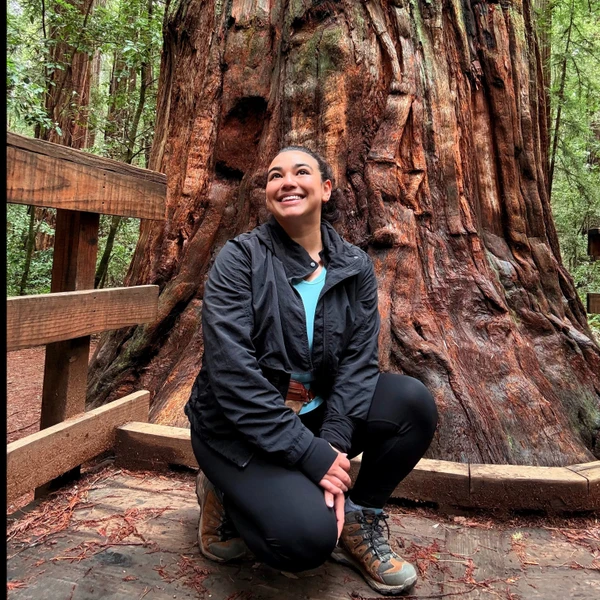
Hobbies and interests
Baking
Beach
Hiking And Backpacking
Camping
Singing
Reading
Exercise And Fitness
Concerts
Esperanza Cabrera
1x
Finalist
Esperanza Cabrera
1x
FinalistBio
Growing up in a low-income family, I learned the value of perseverance. Living with dyslexia and having a sibling with Down syndrome sparked my passion for inclusion and equity. I am committed to making education more accessible and inclusive, ensuring that every student—regardless of ability or background—has the opportunity to thrive.
Education
San Jose State University
Master's degree programMajors:
- Special Education and Teaching
Arizona State University Online
Bachelor's degree programMajors:
- Education, Other
Los Medanos College
Associate's degree programMajors:
- Education, Other
Career
Dream career field:
Education
Dream career goals:
Kathleen L. Small Teaching Scholarship
I am pursuing a career in education because I believe that schools play a critical role in shaping not only students’ academic outcomes, but also their confidence, identity, and sense of belonging. Education offers a unique opportunity to positively influence students during formative years of their lives, and I am deeply motivated by the idea that a caring, intentional teacher can make a lasting difference. I am especially drawn to education because it allows me to advocate for equity, support diverse learners, and create learning environments where all students feel seen, valued, and capable of success.
My interest in education has grown through my direct experiences working with students who face learning, behavioral, or social challenges. I have seen firsthand how students thrive when educators take the time to understand their individual needs and strengths rather than focusing solely on deficits. These experiences have shown me that teaching is not just about delivering content, but about building relationships, fostering trust, and providing students with the tools they need to navigate both academic and real-world challenges. Knowing that I can help students gain confidence in their abilities and develop a positive relationship with learning is one of the most meaningful aspects of this profession for me.
One of my greatest sources of inspiration comes from the mentor teachers and special education professionals I have worked alongside. These individuals model patience, empathy, and unwavering commitment to their students. Watching them collaborate with families, adapt instruction, and advocate for appropriate services has reinforced my belief in the power of inclusive education. They have shown me what it means to hold high expectations while also providing the necessary support for students to meet those expectations. Their dedication has encouraged me to grow as an educator who is reflective, flexible, and student-centered.
In addition to mentors, my students themselves continually inspire me. Many of them demonstrate resilience, creativity, and perseverance in the face of obstacles that extend beyond the classroom. Their determination reminds me why it is essential for educators to create supportive environments where students feel safe taking risks and learning from mistakes. These moments of growth—whether academic, social, or emotional—affirm my decision to pursue a career in education.
Ultimately, I am pursuing a career in education because I want to be the teacher I once needed and the advocate my students deserve. I hope to continue supporting students by fostering inclusive classrooms, collaborating with families and colleagues, and helping learners recognize their own potential. Education is more than a career path for me—it is a commitment to empowering students and contributing to a more just and compassionate society.
Susie Elizabeth Memorial Scholarship
What inspires me to work with individuals with Autism Spectrum Disorder (ASD) is the opportunity to support students who experience the world differently and to help create learning environments where those differences are recognized as strengths rather than limitations. Through my experiences working in special education settings, I have seen firsthand how students with autism thrive when instruction is intentional, structured, and responsive to their individual needs. These experiences have reinforced my belief that all students are capable of meaningful growth when provided with appropriate supports and high expectations.
I am particularly inspired by the progress that occurs when students with ASD are given clear routines, visual supports, and explicit instruction. I have observed how predictable structures and positive behavior supports can reduce anxiety and increase student engagement, independence, and confidence. Even small instructional adjustments—such as breaking tasks into manageable steps, providing visual schedules, or offering alternative ways to communicate—can have a significant impact on a student’s success. Seeing students gain confidence in their abilities and begin to advocate for themselves has been one of the most rewarding aspects of my work.
Another source of inspiration comes from building relationships with students and their families. Collaborating with families has shown me the importance of understanding each student’s background, strengths, and goals beyond the classroom. This partnership allows for more meaningful, culturally responsive instruction and helps ensure consistency between home and school. Working alongside general education teachers and related service providers has also highlighted the value of teamwork and shared responsibility in supporting students with ASD.
In the future, I plan to support individuals with autism by continuing to implement evidence-based practices that promote academic, social, and behavioral growth. I hope to work in inclusive educational settings where students with ASD have access to the general education curriculum while receiving individualized support through accommodations, modifications, and targeted interventions. I am committed to designing instruction that is strengths-based, data-driven, and aligned with Universal Design for Learning (UDL) principles to ensure accessibility for all learners.
Additionally, I plan to advocate for students with autism by supporting inclusive practices, educating others about autism, and promoting positive perceptions within school communities. Helping students develop self-advocacy, social communication skills, and independence will remain a central focus of my work. Ultimately, my goal is to empower individuals with autism to reach their full potential, build meaningful relationships, and feel a strong sense of belonging in both school and society.
Sloane Stephens Doc & Glo Scholarship
Who I Am
I grew up in the low-income housing projects, where the challenges of daily life often overshadowed dreams of higher education or professional success. On top of financial struggles, I was diagnosed with dyslexia at an early age. School was never easy for me, and the stigma of having a learning disability weighed heavily on my self-confidence. I can still remember moments when teachers and peers doubted my abilities, telling me I wouldn't be able to complete higher education. At times, I almost believed them. Yet instead of letting those words define me, I turned them into motivation. My dyslexia became both my greatest struggle and my most outstanding teacher, showing me resilience, patience, and determination.
Despite the obstacles, I earned my associate’s degree in education and later achieved my bachelor’s degree. Reaching these milestones was not easy—it required countless late nights, hard work, and the courage to ask for support when I needed it. Each accomplishment reinforced that I was not limited by the labels others placed on me. Instead, my journey proved that success is possible when you persevere and refuse to give up.
My family has also shaped my identity and career goals in profound ways. My mom lives with multiple sclerosis, which has taught me strength and perseverance through her example. She faces daily battles with courage, reminding me that hardship does not have to define you. My younger brother has Down syndrome, and growing up alongside him has been one of the most significant influences on my life. From an early age, I saw the unique challenges he faced navigating a world that often overlooks individuals with disabilities. At the same time, I witnessed his joy, determination, and ability to teach others about acceptance and unconditional love.
Together, these experiences have led me to my passion: becoming an educator in special education. I want to create an environment where students with disabilities are not underestimated, but instead celebrated for their strengths and supported in their growth. Today, I am continuing this journey by pursuing my master’s degree in education along with my teaching credential. I know that these next steps will allow me to deepen my knowledge, strengthen my practice, and make an even greater impact on the lives of students with special needs.
Who I am is more than the struggles I have faced—I am proof that resilience, hard work, and compassion can transform barriers into purpose. My past has shaped me, but my future is defined by the impact I will have as a special education teacher and advocate.
RonranGlee Special Needs Teacher Literary Scholarship
My mission:
As a special education teacher, I am driven by a deep passion to help students discover their unique strengths, empower them with tools to support themselves, and foster their confidence. I am inspired by the support I received from my own educators, who believed in me despite my dyslexia and helped me become the first in my family to graduate high school, pursue higher education, and now work toward my master's degree. Their dedication created a safe, nurturing space where I felt accepted and respected. In my classroom, I strive to create the same environment—one where mistakes are seen as opportunities to learn and grow, and every voice is valued. My goal is to ignite hope, inspire resilience, and show each student that they are capable of achieving incredible things.
Students' abilities:
I am passionate about discovering each student's unique talents and interests to spark their learning journey. When students feel seen, valued, and appreciated for who they truly are, they are motivated to invest in their education and prove to themselves that they can achieve remarkable growth. I have a student whose fascination with insects fuels their curiosity. They can vividly identify different insects, their life cycles, and habitats. By integrating this interest into lessons—using stories that include insects and their environments—I ignite their passion. Once their interests are acknowledged, they become deeply engaged, often reaching about 90% involvement, demonstrating the transformative power of personalized encouragement.
Self-advocacy:
Growing up, I didn't fully understand my rights as a student with disabilities or how to access the services I needed. That's why I am dedicated to empowering my students to advocate for themselves. By introducing their IEPs and emphasizing their yearly goals and achievements, I help them recognize their potential and understand their rights. When students are aware and confident, they are more likely to succeed and flourish. I believe in nurturing their ability to take an active role in their education, inspiring them to become leaders of their own journey.
Celebrate growth:
Often I hear the phrase "Data doesn't lie," but do the numbers truly reflect the whole child? Let’s go beyond just meeting goals—let’s celebrate every step of growth. By recognizing every win, big or small, we empower students and foster their potential. Together, we can cultivate a growth mindset that helps students see themselves as capable learners who can overcome any challenge. Every success highlights their strength—let’s celebrate it and inspire limitless possibilities.
Conclusion:
With the power of three foundational pillars, we are not just building students; we are shaping future leaders and inspiring them to become the best versions of themselves. My ultimate goal is for my students to leave not only with academic knowledge but also with a deep understanding of their own self-worth. I want them to feel empowered to make their mark on the world, just as my teachers did for me, igniting a lifelong passion for growth, purpose, and impact.
Reimagining Education Scholarship
If I could have a class required for K-12, it would be called "Life Skills and Emotional Intelligence." It would be a blend of social emotional learning (SEL), practicing life skills, and critical thinking that would be taught in an age-appropriate way throughout all grade levels. The class focus would be to have self-awareness and self-management to understand the emotions, triggers, and personal strengths. It would give the opportunity to learn coping strategies for stress, frustration, and disappointment. Another focus would be social skills and empathy. This would practice conflict resolution, how to have respectful communication, and how to be an active listener, and giving the gift of understanding that we all have different perspectives and cultures. Additionally, something like community and civic engagement. This would provide students with a clear understanding of how communities work, give students volunteering and leadership opportunities, and give examples of how we respect and participate in democratic processes. Lastly, practical life skills. This would provide students with an understanding of basic financial literacy such as budgeting, credit, and savings, tools for time management and organization, and digital literacy and safe tech use. This would include how to use Excel, an understanding of how to protect oneself from scamming, and how to keep personal information secure. There are many ways that this could be beneficial for students, not just in their lives but academically. When students have a strong understanding of emotional regulations and problem-solving skills, they tend to perform better academically due to the process of critical thinking. We would see a reduction in behavioral issues because they would improve in self-control and develop empathy, leading them to have fewer conflicts, bullying, and build an understanding of discipline. This would also support students in building the knowledge of the importance of mental health support. This would be able to show students coping skills and help them build resilience that can support them later in life. Not to mention the life readiness that a lot of stunts don't. Most of the skills are passed down from our caretakers. When we are able to provide better understanding of how to make financial choices and be intentional, it will help break the cycle of socioeconomic difficulties. Lastly, it would promote an understanding across diverse backgrounds, meaning it would reduce polarization and foster unity. I firmly believe if we rolled this out, it could change school culture in a generation. This would help produce adults who are not only skilled workers but emotionally intelligent, financially responsible, and empathetic memories of today's society.