Hobbies and interests
Dance
Baseball
Reading
Academic
Adult Fiction
Fantasy
Romance
Childrens
Christian Fiction
Christianity
Action
Adventure
Book Club
Literary Fiction
Young Adult
Realistic Fiction
I read books daily
Erin Pruitt
1x
Finalist
Erin Pruitt
1x
FinalistBio
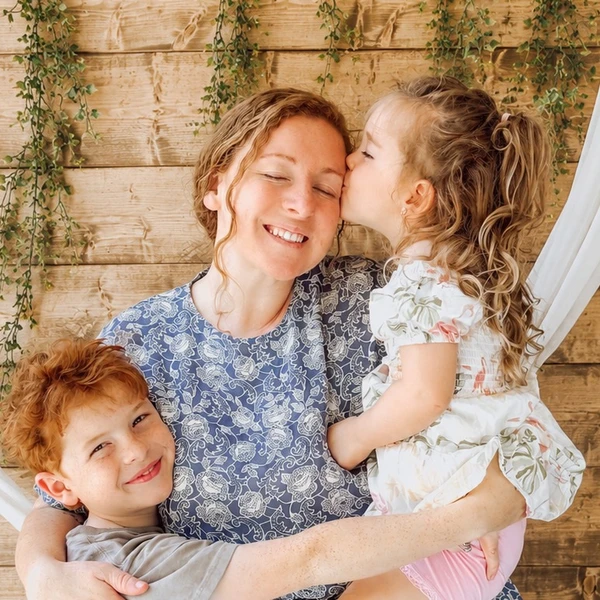
My name is Erin Pruitt, a kindergarten teacher who believes in building strong relationships, fostering independence, and giving every child a chance to shine. I am passionate about leadership, service projects, and creating supportive learning environments. As I pursue my graduate degree, I hope to continue growing as an educator and expand the ways I can support my students and community.
Education
University of North Carolina at Pembroke
Master's degree programMajors:
- Education, General
Liberty University
Bachelor's degree programMajors:
- Education, General
Randolph Community College
Associate's degree programMajors:
- Criminal Justice and Corrections, General
Miscellaneous
Desired degree level:
Doctoral degree program (PhD, MD, JD, etc.)
Graduate schools of interest:
Transfer schools of interest:
Majors of interest:
- Education, General
Career
Dream career field:
Education
Dream career goals:
Teacher
Asheboro City Schools2017 – Present9 years
Sports
Dancing
Varsity2008 – 20135 years
Arts
UNCG
Dance2012 – 2014
Bryent Smothermon PTSD Awareness Scholarship
Most people think of the veteran when they hear about "military service-related PTSD." But families often carry this burden quietly too.
My father was proud to serve in the Army, but the effects of service came home with him. PTSD affected my childhood in ways I didn’t understand until I was older. As a kid, I noticed changes in his mood before I knew why. I learned to read a room early so I could prepare for unpredictable moments. These experiences changed how I viewed safety, relationships, and myself.
Years later, I was diagnosed with PTSD because of the trauma I experienced growing up with my father's service-related PTSD. Getting that diagnosis was painful, but it finally helped me understand my past. It showed me my experiences were real and that trauma can affect more than just the person who served. The hidden wounds of military service can impact families for generations. I have always respected military service and am proud of my father's willingness to serve our country. But I have also learned that honoring veterans entails recognizing the sacrifices that continue after they come home. Supporting our military should not stop when the uniform comes off. Mental health care, family support, and reducing the stigma around PTSD are just as important as recognizing someone's service.
My experiences have formed who I am as a person and as a teacher. As a kindergarten teacher working toward my graduate degree, I know every child brings unseen experiences to school. Some children carry burdens they cannot explain. Because of my background, I try to make my classroom a space where children feel safe, valued, and understood. I have seen how one caring adult can make a big difference for a child facing trauma. I want families to know that asking for help is not a sign of weakness, and I want veterans to know that seeking treatment is one of the strongest things they can do for themselves and their loved ones. Healing is possible, and it starts with honest conversations and caring support.
My father's service changed my family's story in ways I have never expected. I cannot change our past, but I can choose how to move forward. I try to lead with consideration, support others affected by military-related PTSD, and create welcoming areas where children and families feel noticed, heard, and hopeful. If sharing my story helps even one veteran or military family feel less alone, then something good can come from the pain we have faced.
Bick First Generation Scholarship
When people hear the phrase "first-generation student," they often think it simply means being the first in your family to attend college. To me, it means something much deeper. It means learning to navigate a world that no one in your immediate family has experienced before. My dad graduated from high school, and while my mom attended college, she never finished her bachelor's degree. There was never a roadmap sitting on the kitchen table explaining graduate school, financial aid, or how to balance coursework with a career and a family. Every step has required me to ask questions, seek guidance, and believe I belonged, even when I wasn't always sure I did.
Returning to school as a graduate student while working full time as a kindergarten teacher and raising two young children has stretched me in ways I never imagined. There have been countless evenings spent writing papers after my children were asleep, weekends devoted to research instead of rest, and moments when I questioned whether I could continue. My son lives with Type 1 diabetes, which means our family is constantly balancing doctor appointments, blood sugar management, and the unpredictability that comes with a chronic illness. Like so many first-generation students, I have learned that determination is often built in the ordinary moments when quitting would be easier than continuing.
What keeps me moving forward is knowing why I started. Every day, I teach children who are just beginning their educational journeys. I believe reading is a human right, and I have dedicated my career to ensuring every child has the opportunity to become a confident reader. My graduate studies have strengthened my understanding of literacy instruction and prepared me to begin my new role as a K–2 Reading Specialist. My goal is not only to help struggling readers but also to coach teachers so that effective literacy instruction reaches hundreds of children for years to come.
Being first-generation has shaped the educator I have become. It has taught me humility because I know what it feels like to ask for help. It has taught me perseverance because I have had to create opportunities rather than wait for them. Most importantly, it has taught me that education can change the trajectory of an entire family.
Receiving this scholarship would relieve a significant financial burden as I complete my graduate degree, allowing me to focus even more fully on my education and my students. More than that, it would represent an investment in someone determined to multiply that opportunity. I hope my children grow up believing that learning never stops, and I hope the students I serve see what is possible when someone refuses to let unfamiliar territory become an excuse to stand still. Being first-generation is not simply part of my story. It is the reason I am committed to helping others write a different ending to their story.
Charles B. Brazelton Memorial Scholarship
If you asked my family to describe me in one word, they would probably laugh before answering, "intense."
Not intense in an angry way. Intense in a "once Erin decides she's interested in something, she's going to know absolutely everything about it" kind of way.
I have never been good at casually enjoying things.
If I'm planning a family vacation, I've probably read dozens of reviews, compared every option, mapped out restaurants, and researched enough to be mistaken for a travel agent. If my son starts a new sport, I don't just learn the schedule. I suddenly know about equipment, training drills, rules, and the tiny details that most people never notice. My husband jokes that I can't have hobbies because I accidentally turn every hobby into a research project.
Growing up, I thought this made me a little weird.
As I've gotten older, I've realized it's actually one of my greatest strengths.
That curiosity is exactly what led me to become a teacher and eventually return to graduate school. I can't accept doing something simply because "that's how it's always been done." When I learned there were decades of research explaining how children learn to read, I couldn't stop there. I completed LETRS training, attended literacy conferences, studied the Science of Reading, asked questions, filled notebooks with ideas, and completely transformed my classroom. I became fascinated by the tiny details most people overlook because I knew they could change a child's future.
This past year, 93% of my kindergarten students finished at or above grade level in reading. I don't believe that happened because I'm the smartest teacher in the room. I believe it happened because I'm willing to keep learning long after everyone else has gone home.
That same curiosity spills into every part of my life. My children have learned that if they ask me a question, they're probably getting an answer, three fun facts, and a demonstration. My students know that if they become interested in something, I'll probably become just as excited as they are. My friends know not to ask for product recommendations unless they're ready for a detailed explanation complete with comparisons and reasons.
I know that's probably a little unusual.
But I've stopped apologizing for caring deeply.
The world needs people who are willing to dive into problems rather than skim the surface. Whether I'm helping a struggling reader, supporting my own children, or continuing my education, my instinct is always the same: learn more, ask another question, find a better way.
If being "awkward" means I get a little too excited about learning, a little too invested in helping people, or a little too passionate about the things that matter, I'll gladly own that.
After all, some of the people who make the biggest difference in the world are the ones who care just a little more than everyone else.
Jerrye Chesnes Memorial Scholarship
People often ask me how I balance being a full-time teacher, graduate student, wife, and mother. The honest answer is that balance is a myth. Some days, my children need more of me. Some days,
/\ my students need more of me. Some days, graduate school wins because a deadline cannot wait. The challenge has never been finding a perfect balance. I have been learning to keep showing up for the people who count on me, even when I feel stretched in every direction.
Returning to graduate school after becoming a parent has changed the way I define success. Years ago, success meant earning good grades and finishing assignments on time. Today, success looks very different. It looks like writing papers after my children have fallen asleep, reading research articles while waiting at baseball practice, and listening to lectures with one eye on my son's continuous glucose monitor because he lives with Type 1 diabetes. It looks like making the choice, over and over again, not to quit when life would have given me every reason to.
There have been seasons when the weight of everything felt overwhelming. As a teacher, I spend my days pouring into young children, helping them build confidence as they learn to read. When I come home, my own children deserve that same attention. They deserve a mom who listens to stories about their day, helps with homework, and is fully present. Then, after the house grows quiet, I become a graduate student. Those late-night hours have become my classroom.
Returning to school has also meant believing that investing in myself is not taking away from my family. For a long time, I wrestled with the guilt of spending hours studying instead of relaxing with my children. Eventually, I realized something important. My children are not simply watching me earn a degree. They are watching perseverance in action. They are learning that growth does not stop because adulthood gets busy. They are learning that meaningful goals require sacrifice, discipline, and resilience.
My education has already transformed my career. Through graduate coursework and professional learning, I have deepened my understanding of literacy instruction and the Science of Reading. This past year, 93% of my kindergarten students finished at or above grade level in reading, an accomplishment that reflects countless hours of learning, reflection, and growth. Soon, I will begin serving as a K–2 Reading Specialist, supporting students and coaching teachers to ensure more children become successful readers.
When people think about parents returning to school, they often focus on the obstacles. While those obstacles are real, they are only part of the story. Returning to school has reminded me that my children are not barriers to my education—they are my greatest motivation. Every assignment I complete, every class I finish, and every goal I achieve is ultimately for them. I want my children to remember that their mother chose growth over comfort, perseverance over convenience, and purpose over excuses.
One day, they may not remember the degree I earned. I hope they remember something far more valuable: that it is never too late to become the person you were created to be.
Grandmaster Nam K Hyong Scholarship
Five-year-olds are not supposed to believe they are failures.
Yet every year, I meet children who quietly carry that burden before they have even learned to tie their shoes. They avoid books because they think reading is something other children can do. They lower their eyes when it is their turn to read aloud. They smile less each time they compare themselves to classmates who seem to learn effortlessly. Somewhere along the way, they stop believing they are capable.
Those moments have shaped my life far more than any college course ever could.
People often ask why I decided to pursue graduate school while teaching full time and raising a family. The answer has very little to do with earning another degree. My decision grew out of watching children lose confidence before they ever had the chance to discover their potential. I realized that if I wanted to create lasting change, I needed to become more than a classroom teacher. I needed to become an expert in literacy instruction, someone who could not only transform the lives of my own students but also help other educators do the same.
Pursuing higher education has required sacrifices that are difficult to describe unless you have lived them. I am a full-time kindergarten teacher, a wife, and a mother of two young children. My son lives with Type 1 diabetes, which means there are no days off from monitoring blood sugar, changing insulin pumps, or preparing for the unexpected. I have also navigated my own health challenges, including rheumatoid arthritis and bariatric surgery that resulted in losing more than one hundred pounds. Recovery was not simply physical. It required rebuilding routines, changing habits, and proving to myself that difficult things are possible one small decision at a time.
Graduate school became another one of those decisions.
Many evenings begin after my children are asleep. While most houses are quiet for the night, mine becomes a classroom once again. Papers are written at the kitchen table, research articles replace television, and lesson ideas fill notebooks scattered across the room. There have been moments when exhaustion tempted me to settle for "good enough." Instead, I reminded myself why I started.
Every assignment represented another opportunity to become a better teacher for children who deserve my very best.
Throughout my career, I have never been satisfied with simply doing what has always been done. I sought out LETRS training to gain a deeper understanding of how children learn to read. I attended the University of Florida Literacy Institute Academy because I wanted practical tools grounded in research. I immersed myself in the Science of Reading because I believe educators have a responsibility to follow evidence rather than tradition. Learning has never been something I pursued for a certificate to hang on my wall. I pursued it because every new strategy could mean another child experiencing success.
This past school year affirmed that commitment. Ninety-three percent of my kindergarten students finished the year at or above grade level in reading. I am proud of that number, but what matters most is what it represents. It represents children who entered my classroom unsure of themselves and left calling themselves readers. It represents families who watched bedtime stories become moments of joy instead of frustration. It represents opportunities that will follow those students long after they leave my classroom.
Numbers tell part of the story.
Faces tell the rest.
I still think about the students who walked into my room, unable to recognize many letters, but walked out proudly reading books to younger siblings. I think about parents who cried during conferences because they never imagined their child would enjoy reading. Those moments remind me that literacy changes far more than report cards. It changes confidence. It changes futures.
I am currently pursuing my master's degree in elementary education because my vision has expanded beyond a single classroom. Upon graduation, I will serve as a K–2 Reading Specialist to multiply my impact. I want to coach teachers, model evidence-based literacy instruction, analyze student data, and develop intervention systems that identify struggling readers before they fall years behind. If I can help one teacher become more effective, that teacher will influence hundreds of students throughout a career. The ripple effect is immeasurable.
The changes I hope to create extend beyond my school district. I want to be part of changing the national conversation about literacy. We often accept reading failure as something that happens to some children. I do not believe that. I believe reading is a human right. When schools provide systematic, explicit, research-based instruction and intervene early, far more children experience success. I want to advocate for those practices, mentor educators who are eager to learn, and help build schools where every child has access to effective reading instruction from the very beginning.
Graduate school has also changed me personally. It has strengthened my confidence, deepened my resilience, and reminded me that growth requires humility. Every class has challenged me to think differently, reflect honestly, and continually improve. It has reinforced something I hope my own children will one day understand: learning is not something we finish when we earn a diploma. It is a lifelong commitment.
When my children think back on these years, I hope they do not remember the late nights or the textbooks spread across the table. I hope they remember watching their mother choose perseverance over convenience. I hope they learn that meaningful work is rarely easy but is always worth pursuing.
Receiving this scholarship would lessen the financial burden of graduate school, but more importantly, it would represent an investment in every student whose life I will touch throughout my career. My education does not end with me. It reaches every child who learns to read with confidence, every teacher who gains new skills, every family that discovers hope, and every classroom that becomes a place where students believe in themselves.
One day, no one will remember the grades I earned in graduate school or the degree hanging on my office wall.
I hope they remember something far more important.
They remember the child who once believed reading was impossible, opened a book with confidence, and realized for the very first time that they could.
Therese Ingelaere Murray Memorial Scholarship
From the moment I stepped into a classroom as a teacher, I knew I had found my purpose. Teaching is more than a job to me it is a calling, a commitment, and a privilege. My passion for teaching comes from the belief that every child deserves someone who sees their potential, nurtures their strengths, and supports them through their challenges. I have always been drawn to working with young learners, and over the years, my experiences in kindergarten have only deepened my love for this profession. Before becoming a teacher, I served in leadership and mentorship roles that built the foundation for the educator I am today. I founded a leadership program where I taught students how to set goals, build confidence, and take responsibility for their choices. I also coordinated school-wide initiatives, collaborated with teachers from multiple grade levels, and helped guide families through challenging academic and behavioral situations. Each of these experiences reinforced how much I value building relationships, supporting growth, and helping students believe in themselves all core elements of great teaching. Teaching is important to me because it allows me to impact lives in ways that extend far beyond academics. In my classroom, I get to be the person who encourages a child who feels unsure, celebrates small victories others may overlook, and creates a learning environment where students feel safe, capable, and valued. I teach not only reading and math, but also resilience, empathy, communication, and curiosity. I love showing students that mistakes are part of learning and that their voices matter. To me, the heart of teaching lies in helping children become confident learners who trust in their ability to grow.
As a teacher, I also see myself as a lifelong learner. I want to continue my education, strengthen my instructional practices, and become the kind of educator who adapts to students’ needs with creativity, patience, and purpose. Pursuing my graduate degree is an important step in this journey. It will help me deepen my expertise, increase my impact, and ensure I give my students the strongest foundation possible. I want to learn how to better support diverse learners, integrate research-backed strategies, and create meaningful, culturally responsive learning experiences. For my students, my biggest goal is to help them leave my classroom feeling confident and capable. I want them to discover a love of learning, especially in areas where they may have struggled before. I want them to see themselves as readers, as problem-solvers, as thinkers and most importantly, as individuals with unlimited potential. Whether they are learning to count, write, read, or collaborate with peers, I aim to create a classroom where every child feels seen, supported, and empowered. Ultimately, teaching is my passion because it gives me the opportunity to shape futures and break cycles. Every child I teach becomes a reminder of why this work matters and why I am committed to growing, improving, and showing up as the best educator I can be. My goal is simple: to continue becoming the teacher my students deserve and the teacher who inspires them to believe in everything they can become.
Bulkthreads.com's "Let's Aim Higher" Scholarship
What I want to build more than anything is a future that creates stability, opportunity, and growth for both myself and the people I serve. As a teacher, a mother, and a first generation student, my future is something I am building piece by piece, through education, resilience, and a deep commitment to making a difference. The “structure” I am building is not made of wood or steel. It is built from purpose, dedication, and the belief that I can help change lives.
The first part of my future that I am working to build is my education. Finishing my degree is one of the most important goals I have. It will allow me to become a stronger and more confident educator. I want to build a career that gives me the skills, knowledge, and confidence to truly support my students, especially those who come into the classroom carrying heavy burdens. I want to build a future where I can advocate for their needs, teach them effectively, and be a source of stability when life feels uncertain for them.
I am also building a future for my children. I want them to see that no matter how hard life becomes, you can keep going. I want them to grow up knowing that hard work can change your path and that even when obstacles seem overwhelming you can build something meaningful from them. Every class I take, every late night I spend studying, every challenge I push through is a brick added to the foundation of the future I want them to inherit.
Beyond my own family, I want to build a stronger community by being the teacher who inspires confidence in young learners. I want to build a classroom environment where students feel seen, valued, and capable. I want to build connections with families, support students who feel misunderstood, and create learning spaces filled with encouragement and growth. When children feel supported early, it affects the rest of their lives. Building that foundation for them is one of the most meaningful impacts I can make.
Ultimately, the future I want to build is one filled with purpose, stability, and service. It will impact my community by giving students a teacher who is dedicated not just to academics but to building confidence, resilience, and belief in their own potential. And it will impact me by helping me grow into the educator, mother, and leader I know I can be.
Bick First Generation Scholarship
Being a first generation college student means carrying the dreams of my family while carving a path no one before me has had the chance to walk. It means stepping into unfamiliar spaces, figuring out systems on my own, and pushing myself forward even when the process feels overwhelming. For me, being first generation is not just a label. It is a responsibility, a privilege, and a powerful source of motivation. I want to show my children, my students, and myself that it is never too late to chase the future you deserve.
As a first generation student, the biggest challenges I have faced have been navigating financial barriers, balancing family responsibilities, and learning how to advocate for myself academically. I have had to make decisions without the guidance many of my peers took for granted. Still, I pushed through because I knew education was the pathway to stability, opportunity, and a better life. Not just for me, but for the people who depend on me.
What drives me most is my family, especially the memory of my dad who always told me he was proud of me and believed in my potential long before I believed in myself. I want to finish my degree not only to honor him but also to build a future he would be proud of. A future where I can support my children, advance in my teaching career, and make a difference in the lives of students who need someone to believe in them the way my dad believed in me.
This scholarship would ease the financial pressure that often stands between me and my educational goals. It would allow me to focus more on my coursework, my children, and my long term dream of becoming a stronger and more knowledgeable educator. It would mean one less burden and one more step toward breaking the cycle of uncertainty that many first generation families experience.
My journey has not been perfect, but it has been full of determination, resilience, and heart. I am committed to finishing what I have started. Not only for myself, but for every generation that comes after me.
Sabrina Carpenter Superfan Scholarship
I am a fan of Sabrina Carpenter because she has a rare ability to blend talent, vulnerability, and confidence in a way that feels both inspiring and relatable. From her early acting roles to her evolution as a singer, she has continually reinvented herself while staying true to who she is. Sabrina’s music balances honesty with humor, heartbreak with empowerment, and playfulness with emotional depth. Whether she’s singing about confidence, love, loss, or finding her own voice, her lyrics feel genuine and grounded, like she’s giving her listeners permission to feel everything unapologetically.
What inspires me most about Sabrina is her resilience. She has navigated public scrutiny, career transitions, and the pressures of growing up in the spotlight, yet she continues to rise with grace. Instead of letting challenges define her, she transforms them into creative fuel. Her journey reminds me that setbacks can become turning points, and that success is often built from moments of doubt, hard work, and choosing to believe in yourself anyway.
Her career has impacted me by encouraging me to embrace my individuality, take risks, and express myself freely. Sabrina’s confidence helps me find my own, especially on days when I feel overwhelmed or unsure. Her willingness to be bold, whether through her lyrics, personality, or performances has shown me that it’s okay to stand out, to grow, and to own my story.
Sabrina Carpenter isn’t just an artist I admire, she is someone whose music and message have helped me feel braver, more empowered, and more connected to who I truly am.
John Nathan Lee Foundation Heart Scholarship
When my dad was diagnosed with chronic heart disease at just 35 years old, it reshaped the course of my childhood in ways I didn’t fully understand at the time. I grew up watching him navigate a condition that constantly reminded our family how fragile life can be. While other kids worried about homework and weekend plans, I learned to pay attention to blood pressure cuffs, medication schedules, emergency room visits, and the subtle shift in my father’s breathing when something wasn’t right. His diagnosis was the first major obstacle our family faced one that would shape my resilience, my perspective, and the way I approach challenges even now. As he grew older, the disease progressed, and our fear grew with it. Simple things, walking across the yard, climbing stairs, laughing too hard, could suddenly turn into medical emergencies. There were birthdays, holidays, and milestones shadowed by the uncertainty of not knowing how much time we had. I learned early what it meant to live with constant worry, to cherish small moments, and to carry responsibilities beyond my age. His illness taught me emotional strength long before I realized that not every child grows up with that burden.
Losing my dad at just 54 was the greatest obstacle I have ever faced. Even though we had been living with the reality of his condition for years, nothing prepared me for the moment he was gone. The grief hit in waves, heavy, unexpected, and unrelenting. The man who encouraged me through every setback, the person who told me he was proud of me with his final words, and the constant source of strength in my life was suddenly absent. His passing didn’t just leave an emotional void; it forced me to navigate life without the parent who understood me most. Living through his illness and eventually losing him has shaped who I am in every way. It taught me empathy for others facing invisible battles. It taught me perseverance, because I had seen him fight for nearly 20 years against a disease that tried to define him. It taught me the importance of health something I will never take for granted. But most importantly, it taught me purpose. His experience drives me to improve myself, chase goals he never had the chance to fulfill, and live with intention. The emotional weight of growing up with a chronically ill parent followed me into adulthood. Balancing school, work, and family was often difficult, especially during the years when his health declined more rapidly. There were days I struggled to stay focused or motivated because fear and stress were always lingering. Yet overcoming those challenges strengthened my determination: if my dad could fight his disease for so long, I could fight for my future. Although he is no longer here, his influence remains present in every decision I make. I carry his resilience, his pride, and his belief in me into everything I do. Every goal I set, every milestone I reach, and every path I pursue is touched by the lessons his illness and his loss taught me. Cardiac disease changed my life, but it also shaped me into someone who refuses to give up. And in that way, my dad continues to guide me forward, even now.
Therese Ingelaere Murray Memorial Scholarship
From the moment I stepped into a classroom as a teacher, I knew I had found my purpose. Teaching is more than a job to me it is a calling, a commitment, and a privilege. My passion for teaching comes from the belief that every child deserves someone who sees their potential, nurtures their strengths, and supports them through their challenges. I have always been drawn to working with young learners, and over the years, my experiences in kindergarten have only deepened my love for this profession. Before becoming a teacher, I served in leadership and mentorship roles that built the foundation for the educator I am today. I founded a leadership program where I taught students how to set goals, build confidence, and take responsibility for their choices. I also coordinated school-wide initiatives, collaborated with teachers from multiple grade levels, and helped guide families through challenging academic and behavioral situations. Each of these experiences reinforced how much I value building relationships, supporting growth, and helping students believe in themselves all core elements of great teaching. Teaching is important to me because it allows me to impact lives in ways that extend far beyond academics. In my classroom, I get to be the person who encourages a child who feels unsure, celebrates small victories others may overlook, and creates a learning environment where students feel safe, capable, and valued. I teach not only reading and math, but also resilience, empathy, communication, and curiosity. I love showing students that mistakes are part of learning and that their voices matter. To me, the heart of teaching lies in helping children become confident learners who trust in their ability to grow.
As a teacher, I also see myself as a lifelong learner. I want to continue my education, strengthen my instructional practices, and become the kind of educator who adapts to students’ needs with creativity, patience, and purpose. Pursuing my graduate degree is an important step in this journey. It will help me deepen my expertise, improve my impact, and ensure that I am giving my students the strongest foundation possible. I want to learn how to better support diverse learners, integrate research-backed strategies, and create meaningful, culturally responsive learning experiences. For my students, my biggest goal is to help them leave my classroom feeling confident and capable. I want them to discover a love of learning, especially in areas where they may have struggled before. I want them to see themselves as readers, as problem-solvers, as thinkers and most importantly, as individuals with unlimited potential. Whether they are learning to count, write, read, or collaborate with peers, I aim to create a classroom where every child feels seen, supported, and empowered. Ultimately, teaching is my passion because it gives me the opportunity to shape futures and break cycles. Every child I teach becomes a reminder of why this work matters and why I am committed to growing, improving, and showing up as the best educator I can be. My goal is simple: to continue becoming the teacher my students deserve and the teacher who inspires them to believe in everything they can become.
Eden Alaine Memorial Scholarship
Losing my dad was the most unexpected and life altering moment I have ever faced. He was only 54 years old, young, vibrant, and the person I could always count on to be in my corner. My dad was my biggest supporter, the steady voice reminding me that I was capable of anything, and the person who believed in my dreams long before I had the courage to believe in them myself. The last words he ever said to me were, “I’m so proud of you.” I didn’t know then how much I would cling to those words, or how they would echo in every decision I made after losing him.
His death changed everything. One day, he was here, asking about my classes, encouraging me to chase opportunities, telling me he loved me. And then suddenly, without warning, he was gone. Grief arrived like a tidal wave confusing, relentless, and with no roadmap for how to move forward. There were days when getting out of bed felt impossible, and days when I felt lost without the person who had always guided me. Losing him at such a young age felt unfair and heartbreaking, but it also forced me to grow in ways I never expected.
In the months that followed, I realized that grief does not disappear; it becomes a shadow that walks beside you. But that shadow also taught me something important: love leaves a lasting imprint. Even though my dad is no longer physically here, he continues to shape who I am every single day. In moments of doubt, I still hear his voice telling me that he is proud of me. When life presents obstacles, I imagine the advice he would give. And when I make decisions about my future, I think about the dreams he had for me and the future he believed I deserved.
His pride in me and the memory of his unwavering support is one of the biggest reasons I want to pursue and finish my degree. Education was something he valued deeply, and he always encouraged me to keep going, even when life became overwhelming. I know without a doubt that if he were here today, he would be cheering me on through every late-night assignment, every moment of stress, and every accomplishment, no matter how small. Finishing my degree isn’t just a personal goal it is a promise I carry in my heart, a way to honor him and continue the legacy of strength he modeled.
Losing him was devastating, but it also shaped me into a more resilient, compassionate, and determined person. I have learned to persevere even when life feels heavy. I have learned that grief and growth can exist side by side. And I have learned that the people we love never truly leave us; they live on through the choices we make and the values we carry.
My dad’s pride in me didn’t end the day he passed. It continues to inspire me, to steady me, and to guide every step I take toward my future. Finishing my degree is not just something I want to do for myself it is something I want to do for him. And even though he is gone, I know he is still with me, shaping the person I am becoming and reminding me every day to keep going.
Learner Math Lover Scholarship
The first time I watched a student go from saying “I can’t do this” to proudly shouting “I DID it!” during a math lesson, I realized just how powerful this subject can be. Math has always been something I personally loved, but that moment showed me that teaching it could genuinely change the way a child sees themselves.
I love math because it represents both structure and possibility. It is a subject built on logic, yet it allows room for creativity in how problems are solved. There is something incredibly satisfying about seeing patterns form, strategies connect, and solutions take shape through persistence. Math teaches students to think critically, break challenges into manageable steps, and trust their own reasoning. These are skills that extend far beyond the classroom and become tools for life.
Teaching math is one of my greatest joys because I get to help students discover confidence they didn’t know they had. Many children come into school believing they are “not good at math,” often before they have even truly tried. I see my role as helping them rewrite that narrative. By making instruction hands on, engaging, and accessible, I show students that math is not something to fear, it is something they can master. The best moments in my classroom are when a child who has struggled suddenly has a breakthrough. Their pride becomes my motivation.
I also love how math naturally connects to the real world. Whether we are counting, measuring, sorting, or problem-solving together, students understand that math is all around them and that their learning has purpose.
Ultimately, I love math because it teaches us how to think, and I love teaching math because I get to inspire that same curiosity, resilience, and joy in my students every single day.