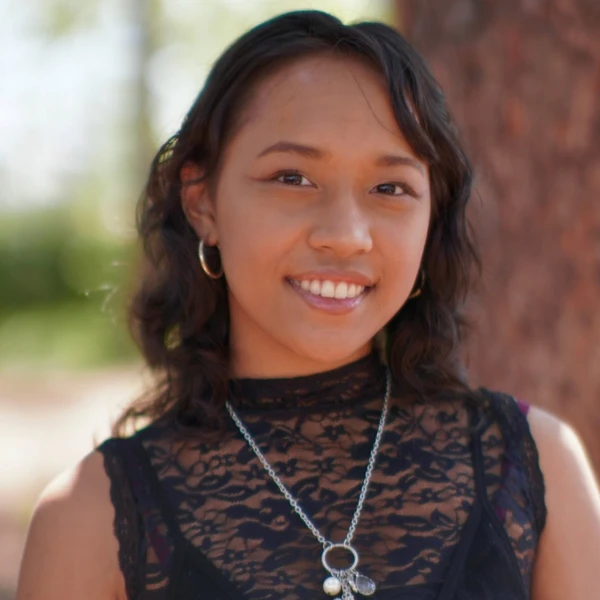
Hello, I am Erin Munda, a Filipina artist who attends Los Angeles County High School for the Arts and I have anxiety. My first panic attack occurred when I was just in 5th grade and I have struggled with it for the past 6 years. Triggered by stress from school, overstimulation, and home situations, I’ve had to endure countless nights of hyperventilation, silent crying, and a looming miserable feeling. I started therapy two years ago, not making much progress, and my anxiety worsened. It was only until I had a terrible panic attack where I was banging on the wall, screaming for help, and felt as if I was being suffocated when I was given a prescription for anxiety medication. After I was told that I had anxiety and taught how to manage it, my anxiety decreased. I’d like to help others realize sometimes negative feelings are a result of an invisible illness and encourage them to seek help in times of need.
My anxiety is rooted in the expectations I have for myself and the expectations others have for me. I have always had to uphold my parents' expectations, as the perfect daughter and caretaker of my mom. She has an incurable auto-immune disease called scleroderma which affects her lungs, ability to breathe, and more recently, her vision, making her partially blind, ridden with coughing attacks, and unable to be active for long periods. Her symptoms first started while she was pregnant with me. In some ways, I felt responsible for her sickness. While I was in fourth grade, she was admitted to the hospital for two weeks because of a virus her immune system could not fight off because she’d been taking immunosuppressants to lessen the effects of the scleroderma. It was during this time when I almost lost my mom that I realized I had to be perfect, to lessen any stress on her, so her condition wouldn’t get worse.
Mental health, especially in the Filipino community is considered taboo. Generational trauma enforces the idea that we should be perfect for the sake of our family who have sacrificed so much for us. A combination of generational trauma, and academic, and societal pressure have squished me into the ball of worry I am today. But instead of holding me back, I am using it to drive myself forward.
I have found community and understanding in others who have struggled/are struggling with anxiety. Both my parents have had chemical imbalances that incite extreme anxiety. I also have friends who battle against invisible illnesses. This community of people has provided me with a certain comfort that they know how to help me, as they have had similar experiences before. People who share the hardship that comes with having an invisible illness have made me less alone in my mental health journey.
These experiences have given me the goal of shattering the stigma surrounding mental health and assisting people with invisible illnesses to find community in others. I have created “Damaged Bears,” a brand aimed at achieving understanding, empathy, and unity for those who struggle with invisible illnesses. I’ve designed teddy bears representing different invisible illnesses, taking inspiration from universal symptoms and personal experiences. I’ve chosen the tagline “We’re all a little damaged” to emphasize that we all have different struggles and these different experiences are what make us unique. It lets people pride themselves on their struggles, and see them as a strength rather than a weakness.
My brand’s social media posts motivational messages and mental health management strategies. I also take care to support certain awareness events that pertain to invisible illnesses. For example, I posted messages promoting unity and kindness during Yellow Ribbon Week. I’ve posted stress management exercises and tips on how to respect people with invisible illnesses. I’ve also been able to showcase my brand at shops and markets, allowing me to connect with people who can relate to the issue depicted in my designs. When people notice and wear my designs, they feel seen. I’ve created a community of people who support one another, as my family and friends have supported me. These designs make the invisible, visible. They destroy the stigma surrounding invisible illnesses and open the conversation to discussing hidden mental health struggles. I want to enforce the fact that no one is perfect and that everyone struggles. We need to normalize talking about and taking care of our mental health.