Hobbies and interests
Acting And Theater
Art
Tennis
Choir
Reading
Science Fiction
History
Ella Bors
1x
Finalist
Ella Bors
1x
FinalistBio
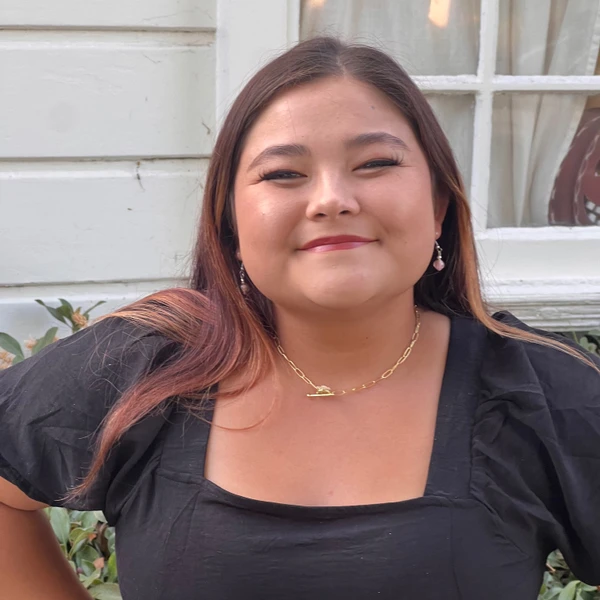
Hi I am Ella Bors! I enjoy spending time with friends, family, and going to church. I love being around my youth group and working with kids. Most importantly I love working as a Chapter President of Best Buddies at my school. I love to spread joy all around my community and I always have a smile on my face!
Education
Long Beach Polytechnic High School
High SchoolMiscellaneous
Desired degree level:
Bachelor's degree program
Majors of interest:
- Psychology, Other
- Neurobiology and Neurosciences
Career
Dream career field:
Mental Health Care
Dream career goals:
Working with neurodivergent children
Sports
Lacrosse
Varsity2022 – Present4 years
Tennis
Varsity2020 – Present6 years
Public services
Volunteering
Best Buddies International — President of my local chapter2022 – PresentAdvocacy
Best Buddies International — President of my local chapter2022 – Present
Future Interests
Advocacy
Volunteering
Philanthropy
Chi Changemaker Scholarship
One issue I saw in my community was how often neurodivergent students felt isolated or misunderstood, even in environments that claimed to be inclusive. Many of my peers with intellectual and developmental disabilities struggled to participate in school events, communicate their needs, or feel genuinely welcomed. I realized that inclusion cannot exist without understanding, and understanding cannot exist without intentional effort. That realization motivated me to take action.
I first became involved with Best Buddies because I wanted to help create a space where neurodivergent students felt valued. Over time, I saw how much it meant for them to have consistent friendships, predictable routines, and people who truly listened. When I became President, I made it my priority to transform the club into a community built on belonging. I redesigned events to reduce sensory overload, added structured activities to help students feel comfortable, and worked closely with aides and families to understand individual needs. I also encouraged neurotypical peers to participate, helping them learn how to communicate with students who were nonverbal or easily overwhelmed. The result has been a more connected, confident group of students who now participate more fully in school life.
My work with Acing Autism strengthened my commitment. On the tennis court, I saw how movement and routine could help neurodivergent youth regulate emotions, build confidence, and experience joy. I learned how to adapt drills, break down instructions, and celebrate small victories. These experiences showed me that inclusion is not just a school issue—it is a community issue.
So far, I have helped increase participation in Best Buddies, expanded the types of events we offer, and created a more supportive environment for students who once avoided social activities. I’ve also helped educate peers about sensory needs and communication differences, slowly shifting our school culture toward greater empathy.
In the future, I hope to expand these efforts through my education. I plan to study Neuroscience and Cognitive Science at UC Santa Cruz and eventually earn a doctorate in neuroscience. My goal is to contribute to research that helps families, educators, and clinicians better understand neurodivergent experiences. I want to help build a world where inclusion is not an exception but an expectation—where every person feels seen, supported, and understood.
Valerie Rabb Academic Scholarship
I am someone who believes deeply in showing up for others, especially for people whose needs are often misunderstood or overlooked. That belief has shaped my identity, my leadership, and the future I am working toward. I am a high school senior preparing to study Neuroscience and Cognitive Science at UC Santa Cruz, and my goal is to use my education to support neurodivergent individuals through research, advocacy, and community‑centered work. Everything I have done so far – academically, personally, and through service – has helped me build toward that purpose.
My most meaningful experiences have come from my volunteer work. As President of Best Buddies, I support students with intellectual and developmental disabilities by planning events, building friendships, and advocating for inclusion on campus. I work closely with aides, families, and program directors to make sure every student feels valued and supported. Through this role, I’ve learned how to communicate with students who are nonverbal, how to help peers navigate sensory overload, and how to create environments where everyone can participate without fear of judgment.
My work with Acing Autism has also shaped who I am. Using tennis as a tool for connection, I help neurodivergent youth build confidence, communication, and joy through movement. These sessions have taught me patience, empathy, and the importance of meeting people exactly where they are. Seeing participants light up when they master a new skill or connect with a partner has shown me how powerful inclusive spaces can be.
These experiences are the reason I am pursuing a career in neuroscience. I want to understand the brain deeply enough to help create systems – educational, therapeutic, and social – that support neurodivergent individuals rather than asking them to change who they are. My long‑term goal is to earn a doctorate in neuroscience and contribute to research that helps families, educators, and clinicians better understand sensory processing, communication differences, and cognitive diversity. I hope to help shift the focus from “fixing” people to supporting them, from stigma to understanding, and from exclusion to belonging.
The adversity I have overcome has strengthened my ambition and shaped my sense of direction. Balancing rigorous academics, leadership roles, athletics, and community service has required discipline, resilience, and the ability to adapt quickly when challenges arise. As a varsity lacrosse goalie and JV tennis player, I learned how to stay focused under pressure and how to push through moments of doubt. As a Link Crew Facilitator, I learned how to support students who arrive overwhelmed or unsure of themselves. And as a Girl Scout for more than thirteen years, I learned that service is built through consistency and responsibility, not recognition.
Through all of this, I have learned that adversity is not something that stops you – it is something that shapes you. It has taught me how to lead with empathy, how to stay committed to my goals, and how to use my experiences to uplift others.
I plan to make a difference by combining science with compassion. I want to help build a world where neurodivergent individuals are supported for who they are, where families have access to understanding and resources, and where inclusion is the norm rather than the exception. My education will give me the tools, but my purpose comes from the people I serve – and that is what drives me forward.
Dream BIG, Rise HIGHER Scholarship
My education has done more than just prepare me for college; it has given me direction, purpose, and a clear understanding of the kind of impact I want to make in the world. I am pursuing a double major in Neuroscience and Cognitive Science because I want to understand the brain deeply enough to support neurodivergent individuals in ways that honor their strengths and needs. Every academic choice I’ve made and every leadership role I’ve taken on has strengthened my commitment to using education as a tool for change.
My goals are shaped by the people I have worked with through Best Buddies, Acing Autism, and my school community. As President of Best Buddies, I support students with intellectual and developmental disabilities by planning events, building friendships, and advocating for inclusion. I’ve learned how to communicate with students who are nonverbal, how to support peers experiencing sensory overload, and how to create environments where everyone feels valued. Through Acing Autism, I use tennis as a bridge to connection, helping participants build confidence and communication through movement. These experiences showed me how powerful it is when people feel understood – and how often neurodivergent individuals are overlooked simply because others don’t understand their needs.
My education has helped me turn those experiences into a clear sense of direction. At UC Santa Cruz, I will study neural development, sensory processing, cognition, and behavior – areas directly connected to the populations I hope to serve. The interdisciplinary nature of UCSC’s programs will allow me to explore how the brain processes information, how cognition varies across individuals, and how environments can be structured to support diverse neurological profiles. My long term goal is to earn a doctorate in neuroscience and contribute to research that helps families, educators, and clinicians better understand neurodivergent experiences. I want to help shift the focus from “fixing” people to supporting them, from stigma to understanding, and from exclusion to belonging.
The challenges I have overcome have shaped my ambition and strengthened my drive. Balancing rigorous academics, leadership roles, athletics, and community service has required discipline, resilience, and the ability to adapt quickly when things become overwhelming. As a varsity lacrosse goalie and JV tennis player, I learned how to stay focused under pressure and how to push through moments of doubt. Sports taught me that progress is built through consistency, that setbacks are temporary, and that confidence comes from showing up even when something feels difficult.
Running my small business, Stringed and Wired, has also played a major role in shaping who I am. What began as a hobby during COVID grew into a real business that I have managed for more than two years. I design and create handmade jewelry, manage inventory, communicate with customers, and sell at local markets. Owning a business as a teenager taught me financial discipline, responsibility, and how to stay organized while balancing school and community commitments. It also taught me how to advocate for myself, how to handle setbacks, and how to keep going even when things don’t go as planned. These lessons have strengthened my belief that education and hard work can open doors, even when the path is not easy.
My leadership roles have pushed me to grow in ways I never expected. As a Link Crew Facilitator, I help incoming freshmen navigate the transition to high school, many of whom arrive anxious or unsure of themselves. Supporting them has taught me how important it is to create spaces where people feel safe and supported – something I hope to continue doing through my future work in neuroscience. As a Girl Scout for more than thirteen years, I organized beach clean ups, maintained a community Little Library, coordinated food donations for unhoused shelters, and led meetings for younger scouts. These experiences taught me that service is not about recognition; it is about consistency, responsibility, and the willingness to do work that strengthens a community.
Through all of these experiences, I have learned that perseverance is not just about working hard; it is about believing that who you are becoming matters. My education has helped me understand that growth often comes from the hardest moments, and that purpose is built through service, compassion, and the willingness to keep moving forward even when the path is difficult. I have learned to trust my ability to adapt, to lead, and to stay committed to the people and causes that matter to me.
I hope to use my education to create a better future by combining science with empathy. I want to help build a world where neurodivergent individuals are supported for who they are, where families have access to understanding and resources, and where inclusion is the norm rather than the exception. My ambition is rooted in service, and my drive comes from a deep belief that education can transform not only my life, but the lives of the people I hope to serve.
I know that the journey ahead will require dedication, resilience, and courage – but I also know that I am ready for it. My education has given me direction, my experiences have given me purpose, and my challenges have given me strength. I am committed to becoming someone who uses knowledge to uplift others and create lasting impact, and I believe that who I am becoming matters just as much as where I am going.
Learner Mental Health Empowerment for Health Students Scholarship
Mental health is important to me as a student because it shapes how I learn, how I connect with others, and how I show up in my community. I have seen how stress, sensory overload, and social pressure can affect students differently, especially those who are neurodivergent or who struggle to communicate their needs. Supporting mental health is not just about managing my own well‑being – it is about creating environments where everyone feels safe, understood, and able to thrive. That belief has guided the way I lead, the way I serve, and the future I hope to build through my work in STEM.
My advocacy for mental health began through Best Buddies, where I serve as President. Many of our members experience anxiety, sensory challenges, or difficulty navigating social situations. I plan events that prioritize emotional safety, predictability, and connection. I work closely with aides, families, and program directors to understand each student’s needs so our meetings are not just fun, but supportive. Sometimes advocacy means adjusting an activity to reduce overwhelm; other times it means sitting with a student until they feel regulated enough to rejoin the group. My goal is always to make sure no one feels alone or misunderstood.
Through Acing Autism, I support youth whose mental health is closely tied to sensory processing and communication differences. Tennis becomes a grounding tool – something that builds confidence, routine, and joy. I’ve learned how movement, structure, and positive reinforcement can reduce anxiety and help participants feel more in control of their environment. These experiences taught me that mental health support does not always require formal therapy; it can also come from patience, consistency, and genuine human connection.
I also advocate for mental health by helping students transition into new environments. As a Link Crew Facilitator, I work with incoming freshmen who often arrive overwhelmed by the size and pace of high school. I guide them through orientation activities, answer questions honestly, and create a space where they can express their worries without judgment. Sometimes the most meaningful support is simply being someone who listens and reassures them that they belong.
Balancing rigorous academics, leadership roles, athletics, and community service has also shaped my understanding of mental health. I’ve learned the importance of recognizing when I need rest, how to manage stress in healthy ways, and how to maintain balance while still pursuing ambitious goals. My drive to excel has taught me that mental health is not separate from success – it is essential to it.
My long‑term goal is to pursue a double major in Neuroscience and Cognitive Science at UC Santa Cruz and eventually earn a doctorate in neuroscience. I want to study how the brain processes stress, sensory input, and emotion – especially in neurodivergent individuals. I hope to contribute to research that helps families, educators, and clinicians better understand mental health through a scientific lens. My ambition is to help shift the conversation from “coping with challenges” to building environments that reduce those challenges in the first place.
Mental health matters to me because people matter to me. Every student deserves to feel supported, valued, and understood. My drive to advocate for mental health comes from a deep belief that compassion and science together can create lasting impact and I am committed to being part of that change.
Our Destiny Our Future Scholarship
I have always believed that the most meaningful impact comes from showing up for others, especially in moments when they feel unseen or unsupported. My commitment to community service began long before I understood the language of “service hours” or “leadership roles.” It grew naturally from the relationships I built through Girl Scouts, Best Buddies, Acing Autism, and the many spaces where I learned what compassion looks like in action. These experiences shaped not only the person I am today but also the kind of impact I hope to make in the world.
For more than thirteen years in Girl Scouts, I learned that service is not a single act – it is a mindset. I organized beach clean-ups, maintained a community Little Library, coordinated food donations for unhoused shelters, and helped lead meetings for younger scouts. These projects taught me that community care is built through consistency, responsibility, and the willingness to do work that often goes unnoticed. They also taught me that small acts, repeated over time, can change the way a community feels.
My work with neurodivergent individuals has had the greatest influence on my future goals. As President of Best Buddies, I support students with intellectual and developmental disabilities by planning events, building friendships, and advocating for inclusion on campus. Through Acing Autism, I use tennis as a bridge to connection, helping participants build confidence and communication through movement. These roles have shown me how powerful it is when people feel understood and valued – and how often neurodivergent individuals are overlooked or misunderstood simply because others don’t fully understand their needs.
These experiences are the reason I am pursuing a double major in Neuroscience and Cognitive Science at UC Santa Cruz. I want to understand the brain deeply enough to help create environments where neurodivergent individuals can thrive without having to mask who they are. My long-term goal is to earn a doctorate in neuroscience and contribute to research that helps families, educators, and clinicians better understand sensory processing, communication differences, and cognitive diversity. I want to help shift the focus from “fixing” people to supporting them, from stigma to understanding, and from exclusion to belonging.
The adversity I have faced has strengthened my ambition. Balancing rigorous academics, leadership roles, athletics, and running my own small business has required discipline, resilience, and the ability to adapt quickly when challenges arise. As the owner of Stringed and Wired, I design and sell handmade jewelry while managing inventory, marketing, and customer communication. Running a business while staying committed to school and service taught me how to work independently, solve problems creatively, and follow through on my commitments.
I plan to make an impact by combining science with compassion – using research, advocacy, and community engagement to build a world where neurodivergent individuals are supported for who they are. My ambition is rooted in service, and my service is rooted in the belief that every person deserves to feel valued. This scholarship would help me continue my education and further my dedication to giving back, allowing me to grow into the kind of leader who uses knowledge to uplift others and create lasting change.
Emerging Leaders in STEM Scholarship
I am pursuing a double major in Neuroscience and Cognitive Science because I want to become a leader in STEM who uses scientific understanding to create more inclusive and supportive environments for neurodivergent individuals. My interest in this field grew from years of working directly with people whose experiences of the world differ from my own. Through Best Buddies, Acing Autism, and my broader community involvement, I learned early that the brain shapes how we think, communicate, and connect—and that when we understand those differences, we can build systems that help people thrive. That realization sparked my passion for studying the brain and ultimately shaped the direction of my academic and career goals.
As President of Best Buddies, I work with students with intellectual and developmental disabilities, their families, and their aides to create a school community where everyone feels valued. I plan events, build friendships, and advocate for inclusion in spaces that are not always designed with neurodivergent needs in mind. Through Acing Autism, I use tennis as a tool for connection, helping participants build confidence and communication through movement. These experiences taught me that science is not separate from people’s lives—it is a tool that can expand understanding, reduce stigma, and improve the way we support one another.
At UC Santa Cruz, I will study neural development, sensory processing, cognition, and behavior—areas that directly relate to the populations I hope to serve. The interdisciplinary nature of UCSC’s Neuroscience and Cognitive Science programs will allow me to explore how the brain processes information, how cognition varies across individuals, and how environments can be structured to support diverse neurological profiles. My long‑term goal is to pursue a doctorate in neuroscience and contribute to research that helps educators, clinicians, and families better understand neurodivergent experiences. I want to help shift the focus from “fixing” people to recognizing strengths, supporting communication, and creating systems that honor individuality.
The adversities I have overcome have shaped my resilience and prepared me to be an emerging leader in STEM. Balancing rigorous academics, leadership roles, athletics, and running my own small business has taught me discipline, time management, and perseverance. As the owner of Stringed and Wired, I design and sell handmade jewelry while managing inventory, marketing, and customer communication. Running a business while maintaining a strong academic record and staying committed to community service required me to develop independence, problem‑solving skills, and the ability to adapt quickly when challenges arise.
My leadership roles have also pushed me to grow. As a Link Crew Facilitator, I help incoming freshmen navigate the transition to high school with confidence and support. As a Girl Scout for more than thirteen years, I have organized beach clean‑ups, maintained a community Little Library, coordinated food donations for unhoused shelters, and led meetings for younger scouts. These experiences taught me that leadership is not about titles—it is about showing up, listening, and creating spaces where others feel safe and included.
I am pursuing this field because I believe that understanding the brain can transform lives. I hope to use my education to expand inclusion, deepen understanding, and contribute to a future where neurodivergent individuals are supported for who they are. My ambition, drive, and passion for STEM come from a genuine desire to make a meaningful impact, and I am committed to becoming a leader who uses science to uplift others and create lasting change.
Julie Adams Memorial Scholarship – Women in STEM
When I think about why I am pursuing a double major in Neuroscience and Cognitive Science at UC Santa Cruz, I return to a moment that changed me. During a passing period at school, I saw a student from Best Buddies, someone who is mostly nonverbal, being mocked by a group of teenagers. They were recording him stimming, laughing at him, and treating his self-regulation as entertainment. I stepped between them, told them firmly to stop, and guided him to a quiet classroom where he could breathe again. When he tugged at my sleeve and pointed toward another building, I followed him across campus to the place where his friends usually ate lunch. Only then did his body relax.
That moment clarified something I had been learning for years: that understanding the brain is inseparable from understanding people, and that science, especially neuroscience, must be rooted in empathy. It also affirmed the path I want to take: studying the neural and cognitive foundations of neurodivergence so I can help build environments where people are supported, respected, and able to thrive.
This is why I am pursuing STEM. This is why I am choosing neuroscience. And this is why the purpose of the Julie Adams Scholarship resonates with me. From the information shared, I know she was a dedicated math teacher who cared deeply about her students’ success and was committed to encouraging young women to pursue STEM. Her family created this scholarship to continue that work. I hope to carry forward that mission by using my education to uplift others, especially those whose needs are often overlooked.
My passion for neuroscience didn’t begin in a lab. It began with people – specifically, with the neurodivergent individuals I’ve worked with through Best Buddies, Acing Autism, and my broader community. As President of Best Buddies, I work directly with students with intellectual and developmental disabilities, their aides, and their families. I plan events, build friendships, and create spaces where students feel safe and valued. I’ve learned how to communicate with students who are nonverbal, how to support peers experiencing sensory overload, and how to advocate for inclusion in environments that don’t always prioritize it.
Through Acing Autism, I use tennis as a bridge to connection. Movement becomes a shared language – one that doesn’t rely on typical social cues. Seeing participants light up when they master a new skill or connect with a partner has shown me how powerful it is when we meet people where they are.
These experiences didn’t just inspire my academic interests – they shaped my purpose. They taught me that neurodivergence is not a deficit; it is a different way of experiencing the world. And they made me want to understand the brain deeply enough to help create systems that honor those differences.
UC Santa Cruz offers exactly the kind of interdisciplinary, research-driven education I need. The Neuroscience major emphasizes neural development, sensory processing, neuroplasticity, and behavioral neuroscience – areas directly connected to the populations I hope to serve. The Cognitive Science major integrates psychology, linguistics, computer science, and philosophy, giving me a broader understanding of how humans think, communicate, and interpret the world. Together, these majors will allow me to study how neurodivergent individuals process sensory information, how the brain adapts to different environments, and how cognition varies across individuals. My long-term goal is to pursue a doctorate in neuroscience, focusing on neurodevelopmental conditions such as autism, ADHD, and OCD.
My journey to STEM has also been shaped by resilience – something I learned not in a classroom, but on the lacrosse field. At 4'6", becoming the starting varsity lacrosse goalie for more than two years was not something anyone expected. Opponents towered over me. Shots came in high and fast. I had to train harder, react faster, and stay mentally stronger than players twice my size. But I refused to let my height define my ability. Every save was a reminder that limitations, physical or otherwise, do not determine potential. Effort does. Grit does. Belief does. This mindset has carried into every part of my life: my academics, my leadership, my business, and my commitment to STEM.
The selection criteria for this scholarship – ambition, drive, passion – mirror the values that have guided my leadership. As President of Best Buddies, I work to create a culture of belonging. As a Link Crew Facilitator, I help incoming freshmen feel welcomed and supported. As a Girl Scout for more than thirteen years, I’ve organized beach clean-ups, built and maintained a community Little Library, coordinated food donations for unhoused shelters, and led meetings for younger scouts. As a business owner, I’ve learned responsibility, communication, and independence. These experiences have taught me that leadership is not about being the loudest voice in the room. It’s about being the most attentive, the most compassionate, and the most willing to act.
STEM is not just a field of study for me – it is a way of understanding the world and improving it. Neuroscience allows us to understand why people think, feel, and behave the way they do. It helps us design environments that support people rather than constrain them. It gives us the tools to challenge stigma, expand empathy, and create systems that honor neurodiversity.
I want to help families understand their children. I want to help educators design inclusive classrooms. I want to help neurodivergent individuals feel empowered, not misunderstood. I want to contribute to research that uplifts rather than pathologizes. This is my purpose. This is my passion.
I am pursuing neuroscience and cognitive science because I believe in the power of understanding the brain to transform lives. I believe in science that is rooted in empathy. I believe in education that opens doors. And I believe in using my knowledge to support neurodivergent individuals in ways that honor their strengths, their dignity, and their humanity. This is the work I want to dedicate my life to, and it is how I hope to carry forward the mission behind the Julie Adams Scholarship – by using STEM to uplift others, expand opportunity, and make the world a more compassionate place.
Ava Wood Stupendous Love Scholarship
Kindness in Action: One of the most meaningful acts of kindness I have ever offered happened during a passing period at school, when I noticed a student from Best Buddies being mocked by a group of other students. They were taking videos of him while he was stimming - laughing, pointing, and treating his self‑regulation as entertainment. He is mostly nonverbal, and I could see the panic rising in his eyes as he tried to make himself smaller.
I didn’t hesitate. I stepped between him and the group and told them clearly that what they were doing was not okay. They scattered, but he was already overwhelmed and shaking. I gently guided him to a nearby classroom where it was quiet and safe. Because he communicates mostly through gestures, I sat with him until his breathing slowed and he could show me what he needed. When he tugged at my sleeve and pointed toward another building, I followed. He led me across campus to the spot where his friends usually ate lunch. The moment he saw them, his whole body relaxed.
That experience mattered because it reminded me that kindness is not passive—it is active, protective, and sometimes uncomfortable. It requires stepping into conflict, even when your voice shakes, and choosing compassion over convenience. What stayed with me most was not the confrontation, but the trust he showed by letting me help him regulate and then guide him to the people who made him feel safe.
In that moment, I understood the kind of person I want to be: someone who shows up, stands up, and makes sure no one is left alone in their most vulnerable moments.
Creating Connection: Creating connection has been at the heart of everything I do: whether on the lacrosse field, in Girl Scouts, or through my leadership in Best Buddies. As someone who stands 4'6", I learned early that belonging isn’t guaranteed; it’s something communities must intentionally build. That understanding shaped the way I show up for others.
As President of Best Buddies, I work directly with students with intellectual and developmental disabilities, their aides, and their families to create a space where everyone feels seen and valued. I plan events that encourage genuine friendship rather than surface‑level interaction, and I model the kind of openness I hope others will adopt. At our meetings, I make sure every student has a role: whether leading a game, sharing a talent, or partnering with a peer. My goal is always the same: no one sits alone, and no one feels like a guest in their own school community.
My work with Acing Autism has also allowed me to build connection through movement. Tennis becomes a shared language - one that doesn’t require perfect communication or typical social cues. Seeing participants light up when they master a new skill or connect with a partner reminds me how powerful inclusive spaces can be.
Even outside formal programs, I try to bring people together. As a Link Crew Facilitator, I help incoming freshmen feel welcomed at Poly High, easing their transition with patience, humor, and honesty. In Girl Scouts, I’ve organized beach clean‑ups, community gardens, and Little Library projects that bring neighbors together.
In every space I enter, I try to carry what Ava Wood embodied: stupendous love, quiet courage, and the belief that belonging should never be conditional.
Jason Choi Memorial Scholarship
Fitness has never been just an activity for me - it has been the foundation of my confidence, resilience, and personal growth. As someone who stands 4'6", I have spent much of my life confronting assumptions about what I could or could not do. Sports became the place where I learned to challenge those assumptions, redefine my limits, and prove - to myself most of all -that strength is not measured in inches.
My journey as an athlete took shape at Long Beach Polytechnic High School, where I became the starting goalie for the Varsity Lacrosse team for more than two years. At my height, stepping into the goal was not an obvious path. Opponents underestimated me, shots came in high and fast, and I had to work twice as hard to cover the cage. But instead of seeing my size as a disadvantage, I treated it as motivation. I trained relentlessly to sharpen my reflexes, improve my footwork, and build the mental toughness required to hold my ground against players who towered over me. Every save was a reminder that determination can outweigh physical limitations. Being named the starting goalie was not just a position—it was a personal victory over doubt.
Tennis offered a different kind of challenge. As a JV player who earned “Most Improved Player,” I learned patience, precision, and discipline. Tennis demanded a level of focus that helped me manage stress and stay grounded during demanding academic years filled with AP Biology, AP Statistics, and advanced English courses. Fitness became the outlet that allowed me to balance school, leadership roles, and my small business, Stringed and Wired, which I have owned and operated since 2023.
My passion for fitness also shaped the way I serve others. Through Acing Autism, I used tennis as a bridge to connect with neurodivergent youth, helping them build confidence and joy through movement. As President of Best Buddies, I supported students with intellectual and developmental disabilities, drawing on the empathy and leadership I developed through years of athletics and Girl Scouts. Physical activity has always been intertwined with my commitment to inclusion, teamwork, and community.
Being a Girl Scout for more than thirteen years taught me that service often requires stamina and perseverance; whether organizing beach clean-ups, maintaining a community Little Library, or coordinating food donations for unhoused shelters. These experiences strengthened my belief that fitness is not only about personal achievement but also about having the energy and resilience to show up for others.
Fitness has also helped me navigate personal challenges. Balancing varsity sports, rigorous academics, leadership positions, and a business required discipline and emotional resilience. Physical activity became the space where I could reset, breathe, and reconnect with myself. It taught me to value progress over perfection and to trust my ability to grow through adversity.