
Hobbies and interests
American Sign Language (ASL)
Reading
Adult Fiction
Historical
Romance
I read books daily
Elizabeth Huwa
1x
Finalist1x
Winner
Elizabeth Huwa
1x
Finalist1x
WinnerBio
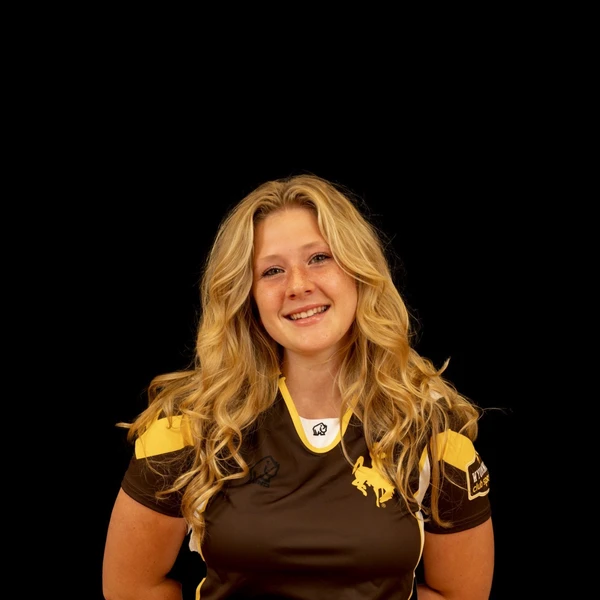
Hi, I’m Elli—a dedicated student and athlete passionate about leadership, academics, and creating impact through community and sports. I’ve embraced challenges both in and out of the classroom, striving to excel academically while making meaningful contributions to my teams and peers. Rugby has been a cornerstone of my personal growth: it’s not just a sport, but a space where I’ve learned resilience, teamwork, and the power of lifting others up—especially as a female athlete in a field where women’s sports are often overlooked. I aim to continue advocating for inclusivity and empowerment, using my experiences to inspire others to break barriers and pursue their passions fearlessly.
Education
University of Wyoming
Bachelor's degree programMajors:
- Registered Nursing, Nursing Administration, Nursing Research and Clinical Nursing
Miscellaneous
Desired degree level:
Master's degree program
Graduate schools of interest:
Transfer schools of interest:
Majors of interest:
Career
Dream career field:
Hospital & Health Care
Dream career goals:
Tutor
University of Wyoming2025 – Present1 yearCertified Nursing Assistant
Brightstar Care2024 – Present2 years
Sports
Cheerleading
Varsity2020 – 20244 years
Awards
- all conference
- all state
- academic all-state first team
Rugby
Club2024 – Present2 years
Awards
- Coach's Award
Public services
Volunteering
MEDLIFE — Volunteer2025 – 2025
MJ Strength in Care Scholarship
There is one patient I will never forget. As a home health CNA, I visited her every day for months while she was receiving care. Eventually, she reached the point where she didn't need my help anymore, which was exactly what we had been working toward. I was happy for her, but saying goodbye was harder than I expected. We both cried before I left her house for the last time. That was the moment I realized nursing wasn't just about medications, procedures, or checking off tasks. It was about the relationships you build with people during some of the hardest parts of their lives. I went into that job hoping I could make a difference in her life, but in the end, she changed mine just as much.
That experience confirmed that nursing was exactly where I was meant to be. Every day showed me that the smallest things could have the biggest impact. Sometimes it was helping someone get ready for the day. Other times it was sitting down to listen to a story they had probably told a hundred times before. I learned that patients don't always remember every task you complete, but they remember how you made them feel. That is the kind of nurse I want to be.
As I've continued through nursing school, I've looked for ways to make that same kind of impact outside of patient care. I founded the MEDLIFE chapter at the University of Wyoming because I wanted to give students opportunities to serve communities that have limited access to healthcare. Through MEDLIFE, I traveled to Costa Rica and worked alongside healthcare professionals in mobile clinics. One experience I will never forget was helping at a women's health clinic where a patient's cervical cancer was identified through a screening. Seeing how something as simple as access to preventative care could completely change someone's future reminded me why healthcare matters. It reinforced that being a good nurse means caring for the person in front of you while also working to make healthcare more accessible for everyone.
I also work as a science tutor, and I have found that helping students isn't all that different from caring for patients. One student I worked with came to me struggling just to pass. We met every week, broke difficult concepts into smaller pieces, and slowly I watched their confidence grow. By the end of the semester, they were earning grades they never thought were possible. Seeing that change reminded me that sometimes people don't need someone to do the work for them. They just need someone who believes they can do it.
Outside of nursing, rugby has become one of the biggest parts of my life. Most people probably wouldn't connect rugby with nursing, but I do all the time. Rugby has taught me how to communicate under pressure, trust the people around me, and get back up after every setback. No one wins a rugby game by themselves, and no nurse works alone either. Both have shown me how important teamwork is and how much stronger people are when they support each other. Rugby has also given me balance. It gives me a chance to step away from school, challenge myself differently, and spend time with teammates who have become some of my closest friends.
When I look back at the experiences that have shaped me most, they all come back to the same thing: people. A patient who trusted me enough that saying goodbye brought us both to tears. A student who learned to believe in themselves. Communities in Costa Rica that reminded me how life-changing access to healthcare can be. Teammates who have taught me resilience and what it means to always have someone in your corner.
Those experiences have shaped the kind of nurse I hope to become. I know there will be difficult days, long shifts, and moments that test me. But I also know that if I can make even one patient feel as cared for and supported as my home health patient made me feel valued as her caregiver, then I will know I chose the right career. At the end of the day, that is what nursing means to me.
Stephan L. Wolley Memorial Scholarship
Some moments quietly divide your life into a "before" and an "after." Earlier this year, I lost one of my closest friends in a fatal car accident. Reading about Stephan Wolley's story immediately brought me back to that feeling. While I would never compare my grief to what his family has experienced, I understand how suddenly life can change and how deeply one person can impact the people around them. Losing my friend reminded me that the measure of a life is not how long someone is here, but how they make others feel.
That lesson has shaped the person I try to be every day.
I am the oldest of my siblings, and with both of my parents working full-time, responsibility became part of my life long before I left for college. After school, I picked my siblings up, packed lunches, helped with homework, and made dinner before my parents came home. Even now, after driving home from Wyoming following long weeks of classes, rugby practice, tutoring, and twelve-hour CNA shifts, I still clean the house, make meals, and take work off my parents' shoulders. No one ever asked me to keep score. In my family, we simply step in where we are needed.
Sports taught me that same lesson in a different way. I spent thirteen years as a competitive swimmer, where success depended on showing up every day, even when no one noticed the work. When I started college, I left the sport that had defined most of my childhood and joined the University of Wyoming Women's Rugby Club. Walking onto that field for the first time was intimidating, but it became one of the best decisions I have ever made. Rugby gave me more than a new sport. It gave me a family away from home that challenged me, celebrated with me, and stood beside me through some of the hardest moments of college.
Those same values have followed me into healthcare. As a CNA, I have learned that the smallest moments often leave the biggest impact. As a science tutor, I watched one student go from failing exams to proudly walking into our session with a test in the 70s, grinning before she even sat down. She threw me a high five, excited to share her progress. In that moment, I realized success is not measured only by grades or clinical skills. It is measured by the confidence you help someone discover in themselves.
That belief has also driven me to lead. I founded the University of Wyoming's MEDLIFE chapter to give students opportunities to serve underserved communities, and as Community Chair for the Student Nurses Association, I connect nursing students with meaningful service opportunities. I have learned that leadership is not about being the loudest person in the room. It is about creating opportunities for others to grow, serve, and succeed.
My goal is to become the kind of nurse people remember years later, not because I had all the answers, but because they knew they could depend on me. Whether I am caring for a patient, supporting my family, standing beside my teammates, or encouraging a struggling student, I want people to leave my life feeling stronger than when they entered it.
If I can build a life defined by reliability, compassion, and service, then I will know I have honored not only the people I have loved and lost, but also the example Stephan Wolley left behind.
Maxwell Tuan Nguyen Memorial Scholarship
The last morning I cared for one of my patients as a CNA did not feel like the end of a shift. After months of helping her get ready every morning, talking over breakfast, and learning about her life, she no longer needed the level of care our facility provided. Before she left, she hugged me and cried. I cried too.
As emotional as that moment was, it taught me something I have carried with me ever since. The most meaningful part of healthcare is not simply treating a patient. It is earning enough trust that your presence becomes part of someone's healing.
That experience confirmed what I had been discovering throughout college: the moments that mean the most to me are the ones where I can help someone leave in a better place than when I first met them.
I have found the same feeling outside of patient care. I work as a science tutor while completing my nursing degree, and one student stands out to me. When she first came to tutoring, she was failing her class and had almost convinced herself that she simply was not capable of succeeding in science. We met once or twice a week for about a month, working through practice problems, finding study strategies that worked for her, and rebuilding her confidence one step at a time.
One afternoon, she walked into our tutoring session grinning before she even sat down. She excitedly told me she had earned a grade in the 70s on her exam after previously failing. Before I could even congratulate her, she reached over and gave me a high five. I remember laughing because she was so proud of herself, and honestly, I was too. Watching her believe in herself again reminded me that changing someone's life is not always dramatic. Sometimes it begins with giving them the confidence to realize they can do something they never thought possible.
That same desire to create meaningful change inspired me to found the University of Wyoming's MEDLIFE chapter. Through MEDLIFE, I traveled to Costa Rica and worked alongside physicians providing care in underserved communities. During one clinic, a physician identified signs of cervical cancer during what was expected to be a routine screening. Seeing that patient receive care she otherwise might not have had reinforced something I had already begun to understand: access to healthcare can completely change the course of a person's life.
My role as Community Chair for the Student Nurses Association has shown me that making a difference also means helping others become involved. Organizing service opportunities has taught me that leadership is not about recognition. It is about creating opportunities for other students to discover the same passion for serving others that has shaped my own journey.
These experiences have shown me that whether I am caring for a patient, encouraging a struggling student, or helping organize opportunities for others to serve, the most rewarding moments are remarkably similar. They all begin with trust, grow through consistency, and end with someone walking away stronger than they were before.
As a nurse, I hope to build those kinds of relationships every day. I want my patients to know they are cared for not only because it is my job, but because they matter. If my career is filled with moments like the hug from my patient and the high five from my student, I will know I have made the kind of difference that first inspired me to pursue nursing.
Working Student Scholarship
Working while earning my nursing degree has taught me just as much as my classes have. During the school year, I work as a science tutor at the STEP Tutoring Center, helping students with subjects like chemistry, biology, and anatomy. On the weekends, I drive back home to Colorado to work as a Certified Nursing Assistant. Balancing both jobs while taking a full course load has been challenging, but each role reminds me why I chose nursing in the first place.
Tutoring has made me a better communicator and has reinforced my own understanding of difficult concepts. I have learned that every student thinks differently, and sometimes the biggest difference I can make is finding a new way to explain something until it finally clicks. Watching students gain confidence in themselves is one of the most rewarding parts of my week. It has also taught me patience and adaptability, two qualities that are just as important in healthcare as they are in education.
Working as a CNA gives me a completely different perspective. Caring for patients has shown me what compassion looks like in everyday moments, whether that means helping someone get ready for the day, listening to their concerns, or simply being someone they can rely on. Those experiences remind me that nursing is about much more than medical knowledge. It is about treating every person with dignity and respect, even during difficult times.
One of the hardest periods came last semester when my tutoring schedule became busier, my classes became more demanding, and I was still driving back to Colorado nearly every weekend to work as a CNA. There were many Fridays when I finished my classes, worked my tutoring shift, packed my car, and drove straight home so I could be at work early the next morning. After working long CNA shifts on Saturday and Sunday, I would drive back to Wyoming so I could be in class Monday morning.
There were times when I questioned whether I could keep up with everything. My classmates were able to spend weekends studying together, attending campus events, or simply catching up on sleep, while I was counting hours on the road and fitting homework into every free moment I could find. It was exhausting, and there were days when it felt like I was constantly behind.
What helped me get through that semester was learning to be intentional with my time. I planned assignments weeks in advance, completed schoolwork during breaks between tutoring sessions, and listened to recorded lectures while driving. I also learned that asking for help was not a weakness. My professors, coworkers, and family were incredibly supportive when I communicated honestly about my schedule.
Although balancing work and school has required sacrifices, I would not trade these experiences. Tutoring has strengthened my ability to teach and encourage others, while working as a CNA has given me hands-on experience caring for patients. Together, they have shaped me into a stronger student, a more compassionate future nurse, and someone who understands that meaningful goals often require persistence. Every long drive, late night, and early morning has brought me one step closer to the nurse I hope to become.
Kalia D. Davis Memorial Scholarship
Excellence is not something that appears in one part of a person’s life. It is reflected in how they approach every challenge, every opportunity, and every person they meet. When I read about Kalia D. Davis, I was struck by how she embodied that mindset. She was an athlete, a dedicated student, a leader in her community, and someone others could rely on for encouragement and positivity. Those are the same values I strive to live by every day.
My name is Elli, and I am currently pursuing a career in nursing. Like Kalia, I believe in approaching life with determination, curiosity, and a strong sense of responsibility to the people around me. I work hard academically while also dedicating my time to athletics, leadership, and service because I believe that growth happens when we challenge ourselves in many areas of life.
Athletics has been one of the most influential parts of my journey. I play on my university’s women’s rugby team, a sport I only began in college. Stepping onto the field for the first time was intimidating, but it quickly became one of the most empowering communities I have ever been part of. Rugby requires resilience, trust, and the ability to push yourself beyond what you thought was possible. It has taught me how to persevere through challenges, support my teammates, and lead by example. Like Kalia’s dedication to track and cross country, athletics has taught me discipline and the importance of striving for excellence.
Beyond athletics, I am deeply committed to service and leadership. I founded a chapter of MEDLIFE at my university, an organization dedicated to improving healthcare access and community development in underserved areas. Through this organization, I have worked to connect students with opportunities to learn about global health and support communities that face barriers to medical care. Leading this organization has shown me how powerful it can be when people come together with the shared goal of helping others.
My passion for healthcare has also taken me beyond my own community. During a service trip to Costa Rica, I worked alongside communities that experience limited access to healthcare resources. While there, I realized that compassion speaks louder than words. Even when language created barriers, simple acts of kindness, smiling, listening, and showing genuine care could build meaningful connections. That experience reinforced my desire to become a nurse and dedicate my life to supporting others during their most vulnerable moments.
In addition to leadership and service work, I also tutor students in challenging science courses. I understand how overwhelming subjects like chemistry and physiology can feel, and I love helping other students gain confidence in material they once struggled with. Watching someone finally understand a concept reminds me that encouragement can have a lasting impact on another person’s success.
Like Kalia, I believe that success is not only measured by personal achievements, but by how we uplift the people around us. Whether through athletics, leadership, tutoring, or service, I strive to bring encouragement, determination, and positivity into everything I do.
Receiving this scholarship would allow me to continue pursuing my nursing degree while dedicating my time to leadership, service, and community involvement. Nursing school is demanding both academically and financially, and this support would help reduce that burden so I can focus on becoming the best nurse I can be.
More importantly, it would allow me to continue living out the same spirit of ambition, kindness, and excellence that defined Kalia’s legacy. I hope to honor that legacy and make a positive impact in the lives of others and in the communities I serve.
Community Health Ambassador Scholarship for Nursing Students
Nursing is more than a career to me. It is a commitment to standing beside people during the moments when they feel the most vulnerable. Illness can leave people feeling scared, uncertain, and powerless. In those moments, the presence of a compassionate healthcare professional can make an extraordinary difference. I want to become a nurse because I want to be that person who provides not only skilled medical care, but also reassurance, advocacy, and humanity when it is needed most.
My passion for healthcare comes from recognizing how deeply access to care shapes people’s lives. I have seen how easily preventable conditions can become life-threatening when individuals do not receive timely treatment or education about their health. These experiences opened my eyes to the reality that healthcare is not always equally accessible to everyone. Instead of simply accepting that reality, I felt compelled to become someone who could help change it.
This motivation led me to start a chapter of MEDLIFE at my university, an organization dedicated to improving access to healthcare, education, and community development in underserved communities. Founding the chapter required persistence and leadership, but it also allowed me to bring together students who share a passion for service and global health. Through MEDLIFE, I have helped raise awareness about healthcare disparities and encouraged students to take an active role in addressing them. Seeing other students become passionate about service has reinforced my belief that meaningful change happens when people come together with a shared purpose.
My commitment to service also led me to participate in a medical service trip to Costa Rica. While working with members of the community, I quickly realized that language could be a barrier to communication. At first, this was frustrating because I wanted to offer comfort and reassurance, but struggled to express it through words. Over time, however, I realized that compassion does not rely on language alone. A smile, eye contact, or simply sitting beside someone could communicate empathy and care. That experience reminded me that meaningful healthcare extends far beyond medical procedures. It is about making people feel seen, respected, and supported.
Outside of service work, I tutor students in challenging science courses. Many of these subjects can feel intimidating, and helping someone finally understand a concept they once struggled with is incredibly rewarding. Tutoring has strengthened my patience, communication skills, and ability to explain complex ideas clearly. These are skills that are equally important in nursing, where educating patients can empower them to better understand and care for their own health.
Another important part of my life is being a member of my university’s women’s rugby team. I began playing rugby in college, stepping into something unfamiliar and physically demanding. Rugby has taught me resilience, discipline, and the power of teamwork. Those lessons translate directly into healthcare, where collaboration and determination are essential to providing the best possible patient care.
As a nurse, I hope to contribute to my community by advocating for accessible healthcare, educating patients, and building trust with those I serve. I want to be a nurse who not only treats illness but also strengthens the communities around me. Whether through patient education, outreach programs, or compassionate bedside care, I hope to help people feel supported, informed, and empowered in their health.
Nursing allows science, service, and compassion to come together in a way that directly changes lives. Through leadership, service, and a deep commitment to helping others, I am preparing myself to make a lasting impact in the communities I will one day serve.
Losinger Nursing Scholarship
Throughout my life, I have noticed how many people carry pain quietly. Whether it is illness, fear, or uncertainty about their health, people often find themselves overwhelmed and vulnerable in moments when they need help the most. Watching others struggle like that made me realize that healthcare is not just about medicine. It is about showing up for people when they need support, compassion, and guidance.
That realization is what led me to pursue nursing.
To me, nursing is more than a profession. It is a calling to serve others during some of the most difficult moments of their lives. Nurses are often the people who remain beside patients the longest, offering reassurance, explaining confusing medical information, and helping patients feel less alone. That ability to combine science with compassion is what inspires me most about the field.
My commitment to healthcare has shaped many of the things I do today. I founded a chapter of MEDLIFE at my university, an organization focused on improving healthcare access and community development in underserved areas. Starting this organization required leadership and persistence, but it allowed me to bring together students who share the same passion for helping others.
I also tutor students in challenging science courses. Many of these subjects can feel intimidating, and helping someone finally understand a concept they once struggled with is incredibly rewarding. Tutoring has strengthened my communication skills and patience, qualities that are essential in nursing.
Outside of academics, I play on my university’s women’s rugby team. Rugby has taught me resilience, teamwork, and perseverance. It has shown me how powerful it is when people support each other through challenges, something that mirrors the teamwork found in healthcare environments.
All of these experiences have strengthened my desire to become a nurse. I want my career to be centered around service, compassion, and advocacy for others. Nursing will allow me to turn that purpose into a lifelong commitment to improving the lives of the people I care for.
To me, “human touch” in healthcare means recognizing that every patient is more than their illness. It means understanding that healing involves not only medical treatment but also compassion, presence, and genuine human connection.
I truly understood the meaning of human touch during a service trip to Costa Rica. While working with members of the community, I quickly realized that I could not communicate clearly with many of the people I met because I did not speak Spanish fluently. At first, this felt frustrating. I wanted to help, but I struggled to express care and reassurance through words.
But something powerful happened. Even without speaking the same language, a connection was still possible.
A smile could communicate kindness. Sitting beside someone showed they were not alone. A gentle gesture or reassuring presence could express empathy without a single word being spoken. I realized that compassion does not depend on perfect communication. Human connection can cross language barriers, cultural differences, and unfamiliar environments.
That experience taught me that human touch is one of the most powerful tools in healthcare. Patients often enter medical settings feeling scared, overwhelmed, or uncertain about what is happening to their bodies. In those moments, the way a healthcare provider interacts with them can make a profound difference. A nurse who listens patiently, makes eye contact, and offers reassurance can transform a frightening situation into one where a patient feels safe and supported.
Human touch also means recognizing the dignity of every person. It means slowing down enough to truly see the patient behind the diagnosis. Sometimes the most meaningful care does not come from complex medical interventions, but from simple acts of compassion that remind patients they are valued and understood.
As a future nurse, I want to carry this lesson with me. Clinical knowledge and technical skills are essential, but they must always be paired with empathy and humanity. Patients deserve care that treats both their physical and emotional needs.
My experience in Costa Rica reminded me that compassion is a universal language. Even when words fail, human touch can still communicate care, comfort, and connection. That is the kind of nurse I hope to become.
Eric Maurice Brandon Memorial Scholarship
A woman was suffering from cervical cancer that could have been treated much earlier if she had access to proper healthcare. Instead, limited medical access allowed a preventable disease to become life-threatening. Learning about her story forced me to confront a reality that exists for millions of people around the world. Healthcare does not fail because medicine does not exist. It fails when people cannot access it.
That realization is one of the reasons I am pursuing a career in nursing.
My name is Elli, and I want to become a nurse because I want to be someone who stands beside patients during their most vulnerable moments. Nurses are often the people who spend the most time with patients, advocating for them, educating them, and helping them navigate situations that are often overwhelming and frightening. That combination of science, compassion, and advocacy is what draws me to this profession.
After learning about healthcare disparities like the one I witnessed with cervical cancer, I wanted to do more than simply acknowledge the problem. I founded a chapter of MEDLIFE at my university, an organization dedicated to improving access to healthcare, education, and community development in underserved communities. Starting this chapter required persistence and leadership, but it allowed me to bring together other students who shared the same desire to make a difference. Through MEDLIFE, we work to raise awareness about healthcare inequities and support global health initiatives that expand access to care.
My commitment to service has also taken me beyond my own community. During a service trip to Costa Rica, I worked alongside others to support communities with limited access to healthcare resources. Seeing the impact that even small medical interventions and health education can have on a community reinforced why I am pursuing this path. It showed me that healthcare is not just about treating illness. It is about meeting people where they are and ensuring they have the support they need to live healthy lives.
In addition to service work, I tutor students in challenging science courses. Many of these subjects can feel intimidating, and helping another student finally understand something they once struggled with is incredibly rewarding. Tutoring has strengthened my ability to communicate complex ideas clearly and patiently, skills that are essential in nursing when educating and advocating for patients.
Another experience that has shaped me is being part of my university’s women’s rugby team. I only started playing rugby in college, but it quickly became one of the most empowering communities I have been part of. Rugby demands resilience, teamwork, and trust in the people around you. Those same qualities are essential in healthcare environments where collaboration and determination directly impact patient outcomes.
Eric Maurice Brandon dedicated his life to caring for others through both military service and nursing. His commitment to serving patients, even after retiring from the military, reflects the kind of dedication that inspires future healthcare professionals.
I am pursuing nursing because I want my career to be rooted in service, advocacy, and compassion. Through leadership, global health work, tutoring, and teamwork, I am building the foundation for a life dedicated to helping others. Nursing will allow me to turn that commitment into a meaningful and lasting impact.
Christina Taylese Singh Memorial Scholarship
Healthcare matters most in the moments when people feel the most vulnerable. When someone is scared, in pain, or unsure about what is happening to their body, the people around them can make all the difference. That responsibility is what draws me to healthcare.
My name is Elli, and I am pursuing a career in nursing because I want to be the kind of person who helps others through those moments. My passion for healthcare comes not only from my academic interests, but from the experiences that have shaped how I see the world and the people in it.
One experience that deeply impacted me was learning about a woman suffering from cervical cancer who did not have access to the care she needed. Seeing how something preventable and treatable could become life threatening because of limited healthcare access opened my eyes to the inequalities that exist in medicine. It reminded me that healthcare is not just about treatment. It is also about access, education, and advocacy.
That experience helped inspire me to start a chapter of MEDLIFE at my university. Through MEDLIFE, I have worked to connect students with opportunities to support underserved communities and promote global health initiatives. It has allowed me to turn my passion for healthcare into real action.
Service has continued to shape my perspective. During a service trip to Costa Rica, I had the opportunity to work with communities outside my own and see firsthand how access to healthcare can transform lives. That experience reinforced my commitment to pursuing a career where I can help close those gaps and support people who might otherwise go without care.
Outside of service work, I also tutor other students in difficult science courses. Helping someone understand material they once felt overwhelmed by reminds me how powerful encouragement and patience can be. Those same qualities are essential in healthcare.
Another important part of my life is being on my university’s women’s rugby team. I only began playing rugby in college, but it quickly became one of the most empowering communities I have ever been part of. Women’s sports are often overlooked, but rugby has taught me resilience, confidence, and the importance of lifting others up.
All of these experiences have strengthened my commitment to healthcare. I want to become a nurse who not only provides excellent medical care, but who also advocates for patients and works to make healthcare more accessible for everyone.
DAC Rugby Scholarship
WinnerRugby has become one of the most important parts of my life since I started playing in college at the University of Wyoming. From the very first practice, I knew this team would be more than just a group of players. My teammates have been there through early morning practices, tough games, and all kinds of challenges, and the bonds I’ve formed with them are some of the strongest relationships in my life. These are the people who have celebrated my highs, lifted me through my lows, and some I know will even be my bridesmaids. Being part of this team has shown me that rugby is about so much more than athleticism. It is about trust, loyalty, and lifting each other up in every way.
To me, there is rugby and there is men’s rugby. When I think about the sport, I don’t think about boys playing. I think about the women I play with, the teammates who push me, challenge me, and inspire me to be stronger every day. Women’s rugby has shown me what it means to be fearless. On our team, strength, determination, and heart have nothing to do with gender. We lift each other up, challenge each other, and grow together both on and off the field. Rugby has given me confidence in my abilities, pride in my voice, and a real appreciation for the power of women supporting women.
Being part of my college rugby team has shaped me in ways that go far beyond just playing the game. It has taught me resilience, leadership, and teamwork. I have learned how to communicate, motivate others, and trust my teammates completely. We have faced tough losses, high-pressure moments, and intense games, and those experiences have helped me grow not just as a player, but as a person. I have become stronger, faster, and more strategic on the field, and I have learned to handle challenges with patience, perseverance, and confidence.
One of the most meaningful parts of being on this team is how we support each other in life, not just in the game. I have seen teammates help each other through the death of parents, the passing of friends, breakups, and other hard times. These experiences have shown me the importance of empathy, kindness, and showing up for people when they need it most. Rugby is not just about playing a sport. It is about being part of a team that lifts each other up through victories and struggles.
Rugby has shaped my character and the way I see the world. It has given me lifelong friendships, a strong sense of belonging, and a way to challenge myself physically and mentally. My time playing the sport has helped me develop confidence, resilience, and leadership skills that I carry with me in everything I do. Rugby is more than a game. It is a family, a community, and a way of life, and I am grateful for every moment I have spent on the field.
Anderson Women's Rugby Scholarship
Rugby isn’t just a sport for me; it’s my second family. My team has been there for me through everything, from early morning practices to tough games, and the bonds I’ve formed with my teammates are some of the strongest relationships in my life. These are the people who have celebrated my highs, lifted me through my lows, and some I know will even be my bridesmaids. Being part of this team has shown me that rugby is about so much more than athleticism. It is about trust, loyalty, and lifting each other in every way. We fight for each other on the field, and we support each other in life, and that is what makes being part of this team so meaningful.
To me, there is rugby, and there is men’s rugby. When I think of rugby, I don’t think about boys playing. I think about the women I play with, the teammates who push me, challenge me, and inspire me to be stronger every day. Women’s rugby has taught me what it means to be fearless. On our team, strength, determination, and heart have nothing to do with gender. We support each other, celebrate each other, and grow together on and off the field. Rugby has given me confidence in my abilities, pride in my voice, and a deep appreciation for the incredible power of women supporting women. Every time we take the field, we are proving that women can be just as tough, committed, and skilled as anyone else.
Being part of my college rugby team has been one of the most meaningful experiences of my life. I get to practice, compete, and grow alongside teammates who are not only amazing athletes but also my closest friends. We encourage each other, laugh together, learn from each other, and cheer each other on in ways that go far beyond the pitch. Some of my favorite moments have nothing to do with tries or wins. They are the late-night rides home after a tough game, the inside jokes that last for months, and the meals we share after practice where we talk about everything from exams to life. Rugby has given me lifelong friendships, a support system I can always rely on, and memories I will carry forever.
What makes my rugby family so special is how we support each other in life, not just in the game. I have seen teammates help each other through the loss of parents, the passing of friends, breakups, and other challenges that feel impossible to face alone. We lift each other during heartbreak, celebrate milestones, and comfort each other in ways that matter. These experiences have taught me that being part of a team is about more than practice and games. It is about showing up for people, listening, and being present. Some of my closest friends started as teammates, and now they are people I can count on for anything.
Rugby has shaped me in ways beyond the field. It has taught me resilience, leadership, and the value of true friendship. My team has given me a sense of belonging, a place where I can be myself, and people who constantly inspire me to push my limits. Being part of this rugby family fills my life with joy, purpose, and connection. Rugby is not just a sport. It is a family, a community, and a way of life, and I am all in.