
Gender
Female
Religion
Christian
Church
Evangelical
Hobbies and interests
Advocacy And Activism
Art
Baking
Cooking
Cosmetology
Crafting
Crocheting
Embroidery And Cross Stitching
Food And Eating
Reading
Academic
Adult Fiction
Adventure
Biography
Chick Lit
Christianity
Drama
Health
Leadership
Novels
I read books daily
LOW INCOME STUDENT
Yes
FIRST GENERATION STUDENT
Yes
Elisha-Grace Drummond
1x
Finalist1x
Winner
Elisha-Grace Drummond
1x
Finalist1x
WinnerBio
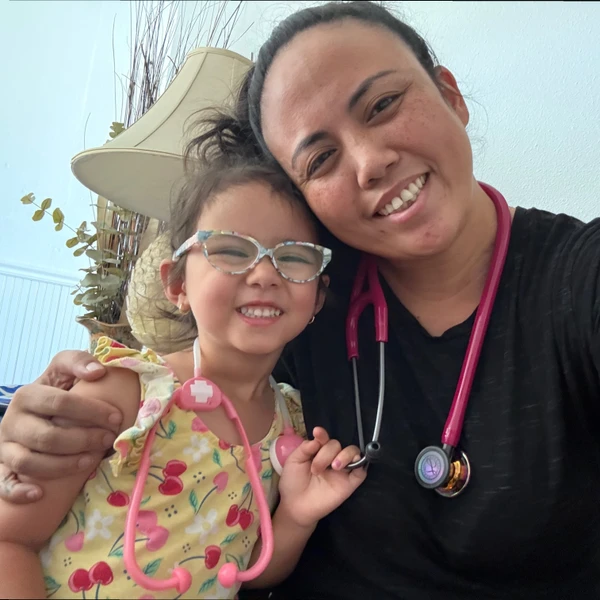
I am a dedicated Associate Degree nursing student committed to becoming a registered nurse who provides compassionate, patient-centered care and strong advocacy for individuals and families. As a wife and mother of a young child with special needs, I have developed resilience, discipline, and strong time management skills while balancing rigorous coursework, clinical training, and the responsibilities of a single-income household.
My life goal is to graduate, pass the NCLEX, and serve diverse and underserved communities by improving health outcomes through education, prevention, and evidence-based practice. I am especially passionate about supporting patients and families during vulnerable moments and ensuring they feel heard, informed, and cared for.
I am a strong candidate because I have demonstrated perseverance, determination, and a clear commitment to my profession despite financial and personal challenges. My experiences have strengthened my empathy, advocacy, and dedication to nursing. Earning my degree will allow me to create stability for my family while making a meaningful and lasting impact in my community through compassionate, high-quality care.
Education
Carrington College-Mesa
Associate's degree programMajors:
- Registered Nursing, Nursing Administration, Nursing Research and Clinical Nursing
Pima Medical Institute-Mesa
Trade SchoolMajors:
- Allied Health and Medical Assisting Services
Miscellaneous
Desired degree level:
Doctoral degree program (PhD, MD, JD, etc.)
Graduate schools of interest:
Transfer schools of interest:
Majors of interest:
Career
Dream career field:
Hospital & Health Care
Dream career goals:
Sports
Dancing
Intramural1998 – 200810 years
Awards
- I danced with a Polynesian dance studio outside of school. Performing both Polynesian & Tahitian dances. In regard to awards
- we received several as a group I was a dancer from the age of 5 until I turned 15 years old.
Wrestling
Varsity2006 – 20104 years
Awards
- CIF 2nd Place
Tennis
Varsity2006 – 20104 years
Public services
Volunteering
Victory Homes with Victory Outreach Church in El Cajon, CA — Advocation, Helping Get People Through Detox, Help to Disciple & teach others about God2017 – 2020
Future Interests
Advocacy
Volunteering
Philanthropy
Entrepreneurship
Finance Your Education No-Essay Scholarship
WayUp “Unlock Your Potential” Scholarship
Catrina Celestine Aquilino Memorial Scholarship
I am currently pursuing my Associate Degree in Nursing while balancing life as a mother, student, and caregiver. My path into healthcare has been shaped not only by my professional experience as a Certified Clinical Medical Assistant and Medical Scribe, but also by deeply personal experiences that completely changed the way I view patient care and the impact healthcare professionals can have on someone’s life.
When my daughter was born, she experienced severe breathing complications shortly after delivery. Despite multiple providers being present, her condition was not immediately recognized. One nurse noticed something was wrong and acted quickly, ultimately helping save my daughter’s life. I will never forget that moment or the impact that nurse had on my family. In the months that followed, my daughter continued facing serious medical challenges, including severe laryngomalacia, hypoxia, GERD, esotropia, and febrile seizures. We spent a lot of time in hospitals, clinics, and specialist offices trying to get answers and proper care.
During that time, I saw both the positive and negative sides of healthcare. Some providers dismissed concerns or made us feel unheard, while others took the time to truly listen and advocate for my daughter. Those experiences showed me that healthcare is about much more than medical knowledge alone. Compassion, patience, communication, and advocacy can completely change a patient’s experience and outcome.
Those experiences are what inspired me to pursue nursing. I want to become the kind of nurse who makes patients and families feel safe, supported, and genuinely cared for during some of the hardest moments of their lives. I know what it feels like to be scared, overwhelmed, and desperate for someone to listen. Because of that, I want my future patients to feel seen and heard, not ignored or rushed.
I plan to make a positive impact through my nursing career by advocating for patients who may feel overlooked, especially children and families dealing with complex medical conditions. I want to provide care that goes beyond treating symptoms by creating trust, offering emotional support, and making patients feel respected and valued. I also hope to continue being involved in outreach and volunteer work that supports underserved communities and helps people gain access to healthcare resources and education.
Growing up, I also experienced instability within my family and learned independence at a very young age. Those challenges helped shape my resilience, discipline, and determination to succeed despite difficult circumstances. Becoming a caregiver for my daughter strengthened those qualities even more and reinforced my purpose in healthcare.
My goal as a future nurse is not only to care for patients medically, but to be someone who brings comfort, advocacy, and compassion into every interaction. I want to make a lasting difference in people’s lives the same way that one nurse once made a life-changing difference in mine.
Henry Respert Alzheimer's and Dementia Awareness Scholarship
Alzheimer’s and dementia do not only affect memory, they change families. They alter roles, strain emotions, and force loved ones to confront loss long before death occurs. My husband’s father was diagnosed with dementia and passed away less than a year later. Although his diagnosis came late in the course of his illness, the impact on our family was immediate and profound. Watching his rapid decline taught me that dementia is not only a neurological disease; it is an emotional, relational, and human experience that requires patience, compassion, and a deeper understanding of what it truly means to care for someone.
Before his diagnosis, subtle changes began to appear. There were moments of confusion, forgotten conversations, and shifts in personality that were easy to dismiss as normal aging or stress. Like many families, we did not immediately recognize the seriousness of the symptoms. By the time he received a formal diagnosis, the disease had already progressed significantly. The speed of his decline was devastating. Within months, the man who had once been independent, protective, and steady became increasingly dependent, disoriented, and vulnerable.
One of the most difficult aspects of dementia is the loss of identity. It is painful to watch someone you love struggle to remember familiar people, routines, and parts of their own life. Conversations became shorter. Moments of clarity became rare. There were times when he seemed present and aware, followed by periods of confusion or withdrawal. These fluctuations were emotionally exhausting for our family because each moment of recognition felt like a brief return, and each loss felt like another goodbye.
The experience also changed family dynamics. My husband shifted from the role of son to caregiver and advocate. Decisions about medical care, safety, and daily needs had to be made quickly and often without clear guidance. The emotional weight of these responsibilities was heavy. Dementia does not only affect the patient; it places a significant burden on caregivers, who must balance grief, responsibility, and the uncertainty of what comes next.
Through this experience, I learned that dementia care requires more than medical treatment -it requires presence. There were moments when words no longer made sense to him, but tone, touch, and calm reassurance still mattered. Sitting with him, speaking gently, and maintaining a sense of familiarity became more important than correcting confusion or trying to force reality. I learned that dignity in dementia care means meeting the person where they are, not where they used to be.
I also saw firsthand how limited awareness and understanding of dementia can delay diagnosis and support. Many families, including ours, struggle to recognize early symptoms or know where to seek help. By the time the disease is identified, valuable time for planning, treatment, and emotional preparation may already be lost. This experience reinforced for me the importance of education, early screening, and community awareness.
His passing less than a year after diagnosis felt sudden, even though the disease had progressed quickly. Dementia created a unique form of grief for our family. We experienced loss in stages—the loss of memory, the loss of personality, the loss of independence—before his physical death. This process changed how I understand both illness and end-of-life care. It taught me that supporting families emotionally is just as important as treating the disease itself.
As a nursing student, this experience has shaped my professional goals and perspective on patient care. Dementia patients are often misunderstood or seen only through the lens of their cognitive decline. However, behind the symptoms is a person with a lifetime of experiences, relationships, and value. I want to be a nurse who protects that dignity. I want to advocate for patience when a patient repeats questions, for gentleness when they become agitated, and for family education so loved ones understand what is happening and how to cope.
This experience also strengthened my interest in working with older adults and patients with cognitive impairment. The aging population continues to grow, and dementia rates are expected to increase significantly. Healthcare providers will play a critical role not only in treatment but also in caregiver support, safety planning, and emotional guidance. I want to be part of a healthcare system that treats dementia care as a priority rather than an afterthought.
Another lesson I learned is the importance of compassion during rapid decline. Because my father-in-law’s disease progressed so quickly, our family had little time to adjust. Healthcare providers who communicated clearly, showed empathy, and acknowledged our emotional experience made a lasting difference. Their compassion did not change the outcome, but it changed how supported we felt during a difficult time. That experience reinforced my belief that the way care is delivered matters just as much as the care itself.
Beyond my family, this experience has increased my awareness of how dementia affects communities. Many families face similar challenges—delayed diagnosis, limited resources, caregiver burnout, and emotional isolation. Raising awareness, promoting early evaluation, and improving access to support services can reduce suffering for both patients and families. Even small changes in education and communication can make a significant impact.
The most important lesson I learned from this experience is that dementia care is about preserving humanity. When memory fades, relationships and emotions remain. A calm voice, a familiar presence, and respectful care communicate safety and dignity even when words no longer do. This understanding has shaped how I approach patient interactions during clinical experiences and will continue to guide my nursing practice.
My father-in-law’s illness and passing were painful for our family, but his experience gave me a deeper sense of purpose. It showed me the urgency of improving dementia awareness, the importance of compassionate caregiving, and the need for healthcare professionals who see beyond the diagnosis. His life and his struggle strengthened my commitment to becoming a nurse who provides not only clinical care, but also patience, advocacy, and respect for every patient and family facing cognitive decline.
Dementia takes memories, independence, and time. What healthcare providers and families can give in return is understanding, dignity, and compassion. That is the lesson his journey left with me, and it is the standard of care I intend to carry into my nursing career.
Online Education No Essay Scholarship
Let Your Light Shine Scholarship
My goal is to create a legacy of service, compassion, and opportunity by combining my nursing career with entrepreneurship to meet needs that often go unmet in healthcare. As a nursing student and mother in a single-income household, I understand the challenges families face when navigating medical care, financial stress, and limited resources. My future business goal is to develop a community-based health support service that focuses on patient education, care coordination, and advocacy for families managing chronic illness, disability, or complex care needs.
My desire to build something meaningful comes from both personal and volunteer experiences. As a mother of a child with special needs, I have spent years learning how overwhelming the healthcare system can be for families. At the same time, I have served for over two years volunteering and living in a church community that focused on helping individuals recover from substance addiction and rebuild their lives through structure, accountability, and faith. These experiences showed me that healing requires more than medical treatment—it requires education, support, resources, and people who truly care.
Through my nursing education, I am gaining the clinical knowledge and skills needed to care for patients safely and effectively. In the future, I hope to expand that foundation into a business that provides health education workshops, care navigation assistance, and community outreach for underserved populations. My vision is to create a service that helps families understand their conditions, manage medications, access resources, and prevent avoidable hospitalizations. By focusing on prevention, education, and empowerment, I hope to improve both health outcomes and quality of life.
I shine my light through service, faith, and perseverance. I strive to bring encouragement, respect, and compassion into every environment, whether through clinical interactions, volunteer work, or supporting others who are facing difficult circumstances. My faith guides my values and reminds me to lead with integrity, humility, and a heart for helping others. Even in demanding seasons of nursing school, financial strain, and family responsibilities, I remain committed to serving others and maintaining a positive and supportive presence.
Building a legacy for me means creating lasting impact—not only through the patients I care for, but through systems and resources that continue helping people long after an individual interaction ends. I want my future work to reduce barriers to care, strengthen families, and give people the knowledge and confidence to take control of their health.
Through determination, faith, and a strong commitment to service, I am working to build a future where my career and my business allow me to make a meaningful difference in my community. My goal is not only to succeed personally, but to create something that helps others heal, grow, and thrive.
Kerry Damiano/Oasis Scholarship
WinnerAs I pursue my nursing career, my faith is the foundation that guides my purpose, my character, and the way I serve others. I believe my spiritual walk and my professional responsibilities are deeply connected. Nursing is more than a career for me—it is a calling to care for people with compassion, dignity, and respect during some of the most vulnerable moments of their lives.
For over two years, I served and lived in a church community that focused on helping individuals struggling with substance addiction find recovery, stability, and a renewed relationship with God. During that time, I volunteered in daily operations, provided support and encouragement, and witnessed the power of faith, structure, and compassionate accountability in transforming lives. This experience taught me patience, empathy, and the importance of meeting people where they are without judgment. It also strengthened my desire to work in a field where I could support both the physical and emotional healing of others.
My personal experiences have also shaped my path. As a mother of a child with special needs, I have spent years navigating the healthcare system and advocating for my child’s care. These experiences deepened my understanding of how much families rely on compassionate, attentive healthcare professionals. They confirmed my desire to become a nurse who not only provides clinical care, but also offers reassurance, education, and emotional support.
Balancing my spiritual life with the demands of a rigorous nursing program requires intentional focus. I prioritize prayer, reflection, and maintaining a mindset centered on service. My faith helps me stay grounded during stressful periods and reminds me that every patient interaction is an opportunity to serve with humility and kindness.
During clinical rotations, I strive to reflect my faith through my actions. I treat each patient with respect, listen without judgment, and offer encouragement and compassion. When appropriate and within school and hospital policies, I have had respectful conversations with patients and staff about faith and hope. I am always mindful of boundaries, but I believe in living my values openly through integrity, empathy, and genuine care.
As I enter new clinical and professional environments, I hope to make an impact by being a source of stability, encouragement, and positivity for both patients and colleagues. One thing I hope for as I pursue this career alongside my faith is the opportunity to bring comfort and hope to individuals who are struggling physically, emotionally, or spiritually.
My goal is to practice nursing with excellence while allowing my faith to guide how I serve others—with compassion, humility, and a heart dedicated to healing and restoration.
Coach "Frank" Anthony Ciccone Wrestling Scholarship
During my freshman year of high school, I stepped into a role where I was truly an underdog. I joined the wrestling team and was the only girl competing on an all-boys team. From the beginning, many people questioned whether I belonged or if I would be able to compete at the same level physically and mentally. Instead of allowing those doubts to discourage me, I embraced the challenge and used it as motivation to work harder than anyone else and prove to myself that I was capable.
Being the only girl meant I had to earn respect through discipline, consistency, and perseverance. I attended every practice with a determination to improve, pushed through physical exhaustion, and learned to stay mentally strong even when I felt outmatched. Wrestling quickly taught me that success comes from preparation, resilience, and the willingness to keep showing up, even when progress feels slow. That same year, I earned a varsity position as a freshman and went on to place second at my first CIF competition. That accomplishment showed me that being underestimated can become a powerful advantage when it fuels focus, determination, and confidence.
The experience shaped my mindset in ways that continue to influence my life today. Wrestling taught me how to stay composed under pressure, how to recover from setbacks, and how to believe in my ability even when I stood alone. I learned that challenges are opportunities to grow, and that persistence often matters more than natural ability.
Although wrestling played a significant role in my development, I do not plan to continue the sport in college. I am currently attending a specialized nursing program that requires a substantial financial and time commitment. Because of the cost and intensity of this program, my full focus must remain on completing my education and preparing for my career. While I am no longer competing on the mat, I carry the lessons wrestling taught me into every aspect of my life.
Today, as a nursing student balancing rigorous coursework, clinical training, family responsibilities, and financial challenges, I rely on the discipline, resilience, and work ethic that wrestling instilled in me. The underdog mentality continues to drive me to push through obstacles, manage my time effectively, and stay focused on long-term goals.
Being the only girl on a varsity wrestling team taught me to embrace challenges rather than avoid them. It strengthened my confidence, perseverance, and determination to succeed in difficult environments. Those same qualities now guide me as I pursue my goal of becoming a registered nurse and making a meaningful impact in my community.
EJS Foundation Minority Scholarship
I am currently pursuing my Associate Degree in Nursing with the goal of becoming a registered nurse who provides compassionate, culturally sensitive, and patient-centered care. My decision to enter the nursing profession is rooted in a strong desire to serve others, advocate for vulnerable populations, and improve health outcomes through education, prevention, and evidence-based practice. Nursing is more than a career for me—it is a calling to support individuals and families during some of the most challenging and vulnerable moments of their lives.
As a wife and mother of a young child with special needs, I have learned resilience, patience, and the importance of strong advocacy within the healthcare system. Navigating medical, developmental, and community resources for my child has given me firsthand insight into the challenges many families face. These experiences have strengthened my empathy, communication skills, and commitment to ensuring that patients and families feel heard, respected, and supported.
While completing my nursing program, I am balancing the demands of rigorous coursework, clinical rotations, and family responsibilities in a single-income household. Nursing school requires a significant time commitment, limiting my ability to work while also managing the financial responsibilities of tuition, books, transportation, and childcare needs. Despite these challenges, I have remained focused on academic success and clinical excellence, understanding that my education is an investment in my family’s future and in the communities I will serve.
My long-term goal is to graduate, pass the NCLEX, and work in a setting where I can care for diverse and underserved populations. I am especially passionate about patient education, chronic disease management, and family-centered care. I plan to use my nursing career not only to provide high-quality clinical care, but also to advocate for health equity and improved access to resources for those who may face social, financial, or cultural barriers to care.
Receiving this scholarship would help reduce the financial burden of my education and allow me to remain fully focused on completing my program successfully. This support would make a meaningful difference by easing financial stress and helping me continue to prioritize academic performance and clinical preparation.
I am committed to completing my degree and giving back to my community as a dedicated, compassionate nurse. With this opportunity, I will be better positioned to achieve my goals, create long-term stability for my family, and make a lasting impact on the health and well-being of the patients and communities I serve.