Hobbies and interests
African American Studies
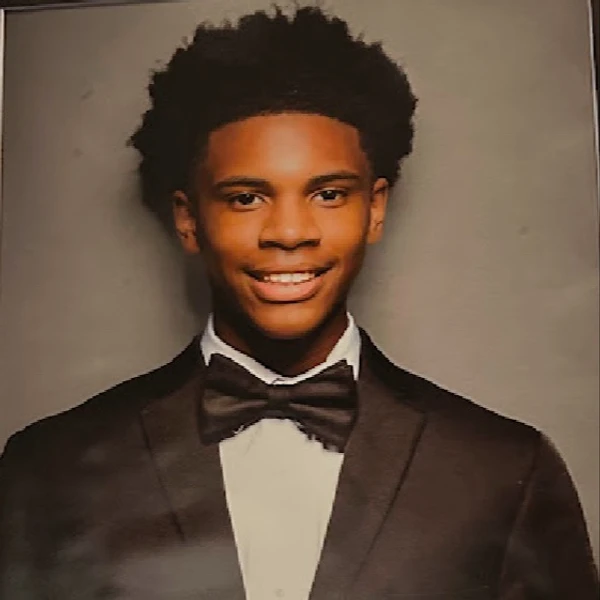
Eli Richey
1x
FinalistEli Richey
1x
FinalistBio
I’m Eli Richey, a senior at Rockdale County High School, ranked in the top 10 of my class with a 4.2 weighted GPA. I serve as Teen President of Jack and Jill of America and am an active member of National Beta Club, Men of Distinction, and Future Business Leaders of America. I also play varsity baseball and volunteer with organizations like the Atlanta Food Bank, C.E. Steele Kids Center, and Grady Hospital. My passion is the law, and I’ve built experience through internships at Henning Mediation, the Lister, Holt & Dennis Law Firm, and the Superior Court under Judge Maureen Wood. My goal is to become an attorney who advocates for fairness and justice, using my skills to create positive change in my community.
Education
Rockdale County High School
High SchoolMiscellaneous
Desired degree level:
High School
Majors of interest:
- Political Science and Government
- Legal Professions and Studies, Other
- Law
- Legal Research and Advanced Professional Studies
- Criminal Justice and Corrections, General
- Criminology
Career
Dream career field:
Legal Services
Dream career goals:
Lawyer
Sports
Baseball
Varsity2023 – 20252 years
Basketball
Varsity2022 – 20242 years
Research
Biological and Physical Sciences
Rockdale Magnet School for Science and Technology — Research Student2022 – 2023
Public services
Volunteering
Atlanta Food Bank — Packager2024 – Present
Future Interests
Advocacy
Politics
Volunteering
Philanthropy
Entrepreneurship
No Limits Athletic Scholarship
Living with autism has shaped me in ways that go beyond a diagnosis—it has taught me resilience, patience, and determination. At first, I struggled with feeling different, wondering if I truly belonged. Over time, however, I realized that autism is not a limitation but a strength. It pushes me to think deeply, work harder, and stay committed even when challenges feel overwhelming. This scholarship would not only ease the financial pressure of higher education but also affirm my belief that there are no limits to what I can achieve.
My dream is to become a lawyer. I am drawn to law because it represents fairness, advocacy, and the opportunity to give a voice to those who may not have one. As someone who has had to advocate for myself, I want to do the same for others, ensuring justice is accessible to all. The road to law school requires discipline, sharp critical thinking, and perseverance—skills I have strengthened through academics, leadership, and personal growth. With this scholarship, I would be able to focus fully on my studies, pursue internships, and prepare for the rigors of law school while continuing to grow as a leader and future advocate.
Baseball has also been one of the most defining parts of my life. The sport has taught me lessons of patience, resilience, and teamwork. Success on the field comes only after hours of practice and preparation, and setbacks have tested my ability to bounce back stronger. Baseball has also shown me the value of teamwork—trusting my teammates, encouraging them, and leading by example. These lessons carry into my academic life, where discipline, persistence, and collaboration are equally important.
Balancing sports and academics has not always been easy, especially with the challenges autism brings in organization and communication. Yet, every season has shown me that I am capable of both. The same discipline I use in baseball—working through tough practices, focusing under pressure, and learning from mistakes—has helped me succeed in the classroom. My goal is to play baseball at the collegiate level while pursuing my path to becoming a lawyer, proving that dedication can turn obstacles into opportunities.
Most importantly, I want my story to inspire others, especially young people with autism. I know what it feels like to question your worth or wonder if your dreams are too big. But I’ve also learned that differences are not barriers—they are sources of strength. By chasing my own goals, I hope to show others that they can too.
This scholarship would be more than financial assistance—it would be an investment in my dreams and in the impact I hope to make. With your support, I can continue proving that autism is not a limit, that the lessons of baseball extend far beyond the field, and that hard work and determination can carry me from the classroom to the courtroom.
Ronald Whitmore Jr. Scholarship
To me, Black excellence is both a personal responsibility and a collective legacy. It means recognizing the sacrifices of those who came before me and honoring their struggles by striving for greatness in everything I do. Black excellence is not defined by perfection, but by resilience, ambition, and the determination to uplift others while pursuing one’s own goals. It is about breaking barriers, rewriting narratives, and proving through action that excellence is not an exception among Black people but a reflection of who we are when given the opportunity to shine.
I see Black excellence as living with purpose, confidence, and a sense of responsibility to represent my community well. It is the courage to walk into spaces where people may doubt you and to succeed anyway. It is the strength to use every gift, talent, and opportunity not just for yourself but for those coming after you. For me, it is about setting high standards and refusing to compromise on discipline, integrity, or service.
In my own life, I embody Black excellence through my academics, athletics, professional experiences, and community involvement. In the classroom, I have maintained a 4.0 unweighted GPA and a 4.2 weighted GPA, ranking in the top ten of my class. This reflects not just intelligence, but hours of focus, late nights of studying, and the discipline to balance a rigorous schedule of AP and dual enrollment courses. I take pride in proving that young Black men can excel in academics at the highest level.
As an athlete, I have represented my school as a varsity baseball player, learning the value of teamwork, persistence, and resilience. Sports have taught me to compete with integrity, to recover quickly from setbacks, and to keep pushing toward improvement. On the field, just like in the classroom, I see myself as an example of Black excellence—showing that we can balance intellect, athletics, and leadership all at once.
Beyond academics and sports, I have sought out professional opportunities that connect me to my future goals in law. I have interned with the Rockdale County Superior Court, Gwinnett County Recorder’s Court, Henning Mediation, and several law firms. These experiences exposed me to the inner workings of the legal system and showed me how Black voices in positions of power can make a difference. My dream is to become a lawyer and eventually a professor of law, where I can teach, mentor, and inspire the next generation. I see education as the most powerful tool of change, and I want to use my career to advocate for justice while opening doors for others.
At the same time, I embody Black excellence through service and leadership. Whether volunteering in my community, mentoring younger students, or contributing through organizations like Jack and Jill of America, I see leadership as service first. Black excellence means pulling others up with you, not leaving them behind.
Ultimately, Black excellence is about living with discipline, purpose, and vision. In my everyday life, I try to honor that legacy by working hard, leading with kindness, and preparing to create an impact that goes far beyond myself.
Fallen "Freaks" Scholarship
My name is Eli Richey, and I am a senior at Rockdale County High School with aspirations of pursuing a career in law and higher education. I have always valued learning, discipline, and service as guiding principles in my life. Whether through my academic work, athletics, or internships, I have sought to use every opportunity as a chance to grow and to give back. These values fuel my dream of one day becoming not only a lawyer but also a legal professor, where I can inspire, challenge, and prepare the next generation of legal professionals.
What excites me most about becoming a legal professor is the chance to combine two things I deeply care about: justice and education. The law shapes society, but education is what equips people to use the law as a tool for fairness and progress. In my own journey, mentors and educators have shown me the power of teaching—not just transferring knowledge, but sparking curiosity, resilience, and confidence in others. I want to do the same for students who will become attorneys, judges, and advocates in the future. By teaching law with compassion and rigor, I hope to help students see that justice is not abstract, but something they have the power to bring to life through their work.
I also believe that as a legal professor, my impact should extend beyond the classroom. My goal is to conduct research on issues that disproportionately affect marginalized communities and to create platforms where students can apply legal theory to real-world advocacy. Education should not only prepare students for exams or courtrooms, but also for the responsibility of making our legal system more equitable. By mentoring students, collaborating with community organizations, and engaging in public scholarship, I hope to bridge the gap between academia and the communities most affected by injustice.
The impact I strive to make is one of multiplication—teaching future lawyers who will each go out and touch countless lives. One professor can influence hundreds of students; each of those students can go on to serve thousands of clients, shape policies, and create meaningful change. My career as a legal professor would allow me to live out my calling to serve while empowering others to do the same, ensuring that the pursuit of justice is carried forward long after me.
Becoming a legal professor, for me, is about more than achieving a career title—it is about creating a legacy of knowledge, mentorship, and service that ripples outward into the world. Through law and education, I plan to make a positive and lasting impact by equipping the next generation to be not only skilled lawyers, but also compassionate leaders and agents of justice.
Mark A. Jefferson Teaching Scholarship
My name is Eli Richey, and I am a senior at Rockdale County High School with aspirations of pursuing a career in law and higher education. I have always valued learning, discipline, and service as guiding principles in my life. Whether through my academic work, athletics, or internships, I have sought to use every opportunity as a chance to grow and to give back. These values fuel my dream of one day becoming not only a lawyer but also a legal professor, where I can inspire, challenge, and prepare the next generation of legal professionals.
What excites me most about becoming a legal professor is the chance to combine two things I deeply care about: justice and education. The law shapes society, but education is what equips people to use the law as a tool for fairness and progress. In my own journey, mentors and educators have shown me the power of teaching—not just transferring knowledge, but sparking curiosity, resilience, and confidence in others. I want to do the same for students who will become attorneys, judges, and advocates in the future. By teaching law with compassion and rigor, I hope to help students see that justice is not abstract, but something they have the power to bring to life through their work.
I also believe that as a legal professor, my impact should extend beyond the classroom. My goal is to conduct research on issues that disproportionately affect marginalized communities and to create platforms where students can apply legal theory to real-world advocacy. Education should not only prepare students for exams or courtrooms, but also for the responsibility of making our legal system more equitable. By mentoring students, collaborating with community organizations, and engaging in public scholarship, I hope to bridge the gap between academia and the communities most affected by injustice.
The impact I strive to make is one of multiplication—teaching future lawyers who will each go out and touch countless lives. One professor can influence hundreds of students; each of those students can go on to serve thousands of clients, shape policies, and create meaningful change. My career as a legal professor would allow me to live out my calling to serve while empowering others to do the same, ensuring that the pursuit of justice is carried forward long after me.
Becoming a legal professor, for me, is about more than achieving a career title—it is about creating a legacy of knowledge, mentorship, and service that ripples outward into the world. Through law and education, I plan to make a positive and lasting impact by equipping the next generation to be not only skilled lawyers, but also compassionate leaders and agents of justice.
Kalia D. Davis Memorial Scholarship
My name is Eli Richey, and I am currently a senior at Rockdale County High School, preparing to graduate in May 2026. I have always strived to excel both inside and outside the classroom, believing that education, discipline, and service are the foundation for creating a meaningful life. With a 4.0 unweighted GPA and a 4.2 weighted GPA, I have been committed to giving my best in every class. Beyond academics, I have poured my energy into varsity baseball, internships in law and mediation, and leadership roles in organizations like Jack and Jill of America.
What drives me most is the desire to leave a lasting impact on my community. Over the past few years, I have dedicated time to service, whether mentoring younger students, volunteering with local outreach programs, or supporting social justice initiatives. These experiences have taught me that leadership is not just about titles but about lifting others up. That is why I am inspired by Kalia D. Davis’s story—her work ethic, kindness, and excellence reflect values that I strive to live by every day.
My ultimate goal is to become a lawyer and, eventually, a judge. This dream is fueled by my passion for justice, my deep interest in African American history, and my firsthand exposure to the legal system through internships with the Rockdale County Superior Court, Gwinnett County Recorder’s Court, and several law firms. I have witnessed how the law can be a powerful tool for fairness, equity, and protection, but I have also seen how it can fall short without compassionate and ethical leaders. I want to be part of the next generation of legal professionals who ensure that justice is accessible to all people.
This scholarship would play an essential role in helping me achieve that vision. Like Kalia, I know the meaning of ambition and hard work, but I also know that pursuing higher education comes with significant financial burdens. My family has supported me tremendously, yet college costs remain a challenge. By easing some of the financial strain, this award would allow me to focus more fully on my studies, service, and leadership opportunities in college. More importantly, it would remind me that my journey is not just about personal success, but about carrying forward the legacy of those who inspired excellence in every aspect of life.
I am committed to living by the same principles reflected in Kalia’s legacy: Living, Loving, Laughing, and Learning. Living each day with purpose, loving others through service, laughing with gratitude even in challenges, and learning constantly so I can pour back into my community. This scholarship is not just financial aid—it represents the encouragement to keep striving, to keep pushing boundaries, and to honor the legacy of someone who embodied excellence.
I am grateful for the opportunity to apply, and I hope to carry forward Kalia’s legacy by continuing to serve, lead, and make an impact wherever life takes me.
Jimmie “DC” Sullivan Memorial Scholarship
My name is Eli J. Richey, and I am a senior at Rockdale County High School. Throughout my high school years, I have worked to balance rigorous academics, leadership opportunities, and community service with my passion for athletics. I currently hold a 4.0 unweighted GPA and rank in the top 10 of my class, but just as important to me are the lessons I have learned outside the classroom, especially on the baseball field. As a varsity baseball player, I have experienced firsthand how sports can build character and strengthen communities. The discipline, perseverance, and teamwork I have developed through athletics are qualities that I want to pass on to the next generation of youth.
For me, sports have always been more than just a game. They have been a foundation for personal growth and resilience. Baseball has taught me the importance of practice, patience, and accountability—not only to myself but also to my teammates. Those lessons extend far beyond athletics and have shaped how I approach my studies, my relationships, and my role as a leader. I believe youth sports have the power to transform lives by giving young people a safe space to develop confidence, learn responsibility, and build lasting friendships.
As I look ahead, I plan to use my experiences to make a positive impact in my community through youth sports. I want to mentor and encourage younger athletes, helping them see that the values they learn on the field—commitment, respect, and perseverance—are the same qualities that will prepare them for success in the classroom and beyond. I have seen how sports can keep kids motivated and connected during times when they might otherwise face negative influences. By creating supportive sports environments, I can help youth stay focused on their goals, learn to work with others, and overcome challenges with resilience.
I also recognize that not every child has equal access to sports opportunities. In the future, I hope to help develop programs that make athletics more inclusive and accessible to all youth, regardless of their background. Sports should be a space where every child feels valued, supported, and safe. By promoting mentorship and inclusion, I believe I can create a lasting positive impact not only on individual players but also on the larger community.
Ultimately, my vision is to use youth sports as a platform to build stronger leaders and healthier communities. Athletics provide more than physical activity; they teach life skills, instill discipline, and create bonds that last a lifetime. By giving back through coaching, mentoring, and advocacy, I hope to inspire the next generation to carry forward the lessons I was fortunate to learn through baseball. My goal is to ensure that young people in my community see sports as not just an activity, but as an opportunity to grow into confident, respectful, and resilient individuals who will one day make their own impact on the world.
Dr. Tien Vo Federal Agents To-Be and Public Service Scholarship
My name is Eli J. Richey, and I am a senior at Rockdale County High School. I currently hold a 4.0 unweighted GPA and rank in the top 10 of my graduating class. Throughout high school, I have worked to balance rigorous academics with leadership, athletics, and community service. These experiences have not only helped me grow as a student but have also shaped my vision for the future and confirmed my desire to pursue a career in law.
Over the past few years, I have had the privilege of interning with the Rockdale County Superior Court, Gwinnett County Recorder’s Court, Henning Mediation, and several local law firms. These opportunities allowed me to witness the legal process up close and understand how lawyers and judges play a critical role in protecting fairness and justice. Sitting in courtrooms, assisting with mediation preparation, and supporting attorneys gave me a deeper appreciation for the responsibility that comes with working in the legal field. I also had the opportunity to learn from mentors who demonstrated how the law can be used to make a positive difference in people’s lives. These experiences confirmed that I want to dedicate my life to this work.
Outside of academics and internships, I am involved in several activities that keep me connected to my community. I am a varsity baseball player, where I have learned discipline, teamwork, and perseverance. I am also an active member of Jack and Jill of America, where I mentor younger students and take part in service projects. In both athletics and community organizations, I have developed leadership skills and built relationships that continue to inspire me to serve others.
My long-term career goal is to become an attorney and eventually a judge. I want to use my education and career not just for personal success but as a platform to advocate for those who may not have a voice. Too often, people lack the resources or representation needed to navigate the legal system, and I aspire to be someone who helps close that gap. Beyond practicing law, I want to mentor young people and create opportunities for others to succeed, using my position to make a meaningful impact in my community.
While I am confident in my goals and committed to my path, I am also aware of the financial challenges ahead. Pursuing higher education and then law school requires a significant investment, and while my family is supportive, the costs are a real burden. A scholarship would provide crucial assistance, allowing me to dedicate myself fully to my studies, pursue internships, and stay engaged in community service without the constant worry of financial strain.
This scholarship would not only ease the financial burden but also help me build a strong foundation for the career I have worked so hard to prepare for. It would be an investment in my education, my goals, and my future service as an attorney and eventual judge. With this support, I can continue striving toward my dream of using the law to uphold justice, mentor others, and create lasting change in the community I call home.
Matthew E. Minor Memorial Scholarship
My name is Eli J. Richey, and I am a senior at Rockdale County High School, where I maintain a 4.0 unweighted GPA and rank in the top 10 of my class. Throughout my high school journey, I have been intentional about combining academic excellence with leadership and service. I have completed multiple legal internships with the Rockdale County Superior Court, Gwinnett County Recorder’s Court, Henning Mediation, and several law firms. These opportunities not only allowed me to learn from judges, mediators, and attorneys but also gave me the chance to serve my community by supporting efforts to ensure fairness and justice. Outside the courtroom, I contribute as a varsity baseball player and as an active member of Jack and Jill of America, where I mentor younger peers and engage in service projects. These experiences have strengthened my passion for law and my commitment to uplifting those around me.
As I prepare for higher education, financial need is one of the greatest challenges I face. While my family has always encouraged and supported me, the costs of tuition, housing, and other necessities present a significant burden. Because I plan to pursue pre-law and eventually law school, I know the road ahead will be both long and financially demanding. A scholarship would allow me to dedicate myself fully to my studies and service without the constant pressure of financial strain. It would not only ease the burden on my family but also provide me with the freedom to take advantage of opportunities that will prepare me to become the attorney I aspire to be—one who uses his career to advocate for justice and equity.
In addition to my academic and career goals, I believe in using my voice and actions to create safe spaces for children and youth. Through Jack and Jill and peer mentorship at school, I work with younger students to model respect, inclusion, and accountability. I encourage open conversations about bullying and its impact, and when I see it happening, I step in to ensure no one feels alone. With cyberbullying becoming more prevalent, I emphasize digital responsibility by teaching younger peers to protect their privacy, avoid unsafe online spaces, and report harmful behavior. By combining mentorship with awareness, I aim to empower others to stand up for themselves and their peers, creating a culture where respect is the norm both in person and online.
My journey so far has shown me that leadership is about more than titles—it is about responsibility, service, and integrity. With financial support, I can continue that journey in higher education, preparing myself for a career in law while continuing to make an impact in my community by helping youth feel safe, supported, and inspired
Patrick Roberts Scholarship for Aspiring Criminal Justice Professionals
One major issue facing the criminal justice system today is the lack of equitable legal representation, especially for people from marginalized or low-income backgrounds. Far too often, individuals face charges without the resources, knowledge, or advocacy needed to protect their rights. Public defenders are overworked, underpaid, and forced to juggle dozens of cases at once, making it nearly impossible to give each client the attention they deserve. This gap in quality representation can mean the difference between freedom and incarceration — something I have seen firsthand.
When I was younger, my uncle was arrested on a minor charge. He couldn’t afford a private attorney, so he was assigned a public defender. While his lawyer worked hard, he simply didn’t have the time or resources to fully prepare his case. I watched my uncle walk into a courtroom already at a disadvantage, and I saw the toll it took on him and our family when he was sentenced to jail. That experience left a lasting mark on me. It showed me how much someone’s future can depend not on whether they are guilty or innocent, but on whether they can afford the right lawyer.
In my future career as a lawyer, I want to work toward closing that gap. I believe everyone deserves a fair chance, regardless of their financial situation. I plan to do this by not only representing clients in court, but also engaging in community education, advocating for policy reforms to strengthen public defense systems, and supporting initiatives like mediation and restorative justice to reduce unnecessary incarceration. I want to be the kind of lawyer who makes people feel heard and supported, no matter their circumstances.
So far, I have taken several steps toward this goal. My internship at Henning Mediation under Judge Gino M. Brogdon exposed me to alternative dispute resolution, where conflicts can be resolved without costly and time-consuming trials. At the Lister, Holt & Dennis Law Firm, I learned the detailed preparation that goes into building a case, as well as how to communicate with clients in a way that builds trust. Both experiences reinforced the importance of thorough preparation and empathy in legal work.
Academically, I have pushed myself to understand the deeper issues within our justice system. AP African American Studies helped me connect historical injustices to the inequities we see today, particularly for Black Americans. This knowledge fuels my drive to work for systemic change. My leadership roles — including Teen President of Jack and Jill of America and involvement in Future Business Leaders of America, Men of Distinction, and National Beta Club — have strengthened my skills in advocacy, organization, and speaking for those who cannot speak for themselves.
These experiences are more than preparation; they are motivation. Seeing my uncle’s case showed me the human cost of an imbalanced system. My internships, academics, and leadership roles have given me the tools to start addressing it. In the future, I see myself working at the intersection of law and community, ensuring that the right to fair representation is not a privilege for the few, but a guarantee for all.
JobTest Career Coach Scholarship for Law Students
My desired career path is to become a lawyer, following in the footsteps of my grandad, who inspired me through his work and his example. From an early age, I admired the way he used his knowledge and voice to advocate for others. When he passed away from lung cancer, it cemented my determination to pursue the legal profession and carry forward his values of integrity, fairness, and compassion.
I have already taken steps to prepare for this path. Academically, I’ve challenged myself with rigorous coursework, including AP African American Studies, which deepened my understanding of systemic inequities and inspired my interest in policy and justice. My GPA of 4.2 and class rank of 8 out of 394 reflect my commitment to excellence, discipline, and perseverance — qualities I know will be essential in law school.
Beyond the classroom, I’ve gained first-hand exposure to the legal world through internships, including at Henning Mediation under Judge Gino M. Brogdon and at the Lister, Holt & Dennis Law Firm. These experiences gave me insight into the legal process, the importance of mediation, and the preparation required to build strong cases. They also taught me how to communicate effectively, think critically, and remain composed under pressure.
Leadership has been another critical part of my journey. Serving as Teen President of Jack and Jill of America and participating in organizations like Future Business Leaders of America, National Beta Club, Men of Distinction, and the Delta Sigma Theta Debutante Escort Program has strengthened my ability to lead, collaborate, and advocate. My community service — from volunteering at the Atlanta Food Bank to supporting events like the Metro Atlanta Heart Walk — has grounded me in the importance of service and empathy, both essential to my vision of legal work.
My interests in government, history, and social justice align perfectly with my goal of practicing law. I am particularly drawn to legal advocacy that addresses inequality and uplifts underrepresented voices. My personal experience with autism has given me a unique perspective on the importance of understanding and valuing different ways of thinking, something I intend to bring into my work with clients and in shaping inclusive policies.
In the future, I envision myself not only winning cases but making the law more accessible and empowering for the people it serves. Whether in a courtroom, a mediation room, or through community outreach, I plan to be the kind of lawyer who truly makes people feel heard — just as my grandad advised me. My path is clear, and every step I have taken, and will continue to take, is moving me toward that goal.
Learner Mental Health Empowerment for Health Students Scholarship
Mental health is important to me as a student because it is the foundation that allows me to show up, learn, and succeed—not just academically, but as a leader, friend, and future professional. Living with autism and anxiety has shown me firsthand that mental health is not something separate from education; it’s deeply connected. If I’m overwhelmed, anxious, or emotionally drained, it’s harder to focus in class, retain information, or participate fully in activities. Maintaining my mental health isn’t just about feeling better—it’s about creating the stability and clarity I need to reach my goals.
I’ve learned that taking care of mental health as a student means more than just managing stress during finals. It’s an ongoing process that requires knowing your limits, practicing self-awareness, and building a support network. My IEP accommodations, such as extended time and a quiet testing space, are a part of that support, but so are the daily choices I make: taking breaks when I need them, organizing my assignments into manageable steps, and communicating openly with teachers when challenges arise.
Because I know how much mental health affects success, I advocate for it in my school and community. As Teen President of Jack and Jill of America, I make sure that every event or initiative we lead includes space for open conversation and connection. I encourage members to check in on one another and normalize talking about stress, burnout, or personal challenges without judgment. I’ve learned that sometimes advocacy starts small—with a simple question like, “How are you really doing?”—and grows into a supportive environment where people feel safe to be honest.
In my home and personal circles, I advocate by sharing my own story. I’m open about my autism and anxiety because I want to break the stigma around mental health. When people see someone succeeding academically, leading organizations, and aiming for a career in law while also managing mental health challenges, it changes the narrative from one of limitation to one of possibility.
I also believe advocacy means making information accessible. I’ve helped connect friends to counseling resources at school, shared coping strategies that have worked for me, and reminded others of the importance of balancing work with rest. I understand that not everyone has the same level of support, so I try to be someone who listens without judgment and offers guidance when I can.
Mental health matters to me because it impacts every aspect of a student’s life—from grades to relationships to future ambitions. By speaking openly, supporting peers, and promoting inclusive, understanding environments, I hope to make it clear that taking care of your mind is just as important as taking care of your grades. For me, advocacy is about creating spaces where people can show up as their whole selves, knowing they’ll be met with empathy, respect, and understanding. That’s the kind of environment I want to build now, and it’s the value I plan to carry with me into my career as a lawyer.
Ethel Hayes Destigmatization of Mental Health Scholarship
My journey with mental health has been both a challenge and a teacher. Being diagnosed with autism and anxiety at 15 gave me a name for struggles I had carried for years—difficulty navigating social interactions, overthinking small moments, and feeling overwhelmed in unfamiliar situations. While those diagnoses could have been labels that limited me, I chose to see them as explanations that gave me the power to understand myself better.
One of the most important lessons I’ve learned is that mental health is not a linear path. There are days when I feel confident and capable, and others when the smallest obstacle can feel like a mountain. Anxiety can make the world seem unpredictable, and autism can make it feel too loud, too fast, and too demanding. But these challenges have shaped me into someone who approaches life with patience, resilience, and empathy.
My goals have been directly influenced by this journey. I want to become a lawyer, not only because I value justice, but because I know what it feels like to be misunderstood or underestimated. Mental health challenges have taught me how critical it is for people to be truly heard and represented. I’ve learned how to prepare thoroughly, think through problems from multiple perspectives, and stand up for myself—and I want to use those skills to stand up for others.
In my relationships, my mental health experiences have helped me become more intentional. I’ve learned to value quality over quantity, building friendships with people who accept and respect me as I am. My leadership roles in Jack and Jill of America and other organizations have shown me how to connect with others by listening first, then leading. I’ve realized that vulnerability—admitting when I’m overwhelmed or need help—is not weakness; it builds trust and makes relationships stronger.
These experiences have also expanded my understanding of the world. Living with mental health challenges has made me more aware of how invisible struggles can be. It’s taught me that the person who seems distant might be fighting a battle no one can see, and the quietest voice in the room might have the most important perspective to share. I’ve grown to value inclusion—not just in words, but in actions that make spaces accessible, understanding, and safe for everyone.
I’ve also learned that perseverance doesn’t mean pushing through without rest; it means knowing when to pause so you can continue forward stronger. This mindset has helped me balance academics, leadership, and personal growth without burning out.
Mental health has shaped my life in ways I never expected. It has turned challenges into stepping stones, sharpened my sense of purpose, and deepened my compassion for others. It has shown me that my voice—once hesitant—has power. As I move toward my future in law, I carry with me the understanding that strength comes not from having an easy journey, but from learning to navigate a difficult one with courage, empathy, and hope.
Laurette Scholarship
For most of my life, I sensed I experienced the world differently from those around me, but I didn’t know why. It wasn’t until I was 15 that I was diagnosed with autism and anxiety. At first, the diagnosis felt heavy, like a label that might change the way people saw me. Over time, I realized it wasn’t a limitation—it was the key to understanding myself and how I navigate the world.
Before my diagnosis, I often felt like I was playing a game without knowing the rules. Social situations could be overwhelming. I worried about saying the wrong thing, missed subtle cues, and sometimes avoided large groups altogether. I thrived on routines and structure, so sudden changes could feel unsettling. In school, I could focus intensely on certain subjects, but switching between tasks wasn’t always easy. These challenges sometimes left me feeling isolated, like I was on the outside looking in.
Getting my diagnosis helped me put the pieces together. I began learning more about autism—not just from medical definitions, but from people who shared my experiences. This perspective helped me understand my strengths as well as my challenges. My deep focus allows me to excel in academics, my attention to detail makes me an effective leader, and my empathy helps me connect with people on a meaningful level.
One of the biggest areas of growth for me has been self-advocacy. In the past, I stayed quiet about my needs, worried about being judged or seen as different. Now, I’m not afraid to ask for clarity, extra time, or a different approach when I need it. These skills have helped me not only in the classroom but also in leadership positions. As Teen President of my Jack and Jill of America chapter, I’ve worked to create spaces where everyone feels valued and included.
Living with autism has also taught me resilience. I’ve had to work harder to adapt in situations that come naturally to others, but that extra effort has made me stronger. I’ve developed strategies—like breaking large tasks into smaller steps and preparing ahead for important conversations—that help me succeed in academics, sports, and leadership roles. Challenges no longer feel like roadblocks; they’re opportunities to problem-solve and grow.
Today, I see my autism as a source of strength. It has shaped my work ethic, my attention to detail, and my determination to succeed. It’s also fueled my passion for law and public service, because I understand the importance of ensuring every voice is heard. My journey has taught me that “different” is not a weakness—it’s a different kind of powerful.
I’ve grown from a teenager uncertain about his place in the world to someone who knows that his perspective is valuable. I will face challenges in the future, but I know I have the tools, resilience, and self-awareness to overcome them. My autism doesn’t limit me—it drives me. It’s the reason I believe that with determination and self-acceptance, there’s no obstacle I can’t overcome.
Frederick J. Salone Memorial Basketball Scholarship
Basketball has always been my passion, but the accomplishment I’m most proud of isn’t a championship, a high-scoring game, or an award—it’s the comeback I made after tearing my ACL. The injury happened in a split second, but the impact stayed with me far longer. One wrong step, and I was on the floor clutching my knee, pain shooting through my leg. When the doctor said the words “torn ACL,” it felt like my entire season, and possibly my future in the sport, had been taken away from me. The rhythm of daily practices, games, and training disappeared overnight, replaced by a new reality of doctor visits, ice packs, and the uncertainty of whether I’d ever play the same way again.
The road back was nothing short of grueling. My days transformed from running drills and perfecting my shot to learning how to walk again without pain. At first, even bending my knee a few degrees felt like a monumental challenge. Progress came slowly, sometimes so slowly that it felt invisible. I had to find victories in the smallest milestones—being able to stand without help, taking my first steps without crutches, jogging for the first time. But it wasn’t just my body that needed rebuilding; my mind was fighting its own battle. Fear became my constant opponent: fear of getting hurt again, fear of losing my edge, fear of never returning to the player I once was.
Still, basketball had already taught me something vital—perseverance wins more games than talent alone. I decided to treat my rehab like a new season. Each therapy session became my practice, every exercise a drill. I committed to showing up every day, even on the days I didn’t feel like it, and I learned to focus on progress rather than perfection. My coaches, teammates, and family became my support system, reminding me that the only way to win was to keep showing up and keep pushing forward. Slowly, my strength returned, and with it, my confidence.
When I finally stepped back onto the court months later, it wasn’t just a return to basketball—it was proof that I had beaten the odds. I wasn’t the same player I had been before the injury. I was stronger, more disciplined, and more grateful for every moment I got to play. The journey taught me that perseverance isn’t about avoiding setbacks—it’s about responding to them with determination and belief. These lessons will stay with me for life, whether I’m pursuing my education, working toward a career, or overcoming personal challenges.
Coming back from my ACL tear felt like being down in the final seconds of a close game—everything on the line, the clock ticking down, and the pressure at its peak. The easy thing would have been to walk away, but I fought for every point, every second, until the buzzer sounded in victory. That’s how I’ll approach every challenge in life—from the classroom to my future career—because I know that even when the game seems out of reach, I have the strength to stage my own comeback.
Individualized Education Pathway Scholarship
Living with autism has been both one of my greatest challenges and one of my greatest strengths. My Individualized Education Program (IEP) was created to help me navigate academic and social settings, but it was never a magic fix. There were times when I felt out of step with my peers—whether it was because I processed information differently, struggled to read social cues, or needed extra time to complete tasks. Group work could feel overwhelming, especially when quick exchanges and unspoken understandings left me a step behind. In those moments, I often questioned whether I truly belonged in advanced classes or leadership positions.
But what I have learned over time is that my challenges are not roadblocks—they are detours that have taught me problem-solving, resilience, and creativity. I began to see my IEP not as a sign of limitation, but as a toolkit. I embraced accommodations like extended testing time, alternative environments for exams, and the ability to break large assignments into smaller steps. These tools helped me focus not on keeping up with others, but on doing my personal best.
Overcoming these challenges also meant developing strong self-advocacy skills. Early on, I was hesitant to speak up when I didn’t understand something, worried it would make me seem less capable. But with practice, I learned that asking questions is a sign of strength, not weakness. Now, I make it a point to clarify instructions, seek feedback, and communicate openly with my teachers. This shift not only improved my grades—it gave me confidence in my own voice.
My leadership roles have been one of the biggest turning points in my journey. Serving as Teen President in Jack and Jill of America, participating in community service projects, and taking on organizational responsibilities taught me how to lead by example. These positions required me to step outside of my comfort zone—speaking publicly, organizing events, and motivating others—all things that once felt intimidating. Instead of letting my autism hold me back, I leaned into my strengths: attention to detail, deep focus on my goals, and a strong sense of empathy for others.
What motivates me most to continue my education is my vision for the future. I want to become a lawyer—a profession where communication, preparation, and empathy are essential. My experiences have shown me what it feels like to be underestimated or overlooked, and I want to use my voice to ensure that others are heard and represented. I know that every step I take in my education brings me closer to that goal.
Living with a learning difference has taught me that success isn’t about avoiding challenges—it’s about facing them head-on and finding ways to grow from them. My journey hasn’t been easy, but I wouldn’t change it. The skills I’ve developed—persistence, adaptability, and compassion—are not just helping me in school; they are shaping the person and professional I am becoming. My education is more than a pathway to a degree—it’s the foundation for the impact I want to make in the world.
Sloane Stephens Doc & Glo Scholarship
I’ve always seen the world a little differently. Growing up with autism meant that things like making friends, holding conversations, and knowing exactly when to speak didn’t always come naturally to me. For a long time, I saw this as a weakness. But over time, I realized it gave me something rare — the ability to observe deeply, notice what others overlook, and approach problems from angles most people wouldn’t consider. Those strengths have shaped me into a leader, a learner, and a future lawyer.
My grandad was the first person who made me believe I could do anything, exactly as I am. He was a lawyer, and on Saturday mornings, we’d sit at the kitchen table — him with his coffee, me with my orange juice — while he told me stories about the courtroom. He talked about cases where justice wasn’t easy to win but was worth fighting for. Even before I understood the law, I understood its power.
Then lung cancer changed everything. The man who once stood tall in court grew weaker, but his determination never faded. He kept encouraging me, asking about my goals, and reminding me to believe in myself. One afternoon, I told him I wanted to be a lawyer like him. He smiled and said, “Then be the kind of lawyer who makes people feel heard.” When he passed away, I lost my best friend and mentor — but I also found my purpose.
Since then, I’ve stepped into leadership roles that have pushed me beyond my comfort zone. I’ve served as Teen President in Jack and Jill of America, participated in academic clubs like Future Business Leaders of America, and represented my school in community service programs. These experiences have taught me how to guide others, listen actively, and advocate for those whose voices aren’t always heard — lessons that echo my grandad’s words.
Academically, my passion has found a home in African American history and government. Learning about the struggles and triumphs of my community has fueled my determination to become a lawyer who not only understands the law but also the lived experiences of the people it impacts.
My autism has given me a unique perspective. My leadership has given me the tools to make change. My grandad’s example has given me the vision. Together, these parts of my story have shaped the person I am today — and the lawyer I’m determined to become.
Charles Bowlus Memorial Scholarship
I can still hear my grandad’s laugh — deep, warm, and steady, the kind that made the whole room feel lighter. On Saturday mornings, we would sit together at the kitchen table: him with his steaming cup of coffee, me with my glass of orange juice. Those mornings weren’t just about breakfast. They were about stories — tales of the courtroom, of clients who needed someone to fight for them, of the moments when justice prevailed. I watched his eyes light up when he talked about standing up for people who couldn’t stand up for themselves. Even as a child, I knew I wanted to be like him: confident, compassionate, and unafraid to speak the truth.
But then the stories began to fade. Lung cancer entered his life, and everything changed. The man I knew — sharp in his suits, quick with his wit — grew weaker. Yet even as his body betrayed him, his spirit never did. He fought his illness with the same resilience he brought into every case. Some days he could barely get out of bed, but he still asked about my grades, my goals, and my dreams. One afternoon, I told him I wanted to be a lawyer like him. His tired smile widened, and he said, “Then be the kind of lawyer who makes people feel heard.”
When he passed away, I lost more than my grandad. I lost my best friend, my mentor, and my safe place. But his death gave me something I carry every day — a purpose. I no longer wonder what I want to do with my life. I want to walk into a courtroom with the same integrity he did, to be a voice for the unheard, and to give people the same hope he gave his clients.
Growing up with a close-knit family has made that dream even stronger. I’ve been surrounded by examples of hard work, loyalty, and perseverance. My family has shown me that success means more than personal achievement — it’s about using your skills to uplift others. They’ve been my foundation, and my grandad’s legacy has become the blueprint for my future.
To me, becoming a lawyer isn’t just a career choice. It’s a promise — to my grandad, to my family, and to myself — that I will use my voice for good. He may no longer be here to tell me his stories, but I am writing my own now. And when I finally stand in that courtroom for the first time, I know he’ll be there in spirit, watching proudly. The light of his example will guide me, even through the darkest cases.
Love Island Fan Scholarship
Challenge Name:
"Heart Rate Hijack" ❤️🔥
Concept:
Unlike the usual “Heart Rate Challenge” where Islanders dress up and try to raise other people’s heart rates, this twist flips the power dynamic:
Instead of Islanders performing, they must design and orchestrate scenarios that will raise the heart rate of their chosen partner — without physically touching them.
The fun is that it’s less about who’s the hottest, and more about creativity, cheekiness, and mind games.
Setup:
Heart Rate Monitors:
Everyone wears a heart rate monitor linked to the big screen, visible to the whole villa.
Theme Decks:
The producers prepare three “scenario decks”:
Sweet & Romantic 🌹 (e.g., candlelit poetry, slow dancing to a love song)
Cheeky & Teasing 😉 (e.g., flirty compliments, staged jealousy)
Shock & Surprise 😱 (e.g., “secret admirer” fake note reveal, a hidden talent performance)
Random Partner Assignments:
Islanders draw a name at random for who they’ll be trying to heart-rate hijack.
(You can get your current partner… or your villa crush… or even your rival.)
Rules:
You have 3 minutes to execute your “Heart Rate Hijack” plan.
No physical contact is allowed — everything must be done with words, visuals, or actions.
You can use villa props, costumes, music, and even recruit others for your scheme.
If you exceed your target’s resting heart rate by the highest percentage compared to everyone else, you win.
Scoring:
Primary: % increase in heart rate during your 3-minute attempt.
Bonus Points: Given by the rest of the villa for creativity, humor, and originality.
Example Moments:
One Islander sets up a fake “private concert” and sings terribly, making the target laugh so hard their heart rate spikes.
Another writes a flirty-but-cryptic poem and has someone else “accidentally” deliver it.
A known prankster pretends to reveal a dramatic secret just to watch their target’s pulse jump.
Why It Works:
Comedy + Flirtation: It’s more unpredictable than a straight-up sexy performance.
More Personality: Islanders win by being clever, not just by looking fit.
Drama Fuel: Could create awkward tension when someone raises another Islander’s heart rate way more than their actual partner.
David Foster Memorial Scholarship
When I think about the people who have most influenced my life, Dr. Lamar, my AP African American Studies teacher, is one of the first who comes to mind. Walking into her classroom for the first time, I wasn’t sure what to expect. I was still adjusting to my autism diagnosis, and there were moments when I felt out of place in school — like there was an invisible barrier between me and my peers. But from day one, Dr. Lamar made me feel like I belonged.
Growing up, social interactions never came naturally to me. I wanted to be a social butterfly, but my personality didn’t always mesh with others. I struggled with maintaining friendships, knowing when to speak, and often blurted out the most unexpected things at unexpected times. At 15, I was diagnosed with a mild case of autism and anxiety. At first, I saw it as a shortcoming — something that set me apart in a negative way.
Dr. Lamar changed that. She didn’t just teach history; she created a space where every student’s voice mattered. She encouraged discussion, curiosity, and personal connection to the material. For me, her classroom became more than a place to earn a grade. It was a safe space where my differences were not only accepted but valued. She never rushed me when I needed time to process a question, and she celebrated my insights when I contributed. Her patience and understanding showed me that my autism wasn’t a barrier — it was part of the unique perspective I brought to the table.
Through her teaching, I connected deeply with African American history and the resilience of the people who came before me. I began to see parallels between their perseverance and my own journey. Just as they found strength in their identity despite challenges, I began to find strength in mine.
Because of her influence, I now approach life differently. I have learned to embrace every part of who I am — strengths, challenges, and all. I’ve also learned the importance of creating spaces where others feel seen and heard, just as she did for me. That is a lesson I carry into my leadership roles, my community service, and my future career goals.
Dr. Lamar didn’t just prepare me for an exam; she prepared me for life. She taught me how to stand confidently in my truth, and that is a lesson I will never forget.
Trees for Tuition Scholarship Fund
When I was diagnosed with autism and anxiety at age fifteen, I initially saw it as a limitation—a reason why I often felt out of place in social situations and struggled to connect with others the way I thought I “should.” I wanted to be a social butterfly, but conversations and relationships didn’t come naturally to me. I sometimes blurted out thoughts at the wrong moment or misread cues that seemed obvious to others. At first, I saw these differences as flaws. Over time, however, I came to see them as the source of my greatest strengths: empathy, patience, and the ability to truly listen. My journey toward self-acceptance has shaped my purpose in life and fueled my desire to become an attorney who advocates for fairness and justice.
Right now, I am making a positive difference in my community through leadership, service, and mentorship. As Teen President of Jack and Jill of America, I lead initiatives that support education, career development, and community engagement among youth. I am also an active member of National Beta Club, Men of Distinction, and Future Business Leaders of America, organizations that have taught me the value of teamwork, discipline, and service. Beyond leadership roles, I volunteer with the Atlanta Food Bank, where I help address food insecurity, and the C.E. Steele Kids Center, where I support programs for underprivileged youth. At Grady Hospital, I have volunteered in environments that require compassion, patience, and focus—qualities I plan to carry into my future legal career.
My internships have deepened my understanding of advocacy and justice. At Henning Mediation, the Lister, Holt & Dennis Law Firm, and the Superior Court under Judge Maureen Wood, I have seen how legal professionals can change lives—not only by representing clients in court but by guiding them through systems that can otherwise feel overwhelming and inaccessible. These experiences have confirmed that I want to use the law as a tool for empowerment, especially for individuals who may feel unheard or overlooked.
After college, I plan to become an attorney who works on behalf of marginalized communities and people with disabilities. I want to ensure that those who are too often silenced have a strong voice in the legal system. Whether through pro bono work, policy advocacy, or community education, I intend to make legal representation more accessible and equitable. My own experiences have taught me that understanding, compassion, and fairness can change the course of someone’s life. My goal is to be a legal advocate who not only wins cases, but also helps build a more just and inclusive society—one where opportunity is a right, not a privilege.