Hobbies and interests
Spending Time With Friends and Family
Military Sciences
Reading
Reading
Biography
I read books multiple times per week
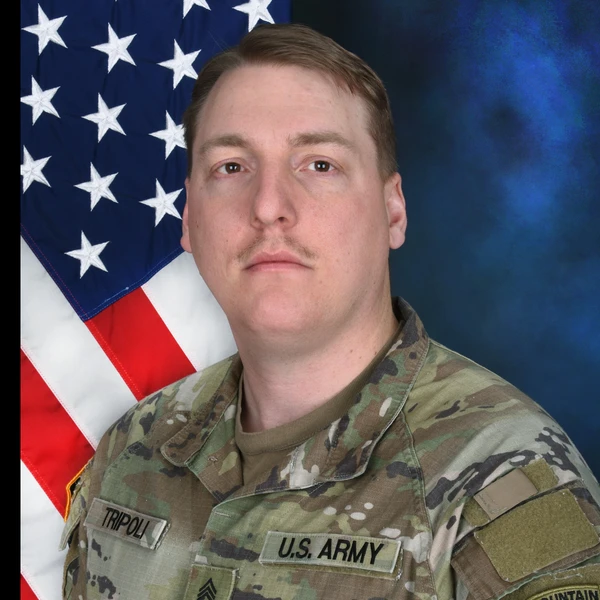
Dylan Tripoli
1x
FinalistDylan Tripoli
1x
FinalistBio
My goal is to be the Executive Director of the Southwest Florida Water Management District to achieve that I will get a Master's degree in Water Resource Management. I have 4 kids and a beautiful wife who I must provide a life that is 100 times the life I had growing up.
Education
University of Maryland Global Campus
Master's degree programMajors:
- Environmental/Environmental Health Engineering
University of Maryland Global Campus
Associate's degree programMajors:
- Liberal Arts and Sciences, General Studies and Humanities
University of Maryland Global Campus
Bachelor's degree programMajors:
- Environmental/Environmental Health Engineering
Miscellaneous
Desired degree level:
Master's degree program
Graduate schools of interest:
Transfer schools of interest:
Majors of interest:
Career
Dream career field:
Environmental Services
Dream career goals:
Twisting and Winding Lead Person
Service Thread LLC2012 – 20175 years
Sports
Football
Junior Varsity2008 – 20102 years
Public services
Volunteering
Unit SFRG — Non-Commissioned Officer in Charge2023 – Present
Sabrina Carpenter Superfan Scholarship
I’m a fan of Sabrina Carpenter because she represents authenticity, resilience, and artistic growth. From her early days on the Disney Channel to her evolution into a confident pop artist, she’s shown that success comes from staying true to yourself while constantly challenging your limits. Her journey has inspired me to embrace change, take creative risks, and be unapologetic about who I am. Sabrina’s ability to balance humor, vulnerability, and self-awareness in her music makes her stand out in an industry that often rewards conformity.
What draws me most to Sabrina is her honesty. Songs like “because i liked a boy,” “emails i can’t send,” and “Feather” reveal the real emotions behind fame and heartbreak, reminding listeners that growth often comes from pain. She doesn’t hide behind a polished image; instead, she uses her platform to express what many young people feel but struggle to say. Watching her turn public scrutiny into empowerment has taught me that it’s possible to transform challenges into creative strength.
Her career has impacted me by encouraging confidence and individuality. Sabrina’s work ethic and fearlessness push me to keep improving and to see self-expression as a form of power. She reminds me that it’s okay to laugh at yourself, to stand tall after failure, and to find beauty in imperfection. Whether she’s performing live or sharing her wit online, Sabrina Carpenter shows that success is not about fitting in—it’s about owning your story and turning it into something extraordinary.
Wicked Fan Scholarship
I’m a fan of Wicked because it’s more than just a musical—it’s a story about perspective, friendship, and the courage to stand up for what’s right even when the world misunderstands you. The show flips the familiar Wizard of Oz narrative and reveals the untold story of Elphaba, the so-called Wicked Witch of the West, showing that “wickedness” is often just a label placed on those who challenge injustice. That message has always resonated deeply with me.
The music is another reason I love Wicked. Songs like “Defying Gravity” and “For Good” capture the emotional heart of the story and the complexity of the characters. “Defying Gravity” especially inspires me—it’s about taking control of your destiny, refusing to be limited by others’ expectations, and daring to rise above doubt. Every time I hear it, I’m reminded that standing apart and staying true to yourself can be both lonely and empowering.
I also admire how Wicked blends spectacle with depth. The vibrant set designs, stunning costumes, and powerful choreography pull you into the fantasy world, but it’s the emotional storytelling that keeps you there. It reminds us that every story has more than one side, and that empathy can change the way we see others.
Ultimately, Wicked celebrates individuality and friendship while challenging ideas of good and evil. It’s a musical that entertains, inspires, and moves you all at once—and that’s what makes me such a devoted fan.
Qwik Card Scholarship
Building credit early is important to me because it lays the foundation for financial independence and long-term stability. Establishing a solid credit history opens the door to opportunities—whether buying a home, financing a vehicle, or starting a business. I’ve learned that credit is not just a number; it reflects responsibility, trustworthiness, and financial discipline. By building credit early, I’m setting myself up for a future where I can make major life decisions without being limited by poor financial standing or lack of credit history.
To take control of my financial future, I’ve made it a priority to live within my means, budget carefully, and use credit strategically. I monitor my spending, make consistent on-time payments, and avoid unnecessary debt. I also educate myself about interest rates, credit utilization, and savings strategies. My plan is to continue building a strong credit score while maintaining an emergency fund and contributing regularly to savings and retirement accounts. These habits may seem small now, but they compound over time and provide a sense of security and freedom that’s worth every bit of effort.
One of the smartest money moves I’ve made was choosing to prioritize needs over wants early in my career. When I first started earning a steady income, it was tempting to spend on short-term gratification. Instead, I focused on paying down existing debt and saving for long-term goals. I learned to view every purchase through the lens of necessity, value, and future impact. Another lesson I learned the hard way came from underestimating the cost of living when transitioning from the military to civilian life. That experience taught me how quickly expenses can add up and how essential it is to have a realistic budget and financial cushion. It wasn’t easy at the time, but it made me more disciplined and aware of how crucial financial planning truly is.
A bit about me—I’m a water treatment operator and environmental management student who takes pride in protecting public health and natural resources. I began my career in the U.S. Army, where I developed resilience, discipline, and a strong sense of purpose. Those experiences shaped how I approach challenges today: with determination, focus, and a commitment to improvement. I’ve always believed that success isn’t about luck but about preparation and consistent effort.
What motivates me most is the idea of progress—both personal and professional. I want to continue growing into someone who makes a tangible difference, not only for myself but for others. Financial stability plays a major role in that vision because it gives me the freedom to invest in education, help family when needed, and give back to my community. Building credit and managing money wisely aren’t just financial goals; they represent the discipline, foresight, and responsibility I strive to carry into every aspect of my life. By taking control now, I’m ensuring a future built on stability, opportunity, and purpose
Boatswain’s Mate Third Class Antonie Bernard Thomas Memorial Scholarship
Every day, I strive to live by the traits that define strong character and effective leadership: communication, resilience, selflessness, determination, and work ethic. Each of these qualities guides how I approach my responsibilities, whether at work, in school, or in personal life, and they form the foundation of who I am and who I aim to become.
Strong leadership and communication skills play a central role in my daily routine. As a water treatment professional and former Army Noncommissioned Officer, I have learned that leadership is not about commanding others but about inspiring them. I make it a point to communicate clearly, listen actively, and ensure that everyone on my team feels heard and supported. Whether coordinating maintenance with operators or explaining environmental safety procedures, I focus on clarity and collaboration. Good communication keeps operations safe and efficient while strengthening trust among team members.
Resilience has also shaped how I approach challenges. Working in environments that demand precision and responsibility—such as military water purification missions or public drinking water operations—has taught me to stay calm under pressure. I remind myself that every obstacle is temporary and that perseverance often separates success from failure. This mindset allows me to adapt quickly and maintain composure in stressful or unpredictable situations.
Being unselfish means prioritizing the team and the greater mission above personal comfort. In both military and civilian settings, I have always believed in leading by example—taking the first shift, mentoring new workers, and ensuring others have the tools they need to succeed. True leadership means recognizing that collective success outweighs individual recognition.
My focus and determination stem from a clear sense of purpose. Balancing full-time work while pursuing a degree requires careful discipline. I set daily goals and push through fatigue because I understand the long-term rewards of education. Each assignment, shift, or training session contributes to a larger vision of professional and personal growth.
Finally, my strong work ethic is something I take pride in. I was raised to believe that effort and integrity define a person’s worth more than talent alone. Whether it’s ensuring water quality standards are met or completing coursework on time, I give every task my full commitment. Hard work has earned me trust, respect, and opportunities to lead.
My future goals center on advancing in the environmental management field, specifically in water quality and sustainability leadership. I am pursuing my degree to deepen my technical knowledge and prepare for higher-level responsibilities—eventually contributing to policy development and large-scale water resource protection.
To me, leadership means serving others while holding yourself accountable. It’s about setting a standard, empowering people, and maintaining integrity even when no one is watching. A true leader creates an environment where others can grow, uniting them toward a shared goal. These five traits guide me daily, and they continue to shape my journey toward becoming a leader who makes a lasting difference in both people’s lives and the environment we depend on.
Taylor Swift Fan Scholarship
One of Taylor Swift’s most moving performances is her 2021 rendition of “All Too Well (10 Minute Version)” on Saturday Night Live. This performance stands out not only for its emotional intensity but also for how it symbolizes her growth as both an artist and a woman reclaiming her narrative. Performing the extended version live for the first time, Taylor delivered the song with haunting vulnerability and artistic precision, transforming heartbreak into empowerment.
The minimalist staging—just Taylor, her guitar, and a backdrop of autumn leaves and cinematic projections—allowed her lyrics to take center stage. Each verse unfolded like a short film, pulling the audience deeper into the memories and emotions she once kept private. What made it so powerful was the balance of control and catharsis. She didn’t simply relive the pain; she owned it. Her facial expressions, subtle gestures, and steady voice conveyed years of reflection and resilience.
This performance resonated with fans because it reflected the evolution of Taylor’s storytelling. “All Too Well” began as a deeply personal ballad and grew into a cultural moment about memory, loss, and reclamation. By performing it live in such an intimate yet commanding way, she invited listeners to feel their own heartbreaks and healing journeys. It wasn’t just a song—it was a declaration that art can transform pain into strength. For many, this performance encapsulated why Taylor Swift remains one of the most authentic and emotionally fearless artists of her generation.
Love Island Fan Scholarship
The new Love Island challenge, Heart Rate Hijack, brings a fresh twist to villa drama by combining temptation, trust, and emotional control. In this challenge, Islanders must keep their heart rate as low as possible while facing flirtatious distractions, shocking surprises, and revealing truths. Each contestant wears a heart rate monitor synced to a live display, turning every beat into a sign of desire or deception.
The challenge begins with the Temptation Test, where contestants perform seductive routines to raise their opponent’s heart rate, while the opponent must remain calm. Music, lighting, and unexpected curveballs from the DJ heighten the tension. Next comes Trust or Tease, where one partner faces temptation from a new arrival or a returning ex while the other is unaware. Their reactions show whether loyalty or curiosity wins. Finally, in Truth Pulse, Islanders answer revealing questions around the fire pit. A steady pulse signals honesty, while a spike exposes hidden emotions.
Winners are the pair with the lowest combined heart rate, earning a romantic date outside the villa. Those who fail must face a forfeit or risk public elimination. Heart Rate Hijack succeeds because it fuses humor, emotion, and real chemistry, giving viewers both laughter and shock. It exposes who truly connects and who cracks under pressure. With every glance, whisper, and skipped heartbeat broadcast on screen, the challenge proves one thing: in love, you can fake your words, but you can’t fake your pulse.
Future Green Leaders Scholarship
Sustainability should be a priority in the water treatment field because it ensures the long-term availability and quality of one of our most essential resources. Water is at the center of every aspect of life, from human health and agriculture to energy production and ecosystem balance. Yet, many water treatment systems were built decades ago and were not designed to handle the growing pressures of population increase, pollution, and climate change. Prioritizing sustainability allows us to modernize these systems in ways that conserve energy, reduce waste, and protect both human and environmental health. It is not only about meeting today’s water demands but also ensuring that future generations have access to clean, safe, and reliable water.
In water treatment, sustainability means optimizing processes to minimize environmental impact while maintaining or improving water quality. This includes reducing chemical use, improving energy efficiency, managing sludge responsibly, and protecting source water from contamination. It also involves embracing innovation through green infrastructure, renewable energy integration, and water reuse technologies. By shifting from reactive to proactive management, the industry can move beyond simply treating water to actively restoring and preserving the natural systems that supply it.
In the future, I see myself leading initiatives that make water utilities more efficient, resilient, and environmentally responsible. My goal is to help design and operate treatment systems that align with circular economy principles, where resources are continually recovered and reused. This includes implementing advanced filtration and disinfection technologies, exploring biosolids-to-energy conversion, and developing strategies to reduce carbon emissions associated with treatment operations. I also want to play a role in source water protection programs that prevent pollution before it enters the system, which is one of the most cost-effective and sustainable forms of water management.
Education and community engagement will also be central to my approach. I believe that sustainability cannot be achieved by engineers and operators alone; it requires collaboration with policymakers, scientists, and the public. By promoting awareness of water conservation and the importance of infrastructure investment, I hope to help build stronger partnerships that support long-term environmental goals.
Ultimately, my mission is to help transform the water treatment industry into one that not only delivers safe drinking water but also serves as a model of sustainability and environmental stewardship. Every decision—from process optimization to material selection—has an impact on our planet. By combining technical expertise with responsible leadership, I aim to reduce environmental footprints, strengthen resilience against climate change, and ensure that clean water remains a cornerstone of public health and sustainability for generations to come.
All Chemical Transport Empowering Future Excellence Scholarship
What drives me to pursue a career in water treatment is the understanding that clean, safe water is the foundation of public health, environmental stability, and community resilience. Water connects every aspect of life, from agriculture and industry to ecosystems and human well-being. My passion for this field grew from witnessing the critical role water treatment plays in ensuring that communities have access to reliable, high-quality water. I take pride in knowing that the work I do protects people from disease, supports economic development, and safeguards natural resources for future generations. This sense of purpose motivates me to continually learn, improve, and contribute to advancements in the water industry.
My vision for the future is to help modernize and strengthen water treatment systems so they can meet the challenges posed by population growth, aging infrastructure, and climate change. As more regions experience droughts, flooding, and contamination events, the need for resilient and adaptive water management has never been greater. I want to be part of the movement that incorporates innovation, such as advanced filtration technologies, real-time monitoring, and sustainable treatment methods, to make our systems more efficient and environmentally responsible. My goal is to contribute to a future where every community, regardless of size or location, has access to safe, dependable, and affordable drinking water.
The values that guide me in this work are responsibility, precision, and service. Responsibility drives me to uphold the highest standards of safety and compliance, knowing that the health of an entire community depends on the quality of my work. Precision reflects my attention to detail and commitment to operational excellence, which are essential in maintaining complex treatment systems. Service ties everything together by reminding me that this profession is not just about technology, but about people. Every valve turned, sample tested, and system maintained represents a promise to protect public trust and the environment.
As I continue advancing my education in Environmental Management, I plan to stand out as a leader by combining technical expertise with strategic thinking. My experience in both military and municipal operations has taught me how to lead under pressure, solve problems with limited resources, and mentor others to perform at their best. I aim to bring that same discipline, teamwork, and dedication to every project I undertake. Leadership in the water industry is not only about managing systems; it is about inspiring others to care deeply about water quality, sustainability, and innovation.
The impact I hope to make in my field is lasting and measurable. I want to help improve the efficiency of treatment processes, reduce chemical and energy use, and promote a culture of sustainability within utilities. By integrating science, technology, and strong ethical leadership, I plan to ensure that the next generation inherits not only safe drinking water but also a stronger and more resilient foundation for the future.
Environmental Kindness Scholarship
am passionate about protecting the environment because I have witnessed firsthand how closely human well-being is tied to the health of our natural systems. As a water treatment professional, I see every day how vital clean, reliable water is to public health, local economies, and community resilience. When contamination occurs or resources are mismanaged, the consequences ripple through ecosystems and into people’s lives. Protecting the environment is not simply about conserving resources for future generations; it is about taking responsibility for the systems that sustain us today. This sense of stewardship motivates me to dedicate my career to improving environmental management and strengthening community preparedness in the face of climate change.
My professional and academic experiences have deepened my understanding of how climate change intensifies challenges such as water scarcity, flooding, and pollution. Rising temperatures, shifting rainfall patterns, and more frequent extreme weather events are already straining infrastructure and ecosystems across Florida and the wider United States. These changes highlight the need for integrated, science-based management strategies that address the links between land, water, and human activity. My graduate studies in Environmental Management are helping me build that expertise. Courses in environmental policy, systems thinking, and community-based management have shown me how technical knowledge must work hand in hand with collaboration, communication, and equity to produce meaningful change.
A key focus of my studies is climate adaptation through water resource management. Learning about watershed protection, green infrastructure, and pollution prevention gives me the tools to help cities and organizations plan for more sustainable futures. By combining these approaches with emerging technologies like smart water monitoring and predictive modeling, I can help reduce the risks associated with droughts, floods, and contamination events. My goal is to develop practical solutions that strengthen environmental resilience while also creating long-term economic and social benefits. I believe that effective climate action begins with understanding the science, but true success depends on engaging the people who are most affected by environmental change.
If I could offer advice to my family and friends on reducing their carbon footprint, I would start by emphasizing that every action, no matter how small, contributes to a larger impact. Conserving energy by switching to LED lighting, unplugging electronics when not in use, and maintaining efficient heating and cooling systems can significantly reduce household emissions. Choosing to walk, bike, or carpool when possible not only cuts fuel use but also improves air quality and personal health. Supporting local food systems and reducing meat consumption can lower the energy and water demands associated with industrial agriculture. Simple acts such as planting native vegetation, collecting rainwater, or composting food scraps also help restore natural cycles and reduce waste.
Beyond personal habits, I would encourage those around me to stay informed and get involved in community efforts. Voting for leaders who support evidence-based climate policies, participating in local cleanups, and advocating for renewable energy initiatives are powerful ways to contribute to systemic change. Protecting the environment is not the responsibility of a few; it is a shared commitment that begins with awareness, grows through education, and endures through action. When individuals and communities take that responsibility seriously, we move closer to a sustainable and resilient future for all.
Morgan Levine Dolan Community Service Scholarship
Securing a scholarship is not merely a financial boon; it represents a pivotal support mechanism in the journey toward realizing my career aspirations within environmental stewardship, particularly in the protection and management of water resources. This support would afford me the opportunity to dedicate myself wholly to my studies in Environmental Health and Safety, thereby laying a solid foundation for my ambition to safeguard the earth's precious water resources, a mission I consider both a personal and professional calling.
In the pursuit of a Master’s degree in Environmental Health and Safety, the financial assistance provided by a scholarship would alleviate the economic pressures that accompany higher education, especially for someone with a family to support. The cost of tuition, books, and other academic materials can be daunting; a scholarship would significantly lessen this burden. By mitigating financial concerns, I can immerse myself completely in my academic pursuits, maximizing my learning experiences without the distraction of financial strain. This focus is crucial for mastering the complex scientific, technical, and regulatory aspects of environmental health and safety, ensuring that I acquire the knowledge and skills necessary to make a meaningful impact in my future career.
Moreover, a scholarship would enable me to engage more deeply with my studies and related activities, such as research projects, internships, and networking opportunities with professionals in the field. These experiences are invaluable for applying theoretical knowledge to practical challenges, developing professional competencies, and building relationships that can guide and support my career development. Such engagement is essential for emerging as a well-rounded environmental health and safety specialist, prepared to tackle the multifaceted challenges of water resource protection.
In my envisioned role as a steward for the environment, focusing specifically on water resources, the support from a scholarship would empower me to contribute to vital areas of need. Water is a fundamental yet finite resource, facing threats from pollution, overuse, and climate change. Armed with advanced education and training, I aim to develop and implement strategies for sustainable water use, pollution prevention, and ecosystem protection. This work is critical for ensuring clean, accessible water for current and future generations, supporting both human and ecological health.
Furthermore, this scholarship would represent an affirmation of my commitment and potential to contribute to environmental protection. It would serve as a source of encouragement, motivating me to strive for excellence in my studies and future career. This psychological boost is invaluable, reinforcing my resolve to achieve my goals and make a difference in the world.
In essence, a scholarship would provide me with the freedom, resources, and moral support necessary to fully engage with my studies and related opportunities, thereby equipping me to become an effective steward for the environment. It is a critical stepping stone toward realizing my ambition to safeguard water resources, reflecting a harmonious blend of my professional goals, personal values, and commitment to serving the greater good.
Trinity Lodge 127 PH Scott Heckstall Scholarship
Embarking on a career as a Water Treatment Specialist in the U.S. Army stationed at Fort Drum, NY, signifies not just a profession but a calling. This role, inherently vital, underscores the importance of safeguarding one of our planet's most crucial resources: water. It's a testament to a commitment beyond oneself, serving both the nation and the environment. Married to this dedication is a personal life enriched by the love and support of a wonderful wife and the joy brought by four children. This blend of professional dedication and personal fulfillment forms a solid foundation for aspiring toward higher goals.
The aspiration to earn a Master’s in Environmental Health and Safety is more than an academic endeavor; it's a mission rooted in a profound sense of stewardship for the Earth. This goal is driven by the recognition of our planet not just as a habitat, but as a sacred trust, given by the Lord God, to be protected and cherished. The pursuit of advanced education in Environmental Health and Safety is a step towards fulfilling this stewardship, ensuring that efforts to safeguard the environment are informed by deep knowledge, cutting-edge research, and a holistic understanding of the interconnectedness of human health and environmental sustainability.
In the career field of Environmental Health and Safety, the challenges are as diverse as they are critical. They range from ensuring clean water and air to managing hazardous materials and preventing occupational illnesses and injuries. This field demands a multifaceted skill set—scientific understanding, regulatory knowledge, and the ability to apply these in practical, real-world scenarios. Yet, the rewards are unparalleled: the chance to make a tangible difference in protecting both people and the planet.
Serving in the Army as a Water Treatment Specialist has provided a unique perspective on the importance of environmental health and operational safety, blending discipline, teamwork, and the capability to perform under pressure. These experiences are invaluable, offering a practical foundation upon which to build theoretical and policy-oriented expertise. The transition from military service to environmental protection is a natural extension of a commitment to serving and safeguarding others, reflecting a broader vision of security that encompasses ecological well-being.
Looking ahead, the journey towards earning a Master’s in Environmental Health and Safety is filled with promise and potential. It’s a path that leads toward becoming an expert capable of influencing policies, implementing best practices, and educating others on the importance of environmental stewardship. The goal is not just to protect the Earth for its own sake but to preserve it as a home for future generations, including one's own children, ensuring that they, too, can enjoy its bounty and beauty.
Moreover, this journey is also a spiritual one, guided by a faith that sees the Earth as a divine gift, to be managed responsibly until the Lord decides its ultimate fate. This perspective imbues the mission with a deeper purpose, elevating the work of environmental protection to an act of faith and worship.
In summary, my future goals and career field are interwoven with personal values, family commitments, and a deep-seated belief in the sanctity of the Earth. The ambition to advance in the field of Environmental Health and Safety is not just a professional aspiration but a reflection of a life dedicated to service, stewardship, and sustainability, driven by the desire to honor the divine trust bestowed upon us to care for the planet.
Environmental Stewardship Award
The escalating threat of climate change underscores the urgent need for global action, highlighting the critical roles of mandatory recycling, sustainability practices, and international cooperation. Inaction poses dire consequences: increased global temperatures, severe weather events, loss of biodiversity, and significant economic disruptions. These outcomes not only threaten the environment but also human health, food security, and global stability.
International cooperation is pivotal in this endeavor. Climate change knows no borders; its impacts are global, necessitating a unified response. Agreements like the Paris Accord exemplify the potential of collective action, setting a framework for countries to commit to emissions reductions and sustainable practices. However, the success of such agreements hinges on the genuine commitment and action of all signatories.
Individuals also play a crucial role. From embracing mandatory recycling to reducing personal carbon footprints, individual actions contribute to a larger movement towards sustainability. Each decision to recycle, use renewable energy, or support sustainable products sends a signal to markets and policymakers alike, emphasizing the demand for green alternatives.
In conclusion, the fight against climate change requires a multifaceted approach, combining international cooperation, national policies, and individual actions. Together, these efforts can steer us towards a sustainable future, mitigating the adverse effects of climate change and safeguarding the planet for future generations.
Scout Scholarship
Infrastructure modernization represents a critical frontier for the global energy sector, with significant implications for economic stability, environmental sustainability, and social well-being. Across the globe, a substantial portion of the energy infrastructure—encompassing generation, transmission, and distribution systems—has aged and become inefficient, making it increasingly vulnerable to disruptions from natural disasters, climate change, and cyber-attacks. This challenge, while daunting, offers an unparalleled opportunity to reshape the future of energy towards a more efficient, resilient, and sustainable model.
The necessity of upgrading energy infrastructure is underscored by several pressing needs. Firstly, modernizing energy systems is essential for enhancing efficiency. Aging infrastructure often results in significant energy losses during transmission and distribution, reducing the overall efficiency of the energy system. For instance, outdated transformers and transmission lines cannot handle the load demands of contemporary consumption, leading to losses that directly impact the cost of energy to consumers and the environment through increased carbon emissions. By investing in advanced materials and technologies, such as high-voltage direct current (HVDC) transmission systems and smart grid technologies, these losses can be substantially reduced.
Secondly, the integration of renewable energy sources into the grid is contingent upon modern, flexible, and intelligent infrastructure. Traditional energy systems were designed for stable, centralized sources of power generation, such as coal and gas power plants. However, renewable energy sources like wind and solar power are variable and decentralized, necessitating a more dynamic and responsive grid. This includes the development of energy storage solutions, such as battery storage and pumped hydro storage, to manage the intermittency of renewable sources, ensuring a reliable energy supply even when the sun isn't shining or the wind isn't blowing.
Moreover, the resilience of energy infrastructure to external shocks—be they natural or man-made—has become a critical concern. Climate change has increased the frequency and intensity of extreme weather events, from hurricanes to wildfires, posing significant risks to outdated energy systems. For instance, overhead power lines are susceptible to damage from storms and fires, leading to widespread power outages. Upgrading to more resilient infrastructure, such as underground cables or reinforced overhead lines, and implementing advanced weather forecasting and response strategies can mitigate these risks.
The transition towards a modernized energy infrastructure also aligns with the broader goals of sustainable development and climate change mitigation. By increasing the efficiency and resilience of the energy system, and facilitating the shift to renewable sources, significant reductions in greenhouse gas emissions can be achieved. This transition not only addresses the urgent need to combat climate change but also promotes energy security and independence by reducing reliance on imported fossil fuels.
However, the path to infrastructure modernization is fraught with challenges, including the high initial investment costs, regulatory hurdles, and the need for skilled workforce development. Moreover, there must be a concerted effort from governments, the private sector, and communities to prioritize and finance these upgrades, navigate the regulatory landscape, and foster public acceptance and cooperation.
In conclusion, the modernization of energy infrastructure is a multifaceted challenge that requires a holistic approach, combining technological innovation, policy reform, financial investment, and community engagement. The benefits of such an undertaking are manifold, promising not only to enhance the efficiency and reliability of energy supply but also to drive economic growth, reduce environmental impacts, and improve the quality of life for people around the world. Embracing this challenge is not merely an option but a necessity for securing a sustainable and resilient energy future.