Hobbies and interests
Photography and Photo Editing
Sports
Athletic Training
Travel And Tourism
Mental Health
Community Service And Volunteering
Child Development
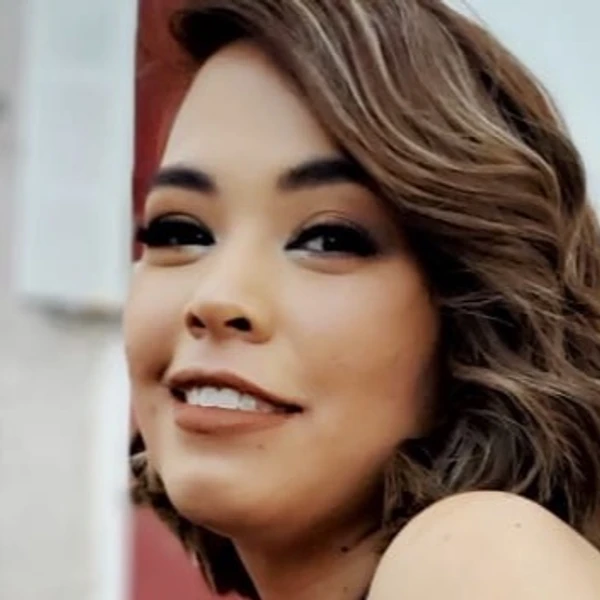
Dulce Reyes Campos
1x
Finalist1x
WinnerDulce Reyes Campos
1x
Finalist1x
WinnerBio
My name is Dulce Alicia Reyes Campos, and I’m Hispanic. I’m currently pursuing a Bachelor’s degree in Kinesiology with a minor in Physiology at the University of Texas at San Antonio. My career goal is to work with children with disabilities and help them live active, healthy, and happy lives.
I’m a dedicated student who loves helping people, and I’m committed to using my education to make a positive impact in my community. Living on my own has taught me to be independent and resourceful. I pay all of my own bills, and I don’t want money to ever be a barrier in my life.
One of my biggest goals is to earn my bachelor’s degree, and I know that with hard work and determination, I will do it. I’m proud of how far I’ve come and excited to keep moving forward.
My personal journey with anxiety and depression has also shaped my dedication to mental health and recovery. I want to use my story to inspire and support others, especially children, to know that healing is possible.
Education
The University of Texas at San Antonio
Bachelor's degree programMajors:
- Sports, Kinesiology, and Physical Education/Fitness
Minors:
- Psychology, General
Miscellaneous
Desired degree level:
Bachelor's degree program
Graduate schools of interest:
Transfer schools of interest:
Majors of interest:
Career
Dream career field:
physical theraphy
Dream career goals:
Sports
Swimming
Junior Varsity2016 – 20182 years
Public services
Volunteering
Summer splash — Volunteer – helped children participate safely in water-based therapy and recreational activities, offering one-on-one support.2024 – 2024Volunteering
Autism Community Network — Volunteer – assisted children in activities, provided emotional support, and helped maintain a safe, structured environment.2025 – 2025Volunteering
Food Bank — Packing food2019 – 2020Volunteering
Foster a shelter animals — Taking care of animals2021 – 2022Volunteering
Church — Teacher assistant2019 – 2019
Future Interests
Volunteering
Eden Alaine Memorial Scholarship
The family member I lost who shaped my life in the most profound way was my Papá Epi. His passing was a heartbreaking moment that changed the direction of my life and the way I see the world. Losing him was not just the loss of a loved one—it was the loss of a mentor, a source of encouragement, and a figure who always made me feel capable of achieving my dreams. His absence continues to affect me, but it has also pushed me to grow in ways I never expected.
My Papá Epi was someone who brought strength, wisdom, and warmth into every room. He supported my education, celebrated every accomplishment, and taught me the value of hard work and humility. When he passed away, it felt like everything in my life froze. I was balancing full-time work, full-time school, and trying to be strong for my family, but grief has a way of making even the simplest things feel impossible. There were days when it took all my strength just to show up.
Yet, even in that pain, losing him shaped me into someone more resilient and grounded. It taught me that life can change in an instant, and that the moments we share with the people we love matter more than anything else. His passing reminded me to appreciate family deeply, to speak more openly about my feelings, and to be present—something I often took for granted before.
This loss also influenced the path I chose for my future. Studying kinesiology and minoring in psychology became more than just academic decisions; they became personal. I want to help others the way he helped me—by encouraging them, guiding them, and showing them that they are stronger than they think. His passing opened my eyes to how much emotional and physical health are connected. Going through grief made me understand the importance of support systems, mental wellness, and compassionate care—especially for communities like mine, where many families silently carry their pain.
Running also became part of my healing process. What started as a hobby turned into a source of strength. Every time I felt overwhelmed, running helped me breathe again. It became a way to honor my Papá Epi, a way to feel close to him. Every race I prepare for now carries his memory. He is my motivation to keep pushing, to stay disciplined, and to keep going even when life feels difficult.
Losing him also strengthened my relationships. My family and I became closer after his passing—we learned to support each other more deeply and to communicate in ways we did not before. I learned to lean on people I love instead of trying to carry everything alone. I learned that vulnerability is a form of strength.
Today, I live my life with more purpose because of my Papá Epi. His memory pushes me to work harder in school, to stay committed to my goals, and to become someone who helps others heal—emotionally and physically. His passing changed me, but it also inspired me to grow into the kind of person he always believed I could become.
Losing him was one of the hardest experiences of my life, but the strength, compassion, and determination I gained from that loss continue to guide me every day. His legacy lives on in the choices I make, the goals I chase, and the person I am becoming.
Mikey Taylor Memorial Scholarship
My experiences with mental health have shaped my beliefs, my relationships, and my career aspirations in meaningful and lasting ways. As a young Latina balancing full-time work, full-time studies, and personal challenges, I have faced moments when my mental health felt fragile—especially after the passing of my Papá Epi, a loss that deeply affected my emotional well-being. Navigating grief while trying to keep up with school, responsibilities, and everyday life forced me to confront my mental health in a way I had never experienced before. It also changed the direction of my life in powerful ways.
Before my loss, I believed that strength meant handling everything alone. I grew up in a culture where mental health was rarely discussed, where working hard and staying strong were seen as the only acceptable responses to stress. But when I lost my Papá Epi, for the first time I couldn’t simply “push through.” I felt overwhelmed, anxious, and emotionally exhausted. Even things I loved—like running—felt different. I didn’t know how to express what I was feeling, and I didn’t want my family to worry, so I carried much of the pain quietly.
This experience changed my beliefs about mental health. I learned that acknowledging your emotions is not a weakness—it is an act of courage. I learned that healing does not follow a timeline, and that asking for help is a sign of strength. Little by little, I began practicing self-compassion. I talked more openly with my mom and sister, something that brought us closer and improved our communication. I learned to give myself grace on the days when my mind felt heavy. And most importantly, I learned to respect my mental health the same way I respect my physical health.
These experiences also shaped my relationships. Grief taught me patience, empathy, and understanding. It made me more aware of the silent battles others might be fighting, even when everything looks fine on the outside. This has helped me become more supportive with the people around me—friends, classmates, coworkers, and my family. I’ve learned to check on others more intentionally, and to be present in a way that I wasn’t before. Mental health struggles don’t isolate me anymore—they connect me to others through compassion.
My journey with mental health is one of the biggest reasons I chose kinesiology and psychology as my path. I want to help people not just physically, but holistically. I have seen firsthand how emotional stress can affect the body, and how physical health can support mental well-being. My own healing process showed me how movement, self-care, and support systems play powerful roles in overcoming challenges. I want to be a professional who understands both sides—mind and body—especially for communities like mine, where mental health support is often limited or stigmatized.
My goal is to become someone who guides others toward strength, healing, and confidence. I want to work with individuals who feel overwhelmed, scared, or unseen—the same way I once did. My experience with mental health didn’t break me; it shaped my purpose. It gave me direction, clarity, and the desire to make a meaningful impact in people’s lives.
Today, I live with more compassion, more intention, and more understanding. I am stronger not because I avoided struggle, but because I faced it. My mental health journey transformed my life—and it continues to inspire the future I am building every day.
Brooks Martin Memorial Scholarship
A significant loss that has shaped who I am today is the passing of my Papá Epi. His loss was unexpected, painful, and deeply life-changing. It transformed me in ways I never anticipated—emotionally, mentally, and spiritually. But it also redefined my purpose, my motivation, and the way I choose to live my life each day.
My Papá Epi was an important figure in my life—someone who encouraged my dreams, supported my education, and always reminded me that I was capable of more than I believed. Losing him felt like losing a part of myself. In the months that followed his passing, I struggled with grief while managing full-time work, full-time classes, and the responsibilities that come with being a young Latina pursuing higher education. There were moments when I didn’t recognize myself—when everything felt heavy, and even the smallest tasks felt overwhelming. Grieving while trying to stay strong for my family was one of the hardest challenges I have ever faced.
But this loss, as painful as it was, changed the way I see life. It taught me that every moment is precious, that people we love can leave suddenly, and that we honor them most by becoming the best version of ourselves. Instead of letting grief stop me, I learned to let it shape me. My Papá Epi’s memory became my motivation to keep going, even on the days when I felt like giving up.
His passing also influenced the way I set my goals. It strengthened my commitment to pursuing my kinesiology degree and my psychology minor. I want to work in a field where I help others feel stronger—physically, mentally, and emotionally—because I know what it feels like to be in a moment of vulnerability. I want to be someone who listens, supports, and stands beside people who are struggling. My loss gave me empathy. It gave me a deeper understanding of pain and resilience, and it reminded me why representation and compassion matter in healthcare and wellness.
This experience also changed my outlook on life. Before, I often felt pressured to constantly be perfect—to meet every expectation, to work without rest, to push myself physically and academically without pause. Losing my Papá Epi taught me the importance of slowing down, being present, and appreciating the people around me. It taught me that life is not only about achievements—it is about connection, gratitude, and purpose. Now, I live more intentionally. I focus on what truly matters. I remind myself that progress, even small progress, is still progress.
This loss also motivated one of my biggest passions: running. What started as a hobby became one of my greatest sources of healing. Running helped me cope with grief, giving me space to process emotions, think, and breathe. Every race I run now has a piece of my Papá Epi’s spirit in it. I dedicate my miles to him because running reminds me of resilience, discipline, and the beautiful ability of the human body and heart to keep going—even when it hurts.
Today, I am stronger, more compassionate, and more driven because of this loss. My Papá Epi’s memory guides me daily. It pushes me to continue my education, to work hard, and to be someone my family can be proud of. His passing shaped me, but it also awakened a deeper purpose within me. I live my life with more courage, more gratitude, and more determination—knowing that I carry his love and legacy with me in everything I do.
Nabi Nicole Grant Memorial Scholarship
Faith has always been a quiet but constant presence in my life—something I turned to in moments of confusion, fear, or exhaustion. But I truly learned what faith meant when I faced one of the hardest moments of my life: losing my Papá Epi. His passing was an unexpected and deeply painful moment that changed everything for me. In the midst of grief, school, work, and the responsibilities I carry as a young Latina woman pursuing a degree, I felt lost. It was during this time that faith became not just something I believed in—but something I leaned on to keep moving forward.
When my Papá Epi passed away, it felt like the ground disappeared under me. He was someone who always believed in my dreams, someone who celebrated every achievement, big or small. In the weeks after his loss, I struggled emotionally, physically, and academically. Balancing full-time work with my full-time studies already demanded so much from me, but trying to continue my routine while carrying grief felt impossible at times. There were days when I would sit in my car before class or work, holding back tears, asking God for strength because I didn’t know how to keep going.
My faith became the anchor I reached for every day. I prayed for guidance, for the ability to stay strong for my family, and for the courage to show up even when my heart felt heavy. I asked God to help me turn pain into purpose, and slowly, I started to feel a peace that only comes from faith. I realized that grieving didn’t mean I was weak; it meant I loved deeply. I also realized that the best way to honor my Papá Epi’s memory was to continue working toward the future he always encouraged me to chase.
Faith helped me overcome the challenge of feeling alone in my journey. I learned that God places strength within us long before we know we need it. Even when I doubted myself, even when school felt overwhelming or when running—something that once brought me peace—became difficult emotionally, I reminded myself that God was walking with me. My faith gave me patience, helping me understand that healing takes time. It also gave me purpose, motivating me to continue pursuing my kinesiology degree and psychology minor, knowing that one day I want to help others through their own moments of pain.
One of the most powerful lessons my faith taught me during this challenge was that resilience is not about being unaffected—it’s about showing up even when everything feels heavy. My faith reminded me that God sees my efforts, my sacrifices, and my heart, even when no one else does. It helped me find strength on the days when I felt like giving up. It helped me stay focused on my education when it would have been easier to take a break. And most importantly, it helped me remember that I am not walking through life alone.
Today, I carry my Papá Epi’s memory with me in everything I do. I run races in his honor, I dedicate my academic achievements to him, and I use his love as motivation to keep going. Faith turned my greatest heartbreak into a source of strength, and it continues to guide me as I build the future I once dreamed about with him by my side.
Faith didn’t erase the pain, but it gave me the courage to overcome it.
Kim Moon Bae Underrepresented Students Scholarship
As a Latina woman pursuing a degree in kinesiology with a minor in psychology, my identity has shaped every part of my educational journey. Being a member of an underrepresented community has meant navigating a world where opportunities often feel limited, expectations sometimes feel low, and the path forward is rarely straightforward. Yet, my background has also given me resilience, empathy, and a deep sense of purpose—qualities that continue to guide my path.
My parents immigrated to the United States with the hope of giving our family a better future. Watching them work tirelessly taught me that success is something you build, not something you are handed. From a young age, I understood the importance of dedication and sacrifice. I also understood what it felt like to grow up in spaces where people who looked like me, or came from families like mine, were not always represented. In school, in healthcare settings, in leadership roles, and even in academic fields like kinesiology and psychology, representation matters—and it is often missing. This realization is one of the biggest reasons I chose my career path.
Growing up as a Latina meant carrying strength quietly. It meant translating documents for my family, helping them navigate medical appointments, and learning to be independent earlier than many of my peers. These experiences are what inspired me to pursue a future in health and wellness. I want to become a professional who helps people not only with their physical health but also with their mental and emotional well-being—especially those from underserved communities who often feel overlooked or misunderstood.
Being a first-generation college student has come with its own challenges. Balancing a full-time job while attending UTSA full-time has required discipline, long nights, and constant perseverance. There have been moments when I doubted whether I could keep up, moments when financial stress made school feel overwhelming, and times when grief and personal struggles made it difficult to stay focused. Losing my Papá Epi, a person who was a pillar of strength in my life, tested me deeply. Yet it also reminded me why representation in healthcare matters: we all deserve providers who understand our culture, our families, and our emotional realities.
My identity has also shaped the way I see the people around me. As a Latina, I understand how many barriers—language, cultural stigma, limited access to care—can prevent families from receiving proper health support. These barriers are why I want to continue pushing forward in my field. I hope to become someone who bridges the gap between physical health and mental health, someone who patients—especially Hispanic families—feel comfortable trusting.
Looking ahead, my identity will continue to fuel my determination. I want to be part of the small but growing number of Latina professionals in kinesiology and psychology, not just for myself, but for the next generation of students who will see someone like them and feel encouraged to keep going. I want to serve my community, advocate for health equity, and use my bilingual abilities and cultural understanding to make a meaningful impact.
Being underrepresented has not limited me—it has motivated me. It has taught me to fight harder, to dream bigger, and to keep moving forward even when the path feels difficult. My identity is not just part of my story; it is the driving force behind my future.
Harvest Scholarship for Women Dreamers
Since I was young, I have always carried a quiet but persistent belief that I was meant to help others feel stronger—physically, mentally, and emotionally. Today, that belief has grown into my “Pie in the Sky” dream: becoming a professional in the fields of kinesiology and psychology, dedicated to helping people heal their bodies, understand their minds, and discover the power they carry within themselves. This dream feels both inspiring and almost out of reach, not because I doubt my ability, but because the path requires resilience, consistency, and faith—qualities I am still learning to master every day.
My dream was sparked during my early years in college, when I realized that movement, mental health, and healing are deeply connected. Running became my emotional anchor during one of the most difficult seasons of my life—the loss of my beloved Papá Epi. Training for races gave me a sense of purpose when grief felt overwhelming. It taught me that healing is not linear, and that progress often happens quietly, in moments no one sees. Running showed me that the body remembers, adapts, and grows stronger just like the heart does. That realization shifted my entire perspective: I didn’t just want to study kinesiology; I wanted to dedicate my life to helping others feel the same strength that running gave me.
But the dream became even clearer when I started taking psychology courses. Understanding the human mind—how stress, trauma, motivation, and behavior shape us—opened a door to a deeper kind of healing. I realized I didn’t want to help people only through physical training; I wanted to be someone who sees the whole person. Someone who helps others feel understood, capable, and supported. Someone who bridges physical health and emotional wellbeing.
To reach this dream, I know the journey ahead will require dedication and courage. Finishing my kinesiology degree while pursuing a minor in psychology is the first step. Working full-time while being a full-time student has taught me discipline, time management, and grit—qualities that I know will carry me through graduate school. I will continue taking courses that challenge both my intellect and empathy, and pursue internships or research opportunities that help me understand diverse populations and their needs.
Another essential step in this journey is continuing to grow through my own healing. Running continues to be my teacher. It reminds me that rest is as important as effort, that setbacks are not failures, and that the heart can keep moving forward even when the path feels uncertain. Every mile I run brings me closer to the person I want to become—someone who lives with purpose, compassion, and resilience.
Ultimately, my dream is not just a career goal. It is a commitment to becoming a woman who uses her story—her grief, her healing, her discipline, and her passion—to inspire growth in others. My “Pie in the Sky” is to create a life where I help people feel stronger in every sense of the word. A life where I honor my family, especially my Papá Epi, by becoming the best version of myself. A life that reflects courage, creativity, heart, and a dedication to growth.
This dream may feel big and just out of reach, but I am ready to chase it—step by step, mile by mile.
Sweet Dreams Scholarship
Being part of a community has given me hope—not just for myself, but for what we can accomplish together. As a first-generation college student balancing full-time work and classes, life can feel overwhelming. But every time I volunteer with children with disabilities, I’m reminded that I’m not alone, and that we rise by lifting others.
One of the most meaningful community experiences I’ve had was working with children with autism. I supported their activities, helped them with movement and interaction, and witnessed how small acts of patience and encouragement can make a big difference. Another experience was helping children with physical and developmental disabilities during water-based therapy. In the water, they felt free, joyful, and confident—and I felt connected to something greater than myself.
These moments taught me about resilience—not just theirs, but mine too. I realized that being part of a community means showing up even when life is hard, because someone else might need your strength that day. It showed me that kindness is action, and that connection is healing.
This sense of purpose now drives my studies in kinesiology and psychology. I want to become a pediatric physical therapist, not just to treat the body, but to support the whole person. Being part of these communities has helped me understand that healing—whether physical, emotional, or mental—often starts with being seen, accepted, and supported.
In a world that sometimes feels divided or uncertain, my community experiences have shown me that hope lives in service. That’s what I carry into my future: the belief that no matter where I go or who I work with, I can be part of building something better.
Ross Mitchell Memorial Scholarship
From a young age, I’ve always had a deep curiosity about how people grow, think, and move. This curiosity only grew stronger as I entered college, where I’m currently pursuing a degree in Kinesiology with a minor in Psychology. For me, learning has never been just about earning grades—it’s about understanding the world, helping others, and growing into the best version of myself.
Being a first-generation college student, I’ve had to find my own path. I work full-time while studying, and although it’s challenging, this experience has taught me how powerful learning truly is. Education became not only a tool for success, but also a lifeline for managing the stress and pressure that come from balancing school, work, and life. At one point, I experienced depression and anxiety due to the overwhelming demands I placed on myself. It was during this time that I learned the importance of taking care of both my mental and physical health—and how much knowledge can heal, motivate, and transform.
That’s when I fell in love with learning on a deeper level. I didn’t just want to learn for myself anymore—I wanted to learn so I could help others too. I became fascinated by how the body and mind are connected. I started asking more questions in class, reading beyond my assignments, and engaging in volunteer work with children who have disabilities. One of my most impactful experiences has been working with children with autism and supporting physical development through water-based activities. These moments have fueled my passion and helped me understand the impact that compassionate, informed care can have on someone’s life.
Learning has also helped me become more confident and hopeful. Every new concept I master, every class I complete, is proof to myself that I can overcome obstacles and turn challenges into strength. Education has shaped my values—teaching me to be resilient, empathetic, and committed to service. I no longer see learning as something I have to do, but something I get to do.
In the future, I plan to become a pediatric physical therapist. I want to use everything I’ve learned—and continue learning—to help children grow stronger, healthier, and more confident in themselves. I believe that knowledge is one of the most powerful ways we can change lives, and I’m determined to keep learning, not just in school, but in every part of my life.
My love for learning is what keeps me moving forward. It’s what has helped me heal, grow, and find my purpose—and it’s the reason I know I’ll be able to help others do the same.
Dulce Vida First Generation Scholarship
WinnerIf there is one piece of advice I would give to another first-generation student, it would be to embrace every challenge as an opportunity to grow and never be afraid to ask for help. As a first-generation student myself, I have faced moments of uncertainty and self-doubt. There have been times when I questioned whether I truly belonged in college or whether I could handle the pressures of balancing classes, work, and family responsibilities. But I learned that every challenge is a chance to prove to myself that I am capable, resilient, and deserving of my place here.
Being the first in my family to attend college means carrying the hopes and dreams of my mom and those who came before me. It also means navigating a world that my mom might not fully understand. This can feel isolating, but it has also taught me to find strength in community. I have sought out mentors, professors, and peers who have guided me along the way. They have shown me that asking for help is not a sign of weakness—it is a sign of courage and determination.
When I first started college, I hesitated to raise my hand in class or to speak up when I didn’t understand something. I was afraid of looking unprepared or unintelligent. But over time, I realized that every question I asked opened a door to deeper understanding, and every conversation I had with a professor or advisor gave me more tools to succeed. I learned to use the resources around me—tutoring centers, study groups, and even just a supportive friend’s ear—to stay on track.
One of the most important lessons I’ve learned is that my voice matters. As first-generation students, we bring unique perspectives and experiences to the classroom. We understand the value of hard work, perseverance, and community in ways that others may not. Our presence on campus helps create a richer, more diverse environment where everyone can learn from one another.
So my advice is this: don’t be afraid to speak up, to share your story, and to let others know how they can support you. Remember that you are not alone, and there is a whole network of people who want to see you succeed. Embrace your role as a trailblazer, and know that every step you take forward is paving the way for future generations.
If I could go back and give this advice to myself as a freshman, I would tell myself to be proud of where I come from and to recognize that I belong here just as much as anyone else. I hope that by sharing my journey and the lessons I’ve learned, I can help another first-generation student feel confident in their ability to achieve their dreams—because we are capable of so much more than we sometimes believe.
I Can and I Will Scholarship
Mental health is something I never thought I would struggle with—until I did. The constant pressure of working full-time while pursuing my college education took a toll on me, and I was eventually diagnosed with anxiety and depression. I currently take medication to manage both, and while it hasn’t been easy, my experience has helped me realize just how important it is to take care of myself—mentally, emotionally, and physically.
One of the biggest lessons I’ve learned is that self-care is not selfish; it’s essential. I used to ignore my mental well-being in order to meet deadlines or prove that I could handle everything on my own. But that mindset only pushed me deeper into stress. Today, I value my mental health as a key part of my success. I’ve learned to listen to my body, to rest without guilt, and to ask for help when I need it. These beliefs now guide how I treat myself—and how I plan to help others in the future.
My experiences have also shaped the way I build relationships. I’ve become more compassionate and understanding of others’ struggles, especially those who face silent battles like anxiety or depression. I know what it’s like to smile on the outside while feeling overwhelmed on the inside. That’s why I’m more intentional now in creating safe, open spaces with my friends and family. I’ve learned that healing often starts with feeling seen and heard.
These challenges have directly influenced my career aspirations. I am majoring in Kinesiology with a minor in Psychology because I am passionate about helping others improve both their physical and mental well-being. I want to specialize in pediatric physical therapy, where I can support children not just in their physical development but also in their emotional growth. I believe that early support can shape a child’s entire future—and I want to be part of that change.
Struggling with mental health has not weakened me; it has given me purpose. I now see my education as a pathway to uplift others the way I’ve had to uplift myself. I want to be a therapist who understands that healing isn’t just physical—it’s holistic. And I want the children I work with to know that it’s okay to need help, and that they’re never alone.
This journey has taught me resilience, empathy, and the importance of community. I’m proud of how far I’ve come, and even more excited about the impact I hope to make. With the support of this scholarship, I’ll be one step closer to turning that hope into reality.
Jimmy Cardenas Community Leader Scholarship
One of the biggest obstacles I have faced was when I had to move out of my home unexpectedly. For a time, I lived with my mom, her husband, and my younger sister. I was hopeful that this would be a fresh start and a safe place to focus on my studies and future. Unfortunately, things didn’t turn out that way. My mom’s husband told me I was no longer welcome in the house and asked me to leave. In that moment, I felt rejected, alone, and scared. I didn’t know where to go or how I was going to continue my education.
But instead of letting this experience defeat me, I decided to use it as motivation to move forward and become stronger. I found a new place to live, even though it wasn’t easy. I balanced working part-time and going to school full-time, determined not to let this situation derail my dreams of earning my kinesiology degree. It was one of the hardest things I’ve ever done, but it also showed me how resilient and independent I could be.
During this time, I discovered the true meaning of leadership. I learned that leadership isn’t always about leading others—it starts with leading yourself. I had to make difficult choices about where to live, how to budget my limited money, and how to stay on track with my classes despite the emotional weight of feeling unwanted in my own home. I leaned on my own determination and on the resources around me, including professors and friends who believed in me.
I also realized that my experience gave me a deeper empathy for others. I know what it feels like to be pushed out of a place you thought was safe and to feel like you don’t belong. Because of this, I’ve tried to be a source of support for my peers, especially other first-generation college students. I know how important it is to have someone who listens, understands, and encourages you not to give up.
This obstacle taught me that while I can’t always control what happens to me, I can control how I respond. I chose to see this moment as a chance to prove to myself that I am capable of overcoming anything. I continued to work hard in my classes, kept my grades up, and stayed focused on my goals. Now, as I look forward to a future career in kinesiology, I know that I will carry the lessons I’ve learned about perseverance and self-leadership with me.
If I could share one message with others who face similar struggles, it would be this: your worth isn’t defined by anyone else’s acceptance or rejection. You are stronger than the challenges you face, and each obstacle is an opportunity to grow and become the leader of your own story. I hope to continue using my experience to inspire others to keep moving forward, even when things feel impossible—because I’ve seen firsthand that strength comes from within.