user profile avatar

Du Nguyen

1x

Finalist

Bio

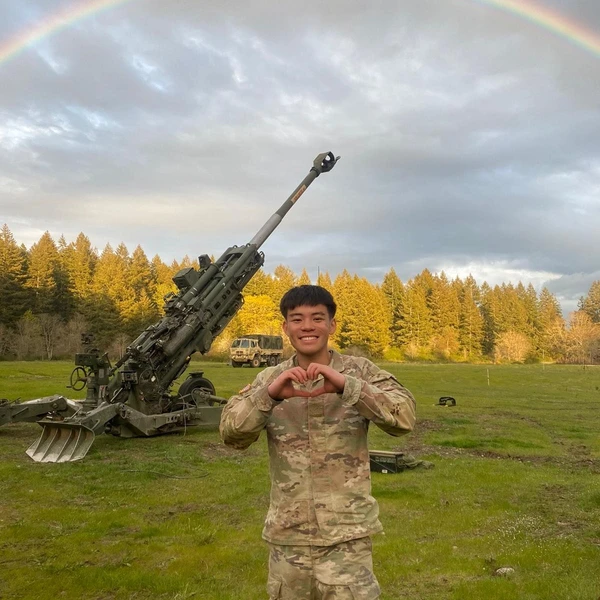
I am currently a Dental Hygiene student at MCPHS University and a U.S. Army veteran. I served four years as an artillery gunner, an experience that strengthened my work ethic, resilience, and attention to detail.

Education

MCPHS University

Bachelor's degree program
2024 - 2027
  • Majors:
    • Dentistry

Miscellaneous

  • Desired degree level:

    Doctoral degree program (PhD, MD, JD, etc.)

  • Graduate schools of interest:

  • Transfer schools of interest:

  • Majors of interest:

  • Not planning to go to medical school
  • Career

    • Dream career field:

      Dentistry

    • Dream career goals:

    • Cannon Crewmember

      Army
      2020 – 20233 years

    Sports

    Soccer

    Varsity
    2016 – 20204 years

    Awards

    • Most Valuable Player

    Public services

    • Volunteering

      Local Food Center — Volunteerer
      2019 – 2020
    Wicked Fan Scholarship
    I am a fan of Wicked because it tells a powerful story about identity, misunderstanding, and moral courage in a way that feels both emotional and deeply human. It goes beyond being a spectacle and asks hard questions about what it means to be “good,” who gets to define truth, and how easily society labels people without understanding them. What resonates with me most is Elphaba’s journey. She is intelligent, principled, and compassionate, yet constantly judged and misunderstood because she does not fit expectations. Watching her choose integrity over approval is incredibly moving. Her story reflects the experience of standing alone in your convictions, even when it costs you relationships, reputation, or safety. That message feels especially relevant in a world where it is often easier to stay silent than to stand up for what is right. The music is another reason I connect so strongly to Wicked. Songs like “Defying Gravity” and “No Good Deed” are not just powerful vocally, but emotionally layered. They capture moments of transformation, resolve, and inner conflict. The music does not shy away from complexity. It allows characters to be flawed, conflicted, and evolving, which makes them feel real rather than idealized. I also appreciate how Wicked challenges the idea of heroes and villains. It reminds us that history is often written by those in power, and that truth can be distorted to serve a narrative. That theme has shaped how I think about people and the world around me. It encourages empathy and curiosity rather than quick judgment, and it reinforces the importance of listening to stories that are often ignored or misunderstood. Ultimately, I am a fan of Wicked because it combines storytelling, music, and emotion to deliver a message about courage, compassion, and self-definition. It reminds me that being different is not a flaw, that doing the right thing is not always rewarded, and that staying true to yourself matters even when the cost is high.
    Taylor Swift Fan Scholarship
    One of the most moving performances for me is Taylor Swift’s acoustic “surprise song” sets during The Eras Tour. What makes those moments so powerful is their vulnerability. In a stadium built for spectacle, Taylor strips everything back to just her voice and a guitar or piano. There are no dancers, no elaborate visuals, and no distractions. It becomes about storytelling in its purest form. Each night is different, which makes the performance feel intimate and unrepeatable, as if she is sharing something personal rather than delivering something rehearsed. Those acoustic performances feel like a direct conversation with the audience. She often pauses to explain why a song matters to her or how it connects to a specific time in her life. Hearing that context, then listening to the song in its raw form, highlights how much of her career has been built on honesty and emotional risk. It reminds you that behind the global fame is someone who has been writing about growth, heartbreak, resilience, and self-discovery for nearly two decades. I find these performances especially moving because they reflect longevity and evolution. Songs written years apart suddenly sit side by side, showing how her voice, perspective, and confidence have changed over time while the emotional core remains intact. It feels like watching someone honor every chapter of their career without dismissing the earlier versions of themselves. That idea of embracing growth rather than erasing the past is deeply meaningful. In the context of “The Life of a Showgirl,” those acoustic moments feel like the heart of that theme. They acknowledge the glitter and scale of life in the spotlight, but also remind us that the most impactful performances are often the quietest ones. For me, those Eras Tour acoustic sets capture why Taylor Swift’s career endures. Even at the height of spectacle, she understands that connection, sincerity, and storytelling are what truly move people.
    Sabrina Carpenter Superfan Scholarship
    I am a fan of Sabrina Carpenter not just because of her music, but because of the way her career reflects growth, resilience, and self-ownership. Watching her evolve as an artist has been genuinely motivating for me, especially during periods in my life when I was focused on rebuilding direction and confidence. What stands out most about Sabrina Carpenter’s career is how long she worked before widespread recognition truly arrived. She did not become an overnight success. She spent years developing her craft, releasing music, acting, and refining her voice while facing criticism, comparisons, and setbacks along the way. Instead of disappearing or conforming to expectations, she continued to grow artistically and personally. That persistence resonates with me deeply. It reminds me that progress does not always look loud or immediate, and that staying committed to your path matters more than outside validation. Her music has also had a personal impact on me. Many of her songs focus on self-reflection, boundaries, growth, and reclaiming one’s voice. They feel honest rather than performative. During times when I was navigating stress, mental health challenges, and major life transitions, her music became something I could relate to. It helped me feel understood without needing to explain myself. There is comfort in art that acknowledges complexity rather than pretending everything is simple or perfect. Beyond the music itself, I admire how Sabrina Carpenter has taken control of her narrative. She has grown from being known primarily for one phase of her career into an artist who confidently defines herself on her own terms. That evolution has influenced how I think about my own life. As someone who has transitioned from military service into higher education and a new career path, I understand how easy it is for others to define you by a single chapter. Watching her redefine herself reinforced the idea that it is okay to change, grow, and move forward without apologizing for it. Her career has reminded me that confidence is something you build, not something you are born with. It comes from showing up repeatedly, learning from mistakes, and continuing even when progress feels slow. That lesson has stayed with me academically and personally. When challenges feel overwhelming, her journey serves as a reminder that consistency and self-belief eventually compound into success. Ultimately, I am a fan of Sabrina Carpenter because her career represents perseverance, authenticity, and growth. She shows that it is possible to evolve without losing yourself and to succeed without abandoning honesty. That message has impacted me by reinforcing my own commitment to patience, self-respect, and long-term purpose.
    Ethel Hayes Destigmatization of Mental Health Scholarship
    My experience with mental health has fundamentally shaped who I am, how I see others, and the direction I want my life to take. It has challenged many of the beliefs I once held about strength, success, and resilience, and it has forced me to grow in ways that were uncomfortable but necessary. What I once viewed as an obstacle has ultimately become a source of insight, empathy, and purpose. After my military service, I began experiencing service-related PTSD. At first, I did not fully recognize what was happening. In the Army, I was trained to function under pressure, suppress discomfort, and prioritize the mission above everything else. That mindset helped me survive demanding environments, but it also made it difficult to acknowledge when something was wrong. I believed that strength meant endurance and silence, and that pushing through was the only acceptable response to hardship. As I transitioned into civilian life, the structure and predictability I relied on were suddenly gone. Symptoms of PTSD surfaced in ways I did not expect. Hypervigilance, disrupted sleep, anxiety, and emotional distance became part of my daily life. I struggled to relax and found myself constantly on edge, even in safe environments. At first, I tried to manage everything on my own, believing that admitting difficulty would somehow diminish my identity or capability. Over time, I realized that ignoring my mental health was affecting every aspect of my life. It impacted my focus, my emotional availability, and my sense of direction. Facing these challenges forced me to reconsider what strength actually means. I learned that resilience is not about pretending you are unaffected, but about having the courage to confront discomfort honestly and seek healthier ways to move forward. This realization reshaped my goals and how I define success. Because of my mental health experiences, my goals are now centered on balance, sustainability, and purpose. I no longer measure success solely by productivity or achievement. Instead, I focus on building a life that allows me to serve others while also caring for my own well-being. This shift played a significant role in my decision to pursue a career in healthcare. I want to work in a field where compassion, trust, and human connection matter as much as technical skill. My experiences taught me that people are more than their symptoms, diagnoses, or performance, and I want to bring that understanding into my professional life. Mental health has also profoundly shaped my relationships. PTSD made me more aware of how easily people can withdraw or struggle silently. There were times when I became guarded or emotionally distant without fully realizing it. Learning to recognize those patterns helped me understand the importance of communication and patience. I became more intentional about listening, expressing my needs, and respecting boundaries, both my own and those of others. As a result, my relationships grew deeper and more meaningful. I learned that vulnerability builds trust and that connection does not require perfection. Mental health challenges taught me to slow down, be present, and recognize the emotional needs of the people around me. I am now more empathetic and less quick to judge, because I understand that everyone carries invisible burdens. This awareness has strengthened my ability to support others, whether friends, family, classmates, or colleagues. My understanding of the world has also changed significantly. Living with mental health challenges opened my eyes to how often mental health is misunderstood, minimized, or stigmatized. I saw firsthand how systems are often designed to prioritize performance over well-being, especially for veterans and those expected to be resilient at all times. This realization made me more compassionate and more critical of environments that fail to support mental and emotional health. I now see mental health as an essential part of overall well-being, not something separate or secondary. This perspective has shaped how I approach leadership, education, and service. I believe that meaningful progress, whether in healthcare, education, or the community, requires acknowledging the full human experience. That includes stress, trauma, and vulnerability, not just strength and success. Mental health challenges also taught me humility. I learned that healing is not linear and that progress often comes in small, incremental steps. There were moments of frustration and setbacks that tested my patience. However, those moments also reinforced the importance of consistency, self-compassion, and perseverance. I learned to celebrate progress rather than perfection, and that mindset has helped me remain grounded and resilient. Ultimately, my experience with mental health has given me clarity and purpose. It taught me that adversity can be transformative when approached with honesty and intention. It shaped my goals by pushing me toward service and impact, strengthened my relationships by deepening empathy and communication, and expanded my understanding of the world by revealing the importance of compassion and support. Mental health is not something that defines my limits. It has shaped my perspective and strengthened my resolve. It has taught me how to show up for myself and others with greater awareness, patience, and humanity. As I move forward, these lessons will continue to guide how I live, learn, and serve, reminding me that growth often comes from the challenges we once tried hardest to avoid.
    Learner Math Lover Scholarship
    I love math because it brings order to complexity and turns uncertainty into something you can understand and work through. Math gives me a sense of clarity, especially when everything else feels unpredictable. There is something grounding about knowing that with patience, logic, and effort, a problem has an answer. Math challenges me to think critically and deliberately. It is not about memorizing formulas, but about understanding relationships and patterns. I enjoy the process of breaking a problem down, testing different approaches, and slowly building toward a solution. That process has taught me patience and persistence, especially when the answer is not immediately obvious. Every mistake becomes part of learning rather than a failure. On a personal level, math gave me confidence. As someone who did not always feel naturally gifted in academics early on, succeeding in math showed me that discipline and consistency matter more than talent. Working through difficult problems and eventually understanding them reinforced the idea that growth comes from effort. That mindset has carried into other areas of my life, including my education, career goals, and personal development. Math also feels honest to me. There is no ambiguity in whether an answer is correct or not, and progress is earned through work. That fairness resonates with how I approach challenges. If I put in the time and effort, I know improvement will follow. That sense of accountability mirrors the values I developed through military service and education. I also love how math connects to the real world. It explains how things move, grow, change, and interact. From science and technology to healthcare and data analysis, math is the foundation that allows us to understand and improve the world around us. Knowing that math has practical impact makes learning it even more meaningful. Ultimately, I love math because it strengthens how I think. It has taught me problem solving, resilience, and confidence. It reminds me that difficult things are manageable when approached step by step, and that understanding comes with persistence.
    Second Chance Scholarship
    I want to make a change in my life because I reached a point where simply getting through each day was no longer enough. I wanted a future built on purpose, stability, and service rather than survival. My experiences in the military taught me discipline and resilience, but they also helped me realize that I wanted a life where I could continue serving others in a more personal and lasting way. Making a change meant choosing growth, even when it was uncomfortable and uncertain. The first major step I took toward that change was committing to my education. Transitioning from military service into higher education was challenging, especially as a first-generation college student navigating unfamiliar systems. Despite those challenges, I approached school with the same mindset I developed in the Army. I treated it as a mission. I showed up consistently, stayed disciplined, and held myself accountable. Through that commitment, I earned and maintained a strong academic record, including a 4.0 GPA, which reinforced my belief that I was capable of succeeding in a rigorous academic environment. I also took intentional steps to focus on my mental health and personal growth. Managing service-related PTSD required learning new coping strategies, asking for support, and being honest with myself about my limits. Addressing my mental health was not easy, but it was necessary to move forward in a healthy and sustainable way. These steps helped me become more grounded and focused on my long-term goals. This scholarship would play a critical role in helping me continue that progress. Dental hygiene programs are demanding and time intensive, leaving little room to work while maintaining academic performance. Financial stress can be a significant distraction, and this scholarship would relieve some of that burden. It would allow me to focus fully on my education, clinical training, and personal well being without constantly worrying about finances. More than financial support, this scholarship represents belief in my journey and the work I have already put in. Receiving this support would bring me closer to my goal of building a career centered on service and community impact. I plan to use my education to work in patient centered and underserved settings, where access to care and education is limited. I want to be someone who not only provides care, but also builds trust and helps people feel seen and respected. Paying it forward is an important part of my values. I plan to do so by supporting others who are navigating similar paths, especially veterans and first-generation students. Whether through mentorship, sharing resources, or simply offering encouragement, I want to help others believe that change is possible. I also hope to give back through community outreach and education, using my skills to improve health outcomes and reduce barriers to care. Making a change in my life was about choosing purpose over comfort. The steps I have taken reflect discipline, resilience, and commitment. This scholarship would help me continue that journey and allow me to extend the impact of that support to others along the way.
    Rev. and Mrs. E B Dunbar Scholarship
    My pursuit of higher education has been shaped by several significant obstacles that required persistence, adaptability, and self belief to overcome. As a first-generation college student and a U.S. Army veteran, I entered higher education without a clear roadmap. Navigating college systems, financial aid, and academic expectations was unfamiliar territory, and there was no one in my immediate family who could guide me through the process. Transitioning from the structured environment of the military to civilian education was especially challenging. I had to learn how to manage my time independently, adjust to a different learning style, and advocate for myself in academic spaces. Financial stress has also been a constant challenge. Higher education, particularly in a rigorous healthcare program, is demanding both academically and financially. Balancing tuition costs, living expenses, and limited work opportunities required careful planning and sacrifice. In addition, managing service-related PTSD added another layer of difficulty. There were times when anxiety, disrupted sleep, and emotional exhaustion made focusing on coursework more difficult. Learning to prioritize my mental health while maintaining high academic standards required resilience and humility. Rather than allowing these challenges to stop me, I treated them as obstacles to work through step by step. Through discipline and consistency, I was able to remain focused and committed to my goals. Despite these challenges, education has given me clarity and direction. It has shown me that perseverance matters more than circumstance and that growth is possible even when the path is not easy. My experiences have strengthened my desire to give back to the community in meaningful ways. In the future, I plan to use my education to serve others through healthcare, particularly in community-focused and underserved settings. I want to help individuals who may feel overlooked, intimidated, or unsure about accessing care. Beyond patient care, I hope to give back by supporting and mentoring others who face similar barriers, especially veterans and first-generation students navigating higher education. I understand how isolating the process can feel, and I want to be a source of encouragement and guidance. My goal is to use my education not only to build a stable future for myself, but to create opportunities, understanding, and support for others. Overcoming these obstacles has reinforced my commitment to service, and I intend to carry that commitment forward throughout my career and community involvement.
    Elizabeth Schalk Memorial Scholarship
    My name is Du Nguyen, and mental illness has been a meaningful part of my life experience, shaping how I understand myself, my relationships, and the importance of compassion. Both personally and within my family, mental health challenges have taught me that struggles are not always visible, and that strength often looks different than people expect. In my own life, mental illness became more apparent after my military service. Like many veterans, I carried experiences with me long after leaving the Army. Adjusting to civilian life while managing service related PTSD was challenging. Symptoms such as anxiety, hypervigilance, and difficulty sleeping affected how I functioned day to day. For a long time, I believed that pushing through silently was the only option. It took time to realize that acknowledging mental health challenges and seeking support was not a weakness, but an important step toward healing. Mental illness also affected my family dynamic. Growing up in a household where emotional struggles were not always openly discussed, I learned early how easy it is for mental health to be misunderstood or minimized. At times, this made communication difficult and created emotional distance. However, it also taught me empathy. Seeing loved ones struggle in quiet ways helped me understand that people cope differently and that patience and understanding matter. These experiences reshaped how I view the world. I learned that mental illness does not define a person’s worth, ability, or future. It is something that requires understanding, support, and access to care, not judgment. Living with and around mental health challenges has made me more self aware and intentional about how I treat others. I listen more closely, remain patient, and try to create space for honesty rather than perfection. Mental illness has also influenced my goals. It played a role in my decision to pursue a career in healthcare, where compassion and trust are essential. I understand how intimidating it can feel to ask for help or navigate systems of care, especially when mental health is involved. That understanding motivates me to approach others with empathy and respect, whether in professional settings or personal relationships. While mental illness has brought challenges, it has also brought growth. It taught me resilience, humility, and the importance of caring for both mental and physical well being. It showed me that healing is not linear and that progress often comes through small, consistent steps. Most importantly, it taught me that no one should have to face these struggles alone. My experiences have shaped me into someone who values openness, compassion, and service. Mental illness has been a difficult part of my story, but it has also given me purpose and a deeper understanding of what it means to truly support others.
    Julie Holloway Bryant Memorial Scholarship
    My name is Du Nguyen, and I am a U.S. Army veteran and current dental hygiene student. My journey has been shaped by service, discipline, and a strong desire to help others in meaningful and practical ways. After graduation, my plan is to become a licensed dental hygienist and work in patient centered and community focused settings, especially with underserved populations. I see my career in healthcare as a continuation of service, one that allows me to make a direct impact on people’s health, confidence, and overall quality of life. Through my military service, I learned the importance of responsibility, teamwork, and perseverance under pressure. Those values continue to guide me academically and professionally. Post graduation, I hope to work in clinical settings where education and prevention are emphasized, and eventually become involved in outreach programs that bring dental care to communities with limited access. My long term goal is to use my skills to reduce barriers to care and help patients feel respected, informed, and supported. My first language is Vietnamese. I grew up in a household where English was not the primary language, which shaped much of my early experience with communication, education, and identity. One of the challenges of being bilingual has been navigating environments where language barriers created misunderstandings or made me feel hesitant to speak up. In academic and professional settings, I sometimes felt pressure to prove myself or work harder to be understood. Learning to switch between languages and cultural expectations required patience and confidence. At the same time, being bilingual has been one of my greatest strengths. It has taught me adaptability, active listening, and cultural awareness. I am more attuned to nonverbal communication and more patient when others struggle to express themselves. In healthcare, these skills are especially valuable. Being able to communicate with patients in their native language or understand cultural nuances can build trust and ease anxiety. I have seen how language access can make the difference between someone seeking care or avoiding it altogether. As I move forward after graduation, I hope to use my bilingual background to better serve diverse communities. I want patients to feel heard and understood, regardless of language or background. My experiences as a bilingual individual, a veteran, and a first generation student have shaped my goals and strengthened my commitment to compassionate, inclusive care. I am motivated to build a career that reflects service, empathy, and meaningful impact.
    Travis Ely Collegiate Angler Memorial Scholarship
    I exemplify character, sportsmanship, and work ethic through consistency, accountability, and respect for others, both in the water and in my community. Whether in a physically demanding environment or in everyday interactions, I believe these qualities are shown not through words, but through how you carry yourself, especially under pressure. In the water, I have learned that discipline and focus matter just as much as strength. Training in aquatic environments requires patience, control, and mental resilience. Progress does not happen overnight, and improvement comes from showing up consistently, even on days when motivation is low. I push myself to maintain proper technique, respect safety standards, and stay mentally engaged. When working alongside others, sportsmanship means encouraging teammates, respecting different skill levels, and maintaining a calm and supportive attitude rather than competing at someone else’s expense. I believe true sportsmanship is demonstrated by helping others succeed while holding yourself to high standards. Character in the water also means integrity. It means following rules, taking responsibility for mistakes, and prioritizing safety over ego. These habits translate directly into how I approach challenges outside of training. I have learned to stay composed, accept feedback, and continue improving rather than cutting corners. That mindset reflects my broader work ethic: steady effort, attention to detail, and commitment to doing things the right way, even when no one is watching. In my community, I exemplify these same values through service, reliability, and leadership. As a U.S. Army veteran and current healthcare student, I understand the importance of accountability and teamwork. I strive to be someone others can depend on, whether that means supporting classmates during stressful periods, sharing resources, or simply being present when someone needs encouragement. I treat people with respect, listen without judgment, and lead by example rather than authority. Work ethic in the community means following through on commitments and taking initiative when help is needed. I balance demanding responsibilities by managing my time carefully and maintaining high personal standards. Sportsmanship outside the water shows up in how I handle disagreement, competition, or stress. I aim to stay respectful, fair, and focused on collective success rather than personal recognition. Overall, I believe character is revealed through consistency, sportsmanship through respect, and work ethic through effort. Whether in the water or in my community, I strive to live these values daily. They guide how I train, how I serve, and how I contribute to environments where teamwork, integrity, and mutual support matter most.
    John Acuña Memorial Scholarship
    My name is Du Nguyen, and I am a United States Army veteran. I served as a cannon crewmember in the U.S. Army and advanced through the ranks to Sergeant (SGT). During my service, I supported infantry units during high-tempo operations and demanding training exercises that required precision, discipline, and the ability to perform under extreme physical and mental pressure, often with very limited rest. Serving as a Sergeant was a meaningful milestone in my military career, as it reflected earned trust, leadership, and responsibility for others. My current educational goal is to complete my degree in dental hygiene and become a licensed dental hygienist. Long term, I hope to work in community-focused and underserved settings where access to preventive dental care and patient education is limited. I view healthcare as a continuation of my service, one that allows me to make a direct and positive impact on people’s lives through compassion, education, and care. My military service played a major role in shaping these goals. The Army taught me discipline, time management, accountability, and how to remain calm under pressure. More importantly, it showed me how meaningful it is to support people when they are vulnerable. Leading and caring for fellow soldiers during physically and mentally demanding situations helped guide me toward a career where trust, empathy, and responsibility are essential. As a veteran, I have faced several challenges that have impacted my ability to achieve my goals. Transitioning from military life to civilian education was one of the most difficult adjustments. The structure I relied on was suddenly gone, and as a first-generation college student, I had to navigate academic systems largely on my own. Financial stress, academic pressure, and managing service-related PTSD added additional challenges. Balancing mental health with a rigorous academic program required persistence, self-advocacy, and resilience. Despite these challenges, my military experience has helped me persevere. The mindset I developed in service taught me how to stay disciplined, seek help when needed, and continue moving forward even when progress felt slow. Maintaining a strong academic record while managing these obstacles has reinforced my belief that growth is possible through consistency and determination. Giving back to my community remains important to me. While in school, I support classmates by sharing study resources, working collaboratively, and offering encouragement during stressful periods. I also remain involved in faith-based and veteran-focused spaces where I can listen, support others navigating transition, and help reduce the stigma surrounding mental health. I believe community support often starts with being present and dependable. My military service shaped who I am, my education is shaping who I am becoming, and my commitment to service continues to guide my future.
    Learner Calculus Scholarship
    Calculus is important in the STEM field not only because of its technical applications, but because it teaches a way of thinking that is essential for scientific and professional growth. Through my own experience in STEM coursework, calculus has helped me understand how mathematical theory connects to real world systems and how complex problems can be approached with structure, logic, and precision. At its core, calculus is the language of change. Many STEM fields focus on systems that are constantly evolving, such as motion, chemical reactions, biological processes, and technological systems. Calculus allows us to measure rates of change through derivatives and understand accumulation through integrals. In engineering and physics, this makes it possible to model forces, motion, and energy. In biology and medicine, calculus helps explain how substances move through the body, how populations grow, and how physiological systems respond over time. These applications show that calculus is not just abstract math, but a foundational tool for understanding the world. From a personal perspective, learning calculus challenged me to think more deeply and precisely. It pushed me beyond memorization and forced me to understand why formulas work rather than just how to use them. This shift in thinking has been valuable across all my STEM courses. I learned how to break complex problems into smaller steps, analyze relationships between variables, and remain patient when solutions are not immediately obvious. These skills are transferable to any STEM discipline and mirror the problem solving process used in research, engineering, and healthcare. Calculus has also strengthened my ability to apply mathematics to real situations. Word problems and applied models helped me see how theoretical concepts translate into practical outcomes. For example, understanding rates of change makes it easier to interpret data trends, predict outcomes, and evaluate efficiency. This type of thinking is critical in STEM fields that rely on data driven decision making, such as healthcare analytics, biomedical research, and environmental science. Another important aspect of calculus is its role in advanced STEM topics. Fields like statistics, physics, computer science, and engineering build directly on calculus concepts. Even when calculus is not used explicitly, its principles influence how systems are analyzed and optimized. Many technologies we rely on, including medical imaging, drug development, and data modeling, depend on calculus based algorithms. Learning calculus provides a strong foundation for understanding and contributing to these innovations. On a personal level, calculus has also taught me resilience. It is not an easy subject, and struggling through difficult problems required persistence and discipline. Overcoming those challenges gave me confidence in my ability to handle complex material and reinforced the importance of consistent effort. This experience reflects the reality of STEM careers, where progress often comes through trial, error, and refinement. Overall, calculus is important in STEM because it bridges theory and application. It equips students with the tools to understand change, solve real world problems, and think critically. For me, calculus has been more than a requirement. It has shaped how I approach learning, problem solving, and professional growth within the STEM field.
    Learner Online Learning Innovator Scholarship for Veterans
    The primary online platform I use to further my understanding of the subjects I am studying is Blackboard. It serves as the central hub for all of my coursework and plays a critical role in how I stay organized, engaged, and successful in a demanding healthcare program. Having one consistent platform where all course materials, assignments, and communication are located allows me to focus on learning rather than searching for information. One of the most valuable features of Blackboard is its ability to provide continuous access to lecture materials and recorded lectures. In courses that cover complex topics such as anatomy, clinical techniques, and patient care principles, being able to review lectures multiple times is essential. I often revisit recorded lectures after class to reinforce difficult concepts, clarify areas of confusion, and take more detailed notes. This flexibility allows me to learn at my own pace and strengthens long-term retention. Blackboard also helps me apply what I learn through quizzes, assignments, and instructor feedback. Practice quizzes allow me to test my understanding and identify gaps in knowledge before exams. This immediate feedback helps me adjust my study strategies and focus on weaker areas. Written assignments and lab submissions give me opportunities to apply theoretical knowledge to practical scenarios, which is especially important in healthcare education. Instructor feedback posted through Blackboard helps me refine my thinking and improve my clinical reasoning. Another important aspect of Blackboard is its support for communication and collaboration. Discussion boards allow me to engage with classmates, ask questions, and contribute to conversations about course material. Reading different perspectives helps deepen my understanding and exposes me to alternative ways of thinking. Explaining concepts to others through discussions also reinforces my own learning and improves my ability to communicate clearly, a skill that is essential in patient care. Organization is another area where Blackboard has been extremely helpful. The platform’s calendar, assignment deadlines, and notifications allow me to manage my time effectively. Balancing multiple courses, labs, and clinical responsibilities requires strong organization, and Blackboard helps me stay accountable. Knowing exactly what is expected and when allows me to plan ahead and avoid unnecessary stress. Blackboard has also helped me develop independence as a learner. Instead of relying solely on in-class instruction, I actively use posted resources to take ownership of my education. I regularly review course documents, supplemental materials, and feedback to continuously improve my performance. This habit has strengthened my discipline and prepared me for the self-directed learning required in healthcare professions. Overall, Blackboard has been an essential tool in my academic journey. It supports both understanding and application of knowledge by providing structure, accessibility, and feedback. Through consistent use of the platform, I have been able to stay organized, deepen my comprehension, and apply what I learn confidently in both academic and clinical settings.
    Bryent Smothermon PTSD Awareness Scholarship
    Living with service related PTSD has taught me more about myself and the world than I ever expected. One of the most important lessons I learned is that strength is far more complex than I once believed. For a long time, I equated strength with endurance, silence, and the ability to function no matter the cost. PTSD forced me to confront the reality that pushing pain aside does not make it disappear. Instead, I learned that true strength comes from self awareness, honesty, and the willingness to face difficult truths about your own mental health. Through PTSD, I learned how deeply the mind and body are connected. I saw firsthand how experiences do not simply end when a uniform comes off. Hypervigilance, anxiety, disrupted sleep, and emotional distance were not signs of weakness, but natural responses to prolonged stress and responsibility. This realization changed how I view others as well. I became more aware that many people carry invisible burdens and that the world often misunderstands or oversimplifies trauma, especially when it comes to veterans. PTSD taught me patience, humility, and empathy, both for myself and for those around me. I also learned how important support and understanding truly are. PTSD can be isolating, especially in a culture that values toughness and self reliance. I learned that healing is not linear and that progress often comes in small, quiet steps. This experience reshaped how I define success. Success is no longer just about performance or achievement, but about balance, self respect, and growth. Because of what I have experienced, I feel a strong responsibility to help other veterans who are suffering from PTSD. I know how difficult it can be to acknowledge struggles or ask for help, especially after a life built around resilience and control. One of the most powerful ways I hope to help is simply by being open about my experience. Sharing my story helps normalize conversations about mental health and reminds other veterans that they are not alone or broken. In my future career and community involvement, I hope to advocate for mental health awareness and compassionate care for veterans. Whether through healthcare, mentorship, peer support, or simply listening without judgment, I want to create spaces where veterans feel safe being honest about their struggles. I understand how intimidating systems of care can feel, and I want to help bridge that gap by encouraging veterans to seek support without shame. Most importantly, I want other veterans to know that PTSD does not erase their value or strength. Healing does not mean forgetting the past, but learning how to live fully despite it. My experience has shown me that recovery is possible when empathy, patience, and understanding are present. By using my voice, my experiences, and my commitment to service, I hope to help other veterans move toward healing, dignity, and a future where they feel seen, supported, and respected.
    Mikey Taylor Memorial Scholarship
    My experience with PTSD after leaving the Army profoundly changed how I understand strength, relationships, and purpose. For a long time, I believed that resilience meant pushing through everything without acknowledgment or rest. Military culture taught me to function under pressure, suppress emotion, and prioritize mission over self. While that mindset helped me survive difficult situations, it also made it harder to recognize when I needed help. After my service, the structure and pace I was used to were suddenly gone. Symptoms of PTSD showed up in ways I did not expect, including hypervigilance, disrupted sleep, anxiety, and difficulty fully relaxing. At first, I tried to manage it the same way I managed everything else by staying busy and staying silent. Over time, I realized that ignoring my mental health was affecting how I viewed myself and how I interacted with others. Living with PTSD reshaped my beliefs about strength and vulnerability. I learned that strength is not about enduring pain alone, but about having the courage to confront it honestly. Seeking support, practicing self awareness, and learning healthier coping strategies did not make me weaker. They made me more grounded and self disciplined. PTSD taught me humility and patience, especially with myself, and reinforced the importance of mental health as part of overall well being. My relationships were also deeply impacted. PTSD made me more guarded at times and less emotionally available without realizing it. Through reflection and effort, I learned how important communication and empathy are. I became more intentional about listening, being present, and recognizing that everyone carries unseen struggles. Experiencing PTSD gave me a deeper sensitivity to others’ emotional states and strengthened my ability to connect with people on a more human level. Professionally, PTSD played a significant role in shaping my career aspirations. It influenced my decision to pursue healthcare, specifically dental hygiene. I understand what it feels like to feel anxious, overwhelmed, or out of control in unfamiliar environments. Many people experience fear or stress when seeking healthcare, and my experiences allow me to approach patients with empathy rather than assumption. I want to create an environment where people feel safe, respected, and heard. PTSD also changed how I view service. I no longer see service as self sacrifice without limits, but as caring for others while also respecting personal boundaries and well being. That perspective makes me a more thoughtful leader, student, and future healthcare professional. I believe compassionate care requires emotional awareness, patience, and understanding. While PTSD has been one of the most challenging experiences of my life, it has also given me clarity and purpose. It taught me resilience rooted in self awareness rather than avoidance. It deepened my empathy and strengthened my desire to help others navigate their own challenges with dignity. My experience does not define me, but it informs the way I show up in the world, and it continues to guide me toward a career centered on compassion, healing, and meaningful service.
    Nabi Nicole Grant Memorial Scholarship
    One time when I relied deeply on my faith was during my service in the U.S. Army, particularly during periods of intense operational stress and exhaustion. There were moments when the physical demands were heavy, sleep was limited, and the responsibility I carried for others felt overwhelming. In those moments, faith was not abstract or symbolic. It became something I leaned on daily to keep going. One experience that stands out occurred during a prolonged and demanding operation where my unit was supporting infantry elements. The pace was relentless, and fatigue built quickly. As a cannon crewmember, every task required precision and focus, even when my body was exhausted and my mind felt stretched thin. The pressure to perform without error weighed heavily on me, especially knowing that mistakes could put others at risk. There were moments when doubt crept in. I questioned whether I had enough strength left to continue performing at the level required. I felt mentally drained and physically worn down, and the idea of rest felt distant. During those moments, I turned to prayer. My faith reminded me to slow my thoughts, focus on the present task, and trust that I was not carrying the burden alone. Prayer gave me a sense of calm and clarity when stress threatened to take over. Faith helped me reframe the situation. Instead of focusing on exhaustion or fear, I focused on purpose. I reminded myself why I was there and who I was serving. Trusting God helped me push past my limits without becoming overwhelmed. It grounded me when circumstances were out of my control and gave me the strength to continue showing up, even when I felt depleted. That experience taught me that faith does not remove challenges, but it changes how you face them. The obstacle was still there, but faith gave me resilience and emotional control. It helped me remain steady under pressure and maintain integrity when stress was high. I learned that relying on faith meant trusting the process, even when the outcome was uncertain. The impact of that experience stayed with me beyond the Army. It reinforced my belief that faith is not just something to turn to in moments of comfort, but something to rely on when things are most difficult. Since then, I have carried that lesson into my education and personal life. When academic pressure, financial stress, or self doubt arise, I return to the same practices of prayer, reflection, and trust that carried me through military service. Relying on my faith during that challenge shaped who I am today. It strengthened my resilience, deepened my sense of purpose, and taught me how to face obstacles with calm and determination. Faith continues to guide how I approach challenges, reminding me that strength comes not only from within, but from trusting something greater than myself.
    Dream BIG, Rise HIGHER Scholarship
    Education has been the single most defining force in giving my life direction. It did not begin as a clear path or a lifelong plan, but rather as a tool I slowly learned to trust. Over time, education became more than coursework or grades. It became a way for me to rebuild confidence, redefine my future, and transform lived challenges into purpose. Growing up, higher education was not something I fully understood or felt prepared for. As a first-generation student raised in a household where stability was not always guaranteed, survival often came before long-term planning. I learned responsibility early, but I did not grow up with guidance on how to navigate college, financial aid, or professional careers. For a long time, my goals were focused on getting through the present rather than imagining the future. Education felt distant and abstract, not something meant for someone like me. That changed when I joined the U.S. Army. Military service gave me structure, discipline, and accountability, but it also showed me the limits of relying on physical strength and endurance alone. Rising from Private to Sergeant taught me leadership, resilience, and how to perform under pressure, but it also forced me to reflect on what I wanted long-term. I began to understand that while the Army shaped my character, education would shape my future. It would give me control over my direction rather than leaving it to circumstance. Transitioning out of the military and into college was one of the most difficult challenges I have faced. I was navigating an unfamiliar academic environment while also managing financial stress, self-doubt, and the pressure of being a first-generation student. There were moments when I questioned whether I belonged in higher education or if I was capable of succeeding at a high level. The fear of failure was real, especially knowing that I did not have a safety net to fall back on. Despite those doubts, I committed fully to my education. I approached school with the same mindset I had developed in the military. I treated it as a mission. That meant showing up prepared, staying disciplined, and holding myself accountable even when it was uncomfortable. Over time, that consistency paid off. Earning and maintaining a 4.0 GPA was not just an academic achievement. It was proof that I could excel in an environment that once felt intimidating and unfamiliar. Education gave me confidence and a renewed belief in my own potential. Through my studies, I also discovered clarity in my goals. Education helped me recognize that I wanted a career centered on service, impact, and direct human connection. That realization led me toward healthcare and ultimately dental hygiene. Learning about the connection between oral health and overall well-being showed me how overlooked yet essential this field is. Education gave me the language, knowledge, and perspective to understand how preventive care and patient education can reduce long-term health disparities. The challenges I have faced along the way have shaped how I view education and its purpose. Balancing an intensive academic program with financial responsibilities has been a constant struggle. Dental hygiene programs are demanding and leave little room to work while maintaining performance. There were times when stress and exhaustion tested my limits. However, those moments reinforced why education matters to me. It is not something I take for granted. It is something I have earned through sacrifice. Education has also changed how I see failure. I have learned that setbacks are not a reflection of worth, but an opportunity to grow. That mindset has allowed me to persist through difficult courses, long clinical hours, and moments of burnout. Each challenge I overcame strengthened my resilience and reinforced my commitment to seeing this journey through. Looking forward, I plan to use my education to create a better future not only for myself, but for others. For myself, education represents stability, purpose, and the ability to build a life rooted in service rather than uncertainty. It allows me to break cycles and become someone my family can look to as proof that growth is possible, regardless of starting point. For others, I hope to use my education to serve underserved and vulnerable communities. Many people avoid or delay healthcare due to fear, lack of access, or feeling misunderstood. My background allows me to approach patient care with empathy rather than judgment. I understand what it feels like to navigate systems that were not designed with you in mind. Education gives me the tools to change that experience for others by providing compassionate care, clear education, and a sense of dignity. Beyond clinical care, I hope to mentor and support individuals who are navigating nontraditional paths, especially first-generation students and veterans transitioning into education. I want to be someone who helps others believe that they belong in academic and professional spaces, even when the path feels unfamiliar. Representation matters, and education allows me to be visible proof that perseverance and discipline can lead to meaningful success. Ultimately, education gave my life direction when I needed it most. It transformed uncertainty into purpose and challenges into motivation. It taught me that growth is not about perfection, but about commitment and resilience. As I continue my journey, education will remain the foundation that allows me to serve others, create opportunity, and build a future defined by impact rather than limitation.
    Raise Me Up to DO GOOD Scholarship
    Being raised in a single-parent and blended family household shaped me in ways I did not fully understand until I was older. Growing up, stability was not something I could take for granted. Responsibilities often came early, and I learned quickly how to adapt, stay observant, and take care of myself and others. While my family provided love and support, there were also gaps that required resilience, independence, and emotional maturity at a young age. In a single-parent household, I saw firsthand how much one person could carry. Watching a parent balance work, finances, and family taught me the value of perseverance and sacrifice. There were times when resources were limited and stress was visible, even if it was not spoken aloud. That environment taught me not to expect things to be handed to me and to appreciate effort over comfort. In a blended family, I also learned how to navigate different personalities, expectations, and dynamics. I became someone who listened more, adapted quickly, and learned how to coexist with differences. These experiences made me self-reliant, but they also made me empathetic. I became aware that everyone carries unseen challenges, and that people do not always start from the same place. That awareness has shaped how I interact with others and how I define success. Success, to me, is not just personal achievement. It is the ability to support others, to be dependable, and to create stability where there once was uncertainty. My upbringing strongly influenced my future goals. It pushed me toward paths centered on service, responsibility, and giving back. I am driven by the desire to build a life where I can provide security, care, and opportunity not only for myself, but for others as well. While I continue to refine the exact shape of my career, I know that helping people will always be at the center of what I do. Whether through healthcare, service, education, or mentorship, I want my work to matter in a way that improves lives. In the future, I envision myself using my talents in discipline, leadership, and compassion to serve communities that often feel overlooked. I want to be someone who brings calm in stressful situations, listens without judgment, and helps others navigate challenges with dignity. I am especially motivated to support individuals who grew up in circumstances similar to mine, those who had to grow up quickly or find their own way without clear guidance. Being raised in a single-parent and blended family household did not make my path easier, but it made it meaningful. It taught me strength, empathy, and determination. Those lessons continue to guide my goals and will remain the foundation of how I choose to do good in the world.
    Kim Moon Bae Underrepresented Students Scholarship
    My identity as a member of an underrepresented minority has shaped every part of my journey, from how I view education to how I define success. As a Vietnamese American and a first-generation college student, I grew up navigating spaces where I often felt unseen or unsure of where I belonged. My family valued hard work and perseverance, but higher education, professional pathways, and systems of opportunity were unfamiliar territory. Learning to move through those spaces required resilience, self-advocacy, and the willingness to keep going even when I felt out of place. Growing up, I learned early that I would need to work harder to be understood and taken seriously. Cultural expectations, language barriers within my family, and limited access to mentorship meant that many decisions had to be made independently. There was no clear roadmap for how to succeed in higher education or professional fields. While that was challenging, it forced me to develop independence, discipline, and a strong sense of responsibility for my own future. My identity also influenced my decision to serve in the U.S. Army. The military became a place where effort, consistency, and accountability mattered more than background. Rising through the ranks from Private to Sergeant was especially meaningful because it showed me that leadership and trust could be earned through actions. That experience gave me confidence and helped me recognize my own potential, even in environments where I initially doubted myself. Transitioning into college and healthcare as an underrepresented minority brought new challenges. In academic and clinical settings, I sometimes felt pressure to prove that I belonged. However, those experiences strengthened my determination rather than discouraging me. Maintaining a strong academic record required sacrifice, focus, and self-belief. As a dental hygiene student, I see how representation matters, especially in healthcare. Patients often feel more comfortable when they are treated by someone who understands cultural differences, communication barriers, or the feeling of being overlooked. My background allows me to connect with individuals who may feel intimidated by healthcare systems or uncertain about advocating for themselves. I understand what it means to navigate spaces that were not designed with you in mind. That understanding shapes how I listen, how I communicate, and how I approach patient care with empathy rather than assumption. Looking ahead, my identity will continue to guide my path. I plan to use my career in dental hygiene to serve diverse and underserved communities, provide culturally sensitive care, and help reduce health disparities through education and prevention. I also hope to serve as a role model for others from similar backgrounds who may not see themselves represented in healthcare or higher education. Being an underrepresented minority has not limited my goals. It has strengthened my purpose. It has taught me resilience, humility, and the importance of creating space for others. My experiences have shaped me into someone who values service, representation, and impact, and they will continue to guide the way I contribute to my profession and my community.
    Shanique Gravely Scholarship
    The event that has had the biggest impact on my life was my time serving in the U.S. Army. Joining the military was a turning point that reshaped how I view responsibility, perseverance, and purpose. It placed me in an environment where discipline was nonnegotiable and where my actions directly affected the safety and success of others. I entered the Army at a time when I was still searching for direction. The structure and expectations were overwhelming at first. Long hours, physical exhaustion, and constant pressure tested me in ways I had never experienced before. There were moments of self doubt when I questioned whether I was capable of meeting the demands placed on me. However, those challenges forced me to grow quickly and develop resilience, mental toughness, and emotional control. One of the most impactful aspects of my service was rising through the ranks from Private to Sergeant. Leadership taught me that influence is earned through consistency, accountability, and care for others. I learned how to lead under stress, support teammates during difficult situations, and make decisions that prioritized the well being of the group over personal comfort. Being trusted with responsibility for others changed how I viewed myself and solidified my commitment to service. A specific experience that stands out was supporting infantry units during long, demanding operations that required continuous focus with very little rest. Knowing that others depended on our accuracy and reliability gave every task greater meaning. Those moments taught me that service is often quiet and unseen, but deeply impactful. They reinforced the idea that true leadership is about showing up and doing the right thing even when recognition is absent. The Army also changed how I view failure and growth. Mistakes were not something to fear, but something to learn from quickly and honestly. That mindset has stayed with me and continues to guide how I approach challenges in my life today. It gave me the confidence to transition into college as a first generation student and to pursue a career in healthcare with determination and discipline. Overall, my military service was the defining event in my life. It transformed me from someone uncertain about my future into someone driven by purpose and accountability. The lessons I learned continue to shape how I lead, how I learn, and how I serve others. That experience remains the foundation of who I am today and continues to guide my commitment to making a positive impact in the world.
    Robert F. Lawson Fund for Careers that Care
    My name is Du Nguyen, and my life has been shaped by service, discipline, and a deep desire to help others. I am a veteran of the U.S. Army, where I rose from Private to Sergeant, and I am currently pursuing a career in dental hygiene. While my path has not been traditional, every experience along the way has strengthened my sense of purpose and commitment to making a positive difference in the world. Serving in the Army taught me responsibility, resilience, and what it truly means to serve others. As a cannon crewmember and later a leader, I learned to stay calm under pressure, make decisions that affected the safety of others, and support teammates through physically and mentally demanding situations. Those experiences pushed me beyond my limits and showed me the importance of integrity, accountability, and compassion. Most importantly, they taught me that real impact often happens quietly, through consistency and reliability rather than recognition. After completing my military service, I knew I wanted to continue serving in a way that allowed for direct, personal impact. That desire led me to healthcare and specifically to dental hygiene. Oral health is often overlooked, yet it plays a critical role in overall health, confidence, and quality of life. Many people delay or avoid dental care due to fear, lack of access, or financial barriers. I want to be someone who helps change that by providing compassionate care, patient education, and a supportive environment where individuals feel respected and understood. As a future dental hygienist, I plan to make a positive impact by focusing on prevention, education, and trust. I believe that taking time to listen to patients, explain procedures clearly, and address concerns with empathy can transform someone’s experience with healthcare. Small interactions matter, and I want every patient to feel that their well being truly matters. My background as a first generation college student and veteran allows me to connect with people from diverse backgrounds, especially those who may feel uncertain or overlooked within healthcare systems. Beyond individual patient care, I hope to contribute to broader community outreach efforts. I am interested in working with underserved populations through clinics, educational programs, and preventive initiatives that promote long term health. Giving people the knowledge and tools to care for their oral health empowers them and helps reduce health disparities over time. What drives me is the belief that service does not end when one chapter closes. My military service taught me how to lead and endure, and my education is teaching me how to heal and educate. Through my career, I plan to use my skills, discipline, and compassion to improve lives, one patient at a time. Making a positive impact, to me, means showing up with purpose, treating people with dignity, and committing to service for a lifetime.
    Bick First Generation Scholarship
    Being a first-generation student means walking a path without a map. It means pursuing higher education without having parents or close family who can explain the process, guide decisions, or reassure you that you are doing things “right.” For me, it has meant learning everything the hard way, through trial, error, and persistence. While that has been challenging, it has also made me resilient, independent, and deeply motivated to succeed. Growing up, education was valued, but navigating college, financial aid, and career planning was unfamiliar territory. I learned early on that if I wanted something different for my future, I would have to build it myself. That mindset led me to the U.S. Army, where I learned discipline, accountability, and what it means to serve something greater than yourself. I entered as a Private and worked my way up to Sergeant, learning leadership through long hours, pressure, and responsibility for others. The Army was not easy, but it taught me how to endure discomfort, adapt to challenges, and keep moving forward even when things felt overwhelming. Transitioning from military life into college as a first-generation student came with its own set of obstacles. I had to adjust to a new environment, manage academic demands, and navigate finances largely on my own. There were moments of self doubt and exhaustion, but I approached school with the same mindset I had in the military. I treated my education as a mission. Through discipline and sacrifice, I earned and maintained a 4.0 GPA, proving to myself that I belonged in higher education and was capable of excelling. I chose to pursue a career in dental hygiene because I want to continue serving others in a hands on and meaningful way. Oral health is often overlooked, especially in underserved communities, yet it has a significant impact on overall health and confidence. As a future dental hygienist, my goal is to provide compassionate care, educate patients, and help those who may not always have access to consistent dental services. My background as a first-generation student and veteran allows me to connect with people who feel unseen or uncertain, because I understand what it means to navigate systems that were not built with you in mind. This scholarship would be life changing. Dental hygiene programs are rigorous and time intensive, leaving little opportunity to work while maintaining academic performance. Financial stress is a constant challenge, and this support would allow me to focus fully on my education and clinical training without sacrificing my well being or performance. More than financial assistance, this scholarship represents belief in my journey and validation of the work I have put in. My dream is simple but meaningful. I want to build a stable, service driven career, give back to my community, and become someone my family can look to as proof that it is possible to break cycles and create new paths.
    Sturz Legacy Scholarship
    One of the most formative experiences of my life occurred during my time serving as a cannon crewmember in the U.S. Army. It happened during a long night of continuous fire missions in support of infantry units operating forward. That night tested not only my physical endurance, but also my professionalism, integrity, and understanding of what true service and leadership mean. The mission began after an already long day. By the time night fell, our crew had been awake for many hours with little rest. As a cannon crewmember, my responsibilities included preparing the gun, handling ammunition, maintaining safety procedures, and executing fire missions with precision. The pace that night was relentless. Fire missions came in continuously, one after another, leaving little time to pause, reset, or recover. Fatigue quickly became a constant presence, but mistakes were not an option. Every calculation, movement, and command had to be correct, because infantry units were relying on our fires for protection and support. As exhaustion set in across the crew, I stepped in wherever I was needed. I helped double check procedures, supported teammates who were struggling to stay alert, and took on additional tasks to keep the operation running smoothly. Staying focused under those conditions required discipline and mental control. The physical strain was heavy, but the mental strain was even greater. Despite that, we stayed locked in because we understood the importance of the mission. That sense of responsibility kept us going when our bodies wanted to shut down. When the night finally ended, we were completely drained, but the mission had been successful. The infantry units we supported were able to maneuver and hold their positions safely. In moments like that, pride comes from knowing your actions helped protect others. That feeling mattered more than recognition at the time. Later, when acknowledgment for the operation was given, most of the credit was attributed to someone else. My role and the additional responsibilities I carried during that long night were not mentioned. Initially, that was difficult to process. After hours of continuous work with almost no sleep, being overlooked felt discouraging. It was not about wanting praise, but about feeling unseen after giving everything I had. I made a conscious decision not to respond emotionally or challenge the situation publicly. In the Army, mission success and unit cohesion come before individual recognition. Speaking up in that moment could have created tension or undermined trust within the team. I reminded myself why we were there in the first place. The goal was never recognition. The goal was to support the infantry and complete the mission safely. I responded by continuing to do my job with the same level of commitment and professionalism. I stayed focused, reliable, and disciplined, even when it would have been easy to let frustration affect my performance. Over time, my consistency spoke for itself. Leaders and peers recognized my reliability, work ethic, and ability to perform under pressure. That long term trust eventually contributed to my progression from Private to Sergeant. While I did not receive credit for that specific mission, my overall performance was not forgotten. That experience had a lasting impact on me. It taught me humility and reinforced the idea that some of the most important contributions are often invisible. It also taught me the value of internal motivation. I learned not to measure my worth by recognition, but by the quality of my work and the impact it had on others. At the same time, the experience shaped how I approached leadership once I was in a position of responsibility. I became more intentional about recognizing the efforts of others, especially those who worked behind the scenes or carried extra weight during demanding situations. I understood how discouraging it can feel when hard work goes unnoticed, and I wanted to make sure those around me felt valued and seen. If I were faced with a similar situation again, I would still prioritize professionalism, mission success, and team unity. However, with the perspective and maturity I have now, I would also consider addressing the situation constructively if appropriate. Not to seek praise, but to ensure accurate accountability and acknowledgment for the team. Growth has taught me that advocating respectfully and maintaining integrity are not mutually exclusive. That long night as a cannon crewmember taught me lessons that extend far beyond the battlefield. It showed me that integrity is defined by how you act when no one is watching and how you respond when effort goes unrecognized. It reinforced my belief that leadership is about service, resilience, and doing the right thing even when credit goes elsewhere. Those lessons continue to guide how I lead, how I learn, and how I serve today.
    Harry & Mary Sheaffer Scholarship
    I believe empathy begins with understanding, and understanding comes from lived experience. My unique talents and skills were shaped through military service, academic discipline, and a deep commitment to service. These experiences taught me how to listen, lead, and care for others across differences in background, culture, and circumstance. Serving in the U.S. Army exposed me to people from all walks of life. I worked alongside individuals of different races, cultures, beliefs, and life stories, often under intense pressure. Rising from Private to Sergeant required me to lead with empathy, patience, and accountability. I learned that effective leadership is not about authority, but about understanding people’s struggles, supporting them through stress, and earning trust through consistency. These skills allow me to connect with others respectfully and without judgment, which is essential for building empathy on a global scale. My academic journey has further strengthened my ability to serve with intention. Maintaining a 4.0 GPA while pursuing a demanding healthcare program required discipline, focus, and resilience. More importantly, it reinforced the importance of responsibility in fields that directly affect people’s lives. Healthcare demands not only technical skill, but also compassion, cultural sensitivity, and clear communication. I have learned to approach learning and patient care with humility, recognizing that every individual’s experience with health is deeply personal. As a future dental hygienist, I plan to build empathy through patient centered care and education. Oral health is often overlooked, especially in underserved communities around the world. Many individuals delay care due to fear, lack of access, or past negative experiences. I want to be someone who helps change that narrative by creating a safe and respectful environment where patients feel heard and valued. Taking time to listen, explain procedures clearly, and acknowledge concerns can transform fear into trust and misunderstanding into connection. Beyond individual patient care, I hope to contribute to broader community outreach and global health efforts. Whether through volunteer clinics, public health initiatives, or education programs, I plan to use my skills to increase awareness about preventive care and overall well being. Education empowers people to take control of their health, and that empowerment builds confidence and dignity across communities. My faith also plays a role in how I approach empathy. It reminds me that every person deserves compassion and respect, regardless of background or circumstance. Faith encourages me to serve without expectation of recognition and to lead with humility. These values guide how I interact with others and motivate me to advocate for those whose voices may not always be heard. Ultimately, I will use my talents in leadership, communication, and healthcare to create meaningful connections. By listening with intention, serving with compassion, and educating with patience, I hope to contribute to a global community where people feel understood rather than judged. Building empathy starts with everyday actions, and I am committed to making those actions part of my lifelong work.
    RELEVANCE Scholarship
    I strongly believe that every experience shapes who we become, and my path toward a career in healthcare has been defined by challenge, growth, and service. My journey has not been linear or easy, but each obstacle I faced helped clarify my purpose and strengthened my desire to care for others in meaningful ways. One of the most influential experiences in my life was serving in the U.S. Army. I entered the military as a Private with little certainty about my future, but with a willingness to work hard and learn. Army life was demanding physically, mentally, and emotionally. Long hours, constant pressure, and responsibility for others pushed me beyond my limits. I faced moments of exhaustion, self doubt, and fear, especially when the well being of others depended on my performance. Those challenges forced me to develop discipline, resilience, and emotional control. Rising through the ranks to become a Sergeant was not just a professional achievement, but a personal transformation. Leadership taught me the importance of accountability, empathy, and staying calm under stress. I learned how to support people when they were overwhelmed, injured, or struggling mentally. Witnessing others face physical pain, burnout, and stress made me more aware of how deeply health affects every aspect of life. Those experiences planted the first seed of my interest in healthcare, as I saw firsthand how compassion, presence, and competence could make a real difference during difficult moments. Transitioning out of the military presented another major challenge. Rebuilding my identity in civilian life required humility and persistence. I chose to pursue higher education with the same discipline I applied in the Army, committing myself fully to my studies. Maintaining a 4.0 GPA was not easy, but it reflected my determination to succeed and my respect for the responsibility that comes with caring for others in a healthcare setting. Academic excellence became another way I proved to myself that I was capable of growth beyond past limitations. My personal challenges also shaped my decision to pursue a career in dental hygiene, a field within healthcare that focuses on prevention, education, and patient centered care. Oral health is often overlooked, yet it is closely connected to overall health and quality of life. I have seen how untreated dental issues can lead to pain, infection, and loss of confidence, particularly among underserved populations. I was drawn to dental hygiene because it allows me to build trust with patients, educate them, and make a direct, hands on impact. My experiences have prepared me to make a positive impact in healthcare in several ways. Military service taught me how to function under pressure, work as part of a team, and prioritize patient safety and dignity. My academic journey strengthened my attention to detail, work ethic, and commitment to excellence. Most importantly, my challenges taught me empathy. I understand what it feels like to struggle, to feel uncertain, and to rely on others for support. That perspective will guide how I treat patients, ensuring they feel heard, respected, and cared for. In healthcare, technical skill matters, but character matters just as much. My experiences have shaped me into someone who values service, integrity, and compassion. I plan to bring those values into every patient interaction and to advocate for those who may feel overlooked. Through a career in healthcare, I hope to turn my challenges into purpose and use my experiences to improve lives, one patient at a time.
    Priscilla Shireen Luke Scholarship
    Giving back has always been an important part of my life, and it is something I practice both now and in my plans for the future. Currently, I give back through my commitment to service, support, and leadership in the communities I am part of. My foundation in service was built during my time in the U.S. Army, where I learned the importance of putting others first and showing up consistently. That mindset continues to shape how I contribute today. At present, I give back by supporting those around me in practical and meaningful ways. As a dental hygiene student, I help classmates by sharing study resources, offering encouragement during stressful periods, and working collaboratively in clinical settings. Dental hygiene programs are demanding, and I understand how important peer support can be. I strive to be dependable, respectful, and supportive, whether that means helping someone prepare for an exam or stepping in during clinic when teamwork matters most. I also give back through service to my family and community. I take pride in being reliable and present, especially for those who need support. My faith continues to guide how I approach service, reminding me that giving back does not always have to be formal or recognized to be meaningful. Small actions, such as listening, helping, or showing compassion, can make a real difference in someone’s life. In the future, I plan to positively impact the world through my career in dental hygiene. Oral health is closely connected to overall health, yet many people do not have consistent access to dental care or education. As a dental hygienist, I plan to serve underserved and vulnerable populations by providing preventive care, patient education, and compassionate treatment. I want to help individuals understand their oral health, feel comfortable seeking care, and take control of their well being. I am especially interested in community outreach and public health initiatives. Whether through free clinics, mobile dental programs, or educational workshops, I hope to bring care to those who might otherwise go without it. My goal is not only to treat patients, but to empower them with knowledge that can improve their long term health and quality of life. Beyond clinical care, I plan to continue giving back by mentoring and supporting others who are on similar paths. As someone who transitioned from military service into healthcare, I understand the challenges that come with major life changes. I hope to encourage others, especially veterans and non traditional students, to pursue their goals and believe in their potential. Ultimately, my impact will come from a lifelong commitment to service. Whether through patient care, education, mentorship, or everyday acts of kindness, I plan to use my skills, discipline, and compassion to make a positive difference. Giving back is not something I see as temporary, but as a responsibility and a purpose that will continue to guide my actions throughout my life.
    Christina Taylese Singh Memorial Scholarship
    My name is Du Nguyen, and my journey into healthcare has been shaped by service, discipline, and a strong desire to help others in meaningful ways. I am currently pursuing a career in dental hygiene, a field that allows me to combine hands on patient care with education, prevention, and community service. Before entering healthcare, I served in the U.S. Army, where I rose through the ranks from Private to Sergeant. That experience taught me responsibility, leadership, and the importance of caring for others under pressure. I learned to stay calm in stressful situations, put the needs of the team before my own, and remain dependable even when conditions were challenging. Those values continue to guide how I approach both my education and my future career in healthcare. I chose dental hygiene because oral health is closely connected to overall health, yet it is often overlooked or inaccessible for many people. I have seen how untreated dental issues can affect a person’s confidence, nutrition, and quality of life. Dental hygiene focuses not only on treatment, but also on prevention and education, which allows me to make a lasting impact on patients before problems become severe. I am drawn to the one on one patient interaction and the opportunity to build trust while helping people feel comfortable and cared for. My background in the military has prepared me well for this field. Dental hygiene requires precision, discipline, and attention to detail, along with compassion and communication. These are skills I developed through years of service and leadership. I approach my education with the same mindset I had in the Army, which has helped me maintain a strong academic record, including a 4.0 GPA. I view my training not just as coursework, but as preparation to responsibly care for patients. I am especially interested in working with underserved populations who may lack regular access to dental care. Many individuals delay treatment due to financial barriers, fear, or lack of education. As a dental hygienist, I want to be someone who helps break down those barriers by providing education, prevention, and compassionate care. I believe that everyone deserves to be treated with dignity and respect, regardless of their background or circumstances. My faith has also played a role in guiding me toward a service oriented career. It has taught me humility, patience, and the importance of helping others without expecting recognition. Whether in uniform or in a clinical setting, my goal remains the same: to serve others with integrity and compassion. Dental hygiene represents the perfect intersection of healthcare, education, and service for me. It allows me to continue a life of service in a hands on and personal way while improving the health and well being of the communities I serve. I am committed to growing in this field and using my skills to make a positive and lasting impact on patients’ lives.
    Kalia D. Davis Memorial Scholarship
    My name is Du Nguyen, and my story is one of steady growth, discipline, and commitment to service. I am currently a dental hygiene student, but my journey began in the U.S. Army, where I learned what it truly means to earn progress through hard work and consistency. Both my military service and my academic success reflect the same values that continue to guide me today. I enlisted in the Army as a Private, knowing I had everything to prove. Advancement was not handed to me. I had to earn trust, demonstrate reliability, and remain disciplined under pressure. Through dedication and perseverance, I rose through the ranks to become a Sergeant. That growth did not come easily. Army life demanded long hours, mental toughness, and the ability to lead even when exhausted. As I advanced, the responsibility increased. I was no longer only accountable for myself, but for the performance, safety, and morale of others. That experience shaped my leadership, resilience, and sense of purpose. Rising from Private to Sergeant taught me that success is built through consistency and accountability. There were setbacks, mistakes, and moments of doubt along the way, but each challenge strengthened my character. My faith played a key role during those times, helping me stay grounded and focused on long term goals rather than short term discomfort. The Army showed me that growth is possible when discipline meets perseverance. After completing my service, I carried that same mindset into my education. Transitioning into college was not easy, especially after military life, but I approached it with the same level of commitment. I treated my education as a mission. Through careful time management, focus, and sacrifice, I earned and maintained a 4.0 GPA. That achievement represents more than academic performance. It reflects the discipline, work ethic, and determination developed during my military service. Balancing the demands of a rigorous dental hygiene program while managing financial responsibilities has been challenging. Dental hygiene programs are intensive and leave limited time to work. This scholarship would ease that burden and allow me to remain fully focused on my education and clinical training. Reducing financial stress would help me continue performing at a high level while developing the skills needed to provide excellent patient care. This scholarship would also support my long term goal of serving others as a dental hygienist. Oral health is often overlooked, particularly in underserved communities, yet it has a significant impact on overall health and quality of life. My background in service has instilled in me a strong desire to give back in a hands on and meaningful way. Becoming a dental hygienist allows me to continue serving individuals and communities by providing care, education, and compassion. Receiving this scholarship would affirm the effort I have put into both my military and academic journeys. It would allow me to honor my past service while investing fully in my future. Rising from Private to Sergeant and earning a 4.0 GPA are proof that I am committed to excellence and capable of overcoming challenges. With this support, I will continue striving toward my goals and using my education to serve others with integrity, discipline, and purpose.
    Emma Jane Hastie Scholarship
    My name is Du Nguyen, and service has always been at the center of who I am. My values were shaped through discipline, faith, and responsibility, especially during my time serving in the U.S. Army as a crewmember. That experience taught me that true service is not about recognition, but about showing up consistently for others, even when it is difficult. Serving in the Army gave me a strong sense of duty to my community and to the people beside me. As a crewmember, I was responsible for more than my own tasks. I had to stay focused, dependable, and calm under pressure because my actions affected the safety and performance of my team. Army life was demanding, with long hours, physical exhaustion, and constant mental stress. There were moments when morale was low and fatigue weighed heavily on everyone. During those times, I made it a point to support those around me by stepping in when help was needed, offering encouragement, and staying composed so others could rely on me. One experience that stands out to me was during an intense training period when several newer soldiers were struggling. The pressure was high, and many felt overwhelmed. I took the initiative to help organize tasks, guide them through procedures, and check in on them personally. Sometimes it was as simple as listening or offering reassurance, but those moments mattered. By staying patient and supportive, I helped create a more stable and encouraging environment. That experience reinforced my belief that service is often quiet and unseen, but deeply impactful. After completing my military service, I knew I wanted to continue serving my community in a more direct and personal way. Transitioning out of the Army was not easy, but it helped me reflect on how I could use my skills and discipline to make a difference in everyday lives. That reflection led me to pursue a career in dental hygiene. Becoming a dental hygienist allows me to serve individuals and communities through hands on care, education, and prevention. Oral health is often neglected, especially among underserved populations. Many people lack access to care or the knowledge needed to maintain their oral health, which can affect their overall well being and confidence. I want to be someone who helps bridge that gap. As a future dental hygienist, my goal is not only to clean teeth, but to educate, advocate, and build trust with patients who may feel overlooked or underserved. I believe everyone deserves compassionate care, regardless of their background or circumstances. My faith continues to guide my commitment to service. It reminds me to lead with humility, compassion, and integrity. During difficult moments in the Army and throughout my transition into civilian life, faith helped me stay grounded and focused on purpose rather than fear. It shapes how I approach service by encouraging me to care for others genuinely and without expectation of recognition. Looking forward, I see my career in dental hygiene as a continuation of my life of service. Whether in uniform or in a clinical setting, my mission remains the same: to support others, improve lives, and give back to the community. I am committed to using my skills, experiences, and faith to serve those in need and to make a positive impact wherever I am able.
    Khai Perry All-Star Memorial Scholarship
    The phrase “not all stars must fall” reminds me that struggle does not automatically mean failure. Some people shine through darkness, pressure, and uncertainty without losing their direction. To me, it means that even when circumstances are heavy or discouraging, it is still possible to rise, endure, and continue moving forward. It is a reminder that not every setback defines the end of a story. One of the biggest challenges I faced while pursuing my goals was during my time serving in the U.S. Army as a crewmember. Army life was demanding in every sense. The long hours, physical exhaustion, mental stress, and responsibility for others constantly tested my limits. There were moments when I questioned whether I was strong enough to keep going or if the pressure would eventually break me. At times, it felt like the weight of expectation could pull me down instead of push me forward. What helped me overcome that challenge was a combination of discipline, support from those around me, and faith in God. There were nights when exhaustion made everything feel heavier, and doubt crept in quietly. In those moments, prayer gave me peace and clarity. Faith reminded me that difficult seasons are not permanent and that perseverance has meaning even when progress feels slow. I learned to take things one day at a time instead of focusing on how far I still had to go. Army life taught me that strength does not always look dramatic. Sometimes it looks like showing up tired but committed. Sometimes it looks like choosing to push forward even when quitting feels easier. Through that experience, I learned how to manage stress, stay focused under pressure, and believe in myself again. I also learned that setbacks are not a sign of weakness but opportunities to grow stronger and wiser. There were moments when I stumbled, whether through mistakes, self doubt, or fatigue. Those moments could have easily made me give up on my goals. Instead, they shaped my resilience. Completing my service was not just a professional achievement but a personal victory. It showed me that I was capable of more than I once believed and that falling short in moments does not mean falling apart entirely. That experience continues to inspire me to keep striving for my dreams. When challenges arise now, I remind myself that I have already faced adversity and survived it. I know that progress is not always linear and that faith, patience, and consistency matter more than speed. “Not all stars must fall” reminds me that even under pressure, it is possible to keep shining in your own way. This mindset has also encouraged me to support and uplift others who feel discouraged. I try to remind people around me that setbacks do not define their worth or their future. Everyone faces moments when giving up feels tempting. Sharing my story allows me to show that perseverance is possible, even when the path is difficult. I encourage others to keep going, trust the process, and believe that their efforts matter. In the end, that phrase represents hope. It reminds me that challenges do not erase potential and that resilience can carry us forward. No matter how difficult the journey becomes, not all stars must fall. Some are meant to endure, rise, and continue shining for others to see.
    Jim Maxwell Memorial Scholarship
    This opportunity is meaningful to me because it represents growth that was earned through struggle, discipline, and faith. My journey has not been smooth or guaranteed. It has been shaped by responsibility at a young age, difficult choices, and experiences that tested me mentally, physically, and emotionally. Serving in the U.S. Army as a crewmember played a major role in shaping who I am today, and my faith in God was what carried me through the toughest moments. Army life demanded everything from me. The long hours, intense training, and constant pressure to perform under stress pushed me far beyond my comfort zone. As a crewmember, I learned quickly that mistakes could affect more than just myself. I had to stay alert, dependable, and calm even when exhausted. There were moments when the weight of that responsibility felt overwhelming. During those times, faith became my anchor. Turning to God gave me strength when my body was worn down and clarity when my mind felt clouded. There were seasons during my service when doubt and fear crept in. I questioned whether I was strong enough, capable enough, or mentally prepared for the challenges in front of me. In those moments, prayer gave me peace. Faith reminded me that I did not have to face hardship alone and that perseverance mattered even when progress was not visible. Trusting God helped me stay grounded and focused when circumstances felt uncertain or out of my control. The Army taught me discipline, structure, and accountability, but faith taught me endurance. God helped me push through moments when quitting felt easier than continuing. I learned that strength does not always mean being fearless. Sometimes it means showing up despite fear and trusting that God will guide you through what you cannot control. Through faith, I developed resilience and a deeper sense of purpose that extended beyond my uniform. One of the greatest challenges I overcame was learning to believe in myself again after moments of failure or self doubt. Military life can be unforgiving, and setbacks can feel personal. Faith helped me reframe those moments as lessons rather than defeats. God used those experiences to build my character, humility, and patience. By the time I completed my service, I was not just stronger physically, but more grounded mentally and spiritually. The triumphs I achieved during and after my service are rooted in that faith. Completing my commitment, transitioning into the next chapter of my life, and continuing to pursue education and personal growth are victories I do not take lightly. God did not remove the obstacles from my path, but He gave me the strength to face them. That is a lesson I carry with me every day. Looking forward, I plan to continue using my faith as a guiding force in everything I pursue. Faith shapes how I make decisions, how I treat others, and how I respond to challenges. It reminds me to stay humble, disciplined, and focused on long term purpose rather than short term comfort. This opportunity aligns with my values and represents a chance to continue growing into the person God is shaping me to be. My story is one of perseverance, service, and unwavering faith. With God guiding my steps, I am committed to reaching greater heights and using every experience, both difficult and rewarding, as an opportunity to grow and give back