Hobbies and interests
Aerial Silks
Acting And Theater
Athletic Training
Astrology
Mental Health
Exploring Nature And Being Outside
Nordic Skiing
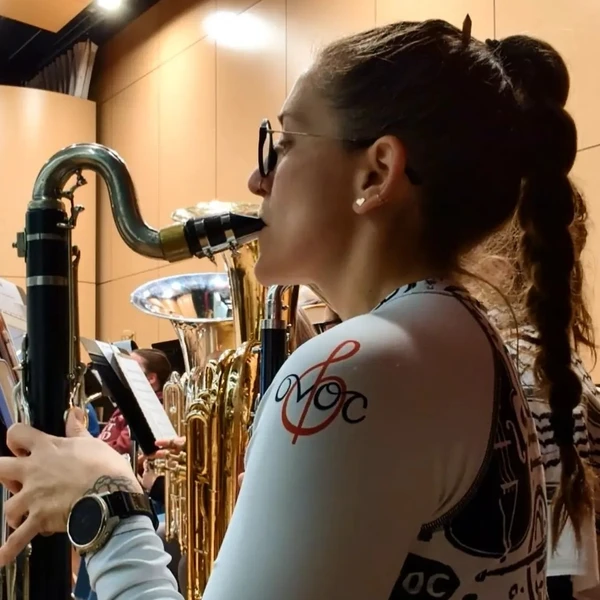
Band
Music
Music Composition
Music Production
Music Theory
Art
Reading
Academic
Psychology
Self-Help
Religion
Music
Health
Humanities
Leadership
Science
Social Issues
I read books multiple times per week
Kristen Acesta
1x
FinalistKristen Acesta
1x
FinalistBio
My life goals focus on fostering wellness and social healing through creativity, education, and community engagement. As a naturopathic physician and soon-to-be licensed mental health counselor, I aim to integrate my expertise in holistic care with my passion for the arts. By earning a degree in music and theater arts with a teaching endorsement certificate for Washington, I plan to use creative expression as a tool for personal and social transformation.
I am passionate about the intersection of the arts and healing. Music and theater have the power to connect, inspire, and promote emotional growth, and I want to bring these transformative experiences into classrooms and communities. By combining my background in holistic care with the arts, I hope to empower individuals to thrive.
I am seeking scholarships to fund my education in music and theater arts because I am committed to using this training to deepen my impact as a healer and educator. My unique background as a naturopathic physician and mental health counselor equips me with the skills to blend creativity and wellness into meaningful social change. With this support, I will bring the benefits of music, theater, and holistic care to diverse communities across Washington, creating pathways for healing and growth.
Education
Central Washington University
Bachelor's degree programMajors:
- Education, Other
- Movement and Mind-Body Therapies and Education
- Music
Minors:
- Dance
Kairos Christian Academy
Master's degree programMajors:
- Clinical, Counseling and Applied Psychology
Bastyr University
Doctoral degree program (PhD, MD, JD, etc.)Majors:
- Alternative and Complementary Medicine and Medical Systems, General
University of California-Santa Cruz
Bachelor's degree programMajors:
- Biological and Physical Sciences
Minors:
- Psychology, General
Armijo High
High SchoolMiscellaneous
Desired degree level:
Bachelor's degree program
Graduate schools of interest:
Transfer schools of interest:
Majors of interest:
- Music
- Drama/Theatre Arts and Stagecraft
- Dance
- Medicine
- Alternative and Complementary Medicine and Medical Systems, General
Career
Dream career field:
Health, Wellness, and Fitness
Dream career goals:
Music Therapy, Education, and Social Welfare
Naturopathic Physician
Mission Health and Wellness2013 – Present13 years
Sports
Swimming
Varsity2000 – 20033 years
Research
Genetics
UC Santa Cruz — lab tech2004 – 2006
Arts
Formation Wind Band
Musichttps://youtube.com/@formationwindband?si=hrbFzpvvKzjT3ua62023 – PresentOkanogan Valley Orchestra and Chorus
Music2022 – Present
Public services
Advocacy
Rainbow City Band — Board Member, band member2008 – 2013Volunteering
Okanogan Valley Orchestra and Chours — Coordinator, Marketing Chair, Board Member2023 – Present
Women in Healthcare Scholarship
I chose to pursue a degree in healthcare because I believe care is most powerful when it honors the full complexity of being human. Health is not only biological. It is emotional, social, cultural, and deeply shaped by access, connection, and belonging. My decision to remain in healthcare, and to continue expanding my training within it, comes from years of witnessing what happens when these dimensions are ignored, and what becomes possible when they are integrated.
My path into healthcare has been nontraditional, shaped by real-world practice rather than a straight academic line. Working directly with patients, I saw how often people arrived carrying far more than a diagnosis. They brought grief, trauma, financial stress, isolation, and a long history of not being listened to. Many had been dismissed or fragmented across systems that treated mental health, physical health, and community support as separate concerns. These experiences solidified my commitment to healthcare not as a narrow specialty, but as a field that must evolve to meet people where they actually live.
As a woman in healthcare, I am deeply aware of the additional labor women often perform in this field, emotional, relational, and organizational, frequently without recognition or support. Yet these same skills are also our strength. Women are often trained by necessity to read nuance, build trust, and hold complexity. I see these qualities not as “soft skills,” but as essential clinical competencies that improve outcomes, particularly in mental health, preventative care, and community health.
I am especially committed to approaches that expand access and reduce stigma. Through group-based care, community education, and creative and expressive modalities, including music and movement, I have seen how healthcare can become more approachable and less intimidating. These methods reach individuals who might never seek traditional care, and they offer regulation, connection, and dignity alongside evidence-based practice. As a woman in healthcare, I want to continue advocating for models that value prevention, nervous system health, and relational care rather than only crisis intervention.
Pursuing advanced education in healthcare has required persistence in the face of financial strain, time constraints, and systemic barriers that disproportionately affect women. Despite these challenges, I remain committed because I know that representation matters, not only in who receives care, but in who designs systems, teaches future professionals, and leads community health initiatives.
My goal is to contribute to a healthcare future that is inclusive, sustainable, and human-centered. I hope to help build environments where patients feel seen, providers are supported rather than burned out, and women are empowered to lead with both competence and compassion. This scholarship would support my continued education, but more importantly, it would support the work of shaping a healthcare system that reflects the diversity, resilience, and strength of the communities it serves.
Harvest Scholarship for Women Dreamers
My “Pie in the Sky” dream is to build a community-centered model of mental health and wellness that blends science, creativity, and human connection, a space where care is accessible, expressive, and rooted in belonging rather than crisis alone.
The spark for this dream came from years of noticing what was missing. In healthcare settings, I saw people treated as collections of symptoms rather than whole humans. In educational spaces, I saw knowledge siloed away from the people who needed it most. And in communities, especially rural ones, I saw women carrying enormous emotional loads with little support, often believing they were supposed to manage quietly and alone.
What changed everything for me was realizing that healing doesn’t only happen in offices or institutions. It happens in groups, in shared rhythm, in movement, in music, in spaces where people are witnessed without needing to perform strength. Once I named that out loud, my dream grew larger and scarier, but also clearer. I don’t just want to work in mental health. I want to help redesign how communities support emotional well-being from the ground up.
This dream feels just out of reach because it requires wearing many hats at once: student, clinician, educator, organizer, and builder. It means trusting myself to design a path that doesn’t already exist in a neat job description. It also means continuing my education while navigating financial constraints and choosing courage over certainty again and again.
The steps toward this dream are already underway. I am pursuing formal education in mental health while deepening my grounding in biological sciences and physiology, so my work is both compassionate and evidence-based. I am building experience in group facilitation, expressive and music-based approaches, and community programming, learning what helps people feel safe, regulated, and connected. I am also learning the practical side of sustainability, because dreams that serve communities need structures that can last.
Equally important, I am learning not to dream alone. Community and accountability have been essential to my growth. Speaking my goals out loud, even when they felt too big or impractical, has invited collaboration, mentorship, and unexpected support. Each time I choose to keep going, I prove to myself that courage is not the absence of fear, but the willingness to move with it.
My “Pie in the Sky” is not a single title or endpoint. It is a living vision of communities where mental health support is normalized, creative expression is valued, and women are empowered to build lives that feel meaningful and sustainable. I believe that when women dream boldly and take action together, everything grows. This scholarship would support not just my education, but my continued commitment to turning that dream into something real, shared, and lasting.
ADHDAdvisor Scholarship for Health Students
Supporting mental health has been the throughline of my work, and I’ve learned that healing rarely happens through words alone.
As a naturopathic physician, I work with individuals navigating chronic illness, trauma, and limited access to care. Over time, it became impossible to separate physical symptoms from emotional distress. Many of my patients are not only managing pain or disease but also isolation, grief, anxiety, and the stigma that still surrounds mental health struggles, especially in rural communities. Often, I am the only provider hearing the full story.
That reality pushed me to expand how I support people. In addition to clinical care, I’ve created and facilitated community spaces that use movement and creativity to regulate the nervous system and build emotional resilience. Music has become a particularly powerful tool. I’ve seen how rhythm, breath, and sound can reach people who feel shut down, overwhelmed, or “stuck,” offering a nonverbal doorway into safety and connection. In group settings, music also reduces isolation quickly, it gives people a shared language when personal language feels impossible.
Recognizing the limitations of my scope, I pursued formal training in mental health counseling, and I am actively building toward music therapy credentialing as a long-term goal. My studies are strengthening my ability to ethically provide evidence-based counseling while integrating somatic and expressive approaches that make support more accessible, especially for those who have difficulty engaging in traditional talk therapy.
In my future career, I plan to expand access to affordable mental health care through group therapy and community-based programs that incorporate music, movement, and creative expression. I want to help reshape the healthcare narrative so mental health support is not treated as an optional add-on, but as an essential part of whole-person care for patients and providers alike. By bridging clinical training with expressive arts and music-based support, I hope to build spaces where people feel seen, regulated, and empowered to keep going.
Susie Green Scholarship for Women Pursuing Education
The courage to return to school came from staying long enough in my profession to understand its limits, and caring enough about my community to refuse to ignore them.
I have practiced as a naturopathic physician in Wenatchee since 2016. I value this work deeply. I work directly with patients, accept Medicaid, and remain committed to preventative, relationship-based care. At the same time, I live daily with the realities of naturopathic medicine: significant educational debt, financial instability, and a model of care that, despite best intentions, often remains accessible primarily to those with privilege.
Over time, a difficult question became impossible to avoid. How do I continue serving ethically and sustainably in a healthcare system that increasingly rewards narrow specialization, short visits, and crisis-driven intervention? How do I widen access without burning out or becoming financially insolvent? Courage, for me, came from allowing myself to ask those questions honestly, even when the answers required change.
What ultimately gave me the courage to return to school was the realization that expanding my education was not a departure from medicine, but its natural evolution. I am returning to school to deepen my training in mental health counseling, with a focus on group therapy models and community-based care, including the potential to work within school systems. This education allows me to reach people earlier, more consistently, and at a scale that individual medical visits cannot sustain.
Mental health counseling, particularly in group and school-based settings, addresses the root conditions I see daily in clinical practice: nervous system dysregulation, chronic stress, isolation, and limited access to ongoing support. These are not problems solved by prescriptions alone. They require skilled facilitation, emotional literacy, and environments where care is normalized rather than exceptional.
Returning to school later in life is an act of courage because I am doing it with full awareness of the cost. I understand the financial risk, the time commitment, and the humility of stepping back into formal education after years of professional practice. I am choosing this path because it offers longevity, reach, and ethical alignment in a healthcare climate that is shifting rapidly at both the state and federal level. Climate instability, policy changes, and growing disparities demand providers who can work across systems, not just within one lane.
Susie Green’s legacy resonates with me because it honors women who do not wait for permission or perfect timing. Like her, I am choosing education as a way to reshape my future intentionally, grounded in lived experience rather than abstraction. Courage, in this context, is not starting over. It is building forward with clarity.
This scholarship would directly support my ability to pursue education that expands access to care while maintaining a stable, service-oriented life. More than financial support, it affirms the value of women who choose growth not because it is easy, but because it allows them to serve more wisely, more broadly, and for the long term.
Dr. Steve Aldana Memorial Scholarship
Dr. Steve Aldana’s belief that meaningful health improvements come from small, consistent habits closely reflects how I understand wellness and how I intend to practice it. My education and work are grounded in the idea that health is not created through dramatic overhauls, but through accessible, repeatable actions that people can sustain within their real lives.
I am pursuing education in wellness and public health because I have seen firsthand how evidence-based, community-centered approaches outperform rigid or idealized models. In both clinical and community settings, I have watched individuals struggle not because they lack motivation, but because wellness systems are often built without regard for daily realities. When health feels overwhelming, people disengage. When it feels doable, people participate.
My passion lies in designing wellness initiatives that integrate movement, creativity, and environment into everyday routines. Teaching movement classes, facilitating group experiences, and working in community health spaces has taught me that nervous system regulation, physical activity, and social connection are foundational. A ten-minute walk, a consistent movement practice, a shared musical experience, or biking as transportation can be far more impactful than complex interventions that are difficult to maintain.
Dr. Aldana’s emphasis on integrity and living what you teach resonates deeply with me. I believe credibility in wellness comes from embodiment. I use simple, sustainable habits in my own life such as biking when possible, spending time outdoors, prioritizing movement, and engaging creatively through music and community work. These habits are not performance-based. They are functional. They support my physical health, emotional regulation, and capacity to serve others.
Through my education, I plan to continue developing programs that emphasize small, evidence-informed changes with broad reach. I am particularly interested in community and workplace wellness models that support people where they are, rather than asking them to conform to unrealistic standards. This includes incorporating creative modalities, outdoor activity, and movement as legitimate tools for health improvement, not add-ons.
I also value education as a core component of wellness. Dr. Aldana’s work demonstrated that when people understand why small habits matter, they are more likely to engage. I aim to contribute to wellness education that is clear, compassionate, and grounded in research, helping individuals and organizations build systems that support long-term health rather than short-term fixes.
This scholarship would support my continued education and allow me to deepen my contribution to community health initiatives rooted in sustainability and empathy. I intend to carry forward Dr. Aldana’s mission by advocating for wellness practices that are realistic, inclusive, and effective. By focusing on small, consistent actions practiced daily, I hope to help individuals and communities experience lasting improvements in health, resilience, and quality of life.
Debra S. Jackson New Horizons Scholarship
Returning to higher education at this stage of my life is not a detour. It is a deliberate choice shaped by lived experience, responsibility, and a clearer understanding of what kind of impact I want to make.
My life journey has been marked by service, leadership, and care for others, but also by periods of overextension and recalibration. I entered adulthood with a strong sense of duty and a willingness to work hard, often prioritizing responsibility over reflection. Over time, through professional work in healthcare, community service, and education, I began to recognize both my strengths and the limits of systems that focus on productivity without sustainability.
Like Debra S. Jackson, I reached a point where continuing on my existing path was no longer enough. I knew that further education was necessary, not to reinvent myself, but to align my work more honestly with my values. Returning to school later in life required humility, courage, and a willingness to start again alongside younger peers while carrying the weight of real-world responsibility.
These experiences have shaped my values deeply. I believe in second chances, not as resets, but as integrations. Education later in life is powerful precisely because it is informed by experience. I bring perspective, discipline, and commitment into the classroom because I understand the cost of disengagement and the value of opportunity. I no longer pursue education for status or security, but for service and impact.
My career aspirations center on community-based education and health. I plan to use my education to support individuals and communities through work that is practical, relational, and accessible. Whether through teaching, counseling, or creative and embodied approaches, my goal is to strengthen systems that help people regulate, connect, and participate more fully in their lives. I am especially committed to serving populations who have been overlooked or underserved by traditional models of care.
Community service has always been part of my life, but education has refined how I engage in it. I am better equipped to listen, to collaborate, and to contribute in ways that are sustainable rather than reactive. I understand that meaningful change happens slowly, through consistency, trust, and presence.
This scholarship would provide essential support as I continue balancing education with financial responsibility and service commitments. Like Debra, I am not returning to school because it is easy, but because it is necessary. The investment would reduce financial strain and allow me to remain focused on my studies while continuing to serve my community.
Debra S. Jackson’s story affirms what I have come to believe: education is transformative at any age. I intend to honor that legacy by using my education not only to advance my own path, but to expand access, dignity, and opportunity for others.
Kerry Kennedy Life Is Good Scholarship
My career of choice is public service through education and community-based health work. I am pursuing a path that integrates teaching, mental health, and creative, embodied practices because I believe education is one of the most effective tools for long-term individual and community wellbeing. Education is where people learn not only skills, but agency, self-trust, and how to participate meaningfully in the world around them.
I am passionate about this work because I have seen what happens when people are excluded from accessible education and care. In community health settings, classrooms, and group spaces, I have witnessed how knowledge changes lives when it is practical, relational, and grounded in real experience. My goal is to serve in roles where education is not abstract, but lived. Where learning supports resilience, regulation, and the ability to navigate life with dignity.
Like Kerry Kennedy, I have learned how to make limited resources stretch. I have funded my education through a combination of side work, teaching, clinical practice, and careful financial choices. I have kept older vehicles, lived modestly, worked multiple jobs simultaneously, and chosen practicality over comfort so that I could continue pursuing education aligned with my values. These decisions were not glamorous, but they were intentional.
I have sacrificed time, financial security, and simplicity in order to stay on a path that serves others. Rather than choosing a single, higher-paying trajectory, I have continued to invest in education that allows me to work at the intersection of public service, health, and education. I have balanced coursework with professional responsibilities, community involvement, and volunteer efforts because I believe that learning should stay connected to real people and real needs.
There have been moments when stepping away from this path would have been easier. It would have meant fewer responsibilities and more predictable income. Instead, I chose to stay committed to work that aligns with my sense of purpose. I am willing to accept delayed gratification because I believe education is not just a personal asset, but a public good.
Public service, for me, is not a temporary phase. It is a long-term commitment to showing up consistently, adapting when resources are limited, and finding creative ways to make things work. I value education because it gave me language, confidence, and direction during pivotal moments in my life, and I want to extend that opportunity to others.
This scholarship represents more than financial support. It reflects a belief that dedication, creativity, and perseverance matter. I intend to carry those values forward through work that strengthens communities, supports learners, and proves that even with limited resources, meaningful impact is possible.
Christina Taylese Singh Memorial Scholarship
My path into healthcare has never been linear, but it has always been grounded in service, embodiment, and community. I am currently pursuing music therapy because it sits at the intersection of medicine, movement, psychology, and human connection. It is the field that most honestly reflects how I have come to understand healing, not as a single intervention, but as a relationship between body, nervous system, environment, and meaning.
I began my professional life in healthcare through a conventional medical lens. Over time, through both clinical work and extensive community involvement, I witnessed the limits of care that addresses symptoms without fully engaging the person. Again and again, I saw individuals struggle not because of a lack of treatment options, but because they lacked access to regulation, agency, and belonging.
Volunteering and working in community health spaces changed how I understood care. Teaching movement classes, facilitating group experiences, and participating in community music environments showed me how powerful nonverbal, embodied interventions can be. Music, in particular, became a tool I could not ignore. I watched people regulate their breathing, improve coordination, reconnect socially, and access emotions that were otherwise unreachable. These were not abstract benefits. They were observable, measurable, and deeply human.
Music therapy resonates with me because it treats the whole person. It respects neurological function, sensory processing, emotional expression, and physical engagement simultaneously. It aligns with my belief that healthcare should be participatory rather than passive, and that healing is often most effective when individuals are invited into active collaboration rather than positioned solely as patients.
Christina Taylese Singh’s story is meaningful to me because it reflects devotion to a field centered on functional, compassionate care. Occupational therapy and music therapy share core values: meeting people where they are, supporting daily living, and restoring dignity through meaningful activity. I am drawn to healthcare that improves quality of life in practical, sustainable ways, not only in crisis moments, but in everyday living.
I bring ambition and responsibility to this path because I understand the weight of working with vulnerable populations. I am committed to continued learning, humility, and service. Music therapy requires both technical skill and emotional presence, and I am prepared for the rigor of that responsibility. My goal is to work in settings where interdisciplinary care is valued and where creative, evidence-informed approaches are recognized as essential, not supplemental.
This scholarship would support my continued education and allow me to deepen my training in a field that aligns with honoring the whole person. I intend to carry forward Christina’s legacy by contributing to healthcare that is accessible, embodied, and rooted in compassion. Through music therapy, I hope to support individuals in reclaiming function, connection, and agency, and to do so with care, integrity, and dedication.
J. L. Lund Memorial Scholarship
Much of my early professional training framed health as something to be optimized, corrected, or controlled. Precision, outcomes, and expertise were emphasized, and while those tools are valuable, I eventually realized they were incomplete. Health does not exist in isolation. It lives in bodies, in relationships, and in communities, and it cannot be sustained without addressing all three.
My perspective shifted through community work, particularly through movement and music as shared, embodied experiences. These were not hobbies or side interests. They became corrective experiences that reorganized how I understood health, service, and responsibility. In spaces where people moved together, made music together, and showed up imperfectly but consistently, I witnessed meaningful change that no individual intervention could replicate.
Teaching movement classes and participating in community music revealed a consistent pattern. People did not need more information. They needed access, safety, and belonging. They needed opportunities to engage their bodies and minds in ways that were relational rather than extractive. I watched individuals regulate their nervous systems, regain confidence, and reconnect with others simply by being invited into shared effort and shared purpose.
These experiences redirected my path toward community health. I became more interested in systems than in singular solutions, and in sustainability rather than short-term outcomes. Meaningful change requires physical effort alongside intellectual humility. It requires showing up consistently, doing unglamorous work, and learning from failure without disengaging.
Community health work demands this balance. It asks for theoretical understanding while also requiring practical presence, setting up spaces, adapting plans, and responding to real conditions. It requires situational awareness, teamwork, and perseverance when outcomes are uncertain. Through movement and music, I learned that progress is not about perfection, but about participation and responsibility.
I am pursuing further education in community health to support environments where care is accessible, relational, and grounded in real life. This scholarship aligns with how I live and work. I am committed to contributing through sustained effort, service, and care for the communities I am part of, pairing hands-on work with thoughtful leadership to strengthen systems that help people thrive.
Reimagining Education Scholarship
If I could design one class to be mandatory for all K–12 students, it would be Human Literacy: Understanding Emotions, Relationships, and the Inner World. This course would blend social-emotional learning, communication skills, basic mental health education, and creative self-expression. Students would explore their identities, develop emotional intelligence, and learn to relate meaningfully to themselves and others—tools that would serve them far beyond the classroom.
Our education system does a fair job of equipping students with academic literacy, but it often neglects what I would call “human literacy”—the capacity to name, understand, and navigate our inner worlds. I’ve seen firsthand, both as a student and now as an aspiring educator and mental health counselor, how this gap can limit our ability to thrive.
The course would be interdisciplinary. Younger students would begin by learning emotion words, understanding bodily sensations, practicing empathy through storytelling and imaginative play, and doing movement and breathwork to regulate their nervous systems. Older students would progress into more complex domains: unpacking social scripts, identifying cognitive distortions, understanding trauma and resilience, analyzing media through a psychological lens, and learning conflict resolution through roleplay and theater. Throughout, creative practices like journaling, collage, songwriting, and group dialogue would allow students to process and apply what they learn.
Why make this mandatory? Because emotional and relational health are not just “soft skills”—they’re survival skills. They’re prevention tools against violence, despair, addiction, and burnout. Students struggling with anxiety, trauma, or unstable home environments often face invisible barriers to learning. A class like this would help level the playing field by normalizing support, teaching coping tools, and creating emotionally safe spaces in schools.
It also cultivates the kind of society we need: one that listens better, sees difference as connection rather than division, and solves problems with care and creativity.
As a naturopathic physician and soon-to-be licensed mental health counselor, I’ve built my life around helping people heal and grow. I’m returning to school for music and theater education not just to teach performance, but to use the arts as a vehicle for student transformation. I believe this class would anchor that mission in every school—not as an elective, but as a core subject.
Imagine a world where every student graduates not only knowing algebra and grammar, but also how to say “I feel afraid,” how to listen without fixing, how to work through shame, and how to reconnect when conflict arises. That’s the class I want to build. That’s the world I want to help shape.
RELEVANCE Scholarship
I became a high achiever not because I felt empowered, but because I learned early that the safest thing I could do was be quiet, self-sufficient, and invisible. I was repeatedly molested by a caregiver while my mother—overwhelmed, exhausted, and deeply disconnected from her world—continued to leave me in their care. It’s hard not to blame her. But I also saw the impossible situation she was in: surviving alone, unsupported, punished by a system that offers little compassion for single mothers.
Everyone let me down, though I didn’t understand it at the time. My mother, with her back-breaking schedule and emotional unavailability. My absent father, who vanished behind military service. The systems that were supposed to protect us, but instead isolated us.
That early trauma—unacknowledged and unprocessed for years—shaped everything. It shaped how I showed up in school, in relationships, and eventually, in medicine. I chose a career in healthcare not just to help others heal, but to make sense of my own suffering. I earned a doctorate in naturopathic medicine, believing that if I could understand the body, I could fix the soul. But what I came to learn is that healing is not a clinical formula—it’s relational. And for many people, especially trauma survivors, it’s the absence of trust, care, and safety that wounds more deeply than any diagnosis.
After years of burnout and internal unraveling, I made the decision to return to school for a master’s in mental health counseling. I’m now merging both paths—naturopathic medicine and counseling—into an integrative approach to care that centers trauma-informed, whole-person healing. I’m especially passionate about serving rural and marginalized communities, where access to both mental health support and non-judgmental care is rare. I’m also training in expressive arts and music therapy, recognizing how vital creative, non-verbal modalities are for those whose pain lives beyond language.
My personal experiences give me a different lens as a provider. I understand what it means to feel broken and unseen. I understand what it means to carry shame that wasn’t yours to begin with. And I know how hard it is to ask for help when the world has taught you that being vulnerable is dangerous. These aren’t just insights—they are my compass.
I’ve spent over a decade working in community wellness, building my clinic around the principle that healing must be collaborative, culturally aware, and rooted in dignity. But I’m also carrying six figures of student debt, which limits how much I can offer to low-income populations. Scholarships like the RELEVANCE Scholarship are essential not just to keep me afloat, but to keep my mission alive—to continue offering care that reflects what I once needed and couldn’t find.
This scholarship isn’t just about financial relief—it’s about honoring the belief that our lived experience is expertise. That surviving hardship doesn’t disqualify us from leadership—it prepares us for it.
I didn’t choose healthcare because I had an easy path. I chose it because I know what it feels like when everyone looks away. And I’ve dedicated my life to becoming someone who doesn’t.
TRAM Panacea Scholarship
One of the most pressing and overlooked health crises of our time is the global epidemic of mental health deterioration, particularly as it intersects with trauma, poverty, and systemic neglect. While we often speak of mental health as a singular issue, the reality is that it's deeply woven into the fabric of nearly every major health challenge—from substance abuse and chronic disease to obesity and suicide rates. I care about this issue not only because of the statistics but because I have lived and worked on the front lines of it—both as a survivor and a provider.
I was raised in a rural community where access to mental health support was limited or stigmatized. Like many children who grew up in unstable or under-resourced homes, I experienced childhood trauma, sexual abuse, and neglect. These experiences shaped how I understood pain, connection, and resilience. What saved me was not just medicine, but music, art, safe mentors, and eventually therapy—modalities that were never offered through traditional care. Now, as a licensed naturopathic physician and graduate student in mental health counseling, I am deeply committed to bringing these healing pathways into communities that need them most.
The issue I am passionate about isn’t just “mental health”—it’s the lack of integrated care models that honor both the biological and emotional roots of suffering. In our current system, mental health is still treated as secondary. Patients are often funneled through medication-only models without regard for trauma history, lifestyle factors, or emotional needs. Meanwhile, many people, especially in rural or marginalized populations, receive no care at all due to stigma, insurance barriers, or provider shortages.
In Okanogan County, where I live and work, I’ve seen firsthand how this disconnection creates harm. People show up in urgent care for what appear to be physical complaints—chronic fatigue, insomnia, migraines—only to reveal deeper emotional wounds during the visit. But once they leave, there’s no affordable or accessible follow-up. This cycle perpetuates suffering, and it’s why I am committed to transforming care models from within.
My current studies in mental health counseling are not a pivot away from medicine, but a step toward becoming the kind of provider I believe our world needs: one who can bridge the emotional and physical, the scientific and the spiritual, the clinical and the creative. I’m also pursuing training in music and expressive arts therapies so I can offer more inclusive, culturally sensitive, and non-verbal modalities of healing. This is especially vital for children, trauma survivors, and people who struggle to access or trust conventional therapy.
What drives me is the belief that healing should not be a privilege. Every person—regardless of where they live or how much money they have—deserves access to care that sees them as a whole human being. I am particularly focused on building nonprofit and community-supported models that make mental health services available in school systems, community centers, and low-cost clinics. I’ve already begun piloting this work through partnerships with local educators and artists, and I hope to grow it into a regional network after graduation.
Addressing the mental health crisis will require more than just awareness campaigns—it will require a fundamental reimagining of how we train providers, structure care, and prioritize well-being in our systems. I want to be part of that change, and this scholarship would allow me to continue my education without being further burdened by student debt—debt I’ve already accrued from medical school and continue to manage through service-based work.
I am passionate about this issue because I have felt its absence, witnessed its consequences, and now work daily to offer what I once needed.
SnapWell Scholarship
There was a time when I believed that resilience meant pushing through, no matter the cost. As a first-generation college student and survivor of early childhood trauma, I learned early on how to compartmentalize pain and prioritize achievement. I made it through medical school that way—white-knuckling my way through long nights, high expectations, and debt that continues to follow me like a second shadow. But surviving is not the same as thriving, and I learned that lesson the hard way.
A few years ago, I hit a wall. Despite running a successful naturopathic clinic and helping others with their health, I was burning out—emotionally, physically, spiritually. The dissonance between the care I offered and the care I gave myself became too loud to ignore. I wasn’t sleeping. I wasn’t connecting. I wasn’t even breathing deeply. It felt hypocritical to counsel patients on stress, boundaries, or joy when I wasn’t tending to those things in my own life.
So I made a radical decision: to make my own well-being nonnegotiable. I scaled back my clinic hours. I restructured my finances, enrolled in a counseling graduate program, and began weekly therapy. I returned to the practice room with my saxophone and clarinet—music I had long abandoned but never stopped needing. I stopped glorifying exhaustion and began studying rest. I made space for movement that felt joyful instead of punishing. I created a rhythm of rituals and nourishment that honored my nervous system and emotional needs.
This wasn’t a sudden transformation but a slow reclamation. Through it, I learned that healing is not linear, and wellness is not a destination—it’s a practice. I also learned that resilience doesn’t have to look like grit; sometimes it looks like gentleness. Sometimes the bravest thing we do is to stop, feel, and allow ourselves to need care.
What began as a personal unraveling became a professional redirection. Today, I’m preparing to integrate mental health counseling, music therapy, and expressive arts into my work. I want to create spaces where people don’t have to choose between emotional wellness and physical health—especially those in rural and underserved communities like the one I serve. I want people to know that burnout is not a badge of honor, and that it’s okay to rewrite your story when it no longer aligns with your values.
In school, I am now not only pursuing a clinical degree but also advocating for a culture of well-being among peers. I speak openly about trauma, debt, and the myth of perfection. I mentor students who are balancing similar pressures, reminding them that success does not have to come at the expense of sanity.
Choosing wellness has changed how I approach everything—from patient care to relationships to my own identity. I no longer measure my worth by productivity but by presence. I’ve discovered that when we show up for ourselves first, we actually have more to give to others—more empathy, more creativity, more groundedness.
Making my health a priority wasn’t just a personal act—it was a political one, a cultural one, a spiritual one. It was reclaiming the belief that I matter, not because of what I produce, but because of who I am. And that belief has become the foundation for the future I’m building—one rooted in sustainable care, radical empathy, and the unwavering truth that healing is possible for all of us.
Learner Mental Health Empowerment for Health Students Scholarship
Mental health is the foundation upon which every student's potential is built. As someone who has lived through the effects of trauma, financial hardship, and medical burnout—and as someone who now supports others through their healing journeys—I understand that mental health is not a luxury, but a necessity for academic success and personal growth. It is the silent force that shapes resilience, the unspoken struggle that many students navigate daily, and the area I have dedicated my career to nurturing, supporting, and de-stigmatizing.
In my early life, I experienced emotional neglect and trauma that led me to normalize dysfunction, suppress my needs, and become the caretaker before I ever had the chance to be cared for. While I had to learn survival through perfectionism and high achievement, it took decades to understand the cost that came with that survival: chronic anxiety, exhaustion, and disconnection from my own internal compass. My healing began when I stopped viewing my mental health as a weakness and started honoring it as the wisdom of my nervous system asking for care.
That insight shaped my professional path. I became a naturopathic physician because I believed in whole-person healing—and I still do—but I soon realized that physical interventions alone were insufficient when patients were carrying burdens they couldn’t name. I returned to school to earn a master’s degree in counseling so I could ethically and skillfully address those invisible wounds. Now, nearing licensure as a mental health counselor, I’ve merged my training in medicine and psychology to support individuals in reclaiming their mental, emotional, and spiritual wellbeing.
Mental health matters to me not just as a professional pursuit, but as a daily practice. I have experienced firsthand how anxiety can derail even the most passionate goals, how depression can isolate you even in a crowded room, and how stigma can cause people to suffer silently for fear of being misunderstood. I also know how transformative it is to have someone say, “You’re not broken—you’re responding exactly as someone in your situation might.” That belief, that validation, is central to everything I do.
In my community, I advocate for mental health awareness through education, creative expression, and accessible programming. I founded a wellness clinic in North Central Washington where counseling, expressive arts therapy, and body-based modalities are offered side-by-side. I run community groups like Moon Seeds, a donation-based dreamwork and expressive arts circle that encourages participants to explore their internal world in a safe, supportive space. I teach classes in emotional regulation, mindfulness, body awareness, and trauma recovery using an integrative lens that respects the complexity of human experience.
Through public workshops, social media advocacy, and collaborations with local organizations, I help normalize mental health conversations. I also mentor undergraduate students, many of whom are first-generation, neurodivergent, or struggling with invisible disabilities. I encourage them to prioritize their mental health, not despite their academic ambitions, but as a necessary foundation for them.
Being in higher education myself while managing my own healing journey gives me a unique perspective: I know how inaccessible support can be, and I know how vital it is. I aim to change that in my career by continuing to develop community-based programs that offer free or sliding scale counseling, workshops, and somatic healing experiences—especially for rural students, LGBTQIA+ youth, and others often overlooked by traditional systems.
Mental health support shouldn’t be reserved for those with privilege, time, or resources. Every student deserves the chance to thrive, not just survive in their education.
Marshall and Dorothy Smith Music Scholarship
Music has always been my compass—pointing me toward safety, identity, and expression long before I had the language to articulate those needs. I grew up in a home marked by neglectful parenting and early trauma, where emotional attunement and consistency were often missing. In that environment, music became more than just a creative outlet—it was a source of structure, meaning, and connection. I started on saxophone, and it quickly became my lifeline. Through youth ensembles and solitary practice, I found a space where I could feel competent, expressive, and whole. Music helped me survive a world that often felt unpredictable and unsafe.
I pursued a career in naturopathic medicine because I believed deeply in holistic healing and wanted to serve people in meaningful, integrative ways. But pursuing that path came with significant financial cost—one that left me with a lifetime maximum of student loan debt. That debt still shapes my present choices and is a driving force behind applying for scholarships. I am committed to completing my second graduate degree in mental health counseling and pursuing advanced music study, but I cannot do it alone. Financial support would not only reduce my loan burden—it would allow me to focus my energy on what I’m here to build.
Two years ago, I picked up the clarinet as an additional instrument, and to my surprise and delight, was accepted into a performance degree program on both clarinet and saxophone. This new challenge has reinvigorated my musicianship and expanded the way I think about expression, technique, and teaching. I’ve never left music—it’s always been there—but now I am deepening my skills with the explicit goal of fusing the arts with therapy and community wellness.
After completing my degree, I plan to open an expressive arts therapy center in Okanogan County. Our rural region—while rich in creativity and resilience—is underserved in terms of integrated mental health care, especially approaches that use the body, voice, and imagination. My vision is to provide music, art, and drama therapy to children, adolescents, and adults: children who need sensory-based regulation tools, teens navigating trauma and identity, adults facing burnout, grief, or emotional disconnection.
This center will not look like a traditional clinic. It will be a warm, welcoming environment where people create as they heal. A place where someone can drum their anxiety into a beat, where a group can co-write a song or stage a short play to process life changes, where painting and music become bridges to emotional freedom. The arts reach places that talk therapy alone can’t access. They create new neural pathways, reestablish trust, and offer joy and release—all while honoring cultural wisdom and embodied knowing.
Beyond the therapy room, I want to build programs that invite the larger community into creative healing. This includes ensemble groups for those in recovery, school-based interventions, expressive arts training for educators, and intergenerational choirs or public storytelling events. These offerings blend clinical care with cultural engagement, helping entire communities heal together.
This scholarship would support me in continuing this work while reducing the financial pressure that currently limits my capacity. It would allow me to focus on completing my education, deepening my clinical practice, and beginning the foundational work of launching services that will impact my community for decades to come.
My “why” is simple: I believe in the arts as medicine. I’ve lived it. I’ve practiced it. And I’m ready to build something lasting from that truth—one breath, one note, one story at a time.
Mad Grad Scholarship
My “why” has always lived at the intersection of healing and expression. Creativity is how I’ve made sense of the world—how I’ve navigated trauma, built identity, and found belonging. Music steadied me. Visual art gave form to what I couldn’t say. Drama allowed me to step into other skins until I found the courage to grow into my own. I didn’t always feel safe in traditional spaces, but the arts gave me somewhere to breathe. Somewhere to be. That experience lit a fire in me not only to continue creating, but to build spaces where others can access the same lifelines I did.
This isn’t just about my love for music or the arts. It’s about the power of those mediums to transform lives, especially in places where other support systems are strained or absent. I live and work in the Okanogan Valley, a rural region with deep beauty and deep need. Many families here lack consistent access to mental health services, youth programs, or expressive outlets. I want to change that.
My long-term vision is to create an interdisciplinary expressive arts therapy organization—one that offers music therapy, art therapy, and drama therapy as distinct but interwoven paths toward healing. It would serve children, teens, and adults—people living with trauma, chronic illness, developmental or emotional challenges, or simply those in need of connection and creativity. This center wouldn’t be clinical in a cold sense—it would be warm, embodied, human. A place where a teenager could scream into a drum, where a grieving adult could paint through loss, where someone who never saw themselves as creative could surprise themselves on a stage.
These modalities work. I’ve seen it. I’m training in counseling and have practiced naturopathic medicine for over a decade. I’ve taught movement, led support groups, and helped people through some of the hardest times in their lives. And over and over again, I’ve seen how the body carries stories that words alone cannot reach. Music, art, and drama go underneath defenses. They bring people into relationship—with themselves, with others, and with possibility.
My own relationship with music has been both beautiful and complex. As a young person, music was a lifeline—but also a place where I experienced betrayal by adults who were supposed to protect me. For a long time, I stepped away. But I came back. I returned on my own terms, reclaiming music as mine. Not theirs. I now play in community ensembles, I mentor others, I study privately, and I’m returning to formal music education not because I want to prove something—but because I want to build something. My relationship with music is no longer about performance. It’s about power—the kind that comes from honesty, creativity, and connection.
The collaborative nature of the arts has always been what draws me in. I’ve seen firsthand how a group of people—musicians, clinicians, community members—can build something far more powerful than any one person could accomplish alone. I see it in my work with OVOC (Okanogan Valley Orchestra and Chorus), where intergenerational musicians bring orchestral music to our rural county. I see it in my clinical work, where expressive methods help clients reconnect to parts of themselves long buried. I see it in community events, where music and movement offer joy and cohesion to people who may otherwise feel isolated. I see it, and I want to keep building it.
In a world increasingly shaped by artificial intelligence and digital creation—AI-written scripts, generated illustrations, algorithm-based compositions—I don’t feel threatened. I feel curious. I welcome these tools as part of the evolving artistic landscape. They can democratize access, enhance process, and open doors that were once closed due to cost, geography, or ability. But I also know what they can’t do. They can’t look into someone’s eyes and bear witness. They can’t feel the way silence stretches in a room after someone shares their story through song. They can’t replicate the trembling moment a person stands up and speaks their truth through character, paint, or melody. That is the work of human beings in relationship.
I plan to use technology as a complement to my work—not a replacement. I’m excited to experiment with digital design, AI-assisted creative tools, and accessible platforms to enhance therapy, storytelling, and outreach. But the heartbeat will always come from people—raw, real, alive.
I also hope to develop a multimedia creative project—possibly a graphic novel or animated series—that integrates the themes I live by: resilience, transformation, healing through art, and collective imagination. This world is already forming, rooted in the characters and ideas I’ve explored for years—some inspired by role-playing games, some by lived experience, and some by what I wish had existed for my younger self. I imagine a storyline where music is magic, where art heals memory, and where unlikely characters forge families through creativity. This story wouldn’t just be entertainment. It would be reflection. It would be a teaching tool. It would carry the same messages I bring into clinical work and community spaces: You are not broken. Your story matters. There are many ways to speak.
At the heart of everything I do is the belief that the arts are not a luxury. They are not extracurricular. They are a form of care. They are infrastructure for a better world.
Pamela Branchini Memorial Scholarship
For me, collaboration in the arts isn’t just about producing something beautiful—it’s about creating safety, connection, and transformation through the shared act of making. Whether it’s rehearsing in a community band, co-leading a health workshop, or organizing a performance, collaboration means showing up fully while also making space for others to do the same. In my experience, the most meaningful moments don’t happen in performance—they happen in the process. In the side conversations during rehearsal, in the vulnerability of improvising with others, in the tension and release of finding a shared rhythm or phrase—this is where the heart of the work lives.
As someone whose professional life spans both the healing arts and music, I’ve learned that collaboration is often where real growth happens. In my naturopathic and counseling work, collaboration means listening deeply, attuning to unspoken needs, and building therapeutic relationships that honor each person’s voice and agency. In music, those same values apply: good ensemble playing requires listening as much as it does technical skill. You learn to sense when to lead and when to support, when to offer your sound and when to step back. The relational dynamics are just as important as the artistic product.
One of the most inspiring collaborative experiences I’ve had has been through my involvement in the Okanogan Valley Orchestra and Chorus (OVOC), where I play in the orchestra and also serve in a leadership and outreach capacity. The sheer number of people it takes to bring a concert season to life—conductors, musicians, volunteers, board members, students, designers—is staggering. But what stays with me is not just the final performance. It’s the Monday night rehearsals in a shared school space. It’s the intergenerational friendships that form between musicians. It’s the moments where we pull together through weather, illness, or limited resources simply because we believe in the value of art in rural communities. In OVOC, collaboration looks like elders and teenagers playing side by side, each learning from the other. It looks like someone baking cookies for the whole group, or offering a ride to a musician who wouldn’t otherwise be able to attend. That kind of care is part of the music.
Collaboration has also been central in my efforts to bring expressive arts and mental health into shared spaces. As I continue my studies in counseling, I’ve facilitated groups that use movement, sound, and image-making to explore personal growth. These sessions are always deeply collaborative—not in a performative sense, but in a relational one. The group becomes a living, breathing instrument. The courage of one participant often makes room for the vulnerability of another. The structure I provide isn’t just clinical—it’s artistic. It’s about flow, attunement, and shared creative risk.
In all these settings, collaboration reminds me that we are more than our individual skills. We are part of a larger ecology of care and creativity. When it’s done well, collaboration builds something far more powerful than any one person could make alone. It creates belonging. It creates resilience. And it reminds us that the arts are not a luxury or an afterthought—they are a practice ground for the kind of world we want to live in.
My vision for my future work—whether in a classroom, a clinic, a concert hall, or a community center—is to build bridges across disciplines and across people. I want to help shape spaces where musicians, healers, teachers, and community members collaborate not just to produce outcomes, but to build relationships that change lives. For me, that’s what collaboration in the arts means: co-creating a world where everyone is heard.
Diane Amendt Memorial Scholarship for the Arts
Arts education has been both a sanctuary and a reclamation in my life. As a young person, I was drawn to music and expressive art forms instinctively—they helped me make sense of a world that often felt unstable and unsafe. Early on, the structure of music gave me something reliable: breath, rhythm, form. It was a way to channel emotion when words didn’t come easily, and it connected me to something larger than myself. But while the arts nurtured me, some of the adults in those early environments did not. I experienced harm in a space that should have been safe. That kind of betrayal cuts deep, and for a long time, I stepped away.
Even so, music remained with me, humming beneath the surface. It showed up when I needed grounding, when I needed to feel alive, and when I needed to remember who I was. I eventually realized that the harm I endured didn’t belong to music itself—it belonged to people who misused their positions of power. Music, on the other hand, had always told me the truth. Reclaiming my relationship with it has been one of the most profound acts of healing in my adult life.
No single person pushed me to continue my craft—it’s been a constellation of people and experiences. Peers, students, and community musicians have helped me remember that the arts don’t have to be hierarchical or performative to be powerful. I’ve found joy in collaborative and community-based ensembles, where mutual respect replaces ego, and where all kinds of musical voices are welcomed. In those spaces, I began to imagine a future where I could participate in music not as someone overcoming a wound, but as someone contributing to something vibrant, alive, and necessary.
Returning to formal study in music at this stage of my life is not about chasing perfection or lost time. It’s about integration. I am a naturopathic physician, a counselor-in-training, a community organizer, and a lifelong learner. Music is not separate from those identities—it’s a way of being in the world that honors complexity, emotion, and connection. Whether I’m improvising with others, coaching young musicians, or arranging pieces for a community band, I am practicing care. I am listening. I am creating safety—something I didn’t always have.
Arts education changed my life not just by teaching me how to play an instrument, but by teaching me how to feel, how to collaborate, and how to trust again. As I look toward the future, I am committed to building arts spaces where others can experience those same lessons, but without the harm. I want young musicians to know they don’t have to earn their place through suffering. They belong because they create. Because they try. Because their voices matter.
This is the kind of arts education I believe in—one that sees the whole person, not just the product. One that makes space for expression, not just performance. One that allows for messiness, growth, and joy.
And this is why I continue.
James B. McCleary Music Scholarship
Music didn’t gently change my life—it cracked it open and rearranged the pieces. It wasn’t a hobby or a background soundtrack. It was my survival instinct, my language before I had words, and later, the blueprint for how I began to heal, reclaim, and reconnect.
Growing up in a deeply unsafe and chaotic environment, I quickly learned that words were unreliable and that silence could be dangerous. I was never taught emotional language. I didn’t grow up with warmth or attunement. But I had access to school music programs—and even when I didn’t fully understand what was happening in my body or mind, I understood music. I could feel it. I could shape it. And more importantly, it didn’t ask me to explain myself. It just let me exist.
The first time I touched a clarinet, something in me clicked. The mechanics made sense in a way life didn’t. There was something sacred about the breath-to-tone connection—like proof that my body could still create beauty, even if I didn’t feel safe inside it. Later came saxophones, voice, percussion, and an ever-expanding relationship with sound. Every instrument became another thread in a larger story—one where I wasn’t just a survivor, I was an artist, too.
For a long time, though, music was something I kept to myself. My confidence had been gutted by trauma, including a devastating betrayal by a high school music teacher who should’ve been a mentor and instead caused deep harm. After that, I shoved music into a locked drawer and convinced myself it wasn’t for me. I pursued science, medicine, healing—but the ache for music never went away.
Then, slowly, it came back. In my 30s, I picked up my instruments again, not to impress anyone, but to feel whole. I joined community bands. I played in basements, backyards, and on tiny stages. I found people who loved the process more than the product—people who didn’t care how long I’d been away, only that I showed up.
Music changed my life not because it was easy, but because it called me back to myself when nothing else could. It gave me a map for rebuilding—emotionally, creatively, and even spiritually. It helped me understand that expression isn’t a luxury, it’s a lifeline.
Now, I’m studying music formally—finally—at nearly 40, because I know how much power it holds. I don’t want to just play. I want to teach. I want to create access for the next generation. I want kids who’ve felt the kind of disconnection I did to know they are allowed to feel, to be loud, to be soft, to be expressive, and to take up space through sound.
Music has taught me how to listen, how to collaborate, how to regulate my nervous system, and how to stay present in a world that constantly tries to distract. It’s taught me discipline, joy, grief, and play. And it’s changed the way I see myself—not as a collection of scars, but as a living, breathing melody still in motion.
So, how has music changed my life? It gave it back to me.
And I plan to spend the rest of it making sure others have that same chance.
Ethel Hayes Destigmatization of Mental Health Scholarship
Let’s just say my introduction to mental health didn’t come from a textbook. It came from surviving an environment that should have shattered me—and almost did. I didn’t grow up with language for what I was experiencing. There weren’t open conversations about trauma, nervous systems, or dysregulation. There were just landmines, silence, and me trying to decode facial expressions like my life depended on it—because sometimes, it did.
By the time I was old enough to know what mental health meant, I’d already internalized a lot of incorrect ideas: that emotions were liabilities, that people couldn’t be trusted, that needing help was weak. I didn’t know I was dissociating, or why I could never sleep, or why it felt like I was either too much or not enough depending on the day. All I knew was that I didn’t feel okay, and I didn’t think I deserved to.
It wasn’t until my twenties that I found a therapist who didn’t flinch when I said the truth out loud. That I’d been abused. That I was angry. That I wasn’t sure who I was underneath all the masks I’d been forced to wear. She didn’t try to fix me. She sat with me. And slowly, I realized that what I’d been calling “crazy” was actually adaptive. What I’d labeled as brokenness was really brilliance—my nervous system doing everything it could to keep me alive under impossible circumstances.
That shift in perspective changed everything.
Understanding trauma, attachment, and the physiology of stress gave me a language for my life. It allowed me to begin unpacking not just what happened to me, but what I learned about myself as a result—and whether or not I wanted to keep those beliefs. It also gave me a hell of a lot more compassion for others.
Mental health became more than a topic of interest. It became the scaffolding for how I saw the world.
I went on to become a naturopathic doctor, drawn to the idea of treating the whole person: body, mind, and spirit. But it didn’t take long to realize that even the best botanical medicine in the world can’t touch the roots of illness if the nervous system is in a constant state of threat. I saw patient after patient with chronic symptoms that traced back to trauma, disconnection, and unprocessed pain.
So I went back to school—again—this time to get my master’s in clinical mental health counseling. My goal wasn’t to switch careers, but to go deeper. To bridge medicine and therapy. To sit at the intersection of science and soul and offer something truly integrative. Something that would’ve changed my life if I’d had it earlier.
My experience with mental health has shaped every single one of my goals. I don’t want to work in a system that rushes people through their pain. I want to build new systems entirely—ones that make space for people’s complexity and resilience. I want to create healing environments that are trauma-informed, justice-oriented, and genuinely kind.
That includes launching a nonprofit focused on mental health and expressive arts, where people can move, play, scream, cry, and reconnect without judgment. It includes writing, teaching, and mentoring. And it includes fighting for better education around nervous system health, especially for young people who are often pathologized for having trauma responses instead of supported through them.
My relationships have also been radically restructured by my mental health journey.
For a long time, I chose people who mirrored what I believed about myself—that I wasn’t enough, that I had to earn love by fixing or shrinking. I didn’t know what safe connection looked like. Boundaries felt like abandonment, and vulnerability felt dangerous. That’s the truth of growing up in an unsafe environment: you confuse intensity for intimacy.
Therapy, somatic work, and a deepening relationship with my own inner world helped me start to see that my early experiences didn’t have to dictate my present ones. I learned how to be alone without feeling abandoned. How to say no without guilt. How to choose relationships that feel safe, even if they don’t feel familiar.
And maybe most importantly, I stopped seeing my mental health as a problem to be solved and started seeing it as a guide. My anxiety tells me when something is off. My grief reminds me what I care about. My rage, once feared, now fuels my advocacy. These emotions aren’t flaws—they’re indicators. They’re part of my intelligence.
Through this lens, I see the world very differently than I used to.
I no longer believe in “good” and “bad” people. I see systems. I see trauma. I see how unacknowledged pain leads to harm, and how so many of us are doing the best we can with the tools we have—some of us just never got the manual. I understand that healing doesn’t happen in isolation, and that culture and community matter just as much as individual insight. I see that we’re all walking around with invisible stories, and the smallest act of care—a genuine “how are you really?”—can be a turning point for someone.
Mental health, to me, is not just personal—it’s political, cultural, and creative. It lives in the stories we tell, the relationships we build, and the systems we challenge. It’s in the classrooms, the clinics, the conversations at kitchen tables. And it’s in the choice to show up, again and again, even when you’ve been hurt.
So yes, my experience with mental health has shaped everything. It’s made me more attuned, more compassionate, more fierce. It’s made me ambitious not in the resume-polishing way, but in the “let’s actually change things” way. It’s made me a better friend, a better clinician, a better human.
Elizabeth Schalk Memorial Scholarship
My journey into healthcare has been shaped by survival. Not in the typical sense of physical illness or injury—but in surviving the kind of psychological and emotional landscape that most people cannot see. I grew up under the care of a narcissistic mother and an absent father, shaped by military service and his own wounds. The household I was raised in was not safe, not nurturing, and not predictable. It was filled with manipulation, emotional volatility, and a lack of attunement so profound it nearly convinced me I didn’t deserve to exist at all.
By the time I entered adulthood, I was carrying complex trauma, identity confusion, and patterns of behavior I didn’t yet have language for—hypervigilance, emotional reactivity, intense attachment fears. I could have easily become another person with a label I now work so closely with: borderline. And for a while, I danced on the edge of that diagnosis. But I chose another path.
I chose to become deeply curious about myself. I chose therapy. I chose art. I chose music. I chose the body. I chose to sit in the discomfort of my own stories until they softened into something I could live with. And then I chose to help others do the same.
That choice didn’t happen all at once. It came in layers, often alongside heartbreak and failure. It took root during my training as a naturopathic physician, where I found a philosophy that honored the whole person—mind, body, and spirit. It deepened as I began my master’s in mental health counseling, driven not just by a desire to understand others, but by a sacred responsibility to break cycles. I am not here to repeat the pain I was born into. I am here to transform it.
Working in healthcare now, I carry that mission with me daily. I sit with people who are grieving, angry, lost, and hurting. I listen to stories that remind me of my own, but I hold boundaries my family never taught me. I witness people fall apart and gently remind them they are allowed to do so—and they are not alone. I work at the intersection of trauma, creativity, and regulation, using my training in both physical and mental health to offer care that doesn’t pathologize pain, but rather honors it as a signal, a story, a survival strategy that may no longer be serving its purpose.
I lead expressive arts groups, create low-cost access to care, and work with people who’ve been dismissed by traditional systems. I provide the kind of space I never had growing up—where feelings are not dangerous, and you don’t have to earn love by disappearing.
In the future, I plan to expand this model into a nonprofit that blends integrative healthcare with trauma-informed education and community expression. I want to train future providers on how to spot developmental trauma, how to hold space for dysregulation, and how to bring their whole selves into the room in a way that fosters safety. I want to disrupt the idea that healing is clinical or sterile. Healing is deeply human. It’s relational. It’s messy. And it’s possible.
My story isn’t wrapped in a bow, but it’s no longer bleeding. The same fire that once consumed me is now the light I work by. I am not a product of my past. I am a witness to it, a student of it, and a living example that generational pain does not have to continue.
Dr. Tien Vo Healthcare Hope Scholarship
My journey into healthcare has not been a straight line. It has been a winding, often painful path shaped by early trauma, deep questions about meaning and connection, and a growing desire to offer the kind of care I once needed but didn’t know how to ask for.
I grew up navigating emotional disconnection and absence in my family, shaped in large part by my father’s military service and the difficult choices he made around it. I learned early how to self-regulate, how to survive on minimal support, and how to read the emotional landscapes of others—skills born of necessity that later became powerful tools in my clinical work. I know what it’s like to sit in a room and feel invisible. I also know the transformation that can occur when someone finally sees you.
For a long time, I didn’t imagine myself as a healthcare provider. I was an artist, a thinker, someone more drawn to the emotional and spiritual undercurrents of life than to science or systems. But when I found naturopathic medicine, something clicked. It offered a framework that honored complexity—the body, the mind, the environment, and the soul. It spoke to me not just as a way to treat disease, but as a way to address suffering at its roots. I went on to earn my doctorate in naturopathic medicine and now, I’m completing a master’s in clinical mental health counseling to further expand my ability to help others heal.
Getting to this point has not been easy. I carry over $500,000 in student loan debt, have built my clinic from the ground up, and have worked multiple jobs to support myself. I’ve faced burnout, imposter syndrome, and moments of crushing doubt. But I’ve also witnessed the power of integrative care to change lives—mine included. Every time a patient cries in my office because someone finally asked the right question, or a client reconnects with their body after years of disassociation, I am reminded that I’m exactly where I’m supposed to be.
What sets me apart in healthcare is not just my training—it’s my commitment to showing up with presence, curiosity, and a willingness to hold space for what is difficult. I work at the intersection of physical medicine, mental health, trauma healing, and creative expression. I lead groups in expressive arts, create space for community storytelling, and help people rebuild their lives after chronic illness, grief, and abuse. My goal is always the same: to remind people that they are not broken, and that healing is not only possible—it’s their birthright.
In the future, I hope to expand my work into underserved communities through nonprofit outreach, free programming, and mentorship opportunities for students entering the field. I believe that healthcare must become more relational, more affordable, and more collaborative if we want to create lasting impact. My vision is to contribute to that evolution—not by trying to be everything to everyone, but by showing up where I’m most needed and offering what I know best: compassionate care, grounded presence, and the integration of body and mind.
I carry my own wounds into this work, but I don’t see them as liabilities. They are reminders of the human condition—of how close pain and resilience live beside each other. Through a career in healthcare, I want to keep building bridges between those two truths. And I want to offer others the kind of care I used to only dream of receiving: respectful, thoughtful, and whole.
Best Greens Powder Heroes’ Legacy Scholarship
Growing up as the child of a military parent is often portrayed as an experience of pride, discipline, and sacrifice. While those words may hold truth for some, my story is more complicated. My father’s military service shaped my life in undeniable ways, but not always in the ways people might expect—or romanticize.
My father served in the military for much of my childhood, and on paper, it might sound admirable: deployments, promotions, cross-country relocations. But behind the uniform was a man I barely knew. The truth is, I don’t know how much of our family’s rupture came from the institution of the military and how much came from choices my father made as a man. Did the military divide our family? Or did he?
When I was very young, my father was stationed thousands of miles away. There were stretches of time—years, even—when he was more of a concept than a parent. I remember phone calls filled with awkward silences, visits that felt more like reunions with a distant relative than time with a dad. I wondered often whether the military forced him to be gone so much or whether he chose the mission over the messiness of family life. I still don’t know the full answer.
Being the child of a military parent meant learning resilience the hard way. It meant not relying on promises or presence. It meant figuring out how to soothe myself, how to create structure in the absence of it, how to love someone who often felt like a stranger. It gave me an early understanding of grief—not the kind that comes from death, but the quieter kind that comes from distance and unmet hopes.
And yet, these experiences also shaped who I’ve become in ways that now guide my life and career. I understand the impact of absence. I understand how deep the wounds of inconsistency can go. And I’ve made it my life’s work to help others heal from those kinds of wounds.
As a counselor-in-training and a naturopathic physician, I am committed to helping individuals and families build the kinds of connections I once longed for. I work with children who feel abandoned, parents trying to reengage, and veterans returning home after years away. My own story helps me sit with their pain without flinching. I don’t offer them platitudes—I offer presence. And I offer hope that even complicated stories can be rewritten.
My experience as the child of a military parent isn’t one I would have chosen, but it’s one that has taught me immeasurable empathy, strength, and purpose. I may never fully understand the choices my father made or the role the military played in them. But I do know this: I’ve chosen a different path—one defined not by distance or duty to an institution, but by showing up for others, staying when it matters, and doing the hard work of healing.
Priscilla Shireen Luke Scholarship
Giving back has always been an essential part of who I am. I believe that service, creativity, and compassion are not just values to aspire to—they are daily practices that create ripples far beyond what we can see. Currently, I give back to my community through education, healthcare, and the arts, and I plan to deepen that impact in the future by integrating these fields into a more holistic model for healing and empowerment.
As a naturopathic physician and a mental health counselor-in-training, I work directly with individuals who are often overlooked by conventional systems. Many of my patients come from rural areas or underserved populations with limited access to integrative care. I provide sliding-scale services, offer free community classes, and partner with local organizations to bring wellness programming to areas where it’s most needed. Recently, I launched a community expressive arts group that blends talk therapy with movement, music, and creativity. These offerings are always donation-based and emphasize self-expression and connection as vital components of mental and physical health.
In addition, I’m an active volunteer and mentor in local schools and community arts organizations. Through music education, I support young people in finding their voice—literally and metaphorically. Music has been a profound force in my own healing journey, and I believe deeply in its capacity to build confidence, community, and joy. Whether I'm leading youth workshops, conducting band rehearsals, or coordinating performances with our local orchestra and chorus, I strive to make the arts accessible and welcoming for everyone.
Looking forward, I plan to expand this work by founding a nonprofit that fuses healthcare, mental health counseling, and expressive arts under one umbrella. This organization—already in development—will provide low-cost services that honor the interconnectedness of mind, body, and spirit. I envision a world where trauma-informed care, creativity, and social justice coexist, and where healing is seen not as a luxury but a basic human right. By creating programs that blend clinical support with communal experiences like art-making, group therapy, and music, I hope to offer sustainable models of care that empower individuals and uplift entire communities.
I also intend to continue advocating for systemic change within both the healthcare and education sectors. I aim to be a voice for ethical practice, accessibility, and interdisciplinary collaboration. My long-term goals include teaching future clinicians how to integrate expressive modalities into practice and influencing policy that prioritizes community-based, preventative care.
Ultimately, my plan for positively impacting the world is rooted in the same values that guide me today: generosity, equity, and creative expression. Whether through a single counseling session, a collaborative musical performance, or the long-term development of integrative programming, I will continue to give back by meeting people where they are and reminding them of their inherent worth and potential.
WCEJ Thornton Foundation Music & Art Scholarship
Art and music have always been more than self-expression for me—they have been the lifelines that pulled me through trauma, isolation, and deep transformation. I believe that creativity is not a luxury but a necessity for healing and connection, and I intend to dedicate my life to creating accessible, inclusive spaces where others can discover this truth for themselves.
As a clarinetist and saxophonist with a background in counseling and naturopathic medicine, I have seen firsthand the profound emotional shifts that occur when people are given safe, supportive environments to create. Whether through performance, teaching, or community collaboration, my goal is to help others reconnect with themselves and one another through sound and story.
One of my guiding principles is the belief that everyone has a voice—whether spoken, sung, or played—and that reclaiming that voice can be a revolutionary act. I plan to offer music education that goes beyond technique, emphasizing self-worth, storytelling, and emotional literacy. I aim to work with youth and adults who have felt excluded from traditional arts spaces due to gender, race, ability, income, or trauma, using ensemble work, improvisation, and co-creation as tools for empowerment.
My vision includes forming community ensembles that perform in parks, schools, and care centers, bringing music directly to people where they are. I hope to integrate music therapy principles and collaborate with social workers, therapists, and educators to amplify impact. Through this, I want to help shift the public view of music from entertainment to a public health and community-building resource.
Ultimately, I believe that transformation doesn’t require a spotlight—it begins with presence. Sitting in a circle and making sound with others, building trust note by note, is how change happens. I don’t need to be the loudest or the best player in the room. I just need to be someone who shows up consistently with care, integrity, and curiosity.
By weaving together my love for music, my grounding in mental health, and my commitment to social justice, I hope to be part of a movement where the arts aren’t just celebrated—they’re integrated into the foundation of thriving communities. That is the impact I want to make. One note, one heart, one shared breath at a time.
Headbang For Science
There was a time when I couldn’t feel anything. I mean that quite literally. After surviving childhood sexual abuse and years of complex trauma, I became adept at disappearing into myself—emotionally shut down, hyper-functional on the outside, and hollow on the inside. As a young adult, I turned to naturopathic medicine and eventually mental health counseling in an effort to help others find wholeness. But the truth was, I hadn’t found my own.
I wasn’t dead, but I wasn’t alive either—not really. The protective armor I wore made me look resilient, even accomplished. But inside, I was still carrying the weight of a past I hadn’t fully faced. Music, which once gave me joy, had become inaccessible. My abuser had been my childhood music teacher—someone who exploited the intimacy of music to manipulate and harm. For years, I avoided the saxophone, ensembles, even concerts. The silence felt safer.
That’s when Headwound and Make Up Sax entered my life—not as polished saviors, but as unapologetic disruptors. These two bands in particular, acting as local grunge and metal bands, helped me reconnect to a musical crowd that felt so unusual and at the same time like home. Their music was chaotic, raw, imperfect, loud. It was everything I’d been taught to fear. The first time I stood in that sweaty, dimly lit room—surrounded by distortion, dirty shot glasses, screaming vocals, and bodies thrashing not in violence but in release—something inside me cracked. For the first time in years, I felt something. Grief. Rage. Relief. It came flooding back. I cried the entire set. And no one told me to be quiet.
Those bands and the heavy metal community around them became a form of nonverbal therapy. There was space for emotion in metal that didn’t exist in other parts of my life. I didn’t have to explain myself—I just had to show up and let the sound move through me. Slowly, I began to reclaim music on my own terms. I picked up my saxophone again. I joined a community band. I started to write. I allowed myself to feel again. That, to me, is the essence of healing.
Now, I’m studying music education and performance with a Washington State teaching endorsement in progress, with plans to pursue music therapy. I already hold a doctorate in naturopathic medicine and am in the final stages of becoming a licensed mental health counselor. But this new path—music therapy—isn’t just a career choice. It’s a reclamation. I’m going to become the kind of music teacher I needed as a child: someone who centers safety, emotion, creativity, and power.
My academic and professional goal is to create trauma-informed music programs that integrate expressive arts and emotional wellness, especially for youth in marginalized or rural communities. I want to bring saxophone and chaos into the same room. I want kids to know that their feelings are valid, their voices matter, and music can hold both beauty and rage.
I’m funding this second degree entirely on my own while running a small clinic, accruing counseling hours, and renting part of my home to make ends meet. The debt from my medical training is significant, and traditional aid is limited. A scholarship would allow me to continue this work with less financial strain, so I can invest more fully in ensemble participation, education supplies, and classroom training.
Heavy metal taught me how to feel again. It gave me back my voice. Now I plan to pass that voice on—to teach others how to scream safely, to cry audibly, to turn sound into survival. That’s not just a personal mission. That’s what I believe the world needs.
Michael Rudometkin Memorial Scholarship
To me, selflessness is not about grand gestures—it’s about showing up, day after day, even when no one is watching. It’s about using whatever tools you have—your knowledge, your time, your voice—to meet someone where they are and offer them dignity, care, and support. As a naturopathic physician, mental health counselor-in-training, and community member, I have made selflessness a part of my daily practice.
In my medical clinic, I regularly offer sliding-scale and pro-bono services for patients who cannot afford care. I’ve worked with single parents choosing between food and prescriptions, youth without stable housing, and elderly clients who come in just to have someone listen. I don't do this for recognition—I do it because I know how hard it is to ask for help. I do it because everyone deserves access to care, regardless of income or circumstance.
One example that stands out is a young trans teenager I began seeing as a patient several years ago. They had been kicked out of their home after coming out and were couch-surfing with friends, struggling with depression and anxiety. While I was technically only seeing them for basic care, I quickly recognized that they needed far more support than one office visit could provide. I helped them access a gender-affirming therapist, connected them to safe housing options, wrote advocacy letters for school accommodations, and kept in regular contact with their chosen family. I wasn’t being paid for the extra time, but that didn’t matter. What mattered was that this young person felt seen, respected, and supported at a moment when everything else in their life felt uncertain.
Another moment I reflect on often came during the wildfires that devastated my region a few years ago. Many families were displaced, schools were closed, and the air was thick with smoke. I opened my clinic doors to distribute herbal respiratory formulas and air purifiers to those in need—no cost, no paperwork. I also helped organize volunteers to check in on elders in the community who had limited access to care. It wasn’t part of my job description, but it was part of my values.
Selflessness, to me, also shows up in the little things: mentoring new students in my counseling program, showing up to support a friend’s performance even when I’m tired, staying late after rehearsal to help a young musician struggling with confidence. I’ve volunteered for years in nonprofit music groups, supporting young people as they find their voice through performance. One student confided that they stayed in the program only because I took the time to talk with them after rehearsals, letting them know they mattered. That kind of presence doesn’t cost anything, but it can change someone’s life.
My choice to become a teacher is also rooted in selflessness—not as self-sacrifice, but as service. I believe the best educators are those who lead with empathy and offer students not just knowledge, but a model of how to be in the world. I want to embody that. I want my students to know that they have value, even when they make mistakes. I want to create spaces where they feel safe to take creative risks, advocate for themselves, and grow.
Ultimately, I see selflessness as the quiet thread that holds communities together. It’s not about being perfect—it’s about being present, consistent, and kind. That’s the kind of person I strive to be, and that’s the kind of impact I hope to continue making through my work.
Robert F. Lawson Fund for Careers that Care
I am a naturopathic physician, a mental health counselor-in-training, and a returning undergraduate student studying music and theater education. My life has never followed a straight line—but I have come to embrace that as my strength. I walk the intersection of healing and creative expression, and I am building a career that integrates science, compassion, and the transformative power of the arts.
My journey began in healthcare, where I spent over a decade working one-on-one with patients dealing with chronic illness, grief, anxiety, and trauma. Over time, I came to understand that while physical care is essential, true healing involves the entire human experience—body, mind, and soul. That realization led me to pursue my master’s in mental health counseling, where I began working more deeply with adolescents, families, and individuals to support emotional well-being. I currently offer sliding-scale counseling services, and I’m completing my licensure hours with a focus on trauma-informed, relational therapy.
But even with all of these tools, I sensed something was missing. I kept returning to a truth I’ve known since I was a child: that music and creative expression can open doors that words and medicine cannot. Music helped me survive my own childhood trauma. It helped me speak when I couldn’t find the words. It gave me purpose when I felt lost. So I made the decision to return to school and earn a second bachelor’s degree in music and theater arts, along with a Washington State teaching endorsement. My goal is to become a public school music teacher and continue developing programs that merge the arts with mental health and community wellness.
I want to use my career to bring healing, empowerment, and belonging to those who need it most—especially young people navigating trauma, poverty, identity struggles, or marginalization. I believe deeply that creative education is a human right, and that classrooms can be places of both artistic excellence and emotional safety. I envision building trauma-informed, inclusive music programs where students not only learn technical skills, but also build confidence, explore identity, and grow their emotional resilience.
Beyond the classroom, I hope to continue running community-based initiatives that center on creative healing. I have already developed expressive arts groups, co-led community concerts, and offered mentorship to young musicians and artists. I believe that the ripple effects of this work—creating space for people to be seen, heard, and valued—can extend far beyond the individuals I teach or counsel.
What sets me apart is my interdisciplinary approach. I bring the rigor of science, the sensitivity of counseling, and the joy of music to everything I do. I see people in their wholeness, and I work to build systems that uplift and include.
The world we’re living in is complex and often painful—but I believe change starts with connection. Through teaching, therapy, and art, I plan to foster environments where that connection becomes possible. My work is not just about instruction or treatment—it’s about creating space for transformation. And that, I believe, is the most positive impact any career can have.
Alger Memorial Scholarship
Life has tested me in ways I never could have imagined, and yet I continue to rise—not just for myself, but for my community. I have come to believe that success isn’t about avoiding adversity, but about transforming it. My story is one of survival, reclamation, and service.
I am a naturopathic physician, a counselor-in-training, and a returning student studying music and theater education with a teaching endorsement. But behind those titles is a person who was once a child silenced by trauma. I survived sexual abuse at the hands of someone who should have nurtured my growth—a trusted teacher who used their power to harm. For years, I carried that weight silently, unsure of where I belonged or how to heal.
But I found my way back. Through years of therapy, introspection, and training in the healing arts, I reclaimed my voice. I completed a doctorate in naturopathic medicine and dedicated myself to helping others heal. I now provide care to children, teens, and adults navigating chronic illness, anxiety, trauma, and more. I am nearly finished with my master’s in clinical mental health counseling, gaining licensure hours by offering low-cost therapy to my community. And I returned to school to study music and theater not simply because I love the arts, but because I believe in their power to transform grief into expression and isolation into belonging.
My proudest accomplishments are not the degrees I’ve earned, but the impact I’ve had in the lives of others—especially those who feel unseen. I’ve built a multidisciplinary clinic that offers mental health, acupuncture, massage, and movement-based care. I’ve volunteered for youth music groups, helped organize local concerts, and facilitated expressive arts programs that offer teens and adults a safe space to share their stories. I’ve sat beside patients during their darkest hours, and I’ve helped clients rebuild their lives after loss, abuse, and addiction.
When a family couldn’t afford care for their child, I provided sliding-scale services. When wildfire smoke filled our valley and shut down the schools, I distributed air filters and herbal medicine to families in need. When a young trans person was kicked out of their home, I helped them find housing and support. I do this not for recognition, but because I know what it means to feel alone. I know what it means to need someone to say, “You matter.”
My life is not defined by what hurt me. It’s defined by what I’ve built in response. I’ve turned pain into purpose. I’ve turned silence into song. And I continue to show up—not just with credentials, but with empathy, integrity, and fierce determination.
I’ve faced adversity with grit, creativity, and a refusal to give up. I’ve helped others do the same. I’m not just proud of where I’ve been—I’m excited for where I’m going. My goal is to teach, to counsel, and to build inclusive spaces where resilience is honored and everyone gets a chance to rise.
Dr. Connie M. Reece Future Teacher Scholarship
The person who inspired me to become a teacher is also the person who nearly destroyed my relationship with music—and for a long time, with myself. He was my music teacher. He introduced me to the expressive, transcendent world of sound and discipline and performance, and he also sexually abused me.
That reality has shaped my life in profound and painful ways. As a child, I didn’t have the language to name what was happening, but I felt the confusion, the fear, and the shame. And for years after, I turned away from the very thing that once brought me joy—music—because it had become intertwined with trauma.
But healing is not linear. With time, therapy, support, and a lot of inner work, I found my way back to my voice. And I realized something both simple and life-changing: what happened to me was not because music is unsafe, or because I was weak. It happened because a trusted adult was allowed to hold unchecked power without proper oversight, support, or accountability.
And that’s why I’m becoming a teacher.
I’m becoming a teacher because I want to change the conditions that allow harm to go unnoticed or ignored. I’m becoming a teacher because I believe that music—and education itself—can be profoundly healing, if offered in a space of safety, honesty, and respect. I’m becoming a teacher to reclaim what was taken from me, and to ensure that students in my care never have to question whether their love for learning makes them vulnerable.
My path to education has not been traditional. I first became a naturopathic physician, drawn to holistic approaches to healing that address the body, mind, and spirit. Over the years, I realized that many of my patients were suffering not just from physical ailments, but from unaddressed trauma, isolation, and emotional pain. So I pursued a master's in clinical mental health counseling, where I’ve had the opportunity to provide therapy to adolescents and adults navigating depression, anxiety, abuse, and grief. Now, I am returning to school once more—this time for a degree in music and theater education with a teaching endorsement for Washington State.
My experiences—both the painful and the healing ones—have taught me that the most transformative learning happens in environments rooted in safety, creativity, and compassion. That’s what I want to create in my future classrooms. I plan to use trauma-informed approaches, integrate emotional literacy into my teaching, and foster a culture of consent, collaboration, and care. I want my students to know that they are safe with me, that their voices matter, and that they never have to sacrifice their well-being for their passion.
I also want to inspire students by modeling resilience. I want them to see that recovery is possible. That setbacks—however painful—do not define their worth or limit their potential. I want to empower young people, especially those who have experienced adversity, to use creative expression as a way to process, reclaim, and grow.
I often think about how differently my story might have unfolded if someone had stepped in sooner—if that teacher had been monitored, supported, or removed. I don’t dwell in blame, but I do dwell in purpose. I want to be the kind of adult who notices, who advocates, who builds systems of support that catch students before they fall. I also want to be the kind of teacher who thrives—who is emotionally grounded, professionally prepared, and personally fulfilled—so that I can show up fully for my students.
Education, to me, is not just about academics. It’s about building the foundation of a meaningful life. It’s about helping students discover who they are and how they want to contribute to the world. It’s about creating a culture where creativity and vulnerability are strengths, not risks.
This calling is deeply personal. But it’s also bigger than me. I want to contribute to a movement of educators who are not only excellent teachers, but also emotionally intelligent, trauma-informed, and committed to justice. I want to help rebuild trust in institutions where many have been hurt. And I want to use my unique blend of clinical, artistic, and lived experience to do that with integrity.
I don’t believe that pain makes someone a better teacher. But I do believe that what we do with our pain can shape the kind of teacher—and human—we become. I carry my past with me, but it no longer defines me. It fuels my passion, sharpens my empathy, and strengthens my resolve.
That’s why I’m becoming a teacher. And that’s how I plan to inspire others—not by pretending the hard things didn’t happen, but by showing what’s possible when we meet them with courage, creativity, and care.
OMC Graduate Scholarships
Receiving this scholarship would provide vital support as I continue an educational path that integrates healthcare, mental health counseling, and the expressive arts. I am currently pursuing a second bachelor’s degree in music and theater arts, along with a Washington State teaching endorsement, after over a decade of working as a naturopathic physician and training as a clinical mental health counselor. My goal is to bring healing, creativity, and empowerment into classrooms and communities—especially for those who are underserved, unseen, or navigating trauma.
My decision to return to school was driven by a deep realization: that health and education are inseparable. In my work as a physician and counselor-in-training, I’ve witnessed the powerful role that the arts can play in regulating emotion, building identity, and fostering connection. I believe music and theater are not just enrichment—they are necessary tools for growth, self-expression, and resilience. By becoming a certified educator, I will be able to share these tools more widely and sustainably, particularly within public schools and community programs.
This scholarship would allow me to focus more fully on my coursework, student teaching, and creative projects, without the constant strain of financial insecurity. Returning to undergraduate study while continuing to see patients and accrue counseling hours comes with unique logistical and economic challenges. As someone carrying significant student loan debt from my medical training, every dollar of support helps me stay on track with my goals and minimizes the need to work additional jobs that take time and energy away from my studies.
More importantly, this scholarship represents a belief in the work I hope to do. It affirms that creative, integrative approaches to education and healing matter—and that there is value in forging interdisciplinary paths. With your support, I will be able to participate in ensembles, take private lessons, invest in classroom supplies for student teaching, and continue developing arts-based therapeutic programming for youth. I plan to bring these efforts back into the communities I serve through after-school programs, intergenerational performance groups, and school partnerships focused on emotional wellness through the arts.
Long term, I envision a career that bridges clinical mental health care, creative education, and community organizing. I want to be the kind of teacher and counselor I needed as a young person—someone who honors creativity, affirms identity, and provides both structure and care. This scholarship will help me complete the training necessary to become that person and to create inclusive, healing-centered spaces for the next generation of learners.
Thank you for considering my application and for supporting students like me who are committed to building new models of care, education, and community.
B.R.I.G.H.T (Be.Radiant.Ignite.Growth.Heroic.Teaching) Scholarship
If I could change anything in education, it would be the support systems we offer to teachers.
As someone pursuing a second degree in music and theater education after years of work as a naturopathic physician and counselor-in-training, I carry with me both a clinical lens and a personal history. One of the most formative, painful truths I’ve come to understand is that those who are not adequately supported—especially those in positions of power over children—are more likely to perpetuate cycles of harm.
My own music teacher had the most profound impact on my life, but not in the way most scholarship essays describe. He shaped my world through sound, discipline, and inspiration—but he also manipulated, degraded, and emotionally abused me at a critical developmental stage. He was powerful, and I loved music deeply. That made me vulnerable. And though his actions caused significant trauma, I still find myself wondering: if he had been better supported—emotionally, professionally, and structurally—would he have resorted to harming students?
Education is a field that demands incredible emotional labor. Teachers are expected to be mentors, disciplinarians, caregivers, and content experts all at once. They are often underpaid, undervalued, and overstretched. When these pressures compound without meaningful institutional support, it becomes more likely that individuals will act out of their own unresolved pain. While I will never excuse abusive behavior, I do believe in understanding its root causes—and in preventing future harm by building systems that uplift and sustain those who are charged with shaping young lives.
This is not just a personal narrative; it’s a call for change. I believe every teacher should have access to ongoing mental health care, mentorship, professional development, and spaces to reflect on their own emotional landscape. We cannot expect educators to model resilience, empathy, or growth if they are not given the tools and time to embody those things themselves. Burnout, isolation, and generational trauma often go unacknowledged in the classroom. That needs to change.
My path to education is rooted in this intersection—of harm and healing, of grief and purpose. I am becoming a music teacher not just because I love music, but because I want to contribute to a new kind of educational model—one that centers wellness, creativity, and compassion. My background as a naturopathic physician and counselor provides me with a unique perspective on how children learn and thrive, and how adults can be supported to do the same. I have treated countless children and teens in clinical settings, and I see clearly how much influence their teachers have on their overall health—not just academic success, but emotional and physical well-being.
While volunteering for a nonprofit music community group, I began to witness what positive, supported educational relationships could look like. In that space, I saw children light up with possibility. I saw adults modeling healthy communication, flexibility, and encouragement. That experience was a turning point. I realized that my clinical work, though meaningful, would not be enough. I wanted to be in classrooms. I wanted to make music with kids. I wanted to be part of the movement to change how we care for both students and educators.
If I could change education, I would create embedded support structures for teachers from the very beginning of their careers. I would design schools where wellness is not an afterthought but a foundational principle—for both staff and students. I would implement regular supervision and mentorship, similar to what we see in counseling fields, so that teachers are not left alone to navigate the emotional demands of their work. I would advocate for trauma-informed practices not just for students, but for educators as well.
Because ultimately, I believe that safer, more supported adults create safer, more supportive environments for children. And I want to be one of those adults.
Becoming a teacher is a reclamation for me. It’s a way to step back into the world of music not as a wounded child, but as an empowered adult committed to doing things differently. It is a commitment to shaping future classrooms where creativity and safety coexist. Where no child has to choose between pursuing their passion and protecting themselves. Where teachers have the tools to teach from their highest, healthiest selves.
That’s the kind of education I want to help build. And that’s the change I hope to make.
Ethan To Scholarship
I chose the path of mental health counseling because I believe deeply in the human capacity for transformation. My journey began as a naturopathic physician, where I focused on holistic approaches to healing—working with patients to address the physical, emotional, and environmental roots of illness. Over time, it became clear that for many, the most significant barriers to wellness were not just physical symptoms, but unprocessed trauma, emotional distress, isolation, and a lack of supportive relationships. I realized I needed more tools to address those deeper layers, and this realization led me to pursue a master’s degree in clinical mental health counseling.
The decision to return to graduate school was both practical and soul-driven. I wanted to expand my capacity to support others in ways that honored their full complexity—body, mind, and spirit. I chose this career not only to become a more effective clinician, but also because I view mental health work as a form of social change. When individuals are met with compassion, understanding, and evidence-based tools, they begin to heal. When communities foster emotional literacy, resilience, and connection, we all grow stronger.
Throughout my clinical training, I have worked with a wide variety of clients in both medical and mental health settings. As a physician, I have counseled patients through grief, chronic illness, relationship difficulties, and identity exploration. In my practicum and internship settings as a counselor-in-training, I have worked with adolescents, adults, and couples experiencing depression, anxiety, trauma, and life transitions. I am currently gaining hours toward licensure while offering sliding-scale therapy to clients across Washington. My approach blends humanistic, narrative, and emotion-focused therapies, grounded in the belief that healing happens in safe, collaborative relationships.
My future goals center on integrating expressive arts, somatic practices, and community-based healing into my counseling work. I am especially passionate about the intersection of the arts and mental health—how creativity can offer a bridge to self-understanding, regulation, and empowerment. I recently returned to school to pursue a second degree in music and theater education, with the long-term goal of incorporating creative arts into therapeutic and educational settings. I want to be part of reimagining how we talk about mental health—not just as treatment, but as a lifelong practice of meaning-making, connection, and embodiment.
In the years ahead, I hope to work in both clinical and educational roles—offering therapy, teaching, and designing community programs that center on healing through creativity and collaboration. I envision running support groups, hosting community theater projects, and offering workshops that help people reconnect with their inner voice and personal agency. Whether in a counseling office, a classroom, or a rehearsal space, I want to continue building environments where people feel seen, heard, and empowered.
This career path is both an extension of my past work and a doorway into a more expansive future. I am grateful for the opportunity to serve others through this lens and look forward to deepening my practice through continued training, collaboration, and creativity. Thank you for considering my story and for supporting future mental health professionals who are committed to healing, advocacy, and innovation.
Eitel Scholarship
My life goals center around fostering wellness and social healing through creativity, education, and community engagement. As a naturopathic physician and soon-to-be licensed mental health counselor, I have spent the past decade helping individuals navigate complex health journeys. Now, I am expanding that path by pursuing a second degree in music and theater arts, with a teaching endorsement certificate in Washington State. My goal is to integrate the expressive power of the arts with evidence-based holistic care to promote emotional, psychological, and community well-being.
I believe deeply in the transformative power of music and theater. These forms of expression allow us to tell our stories, connect across differences, and process the emotions that too often remain unspoken. I have seen firsthand, both in my clinical work and in community performances, how music can soothe anxiety, how acting can offer people a way to step into their power, and how creative expression can be a lifeline for those who feel isolated or unheard.
This scholarship would allow me to fully engage in my studies and training without the constant weight of financial strain. As someone returning to undergraduate education with an already completed doctoral degree, I face unique challenges—balancing clinical responsibilities, coursework, and practicum hours, while navigating student debt. Receiving this support would enable me to invest more fully in the musical and pedagogical opportunities ahead, from private lessons and ensemble work to student teaching and creative outreach.
I am especially excited about combining my background in trauma-informed care with arts-based education. My vision is to develop classroom experiences that not only teach technical skills in music and theater but also create safe, empowering spaces for students to explore identity, build resilience, and grow in self-awareness. Eventually, I hope to work in underserved schools and community programs, where the integration of mental health support and the arts is urgently needed.
In addition to school-based work, I plan to continue developing community arts initiatives—like intergenerational bands, expressive arts workshops, and musical performances with a healing focus. These projects will reflect my commitment to social equity, wellness, and cultural inclusion. With your support, I can bring these dreams to life more effectively and sustainably.
I chose to return to school not out of obligation, but out of deep calling. I believe we are all creative beings, and that creative engagement is a vital part of health—individually and collectively. Music and theater saved my life more than once, and I want to make sure others have access to the same tools of transformation. This scholarship isn’t just about helping me pursue another degree—it’s an investment in a vision where health, creativity, and community are deeply intertwined.
Thank you for considering my application and for supporting students who are committed to making a meaningful difference in the world.
WCEJ Thornton Foundation Low-Income Scholarship
My greatest achievement to date has been founding the OK Band, a community pep band that bridges generations and brings together professional musicians, music teachers, students, and community members in a shared celebration of sound and spirit. What began as a small idea—to join local high school pep bands and support their efforts—quickly grew into a deeply impactful project that continues to shape my personal and professional journey.
The OK Band works directly with public school music teachers to supplement and support their pep band activities. We don’t create separate performances—we join in, side-by-side with students, helping lift the volume, energy, and confidence of their music while modeling enthusiasm, teamwork, and joy. Our members include adults who haven’t played an instrument in years, retirees, college students, and working professionals. Some come for the music, some for the camaraderie, but most stay because they feel something powerful happening: community healing through collective expression.
What I initially thought would be a fun side project quickly revealed itself to be something much more meaningful. I began to notice how older adults were reconnecting with a part of themselves they had long silenced. Students were feeling seen and supported by people outside their usual school and family networks. Music teachers were expressing gratitude for the added encouragement and mentorship, and entire communities were responding with enthusiasm and pride. In many ways, the OK Band became a mobile celebration of intergenerational resilience—uniting people across age, ability, and background through music.
Through this experience, I learned how deeply people long to feel part of something bigger than themselves. I also saw how essential creativity and connection are to mental health—especially when those experiences happen in public, joyful, and welcoming environments. The OK Band reminded me that healing doesn’t always take place behind closed doors. Sometimes it looks like a parade, a halftime show, or a community gathering filled with laughter and off-key brass solos.
This journey also reshaped how I view my role as a future mental health counselor. I’ve long been passionate about integrating the expressive arts into therapy, but the OK Band helped me realize how urgent and needed inclusive models of care truly are—especially those that meet people where they already are: in schools, parks, stadiums, and community centers. It’s not enough to ask people to come to therapy. Sometimes we have to bring the therapy to them—and sometimes that therapy comes in the form of music, movement, rhythm, and play.
This experience boldened my commitment to creating a mental health model that is rooted in the expressive arts and community inclusion. I envision clinics and programs that combine music, storytelling, visual art, movement, and group process as core components of care. I imagine collaborative spaces where a teenager might play drums alongside an elder in grief, where art is used not just to cope but to connect, and where the arts are honored as both sacred practice and accessible tool.
In the future, I hope to expand my work beyond local communities, partnering with educators, artists, counselors, and public institutions to design scalable, inclusive mental health programs rooted in creativity and connection. My dream is to create a nationwide model that uplifts the emotional well-being of communities through expressive arts and participatory culture—where everyone feels a sense of belonging, and healing is experienced not just individually, but collectively.
The OK Band was never just about music. It was about reclaiming joy. It was about reminding people that they matter, that their presence makes a difference, and that community is something we can actively build—note by note, beat by beat. It taught me that leadership looks like showing up, playing your part, and leaving space for others to shine.
This is the work I feel called to do. This is the future I hope to build. And this scholarship would support me in continuing to bring that vision to life—through study, service, and sound.
Our Destiny Our Future Scholarship
Making a positive impact on the world is my guiding purpose, rooted in my desire to empower individuals, foster community connection, and advocate for holistic wellness. Through my work as a naturopathic physician and counselor-in-training, I aim to create meaningful change by combining personal care with larger, community-driven efforts.
At the core of my vision is empowering individuals to take control of their health and well-being. I believe that true transformation happens when people feel supported and equipped to make changes that align with their goals and values. In my work, this means providing tools, resources, and emotional support that help people unlock their potential. Whether I’m guiding a client through a health challenge or helping someone process emotional difficulties, my focus is always on fostering resilience and encouraging self-discovery.
Building community is another cornerstone of my approach. I’ve seen how connection can inspire healing and growth, especially for those who feel isolated. My goal is to create spaces where people feel valued and understood, whether through support groups, creative workshops, or shared wellness initiatives. For example, I plan to integrate expressive arts into my practice, giving individuals a way to explore their emotions while connecting with others. These efforts aim to create a ripple effect, strengthening communities and the individuals within them.
In addition to direct work with individuals and communities, I am committed to addressing systemic barriers that prevent people from accessing care. Advocacy is a key part of this mission. I hope to work toward policies that expand access to mental health resources, reduce stigma, and promote holistic care as an essential part of overall wellness. By combining my professional expertise with a passion for social change, I aspire to make care more equitable and accessible for all.
Education is also central to how I plan to make an impact. I believe knowledge is a powerful tool for creating lasting change, and I am passionate about sharing what I’ve learned with others. Whether through workshops, writing, or mentoring, I aim to inspire others to think differently about their health and to embrace new possibilities. Education has the potential to spark change on both an individual and systemic level, making it a vital part of my work.
Ultimately, making a positive impact is about consistency and intention. I aim to create change not through grand gestures but through small, meaningful actions that add up over time. Whether I’m working one-on-one with a client, leading a group, or advocating for broader changes, my goal is to leave behind a legacy of compassion, connection, and empowerment.
By combining my skills as a counselor-in-training and naturopathic physician, I am confident I can contribute to a healthier and more connected world. Through every step I take, I am committed to bringing hope and healing to individuals and communities alike.
Elevate Mental Health Awareness Scholarship
My experiences with mental health have profoundly shaped my beliefs, relationships, and career aspirations, while simultaneously fueling my growth through both challenges and achievements. These moments, whether defined by failure or success, have taught me invaluable lessons about resilience, empathy, and the transformative power of holistic care. They have solidified my passion for mental health and my commitment to creating a lasting impact in this field.
One of the most significant ways mental health has influenced me is through my belief system. I’ve come to understand the complexity of human experience and to view mental health challenges not as weaknesses, but as opportunities for growth and connection. My journey has taught me that healing is not linear, but a process that requires patience, self-compassion, and support. These insights have shaped my philosophy of care, which centers on honoring the whole person—mind, body, and spirit. I believe that true healing comes from integrating all aspects of one’s identity and creating a safe space for vulnerability and growth.
These beliefs have significantly impacted my relationships. Mental health has taught me the value of deep empathy and authentic presence. I have learned to listen without judgment, to support others in ways that align with their unique needs, and to recognize that true connection is built on trust and vulnerability. This understanding has strengthened my relationships with family, friends, and clients alike, allowing me to form deeper and more meaningful bonds. It has also taught me to seek out relationships that align with my values and to cultivate a community that supports growth and healing.
Professionally, my experiences with mental health have been transformative. Early in my career, I encountered a failure that shaped my path forward. A client, frustrated with the pace of their progress, left my care. It was a humbling moment that made me question my effectiveness, but instead of letting it define me, I used it as a catalyst for growth. I realized that while I was equipped with knowledge, I lacked the nuanced skills to meet clients where they were emotionally. This experience inspired me to pursue counseling, blending my naturopathic expertise with a deeper understanding of mental health.
One of my most meaningful achievements came when I worked with a client struggling with anxiety and chronic pain. By integrating counseling techniques with holistic health strategies, I helped them find a sense of balance and empowerment. Witnessing their transformation reinforced my belief in the power of holistic care and validated my approach. It also reminded me that the most meaningful work often comes from meeting clients where they are and walking alongside them on their journey.
As a counselor-in-training, I aspire to create a legacy that bridges mental health and holistic wellness. My goal is to develop a nonprofit organization that integrates counseling, expressive arts, and education, providing accessible and transformative care to individuals and families. I envision a world where mental health is valued as much as physical health, and I am committed to playing a role in making that vision a reality.
Ultimately, my journey through mental health challenges and achievements has shaped me into someone who believes deeply in the power of connection, growth, and resilience. These experiences have fueled my passion to create spaces where others can heal, thrive, and realize their full potential. Through this work, I aim to leave a lasting legacy of empowerment, compassion, and holistic care.
J. L. Lund Memorial Scholarship
Life has a way of teaching us resilience and purpose through challenges and achievements. For me, one of the most meaningful failures came early in my career. I had just started working with a group of individuals struggling with chronic illness. Despite my best efforts, one client left, expressing frustration that their progress wasn’t as fast as they had hoped. It was a painful moment that made me question my ability to truly make a difference. However, instead of letting this failure define me, I used it as an opportunity to reflect and grow.
I realized that while I was equipped with knowledge, I lacked the nuanced skills to meet clients where they were emotionally. This moment became the catalyst for my decision to pursue counseling. By understanding the interplay between physical health and mental wellness, I could offer a more holistic approach. This failure taught me the importance of empathy, adaptability, and the power of truly listening, skills that I now carry into every session as a counselor-in-training.
On the other hand, one of my greatest achievements has been seeing the tangible impact of blending naturopathic medicine with counseling techniques. I once worked with a client who struggled with anxiety and chronic pain. By combining mindfulness practices with physical health strategies, I witnessed a transformation in their ability to manage symptoms and reclaim their life. This experience validated my belief in holistic care and fueled my passion to expand my reach.
These moments, both challenging and rewarding, have shaped my future goals. As a counselor, I aspire to integrate expressive arts and education into my practice, creating spaces where individuals can heal not just their minds but their whole selves. My experiences have taught me that failure is not an endpoint but a stepping stone, and that success is measured by the lives we touch. They have fueled my desire to leave a lasting legacy of healing, empowerment, and growth.
Through challenges and achievements, I have learned that the most meaningful growth often comes from discomfort. Each moment has prepared me for this field, reminding me that making a difference starts with showing up, learning from setbacks, and embracing the opportunities life presents.
Let Your Light Shine Scholarship
I am already in the process of building a legacy, one rooted in the work I do each day as a naturopathic physician and counselor. My practice is not just about treating illness; it’s about empowering individuals and communities to embrace health and wellness in ways that are sustainable, meaningful, and transformative. Through the integration of expressive arts, holistic medicine, and education, I aim to create spaces where people feel seen, supported, and inspired to thrive.
This educational opportunity would allow me to take the foundation I have built and expand it to serve a wider and more diverse population. My vision is to create a nonprofit organization that combines health and wellness services with expressive arts and education, offering a holistic approach that nurtures both the body and the mind. I see this nonprofit as a place where people of all ages and backgrounds can come to heal, grow, and discover their potential, using tools like movement therapy, creative expression, and mindfulness.
My legacy will be defined by the lives I touch and the systems I create to empower others. I believe that health is not just the absence of disease but a state of balance that encompasses the physical, emotional, and spiritual dimensions of life. To achieve this, I hope to inspire a shift in how people view wellness—away from quick fixes and toward cultivating resilience and vitality through intentional living.
In my current work, I already see glimpses of this legacy taking shape. Whether it’s through helping a patient heal from chronic pain, guiding someone through emotional trauma, or leading a community art therapy workshop, I know that every interaction contributes to a larger impact. However, I recognize that the reach of my work is limited without further education. With advanced training, I can refine my skills, deepen my knowledge, and develop programs that can be implemented on a larger scale.
Beyond creating an organization, I hope to mentor others who share this vision, building a network of practitioners and educators committed to holistic wellness. Together, we can amplify this work and ensure it continues long after my time. By investing in people and systems that prioritize equity, creativity, and well-being, I hope to leave behind a model that others can adapt and expand in their own communities.
One of the ways I shine my light is through creativity. I have always believed in the power of self-expression to heal, connect, and inspire. Whether it’s through music, writing, or movement, I encourage those around me to embrace their unique talents and use them as tools for growth and connection. In my practice, I use creative approaches to help patients reconnect with their sense of purpose and joy, reminding them that wellness is not just about surviving but thriving.
I also shine my light by leading with compassion and authenticity. I strive to create an environment where people feel safe to be vulnerable, where they can explore their challenges and strengths without judgment. I see my role as not just a healer but a guide, walking alongside people on their journeys and helping them uncover the resources they already have within themselves.
My legacy will not be about accolades or recognition but about the ripple effect of the work I do. It will be seen in the lives that are changed, the systems that are reimagined, and the communities that are strengthened. With this education, I will be able to bring my vision to fruition on a much larger scale, creating a legacy that reflects my deepest values and serves generations to come.
Sunni E. Fagan Memorial Music Scholarship
Music has been an anchor in my life—a source of joy, self-expression, and transformation. As a child, I discovered its ability to convey emotions words could never fully capture, and I quickly fell in love with its universality. However, my passion for music deepened through navigating one of the most challenging experiences of my life. As a young musician, I was sexually exploited by my music teacher, a betrayal that shook my trust in others and my sense of safety in the art I cherished.
For a time, music felt like both a gift and a reminder of that harm. But as I began to heal, music became a vital tool in reclaiming my voice and sense of self. Playing and performing helped me transform pain into power, giving me a way to process emotions and rebuild trust in my abilities. It showed me how deeply creativity and resilience are connected and revealed music’s potential to be a force for healing—not only for myself but for others.
This experience profoundly shaped my view of music’s role in the world. It is not just an art form or profession; it is a tool for advocacy, connection, and justice. My passion for music now goes beyond performance to include fostering spaces where others can experience its transformative power. Whether on stage or in a classroom, I strive to create connections and amplify stories of resilience, particularly for those who have faced adversity.
I plan to use my career to give back to the youth, especially those who may feel unheard or unsupported. Having experienced exploitation firsthand, I understand the profound impact a mentor or safe space can have on a young person’s life. I aim to mentor and teach young musicians, offering accessible music education and creating programs that encourage self-expression through the arts.
Beyond traditional teaching, I am passionate about integrating music into therapeutic and community-based initiatives. Music has a unique ability to foster healing, and I want to ensure young people have opportunities to experience its benefits. Whether helping a student write a song to process emotions or guiding a group performance that builds confidence, I hope to inspire young people to use music as a tool for growth and self-discovery.
Performing remains a vital part of my mission. For me, being on stage is about more than technical excellence; it is about storytelling and fostering emotional resonance. Through my performances, I aim to connect with audiences and share stories of struggle and triumph. By doing so, I hope to remind others—especially young people—that they are not alone and that their voices matter.
My journey with music has taught me the importance of perseverance, empathy, and advocacy. It has shown me that art is not just about creating beauty but also about creating change. As I continue to grow as a musician and educator, I am committed to using my experiences to foster resilience and inspire others to embrace their creativity.
This scholarship will allow me to deepen my craft and expand my reach, helping me share the transformative power of music with the next generation. Together, we can ensure that music remains a force for healing, connection, and hope in the lives of those who need it most.
Holli Safley Memorial Music Scholarship
My name is Kristen Acesta, and music has been both a source of solace and a driving force in my life. It has shaped who I am, not just as an artist but as a person committed to resilience, healing, and justice. My journey as a musician has been deeply impacted by a painful experience of being sexually exploited by my music teacher as a young student. That betrayal could have silenced me, but instead, it sparked a profound transformation—one where music became my voice, my strength, and my pathway to advocacy.
For a time, my love for music felt intertwined with the harm I endured, and the joy it once brought me seemed out of reach. Slowly, however, I began to reclaim music as my own. It became a space where I could process emotions too big for words and transform pain into something meaningful. Music not only gave me back my voice but also taught me the power of perseverance and the importance of standing up for others who feel silenced.
This journey revealed to me the immense potential of music as a force for healing and justice. It inspired me to approach my craft with a deeper sense of purpose, focusing not just on personal achievement but on creating connections and inspiring change. Pursuing a degree in music performance is my way of honing this craft and sharing the transformative power of music with the world.
Performing is about more than mastering notes and technique; it’s about storytelling and creating emotional resonance. Through my performances, I aim to connect with audiences, evoke empathy, and foster moments of shared humanity. My goal is to remind others of the resilience we all carry within us and to inspire them to embrace creativity as a way of overcoming life’s challenges.
Equally important to me is using my experiences to empower others. I plan to mentor young musicians, particularly those who have faced adversity or exploitation. By leading workshops and community programs, I want to show others—especially survivors of trauma—that art can be a powerful tool for reclaiming agency and finding strength.
As someone who has transformed personal pain into a source of purpose, I bring a unique perspective to my craft. I understand the weight of injustice and the healing that art can provide. My identity as a survivor informs my approach to both performance and advocacy, allowing me to connect deeply with others and foster meaningful change.
This scholarship will allow me to further this mission. It will support my journey to grow as a performer while building programs that integrate music with healing and social justice. Together, we can ensure that the power of music reaches those who need it most and continues to inspire resilience, connection, and hope.