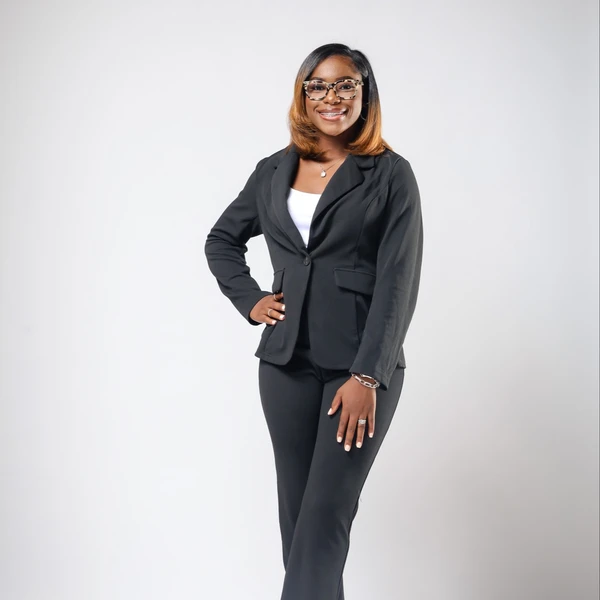
Gender
Female
Ethnicity
Black/African
Religion
Christian
Church
Nondenominational
Hobbies and interests
Dance
Cooking
Cheerleading
Singing
Reading
Reading
Action
Academic
Christianity
Romance
I read books multiple times per month
US CITIZENSHIP
US Citizen
LOW INCOME STUDENT
Yes
FIRST GENERATION STUDENT
Yes
Jonesh Johnson
1x
Nominee2x
Finalist2x
WinnerJonesh Johnson
1x
Nominee2x
Finalist2x
WinnerBio
My name is Jonesh Johnson, and I am an 18-year-old freshman at Kennesaw State University. I am a proud Christian who values faith, education, and perseverance. Beginning my college journey has been an exciting step toward building a strong foundation for my future. I am passionate about personal growth, learning new things, and using my education to make a positive impact on others. My faith plays a major role in guiding my goals and shaping the way I approach both challenges and opportunities in life.
Education
Kennesaw State University
Bachelor's degree programMajors:
- Education, Other
Minors:
- Second Language Learning
Hardaway High School
High SchoolGPA:
4
Miscellaneous
Desired degree level:
Master's degree program
Graduate schools of interest:
Transfer schools of interest:
Majors of interest:
- Education, General
- Education, Other
Career
Dream career field:
Education
Dream career goals:
teacher or principal
Sports
Cheerleading
Varsity2015 – 20249 years
Dancing
Varsity2022 – Present4 years
Research
Education, General
Researcher2023 – Present
Public services
Volunteering
DECA — Student Teacher2021 – 2023Volunteering
FCCLA — Volunteering in elementary schools2023 – 2025
Future Interests
Advocacy
Volunteering
Philanthropy
Entrepreneurship
Goellner Public Education Scholarship
The prompt for this essay made me smile...I am tasked with sharing with this lovely reader my background, life experiences, and aspirations. This topic is something I could discuss at length, but I’ll try to keep it concise.
My name is Jonesh Johnson, an eighteen-year-old African-American girl, and the oldest of three children. I come from Haitian and Bahamian roots with a loving, but also troubled background. Let me explain. I struggled with stability in my younger years of life because my parents had gotten a divorce, and most of my adolescence was spent between states. This was caused by having to alternate breaks and spend months on end with one parent at a time. I didn’t realize how much my parents' decisions would affect me in the long run until just recently. Off to a rocky start, I had to make a decision at an early age about who I wanted to be. Going through and being exposed to so much as a child made me mature a lot earlier than I needed to, but it helped me to be a shield for my younger siblings. That is where my love for kids developed. I realized that I loved being their bandade and sheilding them from things I wish I was sheilded from. I am everything for them. Their counselor, teacher, tutor, and extra parent. This is my job as their big sister. So this is the foundation of the reason I want to teach.
Along with that, my love for learning has always been a staple in my life. I love school so much that summer camp was never a punishment because it was still a place I could learn. My outgoing personality made my peers and educators gravitate toward me. It makes me still feel loved to this day. I love helping others learn, and I strive to learn something new every day. Learning is the only place where nobody is expecting me to have every answer or be the solution to their problem, which is why I love it so much. To add to this, throughout high school, I was blessed with amazing educators who actually cared about me and pushed me to be the student I could be. School was my safe place, and having teachers like them made me want to be that for someone else’s child. Throughout high school, I have been blessed and fortunate enough to get experience through internships and externship opportunities. I love the feeling of being someones child safe space. Someone they can turn to and rely on when they’re in need. During those experiences, I saw so much of myself in those children that I wanted to take them all home and nurture them. Those kids not only learn better when someone who actually cares is in the classroom, but they also start to mimic them. I saw that happen firsthand with me. The light in their eyes when I returned each time is what helped me solidify my desire to have a career in education.
Because of my background and life experieces my aspirations have shaped around them. I aspire to be an awesome, life changing eduator like my teachers were for me. I aspire to continue to learn myself so that I can always be providing the best education for future generations. Lastly, I aspire to have a school of my own one day, full of kids who are excited to come to school because of the community they have, no matter who they are. Thank you for taking the time to read my essay.
Brooks Martin Memorial Scholarship
Hello reader, my name is Jonesh Johnson, and I am a 1st-year undergraduate student at Kennesaw State University. I am a first-generation college student, so my goal is not only to cultivate a successful life for myself, but also to make my family and loved ones, who I have lost, proud. My major is elementary education, and the reason I chose to become an educator because I know firsthand how fragile little children can be at that age. Especially when dealing with loss at that age, as I did.
When I was in middle school, I had my first catastrophic loss. I lost my great-grandmother. When she passed, it was such a pivotal moment for me because no one had ever taught me how to deal with the heavy emotions that come with grief. I remember coming home from school on a friday evening, happy and filled with the carelessness of being a kid, and then the news was broken to me. My mother called me from work and told me, “Don’t freak out when I tell you this... but your granny has just passed”. Being a kid, I didn’t really understand what those words meant until my dad called and told me the four-letter word. Dead... in that moment, I became so shaken up and filled with despair, I didn’t know what to do with myself. I couldn’t believe it. So much so that I took my other grandmother's keys and tried to take a joy ride to Florida myself. I remember telling myself that this couldn’t be true, and as tears filled my eyes, all I could remeber is crashing the car. That whole day was filled with chaos and hurt. As I grew older, I realized that grief never really goes away; it just gets easier.
I’ve realized now that grief can be a beautiful thing if you process it correctly. Me loosing my grandmother and others who were important to me made me realize that we are all on borrowed time, and it matters what we decide to do with it. From the time I entered middle school, my grandmother's loss had shaped me to be resilient and driven like she was. Everything I do now is for the benefit of my family. My grandma always used to call me the “chosen one.”She would brush my hair and sing to me in that soft voice, always reminding me of who I was. Now I cherish those memories and remember all the stories she used to tell me and use them as fuel to keep going everyday. The loss of her is a constant reminder to love and cherish the ones that are still with me unconditionally, even when things aren’t always the best.
She inspired me to put my best foot forward always and to never look like what I go through. I carry my grandma Gwen’s strength on my back and her resilience like a sword. Her faith in God and her fiesty attitude is a constant reminder to not be a pushover and to work with what I’m given without complaining.
My view of the world was not only influenced by her, but also by the people in my family. Grief can be an evil thing if you allow it to be, but I’ve learned to embrace it for what it is. I know that she would want me to keep persevering. If there are any candidates that you all should consider for this scholarship, it's me. I promise to continue my hard work. Thank you for taking the time to read my essay.
Bick First Generation Scholarship
Being a first-generation college student means being the first to take a step into something brand new for my family. It means carrying my mom’s dreams, my grandmother’s prayers, and my own determination all at once. For me, it’s not just about getting a degree—it’s about breaking barriers and making sure the sacrifices my family made weren’t in vain.
Growing up in a single-parent, low-income household taught me early on that nothing comes easy. My mom worked long hours just to keep a roof over our heads and food on the table, and watching her struggle made me want to work even harder. College always felt like something far away something other people did. Now that I’m here, I remind myself every day that I’m living a dream that once felt impossible.
My first semester was tough. Between classes, homesickness, and figuring everything out on my own, I definitely had moments where I doubted myself. But I pushed through, made the Dean’s List my first semester, and proved that I belong here. Even while managing school, I still take care of my 80-year-old grandmother back home. I handle her bills, talk with her doctors, and serve as her power of attorney. It’s a lot to balance, but I do it because she’s always been there for me and she’s one of the biggest reasons I’m chasing my goals.
I’m majoring in elementary education because I want to make an impact the same way my favorite teachers did for me. I know what it feels like to be the student who doesn’t fit in or the one who struggles quietly. I want to be the teacher who notices, who encourages, and who helps kids believe in themselves no matter what’s happening at home.
What drives me most is my family and the thought of creating a better life for all of us. I want to show my younger relatives that it’s possible to finish college, even when life gets hard. This scholarship would help me worry less about money and focus more on learning, teaching, and giving back. It would bring me closer to becoming the teacher I’ve always wanted to be and to turning all my family’s challenges into something they can be proud of.
Phoenix Opportunity Award
Being the first in my family to attend college has fundamentally shaped my goals and my approach to the future. Coming from a low-income, single-parent background, I have witnessed the challenges that arise when access to education and opportunity is limited, and this fuels my determination to create a better life for myself and my loved ones. Carrying my family’s hopes feels like both a privilege and a responsibility I want to succeed not just for myself but to show my family and others in my community what is possible.
This journey has not been easy. Navigating financial aid forms, balancing academics with part-time work, and facing moments of doubt without a family blueprint can be overwhelming. However, these challenges have given me resilience, independence, and problem-solving skills that shape my daily life and long-term ambitions. My dream of becoming an elementary school teacher is directly tied to the struggles and victories of my upbringing; I want to inspire and empower children from backgrounds like mine to believe in themselves and pursue their goals.
Ultimately, being a first-generation college student drives me to offer support to others, push through obstacles, and set a new standard for future generations. My story is about more than breaking barriers for myself, it’s about creating a legacy where education and hope are possible for everyone in my family and beyond.
Lotus Scholarship
Growing up in a single-parent, low-income household has significantly shaped my journey and taught me what it truly means to persevere through adversity. I remember watching my mother make countless sacrifices, working long hours, and creatively stretching every dollar to ensure our family’s basic needs were met. Witnessing her resilience inspired me to develop a strong sense of determination and resourcefulness from an early age. Because we often had little to spare, I learned how to make the most of my circumstances and appreciate opportunities when they came my way. These experiences not only built my character but also made me passionate about turning hardship into hope for myself and others.
My pursuit of higher education has been marked by a series of challenges that tested my patience, discipline, and resolve. As a first-generation college student, I navigated university life without a roadmap, balancing academics, part-time work, and caring for my family. Financial hardship meant constantly seeking scholarships and creative solutions just to afford tuition and basic supplies. At times, I questioned whether my efforts would pay off, but every obstacle strengthened my belief that perseverance can overcome any circumstance.
My life experience informs my mission to make a positive impact on my community and the world. I am actively working towards becoming an elementary school teacher, with the goal of creating an inclusive and nurturing environment for underprivileged children. I want every student who walks into my classroom to know that their background does not define their potential, and that someone believes in their ability to succeed.
To reach these goals, I participate in leadership activities, volunteer with community organizations, and research ways to better support first-generation and low-income students. Earning scholarships relieves financial stress so I can focus on academic achievement and service work in my community.
Liz & Wayne Matson Jr. Caregiver Scholarship
My caregiving experience has profoundly shaped my goals, journey, and identity. Even though I am now in college pursuing my education, I still bear the responsibility of caring for my grandmother, who is 80 years old. Despite the distance that separates us, my commitment to her remains unwavering. I handle her bills, engage in conversations with her doctors, and serve as her power of attorney, ensuring her health and financial needs are met with diligence and compassion. This has taught me that no distance can stop you from caring for the people you truly love because there's always a way to make something you really want to do happen.
This ongoing responsibility has not only strengthened my sense of duty and resilience but has also deepened my understanding of what it means to truly care for someone. Caring for my grandmother has taught me patience, empathy, and the importance of family. It has made me realize that caregiving is more than a duty; it is a vital part of my identity and purpose. It helped me to realize that caregiving is not to reap any rewards, but to actually show someone you care about their well being.
My grandmother is the reason why my college education is so important to me. She has sacrificed so much for our family, and her strength and perseverance inspire me every day to push forward, even when faced with academic challenges or personal obstacles. The sacrifices she made and continues to make motivate me to succeed and to honor her sacrifices through my achievements.
Balancing college and caregiving has been demanding but also incredibly rewarding. It has shaped my goals to not only succeed academically but also to develop into a compassionate individual who understands the importance of giving back. In many ways, my journey has been about carrying forward her legacy of resilience and caring for others.
Ultimately, my caregiving experience has become a cornerstone of my identity. It has reinforced my purpose and has driven me to foster a future where I can continue to care for my loved ones while pursuing my ambitions. It reminds me that no matter how far I go academically or professionally, my roots in caregiving and family will always be at the heart of who I am. So because of my dear granny Rosie Lee I will continue to strive for excellence in all that I do because I know that what she wants and that she is so proud of me and my accomplishments thus far.
Nabi Nicole Grant Memorial Scholarship
My name is Jonesh Johnson, and I am an 18-year-old elementary education major at Kennesaw State University. As the oldest child in a single-parent home, I faced challenges beyond my years. Growing up fast, I was exposed to hardships that no child should bear. Though raised in a religious family, it wasn’t until I personally encountered God that my life truly changed.
In high school, I was the model student straight A’s, involved in clubs, and never in trouble. But something was missing. After my father left, I sought love and validation in the wrong places. I entered a relationship with a boy who didn’t love me like Christ does. He made me doubt my worth, pressured me to give up my innocence, and used me for what I had. Behind the smile and perfect grades, I was battling depression, exhaustion from working to support my mom, and a deep sense of loneliness.
At my lowest, I faced the question of whether college was even possible for me. The voices of self-doubt and despair nearly convinced me to give up. But then I turned to God. I prayed, and through His grace, I found my identity and strength in Christ. My relationship with Him gave me the courage to rise above my past and the toxic relationship that nearly destroyed me.
When I arrived at Kennesaw State, new challenges awaited. I was confronted with a $3,000 tuition balance that seemed impossible to pay. I prayed and fasted for God’s provision. Within 24 hours, over $2,900 was applied to my account, leaving only $230 to cover out of pocket. That moment reinforced to me that when we place our faith in God, He makes a way where there seems to be none.
Today, I am a new creation in Christ, relying on faith daily as I navigate college life and build a community that reflects who I want to be. Though it’s not always easy to find my place, especially when others remind me of where I came from, I hold fast to the truth that God has already brought me this far and He will continue to guide each step.
My story is one of transformation of moving from brokenness to wholeness, from doubt to faith, and from fear to hope. Through God’s unwavering love and provision, I am becoming the woman I was always meant to be, ready to inspire and educate the next generation.
Sunni E. Fagan Memorial Music Scholarship
My passion for music is rooted in its lifelong role as a source of connection, emotional expression, and optimism, qualities that have sustained me, especially as a first-generation college student from a low-income family. Growing up, music was always present, whether it was playing quietly in the background while my family cooked dinner or filling my headphones on stressful walks home. Its ability to uplift and unite people became especially meaningful during my first semester of college, when I faced intense academic and financial challenges. From these moments, I learned that music is not just a bunch of sounds; it is a tool for healing, self-discovery, and building resilience.
Whether participating in structured school ensembles or losing myself in old-school R&B and gospel at home, I consistently found that music nurtured my confidence and sense of belonging. These experiences demonstrated to me the transformative power that music holds, especially for young people navigating difficult circumstances or searching for creative outlets. Music has equipped me with coping mechanisms, strengthened my self-esteem, and empowered me to persist in my studies despite significant obstacles.
Looking ahead, I am deeply committed to giving back to the youth by harnessing these transformative elements of music in my future career. My aspiration is to become an elementary school teacher who actively integrates music into classroom activities and learning objectives. I envision developing interdisciplinary projects where students compose original songs that reflect their lived experiences and cultural backgrounds, followed by performances that foster dialogue, collaboration, and mutual respect. These activities will not only inspire creativity and self-worth but will also help children build communication and social skills at a foundational stage in their development. I also plan to establish after-school programs and mentorship opportunities centered on music, providing a supportive environment for students who may lack access to creative resources outside of school.
Ultimately, my goal is to empower children to use music as a medium for storytelling, community-building, and self-advocacy. I am dedicated to giving back because music has profoundly shaped my life, and I want every young person to feel seen, valued, and inspired through the art form that gave me strength, purpose, and joy. My passion for music is rooted in its lifelong role as a source of connection, emotional expression, and optimism, qualities that have sustained me, especially as a first-generation college student from a low-income family. Its ability to uplift and unite people became especially meaningful during my first semester of college, when intense academic and financial challenges made it easy to feel isolated.
Xavier M. Monroe Heart of Gold Memorial Scholarship
Growing up as a first-generation college student raised by a single mother in a predominantly white neighborhood as a young black woman shaped my journey in complex ways. My mother made countless sacrifices, choosing a neighborhood she believed would open doors for my future, even though it meant facing social isolation and economic hardship as a minority family. Her dedication to providing me with opportunities motivated me to always aim higher and never settle, even when circumstances made that difficult.
Despite her good intentions, living in an environment where people did not understand our background often resulted in subtle and overt discrimination. Teachers and peers repeatedly underestimated my abilities, sometimes “dumbing things down” as if being less educated was a foregone conclusion. On other occasions, when I worked hard and excelled in school, they talked down to me or spread rumors, leading to moments where I felt unwanted and unworthy. The bullying I endured was relentless; my identity marked me as an outsider, no matter how much I tried to fit in or prove my value.
There were times I genuinely wondered if I was failing not only academically but as a person because of how others treated me. The constant negative feedback made me question my potential and my place in the world. However, my mother’s unwavering support grounded me. She always told me I could do anything I set my mind to. She encouraged me to rise above their assumptions, and her belief in me became my driving force. Over time, I learned that their opinions didn’t define my abilities or self-worth. Instead, my perseverance and resilience became my greatest tools, not just for surviving adversity but for growing from it.
The lessons I learned from these experiences led me to choose education as my career. I want to be the kind of teacher who sees the unseen who makes sure every student, whatever their background or look, knows that they belong and that their ideas matter. I know firsthand how isolating and painful bullying and discrimination can be, especially when authority figures ignore or enable it. My goal is to foster a classroom where students feel safe to be themselves and know their strengths are valued. By sharing my story and supporting my students, I hope to break cycles of bias and help every child recognize that their differences are a source of strength, not a reason for exclusion.
Ultimately, facing discrimination and bullying did not break me it shaped my empathy, my work ethic, and my calling. My setbacks became the fuel for my success, and today, I am determined to help all my future students realize that they, too, can overcome any obstacle.
Linda Hicks Memorial Scholarship
Throughout my life, I have witnessed multiple abusive relationships in my family and community, but the one that stands out most powerfully is the relationship between my grandmother and her ex-partner. Their relationship was marked not only by emotional and physical abuse, but also by his dependence on cocaine. The turbulence of those years shaped my understanding of the ways that domestic violence and substance abuse combine to create cycles of pain, fear, and instability effects that stretch far beyond those directly involved and impact families for generations.
I remember how my grandmother tried to hold our family together while navigating the chaos that substance misuse brought into her home. Far from receiving the help she needed, she endured feelings of shame and isolation. For African American women like my grandmother, these issues are compounded by social stigma, systemic racism, and limited access to culturally competent resources. Studies show that more than 40% of Black women will experience domestic violence during their lifetimes, with even higher rates among women who have been exposed to substance abuse or are involved in the criminal legal system. The trauma is often intergenerational women are more likely to use substances themselves or face child welfare interventions if this cycle is not broken.
These experiences have had a profound effect on my personal and academic goals. I have seen firsthand how important it is to have strong support networks, trauma-informed care, and services tailored to the unique challenges faced by African American women. My grandmother’s resilience showed me the importance of giving voice to survivors, breaking the silence in communities, and making sure no one feels ashamed to seek help.
As I pursue higher education, I am driven to become an advocate for more effective care, improved coordination between health and social services, and communication that empowers families. My educational journey is not only about obtaining knowledge but also about creating change ensuring that survivor-centered systems are available and accessible, promoting trauma-informed practices, and working to overcome the barriers African American women so often encounter. I hope to foster partnerships between hospitals, clinics, schools, and grassroots organizations so that those impacted by domestic violence and substance abuse can find the help they need without shame or fear. By prioritizing culturally competent care and interdisciplinary communication, my goal is to help build safer, healthier futures for families like my own.
The legacy of what my grandmother endured and overcame is a central motivation for me. It inspires my commitment to shine a light on these issues, amplify the voices of survivors, and advocate for policies and programs that will make a lasting difference.
Live From Snack Time Scholarship
While applying for this essay, I was asked, 'How are you planning to support childhood development?' and the answer to me is clear. It is by being the best educator I can be. Fostering children's love for learning is something that I feel will have a substantial impact on childhood development. While I was in school, grades K-12, I always remembered the teachers who made me love learning and made school worth going to. I was drawn in by their charisma and passion for being there for their students, not just for a paycheck. That then inspired me to become an educator.
In high school, I had the pleasure of many internships and one externship in Atlanta to teach and observe students and their teachers. When I observed classes that were full of passion and excitement, it was because the teacher took the time to accommodate his/her students' needs. So, to answer your question, I am going to support early childhood development by being the educator who makes a difference in her school.
While educating, I also plan to tutor young children who may not have the resources they need to be successful at home. I plan to take the initiative to make sure that I am well prepared for what each day in a classroom may bring. I am willing to make sure my students are okay physically and emotionally before I give them a task that may break them. At the end of the day, I feel like it is important to remember that children are people too, and we all have bad days. So being able to prepare for those days where my students aren't feeling it and being able to bring them out of that is a great way to support early childhood development.
To go a step further, I decided to study psychology as a minor in college to better equip myself for life in my future career. Learning how children's minds work will help me be better prepared for my students. Knowing how their minds work allows me to come up with lesson plans and activities that accommodate everyone and not a select few. Most importantly, I will always keep in mind that they are children and that they all are on a different trajectory. So that makes my job as an educator even more important. All in all, I plan to support early childhood development by making sure that I am best equipped for my future classroom, being emotionally available, and understanding towards my students to be able to help them in the best way that I know how.
Reimagining Education Scholarship
As someone who aspires to be an educator in the future, I think the best part about being a student is learning from yourself along the way. As we get older, the way we know changes, our interests change, and the way we socialize with others changes drastically. If you know like I know, school is the place for self-discovery. So why not have a class based on just that?
My required class would be based on students learning more about themselves with the help of trusted and psychology-trained educators who can help them understand their minds and their changes. The class would be filled with tools and technologies that would allow students to foster their way of thinking. Along with that, they will have the help of their peers and educators to help with their journeys. Finding who you are and what you like starts at a very young age, and the pressures of society can impact that in many ways. Which is where my class would come into play.
The impact this class could have is likely to be profoundly positive. By encouraging students to engage in activities that resonate with their individual learning styles and interests, we create an atmosphere that honors and respects personal differences. The class would serve as a sanctuary, alleviating some of the immense pressures students face daily, allowing them to explore their identities freely and without the weight of judgment. The importance of creating a safe environment where students feel secure in their exploration cannot be overstated.
In today’s schools, resources like this exist, but they are not always accessible to all students, which is why my class would have such a significant impact. Reflecting on my own experiences, I often wished for teachers who tailored their approach to suit my learning style and that of my peers. Unfortunately, educators often feel compelled to adopt methods that they believe serve the general population, which comprises students with vastly different needs and backgrounds.
Ultimately, I am confident that introducing my class would lead to a positive shift in our school environment one that champions inclusivity and personal growth. This approach could serve as a model for others, showing the profound effects of education that extend beyond traditional academics and foster a more compassionate society.As they dive deeper into their subjects, they will develop a greater sense of ownership over their learning. This empowerment can lead to increased motivation and a more profound understanding of the material. Ultimately, my goal is to cultivate a supportive community where each student feels valued, respected, and inspired.
TRAM Purple Phoenix Scholarship
Education is one of the most powerful tools we have to reduce intimate partner violence in our communities. As an elementary educator, I believe that teaching children about healthy relationships, boundaries, and how to seek help is essential in breaking the cycle of violence before it begins. Early intervention through education can shape children’s understanding of respect, empathy, and personal safety, laying the groundwork for healthier relationships throughout their lives.
First, by introducing concepts like kindness, respect, and communication in the classroom, I can help students recognize what positive relationships look like. Activities that encourage teamwork, listening, and expressing feelings in appropriate ways foster emotional intelligence and self-awareness. These are critical skills that help children set boundaries and understand when those boundaries are being crossed.
Teaching about boundaries is especially important. Many children may not realize that it’s okay to say “no” or to tell an adult if something makes them uncomfortable. Through age-appropriate discussions, stories, and role-playing, I can empower students to recognize their feelings and assert their right to personal space and safety. This not only helps prevent bullying and peer aggression but also gives children the language and confidence to speak up about unhealthy situations at home or elsewhere.
Reporting unhealthy or unsafe situations is another key area. I plan to create a classroom environment where students feel safe and supported. By building trust and making it clear that their voices matter, I hope to encourage children to come forward if they witness or experience something troubling. I will teach them the difference between safe and unsafe secrets, and provide clear steps for how to seek help—whether it’s talking to me, another trusted adult, or using school resources.
My personal experiences have shown me the importance of having supportive adults and open communication. I want to be that supportive figure for my students. My goal is to use my degree not just to teach academic content, but to nurture the whole child. By modeling healthy relationships and providing guidance, I can help students develop the skills and confidence they need to build positive relationships in their own lives.
In summary, education is crucial in preventing intimate partner violence. By teaching children about healthy relationships, boundaries, and how to report concerns, I hope to empower them to make safe choices and contribute to a culture of respect and non-violence. Through my work, I aspire to create lasting positive change for my students and the wider community.
Teaching Like Teri Scholarship
The first day I volunteered at a local elementary school, I didn’t know it would spark a passion that would shape my future. I walked in with a mix of excitement and nervousness, not sure what to expect. As I helped in the classroom—assisting students with reading, explaining math problems, and organizing activities—I saw firsthand the impact a teacher can have. I noticed how the students’ faces lit up when they finally understood something, and how they looked to me with curiosity and trust. I realized, in that moment, that I wanted to be the person to guide and inspire them every day. It was more than just helping out for a few hours; it was about building connections and fostering growth.
I grew up surrounded by strong examples of teaching in my family. My grandmother, my aunt, and my cousin all chose this profession. I often saw them grading papers late into the night or crafting creative lesson plans. More importantly, I saw the deep joy they felt when their students succeeded. Their stories of challenging moments and rewarding breakthroughs were shared at family dinners, and over time, I came to understand that teaching is not just a job; it’s a commitment to shaping young minds and a community.
In addition to strong examples in my family, I had a first hand experience with a teacher who changed my life and inspired me to go above and beyond. My teacher Ms.Jackson is someone who also made me want to be that amazing teacher for someone else's kid like she was for me. Everytime I mention school I can’t do it without mentioning her which is why I want to have that same type of impact.
Their advice helped me recognize the depth and dedication it takes to be an effective teacher. They encouraged me to embrace patience, creativity, and empathy—qualities I saw in them and wanted to develop in myself. Each of them taught in different settings and faced their own challenges, but they all had one thing in common: a passion for their students' growth. It was through their guidance that I saw teaching as not just a career, but a mission.
When I returned to volunteer week after week, the idea of becoming a teacher solidified. I wasn’t just helping kids with homework or guiding them through activities; I was watching them grow in confidence and ability. I realized that teaching isn’t about standing at the front of the room delivering information—it’s about being a mentor, a listener, and a supporter. It’s about seeing potential in every student and helping them unlock it.
I carry with me the lessons I learned from both my time volunteering and the wisdom shared by my family and teachers . They’ve shown me that teaching is a powerful tool for change, and I am eager to take on the responsibility of nurturing and guiding future generations. Volunteering gave me a glimpse into the kind of teacher I want to be: one who believes in each student’s potential and works to help them achieve it. It’s a mission that began in an elementary school classroom, and one I’m ready to pursue for the rest of my life.
Constance W. Thompson Empowerment Scholarship
Empowering women and advancing gender equality are causes that I hold close to my heart, both personally and as an African American woman. My dedication to these issues comes from my own experiences and a deep belief in fairness and opportunity for all. Growing up, I saw firsthand the challenges that women, especially women of color, face in my family and community. Whether it was being overlooked in the workplace, struggling to balance family and career, or not having their voices heard in important decisions, these experiences opened my eyes to the barriers that still exist for women today. They have motivated me to become part of the solution.
I am dedicated to empowering women because I believe that when women succeed, families and communities thrive. As an African American woman, I know how powerful it is to see someone who looks like you succeed and lead. Representation matters, and I want to be that example for other young women and girls. Women bring unique perspectives, skills, and strengths to every area of life, from the workplace to the home to positions of leadership. Yet, too often, our potential goes untapped due to outdated stereotypes, lack of resources, or limited access to education and opportunities. I want to help change that. I want to be someone who lifts others up, encourages women to pursue their goals, and helps break down the barriers that hold them back.
My career goal is to work in education and community development, with a special focus on programs that support girls and women. I plan to become an educator and eventually take on leadership roles in organizations that promote gender equality. I believe education is one of the most powerful tools for change. By teaching girls and young women to believe in themselves, think critically, and pursue their dreams, I can help create a future where their voices are valued and their contributions are recognized.
More than anything, I want to be someone who is remembered in the field of education—not just for my work in the classroom, but for the positive impact I make on the lives of my students and my community. I hope to inspire others, especially young African American girls, to continue the work of empowering women and advancing equality long after my own career is over.
To make a difference, I plan to serve as a positive role model and mentor, create safe spaces for girls, and develop programs that teach important life skills such as leadership, financial literacy, and self-advocacy. I also want to advocate for policies that support women’s rights, like equal pay and access to quality healthcare.
Ultimately, I am committed to using my education, my voice, and my actions to advance the cause of women’s empowerment. I hope to leave a legacy in education that inspires others and makes a lasting difference.
Aserina Hill Memorial Scholarship
WinnerMy name is Jonesh Johnson, and I have a passion for making a positive impact in my community. I am part of Delta Gems, FCCLA, DECA, and the Spanish Honor Society. These organizations have taught me important skills in leadership, teamwork, and academic excellence. Besides these activities, I also love dancing and cheering. I often compete in dance and cheer competitions, showing my dedication and hard work.
However, my true dream is to become a teacher. I believe education can change lives, especially in low-income communities where resources are often limited. I want to help young students reach their full potential and create opportunities for themselves through education.
To support this mission, I already volunteer at three elementary schools as a “Literacy Leader.” In this role, I work with young students to help them improve their reading and writing skills. This experience has shown me firsthand the impact that dedicated support and resources can have on a child's educational journey.
Building on this experience, I plan to start a charity focused on improving literacy rates in underserved areas. The charity would offer various services to help people improve their reading and writing skills. We would provide free tutoring sessions, donate books, and hold literacy workshops for different age groups. By working with local schools, libraries, and community centers, we can create a strong support network for those who need it most.
Additionally, we would host community events and reading circles to foster a culture of literacy and learning. These events would encourage families to engage with reading and make it a regular part of their lives. We would also provide resources for parents, offering guidance on how to support their children's literacy development at home.
The main goal of my charity is to give people the tools they need to succeed in school and life. Personalized tutoring sessions would cater to the specific needs of each learner, ensuring they get the guidance and attention they need to improve their literacy skills. Our book donation program would aim to build home libraries, encouraging a love for reading and lifelong learning.
In addition, our literacy workshops would engage both children and adults. These workshops would offer practical tips and techniques to enhance reading comprehension and writing abilities. By focusing on low-income communities, my charity would help bridge the gap in educational resources and support, creating a brighter future for everyone involved.
Through my charity, I hope to inspire others to value education and take steps to improve their own literacy skills. I am committed to making a difference and believe that by working together, we can create lasting change in our communities. With dedication and passion, I am confident that we can achieve our goal of improving literacy rates and providing more opportunities for success.